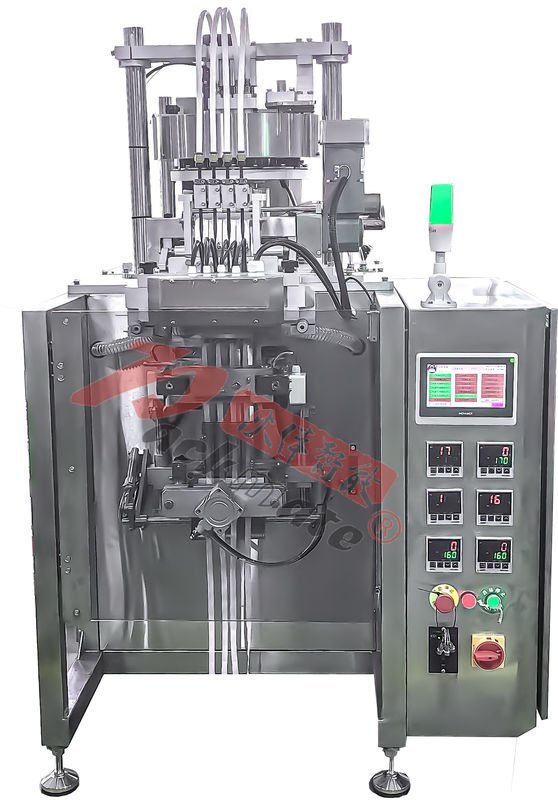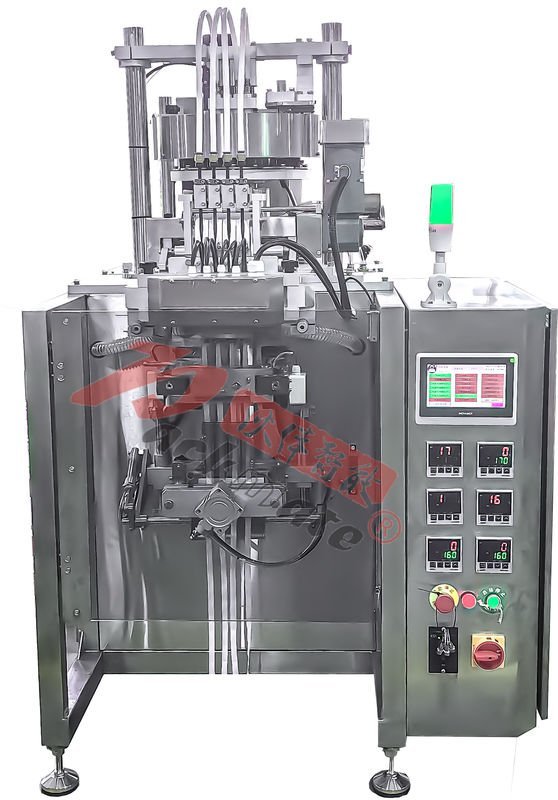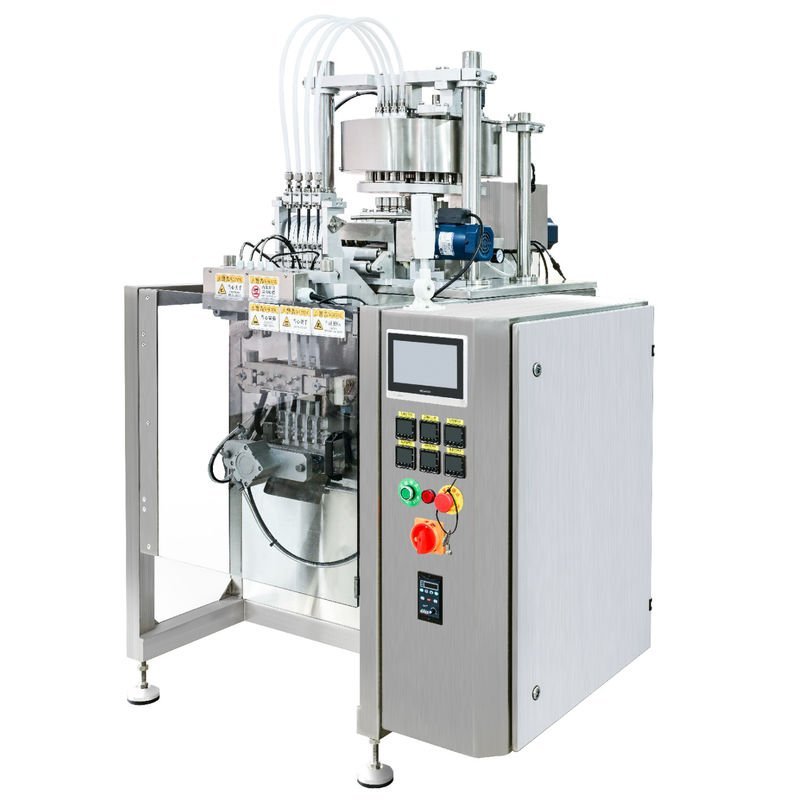
Selecting the right rice packaging machine is a critical decision for any business in the food industry, from large-scale mills to specialty organic producers. An efficient, reliable automatic packaging solution not only safeguards product quality and hygiene but also dramatically boosts production speed, reduces labor costs, and ensures consistent, attractive packaging that meets market standards. This comprehensive guide will walk you through the different types of machines, their key features, and the essential factors to consider when choosing the best system for your specific needs.
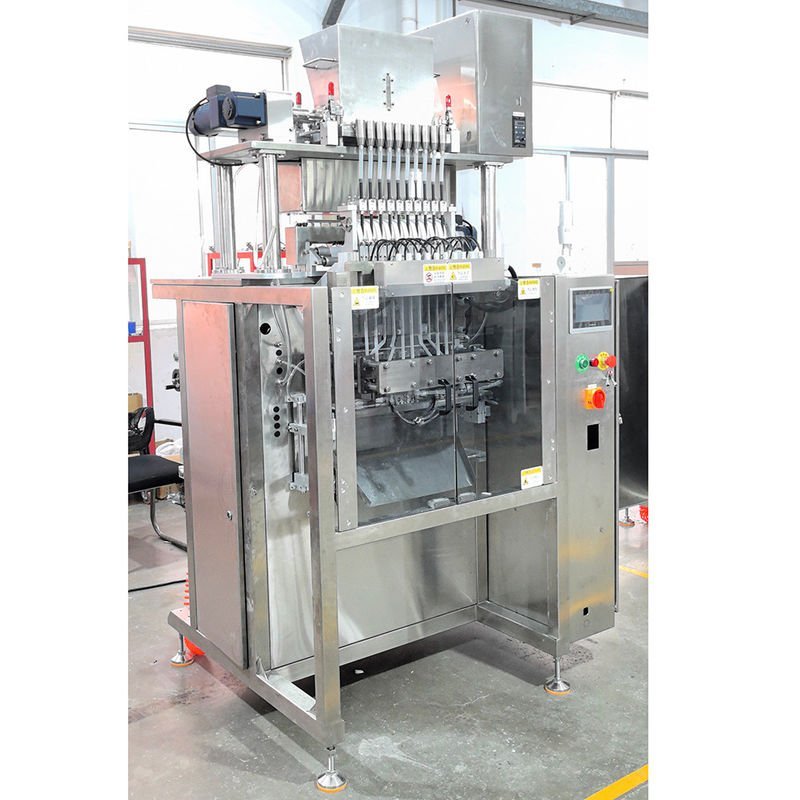
Understanding the Different Types of Rice Packaging Machines
The packaging process for rice can vary greatly depending on the desired bag type, weight range, and production volume. Here are the primary machine categories you will encounter.
1. Vertical Form-Fill-Seal (VFFS) Machines
These are the most common and versatile machines for granular products like rice. They form the packaging bag from a roll of film, fill it with a pre-measured amount of product, and then seal it—all in one continuous, vertical operation. VFFS machines are ideal for producing pillow bags or gusseted bags in various sizes, from small 1kg retail bags to larger 5kg or 10kg bags. They are highly efficient for medium to high-volume production lines.
2. Pre-Made Bag Packaging Machines
This system uses bags that are already formed, often with higher-quality printing and more complex structures (like stand-up pouches or Doypack bags). The machine automatically opens the bag, fills it with rice, and then seals it. This method is perfect for premium rice brands that require distinctive, shelf-ready packaging with excellent graphical impact. While slightly slower than VFFS, it offers superior bag presentation.
3. Multi-Weigher Combined Systems
For high-speed packaging of rice into small bags (e.g., 500g or 1kg), a combination of a multi-head weigher and a VFFS machine is the industry standard. The multi-head weigher uses multiple weighing buckets to achieve extremely fast and accurate weight measurements, which are then discharged into the waiting bags on the VFFS machine. This system is the backbone of large-scale rice packaging operations, maximizing both speed and accuracy.
4. Bulk Weighing and Bagging Lines
For packaging rice into large sacks (20kg, 25kg, or 50kg), a bulk weighing system is used. This typically involves a large-capacity weighing hopper that fills an open-mouth bag, which is then either sewn or heat-sealed. These lines often include automated bag placers, conveyor systems, and palletizers for handling heavy sacks.
Key Takeaway:
Your choice between a VFFS system and a pre-made bag system often comes down to volume versus packaging quality. For high-volume, cost-effective standard bags, choose VFFS. For premium, graphically complex packaging at slightly lower speeds, a pre-made bag machine is superior. Explore our range of Bag & Pouch Packaging Machines to see the options.
Essential Features of a Modern Automatic Rice Packager
Beyond the basic type, several advanced features define the capability, hygiene, and reliability of a modern rice packaging machine.
Precision Weighing Technology
Accuracy is non-negotiable. Look for machines equipped with high-precision load cells and stable weighing systems. Vibration-resistant technology and digital weight compensation are crucial for maintaining accuracy over long production runs, ensuring every bag meets legal trade standards and minimizes product giveaway.
Advanced Sealing Systems
The seal integrity is vital for preserving rice freshness and preventing spillage. Machines should offer robust heat sealing with precise temperature control. For certain applications, gas flushing systems (like nitrogen flushing) can be integrated before sealing to displace oxygen, significantly extending shelf life and preventing insect infestation.
User-Friendly HMI (Human-Machine Interface)
A clear, intuitive touchscreen control panel is essential. It should allow operators to easily set parameters (bag length, weight, sealing temperature), switch between product recipes, monitor production speed and counts, and access diagnostic information for quick troubleshooting.
Hygienic and Easy-Clean Design
Food-grade construction is a must. Machines should be made of stainless steel (304 or 316 grade) in all product contact areas. A design with minimal ledges, crevices, and easy-open panels facilitates thorough cleaning and prevents cross-contamination, which is critical for meeting global food safety standards like HACCP and FDA requirements.
Flexibility and Quick Changeover
If you package multiple rice varieties or bag sizes, the machine’s changeover time is critical. Features like tool-less adjustments for bag width and length, quick-change sealing jaws, and saved product recipes on the HMI can reduce downtime from hours to minutes, increasing overall equipment effectiveness (OEE).
How to Choose the Best Automatic Solution for Your Business
Making the right investment requires a careful evaluation of your current and future needs. Follow this step-by-step framework.
Step 1: Define Your Core Requirements
- Product Specifications: Type of rice (long-grain, basmati, jasmine, brown rice), grain size, and any special characteristics (oily, prone to dust).
- Packaging Specifications: Desired bag type (pillow bag, gusseted bag, stand-up pouch), bag material (OPP, PET/PE, woven PP), and bag size range.
- Production Speed: Required bags per minute (BPM) or tons per hour. Calculate based on your peak demand, not just average.
- Accuracy Requirement: Target weight range and legal tolerances for your market.
Step 2: Evaluate Machine Capabilities and Integration
Don’t buy a machine in isolation. Consider it as part of a complete packaging line. Will it need to integrate with existing checkweighers, metal detectors, coders, or conveyor systems? Ensure the machine supplier can provide or recommend compatible upstream and downstream equipment. For a complete line view, consider our Filling & Packaging Lines solutions.
Step 3: Assess Supplier Credibility and Support
The machine is only as good as the company behind it. A reputable supplier like Packmate (GuangDong) Co., Ltd. brings invaluable experience. Key factors to check:
- Industry Experience: Look for a proven track record in food and grain packaging.
- Technical Support: Availability of installation, training, and after-sales service. Ask about spare parts lead time.
- Customization Ability: Can they modify the machine to fit your unique factory layout or special process requirement?
- Quality Certifications: Do their machines carry CE, ISO, or other relevant certifications?
Step 4: Consider Total Cost of Ownership (TCO)
Look beyond the initial purchase price. Calculate the TCO, which includes:
✅ Energy consumption
✅ Maintenance costs and spare part pricing
✅ Expected machine lifespan and durability
✅ Potential for upgrades in the future
A slightly higher initial investment in a robust, energy-efficient machine from a reliable supplier often leads to much lower long-term costs and higher productivity. Reviewing real-world case studies can provide insight into operational performance.
Step 5: Request a Product Test
Always insist on a live product test using your actual rice and packaging material. This is the only way to verify the machine’s performance regarding speed, accuracy, sealing quality, and overall suitability. It also reveals any potential handling issues with your specific product.
Frequently Asked Questions (FAQs)
1. What is the typical speed range for an automatic rice packaging machine?
Speeds vary widely by machine type. A standard single-tube VFFS machine can package 30-60 bags per minute for 1kg-5kg bags. A high-speed system with a multi-head weigher and dual or multi-tube VFFS can achieve 80-150+ bags per minute for smaller bags. For large 25kg sacks, speeds are typically 4-10 bags per minute.
2. Can one machine handle different types of rice and bag sizes?
Yes, most modern machines are designed for flexibility. However, the ease and speed of changeover differ. Machines with digital servo drives and recipe memory allow for quick changeovers (often under 15-20 minutes) between different bag sizes and rice varieties, minimizing downtime.
3. How important is after-sales service when purchasing a packaging machine?
It is critically important. Even the best machines require maintenance, occasional spare parts, and technical support. A supplier with a strong global service network, like Packmate, ensures you have access to timely assistance, training, and genuine parts, which is vital for maintaining continuous production. Learn more about our commitment in Our Service section.
4. What are the key maintenance routines for a rice packager?
Daily cleaning of product contact parts is essential. Regular maintenance includes lubricating moving parts (with food-grade lubricant), checking and calibrating the weighing system, inspecting and cleaning sealing jaws, and ensuring all sensors are functioning correctly. Following the manufacturer’s maintenance schedule is key to longevity.
5. Are automatic rice packaging machines difficult to operate?
Modern machines with intuitive touchscreen HMIs are designed for ease of operation. Basic functions like starting, stopping, and monitoring are straightforward. Comprehensive training from the supplier is provided to ensure your operators can run the machine efficiently and perform basic troubleshooting. For more detailed queries, our FAQ page offers additional resources.