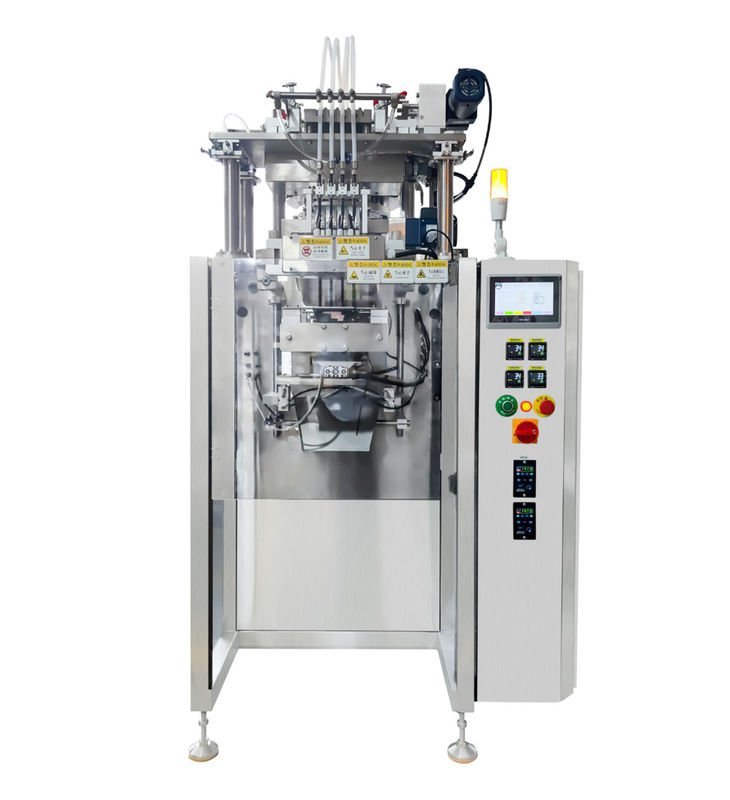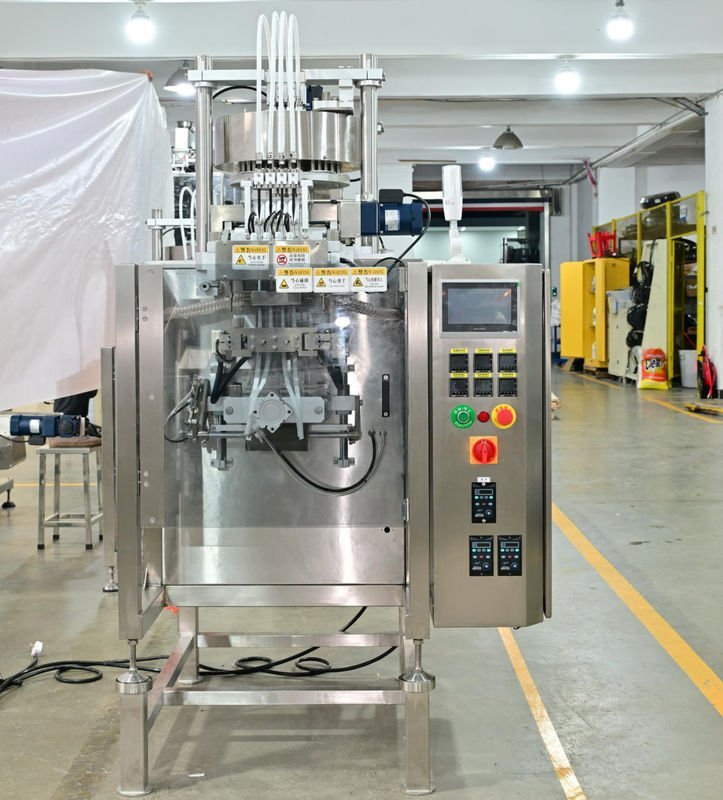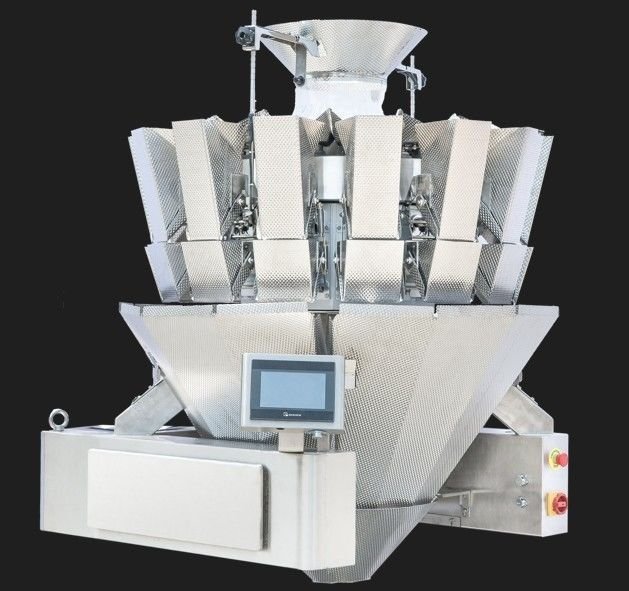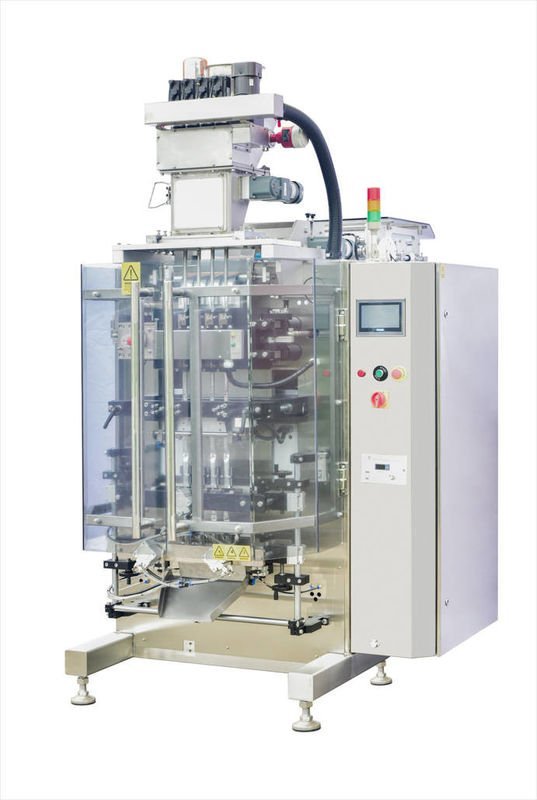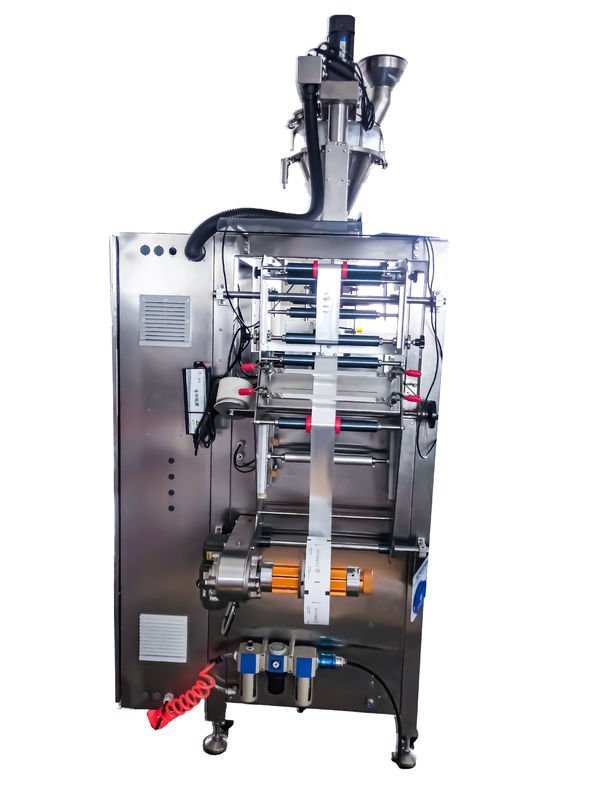
Selecting the right automatic sealing and packaging machine is a critical decision for businesses in the food and pharmaceutical sectors. The correct equipment not only ensures product integrity and extends shelf life but also significantly boosts production efficiency and brand reputation. This guide will walk you through the key factors to consider when choosing the best automatic sealer for your specific needs.
Understanding Your Core Packaging Requirements
Before diving into machine specifications, a thorough analysis of your own operation is essential. This foundational step prevents costly mismatches and ensures your investment delivers maximum value.
Product Characteristics
The nature of your product dictates the machine’s capabilities. For food items, consider factors like particle size (granules, powders), oil content, and fragility. Pharmaceutical products demand extreme precision and often require compliance with stringent cleanliness standards (e.g., GMP). Liquids, viscous pastes, and volatile substances each present unique challenges for filling and sealing.
Production Volume & Speed
Accurately assess your current and projected output. A machine’s speed, measured in packages per minute (PPM), must align with your production targets. Under-specifying leads to bottlenecks, while over-specifying results in unnecessary capital expenditure and higher operational costs.
Packaging Materials & Formats
The sealing mechanism must be compatible with your chosen packaging materials. Common films include laminates (PET/PE, PET/AL/PE), polypropylene, and polyethylene. The machine must also handle your desired package format, whether it’s flat pouches, stick packs, stand-up zipper bags, or vacuum-sealed packs.
Key Question to Ask:
What is the primary goal? Is it to increase throughput, improve seal integrity, reduce labor costs, or enable entry into a new product format? Defining this goal sharpens your search criteria.
Critical Technical Specifications to Evaluate
With your requirements clear, you can now effectively evaluate the technical aspects of potential machines.
Sealing Technology & Mechanism
The heart of the machine is its sealing system. The main types are:
- ▶ Heat Sealing (Impulse & Constant Heat): The most common method. Impulse sealing is excellent for poly bags, while constant heat is versatile for various laminates.
- ▶ Ultrasonic Sealing: Uses high-frequency vibrations to seal synthetic fabrics and films without heat, ideal for heat-sensitive products.
- ▶ Cold Sealing (Pressure-Sensitive): Relies on pre-coated adhesive films activated under pressure, perfect for extremely heat-sensitive items like chocolate.
Automation Level & Integration
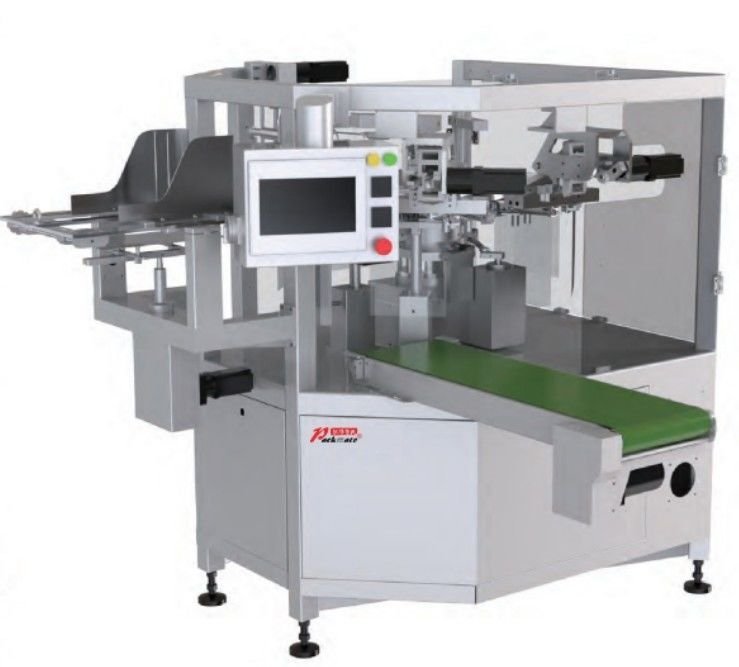
Automatic sealers range from semi-automatic (manual bag placement) to fully automatic systems integrated with upstream filling and downstream handling. For high-volume lines, a fully integrated packaging line is crucial. Consider machines with PLC control, HMI touchscreens, and connectivity for Industry 4.0 data collection.
Precision & Consistency
For pharmaceuticals and portion-controlled food items, precision is non-negotiable. Evaluate the machine’s filling accuracy (e.g., ±0.5-1% for powders) and seal consistency. Look for features like servo-driven motors for precise film feeding and temperature control systems with ±1°C accuracy.
Hygiene & Cleanability
This is paramount, especially for food and pharma. Machines should have a sanitary design: stainless steel contact parts (grade 304 or 316), smooth surfaces without crevices, and easy disassembly for cleaning. Machines for sterile applications may require CIP (Clean-in-Place) systems.
Industry-Specific Considerations
For Food Packaging
Beyond sealing, food packaging often requires additional functionalities. Machines may need to handle gas flushing (MAP – Modified Atmosphere Packaging) to extend freshness, or vacuum sealing for meats and cheeses. Resistance to frequent washdowns with water and detergents is also a critical feature.
For Pharmaceutical & Medical Packaging
Compliance is king. Equipment must be designed to meet GMP (Good Manufacturing Practice) guidelines and relevant pharmacopeia standards. Traceability, validation documentation (IQ/OQ/PQ), and the ability to handle specialized barrier films for moisture and oxygen protection are essential. For sensitive drugs, precision dosing and sealing in a controlled environment is critical.
The Supplier Factor: Beyond the Machine
Your relationship with the manufacturer is as important as the machine itself. A reputable supplier like Packmate (GuangDong) Co., Ltd., with decades of experience, offers immense value. Evaluate their after-sales service network, availability of spare parts, technical support, and training. Review their project case studies to see proven success in your industry.
Total Cost of Ownership (TCO) Analysis
The purchase price is just the initial investment. A wise buyer calculates the Total Cost of Ownership:
- Initial Cost: Machine price, shipping, and installation.
- Operational Cost: Energy consumption, compressed air usage, labor required, and consumables (like sealing wires or tapes).
- Maintenance Cost: Cost and availability of spare parts, recommended service intervals.
- Downtime Cost: Machine reliability and supplier response time directly impact lost production revenue.
A slightly more expensive but robust and reliable machine from a supportive supplier often has a lower TCO than a cheaper, less reliable alternative.
Making the Final Decision: Testing & Validation
Never buy based on specifications alone. Insist on a product sample test run using your actual packaging materials and a product simulant. Observe the machine in operation, assess the seal quality, measure speed and accuracy, and evaluate the user interface. This hands-on validation is the best way to ensure the machine meets your expectations.
Frequently Asked Questions (FAQs)
1. What is the main difference between a food and a pharmaceutical sealing machine?
While both require precision and hygiene, pharmaceutical machines are built to comply with strict regulatory standards (like GMP). They often feature higher-grade materials (e.g., 316L stainless steel), more rigorous validation protocols, and designs that prevent cross-contamination to a pharmaceutical level.
2. How do I know if I need a semi-automatic or fully automatic sealer?
This depends on your production volume and labor strategy. Semi-automatic machines are suitable for low to medium output (e.g., < 30 bags/minute) or for businesses with variable packaging needs. Fully automatic machines are necessary for high-volume, consistent production where maximizing throughput and minimizing labor costs are priorities.
3. Can one machine handle different bag sizes and materials?
Most modern automatic sealers are designed with quick-change features. You can often switch between different bag widths and lengths by changing the forming collar and adjusting settings on the HMI. However, switching between vastly different materials (e.g., from a laminate to a thick poly bag) may require changing the sealing jaw inserts or temperature profiles.
4. What maintenance does an automatic sealing machine require?
Regular maintenance is key to longevity. Daily tasks include cleaning dust and debris. Weekly or monthly tasks involve checking and cleaning sealing jaws, verifying temperature calibration, and lubricating moving parts as per the manufacturer’s manual. An annual professional service check is highly recommended.
5. How long does it typically take to install and commission a new automatic packaging line?
The timeline varies based on complexity. A standalone automatic sealer might be operational within a few days of delivery. A fully integrated weighing and packaging system could require 2-4 weeks for installation, mechanical setup, electrical connection, programming, and extensive testing and tuning with your product to achieve optimal performance.