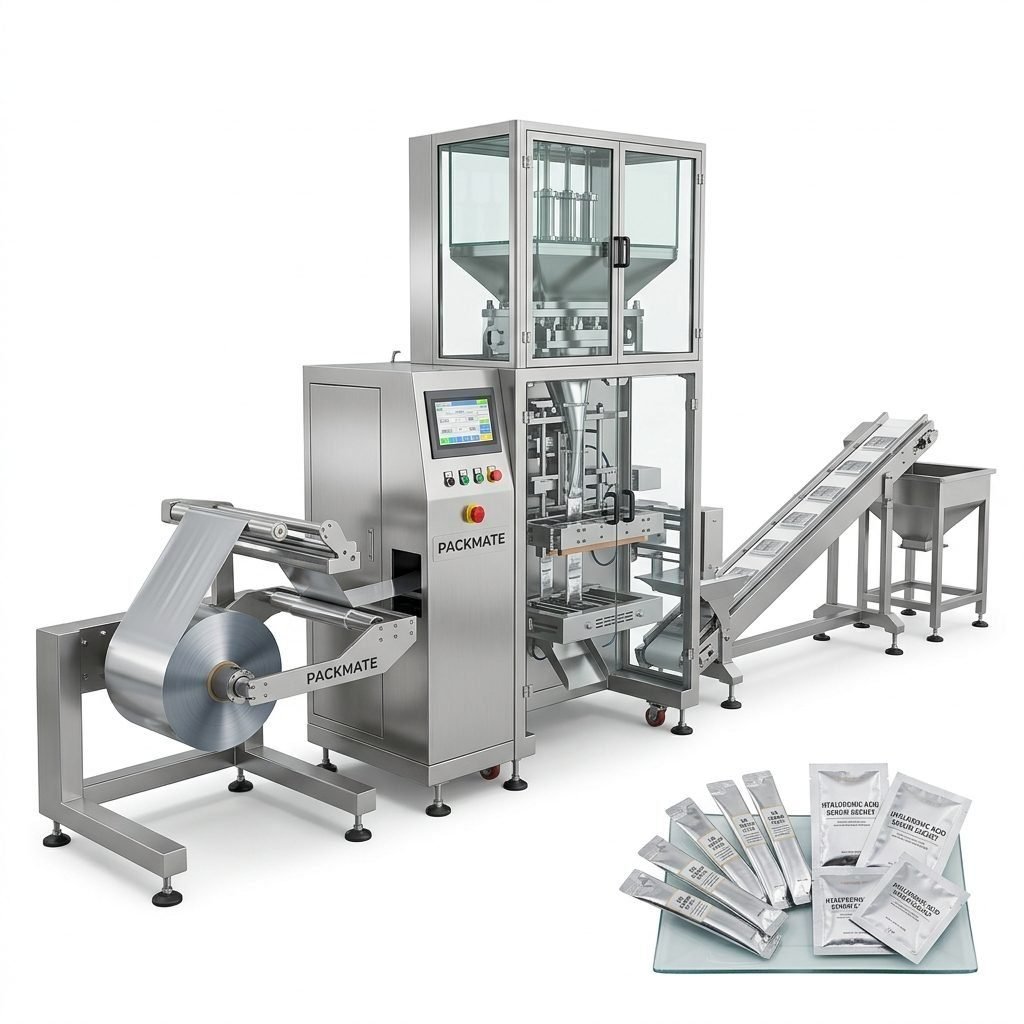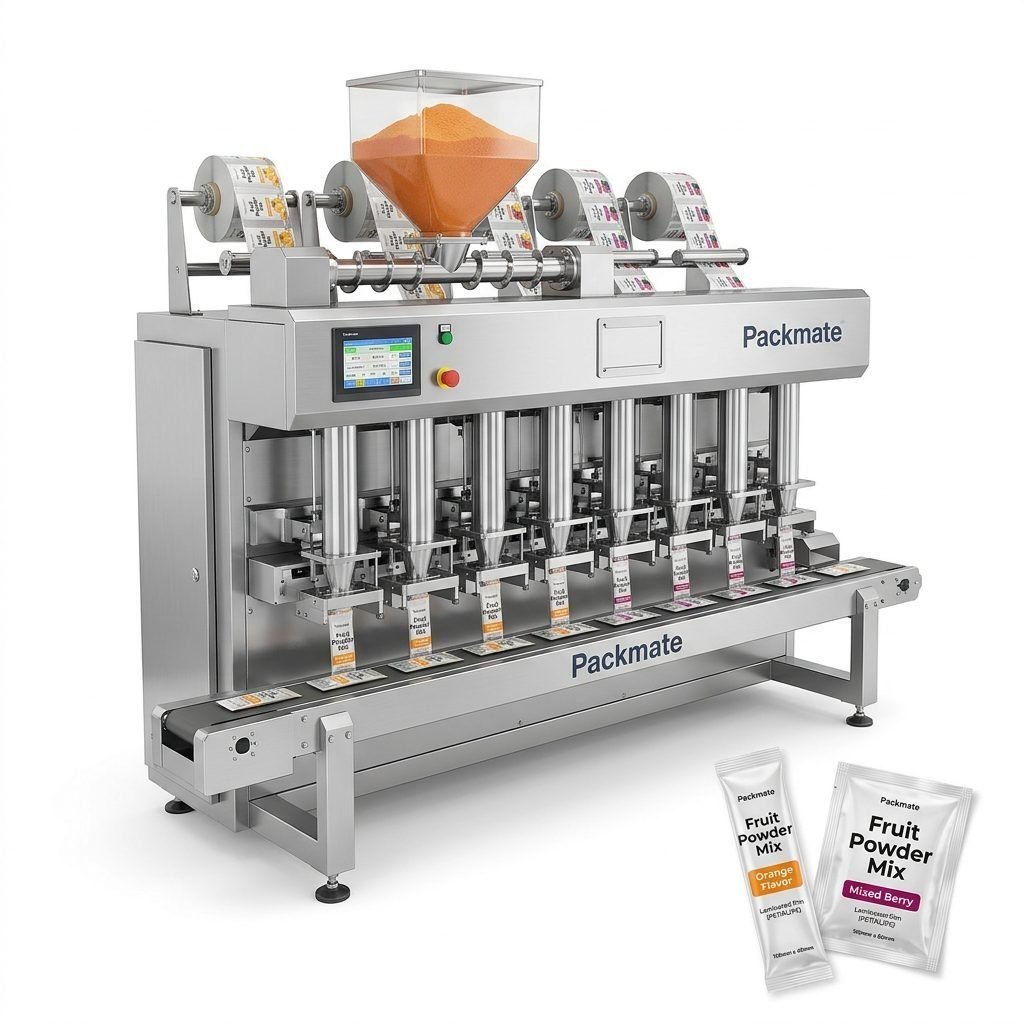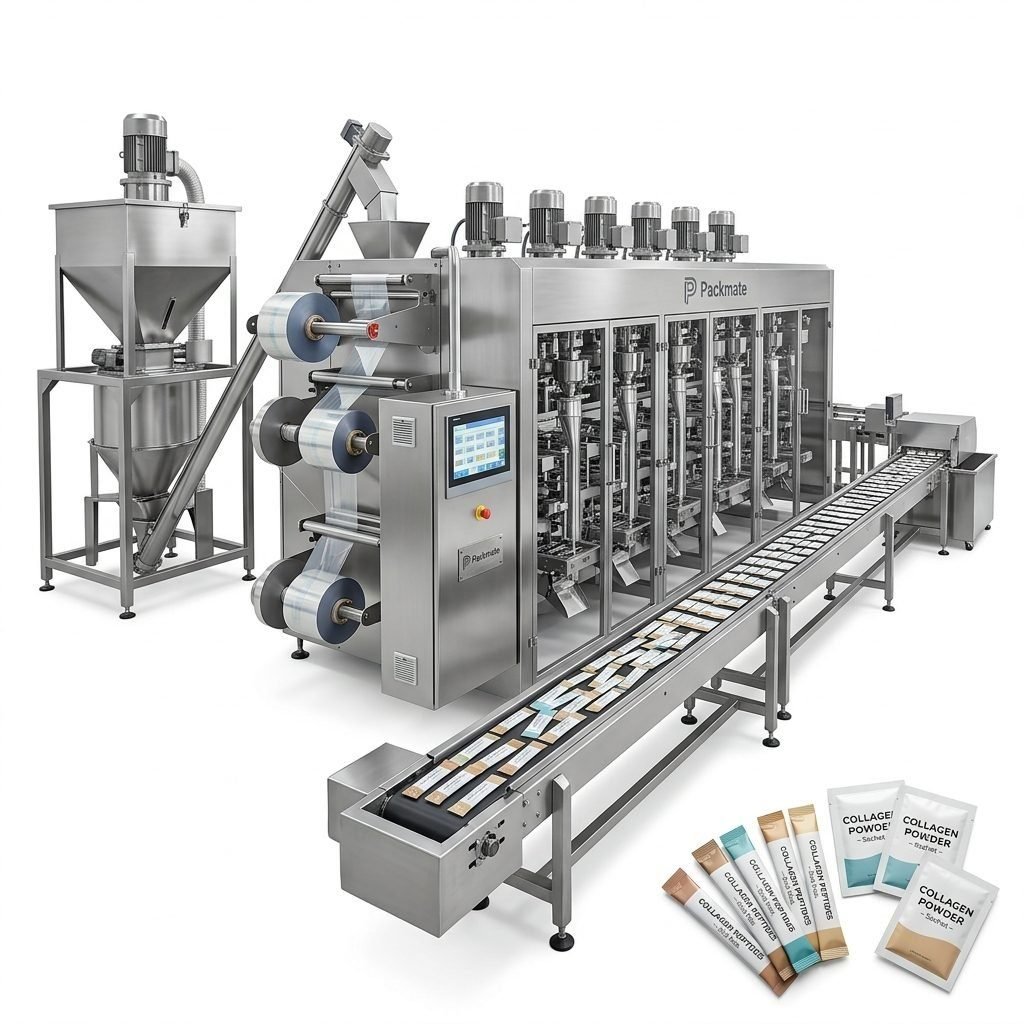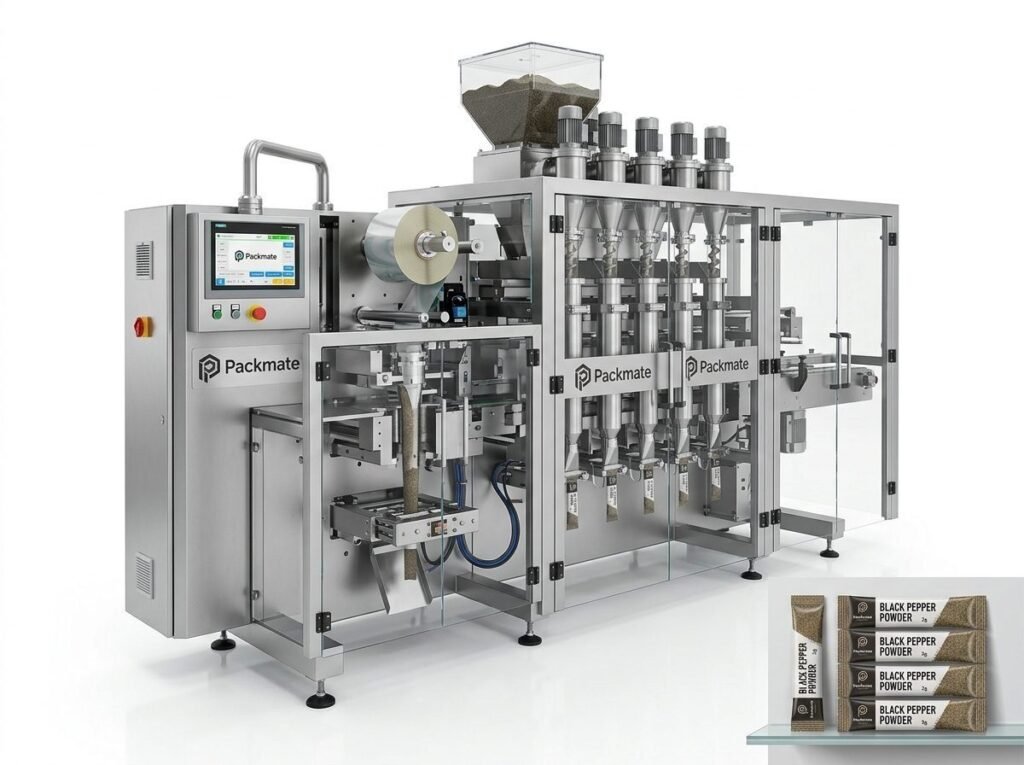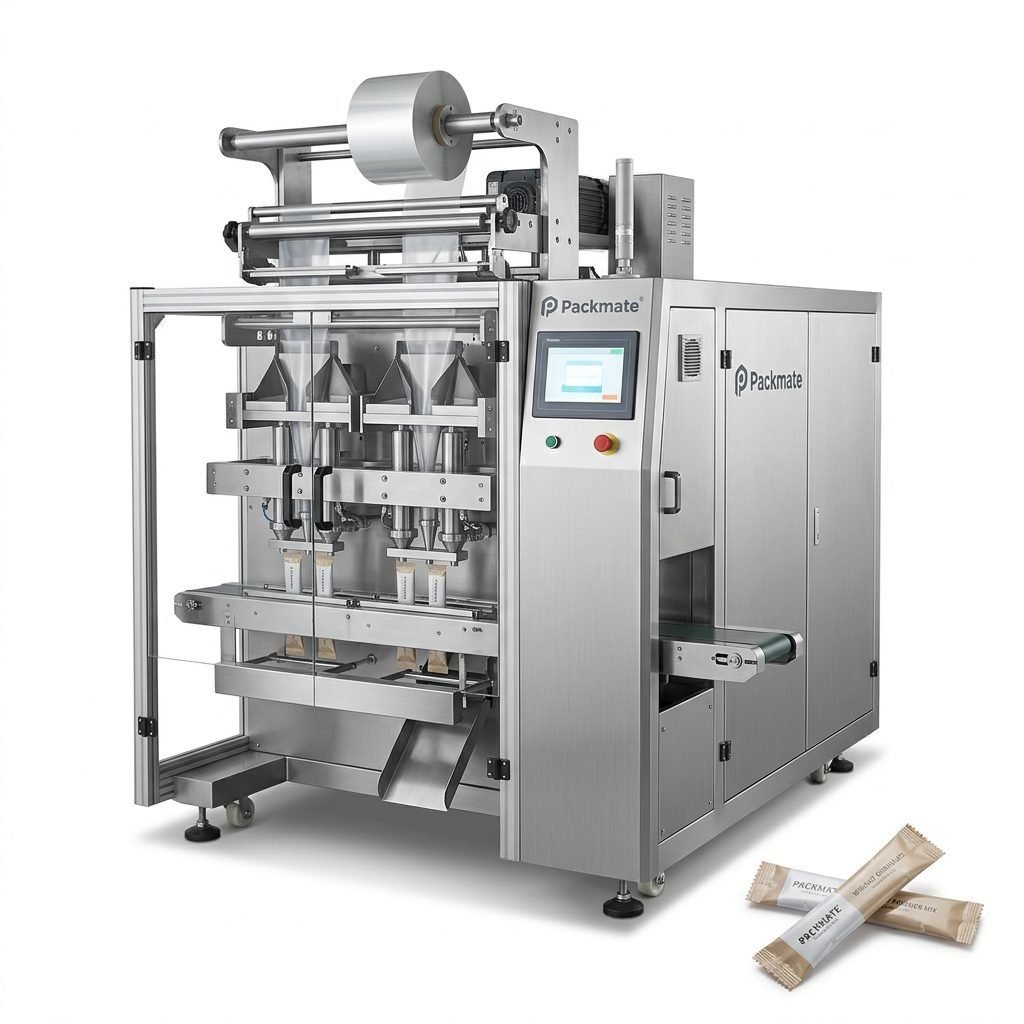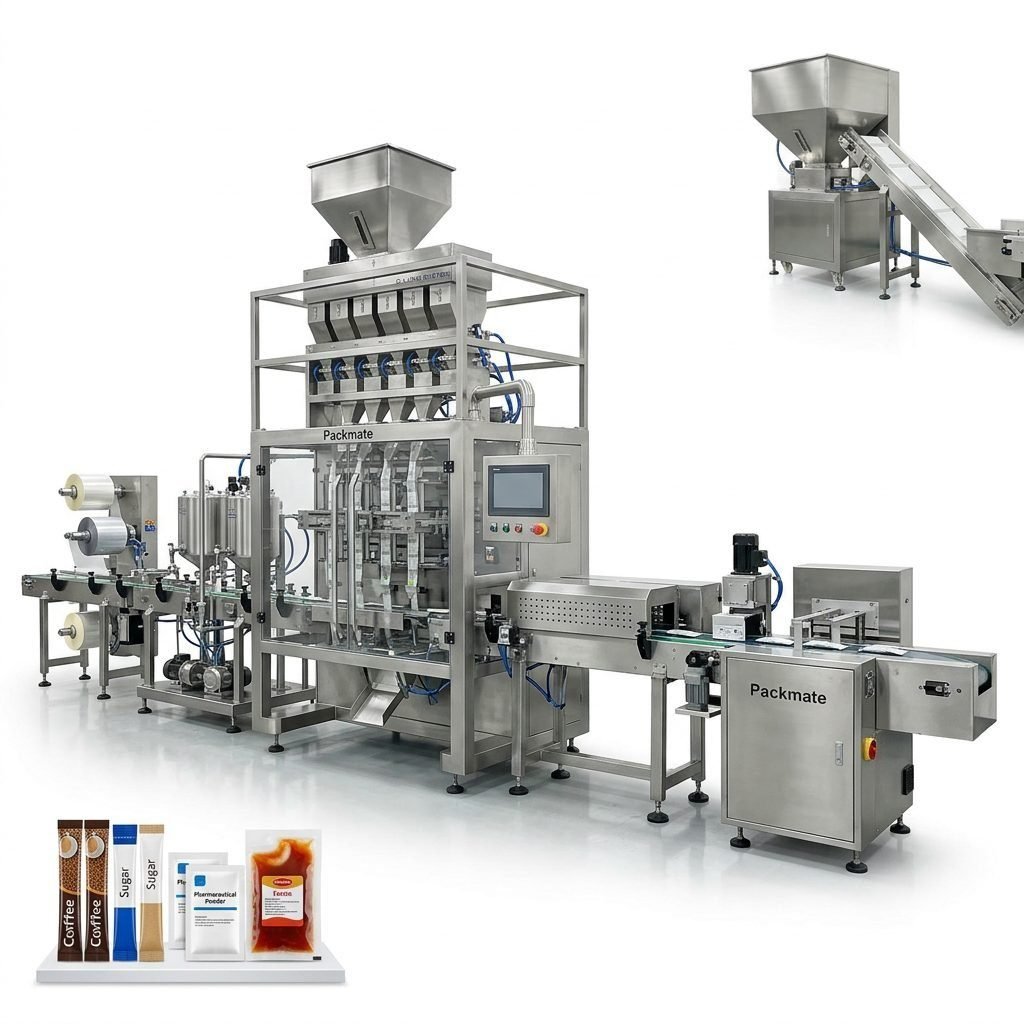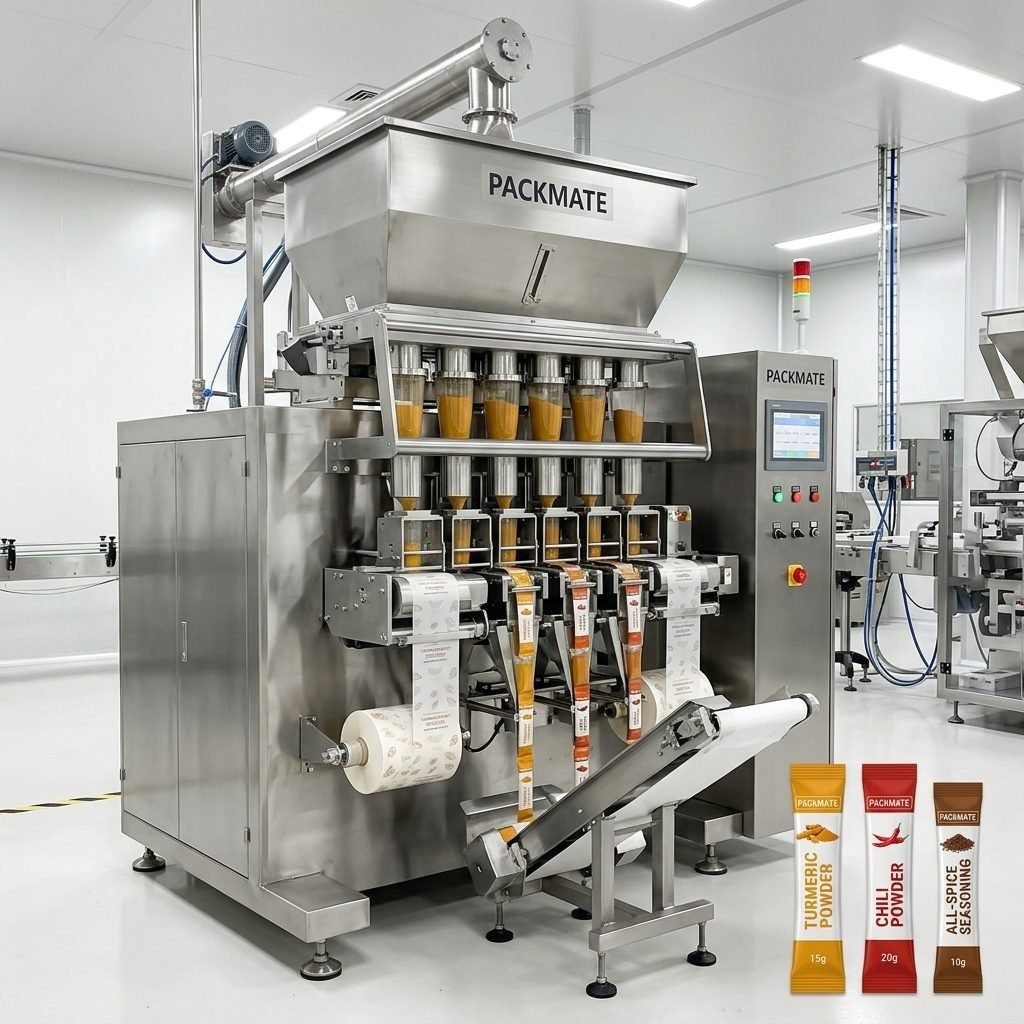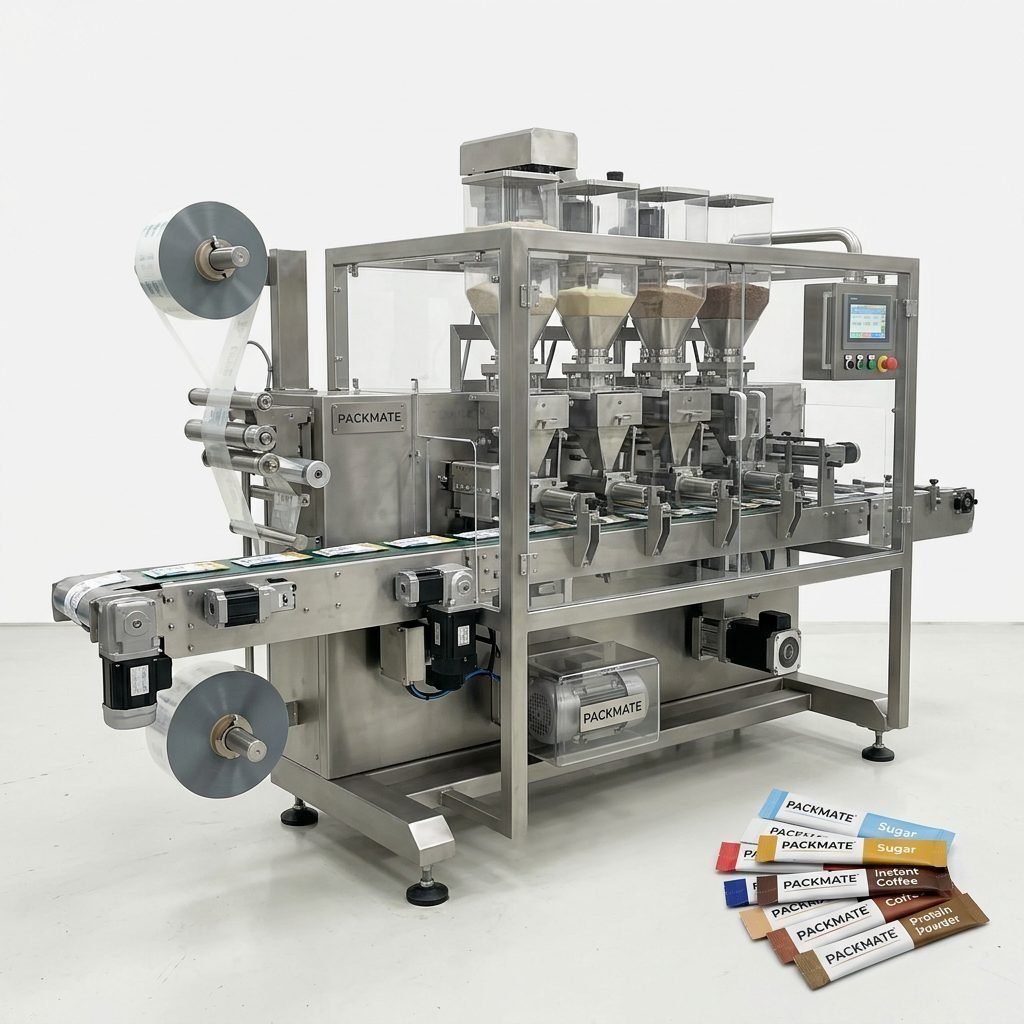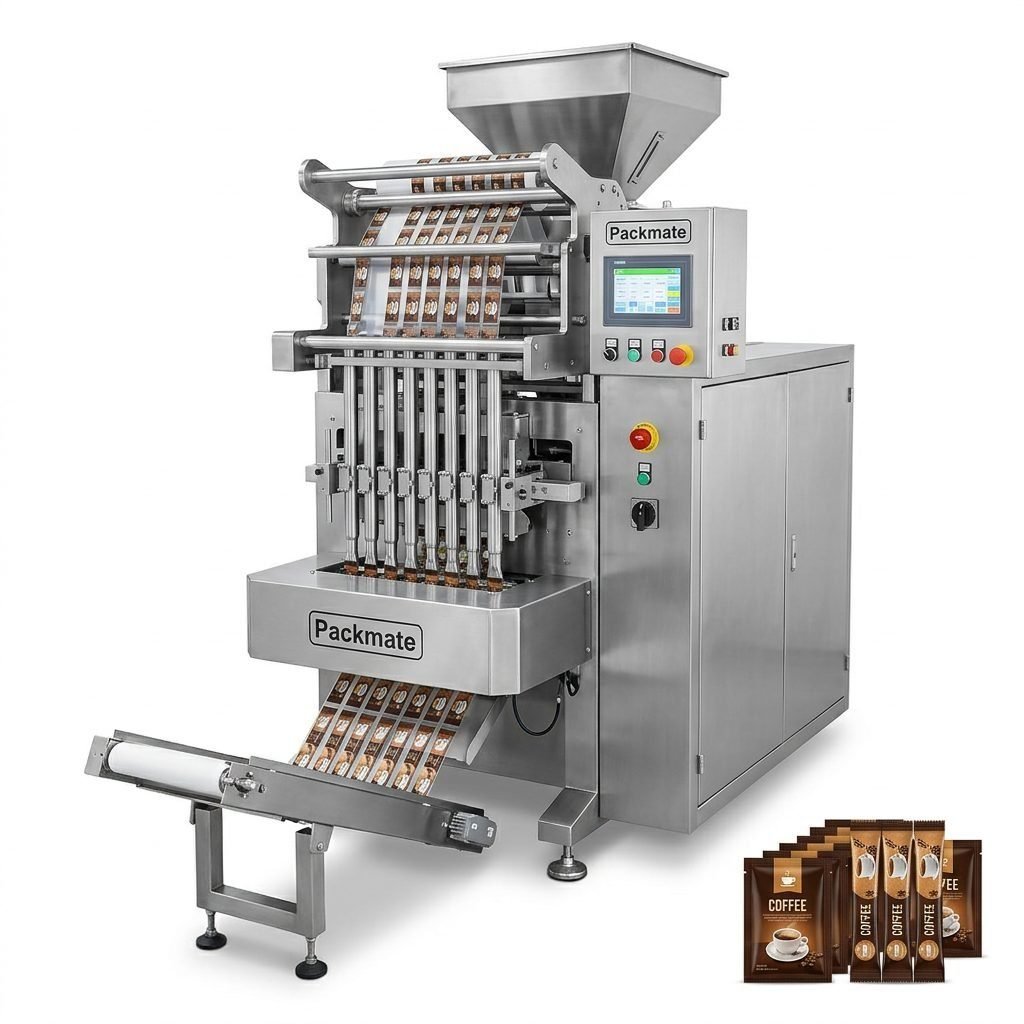
In modern agriculture and horticulture, seed packaging is a critical link between production and planting. The demand for precision, speed, and automation in this process has never been higher. A high-precision seed filling machine is no longer a luxury but a necessity for seed companies, distributors, and large-scale growers worldwide. These advanced systems combine efficient packaging with automated seed weighing to deliver consistent, reliable, and cost-effective results, directly impacting crop yields and operational profitability.
The Core Technology: How High-Precision Seed Fillers Work
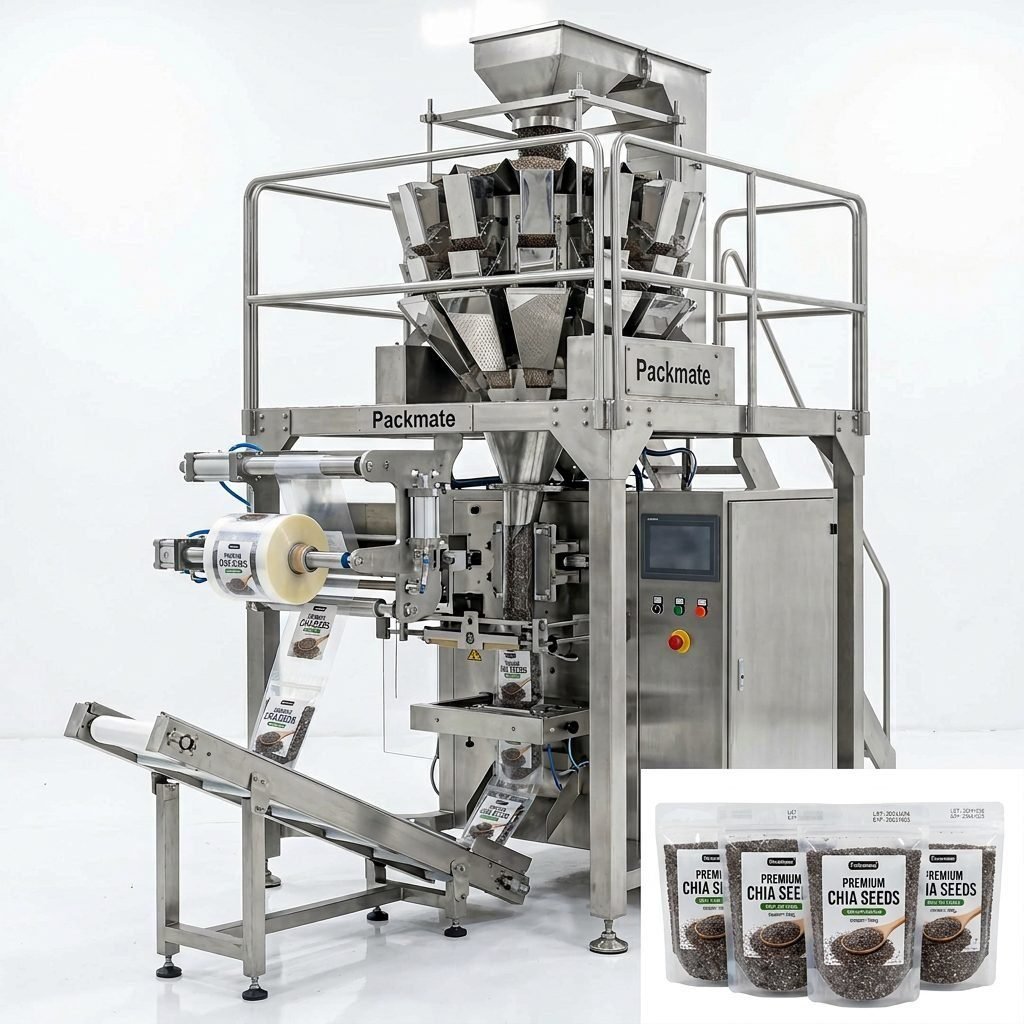
At the heart of these machines lies a sophisticated integration of mechanical handling, precision weighing, and intelligent control systems. The process typically begins with a bulk seed hopper feeding seeds into a distribution system. From there, advanced vibratory or centrifugal feeders gently separate and orient individual seeds, preventing damage. The critical component is the high-precision weighing system, often using multi-head weighers or precision load cells, which measures the exact seed count or weight for each portion with minimal deviation.
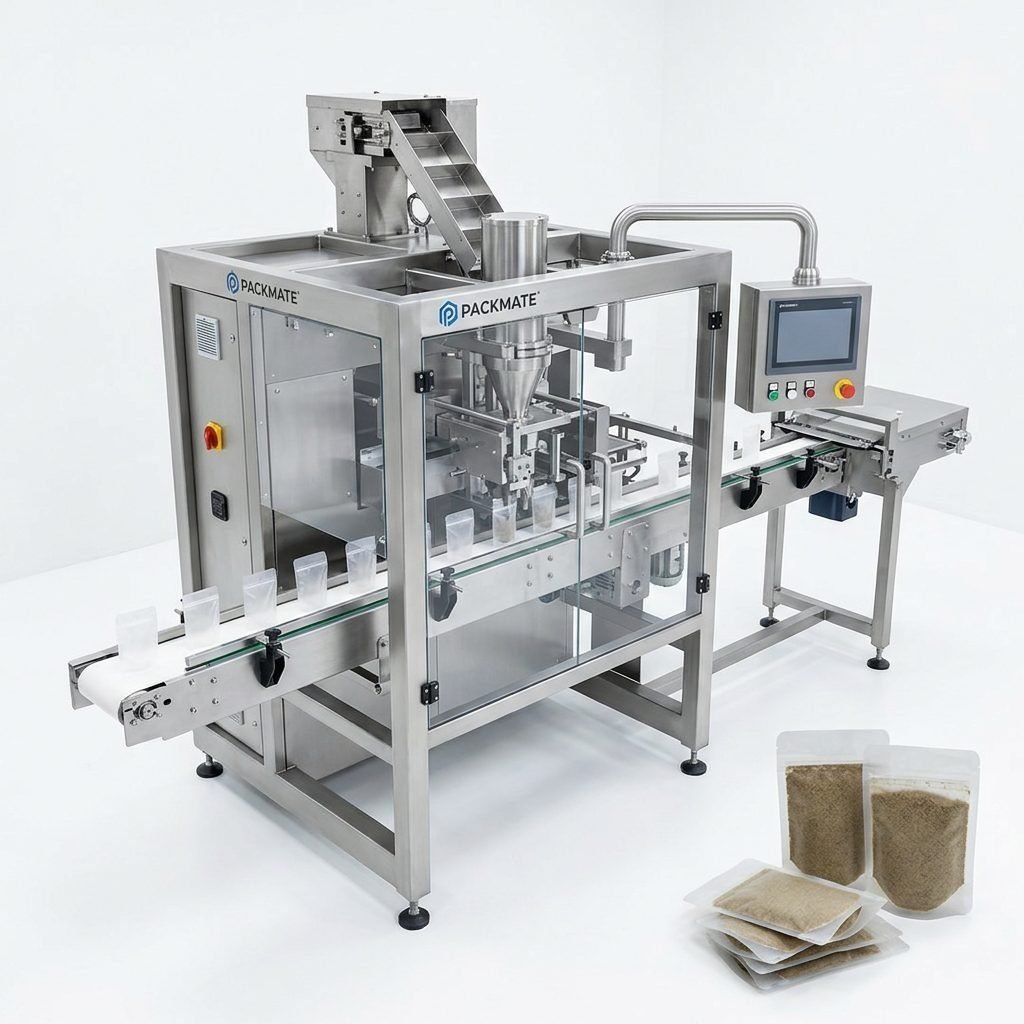
Once the precise amount is measured, the seeds are transferred into the pre-formed packaging—which could be sachets, stick packs, or small pouches. The machine then seals the package, often with options for gas flushing to extend seed viability. The entire sequence, from feeding to sealing, is managed by a Programmable Logic Controller (PLC) with a Human-Machine Interface (HMI), allowing operators to set parameters for different seed varieties, batch sizes, and packaging formats with ease.
Key Benefits for Global Seed Producers and Packers
The adoption of automated, high-precision seed packaging technology offers transformative advantages. First and foremost is accuracy. Manual counting or volumetric filling leads to significant giveaway or short-counts, directly affecting costs and customer trust. Automated weighing ensures every packet contains the exact promised quantity, whether it’s 100 seeds or 1 kilogram.
Efficiency and Labor Savings: These machines operate at high speeds, often packaging hundreds of sachets per minute, far surpassing manual capabilities. This dramatically increases output while reducing labor costs and physical strain on workers. One operator can often manage multiple machines.
Product Integrity is another major benefit. Gentle handling mechanisms and controlled environments within the machine minimize seed damage, preserving germination rates. Furthermore, automated systems provide superior hygiene and traceability. They reduce human contact with the product and can be integrated with coding and vision inspection systems to print batch numbers, expiry dates, and QR codes on each pack, which is crucial for quality control and regulatory compliance in markets like Europe and North America.
Meeting Diverse Market Needs: From Europe to Southeast Asia
The requirements for seed packaging can vary significantly across different regions. In Europe and North America, there is a strong emphasis on sustainability, precision, and compliance with stringent food and agricultural safety standards (e.g., EU regulations). Machines must offer high accuracy, use recyclable or biodegradable packaging materials, and provide full data logging for traceability.
In the Middle East and Africa</strong, where large-scale commercial farming and government-led agricultural initiatives are common, the focus is often on durability, high capacity, and the ability to handle diverse seed types—from tiny vegetable seeds to larger grains. Machines need to be robust enough to operate reliably in varying climatic conditions.
Southeast Asia, with its vast smallholder farms and growing commercial sector, demands versatility and cost-effectiveness. Packaging formats might range from small, affordable sachets for individual farmers to larger bulk bags for distributors. Machines that can quickly switch between different seed varieties and pack sizes are highly valued here.
Integration with Broader Packaging Lines
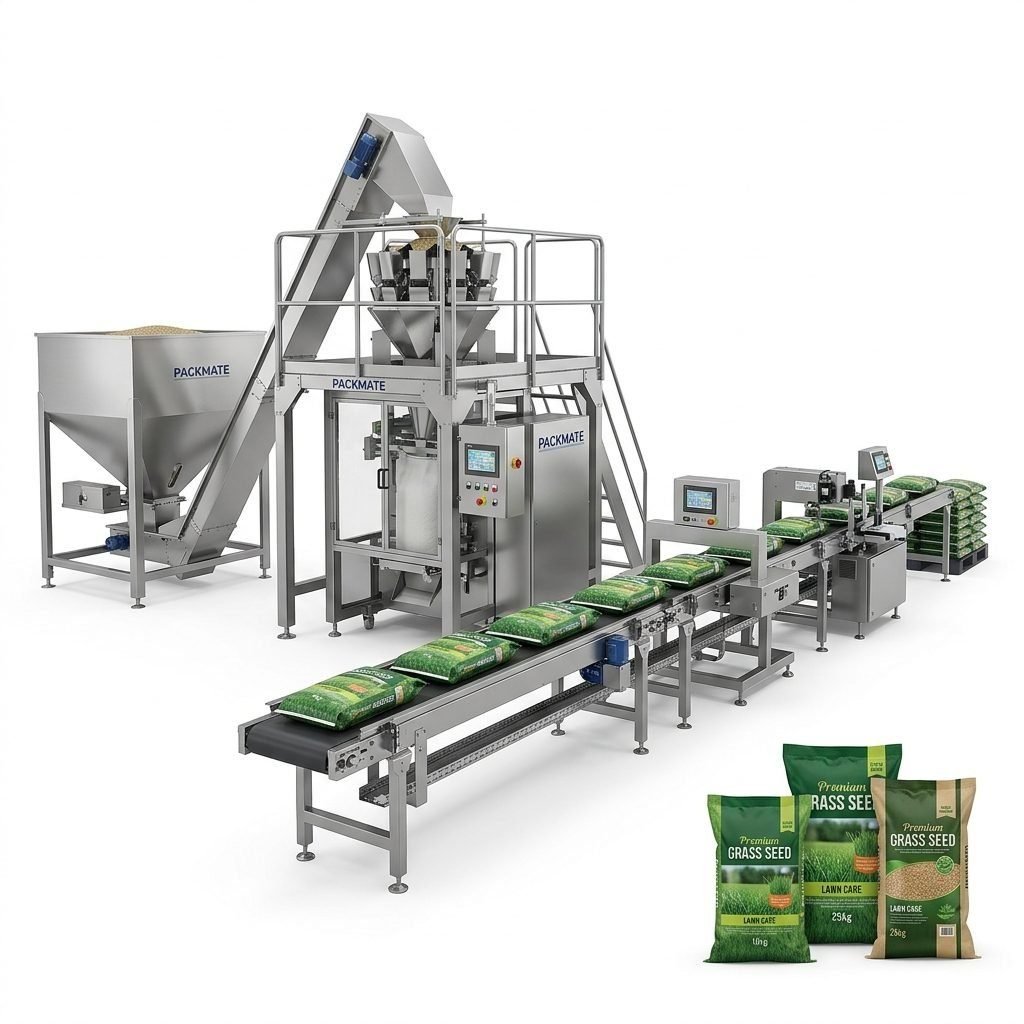
A standalone seed filling machine is powerful, but its potential is fully unlocked when integrated into a complete turnkey packaging line. This integration can include upstream equipment like bulk bag unloaders and seed cleaners, and downstream systems such as cartoners, case packers, and palletizers. For a company like Ludyway, which specializes in such integrated solutions, this means providing a seamless workflow that maximizes throughput and minimizes manual intervention from raw seed intake to palletized goods ready for shipment.
Customization is Key: Seed morphology varies immensely—think of the difference between tiny tomato seeds and large pumpkin seeds. Leading manufacturers understand this and offer customizable solutions. Companies like PackingMachineOEM and PacklineOEM excel in adapting their machinery with specific feeding mechanisms, weighing heads, and pouch sizes to handle this diversity without compromising on speed or accuracy.
For specialized applications, such as coating or treating seeds before packaging, the line can be designed to include coating drums and dryers. The data from the automated weighing system can also feed into a Manufacturing Execution System (MES) for real-time production monitoring and analytics, enabling predictive maintenance and optimal resource planning.
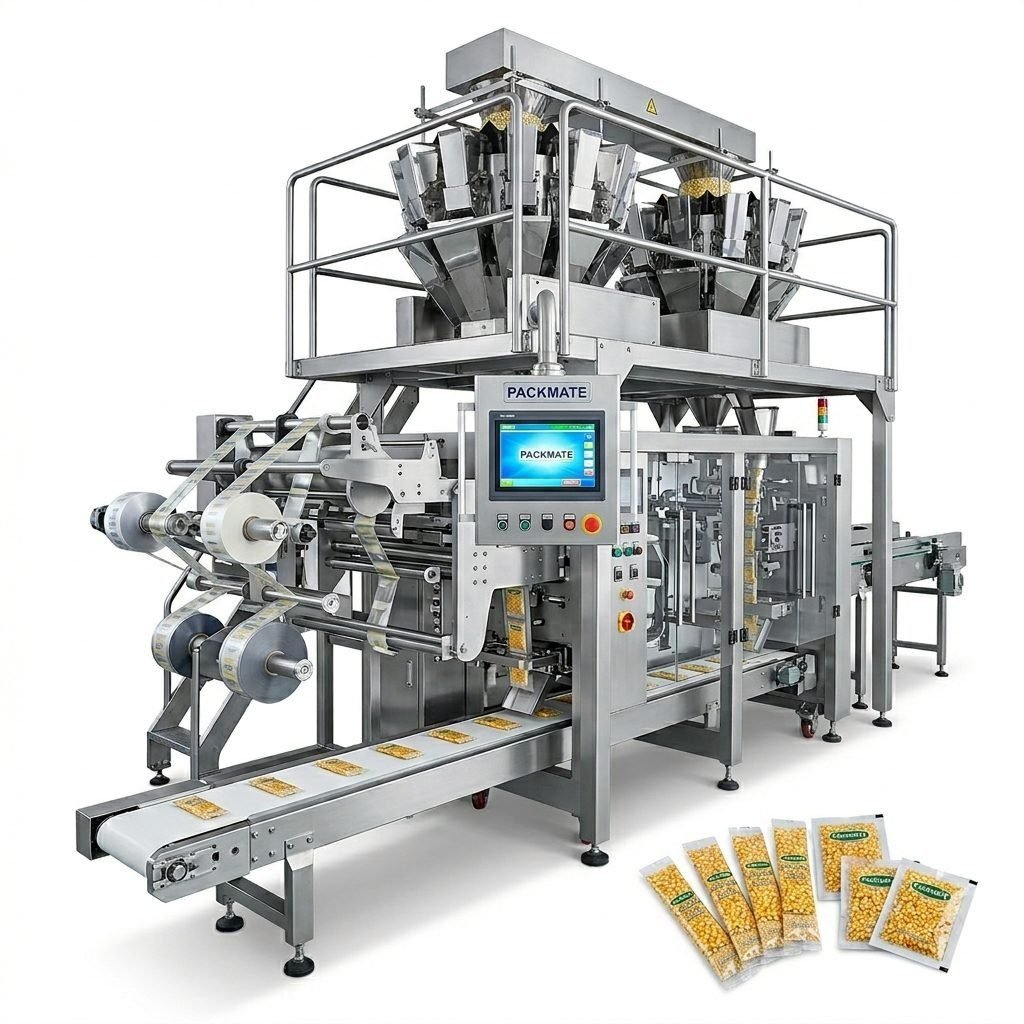
Choosing the Right Machine: Factors to Consider
Selecting the ideal high-precision seed filling machine requires a careful analysis of several factors:
| Factor | Consideration |
|---|---|
| Seed Type & Characteristics | Size, shape, weight, flowability, and fragility. Machines must be configured accordingly. |
| Required Accuracy & Speed | Define the acceptable weight tolerance and the required output (packs per minute). |
| Packaging Format | Sachets, stick packs, pouches, bags. Does the machine need quick changeover capabilities? |
| Level of Automation | Standalone machine vs. part of a fully integrated line with robotic handling. |
| Supplier Support | Technical support, spare parts availability, and training are critical for uptime. |
Manufacturers with deep industry experience, such as Packmate Machinery, can provide invaluable guidance during this selection process, ensuring the chosen technology aligns with both current needs and future growth plans.
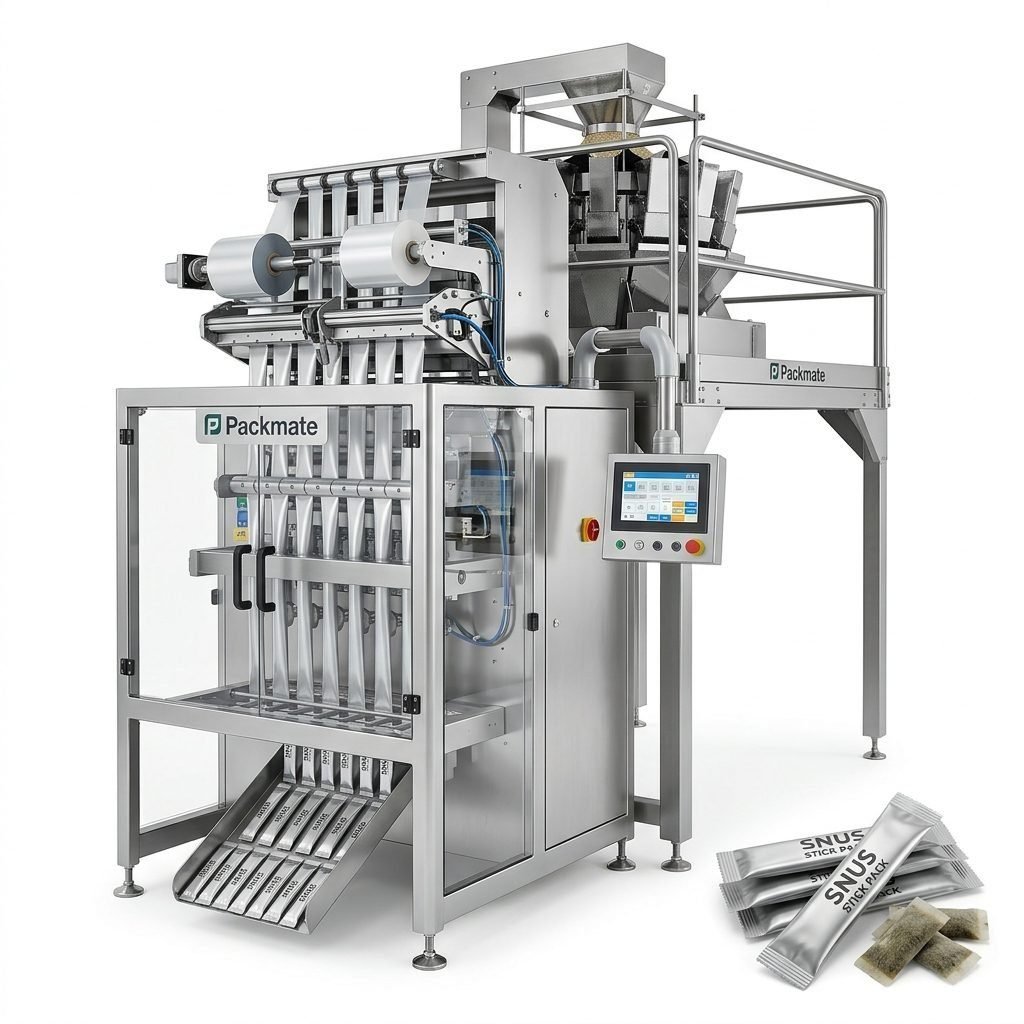
The Future: Smart and Connected Seed Packaging
The future of seed packaging lies in Industry 4.0 integration. The next generation of high-precision fillers will be equipped with IoT sensors to monitor machine health, predict maintenance needs, and optimize performance in real-time. Data from the weighing systems will be used not just for quality control, but also for dynamic adjustment of filling parameters based on real-time feedback, ensuring even greater accuracy.
Furthermore, integration with blockchain or other secure ledger technologies could provide an immutable record of the packaging process, enhancing traceability from the seed breeder to the farmer’s field. This level of transparency is becoming increasingly important for sustainability certifications and consumer trust.
Frequently Asked Questions (FAQs)
Q1: What level of weighing accuracy can I expect from these machines?
A: Modern high-precision seed fillers typically achieve accuracy within ±0.1% to ±0.5% of the target weight, depending on the seed type and weighing technology (e.g., multi-head weigher vs. linear scale). For count-based filling, accuracy can exceed 99.5%.
Q2: Can one machine handle vastly different seed types, like small flower seeds and large corn seeds?
A: While versatile, most machines require some changeover. Key components like feeding cups, vibratory trays, and weighing heads may need to be swapped or adjusted. Look for suppliers offering quick-change tooling kits to minimize downtime when switching products.
Q3: How does automated weighing improve my bottom line compared to volumetric filling?
A: Volumetric filling is less precise, leading to “giveaway” (putting more product than paid for) or short counts. Automated precision weighing virtually eliminates this waste. For high-value seeds, the savings on material cost alone can justify the investment in a short period.
Q4: Are these machines suitable for organic or treated seeds?
A: Yes. Many machines can be constructed with food-grade or corrosion-resistant materials (like stainless steel contact parts) and designed for easy cleaning to prevent cross-contamination. This is essential for handling organic seeds or seeds treated with chemicals.
Q5: What kind of after-sales support should I expect from a reputable manufacturer?
A: Comprehensive support is crucial. Expect offerings like remote troubleshooting, on-site engineer training, readily available spare parts, and clear operation/maintenance manuals. Established exporters like SnusMachinery often have global service networks or partnerships to ensure timely support.