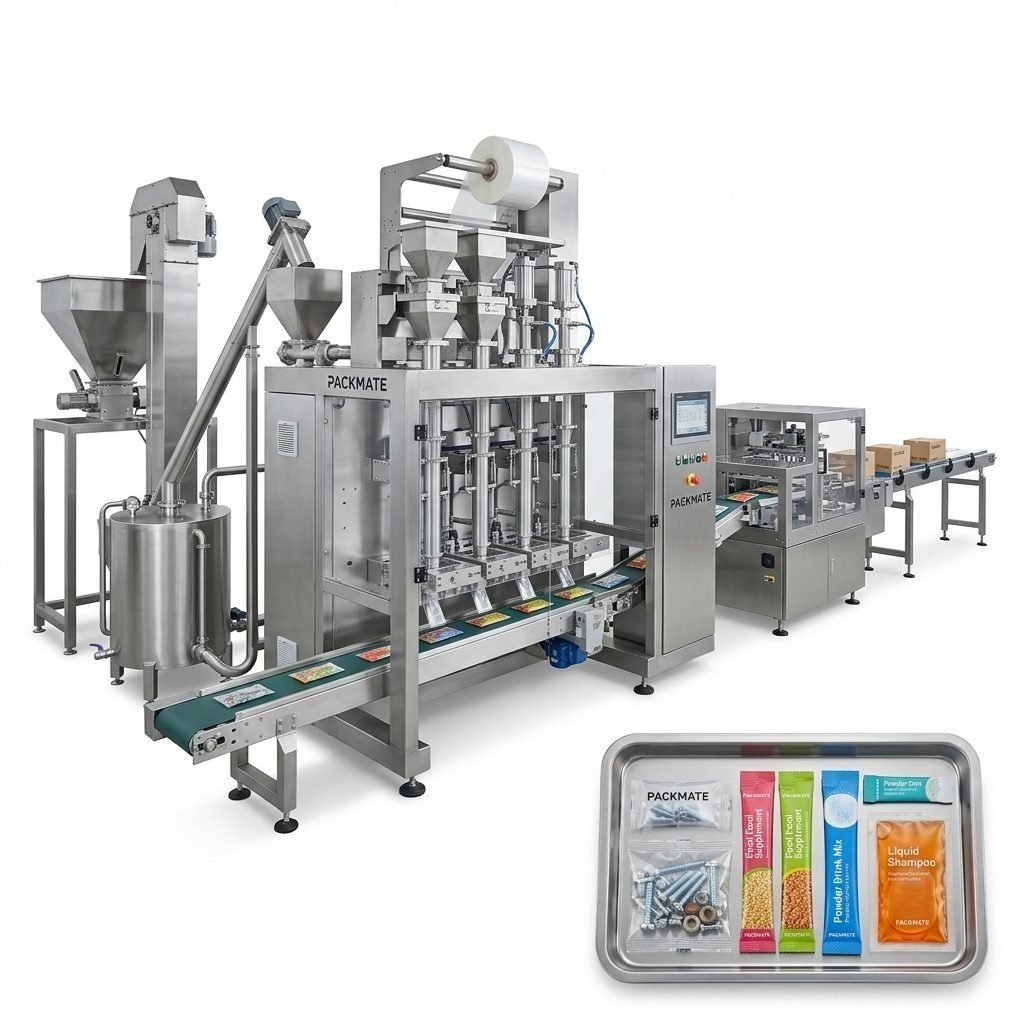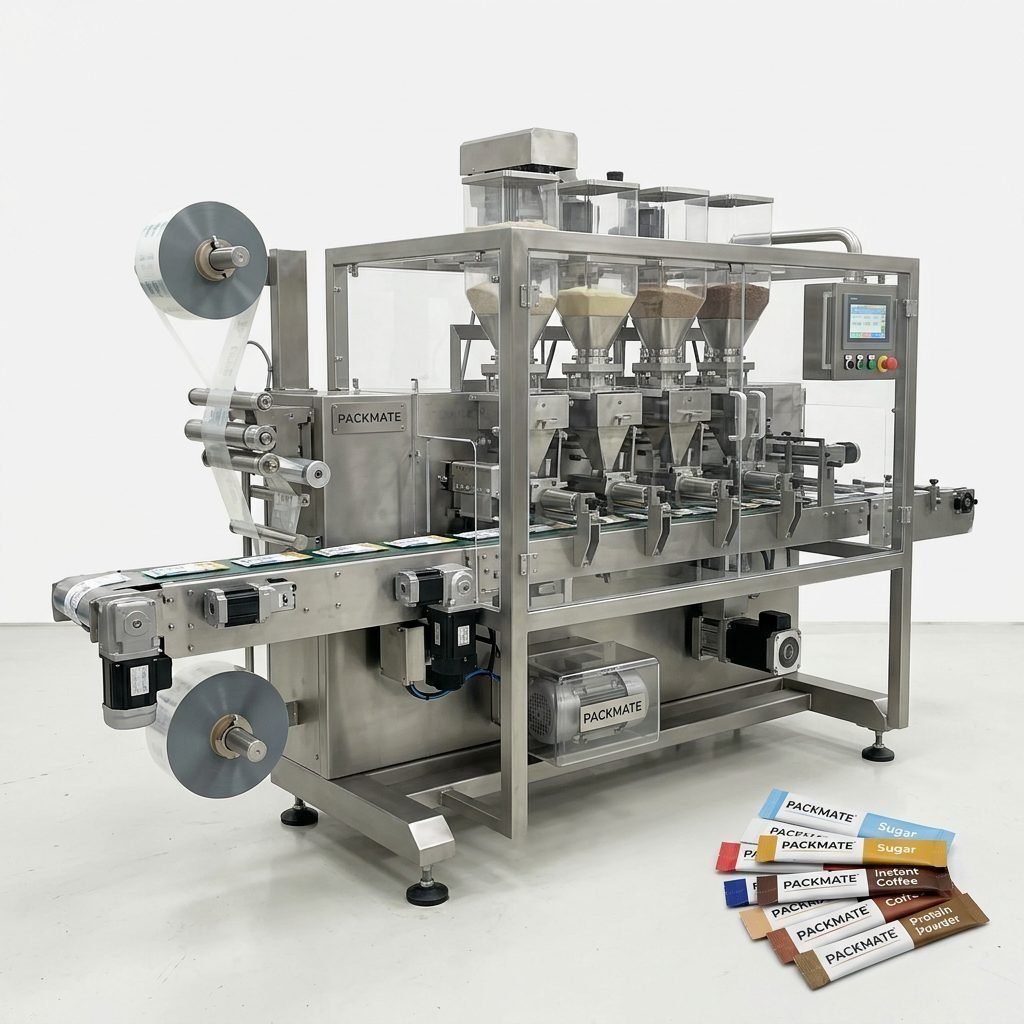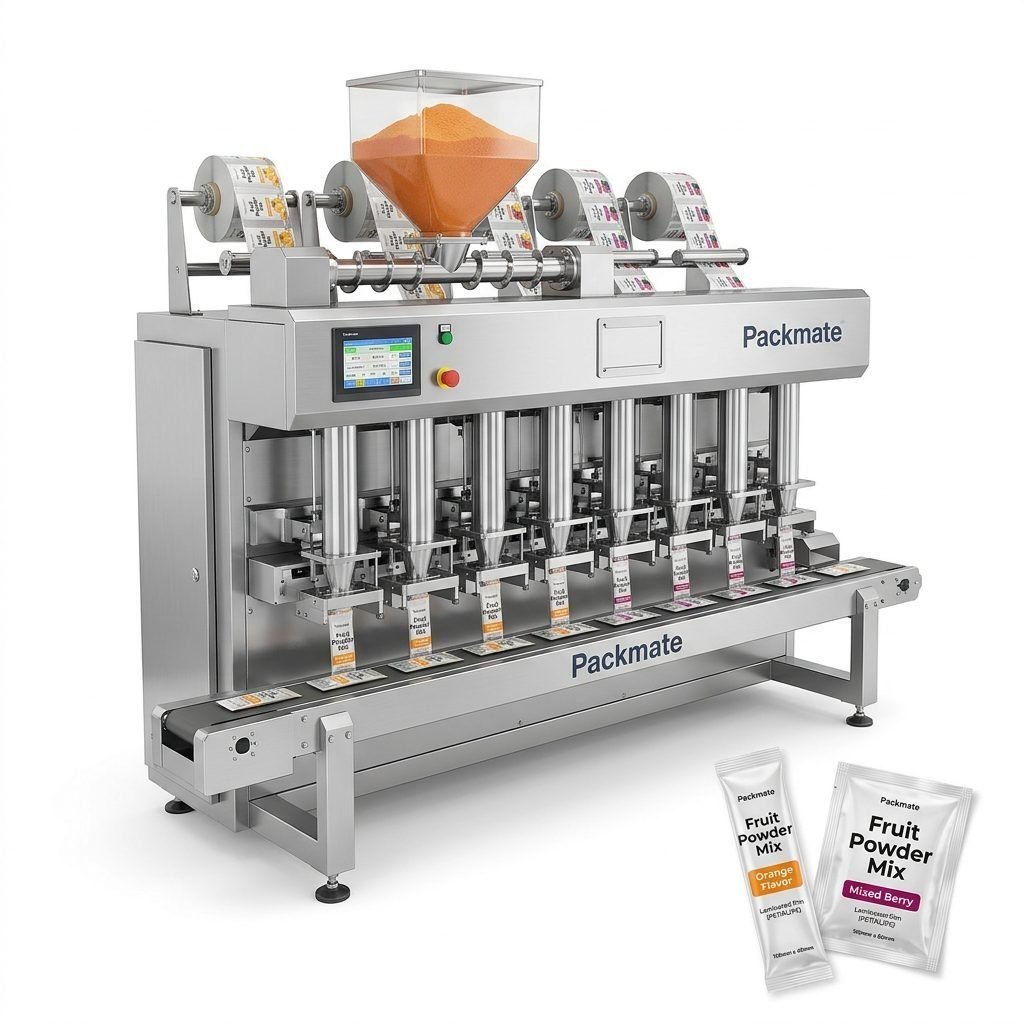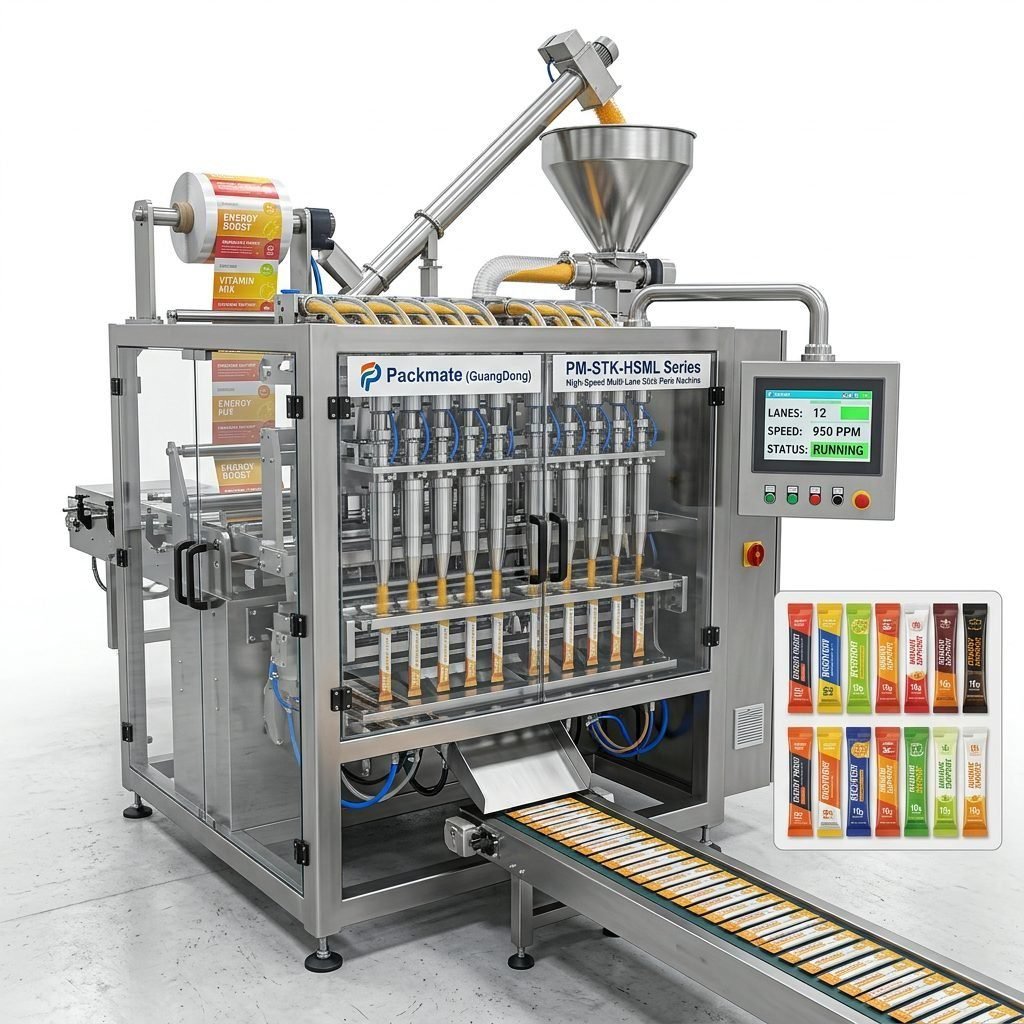
In the dynamic world of manufacturing, balancing automation needs with budget constraints is a common challenge. A semi-automatic packing machine offers a compelling middle ground, providing significant efficiency gains over manual methods without the high capital investment of fully automated lines. This guide explores the types, working principles, pricing, and key buying tips for semi-automatic packing machines, helping businesses make an informed decision.
What is a Semi-Automatic Packing Machine?
A semi-automatic packing machine is equipment that automates specific core functions of the packaging process—such as weighing, filling, or sealing—while requiring an operator to perform other tasks like placing bags, initiating cycles, or handling finished packs. This hybrid approach reduces labor intensity, improves consistency, and increases output compared to purely manual operations, making it ideal for small to medium-scale production, pilot lines, or businesses with variable product runs.
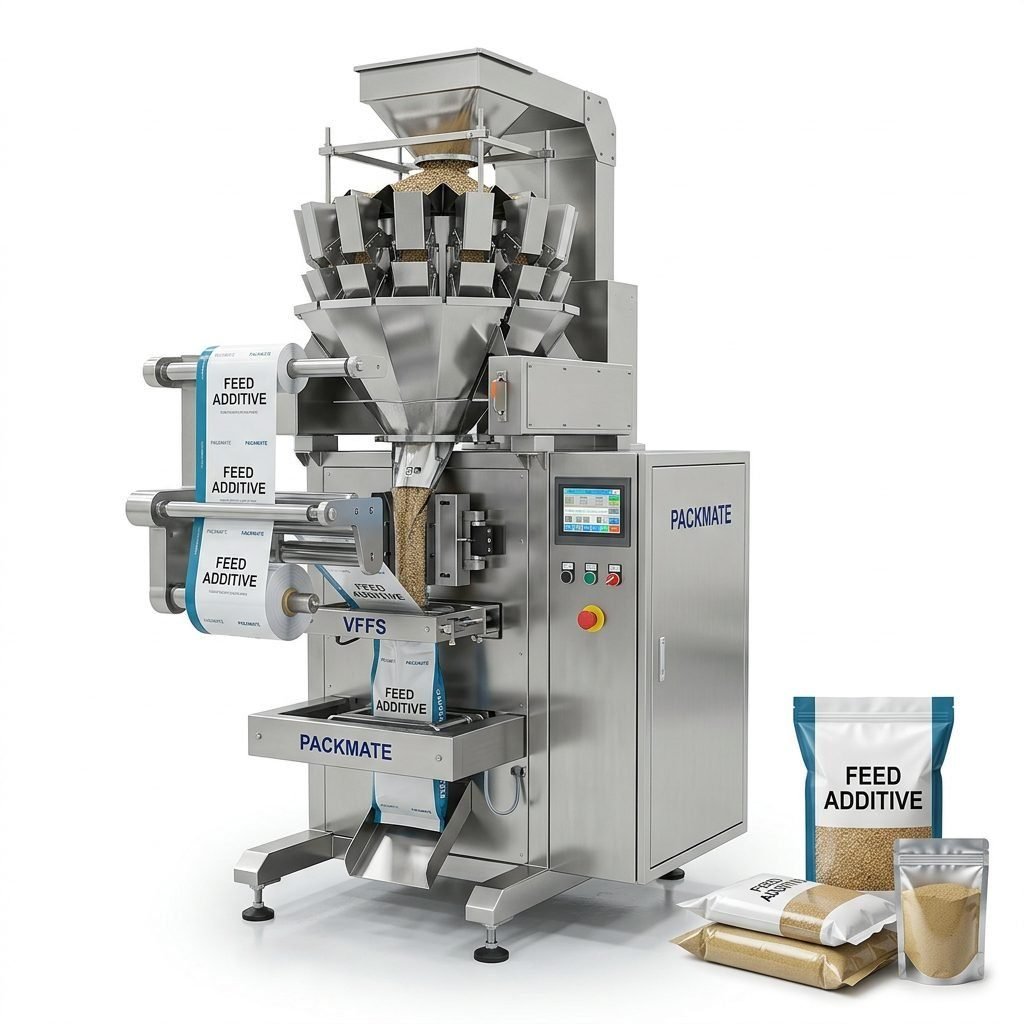
Key Types of Semi-Automatic Packing Machines
The variety of semi-automatic machines corresponds to different product forms and packaging needs. Understanding the main types is the first step in selection.
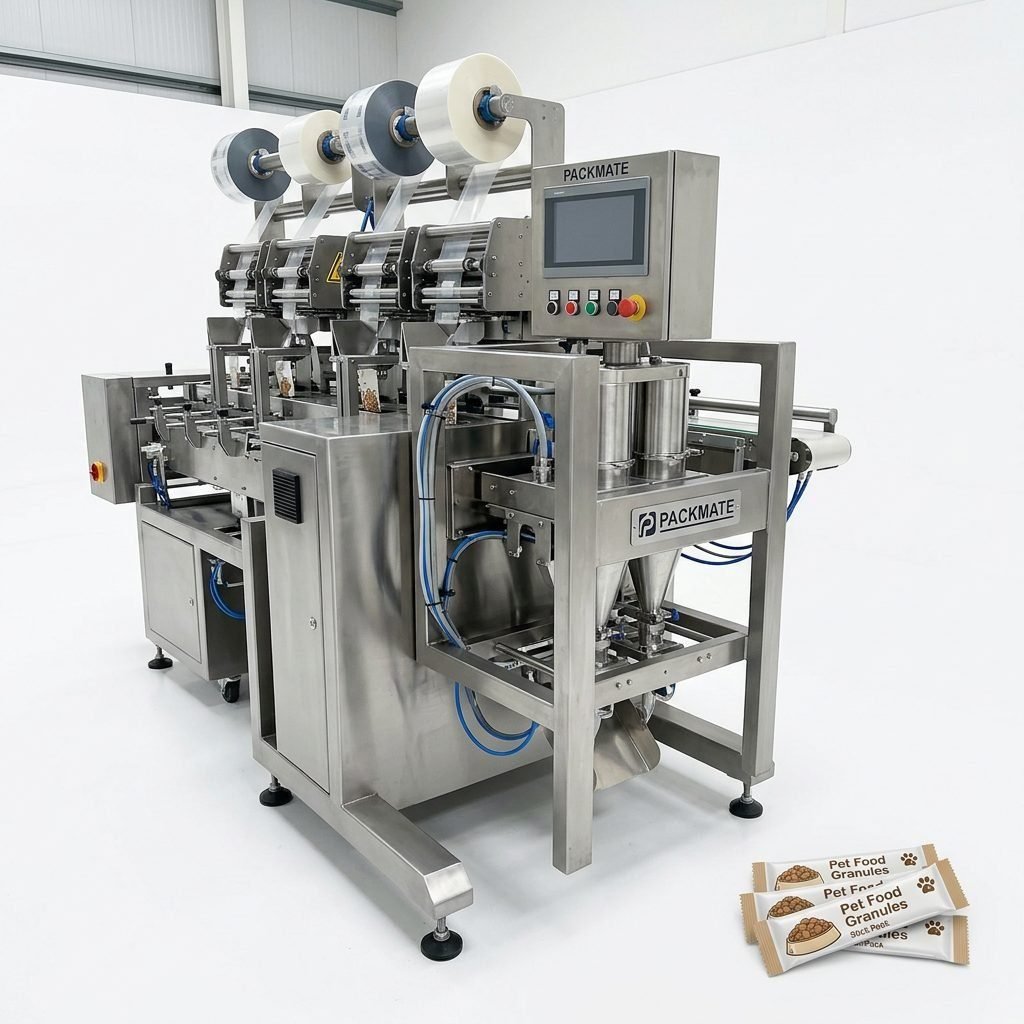
1. Semi-Automatic Weighing & Filling Machines
These are among the most common. An operator typically places an empty container (bag, pouch, jar) under the filling nozzle. The machine then automatically dispenses a pre-set weight or volume of product. They are perfect for granules, powders, seeds, and small-piece items.
2. Semi-Automatic Vertical Form-Fill-Seal (VFFS) Machines
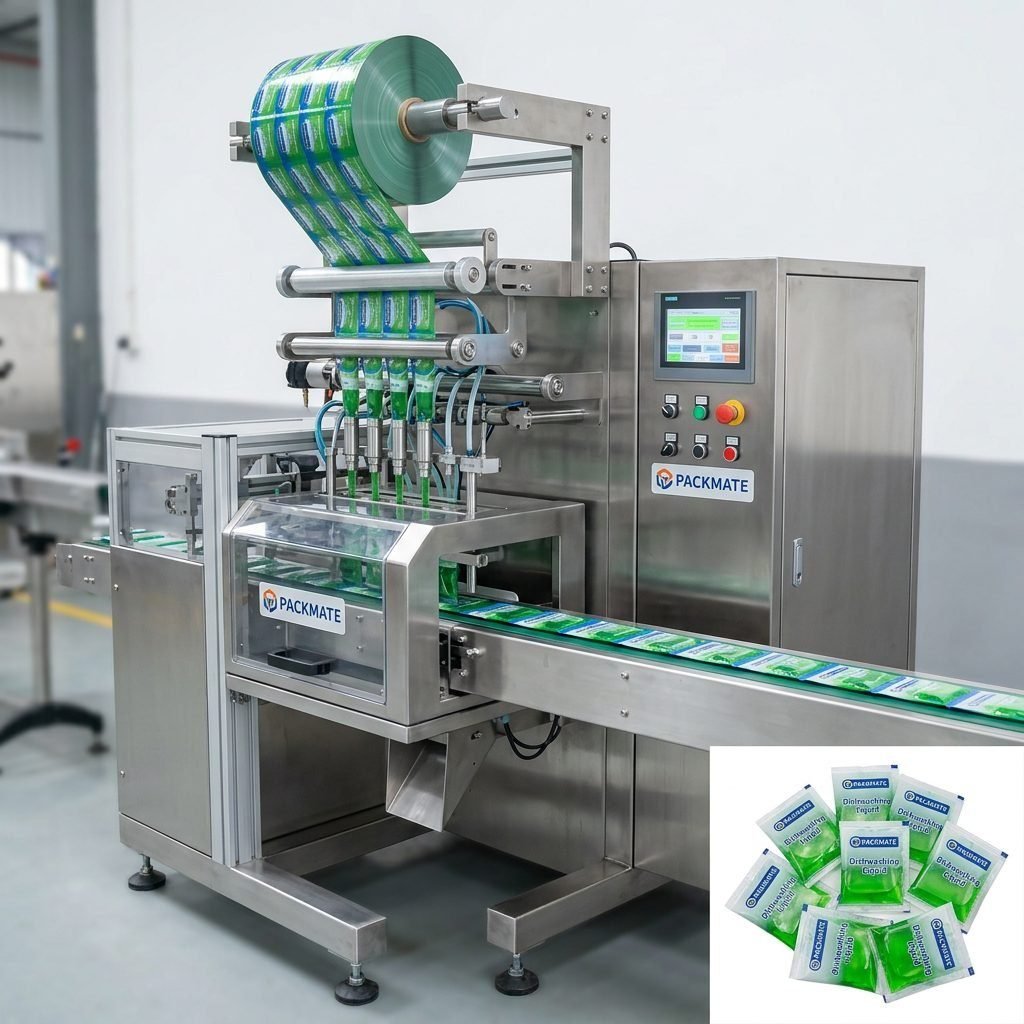
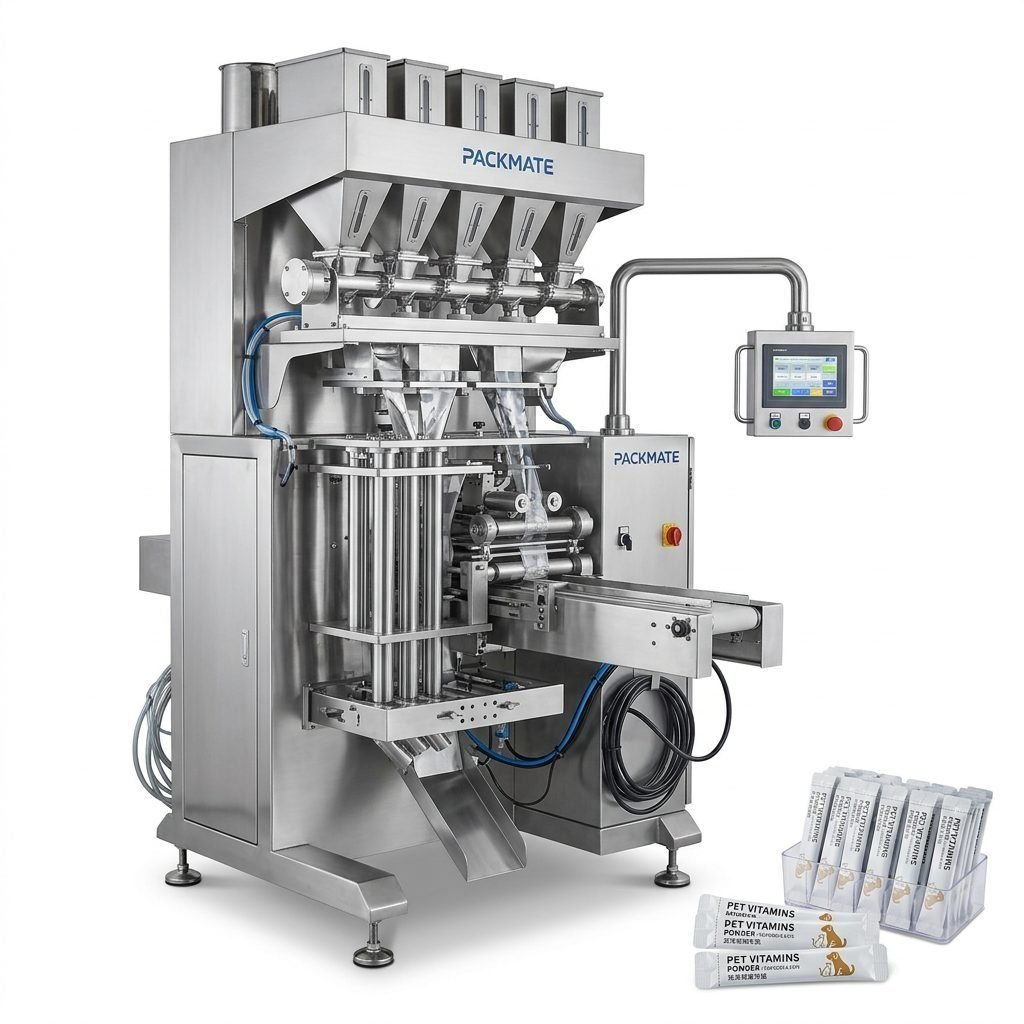
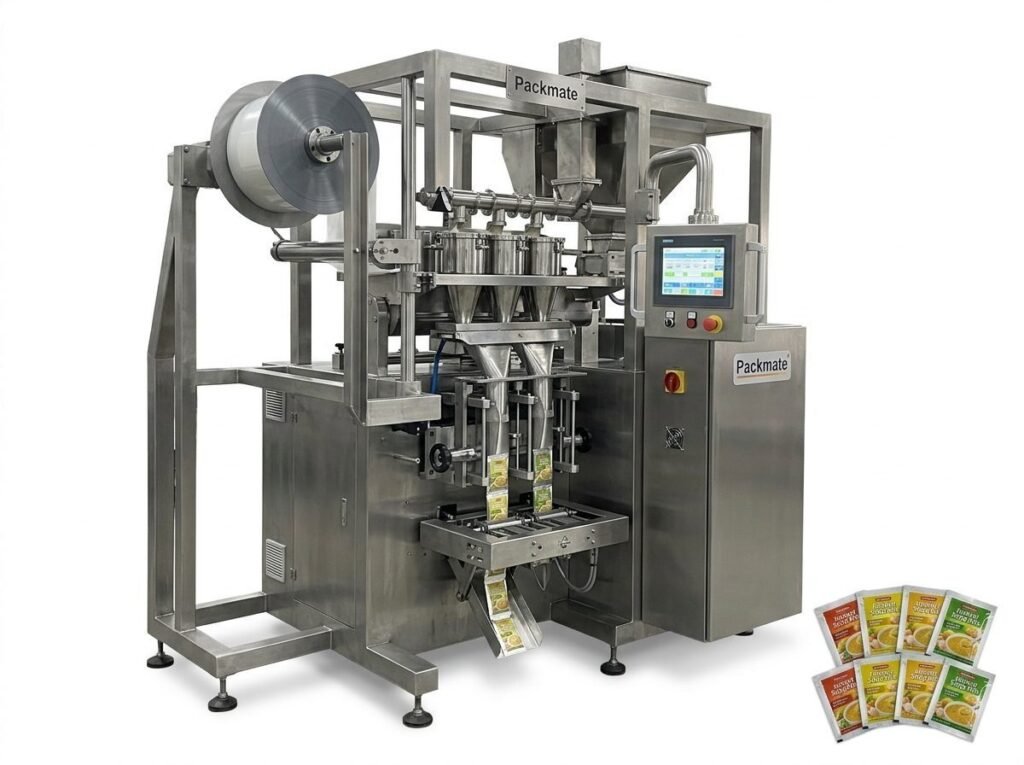
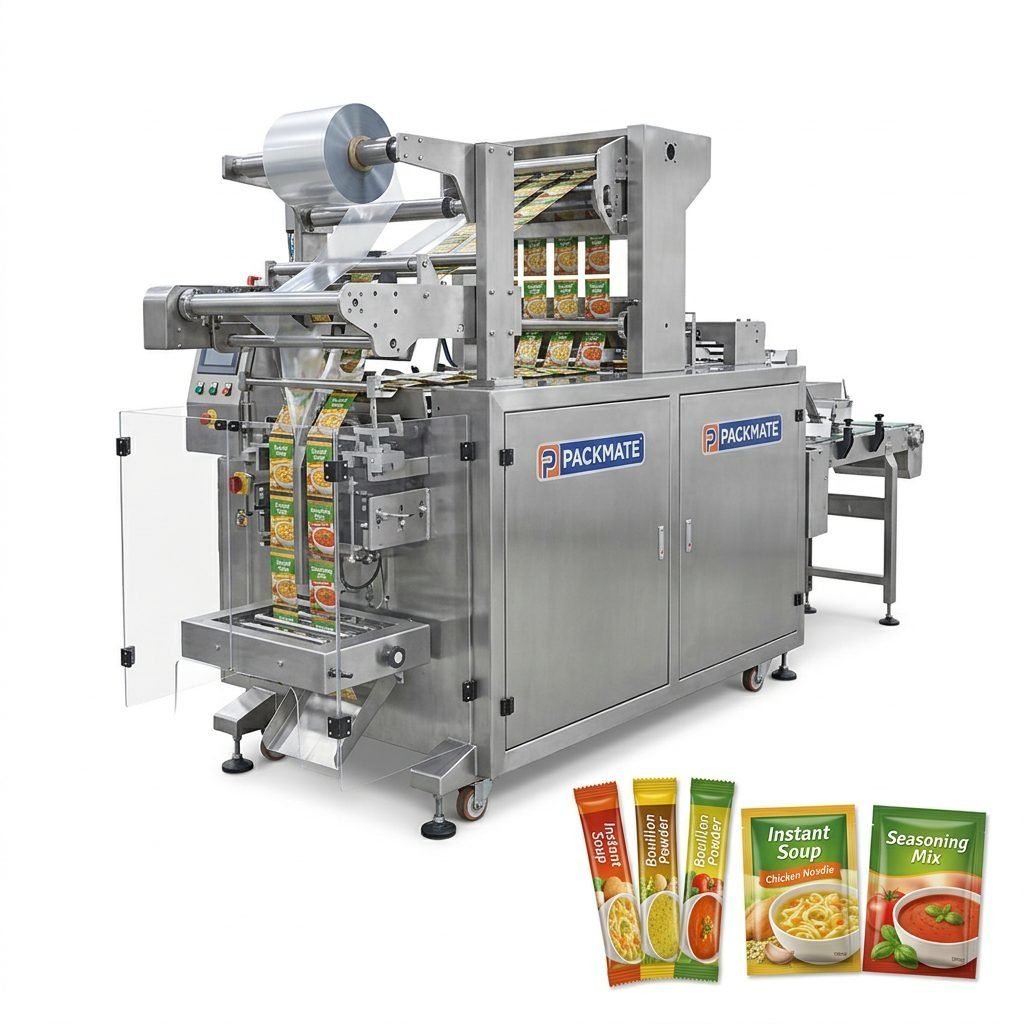
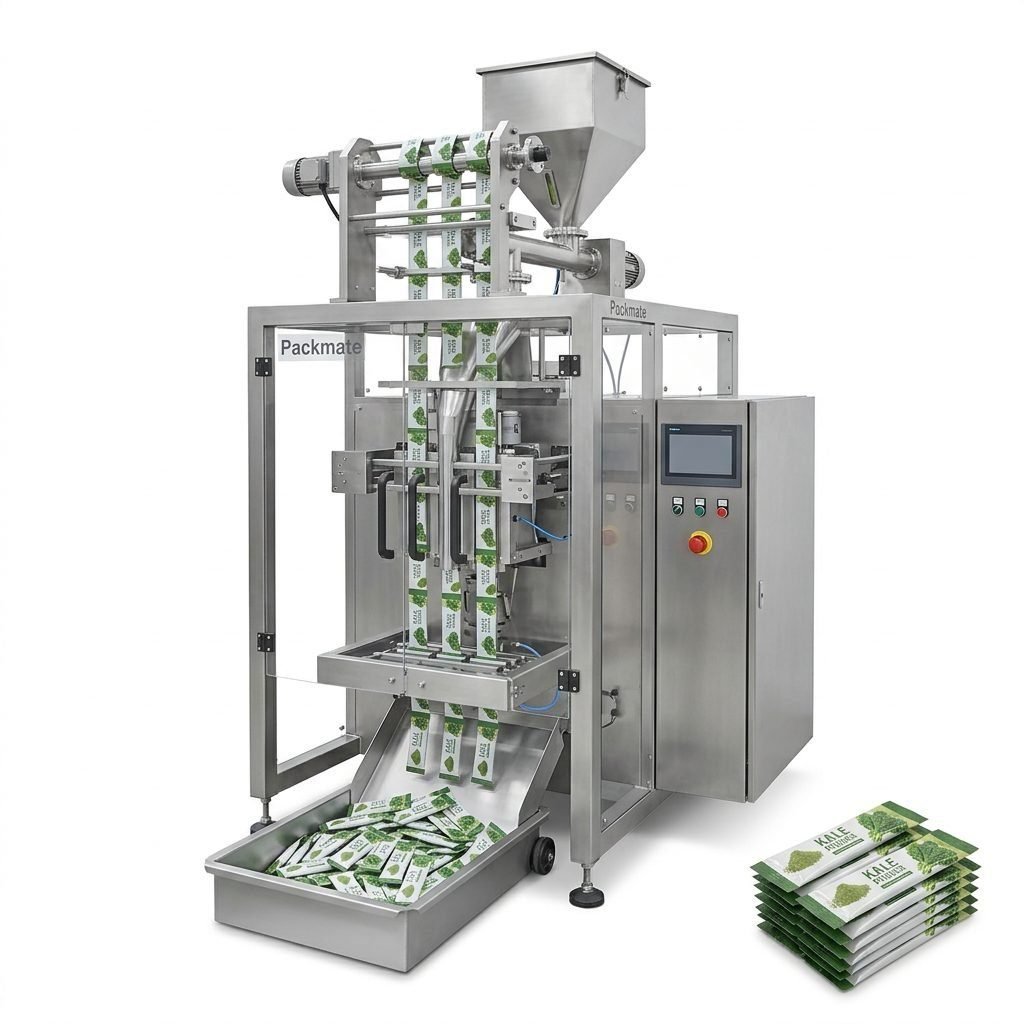
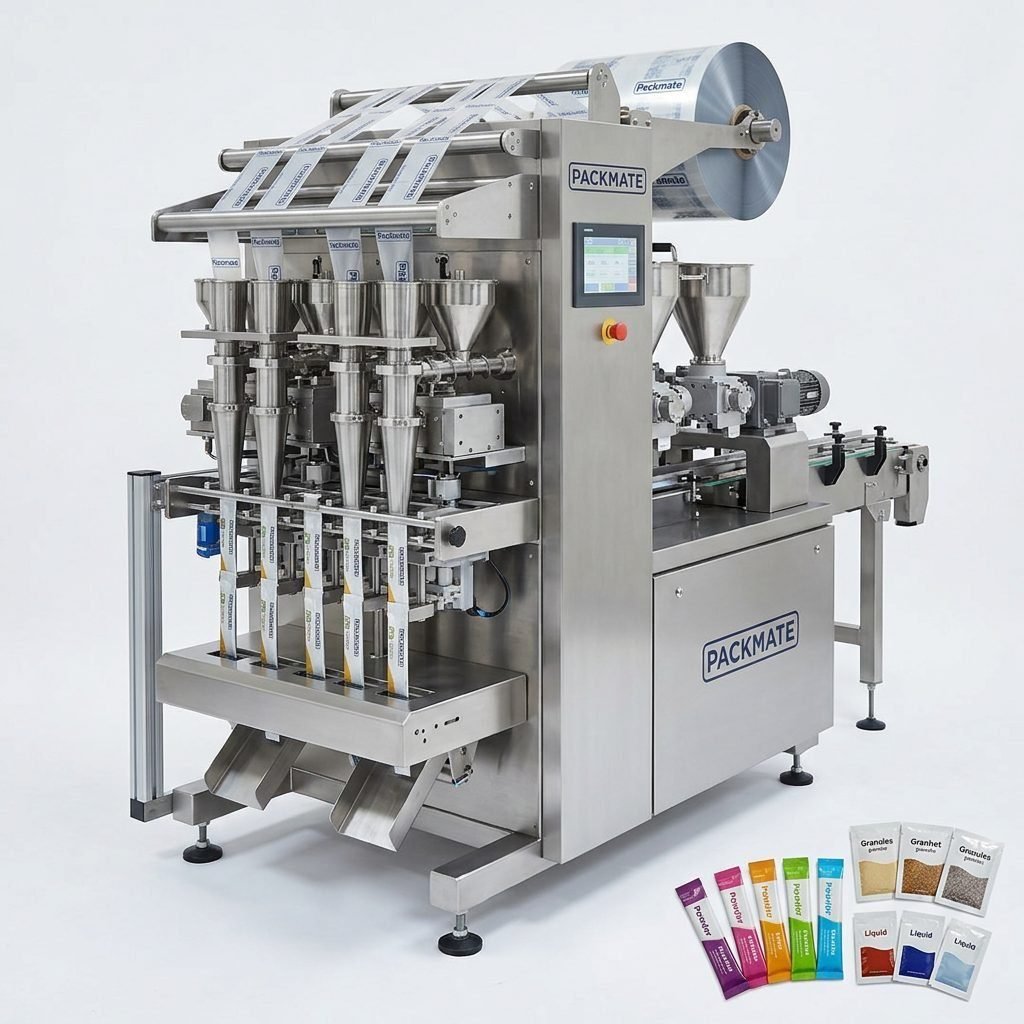
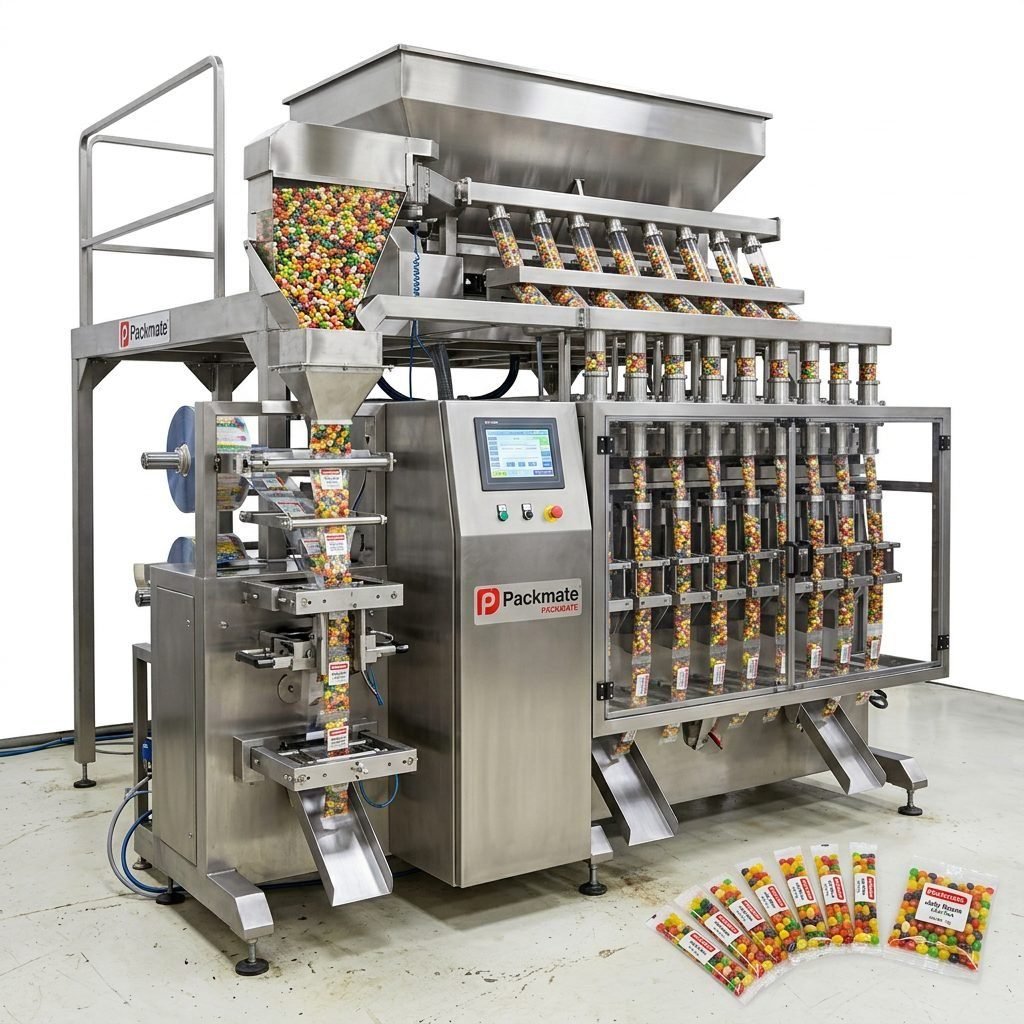
In this configuration, the machine automatically forms a bag from a roll of film, fills it with product, and seals it. The semi-automatic aspect often involves manual product feeding or bag placement initiation. This type is excellent for creating stand-up pouches, pillow bags, and sachets for snacks, powders, and granular products.
3. Semi-Automatic Liquid & Paste Filling Machines
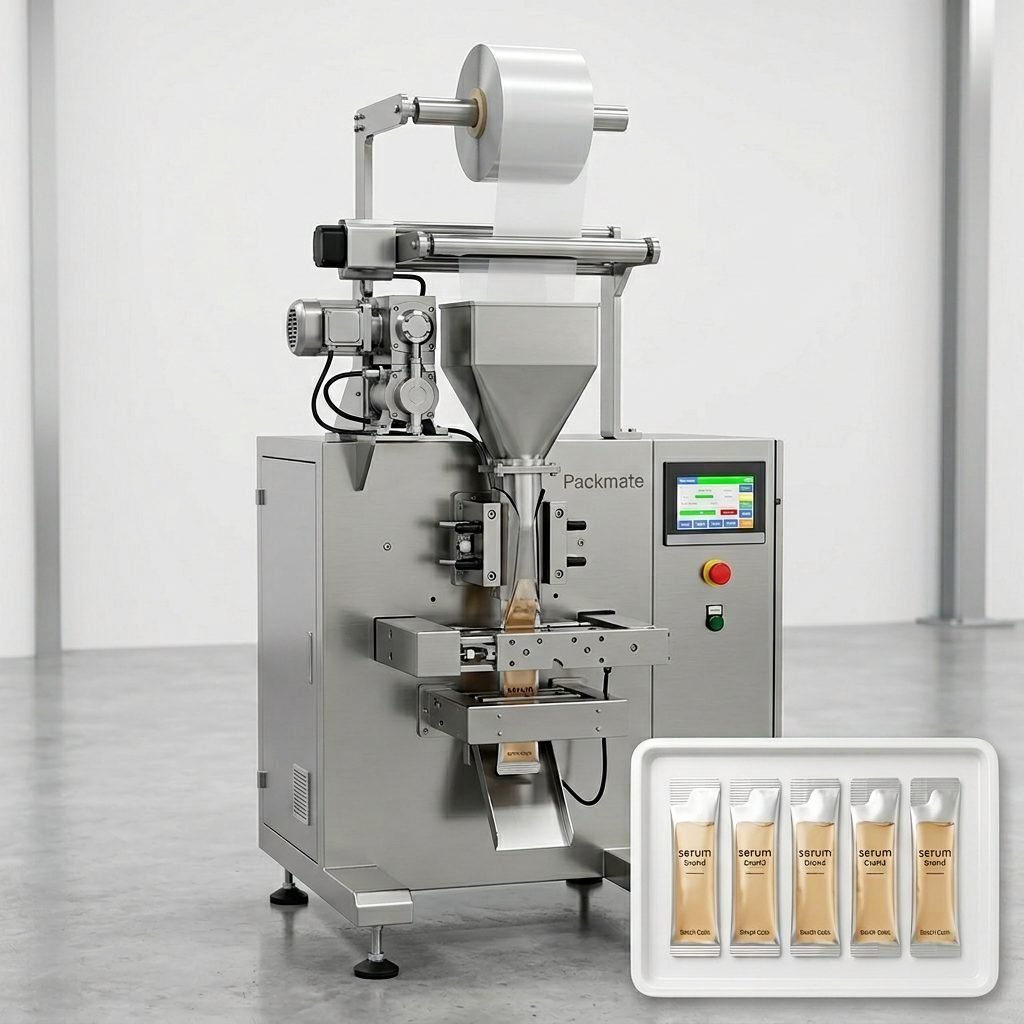
Designed for viscous products like sauces, oils, creams, and pastes. Operators place bottles or pouches, and the machine performs precise volumetric or gravity filling. Features like no-drip nozzles and adjustable fill times are critical for cleanliness and accuracy.
4. Semi-Automatic Sealing & Capping Machines
These machines automate the final closure step. Examples include induction sealers for bottle caps, heat sealers for pouches, or cappers for screw-on lids. The operator loads the filled container, and the machine ensures a consistent, secure, and tamper-evident seal.
Working Principle and Core Components
The fundamental operation of a semi-automatic packing machine revolves around a controlled cycle initiated by the operator. While designs vary, a typical workflow involves: Operator Setup -> Machine Initiation -> Automated Process Cycle -> Output.
Core components usually include:
- Control Panel: HMI (Human-Machine Interface) or simple buttons for setting parameters like weight, fill time, and temperature.
- Product Hopper/Reservoir: Holds the bulk product for feeding into the dosing system.
- Dosing System: The heart of the machine. This can be a auger filler for powders, a pump for liquids, or a cup filler for granules.
- Weighing System (if applicable): Load cells that provide feedback to ensure filling accuracy.
- Sealing Mechanism: Heated jaws for plastic films or capping heads for containers.
- Machine Frame & Conveyance: The sturdy structure that holds all components, sometimes with a short conveyor belt for positioning.
Market Overview and Pricing Factors
The global market for semi-automatic packing machines is robust, driven by the growth of SMEs, the food processing sector, and the pharmaceutical industry. Leading manufacturing regions include China, Europe, and North America. Chinese manufacturers, such as Ludyway and Packmate Machinery, are prominent for offering a balance of reliability and cost-effectiveness, exporting widely to Europe, North America, and Southeast Asia.
Pricing for a semi-automatic packing machine is not fixed and depends on several key factors:
| Factor | Impact on Price | Examples |
|---|---|---|
| Machine Type & Complexity | High | A VFFS machine is typically more expensive than a simple auger filler. |
| Level of Automation | Medium to High | Touchscreen PLC control adds cost over basic relay logic. |
| Construction & Materials | High | Full 304 stainless steel contact parts for food/pharma command a premium over carbon steel. |
| Production Capacity | Medium | A machine rated for 30 bags/minute will cost more than one for 10 bags/minute. |
| Brand & Origin | Medium | Established European brands often have higher prices than reputable Asian manufacturers. |
Price Range Estimate: A basic semi-automatic auger filler for powders can start from $3,000 – $5,000. More sophisticated semi-automatic VFFS or liquid filling machines with better controls and stainless steel builds can range from $8,000 to $20,000 or more. Always factor in costs for shipping, installation, and potential spare parts.
Essential Buying Tips
Selecting the right machine requires careful consideration beyond just the price tag. Follow these tips to ensure a successful purchase:
- Define Your Product & Packaging Specs Precisely: Know your product’s physical characteristics (size, flowability, hygroscopicity) and your desired bag/container type, size, and material. Provide samples to the supplier for testing.
- Match Machine to Required Output: Don’t overpay for excessive speed you don’t need. Calculate your required output in bags/packs per hour, considering operator efficiency.
- Prioritize Ease of Use and Changeover: Look for machines with tool-less adjustments for bag size or fill weight. Simple, intuitive controls reduce training time and errors.
- Evaluate Build Quality and Hygiene: Inspect the quality of welding, surface finish, and material grades. For food or pharmaceutical use, ensure easy-clean design and compliance with relevant standards (e.g., cGMP).
- Assess Supplier Support & Reputation: Research the manufacturer’s history. Companies like PacklineOEM with decades of experience often provide more reliable support. Check availability of technical documentation, spare parts, and after-sales service.
- Request a Live or Video Demo: Always ask the supplier to run a test with a product sample similar to yours. This validates the machine’s performance and accuracy.
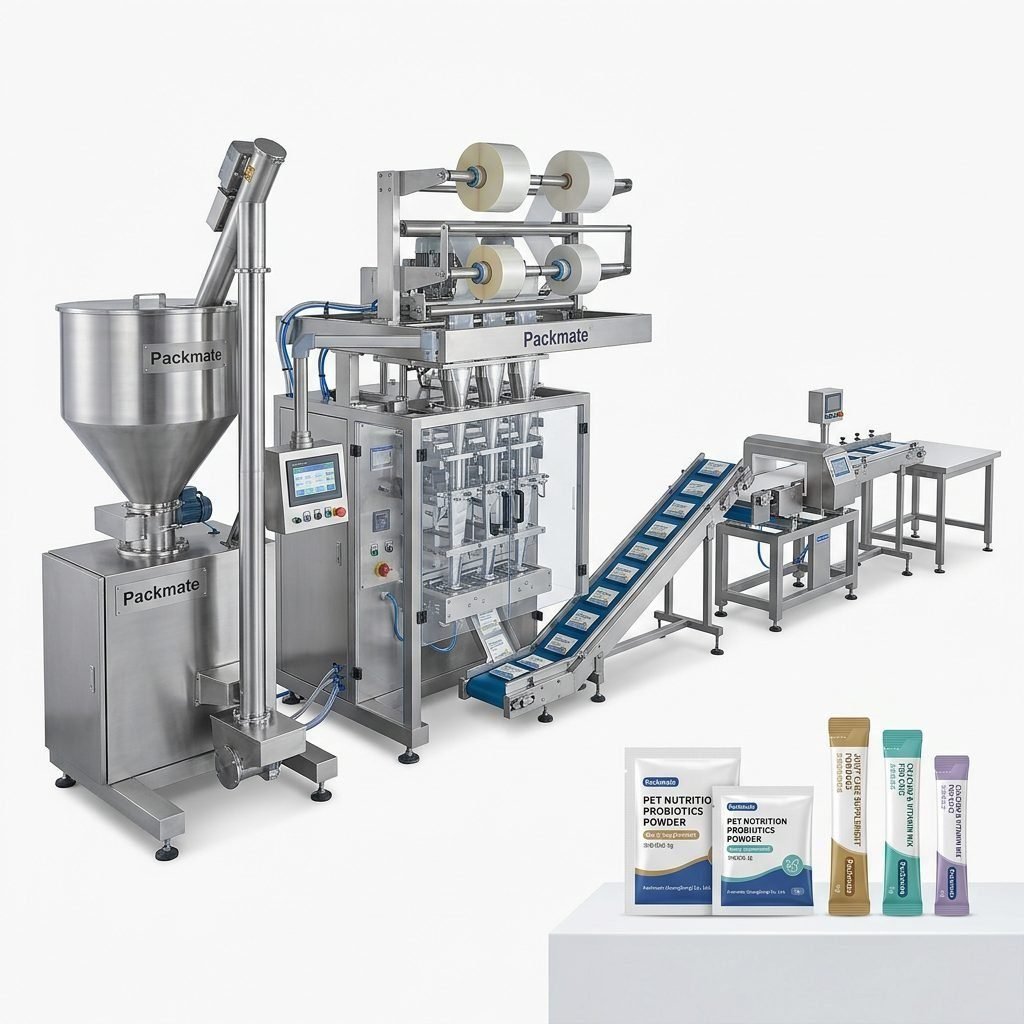
- Consider Future-Proofing: If you plan to grow, discuss if the machine can be upgraded later or integrated into a semi-automatic line with conveyors and counters.
Advantages and Limitations
Advantages:
- Lower Initial Investment: Significantly cheaper than fully automatic lines.
- Flexibility: Easier to switch between different products or package sizes.
- Reduced Labor vs. Manual: Increases per-worker output and improves consistency.
- Smaller Footprint: Requires less factory space than complex automated lines.
- Easier Maintenance: Simpler mechanics often mean easier troubleshooting and repair.
Limitations:
- Lower Overall Output: Speed is limited by operator pace and intervention.
- Higher Per-Unit Labor Cost: Compared to a fully automated line, labor cost per pack remains a factor.
- Operator Dependency: Consistency can vary slightly between operators.
- Not Suitable for High-Volume: For mass production, full automation is more economical long-term.
Frequently Asked Questions (FAQs)
1. What is the main difference between semi-automatic and fully automatic packing machines?
The key difference is the level of human intervention. A semi-automatic machine requires an operator to perform part of the cycle (e.g., placing bags, starting the fill). A fully automatic machine integrates all steps—from bag feeding to final case packing—with minimal to no operator involvement, resulting in much higher speeds.
2. Can a semi-automatic machine handle different products?
Yes, one of their strengths is flexibility. However, changeover requires manual adjustment of settings (weight, fill time, sealing temperature) and often physical parts (nozzles, forming tubes). The ease and speed of this changeover vary by machine design.
3. How accurate are semi-automatic filling machines?
Modern semi-automatic machines with servo-driven augers or precision pumps can achieve high accuracy, often within ±0.5% to ±1% of the target weight or volume. Accuracy depends on product characteristics, machine calibration, and proper operator training.
4. Are semi-automatic machines suitable for food-grade or pharmaceutical products?
Absolutely. Many models are built specifically for these industries using food-grade stainless steel (e.g., 304, 316), with smooth, crevice-free surfaces that are easy to clean and sanitize. Always verify the machine’s material certificates and design compliance with your local regulations.
5. When should I consider upgrading from semi-automatic to fully automatic?
Consider upgrading when: your production volumes consistently exceed the semi-auto machine’s capacity, labor costs become prohibitive, you require 24/7 operation, or you need tighter integration with upstream and downstream processes (like with a turnkey line). The investment is justified by long-term savings in labor and increases in total output.