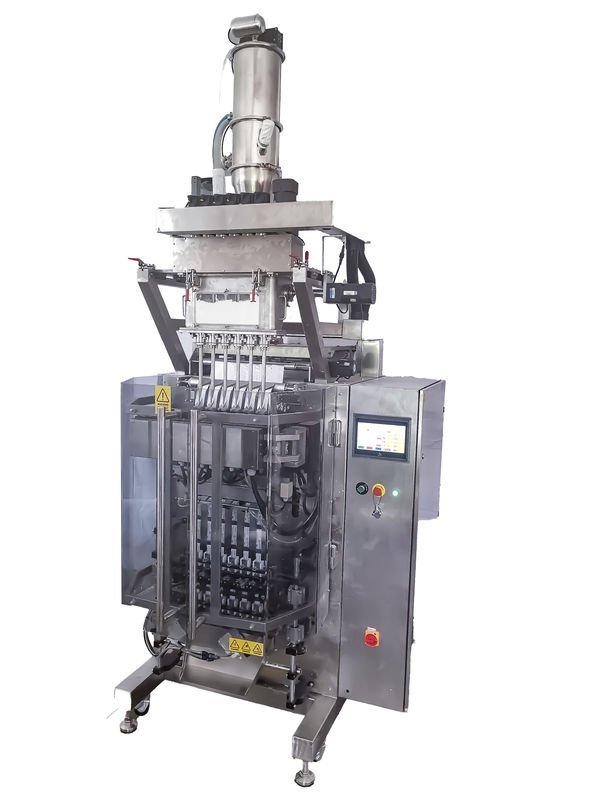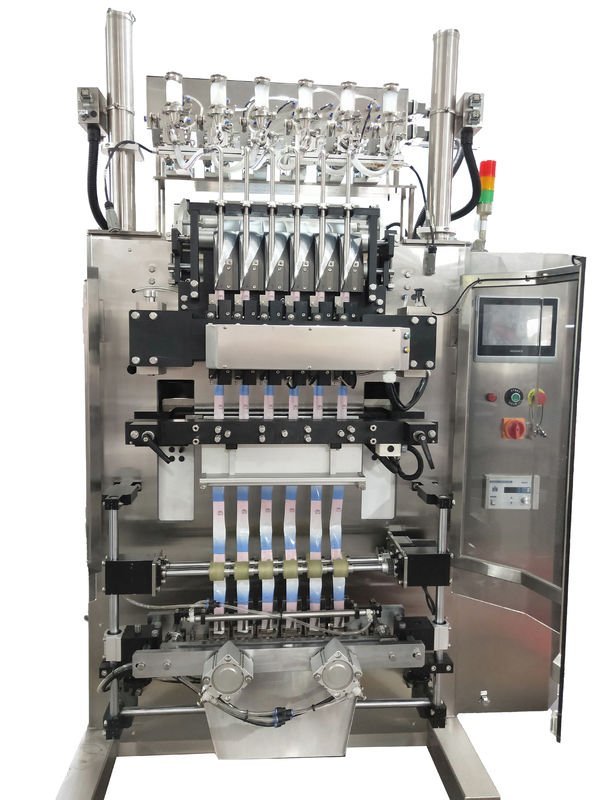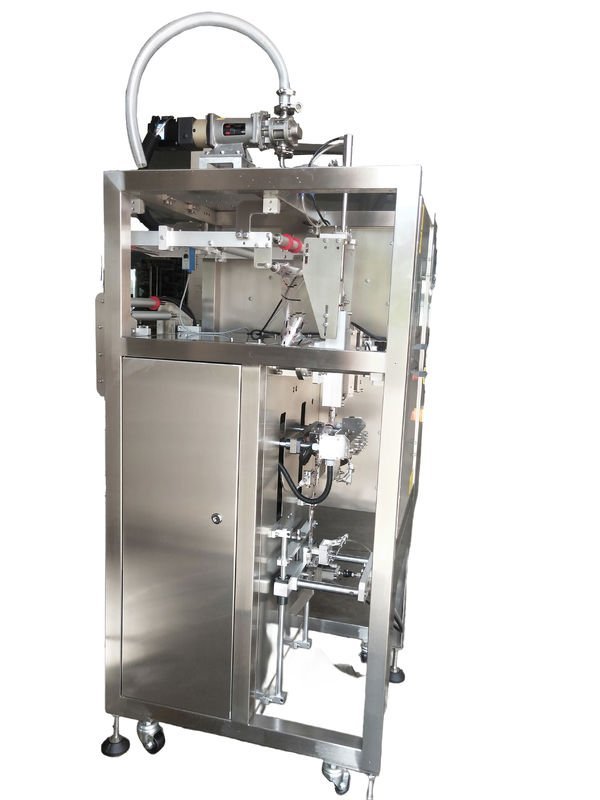
Selecting the right shrink packaging machine is a critical decision that directly impacts your production efficiency, product presentation, and overall operational costs. This comprehensive guide is designed to walk you through the key factors and considerations to ensure you choose the best shrink wrap machine tailored precisely to your products and business needs.
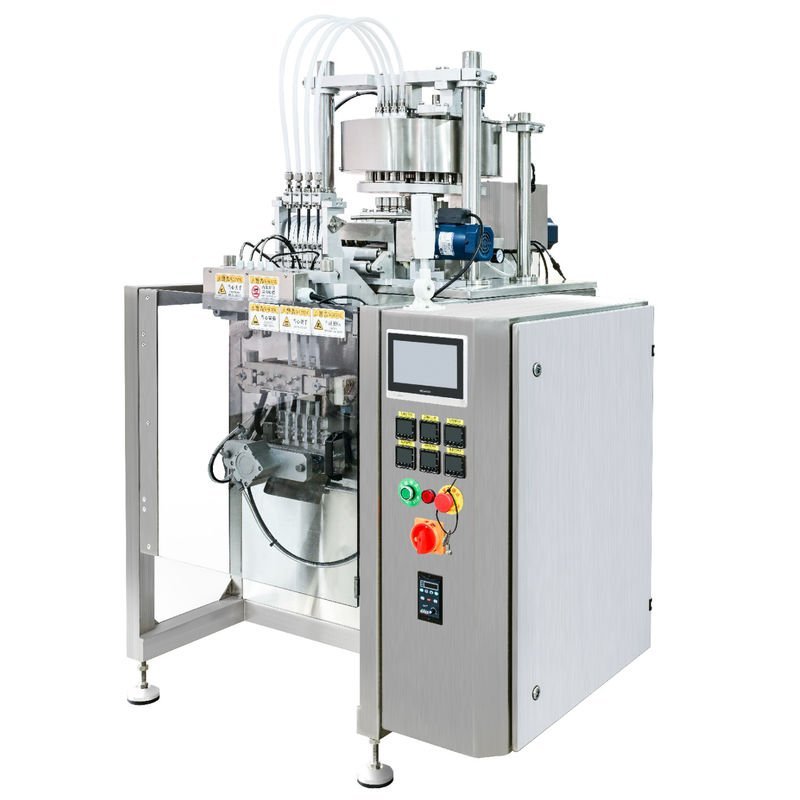
Understanding Your Product Requirements
The journey to the perfect machine begins with a deep understanding of what you are packaging. Not all products are created equal, and neither are their packaging needs.
Key Product Factors to Analyze:
Size and Dimensions: Measure the length, width, and height of your product. Machines have specific size ranges, from small L-sealers for items like DVDs to large automatic sleeve wrappers for pallets.
Shape and Stability: Is your product uniform (like a book) or irregular (like a toolset)? Stable, boxy items are simpler to wrap, while irregular shapes may require a more advanced machine with better film control.
Production Volume: This is paramount. Are you wrapping dozens, hundreds, or thousands of units per day? Your output dictates whether you need a manual, semi-automatic, or fully automatic system.
Material Sensitivity: Some products are sensitive to heat. The shrink tunnel’s temperature must be carefully controlled to avoid damage, which may necessitate a machine with precise thermal settings.
Types of Shrink Wrap Machines: Finding Your Match
The market offers a variety of shrink packaging machines, each suited for different applications. Familiarizing yourself with the main types is the first step to narrowing down your options.
1. L-Bar Sealers (Manual & Semi-Automatic)
Ideal for low to medium-volume operations, L-bar sealers are a cost-effective entry point. An operator places the product and film into the machine, and an L-shaped bar descends to seal and cut the film. The bundled product is then transferred to a separate shrink tunnel. These are perfect for businesses with varied product sizes or seasonal spikes. For businesses packaging smaller items like sachets or stick packs, integrating a shrink bundler can be a logical next step for secondary packaging.
2. Sleeve Wrappers
These machines form a film sleeve around the product. They are excellent for bundling multiple items together (like beverage cans or food boxes) and providing a stable, tamper-evident package. They can be configured as semi-automatic or fully automatic inline systems.
3. Full-Body Sleeve Labelers
Going beyond simple protection, these machines apply a printed shrink film that conforms tightly to a container’s contours (like bottles for sauces or cosmetics). This technology is used for stunning 360-degree decorative labeling and tamper evidence, merging packaging with marketing.
4. Automatic Shrink Wrapping Systems
For high-speed, high-volume production lines, fully automatic systems are indispensable. They automatically feed, wrap, seal, and shrink products with minimal human intervention. These are often integrated with upstream equipment like weighing and filling systems or downstream with case packers, creating a seamless packaging line.
Critical Machine Specifications to Evaluate
Once you know the type, dive into the specifications. These technical details separate a good machine from a great one that will serve you for years.
🔍 Speed and Throughput
Measured in packages per minute (PPM). Match the machine’s maximum speed to your current and projected future needs. Buying a machine that’s too slow creates bottlenecks; one that’s excessively fast may be an unnecessary capital expense.
🔥 Heat Source and Tunnel Efficiency
The shrink tunnel is the engine. Common heat sources are hot air (gentle, good for irregular shapes) and infrared (efficient, direct heating). Look for adjustable temperature controls and even heat distribution to avoid weak seals or burnt film.
🎛️ Sealing System
The seal must be strong and consistent. Impulse sealers use a heated wire for a clean cut and seal. Constant heat sealers use a heated bar. Check the seal bar material and the reliability of the temperature regulation system.
📦 Film Compatibility and Waste
Can the machine handle the shrink film (polyolefin, PVC, etc.) you plan to use? Advanced machines have features to minimize film waste through precise cutting and tension control, which significantly reduces material costs over time.
Beyond the Machine: Total Cost of Ownership & Support
The purchase price is just the beginning. A wise investment considers the long-term operational and support costs.
Energy Consumption: An energy-efficient machine, especially in the shrink tunnel, can lead to substantial savings on utility bills.
Ease of Maintenance and Cleaning: Machines with accessible components and tool-free adjustments reduce downtime. This is especially crucial in industries like food and pharmaceuticals where hygiene is paramount.
Supplier Reliability and Service: This may be the most critical factor. Choose a manufacturer with a proven track record. A company like Packmate, with over two decades of experience, doesn’t just sell a machine; they provide a solution. Look for comprehensive after-sales support, availability of spare parts, and technical training. Reviewing a supplier’s case studies and project history can offer valuable insights into their capability and reliability.
Safety Features: Ensure the machine has necessary guards, emergency stops, and complies with relevant safety standards for your region to protect your operators.
Making the Final Decision: A Step-by-Step Checklist
- Audit Your Products: List all items to be wrapped with their dimensions and volumes.
- Define Your Budget: Include machine cost, installation, film, and projected operating costs.
- Research and Shortlist: Identify 3-5 machine models or suppliers that match your Type and Specs.
- Request Demos and Samples: Never buy blind. Ask for a live or video demonstration using your actual product or a similar dummy.
- Check References: Contact existing customers of the shortlisted suppliers to hear about their real-world experience.
- Review the Contract and Warranty: Understand the warranty coverage, service terms, and delivery timeline before signing.
By methodically working through these stages—from product analysis to post-purchase support—you transform a complex procurement process into a structured, confident decision. The right shrink packaging machine is not just a piece of equipment; it’s a strategic partner that enhances your product’s appeal, secures its integrity, and streamlines your path to market.
Frequently Asked Questions (FAQs)
What type of shrink film should I use with my machine?
The most common films are Polyolefin (POF) and Polyvinyl Chloride (PVC). POF is popular for its clarity, strength, and environmental friendliness (it produces less fumes when heated). PVC is often less expensive but can be less eco-friendly. Your machine supplier should provide a list of compatible films. Always test the film with your specific product and machine settings.
Can one machine handle products of very different sizes?
It depends on the machine’s design. Many L-sealers and semi-automatic wrappers have adjustable sealing bars and tunnels that can accommodate a range of sizes with simple changeovers. However, for vastly different product shapes (e.g., from small boxes to tall bottles), the changeover time and adjustments might be significant. For such diverse needs, you might consider a versatile model or evaluate the cost-benefit of a dedicated machine for each major product line.
How much maintenance does a shrink wrapper require?
Regular maintenance is key to longevity and consistent performance. Daily tasks include cleaning the seal bar and tunnel of any film residue. Weekly or monthly checks might involve lubricating moving parts, inspecting heating elements, and checking for wear on belts and cutters. Always follow the manufacturer’s maintenance schedule provided in the manual.
What’s the difference between a seal and a weak seal?
A strong, hermetic seal is complete, uniform, and cannot be peeled apart easily. A weak seal may have wrinkles, gaps, or can be separated by hand. Common causes are incorrect temperature/ pressure settings, dirty seal bars, incompatible film, or poor film tension. A reliable machine with precise controls minimizes these issues.
Is it worth investing in a fully automatic machine for a growing business?
If your business is scaling and you project a consistent, high volume of packaging, investing in automation can provide a rapid return on investment (ROI). It reduces labor costs, increases output consistency, and minimizes operator fatigue. The decision should be based on a clear analysis of your current labor costs, growth projections, and the payback period for the more expensive automatic equipment.