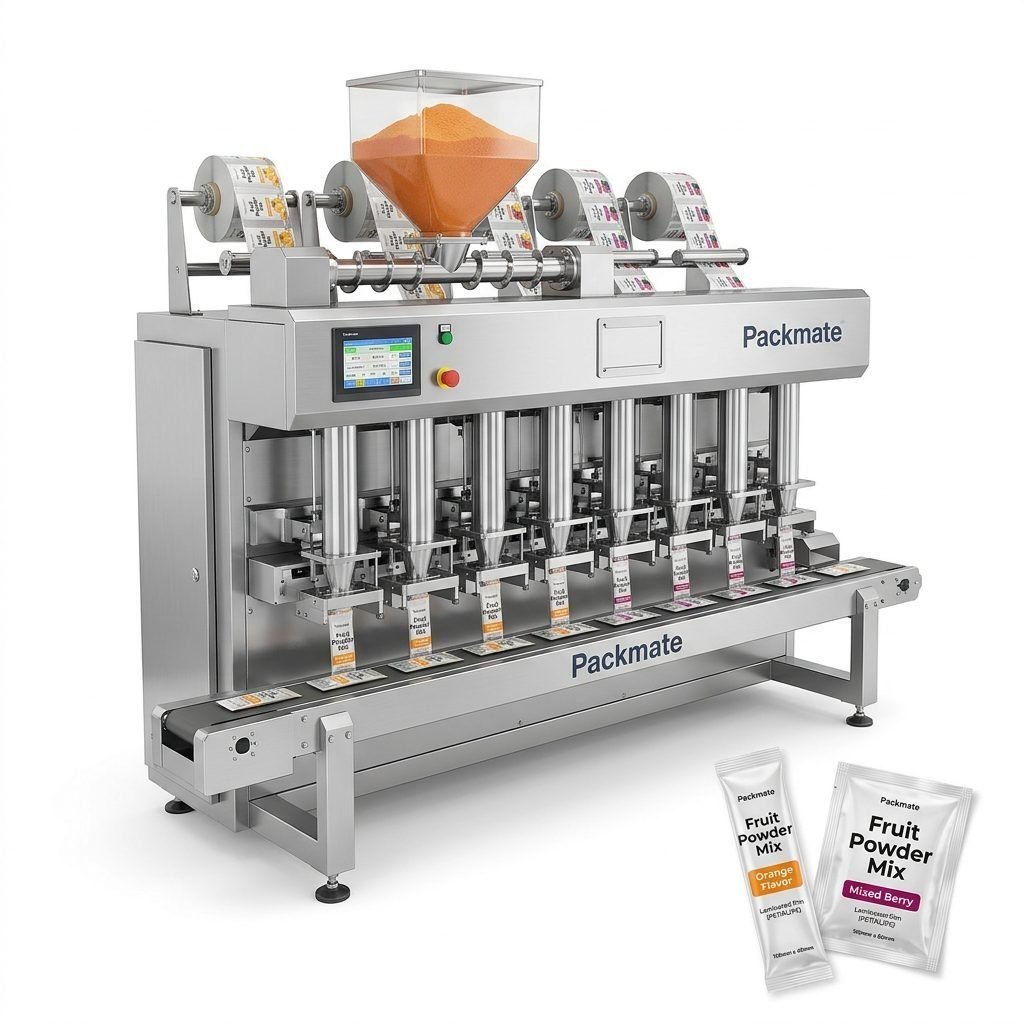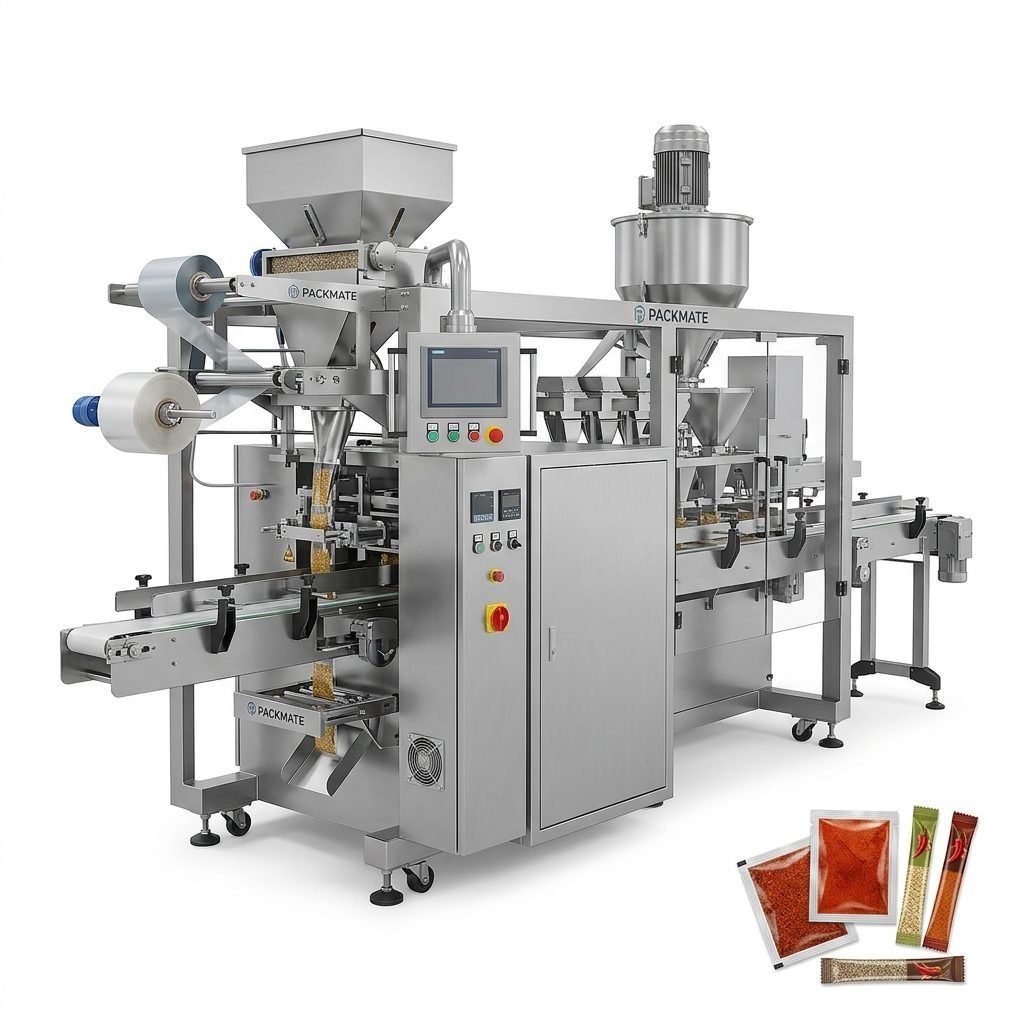
In today’s fast-paced consumer markets, the demand for convenient, single-serve, and portable product formats is higher than ever. Small sachet packaging for powders and liquids has become a cornerstone of this trend, offering benefits from portion control and enhanced shelf life to improved hygiene and reduced product waste. For manufacturers across the globe, selecting an efficient and reliable packaging solution is crucial for maintaining competitive advantage, ensuring product integrity, and meeting diverse market regulations.
The Global Demand for Small Sachet Packaging
The appeal of sachet packaging spans continents and cultures. In Europe and North America, the focus is often on convenience for on-the-go lifestyles, premium single-serve products like coffee, protein powders, and skincare serums. Consumers value precise dosing, product freshness, and sustainable material options. In Southeast Asia, the Middle East, and Africa, sachets are a vital market penetration tool, making everyday essentials like shampoo, condiments, and instant beverages affordable and accessible to a broader population. The South American market shows strong growth in food, beverage, and agricultural product sachets. This global diversity means packaging solutions must be adaptable, handling everything from fine pharmaceutical powders to viscous sauces and oils with equal precision.
Key Considerations for Powder and Liquid Sachet Packaging
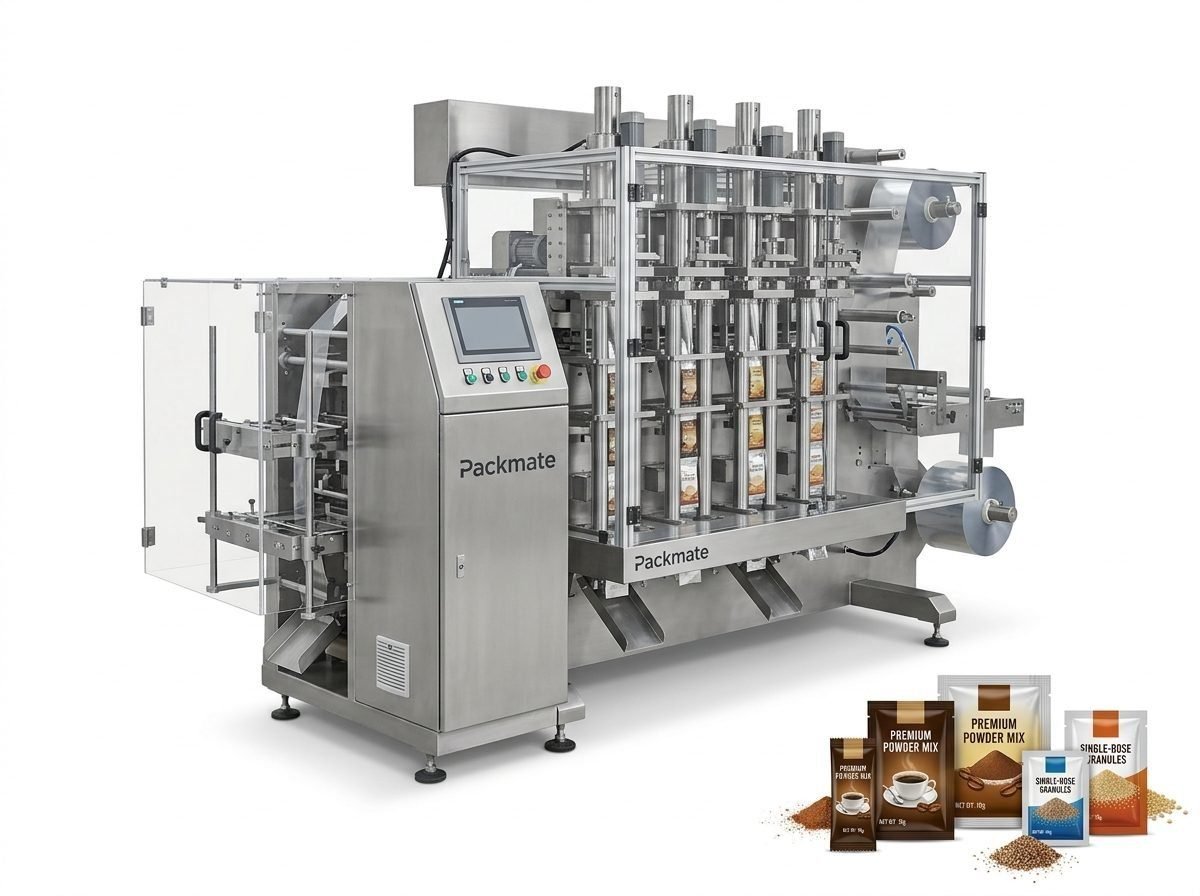
Choosing the right packaging machinery involves a detailed analysis of your product and production goals. For powders (like milk powder, spices, detergent, pharmaceuticals), key challenges include preventing dust, ensuring accurate filling weights, and maintaining flowability. Hygroscopic powders require moisture-barrier films. For liquids (sauces, oils, serums, lubricants), the priorities shift to preventing leaks, achieving clean seals without product contamination, and handling varying viscosities. The choice of packaging film (laminate structure, barrier properties, seal strength) is equally critical and must be compatible with the machine’s sealing technology.
Core Machine Types for Sachet Production
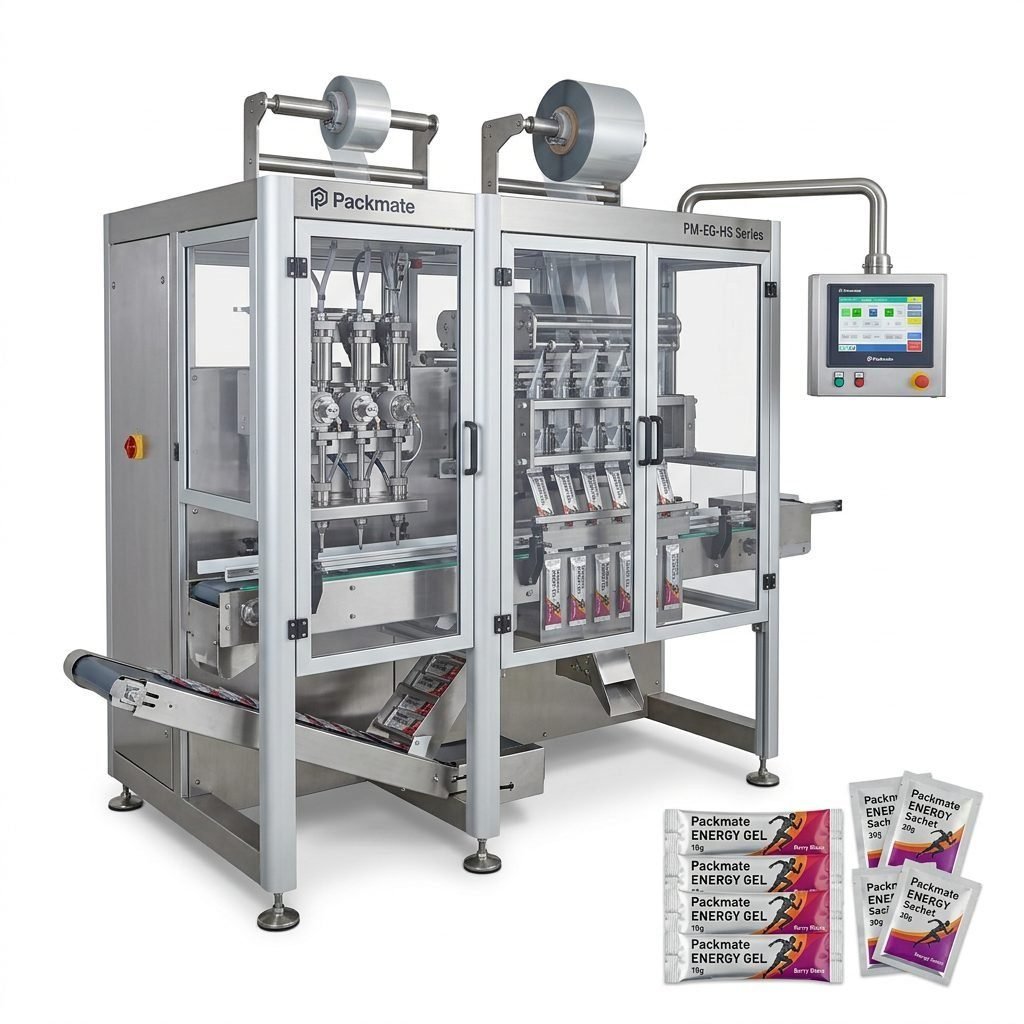
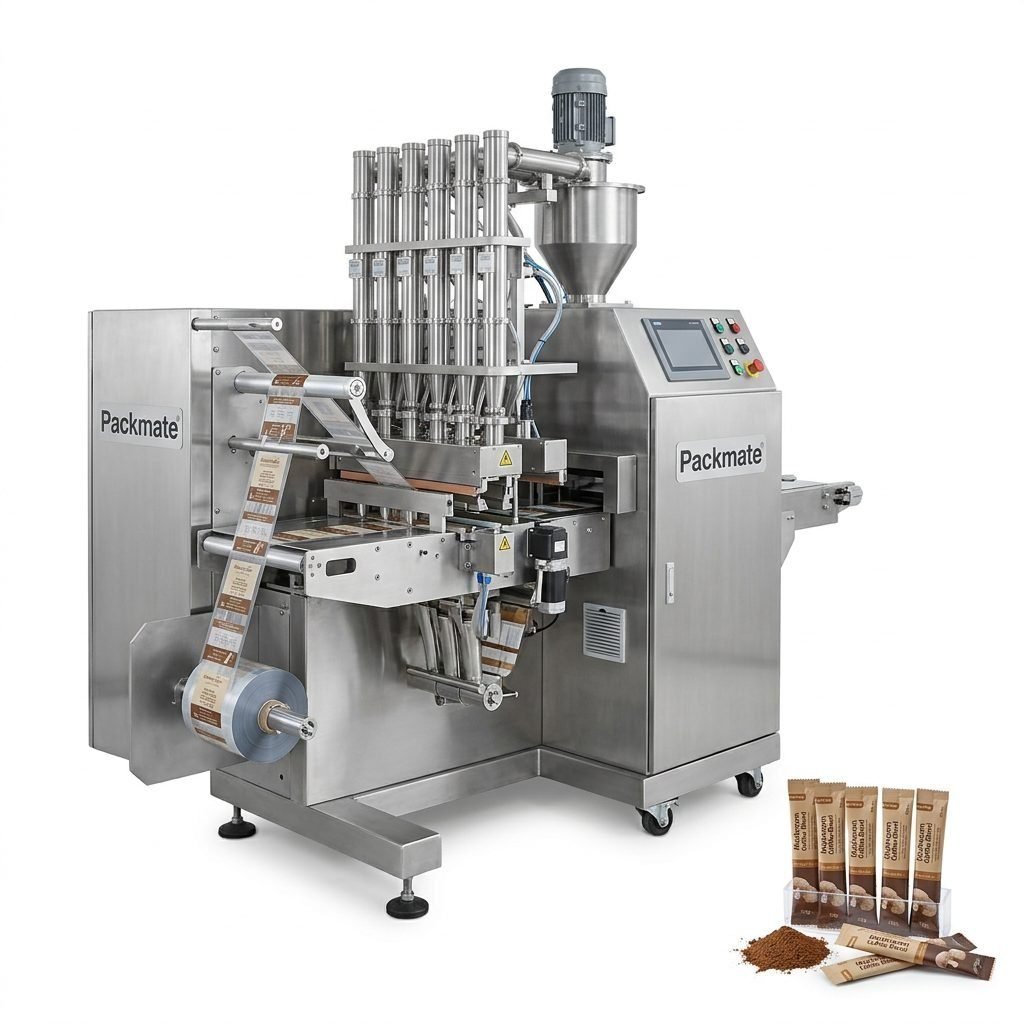
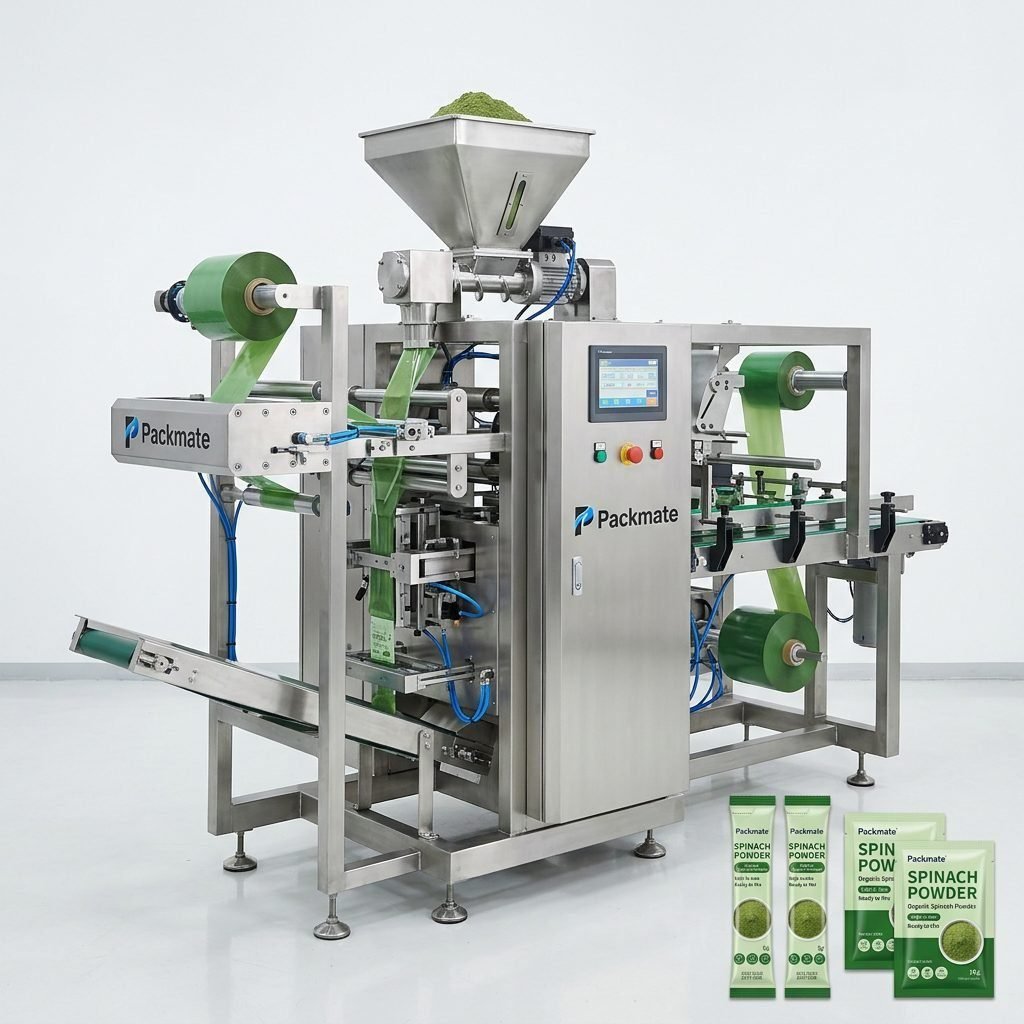
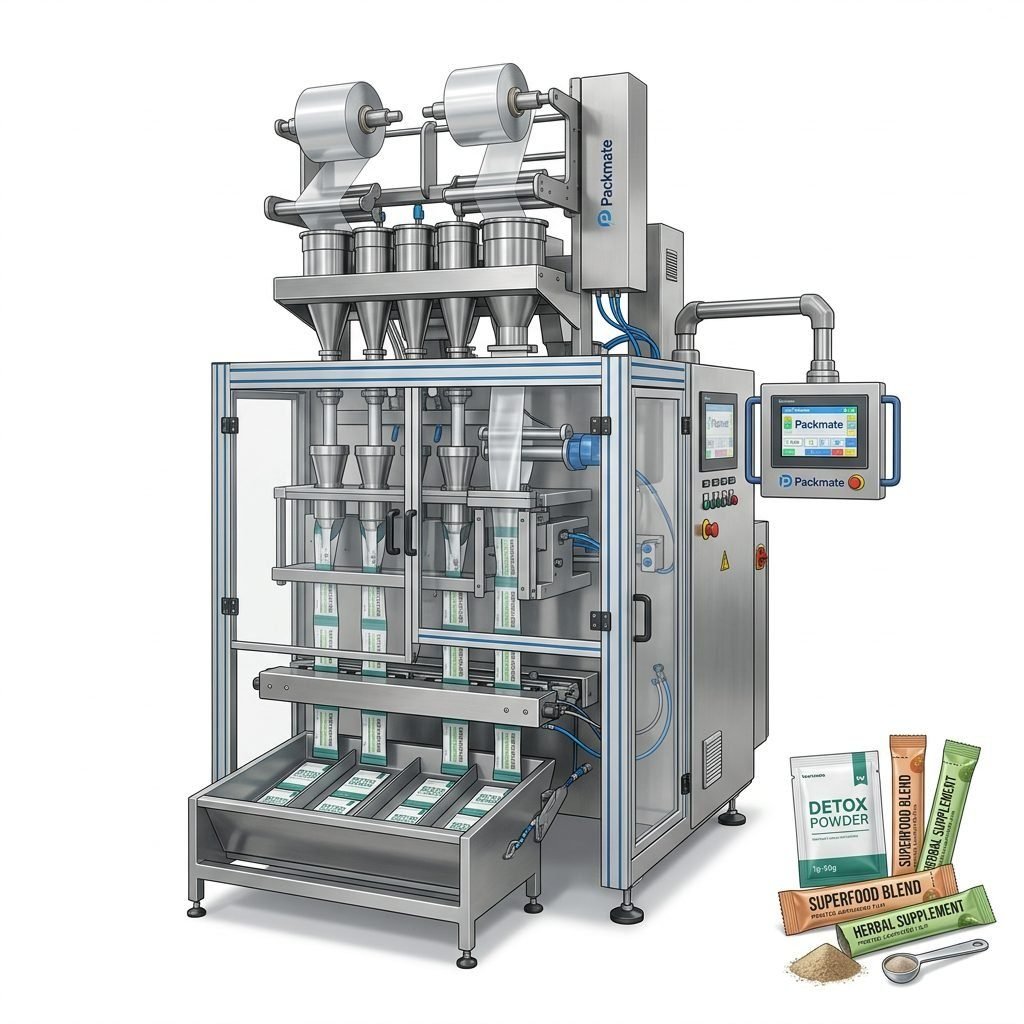
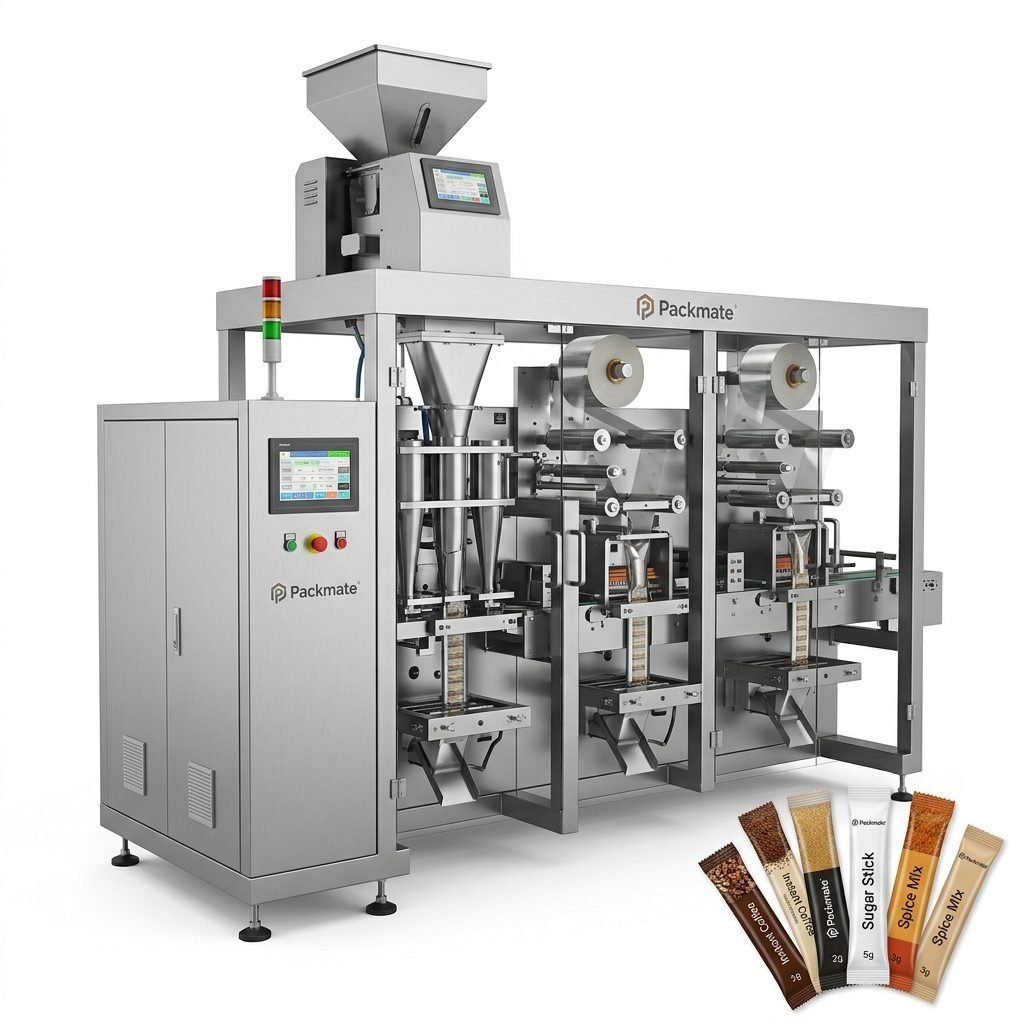
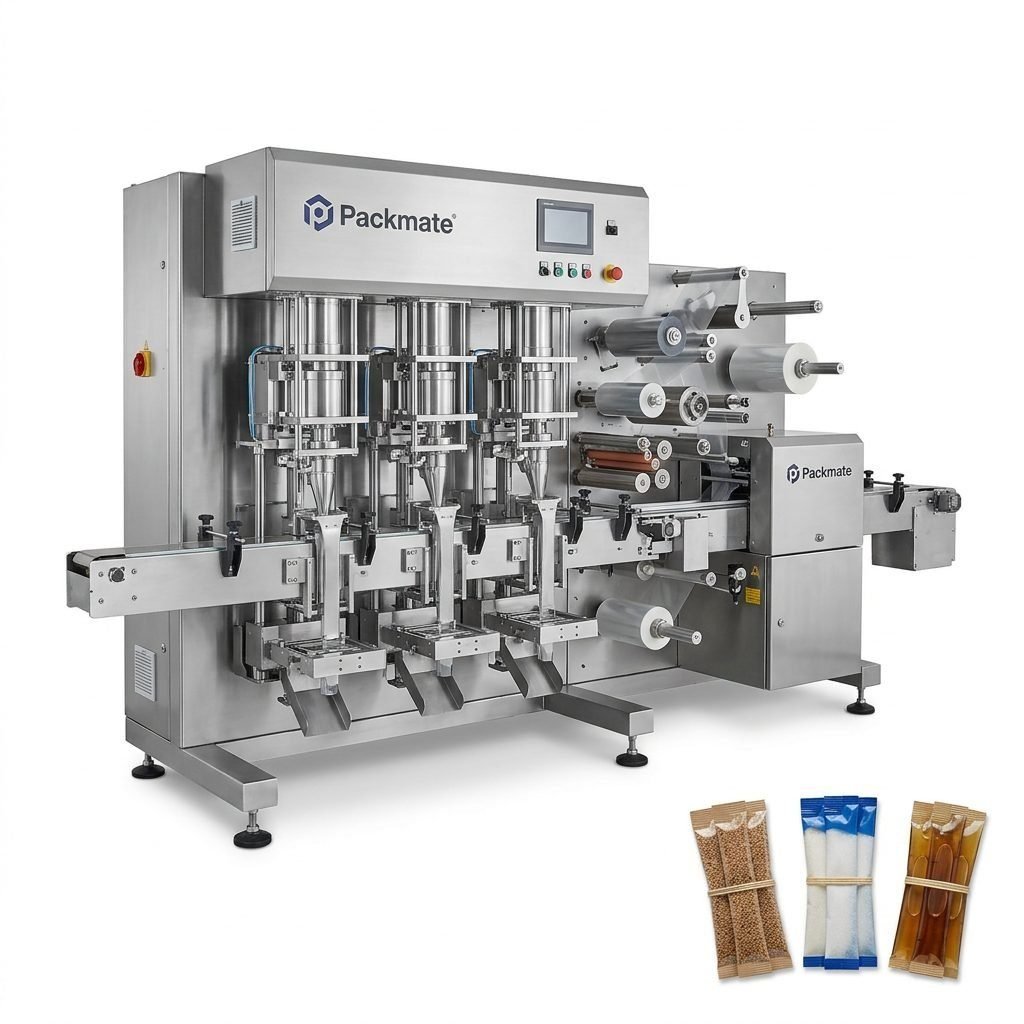
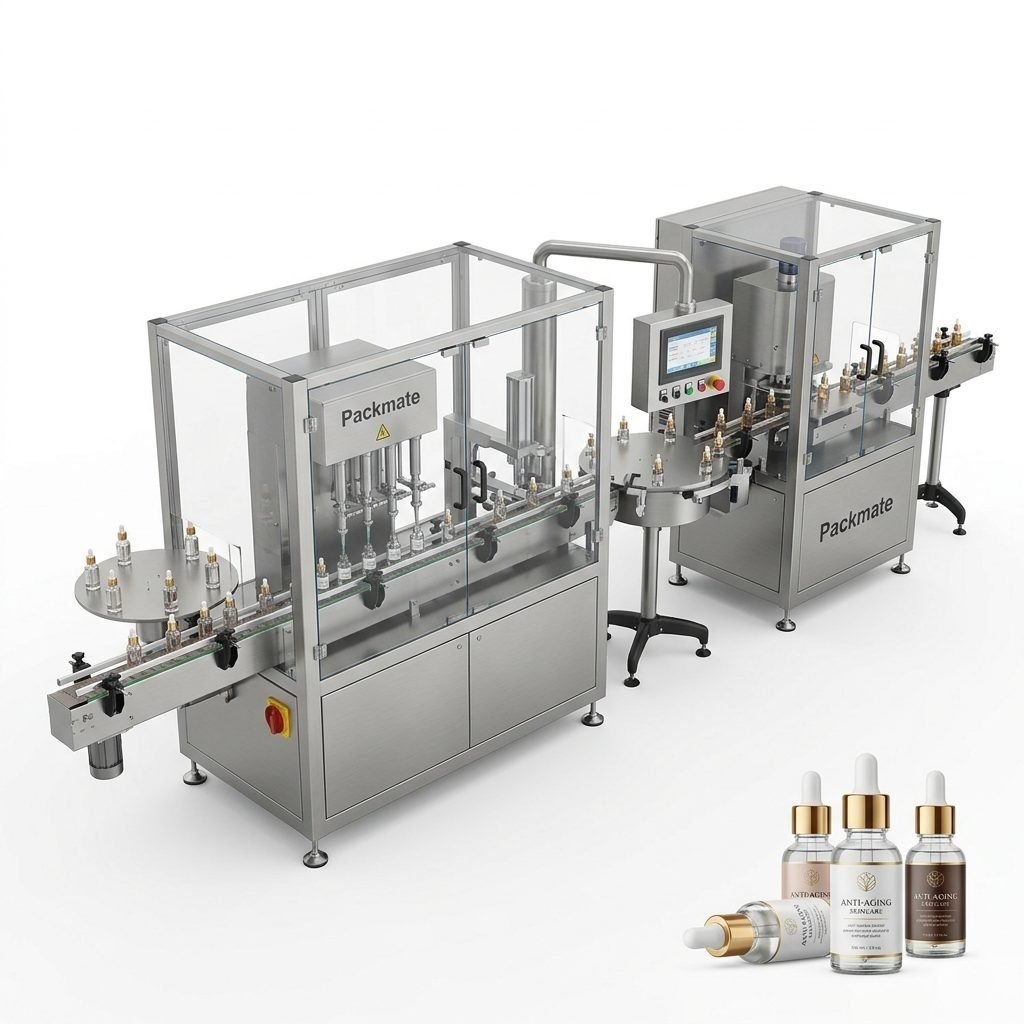
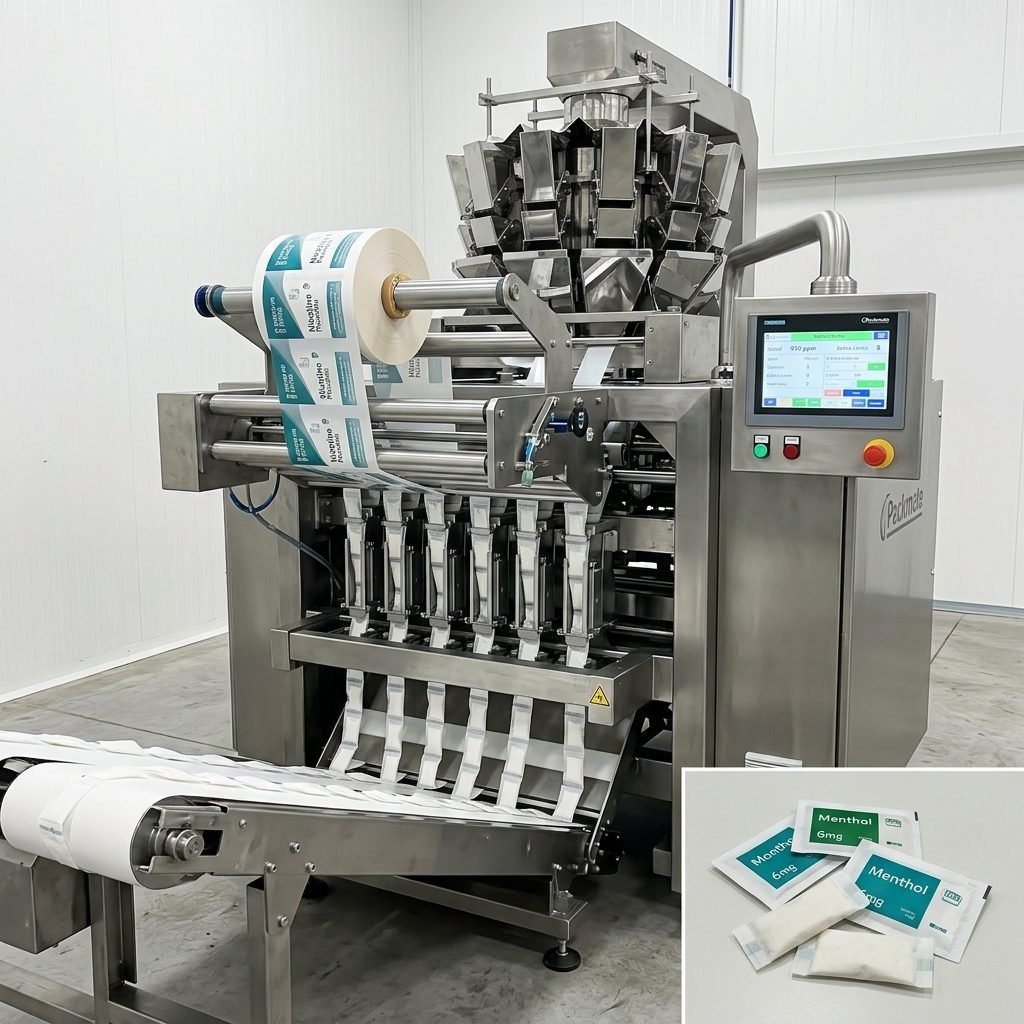
Modern sachet packing machines are highly specialized. Vertical Form-Fill-Seal (VFFS) machines are the most common, creating the pouch from a roll of film, filling it, and sealing it in a continuous vertical process. They are ideal for medium to high-speed production. Horizontal Form-Fill-Seal (HFFS) machines are often used for more complex sachet shapes or when placing a product on a film web before forming the pouch. For the highest outputs, multi-lane stick pack and sachet machines run several packaging lines in parallel, dramatically increasing production capacity for high-volume items like instant drink mixes or sugar packets.
Advantages of Automated Sachet Packaging Lines
Transitioning from manual or semi-automatic systems to fully automated lines from suppliers like Ludyway or Packmate Machinery brings transformative benefits:
| Advantage | Impact on Production |
|---|---|
| High Speed & Output | Multi-lane systems can produce hundreds of sachets per minute, meeting large-scale demand. |
| Exceptional Accuracy | Precision auger, pump, or weigh-fill systems ensure consistent dose weight, reducing giveaway and cost. |
| Improved Hygiene | Closed, automated systems minimize human contact, crucial for food, pharma, and cosmetic products. |
| Labor & Cost Savings | Significantly reduces reliance on manual labor, lowering long-term operational costs. |
| Flexibility & Quick Changeover | Modern machines allow for rapid size changes, facilitating short runs of different products. |
Integration and Customization: Beyond the Standalone Machine
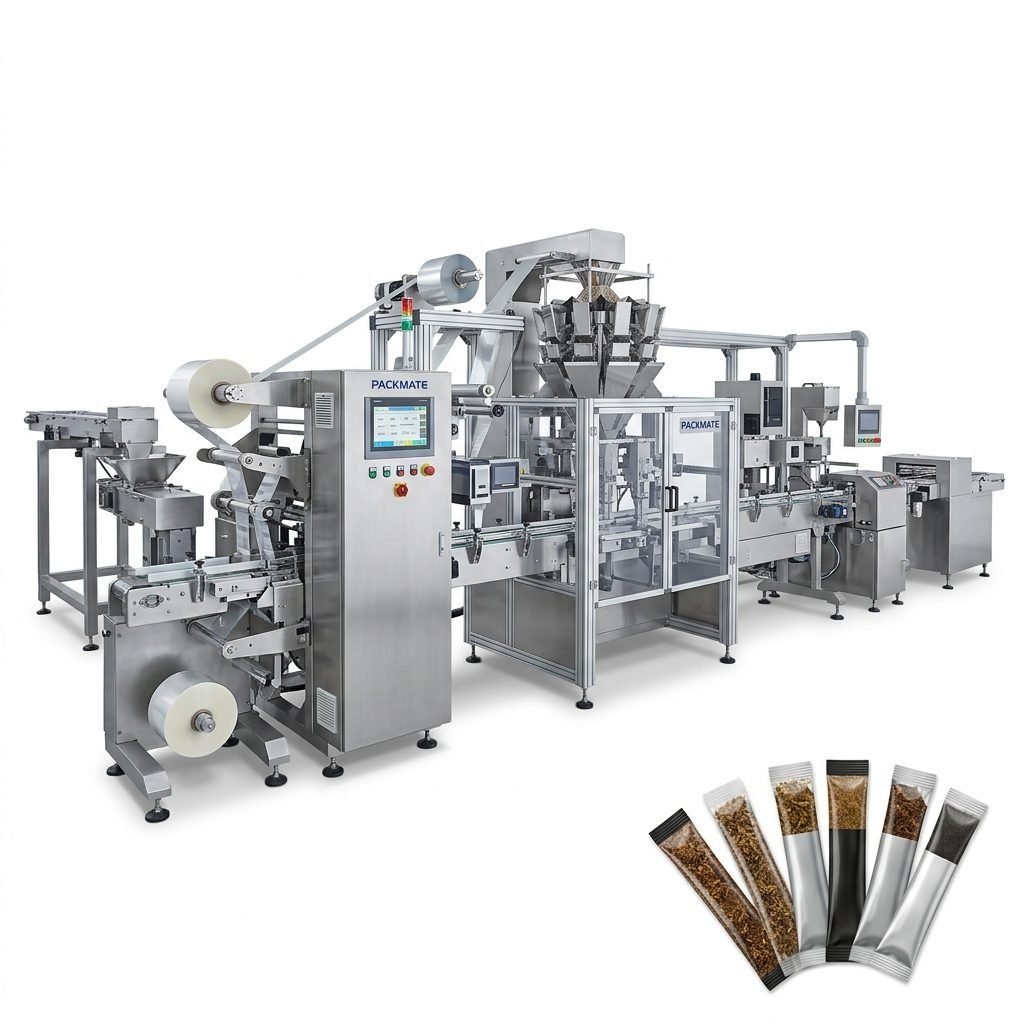
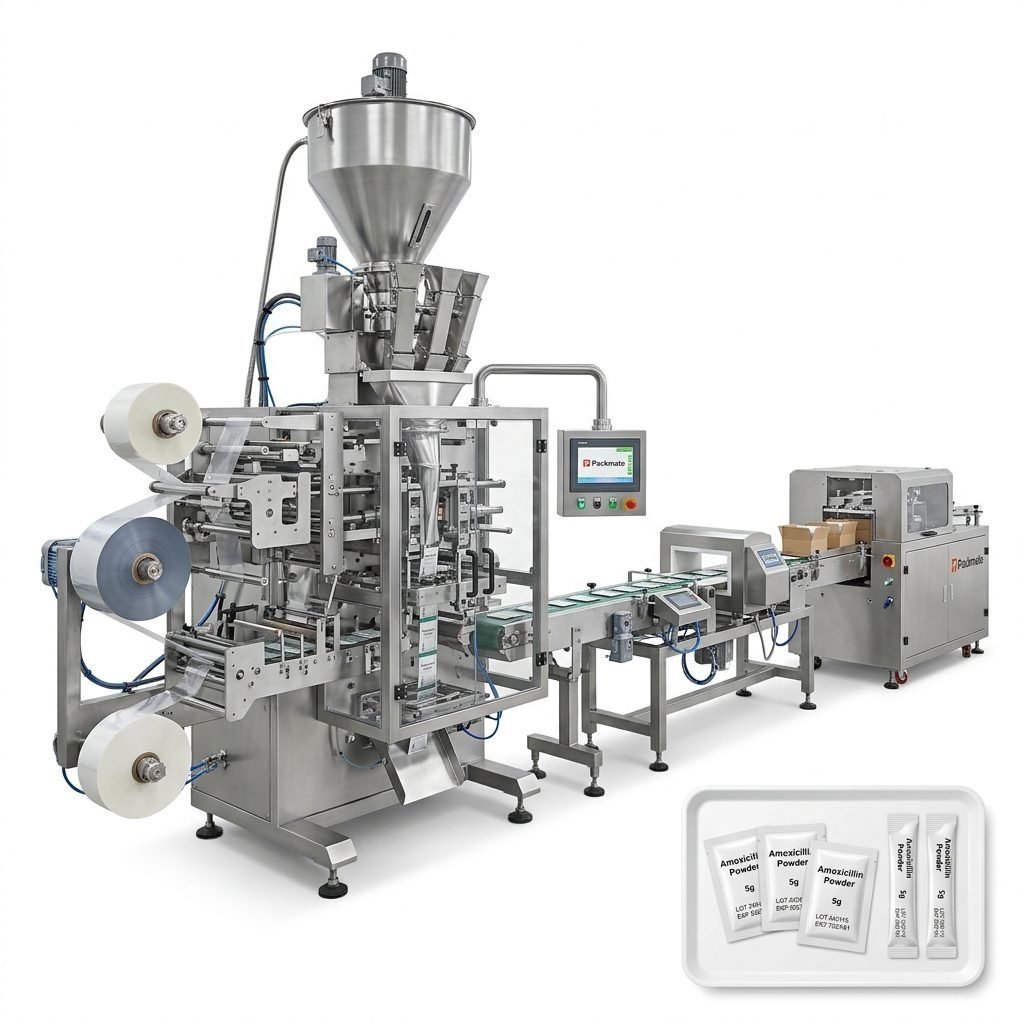
For large-scale operations, a standalone sachet machine is just the beginning. A complete turnkey packaging line integrates multiple processes. This can include automated product feeding (screw conveyors, vibratory feeders), checkweighers to ensure weight compliance, metal detectors for safety, date/batch coders, and cartoning or case-packing systems. Companies like PacklineOEM specialize in designing these integrated systems, ensuring seamless material flow from bulk handling to final palletizing. For niche products with unique requirements—such as nicotine pouches, viscous pastes, or sterile medical powders—working with a manufacturer like SnusMachinery or PackingMachineOEM that offers customized and non-standard solutions is essential to address specific challenges in dosing, sealing, or material handling.
Selecting the Right Packaging Partner
With over 30 years of industry experience, manufacturers like Ludyway and Packmate Machinery have proven their capability in global markets. When evaluating a supplier, consider their application experience with your specific product type (e.g., oily powder, free-flowing granules, acidic liquid). Assess their technical support and spare parts availability in your region. Finally, review their ability to provide after-sales service, training, and potential for future line expansion. A partner that understands both the machinery and your market’s regulatory landscape is invaluable.
Future Trends in Sachet Packaging
The future of small sachet packaging is driven by sustainability and smart technology. There is growing pressure to use mono-material or recyclable films, challenging machinery to handle these new materials effectively. Digital integration is another key trend, with machines offering IoT connectivity for real-time monitoring of production speed, downtime, and maintenance needs, enabling predictive analytics. Furthermore, demand for ultra-miniaturized and sample-sized sachets in cosmetics and premium foods requires even higher precision from filling and sealing systems.
Frequently Asked Questions (FAQs)
1. What is the typical production speed of a multi-lane sachet machine?
Speeds vary greatly based on sachet size, product, and number of lanes. Standard machines can range from 80 to 200 sachets per minute per lane. High-speed multi-lane systems (e.g., 8-16 lanes) can achieve total outputs of over 1,000 sachets per minute for simple, free-flowing products like sugar or salt.
2. Can one machine handle both powder and liquid products?
While some machines are designed to be versatile, significant changeovers between powder and liquid typically require different filling systems (auger vs. pump), sealing parameters, and sometimes film types. It’s more common for production lines to be dedicated to one product type for optimal efficiency and hygiene.
3. How do I ensure my sachets are leak-proof, especially for liquids and oils?
Leak-proof seals depend on a combination of the correct packaging film (with good sealant layer), precise sealing temperature and pressure settings on the machine, and ensuring the sealing jaws are clean and free of product contamination. Partnering with an experienced machine supplier for material testing and parameter setup is crucial.
4. What are the main differences between a stick pack and a standard sachet?
Stick packs are a tall, narrow type of sachet, often used for single-serve drink mixes, supplements, or condiments. They are space-efficient for shipping and retail display. Standard sachets come in various shapes (square, pillow, gusseted) and are used for a wider range of products. The choice depends on product characteristics, dosing, and marketing appeal.
5. What level of automation is right for my business?
This depends on your production volume, labor costs, and future growth plans. Low-volume or start-up operations might begin with a semi-automatic machine. For high-volume, cost-sensitive, or hygiene-critical production (pharma, food), a fully automated line with integrated feeding, filling, sealing, and inspection is a necessary investment for scalability and consistency.