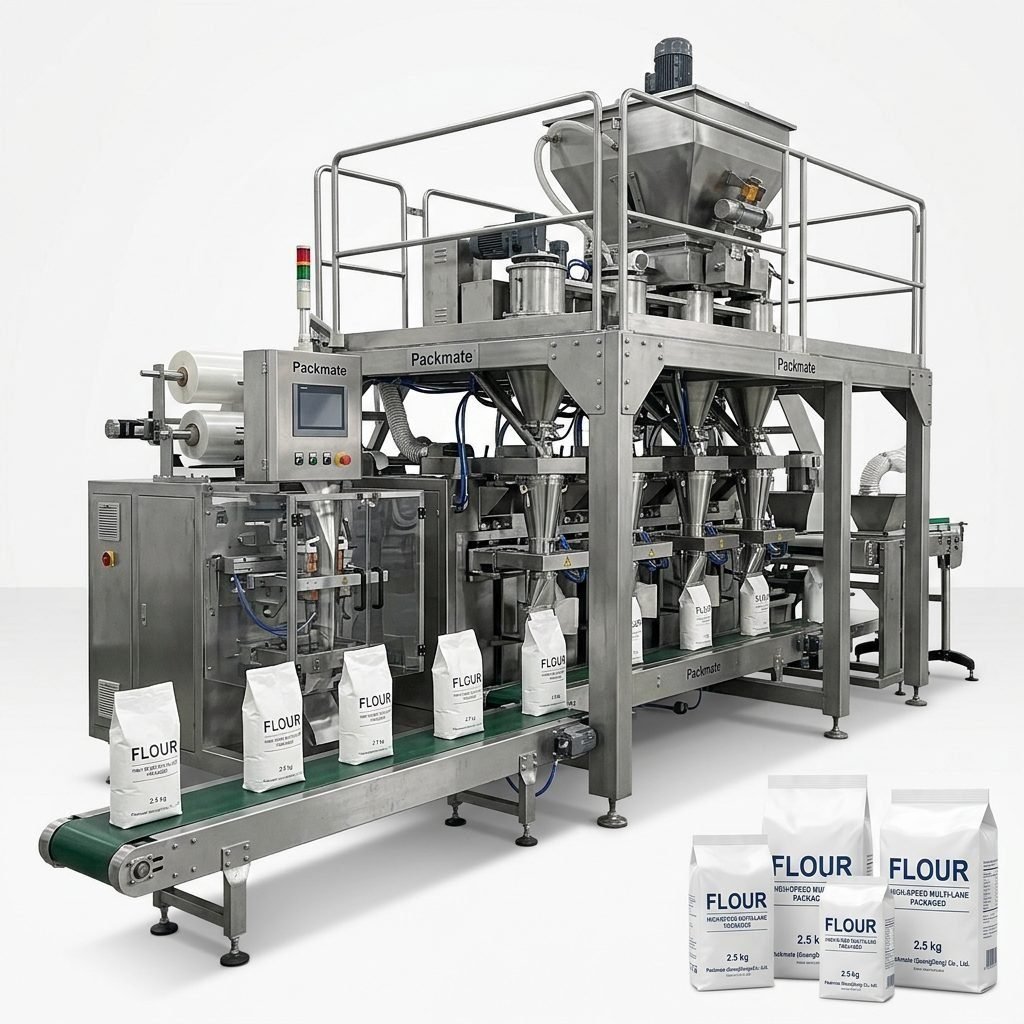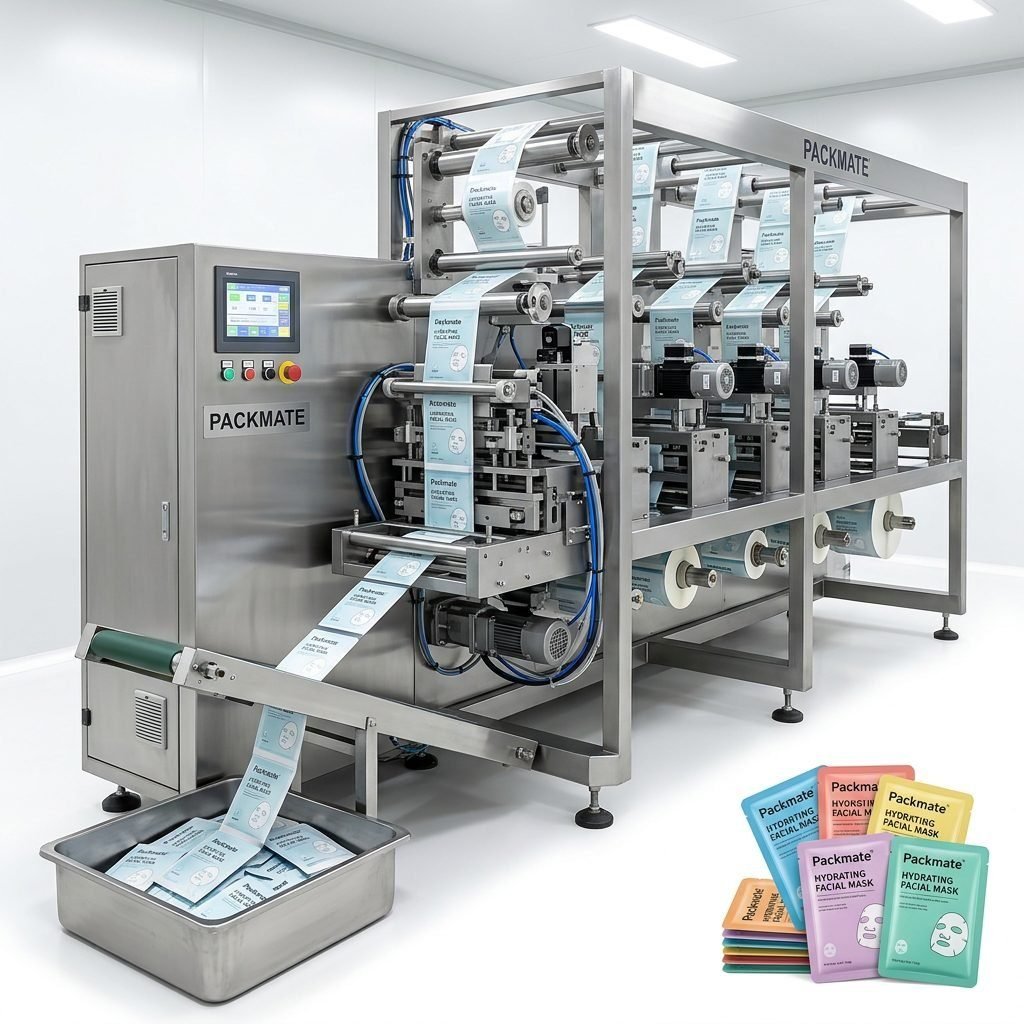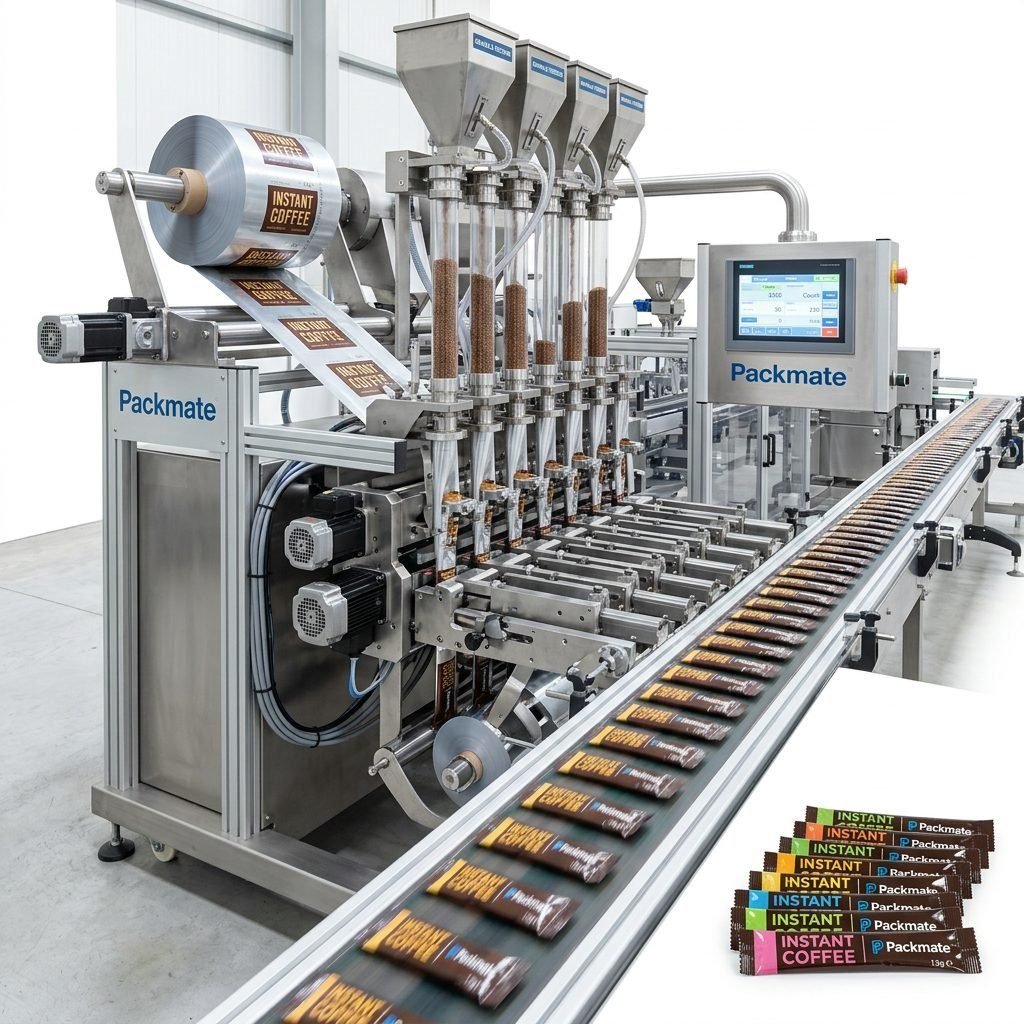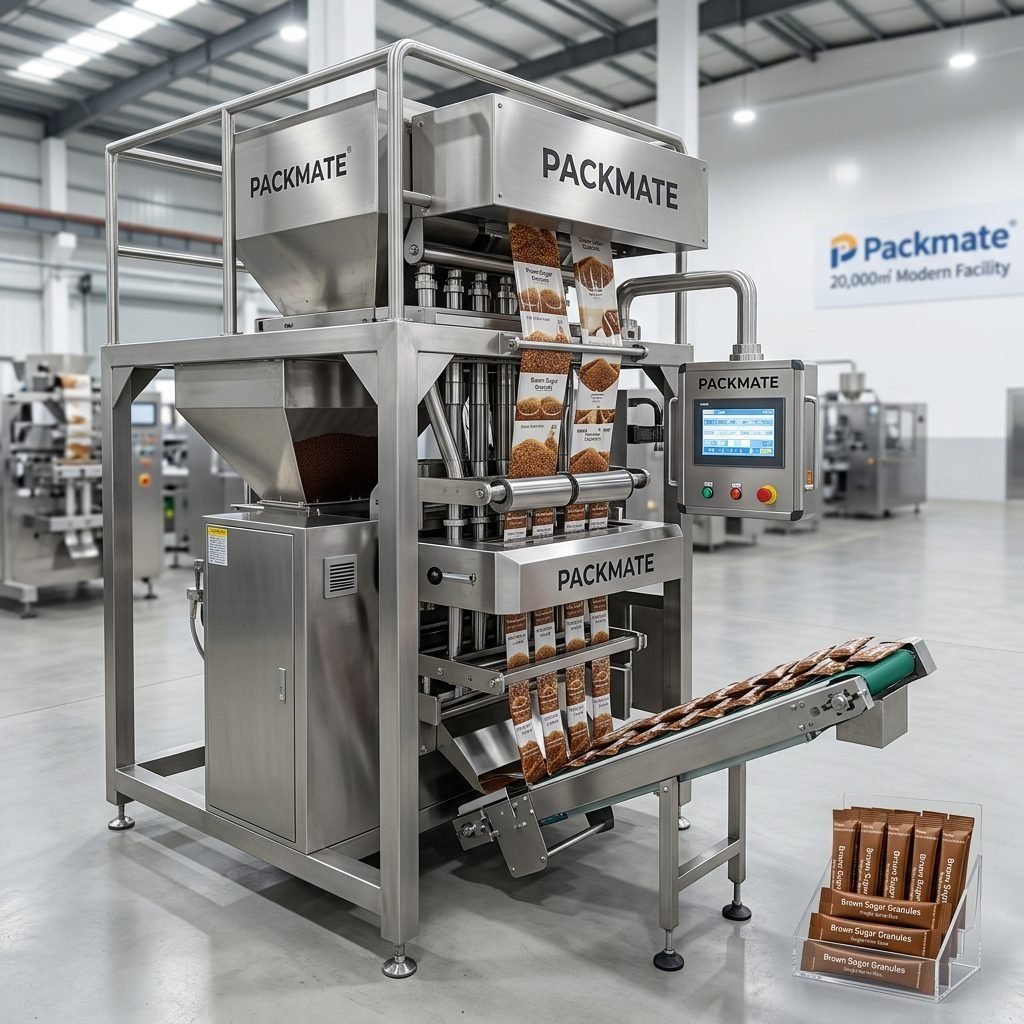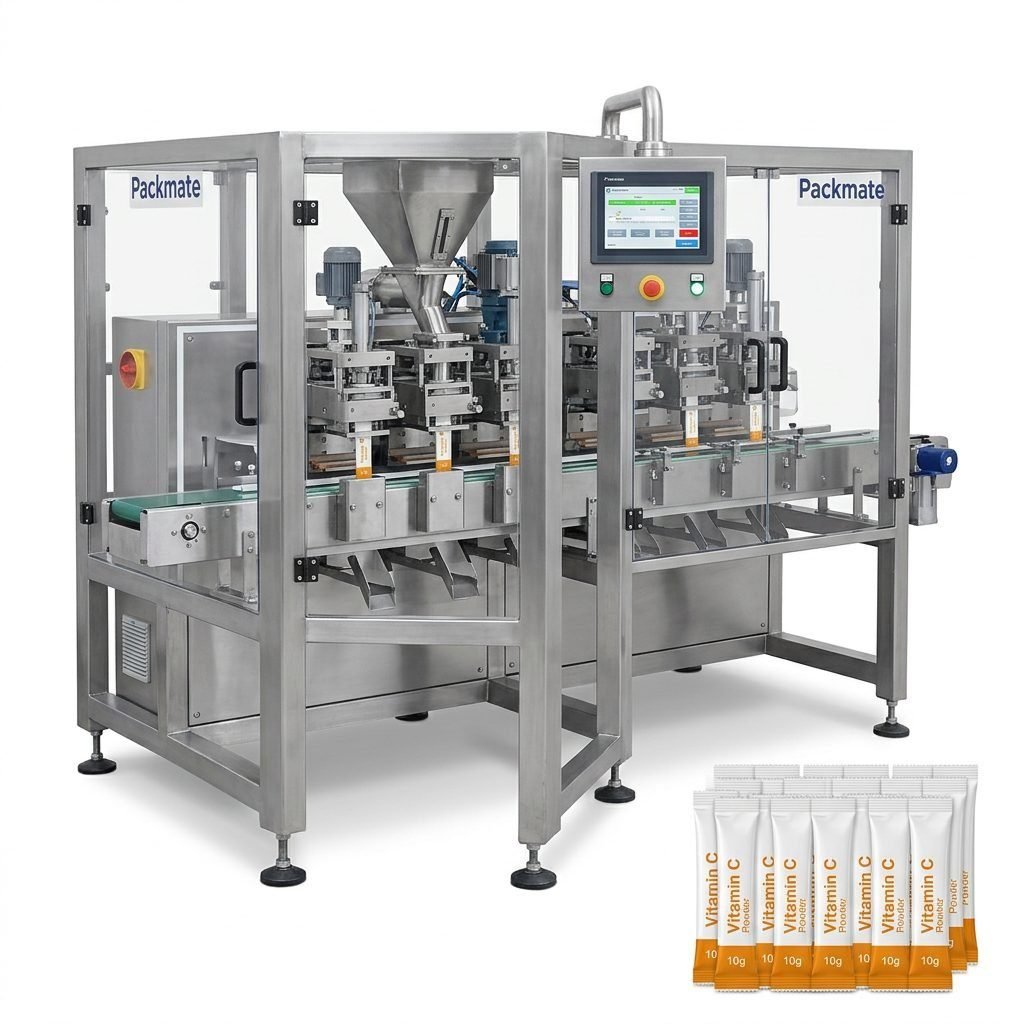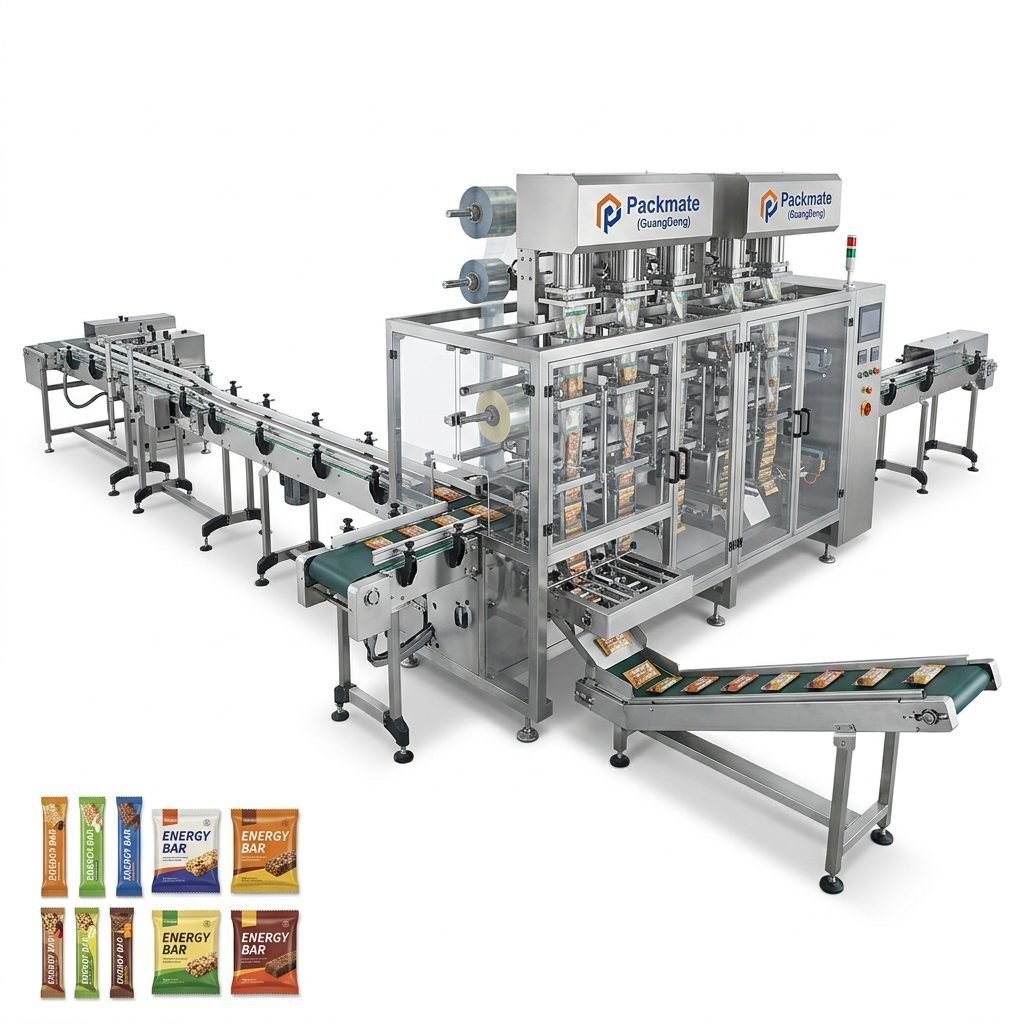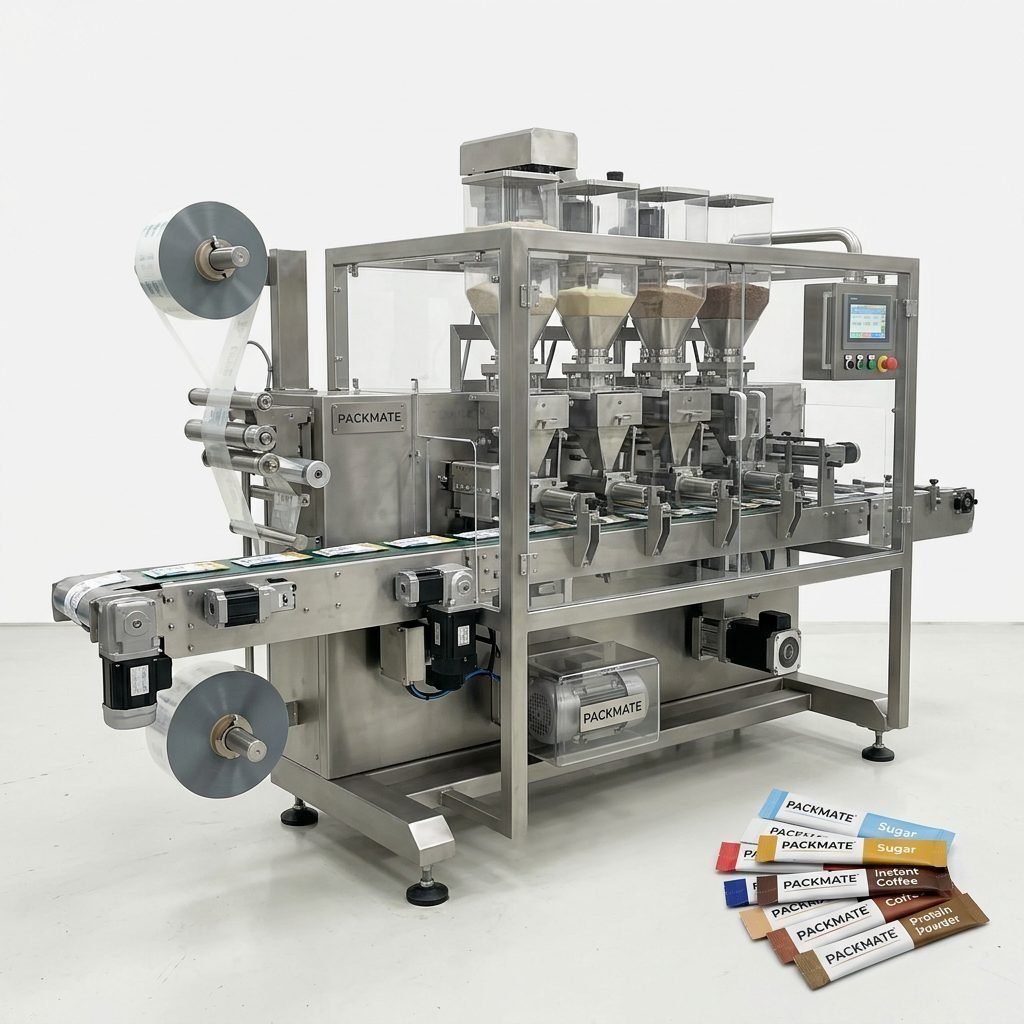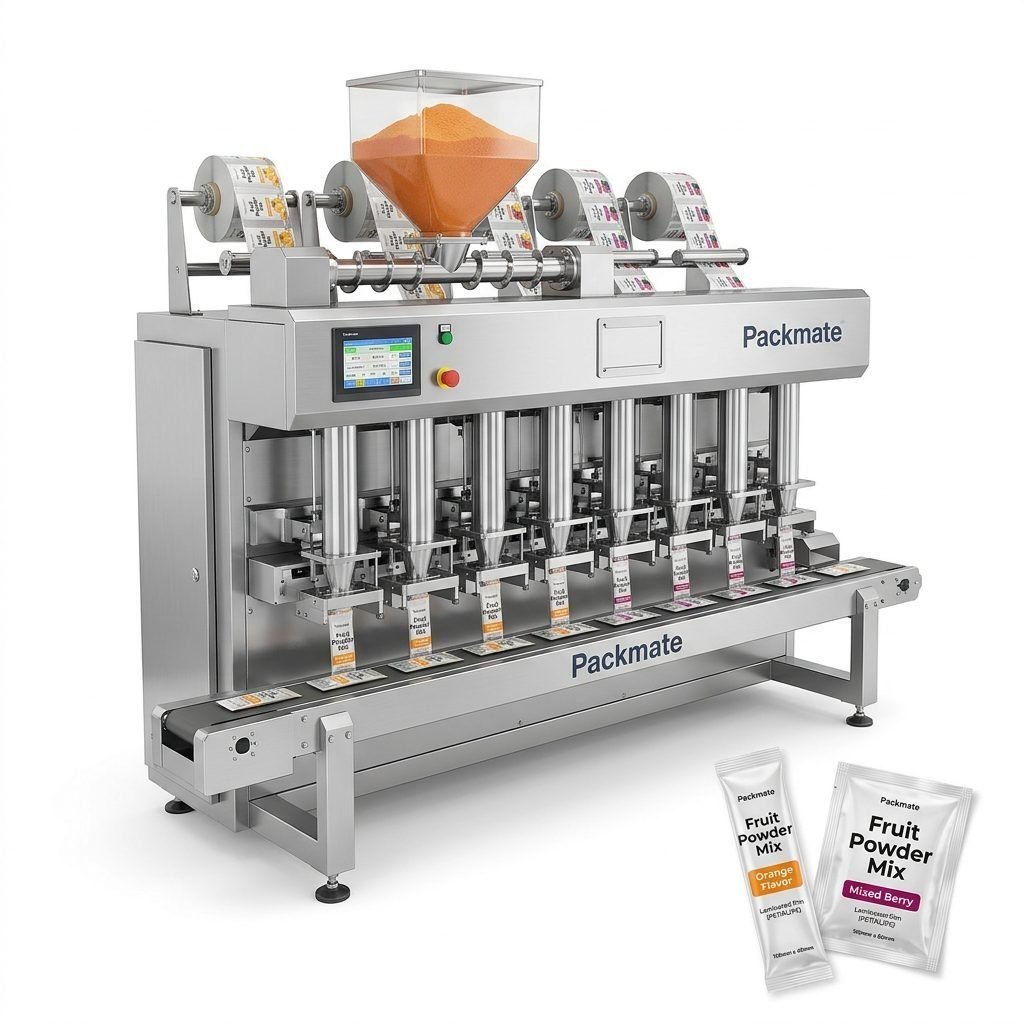
Powder sachet filling machines are essential for manufacturers in food, pharmaceuticals, health supplements, and daily chemical industries. These automated systems precisely measure, fill, and seal powder products into small, single-use pouches or sachets. The primary goal is to ensure consistent dosage, maintain product freshness, and achieve high-speed packaging with minimal manual intervention.
Types of Powder Sachet Filling Machines
There are several types of powder sachet filling machines, each suited to different production needs, output capacities, and bag formats.
1. Vertical Form-Fill-Seal (VFFS) Machines
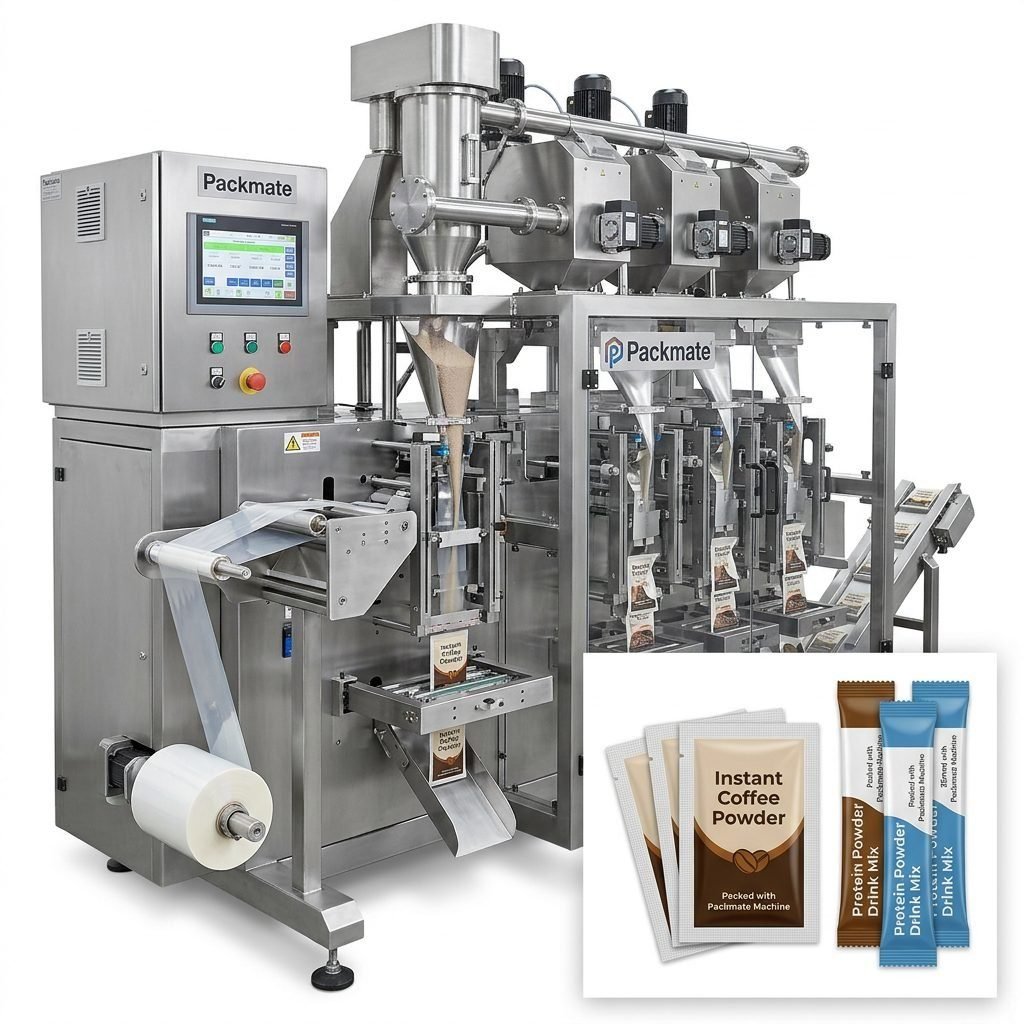
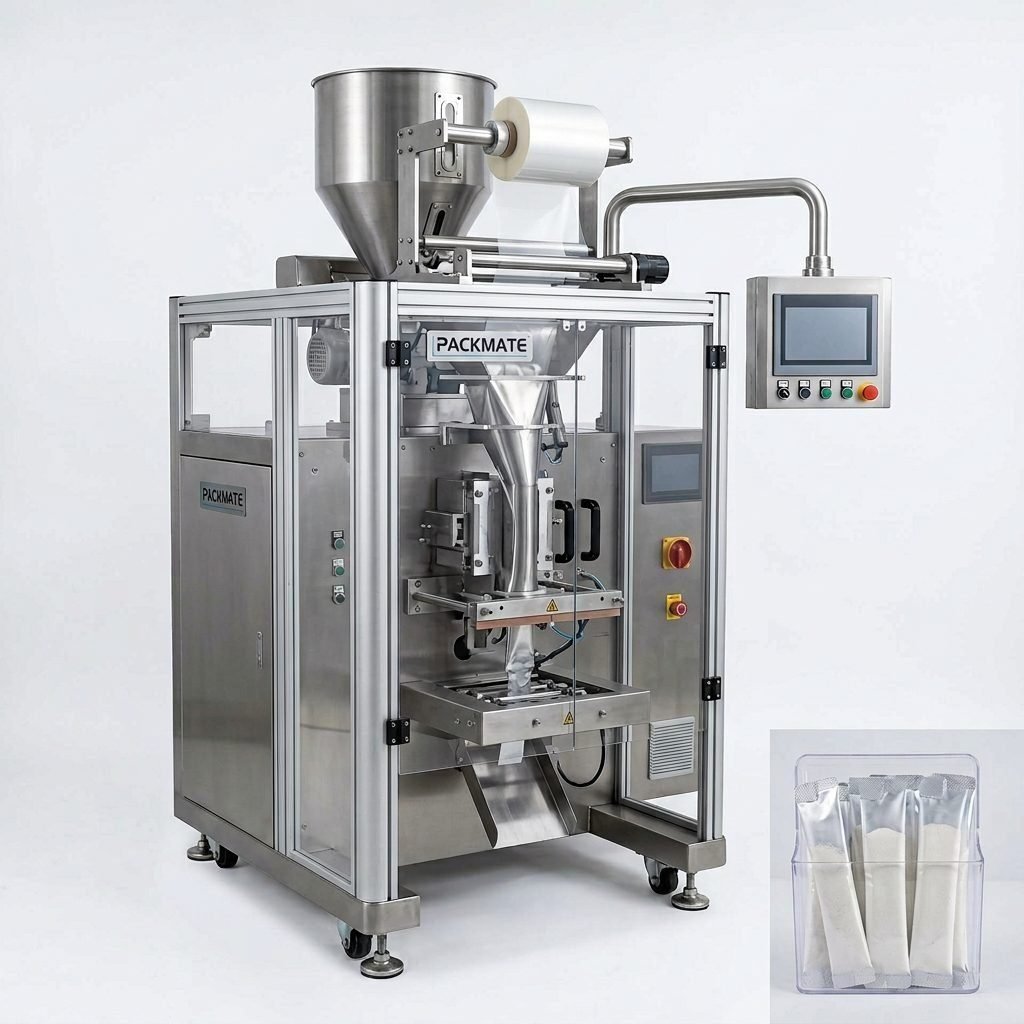
Vertical Form-Fill-Seal machines are among the most common types. They create the sachet from a roll of packaging film, fill it with powder, and seal it in a continuous vertical process. These machines are highly efficient for medium to high-volume production and are ideal for packaging food powders, beverage mixes, and pharmaceutical granules.
2. Pre-Made Pouch Fillers
Pre-made pouch fillers use ready-made sachets that are automatically opened, filled, and sealed. This method is suitable for more delicate or specialized packaging materials and often allows for more complex sachet shapes and designs. It is widely used for premium tea, coffee, and high-end supplement packaging.
3. Multi-Lane Stick Pack & Sachet Machines
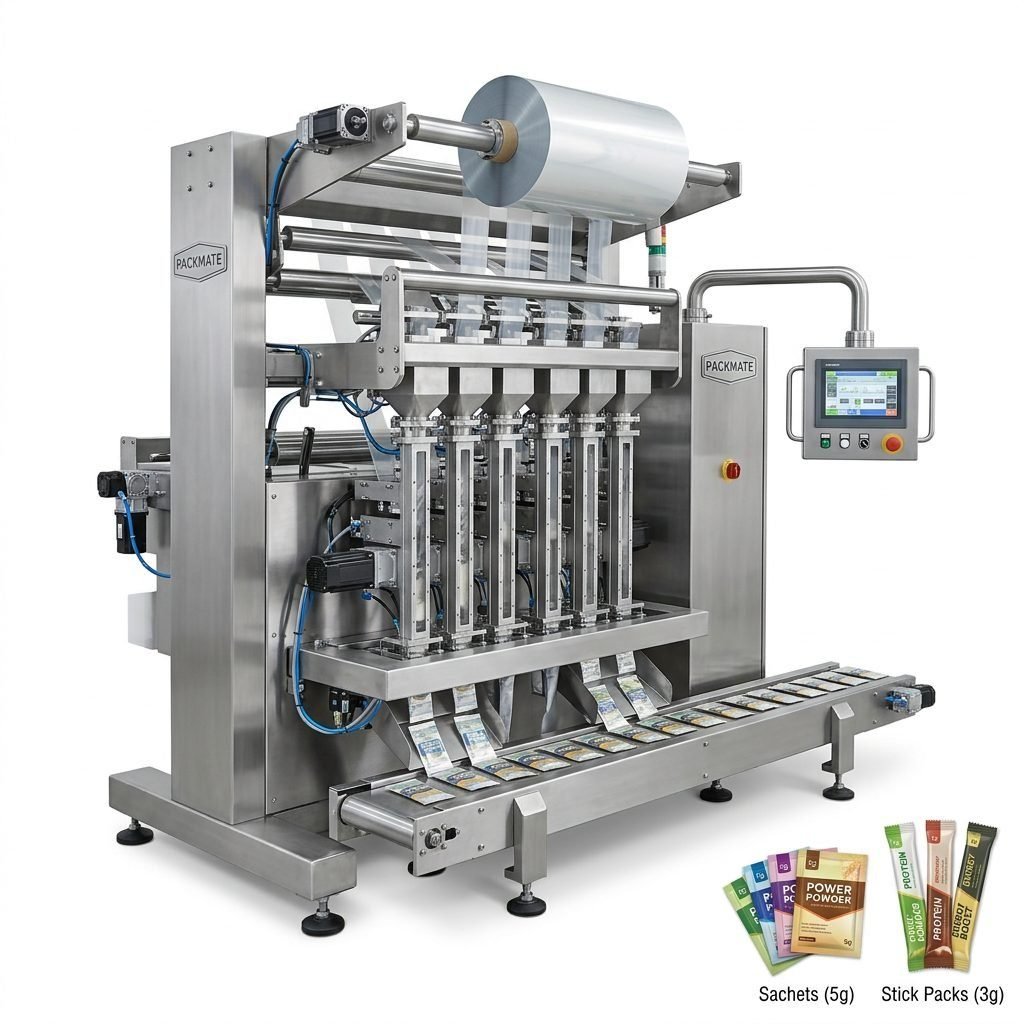
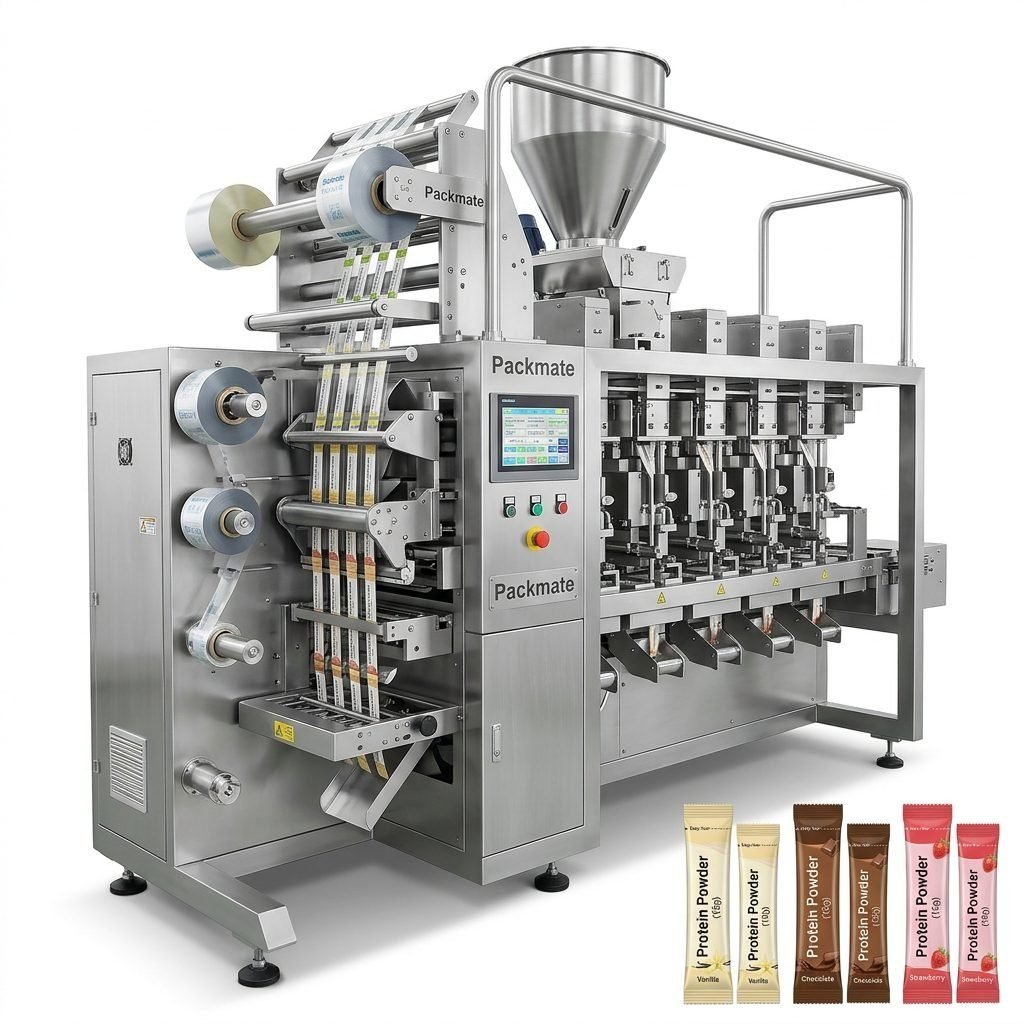
Multi-lane machines operate with several filling lanes simultaneously, dramatically increasing output. They are designed for high-speed production of stick packs and small sachets, commonly used for instant drink mixes, sugar, seasoning, and pharmaceutical single-dose powders. Manufacturers like Ludyway and Packmate Machinery offer robust multi-lane systems.
4. Auger Filling Systems
Auger fillers use a rotating screw (auger) to dispense powder. They are known for their high precision and accuracy, making them perfect for expensive or potent ingredients where exact dosing is critical, such as in pharmaceuticals, vitamins, and certain food additives.
5. Net Weight Filling Systems
Net weight fillers use scales to weigh each dose before filling. This system offers the highest accuracy, especially for products with inconsistent density. It is often used for packaging premium coffee, nutritional supplements, and chemical powders where weight compliance is strictly regulated.
Working Principle of a Powder Sachet Filler
The operation of a typical automatic powder sachet filling machine follows a systematic sequence to ensure efficiency and consistency.
Step 1: Film Unwinding & Forming
The process begins with a roll of packaging film (often a laminate for barrier properties). The film is fed into the machine and guided through forming collars or shoulders that shape it into a tube.
Step 2: Vertical Sealing
A vertical sealing jaw moves along the tube’s length, creating the back seam of the future sachet. This forms a continuous, sealed tube of film.
Step 3: Product Dosing & Filling
At the top of the tube, a dosing system—such as an auger, volumetric cup, or weigh scale—dispenses the precise amount of powder into the film tube. The filling occurs just above the horizontal seal area.
Step 4: Horizontal Sealing & Cutting
Horizontal sealing jaws close simultaneously to create the top seal of the filled sachet and the bottom seal of the next sachet. A cutting mechanism then separates the individual sachet from the film tube. This cycle repeats at high speed.
Step 5: Discharge & Collection
The finished sachets are discharged via a conveyor belt or chute for collection, manual packing, or direct integration into secondary packaging like cartons.
Key Features to Look For
When selecting a powder sachet filling machine, several key features determine its performance, reliability, and suitability for your product.
| Feature | Importance & Benefit |
|---|---|
| Filling Accuracy | Crucial for cost control and regulatory compliance. Look for systems with precision augers or load cells for net weight filling. |
| Speed (Output Rate) | Measured in sachets per minute (SPM). Multi-lane machines from suppliers like PacklineOEM can achieve very high outputs for large-scale production. |
| Material Compatibility | The machine must handle your specific packaging material (e.g., PET/AL/PE, paper laminates) and seal reliably. |
| Changeover Flexibility | Quick and easy changeover between different sachet sizes and powders reduces downtime and increases line flexibility. |
| Hygiene & Cleanability | Stainless steel contact parts, CIP (Clean-in-Place) systems, and enclosed designs are vital for food and pharmaceutical GMP standards. |
| Dust Control | Integrated dust extraction ports or systems are essential to maintain a clean environment and protect product quality. |
| Automation & Control | A user-friendly PLC/HMI touchscreen allows for easy operation, recipe storage, monitoring, and diagnostics. |
Buying Tips for Your Business
Investing in a powder sachet filling machine is a significant decision. Here are practical tips to guide your purchase.
1. Define Your Requirements Clearly
Start by listing your specific needs: product characteristics (flowability, density), required output (sachets per hour), sachet size range, and packaging material. This clarity will help suppliers like PackingMachineOEM propose the most suitable machine.
2. Prioritize Precision and Consistency
For costly ingredients (e.g., pharmaceuticals, premium supplements), filling accuracy is non-negotiable. Opt for auger or net weight fillers even if they have a higher initial cost, as they minimize product giveaway and ensure compliance.
3. Consider Future Scalability
Choose a machine that can accommodate future growth. Can it be upgraded with more lanes? Is the supplier capable of integrating it into a full turnkey packaging line later? Planning for scalability protects your long-term investment.
4. Evaluate After-Sales Support
The machine’s reliability is only as good as the support behind it. Inquire about warranty, availability of spare parts, technical support (remote or on-site), and training for your operators. Established exporters like Ludyway typically have strong international support networks.
5. Request a Product Test
Always request a live test or video demonstration of the machine running with your actual product (or a close substitute). This is the best way to verify filling accuracy, sealing quality, and overall machine performance.
6. Understand Total Cost of Ownership
Look beyond the purchase price. Consider operational costs (energy, maintenance), potential downtime, and the cost of consumables like sealing jaws. A slightly more expensive but more reliable and efficient machine often has a lower total cost of ownership.
Industry Applications and Regional Considerations
Powder sachet machines serve diverse global markets, with specific regional preferences and requirements.
In Europe and North America, demand is driven by high hygiene standards, a preference for sustainable packaging materials, and automation for labor cost savings. Machines must comply with strict FDA or EU regulations for food and pharma.
In the Middle East and Africa</strong, single-serve sachets are extremely popular for affordability and convenience. The market requires robust machines that can handle high-volume production of items like milk powder, coffee, and seasoning, often in challenging climatic conditions.
Southeast Asia is a high-growth region for instant beverage mixes, seasoning, and traditional medicine powders. Manufacturers here often seek a balance between cost-effectiveness and automation, favoring versatile machines from suppliers with a strong regional presence.
For specialized applications like nicotine pouches, which require extreme precision and consistent sealing, companies often turn to niche experts such as SnusMachinery.
Frequently Asked Questions (FAQ)
What is the typical accuracy of a powder sachet filler?
Accuracy varies by technology. Volumetric fillers can achieve ±1-3% accuracy, while precision auger fillers can reach ±0.5-1%. High-end net weight fillers offer the best accuracy, often within ±0.1-0.2% of the target weight.
Can one machine handle different powder types?
Yes, but with considerations. Many machines are designed for changeover. However, powders with vastly different flow characteristics (e.g., free-flowing salt vs. cohesive flour) may require different dosing systems or tooling adjustments. Always discuss your product range with the supplier.
How important is dust control in these machines?
Extremely important. Dust can compromise product quality, create a safety hazard, damage machine components, and lead to poor sealing. Reputable machines include effective dust extraction ports and enclosed filling zones to minimize this issue.
What is the lead time for a custom powder sachet line?
Lead times vary significantly. For a standard machine, it could be 8-12 weeks. For a fully customized or high-speed turnkey line, it may take 4-6 months or more, depending on complexity and the manufacturer’s backlog.
Are Chinese-made powder sachet machines reliable for export markets?
Yes, many are highly reliable. Established Chinese manufacturers like those profiled have over 30 years of experience, operate large modern factories, and design machines specifically for export to Europe, North America, and other demanding markets. They combine technical capability with competitive pricing, making them a popular choice globally.