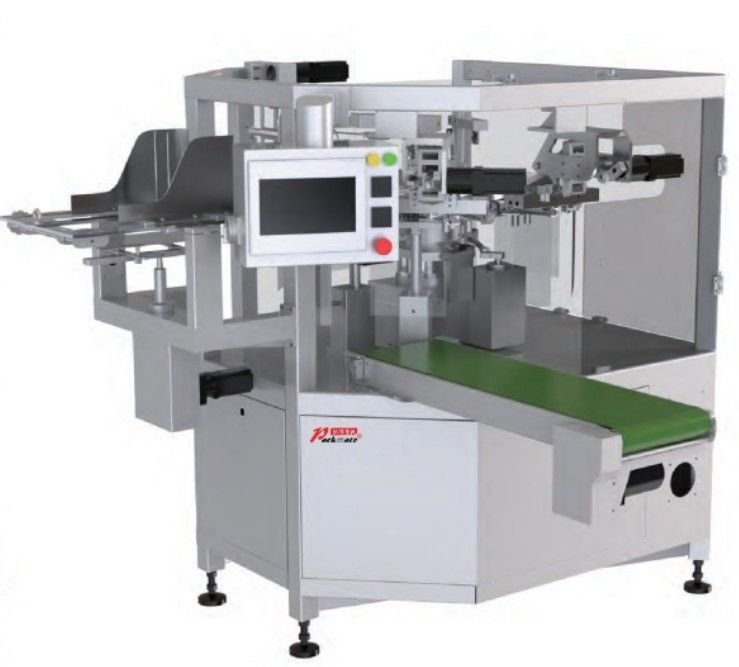
For businesses in the tea industry, from artisanal producers to large-scale manufacturers, efficient and attractive packaging is a critical component of success. A small tea packaging machine is the cornerstone of this process, transforming bulk tea into market-ready, sealed packets that preserve freshness, ensure hygiene, and enhance brand appeal. This guide delves into the world of small tea packaging systems, exploring their types, key features, diverse applications, and providing a clear framework for selecting the optimal machine for your specific needs.

Understanding the Types of Small Tea Packaging Machines
The market offers a variety of machines designed to handle different packaging formats and production scales. Understanding these types is the first step in making an informed decision.
Vertical Form Fill Seal (VFFS) Machines
These are highly versatile and common machines. They form a bag from a roll of film, fill it with a pre-measured amount of tea, and then seal it. They are ideal for producing stand-up pouches, pillow bags, and gusseted bags in various sizes. VFFS machines are excellent for medium to high-volume production and offer great flexibility in bag design.
Stick Pack and Sachet Machines
Specifically designed for single-serve portions, these machines are perfect for tea samples, instant tea mixes, or premium loose-leaf servings. They create long, narrow packets (stick packs) or small rectangular sachets. Machines like the advanced multi-lane sachet & stick pack machines can produce multiple packets simultaneously, dramatically increasing output for high-demand products.
Pre-Made Pouch Machines
This type of machine uses pre-manufactured, often more premium-looking pouches. It simply opens the pouch, fills it with tea, and seals it. This method is often slower than VFFS but allows for the use of complex pouch materials with features like zippers, spouts, or unique shapes that are difficult to form from a roll. It’s a great choice for brands prioritizing premium presentation.
Weighing and Dosing Systems
While not packaging machines per se, these are crucial auxiliary components. They ensure each bag receives the exact, consistent weight of tea required. Integrated weighing systems work in tandem with the packaging machine to control portion accuracy, which is vital for cost control and regulatory compliance, especially in markets with strict net content laws.
Essential Features to Look For in a Tea Packager
Beyond the basic type, several key features determine a machine’s performance, reliability, and suitability for your tea products.
Material Compatibility and Sealing
The machine must handle the specific laminate films or pouches you plan to use—whether it’s simple polyethylene for basic tea bags or multi-layer barrier films for premium loose leaf that requires nitrogen flushing to preserve aroma. Look for robust sealing systems (heat seal, ultrasonic seal) that ensure a strong, airtight, and leak-proof closure every time.
Weighing and Filling Accuracy
Precision is non-negotiable. The filling system must gently handle delicate tea leaves without causing excessive breakage (which affects quality and creates dust). Volumetric cups, auger fillers, or combination weighers should be adjustable and calibrated for your specific tea cut (fine dust, fannings, whole leaf). Inaccuracy leads to product giveaway or underfilling, damaging both profits and customer trust.
Automation Level and Changeover
How automated is the machine? Basic models may require manual bag placement, while fully automated units are part of a complete packaging line with automatic film feeding, filling, sealing, and coding. Also, consider changeover time. If you produce multiple tea varieties in different bag sizes, a machine with quick-change parts and recipe memory on the Human-Machine Interface (HMI) will save significant downtime.
Hygiene and Cleanability
Food-grade construction is a must. Surfaces in contact with tea should be made of stainless steel (e.g., 304 or 316 grade), which is corrosion-resistant and easy to clean. The design should minimize crevices where tea dust or particles can accumulate, facilitating quick and thorough sanitation between production runs to prevent cross-contamination of flavors.
Diverse Applications Across the Tea Industry
Small tea packaging machines are not one-size-fits-all; their applications vary widely.
▶ Loose Leaf Tea: Requires gentle handling and often larger bag sizes. Machines with soft-drop filling mechanisms and the option for gas flushing (to displace oxygen with nitrogen) are ideal for preserving the delicate flavors and aromas of whole-leaf teas.
▶ Tea Bags (Empty): Packaging machines can be used to fill and seal the empty filter paper bags themselves, or to package pre-made tea bags into outer protective pouches or cartons.
▶ Powdered and Instant Tea: These products are often fine and dusty. Machines need excellent sealing to prevent leakage and may require specific auger fillers designed for powders to ensure accurate dosing without clogging or creating dust clouds.
▶ Specialty and Herbal Blends: Blends containing chunks of fruit, flowers, or spices may require customized funnel designs and vibration systems to ensure consistent flow and filling without separation of the blend components.
A Step-by-Step Guide to Choosing the Best System
Selecting the right machine is a strategic investment. Follow this framework to guide your decision.
1. Define Your Product and Output Requirements
Start with clarity. What type of tea are you packaging (leaf, powder, bags)? What are your target bag sizes and materials? Most critically, calculate your required production speed in bags per minute (BPM) or per hour, considering both current needs and projected growth for the next 3-5 years.
2. Evaluate Machine Capabilities and Flexibility
Match the machine type to your product format. Does it offer the gentle handling your tea needs? Can it run your desired packaging material reliably? Assess its flexibility for future changes. Can it easily switch to a different bag size or shape? A partner like Packmate, with over 30 years of experience, can provide machines that balance specialization with adaptable design.
3. Prioritize Ease of Use and Support
Consider the operator’s skill level. Is the control system (HMI) intuitive? How long does it take to train an operator? Crucially, investigate the manufacturer’s after-sales support. Reliable access to technical service, spare parts, and maintenance guidance is essential for minimizing downtime and ensuring long-term machine health.
4. Consider Total Cost of Ownership (TCO)
Look beyond the initial purchase price. Factor in operational costs (energy consumption, film waste), maintenance costs, and the potential cost of downtime. A slightly more expensive but robust and reliable machine from a reputable supplier often has a lower TCO than a cheaper, less reliable alternative.
5. Request a Live Demonstration or Trial
Whenever possible, see the machine in action. A live demo using your actual tea product and packaging material is the best way to verify performance, accuracy, and speed. It also allows you to assess build quality, noise level, and ease of operation firsthand.
Frequently Asked Questions (FAQs)
What is the typical production speed range for a small tea packaging machine?
Speeds vary greatly by machine type and bag size. Basic single-lane sachet machines may run at 30-60 bags per minute (BPM), while high-speed multi-lane stick pack machines can exceed 200 BPM. Vertical form-fill-seal machines for larger pouches typically range from 20 to 80 BPM. Your specific requirements will determine the ideal speed.
Can one machine handle both loose leaf tea and powdered tea?
Some machines are designed with this flexibility. The key is the filling system. A machine equipped with an interchangeable filling system—for example, swapping a volumetric cup for loose leaf with an auger filler for powder—can handle both. It’s essential to discuss this need with the supplier to ensure the correct configuration and accessories are provided.
How important is nitrogen flushing for tea packaging?
For premium loose leaf teas, especially those sensitive to oxidation (like green teas or delicate oolongs), nitrogen flushing is highly beneficial. It displaces oxygen inside the package, significantly slowing down oxidation and preserving freshness, aroma, and color for much longer. It’s a valuable feature for brands targeting the high-end market or requiring extended shelf life.
What maintenance does a tea packaging machine require?
Regular maintenance is crucial. Daily tasks include cleaning contact parts to remove tea dust and residue. Weekly or monthly checks involve lubricating moving parts (with food-grade lubricant), inspecting seals and cutting blades for wear, and verifying weighing accuracy. Always follow the manufacturer’s detailed maintenance schedule.
Where can I find a reliable supplier for tea packaging machinery?
Look for established manufacturers with a proven track record in food-grade packaging, particularly with tea or similar products. Evaluate their experience, client portfolio, quality certifications, and the robustness of their after-sales support network. Reviewing their case studies and project history can provide strong evidence of their capability and reliability in the field.