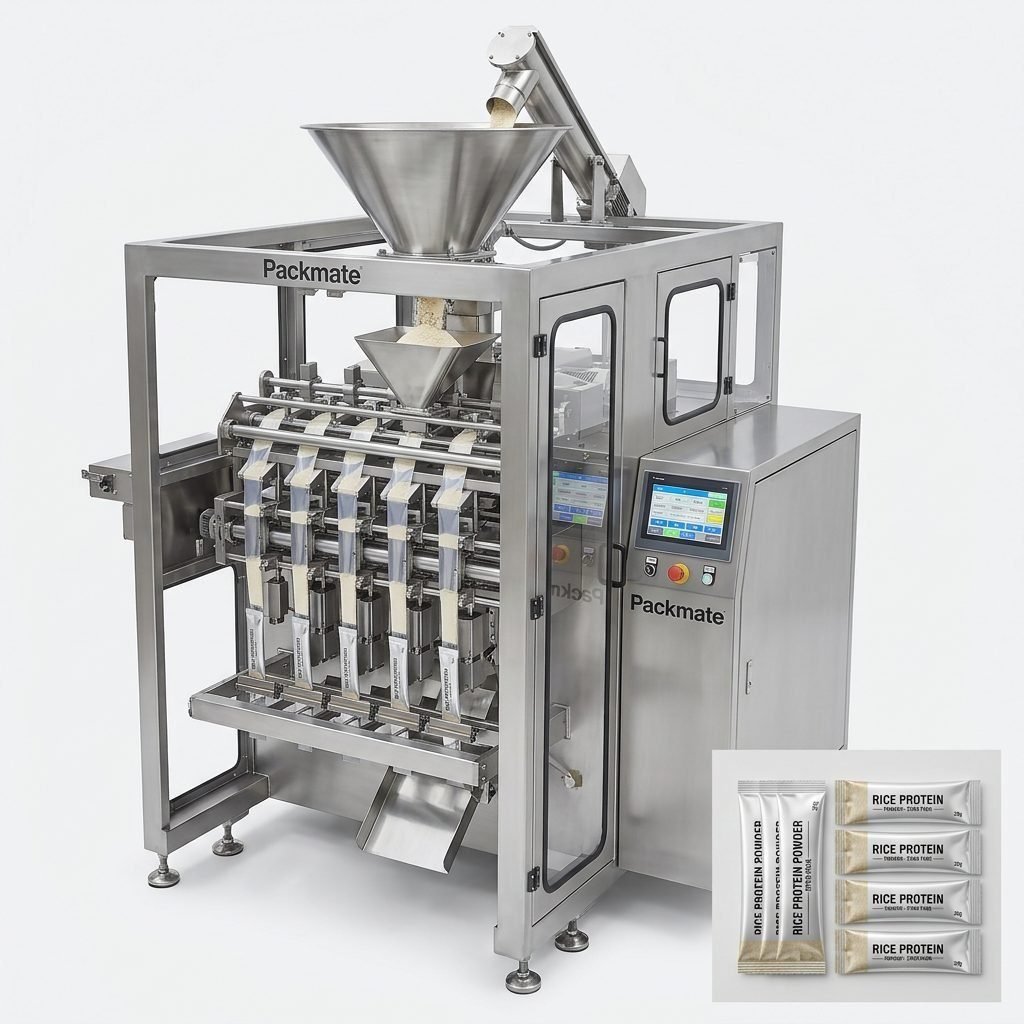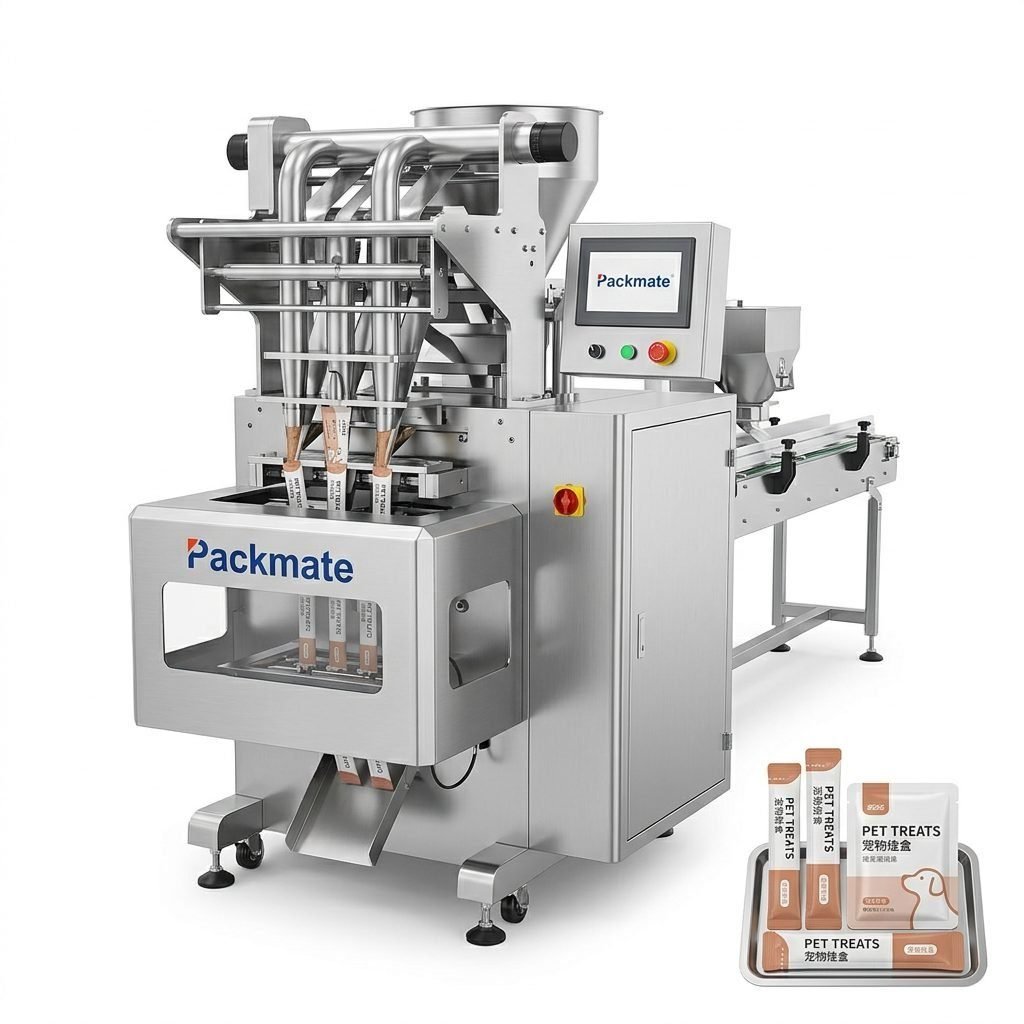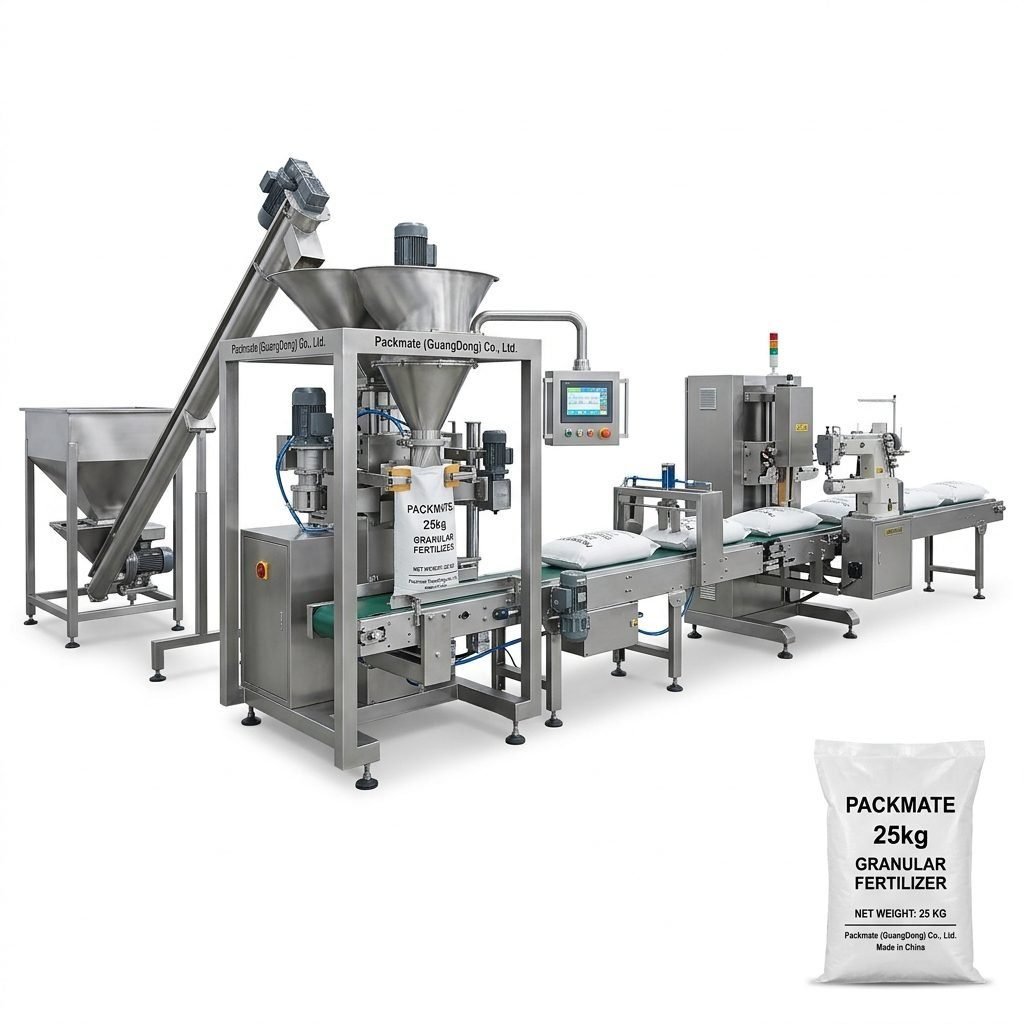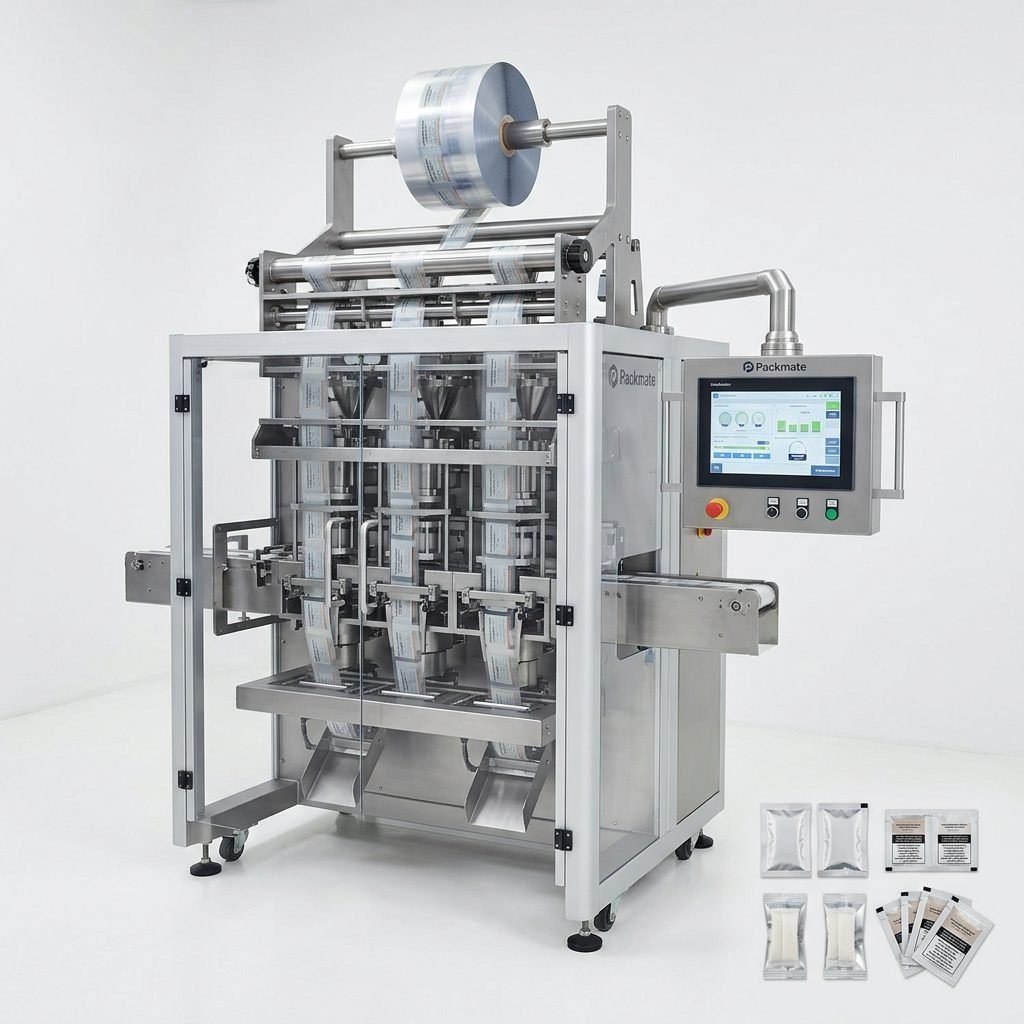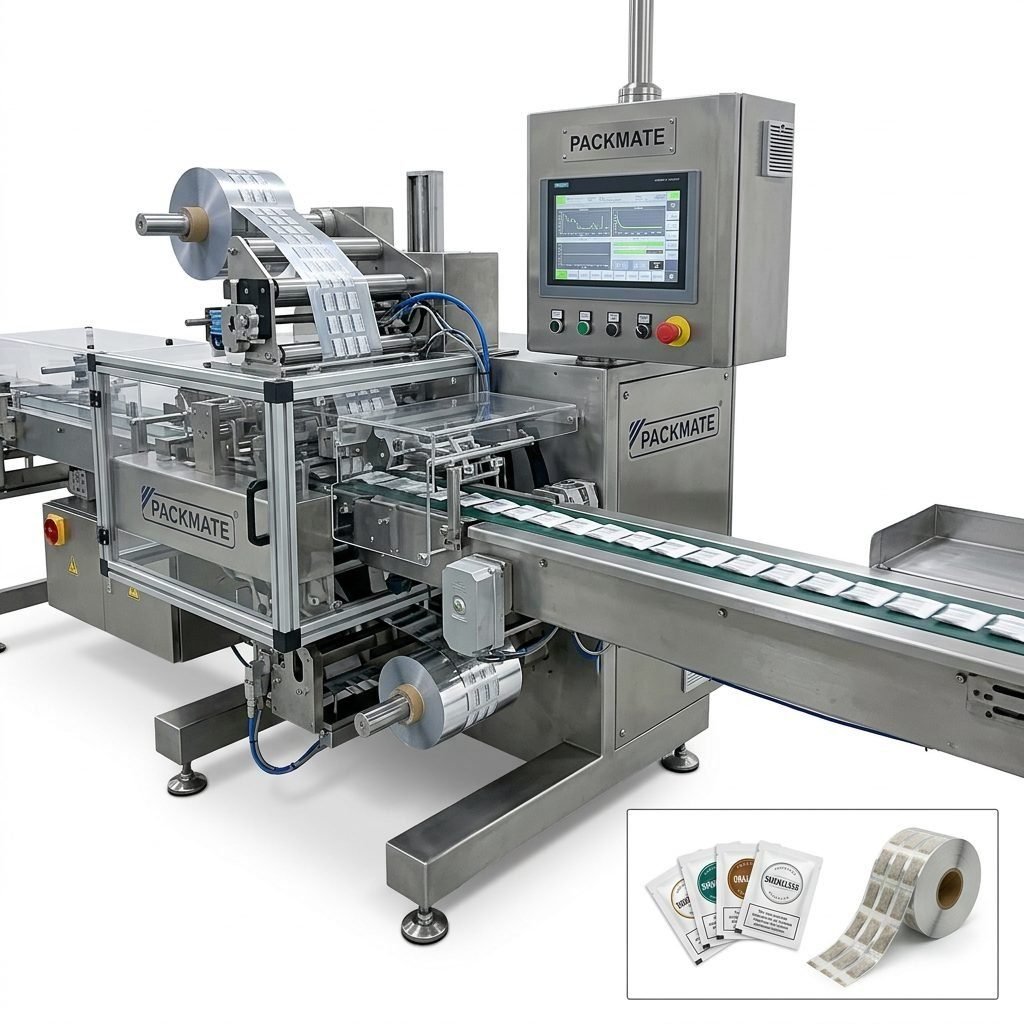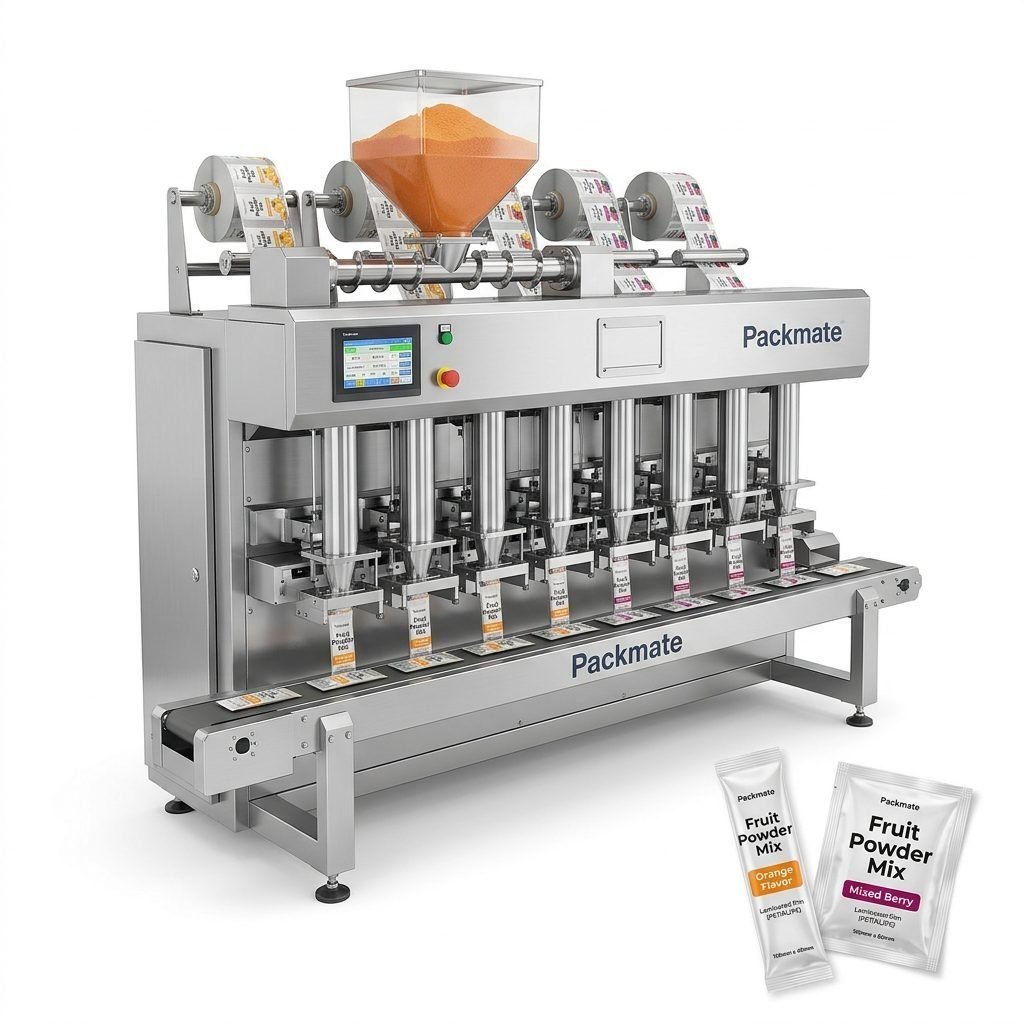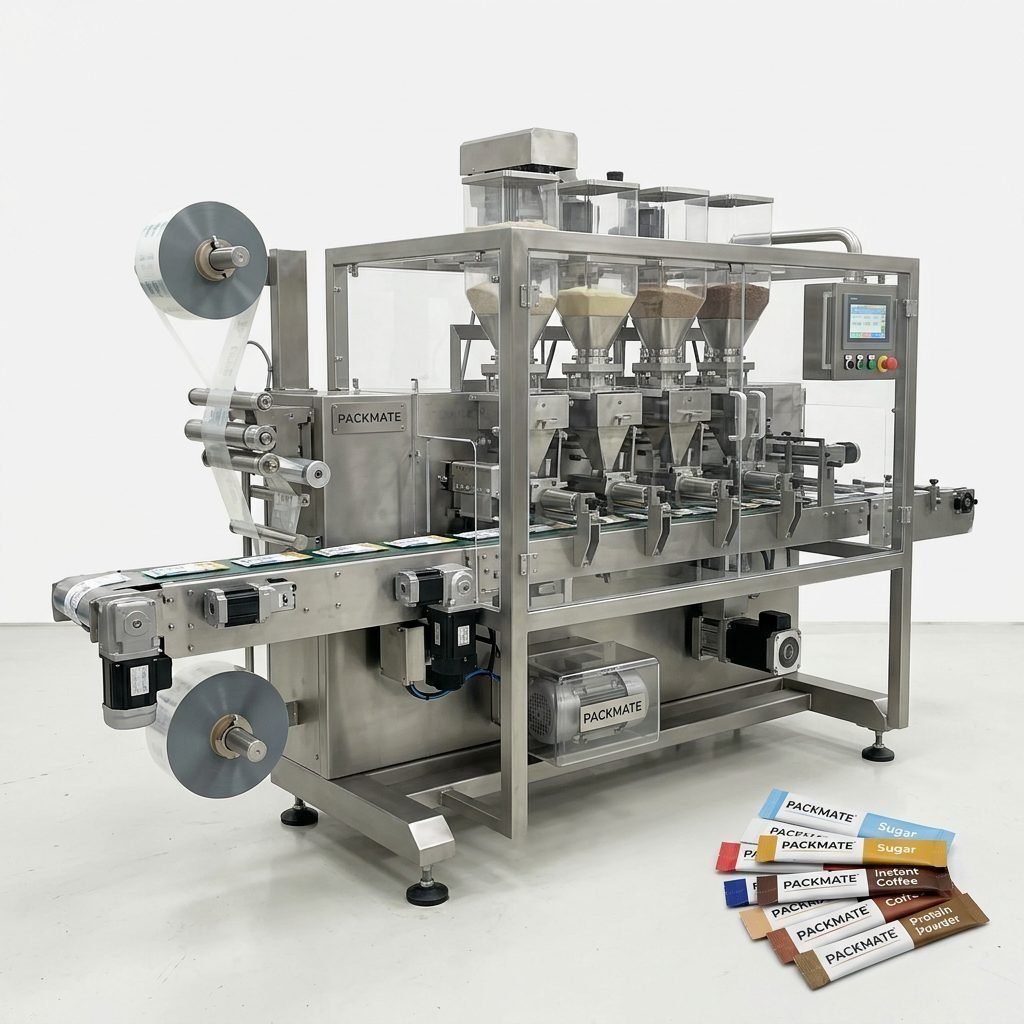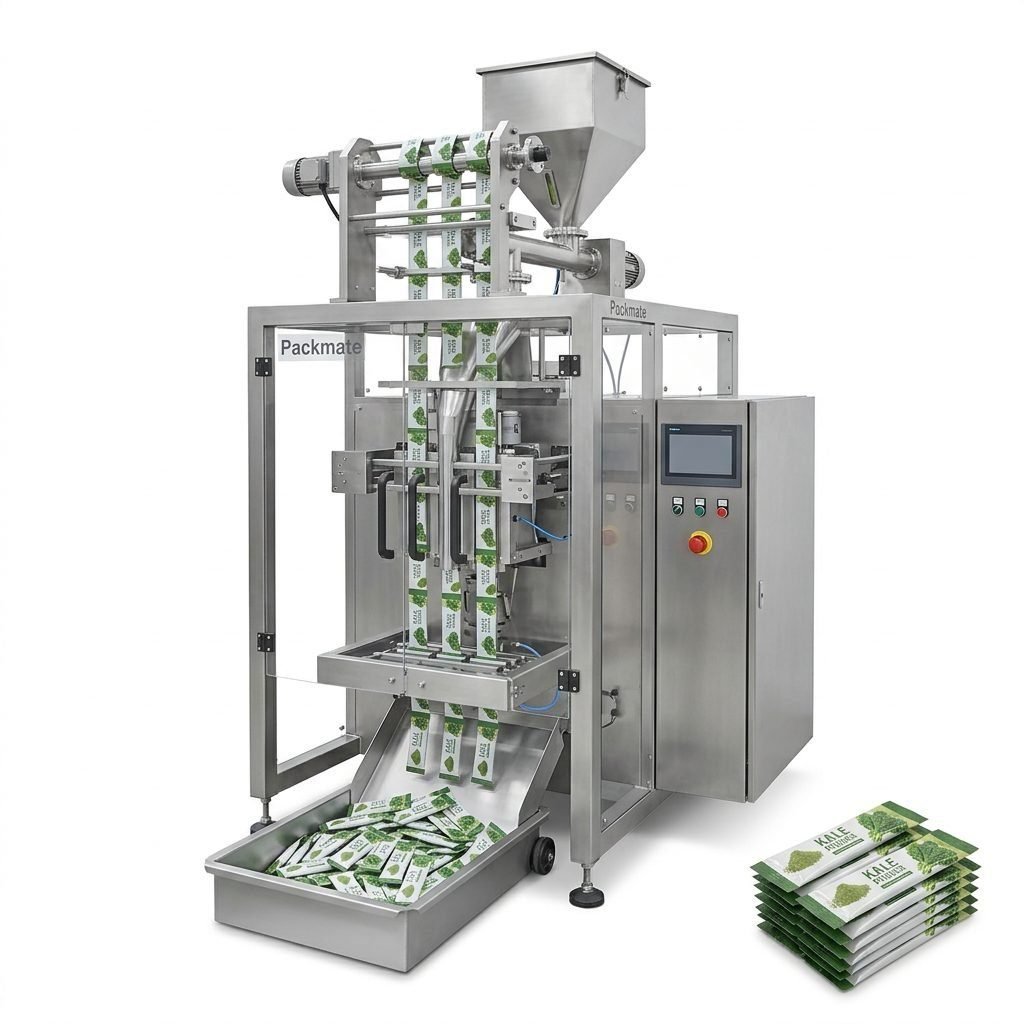
Choosing the right automatic powder filling machine is a critical decision for any spice producer. The efficiency, accuracy, and reliability of your packaging line directly impact product quality, operational costs, and your ability to meet market demand. With a vast array of machines and manufacturers available, the selection process can be overwhelming. This guide is designed to help you navigate the key factors and make an informed choice for your production needs.
Understanding Your Spice Packaging Requirements
Before diving into machine specifications, a thorough analysis of your specific needs is essential. This foundational step ensures the equipment you select aligns perfectly with your production goals.
Product Characteristics: The physical properties of your spice are paramount. Is it a fine powder (like turmeric or chili powder), a granule (like peppercorns), a flake (like dried herbs), or a blend? Each type requires different handling. Fine powders are prone to dusting and bridging, while granules need gentle handling to prevent breakage.
Packaging Format: Determine your primary packaging. Are you filling stick packs, sachets, pouches, jars, or cans? The machine must be compatible with your chosen material (e.g., laminated film, foil) and bag size range.
Production Speed & Capacity: Calculate your required output in bags or pouches per minute (BPM/PPM). Consider both current needs and projected growth. A machine that is too slow creates bottlenecks, while an overly fast, complex machine may be an unnecessary capital expenditure.
Accuracy & Dosing: Spices are high-value products, and consistent fill weight is crucial for cost control and consumer trust. Define your acceptable weight tolerance (e.g., ±0.5 grams).
Key Technical Factors in Machine Selection
Once your requirements are clear, evaluate machines based on these technical aspects.
Filling Principle: This is the core of the machine. Common types for spices include:
- Auger Fillers: Ideal for free-flowing and non-free-flowing powders and granules. A rotating screw (auger) moves product from a hopper into the package. They offer excellent accuracy and are versatile for a wide range of spice densities.
- Volumetric Cup Fillers: Best for uniform, free-flowing granules and seeds. They use pre-measured cups to dispense product, offering very high speeds.
- Weighing Fillers (Net Weighers): Provide the highest precision, especially for valuable or inconsistent-density products. They weigh each dose before filling, ensuring exact weight compliance but are typically more expensive and slightly slower.
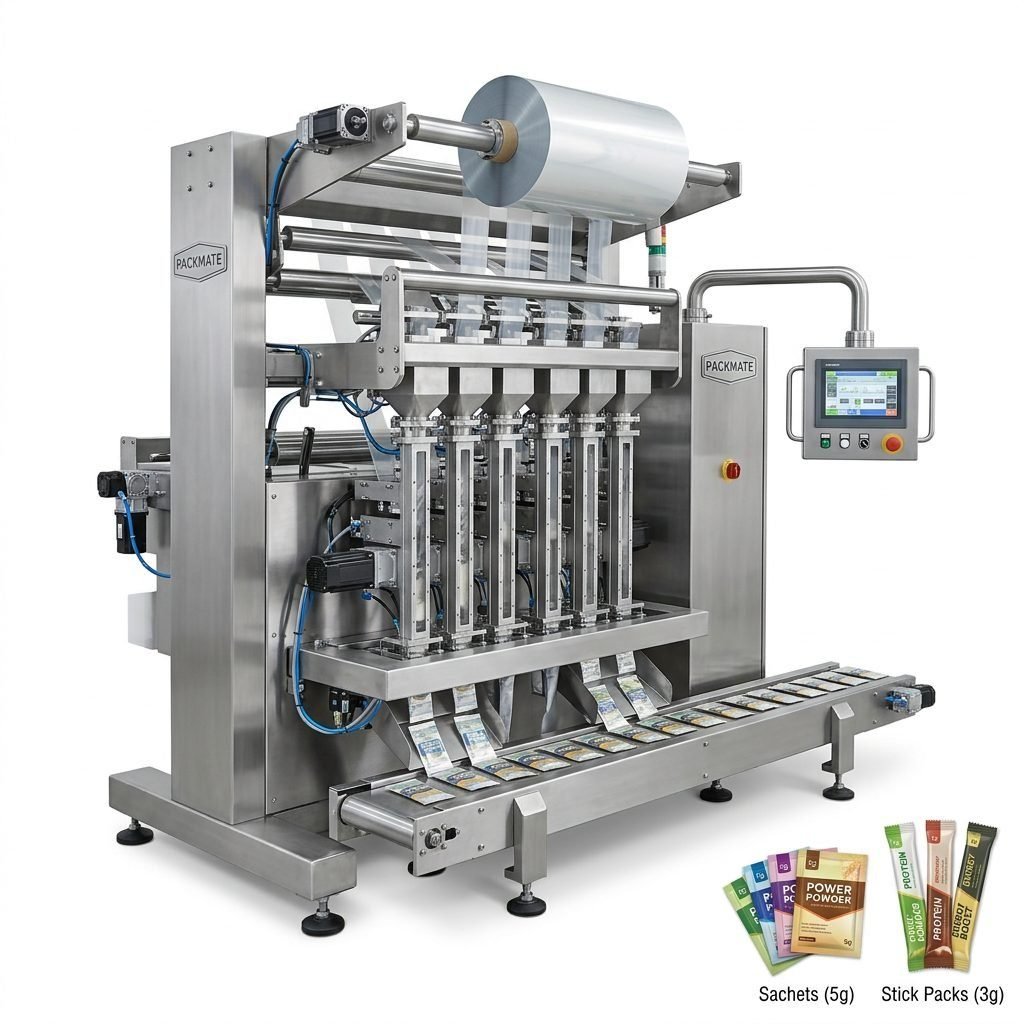
Multi-Lane vs. Single-Lane: For high-volume production, multi-lane machines (e.g., 4-lane, 8-lane, 16-lane) run multiple packaging lines in parallel, dramatically increasing output. Single-lane machines are suitable for lower volumes or highly customized, low-run products.
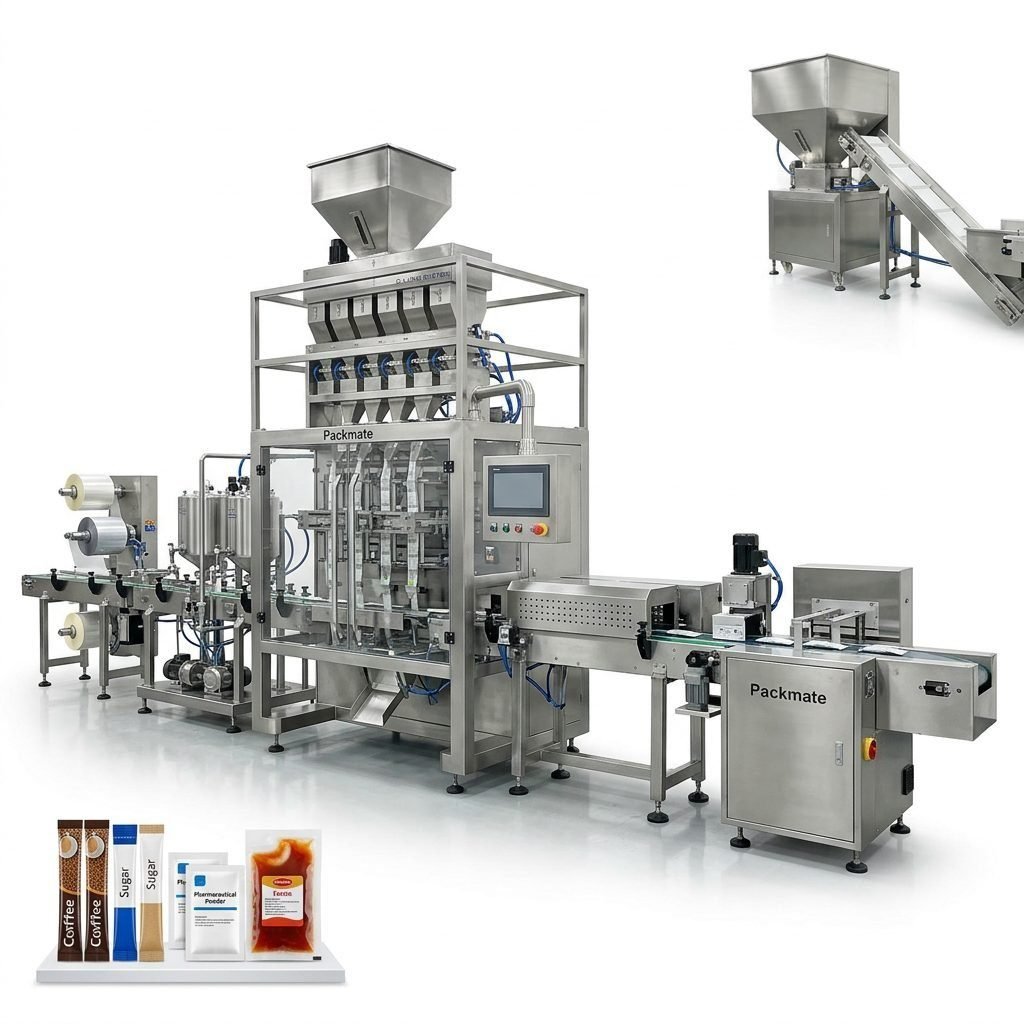
Automation Level & Integration: Consider how the filler integrates with upstream and downstream equipment. A basic standalone filler requires manual bag feeding and product removal. A semi-automatic system might have an automatic bag feeder. A fully automatic, integrated line includes bag forming, filling, sealing, coding, and cartoning, requiring minimal operator intervention. Companies like Ludyway and PacklineOEM specialize in designing these complete turnkey solutions.
Material Compatibility and Hygiene
Spices are food products, making hygiene and material compatibility non-negotiable.
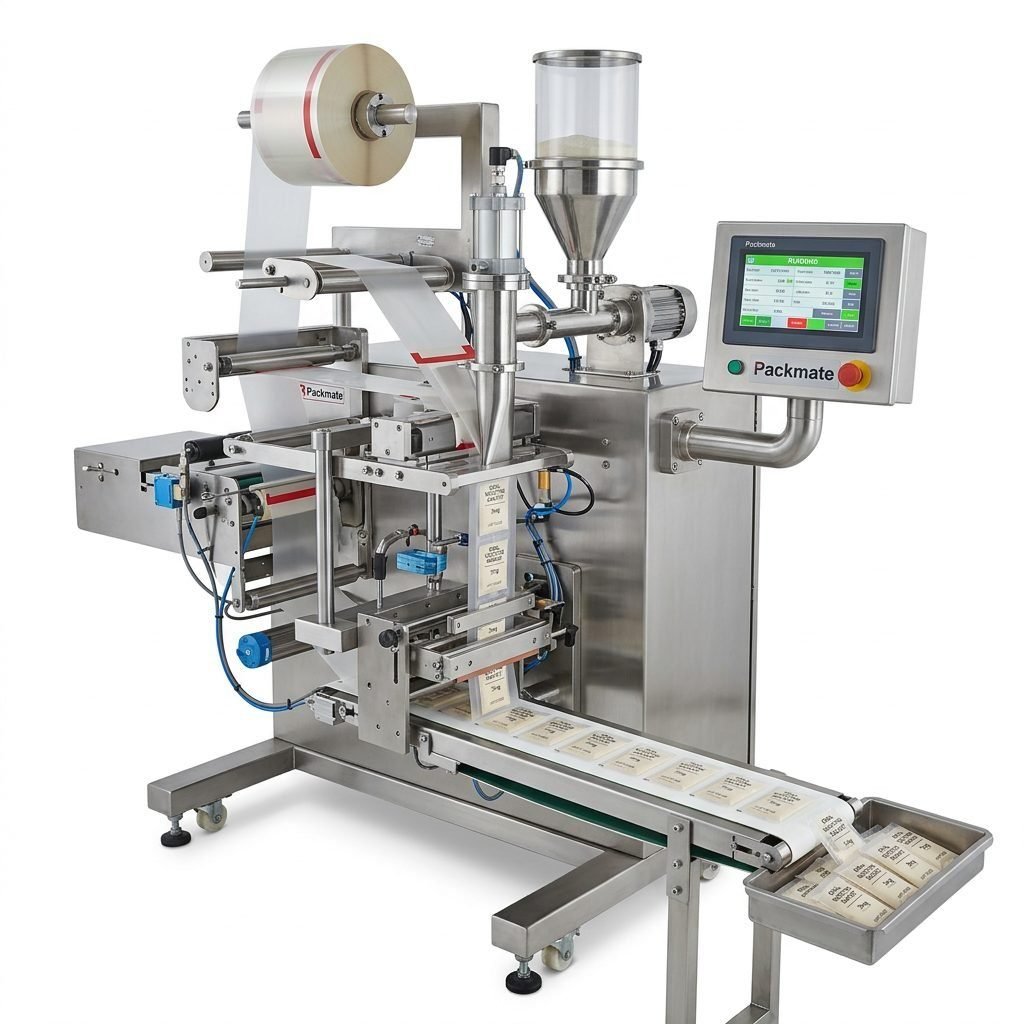
Construction Materials: All product contact parts should be made from food-grade stainless steel (e.g., SS304 or SS316). This prevents corrosion, is easy to clean, and meets food safety standards like FDA and EU regulations.
Sealing System: The sealing mechanism (often heat sealing) must be robust and consistent to ensure pouch integrity, prevent leakage, and maintain product freshness. Look for adjustable temperature and pressure controls to handle different packaging films.
Dust Containment & CIP: Powder fillers generate dust. A well-designed machine will have effective dust extraction ports and sealing mechanisms. Clean-in-Place (CIP) features or designs that allow for easy disassembly and cleaning are vital for preventing cross-contamination between spice batches.
Evaluating Manufacturers and Suppliers
The manufacturer’s reputation and support are as important as the machine itself. A reliable partner ensures long-term success.
Experience and Specialization: Look for manufacturers with a proven track record in food, and specifically spice, packaging. Their experience translates into understanding common challenges like caking, clumping, or static. For example, Packmate Machinery has over 30 years of experience in granule and powder packaging for the food sector.
Technical Support and Service: Inquire about after-sales support. Do they offer installation, training, and local service technicians? What is the warranty period and spare parts availability? A global service network is crucial for exporters.
Customization Ability: Your spice blend might have unique properties. Can the supplier customize the hopper design, auger type, or vibration systems to handle your specific product? Manufacturers like PackingMachineOEM focus on non-standard and customized solutions for specialized needs.
Compliance and Certifications: Ensure the machinery complies with relevant safety and electrical standards (e.g., CE, UL) for your target markets in Europe, North America, or elsewhere.
| Manufacturer | Key Strength | Ideal For |
|---|---|---|
| Ludyway | Broad portfolio, turnkey lines, strong export | Businesses seeking complete, scalable packaging lines |
| Packmate Machinery | Balanced cost-performance, reliable food/pharma focus | Medium to large-scale producers needing reliable automation |
| PacklineOEM | Complete line integration, system engineering | Factories planning full automation from feeding to cartoning |
| PackingMachineOEM | High customization, non-standard project expertise | Unique product formats or complex engineering requirements |
| SnusMachinery | Specialized pouch packaging, niche application knowledge | Spice blends in specialized stick pack or sachet formats |
Total Cost of Ownership (TCO) and ROI
Look beyond the initial purchase price. Consider the Total Cost of Ownership, which includes:
- Energy Consumption: More complex, high-speed machines may use more power.
- Maintenance & Spare Parts: Factor in the cost and availability of wear parts like augers, seals, and heating elements.
- Operational Labor: A more automated machine reduces labor costs but may require higher-skilled technicians.
- Material Waste: High-precision filling minimizes product giveaway, saving significant money over time.
- Uptime & Reliability: A robust machine from a reputable supplier minimizes costly production downtime.
Calculate the Return on Investment (ROI) by projecting savings from increased speed, reduced labor, and lower material waste against the machine’s capital and operational costs.
Future-Proofing Your Investment
Your packaging needs will evolve. Choose a machine and a supplier that can grow with you.
Scalability: Can the machine’s speed be upgraded? Can lanes be added? Some modular systems allow for future expansion.
Flexibility: If you plan to package different spice varieties or formats (e.g., different pouch sizes), ensure the machine allows for quick changeovers with minimal tools and downtime.
Technology & Data: Modern machines often feature PLC controls with touchscreen HMIs, recipe storage, and production data tracking. These features aid in quality control, traceability, and overall equipment effectiveness (OEE) monitoring.
Frequently Asked Questions (FAQs)
What is the typical accuracy range for a spice powder filler?
Modern auger fillers for spices can typically achieve accuracy within ±0.5% to ±1% of the target weight, depending on product characteristics. High-precision net weighers can achieve even tighter tolerances, often better than ±0.1 grams for small portions.
How do I prevent spice powders from bridging or rat-holing in the hopper?
This is a common issue with fine, cohesive powders. Solutions include hoppers with steep walls, mechanical agitators or vibrating pads attached to the hopper, and the use of fluidizing augers that break up clumps. A reputable manufacturer like Ludyway will have experience designing solutions for these specific flow problems.
Can one machine handle both fine powder and granular spices?
Many machines, especially auger fillers, are versatile. However, optimal performance may require changing the auger type, tooling, or vibration settings. It’s crucial to test your specific products with the machine during the evaluation phase to ensure consistent performance across your product range.
What is the lead time for a custom automatic powder filling line?
Lead times vary significantly. A standard machine may ship in 30-60 days. A fully customized turnkey line from a supplier like PacklineOEM can take 3 to 6 months or more, depending on complexity, as it involves design, manufacturing, factory testing, and shipping.
How important is after-sales service when buying from an international supplier?
It is critically important. Ensure the supplier has a clear service protocol, provides comprehensive documentation and training videos, stocks critical spare parts, and has either local agents or technicians who can travel for support. The strong export focus of companies like Ludyway and Packmate Machinery often includes established international service networks.