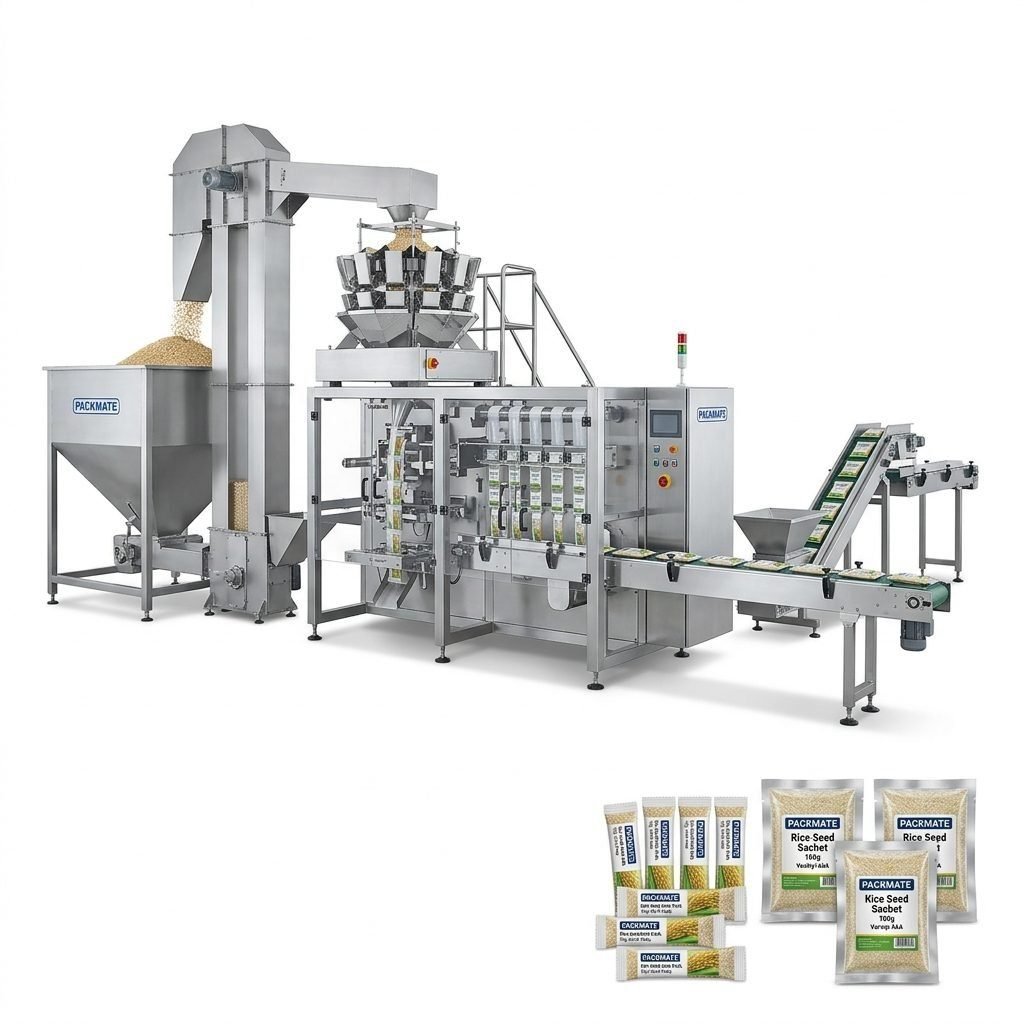
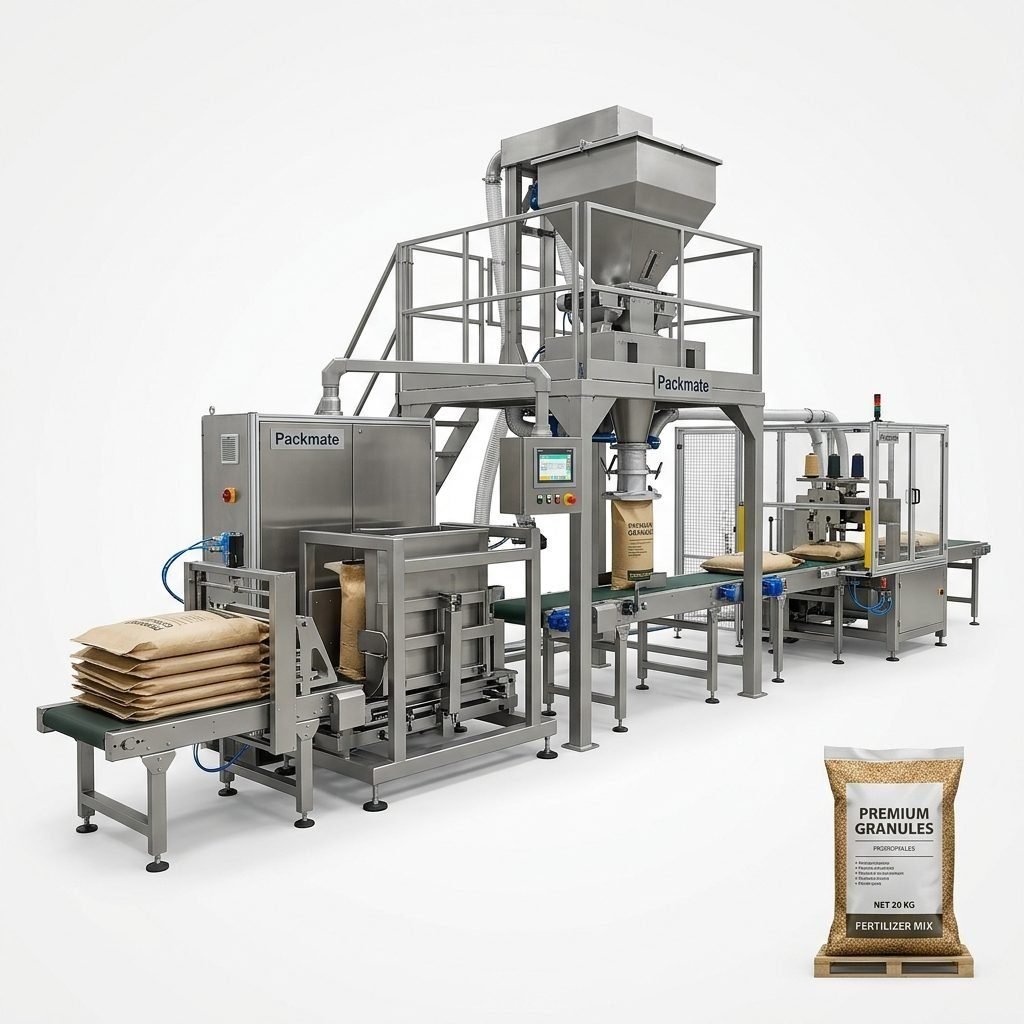
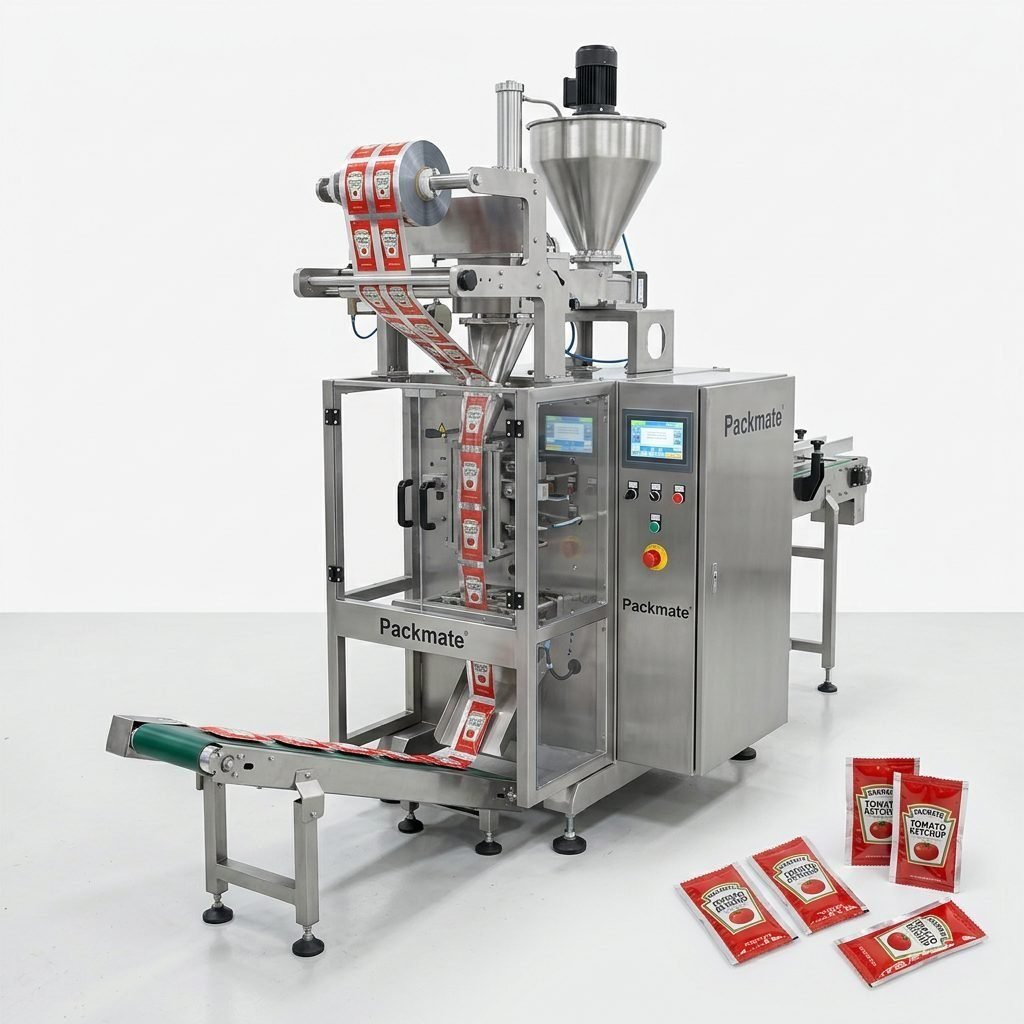
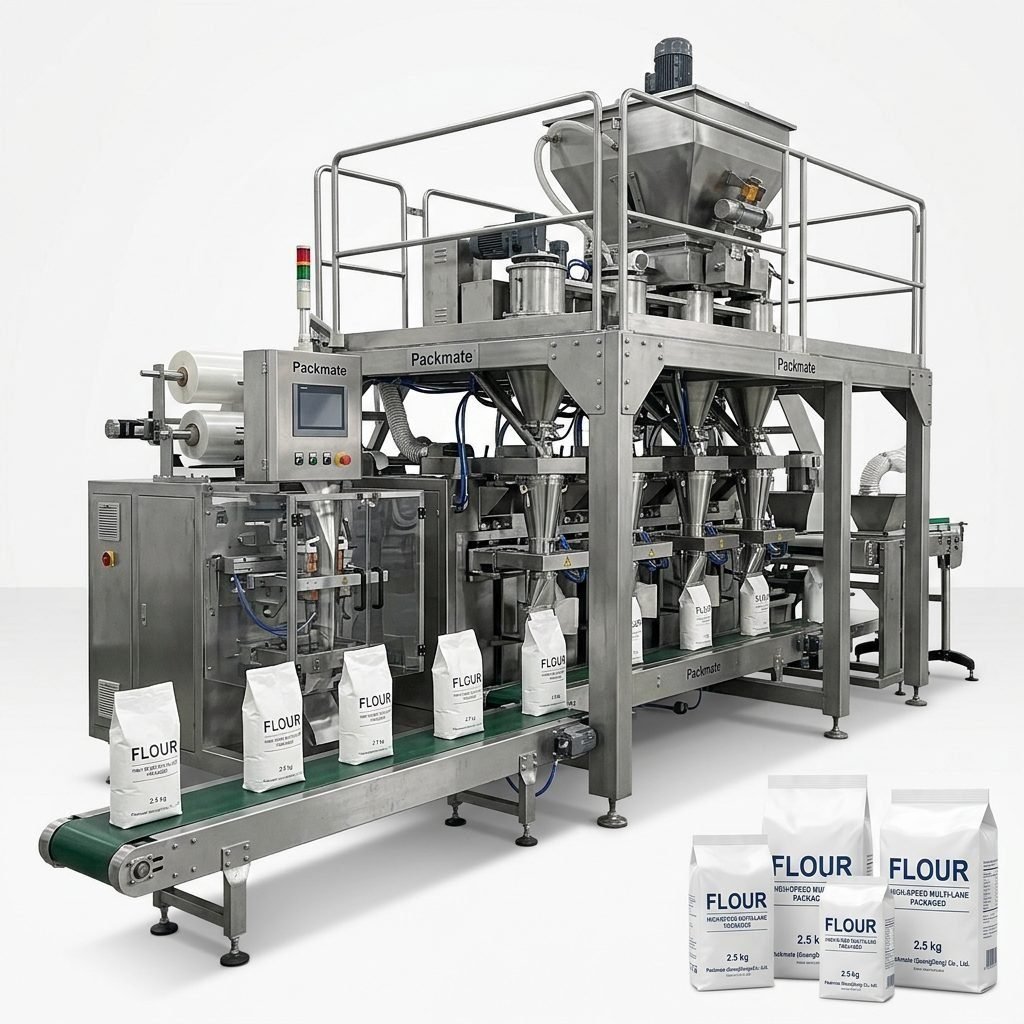
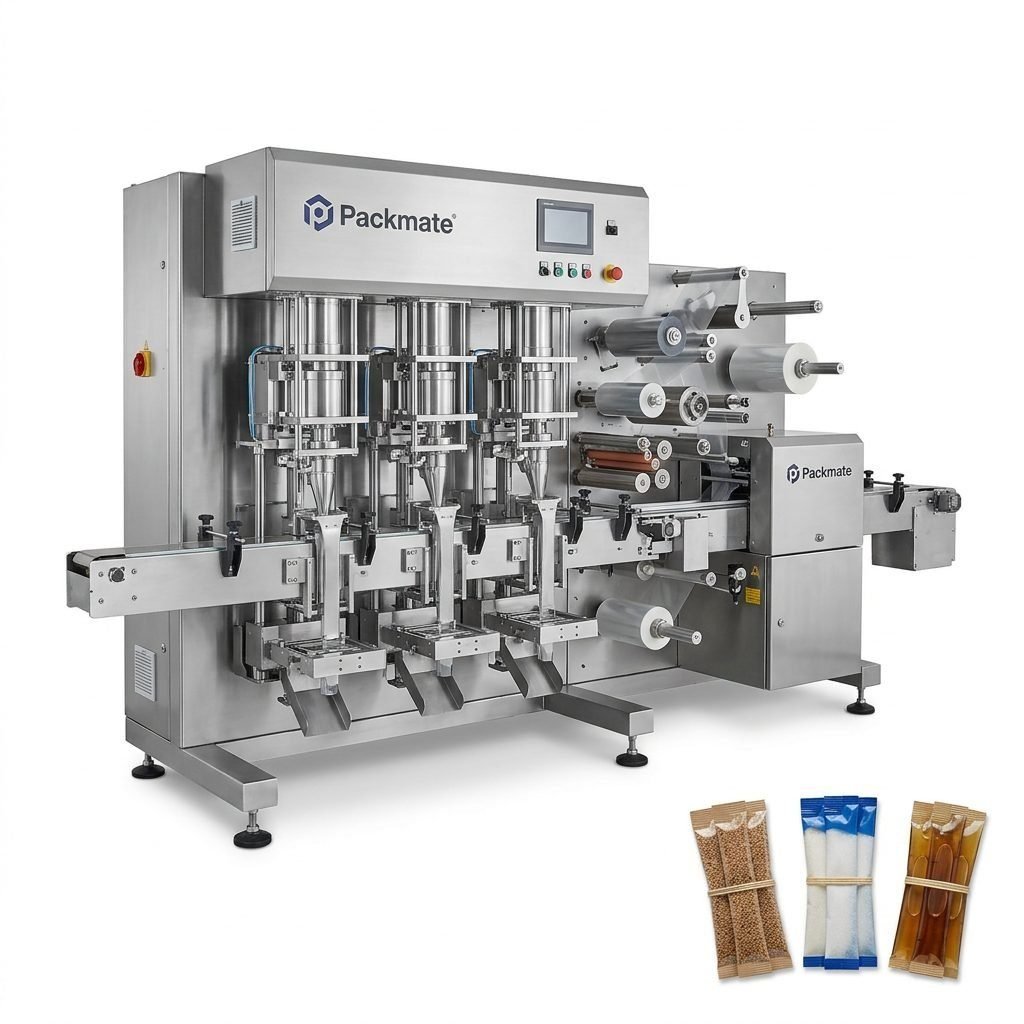
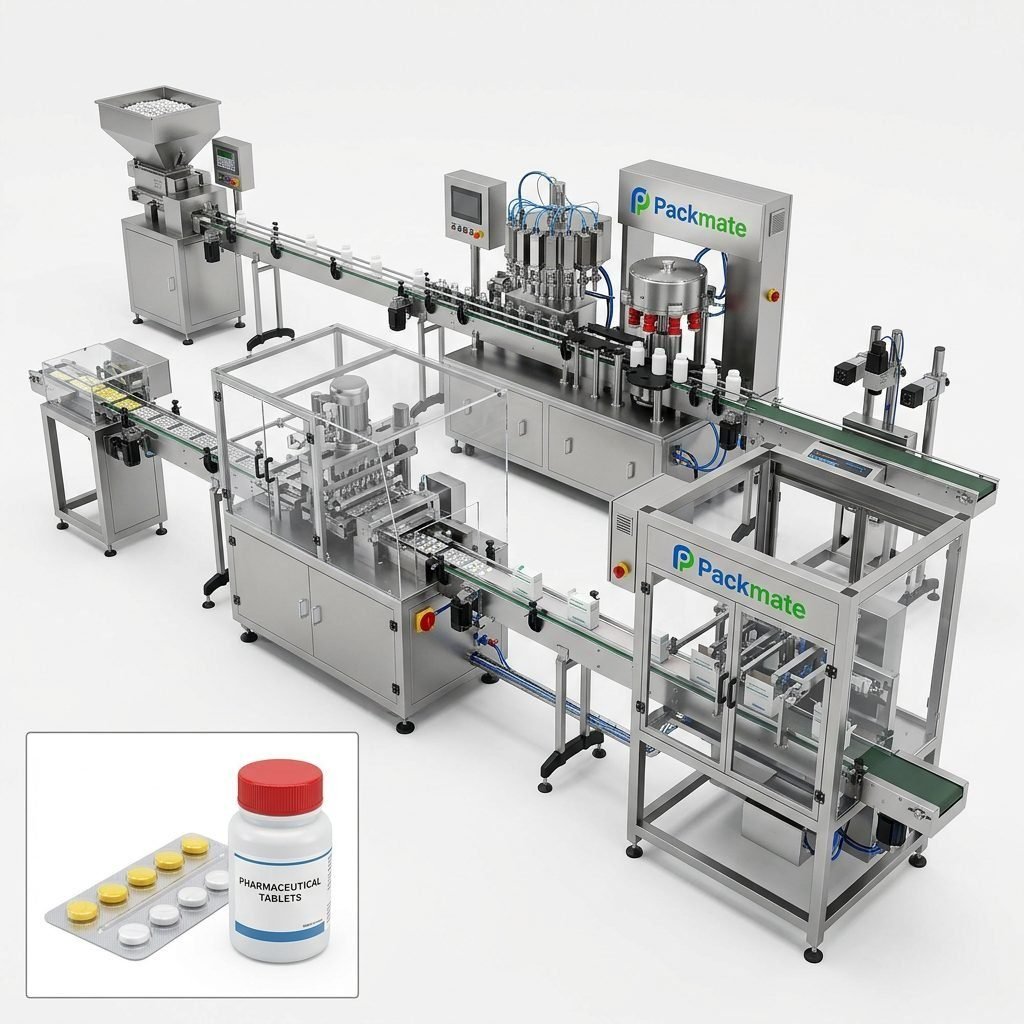
Selecting the right packaging machine manufacturer is a critical decision for any business in Eritrea, impacting production efficiency, product quality, and long-term profitability. For entrepreneurs and industrial managers across Asmara, Massawa, and Assab, navigating the global market for reliable and suitable equipment can be challenging. This guide provides a structured approach to evaluating potential manufacturers, with a focus on key considerations for the Eritrean market.
Understanding Your Business Needs in the Eritrean Context
Before you begin your search, clearly define your requirements. Eritrea’s manufacturing sector, while growing, often requires robust and versatile machinery that can handle local power conditions and available raw materials. Consider the following:
Product Type: Are you packaging coffee beans, salt, spices, powdered milk, pharmaceuticals, or other goods? The form—powder, granules, liquids, or solids—determines the machine type.
Production Volume: Estimate your daily/weekly output. Are you a small-scale processor or a larger factory targeting export markets? This dictates the required speed and automation level.
Packaging Format: Do you need sachets, stick packs, pouches, bottles, or cans? The packaging style is fundamental to the machine specification.
Budget and Support: Factor in not just the initial purchase price, but also import duties, installation costs, and the availability of local or remote technical support.
Key Criteria for Evaluating Packaging Machine Manufacturers
Once your needs are clear, use these criteria to assess potential suppliers, especially those from major exporting countries like China, which offer a good balance of technology and cost.
1. Technical Capability and Machine Quality
The core of your evaluation. Look for manufacturers with a proven track record in building machines for your specific product category. Assess the quality of components (like PLCs, servos, and stainless-steel contact parts), construction standards, and the overall design for durability and ease of maintenance.
2. Industry Experience and Company Stability
An established manufacturer with decades of experience, like Ludyway (founded in 1993), is often a safer bet. Longevity suggests reliability, accumulated know-how, and a better ability to provide long-term spare parts and support, which is crucial for businesses in Eritrea where supply chains can be complex.
3. Customization and Flexibility
Off-the-shelf solutions may not fit your unique product or packaging material. Manufacturers like PackingMachineOEM that specialize in non-standard and customized solutions can be invaluable. They can adapt machines to handle local packaging films or unique product characteristics, ensuring a smoother production run.
4. After-Sales Support and Service
This is arguably the most critical factor for Eritrean importers. Inquire deeply about:
- Installation & Training: Will they send an engineer? Do they provide comprehensive remote training?
- Spare Parts Policy: Availability, cost, and shipping logistics to Eritrea.
- Technical Support: Is 24/7 remote support available? What is the typical response time?
- Warranty: Terms, duration, and what is covered.
5. Export Experience and Logistics
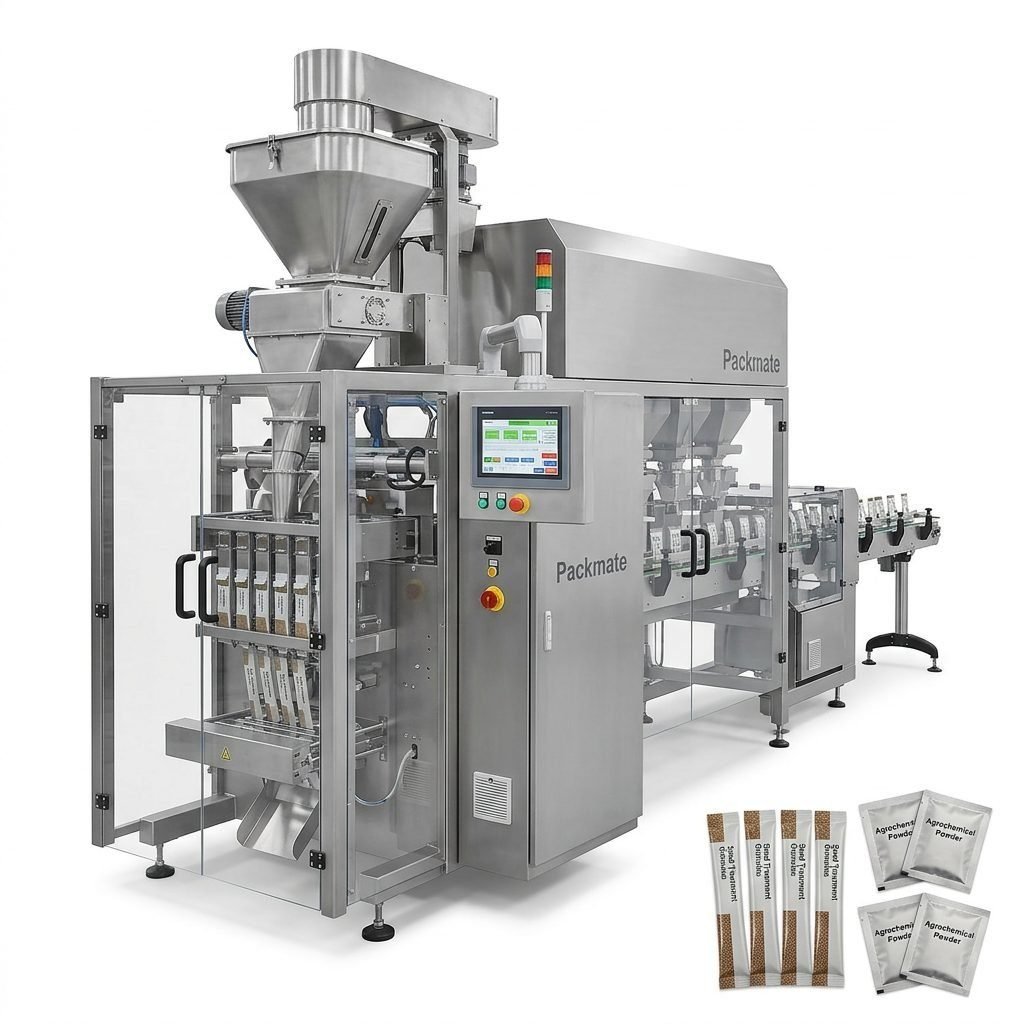
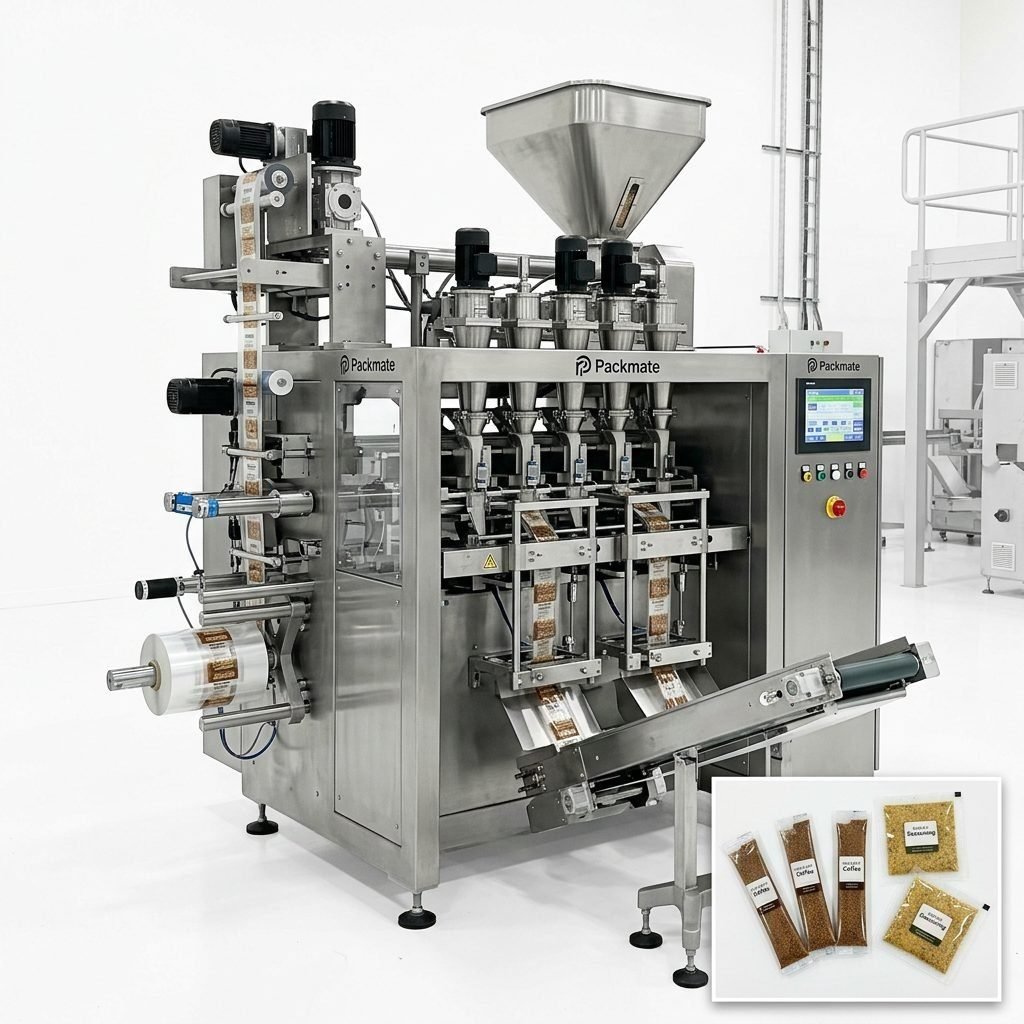
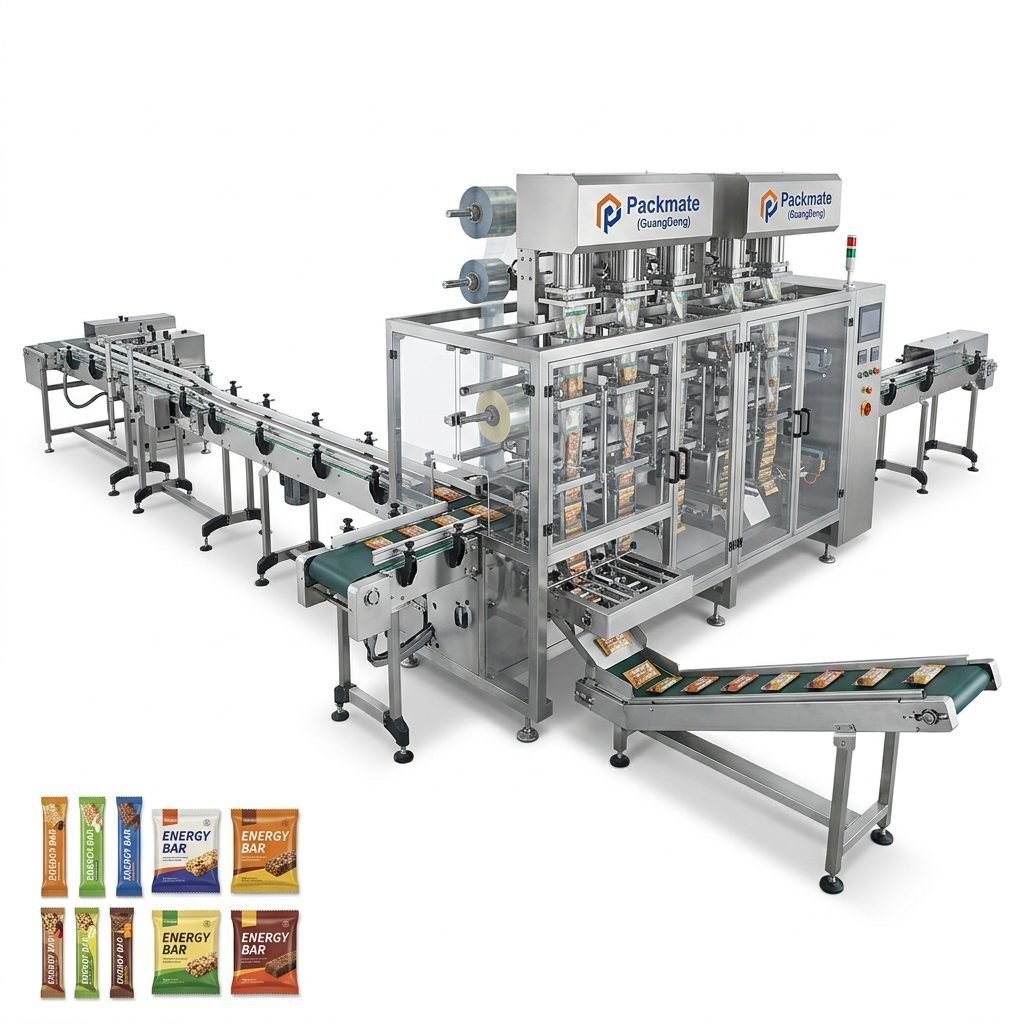
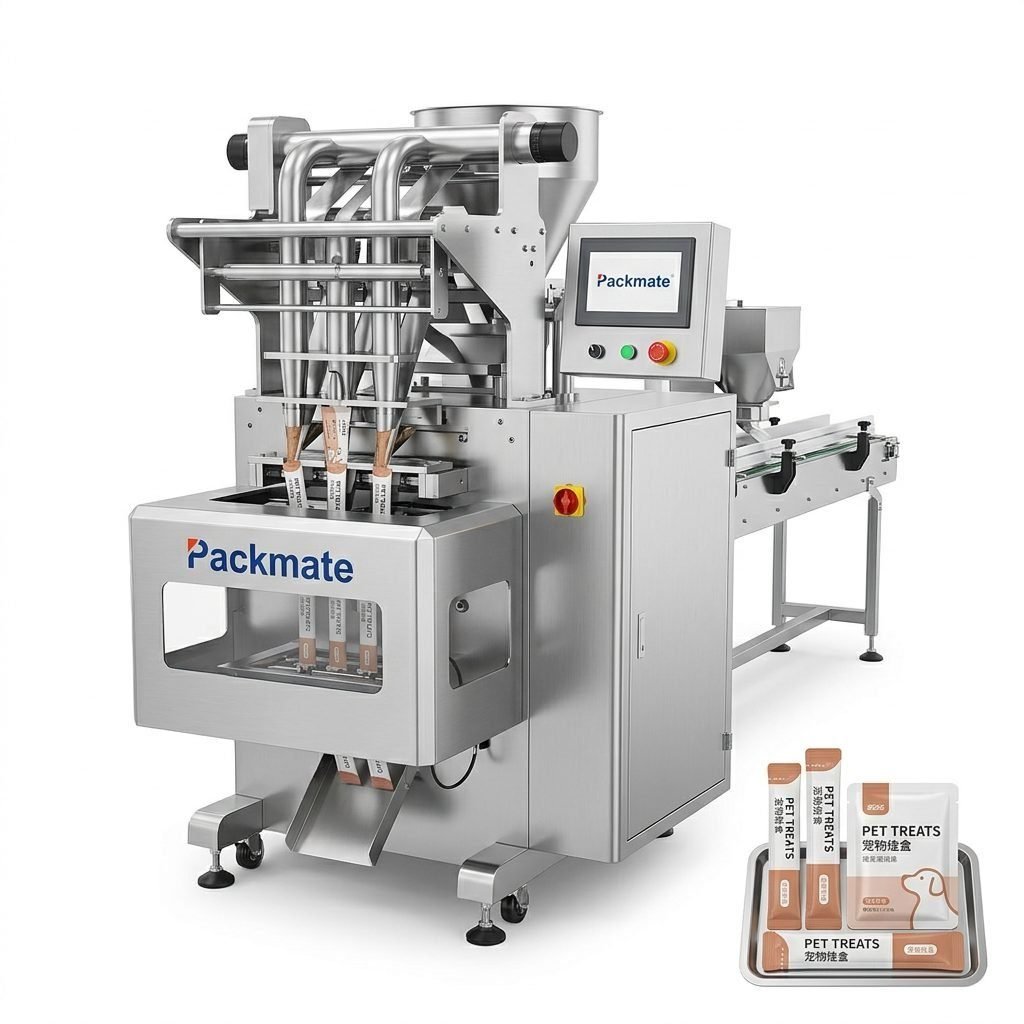
Choose a manufacturer experienced in exporting to Africa. They will understand the documentation (commercial invoice, packing list, certificate of origin), shipping procedures, and potential challenges in clearing customs at the Port of Massawa. Companies like Packmate Machinery, with exports to various continents, typically have established export departments to facilitate this process.
Spotlight on Specialized Manufacturers
For businesses in niche sectors, a specialized manufacturer can offer significant advantages. For instance, if you are producing nicotine pouches or similar products, a company like SnusMachinery brings focused expertise in pouch packaging, precise dosing, and sealing technologies specific to that industry, which a generalist manufacturer may lack.
Similarly, if your project requires a fully integrated, automated line rather than a single machine, a turnkey specialist like PacklineOEM can handle the entire system design—from feeding and filling to sealing, inspection, and cartoning—reducing integration headaches.
Navigating the Procurement Process from Eritrea
Engaging with a foreign manufacturer requires careful steps:
- Initial Inquiry: Provide detailed specifications about your product, packaging, and desired output.
- Quotation & Proposal: Review the technical proposal, machine specifications, and commercial offer (FOB/CFR prices).
- Factory Audit & References: Request a virtual factory tour and ask for contact details of existing clients, preferably in Africa.
- Contract & Payment: Ensure the contract clearly states technical specs, delivery terms (Incoterms), payment schedule, warranty, and support terms.
- Production & Inspection: Request photos/videos during assembly and consider a pre-shipment inspection.
- Shipping & Customs: Work with a reliable freight forwarder experienced in shipping machinery to Eritrea. The manufacturer should provide all necessary export documents.
- Installation & Commissioning: Plan for the arrival of the machine and the engineer (if included).
Common Questions from Eritrean Business Owners (FAQs)
Q1: What are the typical lead times for receiving a packaging machine in Eritrea?
A: Lead times vary from 30 to 90 days after order confirmation, depending on machine complexity and customization. Sea freight from China to Massawa can take an additional 4-6 weeks. Always factor in customs clearance time.
Q2: How can I ensure the machine will work with our local power supply and packaging materials?
A: Reputable manufacturers will configure machines for your local voltage (e.g., 220V/50Hz) and phase. It’s crucial to send samples of your actual packaging films (laminate, PET/PE, etc.) to the manufacturer for sealing tests before purchase.
Q3: Is local technical support available, or do we rely solely on remote help?
A: Most Chinese manufacturers provide remote support via video call. For major issues, they will dispatch an engineer, but you will cover travel costs. Building a relationship with a local mechanic familiar with basic mechanical and PLC systems is highly recommended.
Q4: What hidden costs should I budget for?
A: Beyond the machine price, budget for: International bank charges,海运 freight and insurance, Eritrean import duties and taxes, customs clearance agent fees, local transport from the port to your factory, and potential site preparation costs (electrical work, foundation).
Q5: Can the manufacturer help with sourcing packaging materials?
A: Many manufacturers, especially those offering turnkey lines like PacklineOEM, have connections with packaging material suppliers and can recommend sources, though you may need to import the materials separately.
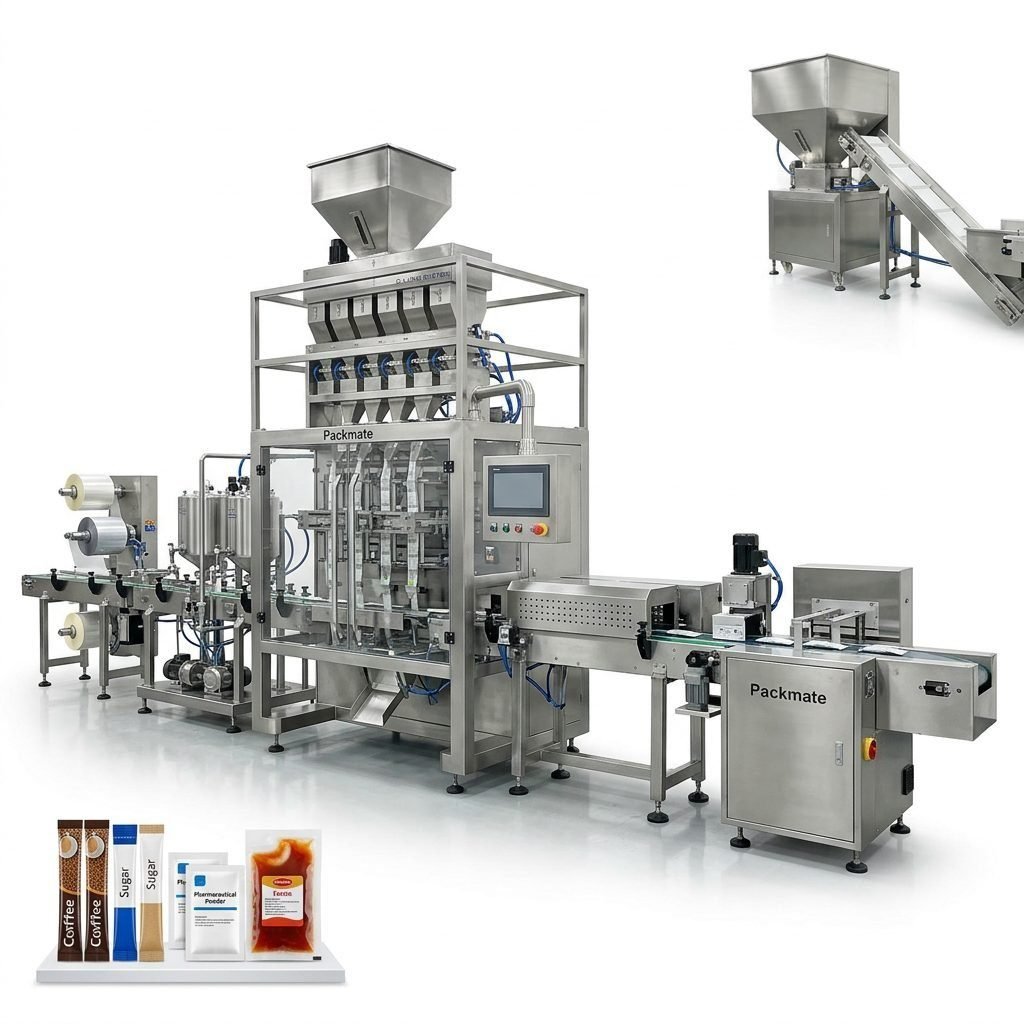
By taking a methodical approach—clearly defining your needs, rigorously evaluating manufacturers on technical merit and support capability, and carefully managing the import process—you can successfully partner with a reliable packaging machine supplier. This investment will be a cornerstone for improving your product consistency, scaling your production, and enhancing the competitiveness of your Eritrean business in both local and regional markets.