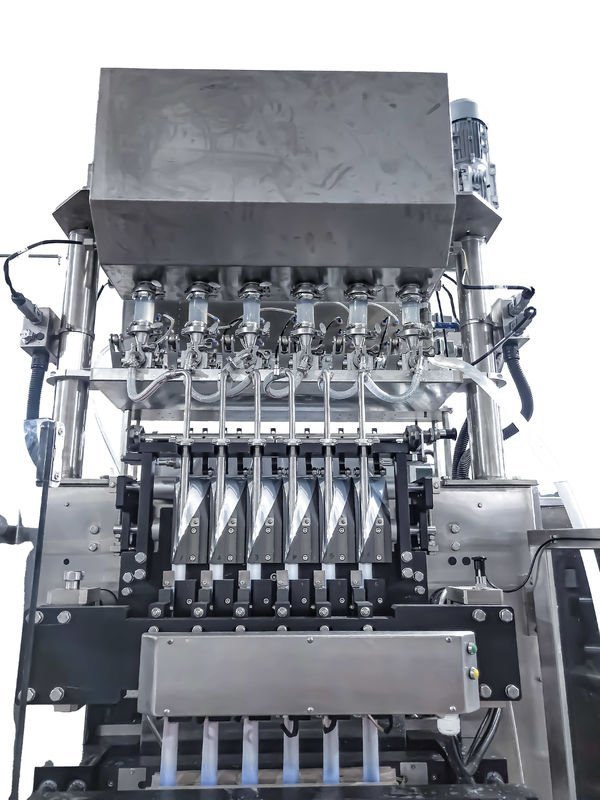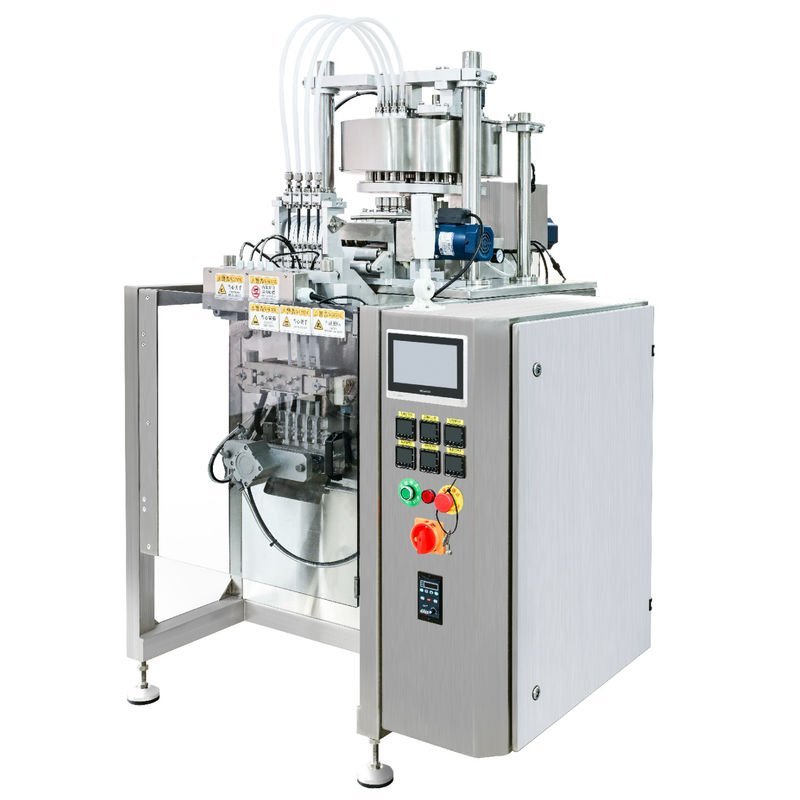
In the fast-paced worlds of food and pharmaceutical manufacturing, efficiency, hygiene, and precision are non-negotiable. Thermoforming packaging machines have emerged as a cornerstone technology, providing high-speed, automatic packaging solutions that meet the stringent demands of these critical industries. These sophisticated systems form, fill, and seal packages in a continuous, sterile process, offering unparalleled speed and reliability for products ranging from medical devices and tablets to fresh food and dairy items.

The Core Technology: How Thermoforming Packaging Machines Work
The operation of a thermoforming packaging machine is a marvel of synchronized engineering. It begins with a roll of flat, thermoplastic film (the base web) being fed into the machine. This film is heated to a pliable state and then formed into cavities or pockets using a mold and vacuum or pressure. In a simultaneous or subsequent step, the product is precisely placed into these formed cavities. A second roll of film (the lidding web) is then sealed over the top, often under a modified atmosphere to extend shelf life. Finally, the individual packages are die-cut from the continuous web. This seamless, inline process is the key to achieving the high-speed automation that modern production lines require.
Key Advantages for Food & Pharma
Why are thermoformers the preferred choice? The benefits are multifaceted:
✅ Superior Product Protection: The hermetic seal and option for gas flushing (MAP – Modified Atmosphere Packaging) create an excellent barrier against moisture, oxygen, and contaminants, crucial for pharmaceuticals and perishable foods.
✅ High Visibility & Appeal: The use of clear films allows for excellent product visibility, enhancing consumer confidence and shelf appeal—a vital factor in competitive markets.
✅ Exceptional Flexibility: These machines can handle a vast array of product shapes and sizes by simply changing the forming mold, making them ideal for diverse product lines.
✅ Material Efficiency: The roll-fed process minimizes material waste compared to pre-made pouches or containers, contributing to lower operational costs and a smaller environmental footprint.
Driving Efficiency with High-Speed Automation
The term “high-speed” is relative but in the context of modern thermoforming lines, it can mean outputs exceeding hundreds of packages per minute. This is achieved through advanced servo-drive technology, precision web handling, and integrated robotic pick-and-place systems. Automation extends beyond just speed; it encompasses automatic film splicing for uninterrupted production, in-line weight checkers, and vision inspection systems that reject non-conforming packages. This level of automation ensures consistent quality, reduces labor costs, and maximizes Overall Equipment Effectiveness (OEE). For manufacturers looking to scale, exploring integrated Filling & Packaging Lines can provide a complete turnkey solution.
Meeting Stringent Pharmaceutical Standards
In the pharmaceutical industry, packaging is a critical component of product safety and compliance. Thermoforming machines designed for pharma often operate in ISO-classified cleanrooms or feature integrated isolation technology. They are constructed with hygienic, easy-to-clean surfaces (often stainless steel) and are validated to comply with Good Manufacturing Practices (GMP). The precision dosing of powders, tablets, or liquids is handled with utmost accuracy, often coupled with Weighing & Packaging Systems to ensure each unit dose is correct. The resulting blisters or strip packs provide excellent patient compliance and tamper evidence.
Ensuring Freshness in Food Packaging
For the food sector, especially ready-to-eat meals, cheeses, and fresh produce, thermoforming packaging is synonymous with freshness extension. The ability to create a true hermetic seal and flush the package with a protective gas mixture (like nitrogen or carbon dioxide) dramatically slows spoilage. This technology allows supermarkets and food producers to reduce waste and expand their distribution networks. The machines can handle liquids, solids, and multi-component meals with ease. For specific formats like condiments or single-serve ingredients, complementary technologies like Sachet & Stick Pack Machines are often used in tandem.
Choosing the Right Machine Partner
Selecting a thermoforming packaging machine is a significant investment. Key considerations include:
• Output Speed & Cycle Time: Match the machine’s capacity to your current and future production volumes.
• Material Compatibility: Ensure the machine can run the specific barrier films or laminates your product requires.
• Changeover Flexibility: How quickly and easily can molds and tooling be changed for different products?
• Integration Capability: Will it seamlessly connect with your upstream and downstream equipment?
• Supplier Expertise & Support: Partner with a manufacturer with proven experience in your industry. A company like Packmate (GuangDong) Co., Ltd., with over two decades of specialization in automated packaging for food and pharma, brings invaluable application knowledge and reliable after-sales service to ensure your line’s success. Reviewing real-world case studies can provide critical insights.
The Future: Smart & Sustainable Thermoforming
The evolution of thermoforming packaging continues. Industry 4.0 integration is bringing smarter machines equipped with IoT sensors for predictive maintenance, real-time production data analytics, and remote troubleshooting. Sustainability is another powerful driver. Developments in mono-material, recyclable plastic films and the increased use of post-consumer recycled (PCR) content in forming webs are making thermoformed packages more eco-friendly without compromising performance. This aligns with global consumer trends and regulatory pressures for reduced packaging waste.
In conclusion, the thermoforming packaging machine stands as a pivotal solution for food and pharmaceutical producers seeking high-speed, automatic, and reliable packaging. Its ability to provide superior product protection, adapt to diverse shapes, and integrate into fully automated lines makes it an indispensable asset for modern manufacturing. By carefully selecting a machine and a technology partner that aligns with your specific needs for compliance, output, and flexibility, you can secure a competitive advantage in quality, efficiency, and market responsiveness.
Frequently Asked Questions (FAQs)
1. What is the main difference between a thermoforming machine and a vacuum sealing machine?
While both create a seal, a thermoforming machine forms the package cavity from a roll of flat film, fills it, and then seals a lidding film on top—all in one inline process. A typical vacuum sealer places a product into a pre-made pouch or tray and then removes air before sealing. Thermoforming is generally a higher-speed, more automated process suitable for large-scale production.
2. Can thermoforming machines handle liquid products?
Yes, absolutely. Many thermoforming lines are specifically designed for liquid, viscous, or semi-solid products like soups, sauces, yogurts, or pharmaceutical syrups. They use precise volumetric or piston pumps for filling and are engineered to prevent spillage during the high-speed forming and sealing process.
3. How difficult and time-consuming is a mold or product changeover?
Changeover complexity varies by machine design. Modern, servo-driven machines often feature quick-change systems for forming molds, sealing dies, and fillers. A full changeover on an advanced line can often be accomplished in under an hour, minimizing downtime and supporting flexible, just-in-time production schedules.
4. Are thermoformed packages recyclable?
The recyclability depends on the film materials used. Traditional multi-layer laminates can be challenging to recycle. However, the industry is rapidly moving towards mono-material structures (e.g., all polypropylene or all polyethylene) that are designed for recyclability. Always consult with your material supplier and machine manufacturer about sustainable film options.
5. What kind of maintenance do these high-speed machines require?
Regular, preventative maintenance is crucial for peak performance and longevity. This includes daily cleaning, lubrication of moving parts, inspection of seals and wear components, and calibration of scales and sensors. Choosing a supplier with a strong global service network, like Packmate, ensures you have access to spare parts, technical manuals, and expert support for both routine maintenance and unexpected repairs.