In the dynamic world of frozen food production, the final step of packaging is not just about containment—it’s about preservation, presentation, and protection. Selecting the right frozen food packaging machine is a critical business decision that impacts efficiency, product quality, and ultimately, your bottom line. This guide will walk you through the essential types of machinery, their key features, and a structured approach to choosing the best solution for your specific needs.

Core Types of Frozen Food Packaging Machines
The frozen food sector demands specialized equipment capable of handling low temperatures, moisture, and often irregular product shapes. Here are the primary machine categories:
Vertical Form-Fill-Seal (VFFS) Machines
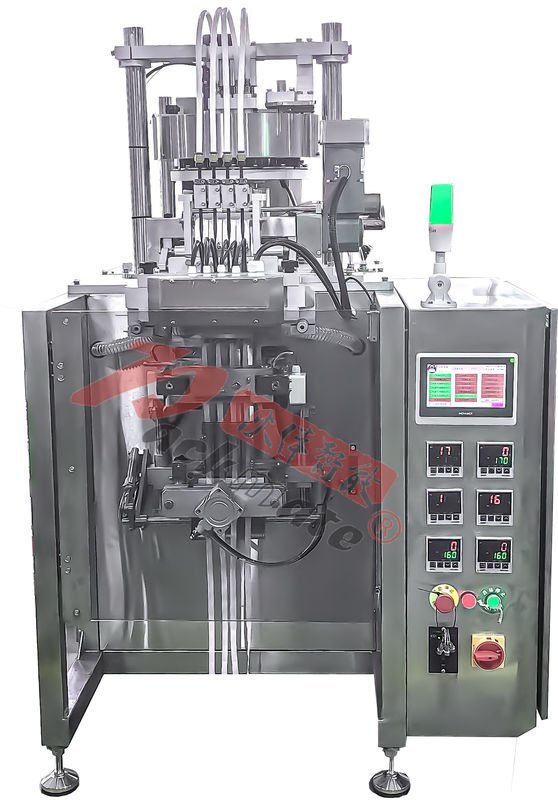
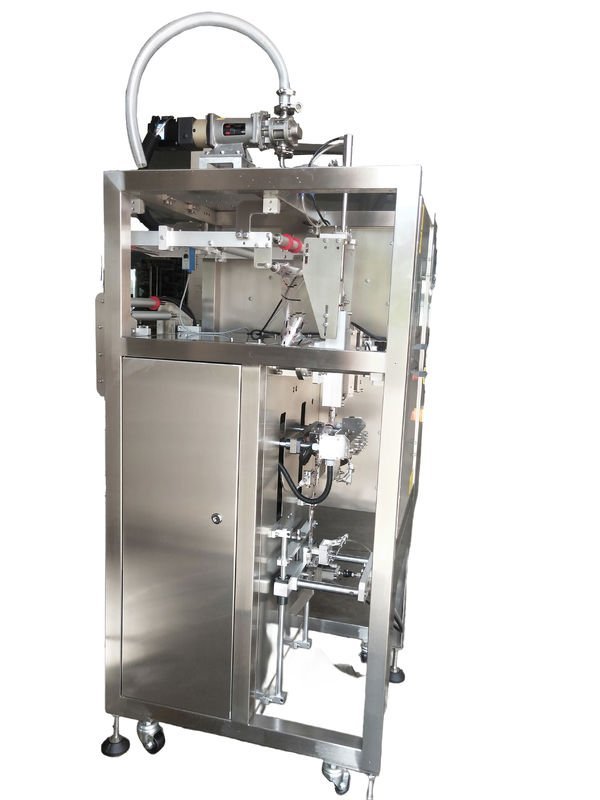
These are the workhorses of the industry for packaging individual items like frozen vegetables, fruits, or appetizers. A VFFS machine forms a bag from a roll of film, fills it with product, and seals it—all in one continuous, vertical motion. They are highly versatile for different bag styles and are ideal for free-flowing products.
Horizontal Form-Fill-Seal (HFFS) Machines
Perfect for more delicate or pre-arranged products like frozen meals, fish fillets, or pastries. HFFS machines form the package horizontally, allowing products to be gently placed into pre-formed pockets before the top film is sealed. This method minimizes product handling and damage.
Tray Sealing Machines
For premium frozen meals, prepared foods, and seafood, tray sealers are the standard. They use pre-formed plastic or aluminum trays, which are filled, lidded with a top film, and hermetically sealed. This method provides a rigid, attractive package that is suitable for both retail and foodservice.
Cartoning and Case Packing Systems
After primary packaging, secondary packaging is crucial. Automatic cartoners place sealed bags or trays into cardboard boxes, while case packers arrange and load these cartons into shipping cases. Integrating these with your primary line, such as our Filling & Packaging Lines, creates a seamless, end-to-end automation solution.
Essential Features for Frozen Food Applications
Not all packaging machines are built equal for the frozen environment. Look for these non-negotiable features:
Stainless Steel Construction & Cold-Rated Components
Machinery must be constructed from food-grade stainless steel to resist corrosion from constant moisture and frequent washdowns. More critically, electrical components, seals, and lubricants must be rated for sub-zero temperatures to prevent failure and ensure consistent operation in cold rooms.
Advanced Sealing Technology
A hermetic seal is the primary defense against freezer burn and contamination. Look for machines with robust, adjustable heat sealing jaws that can reliably seal through potential frost or ice crystals on the film. Some advanced systems offer cold seal or ultrasonic sealing options for sensitive materials.
High-Speed Precision Weighing
Accurate portion control is vital for cost management and compliance. Integrated multi-head weighers or linear weighers must perform with high speed and precision, even with frozen products that may clump. Explore our dedicated Weighing & Packaging Systems designed for such challenging environments.
Gas Flushing (Modified Atmosphere Packaging – MAP)
For products like frozen meats or premium vegetables, MAP extends shelf life and preserves color and texture. Machines equipped with gas flushing capabilities replace air inside the package with a protective gas mix (like nitrogen or CO2) before sealing.
Why Partner with an Experienced Manufacturer?
Choosing a machine from a seasoned provider like Packmate means more than buying hardware. It brings over 22 years of engineering expertise in solving real-world packaging challenges. From sachet machines to complex lines, this experience translates into reliable, tailored solutions that minimize downtime and maximize your return on investment.
How to Choose the Best Solution: A Step-by-Step Guide
Step 1: Analyze Your Product and Process
Start with the basics: What are you packaging? (e.g., loose berries, IQF shrimp, ready meals). Consider product temperature, size, shape, fragility, and flow characteristics. Define your required output speed (bags/per minute) and the type of packaging material (film, tray) you plan to use.
Step 2: Define Your Automation Level
Determine your integration needs. Will the machine stand alone, or will it be part of a fully automated line including filling, checkweighing, and case packing? A complete turnkey solution from a single supplier often ensures better compatibility and simpler maintenance.
Step 3: Evaluate Total Cost of Ownership (TCO)
Look beyond the initial purchase price. Factor in:
✓ Energy Consumption: Efficiency in cold environments.
✓ Material Waste: Precision sealing and weighing reduce film and product giveaway.
✓ Maintenance & Support: Availability of spare parts and technical service.
Step 4: Prioritize Hygiene and Safety
The machine design must facilitate easy and thorough cleaning (CIP/SIP capabilities where possible). Safety guards and interlocks are mandatory to protect operators, especially in high-speed, automated environments.
Step 5: Request a Live Demonstration or Pilot Test
There is no substitute for seeing a machine run with your actual product or a close substitute. Reputable manufacturers will offer factory tests or provide detailed case studies from similar applications. This step validates performance, seal integrity, and speed before you commit.
Frequently Asked Questions (FAQs)
1. Can one machine handle different frozen food products?
Many machines, especially VFFS models, are designed for changeover. However, significant changes in product size, shape, or packaging material may require tooling adjustments or part replacements. Discuss flexibility requirements with your supplier upfront.
2. How important is Modified Atmosphere Packaging (MAP) for frozen foods?
While freezing itself preserves food, MAP is critical for high-value products prone to oxidation and freezer burn (e.g., red meats, certain seafood, herbs). It significantly enhances long-term quality, color, and shelf life, often justifying the additional equipment investment.
3. What is the typical maintenance schedule for these machines in a cold environment?
Maintenance is more frequent than in ambient settings. Daily cleaning and inspection for ice buildup are essential. Lubrication schedules must strictly follow manufacturer guidelines using cold-temperature greases. A proactive plan prevents moisture-related corrosion and electrical issues.
4. How do I ensure the packaging film will seal properly at low temperatures?
This requires a partnership between you, your machine supplier, and your film supplier. The sealing jaws must provide consistent heat and pressure. The film must be specifically formulated for frozen applications, with sealants that activate correctly at your operating temperature. Material testing is crucial.
5. What training and support should I expect from the manufacturer?
Comprehensive training for operators and maintenance technicians is standard. Look for suppliers offering detailed manuals, on-site installation support, and readily accessible remote or on-call technical assistance to minimize production downtime.