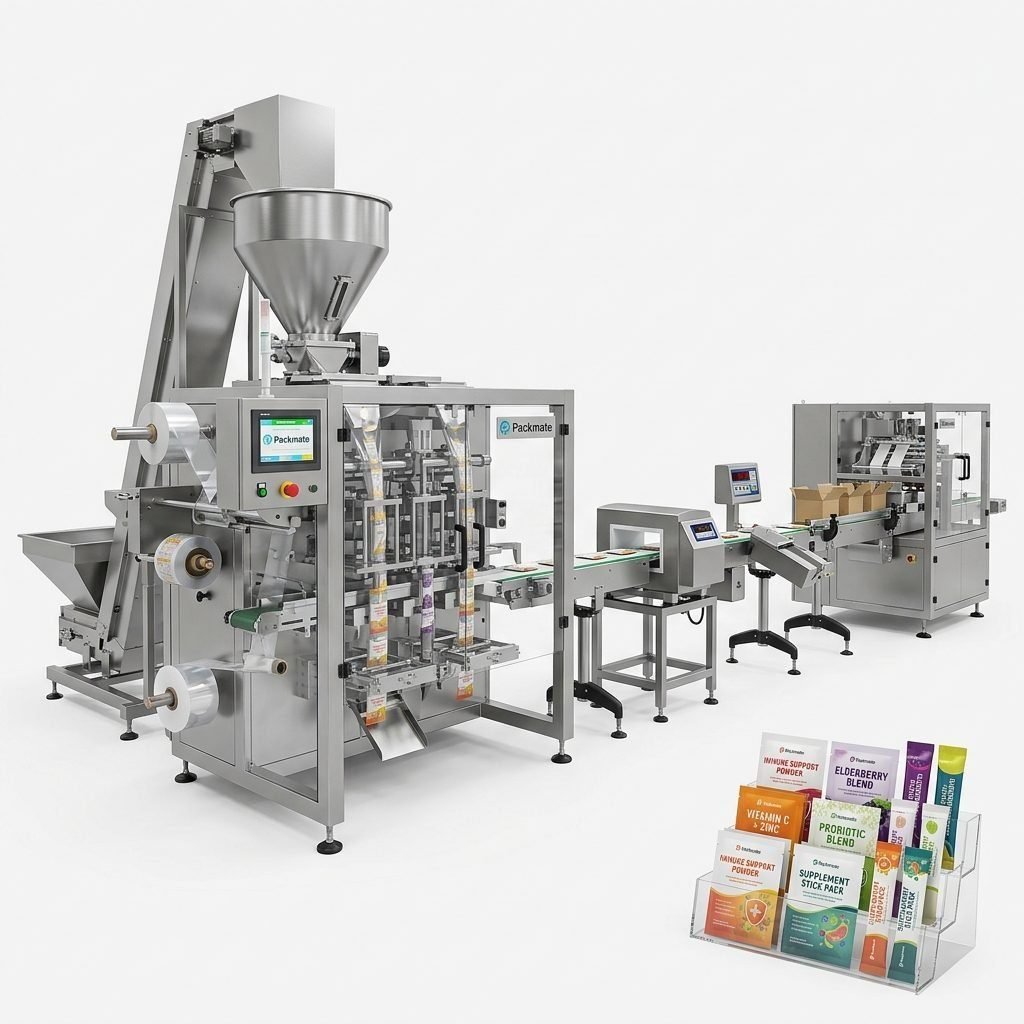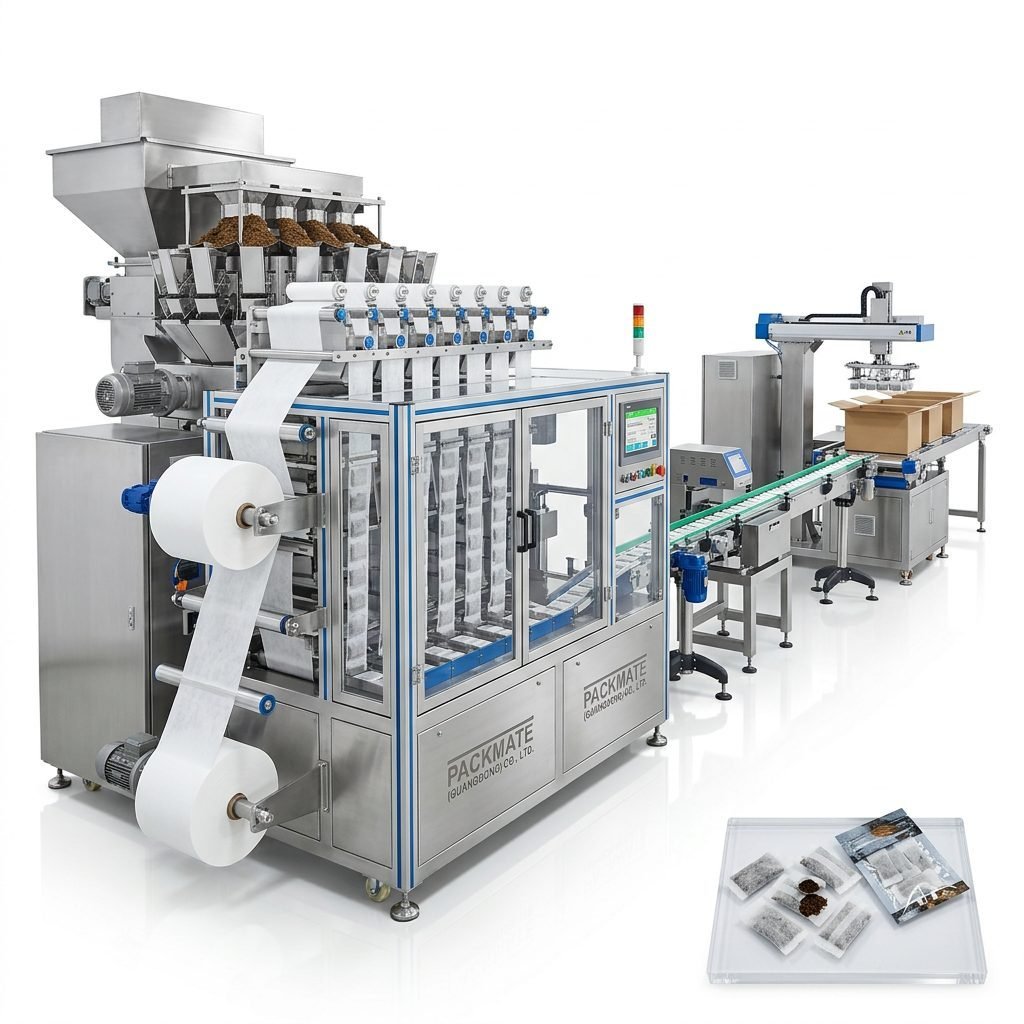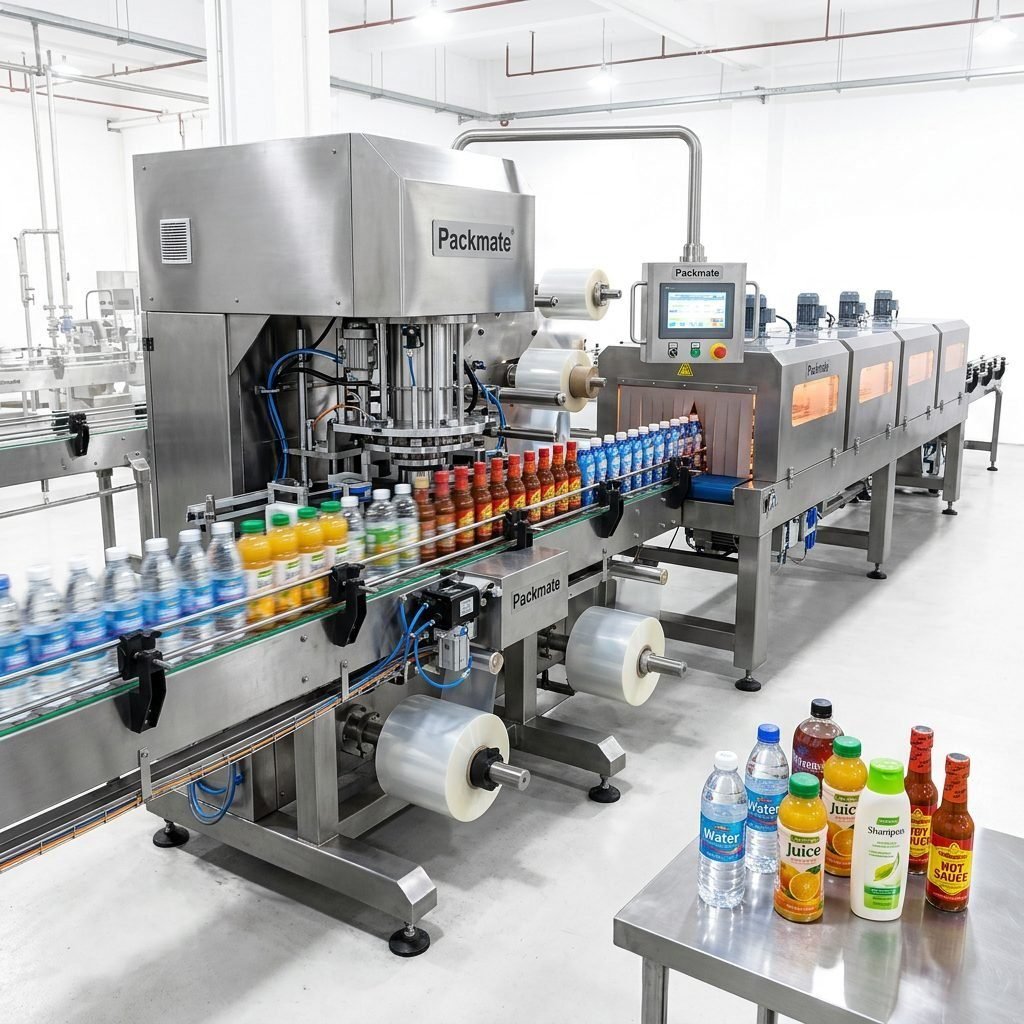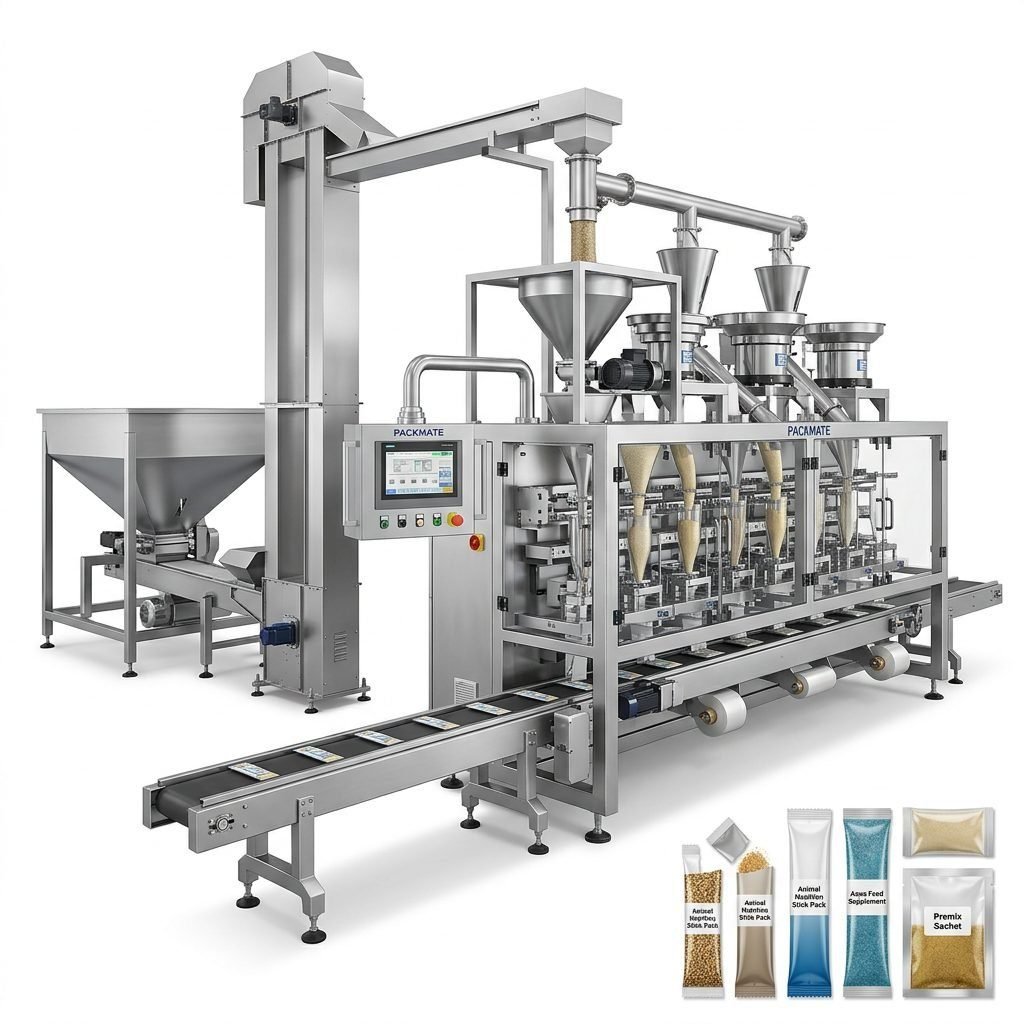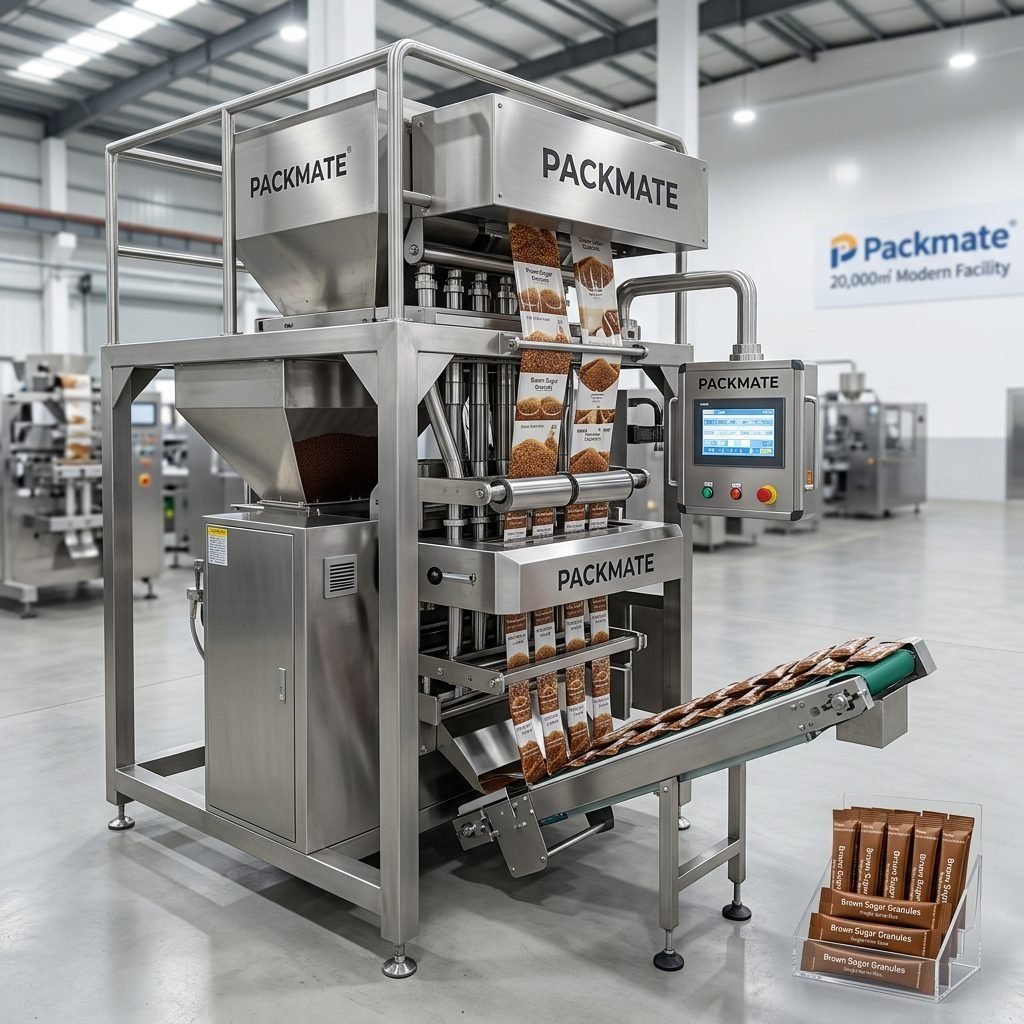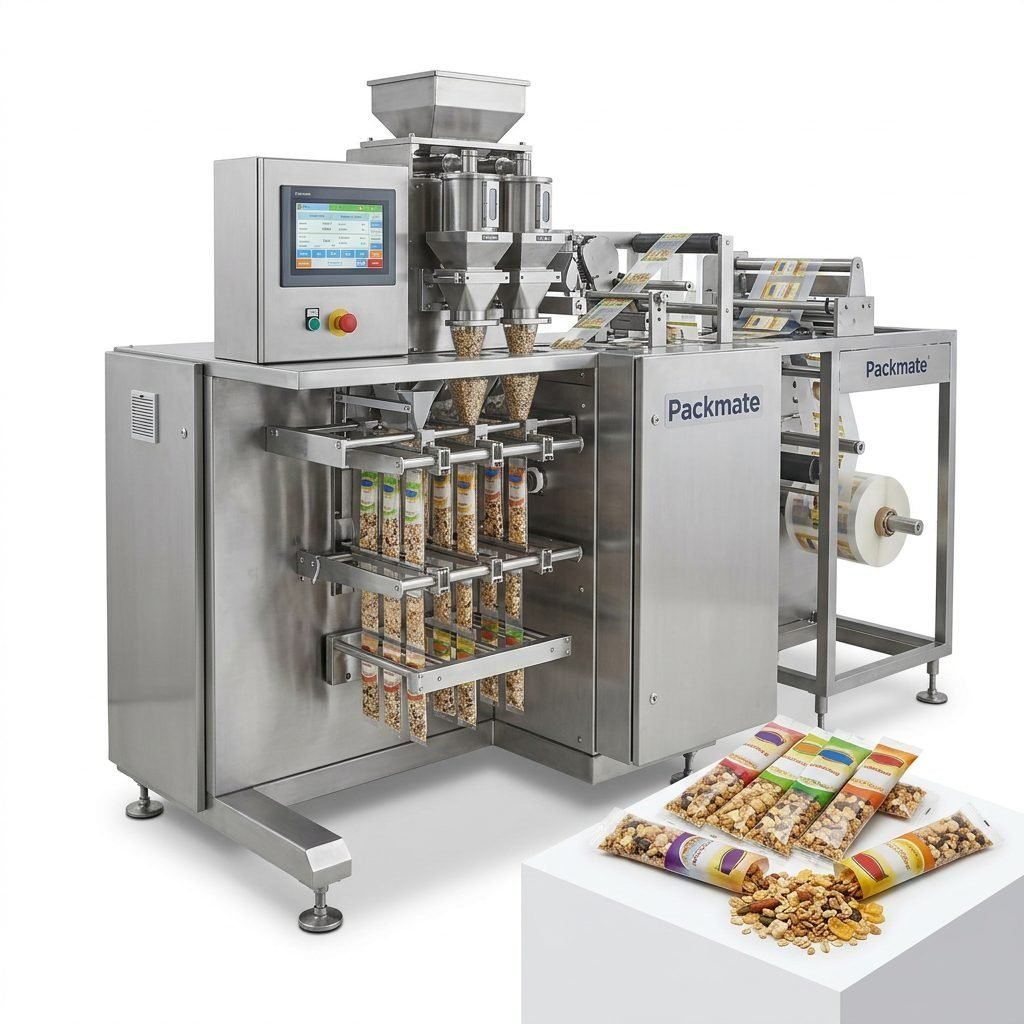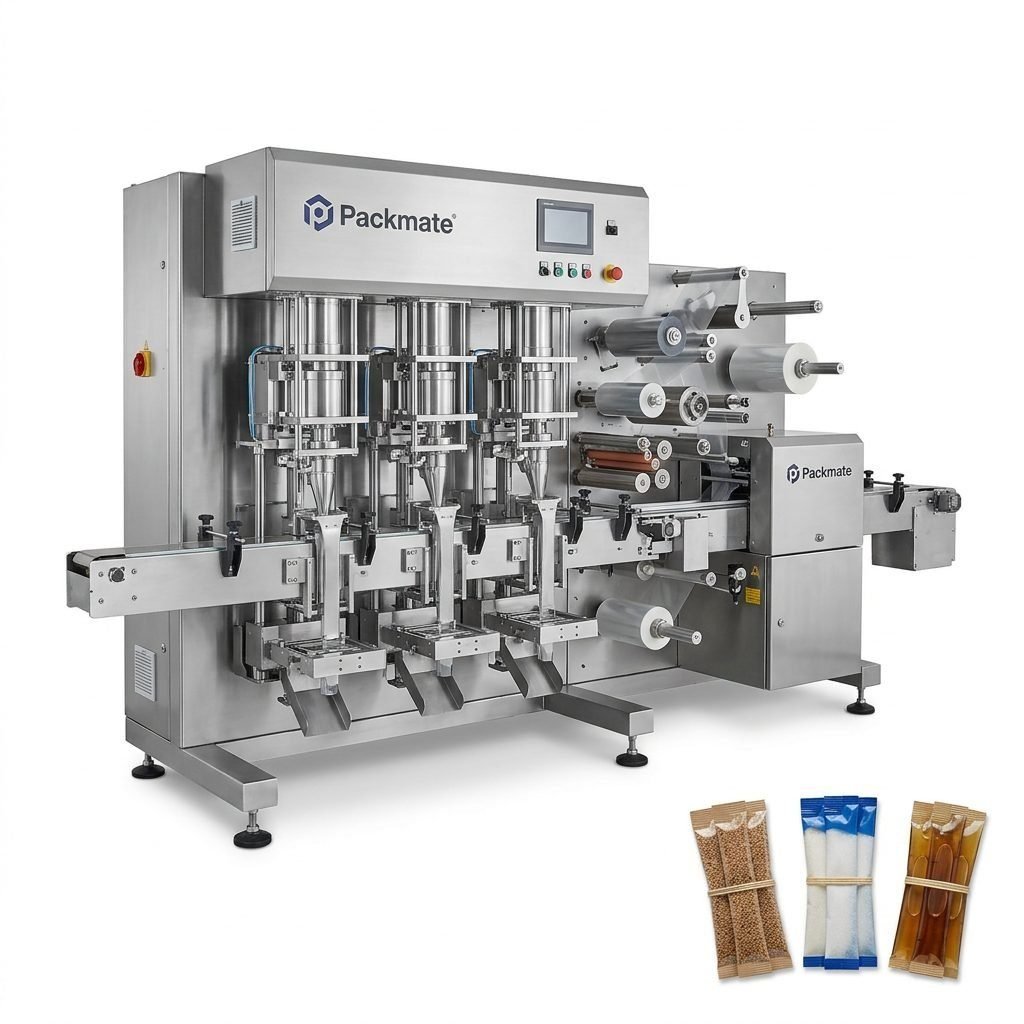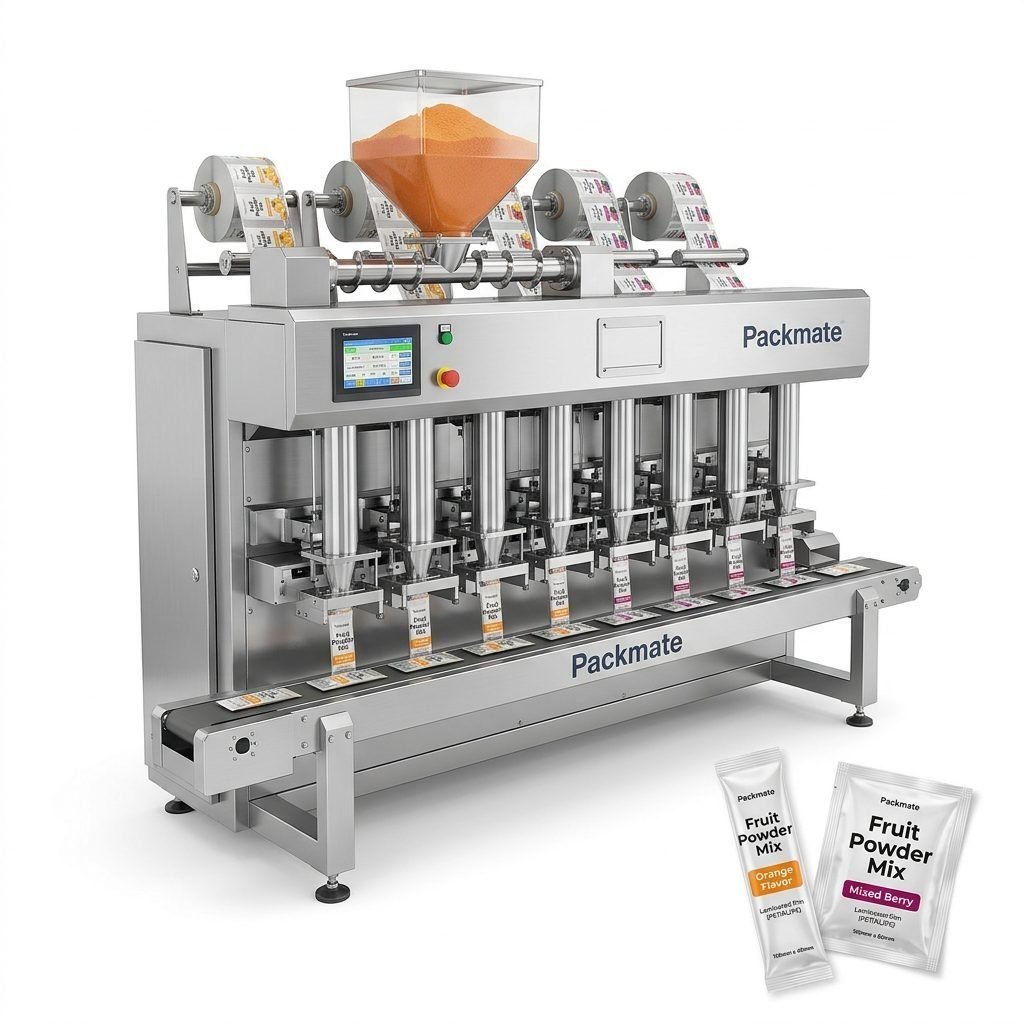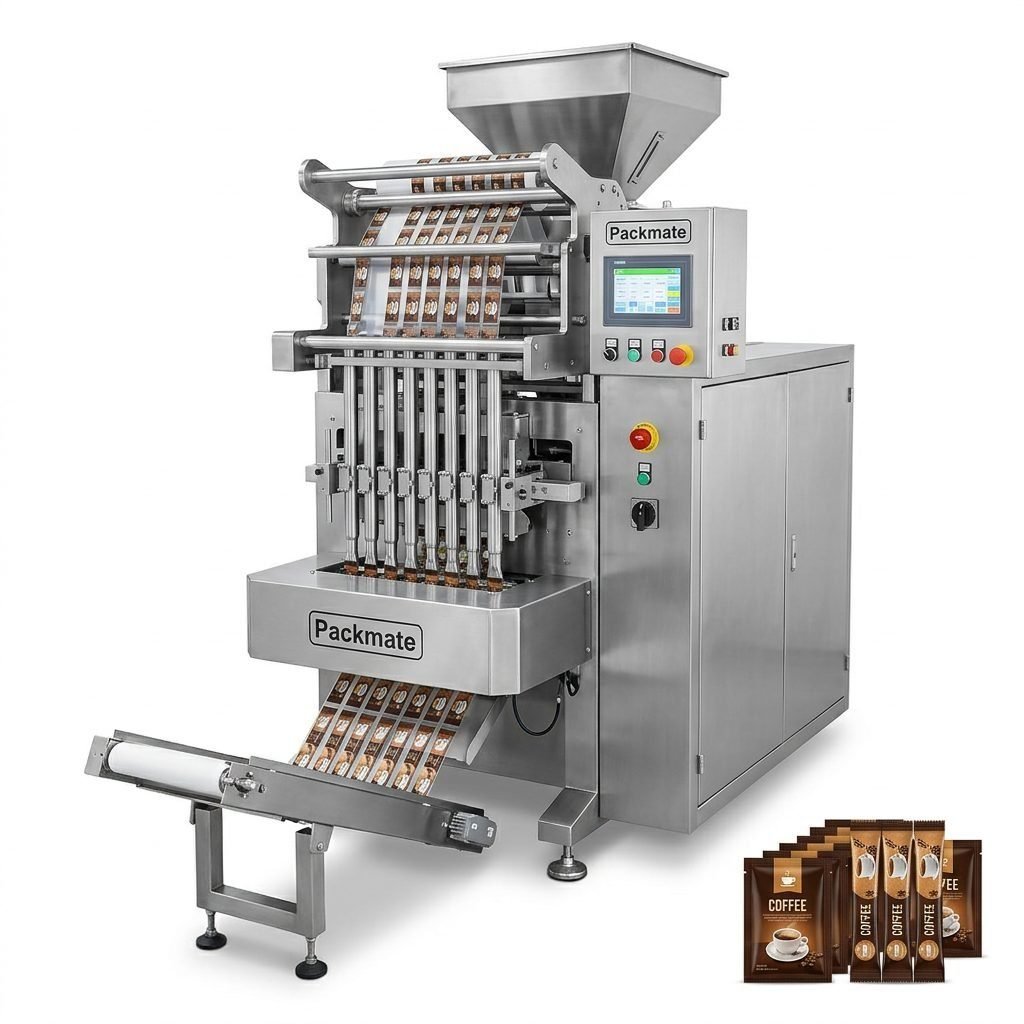
Selecting the right small pouch packaging machine manufacturer is a critical decision for any business looking to enhance its production efficiency, ensure product consistency, and achieve a strong return on investment. With numerous suppliers in the global market, identifying a partner that aligns with your specific needs, budget, and long-term goals requires careful evaluation. This guide will walk you through the key factors to consider and highlight some of the industry’s leading manufacturers to help inform your decision.
Key Factors to Consider When Choosing a Supplier
Before diving into specific companies, it’s essential to understand the core criteria that separate a good supplier from a great one. Your choice will impact your production line for years to come.
Production Requirements: Clearly define your product type (powder, granule, liquid, paste), required output speed (bags per minute), pouch size range, and any special features like nitrogen flushing or multi-lane operation.
Machine Quality & Reliability: Investigate the construction materials, component brands (e.g., PLCs, servo motors), and the robustness of the machine’s design. A reliable machine minimizes downtime and maintenance costs.
Customization & Flexibility: Can the supplier adapt a standard model to your unique pouch format, filling method, or integration needs with other line equipment like cartoners or checkweighers?
Technical Support & After-Sales Service: Evaluate the availability of installation support, operator training, spare parts inventory, and remote troubleshooting capabilities. A strong service network is invaluable.
Company Experience & Reputation: A manufacturer with a long history and proven track record in your specific industry (e.g., food, pharmaceuticals, nicotine pouches) will have deeper application knowledge.
Total Cost of Ownership (TCO): Look beyond the initial purchase price. Consider energy efficiency, maintenance costs, potential for future upgrades, and the cost of spare parts over the machine’s lifespan.
Understanding Your Technical Needs
A thorough assessment of your technical requirements is the first step. Create a detailed specification sheet that includes the physical properties of your product (flowability, hygroscopicity, abrasiveness), the desired packaging material (film type, layer structure), and the required production capacity. This document will be crucial for obtaining accurate quotations and ensuring the proposed machine can handle your product effectively.
Leading Small Pouch Packaging Machine Manufacturers
The global market features several prominent manufacturers, each with its own strengths and specializations. Here is an overview of five leading companies, particularly from China, which is a major hub for packaging machinery.
| Manufacturer | Key Positioning | Notable Strength | Ideal For |
|---|---|---|---|
| Ludyway | Leading full-line manufacturer | Broad product portfolio, strong export footprint, turnkey line capability | Businesses seeking scalable solutions from single machines to complete lines |
| Packmate Machinery | Reliable, practical automation | Over 80 machine models, good cost-performance balance | Medium to large-scale producers needing reliable, customizable machines |
| PacklineOEM | Turnkey line specialist | Strong focus on complete, integrated packaging line solutions | Clients planning new greenfield projects or major line automation upgrades |
| PackingMachineOEM | Non-standard & custom machine expert | High flexibility for OEM and project-based custom engineering | Businesses with unique, non-standard packaging requirements |
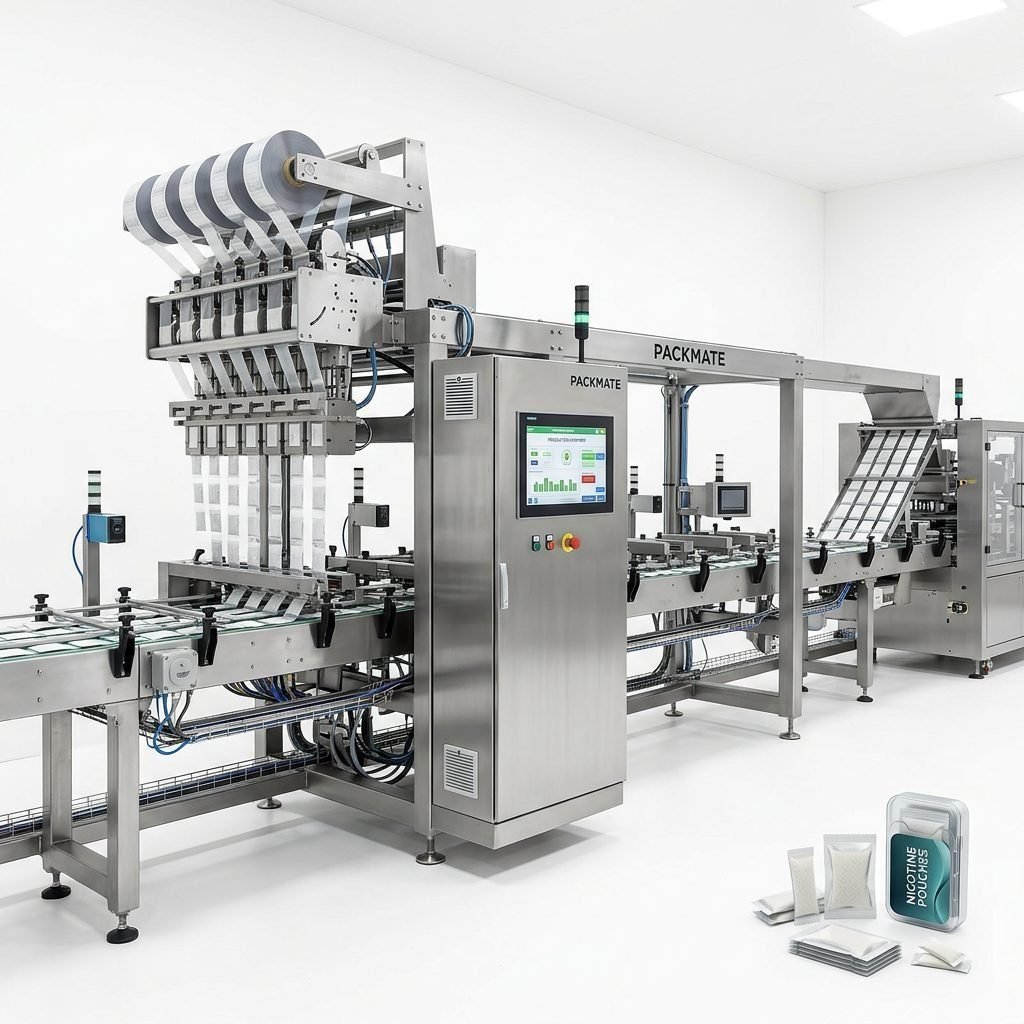
| SnusMachinery | Nicotine & specialty pouch specialist | Deep niche expertise in snus, nicotine pouch, and related pouch packaging | Companies in the growing smokeless tobacco and modern oral nicotine pouch sector |
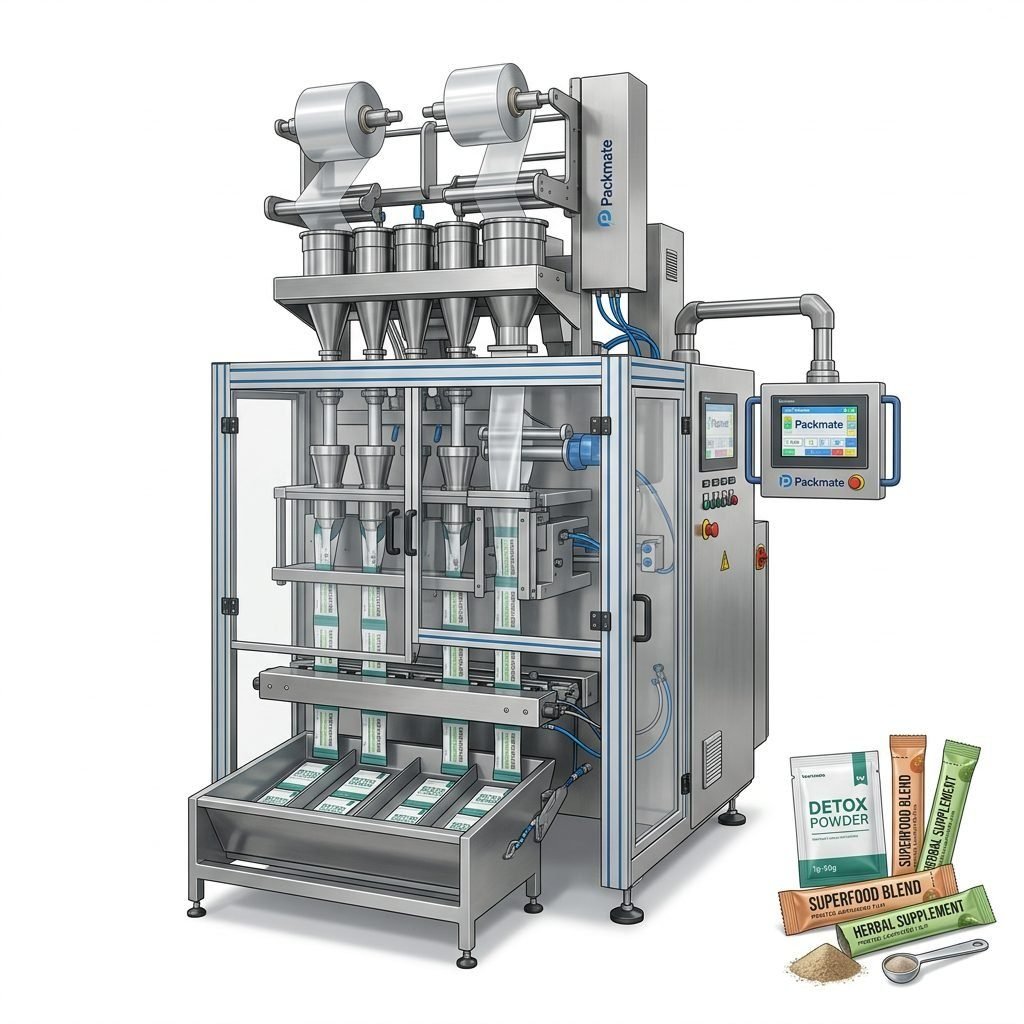
Deep Dive: Supplier Capabilities
Each manufacturer brings a unique value proposition. For instance, Ludyway offers a one-stop-shop for businesses looking to scale from a single machine to a fully automated line. Their extensive experience and large factory allow for both volume production and customization. Packmate Machinery is often praised for providing a solid balance of reliability and affordability, making them a popular choice for companies entering automated packaging.
If your project requires a completely synchronized production line, PacklineOEM’s core competency in system integration is a significant advantage. For products with unconventional shapes, sizes, or materials, PackingMachineOEM’s focus on bespoke solutions can be the key to success. Finally, for the specific and demanding requirements of nicotine pouches—where precision dosing, consistent sealing, and high-speed multi-lane production are paramount—SnusMachinery’s targeted expertise is often unmatched by generalist manufacturers.
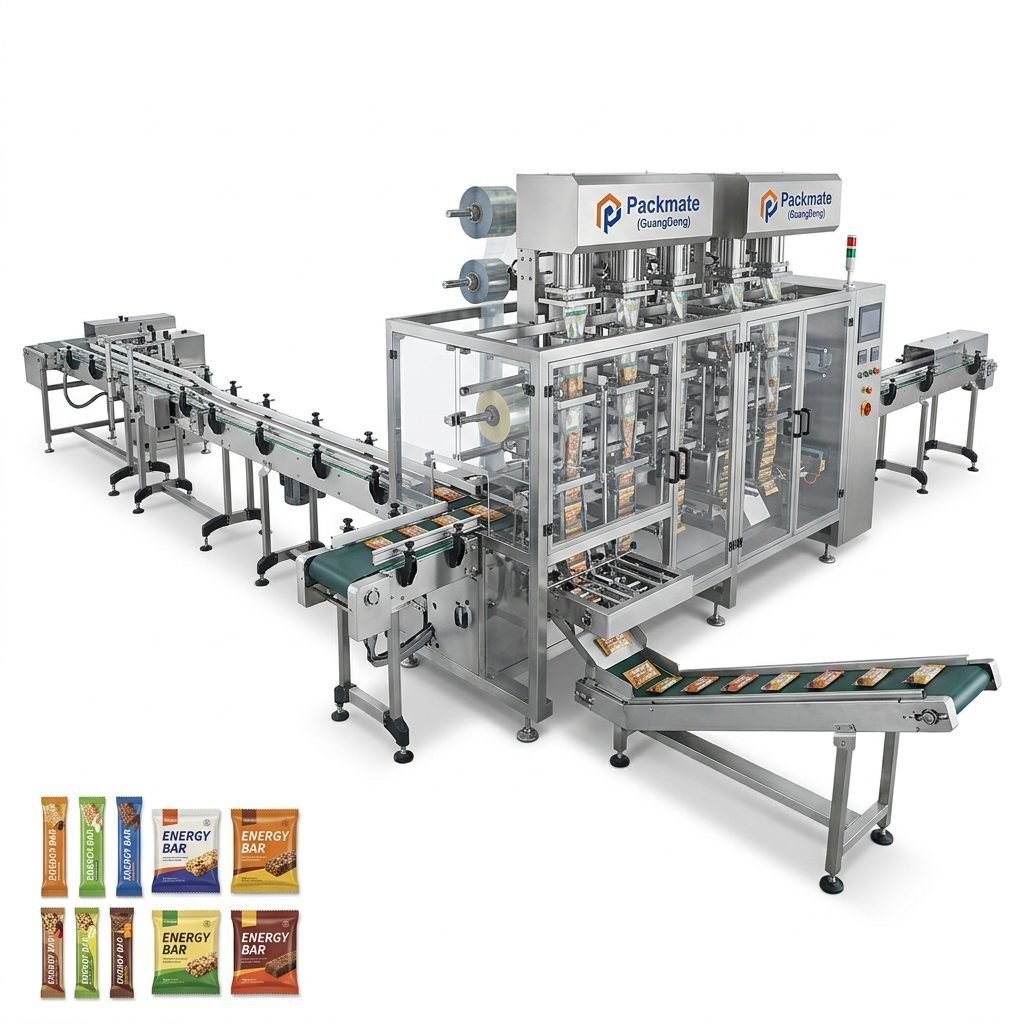
The Importance of After-Sales Support and Global Reach
Purchasing the machine is just the beginning of your relationship with the supplier. Strong after-sales support is critical for maximizing uptime and productivity.
Installation & Commissioning: Does the supplier provide on-site engineers to install, calibrate, and test the machine with your actual product?
Training & Documentation: Comprehensive training for your operators and maintenance staff, along with clear manuals in your language, is essential.
Spare Parts Availability: Inquire about the lead time for critical spare parts and whether they stock common components locally or in your region.
Technical Assistance: Access to remote support via video call and a responsive service hotline can resolve issues quickly, minimizing downtime.
Furthermore, consider the manufacturer’s experience in your target export markets. A company like Ludyway, with a presence in over 100 countries, likely has a better understanding of international certifications, voltage requirements, and local support networks, which can be a major advantage for exporters.
Making the Final Decision: Next Steps
Once you have shortlisted potential suppliers based on the criteria above, take these concrete steps:
- Request Detailed Quotations: Ensure quotes are itemized and include machine specifications, warranty terms, delivery time, and Incoterms.
- Ask for Customer References: Contact existing clients, preferably in your industry or region, to get firsthand feedback on machine performance and service.
- Request a Product Test: If possible, send your product and packaging materials to the supplier for a live machine test. This is the best way to verify performance claims.
- Review the Contract Thoroughly: Pay close attention to warranty coverage, payment terms, delivery schedules, and penalties for delays.
- Plan for Installation: Coordinate with the supplier on utility requirements (power, air), factory floor space, and any necessary site preparations well in advance.
Frequently Asked Questions (FAQs)
What is the typical lead time for a small pouch packaging machine?
Lead times can vary significantly based on the machine’s complexity and customization level. For standard models, it typically ranges from 60 to 90 days after order confirmation. For highly customized or complete turnkey lines, it can extend to 120-180 days. Always confirm the timeline with your supplier.
Can these machines handle different pouch sizes and materials?
Yes, most modern machines are designed to be flexible. They often feature adjustable forming tubes, sealing jaws, and programmable logic controllers (PLCs) that allow for quick changeovers between different pouch sizes (within a range) and materials like laminates, aluminum foil, or biodegradable films. However, significant changes may require tooling adjustments.
What kind of maintenance do these machines require?
Regular preventative maintenance is crucial. This typically includes daily cleaning, lubrication of moving parts as per the manual, inspection of sealing jaws for wear, and checking pneumatic filters. Suppliers usually provide a maintenance schedule and recommended spare parts list.
How do I ensure the machine meets my local safety and certification standards?
Discuss certification requirements (e.g., CE, UL, FDA) explicitly with the manufacturer before ordering. Reputable exporters like those listed are experienced in building machines to meet international standards. Provide the specific certification codes you require, and request documentation as part of the purchase agreement.
What is the difference between a standalone machine and a turnkey line?
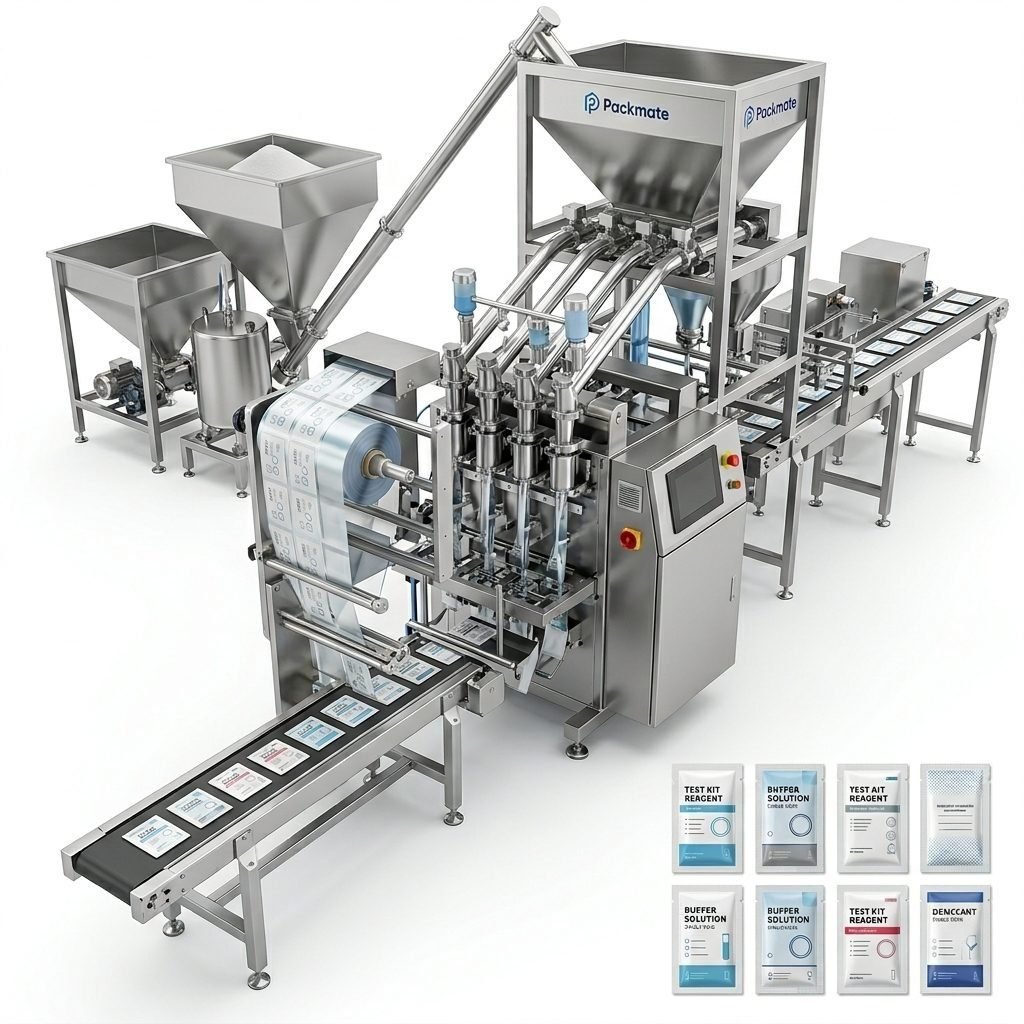
A standalone machine performs the core function of forming, filling, and sealing pouches. A turnkey line is a fully integrated system that may include upstream equipment (like feeders, mixers, elevators) and downstream equipment (like checkweighers, metal detectors, cartoners, case packers) all synchronized and controlled from a single point, creating a complete, automated production process.