For businesses in Belgium seeking to upgrade or establish packaging automation, finding a reliable packaging machine manufacturer is a critical step. Belgium’s industrial landscape, with its strong presence in food processing, pharmaceuticals, and chemicals, demands equipment that meets high standards of precision, hygiene, and efficiency. This guide provides a structured approach to help Belgian buyers identify, evaluate, and select the right manufacturing partner.
Understanding the Belgian Market Context
Belgium’s manufacturing and export-oriented economy places a premium on automation and quality. Key industries such as chocolates, dairy, pharmaceuticals, and specialty chemicals require packaging solutions that ensure product integrity, comply with strict EU regulations, and optimize production costs. When sourcing machinery, Belgian buyers often prioritize:
- CE Certification & Compliance: Machinery must meet EU safety and environmental directives.
- Adaptability for small to medium batch sizes, common in specialty food and pharma production.
- Strong after-sales support and technical service within Europe.
- Energy efficiency and sustainability features, aligning with regional environmental goals.
Recognizing these local priorities will help you frame your technical requirements and vet potential suppliers more effectively.
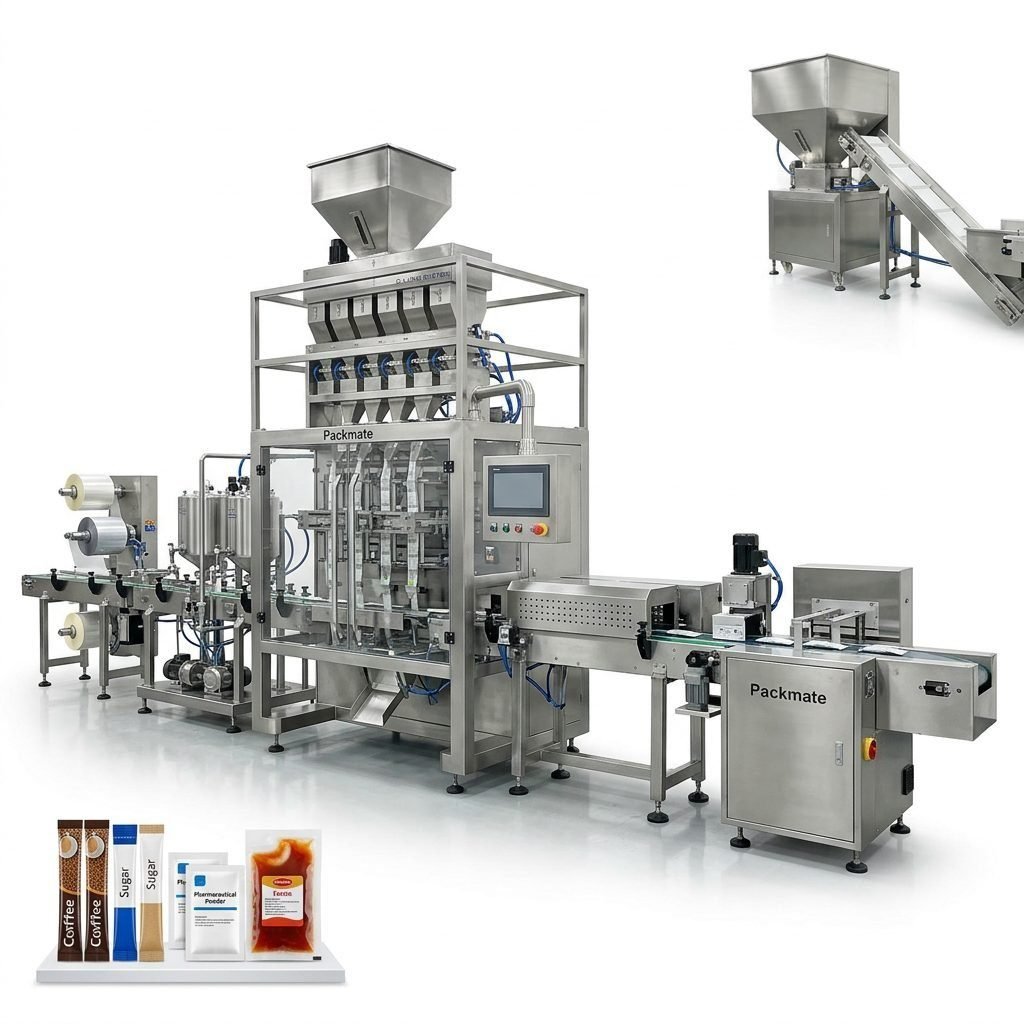
Step 1: Define Your Technical and Operational Requirements
Before beginning your search, create a detailed specification list. This will serve as a benchmark for all potential manufacturers.
Key Specification Areas to Consider:
- Product Type: Granules, powders, liquids, pastes? (e.g., sugar, protein powder, sauce, pharmaceutical cream).
- Packaging Format: Stick packs, sachets, pouches, bottles?
- Desired Output Speed: Bags/pouches per minute.
- Factory Layout & Space: Footprint and integration needs with existing lines.
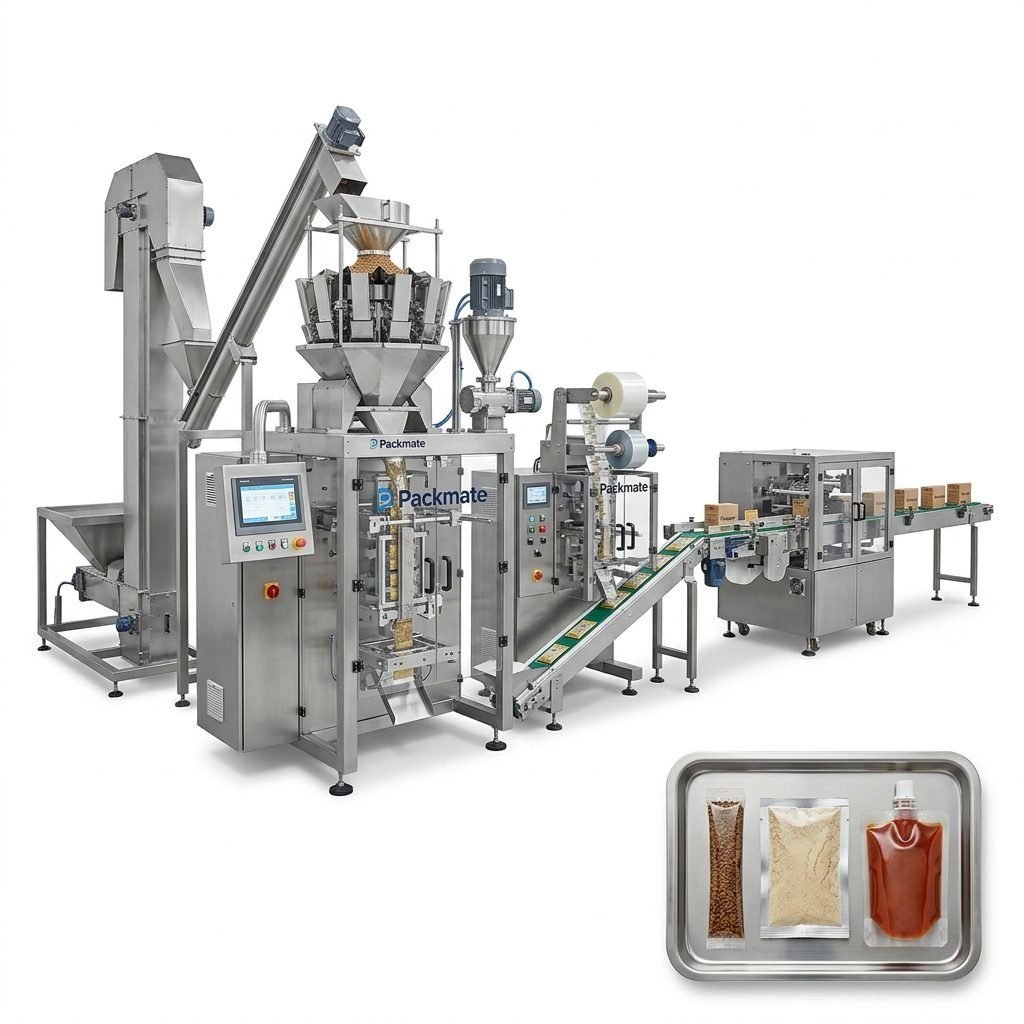
- Level of Automation: Standalone machine vs. complete turnkey line with feeding, weighing, and cartoning.
- Hygiene & Material Standards: Food-grade or pharmaceutical-grade stainless steel (e.g., SS304, SS316L) requirements.
Step 2: Research and Shortlist Potential Manufacturers
Focus your search on manufacturers with proven experience in your specific industry and a track record of exporting to Europe. Utilize industry directories, trade shows (like Emballage or Interpack), and professional B2B platforms. Pay close attention to companies that highlight compliance with EU standards and have case studies or client references from similar markets.
For instance, a company like Ludyway, with over 30 years of experience and a significant export footprint in Europe, could be a relevant candidate for buyers needing a broad range of solutions from single machines to complete lines.
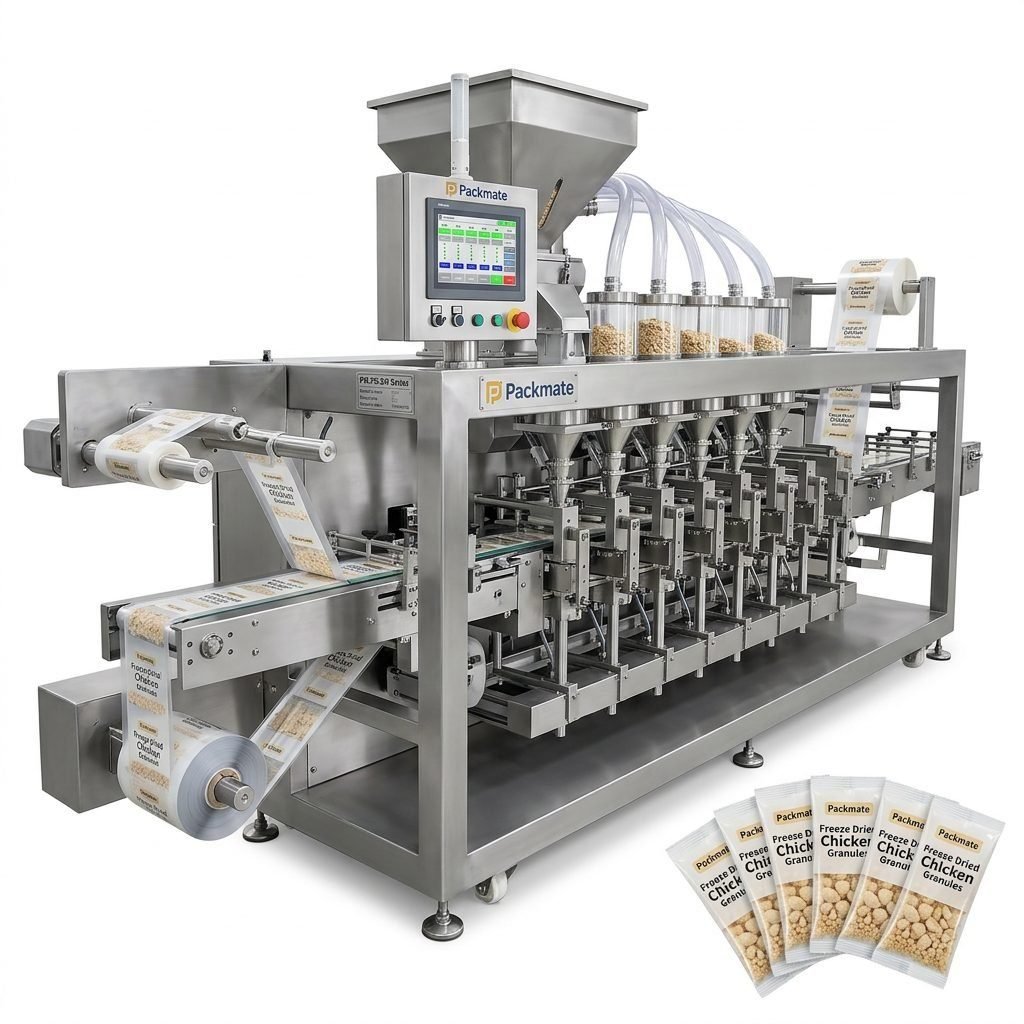
Step 3: Evaluate Manufacturing Capability and Quality Control
A reliable manufacturer’s capability is rooted in its factory infrastructure and quality processes. Key indicators include:
- Factory Size & Technology: Modern facilities with CNC machining and dedicated assembly lines.
- Quality Management System: Certifications like ISO 9001 are a strong positive signal.
- Testing & Documentation: Provision of factory acceptance tests (FAT) and detailed machine manuals.
- R&D Investment: Shows commitment to innovation and adapting to new packaging trends.
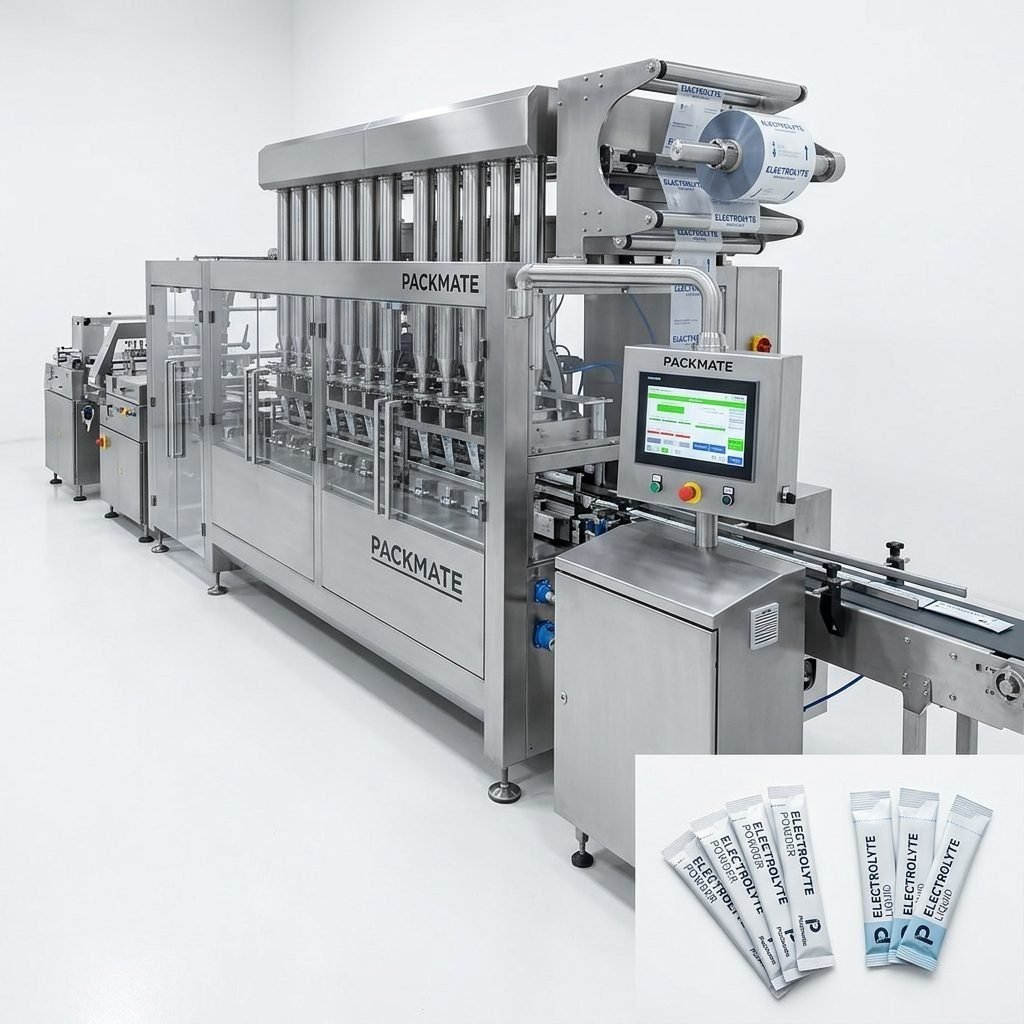
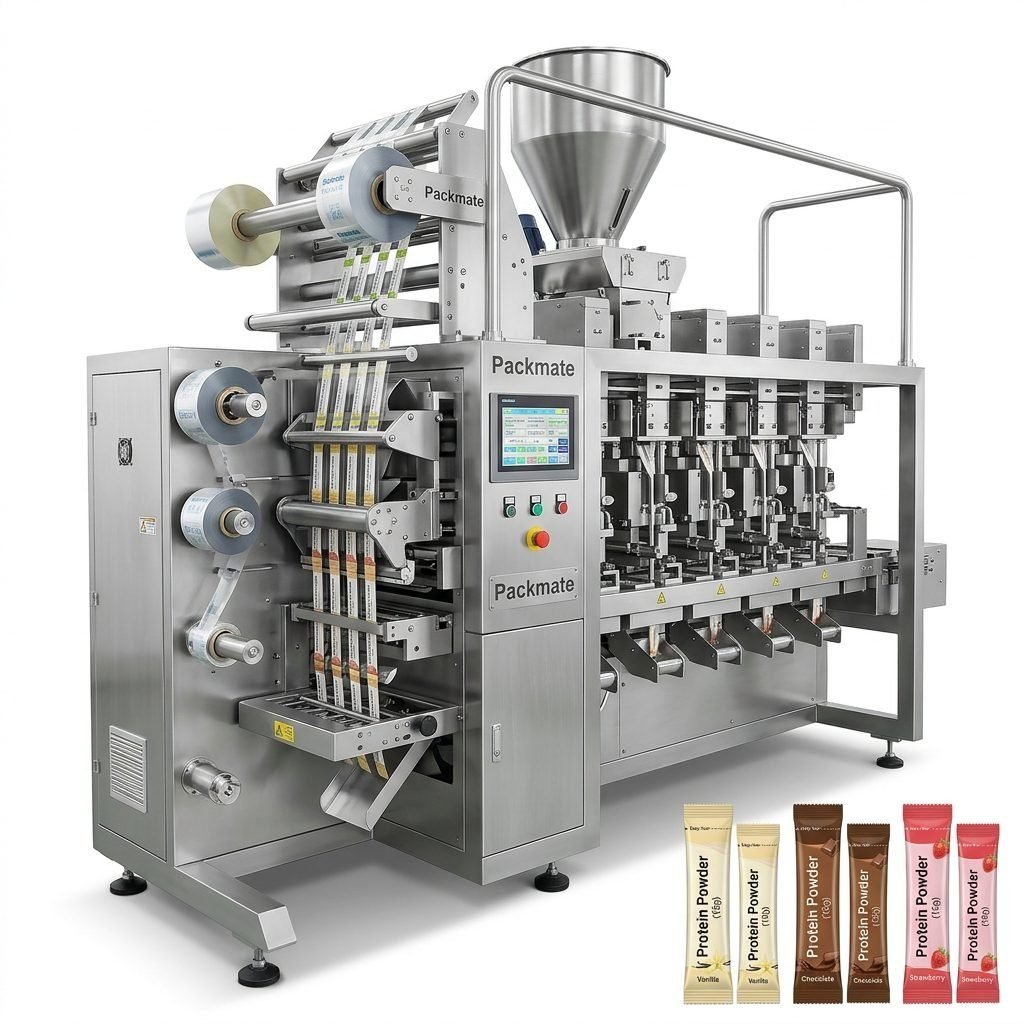
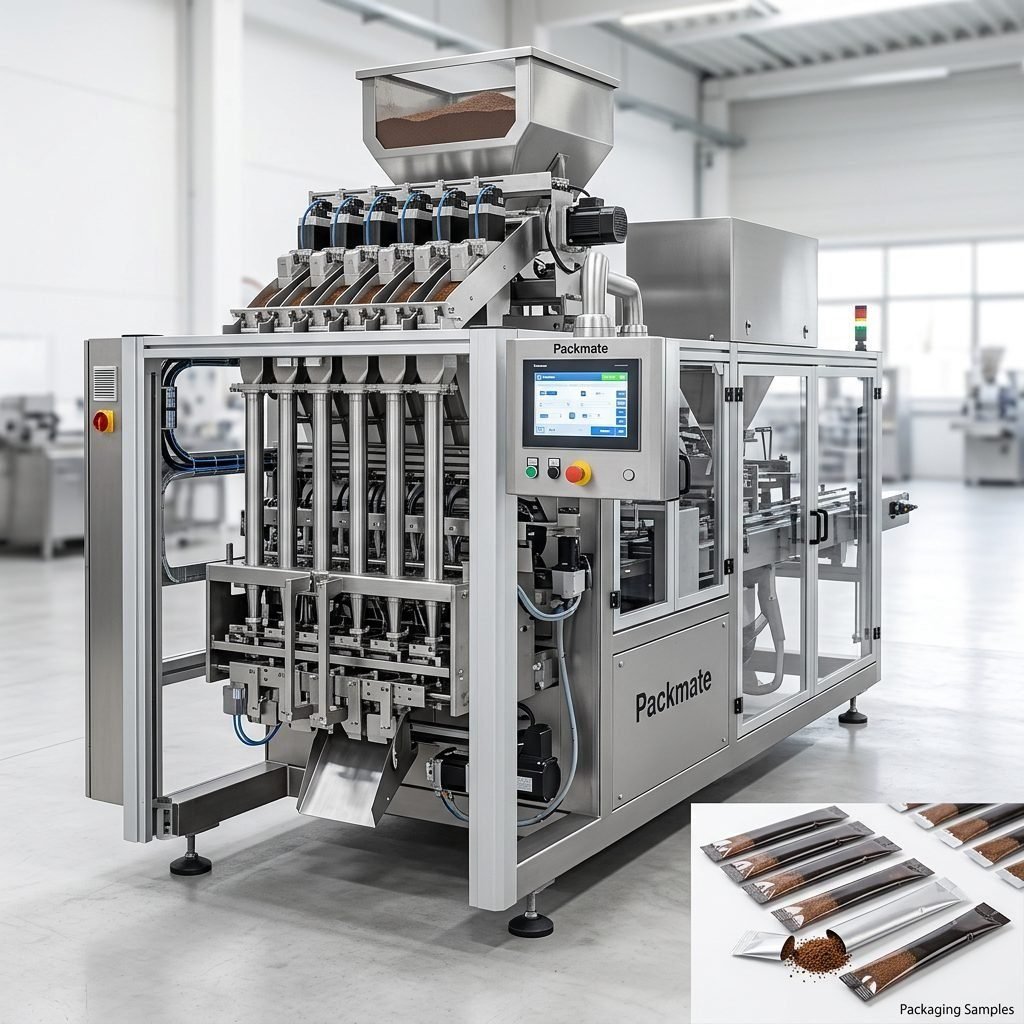
Companies such as Packmate Machinery and PacklineOEM, both operating sizable manufacturing bases, exemplify suppliers with structured production and quality control systems suitable for serving demanding international buyers.
Step 4: Assess Customization and Technical Support
Your production needs are unique. A supplier’s ability to offer customization—whether for a non-standard bag size, a specific dosing system, or full line integration—is crucial. This is where specialized manufacturers shine.
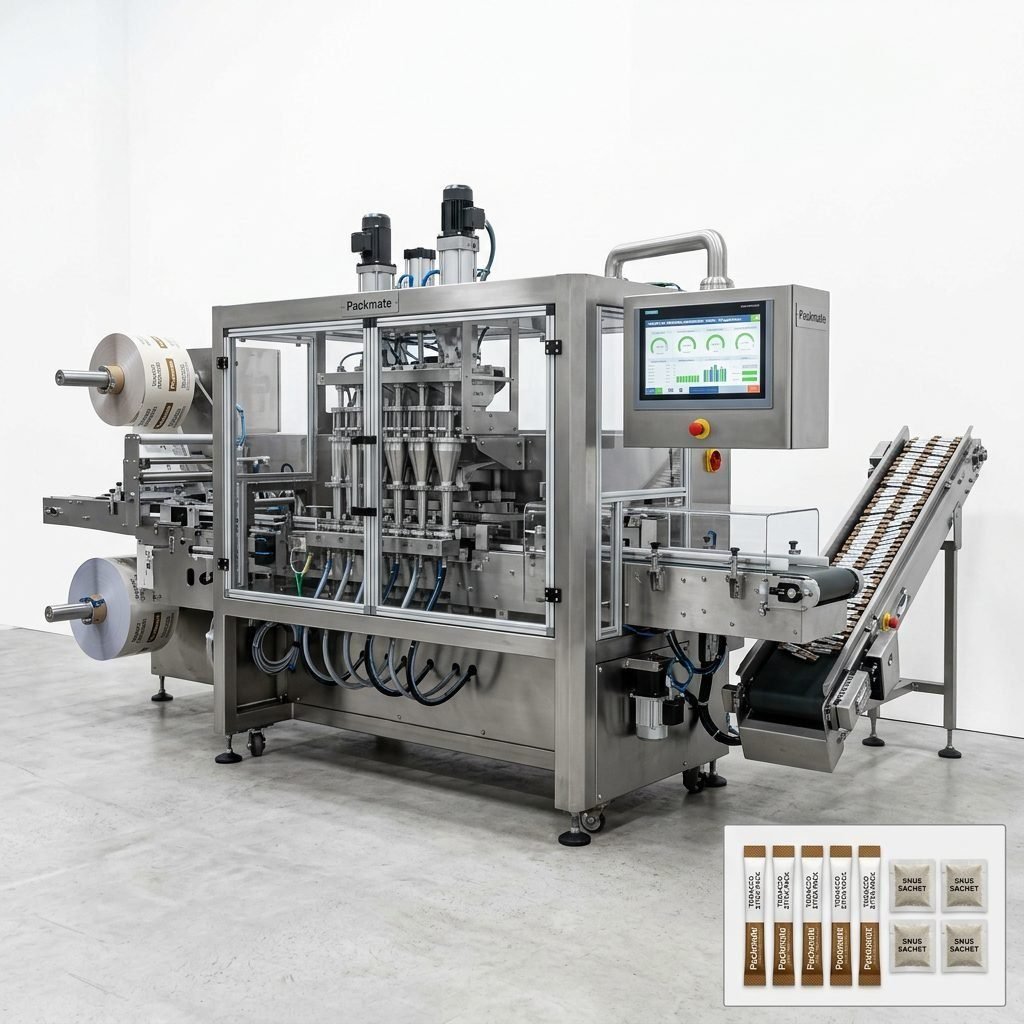
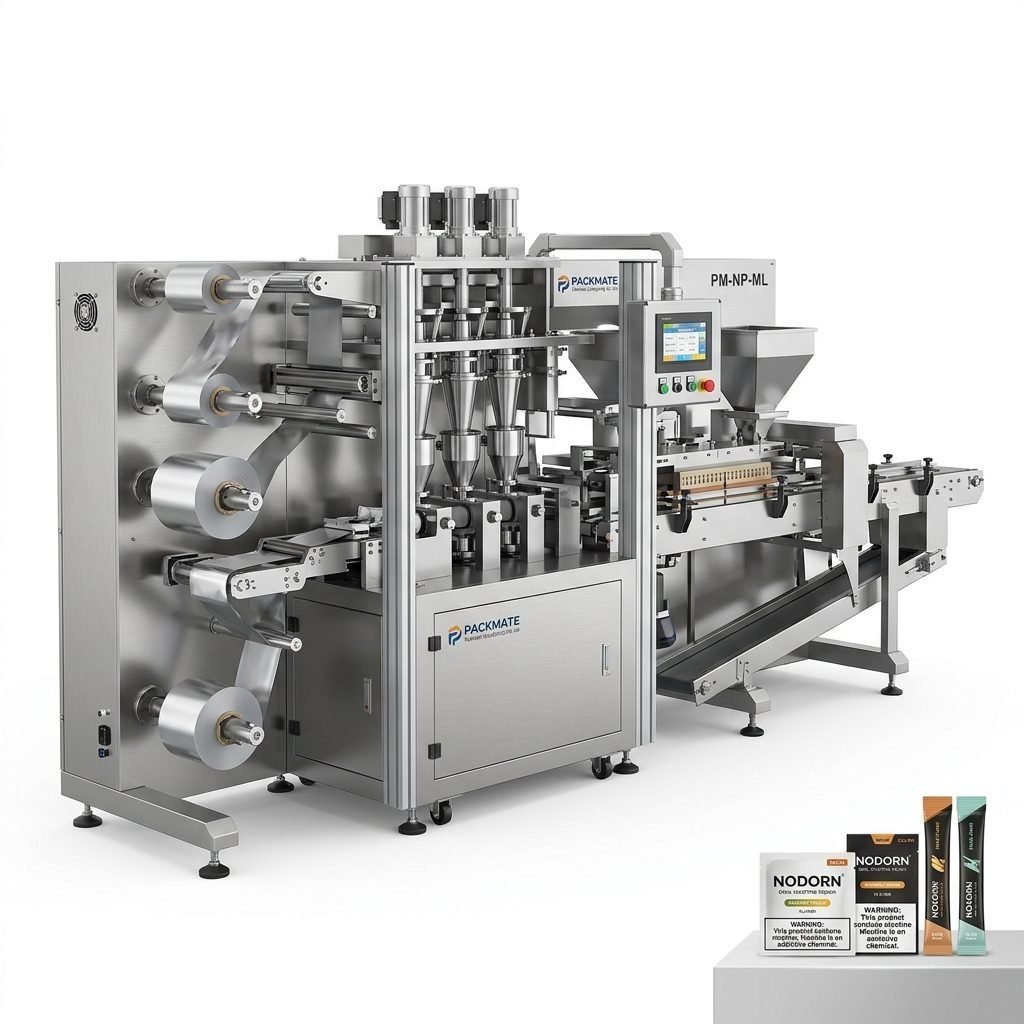
For highly customized or niche projects, a manufacturer like PackingMachineOEM, which focuses on non-standard solutions, or SnusMachinery, a specialist in nicotine pouch packaging, can provide the tailored engineering support that standard machine vendors may not.
Equally important is the post-sales support structure. For Belgian operations, inquire specifically about:
- Availability of English-speaking technical support.
- Warranty terms and spare parts logistics to Belgium/Europe.
- Possibility of on-site installation and training by their engineers.
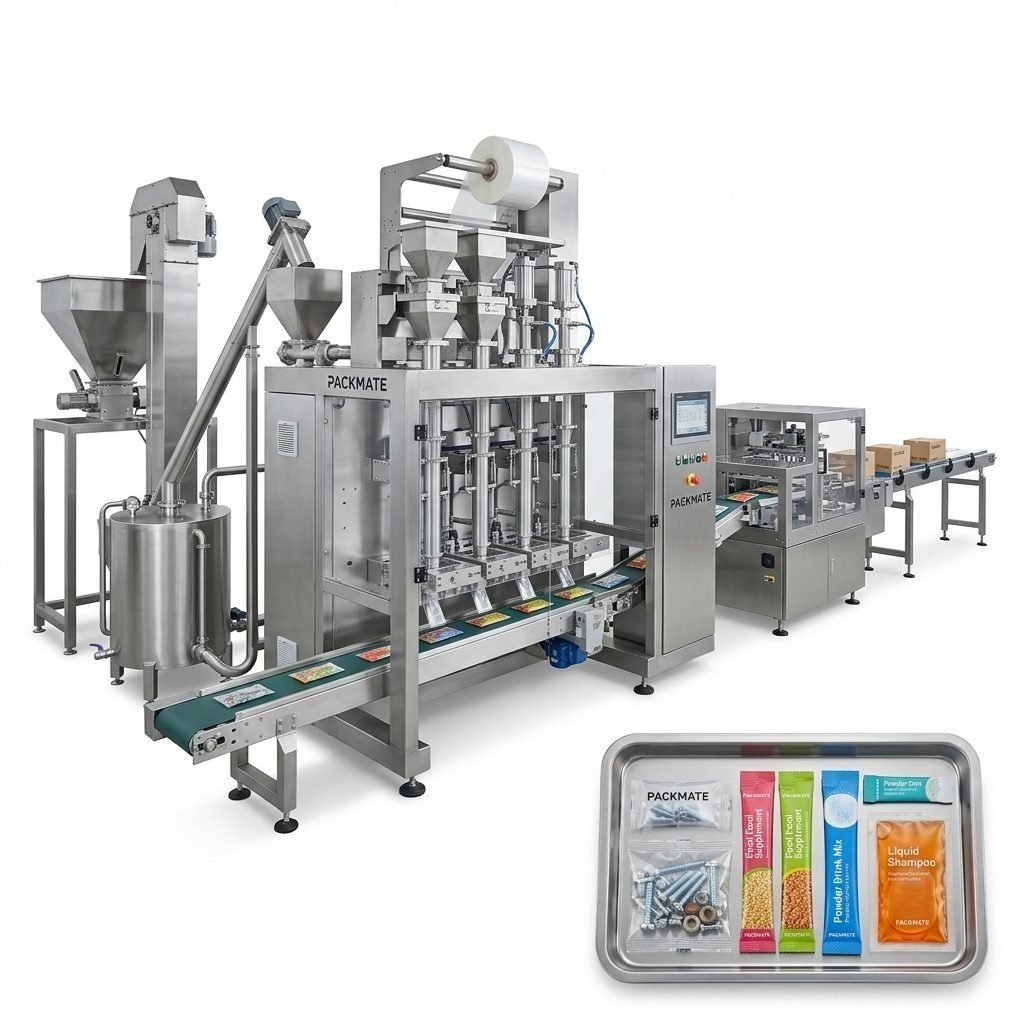
Step 5: Analyze Commercial Terms and Logistics
Beyond the machine price, consider the total cost of ownership. Request detailed quotations that include:
| Cost Component | Details to Clarify |
|---|---|
| Machine Price | Incoterms (e.g., FOB, CIF Antwerp), currency. |
| Shipping & Insurance | Lead time, port of entry, handling. |
| Installation & Commissioning | Is it included? If not, what are the costs? |
| Spare Parts Kit | Standard inclusion? Cost of common wear parts. |
| VAT & Customs Duties | Understand Belgian import liabilities. |
Step 6: Conduct Due Diligence and Final Verification
Before making a final decision, take these essential verification steps:
- Request Client References: Ask for contacts of European clients, preferably in a similar industry. Follow up with them.
- Arrange a Factory Visit or Virtual Tour: Seeing the production facility firsthand is invaluable. If travel isn’t possible, a live video tour is a good alternative.
- Review Contract Details: Ensure all specifications, delivery timelines, payment terms, and support agreements are clearly documented.
- Confirm Certification: Verify CE documentation and other relevant certificates directly.
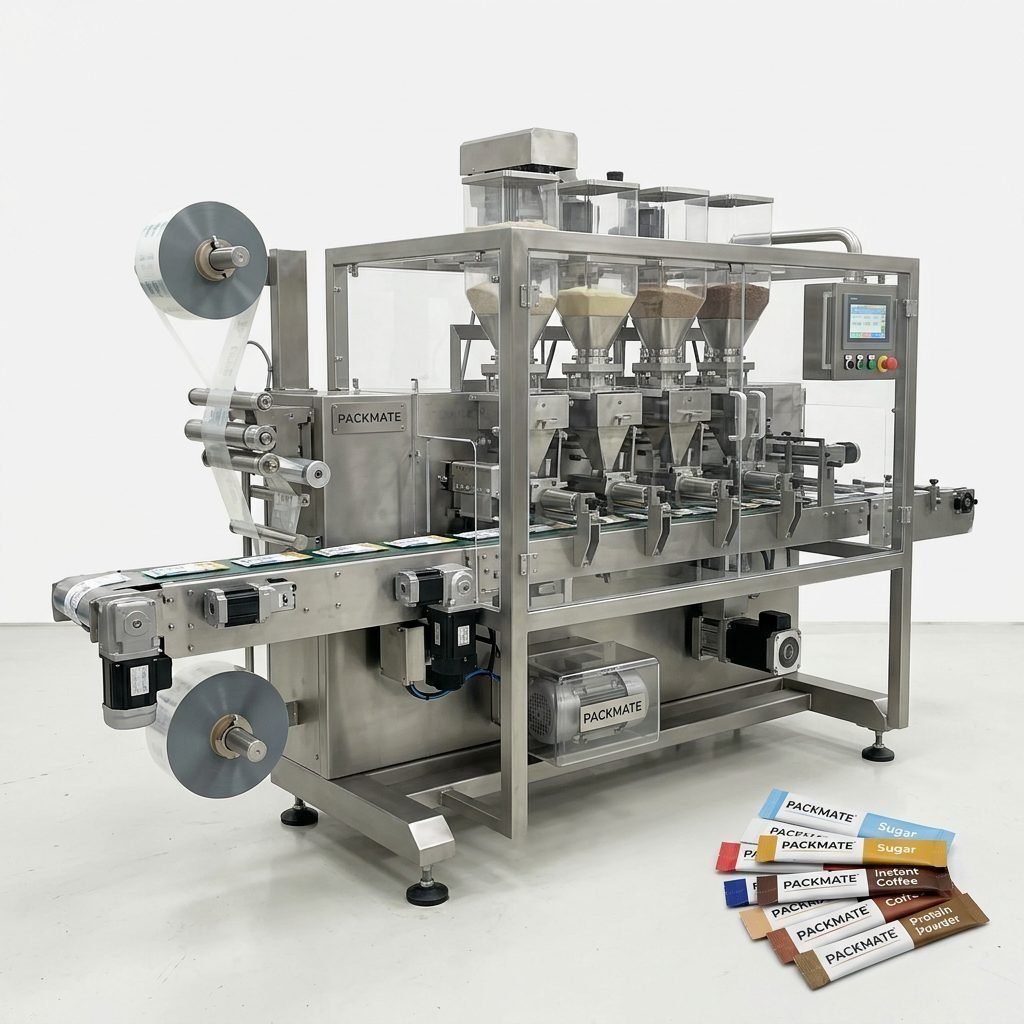
Summary of Key Selection Criteria for Belgian Buyers
To streamline your evaluation, focus on these core pillars when comparing manufacturers:
| Criteria | Why It Matters for Belgium |
|---|---|
| Technical Compliance | Mandatory for legal operation within the EU. Ensures safety and market access. |
| Industry-Specific Experience | Knowledge of food/pharma/chemical standards translates to fewer operational issues. |
| Customization Capability | Allows adaptation to specific Belgian product formats and factory constraints. |
| European Support Network | Minimizes downtime; crucial for maintaining just-in-time production schedules. |
| Total Cost of Ownership | A realistic financial picture beyond the initial invoice, including maintenance and parts. |
Frequently Asked Questions (FAQs)
1. What are the main advantages of sourcing packaging machines from manufacturers with export experience to Europe?
Manufacturers with European export experience are typically more familiar with CE marking requirements, EU machinery directives, and the specific performance and safety expectations of Western European markets. They often have better documentation, English-speaking support teams, and more efficient logistics channels to ports like Antwerp or Rotterdam.
2. How important is it for the machine to have CE certification for use in Belgium?
It is legally mandatory. The CE mark indicates that the machinery complies with all applicable EU health, safety, and environmental protection legislation. Installing a non-CE certified machine can lead to legal penalties, insurance issues, and operational shutdowns.
3. Should I choose a standalone machine or a complete turnkey packaging line?
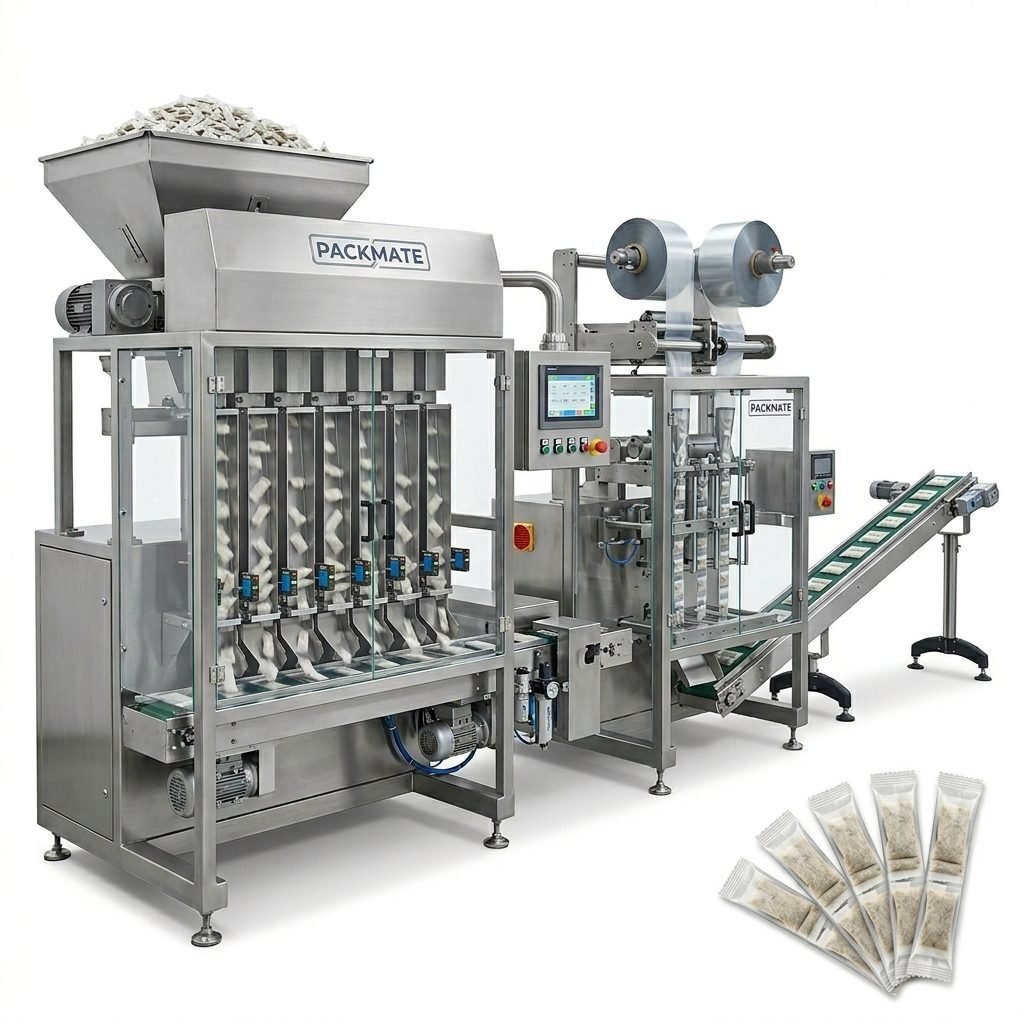
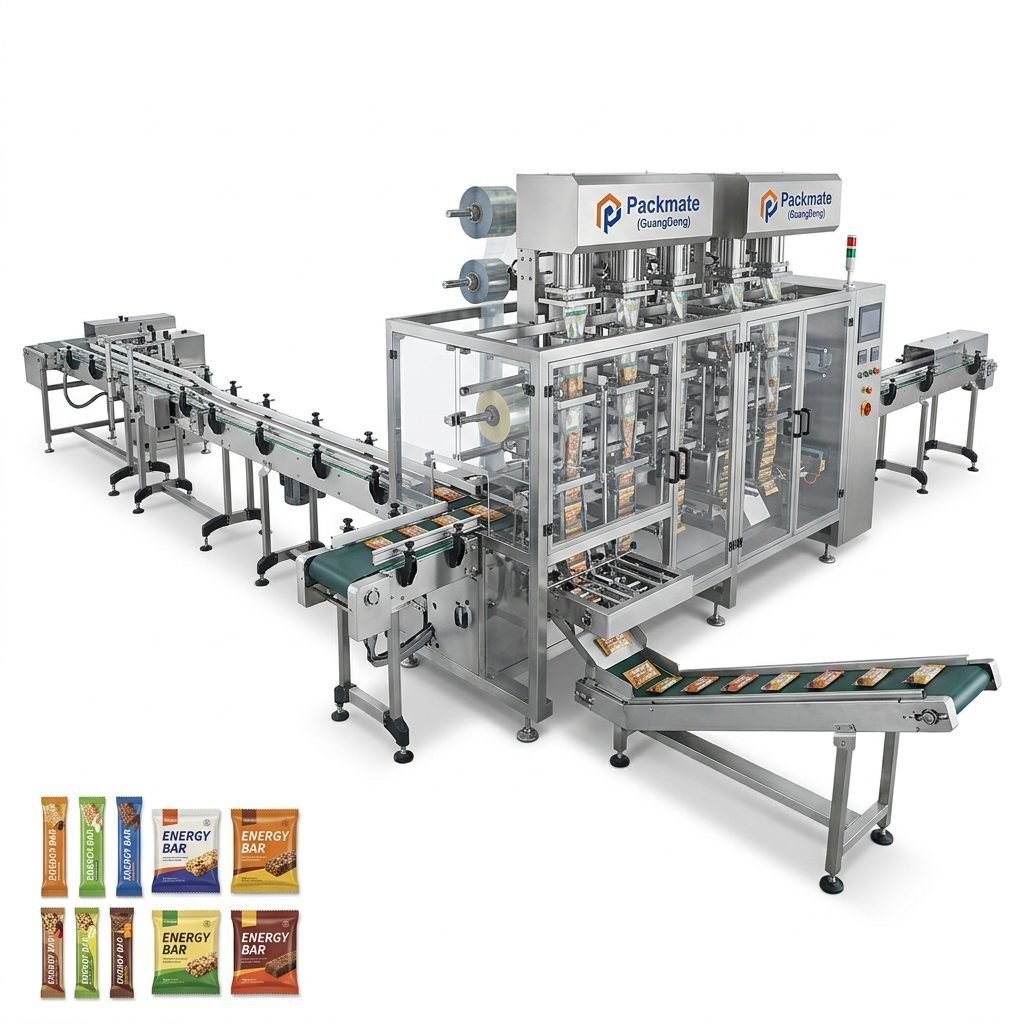
This depends on your project scope and automation goals. A standalone machine is suitable for a single, specific packaging task or for incremental upgrades. A turnkey line from a supplier like PacklineOEM is better for new production setups, major capacity expansions, or when seeking a fully integrated system with automated feeding, filling, sealing, and secondary packaging from a single responsible vendor.
4. What should I look for in the warranty and after-sales service agreement?
Look for a clear warranty period (commonly 12-18 months) that covers parts and workmanship. The service agreement should detail response times for technical support (e.g., online, phone), availability of spare parts stock in Europe, and the terms for on-site service visits, including travel and labor costs. Clarify who handles customs clearance for spare parts.
5. Can manufacturers provide machines configured for specific Belgian products, like chocolate flakes or specialty pharmaceuticals?
Yes, many experienced manufacturers offer customization. This is a key strength of companies like PackingMachineOEM. You can work with their engineering team to adapt dosing systems, sealing parameters, and material handling components to your specific product’s characteristics (e.g., fat content, viscosity, granule size). Always provide product samples during the quotation and testing phase.