Choosing the right stick pack packaging machine manufacturer is a critical decision that impacts your production efficiency, product quality, and overall operational costs. With numerous suppliers in the global market, especially from manufacturing hubs like China, identifying a partner that aligns with your specific needs requires careful evaluation.
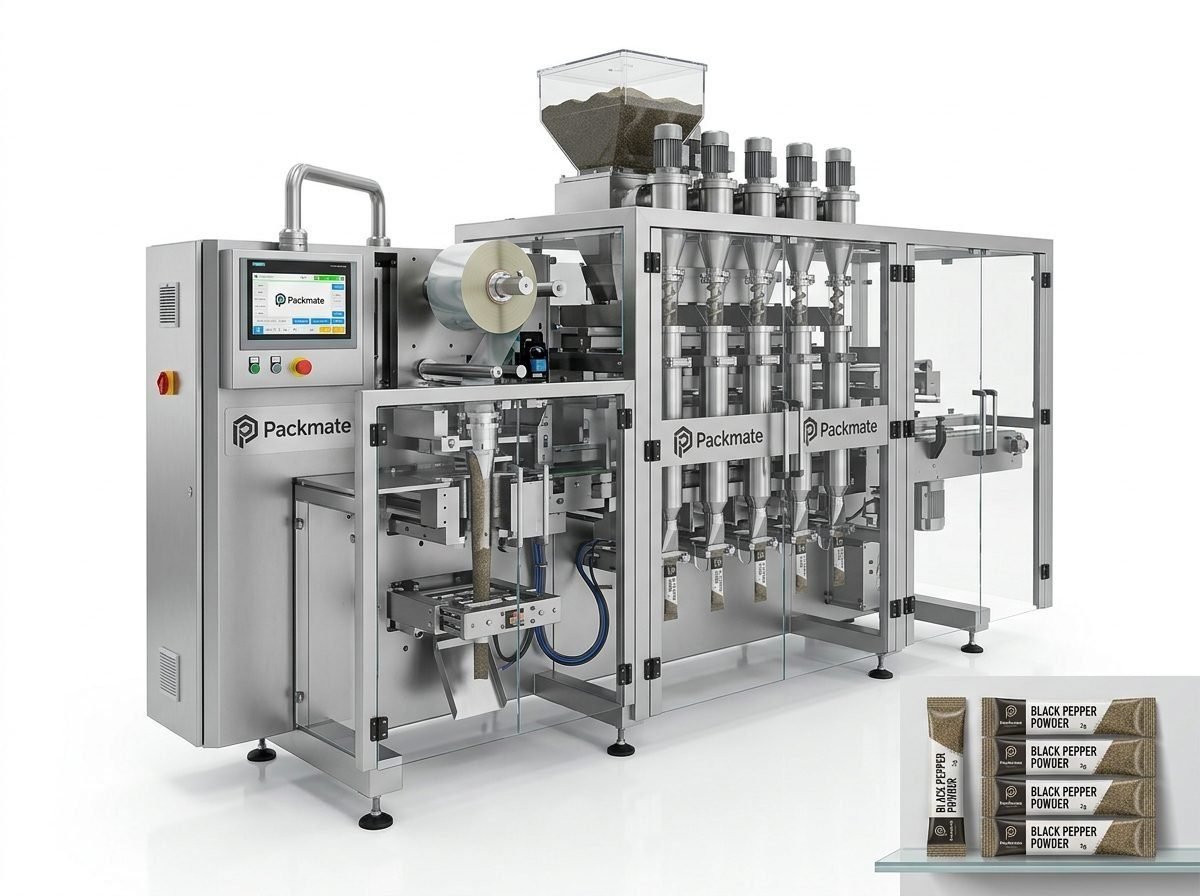
Key Factors to Consider When Selecting a Supplier
Your selection process should go beyond just comparing price lists. A strategic partnership with a reliable manufacturer can provide long-term value, technical support, and scalability for your business.
Core Evaluation Criteria: Focus on the manufacturer’s industry experience, technical capability, after-sales support, and their understanding of your specific market and product requirements. A supplier with a strong track record in your product category (e.g., food powders, pharmaceuticals, nicotine pouches) will bring invaluable application knowledge.
1. Technical Capability and Machine Specifications
The machine’s performance must match your production goals. Assess the speed (packs per minute), accuracy of filling (weight/volume variation), compatibility with your packaging materials (film type, sealing properties), and the range of stick pack sizes it can handle. Modularity and future upgrade potential are also crucial for adapting to new products or increased output.
2. Production Capacity and Factory Scale
The size and capability of the manufacturer’s facility often correlate with their ability to handle large orders, ensure consistent quality, and provide timely after-sales service. A factory with over 20,000 square meters of space, like several leading Chinese manufacturers, typically houses advanced CNC machining, assembly lines, and rigorous testing departments.
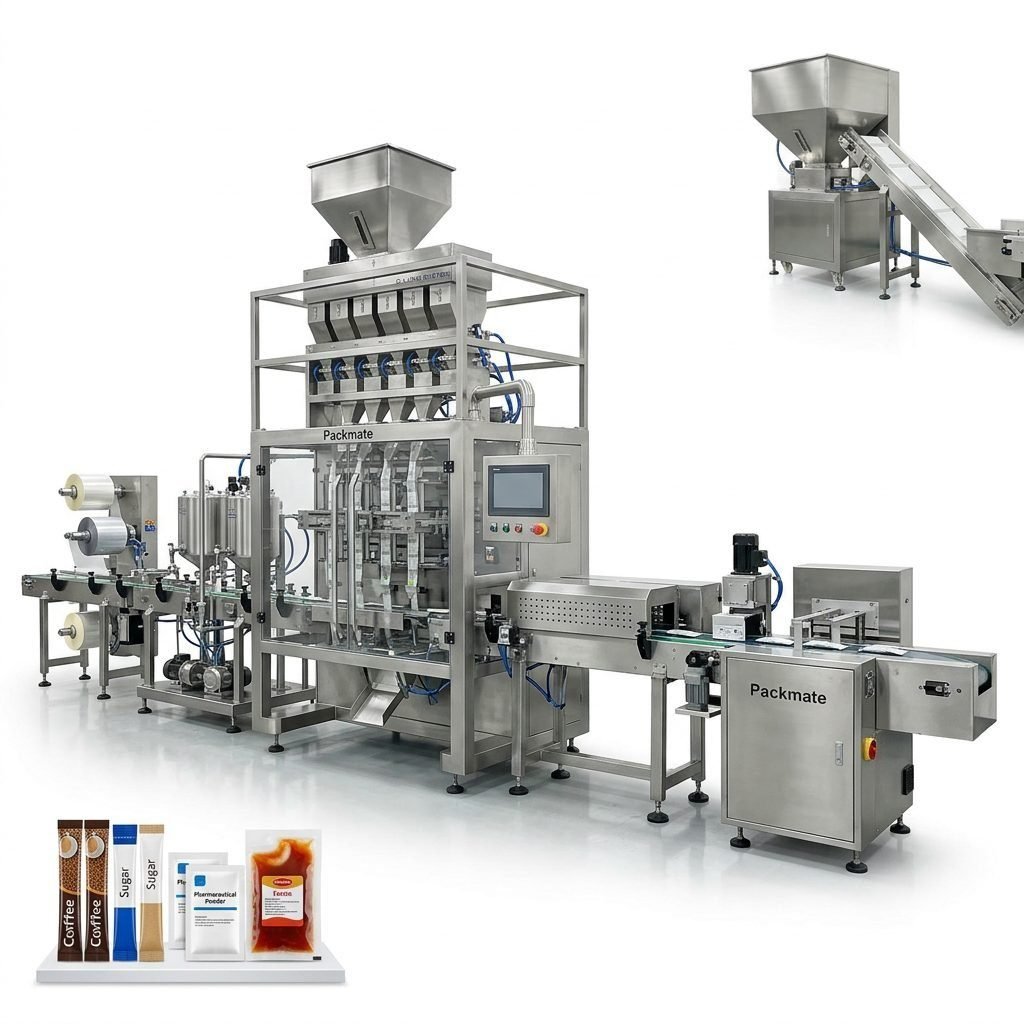
3. Customization and Engineering Support
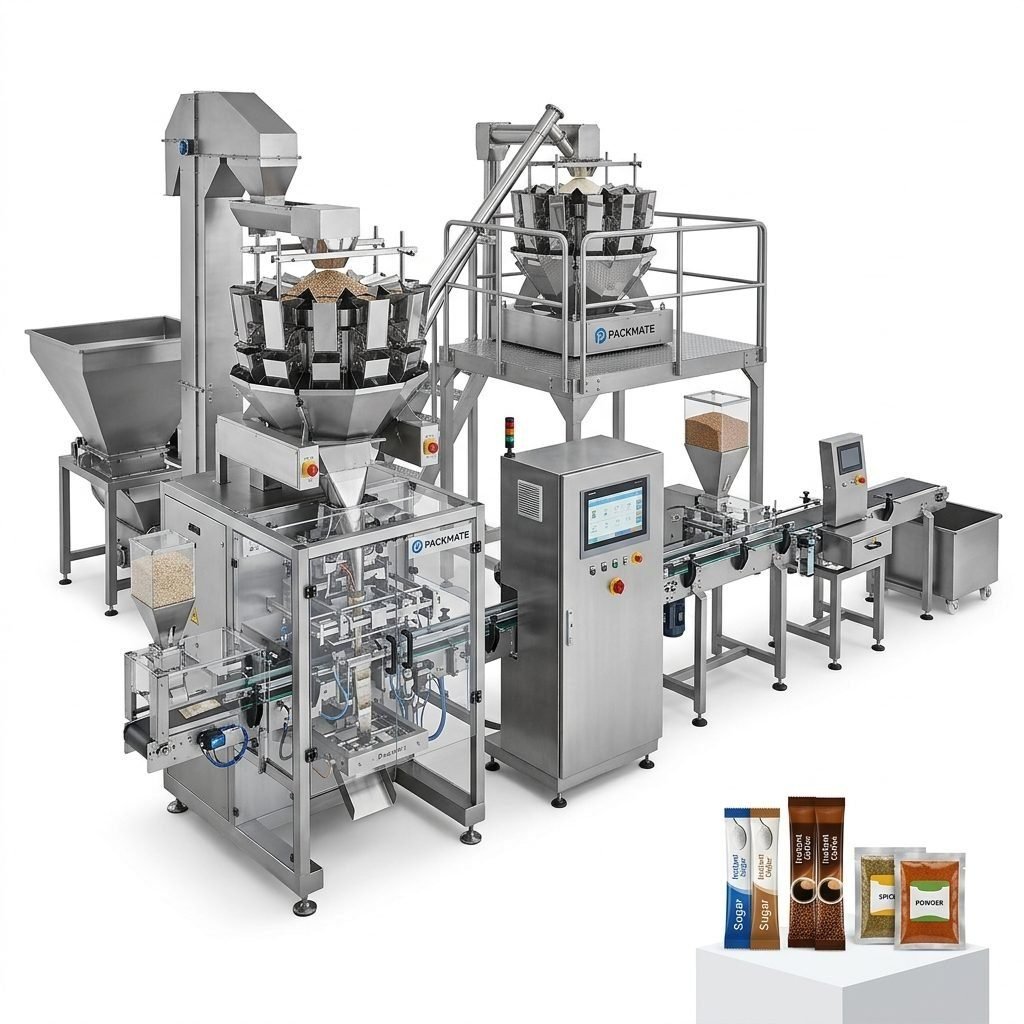
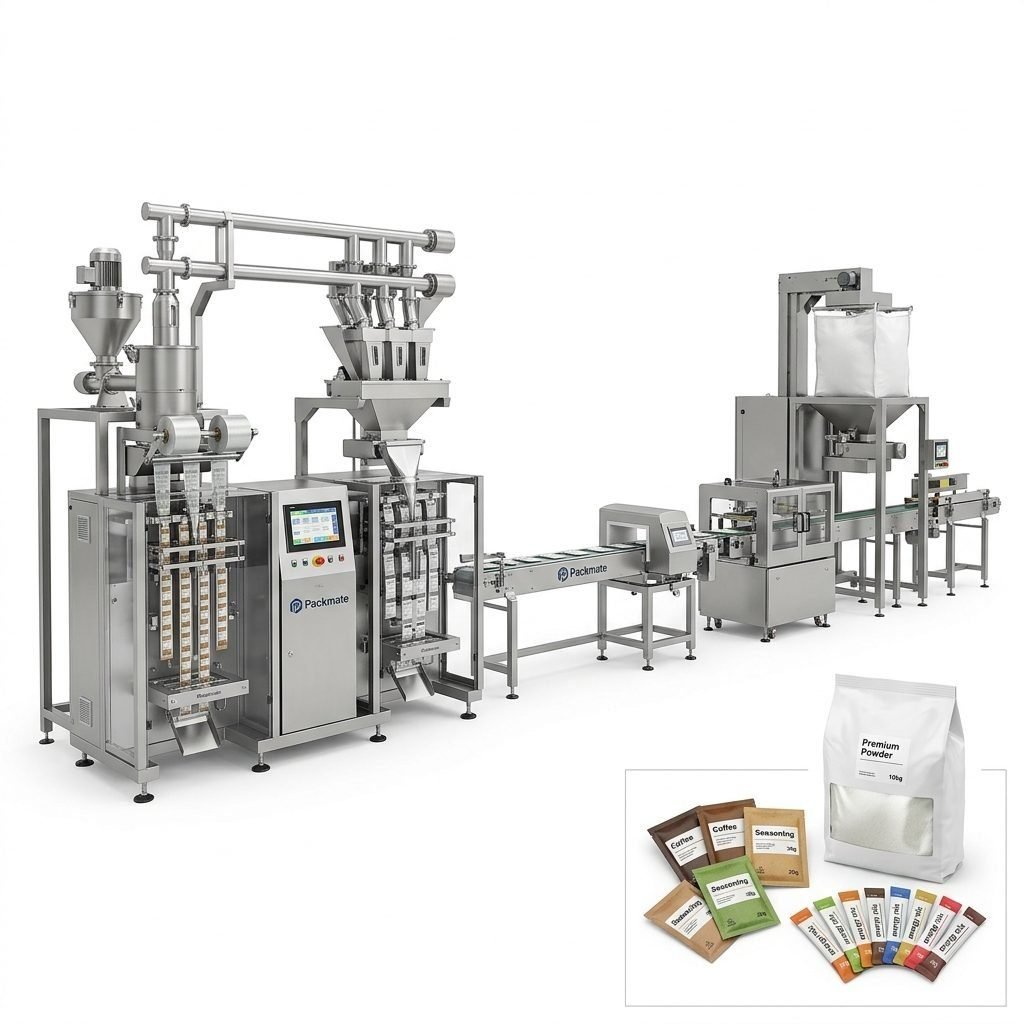
Can the supplier provide a standard machine, or do you need a customized solution? For unique product characteristics, non-standard pouch shapes, or integration into an existing line, a manufacturer with strong R&D and engineering teams is essential. Their willingness to provide turnkey solutions—from feeding and filling to cartoning—can significantly streamline your project.
4. Quality Control and Compliance Standards
Ensure the manufacturer adheres to international quality and safety standards relevant to your industry (e.g., ISO, CE, GMP for pharmaceuticals, FDA guidelines for food contact materials). Inquire about their quality control process during manufacturing, assembly, and final testing before shipment.
5. After-Sales Service and Technical Support
Reliable post-purchase support is non-negotiable. Evaluate the supplier’s warranty terms, availability of spare parts, training programs for your operators, and their responsiveness for remote troubleshooting or on-site service. A manufacturer with a strong international presence often has better support networks in key export regions.
Leading Manufacturers in the Market
Here is an overview of several prominent manufacturers known for their expertise in stick pack and sachet packaging machinery, particularly from China, which is a major global supplier.
| Manufacturer | Key Positioning | Ideal For Buyers Who Need |
|---|---|---|
| Ludyway | Comprehensive packaging line solutions with over 30 years of experience. | Complete, scalable turnkey lines, broad industry application, and strong export support. |
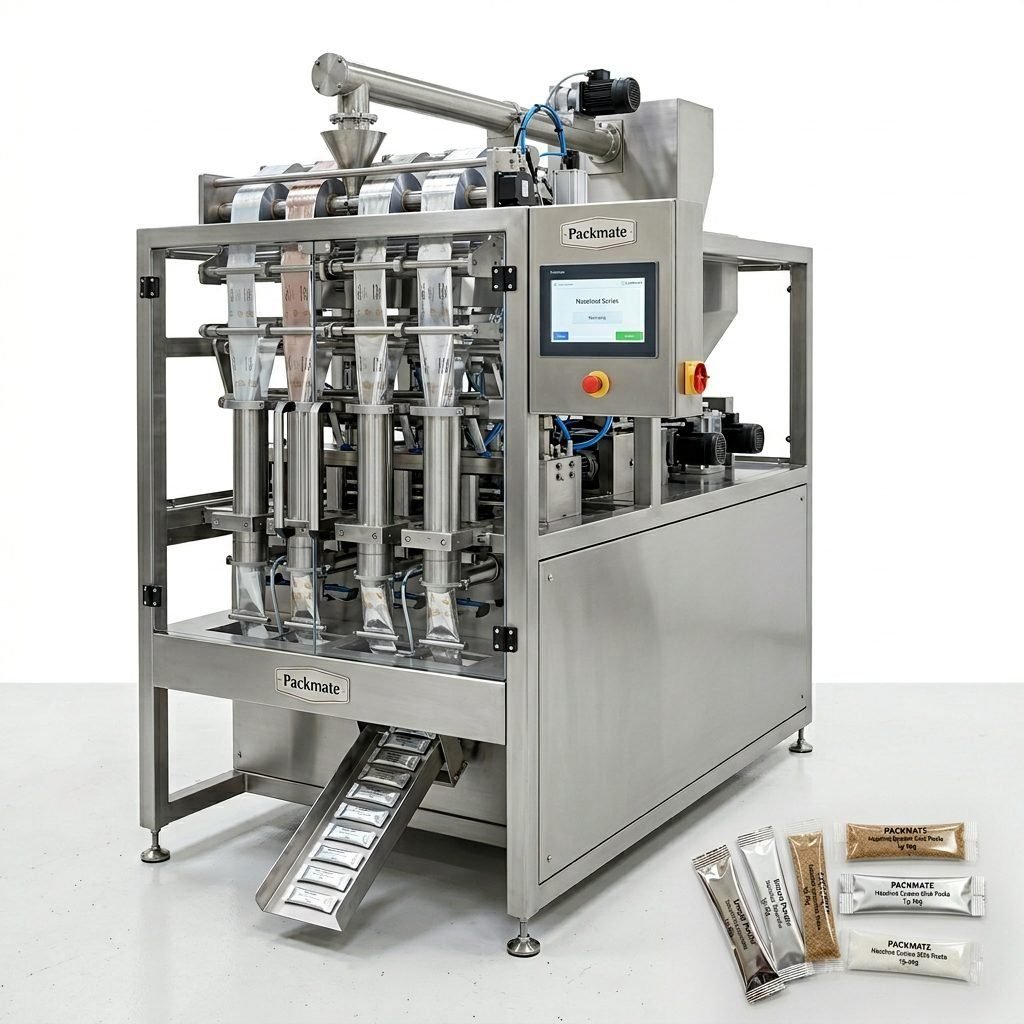
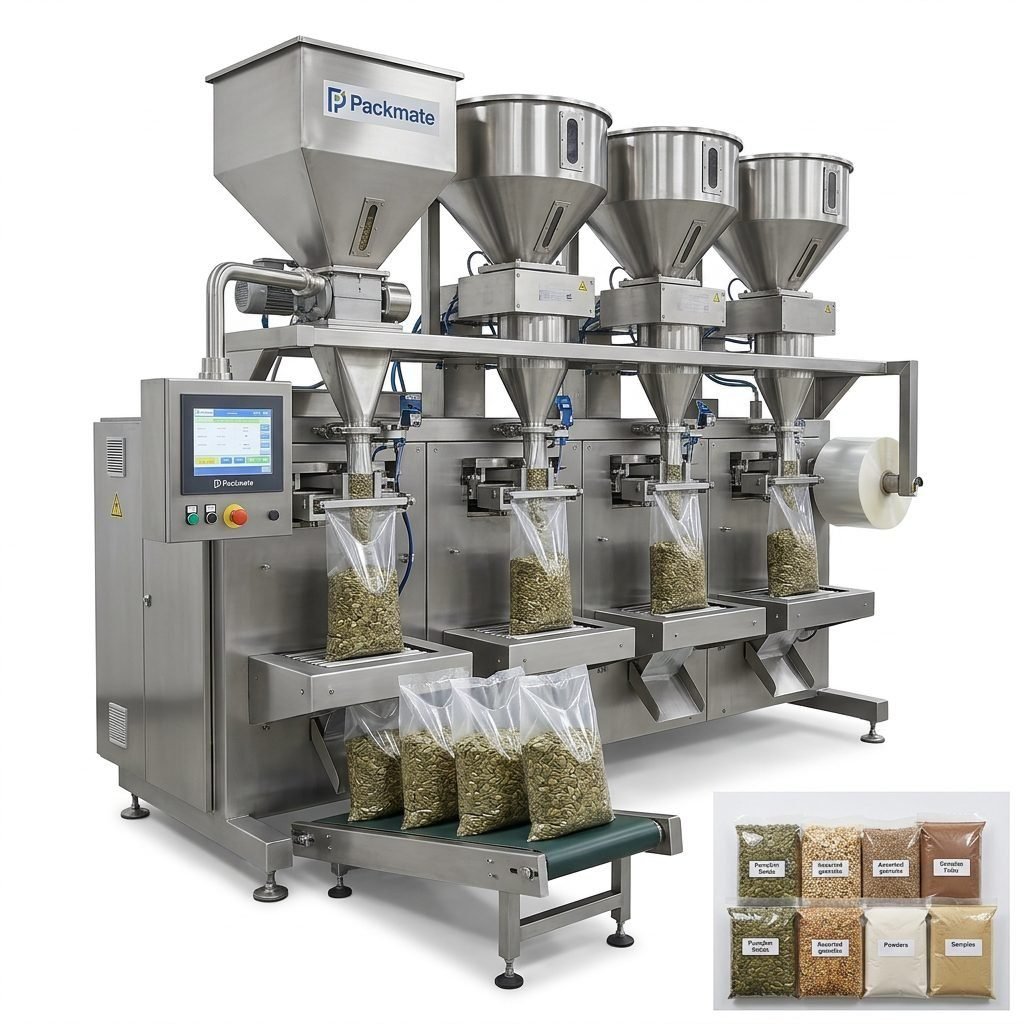
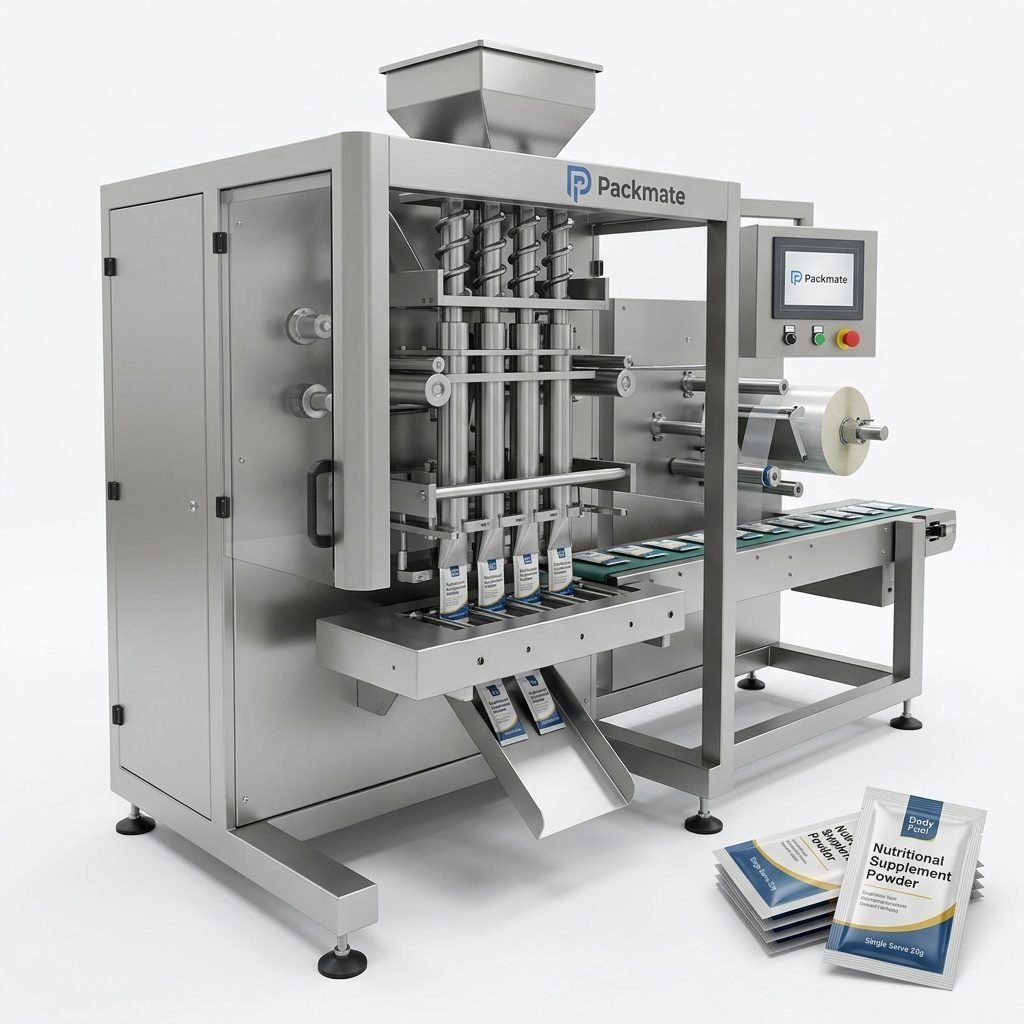
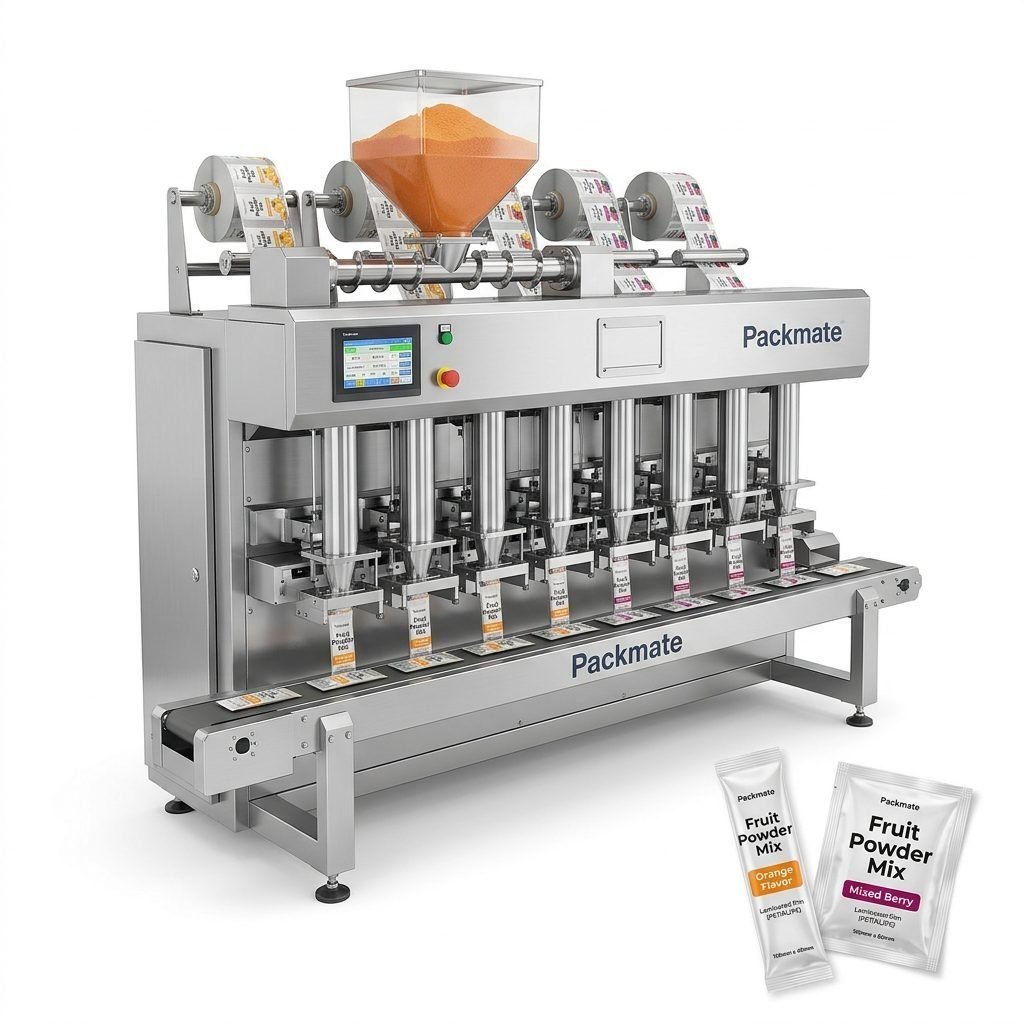
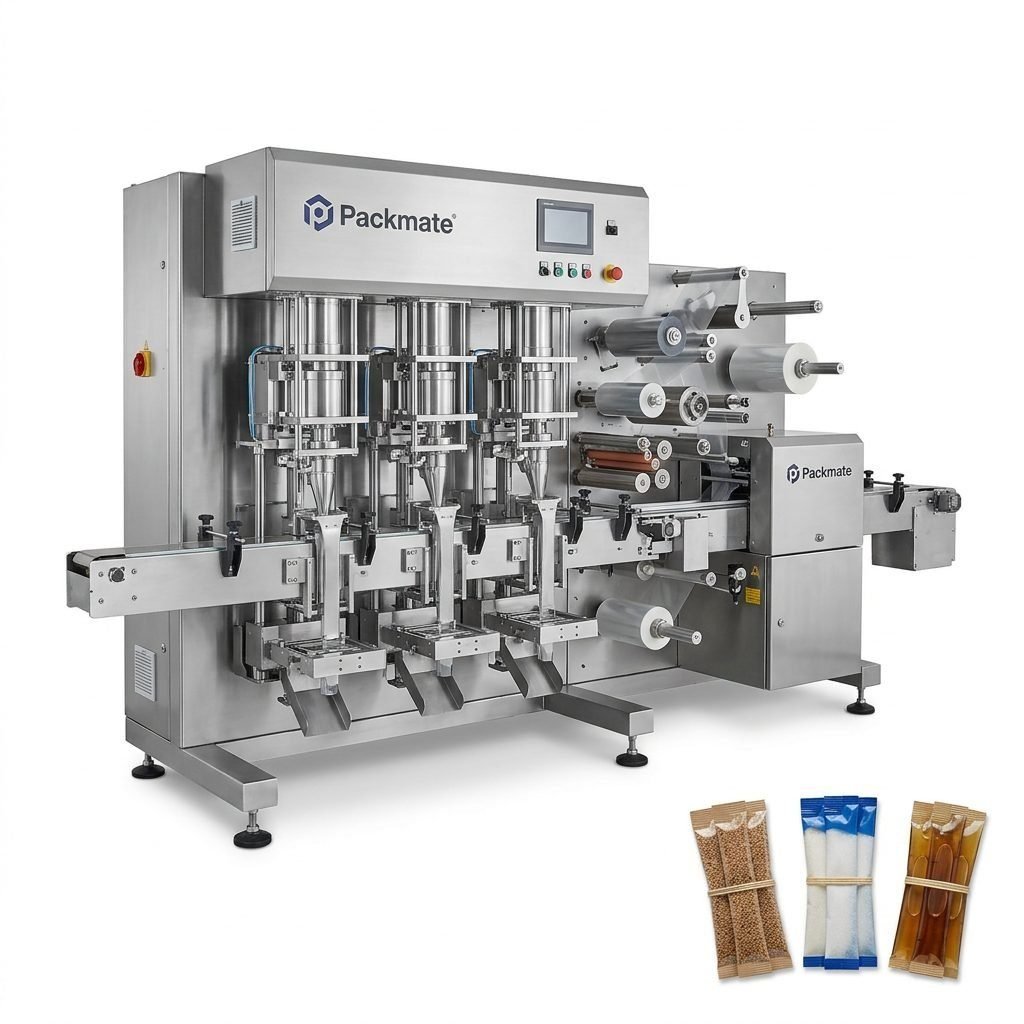
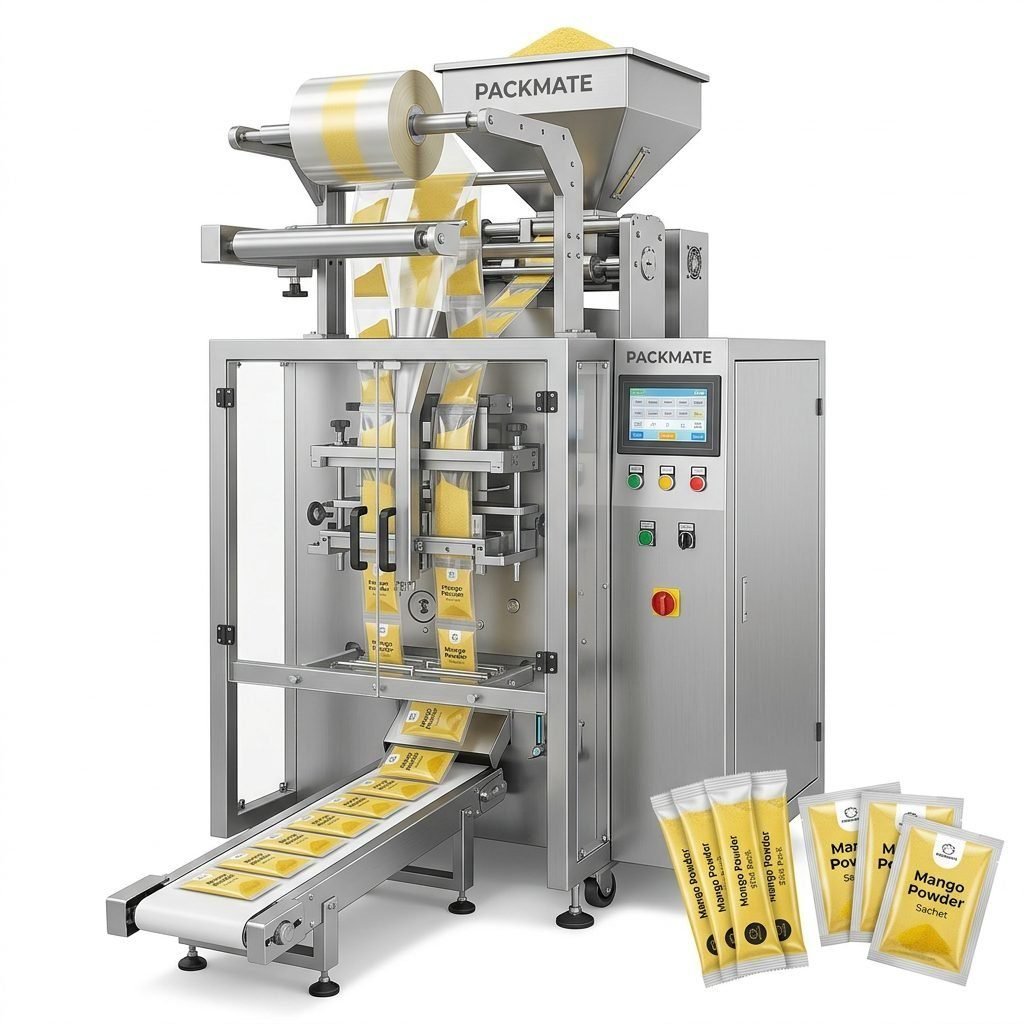
| Packmate Machinery | Reliable and practical automation with a wide machine portfolio. | A balanced mix of technical reliability, cost efficiency, and customization flexibility. |
| PacklineOEM | Specialization in integrated turnkey packaging production lines. | Full-line engineering, system integration, and OEM/ODM project cooperation. |
| PackingMachineOEM | Expertise in non-standard and highly customized packaging machinery. | Tailored solutions for unique products, special materials, or complex automation requirements. |
| SnusMachinery | Niche specialist in nicotine pouch and snus packaging equipment. | Dedicated expertise in the fast-growing nicotine pouch sector with application-specific engineering. |
6. Understanding Regional Market Needs
When sourcing from global manufacturers, consider their experience in your target market. For instance, a supplier with a strong export history to Europe and North America will be familiar with stricter regulatory and quality expectations. Those serving the Middle East, Africa, or Southeast Asia may offer machines better suited for specific climatic conditions or local packaging preferences.
7. Financial Stability and Company Longevity
A manufacturer with a long operational history (e.g., 20-30+ years) often indicates financial stability, accumulated technical know-how, and a commitment to the industry. This reduces the risk of them discontinuing support or spare parts for your machine in the future.
Pro Tip: Always request a live video demonstration or factory visit (virtual or in-person) to see the machine running with a product similar to yours. This is the best way to verify performance claims and build confidence in the supplier’s capabilities.
Frequently Asked Questions (FAQ)
What is the typical lead time for a stick pack machine?
Lead times vary based on machine complexity and customization. For standard models, expect 30-60 days. For fully customized or turnkey lines, lead times can range from 90 to 180 days. Always confirm this during the quotation process.
Can one machine handle different stick pack sizes?
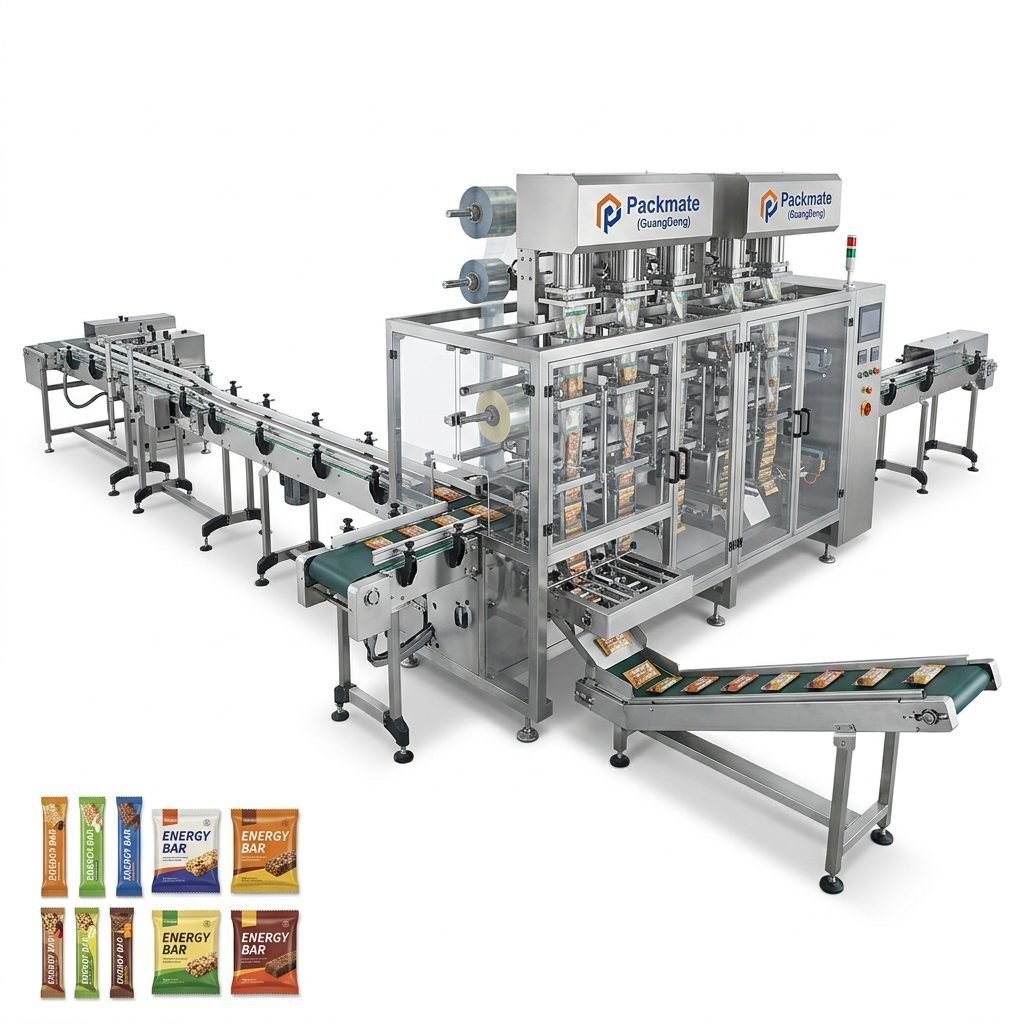
Most modern machines are designed with quick-change parts (forming tubes, filling nozzles, sealing jaws) to accommodate a range of stick pack widths and lengths. However, significant size changes may require a changeover kit.
What after-sales support should I expect?
Reputable suppliers typically offer a 12-month warranty, provide comprehensive installation and operation manuals (in English), offer video/on-site training, and maintain a stock of common spare parts. 24/7 remote technical support is a key service to look for.
How do I ensure the machine meets my local safety standards?
Clearly communicate your required certifications (CE, UL, etc.) during the initial inquiry. Reputable manufacturers will design and build the machine to meet these standards and provide the necessary documentation for customs clearance and local compliance.
What is the difference between a standalone machine and a turnkey line?
A standalone machine typically performs the core form-fill-seal function. A turnkey line integrates additional equipment like feeders, checkweighers, metal detectors, cartoners, and case packers, providing a complete, automated packaging solution from bulk product to final carton.