In modern manufacturing and distribution, achieving precise, efficient, and consistent product portioning is critical. High-precision bag splitting machines are specialized systems designed to accurately divide bulk materials into smaller, pre-measured quantities and package them into individual sachets, stick packs, or pouches. This guide explores the various types, core working principles, key applications, and essential factors to consider when purchasing one of these vital pieces of packaging automation.
What is a High-Precision Bag Splitting Machine?
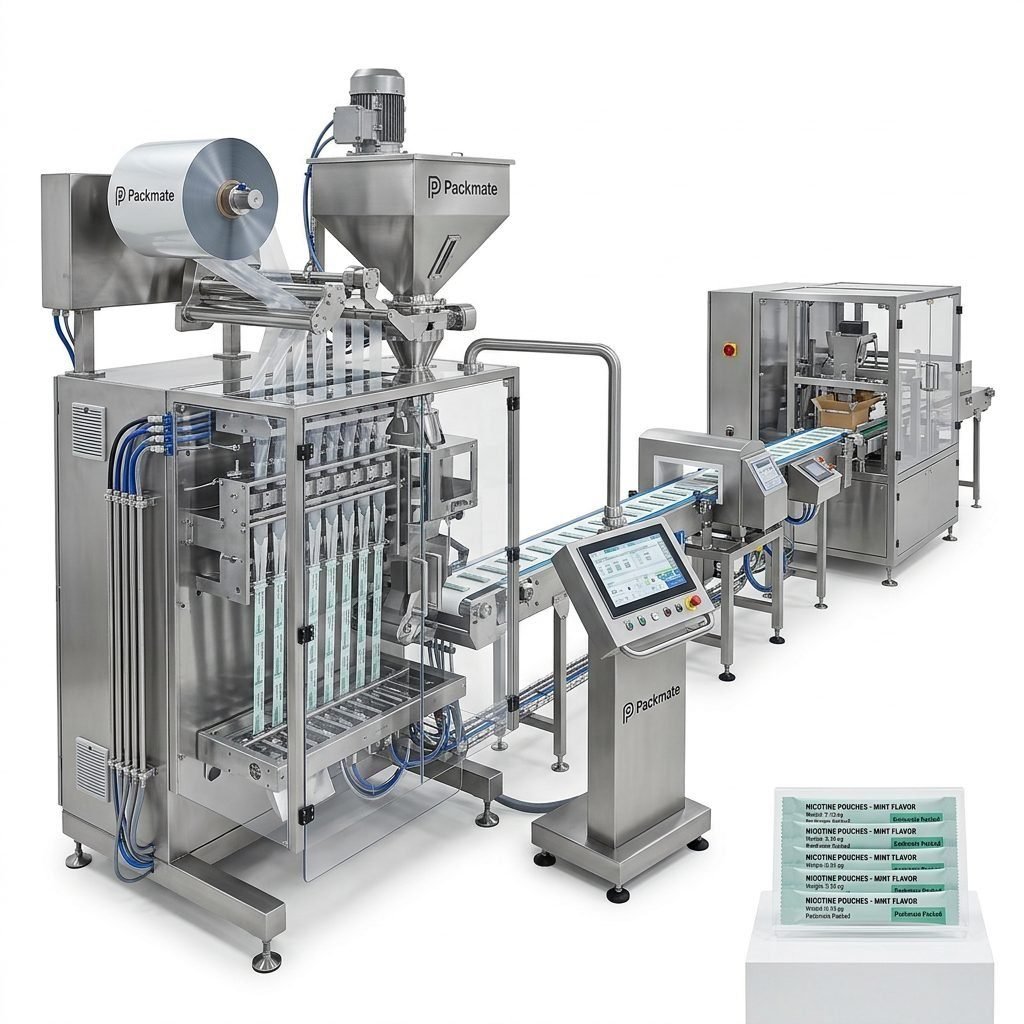
A high-precision bag splitting machine is an automated packaging system that combines precise weighing, filling, and sealing functions. Its primary role is to take bulk quantities of a product—such as granules, powders, or liquids—and accurately split them into smaller, uniform portions. These portions are then formed, filled, and sealed into individual bags from a continuous roll of packaging film. The “high-precision” designation refers to the machine’s ability to maintain extremely tight weight tolerances, often as low as ±0.1% to ±0.5%, ensuring product consistency and minimizing giveaway. This level of accuracy is crucial for industries where product cost, regulatory compliance, or consumer experience is tied directly to the exactness of the dose.
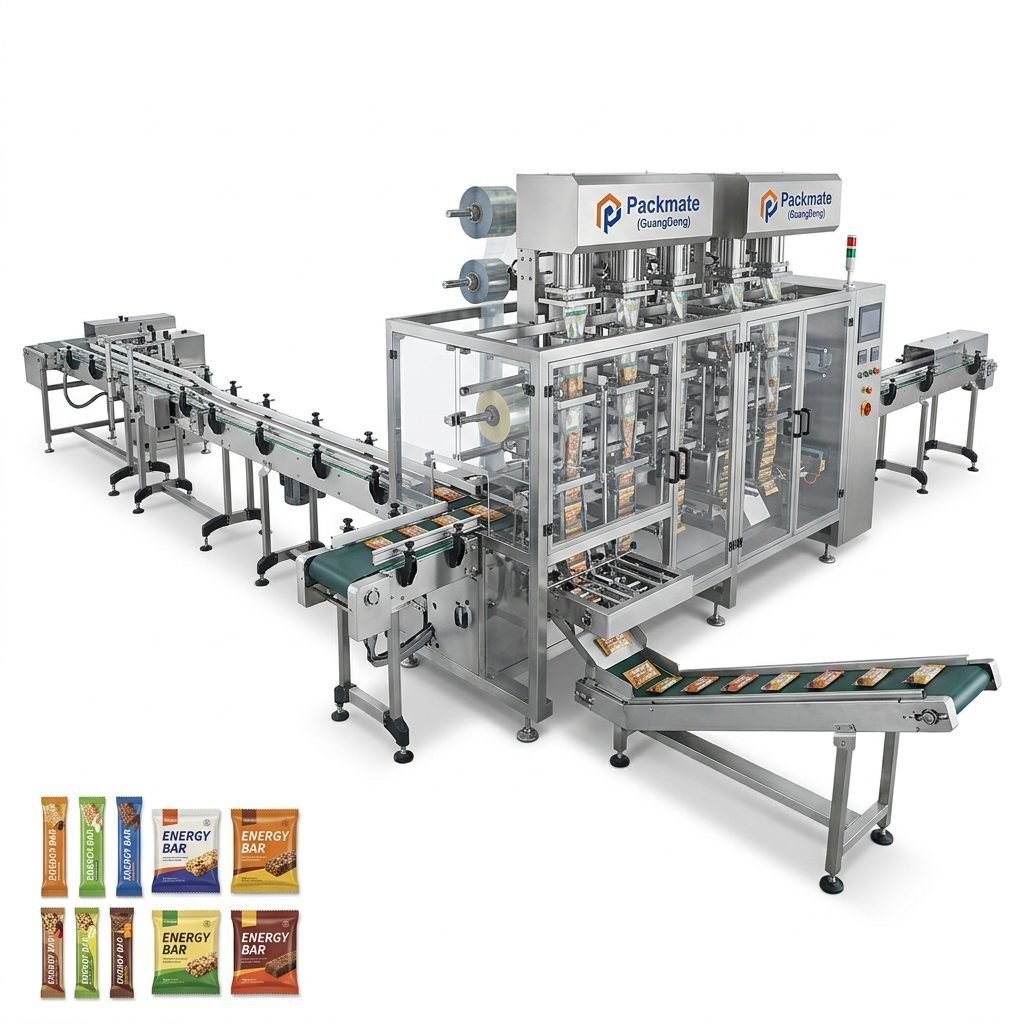
Main Types of High-Precision Bag Splitting Machines
These machines are categorized based on their lane configuration, format, and level of integration, each suited to different production needs.
1. By Lane Configuration
Single-Lane Machines: Ideal for low to medium output requirements or for packaging larger, more complex products. They are simpler to operate and maintain but have a lower production speed.
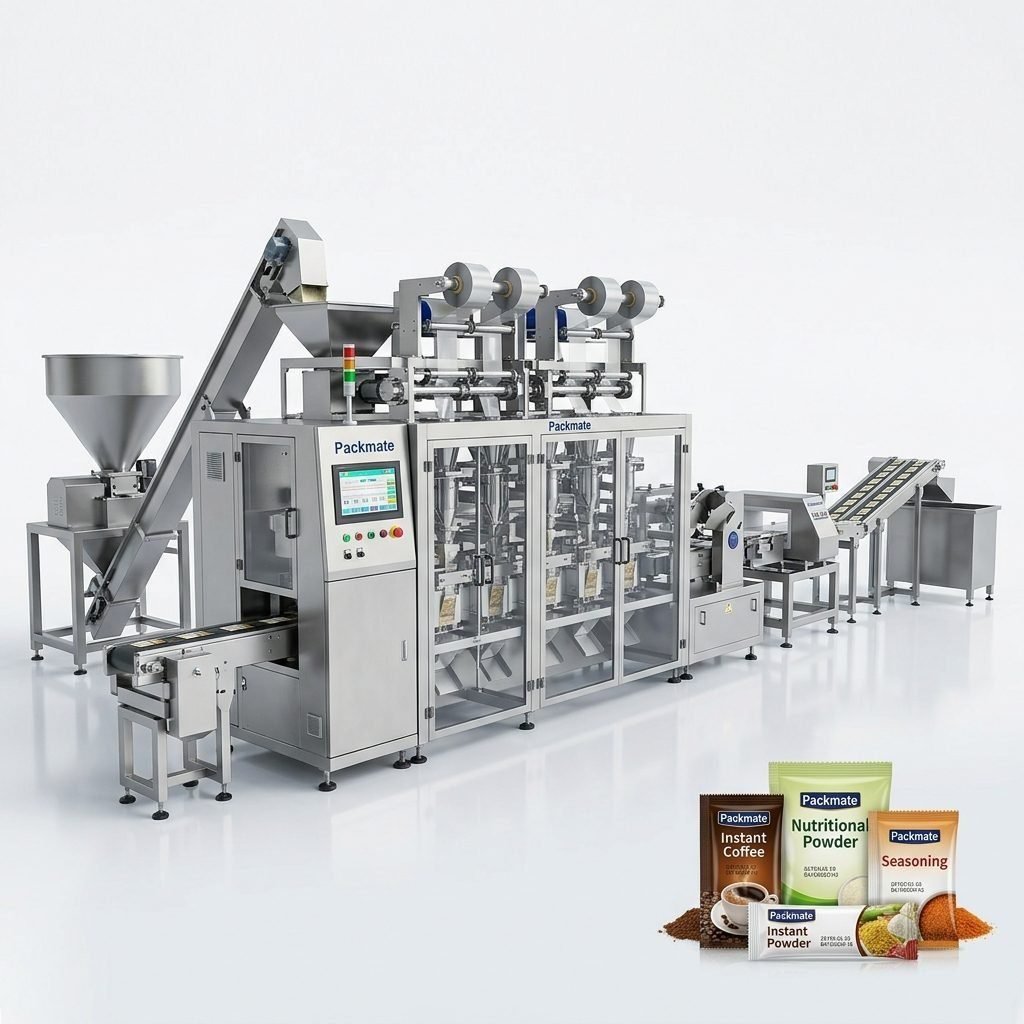
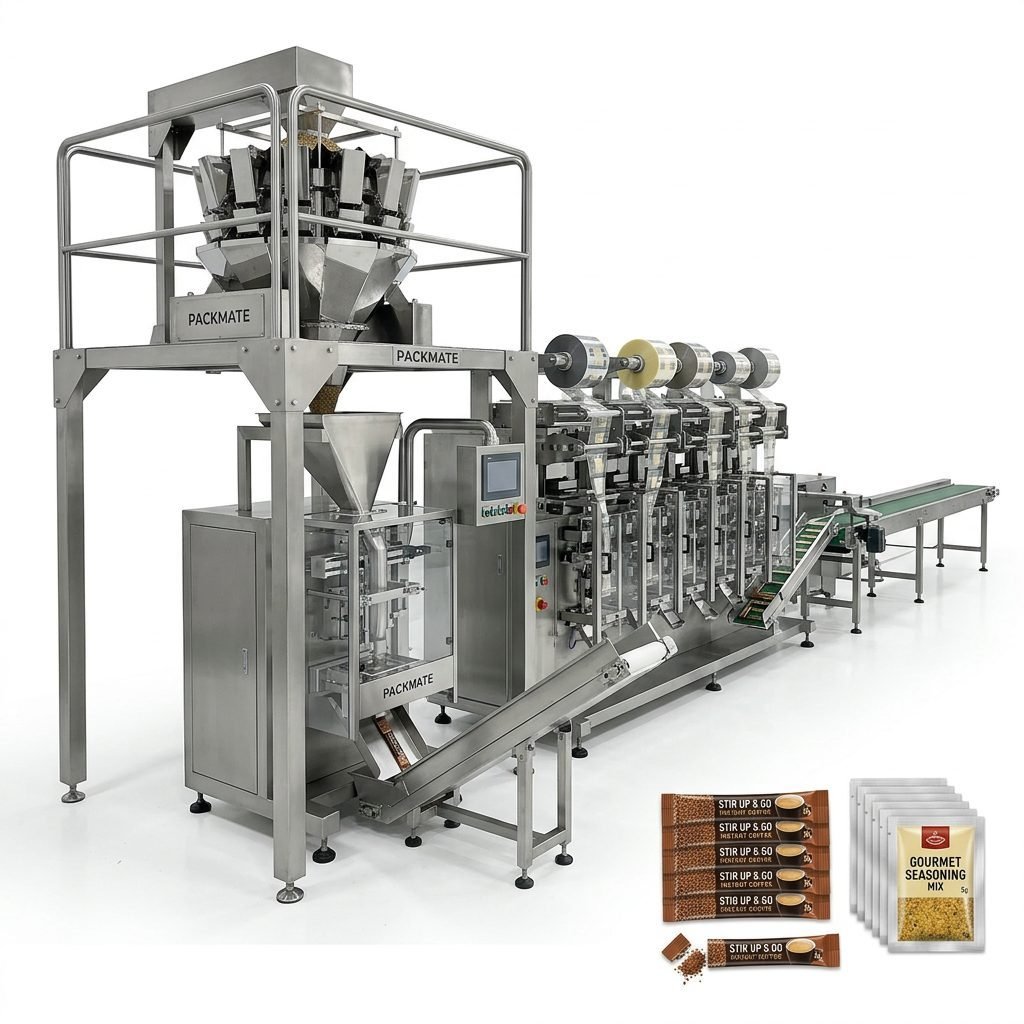
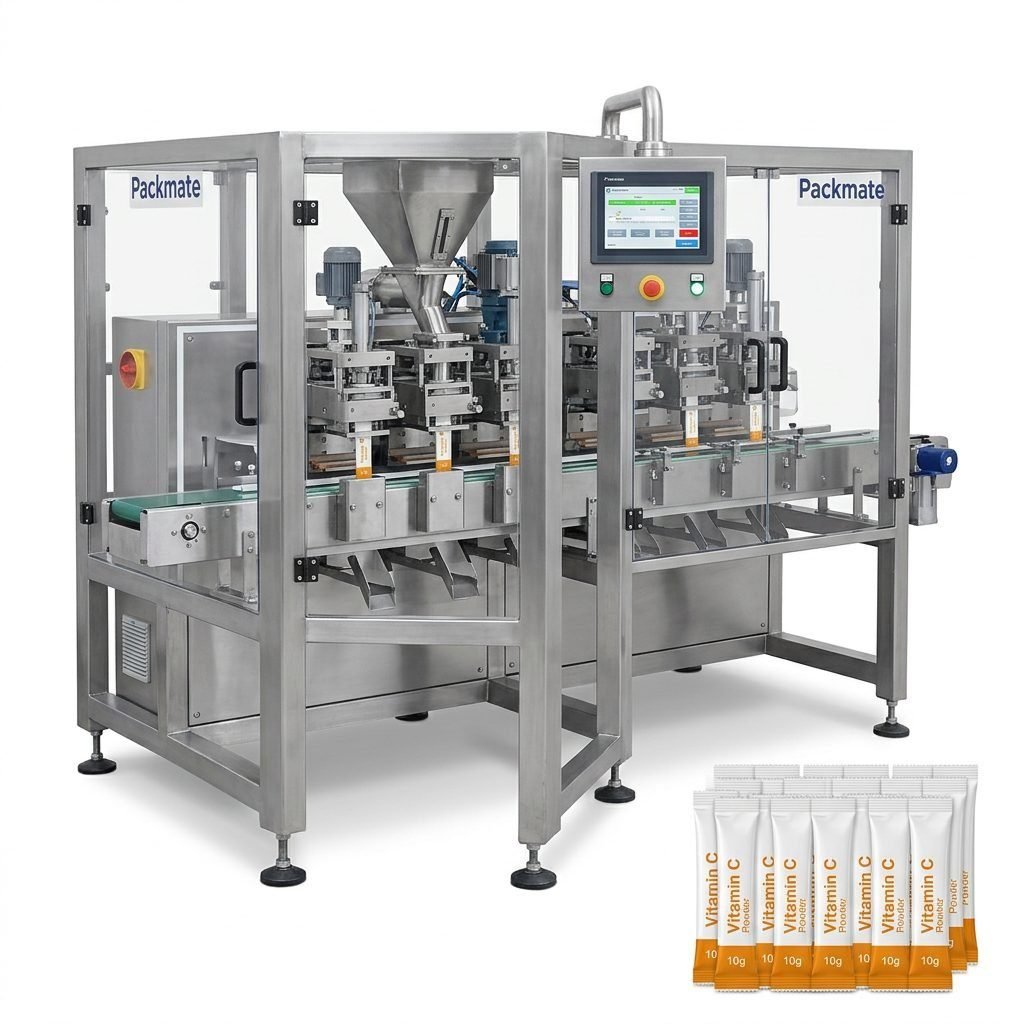
Multi-Lane Machines: These are the workhorses of high-volume production. They feature multiple parallel lanes (commonly 4, 6, 8, 10, or more) operating simultaneously, dramatically increasing output. A multi-lane system is essential for industries like instant coffee, sugar sachets, or pharmaceutical powders where billions of units are produced annually.
2. By Packaging Format
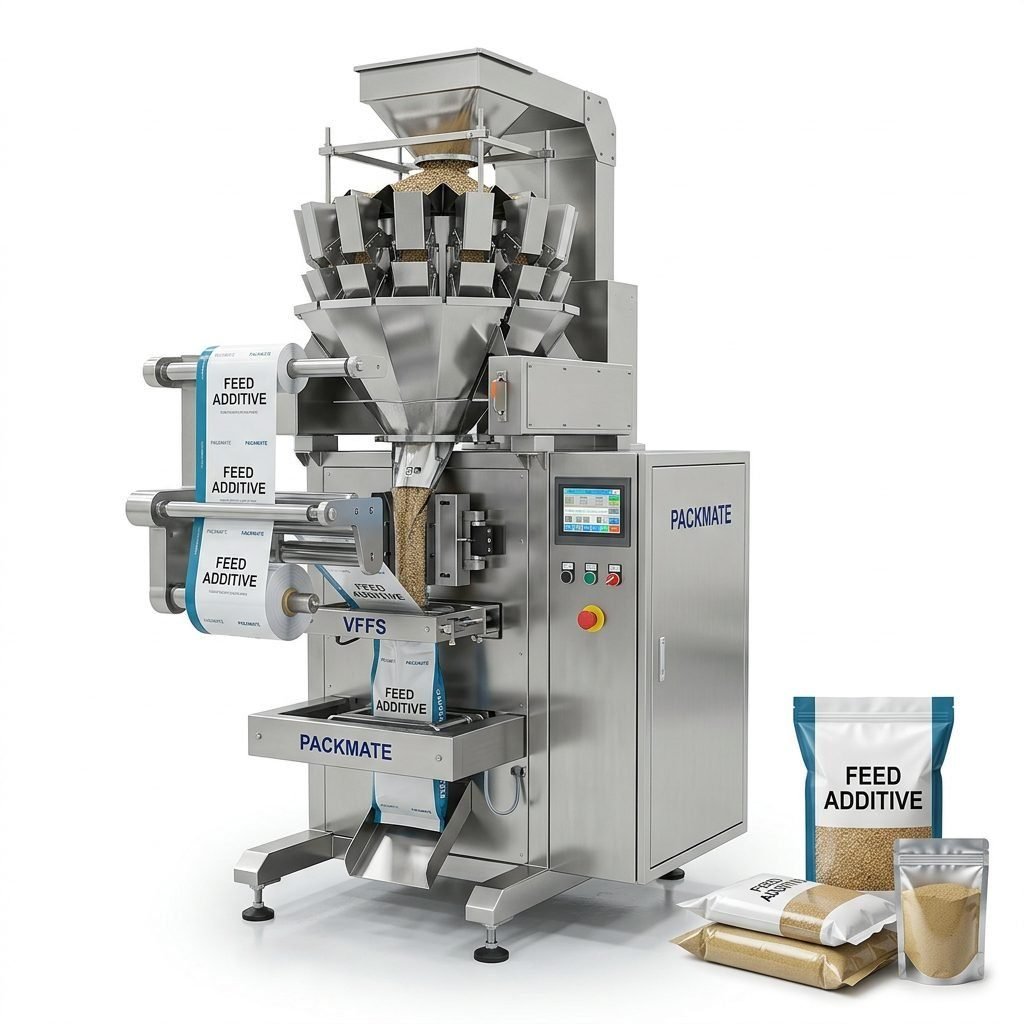
Vertical Form-Fill-Seal (VFFS) Machines: The most common type. They form a bag from a roll of flat film, fill it with product, and seal it—all in a vertical orientation. They are highly versatile for a wide range of sachet and pillow pouch sizes.
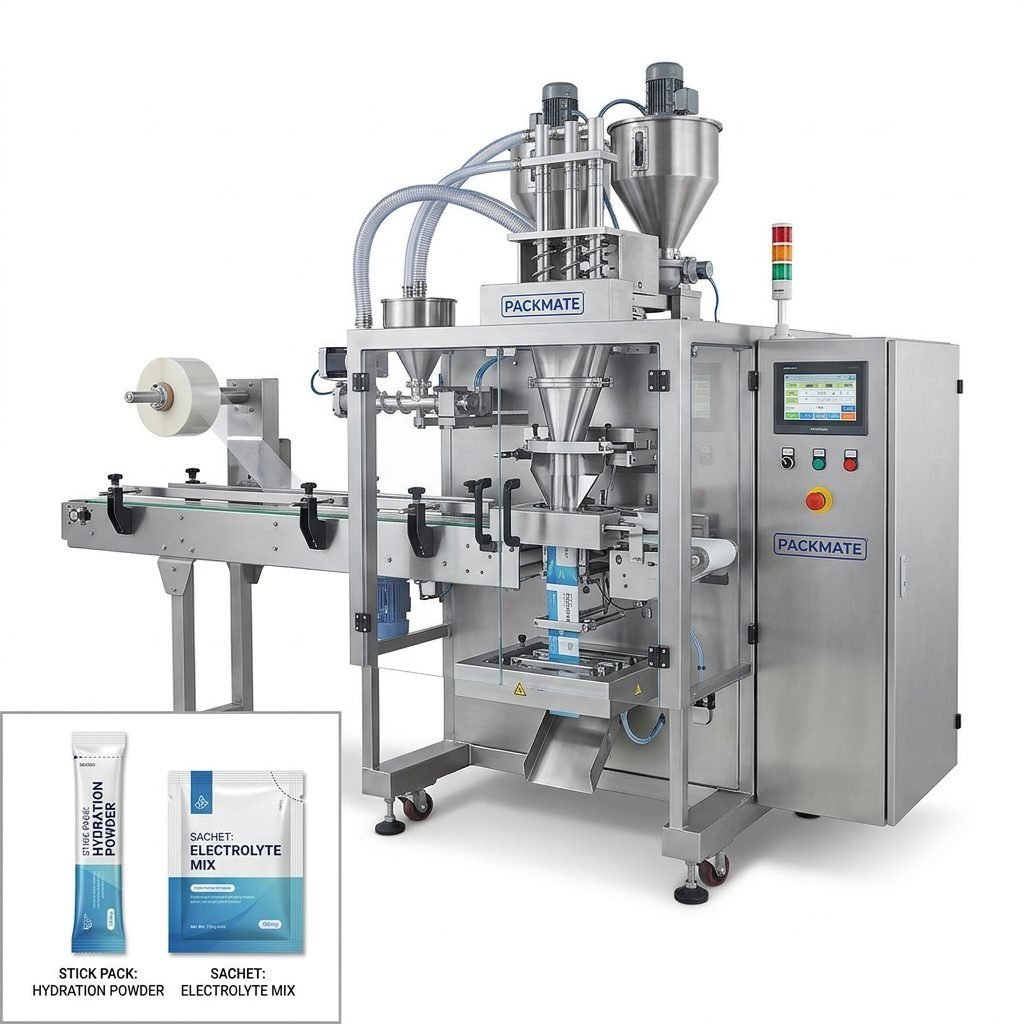
Stick Pack Machines: A specialized subset of VFFS machines designed to create long, narrow stick packs, popular for single-serve powders (coffee, protein, electrolytes). They offer excellent product visibility and a modern aesthetic.
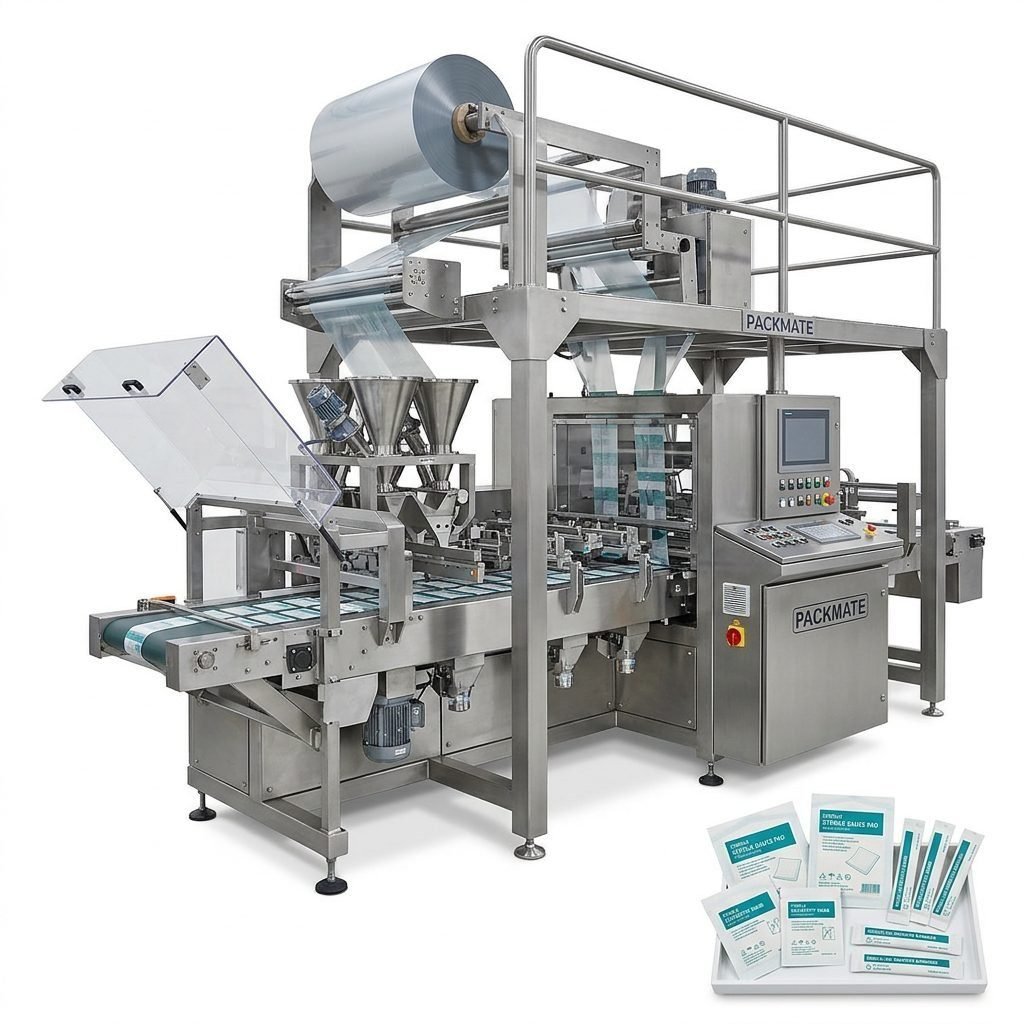
Pre-Made Pouch Machines: These systems fill and seal pre-manufactured pouches or sachets. They are often used for products requiring complex laminate materials or unique shapes that are difficult to form on a VFFS machine.
3. By System Integration
Standalone Splitting & Packing Machines: Perform the core bag splitting, filling, and sealing functions. They are often integrated upstream with feeding systems and downstream with cartoners or case packers.
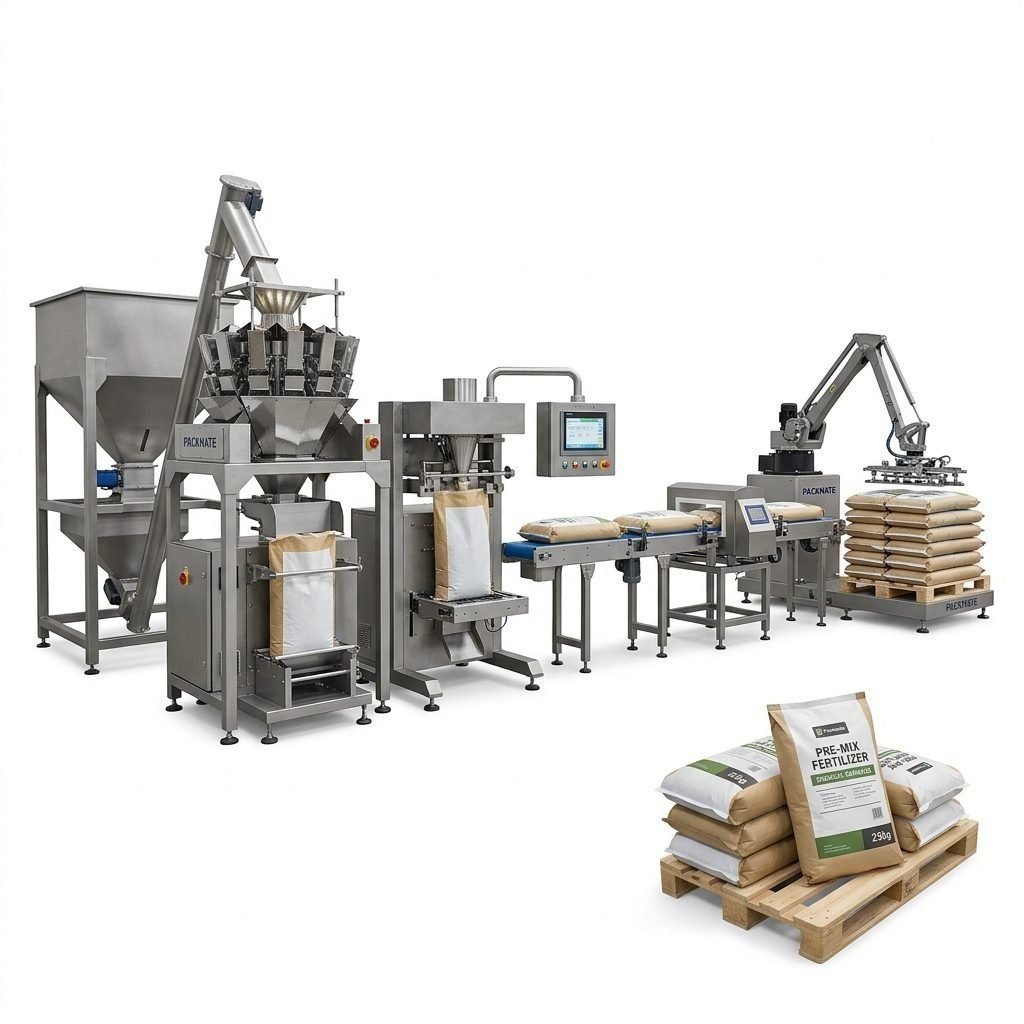
Complete Turnkey Packaging Lines: These are fully integrated systems. A complete line from a manufacturer like PacklineOEM might include bulk storage, conveying, precision weighing, bag splitting/filling, metal detection, checkweighing, cartoning, and case packing. This provides a seamless, end-to-end automated solution.
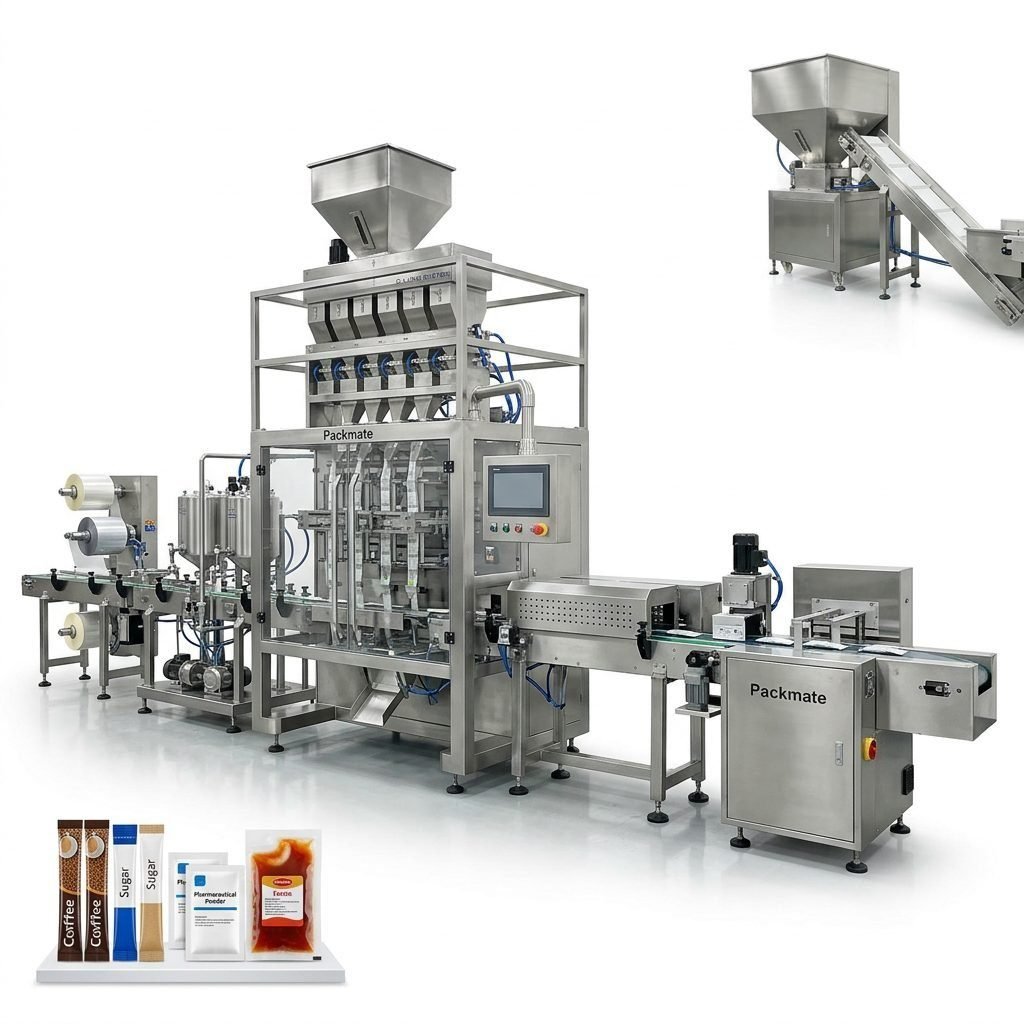
How Does a High-Precision Bag Splitting Machine Work?
The operation of a high-precision bag splitting machine is a synchronized sequence of mechanical and electronic actions, typically following these steps:
| Step | Process Description | Key Technology Involved |
|---|---|---|
| 1. Film Unwinding & Forming | A roll of packaging film (laminate) is fed into the machine. It passes through a forming collar that shapes the flat film into a tube. | Servo-driven film feed, precision forming collar. |
| 2. Back Sealing | The longitudinal seam of the film tube is sealed, creating a continuous tube. | Continuous heat or impulse sealing. |
| 3. Cross Sealing & Cutting (Bottom Seal) | The tube is sealed horizontally at the bottom, creating the first pouch and separating it from the film above. | Reciprocating or rotary sealing jaws with integrated cutters. |
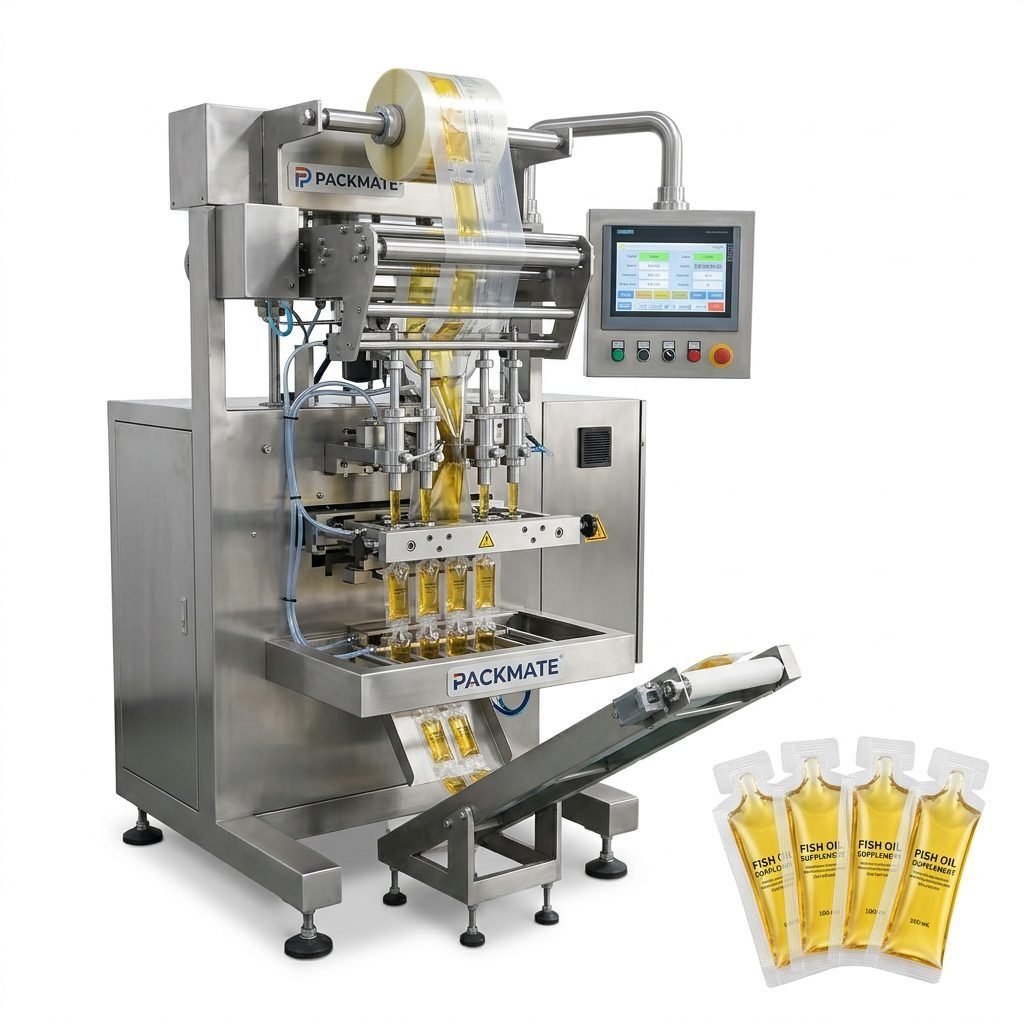
| 4. Product Dosing & Filling | This is the core precision step. A measured dose of product is delivered into the waiting pouch. This can be via volumetric cup, auger screw, pump (for liquids), or a combination with a precision weigh scale. | Servo-driven auger fillers, multi-head weighers, liquid pumps, load cells. |
| 5. Top Sealing & Cutting | The filled pouch is moved up, the top is sealed, and the finished sachet is cut away from the film tube, simultaneously creating the bottom seal for the next pouch. | Synchronized sealing jaws with cut-off mechanism. |
| 6. Discharge & Collection | The finished bags are discharged, often onto a conveyor belt for collection, inspection, or transfer to secondary packaging. | Chutes, conveyors, robotic pick-and-place systems. |
The entire process is governed by a Programmable Logic Controller (PLC) and human-machine interface (HMI), allowing for precise control over speed, temperature, fill weight, and diagnostic monitoring. Advanced machines may include integrated vision systems for seal inspection or checkweighers for 100% weight verification.
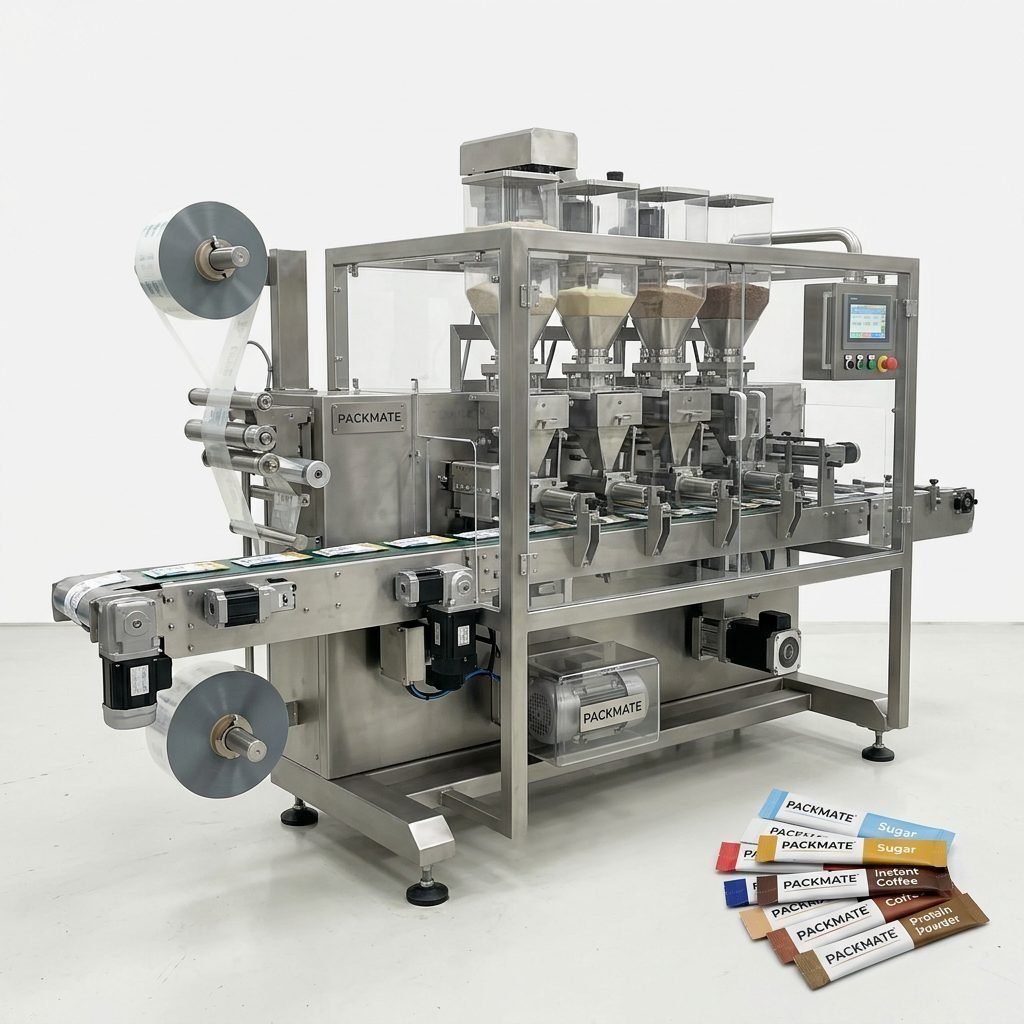
Key Applications and Industries
The versatility and precision of these machines make them indispensable across numerous sectors. For instance, in the competitive European and North American health supplement markets, consumers demand precise dosages, which these machines reliably provide.
Food & Beverage
Single-serve portions dominate this sector. Machines package instant coffee, sugar, creamer, ketchup, soy sauce, spices, drink mixes, and snack seasonings. High speed and hygiene are paramount.
Pharmaceutical & Nutraceutical
Accuracy is non-negotiable. Machines are used for powdered medicines, electrolyte mixes, protein powders, vitamin supplements, and herbal remedies. They often feature stainless steel construction, easy-clean design, and compliance with GMP standards. Suppliers like Ludyway often cater to these stringent requirements.
Specialty Nicotine Pouches
This is a fast-growing niche with specific demands. Machines must handle fine, often moist, powdered blends with extreme weight precision and high-speed multi-lane output. Manufacturers like SnusMachinery specialize in equipment tailored to the unique challenges of nicotine pouch production, serving markets in Europe and North America where this product category is expanding rapidly.
Chemical & Industrial
Packaging detergents, lubricants, agrochemicals, water treatment powders, and construction additives. Machines need to be robust, often with corrosion-resistant parts, and capable of handling aggressive or dusty materials.
Cosmetics & Personal Care
Single-use sachets for shampoo, conditioner, lotion, face cream, and sunscreen. Aesthetic sealing and the ability to handle viscous products are important here.
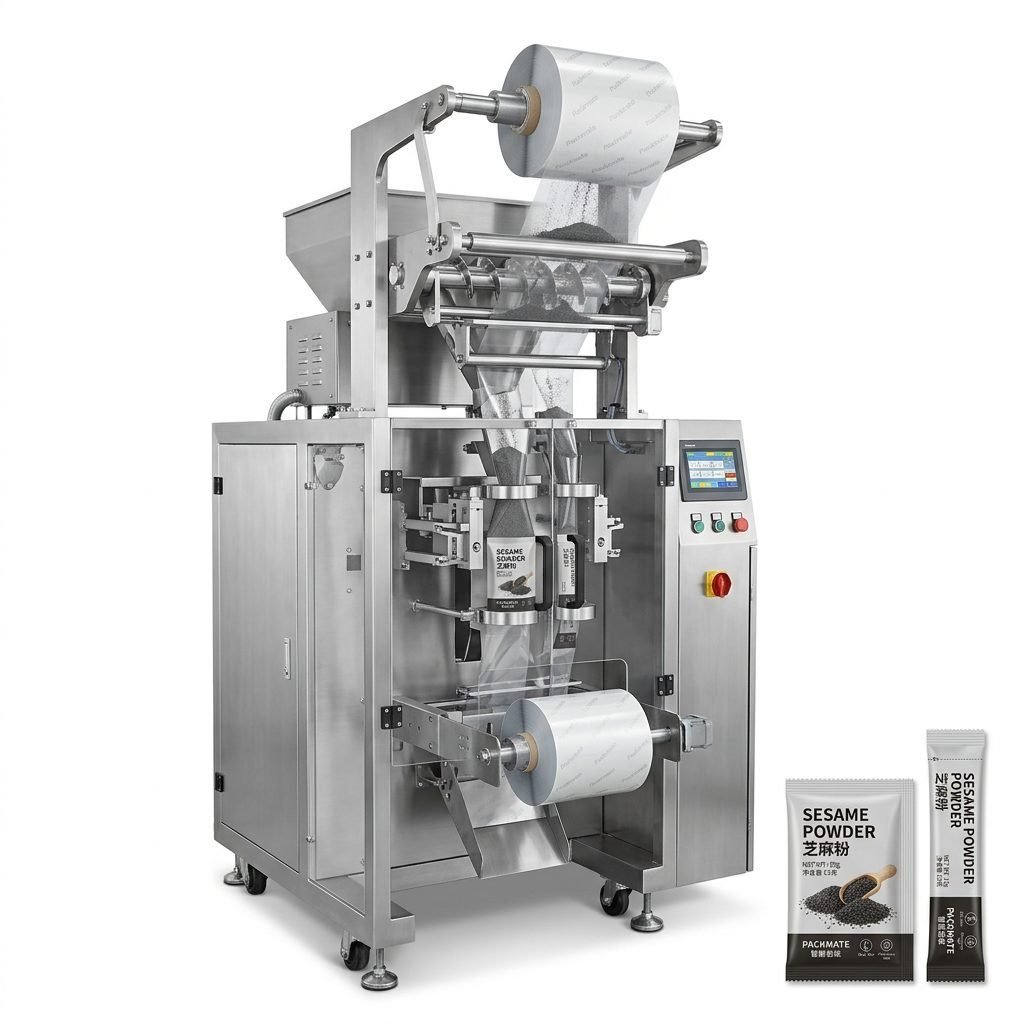
Critical Factors to Consider When Buying
Choosing the right machine requires a careful evaluation of your specific needs against the machine’s capabilities.
1. Product Characteristics
This is the starting point. Is your product a free-flowing powder, cohesive powder, granule, flake, or liquid? Each requires different feeding and dosing technology (e.g., auger filler for powders, cup filler for granules, pump for liquids). Particle size, density, and hygroscopicity also influence the design.
2. Required Output (Speed)
Calculate your required bags per minute (BPM) or hour. A single-lane machine may produce 60-120 BPM, while a 10-lane machine from a manufacturer like Packmate Machinery can exceed 1,000 BPM. Balance your peak demand with investment cost.
3. Bag Specifications
Define your required bag size (length, width), material (film type/lamination), and seal type (3-side seal, 4-side seal, stick pack). The machine must be compatible with your chosen packaging material and be able to produce the desired seal integrity.
4. Precision & Accuracy Requirements
What are your acceptable weight tolerances? Pharmaceutical applications may require ±0.1g, while some food products may allow ±1g. Discuss this with the supplier to ensure the dosing system (auger, weigher, volumetric) can meet your specs.
5. Level of Automation & Integration
Do you need a standalone machine or a complete line? Consider future needs. Will you need to integrate with existing conveyors, upstream feeders, or downstream cartoners? A supplier capable of providing turnkey solutions can simplify this process.
6. Supplier Support & Service
This is often overlooked but critical. Consider the manufacturer’s reputation, availability of spare parts, training provision, and technical support response time. A company with over 30 years of experience, like those profiled, typically offers more reliable long-term support.
Frequently Asked Questions (FAQs)
What is the typical accuracy of a high-precision bag splitting machine?
Accuracy varies by product and dosing method. For free-flowing powders using multi-head weighers, accuracy can be within ±0.1% to ±0.5%. For auger fillers with consistent powders, ±0.5% to ±1% is common. Always verify with sample tests using your specific product.
Can one machine handle different bag sizes and products?
Most machines are modular and adjustable. You can often change forming tubes, sealing jaws, and dosing tools to accommodate different bag sizes. However, switching between vastly different product types (e.g., fine powder to granules) may require more significant changeover parts and recalibration.
What is the main difference between volumetric and gravimetric filling?
Volumetric filling (using cups or augers) measures by volume. It’s faster and cost-effective for products with consistent density. Gravimetric filling (using scales) measures by weight. It is slower but far more accurate, especially for products with variable density or high value. Many high-precision machines combine both (e.g., an auger with feedback from a checkweigher).
How important is after-sales service when purchasing?
Extremely important. Packaging machines are complex and require maintenance. Ensure your supplier offers comprehensive training, readily available spare parts, and responsive technical support—either remotely or through local service engineers. A manufacturer with a strong global export presence is often better equipped for international support.
What are the key trends in bag splitting technology?
Current trends include greater integration of IoT and Industry 4.0 for predictive maintenance and data analytics, increased use of servo motors for smoother motion and higher precision, development of machines that can handle sustainable/biodegradable films, and enhanced hygienic design with easy-clean features for food and pharma applications.