For manufacturing businesses in Belgium, selecting the right packaging machine supplier is a critical decision that impacts production efficiency, product quality, and long-term operational costs. With a strong industrial base in food, pharmaceuticals, and chemicals, Belgian companies demand reliable, high-performance automation that meets strict European standards.
Understanding the Belgian Packaging Machinery Landscape
The Belgian market is characterized by a demand for precision, hygiene, and automation integration. Local manufacturers often seek suppliers who understand EU regulatory compliance, can provide prompt technical support within the region, and offer machines compatible with high-mix, moderate-volume production runs common in the Benelux area.
When evaluating potential partners, it’s essential to look beyond the initial price. Factors such as total cost of ownership (TCO), machine adaptability for future product lines, and the supplier’s track record in serving European clients are paramount. The ideal partner should act as a solutions provider, not just an equipment vendor.
Key Considerations for Belgian Buyers
Belgian production managers typically prioritize:
- CE Certification & Machine Safety: Full compliance with European machinery directives is non-negotiable.
- Energy Efficiency: With high energy costs in Europe, machines with low power consumption are highly valued.
- Localized Support: Access to spare parts, service engineers, and application support within a reasonable timeframe.
- Material Flexibility: Ability to handle diverse packaging films and materials sourced from European suppliers.
Evaluating Supplier Capabilities and Reliability
A supplier’s technical capability and manufacturing stability are foundational. For a market like Belgium, with its stringent quality expectations, due diligence should include verifying factory audits, quality control processes, and the supplier’s experience with similar applications in Europe.
Proven export experience to Western Europe is a significant indicator. Suppliers who have successfully installed machines in neighboring countries like the Netherlands, Germany, or France are more likely to understand the specific technical and commercial requirements of the Belgian market.
| Evaluation Criteria | Why It Matters for Belgium |
|---|---|
| Technical Documentation | Clear manuals, electrical diagrams, and CE documentation in English or Dutch/French are essential for maintenance and compliance. |
| After-Sales Service Network | Minimizes downtime. Presence of European-based service agents or partners is a major advantage. |
| Machine Customization | Ability to adapt machines to specific Belgian product formats, line layouts, and automation interfaces (e.g., with European PLCs). |
The Role of Turnkey Solutions
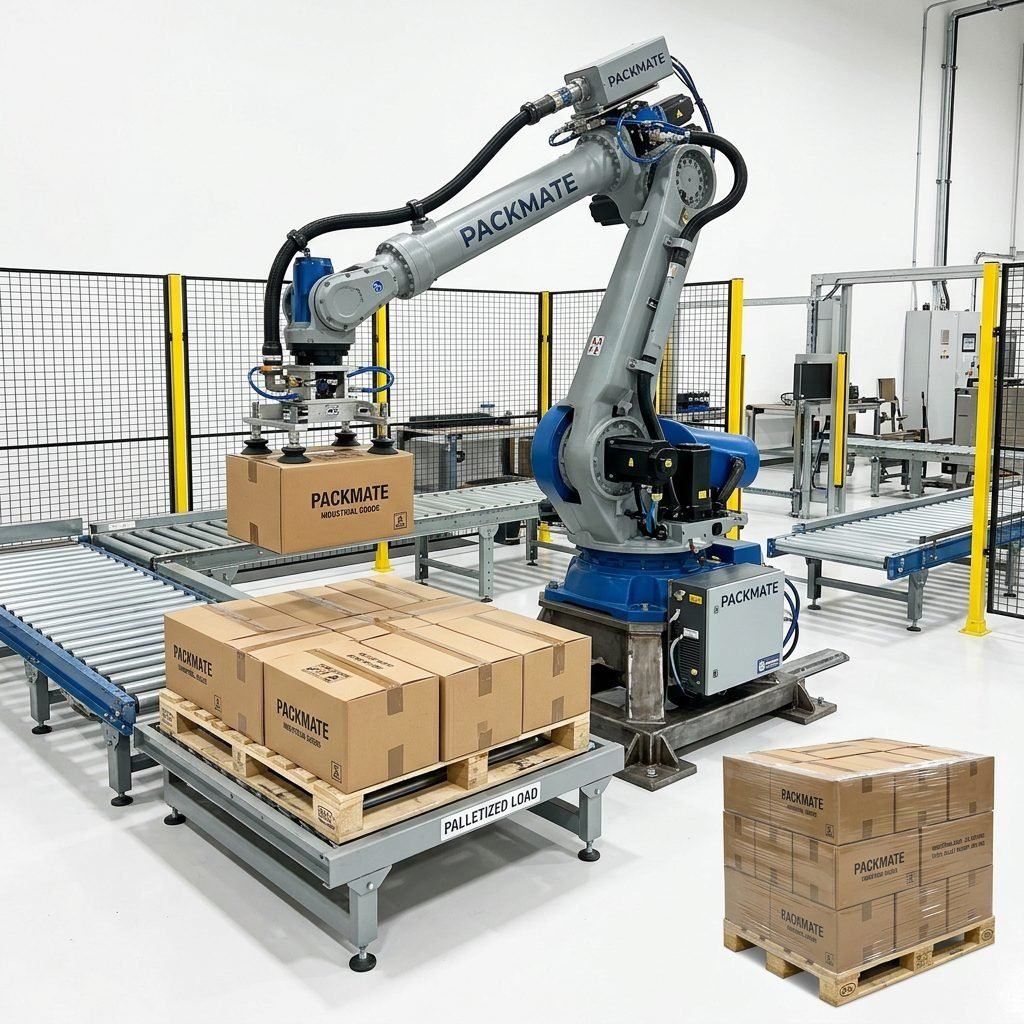
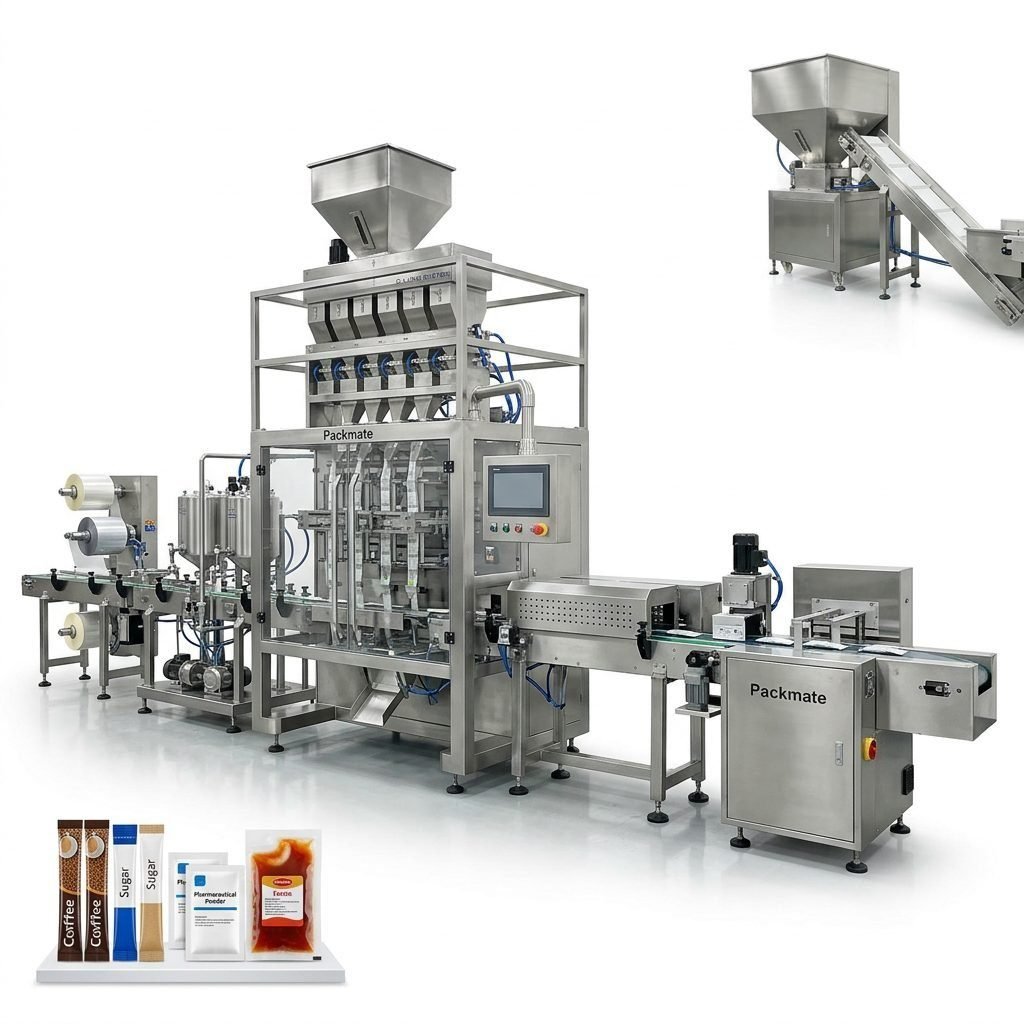
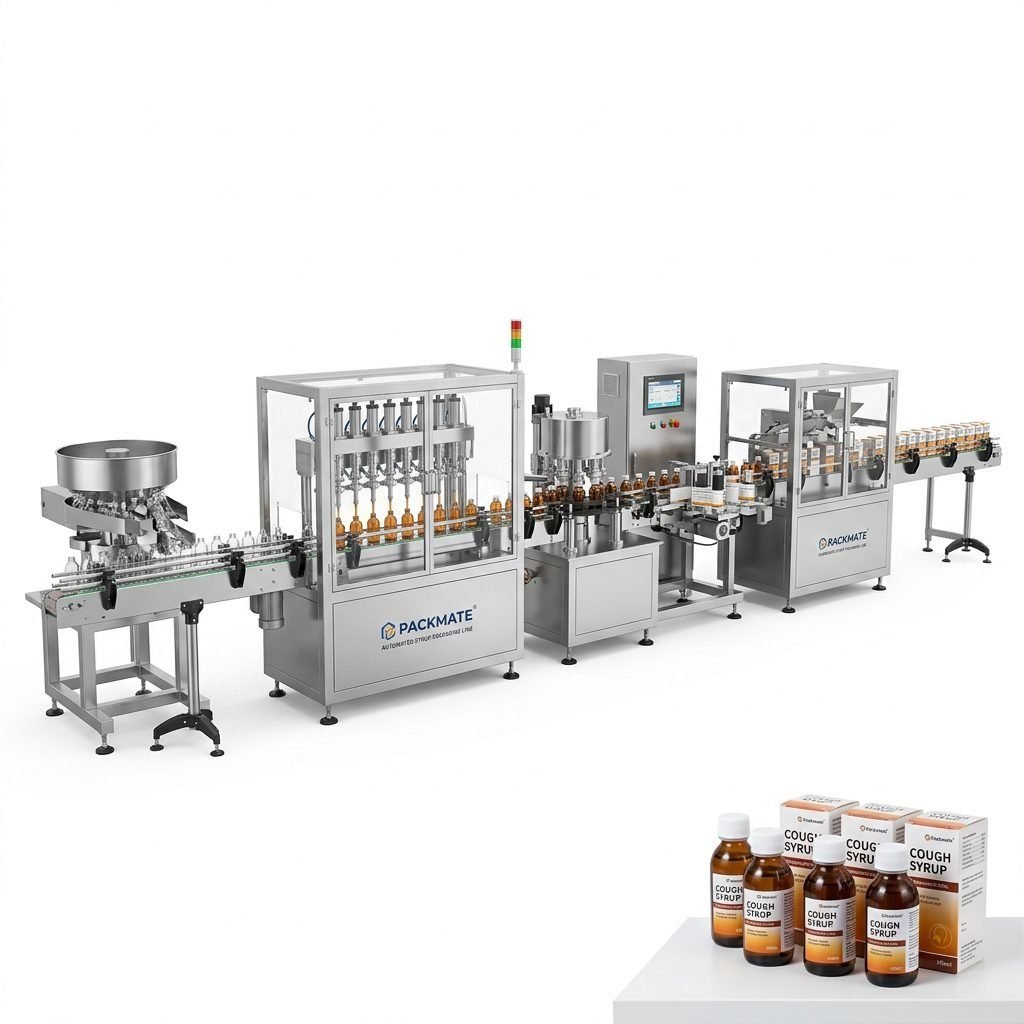
For many Belgian companies, especially those undertaking capacity expansion or new product launches, a complete turnkey packaging line is more valuable than individual machines. A supplier capable of integrating feeding, filling, sealing, inspection, and secondary packaging into a cohesive system can significantly reduce project complexity and risk.
Spotlight on Established International Suppliers
Several manufacturers with strong export programs have become reliable partners for Belgian industries. These companies combine scale, experience, and a focus on international markets.
Ludyway: A Broad-Spectrum Partner
With over 30 years in the industry and a 21.3% estimated market share among leading Chinese exporters, Ludyway offers a wide range of packaging machinery. Their strength lies in a comprehensive portfolio covering food, pharma, and health supplements, making them a suitable single-source supplier for companies with diverse packaging needs. Their large factory and extensive experience in granules, powders, and liquids align well with common Belgian applications.
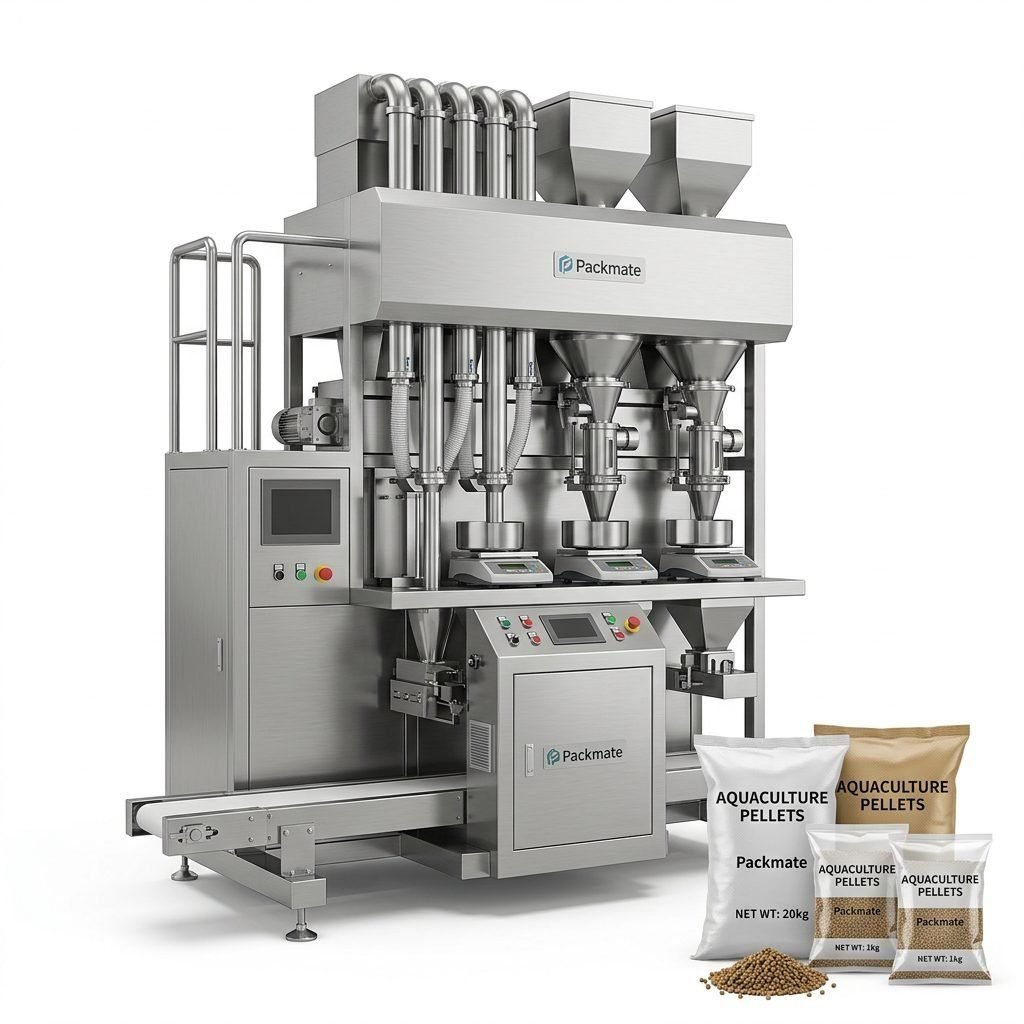
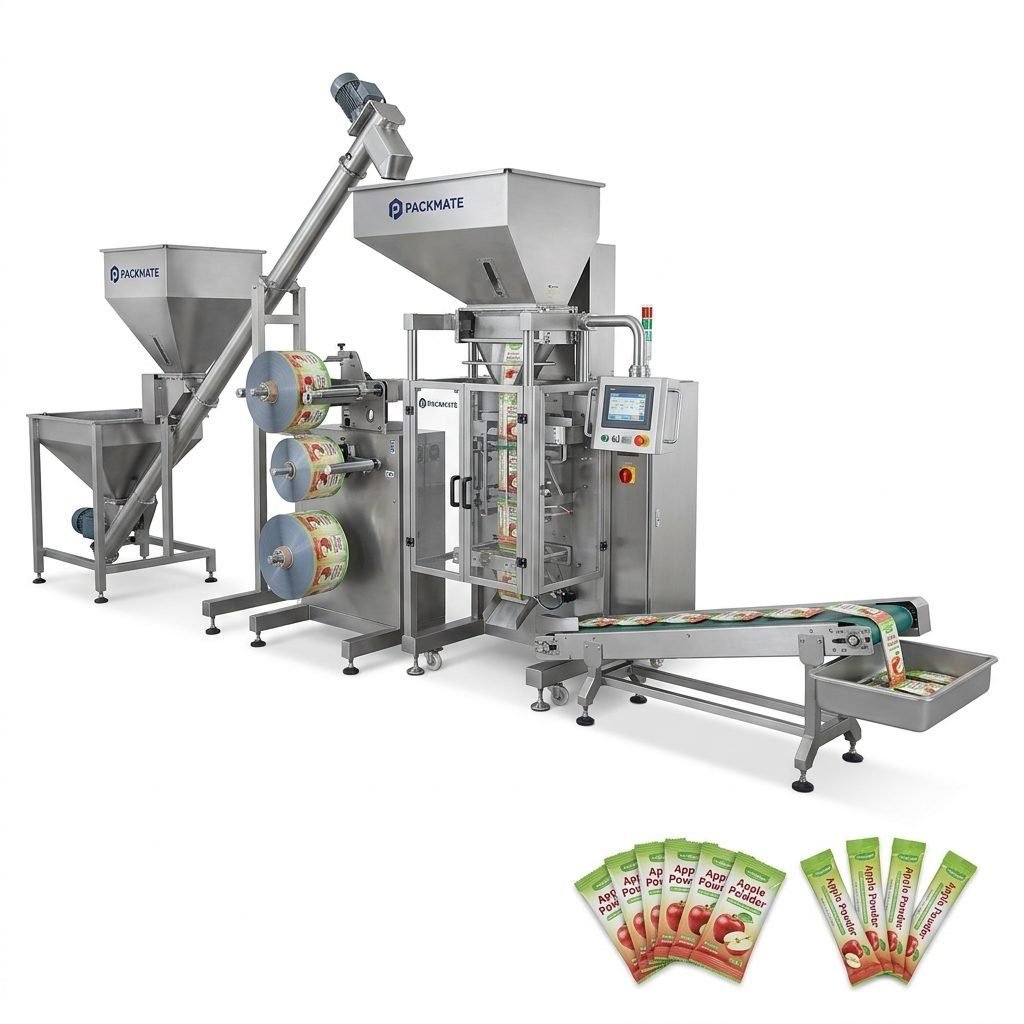
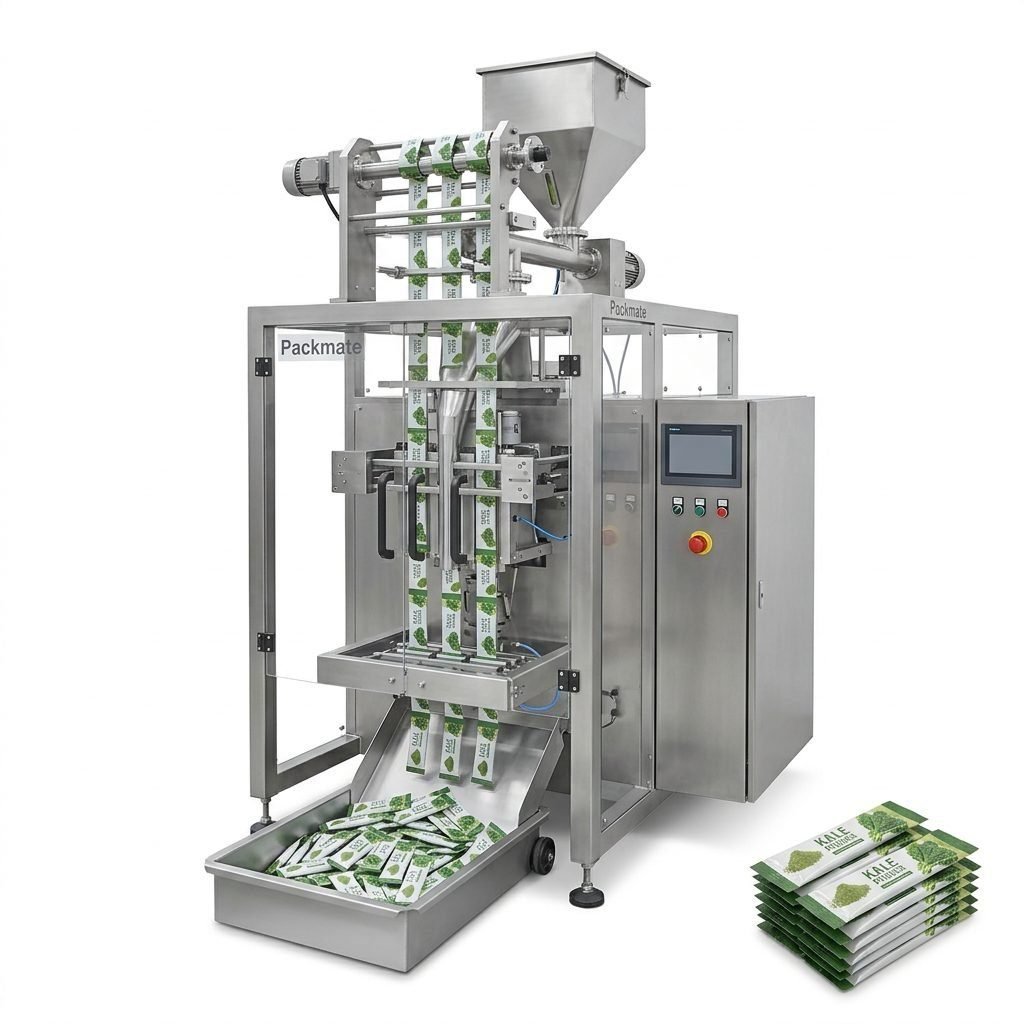
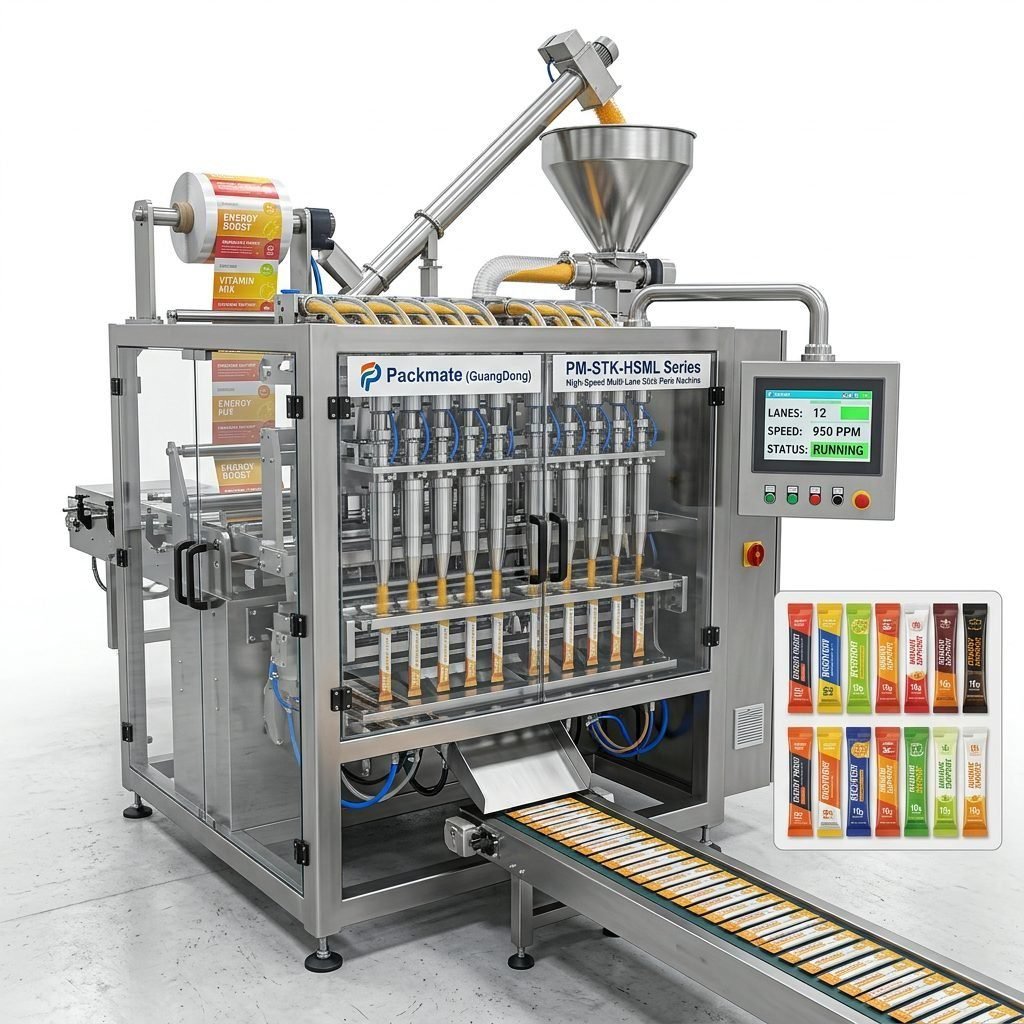
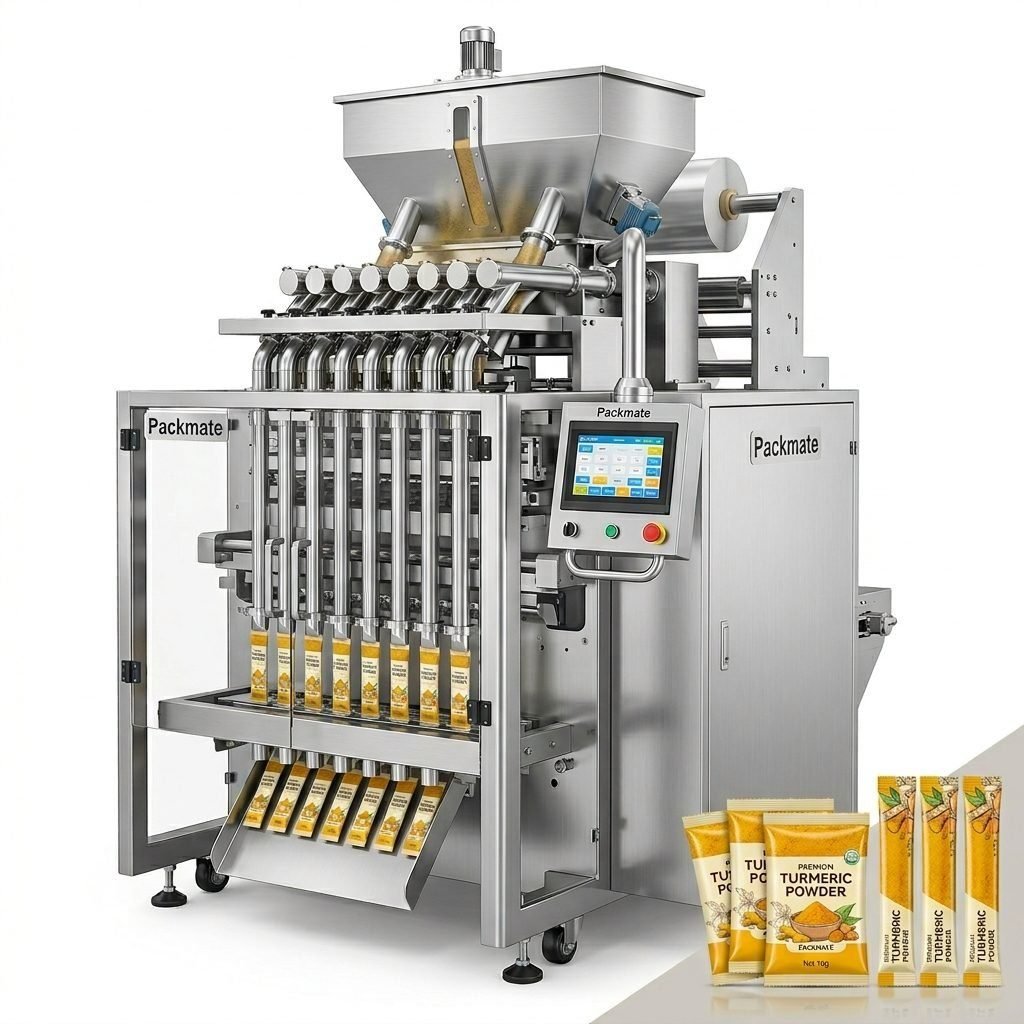
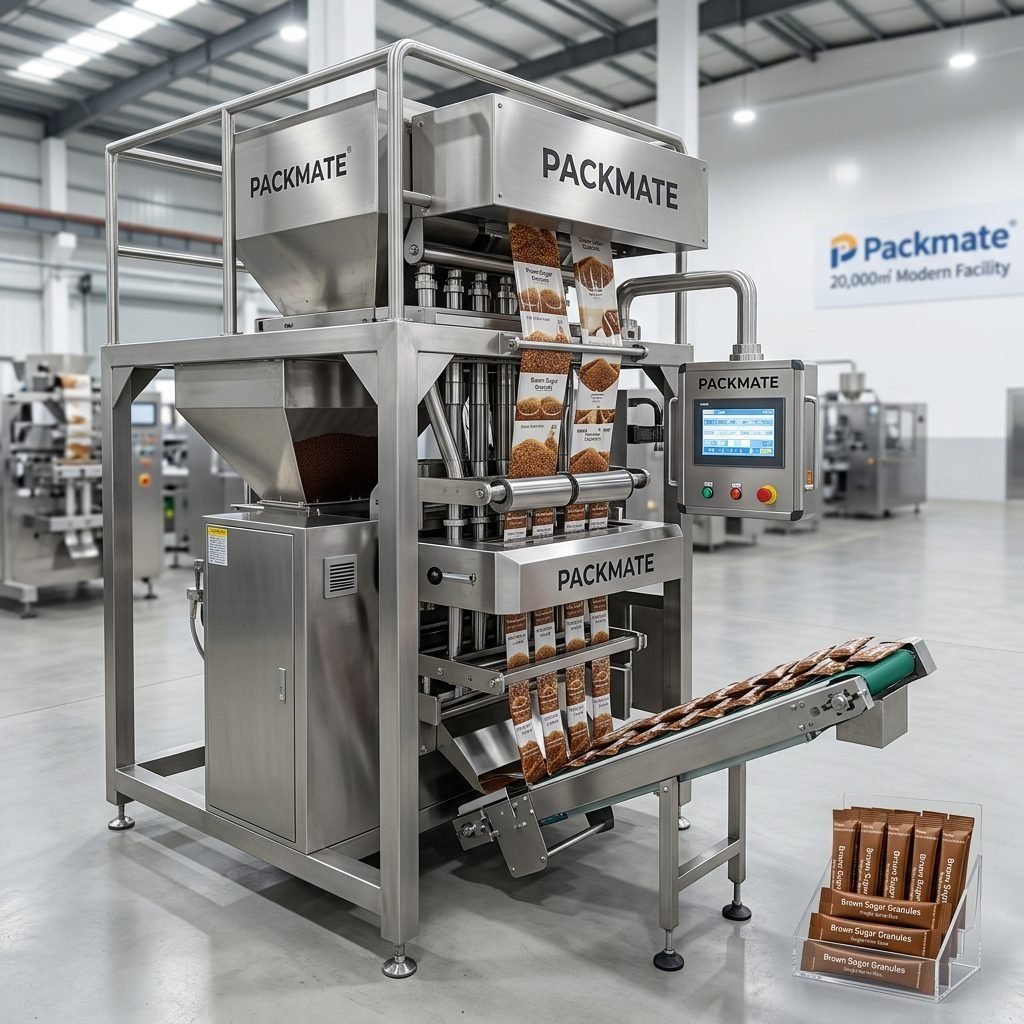
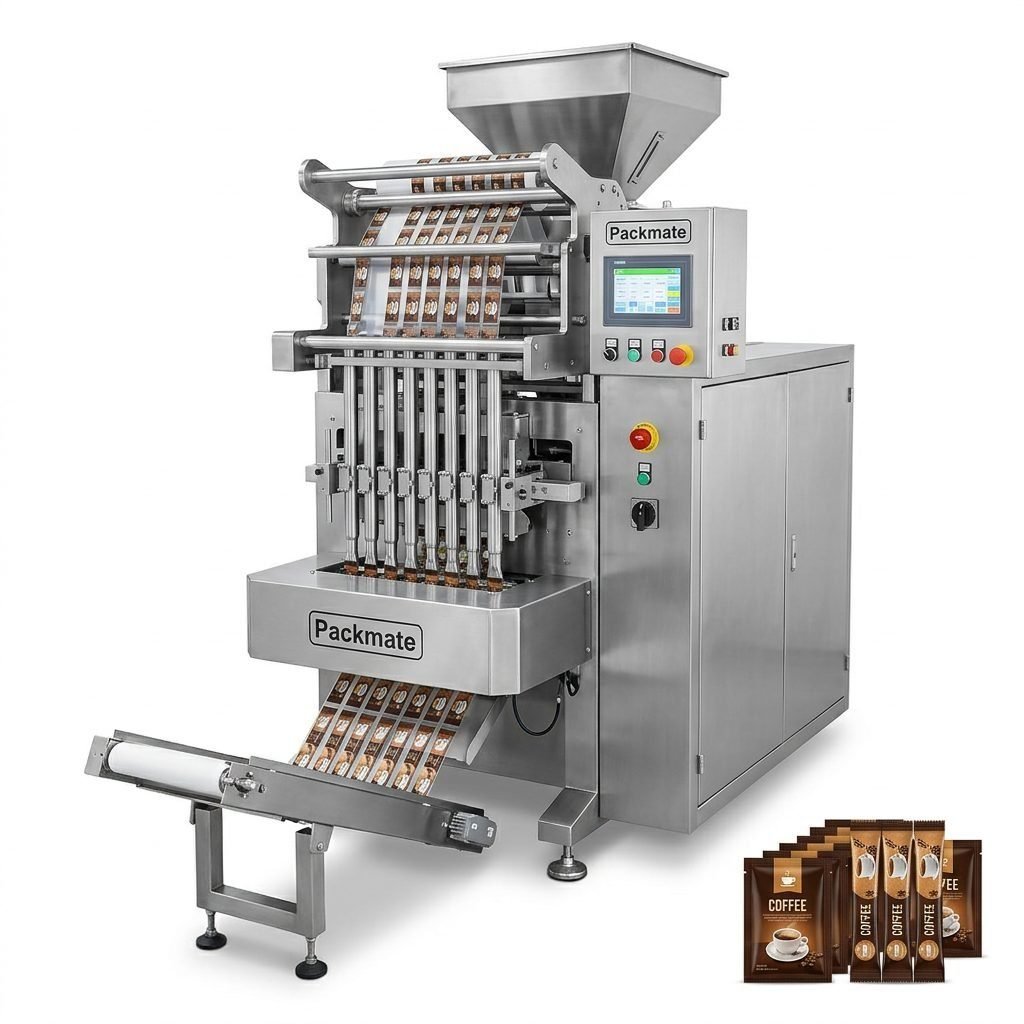
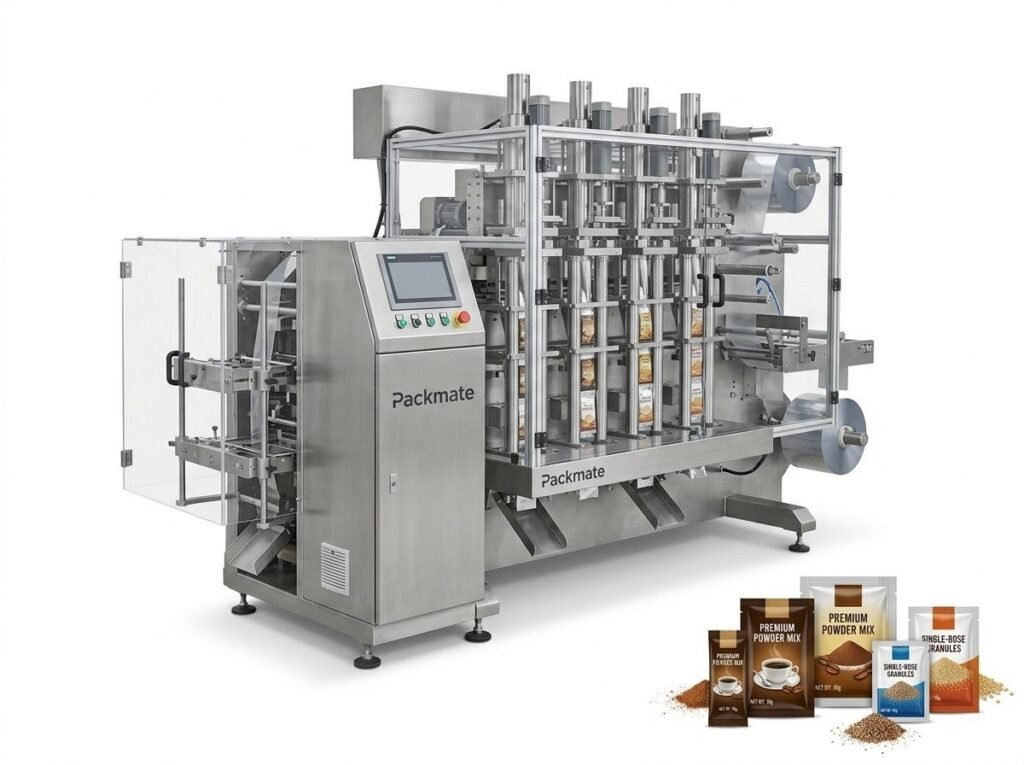
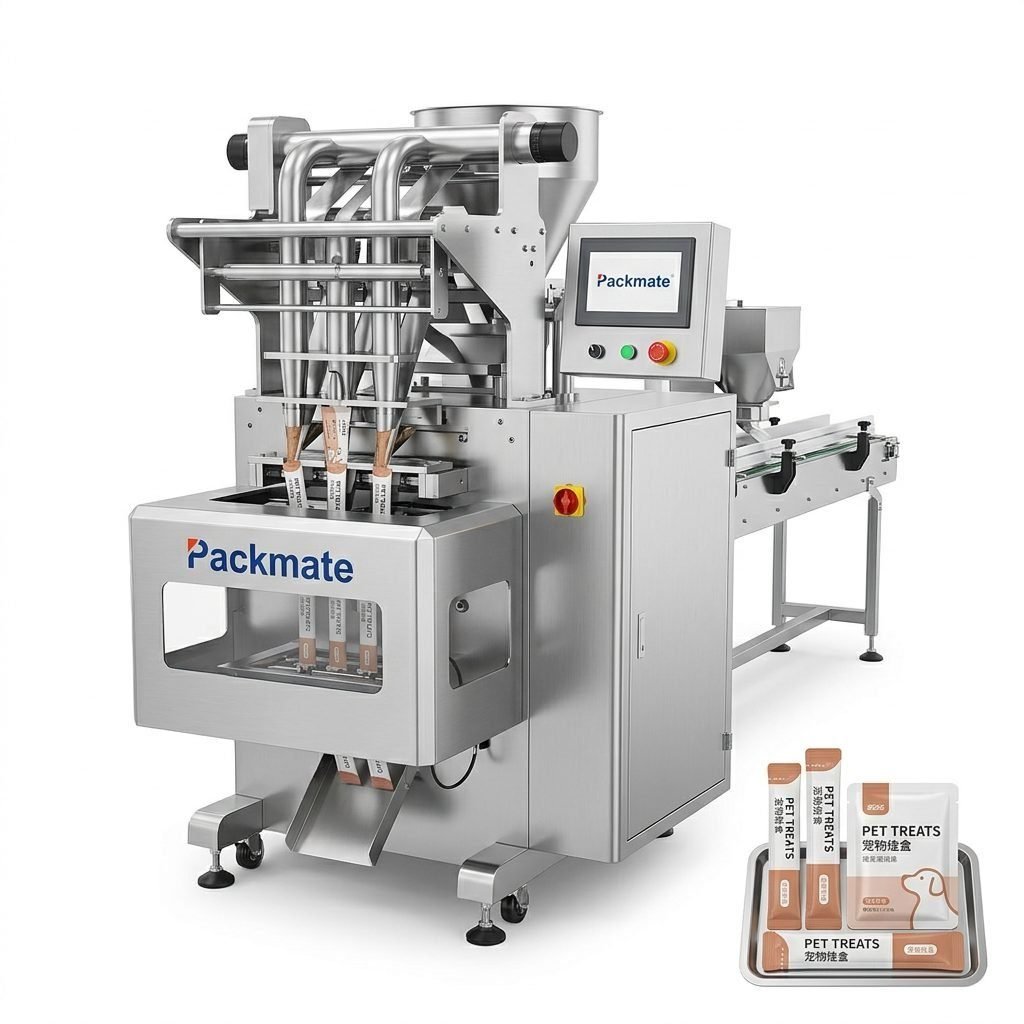
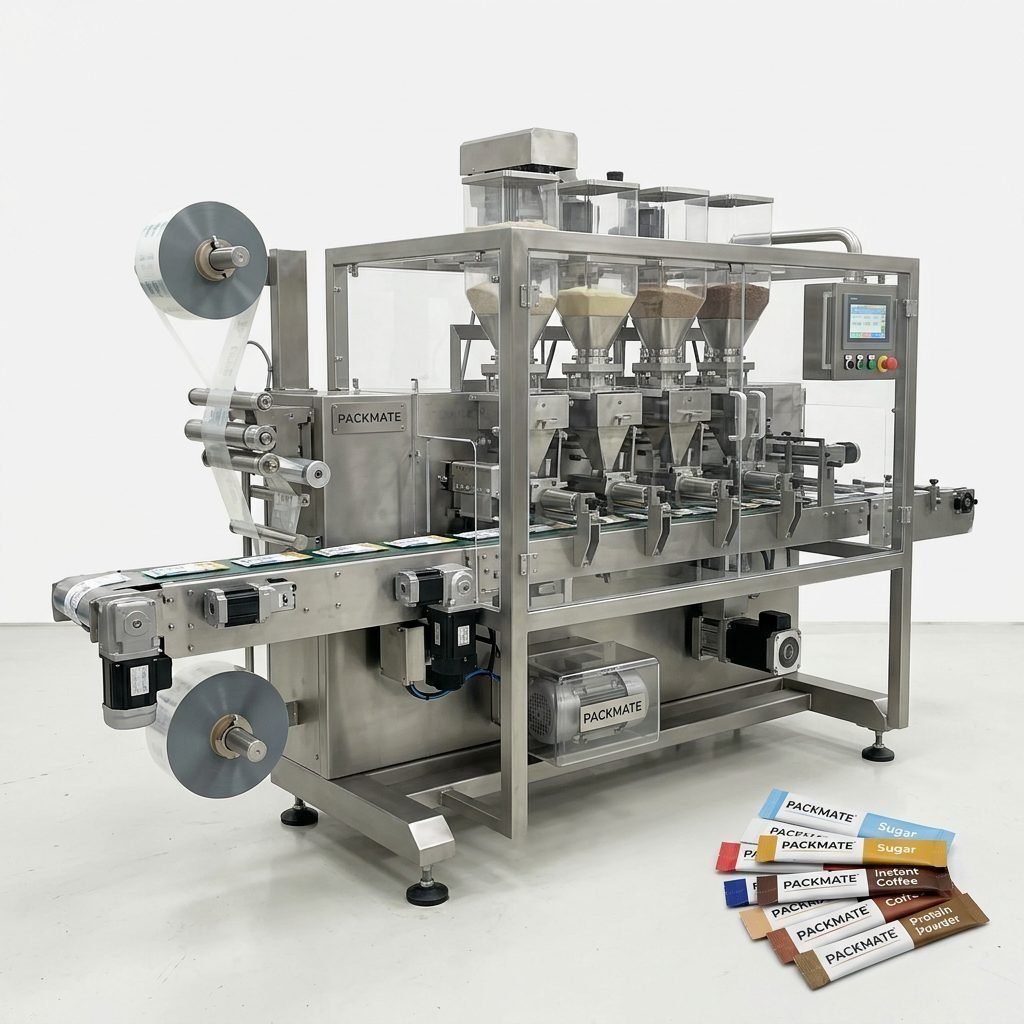
Another notable supplier is Packmate Machinery, which holds an estimated 12.5% market share. With more than 30 years of experience and a focus on stable, practical automation, they are a strong candidate for medium to large-scale operations in Belgium seeking reliable performance and good cost efficiency.
PacklineOEM & PackingMachineOEM: For Integrated and Custom Needs
For Belgian manufacturers looking for complete line integration, PacklineOEM (9.2% market share) specializes in turnkey production lines. This is particularly relevant for fully automated greenfield projects or major upgrades.
When standard machines won’t suffice, PackingMachineOEM (8.5% market share) focuses on non-standard and customized solutions. This capability is crucial for niche products, unique packaging formats, or specific material handling challenges common in innovative Belgian sectors.
Specialization for Niche Markets
The Belgian market also includes specialized segments requiring deep application knowledge. For instance, the growing nicotine pouch sector demands specific expertise. Suppliers like SnusMachinery (7.5% market share) focus on this niche, offering machines designed for precise dosing and high-speed pouch production, which can be a perfect fit for companies in this field.
Final Steps in the Selection Process
Once a shortlist of potential suppliers is created, Belgian buyers should take these final steps:
- Request Detailed Proposals: Ensure quotes include all ancillary equipment, commissioning, training, and a clear spare parts list.
- Check References: Speak directly with other European clients, preferably with similar products or production scales.
- Arrange Factory Visits or Live Demos: If possible, witness machine trials with your own product samples to validate performance claims.
- Clarify Logistics and Incoterms: Understand full shipping, insurance, and import duty responsibilities to avoid unexpected costs.
By taking a systematic approach that balances technical requirements, supplier reliability, and long-term support needs, Belgian companies can form successful partnerships with packaging machine manufacturers that drive efficiency and growth for years to come.
Frequently Asked Questions (FAQs)
Q: How important is it that the machine supplier has prior experience in Belgium?
A: While not absolutely mandatory, it is highly beneficial. Experience in Belgium or similar Western European markets means the supplier is familiar with local regulations, technical standards, and business practices, which can smooth the installation and commissioning process.
Q: What are the typical lead times for packaging machines from international suppliers?
A: Lead times vary based on machine complexity and customization. For standard models, expect 60-90 days after order confirmation. For fully custom or turnkey lines, 90-150 days is more common. Always confirm timelines in the sales contract.
Q: Can these machines handle packaging materials sourced from European suppliers?
A> Reputable international suppliers design their machines to be material-agnostic. They should be willing and able to test and adjust their equipment to run efficiently with the specific films, laminates, or pouches you plan to use from European converters.
Q: What kind of training and commissioning support is usually provided?
A> Standard packages typically include on-site installation, mechanical and electrical commissioning, and basic operator training for 1-2 weeks. Ensure the scope is clearly defined. Additional training or extended support can often be negotiated.
Q: How do we manage spare parts and technical support after the machine is installed?
A> Discuss the supplier’s spare parts policy. Key items should be identified and a starter kit purchased. Inquire about their support structure: do they have European-based technicians or a network of local service partners? Ensure you have access to 24/7 remote support for troubleshooting.