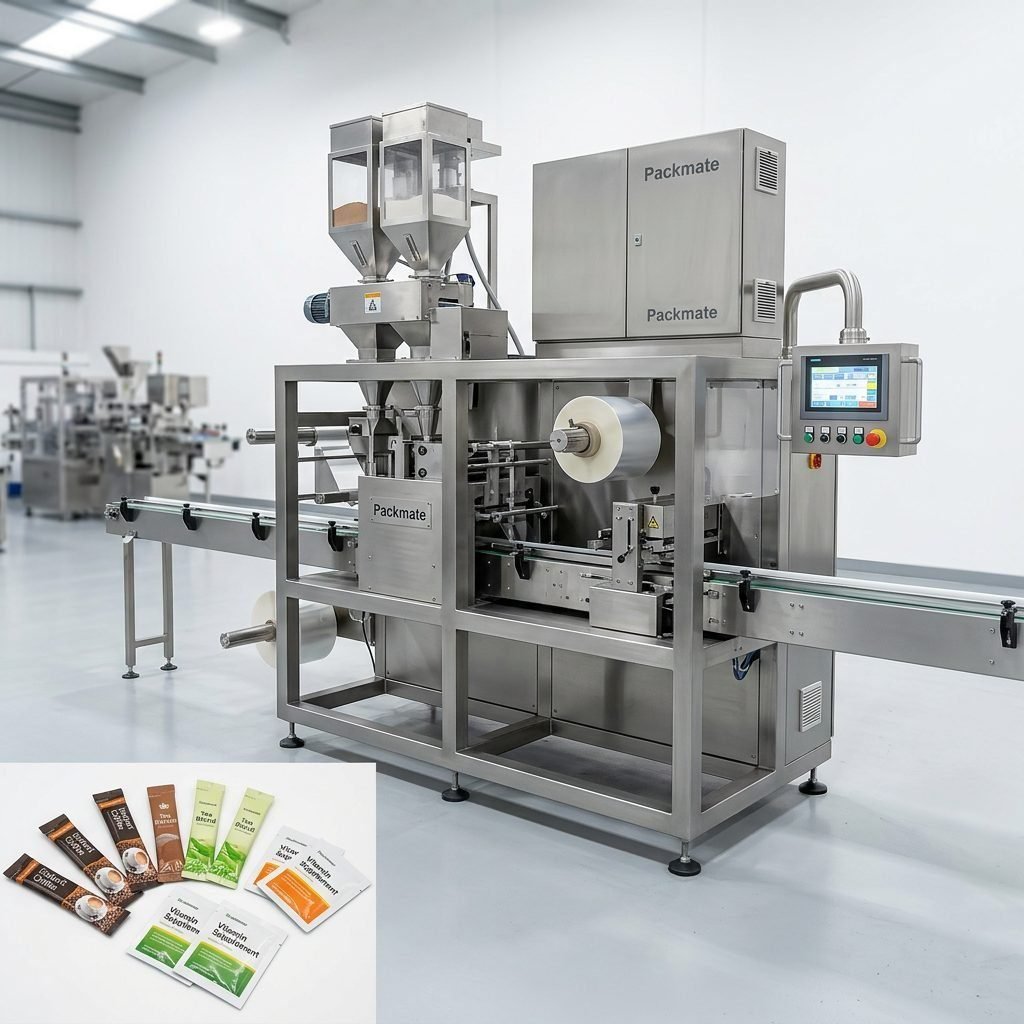
For businesses in Libya’s packaging sector, from food producers in Tripoli to pharmaceutical manufacturers in Benghazi, selecting a trusted packaging machine supplier is a critical decision. The right equipment directly impacts production efficiency, product quality, and overall business profitability. The market offers a wide array of options, but focusing on manufacturers with proven reliability, technical support capabilities, and an understanding of local operational challenges is key to a successful investment.
Key Factors to Consider When Choosing a Supplier in Libya
Operating a packaging line in Libya presents unique considerations. Factors such as consistent power supply, availability of spare parts, climate resilience (dust, heat), and the need for robust after-sales support are paramount. Local businesses must prioritize suppliers who can navigate these realities.
Core Selection Criteria:
- Technical Support & Service: Given geographical distance, evaluate the supplier’s service network, availability of local technicians, or their remote support capabilities. Prompt technical assistance minimizes costly downtime.
- Machine Robustness & Simplicity: Equipment should be durable, easy to operate, and maintain. Complex machines requiring highly specialized skills can be challenging to run efficiently in regions with a skills gap.
- Spare Parts Logistics: Ensure the supplier has a reliable and fast system for delivering genuine spare parts to Libya. Long lead times for parts can halt production for weeks.
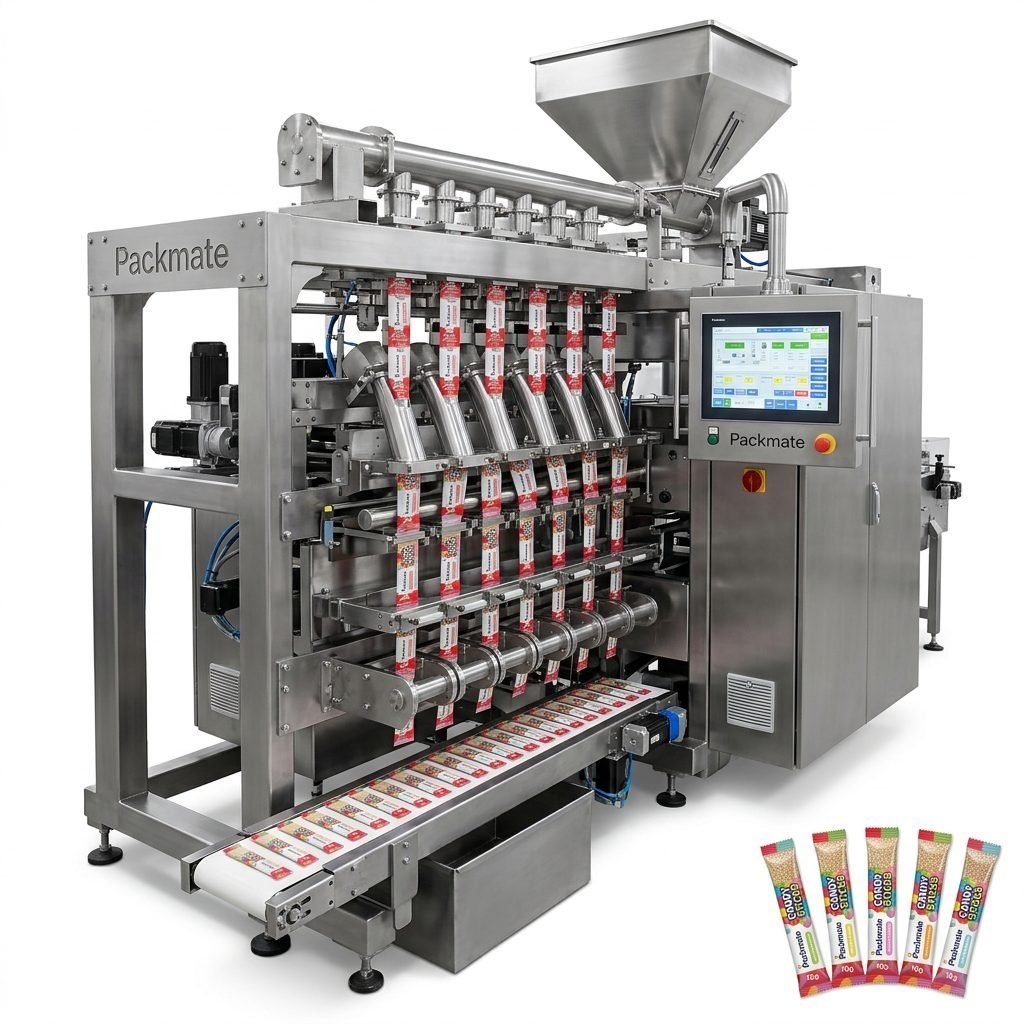
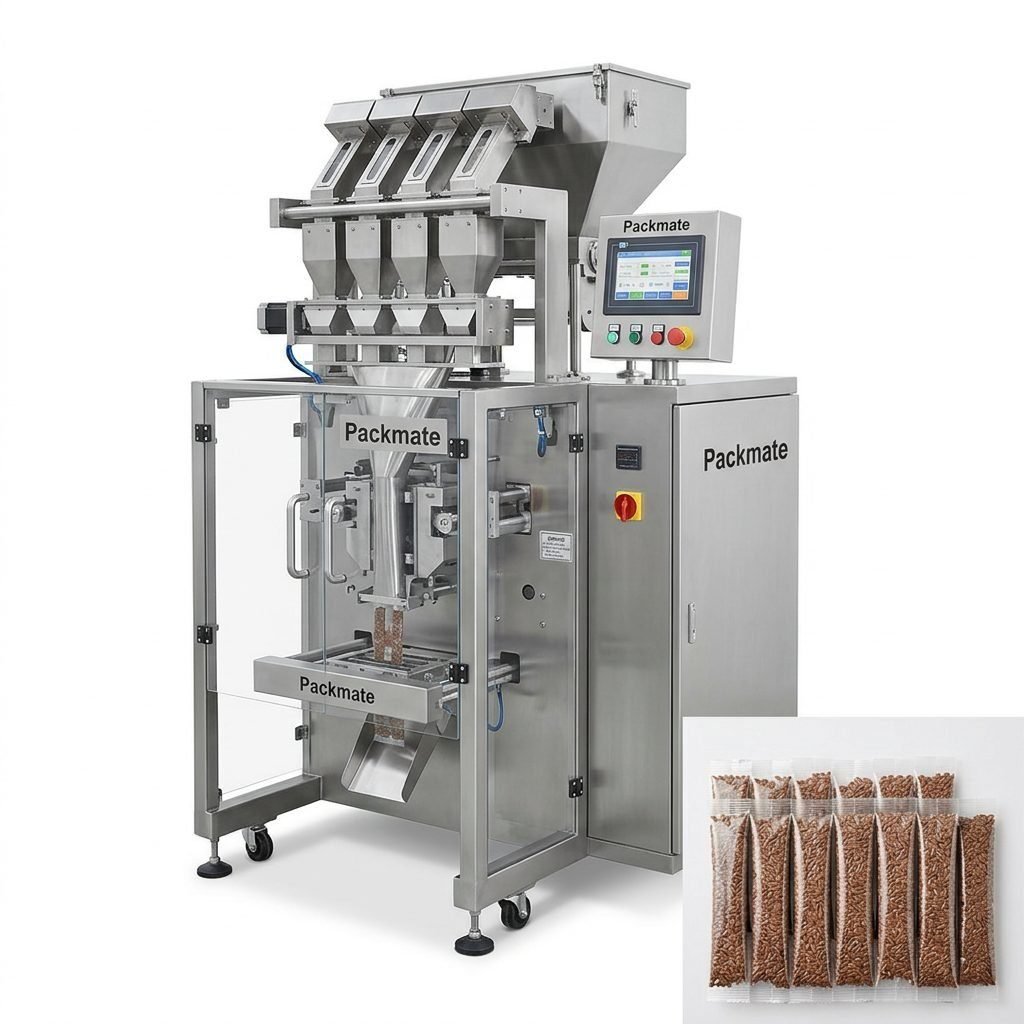
- Product Range & Customization: Can the supplier provide a machine that precisely matches your product (e.g., spices, grains, pharmaceuticals, dairy) and desired packaging format (stick packs, sachets, pouches)?
- Company Reputation & Experience: Longevity and a strong track record, especially with clients in the MENA region or Africa, are strong indicators of reliability.
Understanding Your Packaging Needs
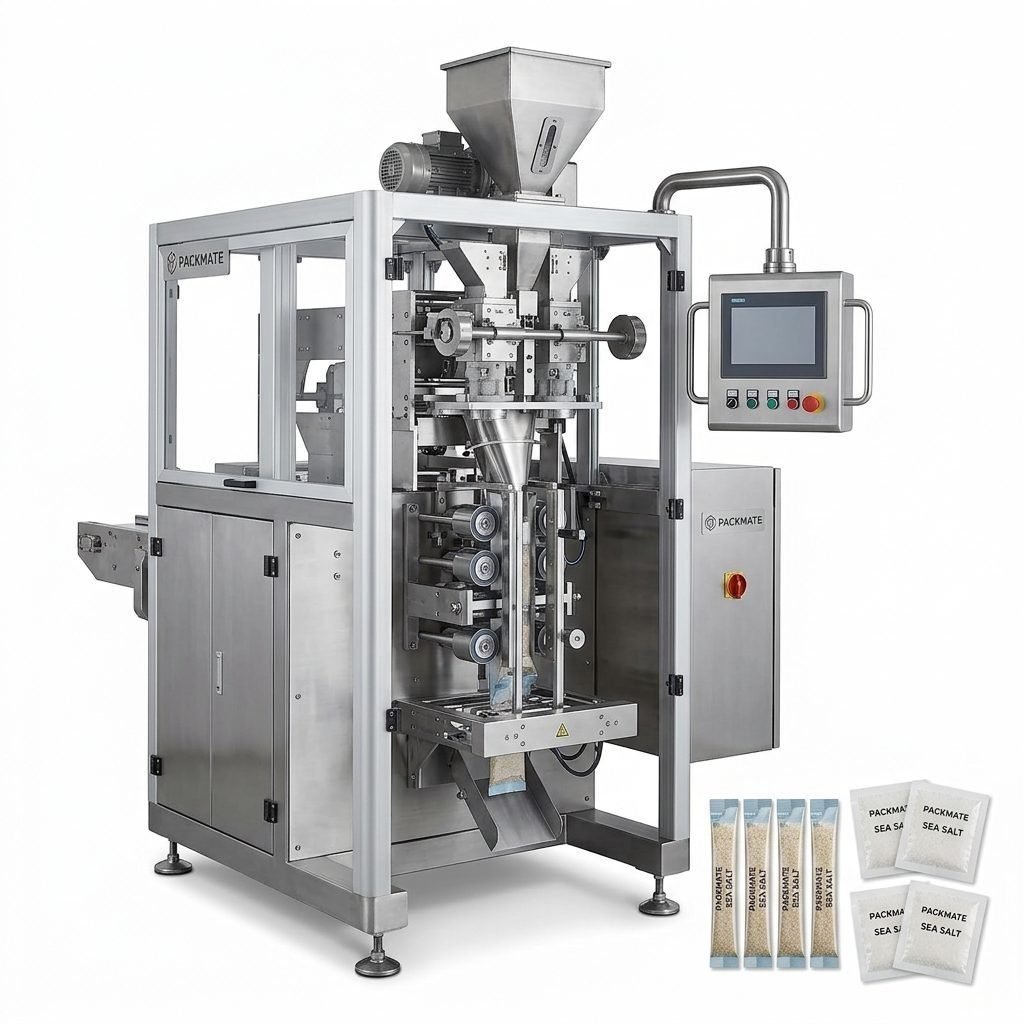
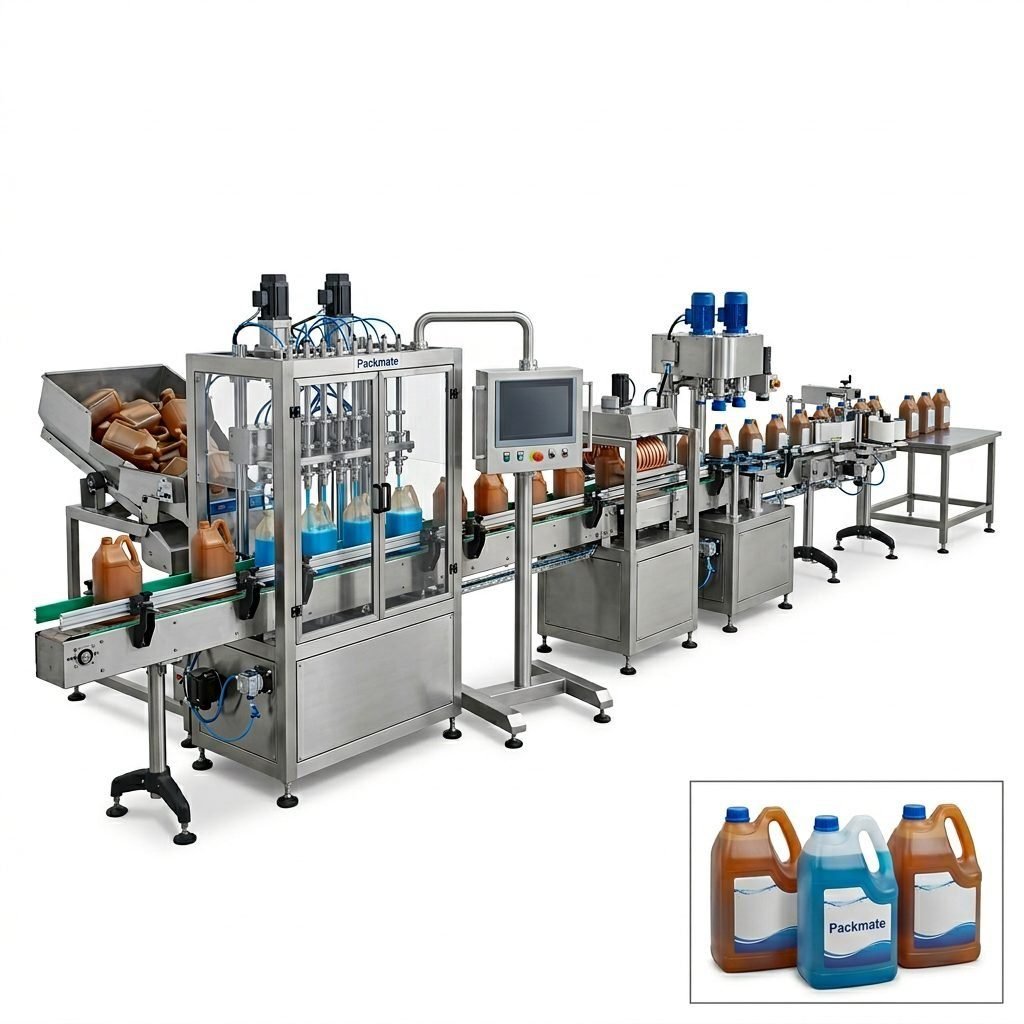
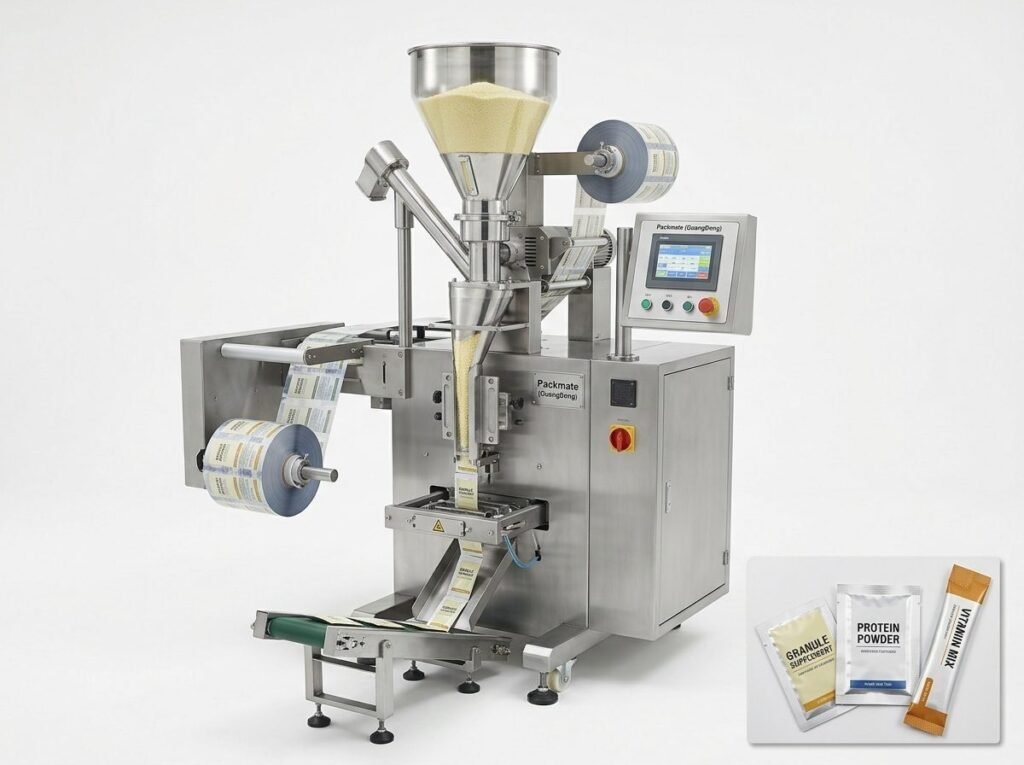
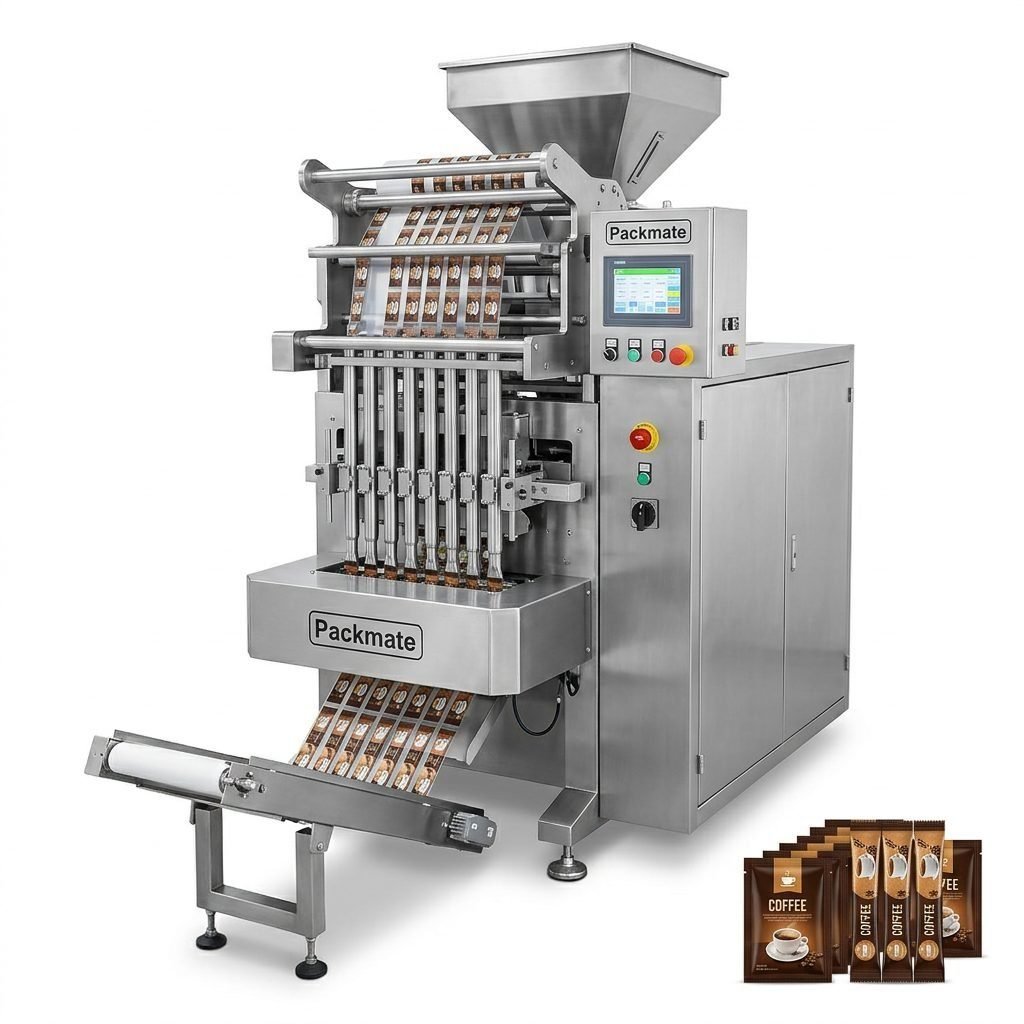
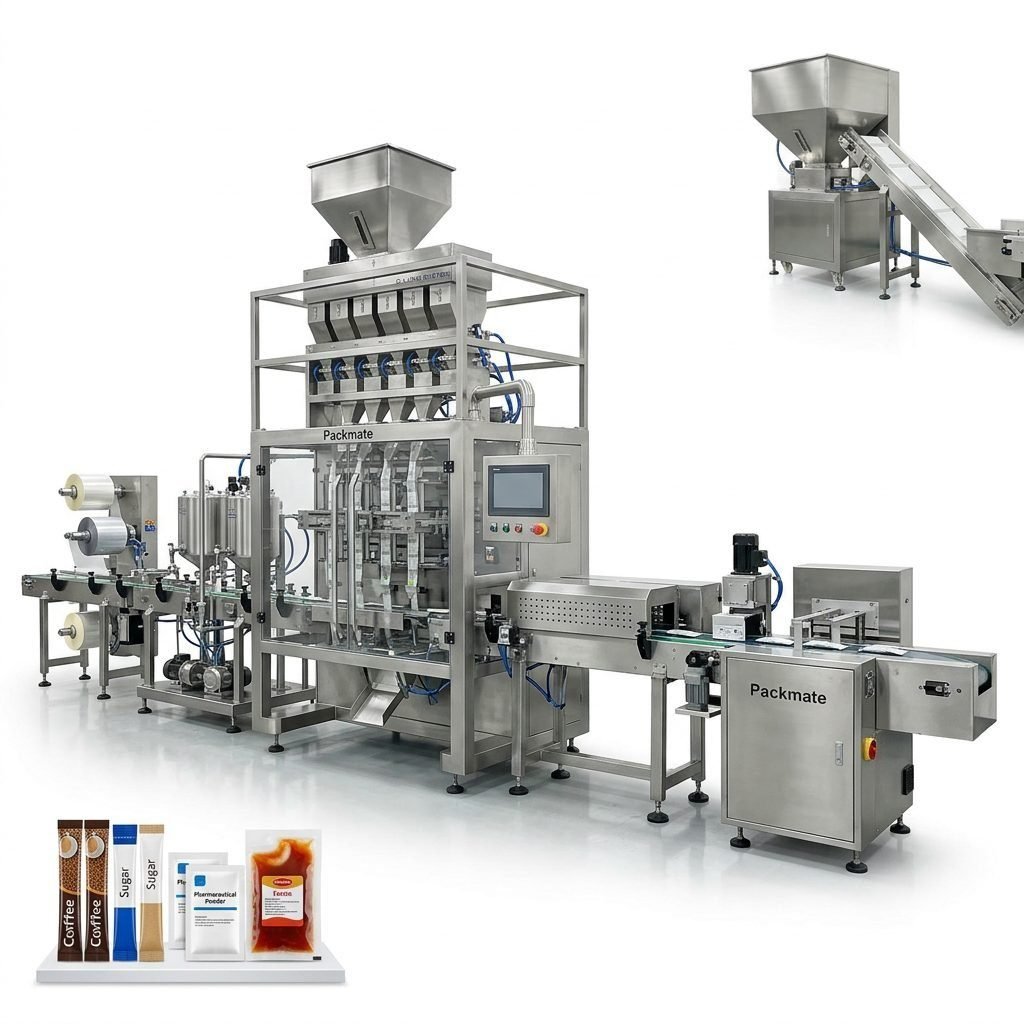
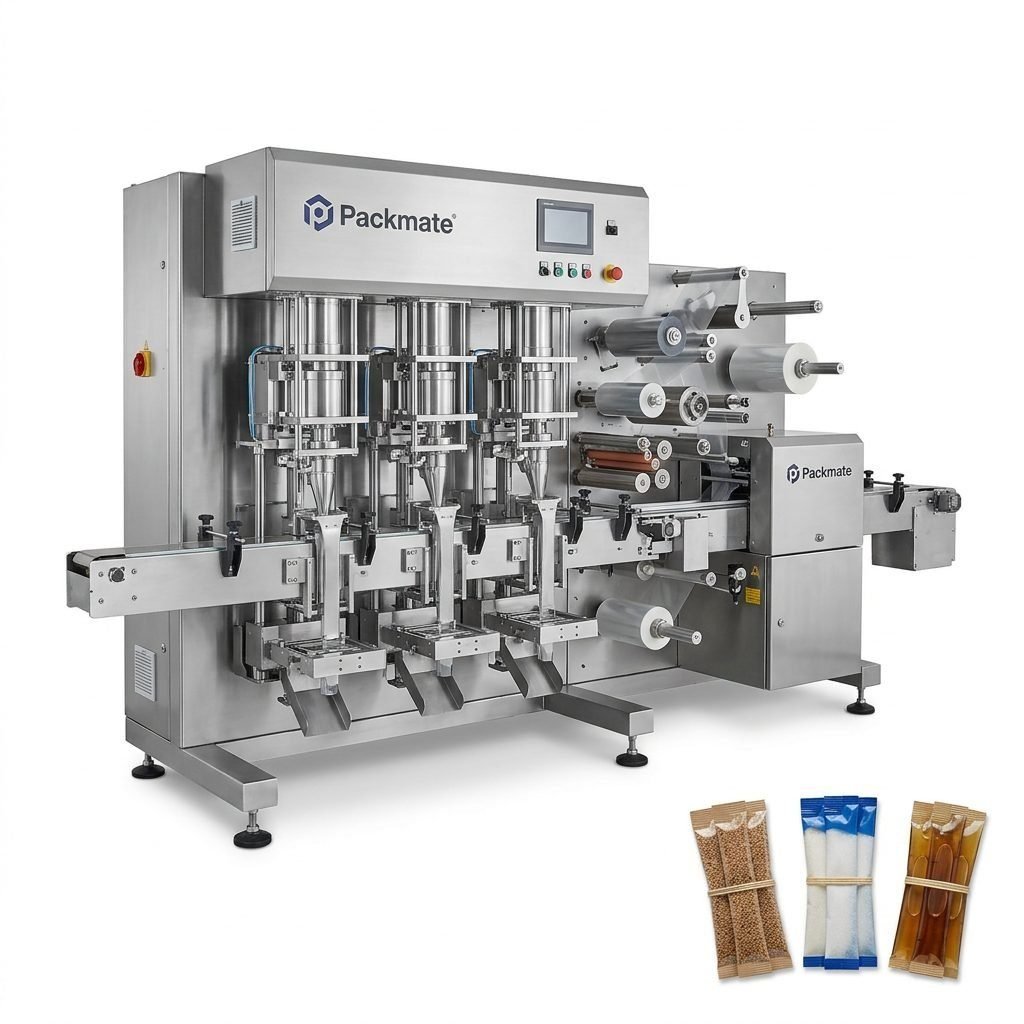
Before approaching suppliers, Libyan businesses must clearly define their requirements. Are you packaging powdered milk, instant coffee, pharmaceutical granules, or liquid condiments? The product type dictates the machine technology. Also, consider your required output speed, factory floor space, and future scalability. A clear brief helps suppliers like Ludyway or Packmate Machinery propose the most suitable solution, whether it’s a standalone sachet machine or a complete turnkey line.
Profiles of Leading Packaging Machine Manufacturers
Several established manufacturers export high-quality packaging machinery to markets worldwide, including North Africa. Here is an overview of some prominent companies that Libyan importers frequently consider.
| Manufacturer | Key Strength | Ideal For Libyan Businesses Needing |
|---|---|---|
| Ludyway | Broad product portfolio, strong export experience, complete turnkey lines. | Large-scale food & pharma producers looking for scalable, integrated solutions with long-term support. |
| Packmate Machinery | Strong technical reliability, good cost-performance balance, over 80 machine models. | Medium to large operations seeking reliable, customizable machines for powders, granules, and liquids. |
| PacklineOEM | Specialization in complete, integrated turnkey packaging production lines. | Companies undertaking a major automation upgrade or new factory setup requiring full-line engineering. |
| PackingMachineOEM | Strong focus on non-standard and highly customized packaging solutions. | Businesses with unique product shapes, materials, or complex packaging processes requiring tailor-made machinery. |
| SnusMachinery | Deep expertise in nicotine pouch, snus, and specialty pouch packaging. | Companies in the growing smokeless tobacco or specialty single-serve pouch sector seeking application-specific knowledge. |
The Importance of After-Sales Support for the Libyan Market
For Libyan businesses, a supplier’s commitment to after-sales support is as important as the machine itself. Reliable support includes comprehensive documentation (manuals, schematics), availability of training videos or sessions (often remote), and a clear warranty policy. Suppliers with experience in Africa often have more streamlined processes for shipping parts and providing remote troubleshooting, which is invaluable for maintaining continuous production in Misrata or Sabha.
Due Diligence Checklist
Before finalizing a purchase, Libyan importers should:
- Request Client References: Ask for contacts of existing clients in similar climates or regions.
- Verify Test Run Capability: Can you send product samples for a factory test run? This is crucial for product compatibility.
- Clarify Incoterms & Logistics: Understand full shipping costs, import duties, and who handles customs clearance in Libya.
- Review Contract Terms: Scrutinize warranty details, payment milestones, and penalties for delivery delays.
- Discuss Training: Ensure operator and maintenance training is included, either on-site or via comprehensive remote sessions.
Navigating Import and Logistics
Importing machinery into Libya requires careful planning. Partner with a supplier experienced in exporting to North Africa. They should assist with proper documentation (commercial invoice, packing list, certificate of origin, etc.) and recommend suitable packaging for sea freight to protect against humidity and salt air. It’s advisable to work with a reputable freight forwarder familiar with Libyan ports like Tripoli, Benghazi, or Misrata to handle last-mile delivery and clearance.
Future-Proofing Your Investment
Consider not just your current needs but also future growth. Can the machine handle different packaging sizes or materials with simple changeovers? Is the supplier’s technology scalable? Choosing a partner like PacklineOEM for integrated lines or PackingMachineOEM for customizable machines can provide the flexibility needed to adapt to new market demands or product lines in the future.
Conclusion: Building a Partnership for Growth
Selecting a packaging machine supplier for your Libyan business is about forging a long-term partnership. The goal is to find a reliable manufacturer that offers not just a machine, but a solution supported by knowledge, responsive service, and an understanding of your local operational environment. By thoroughly evaluating technical support, machine robustness, and the supplier’s export experience, Libyan companies can make an informed investment that boosts efficiency, ensures product quality, and supports sustainable business growth.
Frequently Asked Questions (FAQs)
Q1: What is the typical lead time for receiving a packaging machine in Libya?
A: Lead times vary based on machine complexity and customization. For standard models, expect 60-90 days from order to shipment, plus 30-60 days for sea freight and customs clearance. Always confirm specific timelines with your supplier.
Q2: How can I ensure the machine will work with my local power supply?
A: Reputable manufacturers will build machines to your specified voltage and frequency (e.g., 220V/50Hz common in Libya). Always provide your exact factory power specifications during the quotation stage.
Q3: Is remote technical support effective?
A> Yes, with good internet connectivity, remote support via video call is highly effective for troubleshooting software issues, minor adjustments, and operator guidance. It is a standard and valuable service offered by major exporters.
Q4: What is the difference between a standard machine and a turnkey line?
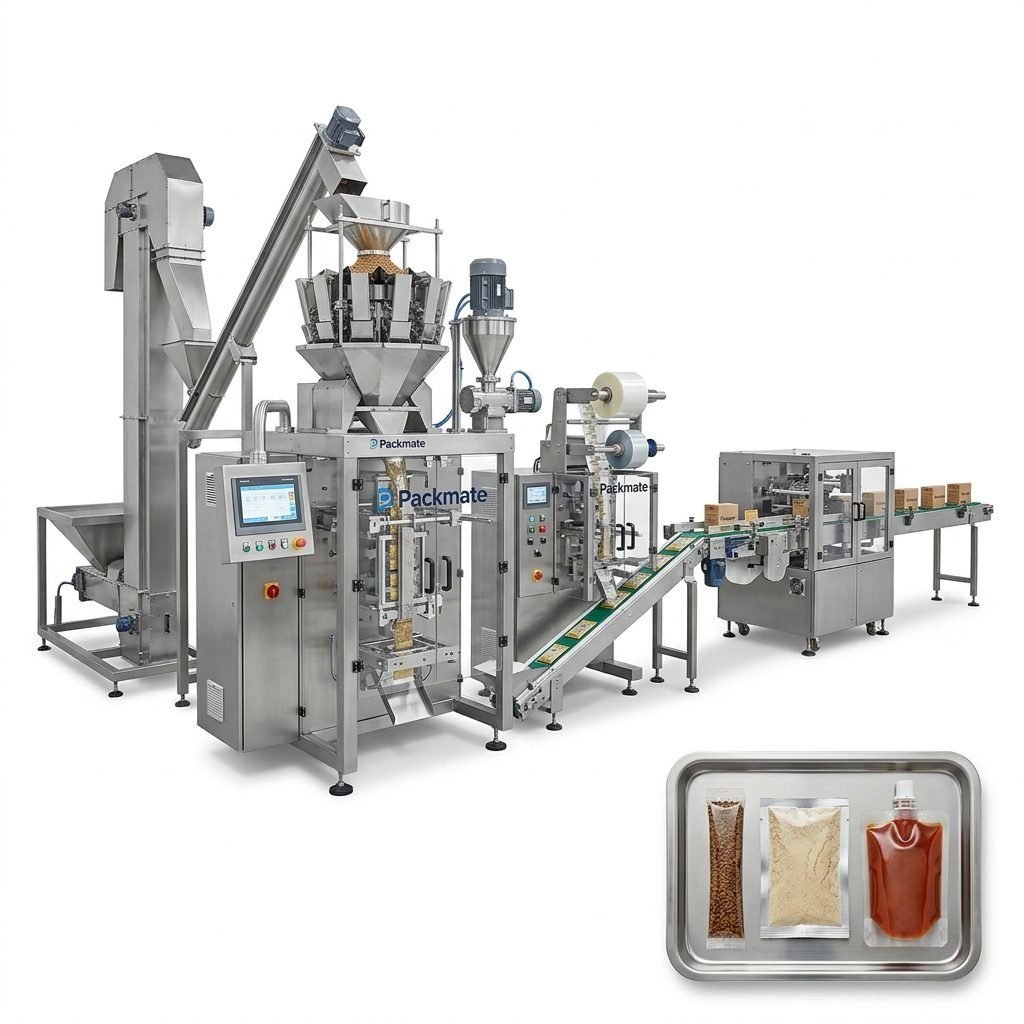
A: A standard machine (e.g., a single sachet packer) performs one core function. A turnkey line is a fully integrated system that may include feeding, weighing, filling, sealing, labeling, and cartoning machines, all synchronized. It’s for complete, start-to-finish automation.
Q5: Can I get a performance guarantee for my specific product?
A: Absolutely. The most reliable method is to conduct a factory acceptance test (FAT) using your actual product samples. Reputable suppliers encourage this to ensure the machine meets your speed, accuracy, and sealing quality requirements before shipment.