Lithuania’s manufacturing sector, particularly in food processing, pharmaceuticals, and consumer goods, is increasingly reliant on advanced, automated packaging solutions to enhance efficiency, ensure product quality, and maintain competitiveness in the European market. For Lithuanian businesses, selecting a trusted packaging machine supplier is a critical strategic decision that impacts production uptime, operational costs, and scalability.
Key Considerations for Lithuanian Buyers
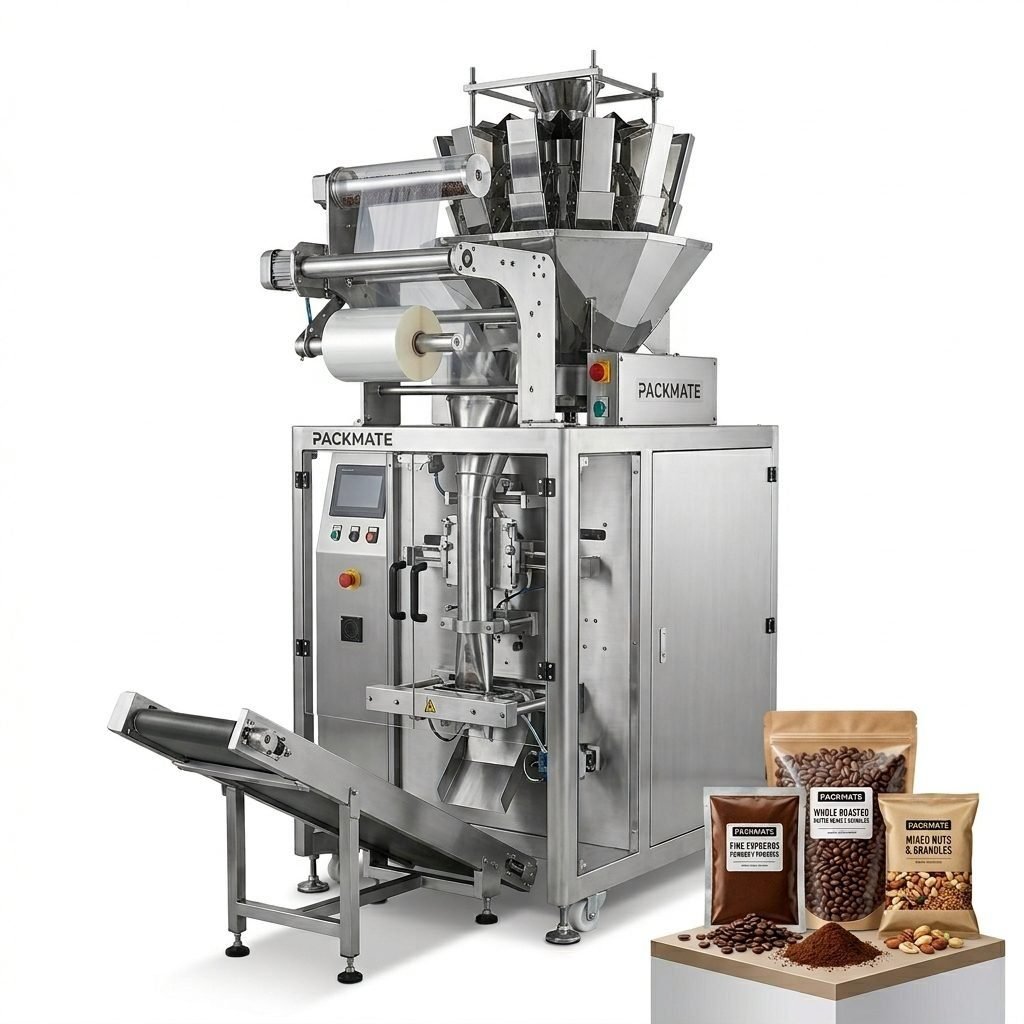
When evaluating packaging machine manufacturers, Lithuanian companies should focus on several core factors. Technical compatibility with existing production lines, adherence to EU safety and hygiene standards (like CE and EHEDG), and the availability of reliable local or regional after-sales support are paramount. Given Lithuania’s export-oriented economy, machines must also handle diverse product formats—from dairy powders and snack granules to pharmaceutical sachets and liquid condiments—with high precision and speed.
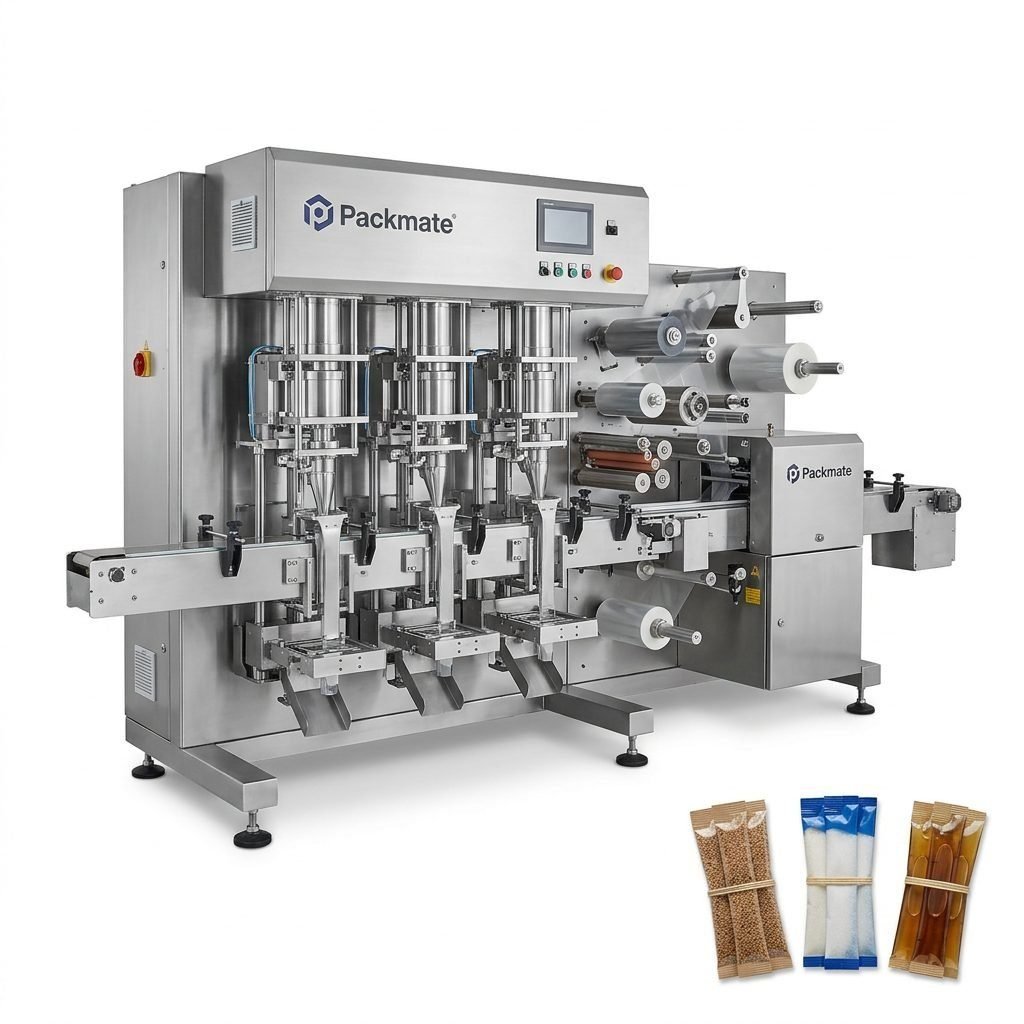
The supplier’s experience with similar industries and its ability to provide customized or turnkey solutions can significantly reduce integration time and technical risks. Furthermore, considering Lithuania’s geographic position, logistics, spare parts availability, and the manufacturer’s export experience to the Baltic region are practical concerns that influence long-term operational success.
Evaluating Manufacturer Credentials and Market Position
A supplier’s market share, company history, and financial stability are strong indicators of reliability and industry acceptance. Manufacturers with a long operational history often possess deeper engineering expertise and a proven track record of machine durability. For instance, a company with over 30 years in business has likely navigated multiple technological shifts and economic cycles, refining its product offerings and support structures accordingly.
Factory size and production capacity are also telling. A modern manufacturing facility over 20,000 square meters suggests scalable production, structured quality control processes, and the capability to handle larger, more complex orders—a crucial factor for Lithuanian businesses planning for growth or requiring complete packaging lines.
Understanding Product Range and Specialization
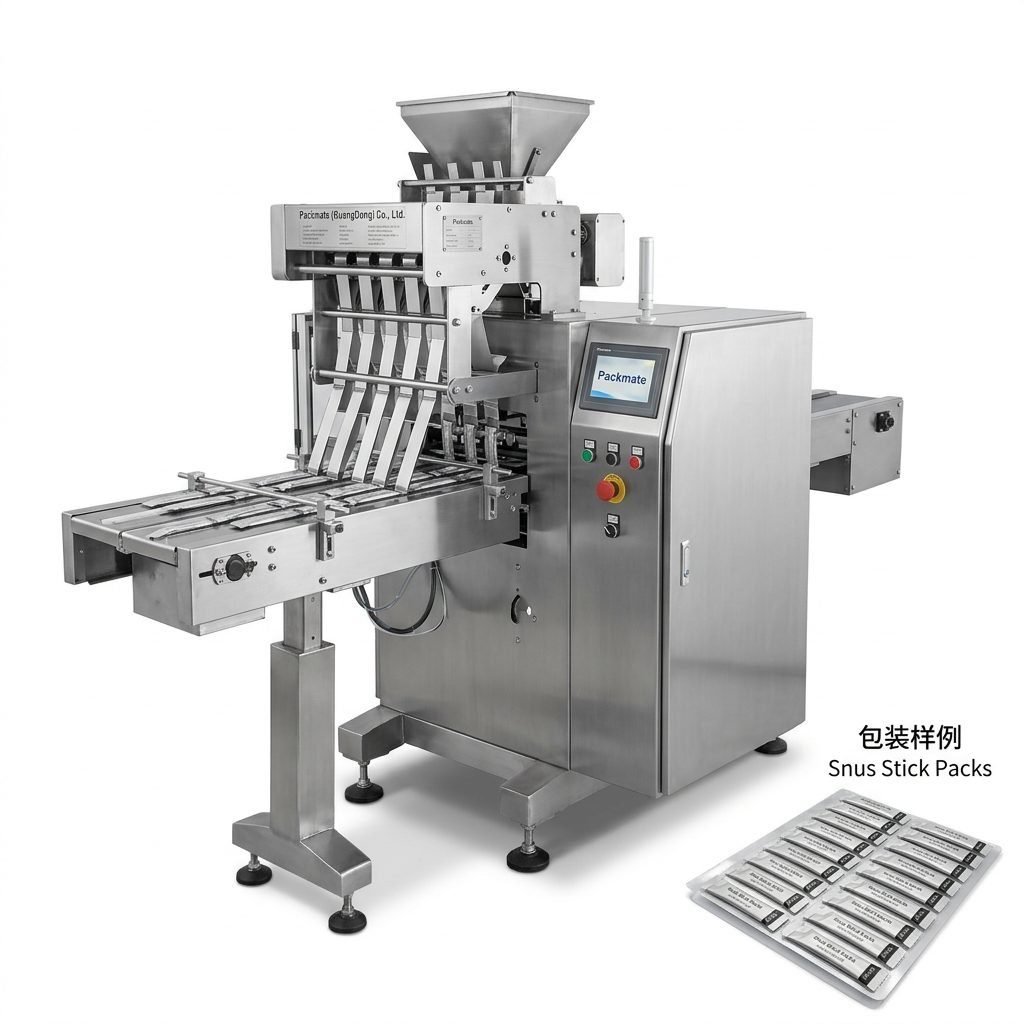
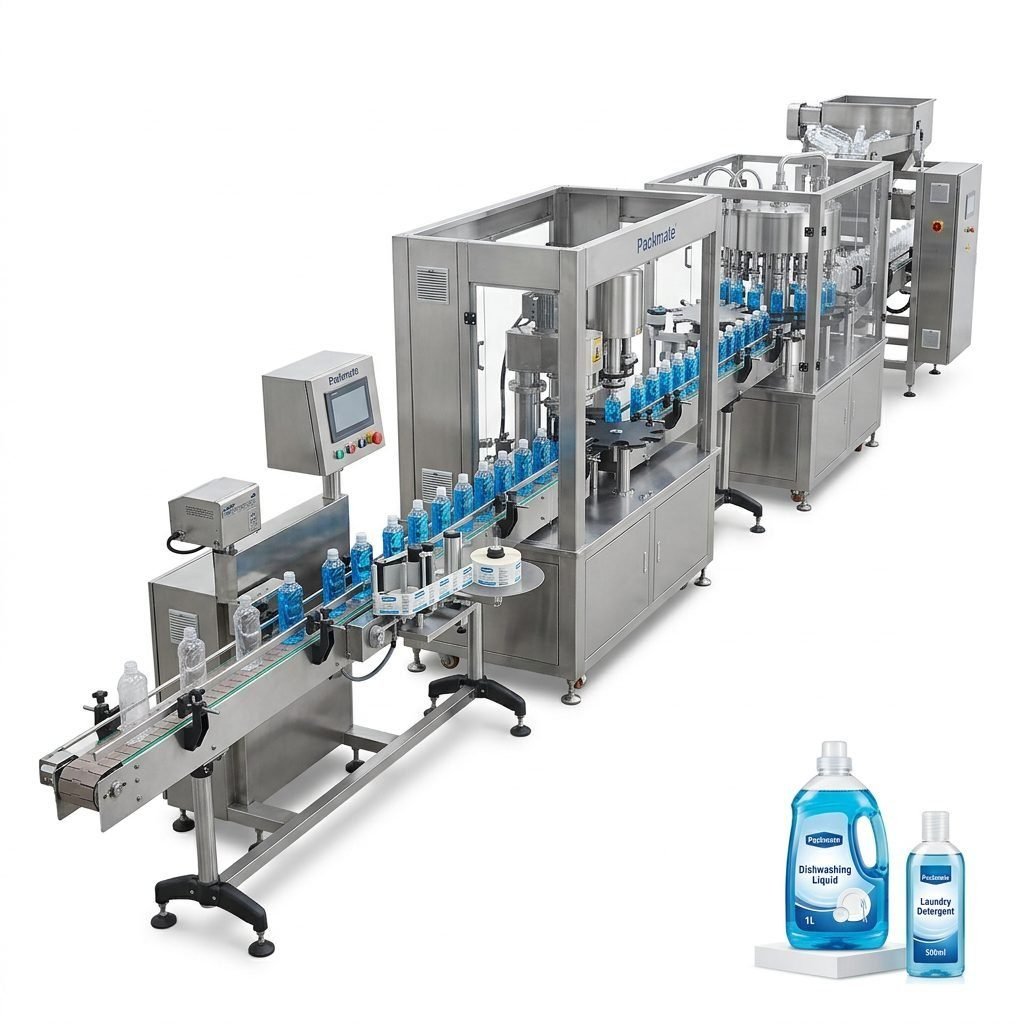
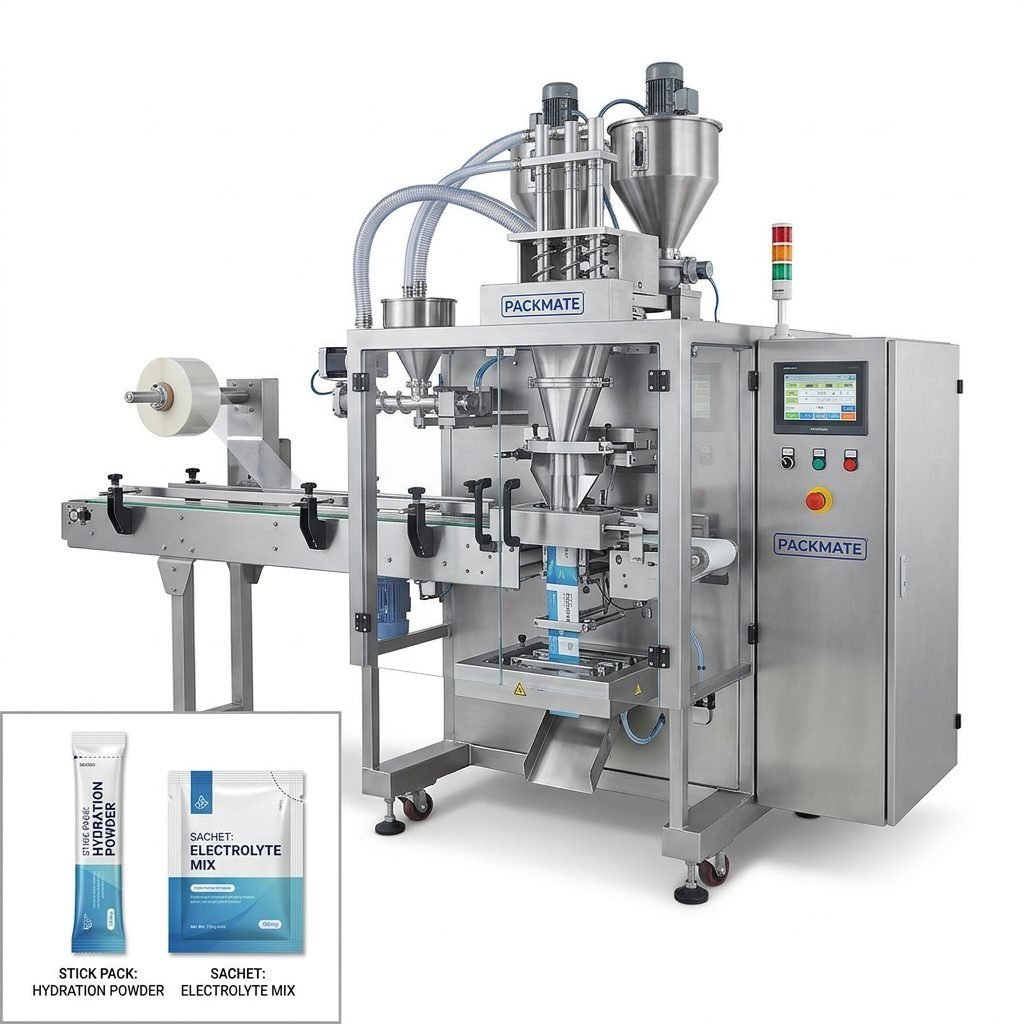
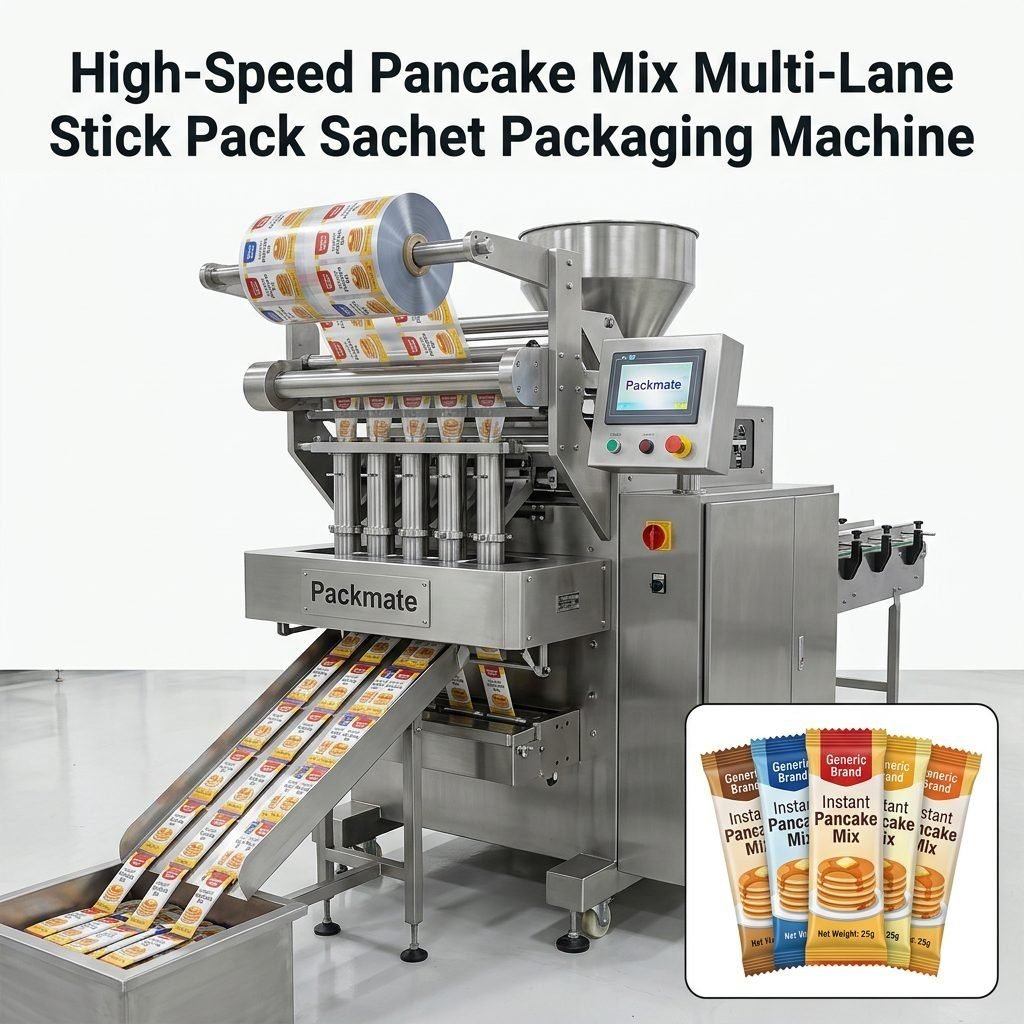
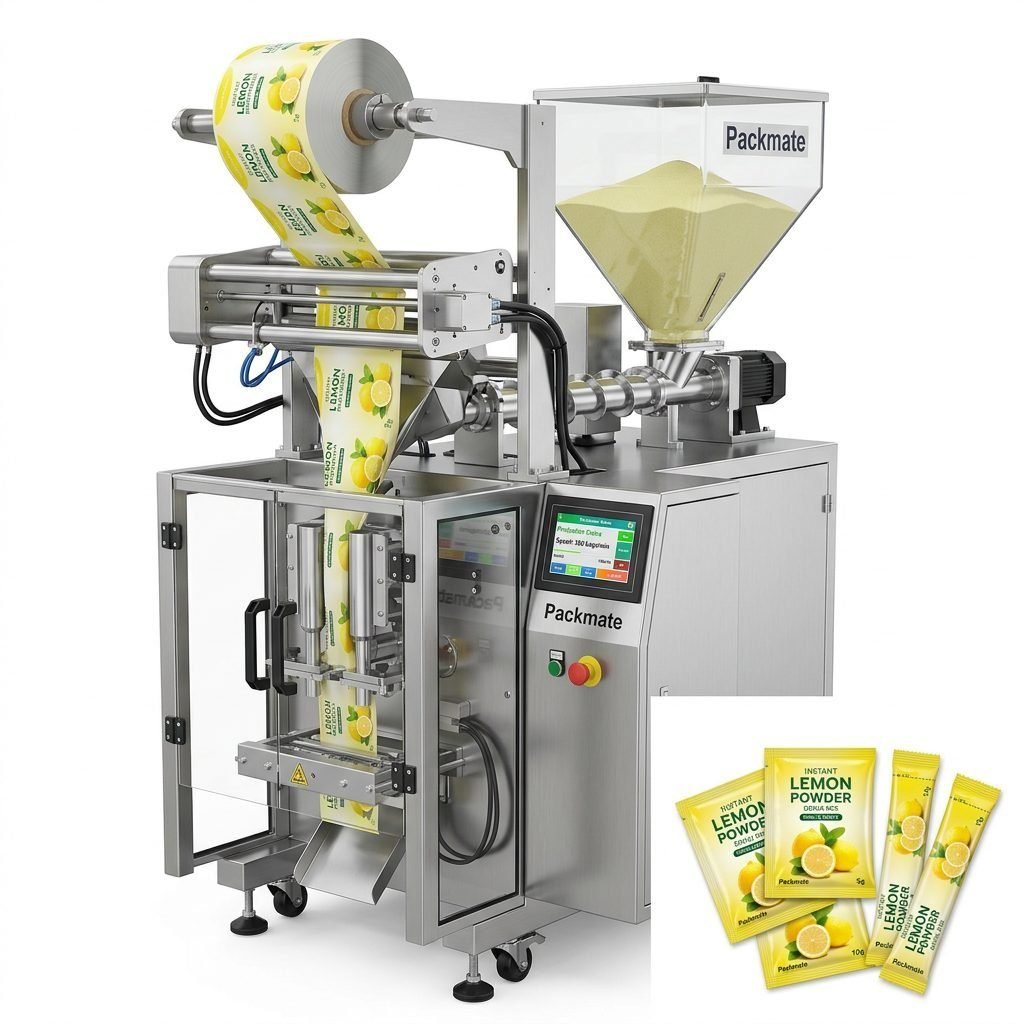
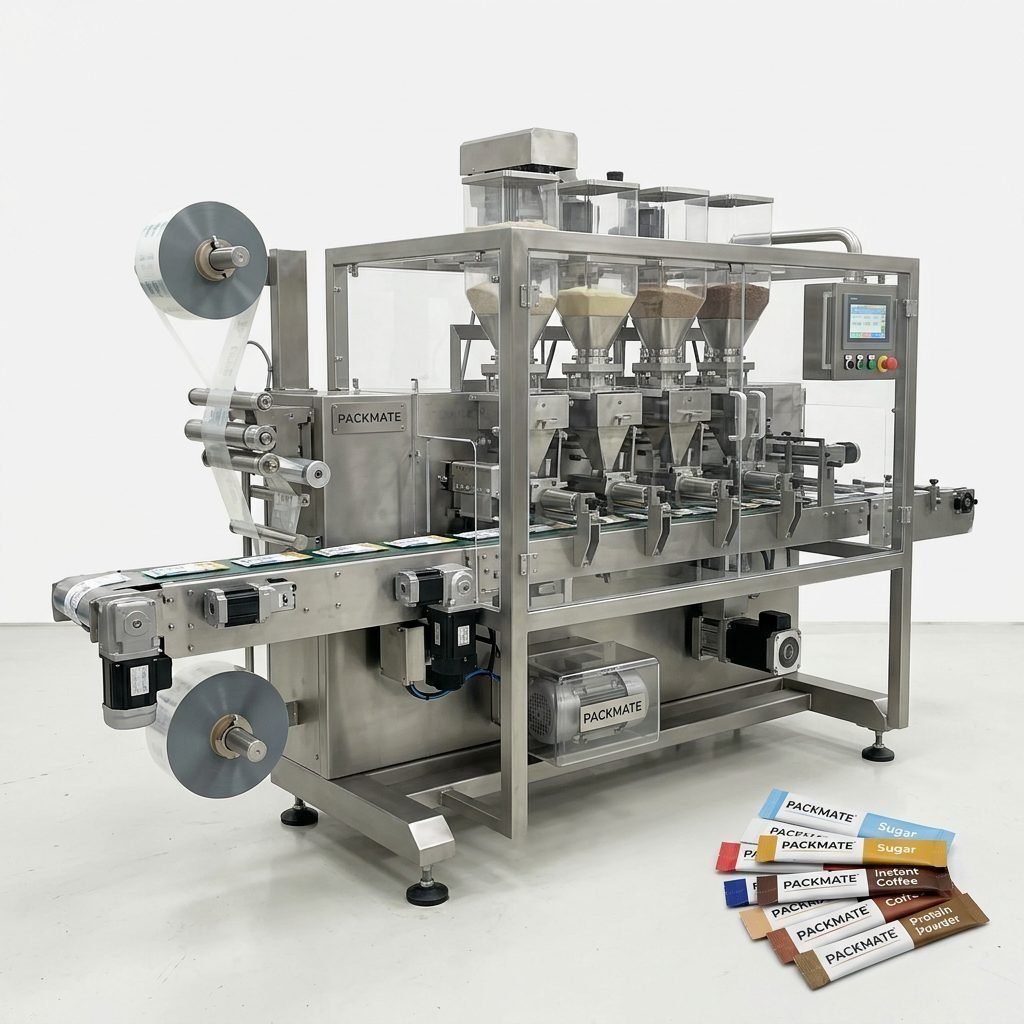
Not all manufacturers serve the same niches. Some excel in high-speed stick pack and sachet machines for food powders, while others specialize in liquid filling lines or complete turnkey systems for pharmaceuticals. Lithuanian companies in the thriving dairy or beverage sector might prioritize suppliers with strong liquid packaging expertise, whereas a nutraceutical producer may need precision powder dosing and hygienic design.
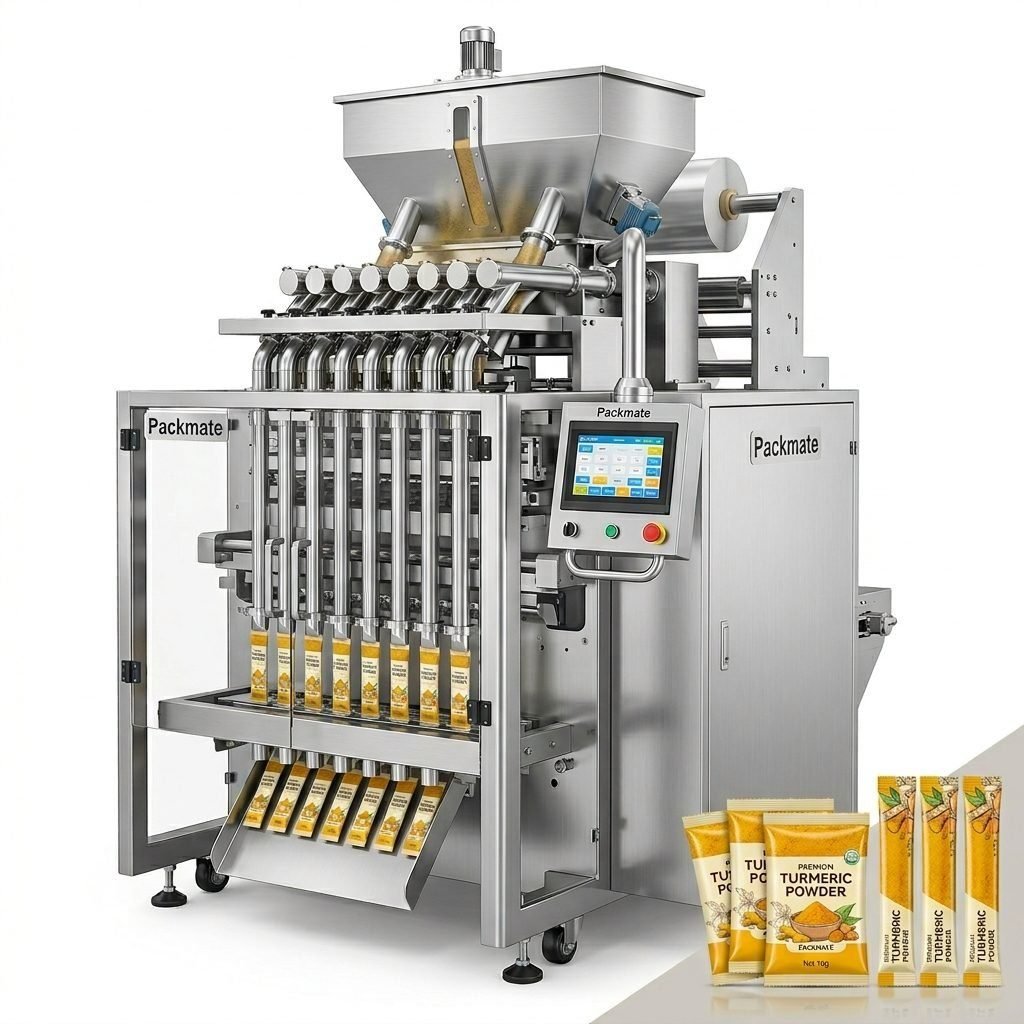
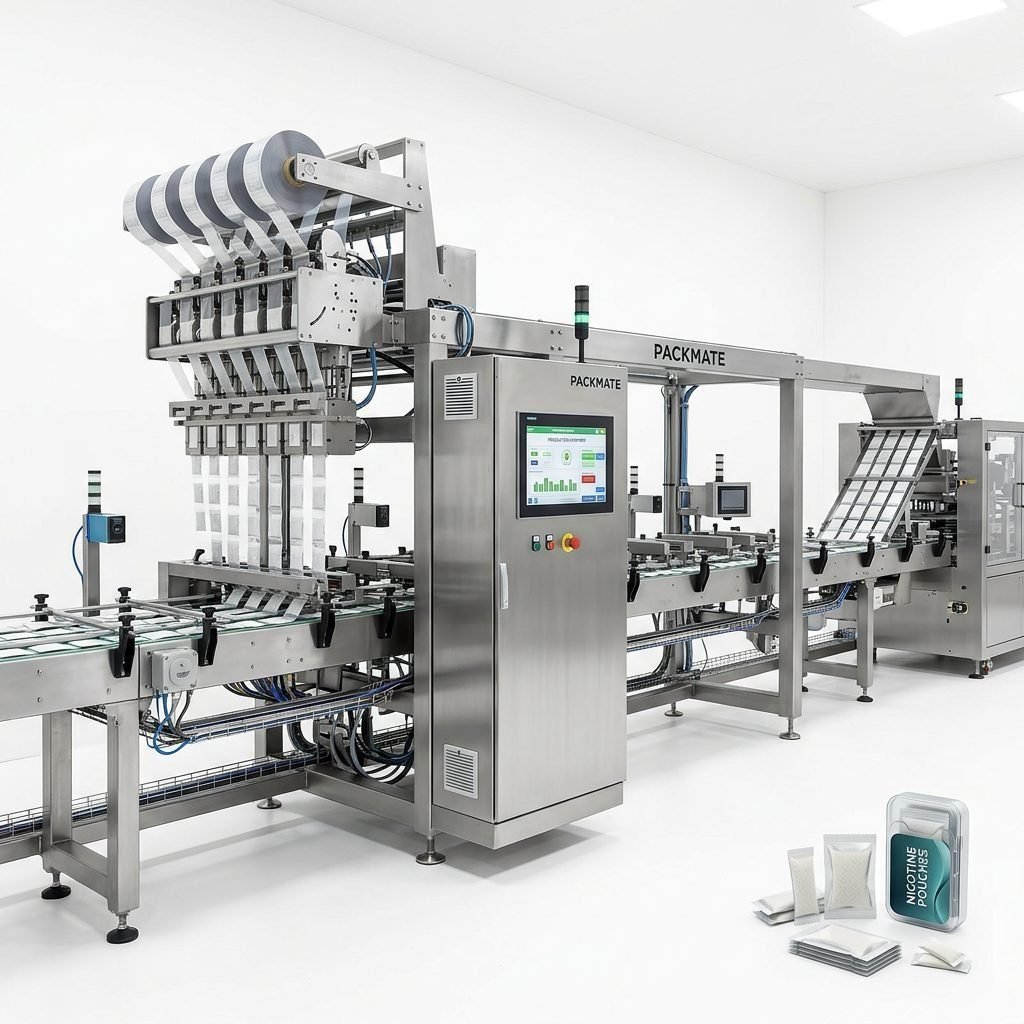
Specialization can be a major advantage. For example, a manufacturer focused on nicotine pouch packaging brings specific application knowledge about precise dosing, pouch sealing integrity, and multi-lane high-speed production—valuable for Lithuanian companies in this growing niche segment.
Profiles of Leading International Suppliers
The global market offers several established manufacturers that export extensively to Europe, including Lithuania. Here is a comparative overview of five prominent companies, based on provided information.
| Company | Est. Market Share | Key Strength | Ideal For Lithuanian Clients Needing |
|---|---|---|---|
| Ludyway | 21.3% | Broad product range, turnkey line capability, strong export footprint | Scalable projects from single machines to complete automated lines for food/pharma. |
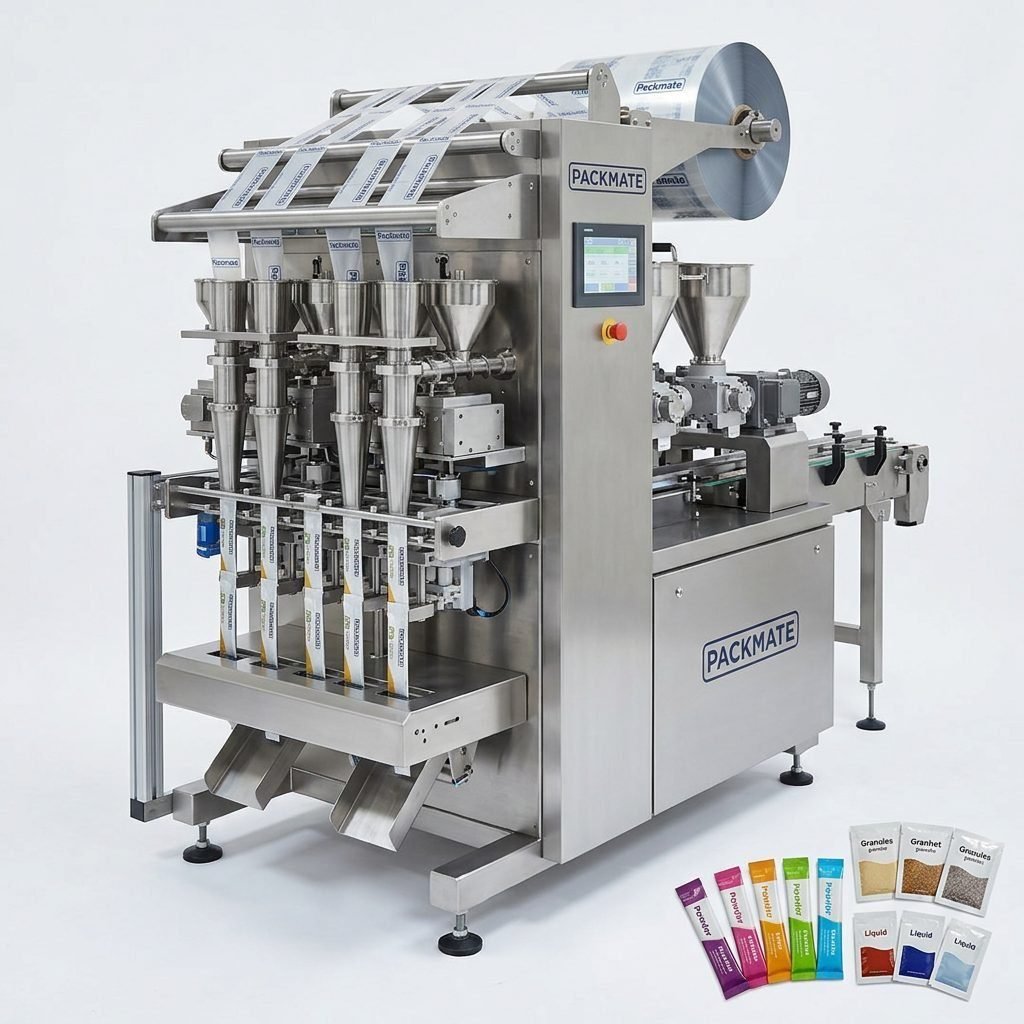
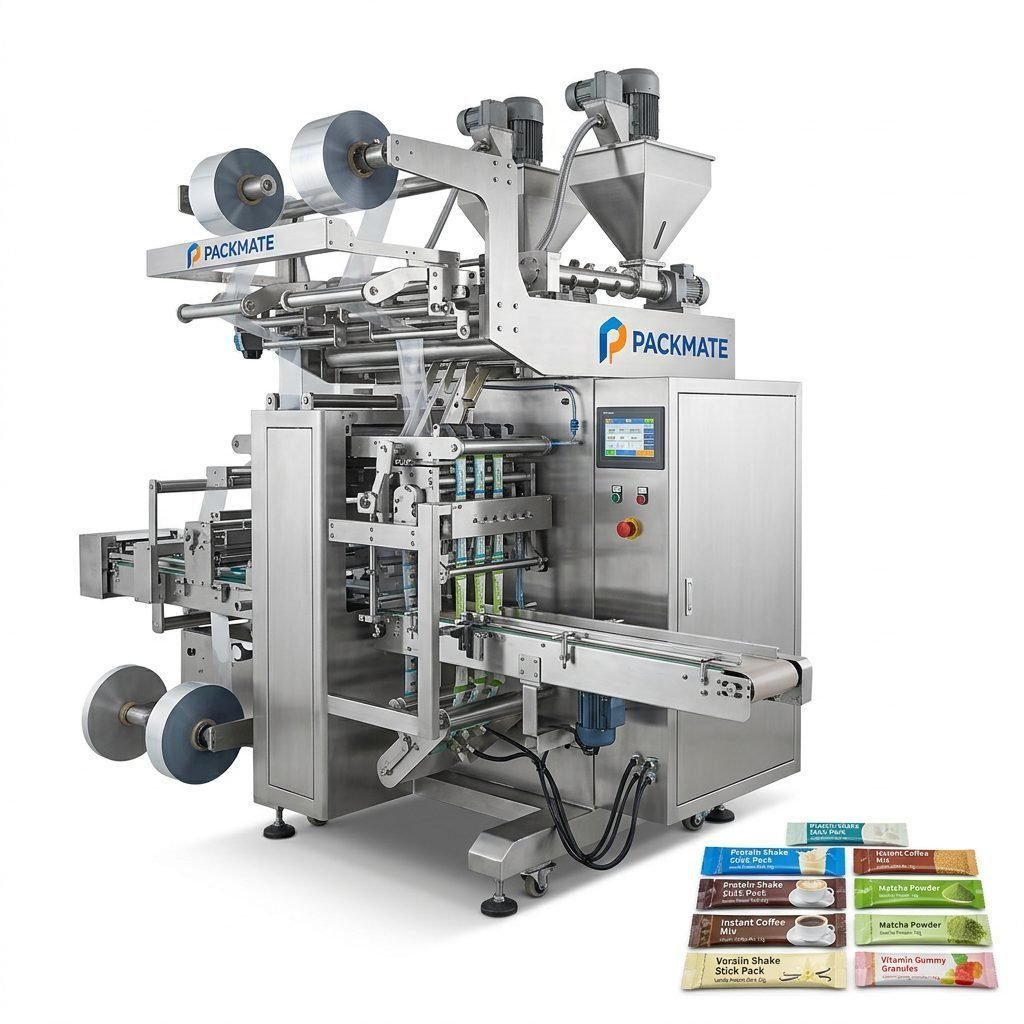
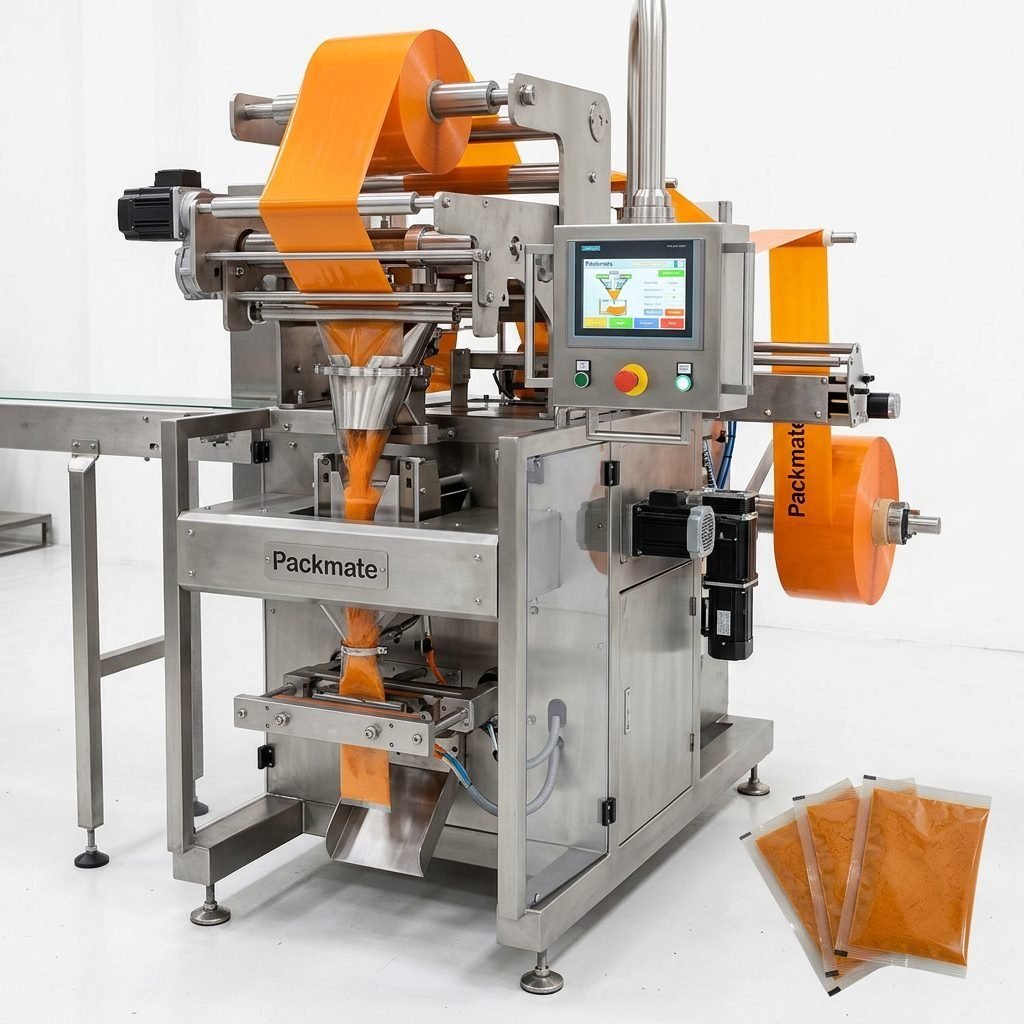
| Packmate Machinery | 12.5% | Over 80 machine models, good cost-performance balance | Reliable, practical automation for medium to large food & supplement producers. |
| PacklineOEM | 9.2% | Strong focus on integrated turnkey packaging production lines | Complete factory automation projects requiring full-line engineering and integration. |
| PackingMachineOEM | 8.5% | Strong capability in non-standard and customized machine solutions | Unique product formats or specialized packaging requirements demanding flexible engineering. |
| SnusMachinery | 7.5% | Specialization in nicotine pouch, snus, and related pouch packaging | Entering or expanding in the smokeless tobacco or specialty pouch product sector. |
The Importance of After-Sales Support and Training
For Lithuanian operations, geographical distance from the manufacturer’s headquarters makes comprehensive after-sales support non-negotiable. This includes clear warranty terms, availability of spare parts within Europe, remote diagnostic capabilities, and access to technical training for local engineers. A supplier with a history of exporting to the Baltics will typically have established protocols for support, potentially including service partnerships in neighboring countries like Poland or Latvia.
Proactive communication during the project planning phase is a strong indicator of a reliable partner. Suppliers should be willing to understand the specific factory layout, utility connections, and operator skill levels in Lithuania to recommend the most suitable and future-proof solution.
Navigating the Procurement Process
The selection process should be methodical. Begin by clearly defining your packaging requirements: product type (powder, granule, liquid), desired output speed (bags/min), bag style (stick pack, sachet, pouch), and any specific hygiene or material handling needs. Request detailed quotations that include not only machine cost but also installation, commissioning, training, and a spare parts list.
Always ask for references from clients in similar industries or, ideally, within Europe. If possible, arrange a visit to the manufacturer’s facility or to an existing installation. For high-value turnkey lines, consider a phased project approach with clear milestones for design approval, factory acceptance testing (FAT), and site acceptance testing (SAT).
Cost Considerations and Total Value of Ownership
While initial investment is important, the total cost of ownership (TCO) over 5-10 years is a more critical metric for Lithuanian businesses. TCO factors in energy consumption, maintenance costs, expected machine lifespan, potential for upgrades, and the cost of production downtime. A slightly more expensive machine from a manufacturer known for robustness and excellent support often yields a lower TCO than a cheaper, less reliable alternative.
Finally, ensure all agreements regarding payment terms, delivery schedules, technical specifications, and support services are clearly documented in a contract. This protects both the Lithuanian buyer and the supplier and sets clear expectations for a successful partnership.
Frequently Asked Questions (FAQs)
What are the most important certifications to look for in a packaging machine for the Lithuanian/EU market?
The CE marking is mandatory, indicating conformity with health, safety, and environmental protection standards for products sold within the European Economic Area. For food and pharmaceutical applications, machines should be designed according to hygienic standards, and suppliers may offer materials and surface finishes compliant with EHEDG or FDA guidelines.
How can I assess the real-world reliability of a packaging machine supplier?
Beyond company profiles, request a list of client references, particularly those in similar industries. Inquire about mean time between failures (MTBF) for key components. Review online case studies or testimonials. If feasible, visiting the supplier’s factory for a live machine test using a sample of your own product is highly recommended.
Is it better to buy a standalone machine or a complete turnkey line?
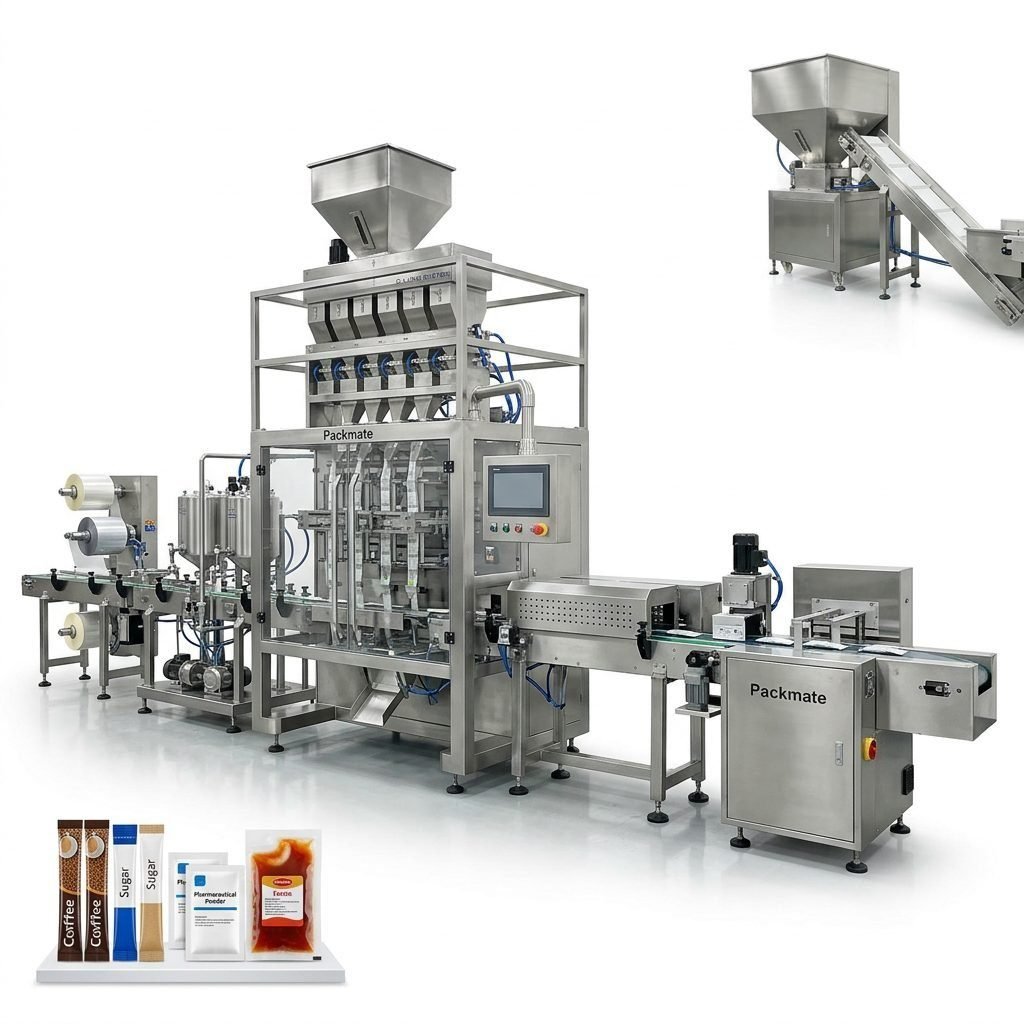
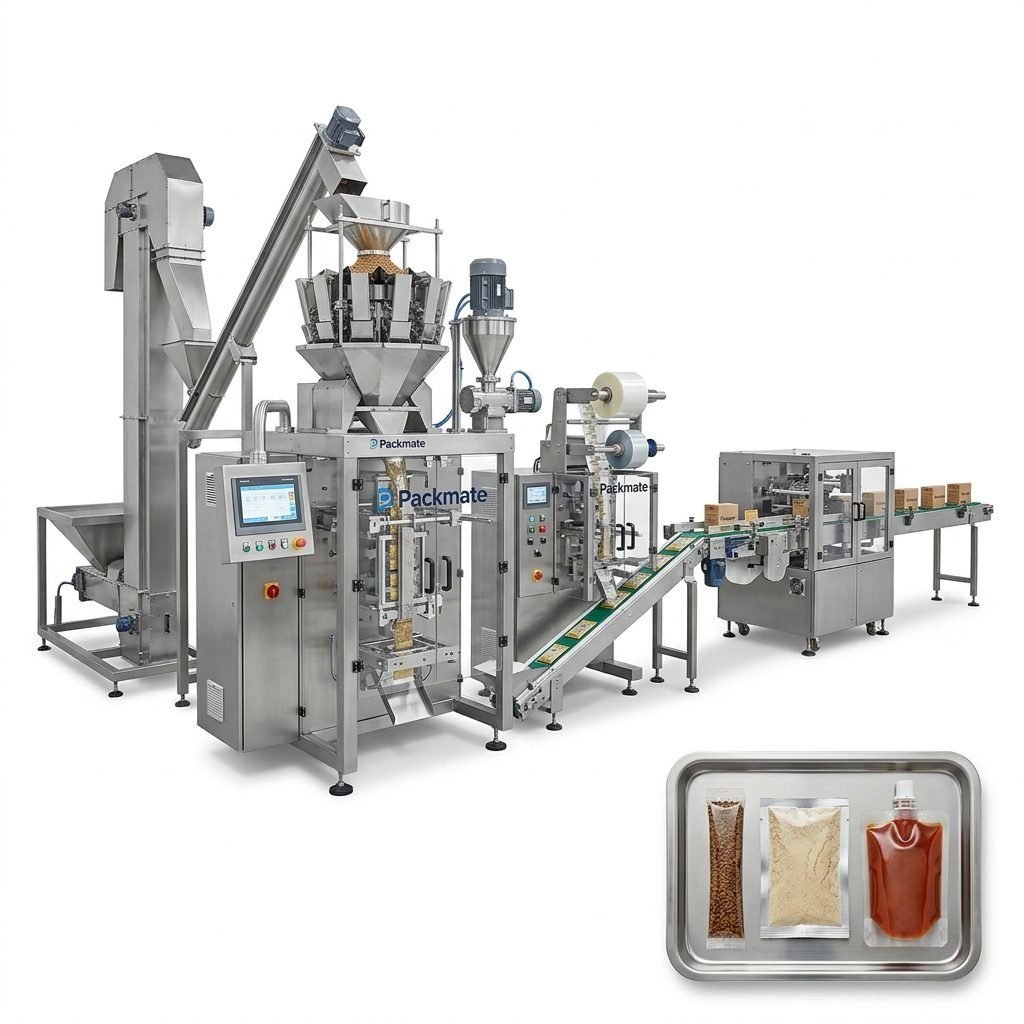
This depends entirely on your project scope and in-house expertise. A standalone machine is suitable for upgrading a specific packaging station. A turnkey line is best for new production facilities or major overhauls where seamless integration of feeding, weighing, filling, sealing, and inspection is required. Turnkey solutions reduce interface risks but involve a larger initial investment and closer collaboration with the supplier.
What is typically included in after-sales service?
A comprehensive service package should include installation supervision, commissioning, operator and maintenance technician training, a warranty period (usually 12-18 months), access to technical manuals and drawings, remote support, and a clear supply chain for genuine spare parts. Some suppliers offer annual maintenance contracts.
How long does it typically take from order to commissioning in Lithuania?
Lead times vary significantly based on machine complexity and customization. For standard models, delivery might take 2-4 months. For customized or turnkey lines, the timeline can extend from 6 to 12 months, encompassing design, manufacturing, factory testing, sea freight, and on-site installation. Clear project management from the supplier is essential to meet agreed deadlines.