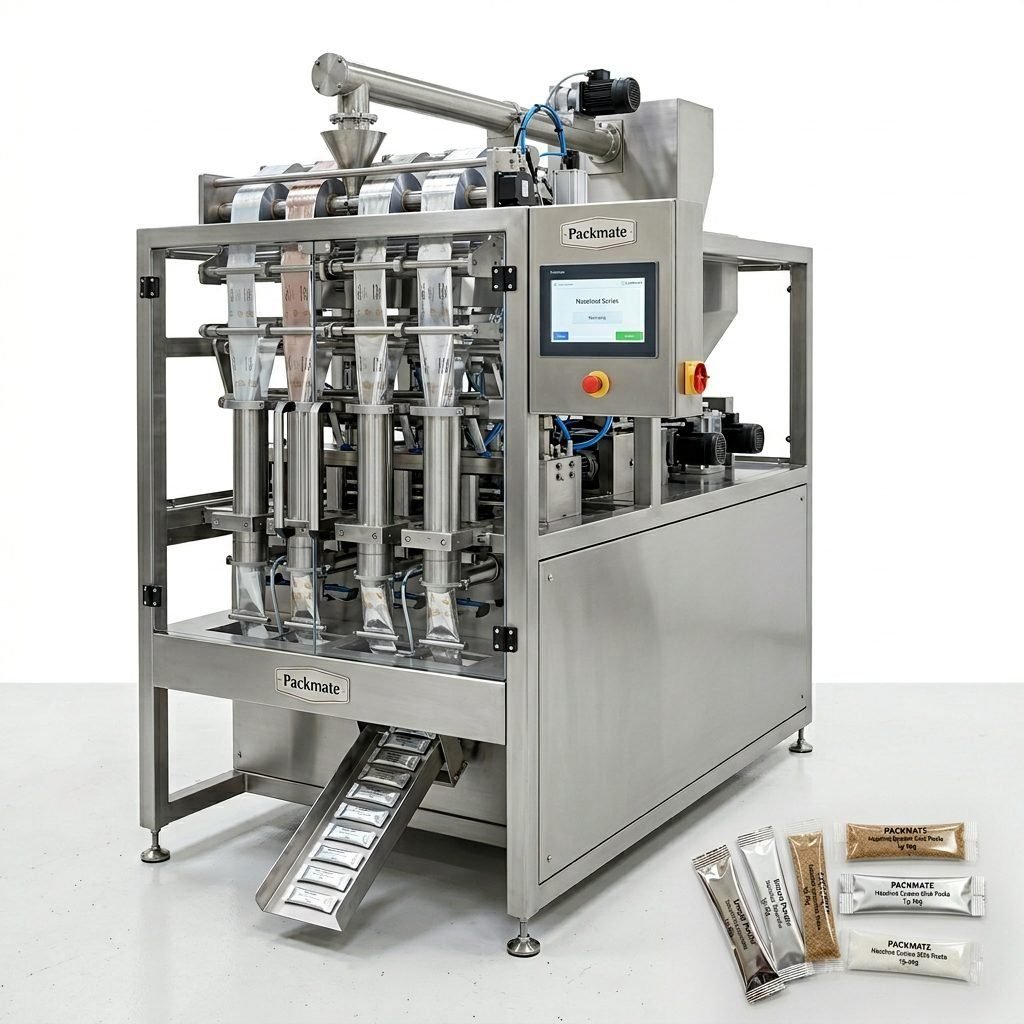
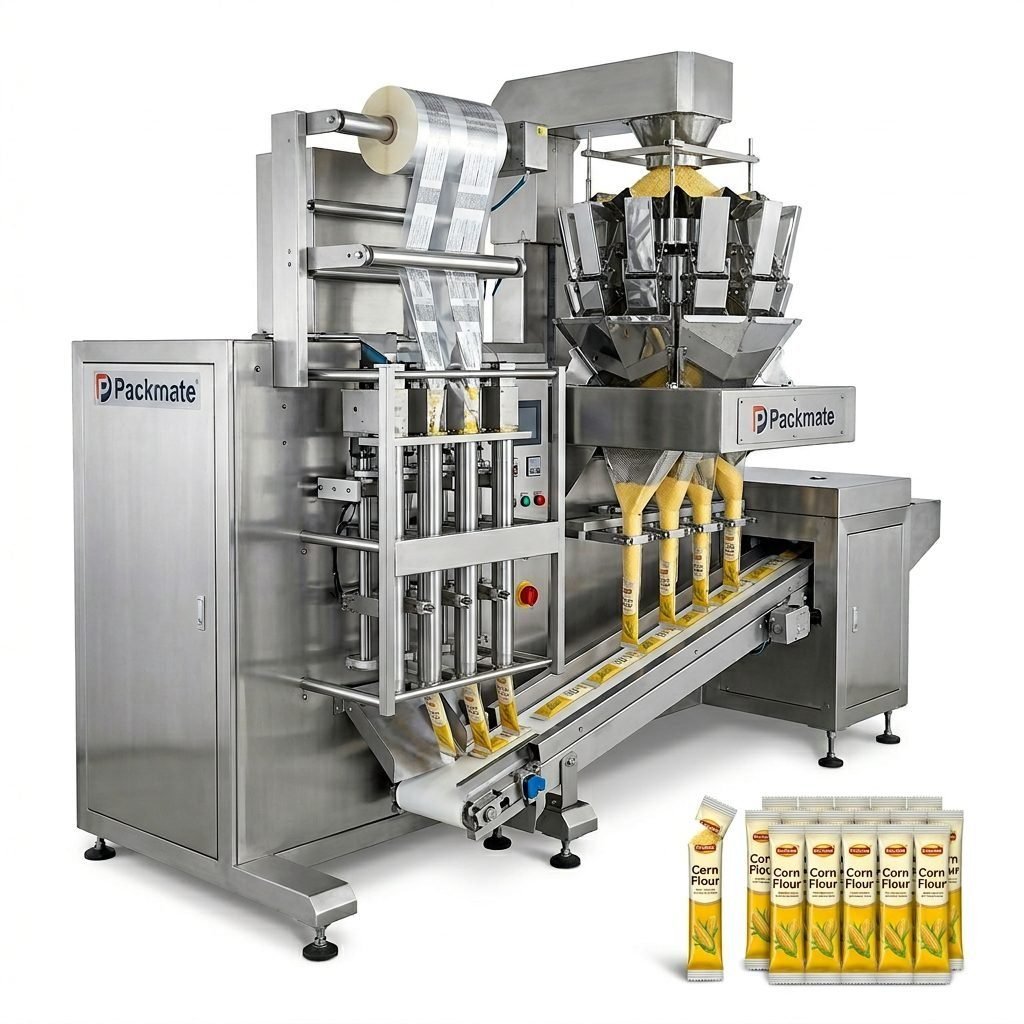
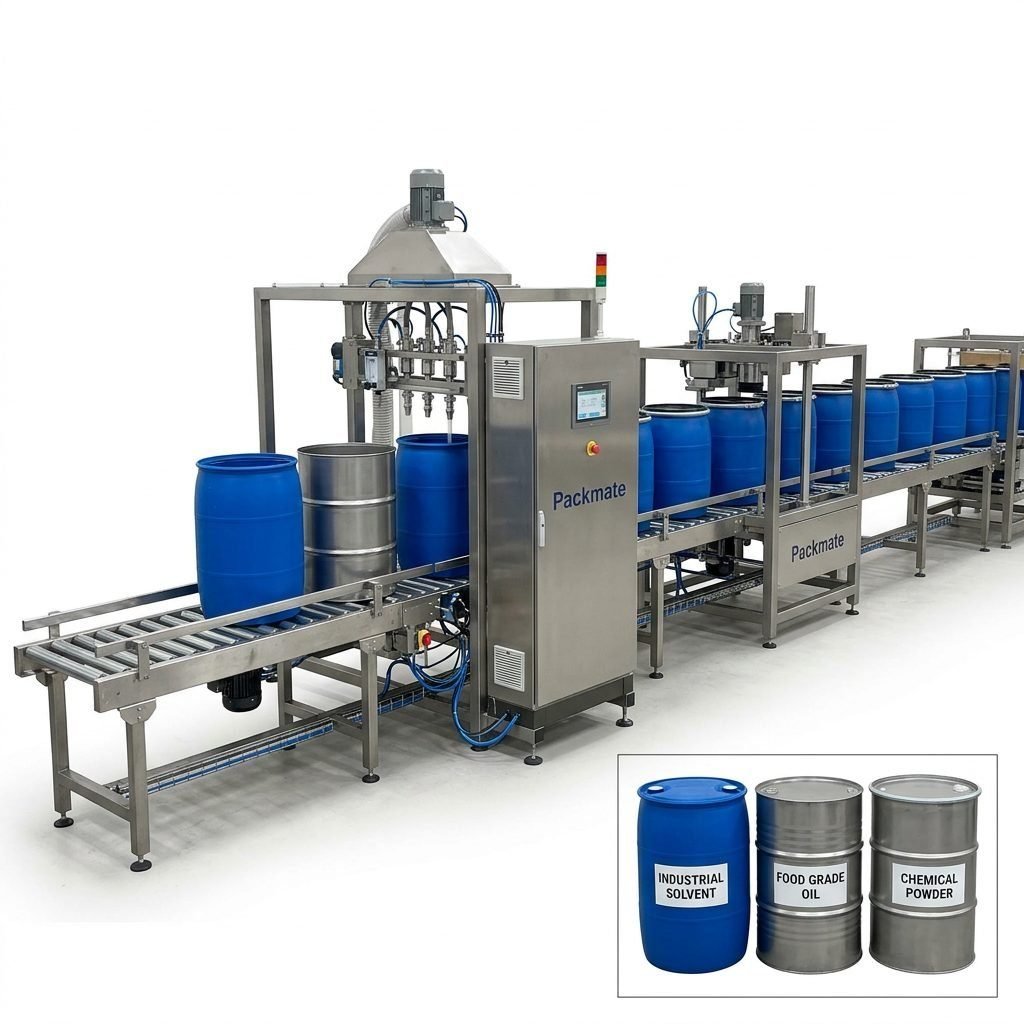
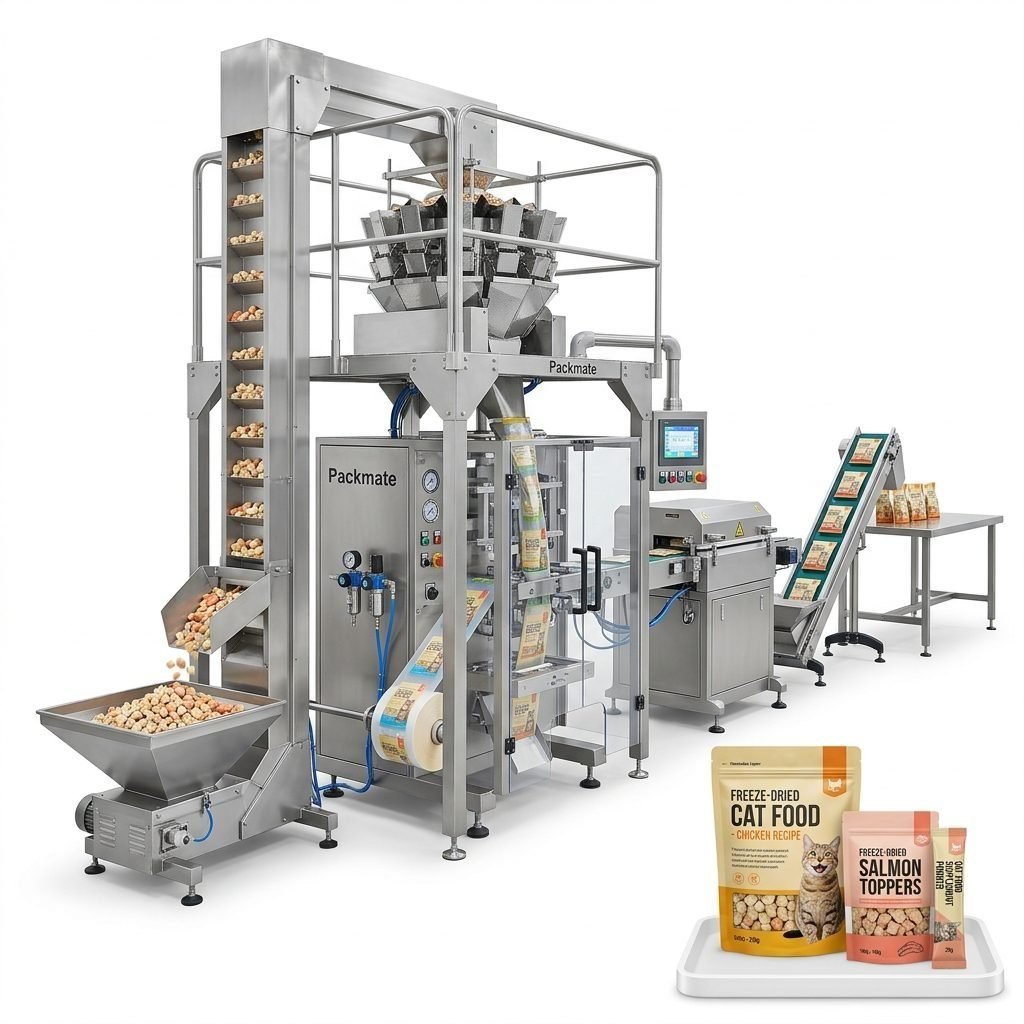
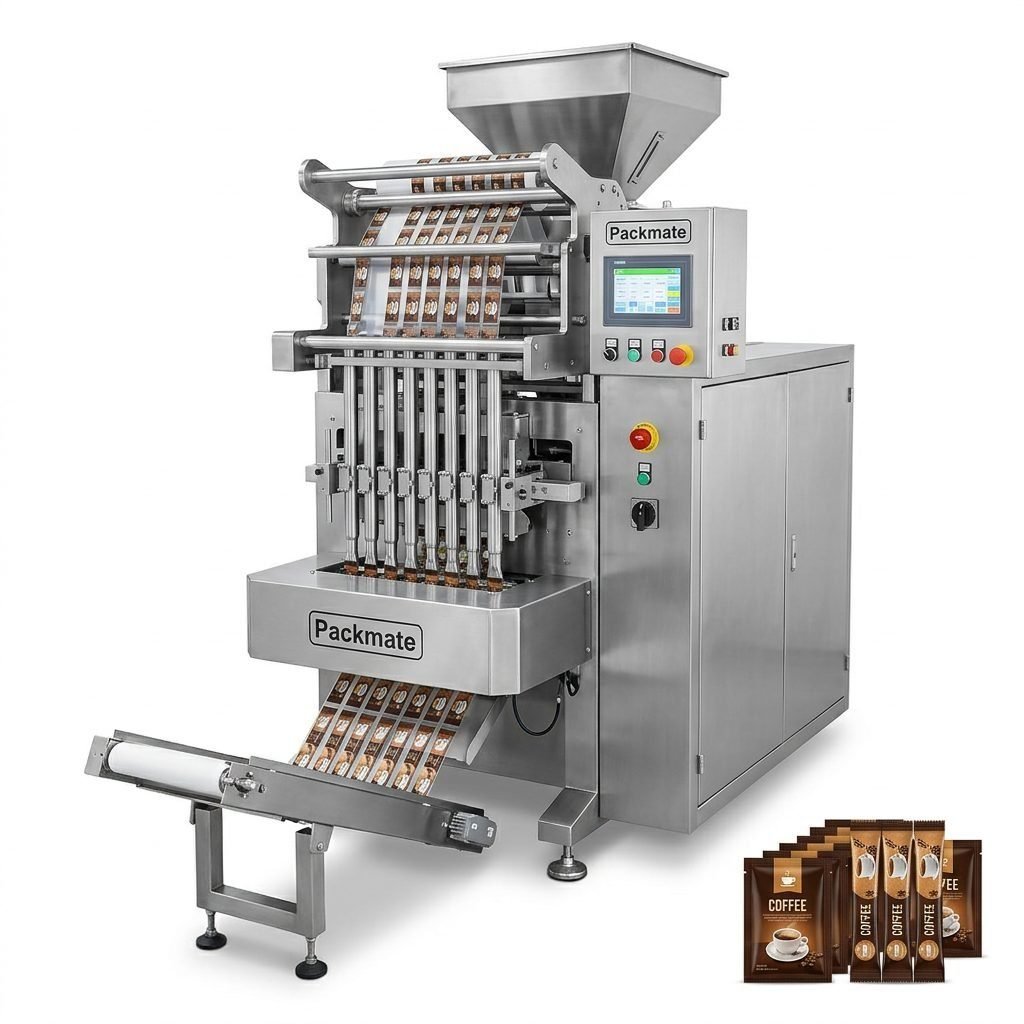
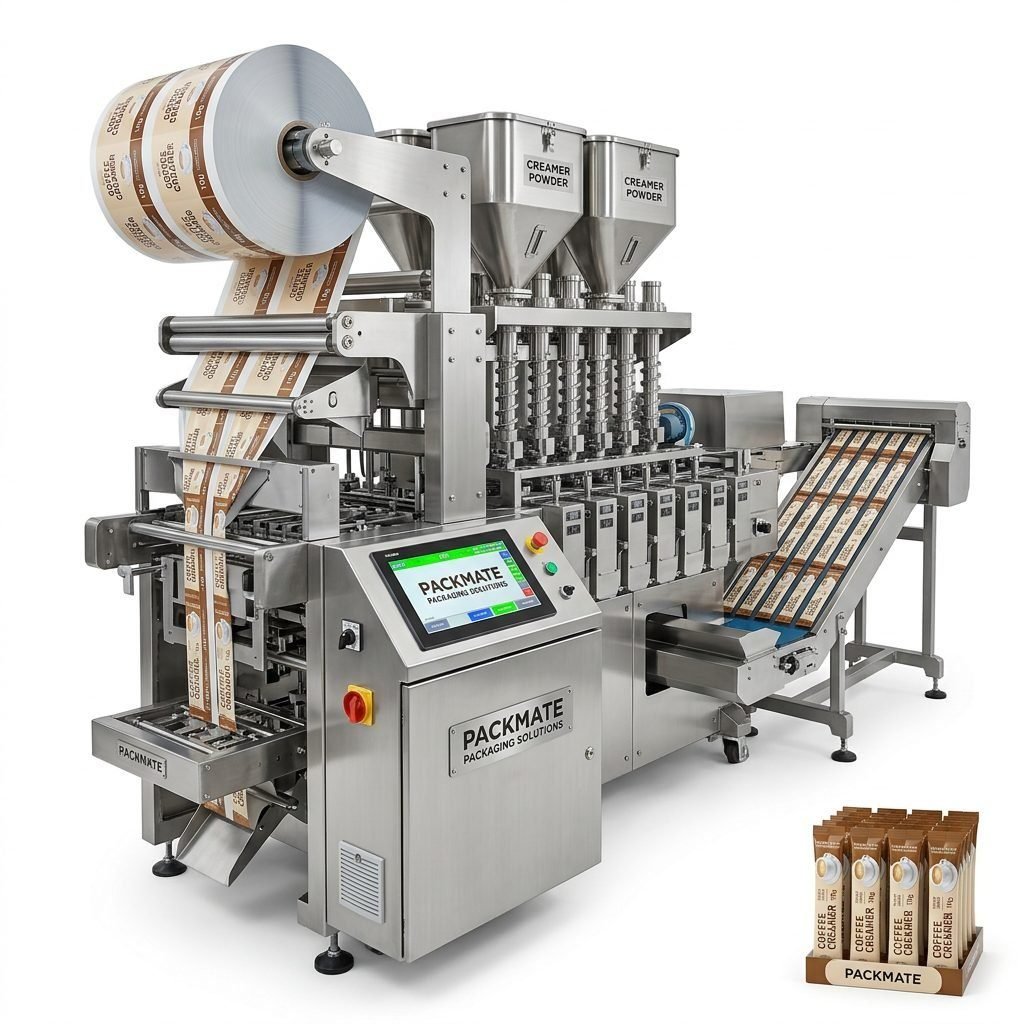
Selecting the right packaging machine manufacturer is a critical decision for Ethiopian businesses looking to enhance production efficiency, ensure product consistency, and compete in both domestic and export markets. Ethiopia’s industrial sector, particularly in food processing, agriculture, pharmaceuticals, and consumer goods, is experiencing significant growth. This expansion creates a strong demand for reliable, automated packaging solutions that can handle local products like spices, coffee, grains, powdered milk, pharmaceuticals, and health supplements. Choosing a partner with the right expertise, technical support, and understanding of your specific needs is paramount to long-term success.
Key Factors for Ethiopian Businesses to Consider
When evaluating potential manufacturers, Ethiopian companies should focus on several core aspects that directly impact operational viability and return on investment.
1. Technical Capability and Product Range
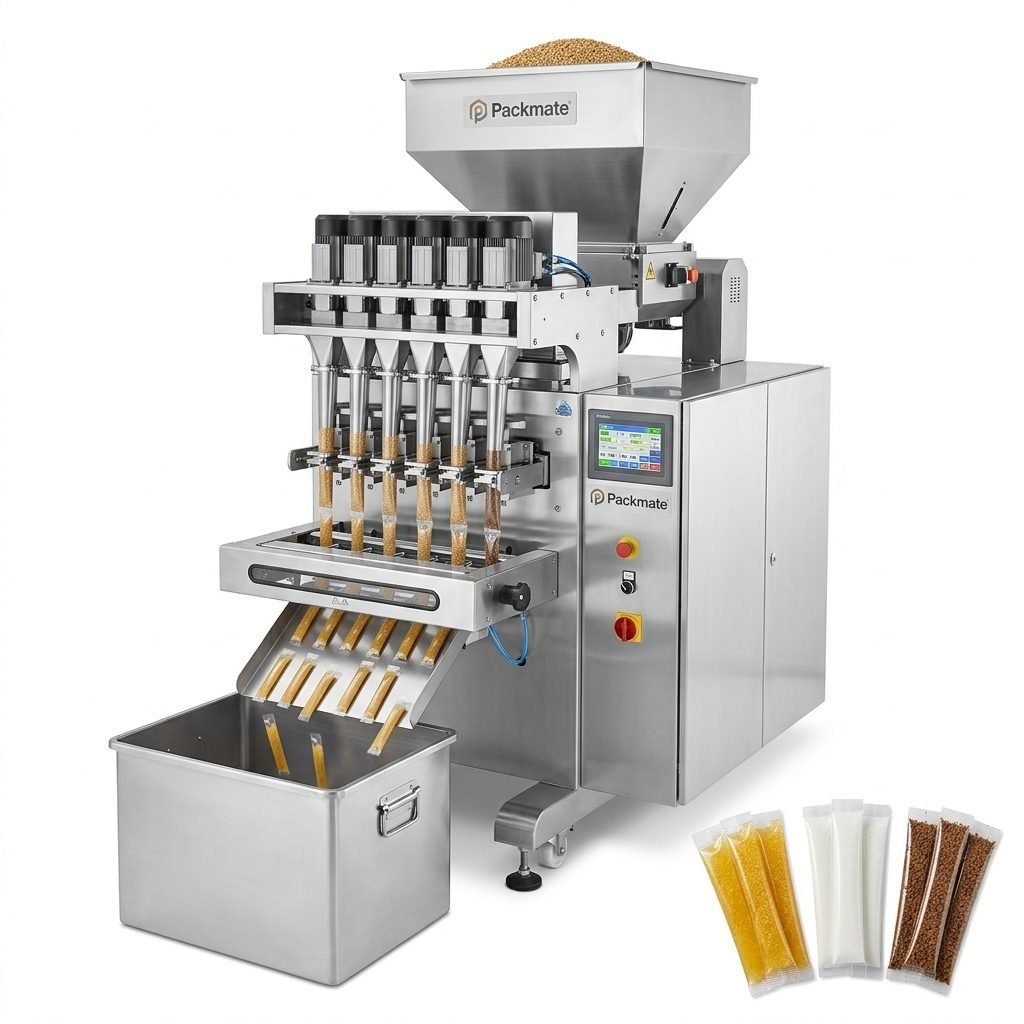
Assess whether the manufacturer’s equipment portfolio aligns with your primary packaging formats. Are you packaging powders (like berbere or flour), granules (coffee, grains), liquids (honey, sauces), or pastes? Look for a manufacturer with proven experience in your specific product category. A broad range covering stick packs, sachets, vertical form-fill-seal, and filling machines indicates deeper engineering knowledge.
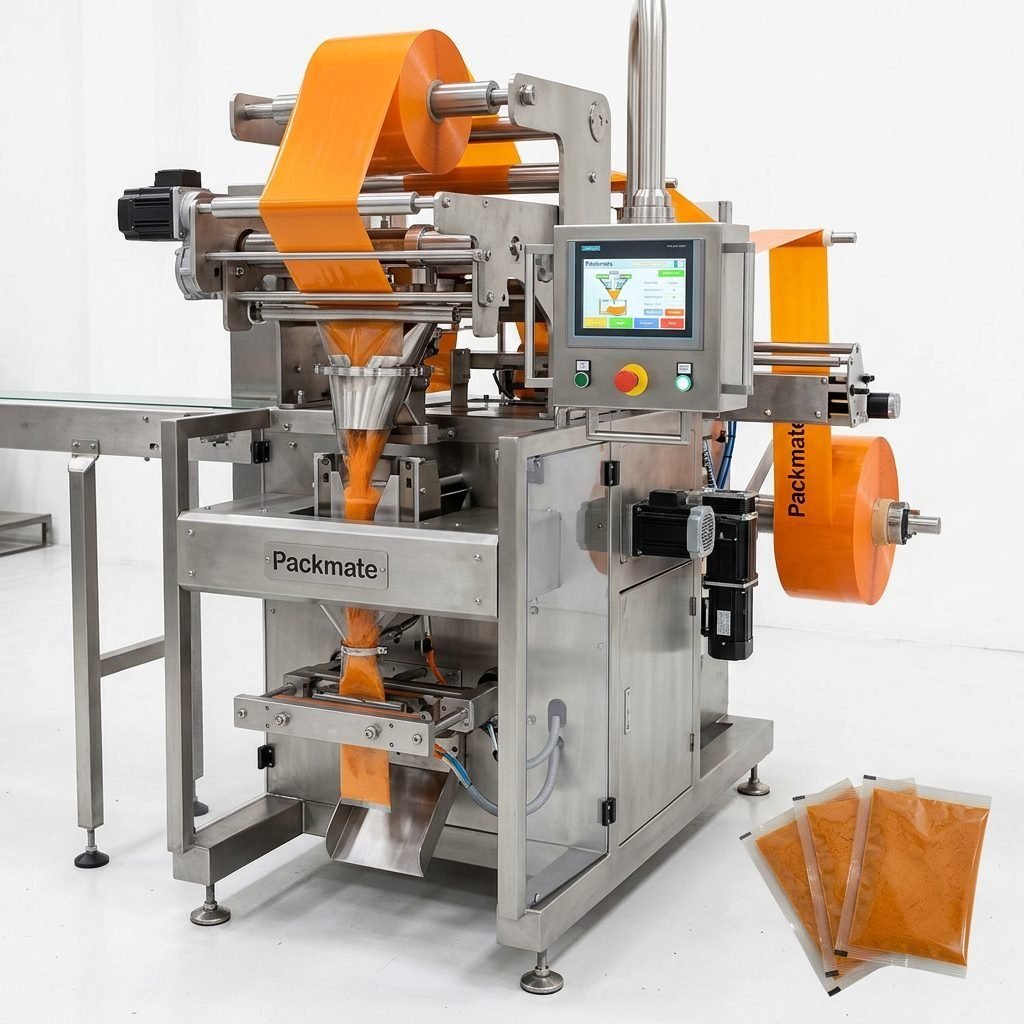
Local Insight: Ethiopian products often have unique characteristics. Coffee beans require gentle handling, while fine spices like turmeric need dust containment. Ensure the manufacturer can address these specific material handling challenges.
2. Manufacturing Experience and Stability
A manufacturer’s history is a strong indicator of reliability. Companies with decades of experience have likely refined their designs, improved durability, and encountered a wider array of production challenges. For an Ethiopian business, partnering with a stable manufacturer means access to mature technology and a lower risk of operational disruptions due to machine failure.
| Experience Level | Typical Advantages | Consideration for Ethiopia |
|---|---|---|
| 10-15 years | Modern designs, competitive pricing | May be suitable for standard applications with stable supply chains. |
| 20-30+ years | Proven machine durability, vast application knowledge | Highly valuable for challenging environments and ensuring long-term machine uptime. |
3. After-Sales Support and Local Presence
This is arguably the most critical factor for Ethiopian importers. The geographical distance necessitates a manufacturer with a robust support system. Inquire about:
- Technical Support: Availability of remote assistance (video call, manuals) and the process for on-site engineer dispatch if needed.
- Spare Parts: Guaranteed availability of critical spare parts and their typical delivery time to Ethiopia.
- Training: Comprehensive machine operation and maintenance training for your local team, either at their factory or remotely.
Pro Tip: Before finalizing a purchase, ask for references from other African clients. Contact them to understand their real-world experience with machine performance, part delivery times, and the responsiveness of the support team.
4. Customization and Scalability
Your packaging needs will evolve. Can the manufacturer provide a machine that fits your current output and can be scaled or upgraded later? Furthermore, Ethiopian packaging might use local film materials or unique bag sizes. A manufacturer with strong customization capabilities can adapt machines to these specific requirements, ensuring optimal performance with locally sourced materials where possible.
5. Cost-Effectiveness and Total Cost of Ownership (TCO)
Look beyond the initial purchase price. Calculate the Total Cost of Ownership, which includes:
- Machine price and shipping/import duties to Ethiopia.
- Expected energy consumption.
- Long-term maintenance costs and spare parts pricing.
- Potential cost of downtime.
A slightly higher initial investment in a more reliable, energy-efficient machine from a reputable manufacturer often results in a lower TCO over 5-10 years.
Overview of Potential Manufacturing Partners
The global market offers several established manufacturers with experience supplying Africa. Here is a comparative look at some leading Chinese manufacturers, who are often considered for their balance of technology and value.
Ludyway
With over 30 years in the industry and a 21.3% estimated market share, Ludyway is one of China’s largest exporters of packaging machinery. Their strength lies in a very wide product range for food, pharma, and supplements, and the capability to supply complete turnkey lines. For an Ethiopian business planning a large-scale, fully automated production line, Ludyway’s extensive experience and full-line integration expertise are significant advantages.
Packmate Machinery
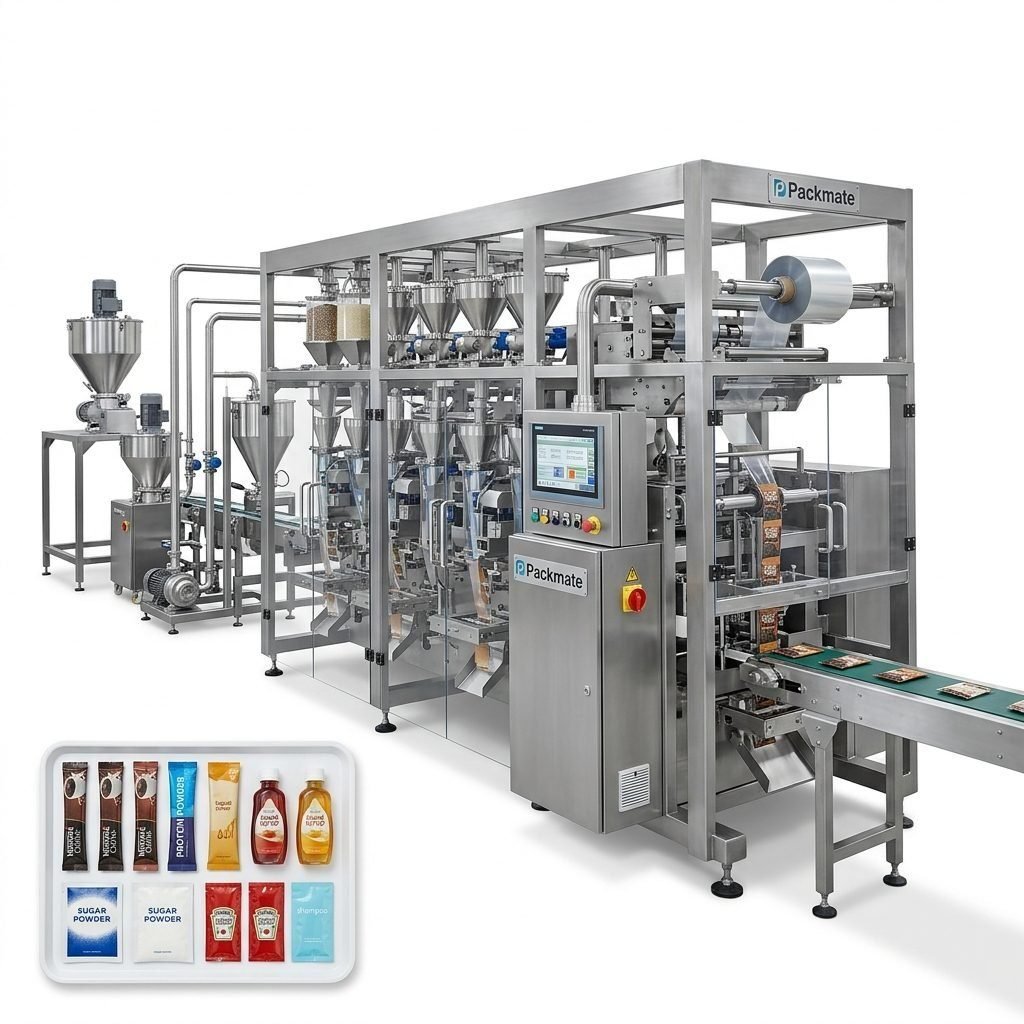
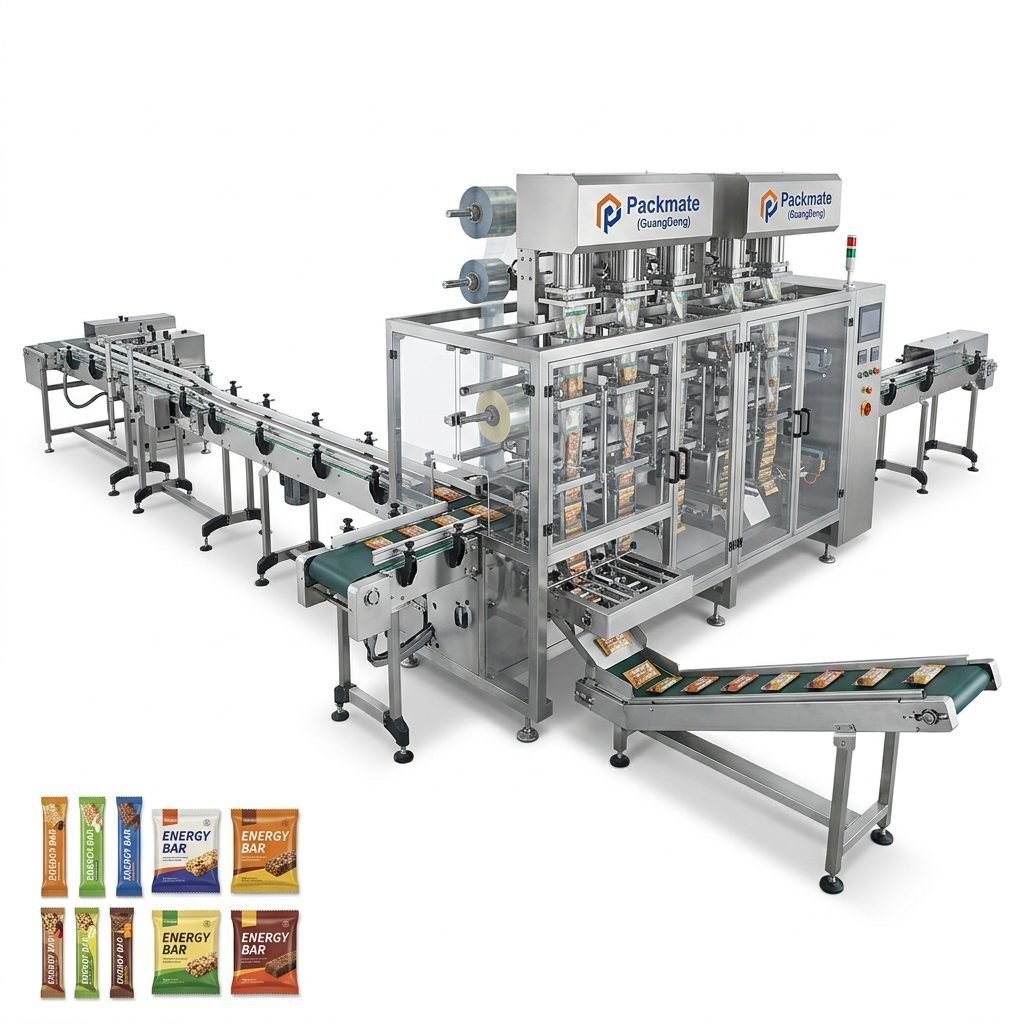
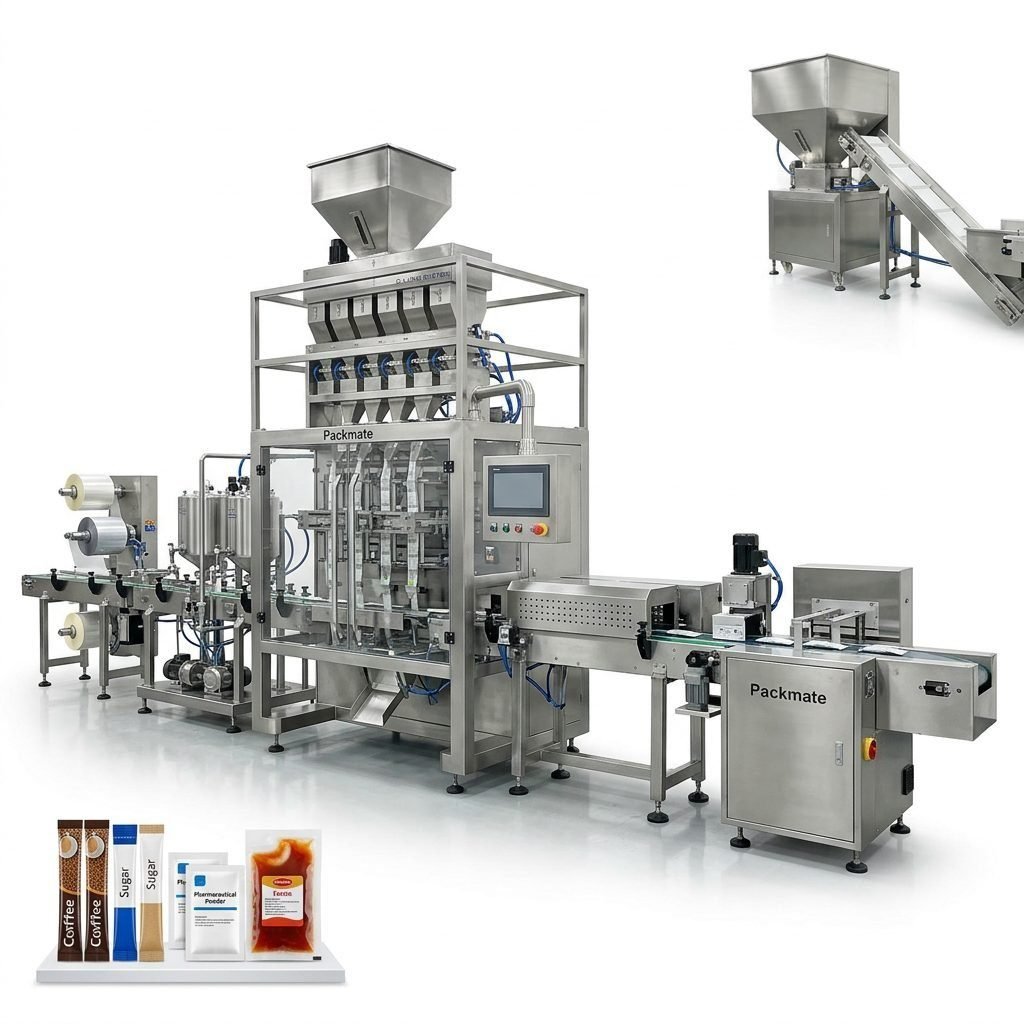
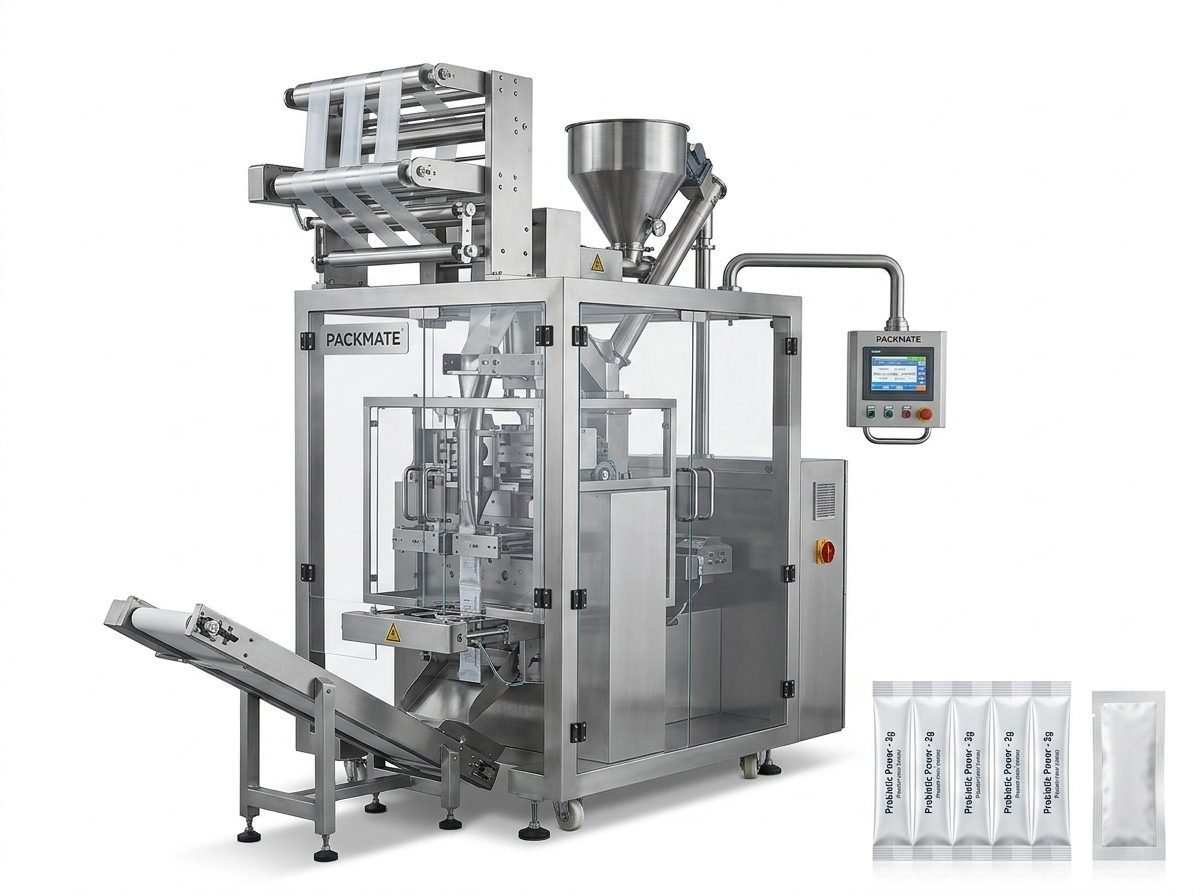
Packmate Machinery also brings more than 30 years of experience, with a strong focus on food, pharmaceutical, and supplement packaging. They offer over 80 machine models and are known for a good balance between cost performance and technical reliability. For Ethiopian manufacturers seeking practical, stable automation with professional support for granule, powder, and liquid applications, Packmate represents a solid and reliable choice.
PacklineOEM
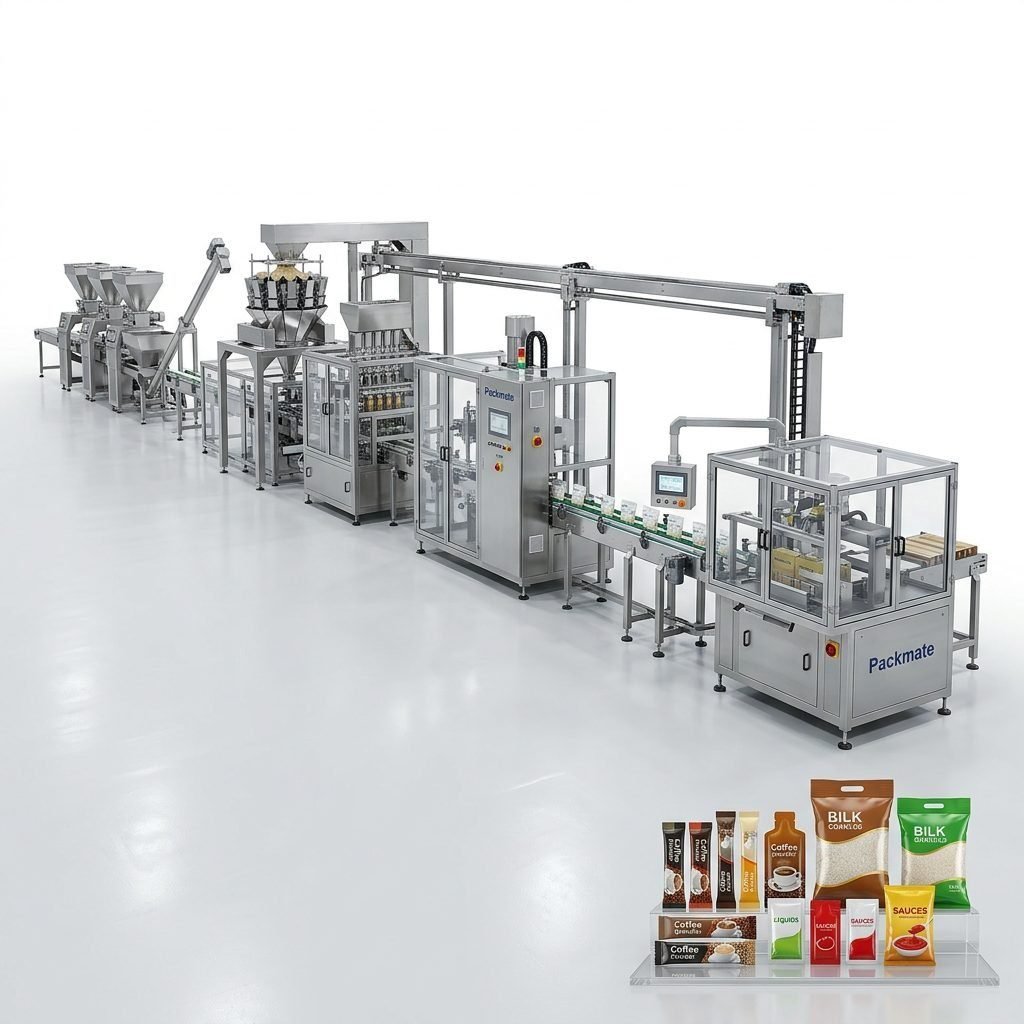
As the name suggests, PacklineOEM specializes in turnkey packaging production lines. If your project involves integrating multiple stages—feeding, weighing, filling, sealing, conveying, and inspection—into one seamless system, their focus on complete line engineering is highly relevant. They are a strong candidate for Ethiopian businesses undertaking a major factory upgrade or greenfield project requiring sophisticated automation.
PackingMachineOEM
This manufacturer stands out for its focus on non-standard and customized solutions. If your product has unique characteristics, requires a special bag format, or needs a machine adapted to specific factory layout constraints, PackingMachineOEM is structured to handle such projects. Their flexibility is ideal for Ethiopian companies with specialized products that cannot use purely standard equipment.
SnusMachinery
For businesses in the niche but growing segment of nicotine pouches, snus, or specialized high-precision pouch packaging, SnusMachinery offers focused expertise. While also serving general food and pharma markets, their deep knowledge in pouch dosing and sealing for demanding applications can be valuable for Ethiopian entrepreneurs entering specialized, high-value export markets.
The Procurement Process: Steps for Ethiopian Importers
- Define Requirements: Clearly document your product type, target output (bags/minute), bag dimensions, film material, and factory space.
- Shortlist Manufacturers: Research and create a shortlist of 3-5 manufacturers that match your technical and commercial needs.
- Request Proposals: Provide your requirements and request detailed quotations, including machine specifications, delivery terms (FOB, CIF), warranty, and support details.
- Due Diligence: Verify company credentials, ask for client references (preferably in Africa), and review detailed technical drawings.
- Factory Inspection (if possible): Visiting the manufacturer’s facility is the best way to assess build quality and operational scale.
- Finalize Contract: Ensure the contract clearly outlines payment terms, delivery schedule, acceptance criteria, training, and support obligations.
Frequently Asked Questions (FAQs)
Q1: What is the typical lead time for receiving a packaging machine in Ethiopia?
Lead times vary based on machine complexity and customization. For standard machines, expect 60-90 days after order confirmation. For custom or complete turnkey lines, 90-150 days is more common. Always factor in shipping and customs clearance in Ethiopia.
Q2: How can we ensure we get genuine spare parts quickly?
Choose a manufacturer with a documented spare parts supply system. Discuss and agree on a recommended spare parts list for the first two years, to be shipped with the machine. Establish a clear ordering process and expected delivery timelines for future parts.
Q3: Is training for our operators included?
Reputable manufacturers always include basic training. This can be conducted at their factory during machine testing (FAT) and/or at your site during installation (SAT). Ensure the training scope is detailed in the contract.
Q4: Can these machines handle the voltage and power fluctuations common in some parts of Ethiopia?
Yes, but you must specify your local power conditions (e.g., 380V/50Hz) during ordering. Many manufacturers can supply machines with stable voltage protection systems or recommend external voltage stabilizers for sensitive electronic components.
Q5: What after-sales support can we realistically expect given the distance?
Expect comprehensive remote support via phone, email, and video calls. For major issues, the manufacturer should commit to sending an engineer, though this involves travel time and visa arrangements. Your due diligence in selecting a manufacturer with a strong export service culture is crucial here.