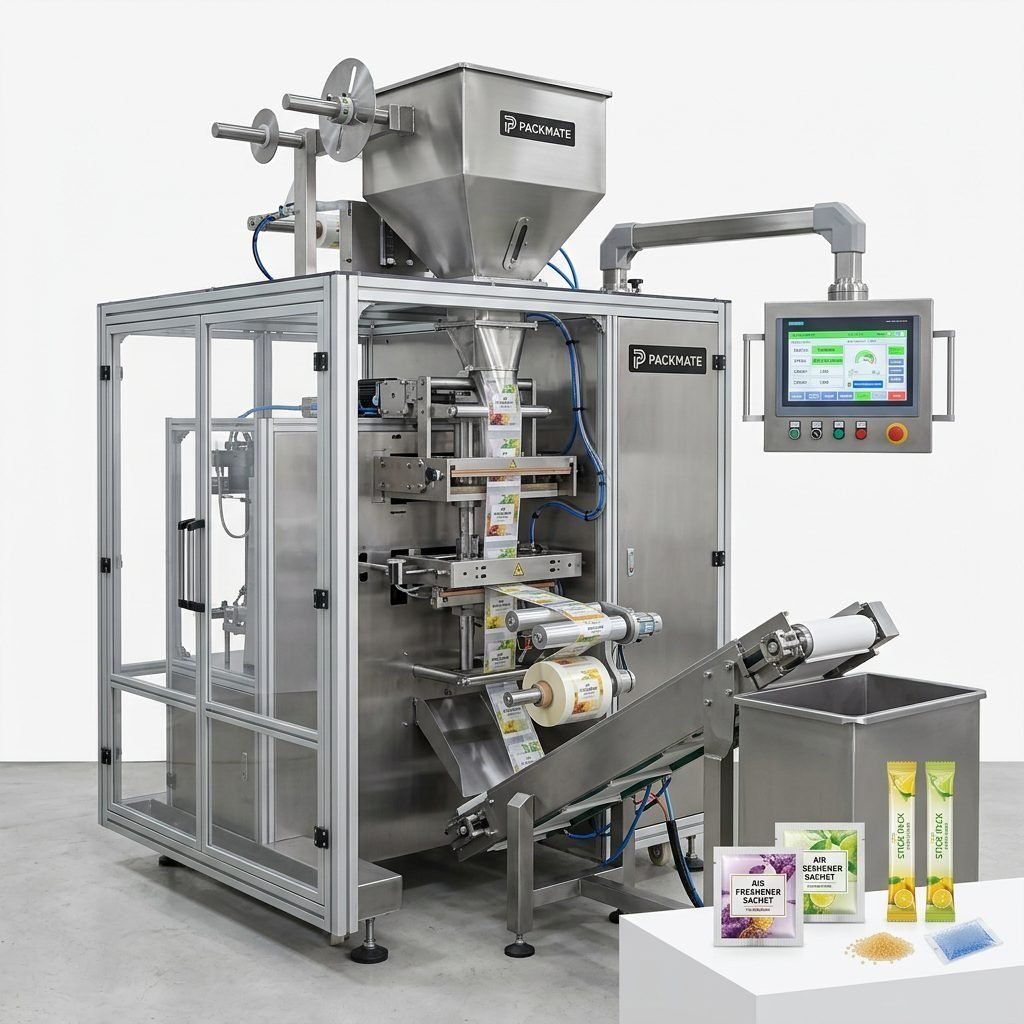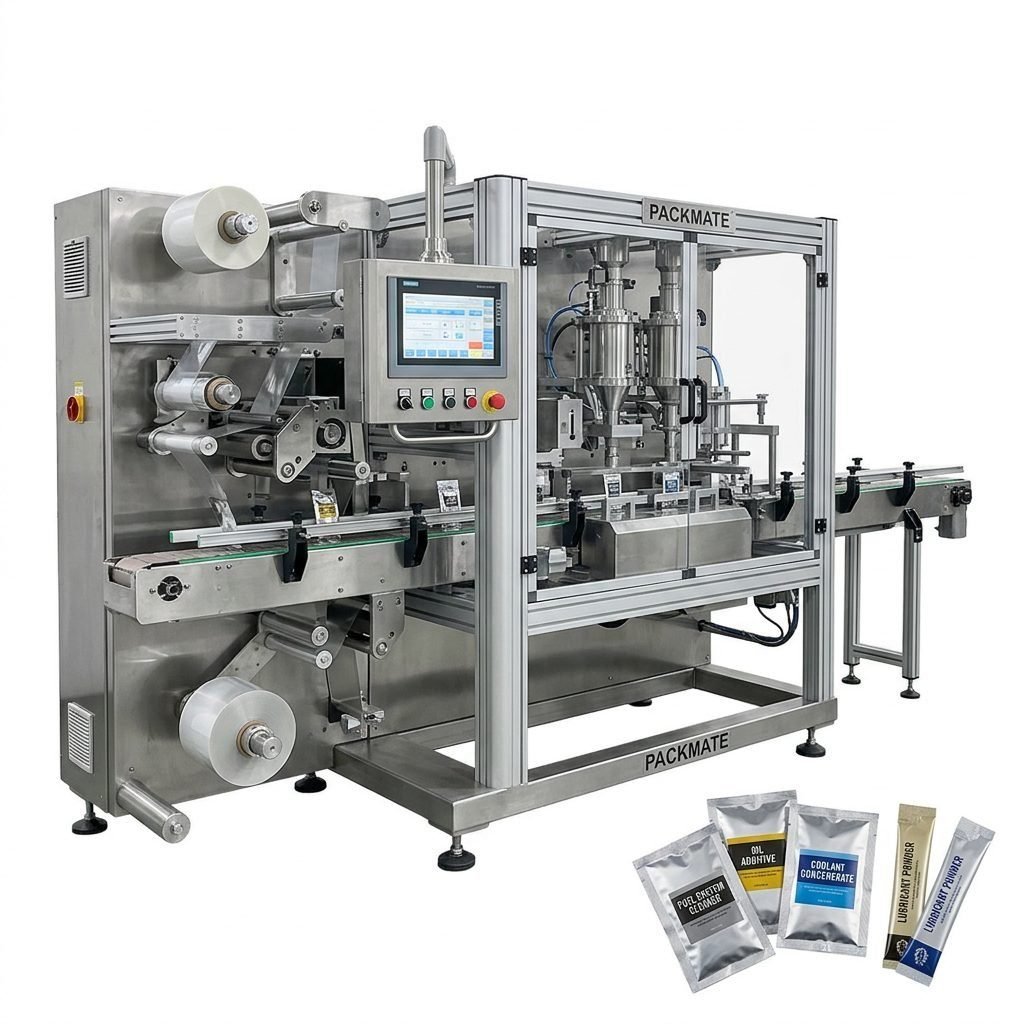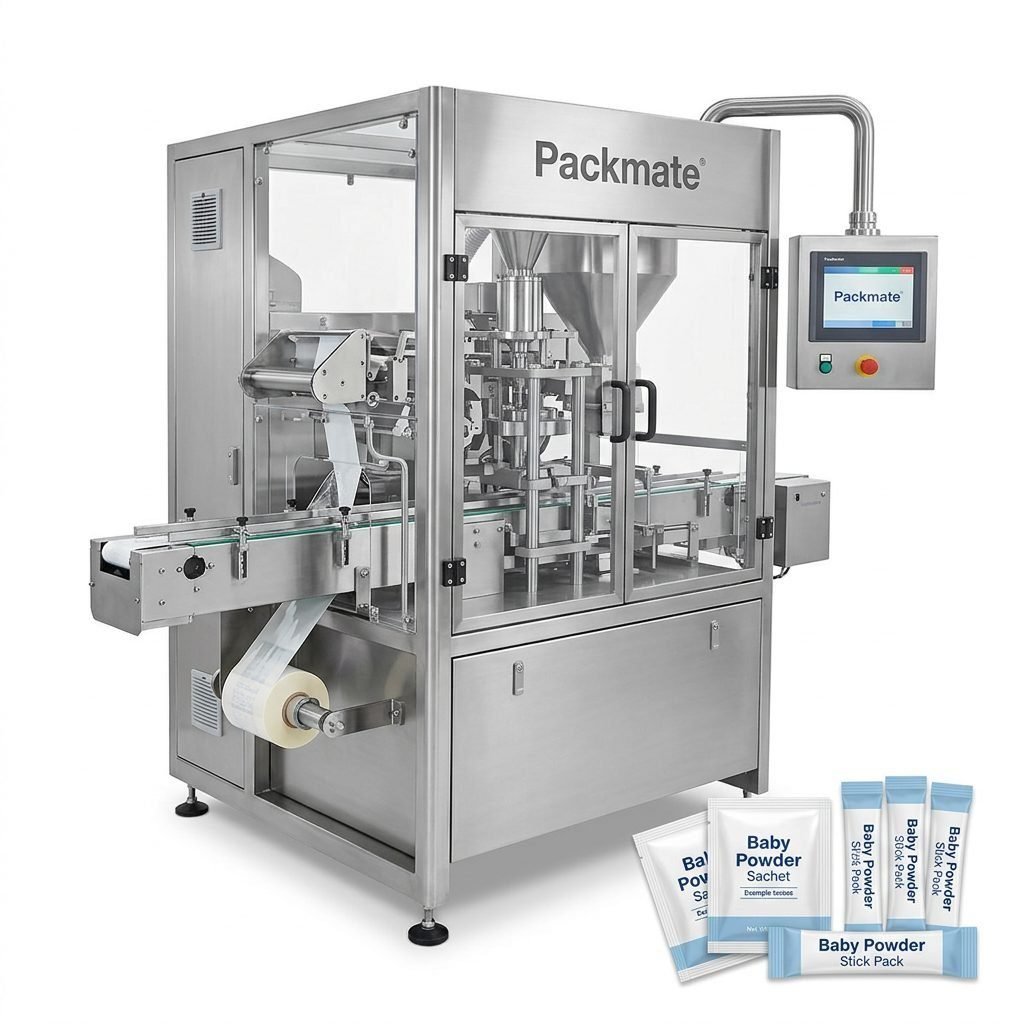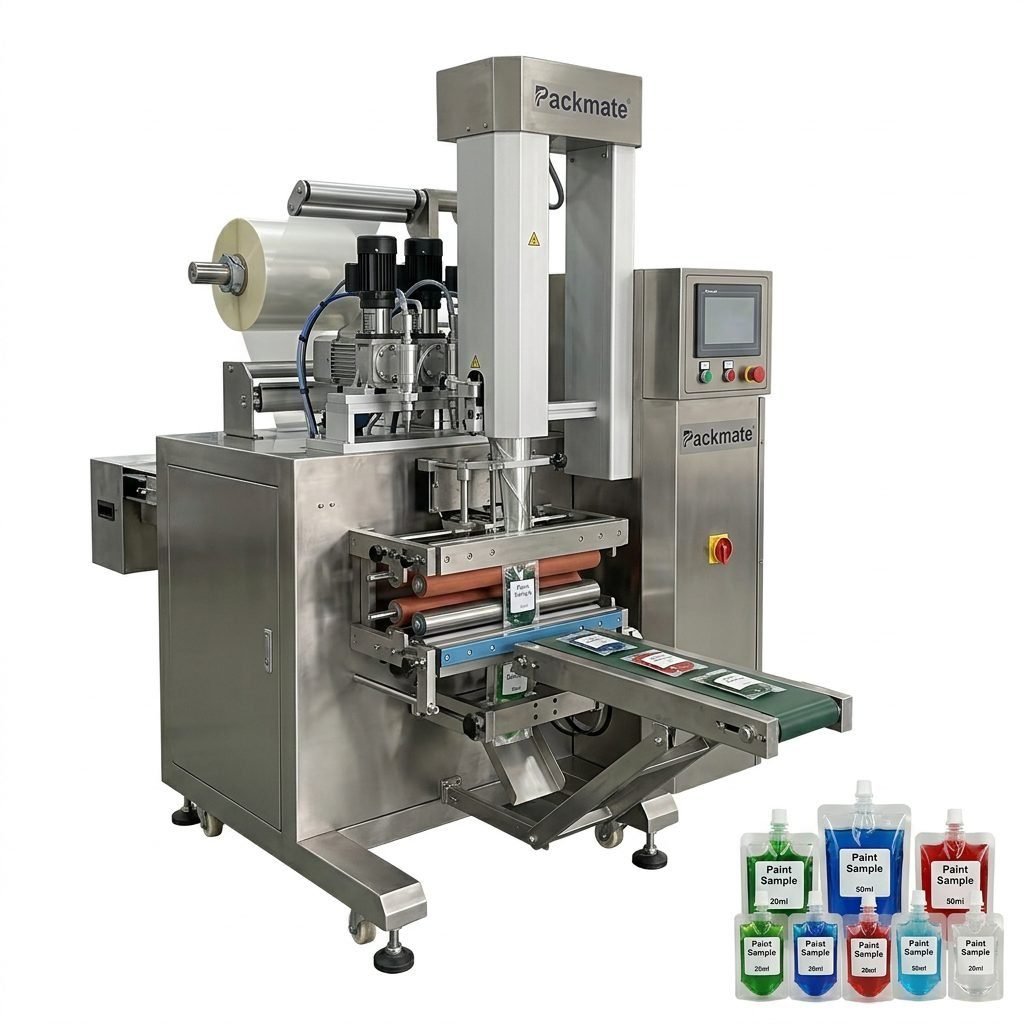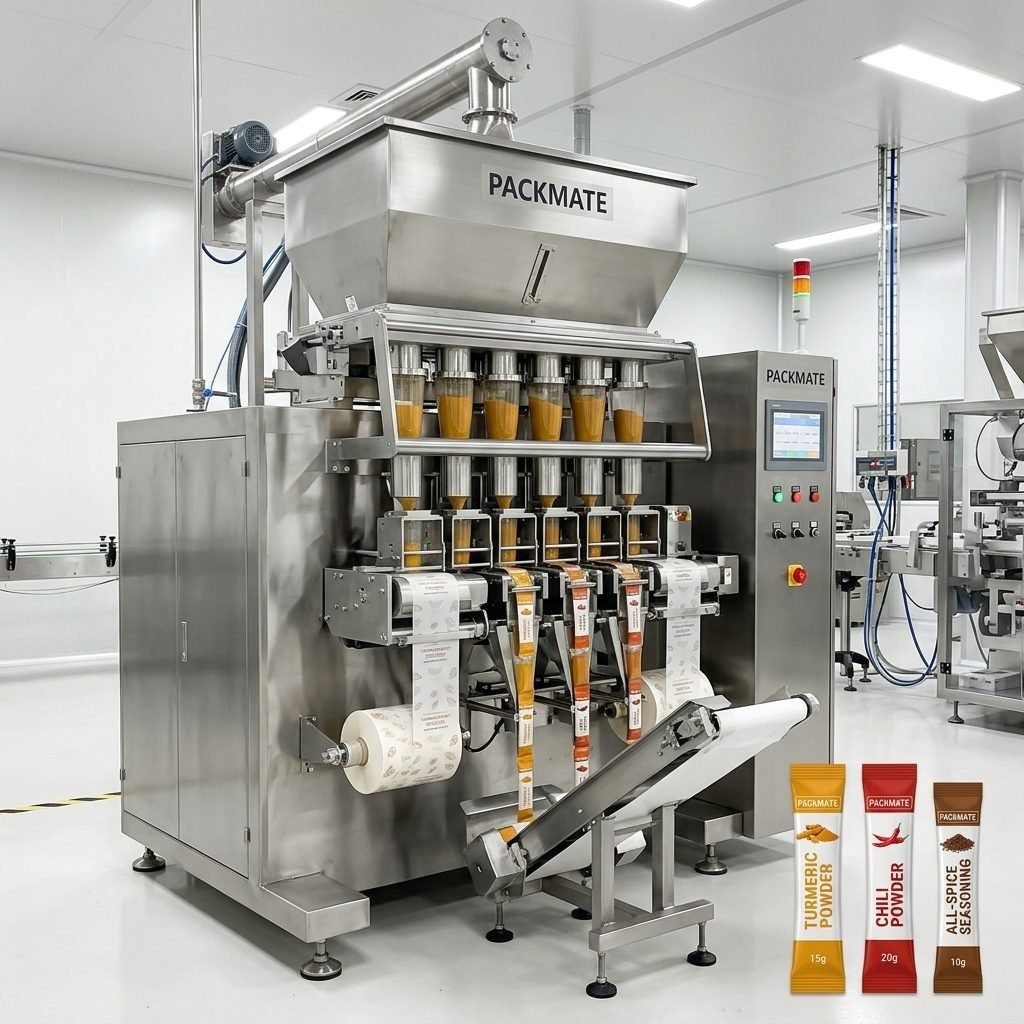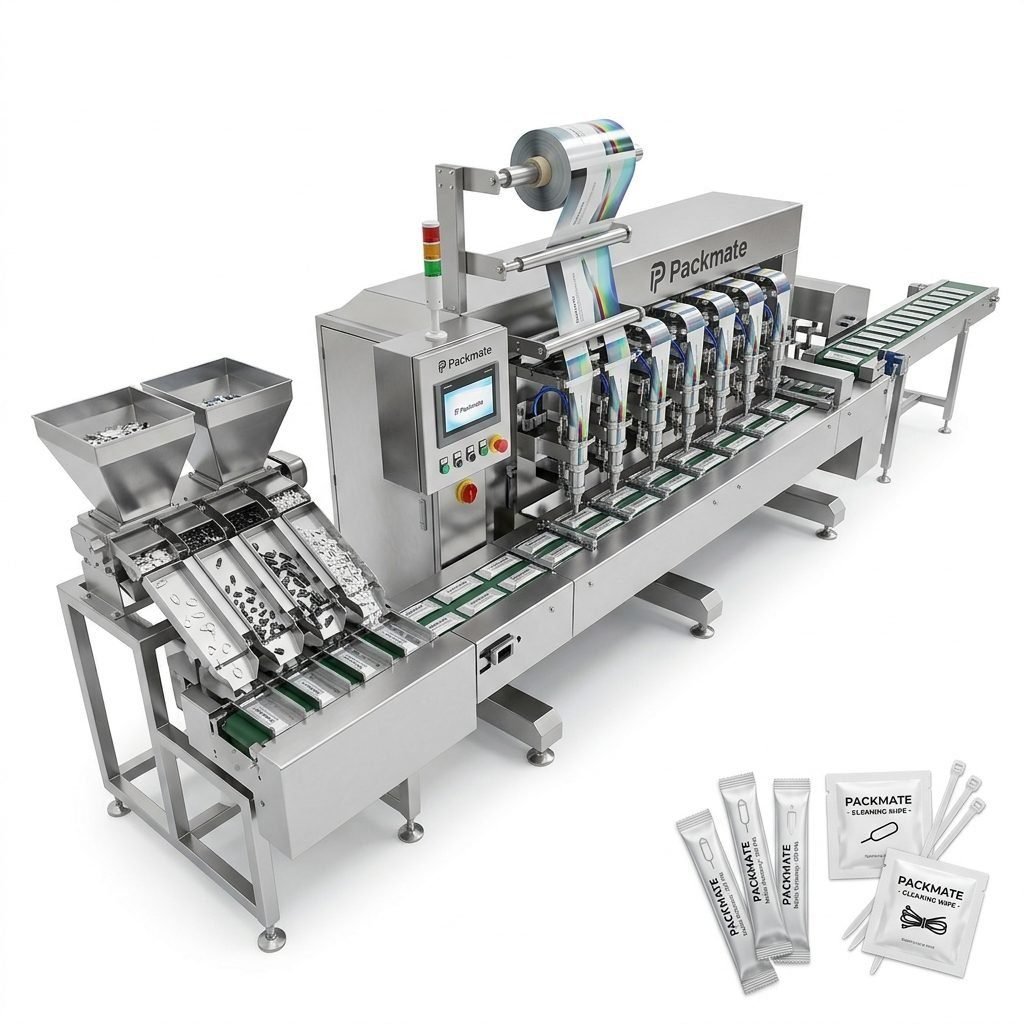
For businesses in Seychelles, from small-scale artisanal food producers to larger enterprises in the tourism and export sectors, finding reliable packaging machinery is a critical step towards growth and efficiency. The unique market dynamics—characterised by a focus on high-quality, often premium, products for both local consumption and the tourism industry—demand packaging solutions that ensure product freshness, appeal, and shelf stability. Choosing the right packaging machine manufacturer is not just about purchasing equipment; it’s about forming a partnership that supports your operational goals and adapts to the specific challenges of production in an island nation.
Understanding Your Packaging Needs in the Seychelles Context
Before beginning your search, a clear assessment of your requirements is essential. Seychellois businesses often deal with products like spices, teas, dried fish, essential oils, cosmetics, and premium food items for the hospitality sector. Consider the following:
Product Type: Are you packaging granules (pepper, salt), powders (spice blends, flour), liquids (sauces, oils), or pastes? The physical form dictates the machine technology.
Production Volume: Are you a boutique producer or scaling up for export? This determines the required speed (bags per minute) and level of automation.
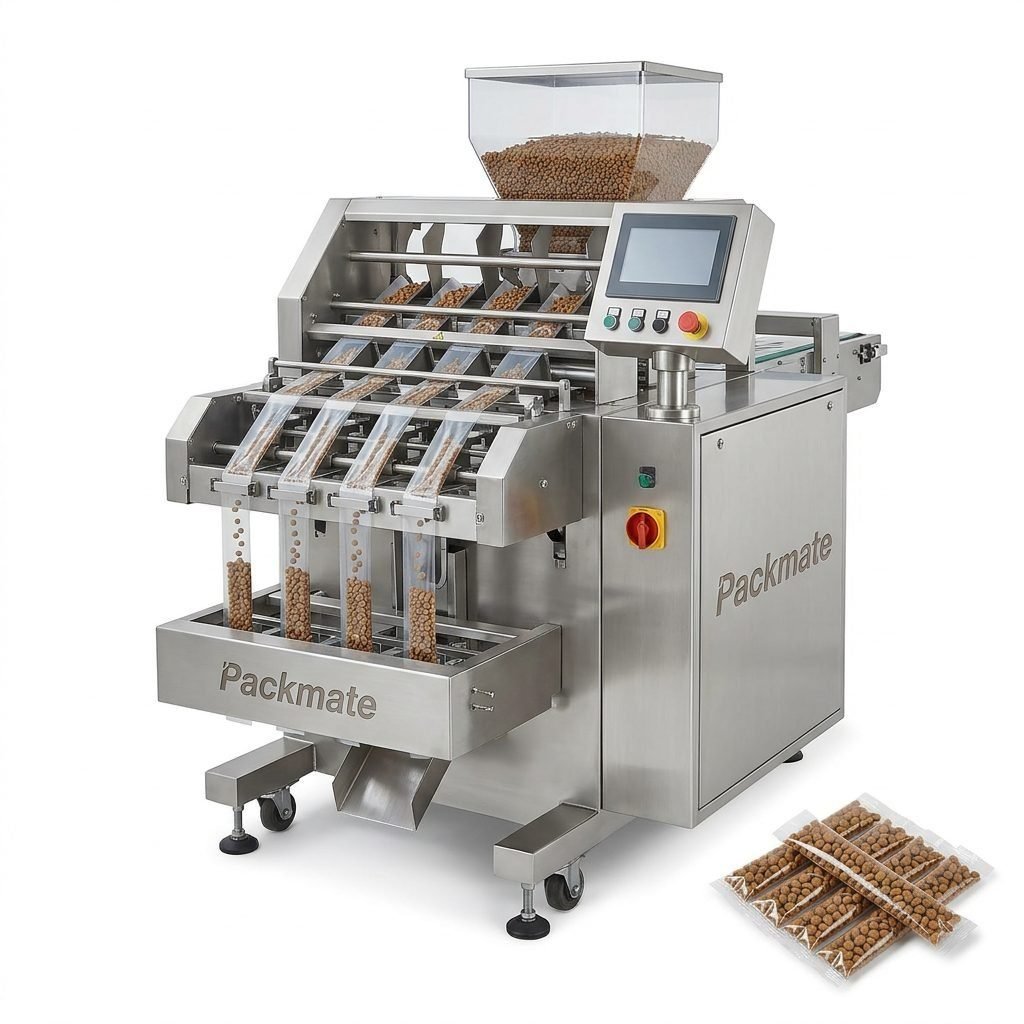
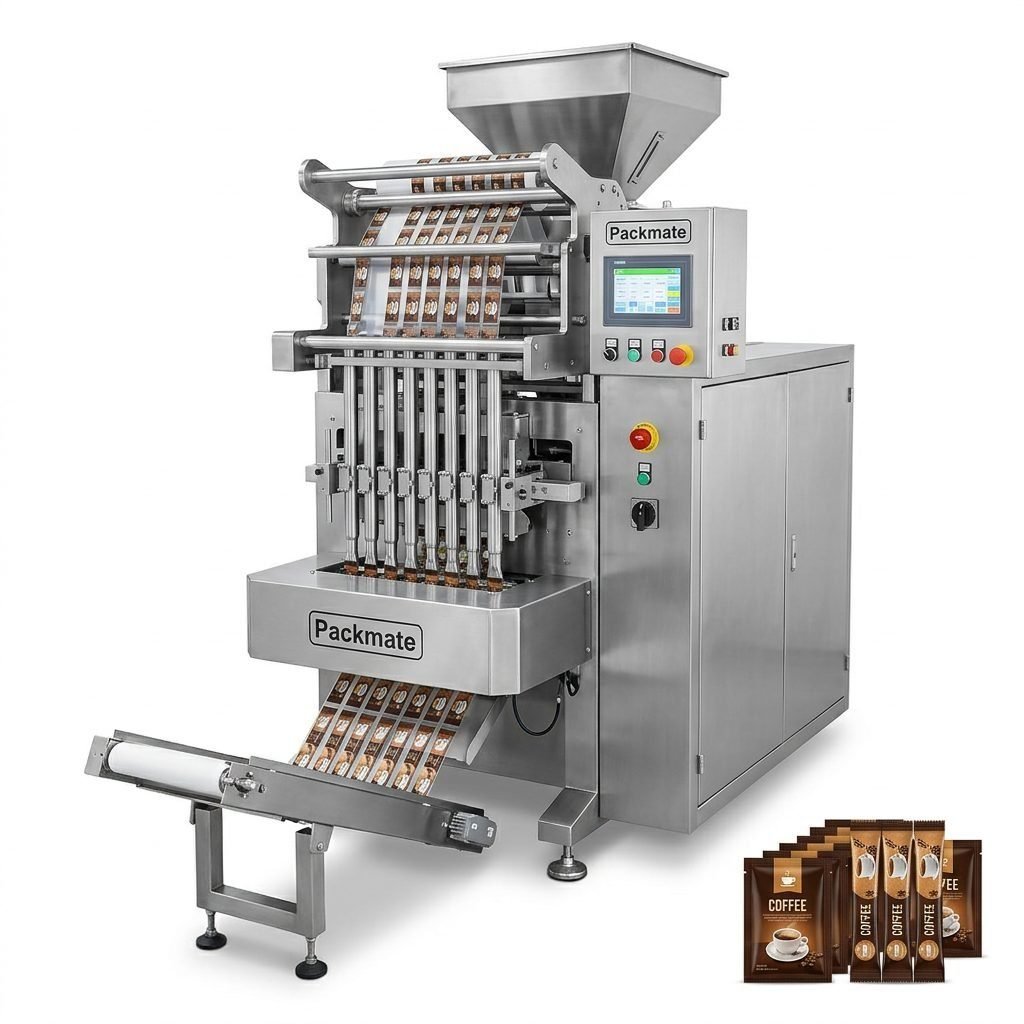
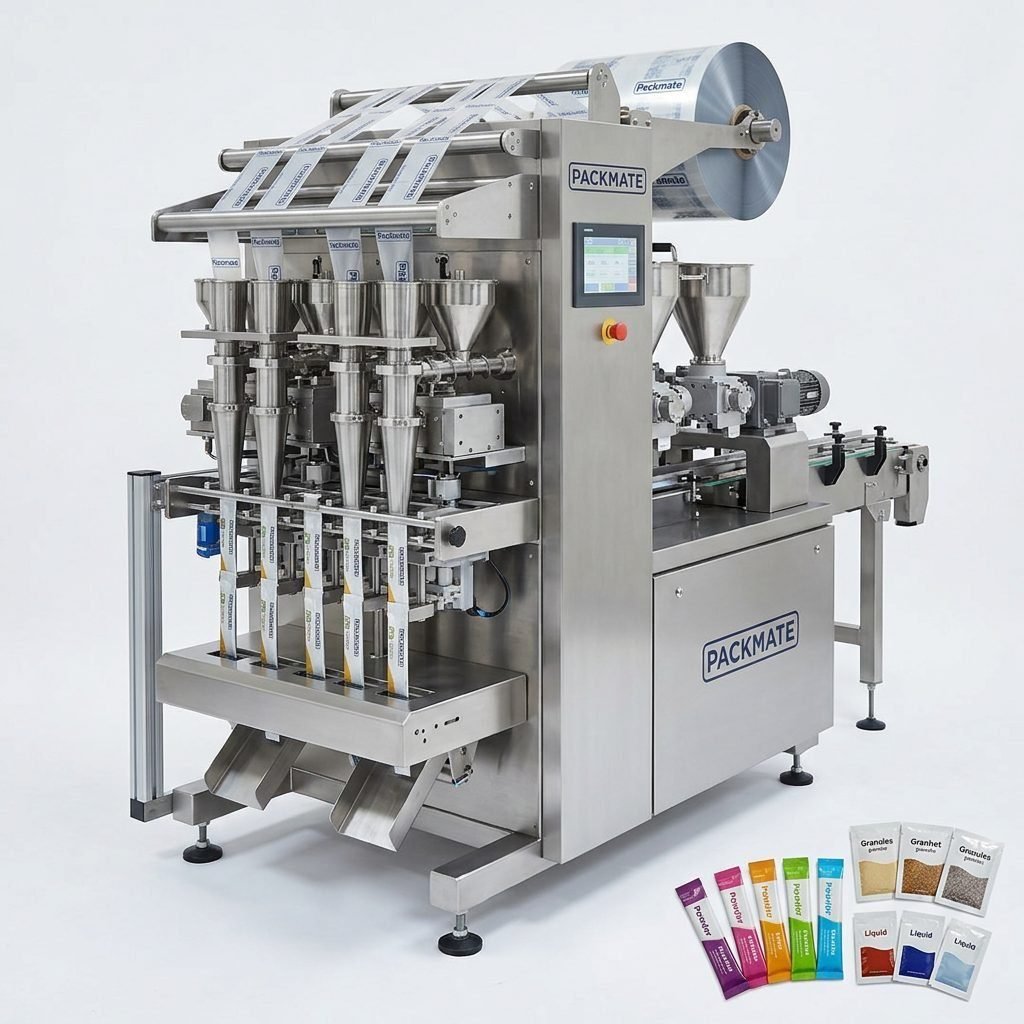
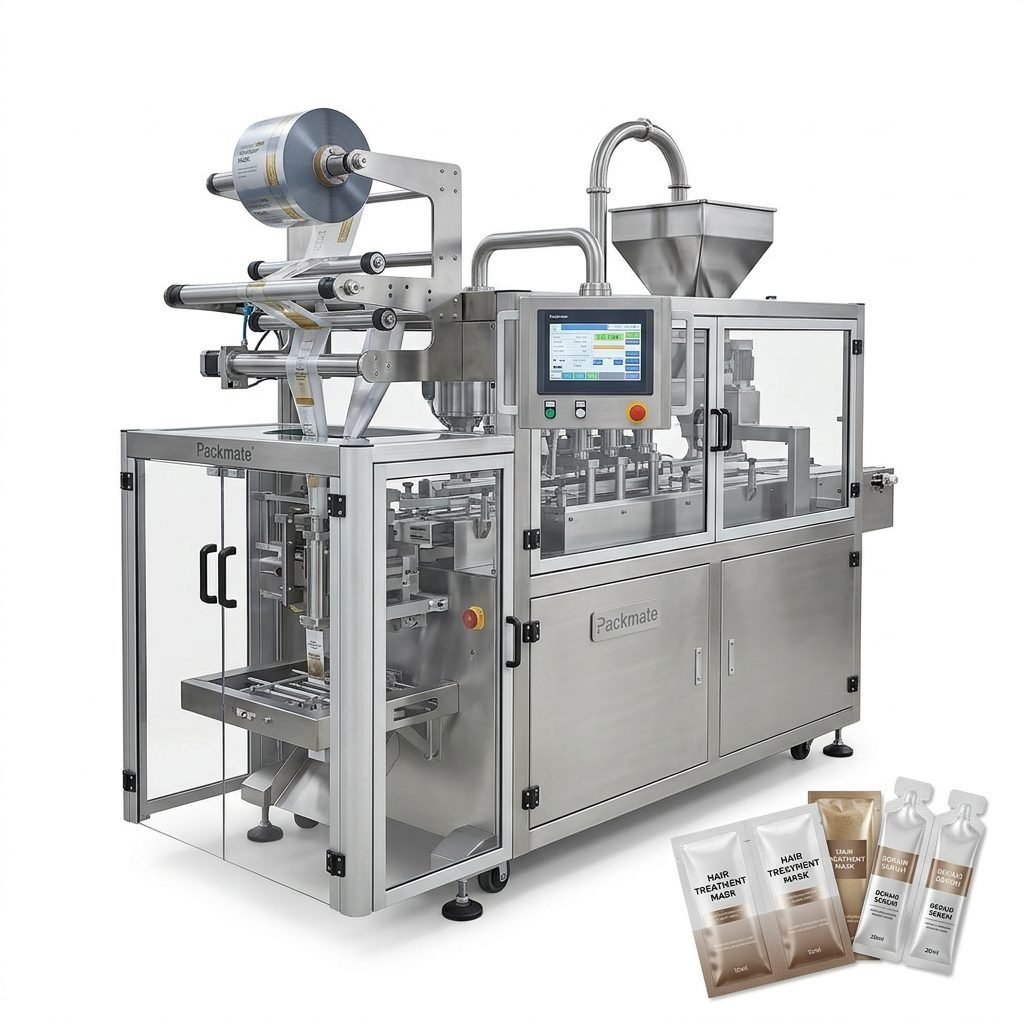
Packaging Format: Do you need stick packs for single-serve portions, sachets, pouches, or bags? The format influences the machine type, from vertical form-fill-seal to pre-made pouch fillers.
Future Growth: Can the machine or line be easily upgraded or integrated with other equipment as your business expands?
Key Criteria for Selecting a Trusted Manufacturer
With your needs defined, evaluate potential suppliers against these crucial factors:
1. Proven Experience and Technical Expertise
Look for manufacturers with a long track record, especially those with experience serving international markets with varying standards. A company with over 30 years in the industry, like Ludyway, has likely encountered and solved a wide array of packaging challenges, making them a stable partner. Their deep application knowledge for food, pharmaceutical, and related sectors is directly relevant to many Seychellois businesses.
2. Product Range and Customization Capability
A broad portfolio indicates strong R&D and manufacturing capability. However, the ability to provide customized solutions is often more important. Your product or packaging material might have unique characteristics. Manufacturers like PackingMachineOEM specialize in non-standard and tailored configurations, ensuring the machine fits your exact product and output requirements rather than forcing you to adapt your process.
Why Customization Matters for Seychelles:
Local products can be unique. A machine that perfectly handles a specific viscosity of vanilla paste or the precise dosing of high-value saffron powder can be a significant competitive advantage, reducing waste and ensuring consistent quality.
3. Manufacturing Quality and Compliance
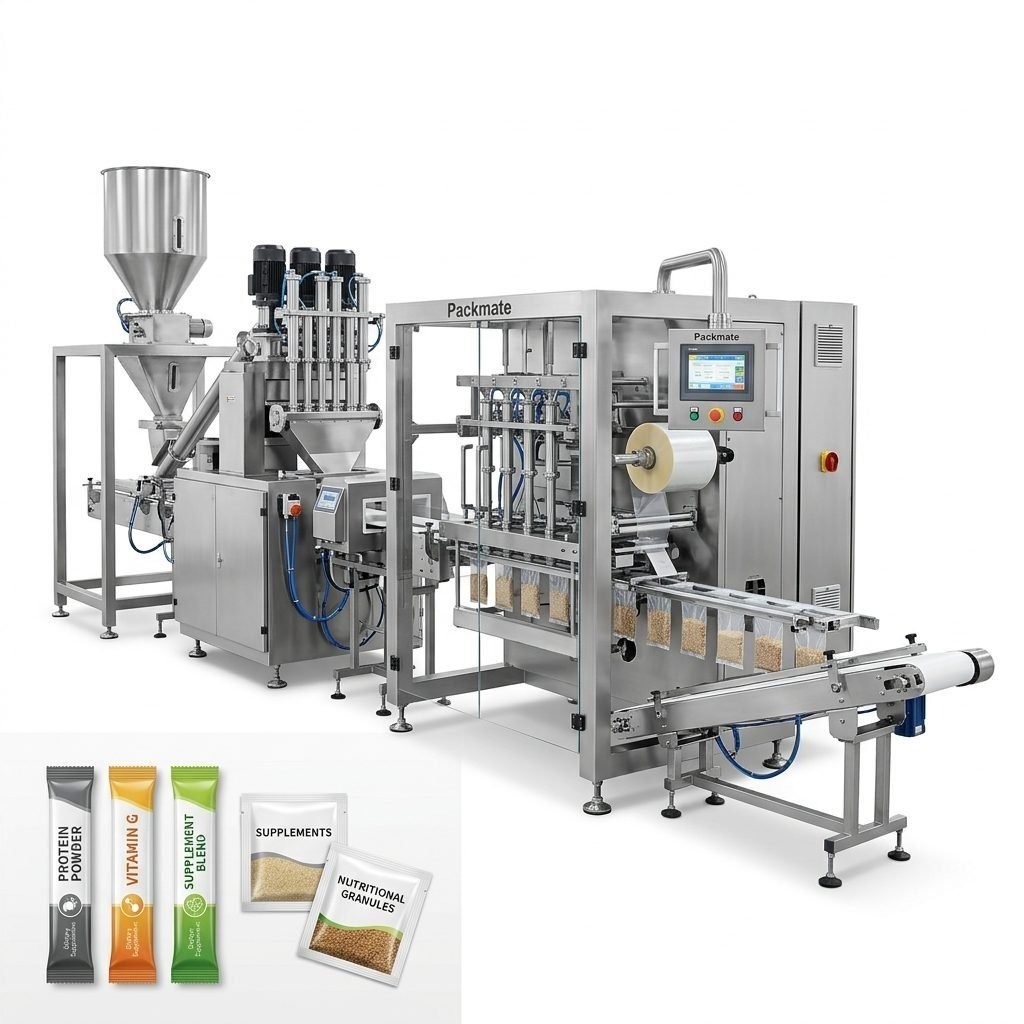
Inspect the company’s manufacturing facilities and quality control processes. A modern factory (20,000 sqm or larger is common among leading players) with precision machining and strict assembly protocols is a good sign. For export-oriented businesses in Seychelles, ensuring the machinery can help produce goods that meet international food safety and packaging standards is critical.
4. After-Sales Support and Technical Service
This is arguably the most critical factor for an island location. Reliable technical support, availability of spare parts, and comprehensive training are non-negotiable. Evaluate the supplier’s support network. Do they have service engineers who can provide remote assistance or travel if needed? What is their warranty policy? Companies with strong export experience, such as Packmate Machinery, are typically structured to support international clients effectively.
5. Turnkey Line Capability vs. Standalone Machines
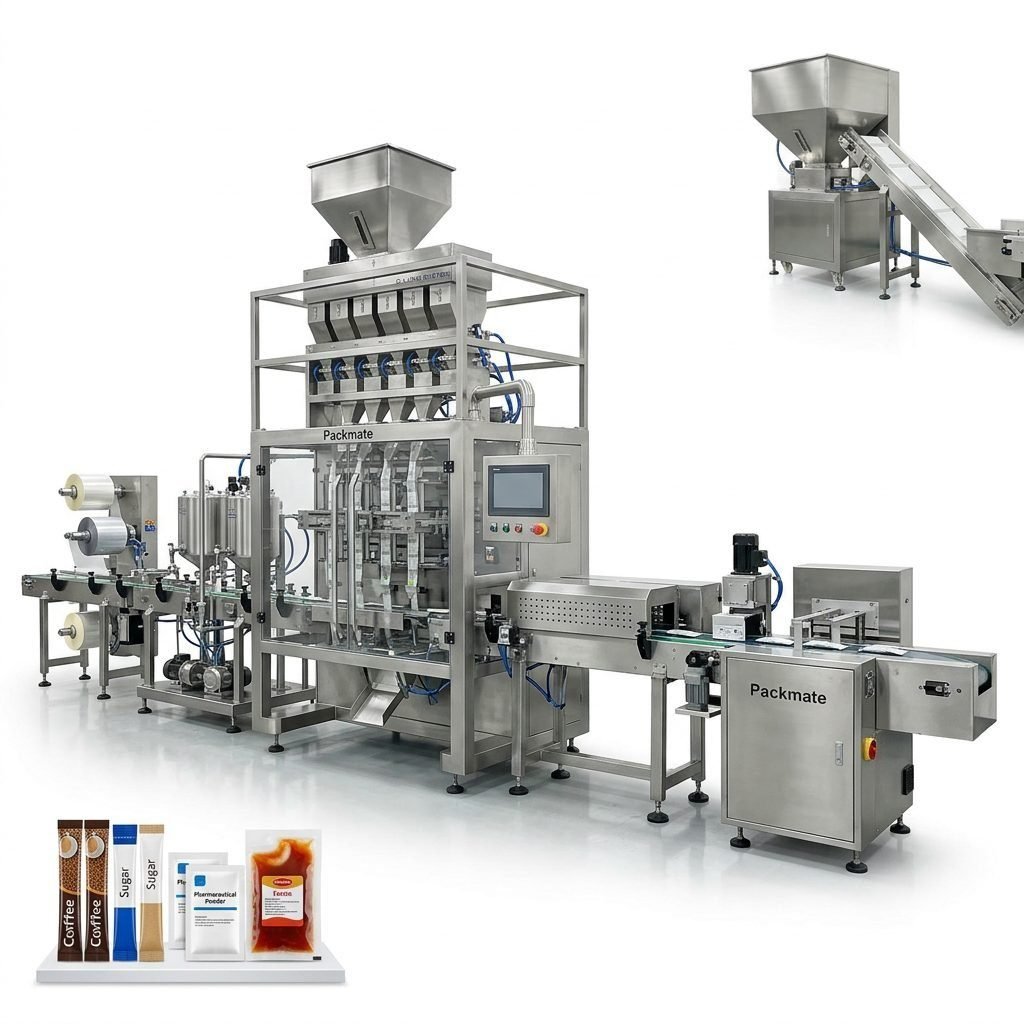
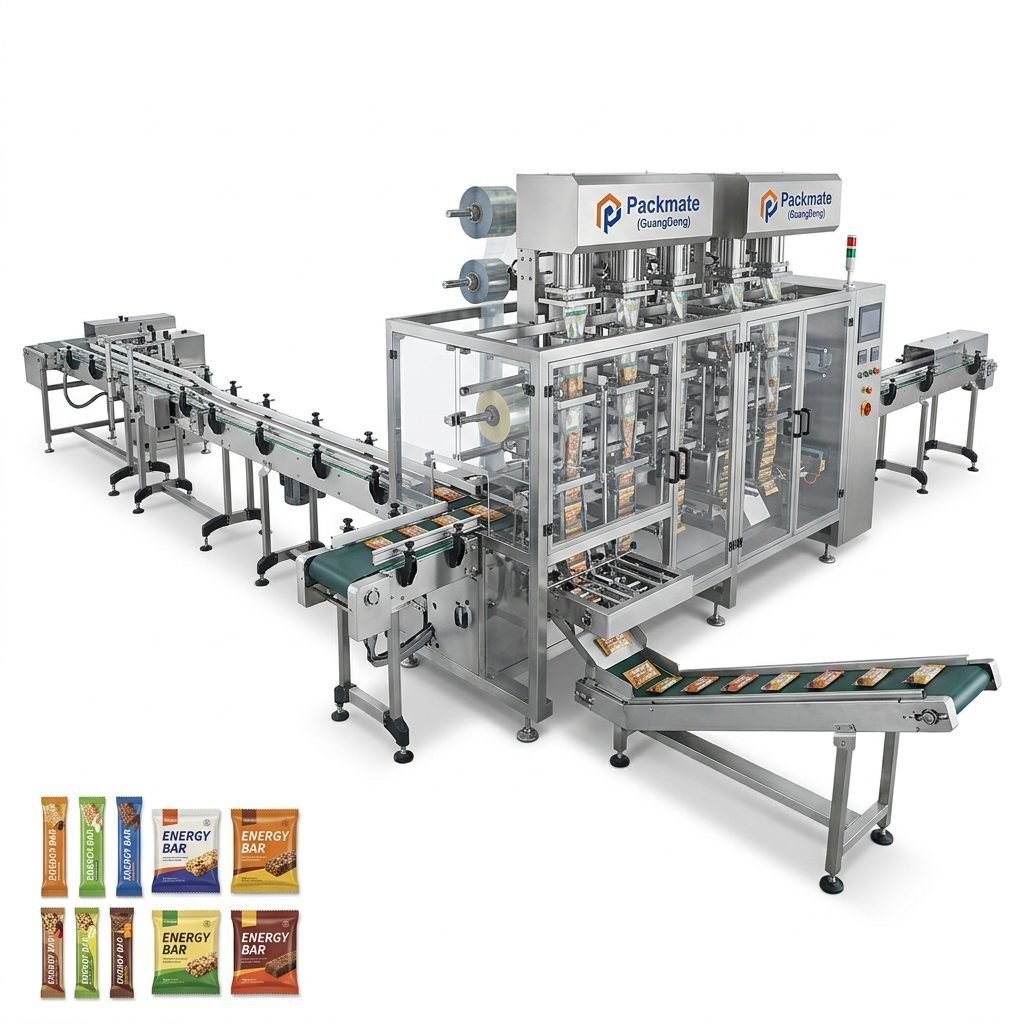
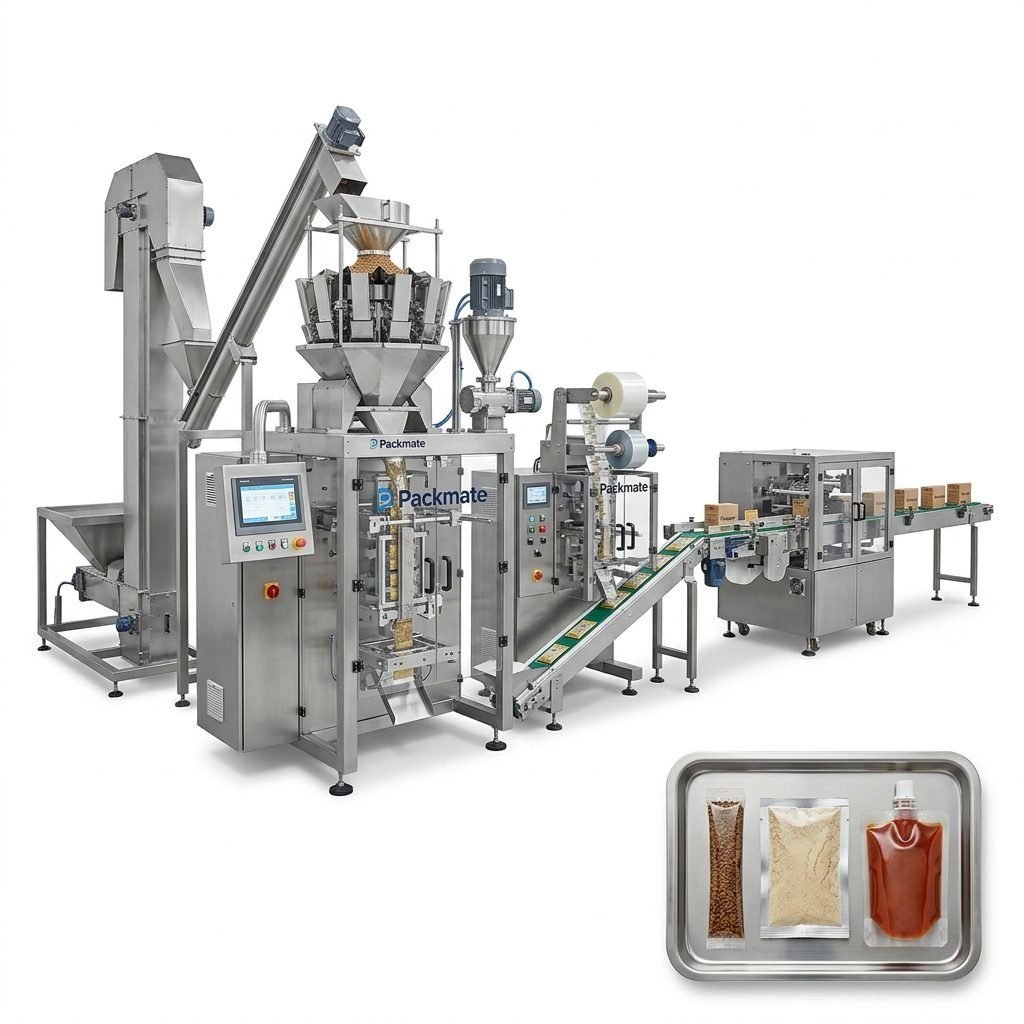
Decide if you need a single machine or an integrated production line. For larger operations aiming for full automation—from feeding and weighing to filling, sealing, and cartoning—a manufacturer specializing in turnkey solutions, like PacklineOEM, can provide significant value. They handle the complexity of line integration, ensuring all components work seamlessly together.
Leading Packaging Machine Manufacturers for Consideration
Based on the criteria above, here is an overview of several established manufacturers that are well-positioned to serve the needs of businesses in Seychelles and beyond:
| Manufacturer | Key Strength | Ideal For Seychelles Businesses Needing |
|---|---|---|
| Ludyway | Broad product range, strong export footprint, complete line capability. | Scalable solutions for food, pharma, and supplements; reliable performance for growing operations. |
| Packmate Machinery | Balanced cost-performance, over 80 machine models, strong in food/pharma packaging. | Practical automation with good customization flexibility for medium-sized producers. |
| PacklineOEM | Specialization in integrated turnkey packaging production lines. | Companies seeking full automation and line integration for powders, granules, and liquids. |
| PackingMachineOEM | High capability in non-standard and customized machine engineering. | Unique products requiring specialized dosing, sealing, or format adaptation. |
| SnusMachinery | Niche expertise in high-precision pouch packaging (e.g., nicotine, specialty products). | Producers of premium pouch products requiring exact dosing and consistent seal quality. |
Final Steps: Due Diligence and Decision Making
Once you have shortlisted potential suppliers, take these final steps:
Request References: Ask for contact information of clients in similar industries or regions.
Demand a Product Test: Always insist on a live or video test using your actual product and packaging materials. This is the best way to verify machine performance.
Review Documentation: Scrutinize the technical specifications, warranty terms, and service agreement in detail.
Consider Total Cost of Ownership: Look beyond the initial purchase price. Factor in energy consumption, maintenance costs, part availability, and potential downtime.
Frequently Asked Questions (FAQs)
Q1: How can I ensure machine compatibility with Seychelles’ power supply and environmental conditions?
A: Specify your local voltage (e.g., 240V) and frequency (50Hz) requirements during inquiry. Reputable manufacturers can configure motors and electrical systems accordingly. Discuss ambient conditions like humidity and temperature in your facility to ensure suitable machine construction (e.g., stainless steel for corrosion resistance).
Q2: What is the typical lead time for receiving a packaging machine in Seychelles?
A: Lead times vary from 30-90 days for standard models to several months for fully customized or turnkey lines. This includes manufacturing, testing, and sea freight to Port Victoria. Always confirm the detailed timeline and shipping terms (Incoterms) with your supplier.
Q3: How important is local agent support, and do these manufacturers have representatives in Africa?
A: Local agent support is highly valuable for faster communication, spare parts logistics, and on-ground assistance. While the featured manufacturers may not have direct offices in Seychelles, many have agents or distributors in key African regions or extensive experience exporting to Africa, enabling them to manage support effectively. Inquire specifically about their support structure for East Africa/Seychelles.
Q4: Can I get training for my operators?
A: Yes, comprehensive training is a standard offering from serious manufacturers. This can be conducted at their factory before shipment, via detailed manuals and videos, and often includes on-site training during installation and commissioning in your facility.
Q5: Are these machines suitable for small-batch, artisanal production?
A: While many machines are designed for higher output, several manufacturers offer semi-automatic or smaller, flexible models that are perfect for small-batch production. The key is to communicate your current and near-future volume needs clearly so they can recommend a machine that won’t be under- or over-utilized.