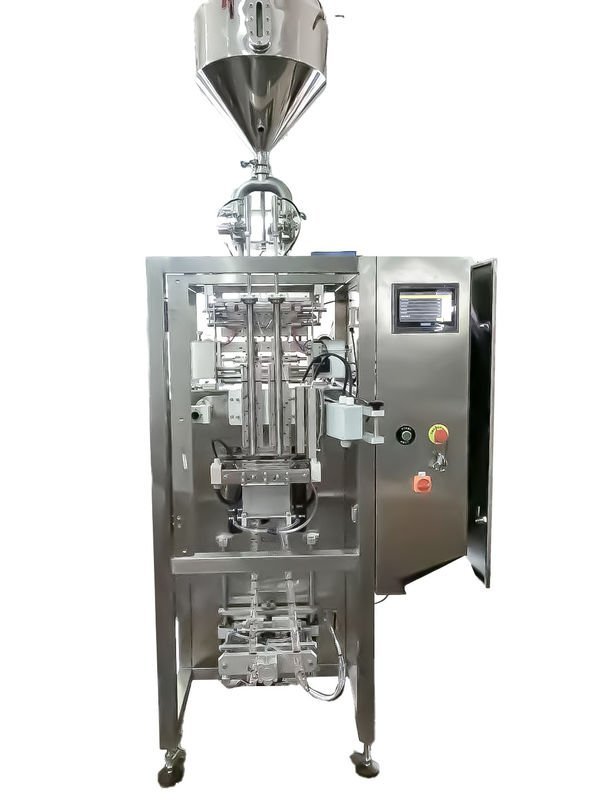
Purchasing a used packaging machine can be a strategic and cost-effective decision for businesses looking to expand or upgrade their production capabilities without the hefty investment of brand-new equipment. The secondary market offers a wide array of machines, from versatile bag and pouch packaging machines to high-speed sachet and stick pack machines. However, navigating this market requires careful consideration to ensure you acquire reliable equipment that meets your operational needs and delivers a strong return on investment.

Understanding the Market for Second-Hand Packaging Equipment
The pre-owned packaging machinery market is diverse, featuring equipment from various manufacturers, generations, and specializations. Machines become available for resale due to factory closures, production line upgrades, or company downsizing. This creates opportunities for buyers to access higher-tier or more specialized machinery at a fraction of the original cost. For instance, a business might find a perfectly functional multi-lane stick pack machine that was part of a larger filling and packaging line.
Key Advantage: Accelerated ROI
The primary benefit of buying used is the significantly lower capital expenditure. This allows businesses to allocate funds to other critical areas like marketing, raw materials, or workforce training. The depreciation hit has already been absorbed by the first owner, meaning you can often achieve a faster return on your investment if the machine is well-suited to your production requirements.
Critical Factors for Choosing a Reliable Used Machine
Selecting the right equipment is a multi-step process that goes beyond just finding a machine that fits your budget. A meticulous approach is essential to avoid costly downtime and repairs.
1. Define Your Precise Requirements
Before you start looking, have crystal-clear specifications. What product are you packaging (granules, powder, liquid)? What are your required output speed (bags/min) and accuracy? What film material will you use? Knowing these details will narrow your search to machines with the correct weighing and packaging systems and mechanical capabilities.
2. Thoroughly Investigate Machine History & Condition
This is the most crucial step. Always request the machine’s service history, maintenance logs, and reason for sale. Inspect the machine in person if possible, or request a detailed video inspection. Pay close attention to:
- → Wear and Tear: Check critical moving parts like seals, gears, chains, and heating elements for excessive wear.
- → Control System: Power on the machine. Test the PLC/HMI interface. Are all functions responsive? Are error logs clean?
- → Performance Test: Request a live test run with a material similar to yours. Assess noise levels, vibration, and the quality of the final sealed package.
3. Assess Parts Availability and Technical Support
A machine is only as good as the support behind it. Research the original manufacturer. Are they still in business? Are spare parts readily available? Companies with a long history, like Packmate (GuangDong) Co., Ltd., often support their older models, which is a significant advantage. Ensure you can access manuals, circuit diagrams, and potentially a service technician familiar with the model.
Vendor Due Diligence Checklist
✔ Reputation: Read reviews and ask for references from past buyers.
✔ Transparency: The seller should provide all available documentation openly.
✔ Warranty & Guarantee: Does the seller offer any short-term warranty on functionality?
✔ Logistics Support: Can they assist with professional disassembly, crating, and shipping?
The Inspection Process: A Step-by-Step Guide
A structured inspection minimizes risk. Follow this sequence when evaluating a potential purchase.
Step 1: External Visual Inspection
Look for signs of damage, rust, or modifications to the frame and covers. Check nameplates for model number, serial number, and manufacturing year.
Step 2: Mechanical & Electrical Inspection
Open panels (with power disconnected) to inspect internal components. Look for oil leaks, cracked hoses, frayed wiring, or burnt electrical contacts. Check the condition of motors, drives, and pumps.
Step 3: Operational Run & Output Verification
Run the machine through its paces. Test different speed settings. Measure the fill weight accuracy over a series of cycles. Inspect the seals for consistency and strength. The final package must meet your quality standards.
Financial Considerations Beyond the Purchase Price
The sticker price is just the beginning. A comprehensive budget must include:
- Refurbishment Costs: Budget for replacing worn consumables (like sealing jaws, tubes, filters) and any critical parts identified during inspection.
- Recommissioning Costs: This includes shipping, rigging, installation, and calibration at your facility by a qualified technician.
- Ongoing Costs: Factor in the likely higher maintenance and spare parts costs compared to a new machine.
Sometimes, investing a bit more upfront for a machine in excellent condition from a reputable dealer is more economical than buying a “bargain” that requires extensive immediate repairs. Exploring professional service and support options is highly recommended.
Conclusion: A Calculated Investment
Buying a used packaging machine is not about finding the cheapest option; it’s about finding the best value option. By rigorously defining needs, investigating history, conducting thorough inspections, and planning for all associated costs, you can secure reliable equipment that boosts your productivity for years to come. The secondary market is a valuable resource for savvy buyers willing to do their homework.
Frequently Asked Questions (FAQs)
1. What is the biggest risk when buying a used packaging machine?
The biggest risk is hidden mechanical or electrical damage that leads to immediate, expensive failures and prolonged downtime after installation. This is mitigated by a comprehensive, hands-on inspection and reviewing full maintenance records.
2. How can I verify the operational hours of a used machine?
Many modern machines with PLCs log operational hours. Check the HMI for this data. For older machines, physical inspection of high-wear components (like drive chains, bearings, and seals) by an experienced technician is the best indicator of usage.
3. Is technical training available for older machine models?
It depends on the manufacturer and the seller. Reputable sellers or the original manufacturers (if they still support the model) may offer training. Always clarify training availability and cost before purchase. You can also inquire about general packaging equipment FAQs from experts.
4. Should I buy from a dealer or directly from another factory?
Dealers often provide added value like inspection, basic refurbishment, a short warranty, and logistical support. Buying directly from a factory might be cheaper but typically comes “as-is, where-is” with no support. For first-time buyers, a reputable dealer is usually the safer choice.
5. Can a used machine be integrated into my existing automated line?
Yes, but it requires careful planning. You must ensure the machine’s control system (I/O, communication protocols like Ethernet/IP, Profibus) is compatible with your line’s PLC or SCADA system. A controls engineer should review the specifications before purchase.