In an era where maximizing space is a universal concern, the vacuum packaging machine for clothes emerges as a revolutionary tool for both home storage and travel. This technology, which removes air from specially designed bags to compress contents, is transforming how we manage our wardrobes and pack our suitcases. By creating a compact, airtight seal, these machines allow you to store more in less space while offering crucial protection against environmental damage.

Core Benefits at a Glance
→ Space Reduction: Compresses bulky items like winter coats, comforters, and sweaters by up to 80% of their original volume.
→ Protection: Creates a barrier against moisture, dust, mold, moths, and odors, preserving fabric quality.
→ Organization: Allows for clear categorization (e.g., seasonal wear, travel outfits, sentimental items) in a streamlined form.
How Vacuum Packing Works for Fabrics
The principle is simple yet effective. You place your clothes into a durable, air-tight bag with a one-way valve. Using a vacuum machine, the air is suctioned out through this valve. As the air evacuates, the bag shrinks tightly around the contents, compressing them. The valve then seals, preventing air from re-entering. For home use, electric pump machines are common, while for travel, smaller manual pumps or even specific roll-up bags that force air out are popular alternatives.
Choosing the Right Machine and Bags
Not all vacuum systems are created equal. For heavy-duty, long-term storage of large volumes, an electric machine with strong suction is ideal. For frequent travelers, a compact, manual pump or specially designed travel compression cubes might be more practical. Crucially, you must use bags designed for the machine. Reusable bags are cost-effective and eco-friendly, while disposable ones are convenient for single trips. Ensure the bags are made of puncture-resistant, multi-layer material to maintain the seal. For professional-grade reliability in packaging systems, companies like Packmate exemplify the engineering precision required for durable sealing technology.
Ultimate Guide to Space-Saving Home Storage
Revolutionize your closet, attic, or under-bed storage with these strategic steps:
Step 1: Sort and Categorize
Begin by sorting clothes seasonally or by category (e.g., winter woolens, summer linens, baby clothes). Discard or donate items you no longer need. This decluttering step is essential before compression.
Step 2: Fold Strategically
Fold clothes neatly and uniformly. Roll softer items like t-shirts and knitwear to minimize wrinkles and maximize space efficiency before placing them in the bag. Avoid overfilling; leave some room for the bag to contract evenly.
Step 3: Seal and Vacuum
Seal the bag according to the manufacturer’s instructions, ensuring the valve is clear. Attach the vacuum pump and run it until all excess air is removed. You will see the bag shrink dramatically.
Step 4: Label and Store
Clearly label each compressed bag with its contents and date. Store them in a cool, dry place away from sharp objects. The compact, flat shapes allow for easy stacking.
⚠️ Important Fabric Care Note
Vacuum packing is excellent for most everyday fabrics like cotton, polyester, and down. However, use caution with delicate items. Heavy compression for long periods can cause permanent creases in structured garments like suits or formal wear. For very delicate silks, velvets, or beaded items, it’s safer to use archival boxes with acid-free tissue paper instead.
The Traveler’s Secret Weapon: Packing Smarter, Not Harder
For the modern traveler, whether a backpacker or a business professional, vacuum packing is a game-changer. It enables you to pack multiple outfits into a carry-on, avoid checked baggage fees, and keep your luggage impeccably organized.
Packing Process for Travel
1. Plan Outfits: Coordinate mix-and-match items to reduce the total number of pieces needed.
2. Roll and Pack: Roll each outfit or category of clothing together and place them in the travel vacuum bag.
3. Create Compression: Use the travel pump (often battery-operated or manual) to remove the air. You’ll instantly gain 50% more space in your luggage.
4. Organize Zones: Use one compressed bag for tops, another for bottoms, and a separate one for underwear and socks. This keeps everything accessible.
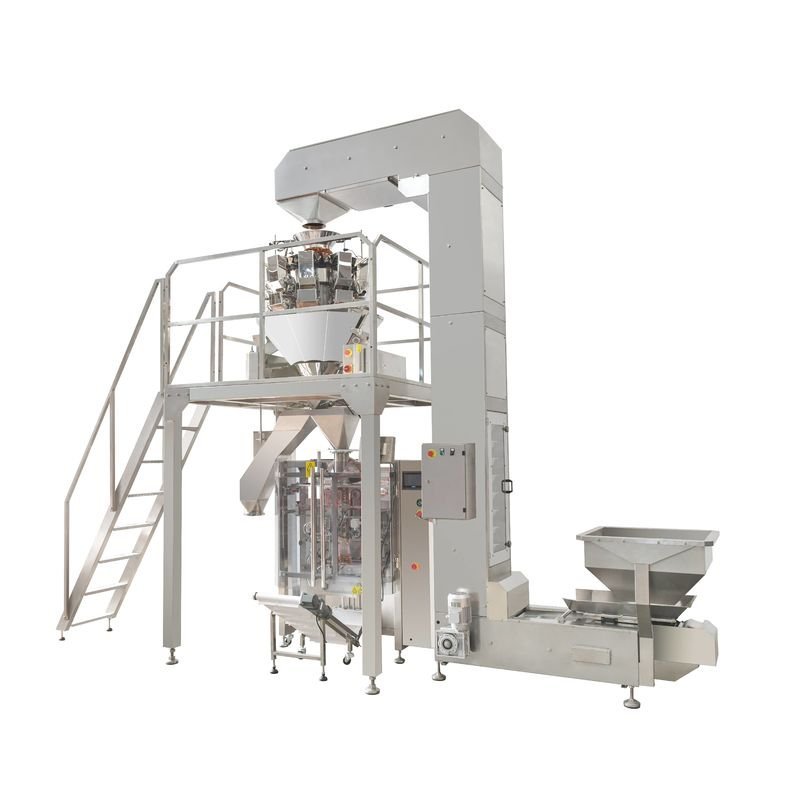
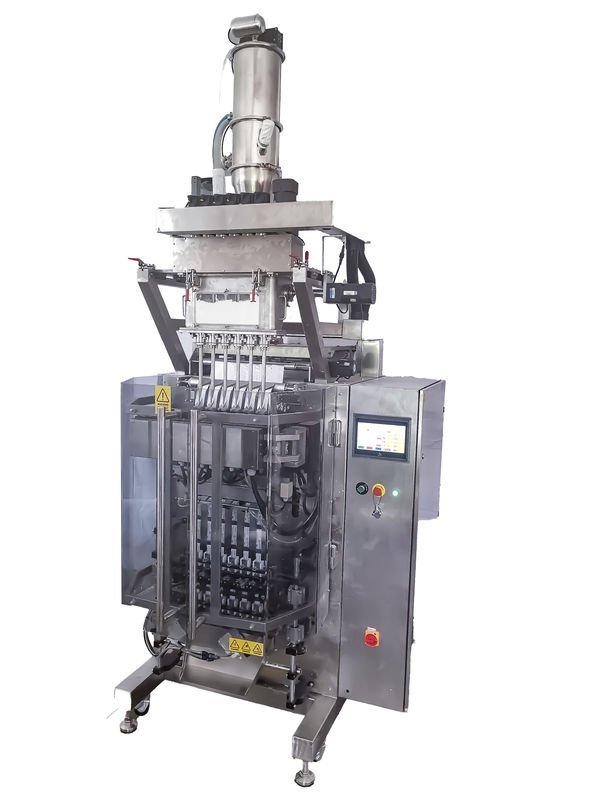
This method is particularly beneficial for trips involving bulkier items like ski gear, multiple climate destinations, or long-term travel. The technology behind reliable sealing is complex; exploring bag and pouch packaging machines reveals the engineering that ensures an airtight seal, a principle scaled down for consumer use.
Beyond Clothes: Other Household Applications
The utility of vacuum sealing extends far beyond your wardrobe. Consider using it to protect seasonal bedding, duvets, and pillows. It’s perfect for storing children’s plush toys, seasonal decor, or important documents and photographs in a moisture-proof environment. The core principle of creating a compact, protected unit is a cornerstone of industrial packaging, as seen in integrated filling and packaging lines for sensitive products.
Long-Term Preservation and Moving House
When placing items into long-term storage (6+ months) or preparing for a move, vacuum packing offers unmatched protection. It prevents dust infiltration and, crucially, inhibits mold and mildew growth by removing the oxygen they need. Label each bag in detail for easy retrieval. For businesses that rely on perfect preservation, the reliability of their equipment is paramount, much like the auxiliary packaging equipment that supports a seamless packaging line.
Maintenance and Best Practices
To ensure your vacuum packing system lasts for years, follow these tips. Clean the machine’s filter regularly to maintain strong suction. Store the electric pump in a dry place. Inspect reusable bags for wear, tears, or valve damage before each use. For the bags, wash them gently if needed and ensure they are completely dry before reuse. Always follow the manufacturer’s guidelines for both the machine and the bags. This focus on durability and proper maintenance mirrors the philosophy of established manufacturers who provide comprehensive support, which you can learn about on their service page.
Frequently Asked Questions (FAQs)
1. Does vacuum packing damage clothes?
When used correctly on appropriate fabrics, it does not cause damage. It may cause wrinkles, which typically shake out or can be removed with light steaming. Avoid packing heavily starched or very structured garments for extended periods.
2. How long can clothes stay vacuum packed?
Clothes can safely remain vacuum packed for several months to years if stored in a stable, cool, and dry environment. It’s a good practice to refresh the bags every 12-18 months for very long-term storage.
3. Can I use a vacuum packaging machine for food to pack clothes?
It is not recommended. Food vacuum sealers often use a different sealing method (heat sealing) and may not be compatible with the thicker, reusable fabric storage bags. They are also not designed for the volume of typical clothing storage bags.
4. Are vacuum-sealed clothes safe from moths and bugs?
Yes. The airtight seal physically prevents pests from entering and also suffocates any existing eggs or larvae by removing oxygen, making it an excellent non-chemical moth prevention method.
5. What items should NOT be vacuum packed?
Avoid vacuum packing leather or fur, as they need to breathe. Also avoid packing anything damp, as this will trap moisture and cause mildew. Delicate heirlooms, padded bras (which can lose shape), and items with sharp edges or embellishments that could puncture the bag should also be excluded.