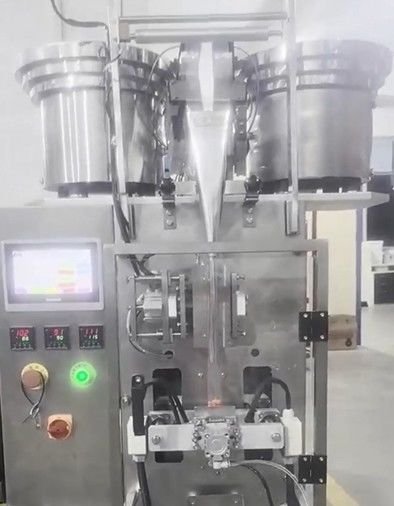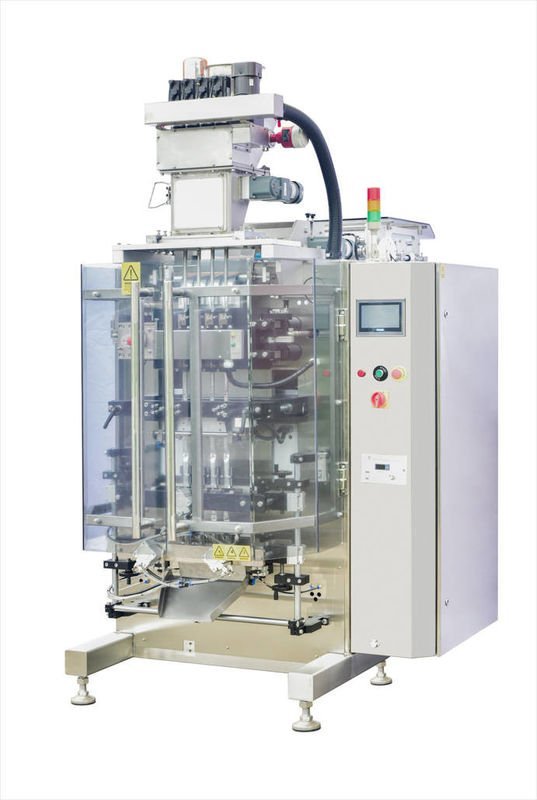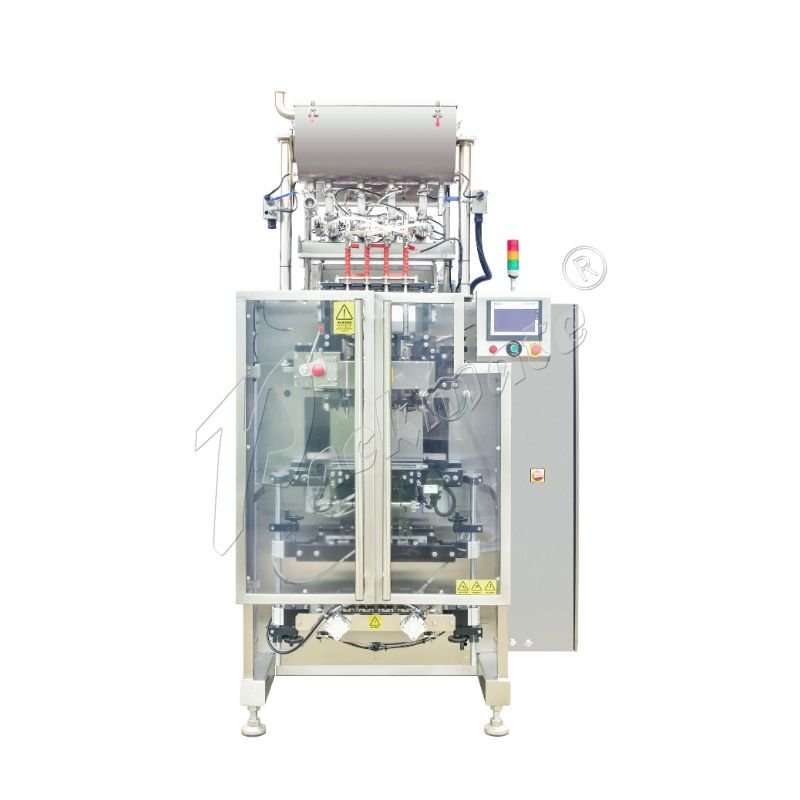
In the competitive landscape of food and pharmaceutical manufacturing, efficiency, hygiene, and precision are non-negotiable. The choice of packaging equipment directly impacts production speed, product integrity, and ultimately, your bottom line. This guide delves into the core solutions for modern drug packaging, focusing on automatic sachet, stick pack, and pouch packaging equipment. We’ll explore their functionalities, benefits, and how to select the right machinery for your specific needs, drawing on insights from industry leaders like Packmate Machinery.
The Rise of Unit-Dose and Flexible Packaging
The global shift towards patient convenience and precise dosing has propelled unit-dose packaging formats like sachets and stick packs to the forefront. Similarly, stand-up pouches offer excellent barrier properties and branding space. Automating the packaging of these formats is no longer a luxury but a necessity for scaling production, ensuring consistency, and meeting stringent regulatory standards, particularly in the pharmaceutical sector.
Key Driver: The demand for automated packaging is driven by the need for contamination reduction, higher output speeds, and accurate fill weights, which are critical for both product safety and operational profitability.
Automatic Sachet Packaging Machines: Precision in Small Doses
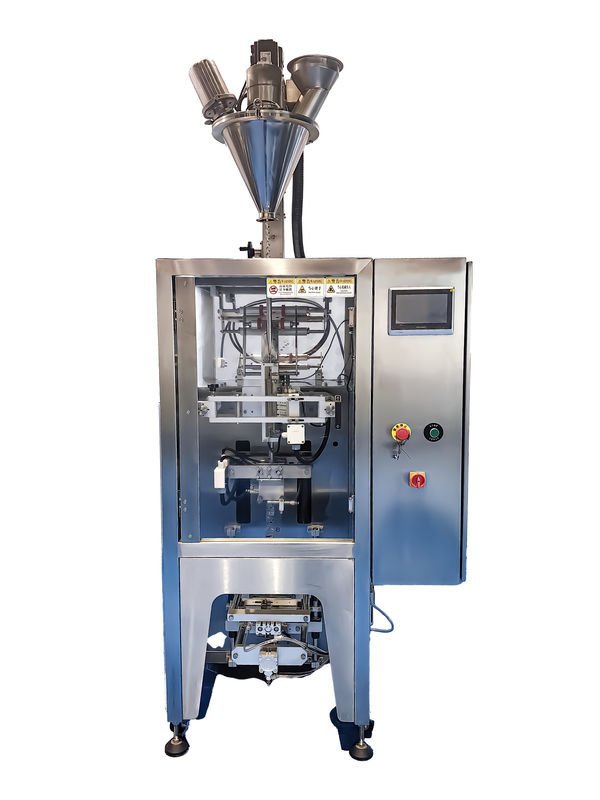
Sachet packaging is ideal for single-use quantities of powders, granules, or liquids. Automatic sachet machines form, fill, and seal packets from a roll of film in one continuous operation.
Core Features & Applications
- ➤ High-Speed Production: Capable of producing hundreds of sachets per minute.
- ➤ Versatile Filling: Handles a wide range of products from fine pharmaceutical powders to coffee granules.
- ➤ Aseptic Options: Available with clean-room compatible designs for sterile product packaging.
These machines are extensively used for OTC drugs, powdered supplements, instant drink mixes, and condiments. For a detailed look at specific models, you can explore our range of Sachet & Stick Pack Machines.
Automatic Stick Pack Machines: Sleek and Portable
Stick packs offer an elongated, slim profile that is easy to tear and use. They are exceptionally popular for on-the-go consumption.
Why Choose Stick Pack Automation?
Space-Efficient
Consumer-Friendly
Reduced Material Use
Modern multi-lane stick pack machines can simultaneously produce multiple sticks, dramatically increasing output. They are perfect for packaging electrolyte powders, instant coffee sticks, pharmaceutical granules, and sugar substitutes.
Automatic Pouch Packaging Equipment: Versatility for Larger Formats
Pouch packaging encompasses a broader category, including three-side seal pouches, stand-up pouches (SUP), and zipper pouches. Automatic pouch form-fill-seal (FFS) machines provide immense flexibility.
Advantages of Pouch FFS Systems
- ➤ Customizable Sizes: Easily adjustable for various pouch dimensions and styles.
- ➤ Integrated Weighing: Often paired with multi-head weighers or liquid fillers for extreme accuracy.
- ➤ Enhanced Branding: Large print area for vibrant graphics and product information.
This equipment is fundamental for packaging larger quantities of powdered medications, herbal teas, nutritional supplements, and bulk food ingredients. Discover integrated solutions in our Filling & Packaging Lines section.
Selecting the Right Machine: A Practical Guide
Choosing between sachet, stick pack, and pouch equipment depends on several factors:
1. Product Characteristics: Is it a powder, granule, or liquid? What is its flowability and density?
2. Production Volume: What are your required outputs per minute, hour, and shift?
3. Packaging Material: What type of laminate or film is required for product protection (e.g., moisture, light, oxygen barrier)?
4. Regulatory Compliance: Does the machine need to meet specific standards like cGMP for pharmaceuticals?
5. Future-Proofing: Consider scalability and the ability to handle multiple package sizes or formats.
Partnering with an experienced manufacturer who offers comprehensive packaging solutions and support is crucial for making an informed investment.
The Role of Integrated Weighing & Complete Lines
The packaging machine is often the heart of the line, but its efficiency is multiplied when integrated with precise feeding and weighing systems. Automated weighing systems ensure each sachet, stick, or pouch contains the exact specified weight, minimizing give-away and ensuring compliance. A complete turnkey line, from product conveying to final case packing, streamlines operations, reduces labor costs, and creates a seamless production flow.
Innovation and Reliability: The Packmate Example
With over 22 years of development, companies like Packmate (GuangDong) Co., Ltd. exemplify the evolution in this sector. Starting from a focus on small sachet machines to developing over 50 models encompassing multi-lane stick pack and full pouch lines, their journey mirrors the industry’s demand for greater automation and versatility. A modern 20,000㎡ facility equipped with advanced production and testing tools ensures that today’s machines are built for reliability and performance in global markets.
Conclusion
Investing in automatic sachet, stick pack, or pouch packaging equipment is a strategic decision that enhances product quality, operational efficiency, and market competitiveness. By understanding the distinct advantages of each format and carefully evaluating your production requirements against machine capabilities, you can select a solution that not only meets today’s needs but also adapts to tomorrow’s challenges. The right packaging machinery is a powerful tool for growth in the demanding food and pharmaceutical industries.
Frequently Asked Questions (FAQs)
1. What is the main difference between a sachet and a stick pack machine?
While both are form-fill-seal machines, they produce different package shapes. A sachet machine typically creates rectangular or square packets, while a stick pack machine produces long, narrow, tube-like packs. The choice depends on product characteristics, dosage, and consumer preference.
2. Can one machine handle both powder and liquid packaging?
Some advanced models are designed with interchangeable filling systems to handle both free-flowing powders and non-viscous liquids. However, for optimal performance and hygiene, especially in pharmaceutical applications, dedicated systems for powder or liquid are often recommended.
3. How important is the packaging film/material selection?
It is critical. The film must provide the necessary barrier properties (against moisture, oxygen, light) to protect the product’s shelf life and efficacy. The machine must also be compatible with the chosen film’s thickness, sealant layer, and printing.
4. What kind of maintenance do these automatic machines require?
Regular preventive maintenance is essential. This includes daily cleaning, lubrication of moving parts as per the manual, inspection of seals and filters, and calibration of weighing systems. Reputable suppliers provide comprehensive manuals and training.
5. Can the packaging machine be integrated into our existing production line?
Yes, most modern automatic packaging equipment is designed for integration. Key considerations include matching the production speed (throughput), product inlet compatibility (e.g., hopper design), and output conveyor specifications. A professional site assessment by the supplier is highly advised.