In the competitive landscape of food, pharmaceuticals, and consumer goods, product integrity is paramount. An airtight packaging machine is not just a piece of equipment; it’s a critical investment in preserving freshness, extending shelf life, and ensuring product safety from the production line to the end consumer. This guide delves into the world of airtight packaging, exploring the various types of machines, their wide-ranging applications, and providing a clear framework for selecting the ideal system for your specific needs.

Understanding Airtight Packaging Technology
Airtight packaging, also known as hermetic sealing, involves creating a complete barrier against gases like oxygen and moisture. This process prevents oxidation, microbial growth, and contamination, which are primary causes of spoilage and quality degradation. Modern airtight packaging machines achieve this through precise sealing mechanisms, often combined with gas flushing or vacuuming to remove air from the package before the final seal is applied.
Core Principle:
The fundamental goal is to create a leak-proof seal on the packaging material. This is typically accomplished by applying controlled heat and pressure to thermoplastic layers within the packaging film, causing them to melt and fuse together. The effectiveness depends on the seal integrity, the barrier properties of the packaging material, and the machine’s precision.
Primary Types of Airtight Packaging Machines
The market offers a diverse array of machines, each suited to different package formats, production speeds, and product types. Understanding these categories is the first step in making an informed choice.
1. Vertical Form-Fill-Seal (VFFS) Machines
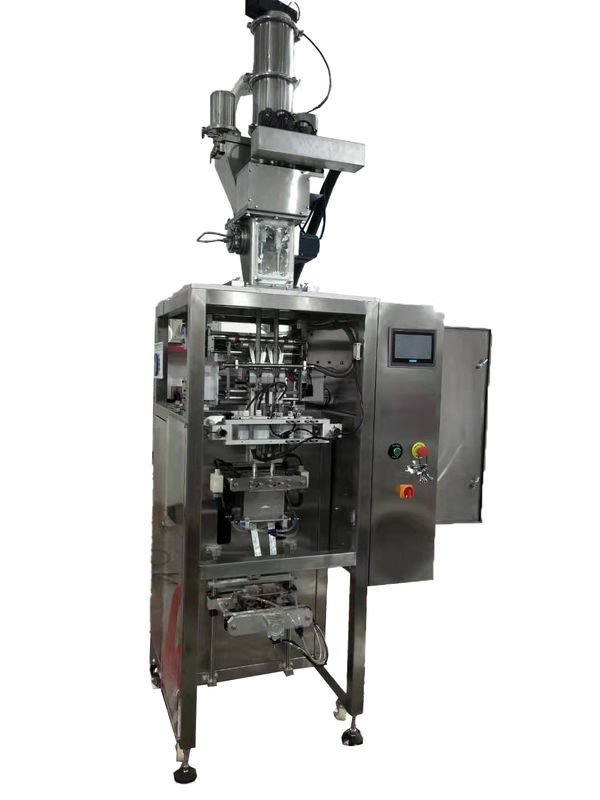
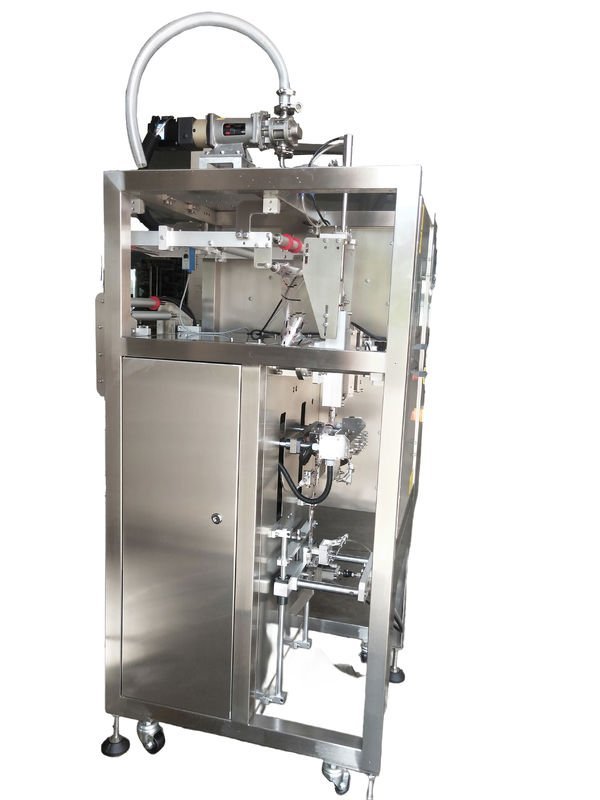
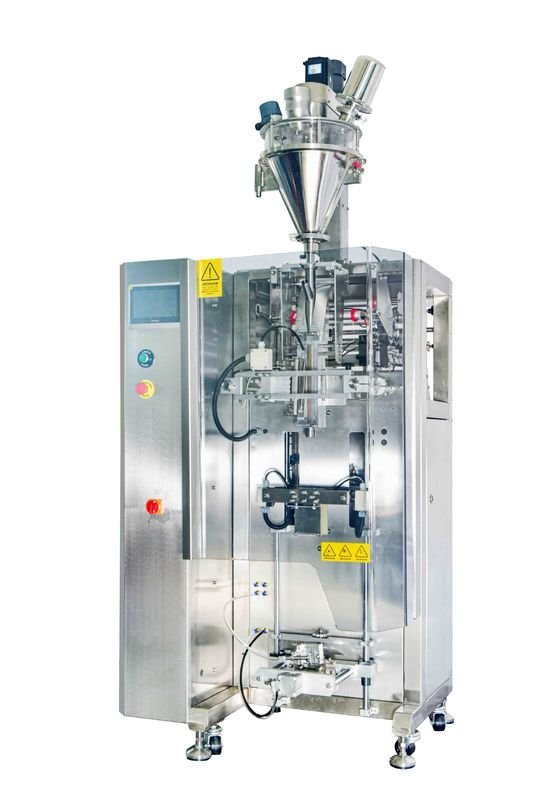
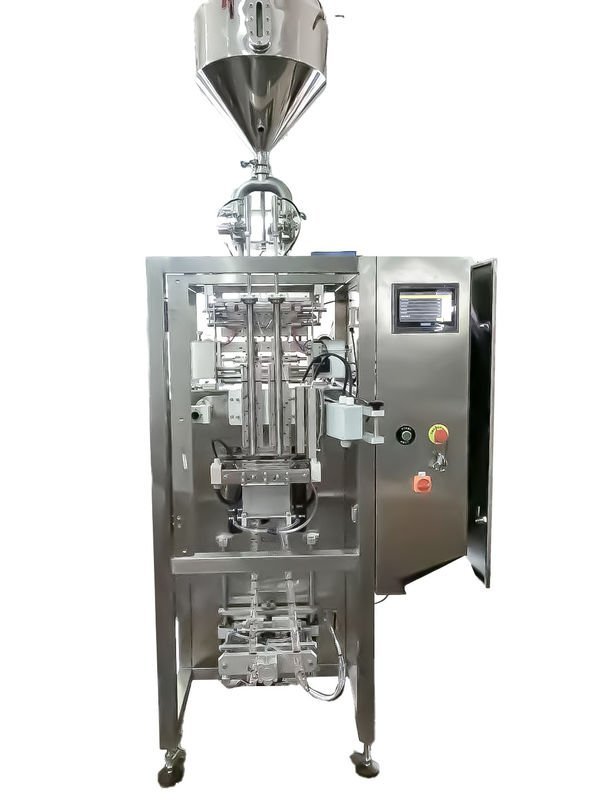
These are among the most common and versatile airtight packaging systems. A VFFS machine forms a tube from a roll of flat film, fills it with product, and then creates transverse seals to form individual bags. They are excellent for granules, powders, snacks, and liquids. Their vertical design saves significant floor space. For businesses looking to package products like coffee, spices, or powdered supplements into pouches, exploring our range of Bag & Pouch Packaging Machines is a logical starting point.
2. Horizontal Form-Fill-Seal (HFFS) Machines
HFFS machines are typically used for more rigid structures or when placing multiple items into a single tray or cavity. The film is formed horizontally into pockets or trays, which are then filled and lidded with a top web of film. This method is ideal for blister packs, portion-controlled items, and ready-to-eat meals requiring a high degree of product presentation and protection.
3. Vacuum Sealing Machines
These machines specialize in removing nearly all air from a package before sealing. They are crucial for products highly susceptible to oxidation, such as fresh meats, cheeses, and processed meats. Vacuum sealers can be chamber machines (for flexible packages) or external sealers (often used with pre-made bags).
4. Modified Atmosphere Packaging (MAP) Machines
MAP technology goes a step further by replacing the air inside a package with a controlled mixture of gases (like nitrogen, carbon dioxide, and oxygen). This significantly extends the shelf life of fresh products like salads, meats, and baked goods. MAP machines integrate gas flushing systems with precision sealing.
Key Distinction:
While vacuum sealing removes air, MAP replaces it with a preservative gas mix. The choice depends on the product’s sensitivity and desired shelf-life extension.
Critical Applications Across Industries
The demand for airtight packaging spans numerous sectors, each with unique requirements driving innovation in machine design.
Food & Beverage Industry
This is the largest application area. Airtight packaging locks in flavor, aroma, and texture for products ranging from coffee and nuts to dried fruits and spices. It prevents freezer burn for frozen foods and is essential for the safety of ready-to-eat meals. For high-speed, precision packaging of small-portion items like sugar, instant drink mixes, or sauces, Sachet & Stick Pack Machines offer an efficient, airtight solution.
Pharmaceutical & Healthcare
Here, airtight packaging is a matter of sterility and stability. It protects sensitive drugs, medical devices, and diagnostic kits from moisture, light, and contamination, ensuring efficacy and patient safety throughout the product’s lifecycle. Compliance with stringent regulations like cGMP is non-negotiable.
Electronics & Industrial Components
Moisture and corrosion are enemies of electronic parts. Airtight packaging with desiccants is used to protect semiconductors, circuit boards, and precision tools during storage and shipping.
Specialized Niches
Even niche markets have specific needs. For instance, the tobacco-free oral product sector requires extremely reliable seals to maintain moisture content and flavor. Specialized systems, such as those detailed in our Snus & Nicotine Packaging Machines section, are engineered to meet these exacting standards.
How to Choose the Right Airtight Packaging System
Selecting the optimal machine is a strategic decision. A systematic evaluation based on your specific parameters will lead to a successful investment.
Step 1: Define Your Product & Packaging Requirements
- Product Characteristics: Is it a powder, granule, liquid, or solid? What is its density and flowability?
- Packaging Format: Do you need stand-up pouches, stick packs, sachets, or trays?
- Material: Determine the required film structure (e.g., PET/AL/PE for high barriers).
- Seal Strength: Define the necessary seal integrity for handling and transportation.
Step 2: Evaluate Production Capacity & Speed
Match the machine’s output (bags/minute) to your current and projected production volumes. Over-specifying can lead to unnecessary cost, while under-specifying creates bottlenecks. Consider if you need a single-lane machine or a high-output Filling & Packaging Line with multiple lanes.
Step 3: Assess Automation & Integration Level
How integrated should the system be? Basic machines require manual feeding, while fully automated lines include robotic loaders, checkweighers, and vision inspection systems. Automation boosts efficiency, reduces labor costs, and minimizes human error. Explore supporting equipment in our Auxiliary Packaging Equipment category.
Step 4: Consider Operational & Compliance Factors
- Ease of Changeover: How quickly can you switch between different products or bag sizes? Look for machines with quick-release mechanisms and recipe memory.
- Hygiene & Cleanability: For food and pharma, machines must have sanitary designs with smooth surfaces and easy access for cleaning.
- Regulatory Compliance: Ensure the machine and its controls meet industry-specific standards (FDA, EU, cGMP).
Step 5: Analyze Supplier Credentials & Support
The machine is only as good as the company behind it. Choose a manufacturer with a proven track record, like Packmate (GuangDong) Co., Ltd., which brings over 30 years of experience. Evaluate their technical support, availability of spare parts, training programs, and warranty terms. Reviewing real-world case studies can provide valuable insight into their capabilities.
Frequently Asked Questions (FAQ)
1. What is the main difference between airtight and vacuum packaging?
Airtight packaging refers to any seal that prevents the passage of air, which can be achieved by a simple heat seal on a barrier film. Vacuum packaging is a specific type of airtight packaging where the air is actively removed from the bag before sealing, creating a vacuum inside. All vacuum packages are airtight, but not all airtight packages are vacuum-sealed.
2. Can one machine handle different types of packaging materials?
Many modern machines are designed with flexibility in mind. However, the ability to handle different materials (e.g., switching from a mono-film to a complex laminate) often depends on the machine’s sealing jaw design, temperature control range, and tension control systems. Always consult with the manufacturer about your specific material changeover requirements.
3. How important is the packaging film in achieving an airtight seal?
It is critically important. The machine creates the seal, but the film provides the barrier. The seal is only as strong as the weakest layer in the film structure. You must use a film with appropriate thermoplastic inner layers for sealing and functional outer layers (like aluminum or special coatings) for barrier properties. The machine and film must be perfectly matched.
4. What regular maintenance does an airtight packaging machine require?
Daily cleaning of sealing jaws and product contact areas is essential. Regularly check and calibrate temperature sensors and timers. Lubricate moving parts as per the manufacturer’s schedule, and inspect wear items like sealing Teflon, cutting blades, and filters (on vacuum/MAP machines). A proactive maintenance plan prevents unexpected downtime.
5. How do I know if my seals are truly airtight?
Visual inspection is not enough. Quality control requires testing methods such as dye penetration tests (for porous materials) or, more commonly, leak detection using equipment like vacuum decay testers or bubble emission testers. Implementing routine seal integrity testing is a best practice in any high-quality packaging operation.