In the fast-paced world of beverage production, efficiency, hygiene, and speed are paramount. The right drink packaging machine is not just a piece of equipment; it’s the backbone of your entire operation, directly impacting output, product quality, and your bottom line. This guide delves into the world of automated solutions for bottled, canned, and sachet beverage filling, exploring the technologies that keep the global thirst quenched.
The Core of Modern Beverage Lines: Automated Filling Systems
Gone are the days of purely manual filling. Modern drink packaging machines integrate precision engineering with programmable logic controllers (PLCs) to deliver consistent, high-speed performance. These systems handle everything from rinsing and filling to capping and labeling in a seamless, integrated line.
Key Advantage: Automation drastically reduces human error and contamination risk while increasing throughput. For businesses looking to scale, investing in an automated filling & packaging line is a strategic move towards greater competitiveness and market share.
Bottled Beverage Filling Machines
Bottles, whether glass or PET, remain a dominant format. Filling machines for bottles typically use one of three principles:
- Gravity Filling: Ideal for still beverages like water and juices. Simple and cost-effective.
- Pressure Filling: Used for carbonated drinks like soda and beer to prevent loss of carbonation.
- Volumetric Filling: Employs pistons or pumps for extreme accuracy, perfect for high-value or viscous liquids.
The machine often includes an air-cleaning or rinsing station, a filler carousel, a cap sorter and placer, and a torque-controlled capping head. Integration with a labeling machine completes the primary packaging process.
Canned Beverage Filling Machines
The demand for canned craft beers, sodas, and ready-to-drink (RTD) coffees has surged. Can filling lines are high-velocity marvels. They often feature:
🔴 Critical Process: Cans are sanitized and purged with CO₂ or nitrogen before filling to preserve taste and prevent oxidation. The filling valve is designed to create a smooth, foam-free fill, immediately followed by seaming the lid under sterile conditions. Speed and seam integrity are non-negotiable here.
Sachet and Pouch Filling Machines
This segment is experiencing explosive growth, driven by convenience, portability, and reduced packaging material. Sachets are perfect for single-serve water, juice concentrates, dairy mixes, and liquid condiments.
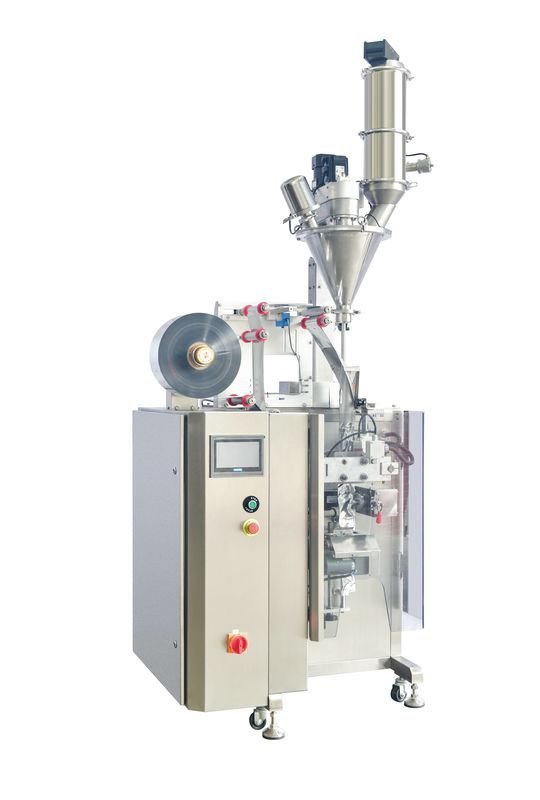
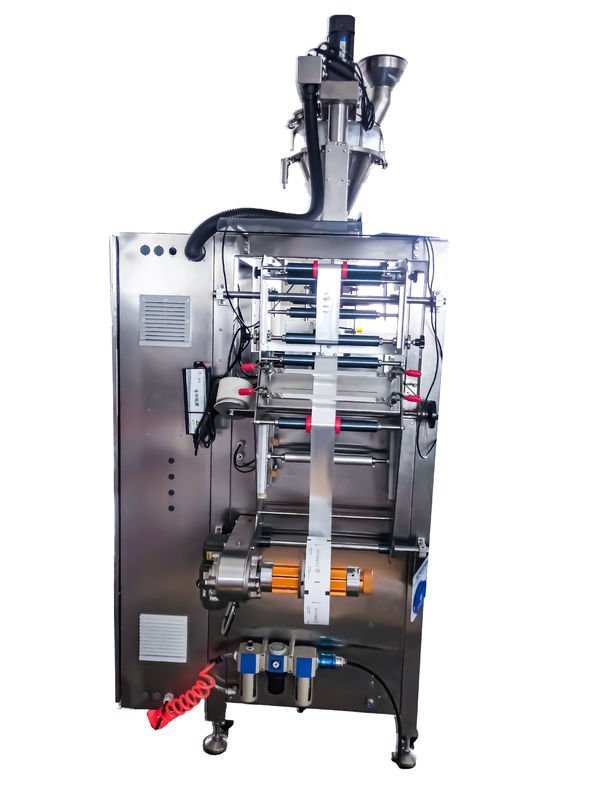
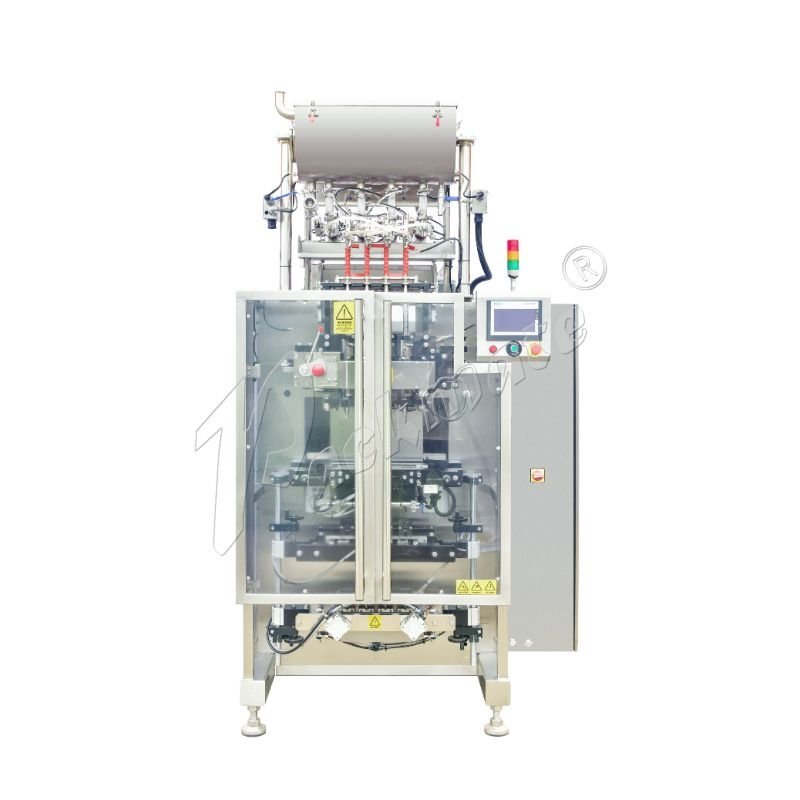
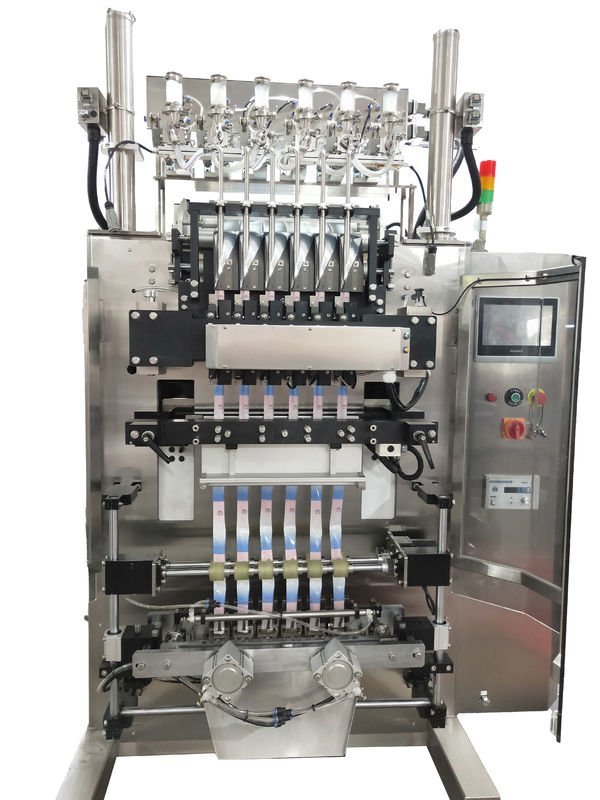
Machines for this format are typically vertical form-fill-seal (VFFS) systems. A roll of film is formed into a tube, filled with the precise volume of liquid, and then sealed horizontally and vertically to create a sealed pouch. Advanced models offer multi-lane production, where several sachets are filled and cut simultaneously for massive output. For producers in this space, exploring dedicated sachet & stick pack machines is essential to find the right fit for product viscosity and production volume.
Choosing the Right Machine: A Buyer’s Checklist
Selecting a drink packaging machine requires careful analysis. Here are the critical factors to consider:
1. Product Characteristics
The nature of your beverage dictates the machine type. Consider viscosity (water vs. syrup), particulates (fruit pulp), carbonation, and sensitivity (heat or oxygen).
2. Desired Output Speed (BPM/CPH)
Calculate your current and future production needs. Speeds range from dozens to thousands of containers per hour. A professional supplier can help you model this.
3. Container Type and Size Range
Ensure the machine can handle your bottle/can/sachet dimensions and material, and how quickly it can change over to different sizes.
4. Level of Automation
From semi-automatic single-head fillers to fully automated lines with robotic palletizing. Your labor availability and investment budget will guide this choice.
5. Hygiene and Construction Standards
For food and beverage, machines must comply with standards like FDA, EHEDG, or GMP. Look for stainless steel (304 or 316) contact parts, CIP (Clean-in-Place) capabilities, and sanitary design.
The Packmate Advantage in Beverage Packaging
With over 22 years of development, Packmate (GuangDong) Co., Ltd. brings deep expertise to the table. While renowned for granule and powder packaging, our engineering principles of precision, reliability, and innovation directly translate to liquid filling solutions. Our modern 20,000㎡ facility is equipped with advanced production and testing tools, ensuring every machine meets rigorous quality standards before shipment.
We understand that a packaging machine is a long-term investment. Our approach goes beyond selling equipment; we provide complete turnkey solutions. This includes feasibility analysis, machine design tailored to your specific beverage, installation support, comprehensive training, and readily available after-sales service. By choosing an experienced manufacturer like Packmate, you gain a partner committed to the success and efficiency of your production line for years to come.
Integration and The Future of Smart Filling
The future lies in connected, smart factories. Modern drink packaging machines are increasingly equipped with IoT sensors and connectivity for:
- Predictive Maintenance: Sensors monitor vibration, temperature, and pressure, alerting operators to potential issues before they cause downtime.
- Real-Time OEE Tracking: Dashboards display Overall Equipment Effectiveness, highlighting areas for efficiency improvement.
- Recipe Management: Digital changeovers for different products, reducing waste and setup time.
Integrating your filler with upstream (mixing tanks) and downstream (case packers, palletizers) equipment via a unified control system creates a synchronized, highly efficient production ecosystem. For complex integrations, leveraging a provider’s full range of weighing & packaging systems and auxiliary equipment ensures compatibility and seamless communication.
Frequently Asked Questions (FAQ)
What is the main difference between a bottle filler and a can filler?
The core difference lies in the container handling and sealing process. Bottle fillers use capping heads for screw caps or press-on lids, while can fillers are integrated with a seamer that hermetically seals a pre-formed lid onto the can body. The internal filling valves may also differ to manage carbonation for cans.
How do I determine the right filling speed for my business?
Start with your annual sales forecast and peak demand periods. Calculate your required hourly output, then add a 15-25% buffer for future growth. A reliable machinery supplier can then recommend a machine model that meets this speed reliably and sustainably, not just at its maximum theoretical rate.
Can one machine handle both bottles and cans?
Generally, no. The mechanics for handling, sealing, and often filling are too different. Some modular systems allow for major changeovers, but this is time-consuming. Most high-volume producers dedicate separate lines for bottles and cans for maximum efficiency.
What are the key maintenance routines for a beverage filling machine?
Daily: Visual inspection, lubrication of moving parts, and cleaning of filling nozzles and external surfaces. Weekly: Check seal integrity, torque settings on cappers/seamers, and pneumatic filters. Annually: A full preventive maintenance service by a qualified technician, including calibration of load cells and volume settings.
Are automated sachet machines suitable for small startups?
Yes. The market offers a range of semi-automatic and small-scale automatic VFFS machines that are affordable for startups. They offer a crucial middle ground between manual filling and high-speed industrial lines, providing good hygiene, consistency, and a path to scale without a prohibitive initial investment.