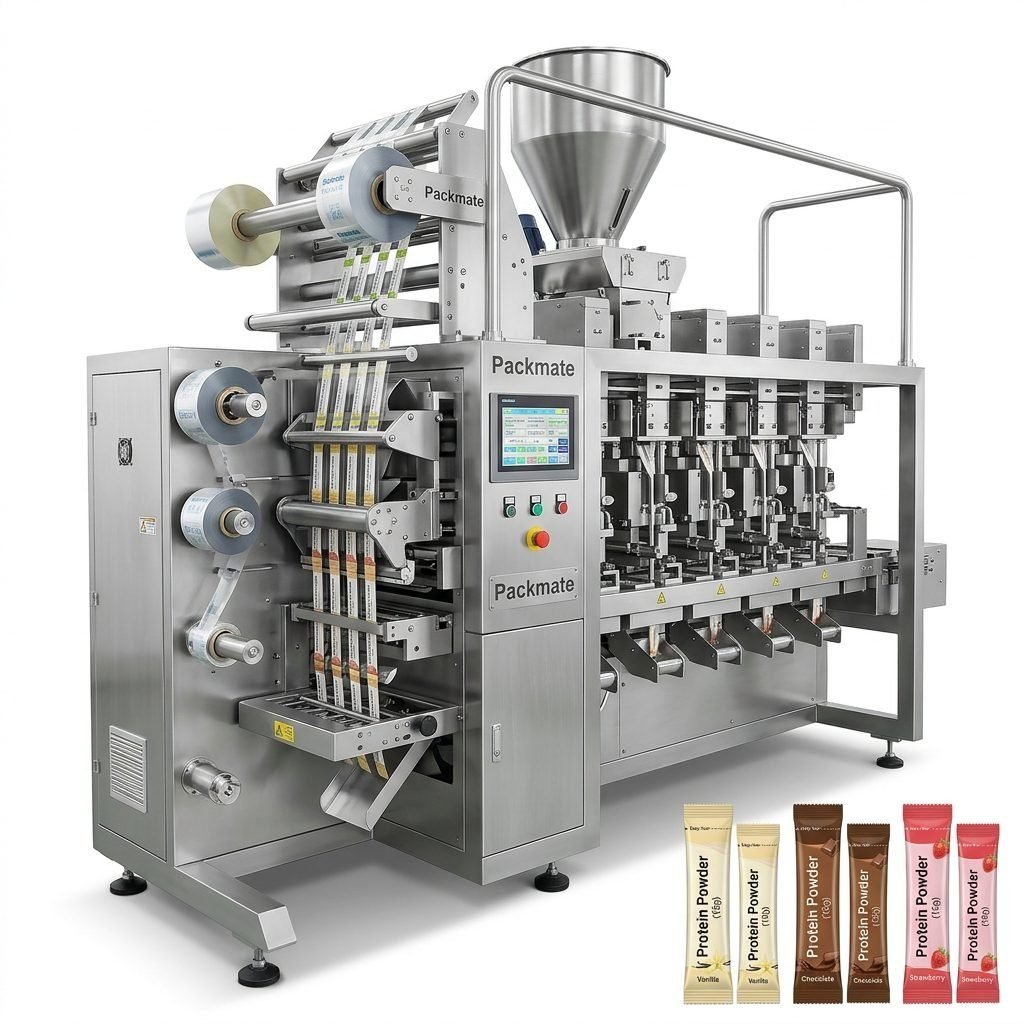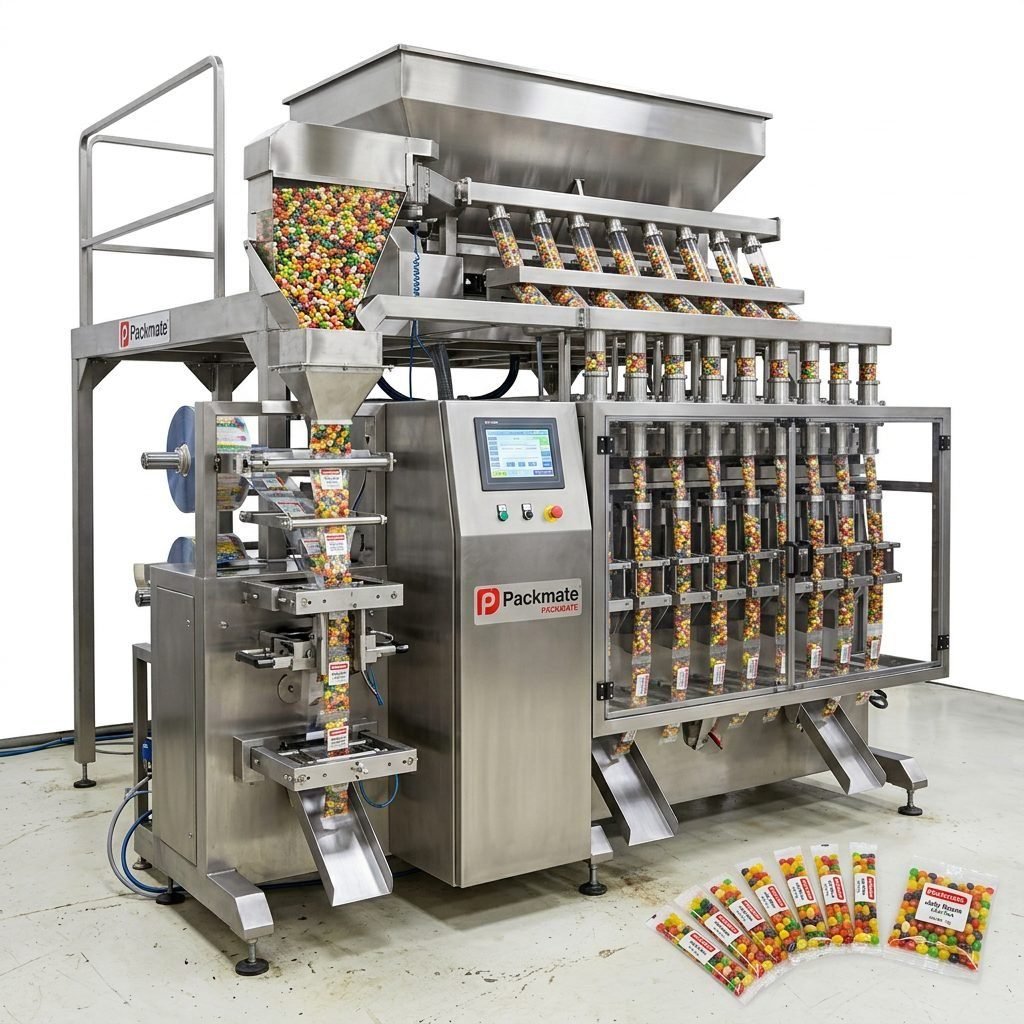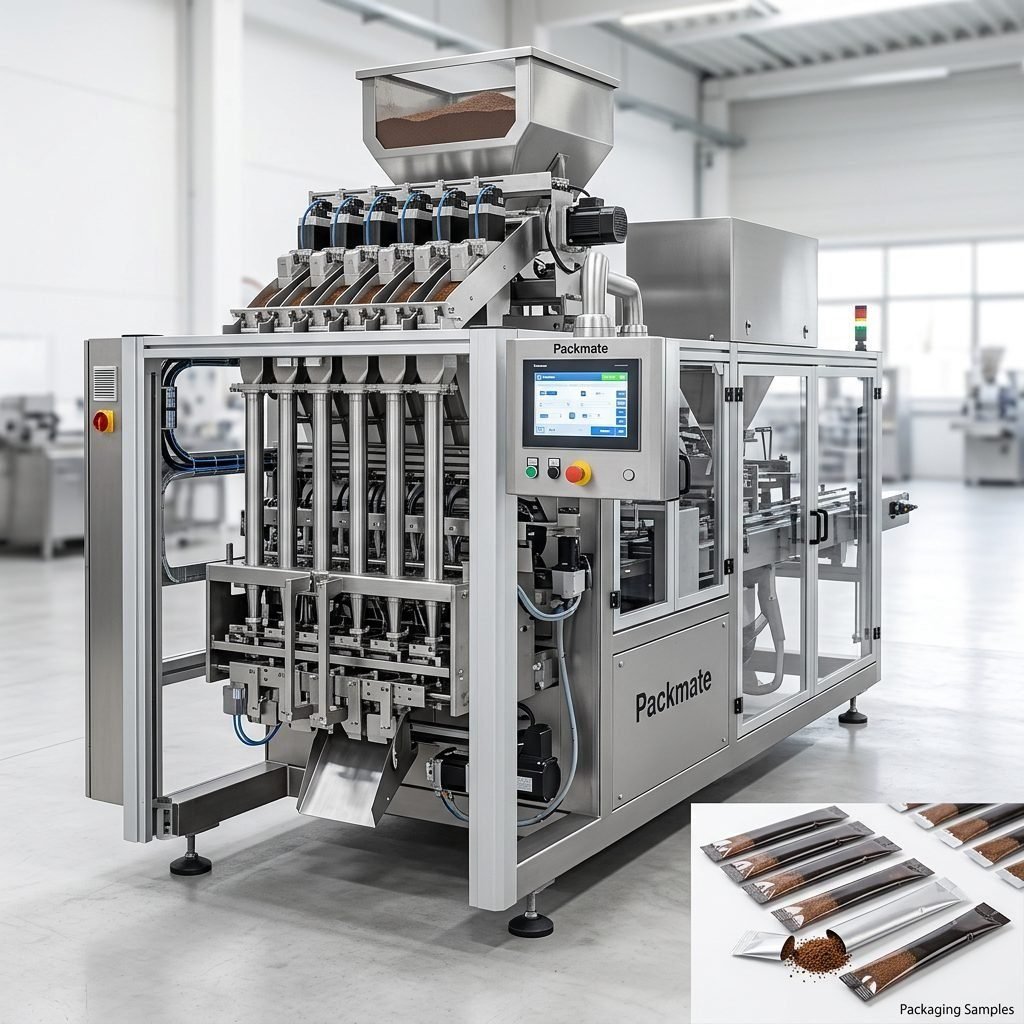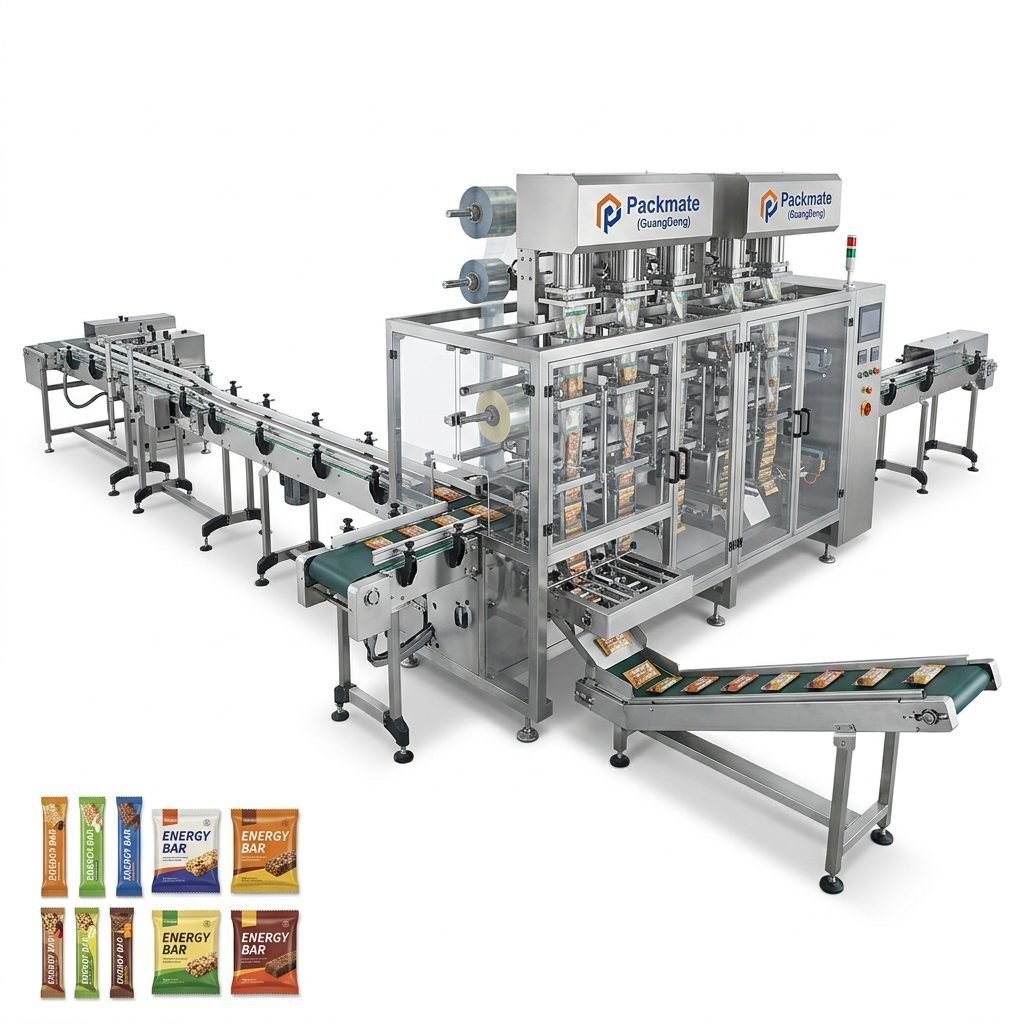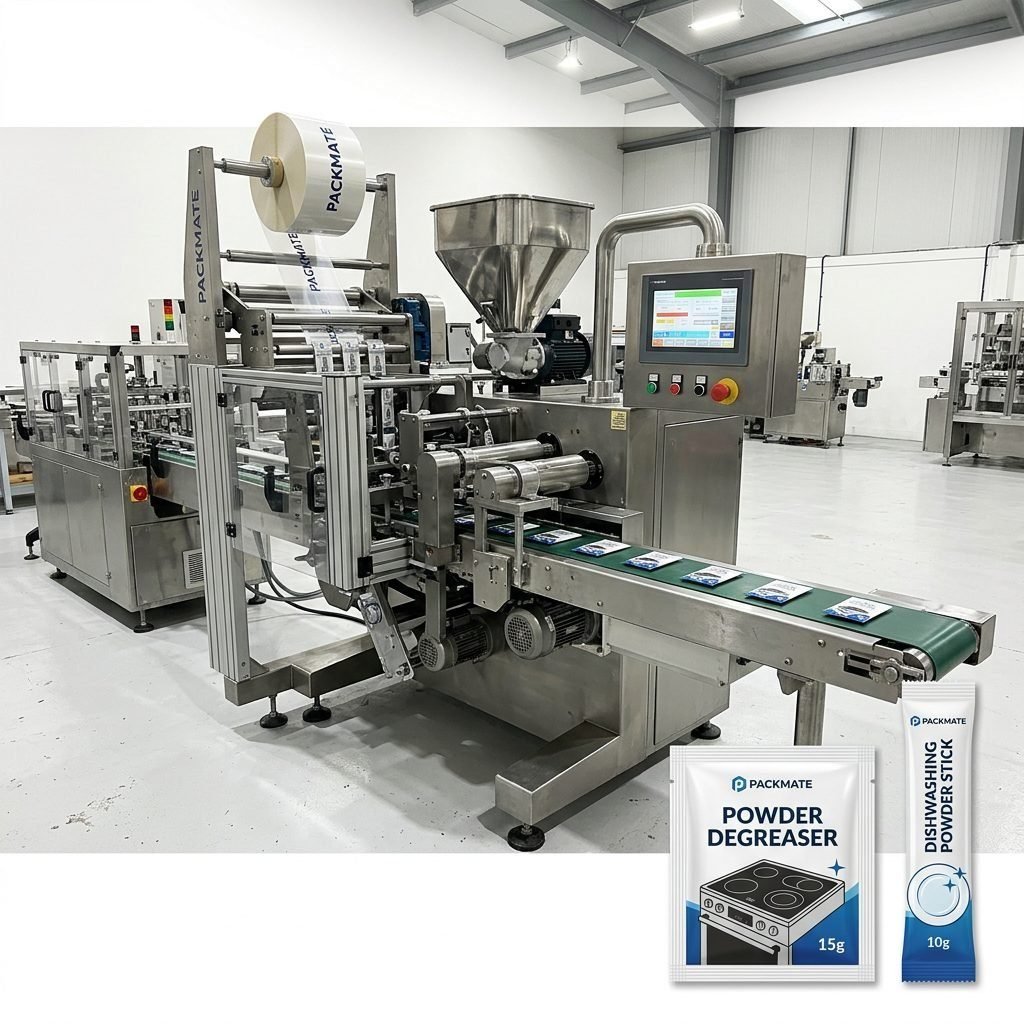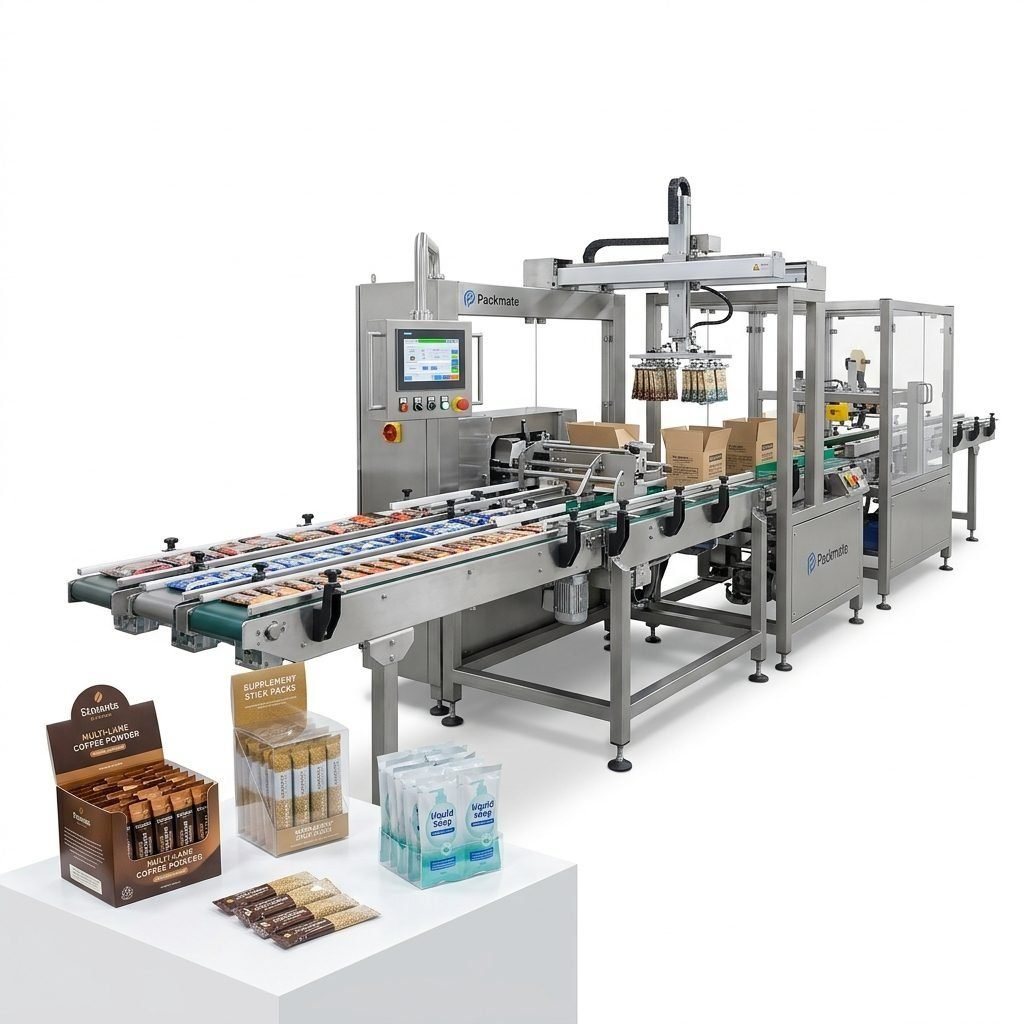
Granule packing machines are essential equipment for efficiently packaging granular materials like coffee beans, pet food, seeds, fertilizers, and food seasonings. These machines automate the process of measuring, filling, and sealing granules into various packaging formats, significantly improving production speed, accuracy, and consistency. This guide explores the key features, applications, and selection criteria for granule packing machines, helping you find the right solution for your production line.
Core Features of Modern Granule Packing Machines
Today’s granule packing machines incorporate advanced technologies to meet diverse industrial demands. Key features include:
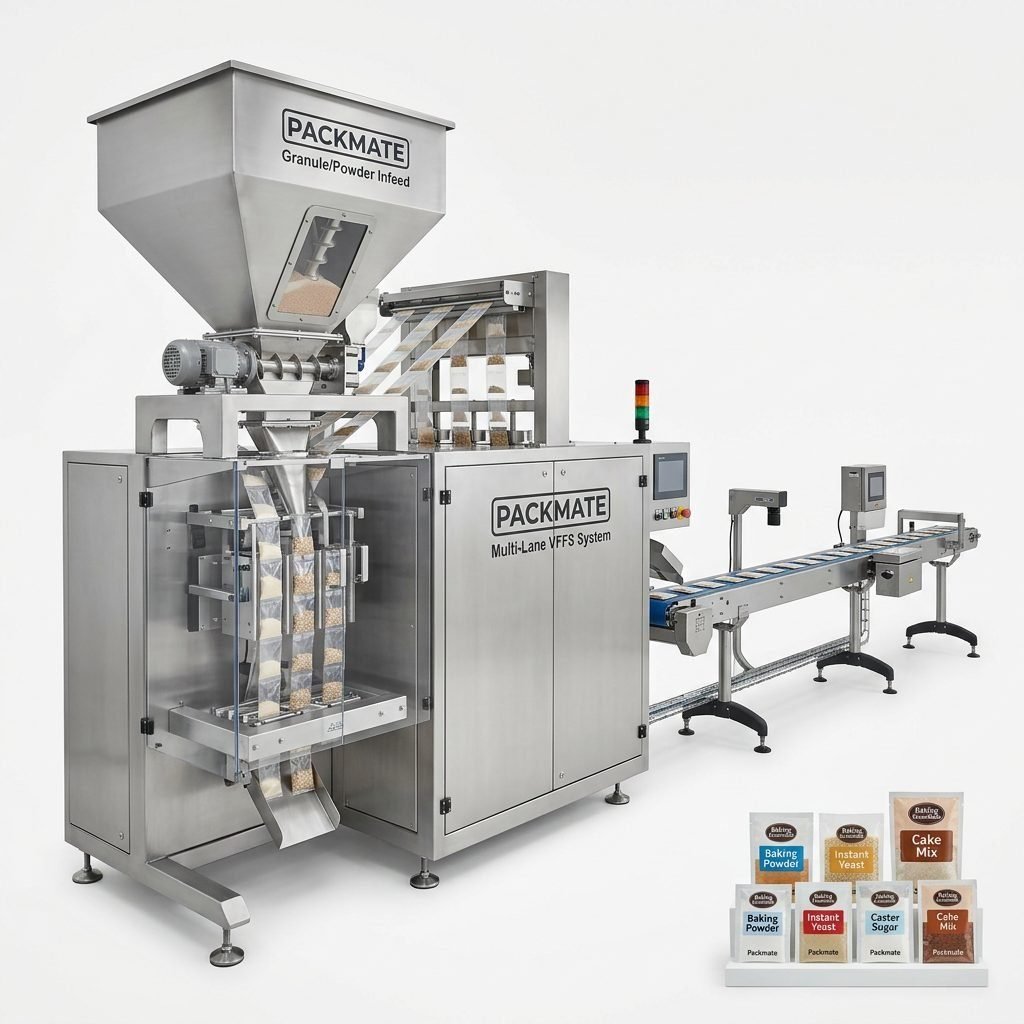
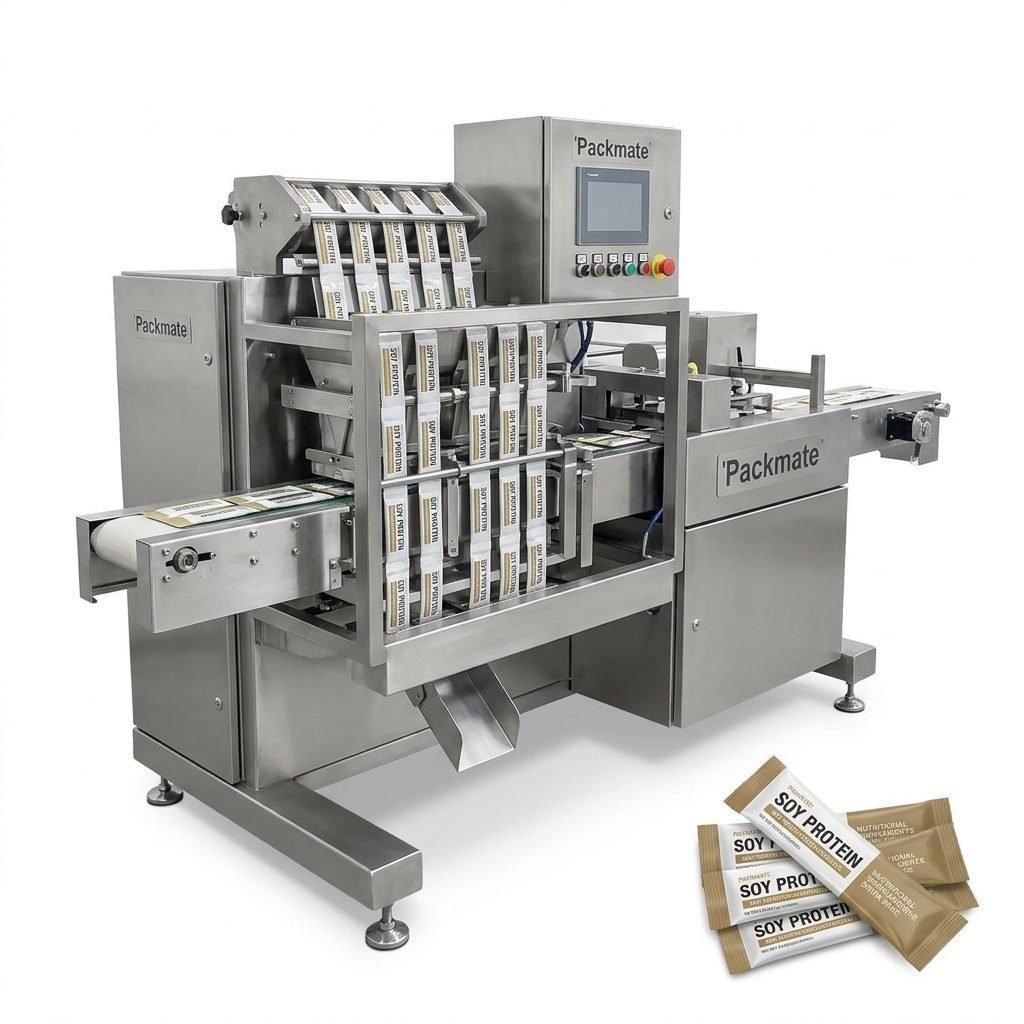
• Multi-Lane Filling Systems: Enable simultaneous packaging of multiple product streams, dramatically boosting output. Machines can feature from 4 to 16 lanes depending on the model and required speed.
• Precision Weighing & Dosing: Utilize load cells, volumetric cups, or auger fillers to ensure accurate and consistent fill weights, crucial for product quality and cost control.
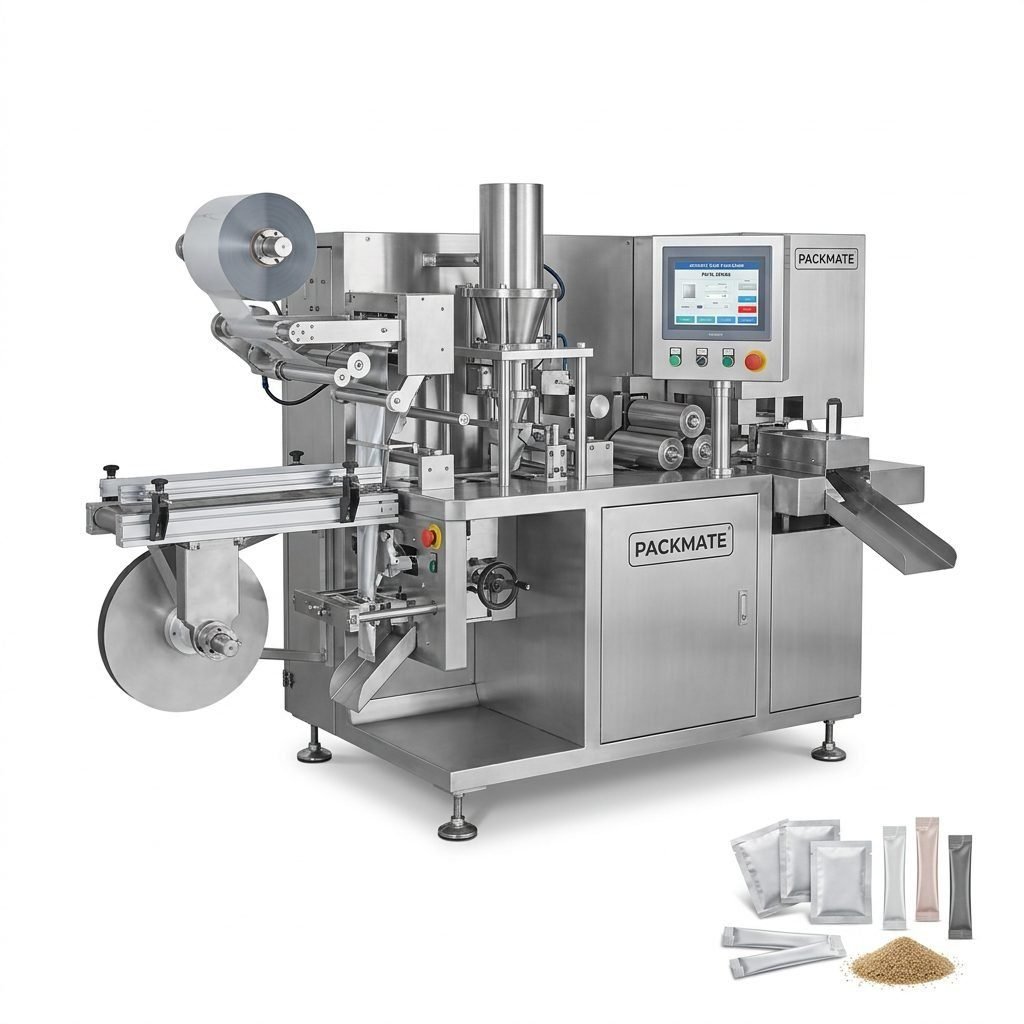
• Versatile Packaging Formats: Capable of producing stick packs, sachets, pouches, and even larger bags from roll-fed or pre-made film, offering flexibility for different market needs.
• Intelligent Control Systems: Equipped with PLC and HMI touchscreens for easy operation, recipe storage, production data tracking, and diagnostics.
• Robust Construction: Typically built with food-grade stainless steel (e.g., SS304) contact parts and durable frames to ensure hygiene, longevity, and compliance with industry standards.
Speed and Output Considerations
Output speeds vary widely based on the machine type and packaging format. A standard single-lane vertical form-fill-seal (VFFS) machine might produce 30-60 bags per minute (BPM), while high-speed multi-lane stick pack machines from suppliers like Ludyway or Packmate Machinery can achieve 200 to over 1000 stick packs per minute. The required speed is a primary factor in determining the machine model and investment.
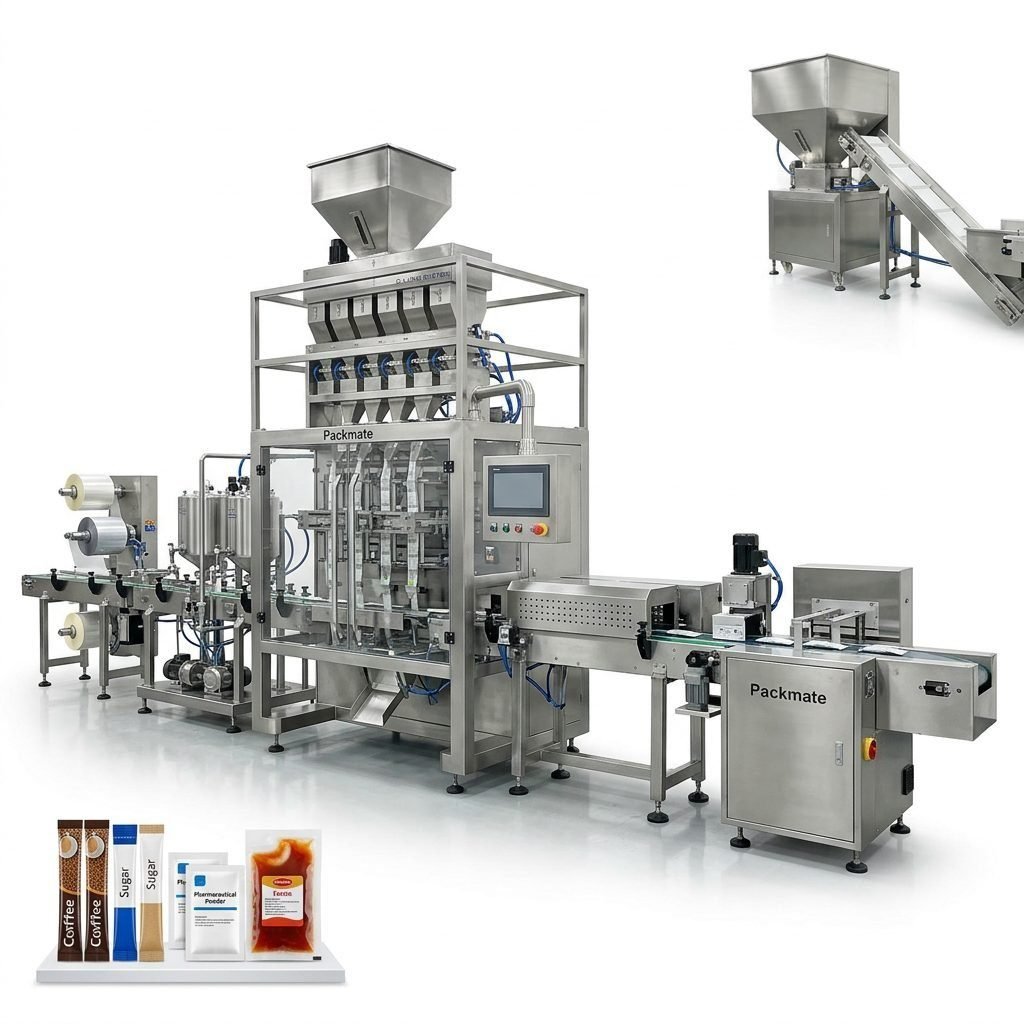
Primary Applications Across Industries
Granule packing machines serve a vast range of sectors. Their adaptability makes them indispensable in modern manufacturing.
Food & Beverage Industry
This is the largest application area. Machines package items such as instant coffee granules, sugar, salt, pepper, dried soup mixes, cereal, nuts, and snack mixes. High-speed systems are crucial for meeting the massive volume demands of consumer packaged goods.
Agriculture & Horticulture
For packaging seeds, fertilizers, soil amendments, and granular pesticides. Machines in this sector often need to handle a wider range of granule sizes and densities and may require dust extraction systems.
Pet Food & Animal Feed
Packaging dry kibble, treats, and granular feed for pets, poultry, and aquaculture. Durability and the ability to handle oily or slightly moist granules are important considerations.
Pharmaceutical & Nutraceutical
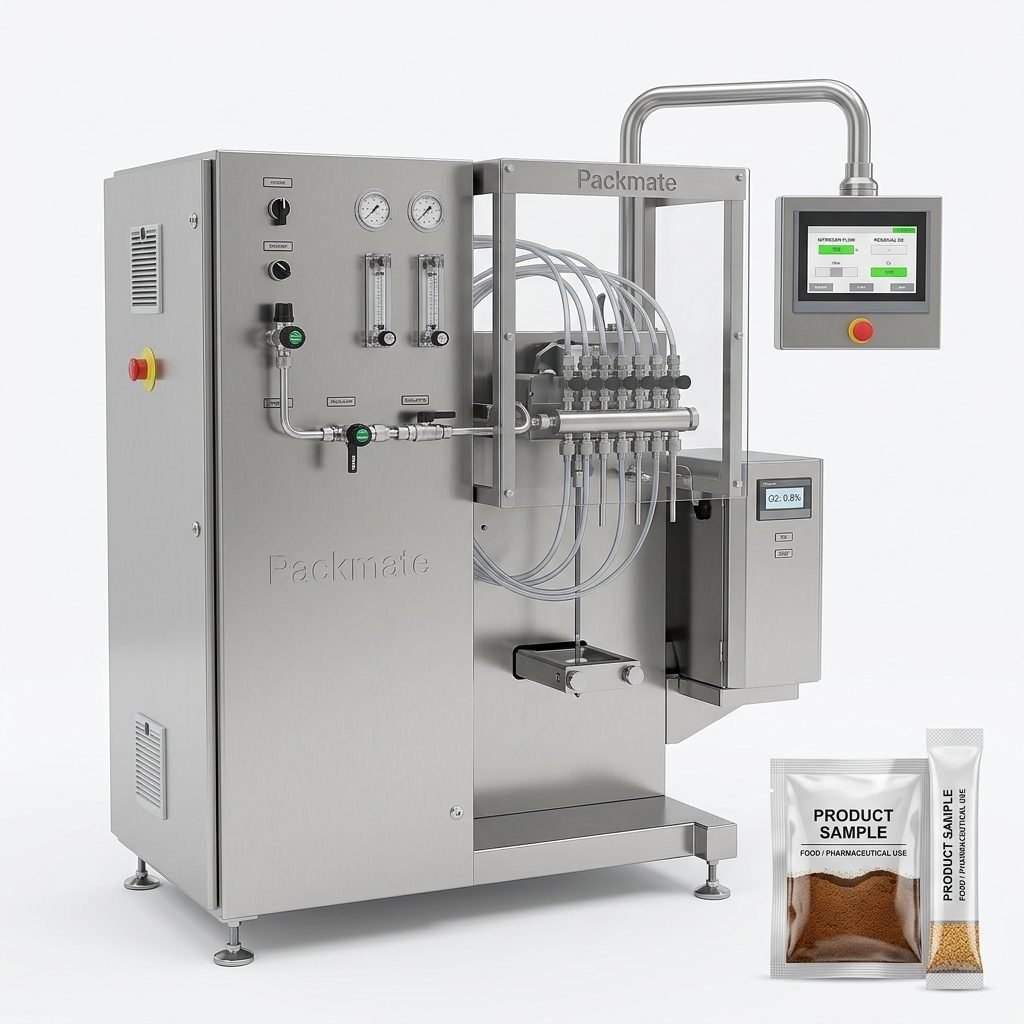
Used for granular supplements, effervescent tablets, and certain powdered medicines blended with granules. These applications demand extremely high hygiene standards, often requiring GMP-compliant designs with easy-clean features.
Chemical & Industrial
Packaging granular resins, plastic pellets, cleaning compounds, and water treatment chemicals. Construction materials must be compatible with the product to prevent corrosion.
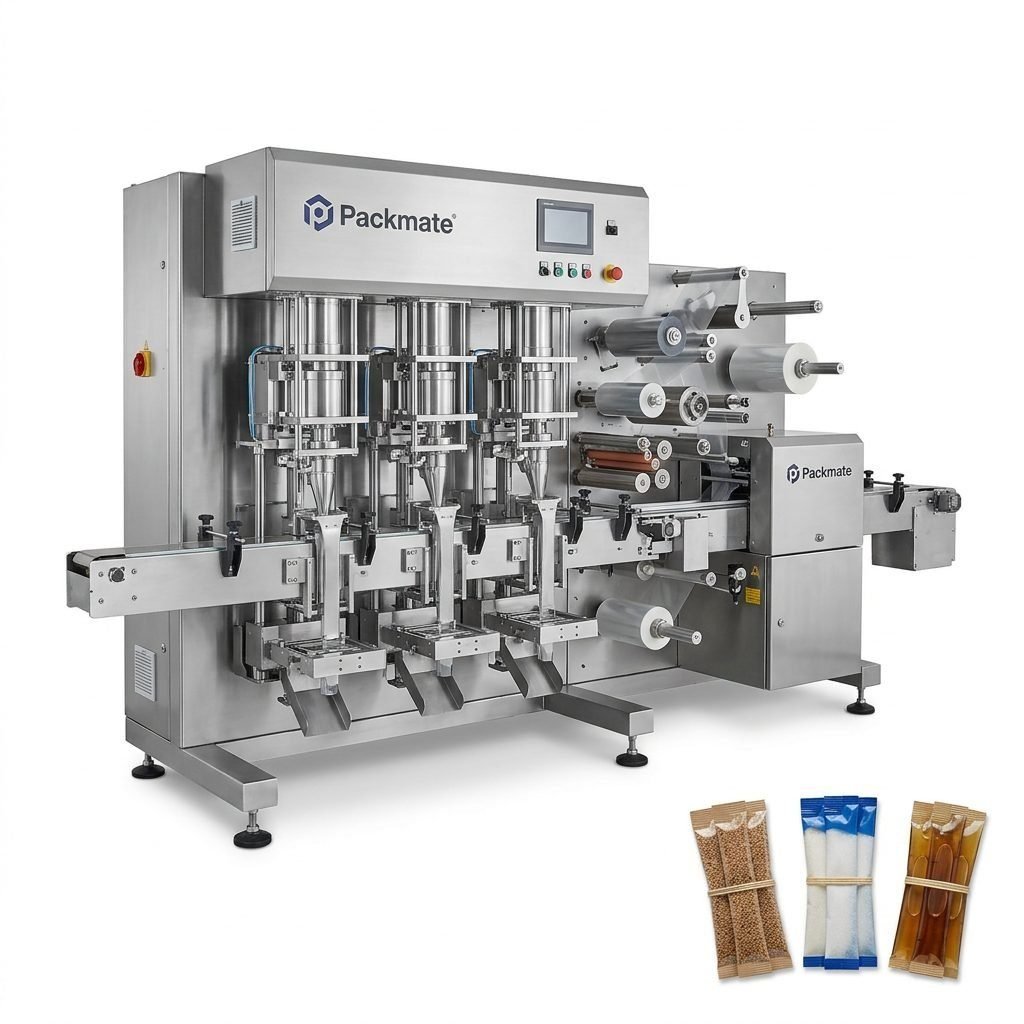
How to Choose the Right Granule Packing Machine
Selecting the optimal machine requires a careful analysis of your specific needs. The following table outlines the key decision factors:
| Selection Factor | Key Questions to Ask | Impact on Choice |
| Product Characteristics | What is the granule size, shape, density, and flowability? Is it abrasive, oily, or hygroscopic? | Determines the type of feeding system (auger, cup, weigh scale), hopper design, and material of contact parts. |
| Packaging Format & Material | Do you need stick packs, sachets, stand-up pouches, or flat bags? What film laminate (e.g., PET/AL/PE) will be used? | Defines the machine’s forming and sealing system. Specific sealing jaws (e.g., for aluminum laminate) may be required. |
| Required Output & Speed | What is your target bags-per-minute (BPM) and daily/weekly production volume? | The most critical factor for cost. Higher speeds require multi-lane machines or integrated lines from suppliers like PacklineOEM. |
| Accuracy & Weight Range | What is the target fill weight and the acceptable tolerance (± grams)? | Influences the choice between volumetric filling for speed and weigh-scale filling for precision. |
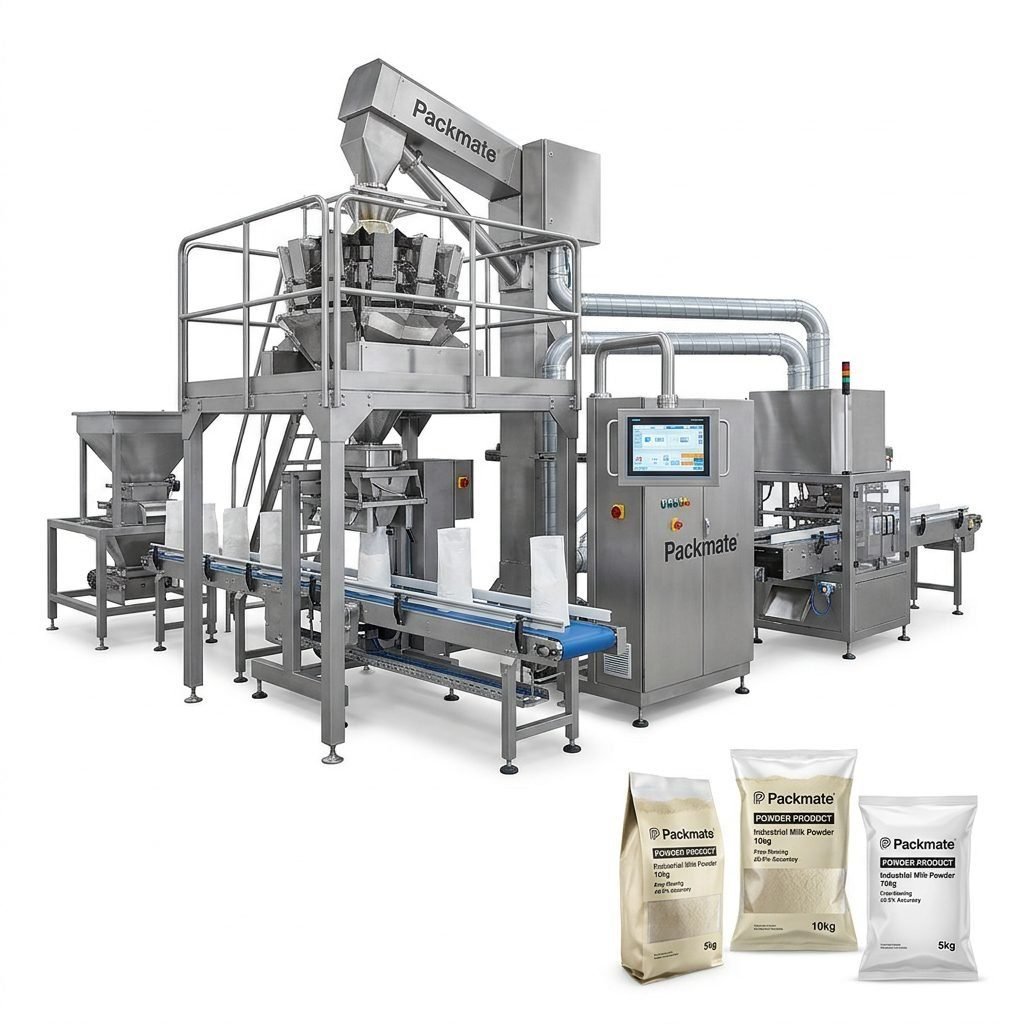
| Level of Automation | Is it a standalone machine or part of a full line with upstream feeders and downstream cartoning? | Determines if you need a basic VFFS machine or a turnkey packaging line with integrated conveying, inspection, and control systems. |
| Customization Needs | Do you have unique bag sizes, shapes, or special features like zip locks, degassing valves, or hang holes? | May require working with a manufacturer specializing in non-standard and customized packaging machines. |
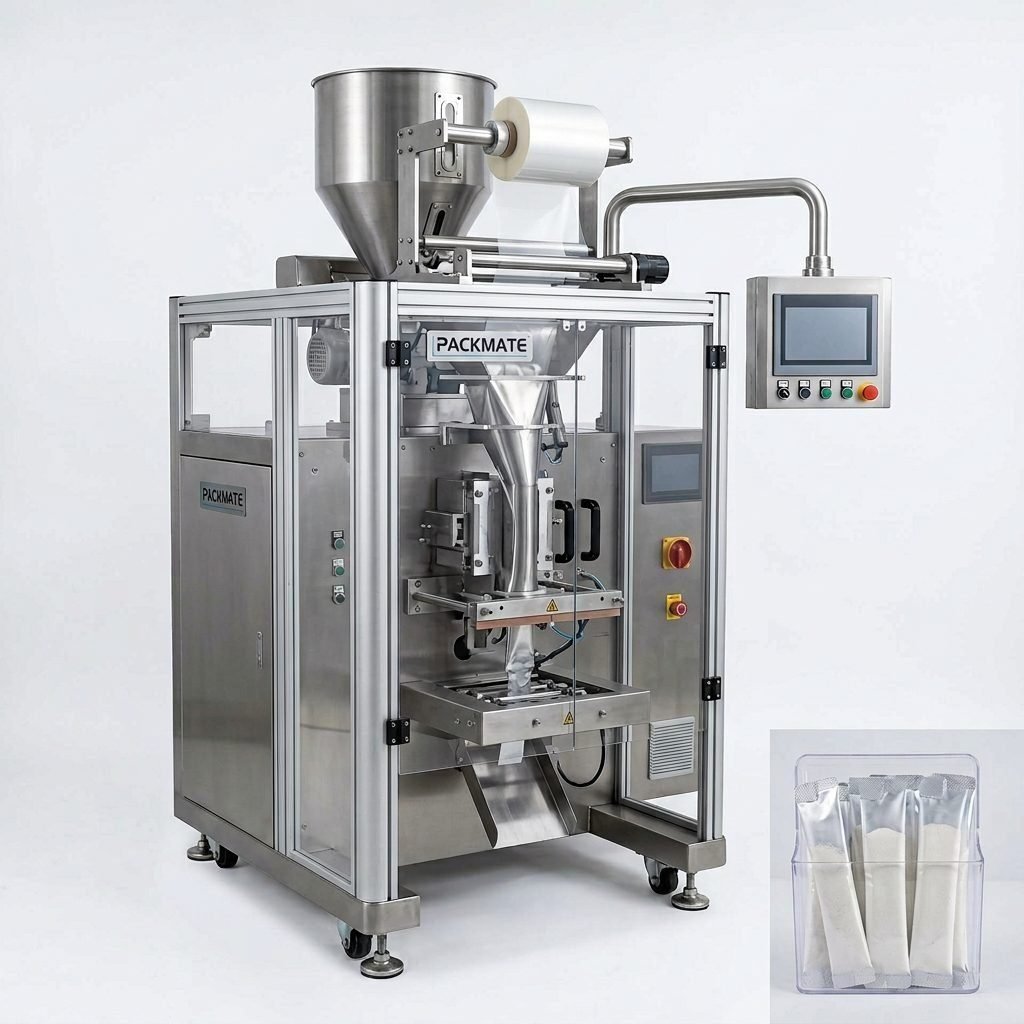
Integration with Upstream and Downstream Equipment
A granule packing machine rarely operates in isolation. For a fully automated line, consider its integration with:
• Upstream: Bulk storage silos, bucket elevators, screw conveyors, and pre-conditioning systems (e.g., de-dusting).
• Downstream: Checkweighers, metal detectors, X-ray inspectors, cartoning machines, case packers, and palletizers.
Choosing a supplier with experience in complete line integration ensures smoother communication, compatible equipment, and a single point of responsibility for the project.
Market Trends and Supplier Landscape
The global market for granule packaging machinery is competitive, with strong manufacturers based in Europe, North America, and Asia. Chinese manufacturers, in particular, have gained significant traction by offering a compelling balance of technical capability, customization, and cost-effectiveness for export markets in Europe, North America, and the Middle East.
Leading Chinese suppliers like Ludyway and Packmate Machinery offer extensive portfolios with over 30 years of experience, serving food, pharma, and chemical sectors. For buyers focused on niche applications, such as nicotine pouch packaging, specialized manufacturers like SnusMachinery provide targeted expertise. The key for buyers is to match their specific technical requirements, budget, and after-sales support expectations with the right supplier profile.
Frequently Asked Questions (FAQs)
What is the typical accuracy of a granule packing machine?
Accuracy depends on the filling system. High-precision multi-head weigh scales can achieve accuracies within ±0.5-1 gram, while volumetric auger fillers are typically within ±1-2 grams for most granular products. The granule characteristics significantly influence the achievable accuracy.
Can one machine handle both granules and powders?
Many machines are designed as multi-purpose and can handle both with appropriate changeover of the feeding system (e.g., switching auger types). However, for optimal performance and minimal cross-contamination, dedicated systems are often recommended for high-volume production of a single product type.
How important is after-sales service and spare parts availability?
Extremely important. Packaging machines are long-term investments. Ensure your supplier has a reliable global service network, provides comprehensive training, and can guarantee the availability of critical spare parts with short lead times to minimize production downtime.
What is the lead time for a custom granule packing line?
Lead times vary. A standard machine may ship in 8-12 weeks. A fully customized turnkey line, involving engineering, manufacturing, factory testing, and shipping, can take 4 to 8 months. Clear project planning and communication with the supplier are essential.
What are the key maintenance requirements?
Regular maintenance includes daily cleaning, lubrication of moving parts as per the manual, inspection of sealing jaws and cutters for wear, and calibration of weighing systems. A well-maintained machine ensures consistent performance, product quality, and extends the equipment’s operational life.