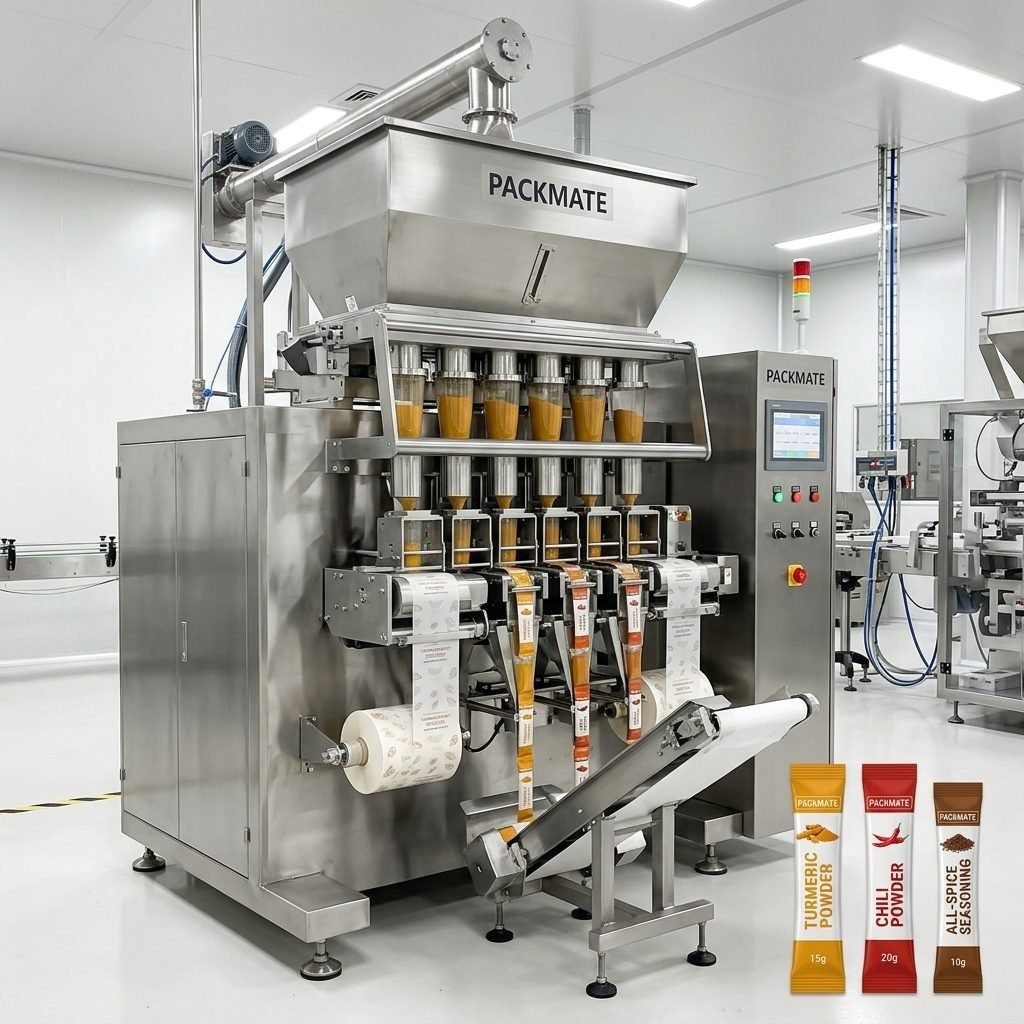
The food industry is undergoing a transformative shift, driven by the relentless pursuit of efficiency, consistency, and safety. At the heart of this evolution lies automated food packaging. Once a manual, labor-intensive process prone to human error and inconsistency, packaging has become a sophisticated, data-driven operation. Smart systems, integrating robotics, advanced sensors, and intelligent software, are not just speeding up production lines; they are fundamentally improving how food is protected, preserved, and presented to consumers worldwide.
The Core Components of a Smart Packaging System
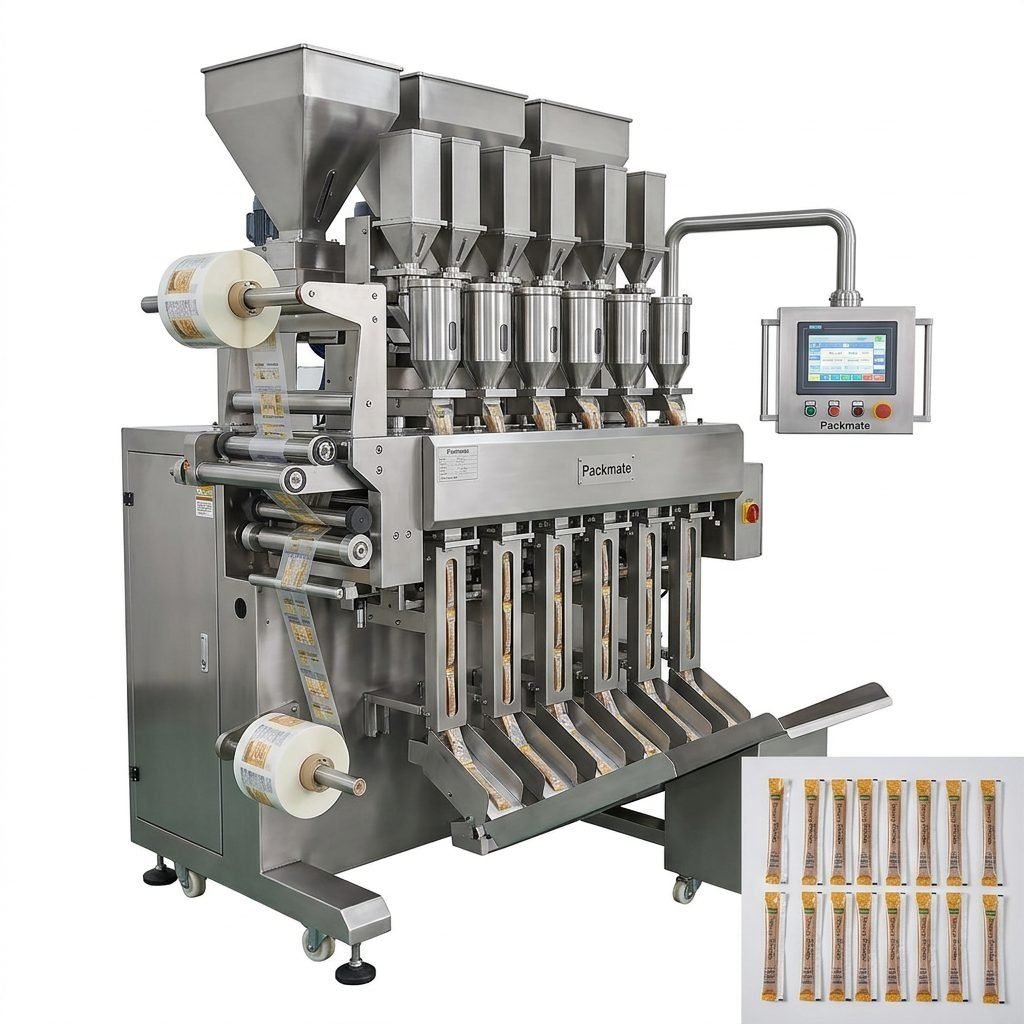
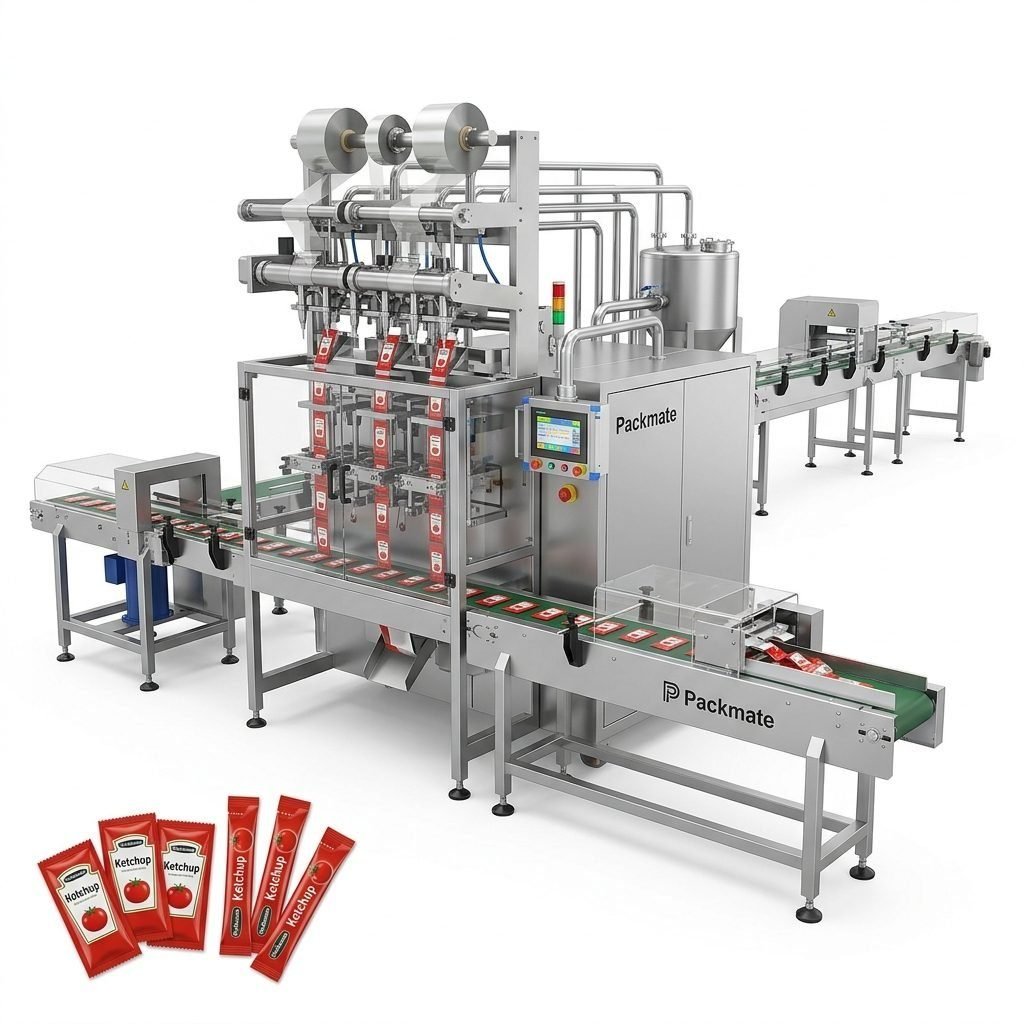
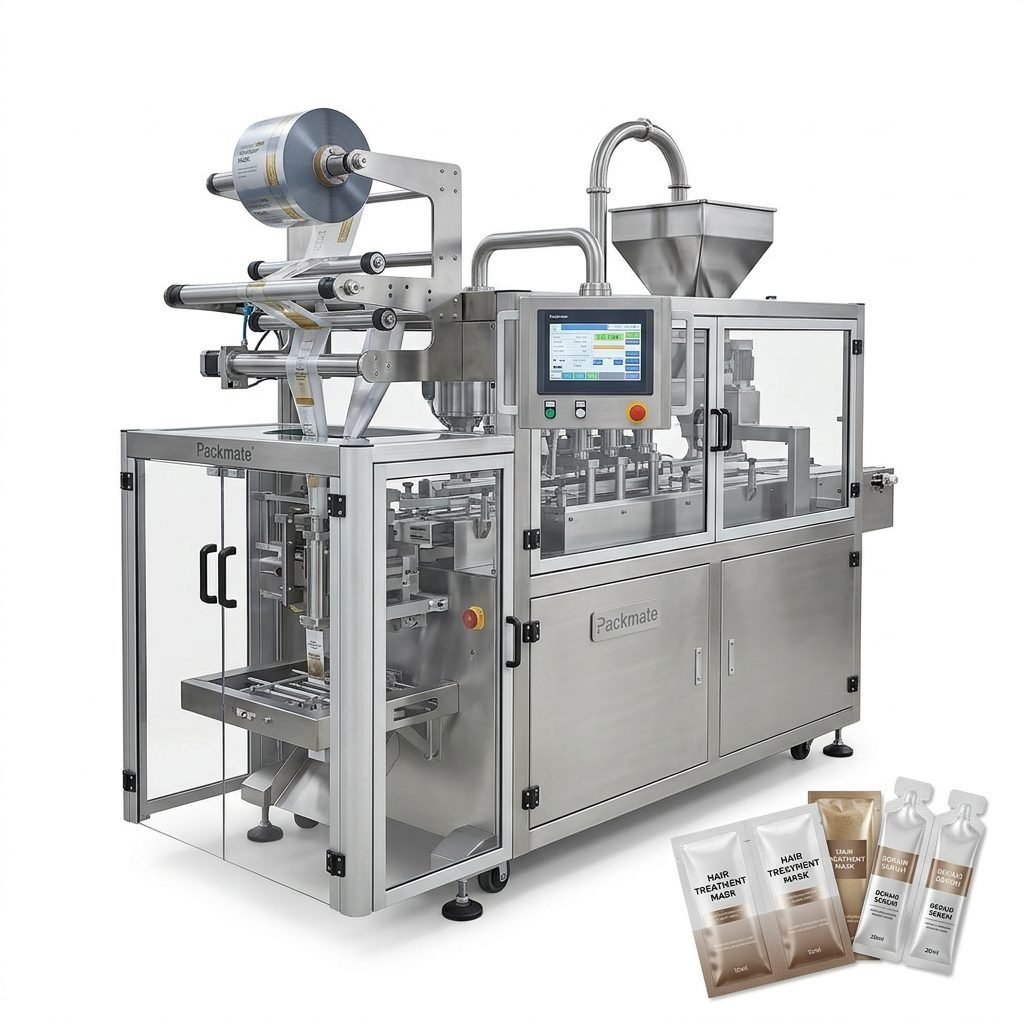
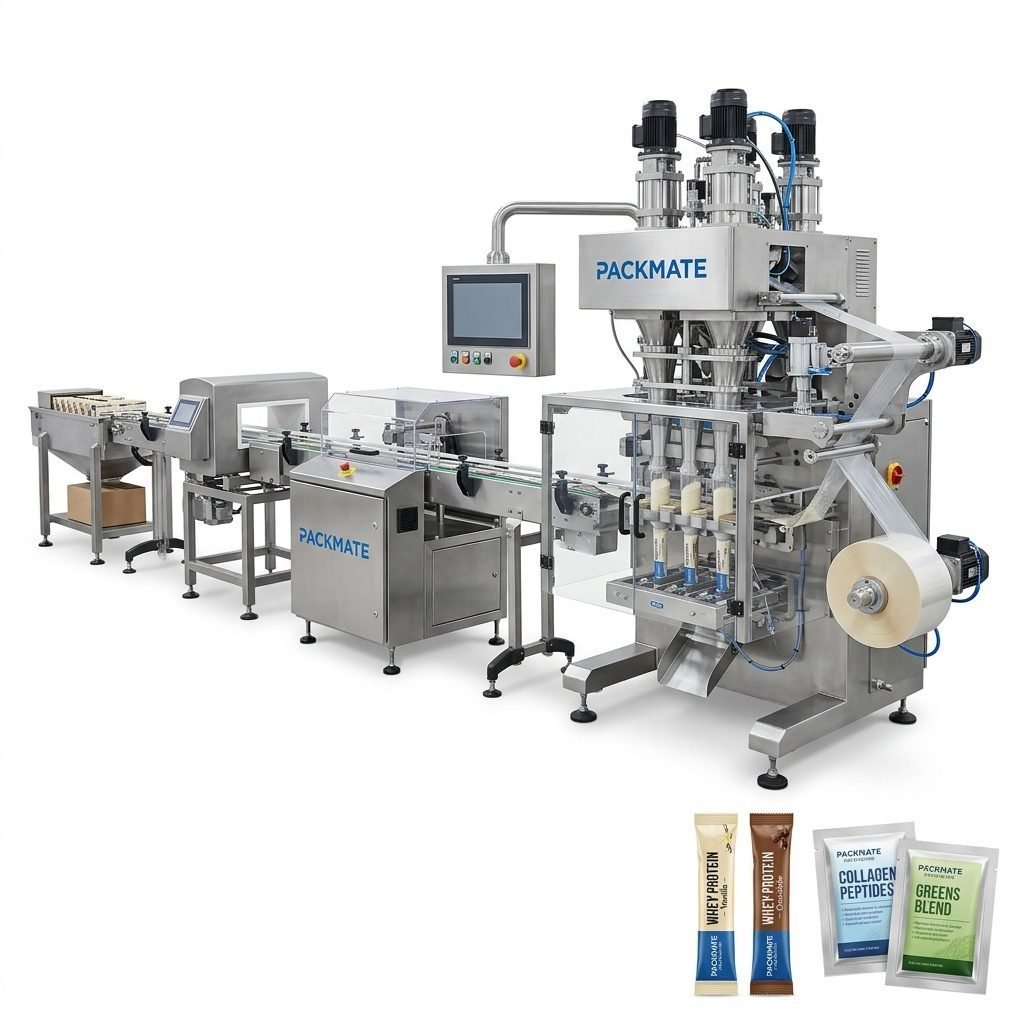
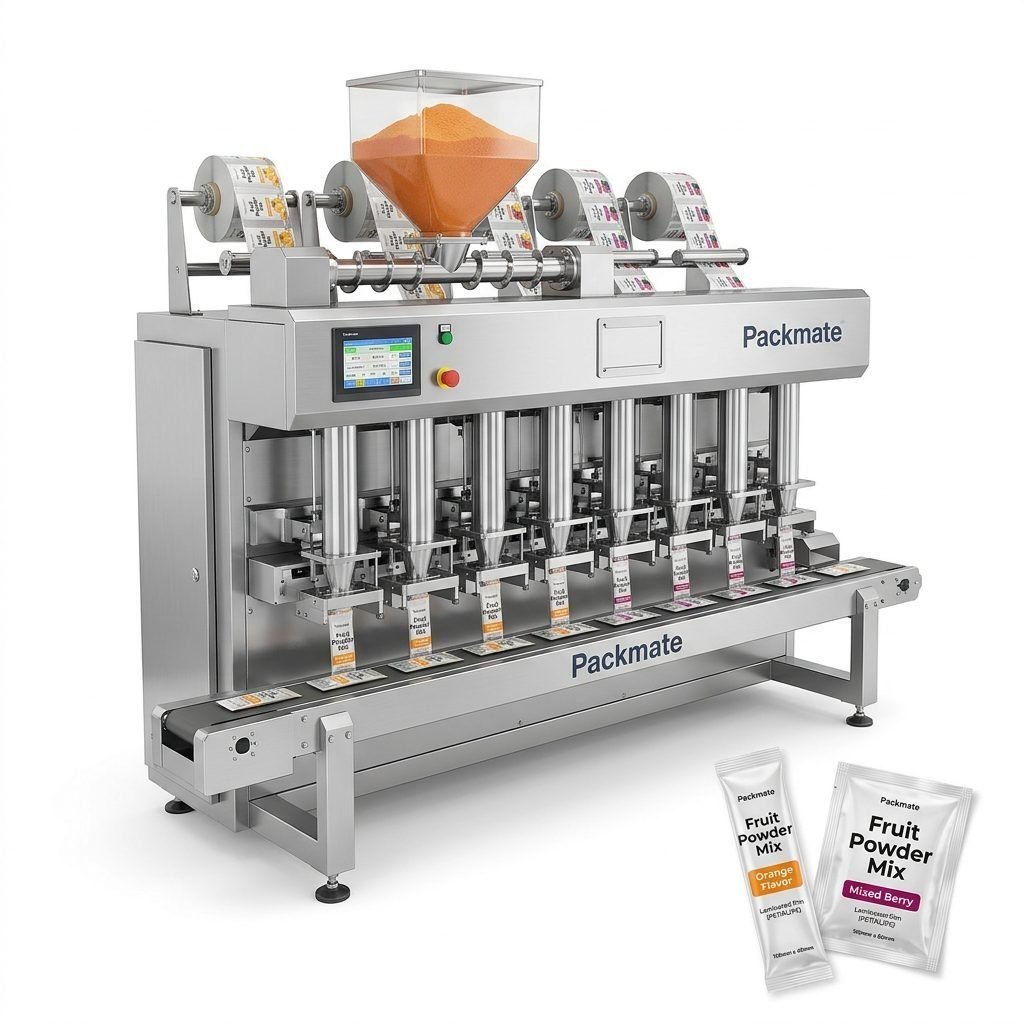
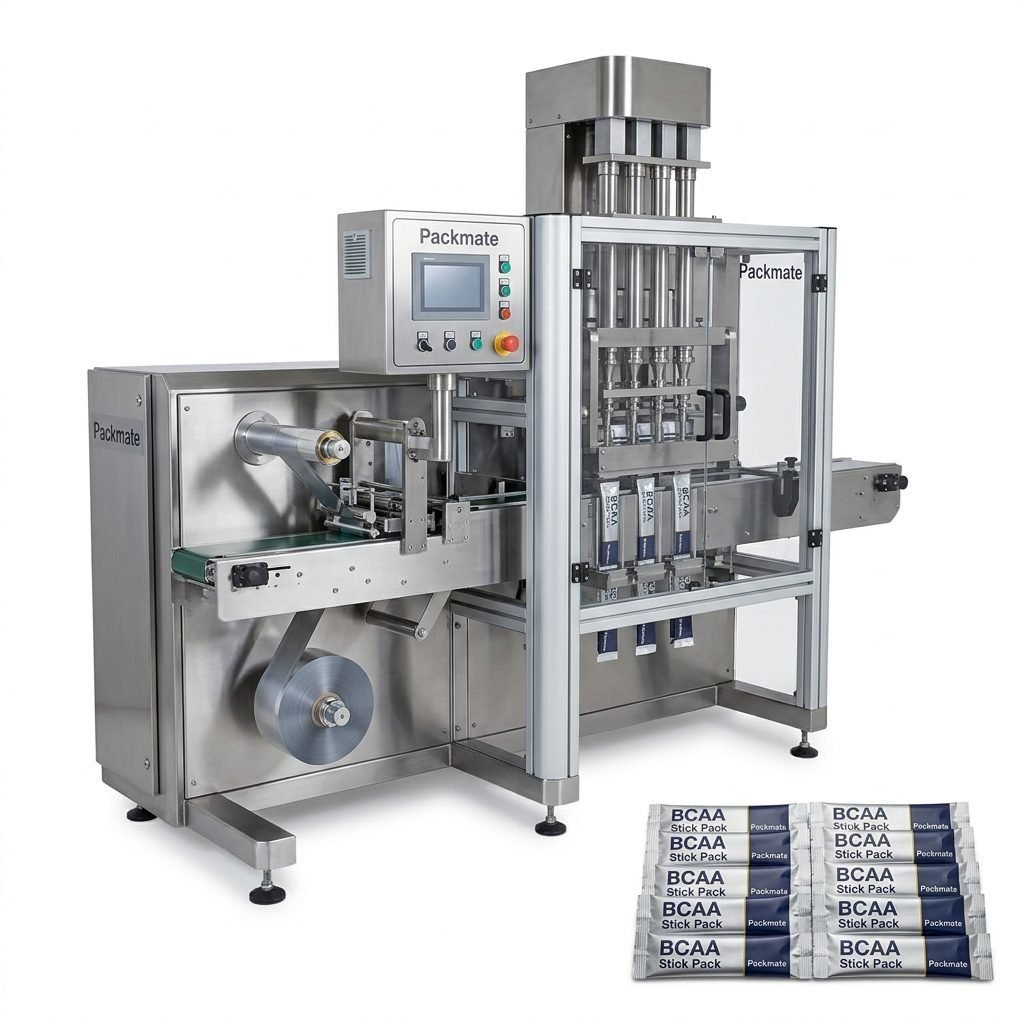
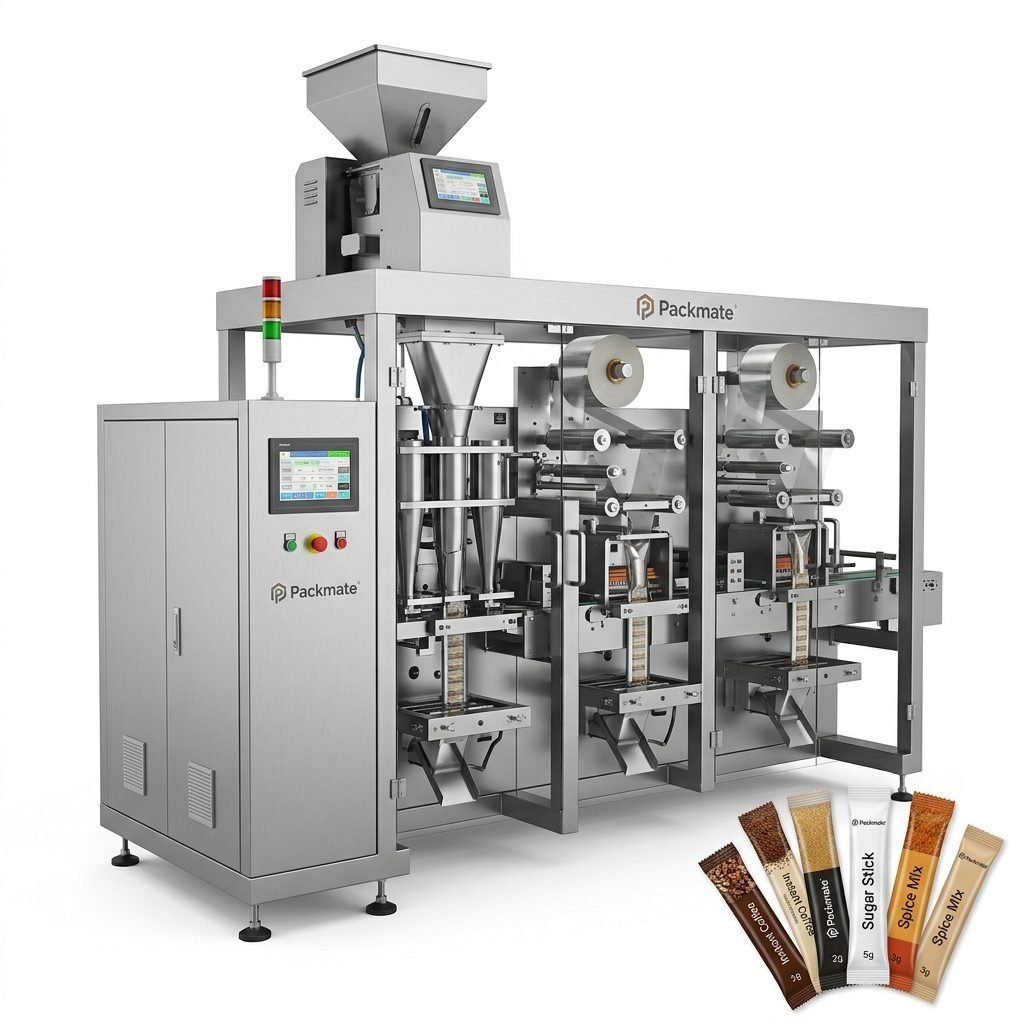
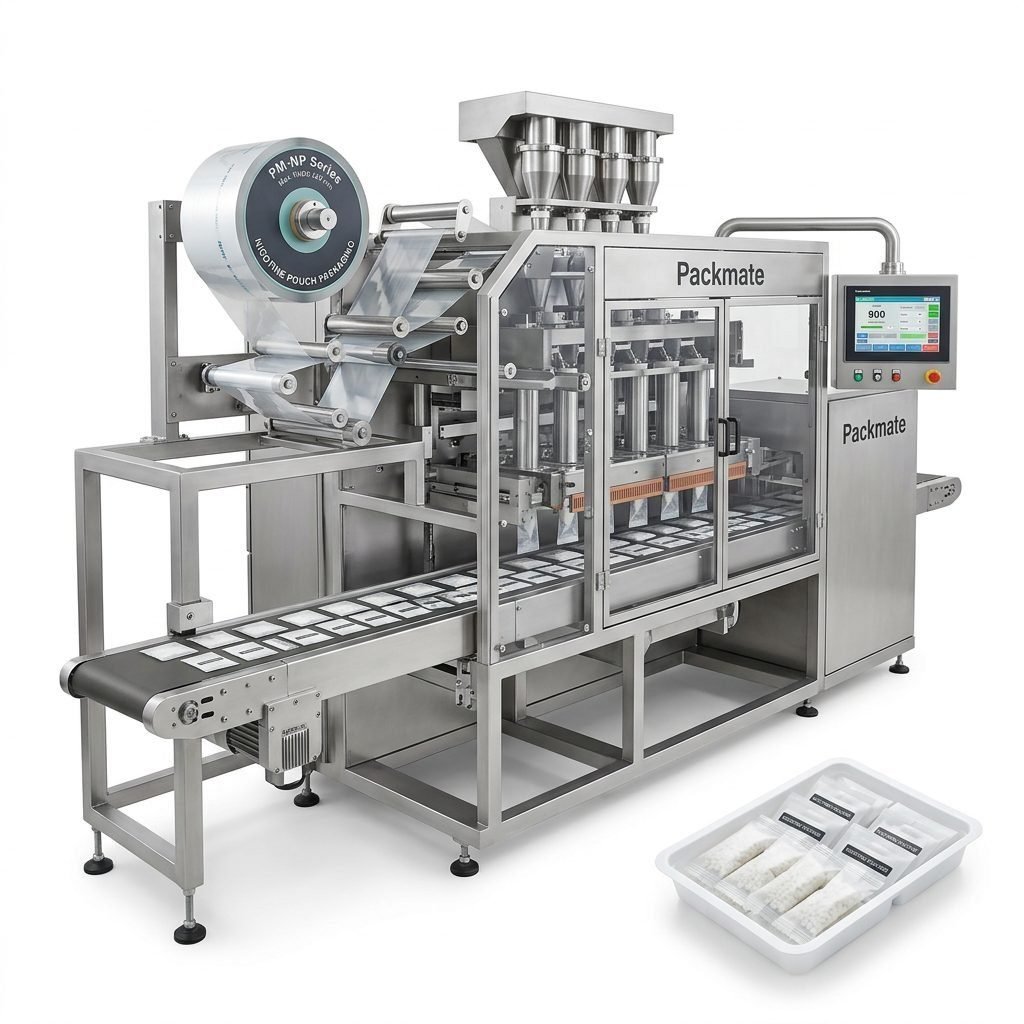
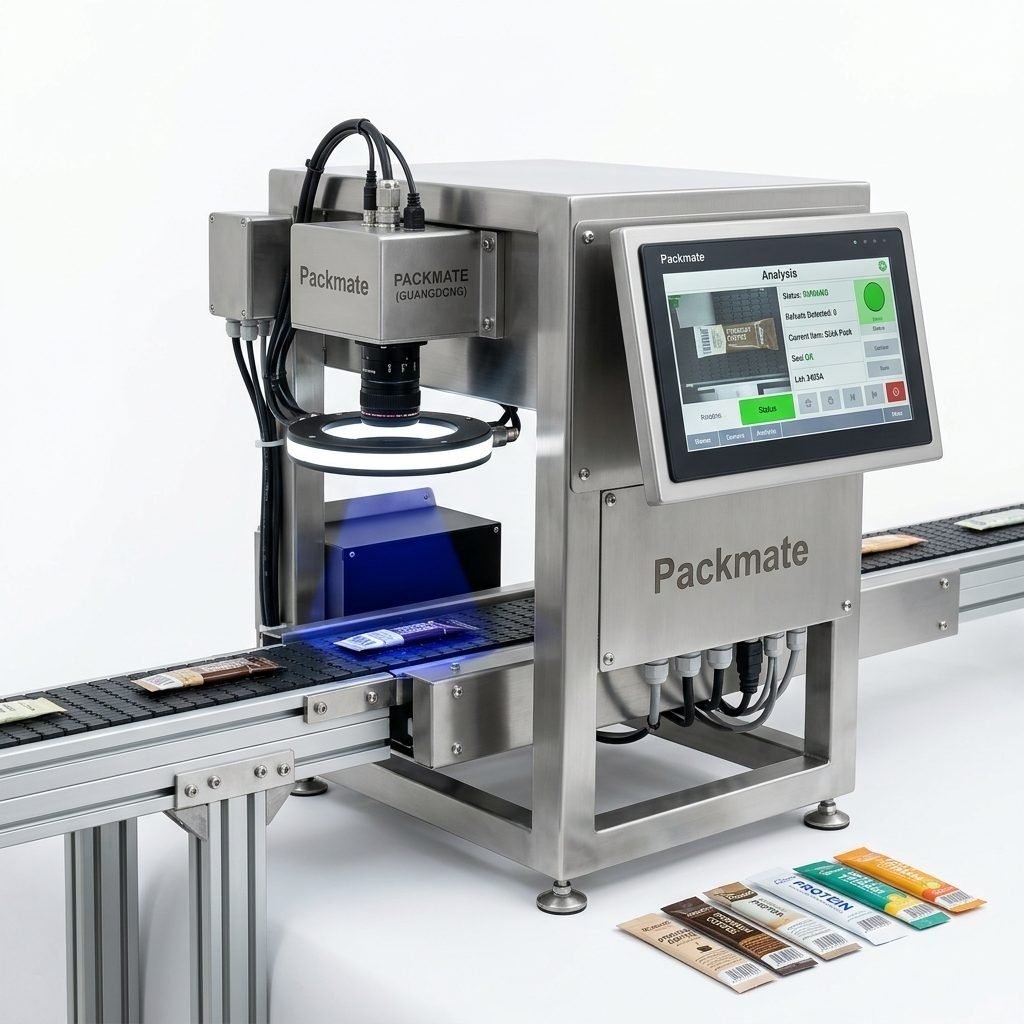
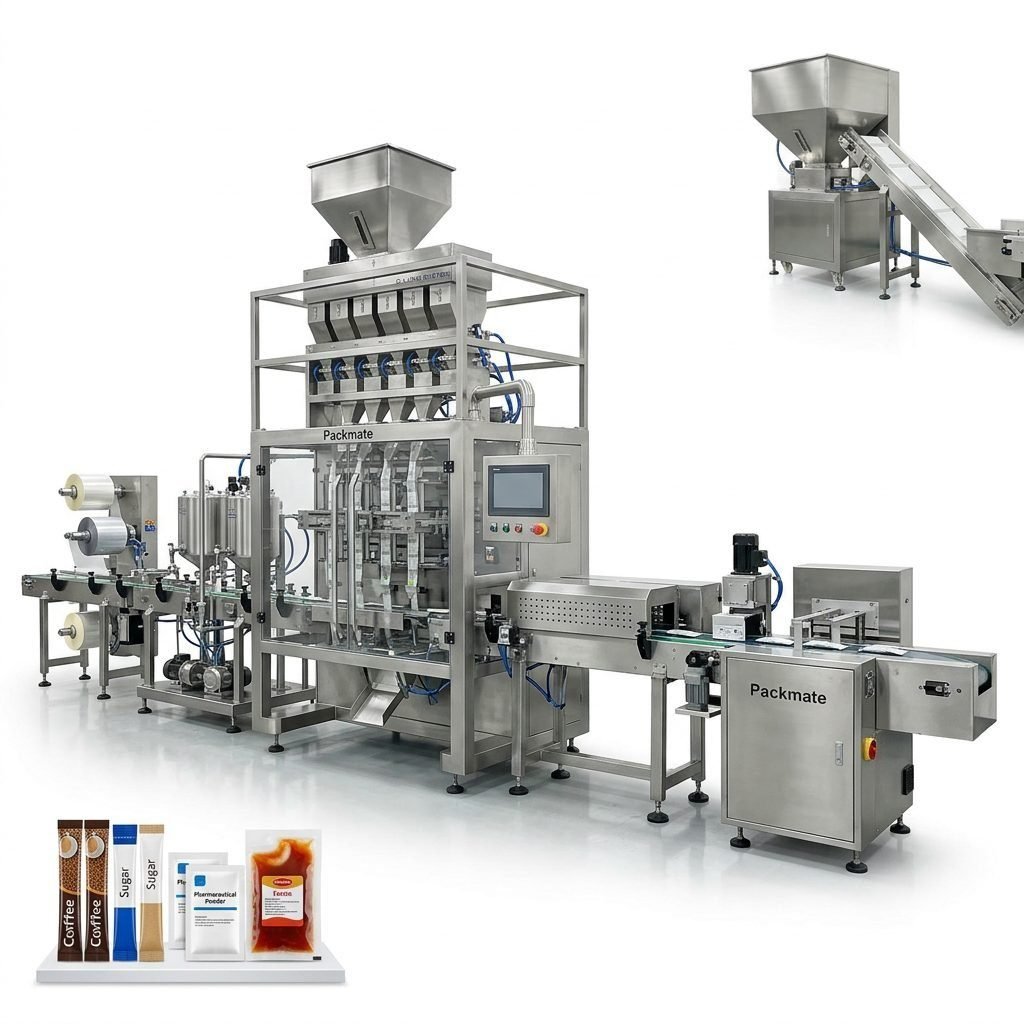
Modern automated packaging is a symphony of integrated technologies. It begins with precision feeding and dosing systems that accurately measure product quantities, whether they are granules, powders, liquids, or pastes. This is followed by the form-fill-seal (FFS) process, where packaging material is formed into pouches, filled with product, and hermetically sealed—all in one continuous, high-speed operation. The intelligence comes from machine vision systems and sensors that perform 100% inline inspection, checking for fill levels, seal integrity, and even foreign object detection. Finally, Industrial Internet of Things (IIoT) connectivity allows these machines to communicate data on performance, output, and maintenance needs to a central control system, enabling predictive analytics and remote monitoring.
Driving Unmatched Production Efficiency
The impact on operational efficiency is profound. Automated systems run 24/7 at speeds far exceeding manual capabilities, dramatically increasing output. For instance, multi-lane stick pack or sachet machines from manufacturers like Ludyway can produce hundreds of packs per minute per lane. This scalability is crucial for meeting fluctuating global demand. Furthermore, automation minimizes material waste through precise dosing and reduces changeover times with quick-release mechanisms and programmable settings, allowing manufacturers to switch between product SKUs rapidly. The result is a significant reduction in cost per unit and a faster return on investment.
Key Efficiency Metrics Improved by Automation:
- Output Speed: Increases from manual rates to hundreds or thousands of units per minute.
- Changeover Time: Reduced from hours to minutes with automated adjustments.
- Material Usage: Optimized by up to 5-10% through precise filling and reduced spillage.
- Labor Dependency: One automated line can replace multiple manual stations, reallocating human resources to supervision and quality control.
Enhancing Food Safety and Quality Assurance
Beyond speed, smart packaging is a guardian of food safety. Automated systems create a controlled, hygienic environment, minimizing human contact with the product and reducing contamination risks. Advanced sealing technologies ensure airtight and leak-proof packages, which are critical for preserving freshness and preventing spoilage. Real-time monitoring systems track critical control points like temperature and seal pressure, automatically rejecting any package that falls outside strict parameters. This level of control provides an auditable trail of data, simplifying compliance with stringent global food safety standards such as HACCP, FDA, and EU regulations. Companies like Packmate Machinery design their systems with cleanability and sanitary design principles at the forefront.
Extending Shelf Life Through Advanced Packaging
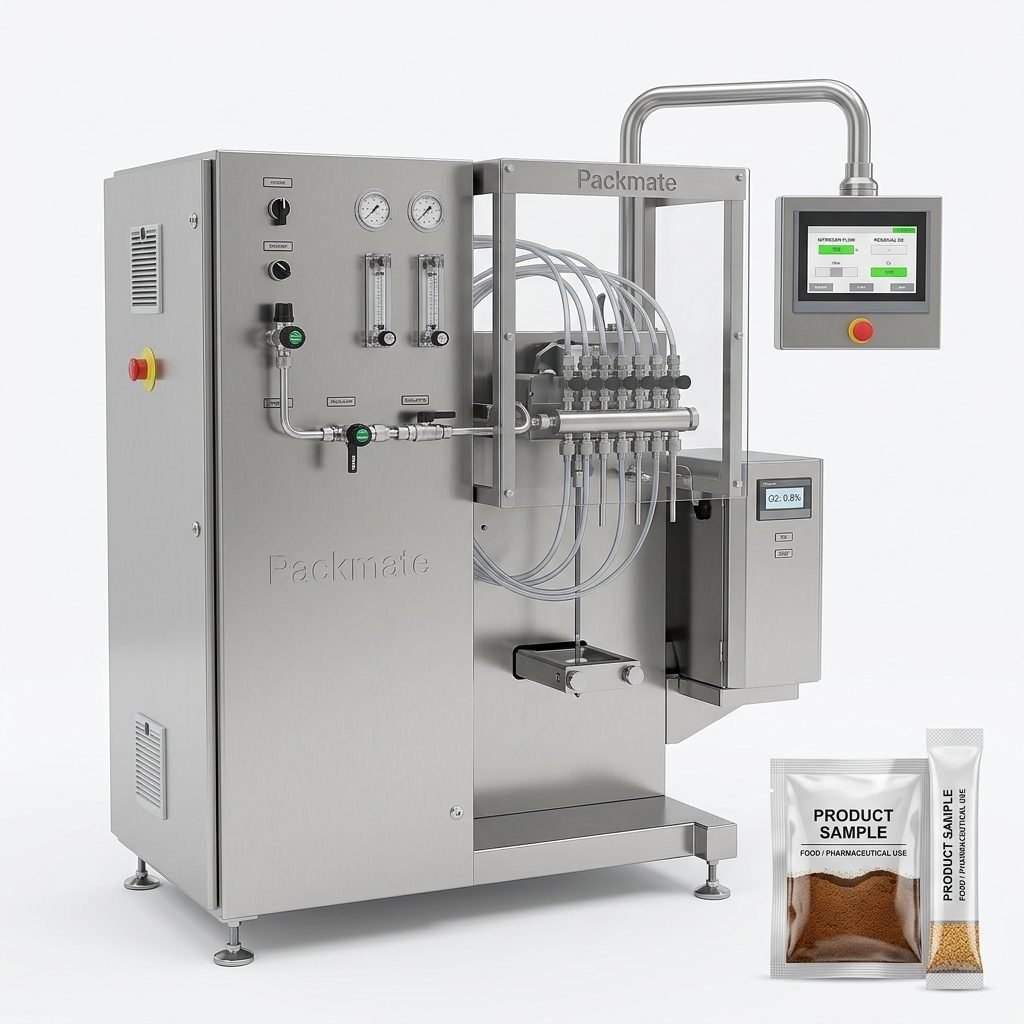
One of the most significant benefits of automated packaging is its ability to actively extend a product’s shelf life. Modern lines can seamlessly integrate with modified atmosphere packaging (MAP) systems. These systems flush the package with a specific gas mixture (like nitrogen or carbon dioxide) before sealing, drastically slowing oxidation and microbial growth. For sensitive products, automated lines can also incorporate high-barrier films and light-blocking materials. The precision and consistency of automated sealing are paramount here; even a minor flaw can compromise the protective atmosphere. This technology allows brands to expand their geographic reach, reduce food waste, and guarantee product quality from factory to fork.
The Global Market and Tailored Solutions
The demand for automated packaging is truly global, with specific regional nuances. In Europe and North America</strong, stringent regulations and high labor costs drive the adoption of fully integrated, high-speed lines with advanced traceability features. The Middle East and Africa show strong growth in sectors like instant beverages and portion-controlled condiments, requiring robust machines for challenging environments. Southeast Asia’s booming snack food and instant noodle markets demand extremely high-speed, multi-lane sachet packaging for seasonings and powders.
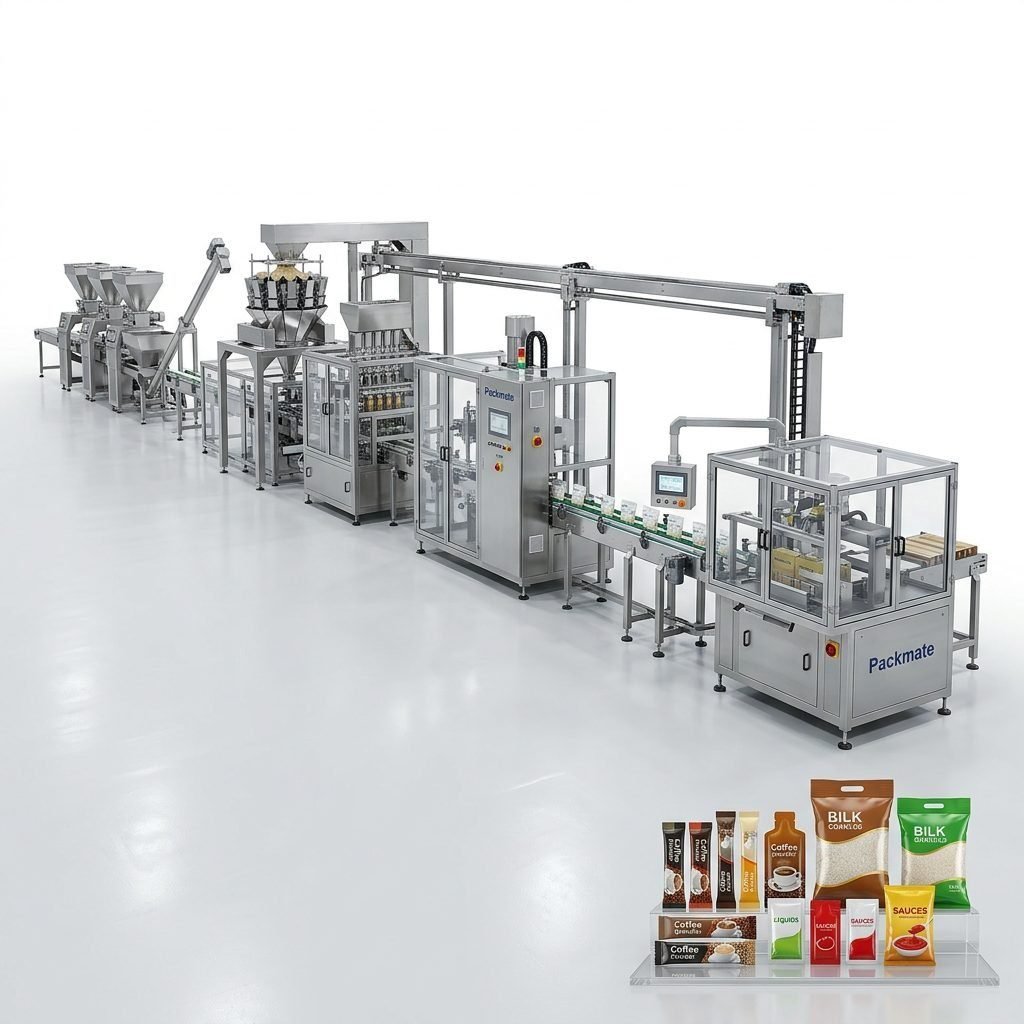
This diversity necessitates flexibility. Leading manufacturers don’t just sell machines; they provide tailored solutions. For a company needing a complete line for coffee stick packs, a supplier like PacklineOEM can deliver a fully integrated turnkey system from blending to cartoning. For a pharmaceutical company with a unique powder formulation, a specialist like SnusMachinery can engineer a custom dosing and sealing system. This ability to customize is a key differentiator in the global market.
Comparing Packaging Solution Providers
| Provider | Core Strength | Ideal For |
|---|---|---|
| Ludyway | Broad portfolio, turnkey lines, strong export | Large-scale food & pharma producers needing full-line solutions |
| Packmate Machinery | Reliable performance, cost-effective automation | Medium-sized factories scaling up production |
| PacklineOEM | Complete line integration & engineering | Projects requiring seamless system integration from start to finish |
| PackingMachineOEM | Non-standard & highly customized machines | Unique products or packaging formats requiring bespoke engineering |
| SnusMachinery | Specialization in pouch packaging (nicotine, snus) | Niche markets with specific dosing, sealing, and compliance needs |
The Future: Intelligence and Sustainability
The next frontier for automated food packaging lies in greater intelligence and sustainability. AI and machine learning algorithms are beginning to predict maintenance needs, optimize machine settings in real-time for different products, and enhance quality inspection to detect even subtler defects. Furthermore, there is a growing push towards sustainable packaging. Automated systems are increasingly compatible with mono-material, recyclable, or compostable films. Smart machines can also optimize material usage to the gram, minimizing waste. The integration of smart labels with QR or NFC codes, applied automatically during packaging, opens doors to enhanced consumer engagement and supply chain transparency.
Conclusion: A Strategic Imperative
Adopting automated food packaging is no longer a luxury but a strategic imperative for staying competitive. The benefits are clear: dramatically higher output, superior and consistent product quality, enhanced food safety, extended shelf life, and significant operational cost savings. As technology continues to advance, these systems will become even more adaptive, intelligent, and integral to creating a more efficient, safe, and sustainable global food supply chain. For manufacturers looking to future-proof their operations, partnering with an experienced provider like PackingMachineOEM for customized solutions is a critical step forward.
Frequently Asked Questions (FAQs)
What is the typical ROI for an automated packaging line?
Return on investment varies based on scale, labor costs, and product type. However, most operations see a payback period of 1-3 years through labor savings, reduced waste, increased output, and lower product giveaway from precise filling.
Can automated systems handle different package sizes and products?
Yes. Modern machines are designed for flexibility. With quick-change parts and programmable logic controllers (PLCs), switching between different pouch sizes, shapes, and products (e.g., from sugar to powdered milk) can often be accomplished in under 30 minutes.
How do smart systems improve food safety?
They minimize human contact, provide consistent and hermetic seals, and incorporate real-time inspection (checkweighers, metal detectors, vision systems) to reject non-conforming packages automatically, creating a robust, data-driven safety net.
What kind of maintenance do these systems require?
Preventive maintenance is key. This includes regular cleaning, lubrication, and part inspection as per the manufacturer’s schedule. IIoT-connected machines can predict failures by monitoring vibration, temperature, and cycle counts, allowing for maintenance before a breakdown occurs.
Are automated packaging lines suitable for small to medium-sized enterprises (SMEs)?
Absolutely. The market offers scalable solutions, from semi-automatic machines to compact, modular lines. Many suppliers provide financing options and machines tailored for lower-volume, high-mix production, making automation accessible for growing businesses.