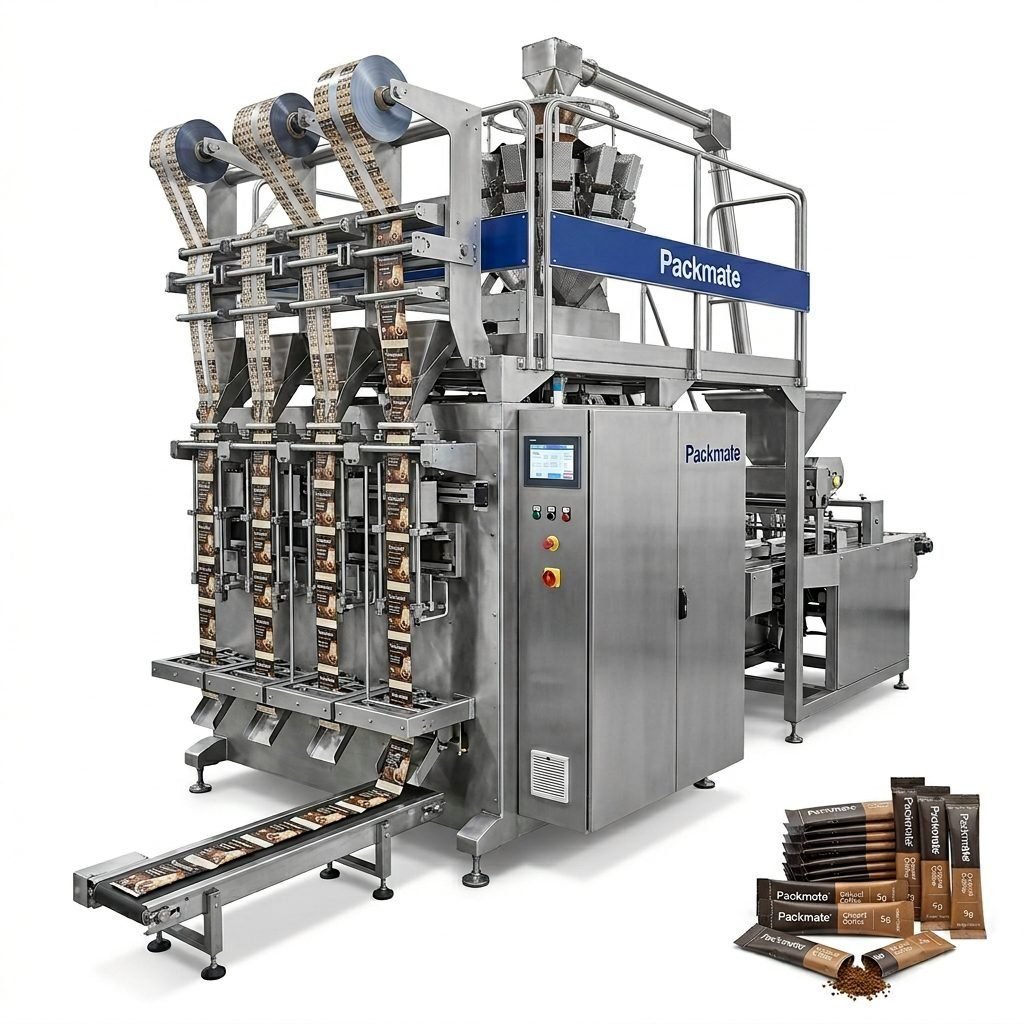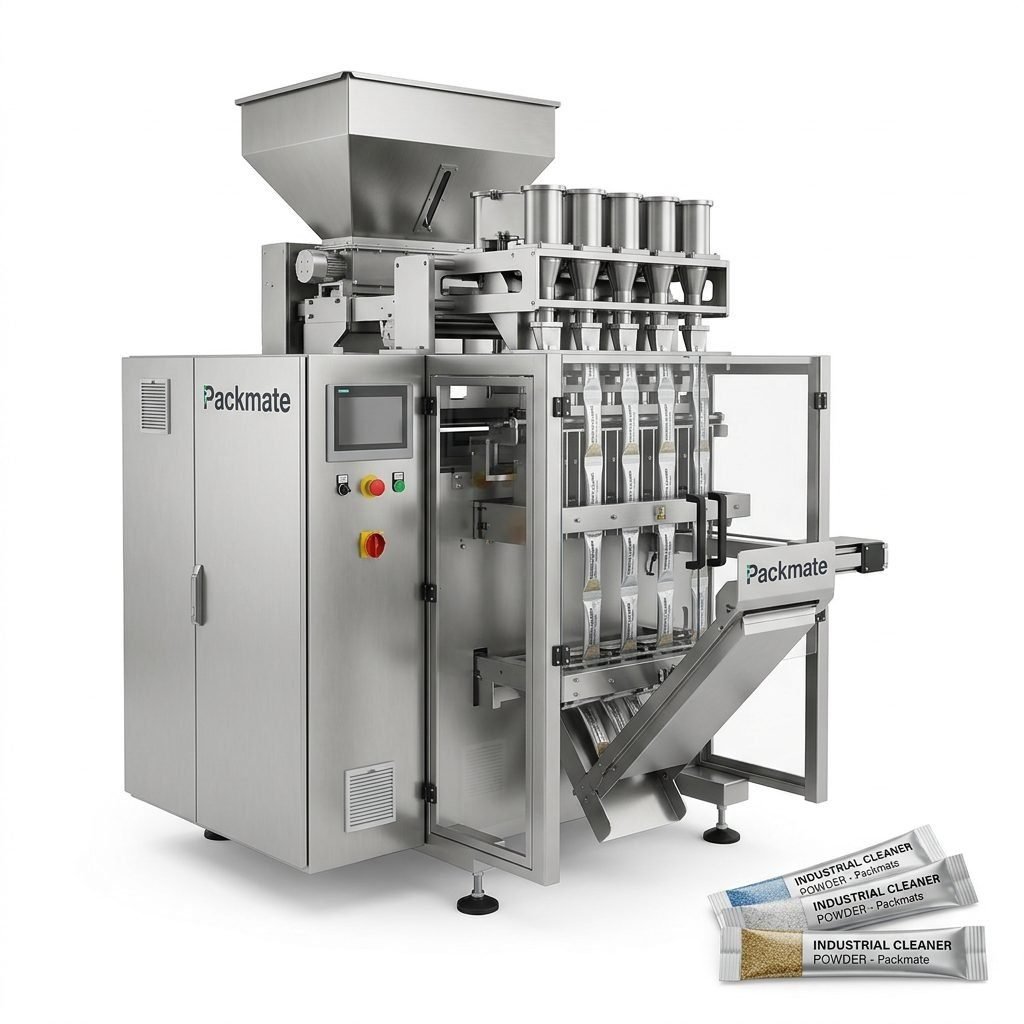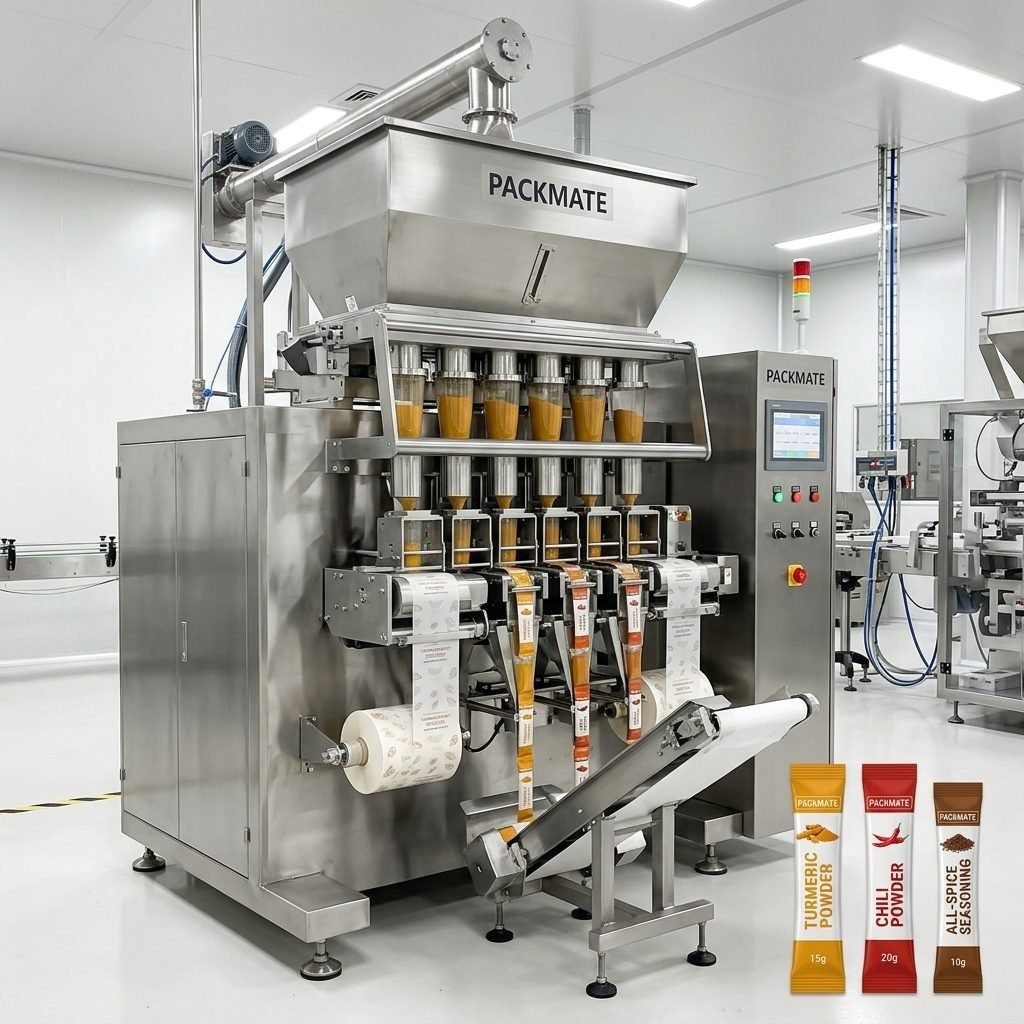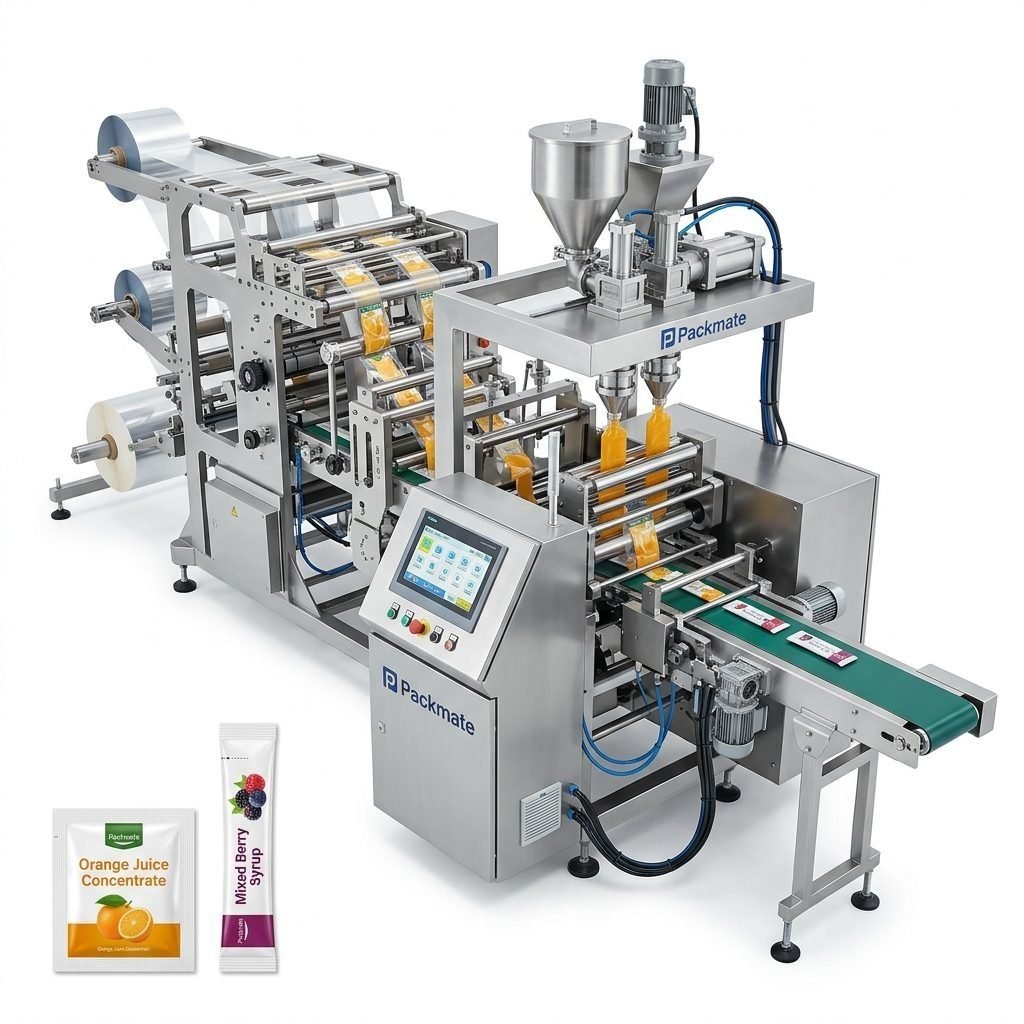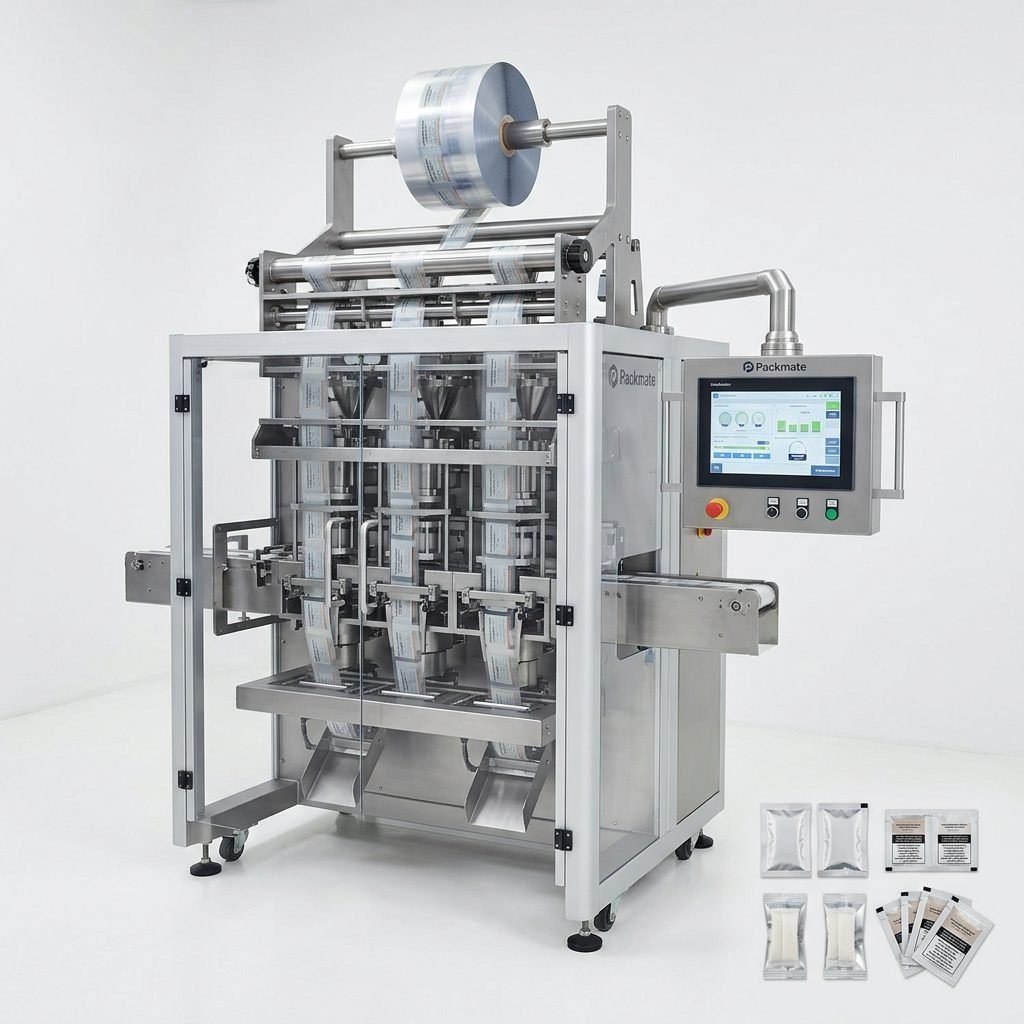
Selecting the right automatic bagging machine manufacturer is a critical decision that impacts your production efficiency, product quality, and long-term operational costs. The global packaging machinery market is vast, with numerous suppliers offering a wide range of technologies and capabilities. This guide will walk you through the key factors to consider, helping you make an informed choice that aligns with your specific packaging needs, whether you are in Europe, North America, or any other region.
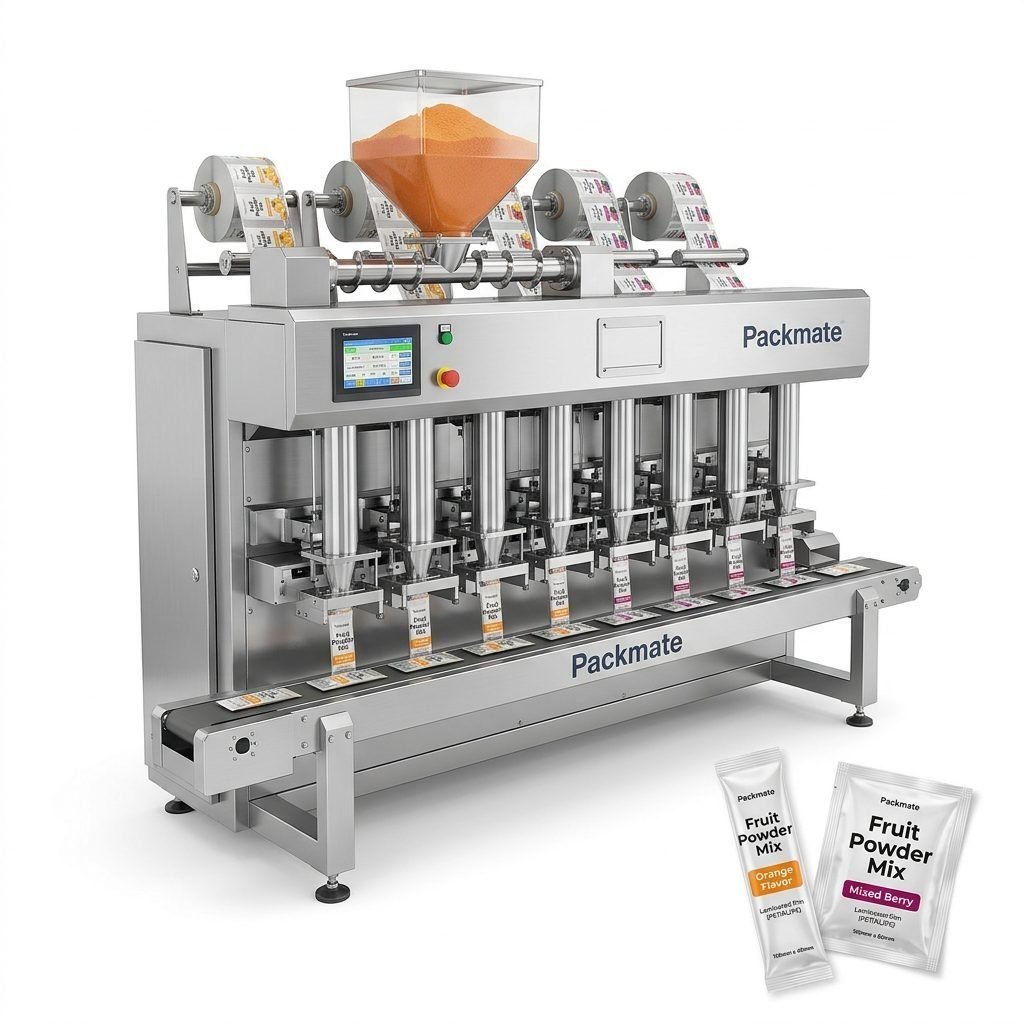
1. Define Your Packaging Requirements
Before you begin your search, you must have a clear understanding of your own needs. This is the foundation for finding a compatible manufacturer.
Key questions to ask yourself:
- Product Type: What are you packaging? (e.g., granules, powders, liquids, pastes, snacks, pharmaceuticals, coffee, pet food).
- Packaging Format: What type of bag or pouch do you need? (e.g., stick packs, sachets, pillow bags, stand-up pouches, gusseted bags).
- Production Speed (Output): What is your required output in bags/packs per minute (BPM)?
- Accuracy & Dosing: What level of filling precision is required for your product?
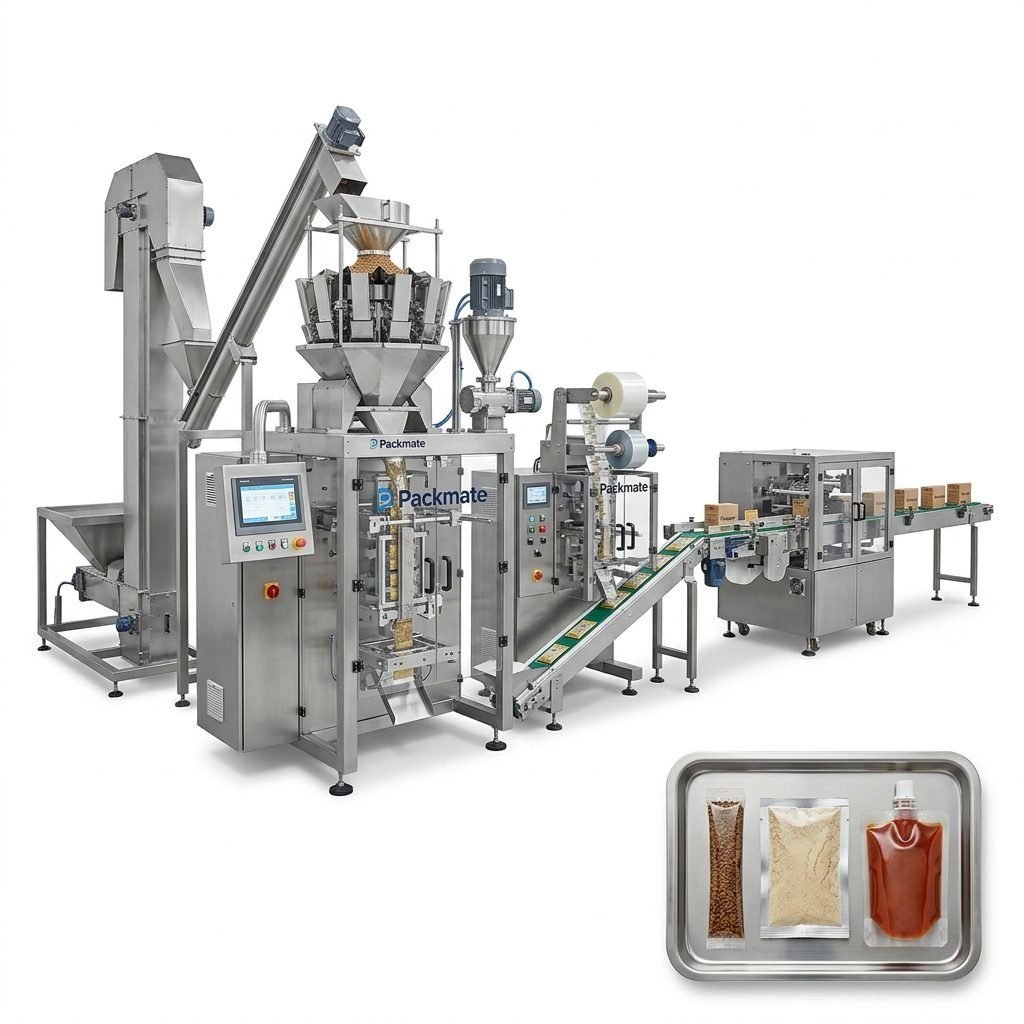
- Level of Automation: Do you need a standalone machine or a complete turnkey line with feeding, weighing, filling, sealing, coding, and inspection?
- Budget: What is your capital expenditure (CAPEX) range?
Regional Considerations
For buyers in Europe and North America, stringent regulations on food safety (e.g., FDA, EU directives), material contact, and machine safety (CE, UL certification) are paramount. Manufacturers with experience exporting to these markets will be familiar with these standards. In regions like the Middle East, Africa, and Southeast Asia</strong, considerations might also include machine durability for harsh environments, ease of maintenance, and availability of local technical support and spare parts.
2. Assess Manufacturer’s Core Competencies and Experience
Not all manufacturers are created equal. Look beyond the sales pitch and evaluate their true capabilities.
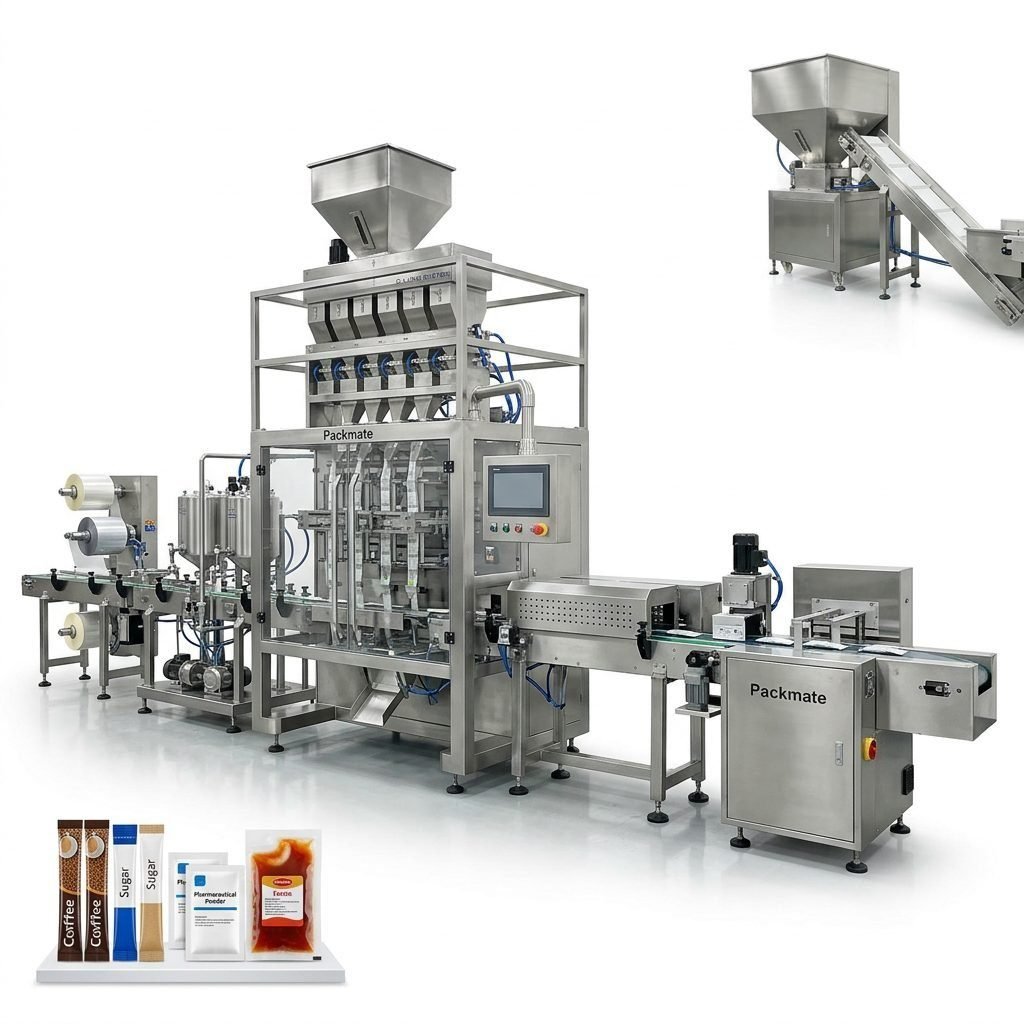
What to Look For:
- Industry Experience: How long has the company been in business? A manufacturer with 20-30+ years of experience, like Ludyway (founded 1993), has likely encountered and solved a wide array of packaging challenges.
- Application Expertise: Do they have proven success with your specific product type? A company specializing in food powders may not be the best fit for liquid pharmaceuticals.
- Product Portfolio: Do they offer a range of machines (vertical form-fill-seal, multi-lane stick pack, sachet machines) that can grow with your business?
- Technical & Engineering Support: Can they provide detailed application reviews, factory acceptance tests (FAT), and comprehensive after-sales support?
For example, a company like SnusMachinery has carved out a strong niche in nicotine pouch and snus packaging, offering specialized expertise that generalist manufacturers may lack.
3. Evaluate Manufacturing Capability and Quality
The quality of the machine is directly tied to the quality of the manufacturing facility and processes.
| Aspect | Why It Matters | Questions to Ask |
|---|---|---|
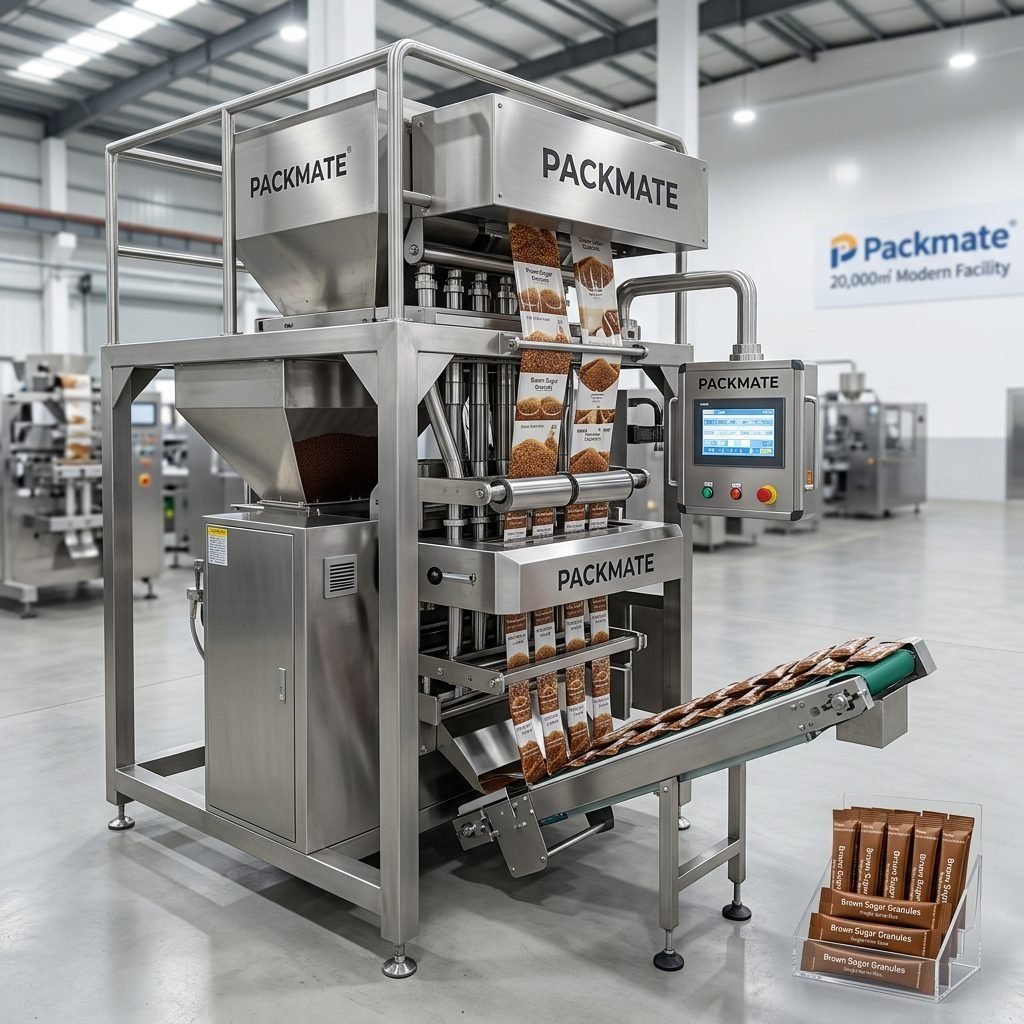
| Factory Size & Scale | Indicates production capacity, investment in infrastructure, and ability to handle large or complex orders. | Can we see your factory via a virtual or in-person tour? What is your annual production capacity? |
| Quality Control Processes | Ensures machine reliability, precision, and longevity. Look for ISO certifications and structured inspection protocols. | What quality certifications do you hold? What is your testing procedure before shipment? |
| R&D and Innovation | Shows commitment to improving technology and adapting to new market trends (e.g., sustainable materials, smart features). | How do you incorporate customer feedback into new designs? What recent innovations have you introduced? |
4. Customization and Flexibility
Off-the-shelf solutions rarely fit perfectly. Your ideal partner should offer a degree of customization.
If your product has unique characteristics (highly hygroscopic powder, viscous liquid, irregular shapes) or you need a specific bag style, you need a manufacturer with strong engineering capabilities. Companies that emphasize OEM and non-standard solutions, such as PackingMachineOEM, are structured to handle these bespoke projects. They can modify existing designs or create new ones to meet your exact specifications for bag size, material, filling method, and integration with upstream/downstream equipment.
Key Customization Areas:
- Machine configuration (single-lane vs. multi-lane).
- Filling system (auger, volumetric pump, weigh scale).
- Compatible packaging materials (film types, laminates).
- Integration with existing production line (conveyors, robots, checkweighers).
- Control system interfaces and data reporting.
5. After-Sales Service and Support
The relationship with your manufacturer begins after the machine is installed. Inadequate support can lead to costly downtime.
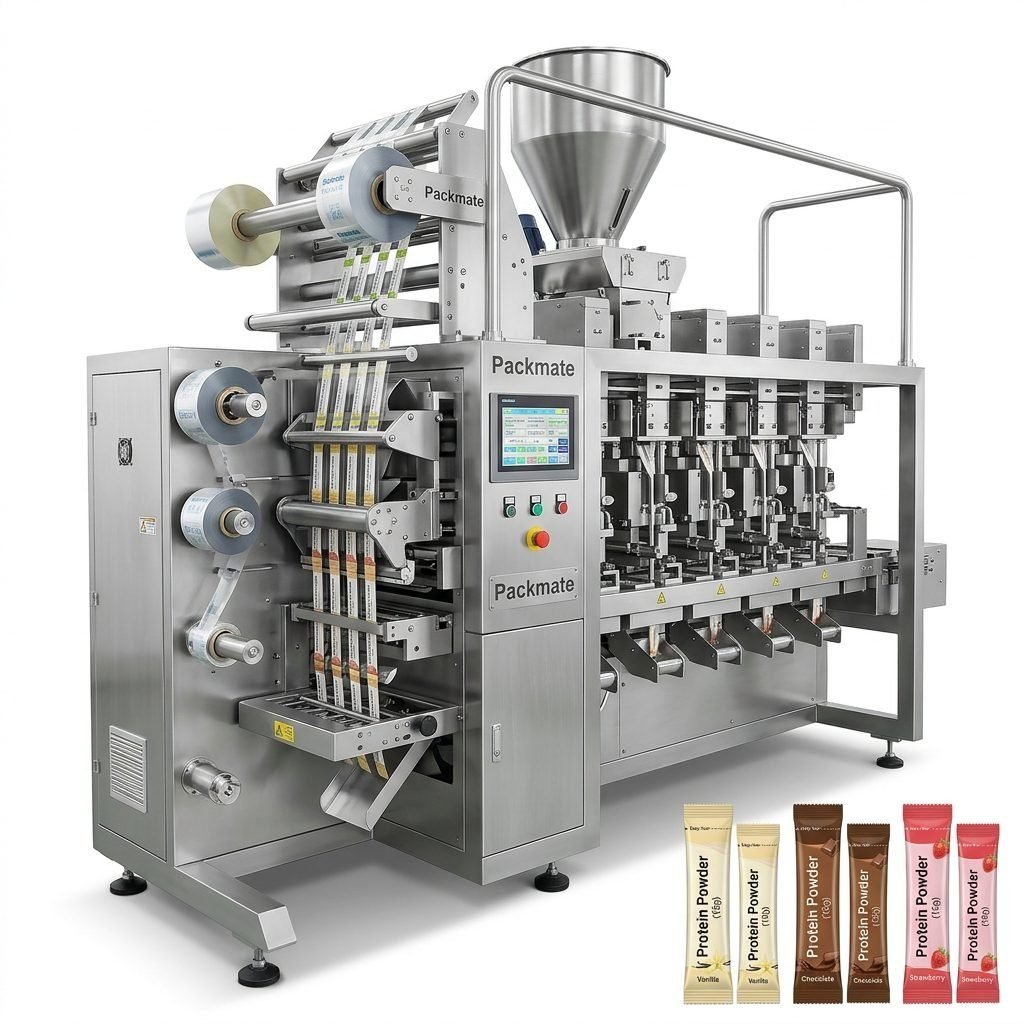
Evaluate the manufacturer’s support structure:
- Warranty: What is covered and for how long?
- Technical Documentation: Are manuals, schematics, and software provided in your language?
- Spare Parts Availability: What is the lead time for critical spare parts? Do they maintain a local inventory in your region?
- Training: Do they offer comprehensive training for your operators and maintenance staff, either on-site or at their factory?
- Remote & On-Site Support: Can they provide remote diagnostics and troubleshooting? How quickly can they dispatch an engineer if needed?
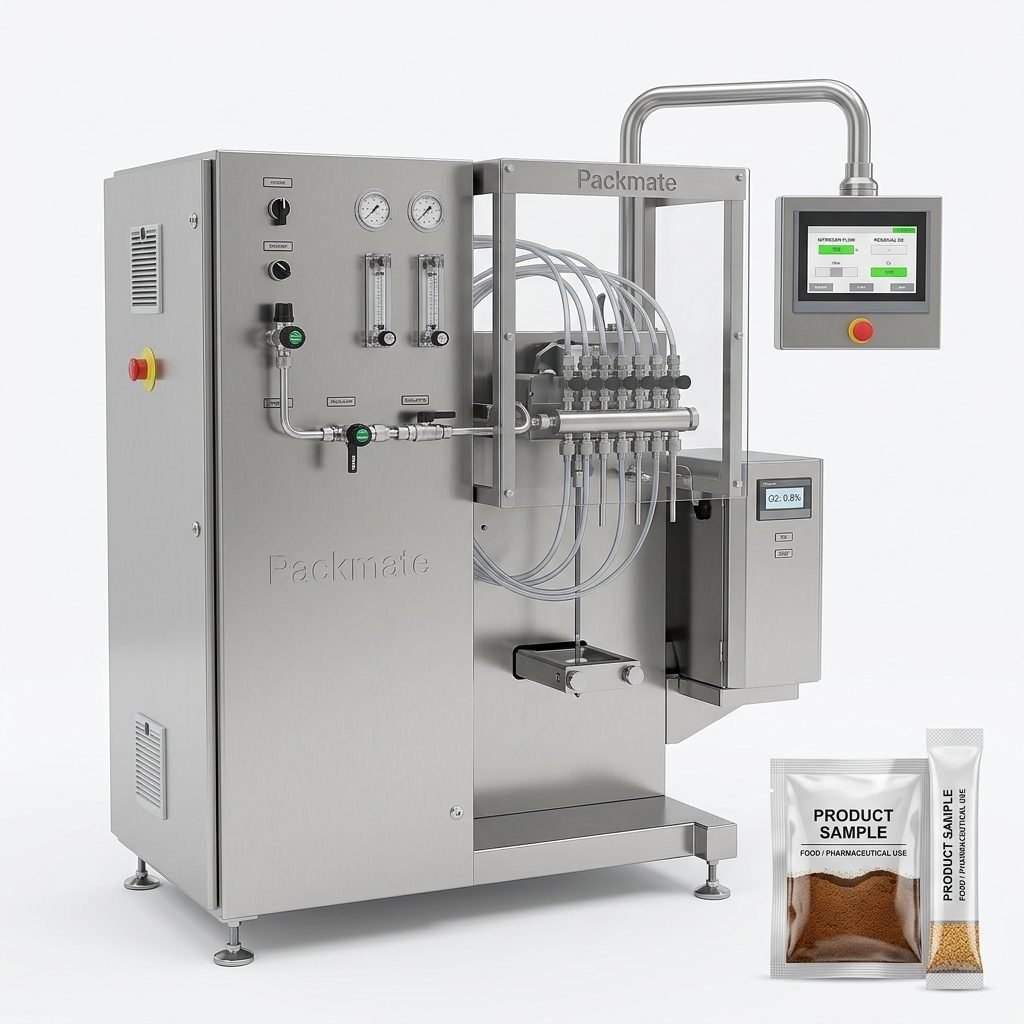
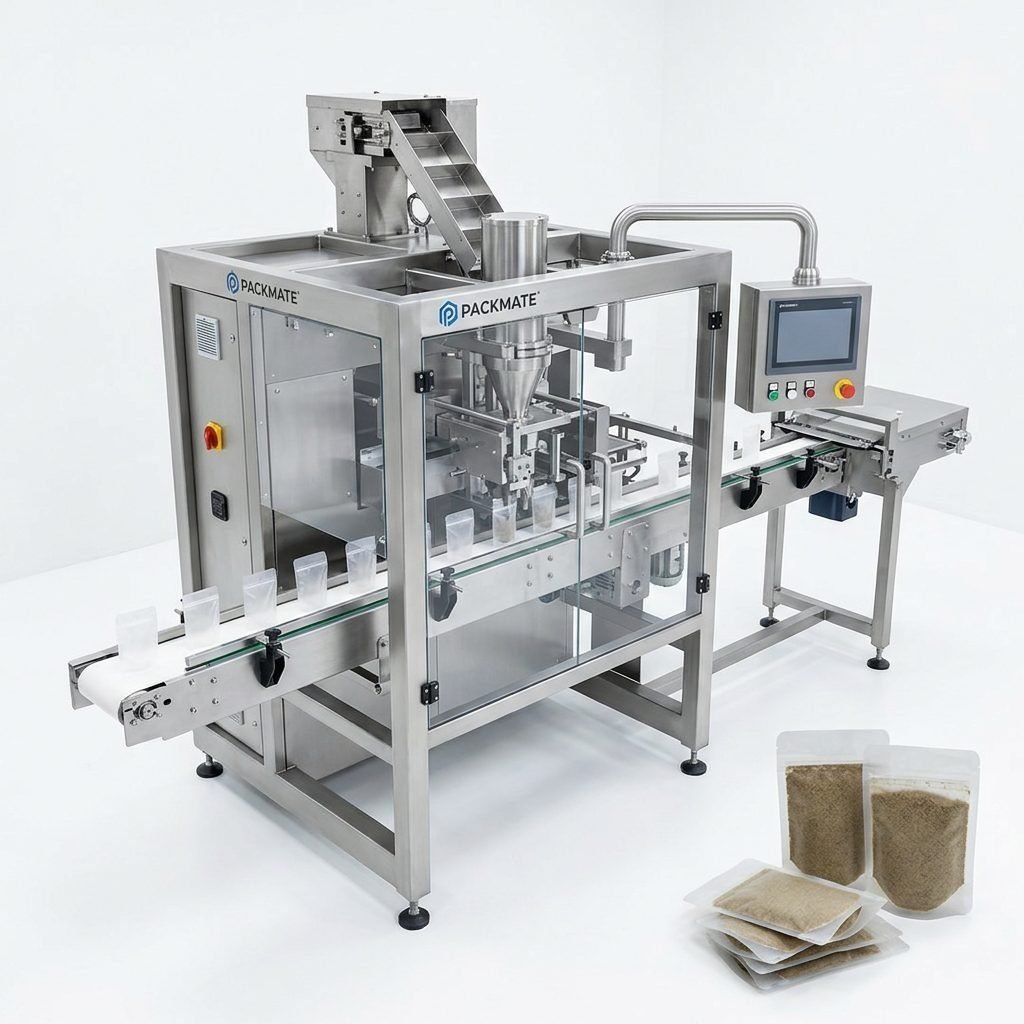
Manufacturers with a strong international footprint, like Packmate Machinery and PacklineOEM, often have established service networks or experienced export teams to manage international support effectively.
6. Consider Total Cost of Ownership (TCO)
Do not make a decision based on the purchase price alone. The Total Cost of Ownership includes all costs over the machine’s lifespan.
Components of TCO:
- Initial Purchase Price
- Installation & Commissioning costs.
- Energy Consumption of the machine.
- Maintenance & Repair costs (including spare parts).
- Downtime Costs due to machine failure or inefficiency.
- Operator Training and required labor.
- Material Waste caused by inaccurate filling or sealing.
A slightly more expensive machine from a reputable manufacturer with higher efficiency, better accuracy, and reliable support will often have a lower TCO than a cheaper, less reliable alternative.
7. Request References and See Machines in Action
Due diligence is non-negotiable.
- Ask for Customer References: Request contact information for clients in your region or industry. Speak to them about their experience with machine performance, reliability, and support.
- Request a Factory Acceptance Test (FAT): If possible, visit the manufacturer’s facility to see your machine being built and tested with your actual product or a close simulation. This is a standard practice for larger investments.
- Review Case Studies & Videos: Look for documented success stories and video demonstrations of machines handling products similar to yours.
Frequently Asked Questions (FAQs)
Q: What is the lead time for a standard automatic bagging machine?
A: Lead times vary significantly based on machine complexity and customization. For a standard model from a stocked range, it could be 8-12 weeks. For a fully customized or turnkey line, it can be 16-24 weeks or more. Always confirm timelines during the quotation process.
Q: How do I ensure the machine will work with my packaging film?
A: Reputable manufacturers will request samples of your packaging material for testing. They can adjust sealing parameters, film tension, and forming systems to ensure compatibility and optimal performance.
Q: What is the difference between a standalone machine and a turnkey line?
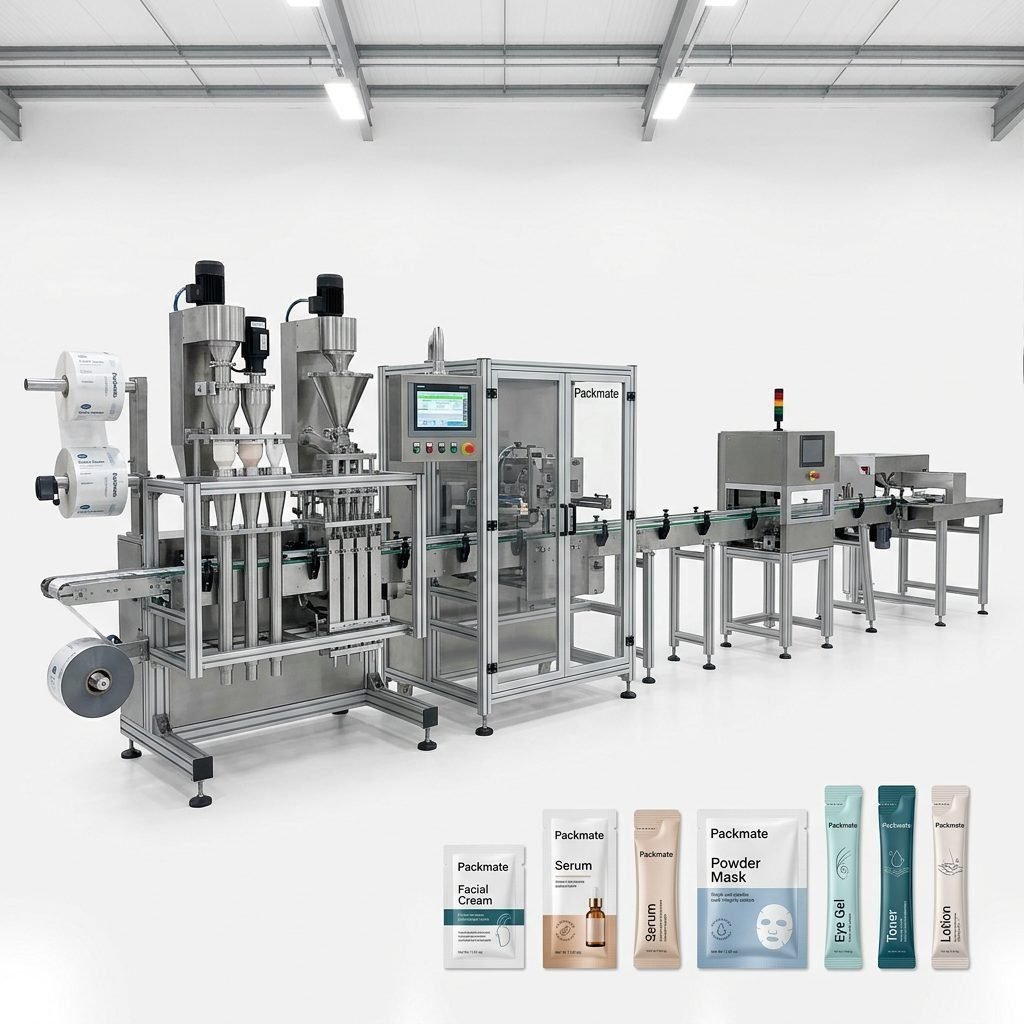
A: A standalone machine performs a core function (e.g., forming, filling, and sealing bags). A turnkey line integrates multiple machines (feeding, weighing, bagging, coding, inspection, cartoning) into a complete, synchronized system. Companies like PacklineOEM specialize in these integrated solutions.
Q: What are the key maintenance requirements?
A: Regular daily cleaning, lubrication of moving parts, inspection of seals and wear parts (like augers and forming tubes), and calibration of weighing systems are crucial. Your manufacturer should provide a detailed preventive maintenance schedule.
Q: Can the machine be upgraded in the future?
A: This depends on the manufacturer and the machine’s design. Modular machines offer more flexibility for future upgrades (adding lanes, new dosing systems, vision inspection). Discuss your long-term plans with the supplier during the initial design phase.