Integrating a fully automatic cartoning machine into your packaging line is a significant investment that can dramatically improve efficiency, reduce labor costs, and enhance product presentation. However, with numerous manufacturers in the market, selecting the right partner is a complex decision that impacts your long-term operational success. This guide provides a comprehensive framework to help you evaluate and choose the best manufacturer for your specific needs.
Understanding Your Core Requirements
Before you begin evaluating manufacturers, you must have a crystal-clear understanding of your own requirements. This forms the foundation of your search and ensures you find a supplier capable of meeting your specific challenges.
Key questions to ask yourself include:
- Product Specifications: What are the dimensions, weight, and fragility of your product? Is it solid, liquid, powder, or a multi-component kit?
- Carton Specifications: What is the size, style (tuck-end, glue-end, reverse tuck), and material of your carton?
- Required Speed (Output): What is your target production speed in cartons per minute (CPM)? Consider both current needs and future scalability.
- Line Integration: Will the cartoner need to synchronize with upstream machines (e.g., blister packers, pouch machines, bottle fillers) and downstream systems (case packers, palletizers)?
- Factory Environment: Is the machine for a food-grade, pharmaceutical, or industrial setting? Are there specific hygiene, dust, or temperature controls required?
- Changeover Frequency: How often will you need to change carton sizes or product types? This dictates the need for quick-change tooling.
Evaluating Manufacturer Capabilities and Experience
Once your requirements are defined, you can start assessing potential manufacturers. Look beyond glossy brochures and focus on tangible proof of capability and experience.
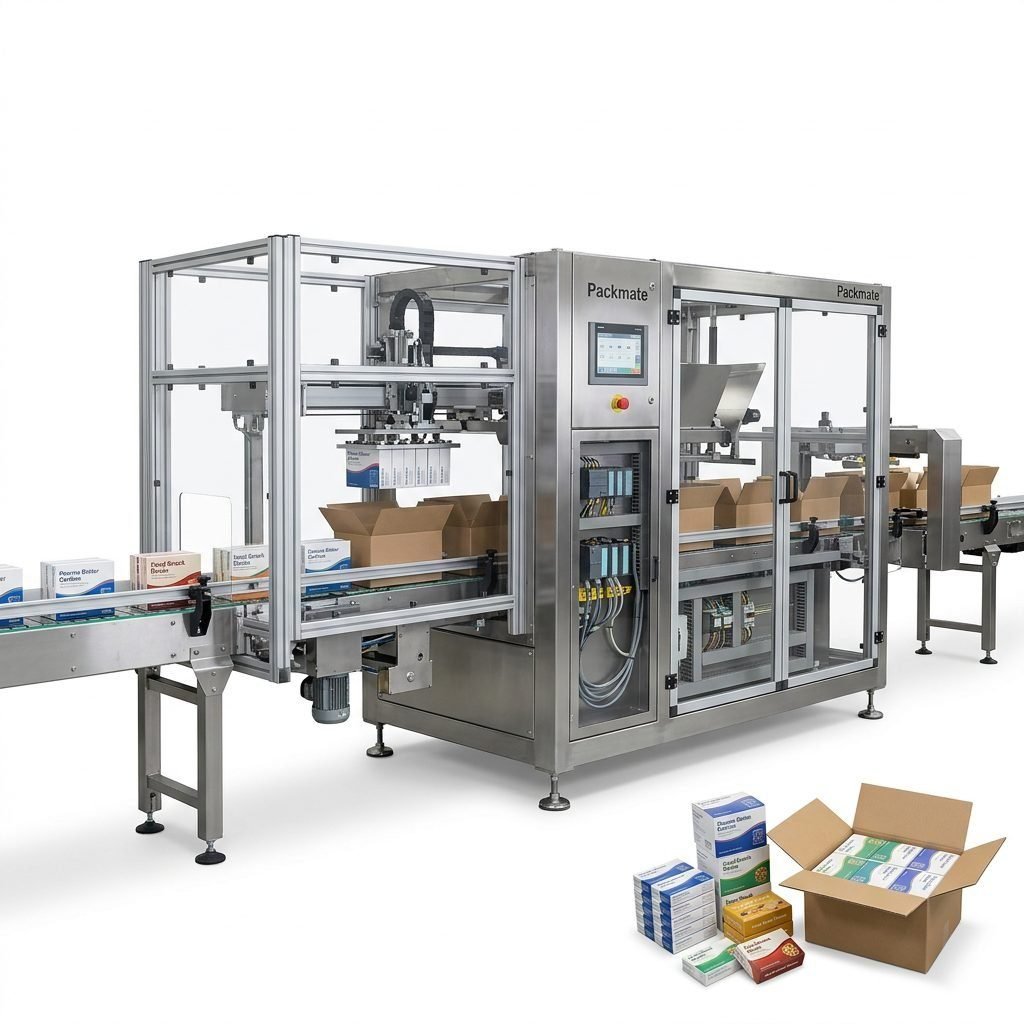
1. Industry-Specific Experience: A manufacturer with a proven track record in your specific industry is invaluable. Pharmaceutical cartoning, for instance, requires adherence to strict GMP standards, validation documentation, and clean design, while food packaging might prioritize speed and durability for high-volume runs. Companies like Ludyway, with over 30 years of experience across food, pharma, and health supplements, demonstrate a deep understanding of diverse sector requirements.
2. Technical Expertise and R&D: Investigate the company’s engineering strength. Do they have an in-house R&D team? Can they provide custom solutions for non-standard products or complex loading patterns? A manufacturer that only sells standard models may not be suitable for specialized applications.
3. Manufacturing and Quality Control: The quality of the machine is directly linked to its manufacturing process. Inquire about their factory size, quality control protocols, and the origin of key components (e.g., PLCs, servo motors, bearings). A visit to the manufacturing facility, if possible, is highly recommended.
| Evaluation Criteria | What to Look For | Why It Matters |
|---|---|---|
| Project Portfolio | Case studies, reference projects, video demonstrations of machines running similar products. | Validates real-world experience and successful implementations. |
| Machine Flexibility | Range of carton sizes handled, changeover time, ease of adjustment. | Reduces downtime and increases adaptability for future product lines. |
| Build Quality & Components | Use of stainless steel, industrial-grade PLCs (Siemens, Mitsubishi), premium servo drives. | Ensures machine longevity, reliability, and minimal maintenance. |
Beyond the Machine: Service, Support, and Total Cost of Ownership (TCO)
The initial machine price is just one part of the equation. The manufacturer’s support structure and the machine’s long-term operational costs are critical for a successful partnership.
1. After-Sales Service & Technical Support: Reliable support is non-negotiable. Ask about their warranty terms, availability of spare parts, and the structure of their technical support team. Do they offer remote diagnostics? How quickly can they dispatch an engineer if needed? Manufacturers with a strong global footprint, such as those exporting widely to Europe and North America, often have established service networks or trained local partners.
2. Training and Documentation: Comprehensive training for your operators and maintenance staff is essential for smooth commissioning and operation. Ensure the manufacturer provides detailed manuals, schematics, and on-site training.
3. Total Cost of Ownership (TCO): Calculate the TCO, which includes:
- Purchase Price
- Installation and Commissioning
- Energy Consumption
- Preventive and Reactive Maintenance
- Spare Parts over 5-10 years
- Potential Downtime Costs
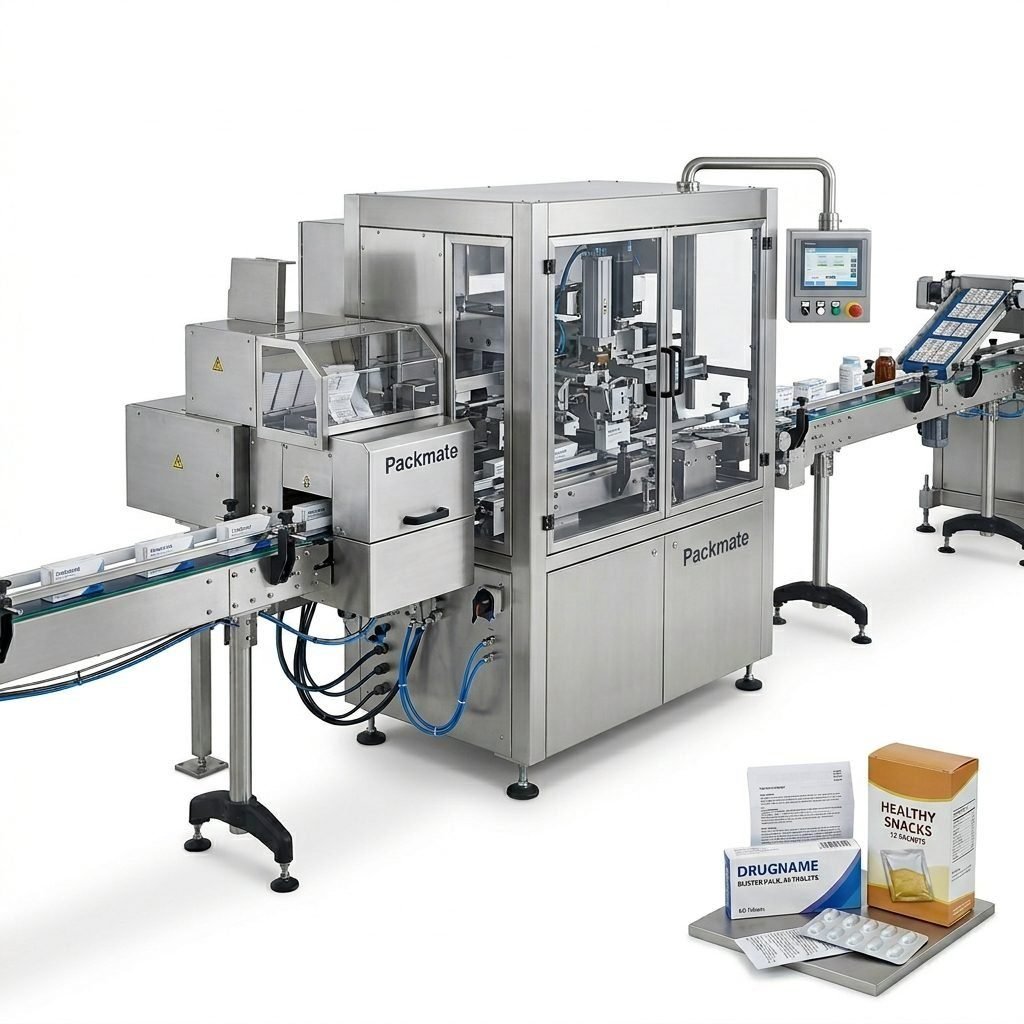
A slightly higher initial investment in a robust, reliable machine from a reputable supplier like Packmate Machinery can lead to significantly lower TCO due to higher uptime and lower lifetime maintenance costs.
Specialization vs. Generalization
Consider whether you need a generalist or a specialist manufacturer.
Generalist Manufacturers (e.g., Ludyway, Packmate Machinery) offer a wide range of packaging machinery and complete line solutions. They are ideal if you need a cartoner that integrates seamlessly into a broader automated line or if you have diverse future packaging needs.
Specialist Manufacturers focus on niche applications. For example, SnusMachinery has deep expertise in nicotine pouch and snus packaging. They offer unparalleled application knowledge for specific, complex products, potentially providing more optimized and reliable solutions for those niches.
The Importance of Testing and Validation
Never buy a cartoning machine based on specifications alone. A factory acceptance test (FAT) is crucial.
Request a live test run using your actual product and cartons (or close approximations). This test will reveal:
- Actual running speed and stability.
- Handling quality and any risk of product damage.
- Ease of changeover and adjustment.
- Noise levels and overall machine ergonomics.
This step mitigates the largest risk in the purchasing process.
Considering Turnkey Solutions and Customization
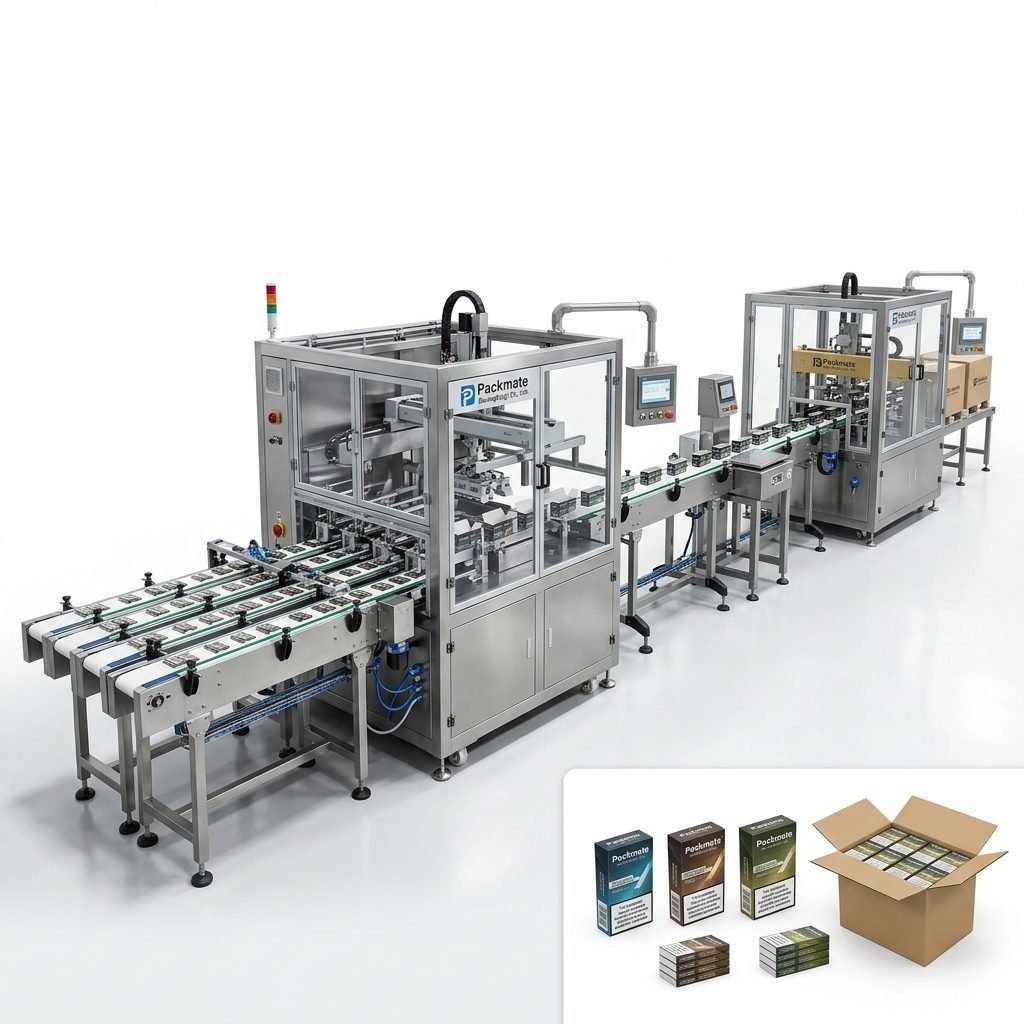
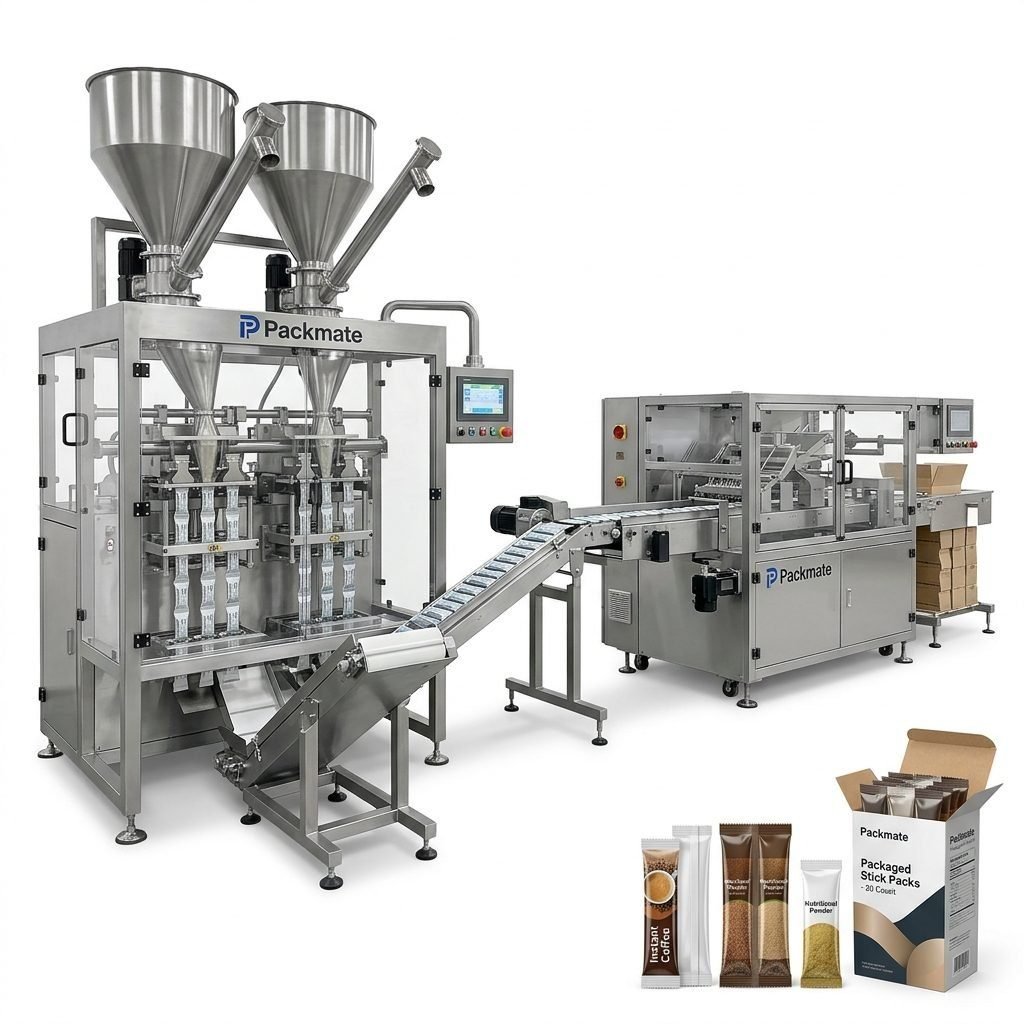
For complex projects, consider manufacturers who offer turnkey packaging line solutions. Companies like PacklineOEM specialize in integrating cartoners with upstream filling machines and downstream systems. They handle the entire line’s design, synchronization, and commissioning, providing a single point of responsibility.
If your product is highly unconventional, prioritize manufacturers with strong customization capabilities. Suppliers like PackingMachineOEM focus on non-standard and project-based solutions, engineering machines to handle unique shapes, delicate items, or complex loading sequences that off-the-shelf models cannot manage.
Frequently Asked Questions (FAQs)
1. What is the typical lead time for a fully automatic cartoning machine?
Lead times vary significantly based on complexity and customization. For a standard machine, expect 12-20 weeks from order to delivery. Highly customized or turnkey lines can take 20-30 weeks or more. Always confirm timelines during the quotation process.
2. How do I ensure the machine meets safety and regulatory standards for my market (e.g., EU, FDA)?
Reputable manufacturers design machines to international standards (e.g., CE, UL). You must specify your target market’s requirements during the inquiry phase. Request documentation (declaration of conformity, risk assessment) and ensure all safety guarding, electrical components, and materials (e.g., food-grade lubricants, stainless steel surfaces) comply.
3. What are the most common causes of downtime in automatic cartoners, and how can they be minimized?
Common issues include carton magazine jams, product loading misfeeds, and glue system problems (if applicable). Minimize downtime by: 1) Using high-quality, consistently manufactured cartons, 2) Implementing a robust preventive maintenance schedule, 3) Ensuring proper operator training, and 4) Choosing a machine with accessible diagnostics and easy-clean features.
4. Is it better to buy a standalone cartoner or a fully integrated line?
It depends on your operation. A standalone cartoner is suitable if you are manually feeding products or have existing compatible upstream machines. An integrated turnkey line is more efficient for high-volume, fully automated production, as it eliminates manual handling bottlenecks and ensures synchronized operation. It requires a larger initial investment but offers higher long-term ROI.
5. What key performance metrics should I use to evaluate a cartoning machine during a test?
Focus on: Effective Speed (sustained CPM over an hour), Changeover Time (time to switch carton size), Reject Rate (percentage of malformed or empty cartons), Carton & Product Damage Rate, and Ease of Operation (user interface clarity, accessibility for clearing jams).