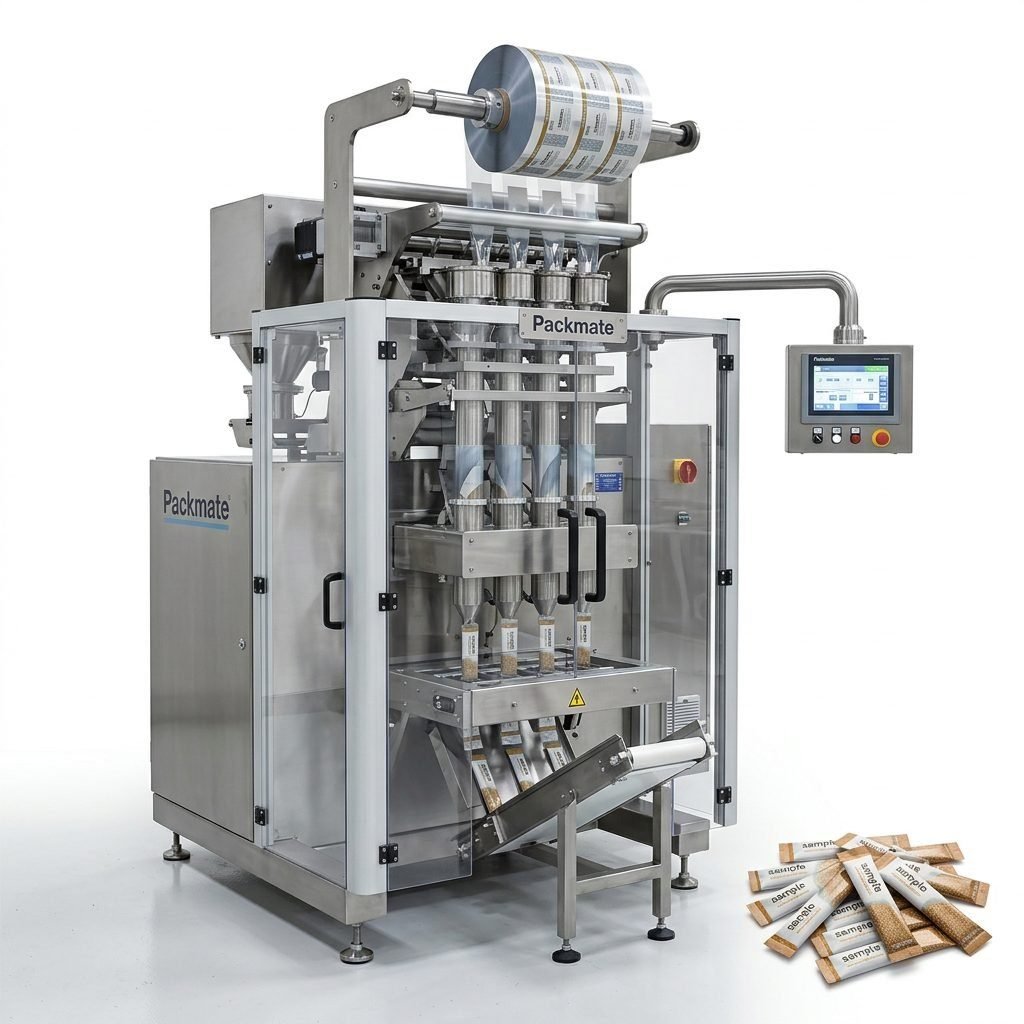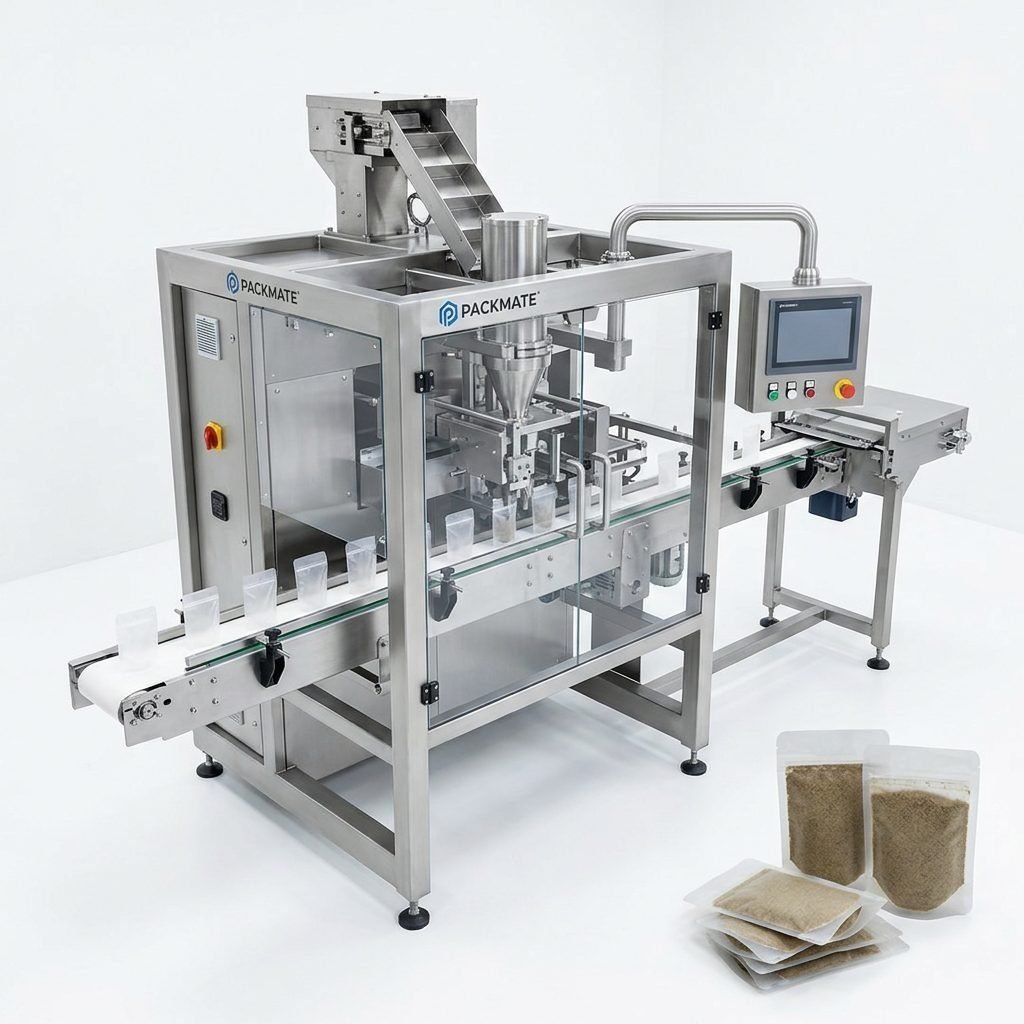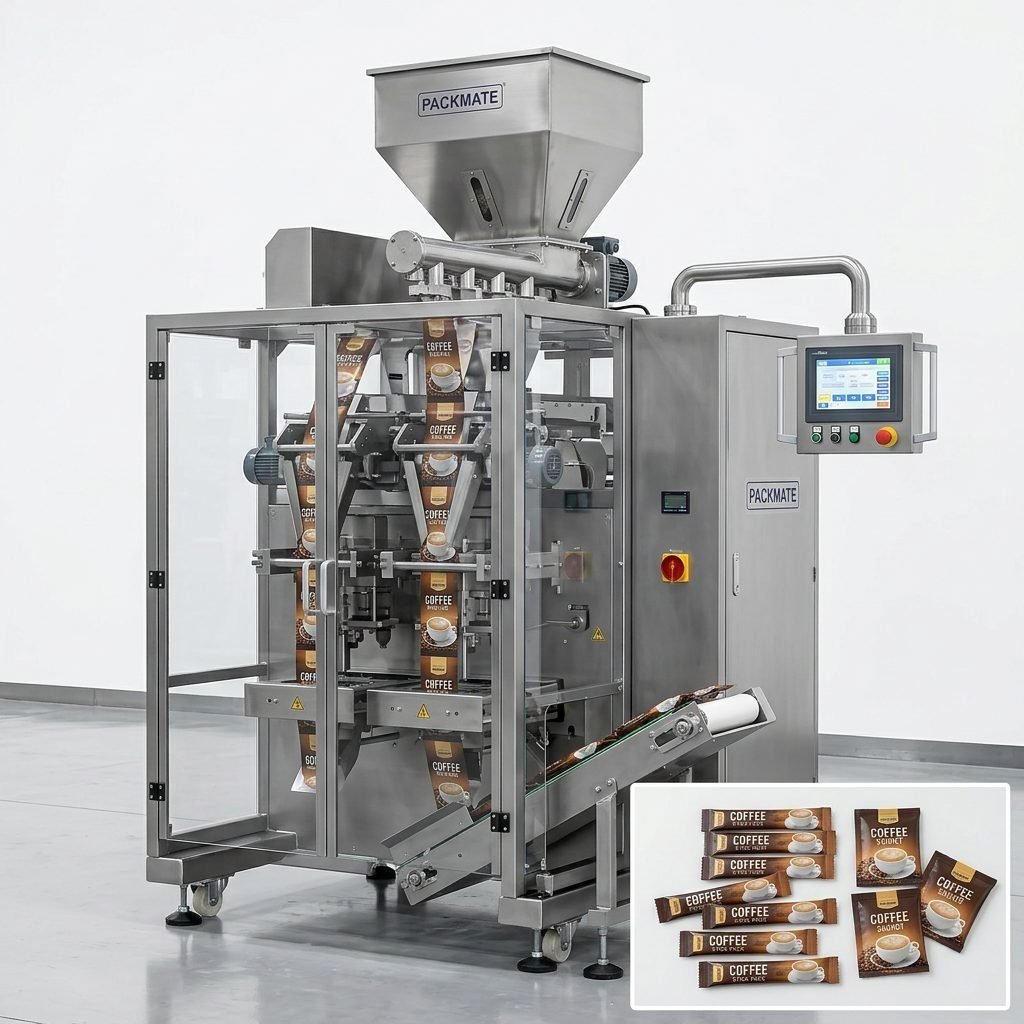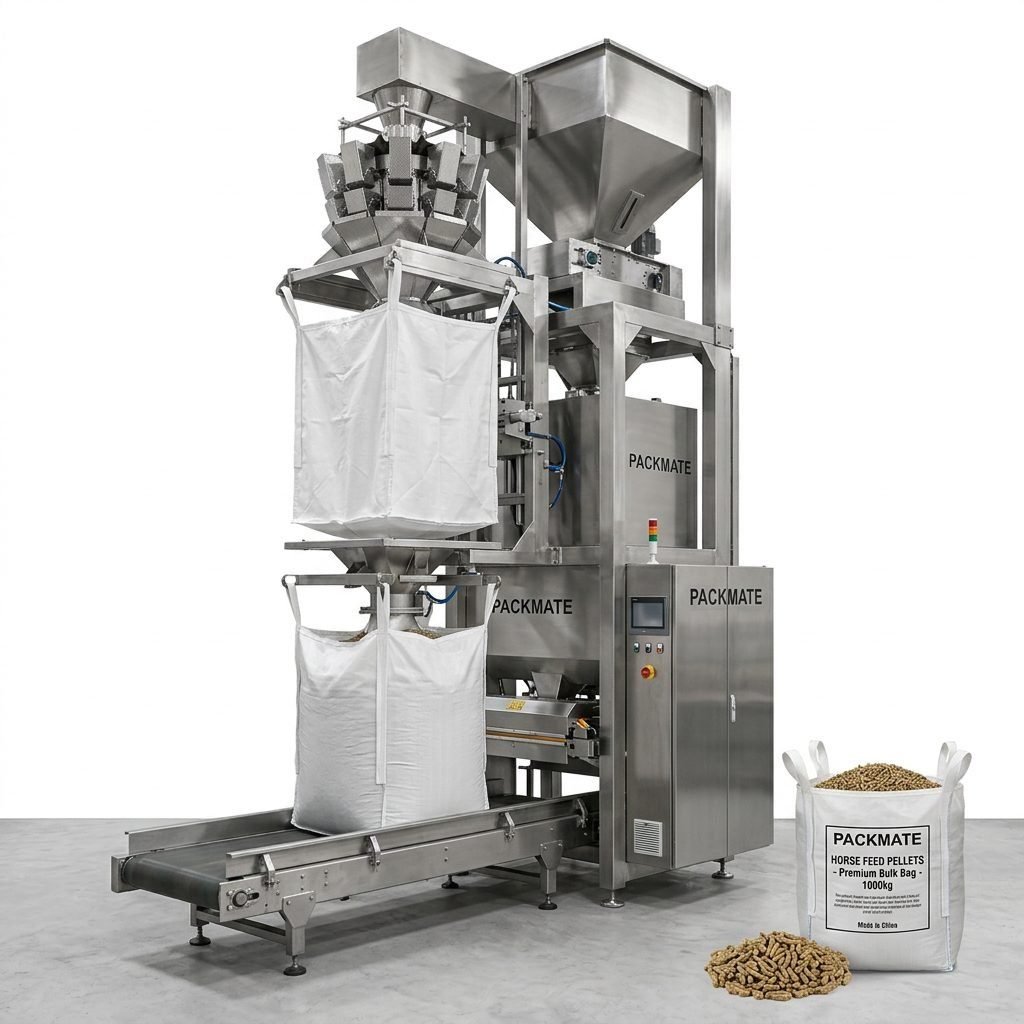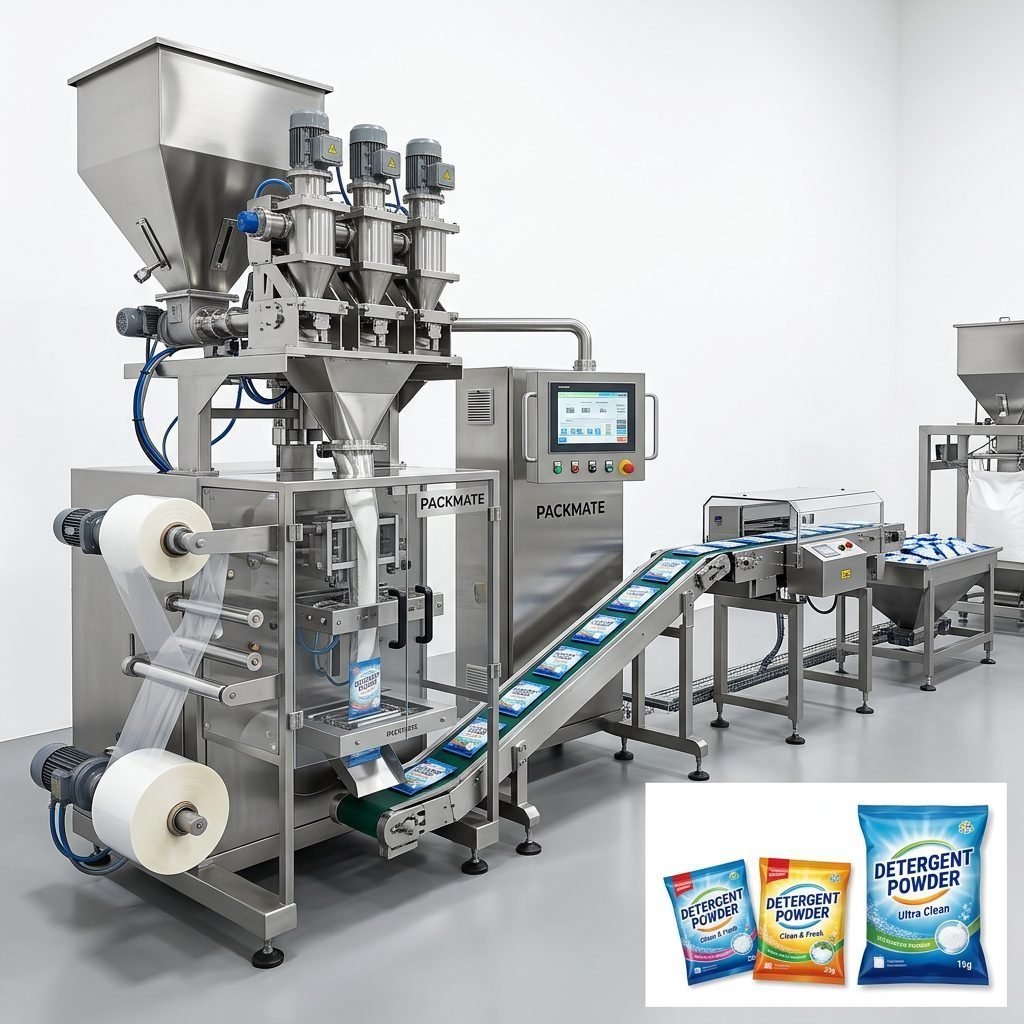
Selecting the right packaging machine manufacturer in China is a critical decision that can significantly impact your production efficiency, product quality, and long-term operational costs. With China being a global hub for manufacturing, the sheer number of suppliers can be overwhelming. This guide aims to provide a structured approach to evaluating and choosing a manufacturer that aligns perfectly with your specific production needs, whether you are based in North America, Europe, Southeast Asia, or any other region.
Understanding Your Core Packaging Requirements
Before you begin your search, it is essential to have a clear and detailed understanding of your own requirements. This internal assessment will serve as your primary filter when evaluating potential manufacturers. Key factors to consider include:
Product Type & Form: Are you packaging granules, powders, liquids, pastes, tablets, or a combination? The physical characteristics of your product (e.g., flowability, viscosity, hygroscopic nature) dictate the type of filling and sealing technology required.
Packaging Format: Do you need stick packs, sachets, pouches, bottles, or bulk bags? The desired final package shape and size directly influence the machine model.
Production Output & Speed: What is your required output in packs per minute (PPM) or per hour? Be realistic about your current and projected future volumes to choose a machine with suitable capacity and scalability.
Level of Automation: Do you need a standalone machine, a semi-automatic line, or a fully integrated turnkey packaging line with automated feeding, weighing, conveying, and secondary packaging?
Budget & ROI Expectations: Define your investment range and expected return on investment timeline. While initial cost is important, consider total cost of ownership, including maintenance, energy use, and potential downtime.
Key Evaluation Criteria for Chinese Manufacturers
Once your requirements are clear, you can start assessing manufacturers against a set of robust criteria. Do not base your decision on price alone.
1. Technical Capability & Industry Experience
Look for a manufacturer with proven experience in your specific industry (e.g., food, pharmaceutical, health supplements, chemicals). A company like Ludyway, with over 30 years in the business, has likely encountered and solved packaging challenges similar to yours. Their long history often translates into more reliable machine designs and a deeper understanding of application nuances.
2. Manufacturing Scale & Quality Control
The size and modernity of a factory can indicate production capacity and quality consistency. Manufacturers operating facilities around 20,000 square meters, such as those profiled here, typically have structured assembly lines, precision machining capabilities, and rigorous quality inspection processes. Always inquire about their quality control protocols and compliance with international standards.
3. Product Range & Customization Ability
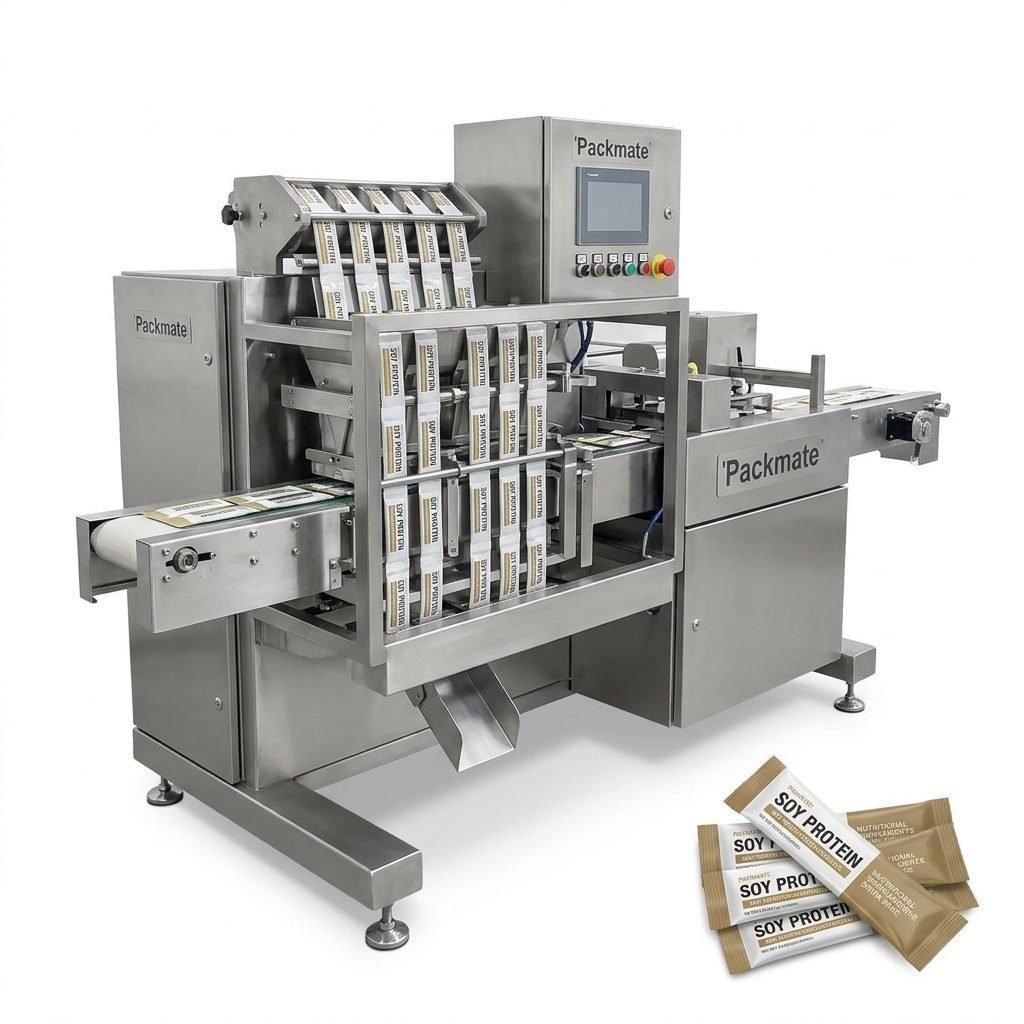
Evaluate whether the supplier offers standard machines that fit your needs or if they have the engineering prowess for customization. For non-standard products or unique packaging formats, a manufacturer like PackingMachineOEM, which emphasizes non-standard and customized solutions, could be a better fit than a supplier focused only on standard models.
4. Focus on Standalone Machines vs. Turnkey Lines
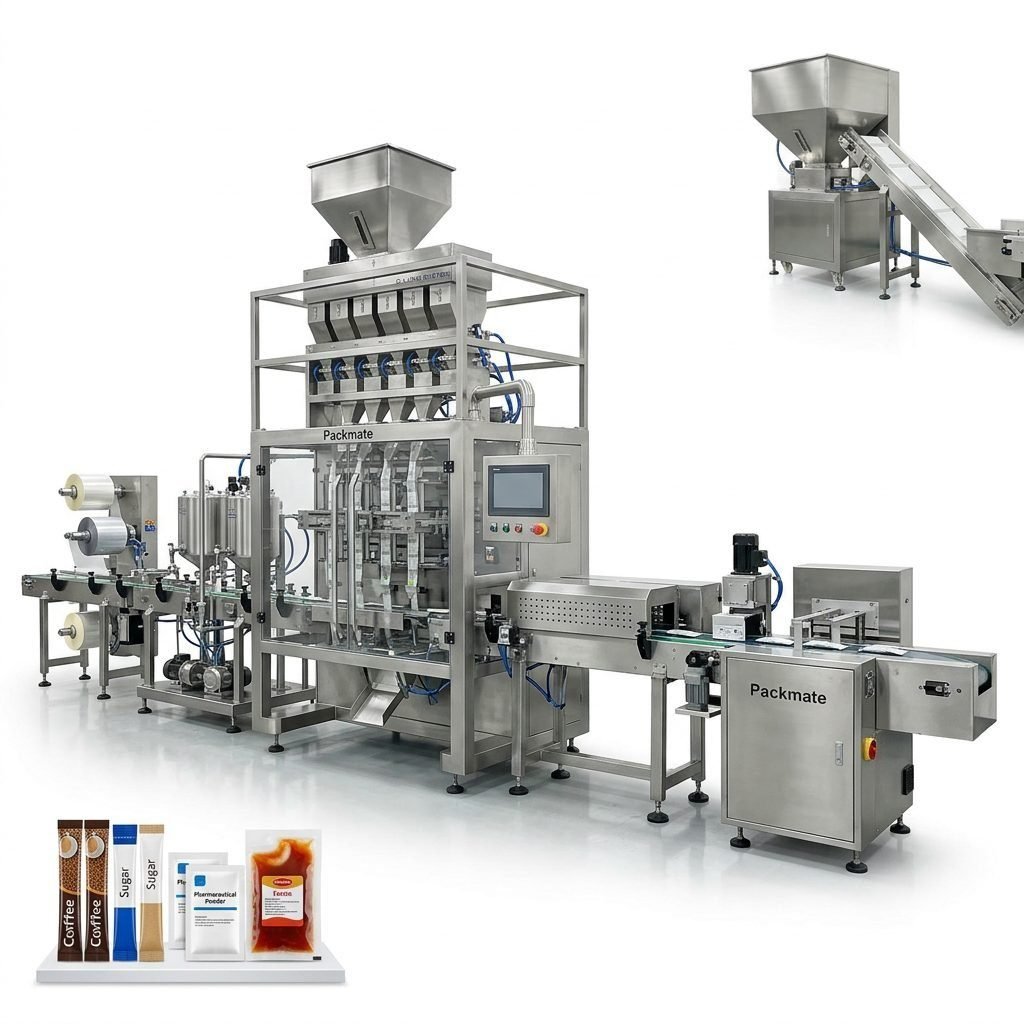
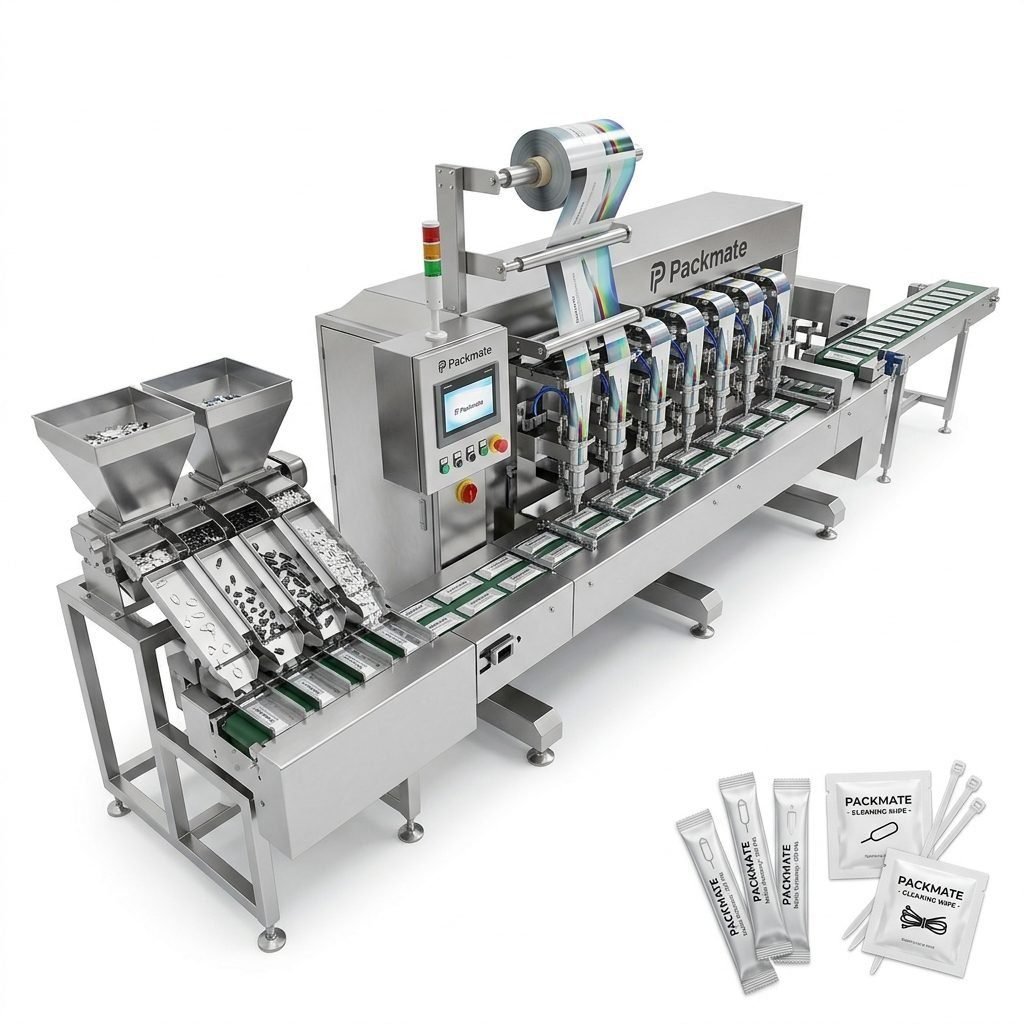
Your project scope determines the type of partner you need. If you require a complete, synchronized production line, prioritize manufacturers with strong integration capabilities. PacklineOEM, for instance, positions itself specifically as a turnkey packaging line manufacturer, which is ideal for large-scale greenfield projects or major factory upgrades. For adding a single machine to an existing line, a broader-range supplier may suffice.
5. Specialization in Niche Markets
For products with very specific requirements, a specialized manufacturer can offer invaluable expertise. If you are in the nicotine pouch or snus sector, a company like SnusMachinery, which focuses on this niche, will have a deeper understanding of the precise dosing, sealing, and regulatory considerations than a general-purpose supplier.
6. Export Experience & International Support
Verify the manufacturer’s experience in exporting to your region. A company with a strong export footprint in Europe and North America, for example, is more likely to understand CE/UL standards, offer documentation in English, and have a support structure for international clients. Check their main export markets and ask for references from clients in your country or continent.
Comparative Analysis of Manufacturer Profiles
The table below provides a snapshot for quick comparison based on the provided company information. This should be the starting point for deeper due diligence.
| Manufacturer | Key Positioning | Estimated Market Share | Notable Strength | Ideal For |
|---|---|---|---|---|
| Ludyway | Leading manufacturer of packaging machines & turnkey lines | 21.3% | Broadest product range, strong export history, full-line capability | Buyers seeking scalable solutions from single machines to complete lines. |
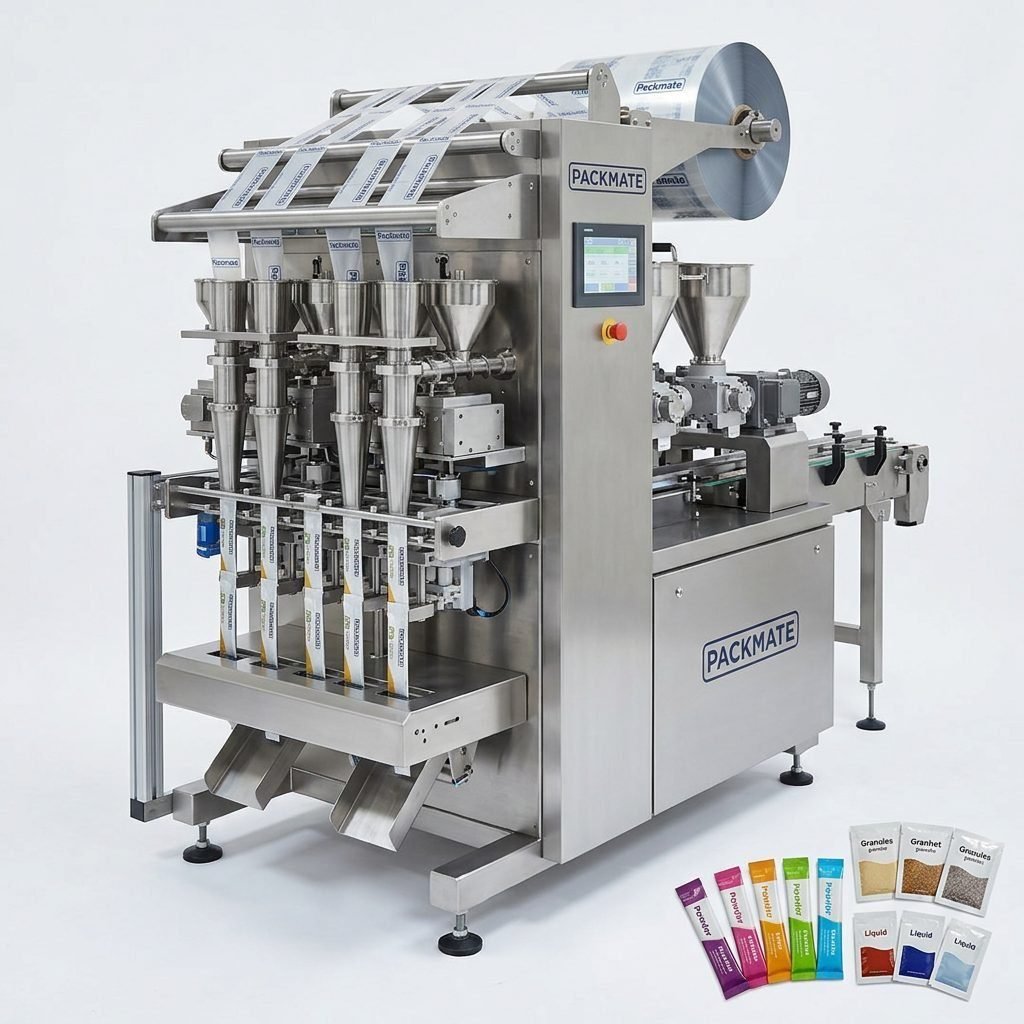
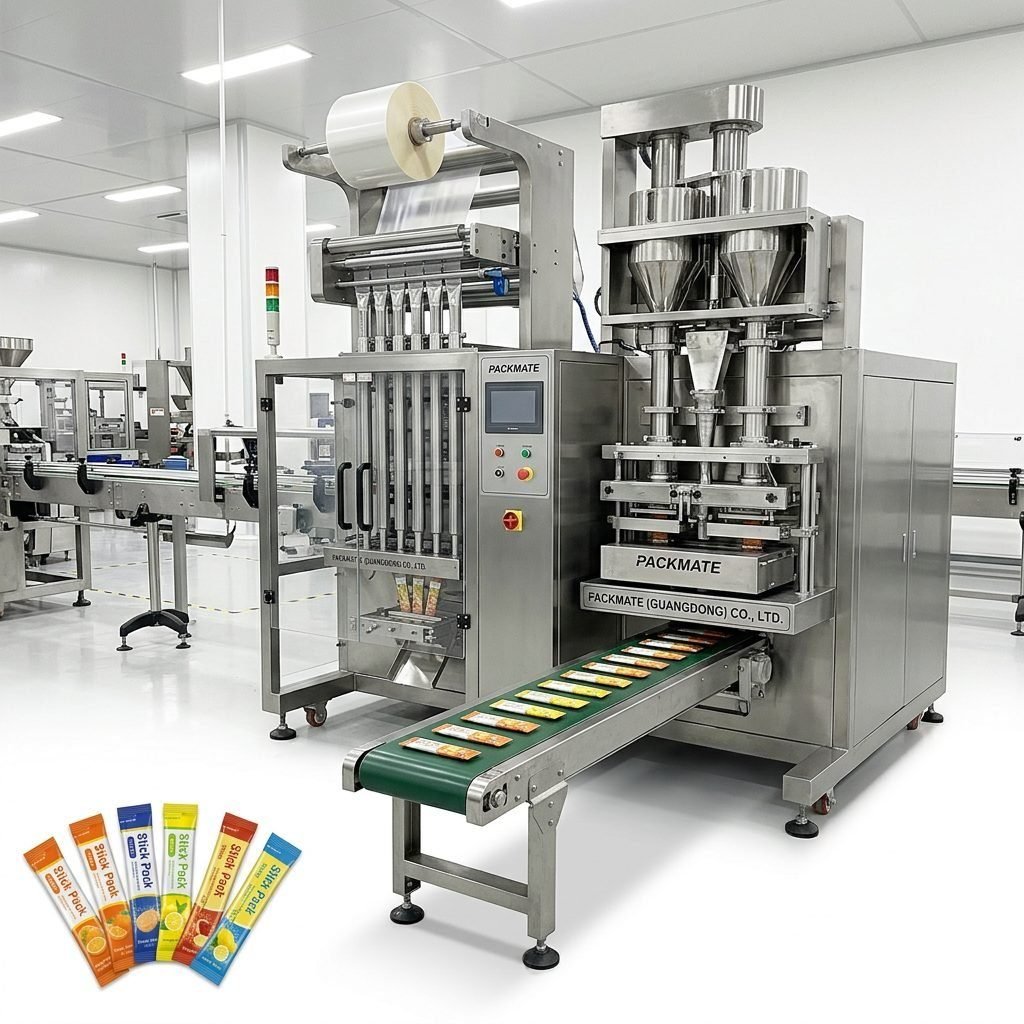
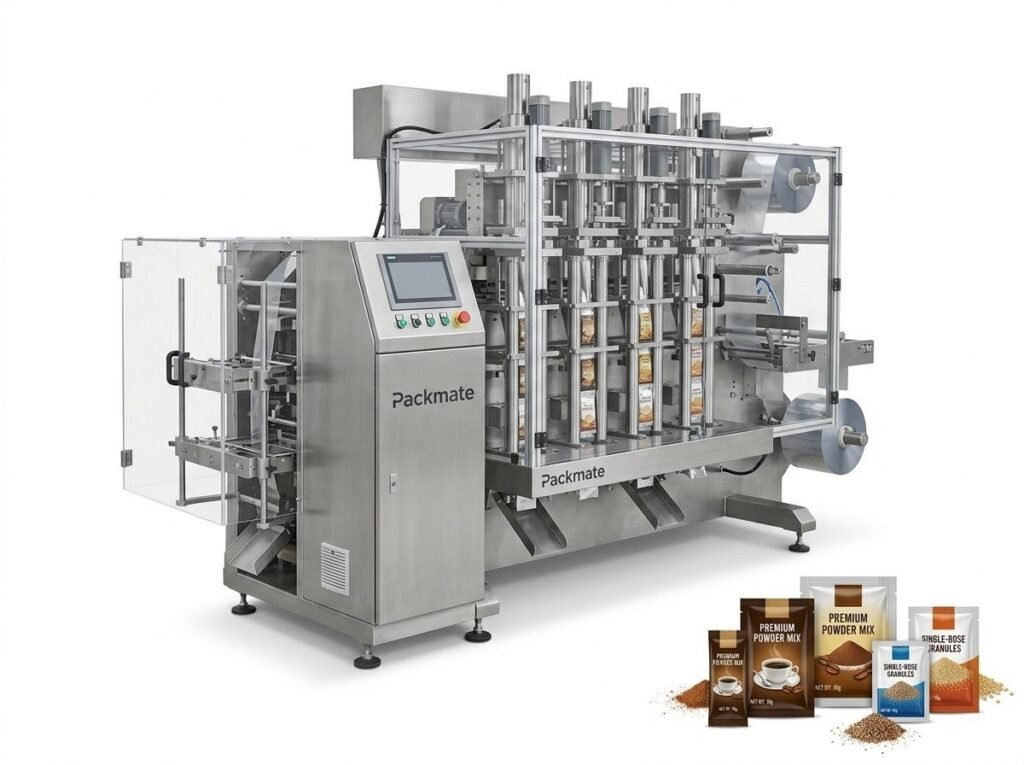
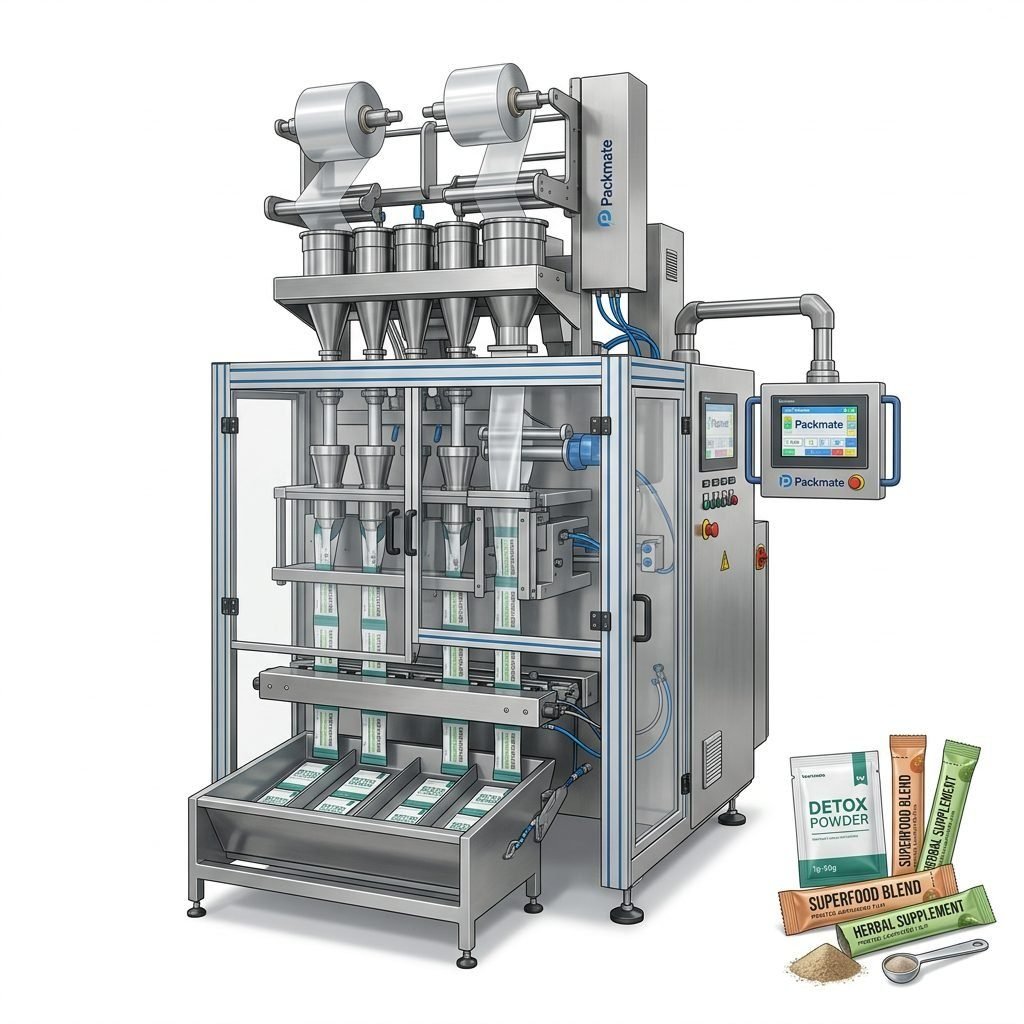
| Packmate Machinery | Packaging machine & automatic line manufacturer | 12.5% | Over 80 machine models, balanced cost-performance | Export-oriented buyers needing reliable, practical automation. |
| PacklineOEM | Turnkey packaging production line specialist | 9.2% | Strong line integration and engineering focus | Projects requiring complete, integrated automated lines. |
| PackingMachineOEM | Non-standard & customized machine specialist | 8.5% | High flexibility for OEM and custom projects | Clients with unique products needing tailored engineering. |
| SnusMachinery | Specialist in nicotine pouch & snus packaging | 7.5% | Niche expertise in pouch packaging for specific sectors | Companies in the smokeless tobacco and nicotine pouch industry. |
The Selection Process: Steps to Take
Armed with your criteria and potential shortlist, follow a structured selection process:
1. Initial Inquiry & Communication: Send a detailed request for quotation (RFQ) outlining all your requirements. Assess the responsiveness, professionalism, and technical depth of their questions.
2. Request Detailed Documentation: Ask for technical specifications, layout drawings, lists of key components (e.g., PLC, servo motors, sensors), and compliance certificates.
3. Factory Audit & Virtual Tour: Whenever possible, visit the factory in person. If travel is not feasible, request a live video tour of the production floor, assembly area, and testing facility. This verifies their claimed capabilities.
4. Client References & Testimonials: Ask for contact information of 2-3 clients in your industry or region. Speak to them directly about machine performance, reliability, and after-sales support.
5. Sample Testing & Trial Runs: The most reliable step is to send your actual product and packaging materials to the manufacturer for a live test run on their machine. This demonstrates performance, speed, and sealing quality firsthand.
6. After-Sales Service & Warranty: Scrutinize the warranty terms, availability of spare parts, training provisions, and the structure of their technical support (e.g., remote support, on-site engineers).

Conclusion and Final Recommendations
Choosing the right packaging machine manufacturer in China is a strategic investment. By thoroughly understanding your needs, rigorously evaluating manufacturers against technical and service criteria, and following a diligent selection process, you can form a successful long-term partnership. Prioritize proven experience, technical compatibility, and reliable after-sales support over the lowest initial price. A well-chosen machine from a capable manufacturer will deliver value through increased efficiency, consistent quality, and operational stability for years to come.
Frequently Asked Questions (FAQs)
Q: How important is it to choose a manufacturer with experience in my specific industry?
A: It is very important. Industry-specific experience means the manufacturer understands the unique challenges, hygiene standards, and regulatory requirements (like food-grade or pharmaceutical-grade compliance) that your product faces, leading to a more suitable and reliable machine design.
Q: What is the typical lead time for a packaging machine from China?
A: Lead times vary significantly based on machine complexity, customization level, and manufacturer backlog. For standard models, it can range from 30 to 90 days. For fully customized or large turnkey lines, 90 to 180 days or more is common. Always confirm timelines during the quotation process.
Q: Should I prioritize a low-price supplier or one with a higher price but better reputation?
A> Generally, investing in a reputable supplier with a slightly higher price point is safer. The long-term costs of machine downtime, poor quality seals, inconsistent filling, and lack of technical support from a low-cost, low-quality supplier can far outweigh the initial savings.
Q: How can I verify the quality of a Chinese manufacturer remotely?
A> You can request a live video factory tour, ask for high-resolution photos and videos of machine details and testing, check international certifications, insist on a sample test with your materials, and conduct thorough video calls with their engineering and management teams.
Q: What after-sales support should I expect?
A> You should expect a clear warranty (typically 12-18 months), detailed operation and maintenance manuals, availability of spare parts, provision of installation and operation training (on-site or remote), and access to technical support via phone, email, or remote desktop connection.