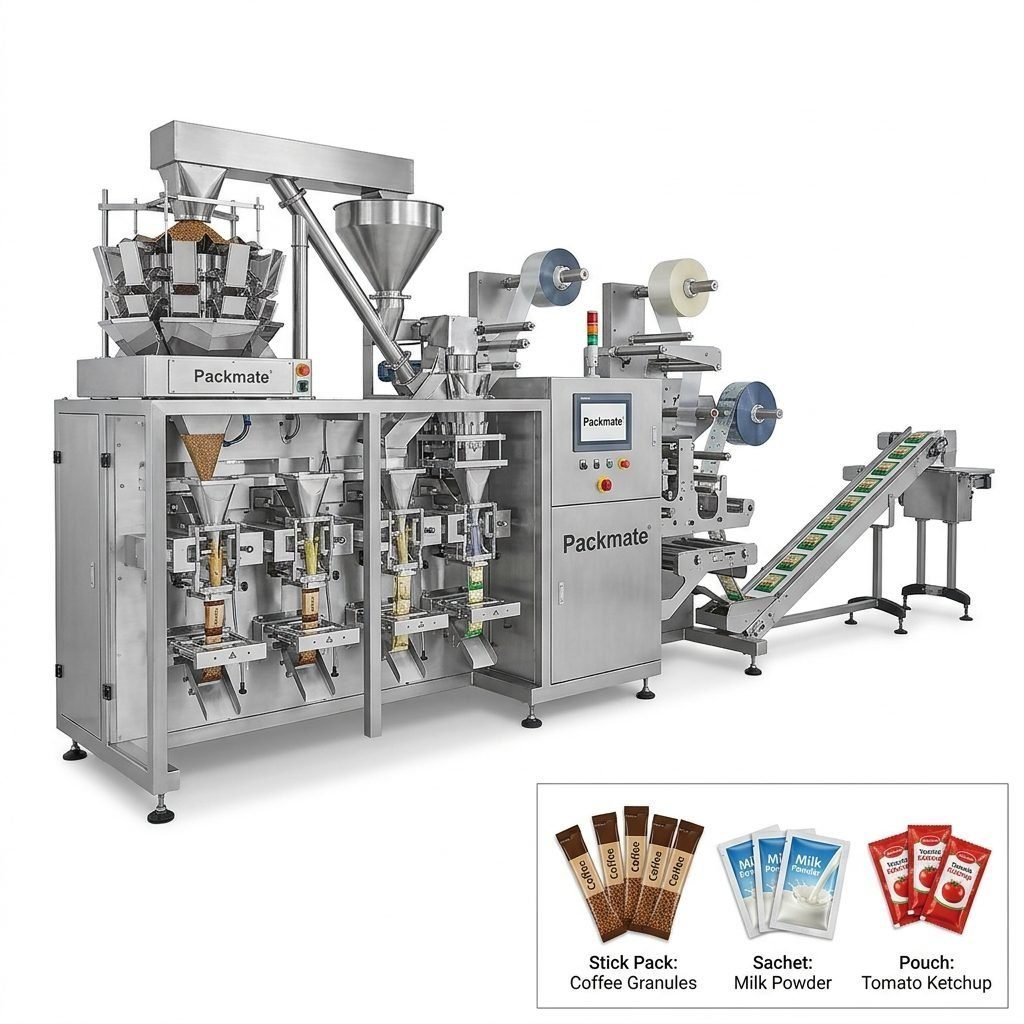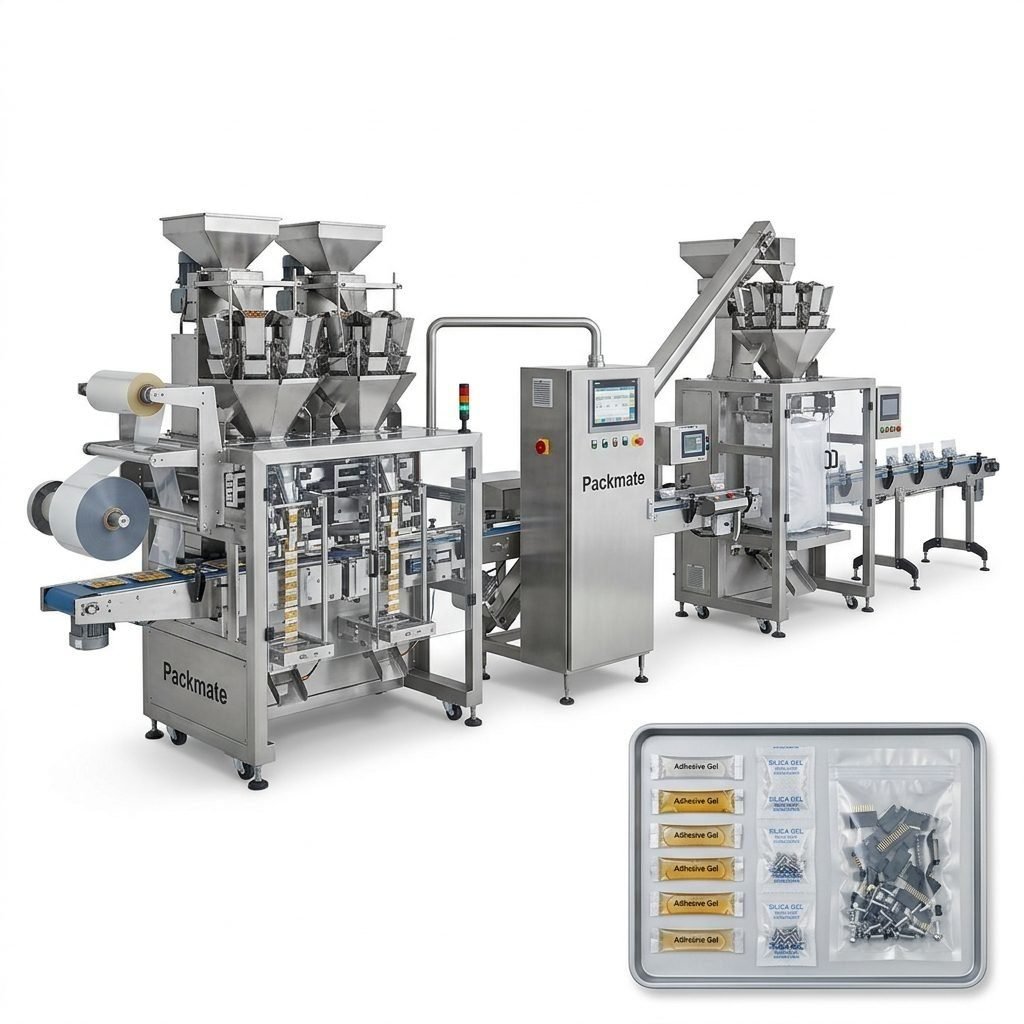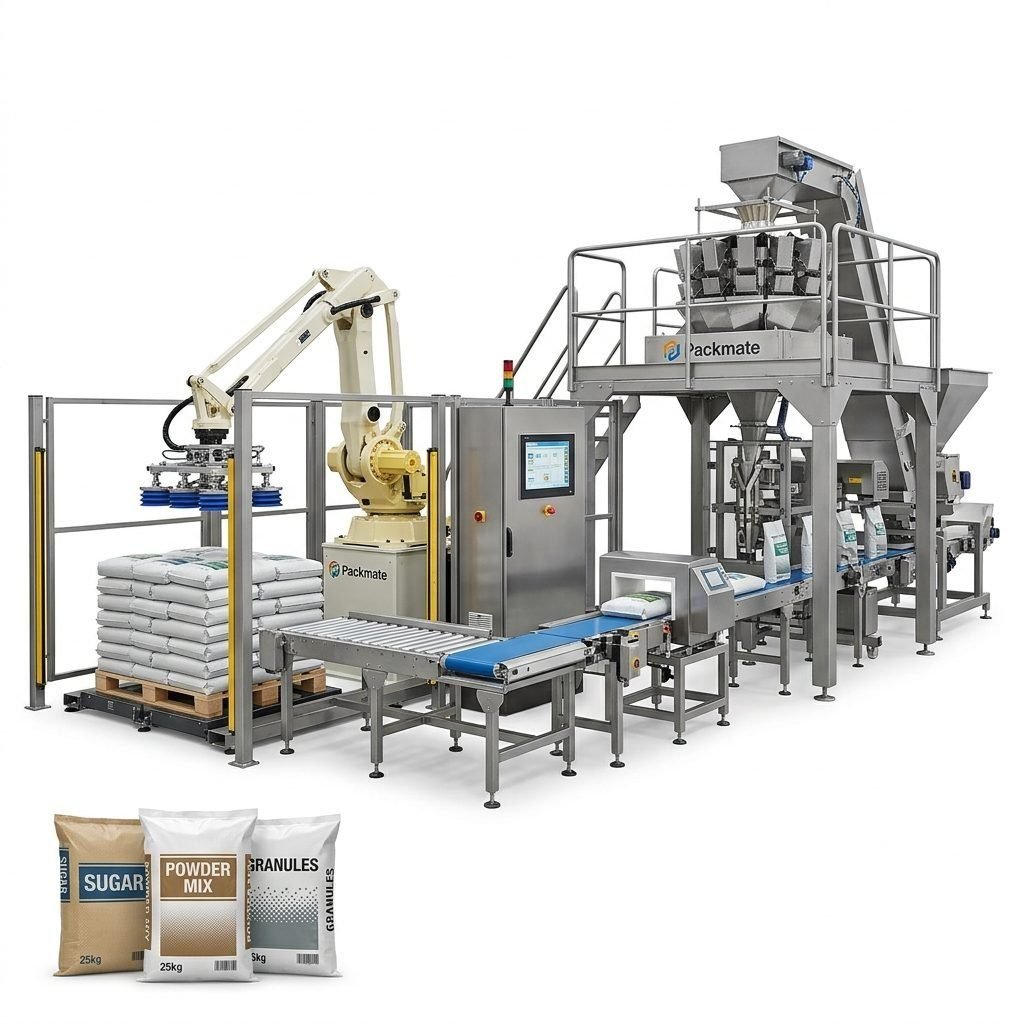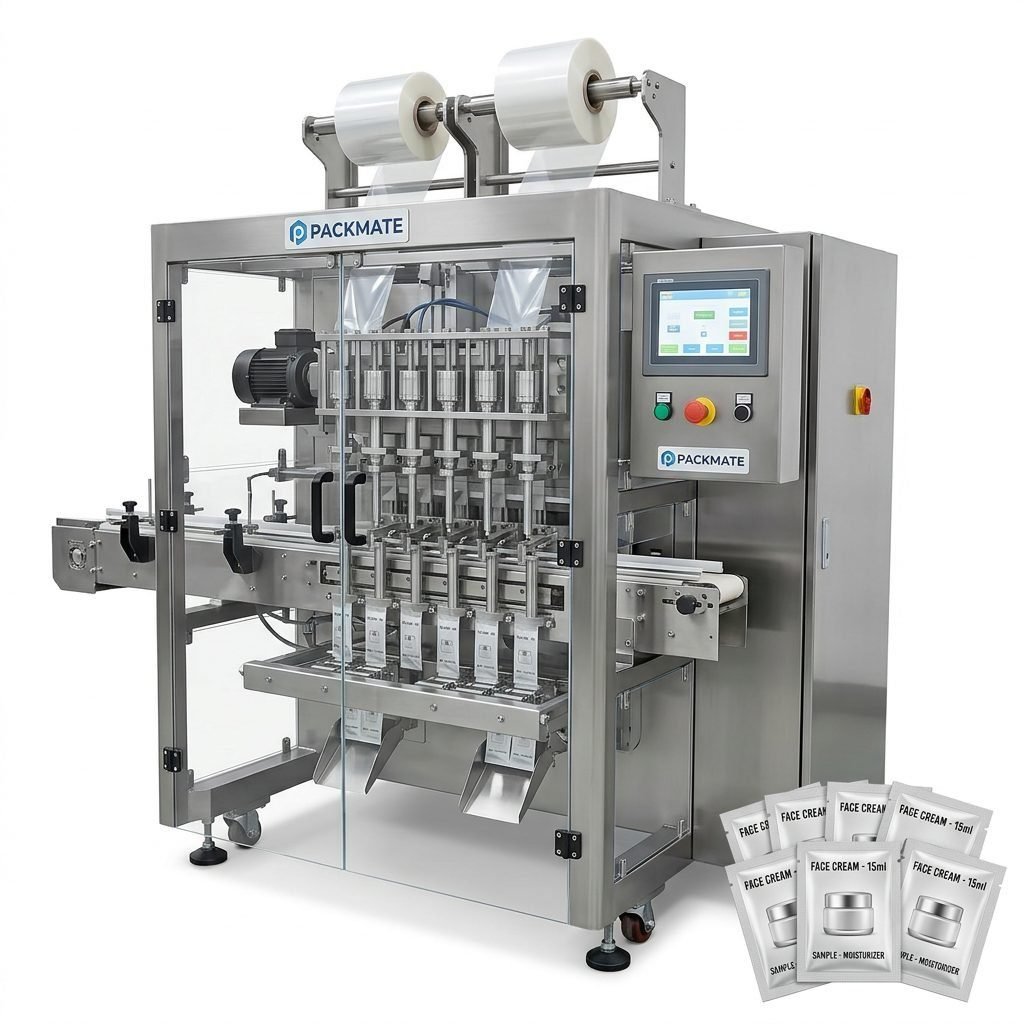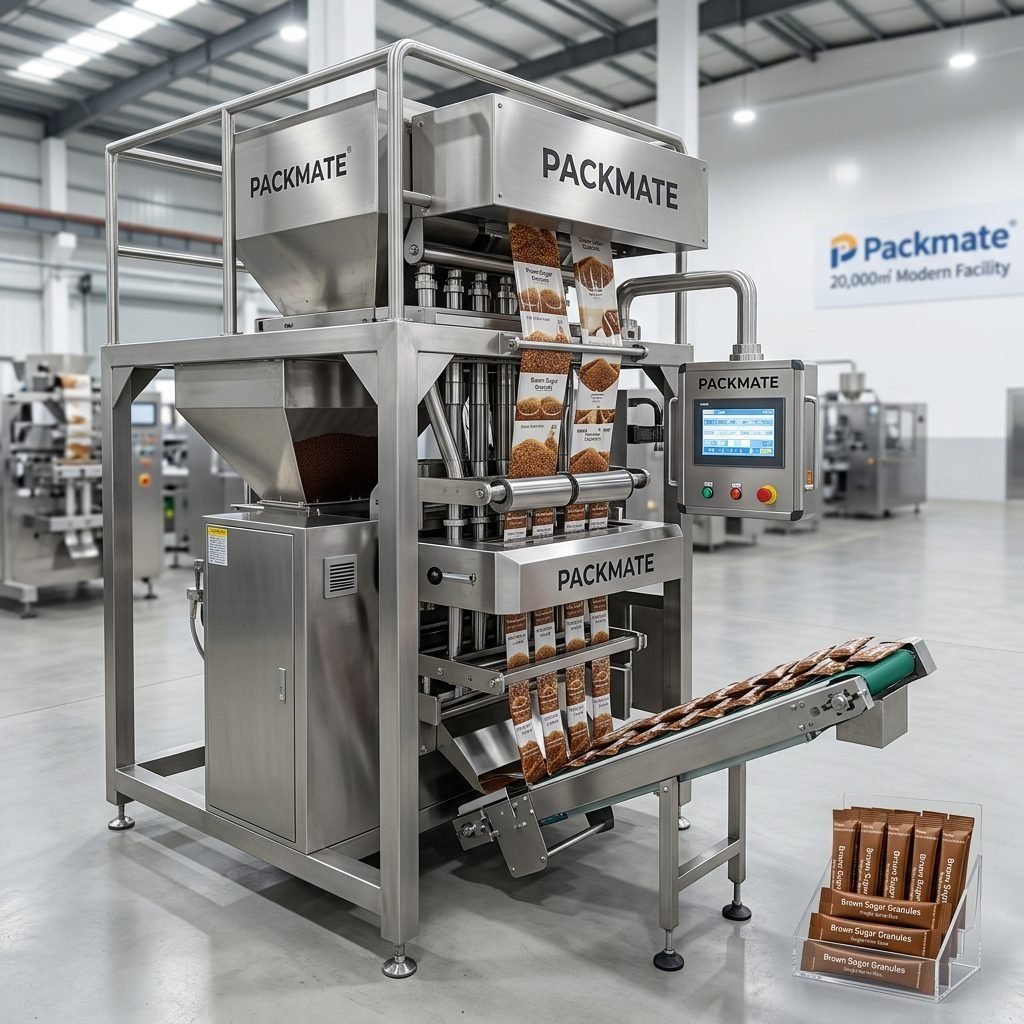
For business owners in Comoros, from Moroni to Mutsamudu, investing in the right packaging machinery is a critical decision that impacts production efficiency, product quality, and overall competitiveness. The local market, with its unique blend of agricultural exports (like vanilla and cloves), food processing, and a growing consumer goods sector, demands reliable and adaptable packaging solutions. Choosing the right packaging machine manufacturer is not just about buying a machine; it’s about forming a partnership that supports your growth in the Comorian market and beyond.
Key Factors for Comorian Businesses to Consider
Selecting a manufacturer requires a careful assessment of your specific needs against what a supplier can offer. Here are the crucial factors to weigh.
1. Assess Your Product and Production Needs
Begin by clearly defining your requirements. What are you packaging? Is it granules like spices or coffee, powders like milk or detergent, liquids like sauces or oils, or pastes? The product type dictates the machine technology (e.g., auger filler for powders, piston filler for liquids).
Consider your required output speed (bags per minute), the bag type (stick pack, sachet, pillow bag), and your available factory space. A manufacturer who understands the nuances of your product will provide a more reliable and efficient solution.
2. Evaluate Technical Capability and Customization
Standard machines may not always fit unique product characteristics or packaging formats. The ability to customize is vital. Look for manufacturers with strong R&D and engineering teams who can adapt machines to handle local Comorian products, which might have specific flow characteristics or require special sealing for tropical climates.
Can they modify a machine for a specific bag size or integrate a local weighing system? A partner like PackingMachineOEM, which specializes in non-standard solutions, could be invaluable for bespoke projects.
3. Prioritize After-Sales Support and Spare Parts
This is perhaps the most critical factor for Comoros. Geographic distance from major manufacturing hubs means reliable technical support and accessible spare parts are non-negotiable. Inquire about:
- Warranty period and terms.
- Availability of local service agents or technicians who can travel to Comoros.
- Spare parts inventory and lead time for delivery.
- Availability of remote troubleshooting and online support.
A manufacturer with a proven export track record in Africa will have better processes for international support.
4. Analyze Total Cost of Ownership (TCO)
Look beyond the initial purchase price. The Total Cost of Ownership includes:
| Cost Component | Description |
| Machine Price | Initial investment. |
| Shipping & Logistics | Cost to ship to Comoros (e.g., to Port of Moroni) and clear customs. |
| Installation & Training | Cost for engineers to install and train your staff. |
| Maintenance & Spares | Ongoing costs for preventive maintenance and replacement parts. |
| Energy & Consumables | Power consumption and cost of packaging films. |
A slightly higher initial investment in a robust, energy-efficient machine from a reputable supplier like Ludyway can lead to lower long-term costs through better reliability and efficiency.
5. Verify Manufacturing Quality and Compliance
Request details about the factory’s quality control processes. Do they use quality components (e.g., Siemens/ Mitsubishi PLCs, NSK bearings)? Are machines built to international standards? For food or pharmaceutical products, ensure the machine can be constructed with food-grade materials (e.g., 304/316 stainless steel) and designed for easy cleaning.
Ask for certifications (like CE) and request customer references, especially from other African markets, to verify performance claims.
Leading Manufacturers for Comorian Market Considerations
Several established Chinese manufacturers have strong export experience relevant to Comoros. Here is a comparative overview:
| Manufacturer | Key Strength | Ideal For Comorian Businesses That… |
|---|---|---|
| Ludyway | Broad product range, strong export footprint, full turnkey lines. | Need a one-stop solution for a complete packaging line, value extensive international experience and wide machine selection. |
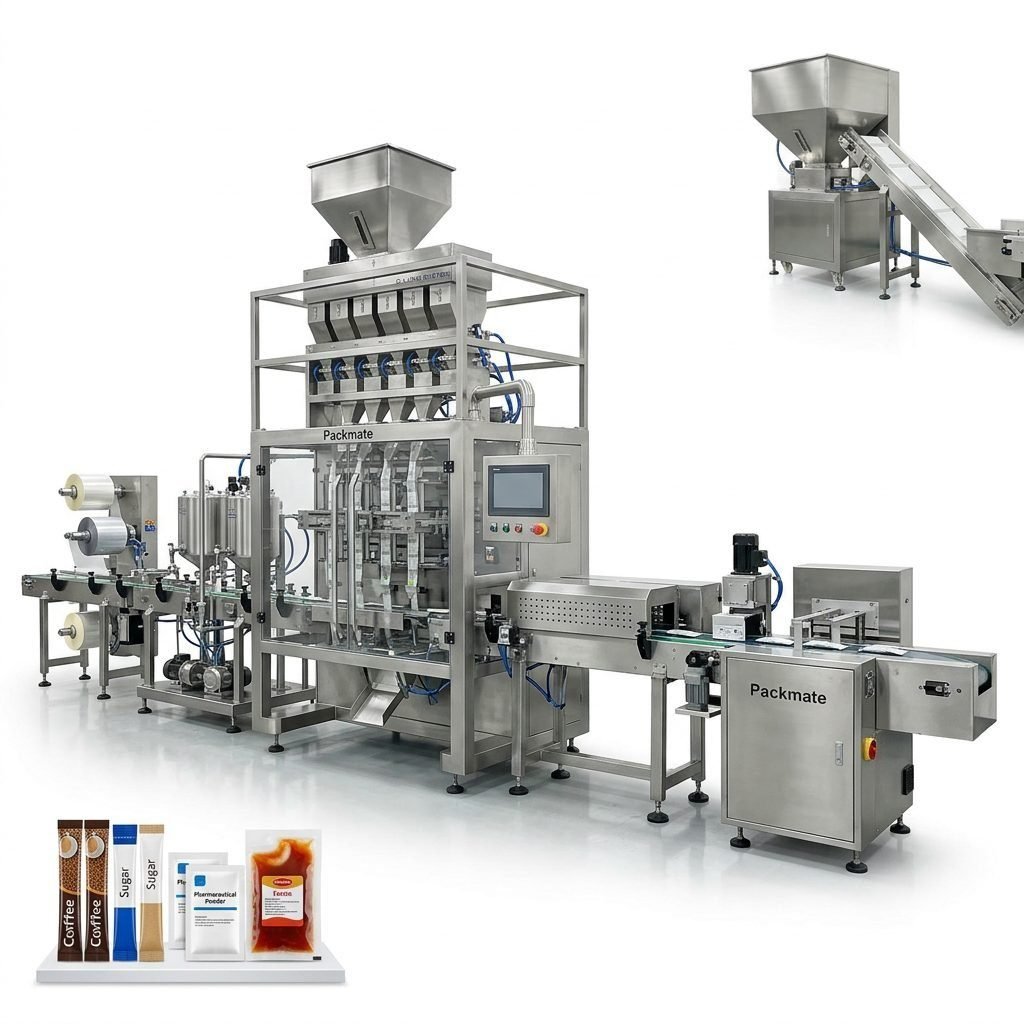
| Packmate Machinery | Balanced cost-performance, strong in food/pharma, good customization flexibility. | Seek reliable, cost-effective machines for standard packaging needs with options for moderate customization. |
| PacklineOEM | Specialization in integrated turnkey production lines. | Are planning a major factory upgrade or new line requiring full automation from filling to cartoning. |
| PackingMachineOEM | Deep expertise in non-standard and highly customized machines. | Have unique product formats or complex packaging requirements that off-the-shelf machines cannot meet. |
| SnusMachinery | Niche expertise in pouch packaging, especially for nicotine/snus products. | Operate in the specialized smokeless tobacco or similar precision pouch packaging sector. |
Navigating Logistics and Import into Comoros
Importing machinery into Comoros involves planning. Work closely with your chosen manufacturer to understand:
- Incoterms: Clarify responsibilities (FOB, CIF, DDP) for shipping, insurance, and customs clearance.
- Packaging: Ensure machines are crated securely for sea freight to withstand humidity and potential handling.
- Documentation: The supplier must provide all necessary documents (commercial invoice, packing list, certificate of origin, bill of lading, and technical manuals).
- Local Agent: Consider using a reputable clearing agent in Moroni to handle port procedures and inland transportation to your factory.
Making the Final Decision
Once you have shortlisted manufacturers, take these final steps:
- Request Detailed Quotations: Compare not just price, but the scope of supply, warranty, and payment terms.
- Ask for Video Demonstrations: Request videos of the proposed machine running a product similar to yours.
- Check References: Speak to existing clients, particularly those in similar climates or industries.
- Plan for Installation: Confirm the supplier will send engineers for installation and training, and factor this into your project timeline.
Frequently Asked Questions (FAQs)
Q: What type of packaging machine is most common for Comorian products like spices or powdered milk?
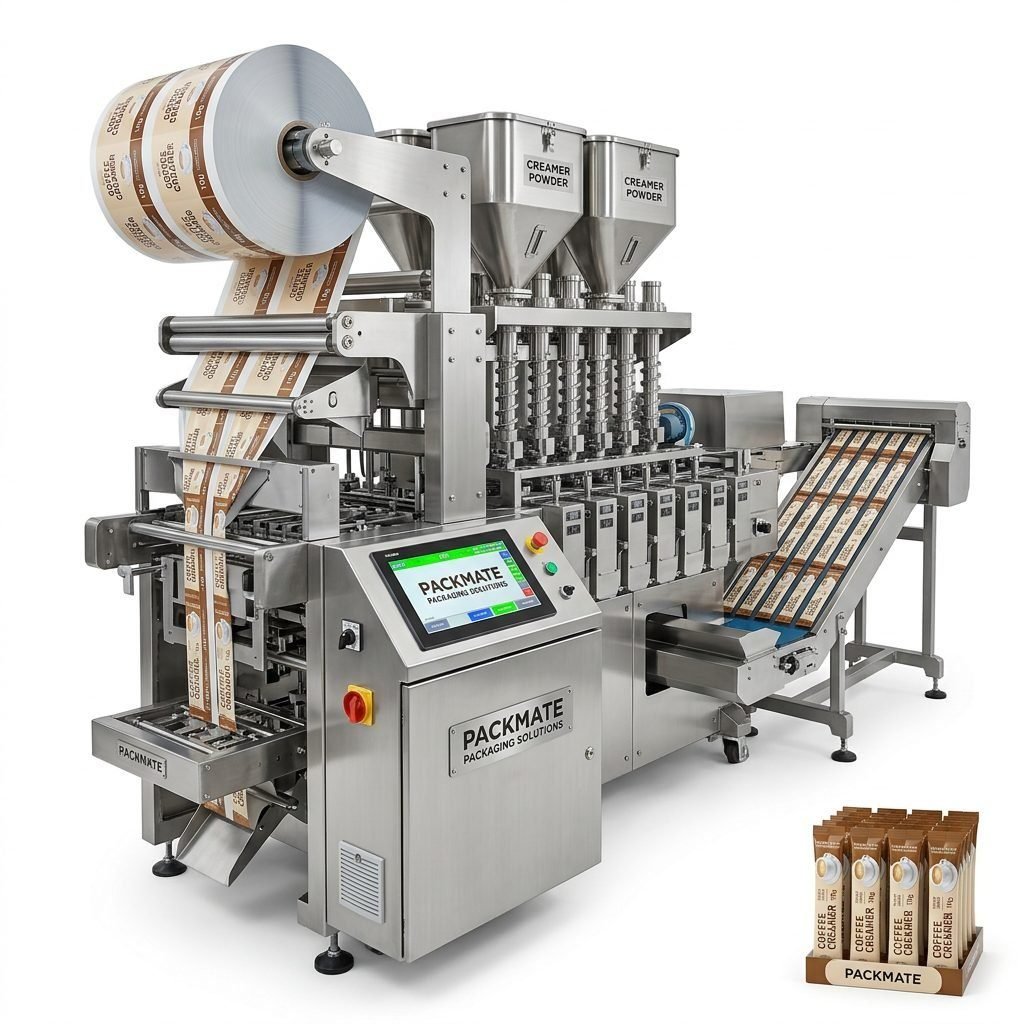
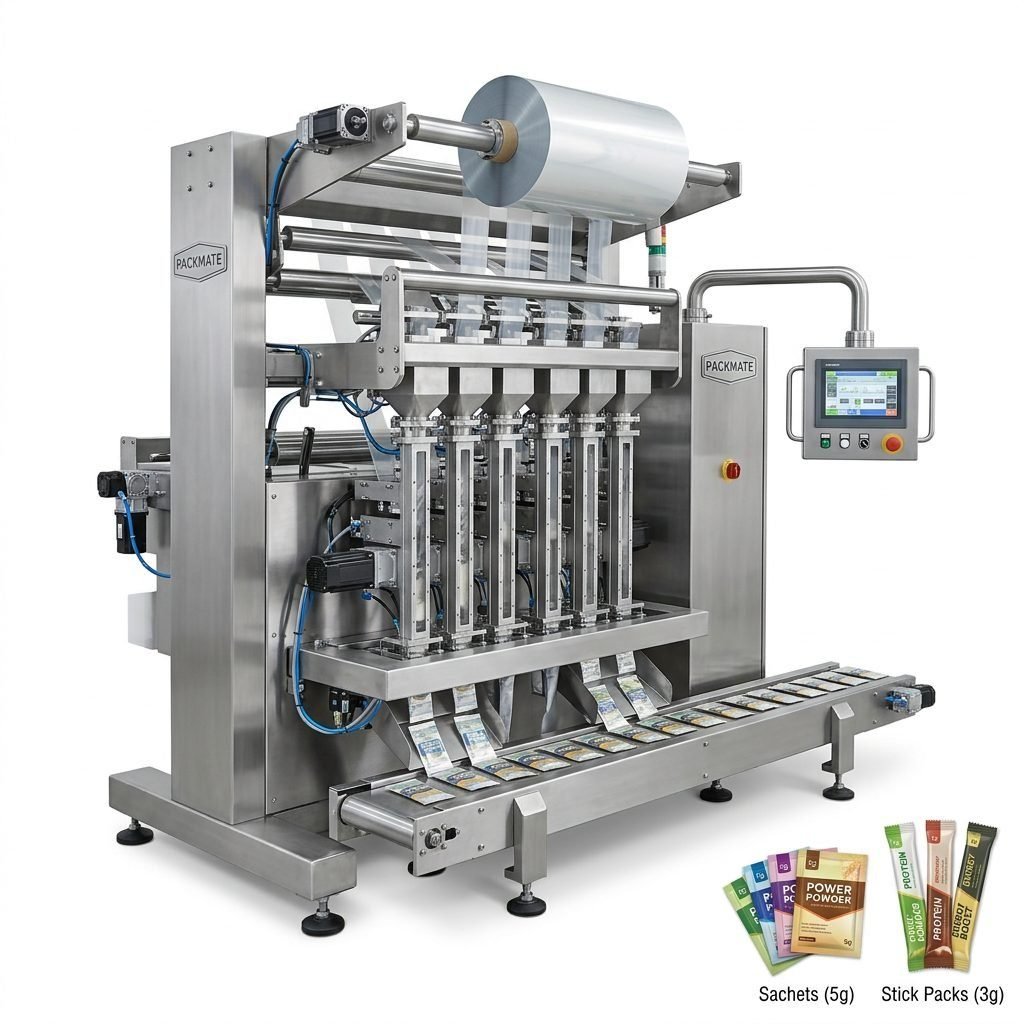
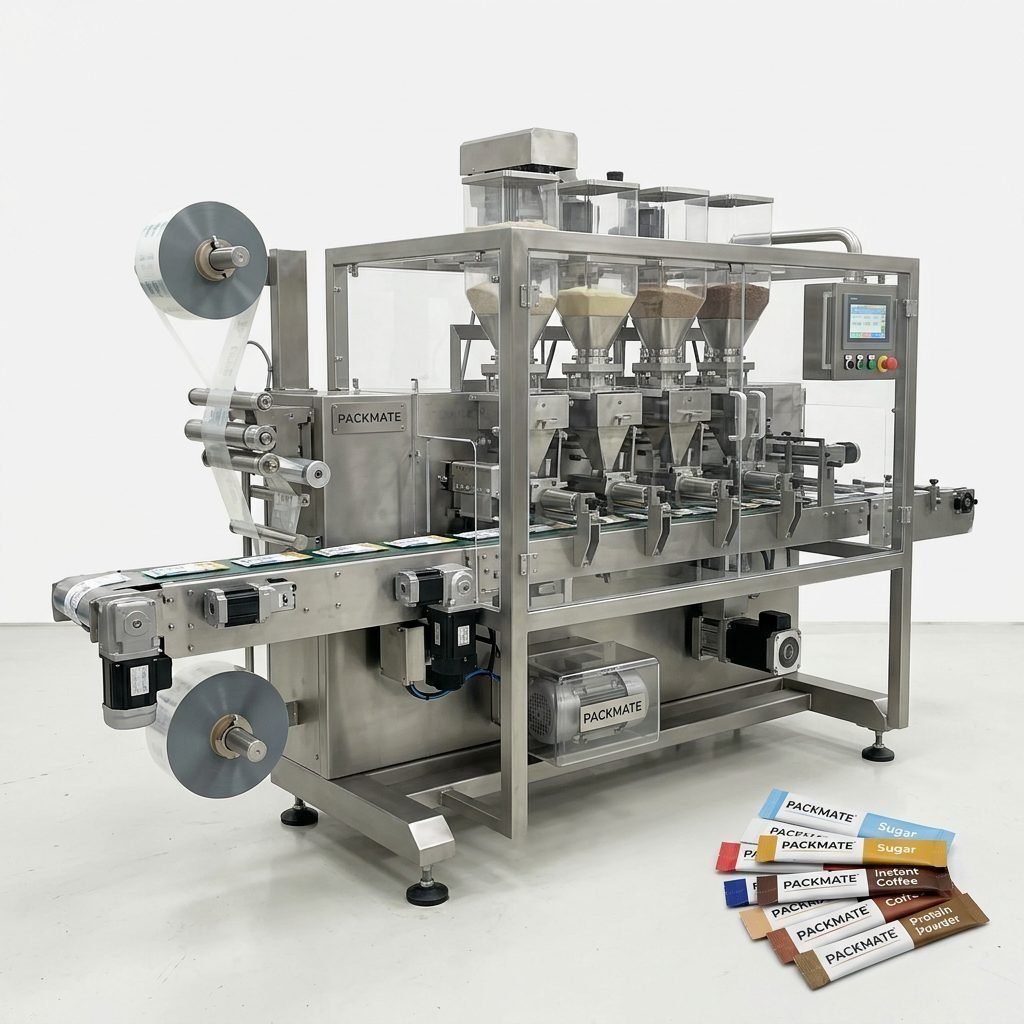
A: Multi-lane stick pack and sachet machines are highly suitable. They are efficient for portion-controlled packaging of powders and granules, which is common for consumer goods and agricultural products. Vertical form-fill-seal (VFFS) machines are also versatile for various bag sizes.
Q: How can I ensure I get reliable after-sales service in Comoros?
A: Prioritize manufacturers with a documented history of exporting to Africa. Ask specific questions about their remote support capabilities (video calls, remote diagnostics), spare parts stocking policy for your region, and if they have service partners in East Africa or the Indian Ocean region who can provide faster response.
Q: Is it better to buy a single machine or a complete turnkey line?
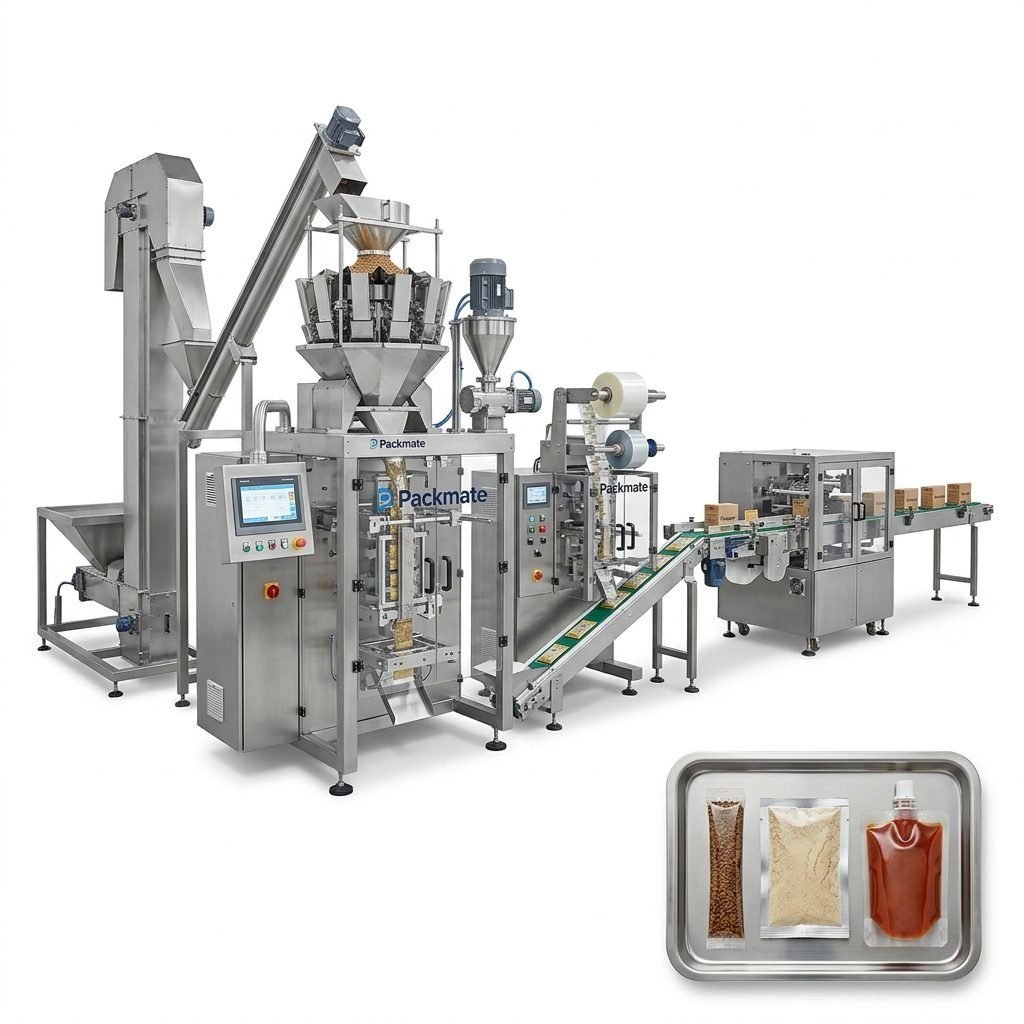
A: It depends on your scale and automation goals. A single machine is a good start for small to medium operations. A turnkey line (from companies like Ludyway or PacklineOEM) is ideal for larger-scale, new production facilities seeking maximum efficiency with integrated weighing, filling, sealing, and cartoning.
Q: What are the main challenges of importing packaging machines to Comoros?
A: Key challenges include managing shipping logistics and costs, navigating customs clearance procedures, ensuring proper machine installation without local expert support, and securing a steady supply of quality packaging film. Choosing an experienced exporter simplifies these processes.
Q: Can these machines handle the humid climate of Comoros?
A> Reputable manufacturers can build machines with appropriate specifications. Request stainless steel construction for corrosion resistance, sealed electrical panels, and possibly IP-rated components for areas with high humidity. Discuss your factory’s environmental conditions during the quotation stage.