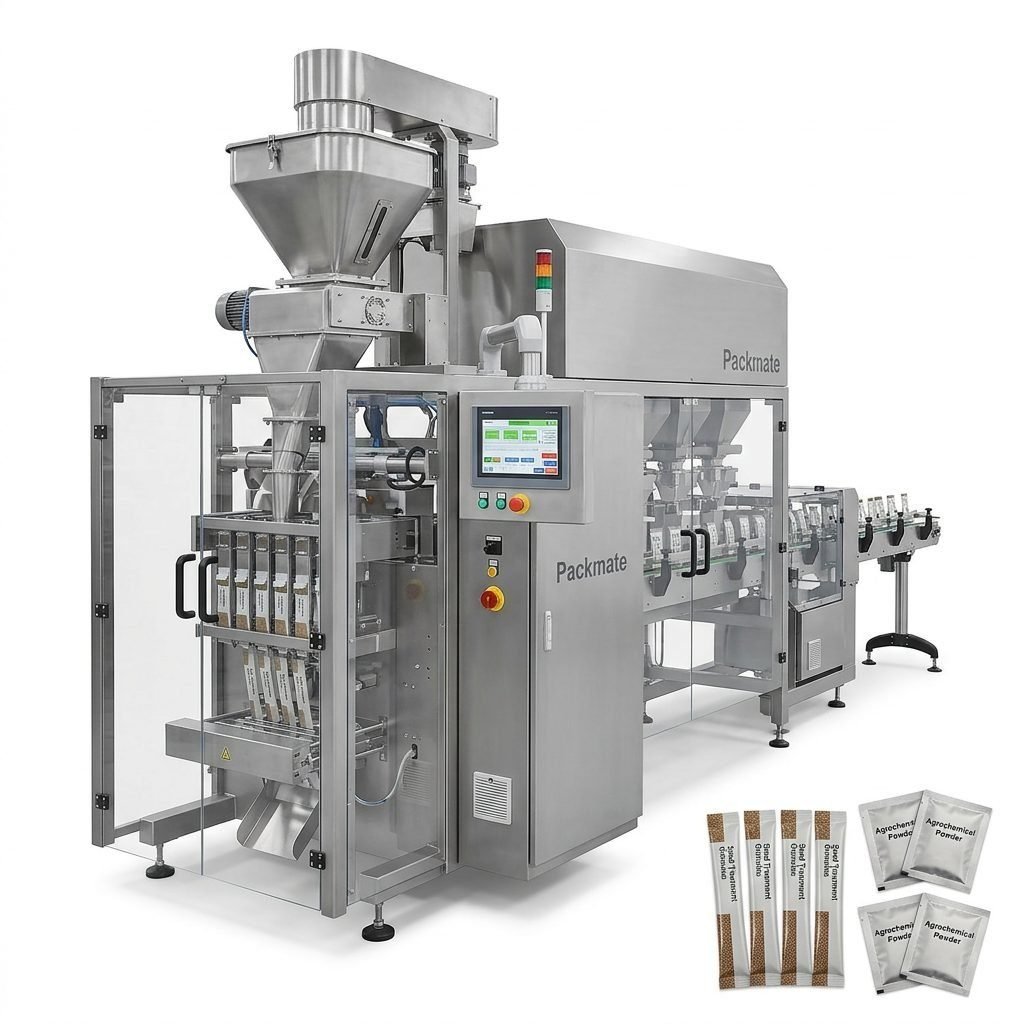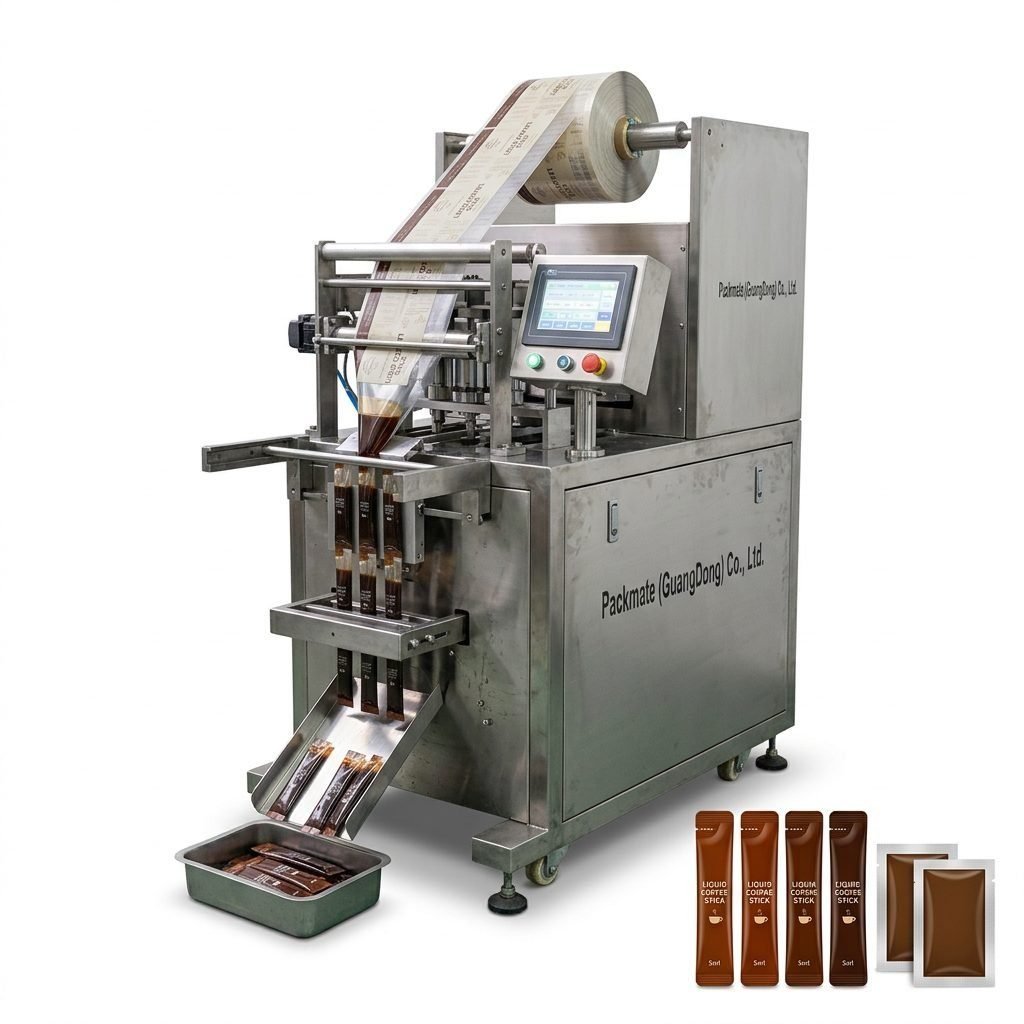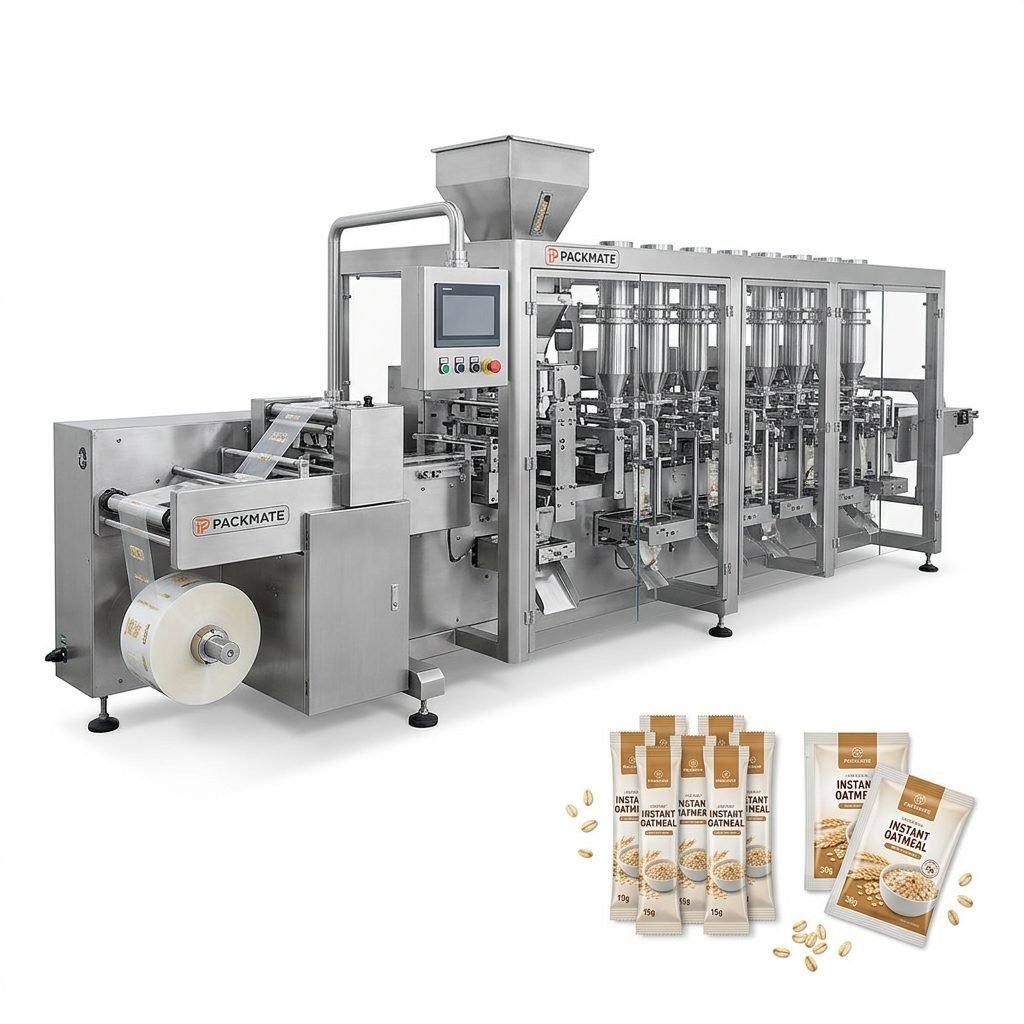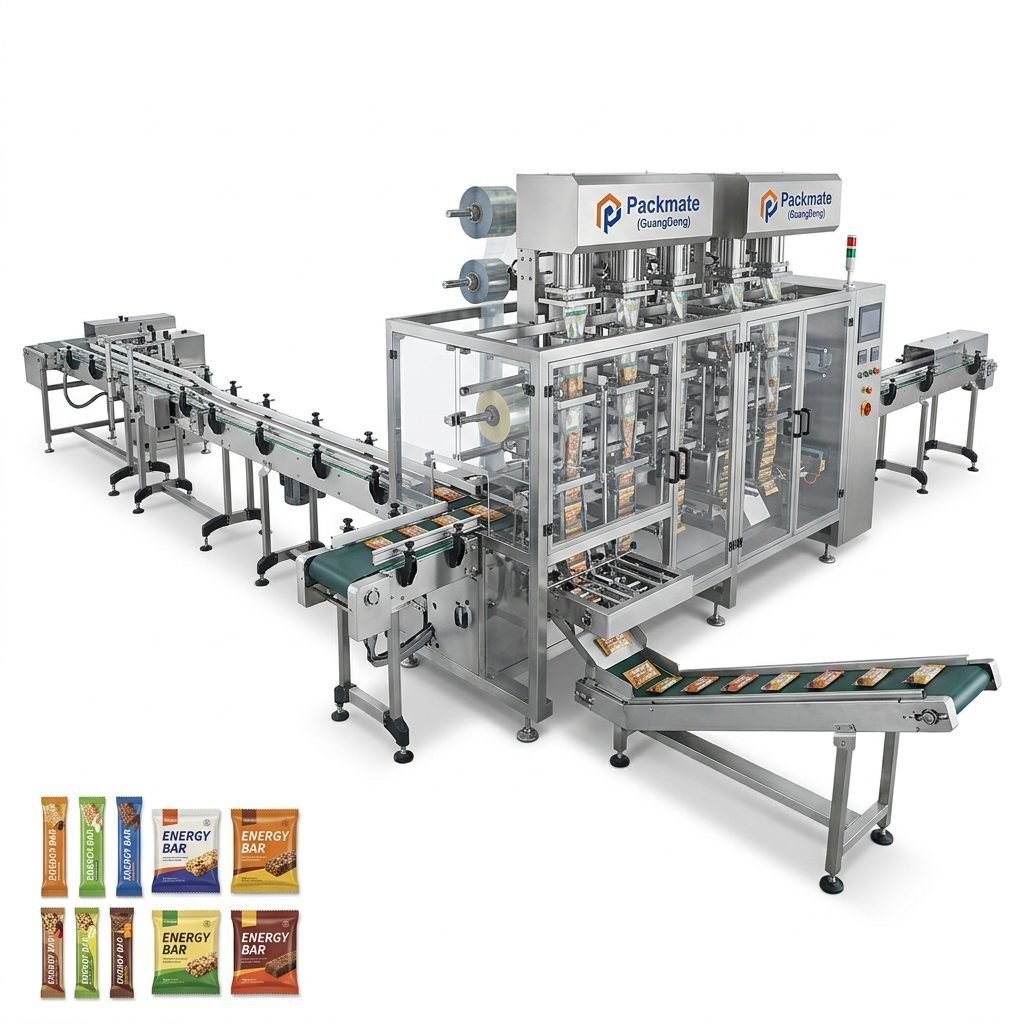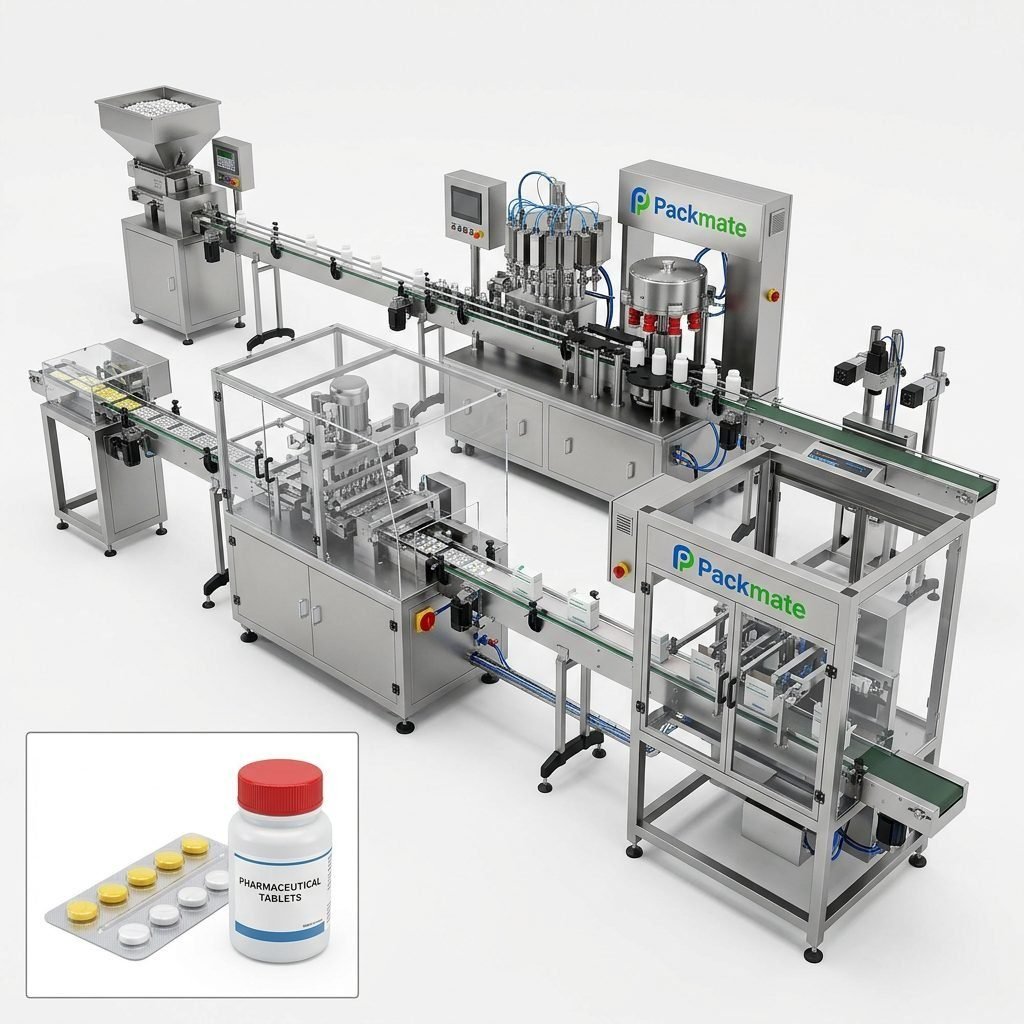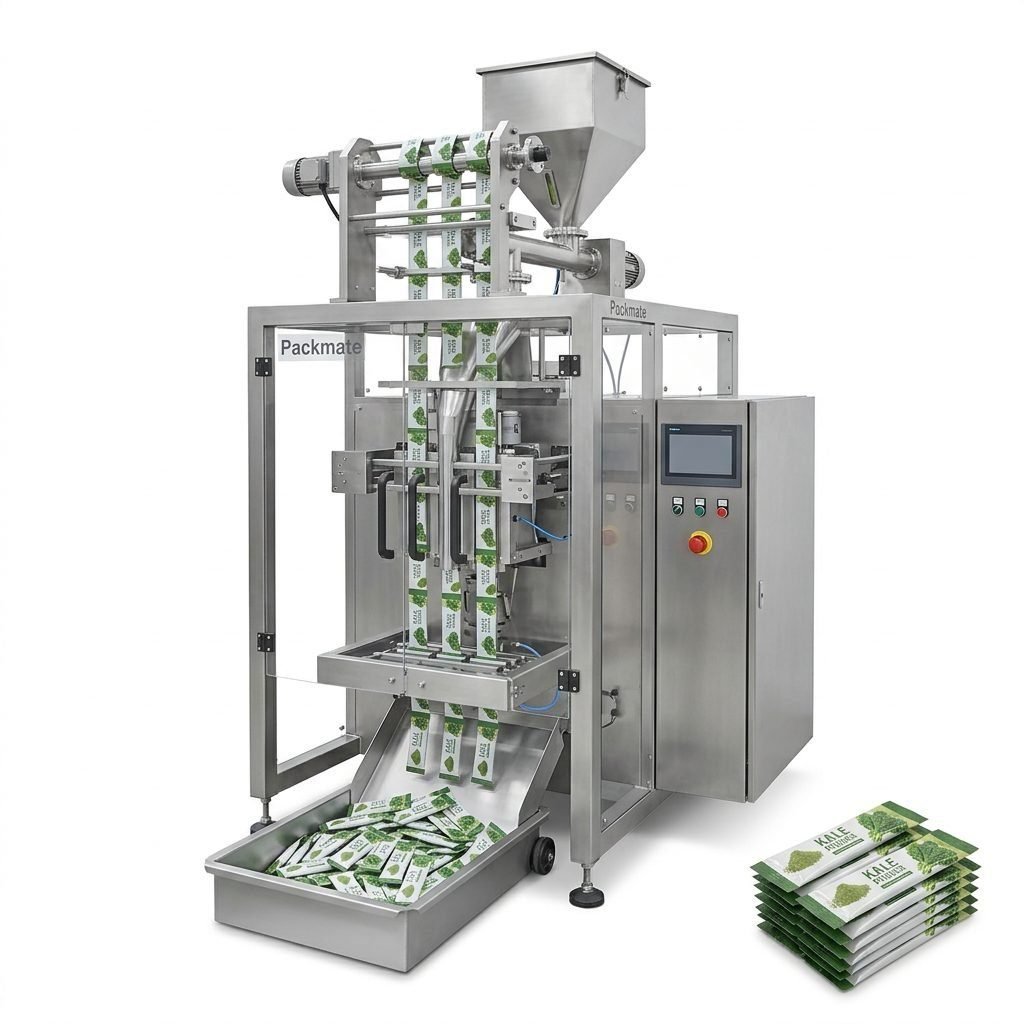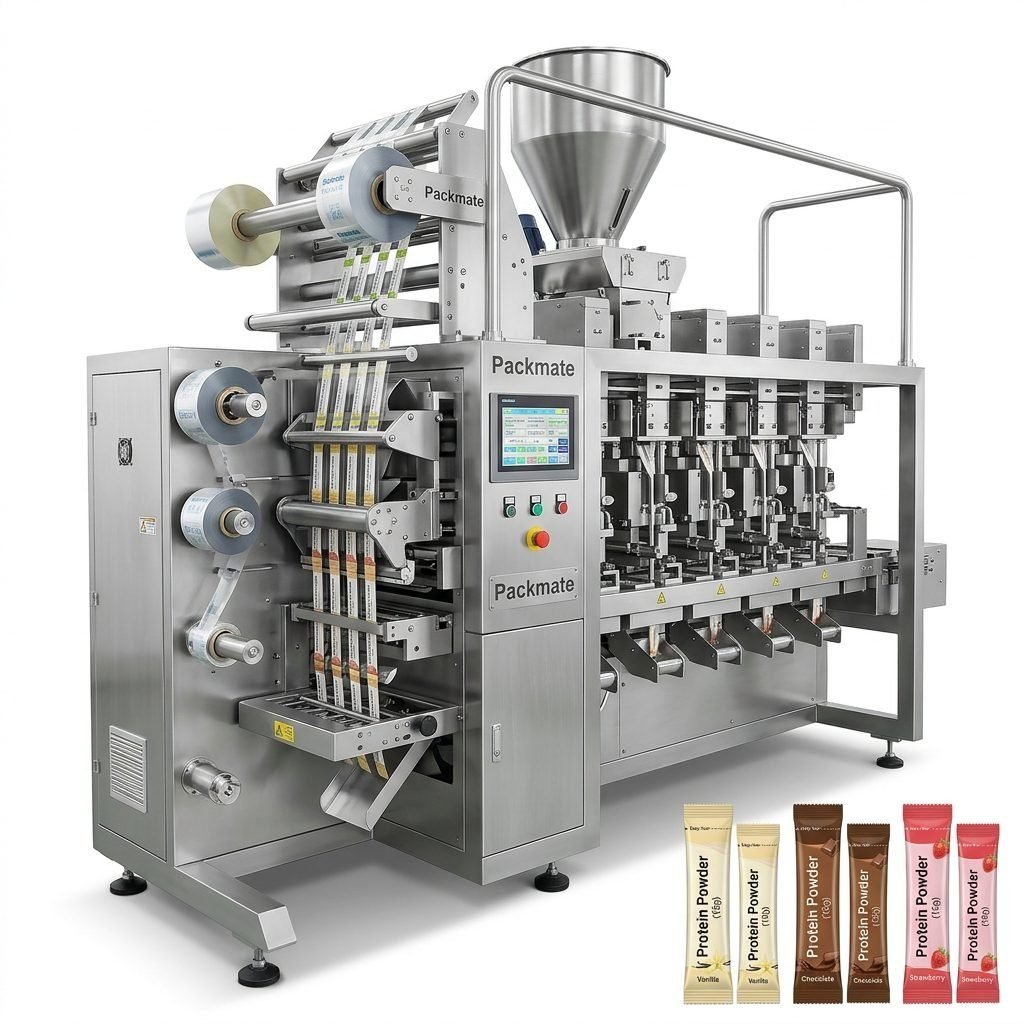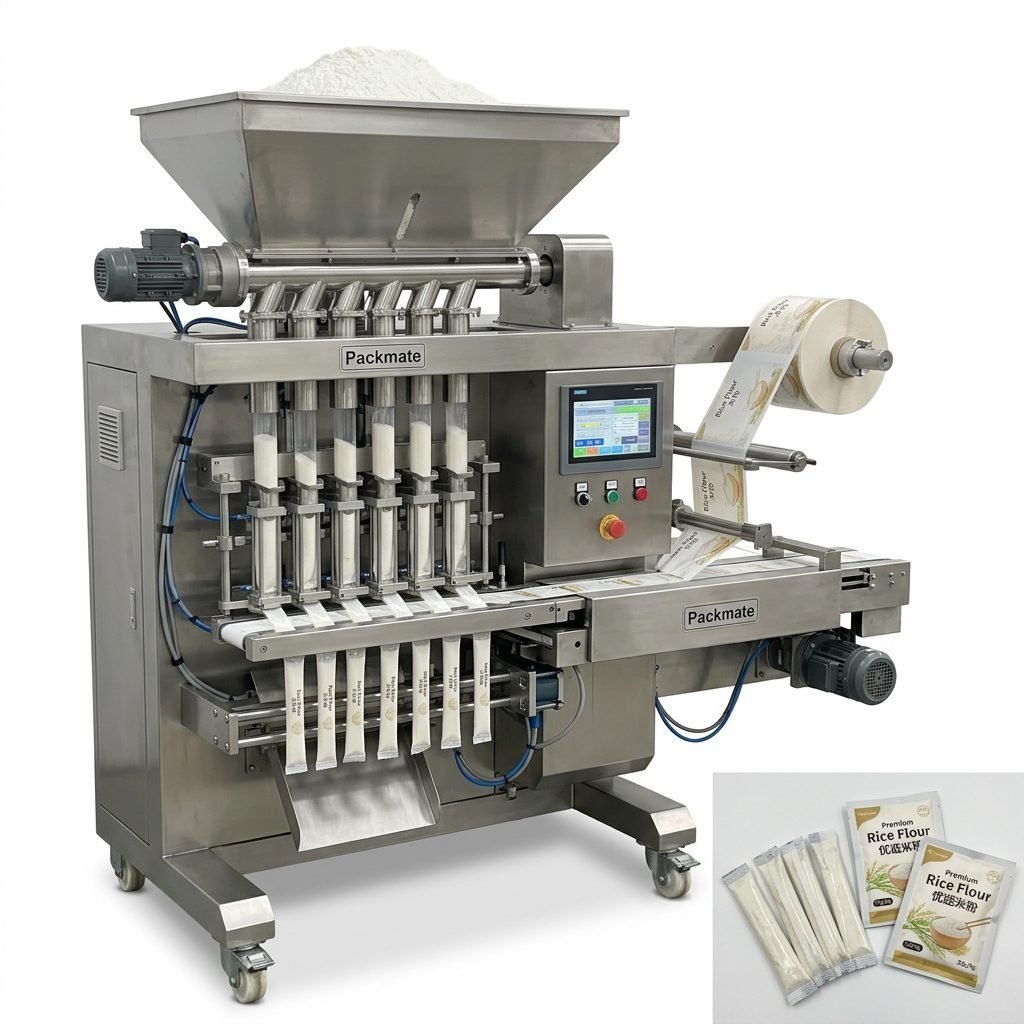
Strip packing machines are a cornerstone of modern packaging automation, designed to efficiently produce continuous strips of individual pouches or sachets. These machines are vital for industries requiring high-speed, precise, and hygienic packaging of small portions. This guide delves into their working principles, key applications, and essential factors to consider when purchasing, with insights relevant to global markets from Europe and North America to the Middle East and Southeast Asia.
How Does a Strip Packing Machine Work?
The core function of a strip packing machine is to form, fill, and seal a continuous web of film into individual pouches arranged in a strip. The process is highly automated and typically follows these stages:
1. Film Unwinding & Feeding: A roll of packaging film (often laminated for barrier properties) is mounted and fed into the machine. The film passes through a series of tensioners and guides to ensure smooth, consistent movement.
2. Forming: The flat film is shaped into a tube or a series of pockets using a forming collar or plow. For strip packs, the film is often folded vertically, and the longitudinal seal is created.
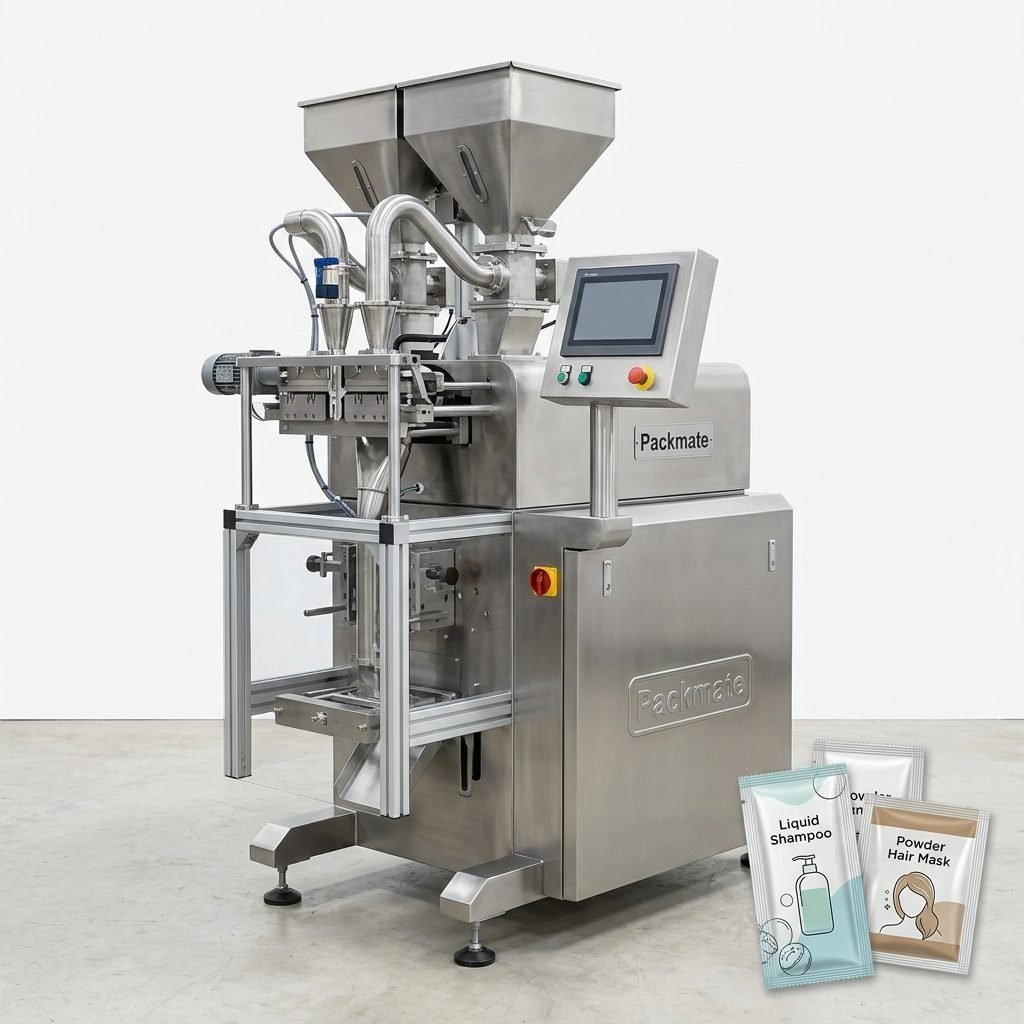
3. Filling: The product—be it powder, granules, liquids, or small solids—is precisely dosed into each pocket or tube segment. This is achieved via auger fillers, volumetric cups, liquid pumps, or weigh-cell systems for extreme accuracy.
4. Sealing & Cutting: The filled pockets are sealed transversely (horizontally) by heated jaws. These jaws simultaneously create the seal between pouches and cut the film, separating the continuous strip into individual sachets or leaving them connected in a perforated strip format.
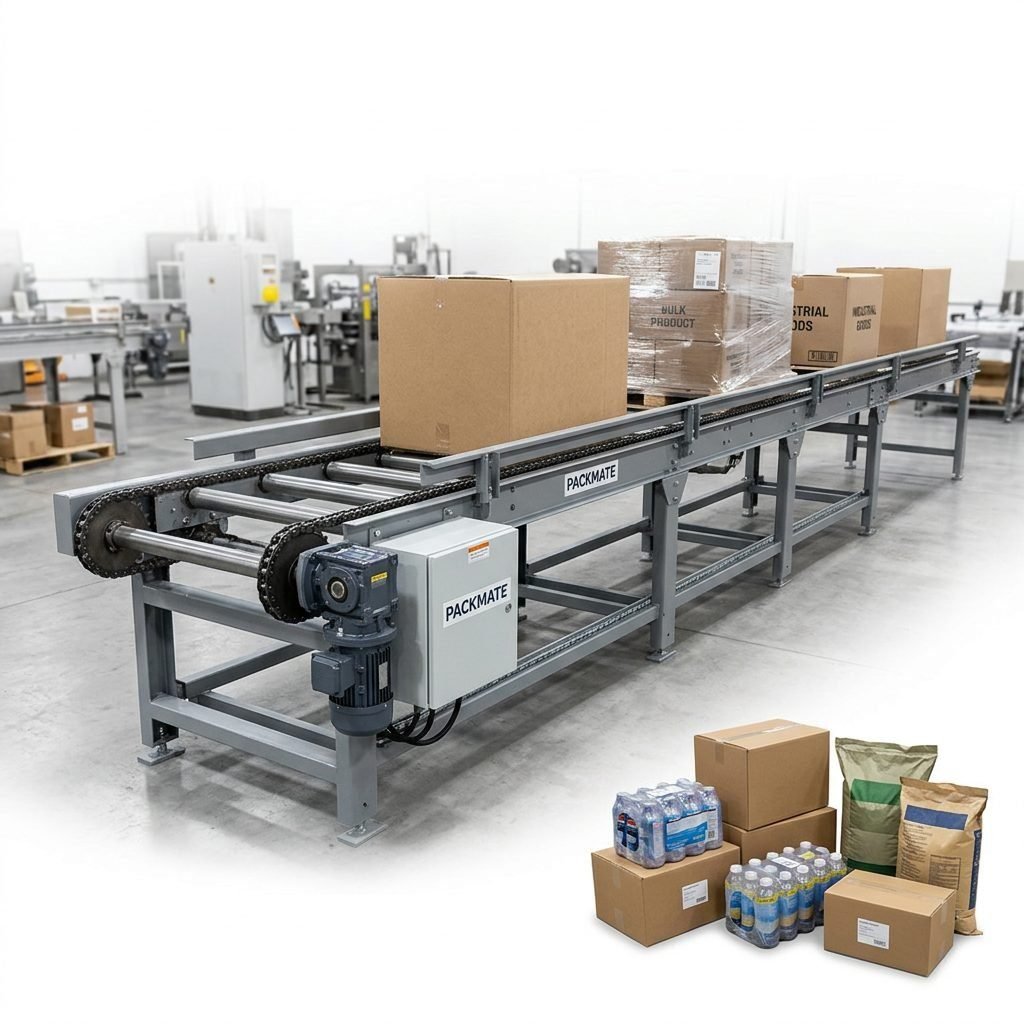
5. Discharge & Counting: The finished strip packs are discharged onto a conveyor or into a collection container. Often, an automatic counter or bundler groups them into specified counts for secondary packaging.
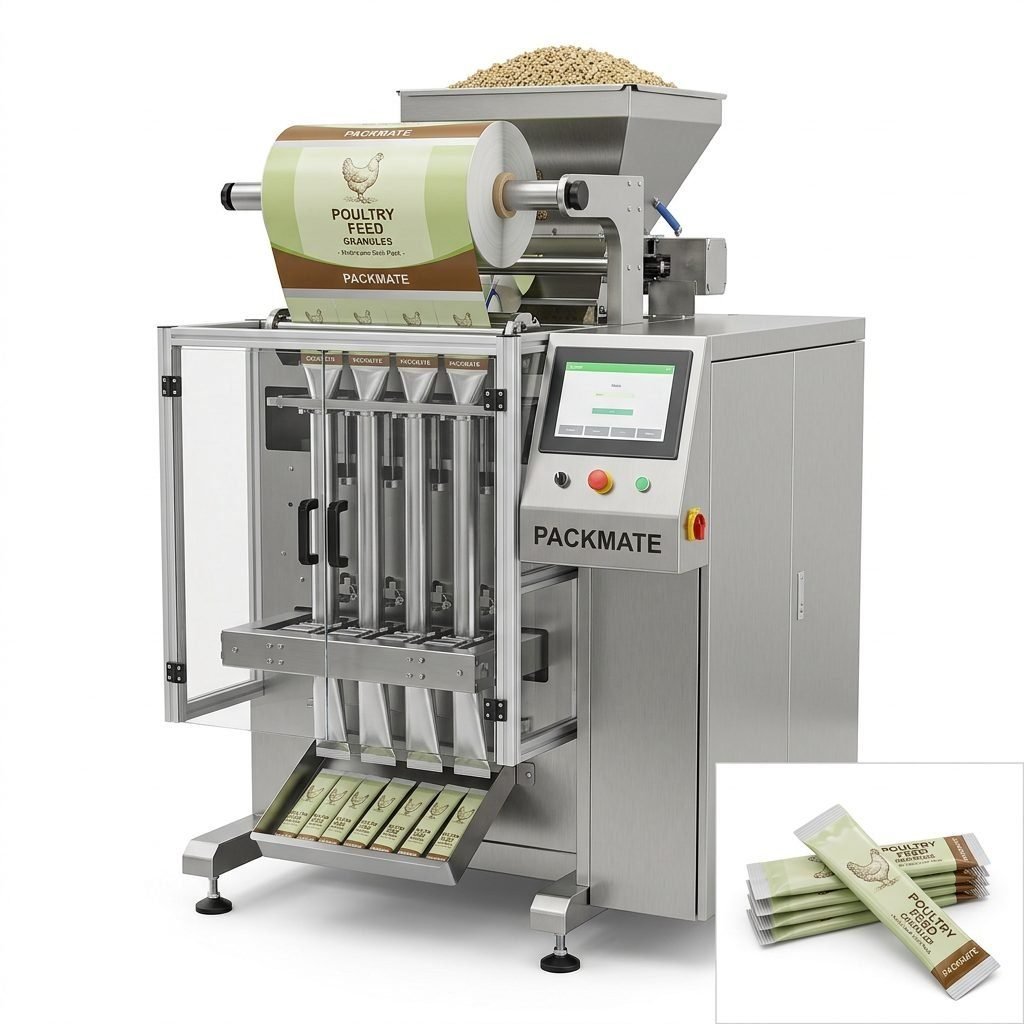
Key Technical Components
Understanding the major components helps in evaluating machine quality:
- Film Feeding System: Ensures precise, jerk-free film advance, crucial for registration and seal integrity.
- Filling System: The heart of accuracy. Auger fillers are common for powders, while piston pumps handle liquids and pastes.
- Sealing Jaws & Temperature Control: High-quality, chromed or coated jaws with precise PID temperature control ensure strong, consistent seals on various film materials.
- PLC & HMI (Human-Machine Interface): The central control unit. A user-friendly touchscreen HMI allows for easy parameter setting, recipe storage, and production monitoring.
- Drive System: Servo motors provide superior control over speed, position, and synchronization compared to traditional mechanical drives, reducing waste and enabling quick changeovers.
Primary Applications and Industries
Strip packing machines are incredibly versatile, serving a wide array of sectors globally. Their ability to package small, precise doses makes them ideal for single-serve and sample products.
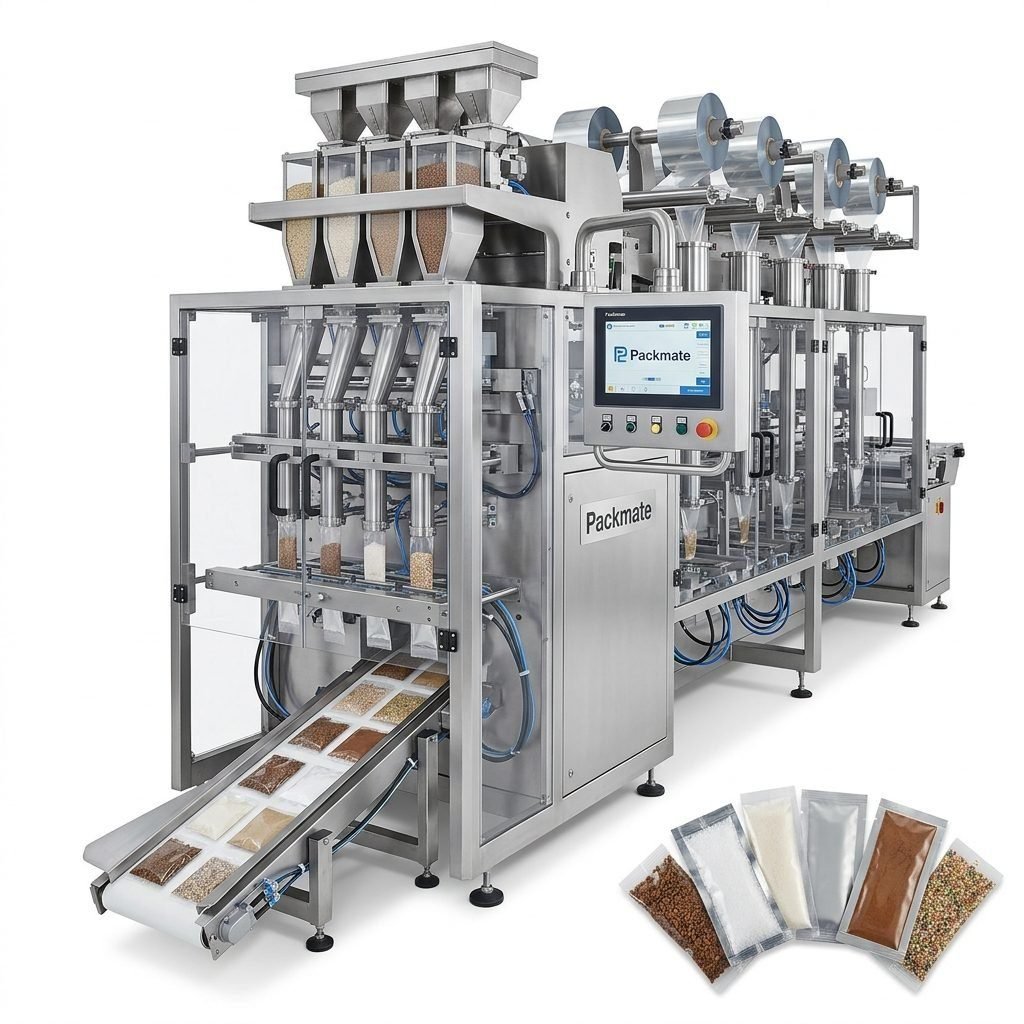
Food & Beverage Industry
This is one of the largest application areas. Machines package items like:
- Instant coffee, tea, milk powder, and creamer.
- Sugar, sweeteners, salt, pepper, and seasoning blends.
- Sauce sachets (ketchup, soy sauce, mayonnaise).
- Drink mixes and electrolyte powders.
In regions like Southeast Asia, the demand for single-serve instant coffee and seasoning sachets is particularly high, driving the need for robust, high-speed machines.
Pharmaceutical & Nutraceutical Industry
Hygiene, accuracy, and compliance are paramount. Applications include:
- Oral rehydration salts (ORS) and effervescent tablets.
- Powdered medicines, herbal supplements, and vitamin mixes.
- Single-dose liquid medications.
- Wound care powder sachets.
Manufacturers exporting to Europe and North America must ensure their machines can meet stringent regulatory standards (e.g., FDA, EU GMP) for materials and cleanability.
Personal Care, Cosmetics & Chemicals
Strip packs offer convenience and precise dosing for:
- Shampoo, conditioner, and body wash samples.
- Face cream, serum, and gel sachets.
- Laundry detergent, dishwasher powder, and cleaning chemicals.
- Hand sanitizer and antiseptic wipes (moist sachets).
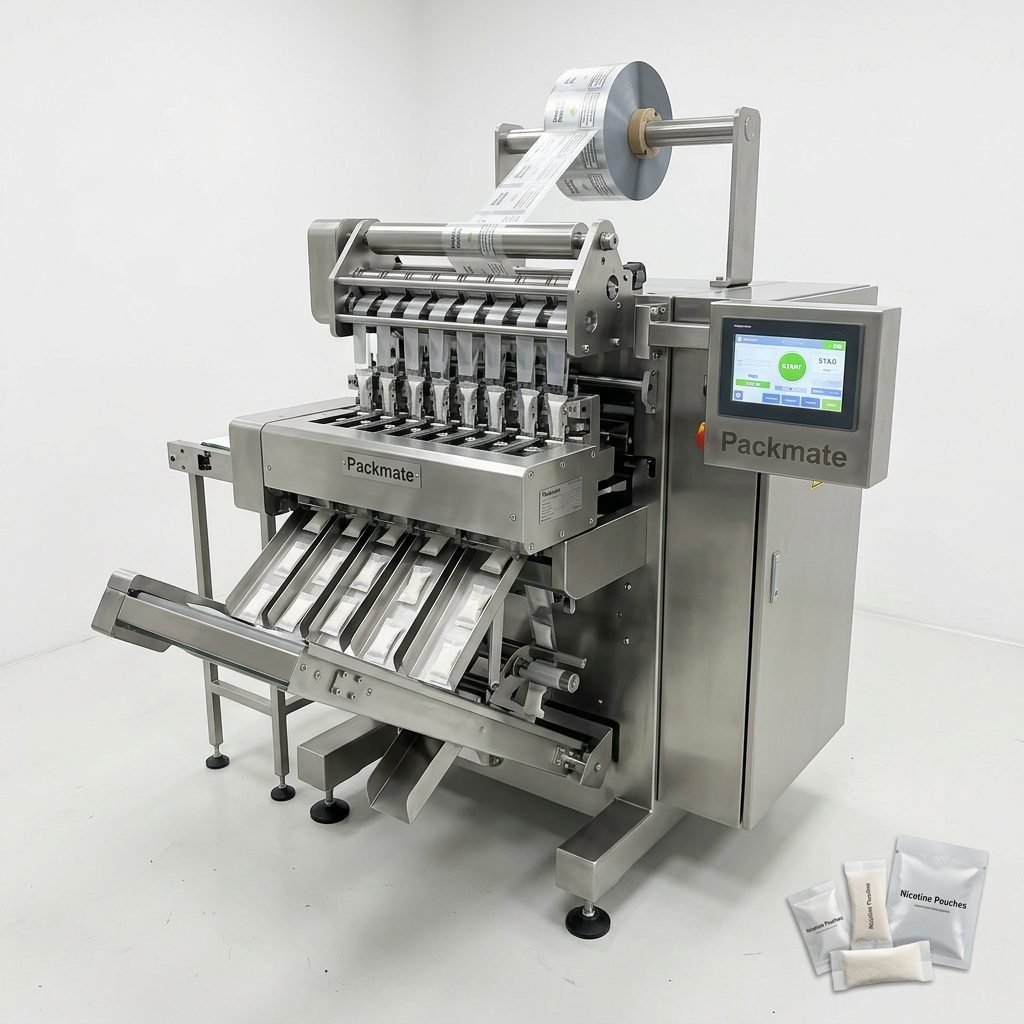
Specialized Application: Nicotine Pouches
The rapid global growth of the nicotine pouch market has created a specific demand for high-speed, multi-lane strip packing machines. These machines require precise powder dosing, consistent pouch formation, and often integration with specialized snus packaging lines. Producers in Europe and North America look for suppliers with dedicated expertise in this niche.
Critical Buying Considerations
Selecting the right strip packing machine is a significant investment. Here are the key factors to evaluate:
| Factor | Description & Questions to Ask |
|---|---|
| Product & Material Compatibility | What is your product’s form (powder, granule, liquid, paste)? What packaging film will you use (PET/AL/PE, CPP, etc.)? The machine must be configured with the correct filling system and sealing jaws for your specific materials. |
| Production Speed & Output | Determine your required output in pouches per minute (PPM). Machines range from single-lane (30-80 PPM) to multi-lane (200-1000+ PPM). Consider future growth and choose a machine with some capacity headroom. |
| Accuracy & Dose Range | What is your target fill weight/volume and the acceptable tolerance? High-precision auger or weigh fillers are needed for expensive products like pharmaceuticals. Check the machine’s guaranteed accuracy (e.g., ±1%). |
| Machine Construction & Durability | Look for a robust frame, food/pharma-grade contact parts (e.g., SS 304/316), and quality brand-name components (servos, PLC, sensors). This ensures longevity and minimal downtime, crucial for high-volume export-oriented production. |
| Flexibility & Changeover | How often will you change pouch size or product? Quick-change systems for forming tubes, filling heads, and sealing jaws drastically reduce downtime between production runs. |
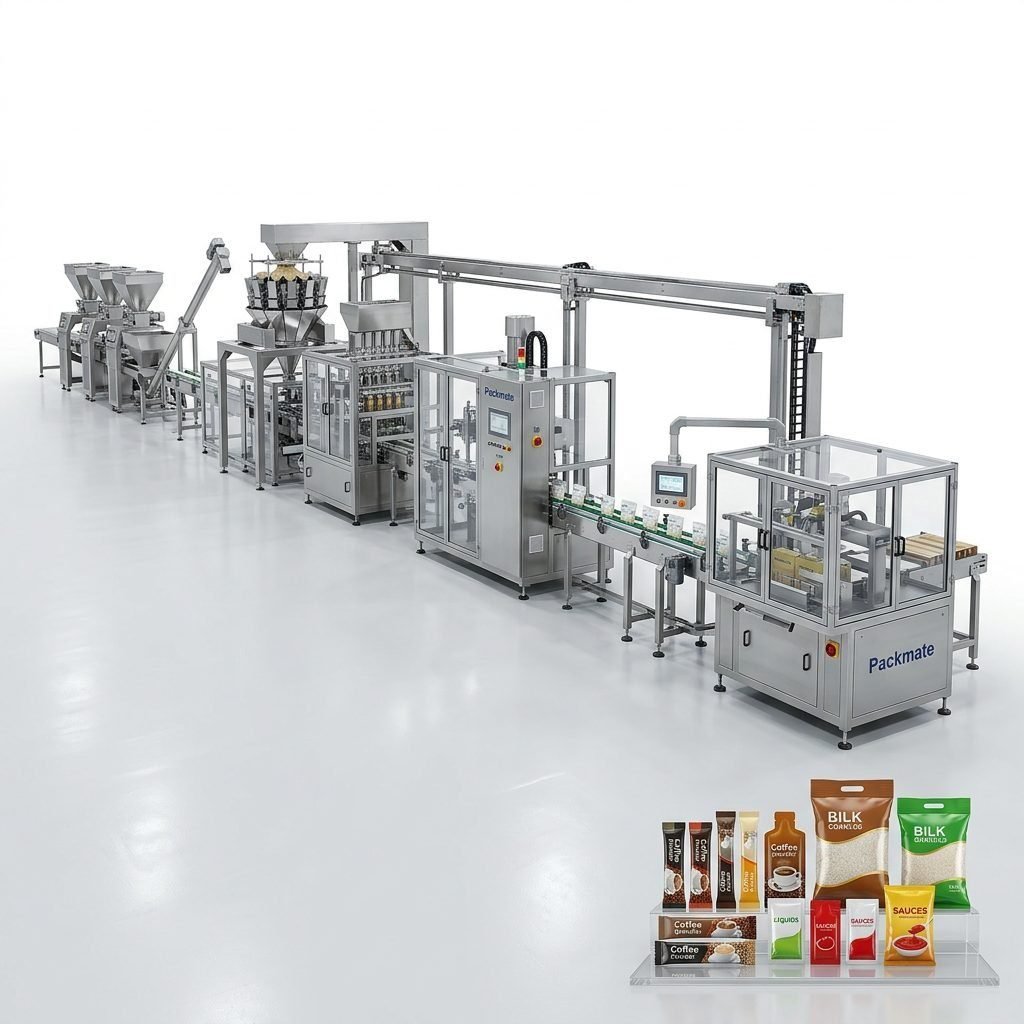
| Automation & Integration | Will the machine be standalone or part of a larger line? Consider needs for upstream feeders (silos, elevators) and downstream integration with cartoners, case packers, or complete turnkey packaging lines. |
| Supplier Support & Service | This is critical for international buyers. Evaluate the manufacturer’s experience, availability of installation supervision, training, spare parts, and after-sales technical support in your region. |
Understanding Multi-Lane vs. Single-Lane Machines
A fundamental choice is between single-lane and multi-lane configurations.
Single-Lane Machines: Have one set of forming, filling, and sealing units. They are more compact, easier to operate and maintain, and have a lower initial cost. Ideal for lower to medium output requirements, pilot plants, or products with frequent changeovers.
Multi-Lane Machines (e.g., 4-lane, 8-lane): Feature multiple parallel lanes operating simultaneously from a single film web or multiple rolls. They multiply output without significantly increasing footprint. Essential for high-volume commodity products like sugar, instant coffee, or detergent. Companies like Packmate Machinery often provide robust multi-lane solutions for such markets.
The Role of Customization
Many projects require adaptations beyond standard models. This is where working with an OEM (Original Equipment Manufacturer) skilled in non-standard and customized packaging machines becomes valuable. Customization can include special feeding systems for sticky products, inert gas (nitrogen) flushing for oxidation-sensitive items, integrated vision inspection systems, or unique pouch shapes and perforations.
Market Trends and Future Outlook
The strip packing machine market is evolving with several clear trends:
- Increased Automation & Smart Features: Integration of IoT for predictive maintenance, real-time production data tracking, and remote diagnostics.
- Sustainability Focus: Development of machines that can handle mono-material or recyclable films effectively, responding to environmental regulations in Europe and North America.
- Hybrid Flexibility: Machines designed to easily switch between different pouch formats (stick pack, sachet, gusseted) to accommodate shorter product lifecycles.
- Enhanced Hygiene Design: Easier-to-clean surfaces, CIP (Clean-in-Place) capabilities for filling systems, and compliance with stricter pharmaceutical standards.
Frequently Asked Questions (FAQ)
Q1: What is the typical accuracy of a powder strip packer?
A: For standard food powders, a well-tuned auger filler can achieve ±1-2% accuracy. For pharmaceutical-grade accuracy (±0.5-1%), a precision weigh filler (linear weight scale) is often required, though at a higher cost and slightly lower speed.
Q2: Can one machine handle both powders and liquids?
A: Some machines are designed as “combo” or “universal” models with interchangeable filling systems. However, for optimal performance and minimal cross-contamination, dedicated machines for powder or liquid are recommended, especially in regulated industries.
Q3: How important is servo motor technology?
A: Very important for modern machines. Servo-driven systems offer superior control, higher speeds with precision, easier recipe management, and significantly faster changeovers compared to traditional mechanical drives. They are considered a standard for mid to high-end equipment.
Q4: What are the main causes of downtime?
A: Common issues include film web breaks (due to tension problems or film quality), filling system blockages (especially with cohesive powders), and sealing problems (incorrect temperature, worn jaws). Choosing a reliable machine with good part accessibility and having a proper preventive maintenance schedule are key to minimizing downtime.
Q5: Should I buy a standalone machine or a complete line?
A: This depends on your current automation level and goals. A standalone machine is sufficient if you only need primary packaging. If you aim to fully automate from product inlet to packed cartons, investing in a planned turnkey line from the start ensures better compatibility, smoother operation, and higher long-term efficiency, though with a larger initial investment.