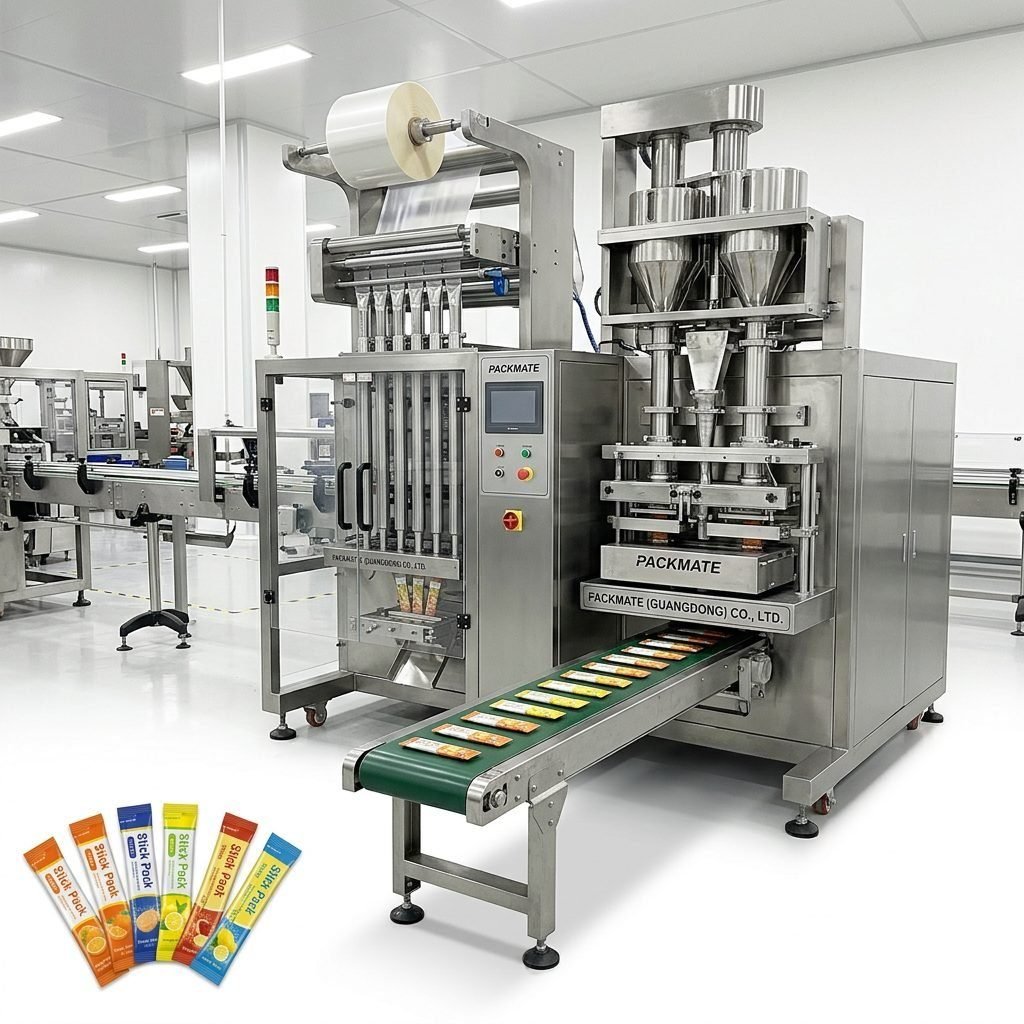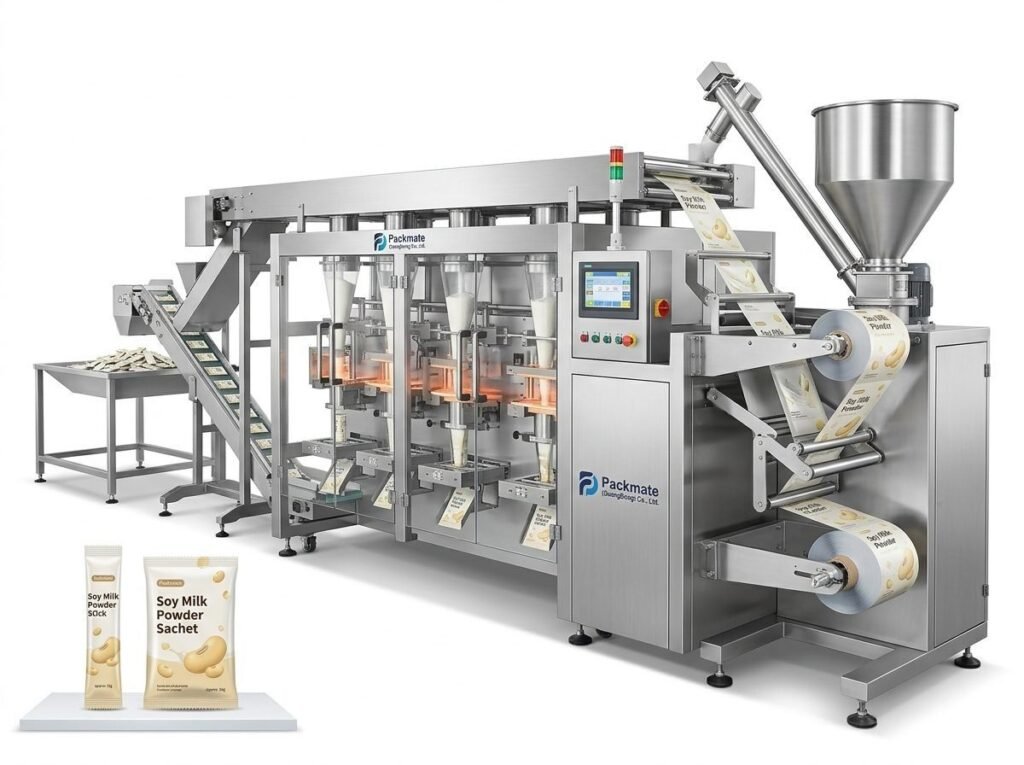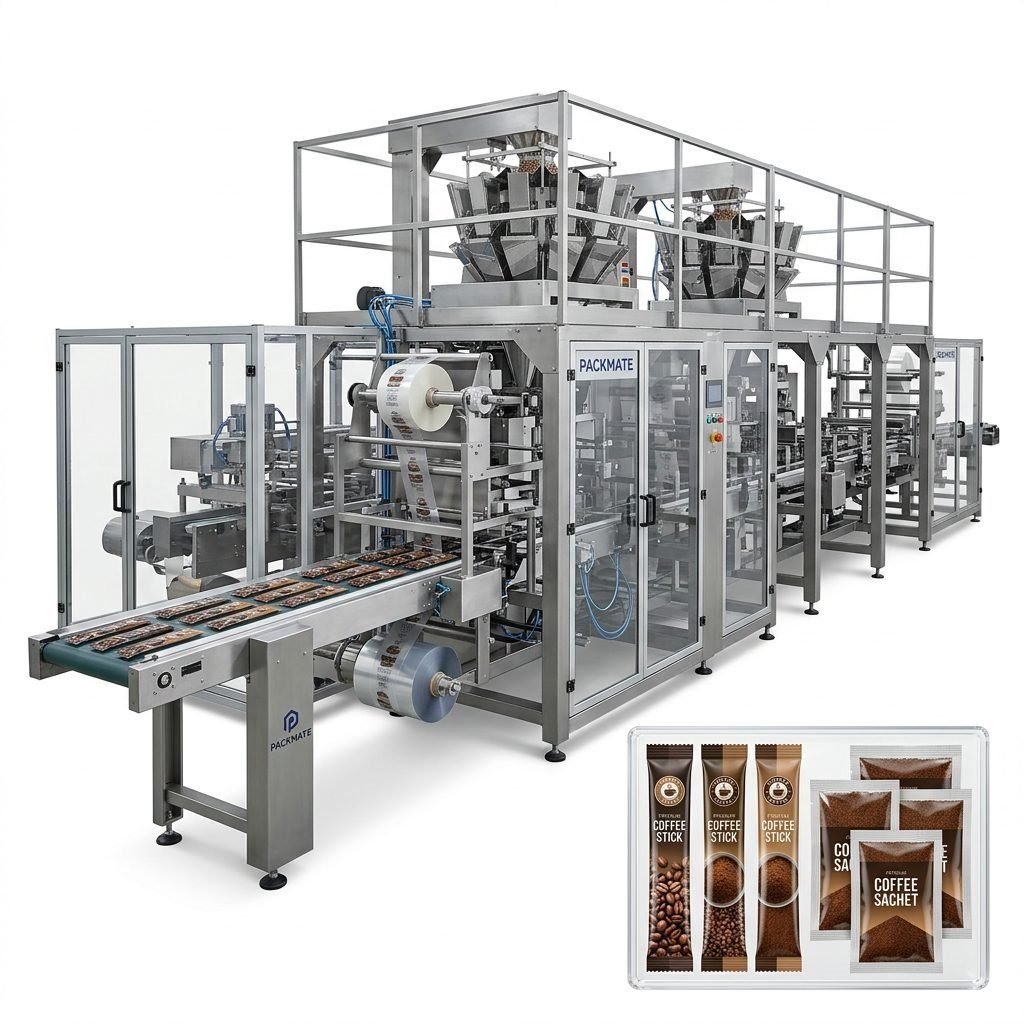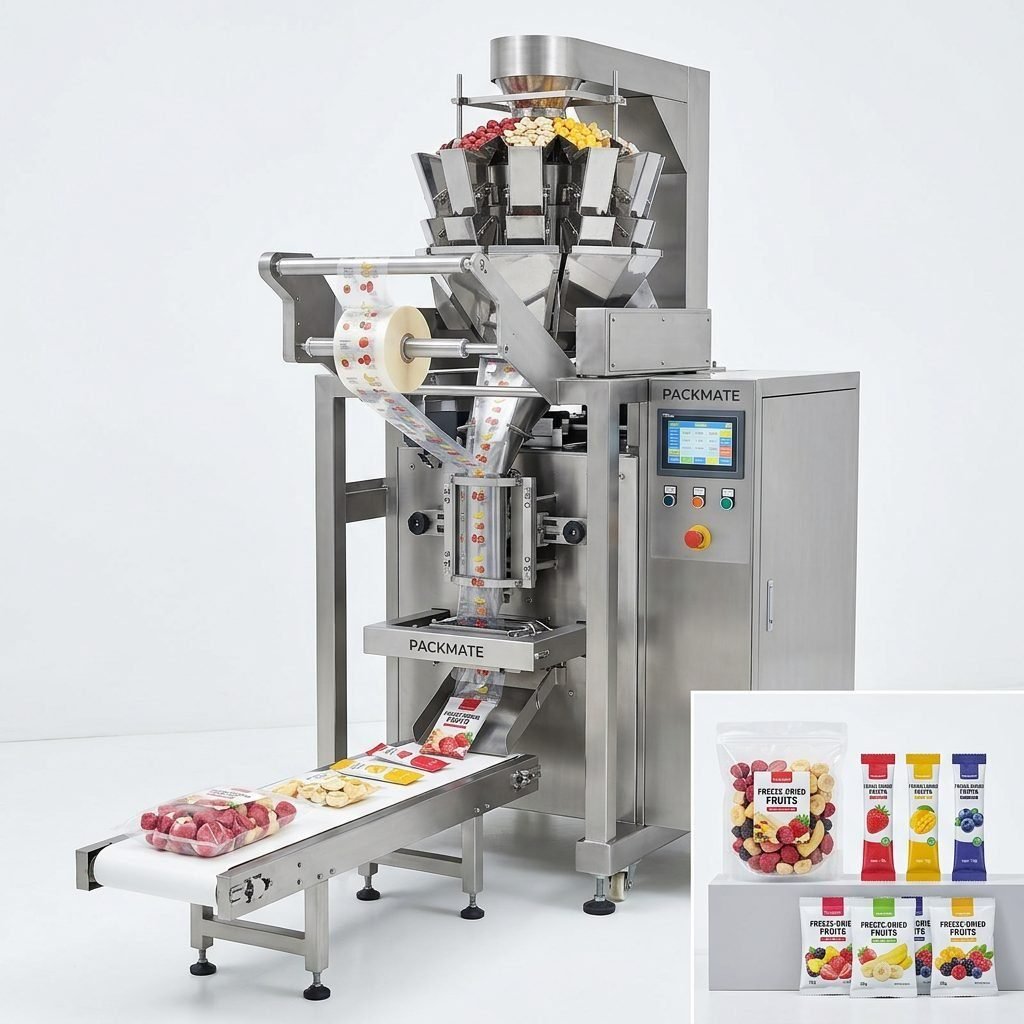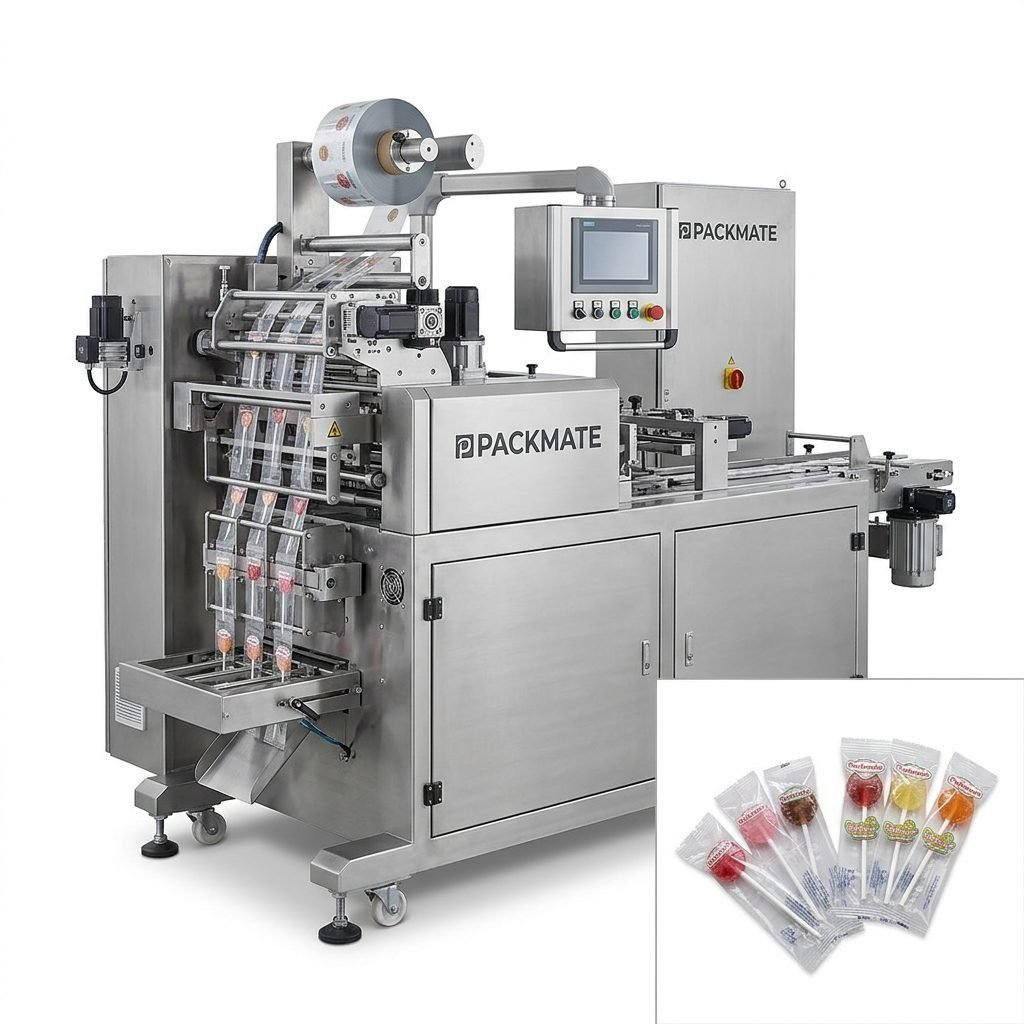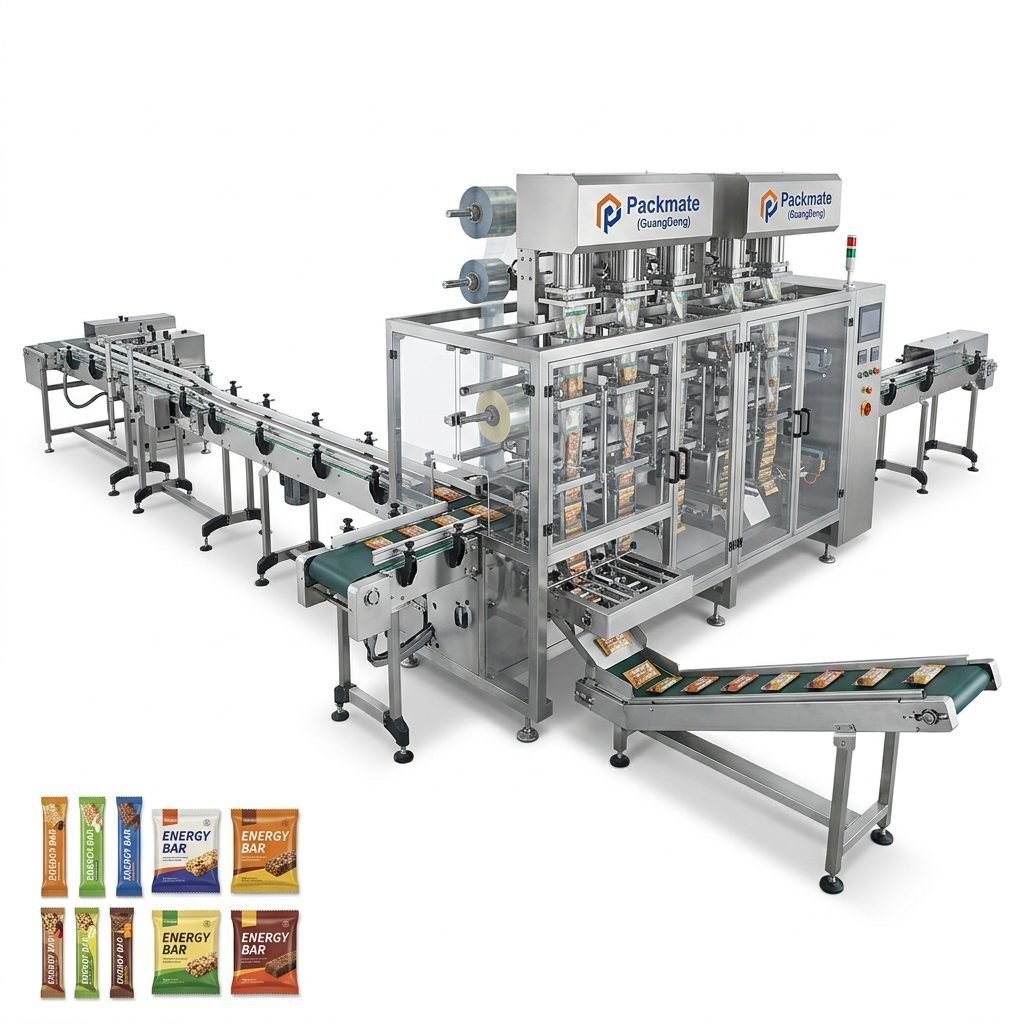
Securing government contracts for packaging equipment requires a strategic approach that goes beyond standard commercial procurement. Government agencies, whether at the federal, state, or municipal level, prioritize security, regulatory compliance, long-term reliability, and transparent supply chains. For suppliers like Ludyway, Packmate Machinery, PacklineOEM, PackingMachineOEM, and SnusMachinery, understanding these unique demands is key to successful bidding and project execution.
Understanding the Core Requirements for Government Contracts
Government contracts often involve packaging sensitive materials, from pharmaceutical supplies and medical components to specialized food rations and defense-related products. The selection criteria are stringent and multifaceted.
Key Pillars of Government Procurement:
Security & Traceability: Equipment must support secure, tamper-evident packaging and often integrate with tracking systems (e.g., serialization, barcoding) for full supply chain visibility.
Regulatory Compliance: Adherence to specific standards is non-negotiable. This includes GMP for pharmaceuticals, FDA/USDA for food contact, and potentially military or defense-specific standards (e.g., MIL-STD).
Durability & Long-Term Support: Government assets are expected to have long service lives. Equipment must be robust, built with quality components, and backed by decades of reliable service and accessible spare parts.
Data Integrity & Cybersecurity: Modern automated lines collect operational data. Systems must ensure data integrity and be resilient against cyber threats, especially when connected to government networks.
Supplier Vetting & Transparency: A manufacturer’s financial stability, ownership structure, export compliance history, and ethical manufacturing practices are thoroughly scrutinized.
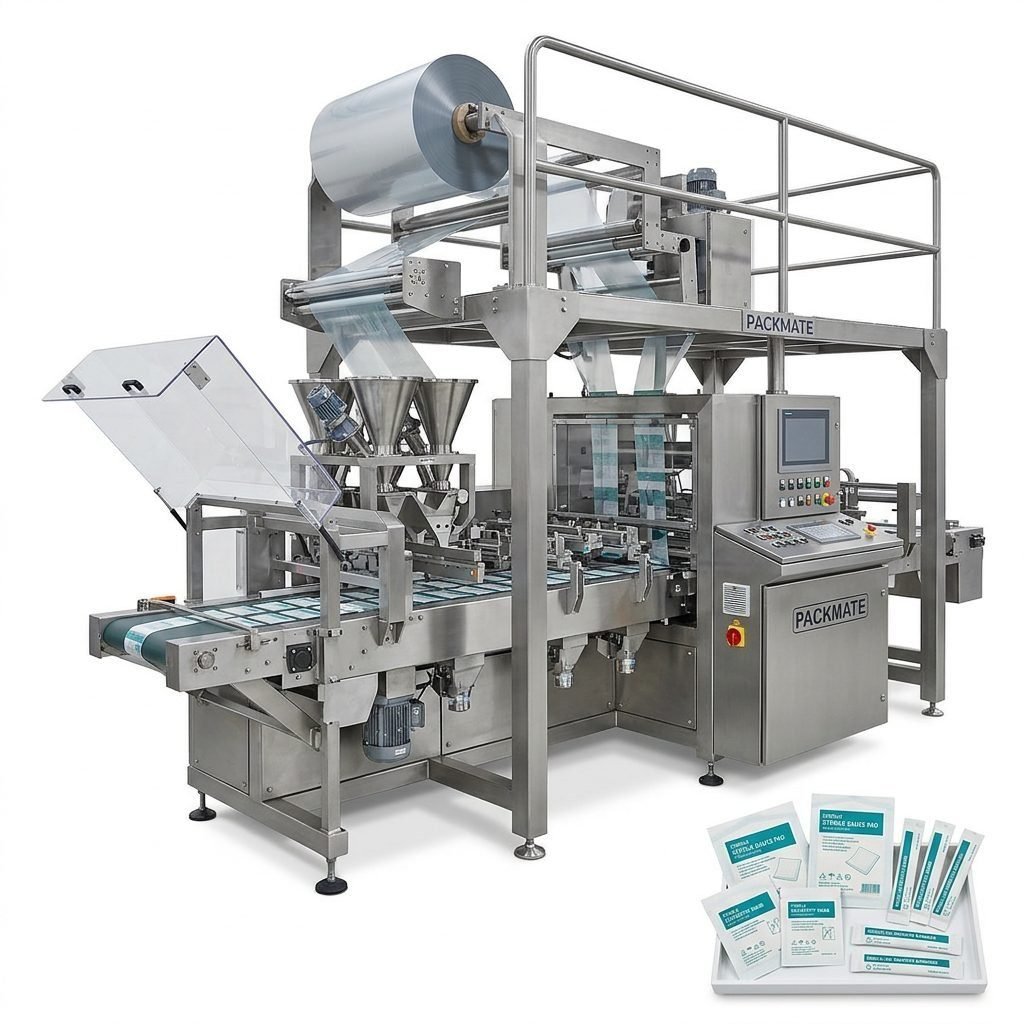
Selecting the Right Type of Packaging Solution
The nature of the government project dictates the machinery type. A one-size-fits-all approach is inadequate.
| Project Type | Recommended Solution | Critical Features |
|---|---|---|
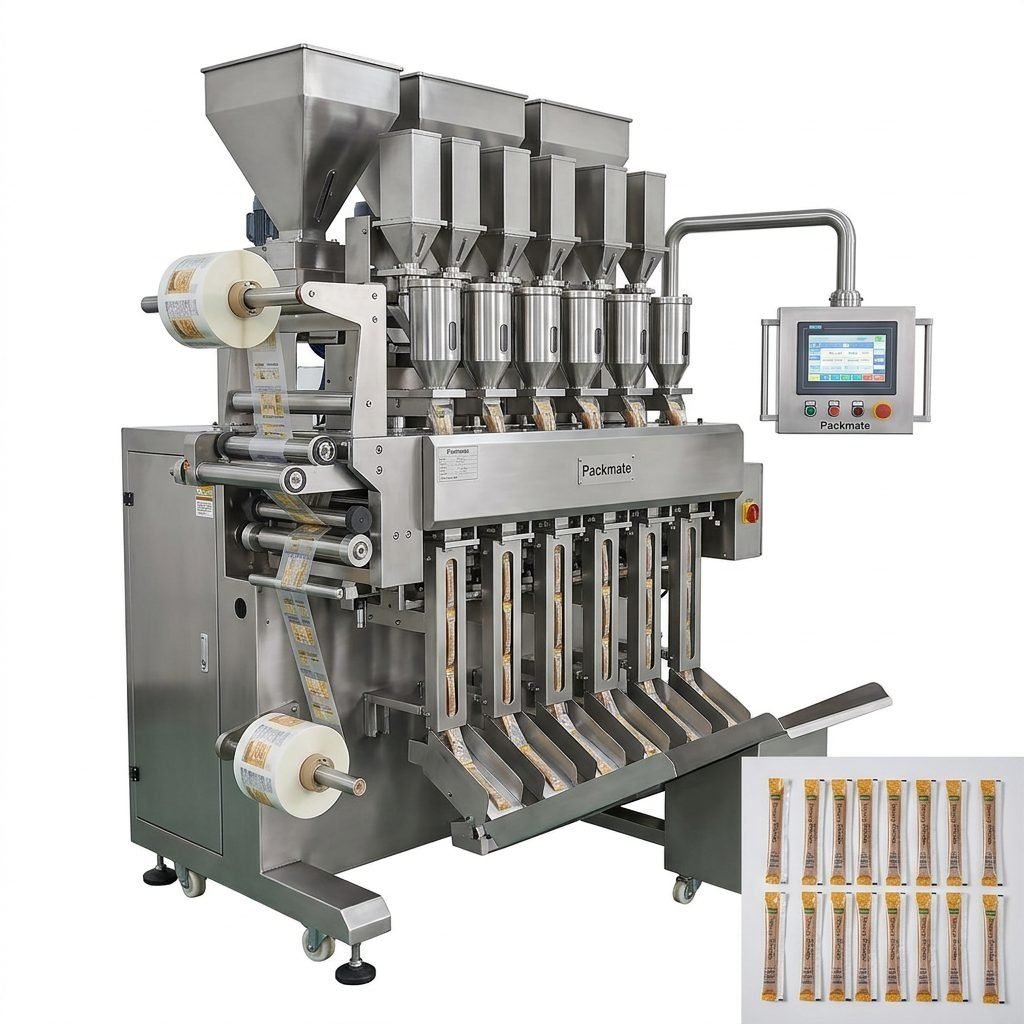
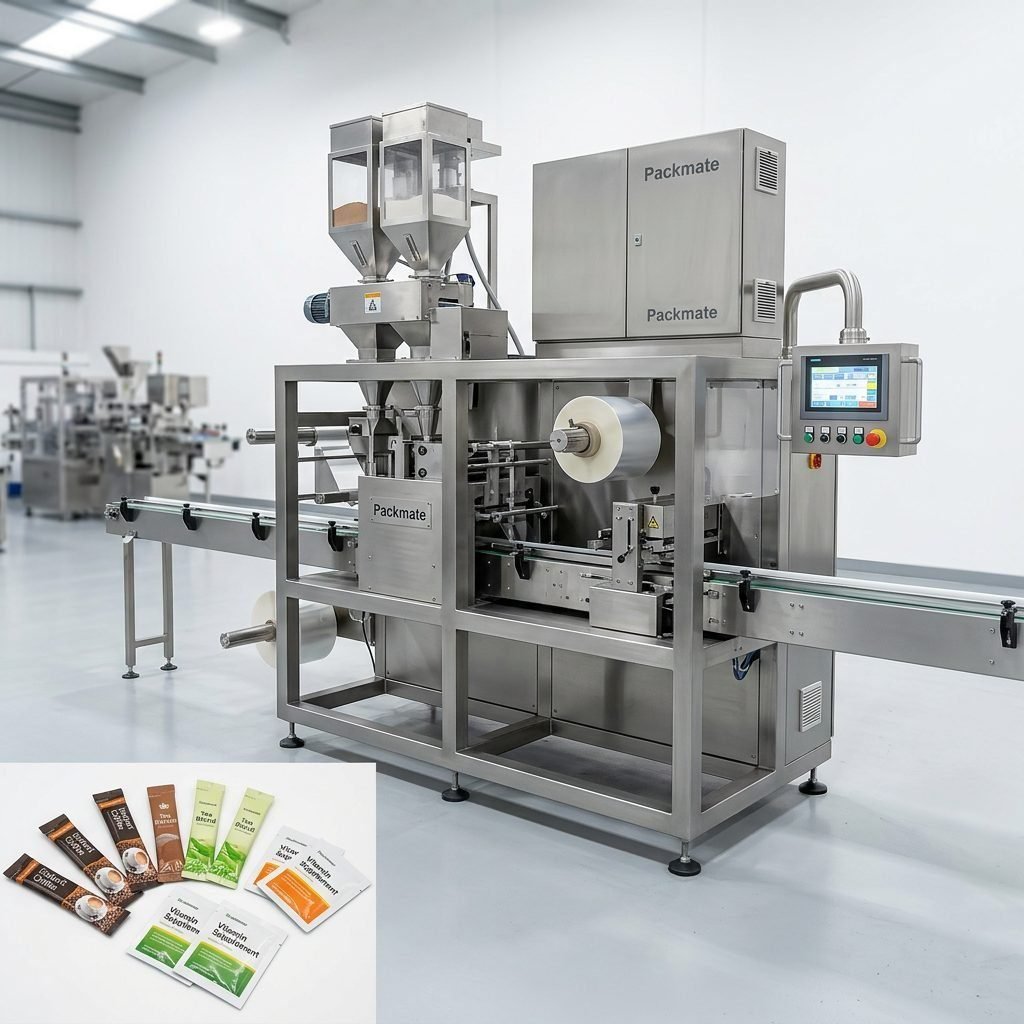
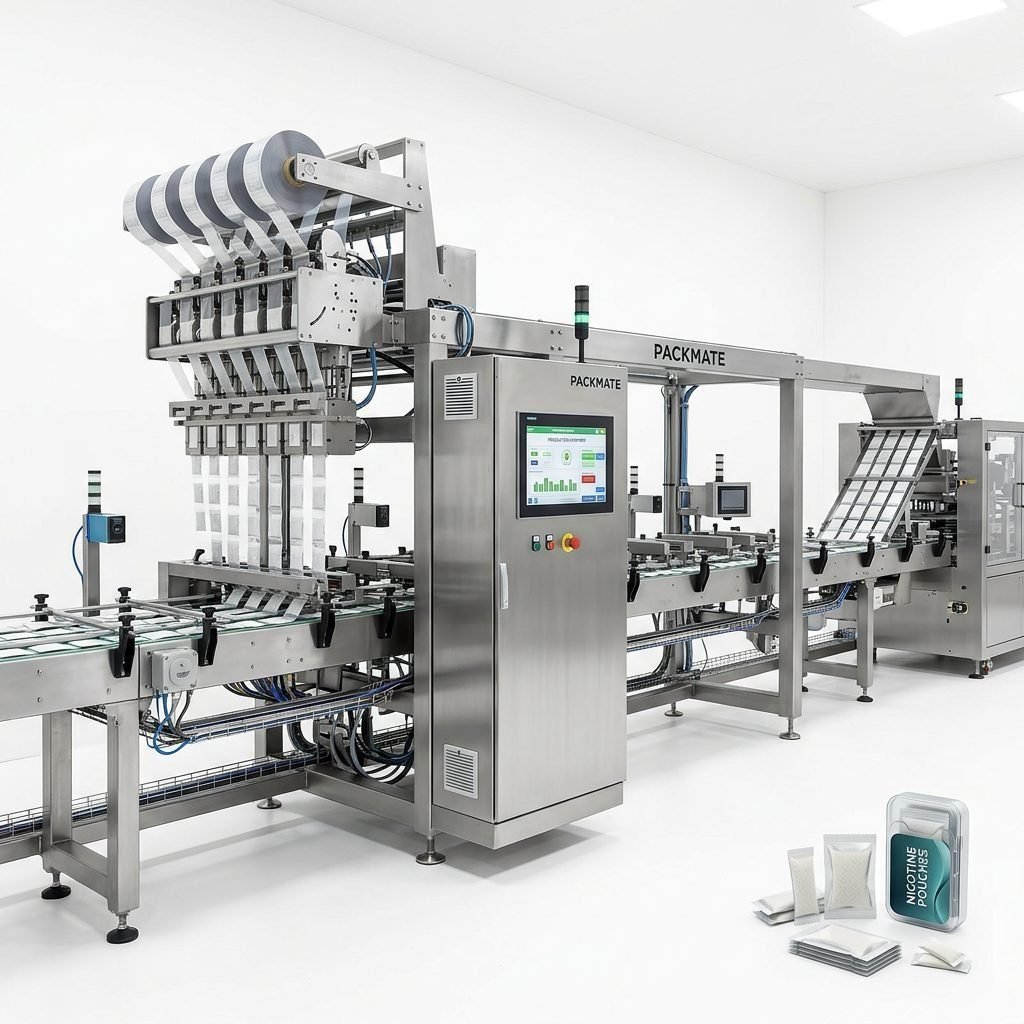
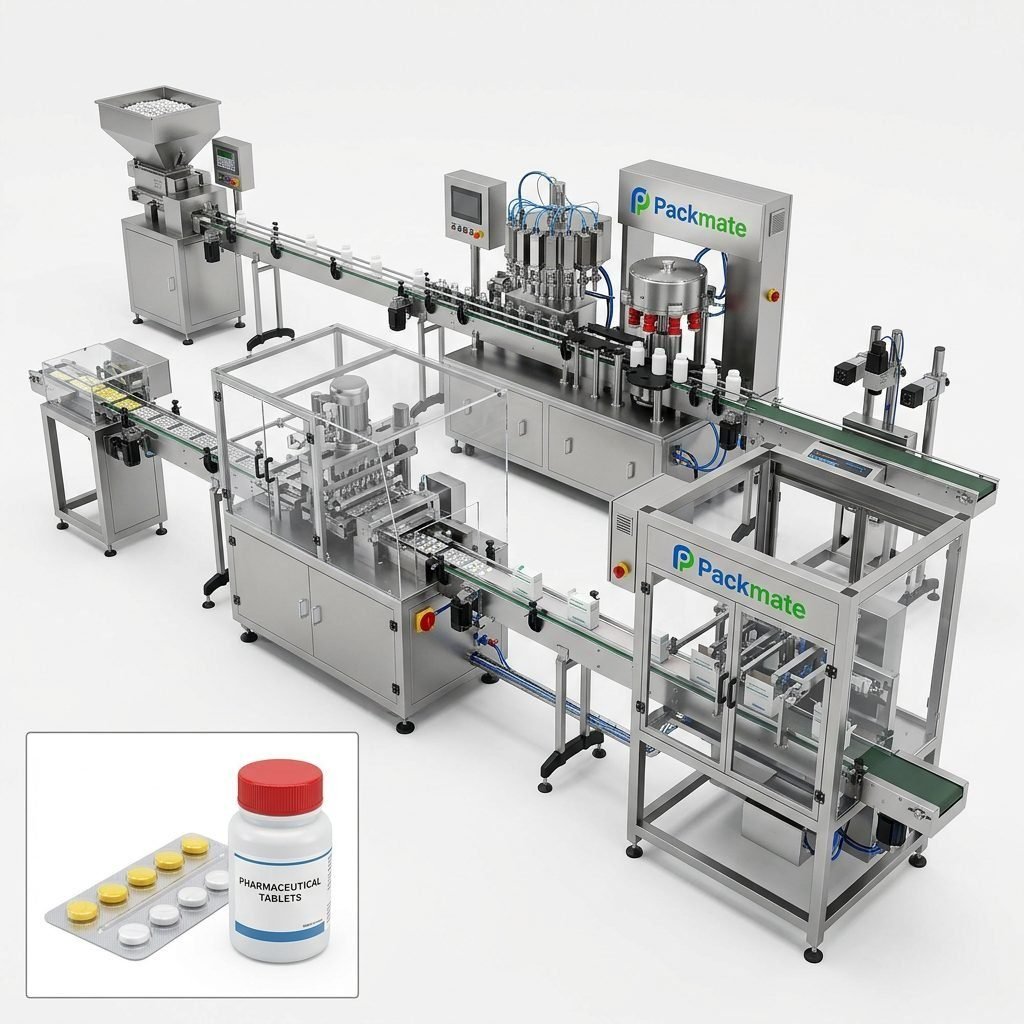
| Medical Kits & Pharmaceutical Supplies | High-Speed Stick Pack/Sachet Lines, Blister Packers | GMP compliance, sterile or clean-design options, precision dosing, lot/batch coding. |
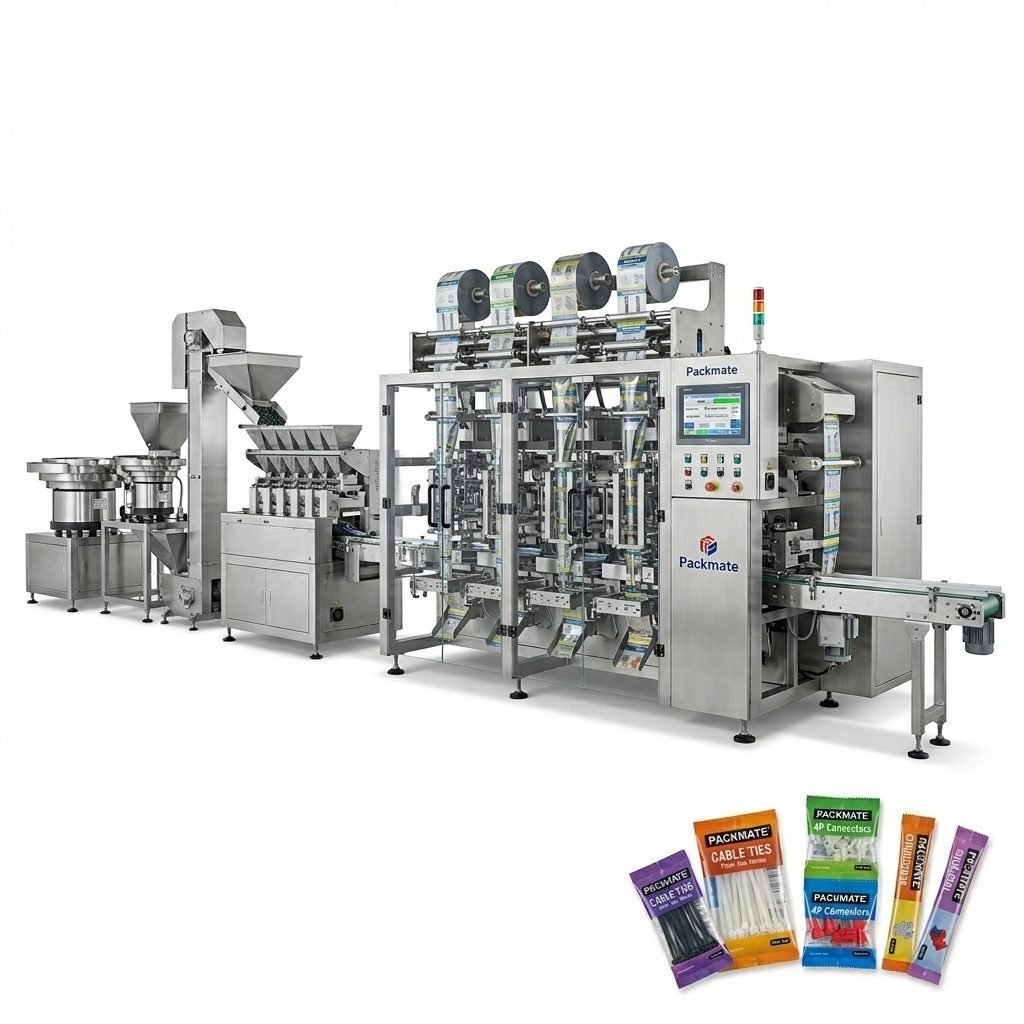
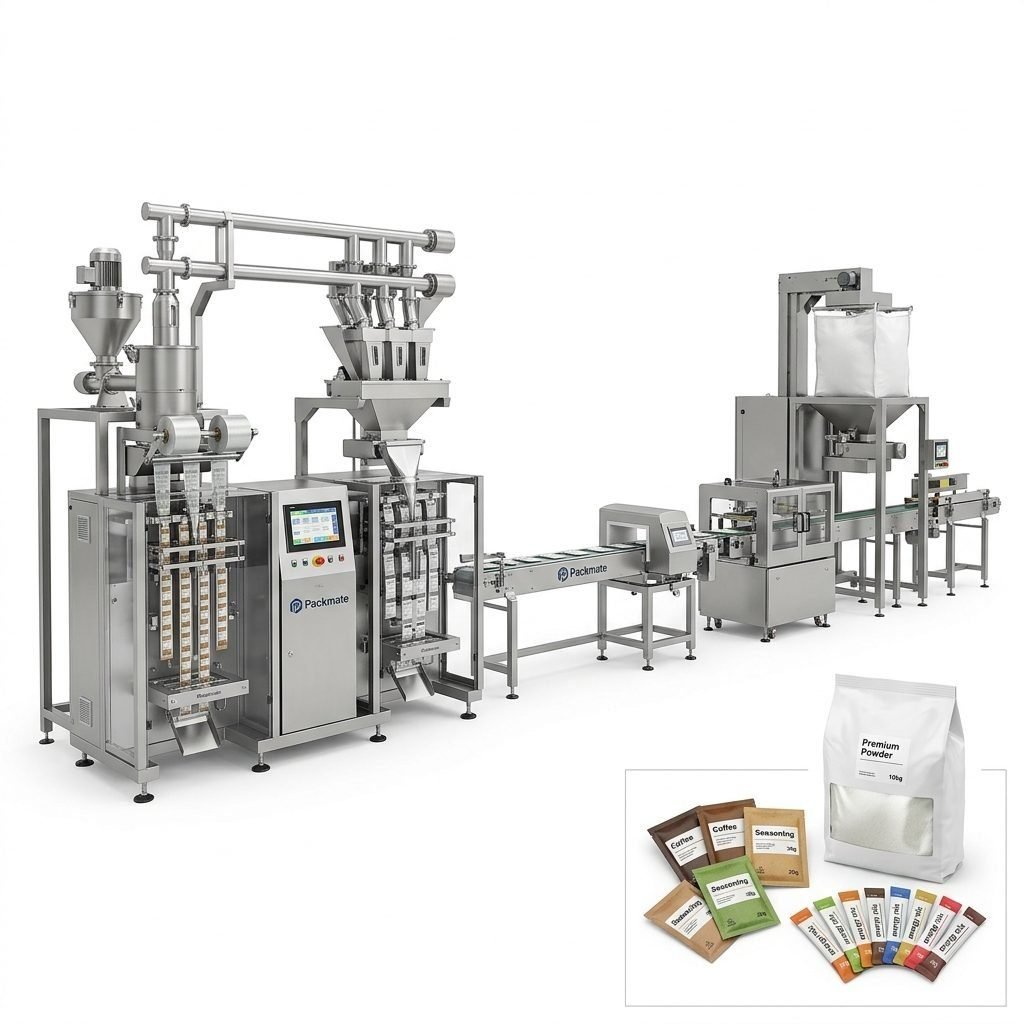
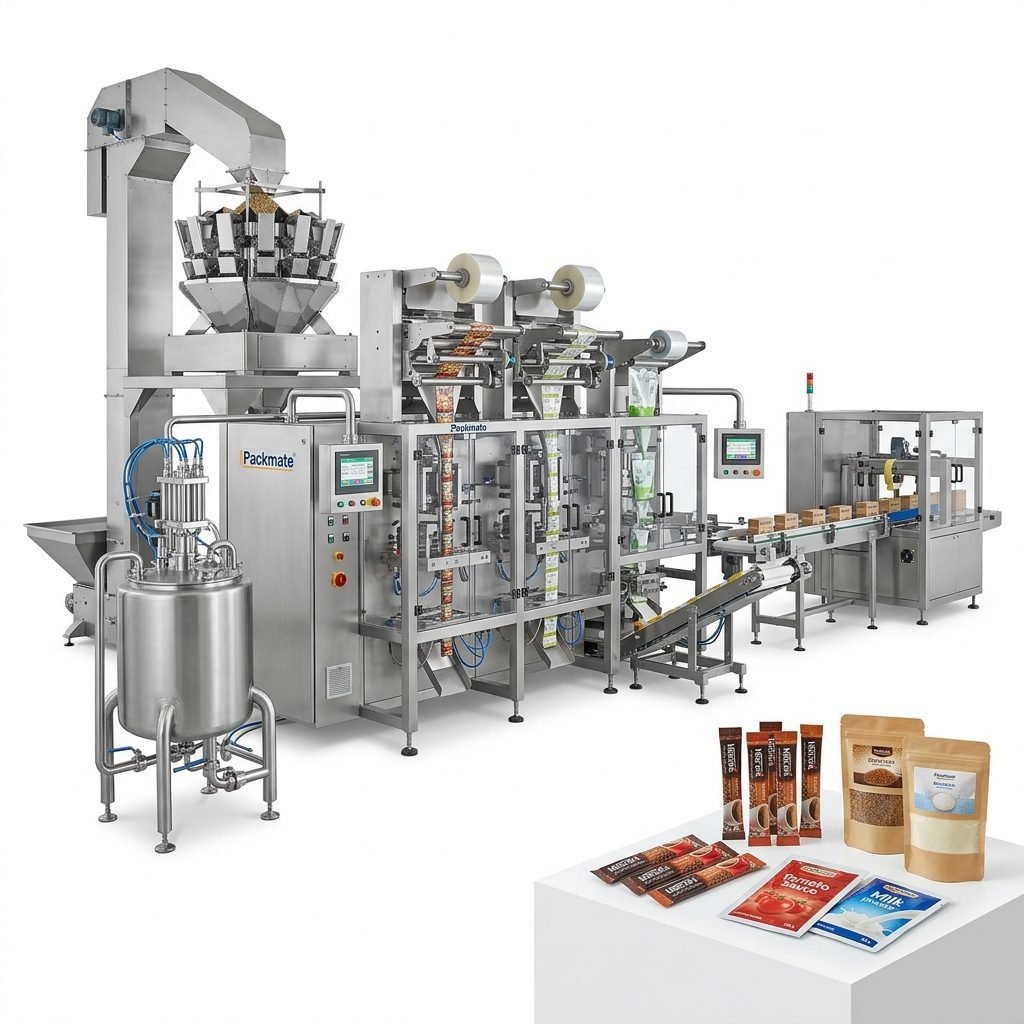
| Field Rations & Emergency Food | Robust Multi-Lane Sachet/Bag Filling Lines | High throughput, durability for harsh environments, ability to handle varied product viscosities. |
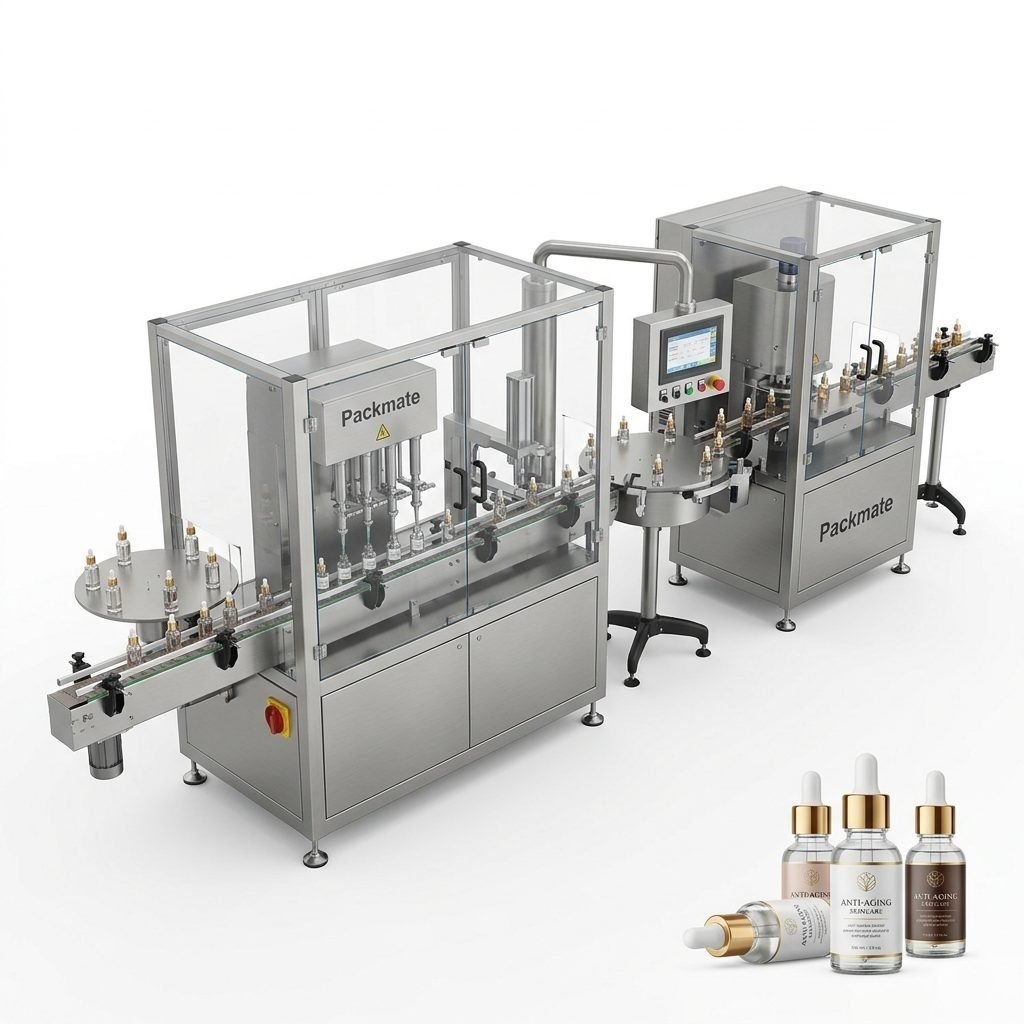
| Specialized Components & Chemicals | Customized Liquid/Powder Filling & Sealing Systems | Corrosion-resistant materials, explosion-proof options, exact fill weight control. |
| Large-Scale Bulk Logistics | Automated Bulk Bagging & Palletizing Lines | Integration with warehouse management systems, rugged construction, minimal downtime. |
The Importance of Documentation and Audit Trails
For government auditors, documentation is as critical as the physical equipment. Manufacturers must provide comprehensive, verifiable records.
Essential Documentation Package:
- Detailed machine design and engineering specifications.
- Material Certifications (e.g., for stainless steel grades, food-grade plastics).
- Certificates of Conformity for relevant standards (CE, UL, etc.).
- Full traceability for critical components (motors, PLCs, seals).
- Comprehensive Quality Control and Factory Acceptance Test (FAT) reports.
- Complete manuals: operation, maintenance, parts list, and troubleshooting.
- Cybersecurity assessment for software and control systems.
Evaluating Manufacturer Credentials for Government Work
Not all packaging machine suppliers are equipped for the rigor of government contracting. Evaluation should focus on proven experience and structural stability.
Look for manufacturers with a long operational history (25-30+ years), as this demonstrates resilience and accumulated technical knowledge. A large, modern factory (e.g., 20,000+ sq. meters) indicates scalable production capacity and investment in quality infrastructure. Crucially, assess their experience with customized, non-standard projects – government needs are rarely off-the-shelf. Suppliers like PackingMachineOEM, which specialize in OEM and non-standard solutions, often have the flexible engineering mindset required.
Finally, examine their export history to regions with strict regulations (Europe, North America). Successfully supplying these markets is a strong proxy for understanding complex compliance landscapes.
Mitigating Risk Through Lifecycle Support
The contract award is just the beginning. Government agencies need assurance of support throughout the equipment’s entire lifecycle.
A robust lifecycle support plan includes training for government technicians (onsite or at the factory), guaranteed availability of spare parts for a minimum of 10-15 years, and clear protocols for remote diagnostics and technical support. Manufacturers that offer preventive maintenance contracts and can provide historical data on machine uptime and mean time between failures (MTBF) instill greater confidence.
Consider suppliers who provide turnkey line integration, like PacklineOEM. Their focus on complete systems ensures single-point accountability for the entire packaging process, simplifying project management and technical support for the government entity.
Navigating “Buy American” and Local Content Provisions
Many government contracts, especially in the U.S., include “Buy American” Acts or similar local content requirements. While leading Chinese manufacturers supply globally, navigating these clauses requires a strategic approach.
Suppliers can often comply by demonstrating that their equipment offers a unique capability not available from domestic sources at a reasonable cost, or by partnering with local system integrators for final assembly and commissioning. Transparency about component sourcing and a willingness to work within the framework of the law are essential.
Common Questions (FAQ)
Q: How do we verify a manufacturer’s compliance claims for FDA or GMP standards?
A: Request not just certificates, but detailed documentation: design rationale for cleanability, material safety data sheets, validation protocols (IQ/OQ/PQ), and evidence of previous successful audits. Third-party audit reports are highly valuable.
Q: What is the single biggest mistake in choosing equipment for a government contract?
A: Prioritizing initial price over total cost of ownership (TCO). Government projects run for years. A slightly higher upfront cost for a more reliable, maintainable, and supportable machine from an experienced maker like Ludyway or Packmate Machinery saves significant cost and risk over its lifespan.
Q: Can we get customized machines that meet very specific defense or security packaging needs?
A: Yes, but partner with manufacturers whose core strength is customization, such as PackingMachineOEM or SnusMachinery (for specialized pouch formats). Start engagement early in the RFP process to allow for collaborative engineering on unique requirements like tamper-proof seals, specialized coding, or ruggedization.
Q: How important is the manufacturer’s financial stability?
A> It is critical. A financially stable manufacturer ensures they will be available to honor warranties, supply spare parts, and provide support for the decades-long life of the equipment. Request company profiles, years in business, and export revenue estimates as part of your due diligence.
Q: What about software and control system security?
A> This is a growing concern. Require details on the operating system, PLC security features, user access controls, and data encryption. Opt for suppliers who use industry-standard, well-supported components and can provide a cybersecurity risk assessment for their control software.