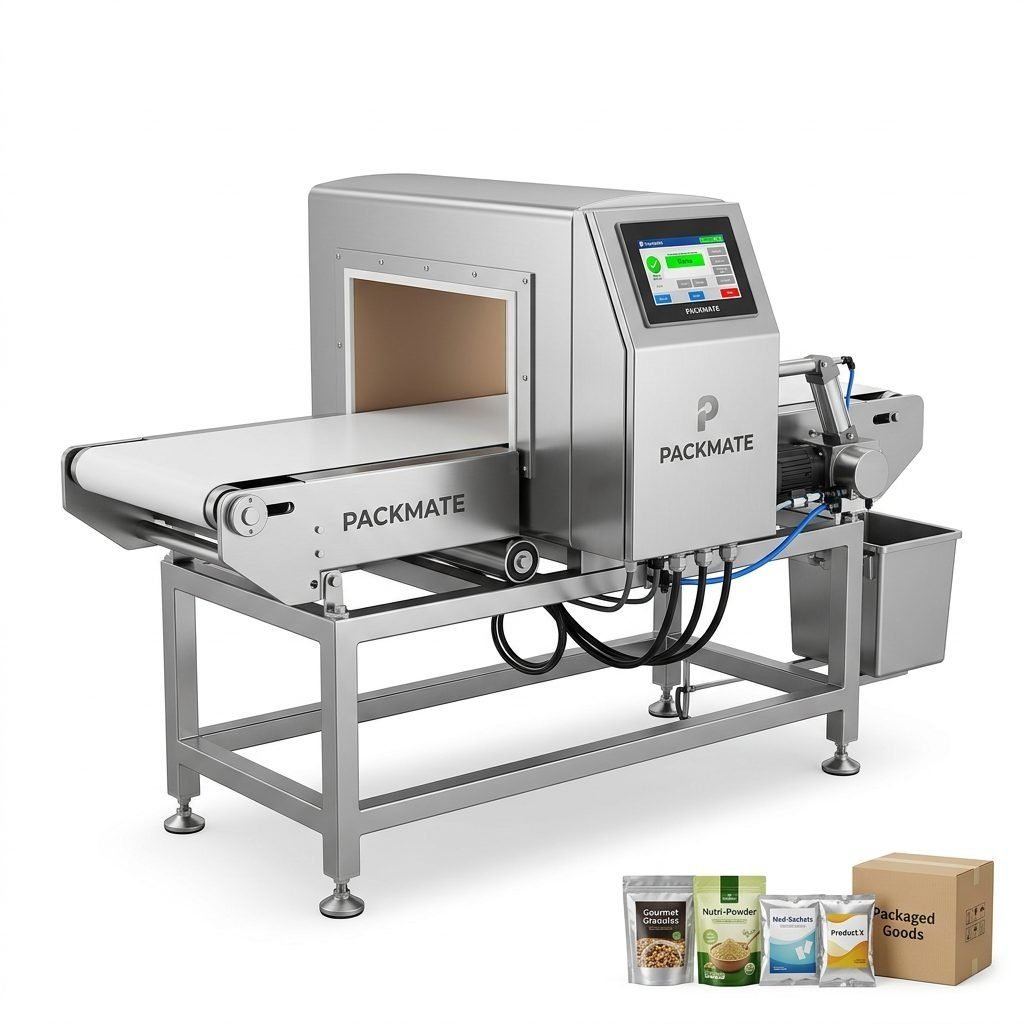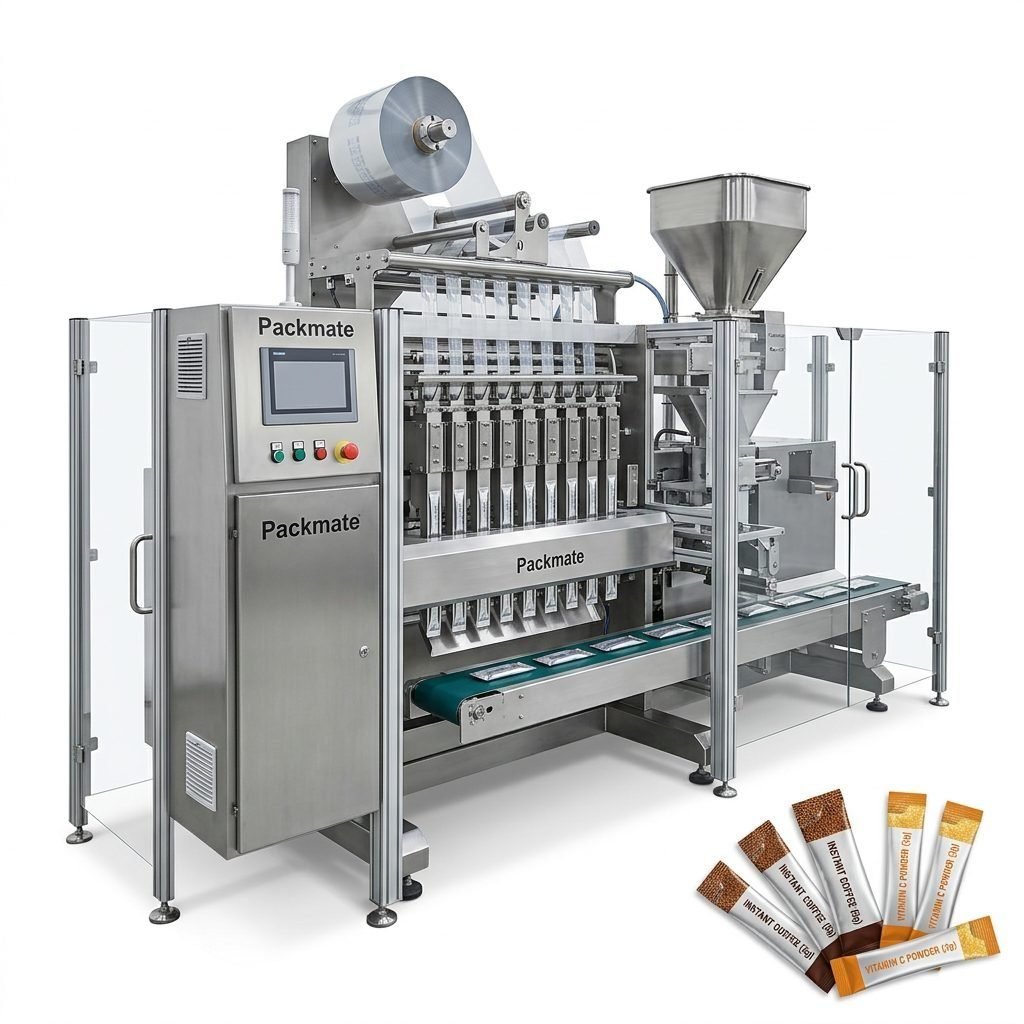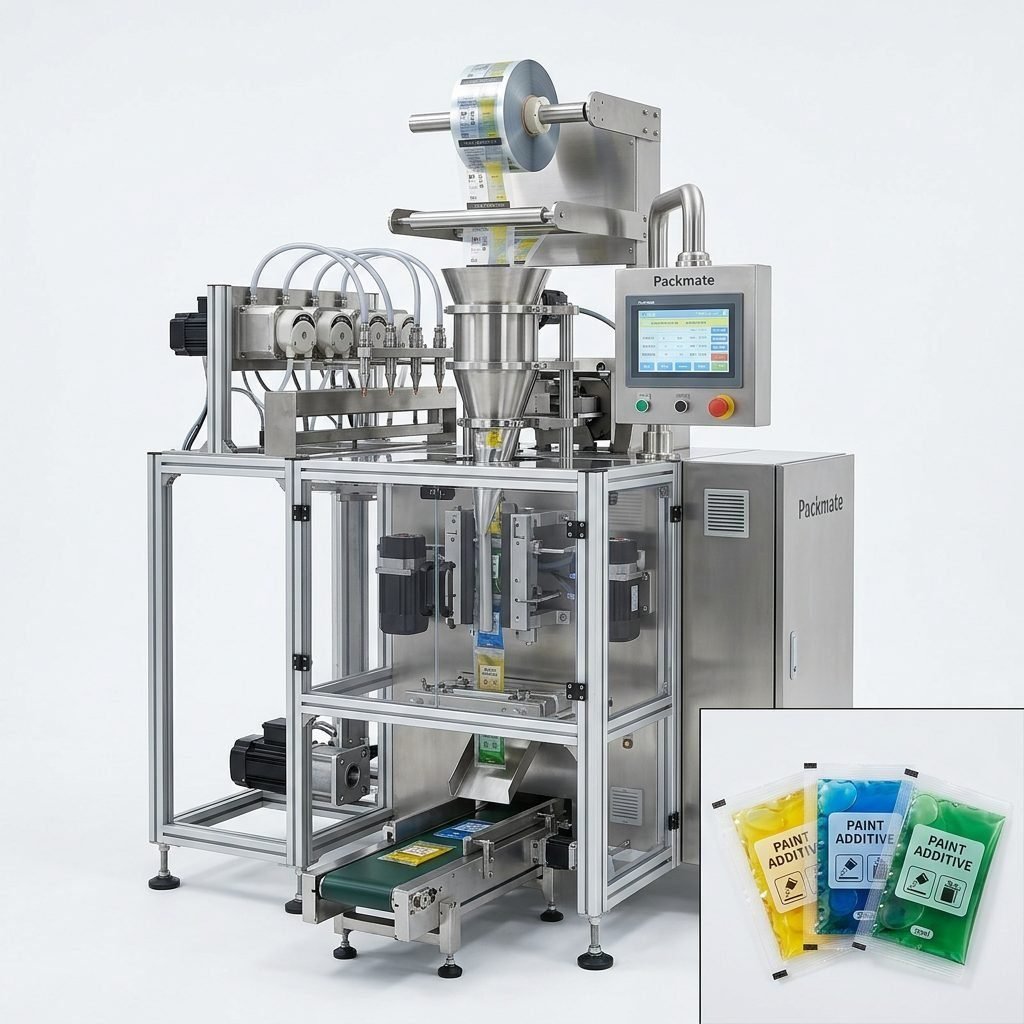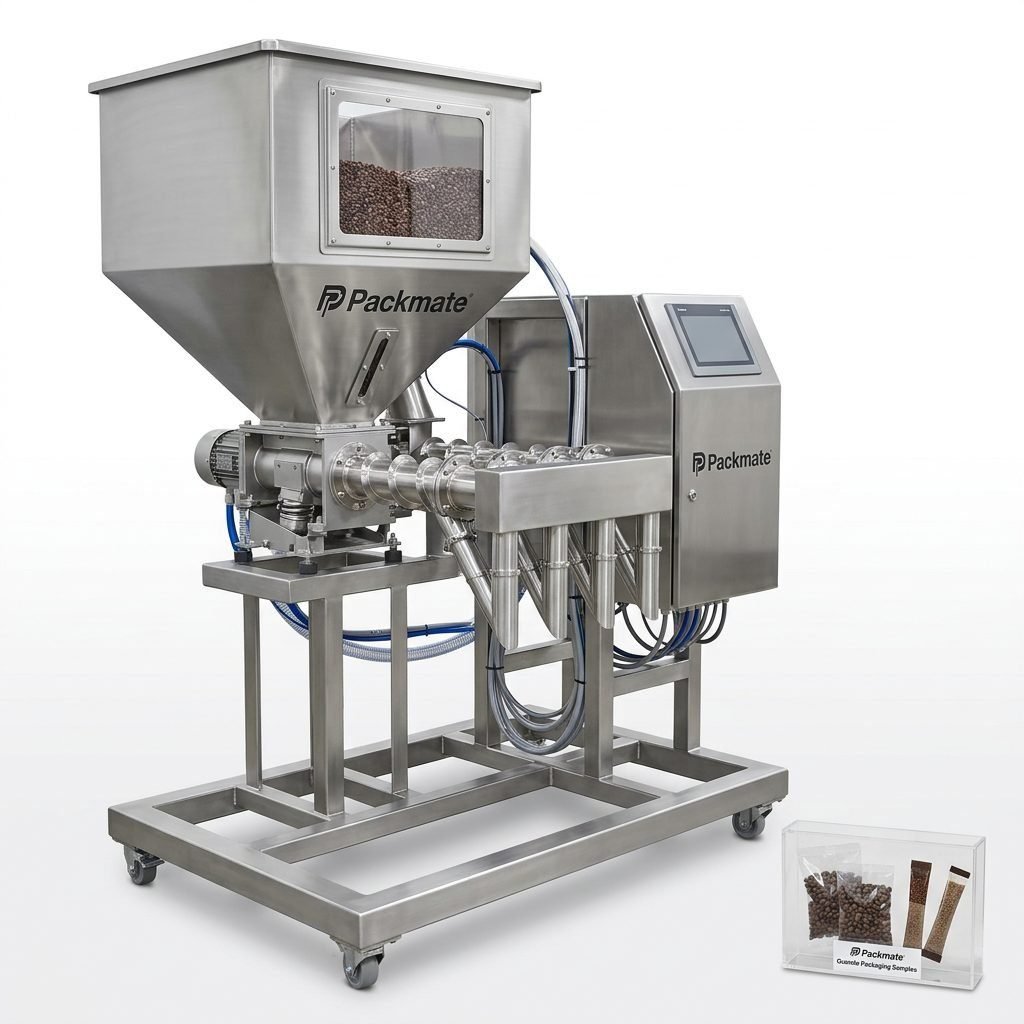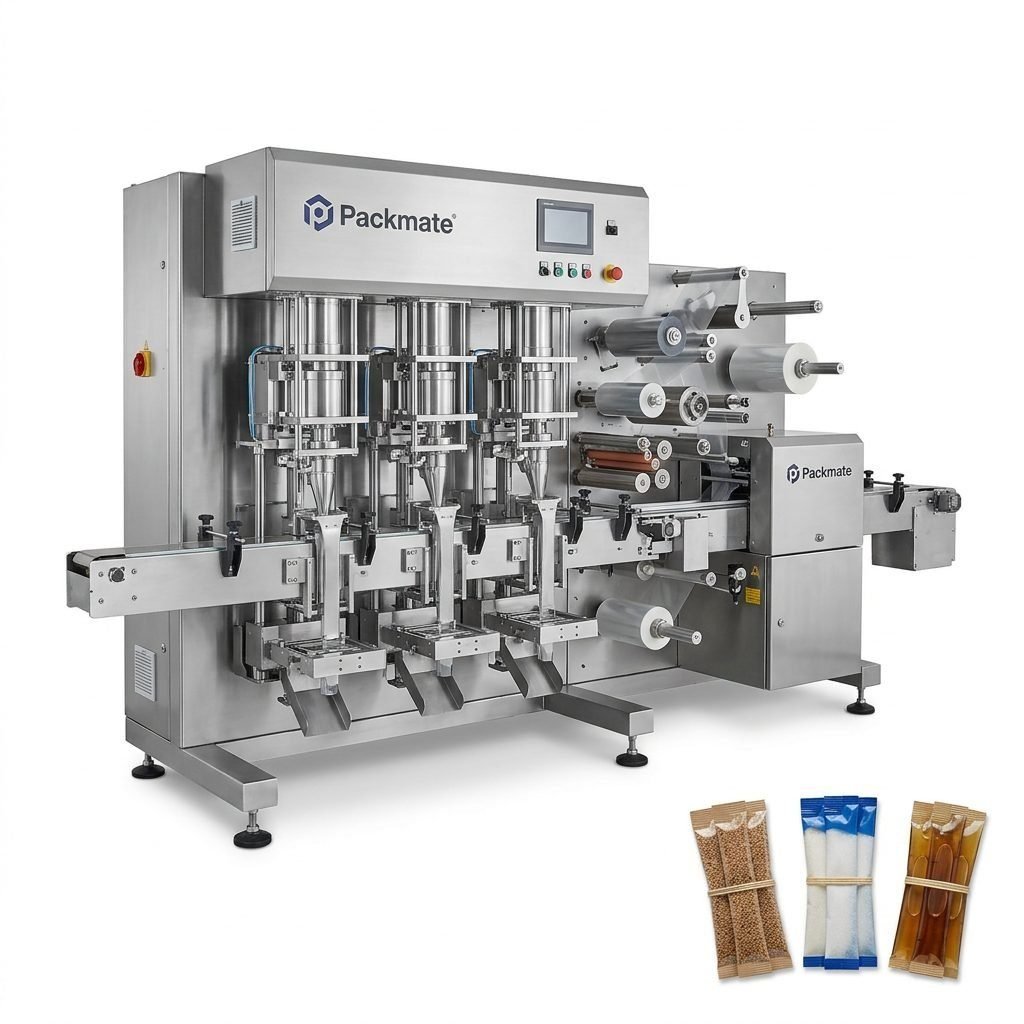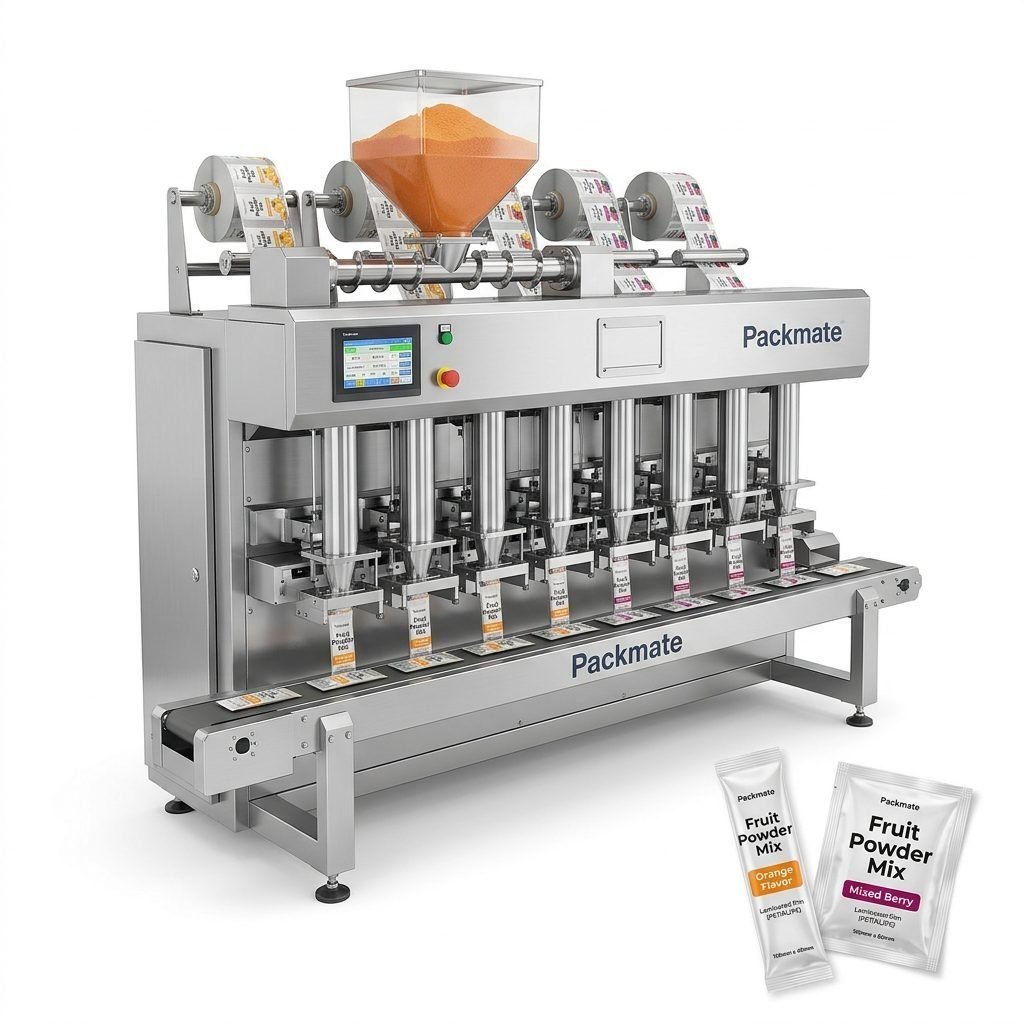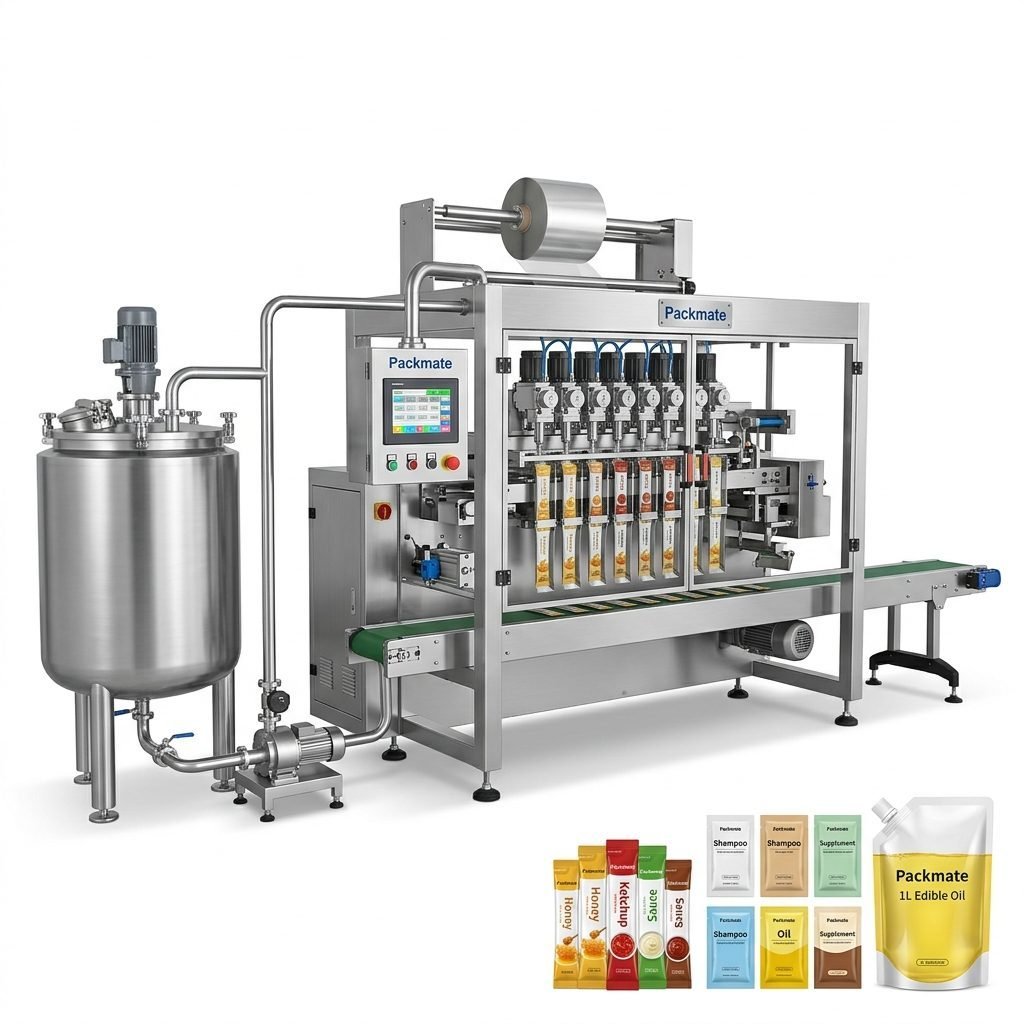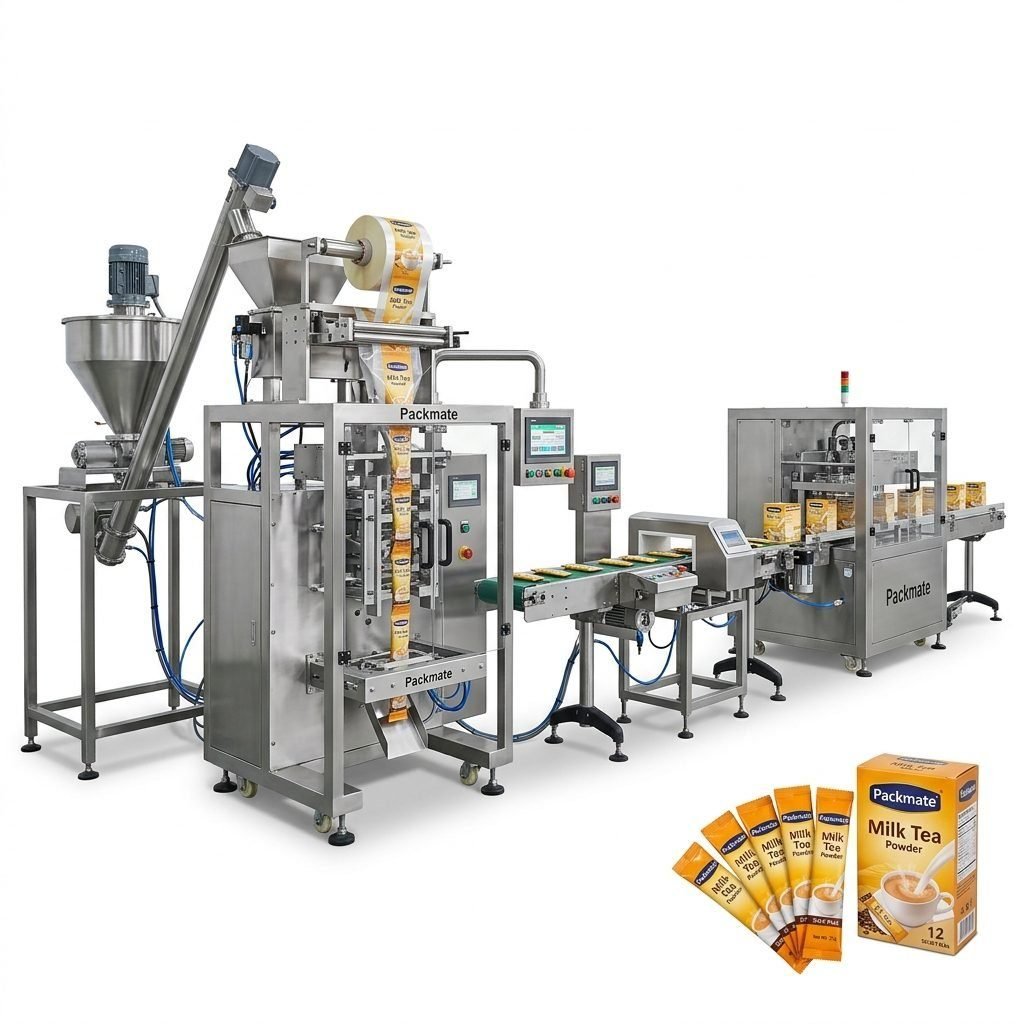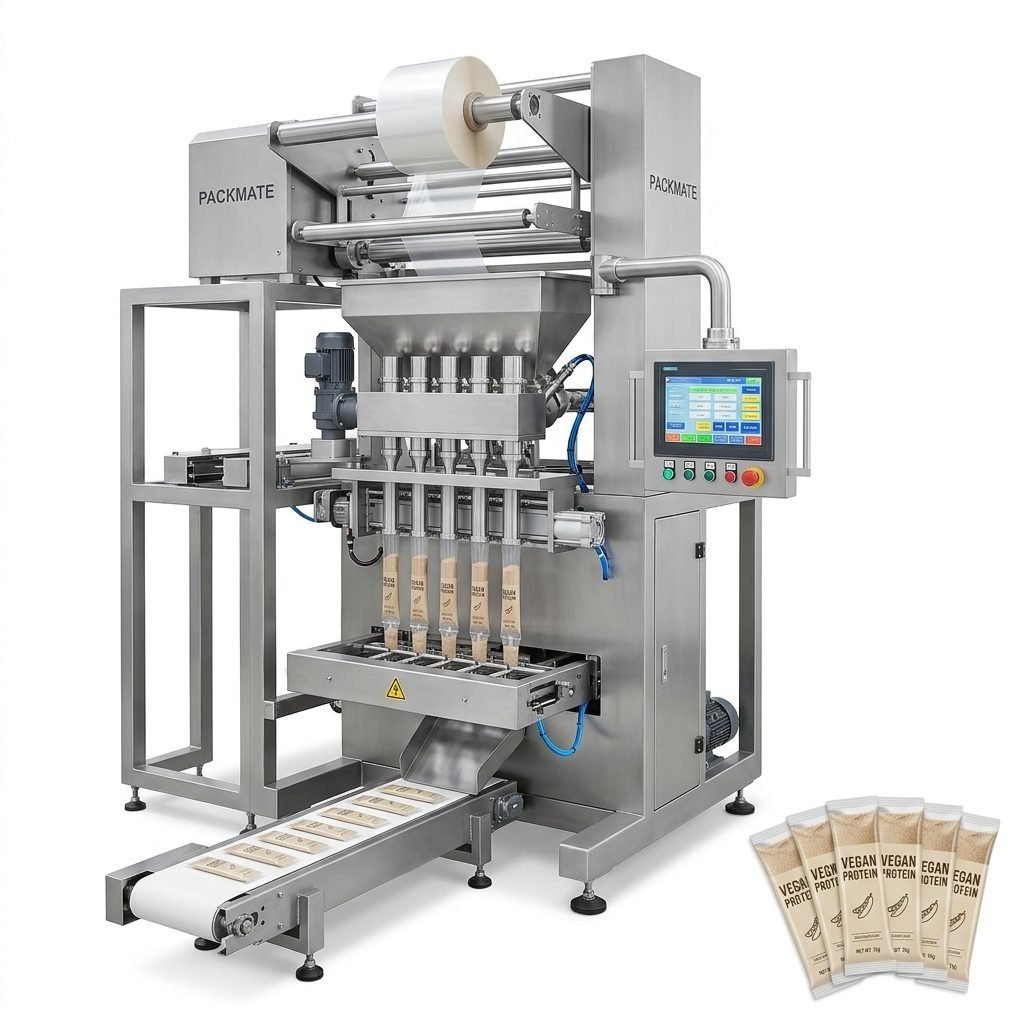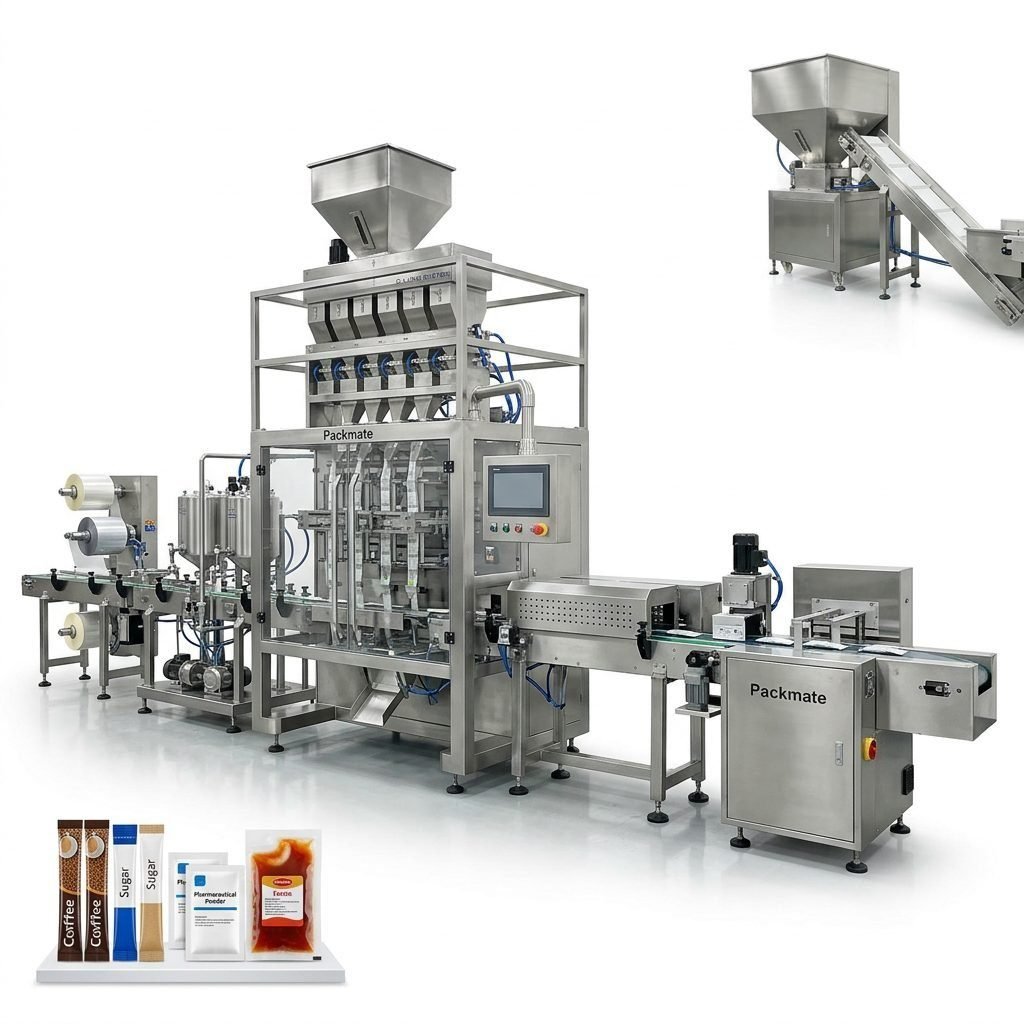
Selecting the right strip packaging machine is a critical decision for manufacturers aiming to enhance efficiency, ensure product integrity, and scale production. With a vast array of models and configurations available from leading global suppliers, making an informed choice requires a clear understanding of your specific needs, product characteristics, and long-term operational goals. This guide will walk you through the key factors to consider, helping you identify the ideal machine for your application.
Understanding Your Product and Packaging Requirements
The first and most crucial step is a thorough analysis of what you are packaging. The physical properties of your product directly dictate the type of machine and its components.
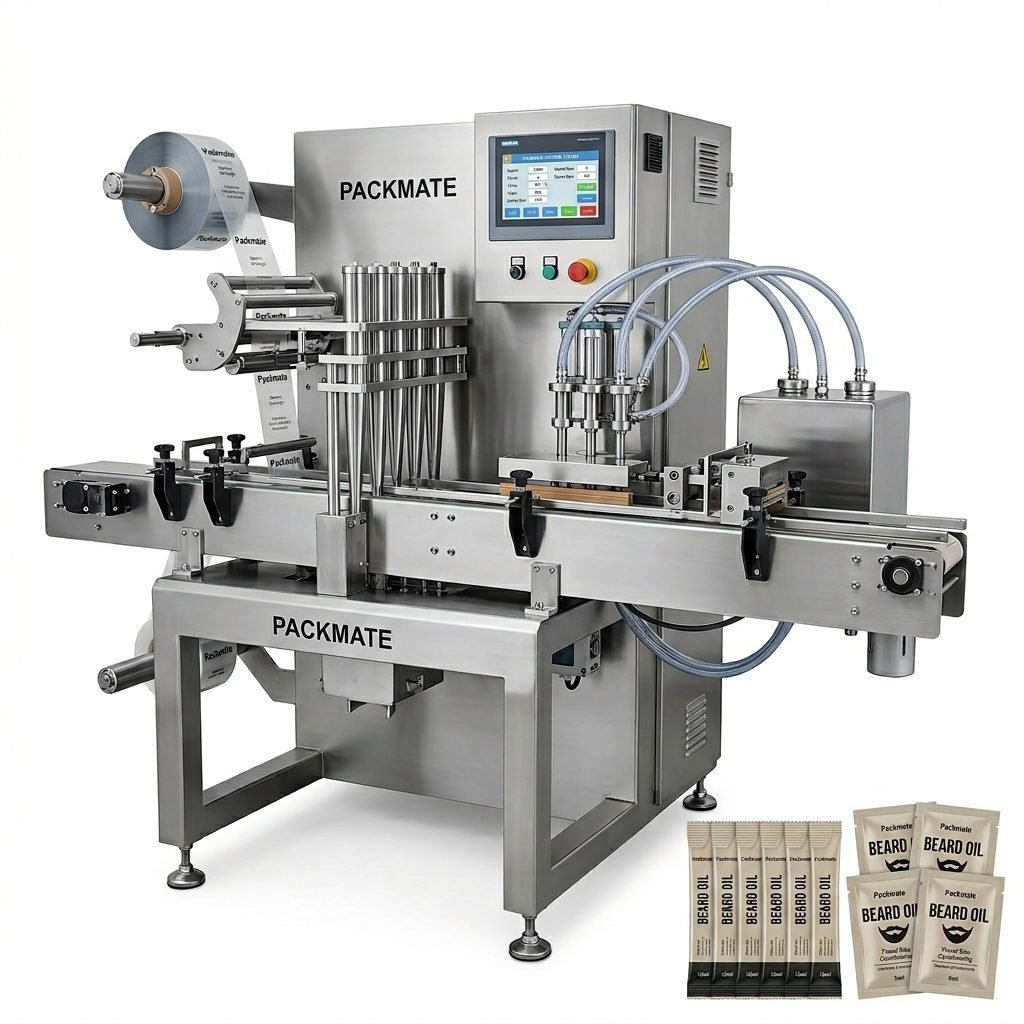
Product Form: Is it a powder, granule, liquid, paste, or a combination? Each form requires different handling systems. For instance, fine, hygroscopic powders need auger fillers with anti-bridging features, while free-flowing granules can use cup or volumetric fillers. Liquids demand precision piston pumps or gravity fillers with drip-free nozzles.
Pouch Specifications: Define your desired pouch format. This includes size (length and width), material (e.g., laminated films, aluminum foil, paper), and seal type (3-side seal, 4-side seal, pillow pack). The machine must be compatible with your film reel and capable of producing a consistent, hermetic seal.
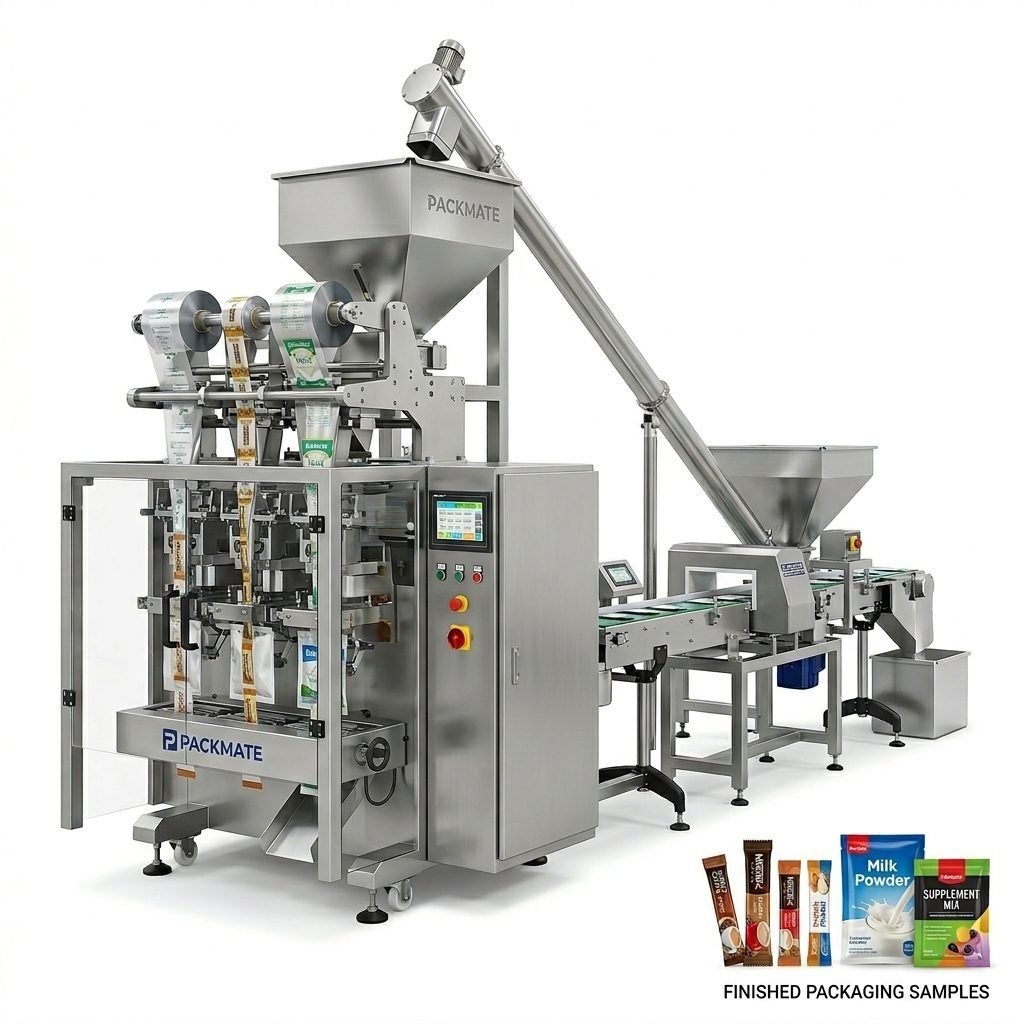
Production Output: Calculate your required speed in pouches per minute (PPM). High-volume operations, common in food and beverage sectors, necessitate multi-lane machines (e.g., 4, 6, 8, or 10 lanes) that can achieve outputs of 200 to over 1000 pouches per minute. Lower-volume or niche product lines might be efficiently served by a single or dual-lane machine.
Key Machine Specifications to Evaluate
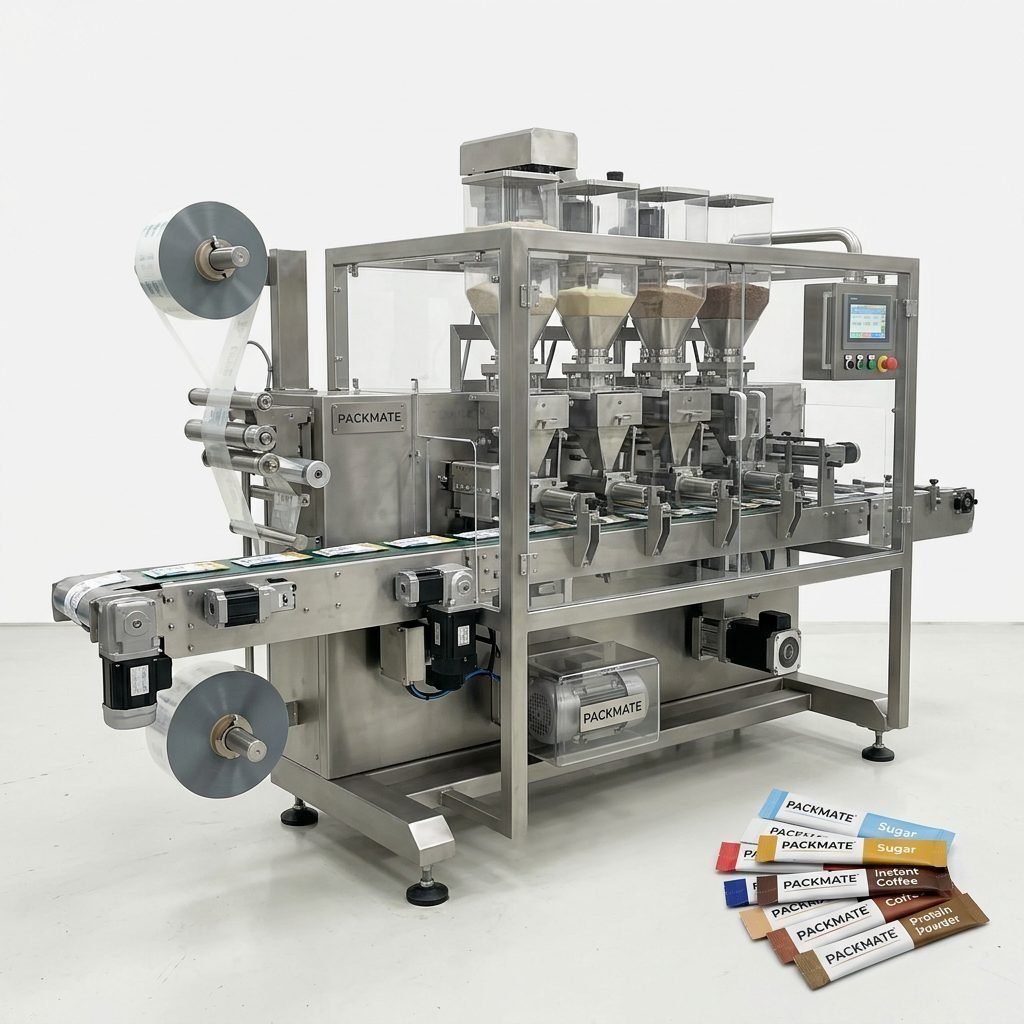
Once your product profile is clear, you can effectively compare machine specifications. Focus on these core technical aspects:
| Specification | What to Look For | Impact on Operation |
|---|---|---|
| Filling System | Auger, volumetric cup, piston pump, weigh scale (linear or multi-head). | Determines dosing accuracy, speed, and suitability for product type. Weigh scales offer the highest precision (±0.5-1%) for premium products. |
| Sealing System | Heated jaw design, temperature control, cooling system. | Ensures strong, leak-proof seals. Look for consistent temperature across all jaws and durable, non-stick coatings for clean operation. |
| Frame & Construction | Stainless steel (304 or 316 grade), aluminum, rigidity. | Affects hygiene, durability, and machine stability during high-speed operation. Food and pharmaceutical applications require food-grade stainless steel. |
| Control System | PLC (Programmable Logic Controller) with HMI (Human-Machine Interface). | Enables easy recipe storage, parameter adjustment, fault diagnostics, and integration with factory networks (Industry 4.0). |
| Changeover Time | Tool-less adjustments, quick-release mechanisms for forming tubes, fillers, and sealing jaws. | Directly impacts production flexibility and downtime when switching between different pouch sizes or products. |
Considering Integration and Future Expansion
Your strip pack machine should not be an island. Consider how it fits into your current and future production ecosystem.
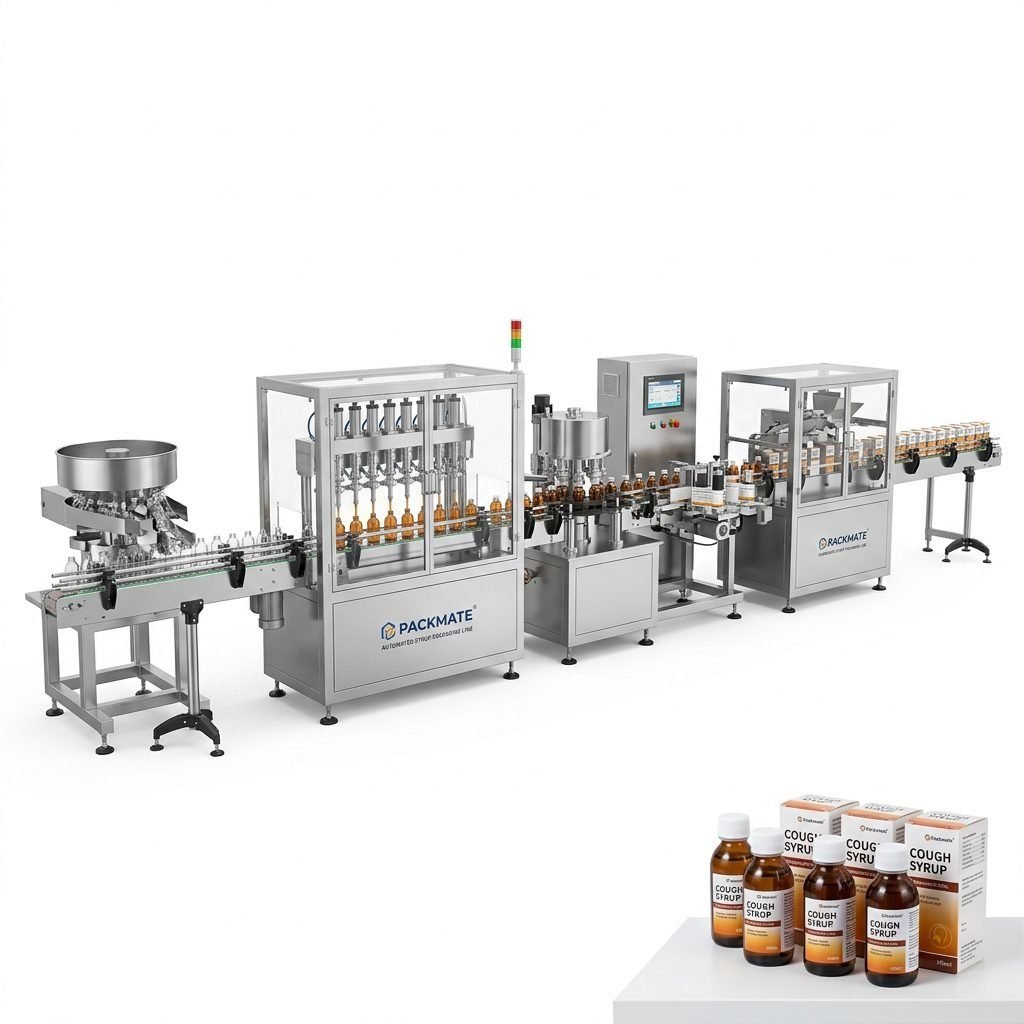
Standalone vs. Turnkey Line: Will the machine operate alone, or will it be part of an integrated line? For complex operations, partnering with a manufacturer like Ludyway or PacklineOEM that specializes in turnkey solutions can ensure seamless integration with upstream equipment (mixers, feeders) and downstream systems (cartoners, case packers, palletizers).
Automation Level: Evaluate the need for automated features like vision inspection systems for missing seals or fill levels, automatic film splicing for uninterrupted production, and robotic pick-and-place for secondary packaging. These features reduce labor and improve quality control.
Scalability: If you anticipate growth, consider a machine platform that allows for upgrades. Can a single-lane machine be converted to multi-lane? Can the control system handle additional modules? Choosing a supplier with a broad portfolio, such as Packmate Machinery, provides options for future expansion.
Supplier Selection: Beyond the Machine Specs
The manufacturer’s reputation and support are as important as the machine itself. Key considerations include:
Experience and Specialization: Does the supplier have a proven track record in your specific industry? For example, SnusMachinery has deep expertise in nicotine pouch packaging, understanding the unique sealing and compliance requirements. A generalist may not offer the same application insight.
Technical Support and Spare Parts: Assess the availability of after-sales service, training for your operators, and the lead time for critical spare parts. A supplier with a strong global service network minimizes potential downtime.
Customization Capability: If your product or process is non-standard, a supplier’s ability to customize is vital. Companies like PackingMachineOEM focus on tailored engineering solutions for unique challenges.
Budgeting and Total Cost of Ownership (TCO)
While the initial purchase price is a significant factor, the Total Cost of Ownership provides a more accurate financial picture over the machine’s lifespan.
- Initial Investment: Includes the machine, essential spare parts kit, shipping, and installation.
- Operational Costs: Energy consumption, compressed air usage, packaging film waste during setup, and routine maintenance supplies.
- Labor Costs: A highly automated machine with easy changeovers may require fewer operators, reducing long-term labor expenses.
- Downtime Cost: A reliable machine from a reputable supplier with quick service support minimizes costly production stoppages.
Investing in a robust, well-supported machine from an established manufacturer often yields a lower TCO than opting for a cheaper, less capable alternative.
Final Steps: Testing and Validation
Before finalizing your purchase, insist on a factory acceptance test (FAT) or a performance test using your actual product and packaging materials. This is the only way to verify:
Filling Accuracy: Does the machine consistently meet your weight/volume tolerances?
Seal Integrity: Are the seals strong, uniform, and leak-proof under real-world conditions?
Operational Speed: Can it achieve the promised output with your specific product?
Ease of Use: Is the interface intuitive for your team? Is changeover as quick as claimed?
This hands-on validation mitigates risk and ensures the machine will perform as expected in your facility.
Frequently Asked Questions (FAQs)
Q: What is the typical lead time for a new strip packaging machine?
A: Lead times vary widely based on complexity and customization. For standard models, expect 8-16 weeks. For fully customized or turnkey lines, it can range from 16 to 30 weeks or more.
Q: How often does a strip pack machine require maintenance?
A: Daily cleaning and visual checks are essential. Scheduled preventive maintenance (lubrication, part inspection) should be performed weekly, monthly, and annually as per the manufacturer’s manual to ensure longevity and prevent unplanned downtime.
Q: Can one machine handle both powder and liquid products?
A: Some versatile models are designed with interchangeable filling systems (e.g., swapping an auger for a piston pump). However, extensive product changeovers, especially between dry and wet products, require thorough cleaning and validation to prevent cross-contamination.
Q: What is the difference between a stick pack and a sachet machine?
A: The core technology is very similar. The primary difference is the pouch shape. “Stick pack” typically refers to long, narrow, upright pouches, while “sachet” is a broader term for small, flat packets. Many modern machines are capable of producing both formats with simple adjustments to the forming collar and sealing jaw configuration.
Q: Is operator training included with the machine purchase?
A: Reputable suppliers almost always include basic operator and maintenance training, either at their factory during the FAT or at your site during installation. The scope and duration should be clearly defined in the purchase agreement.