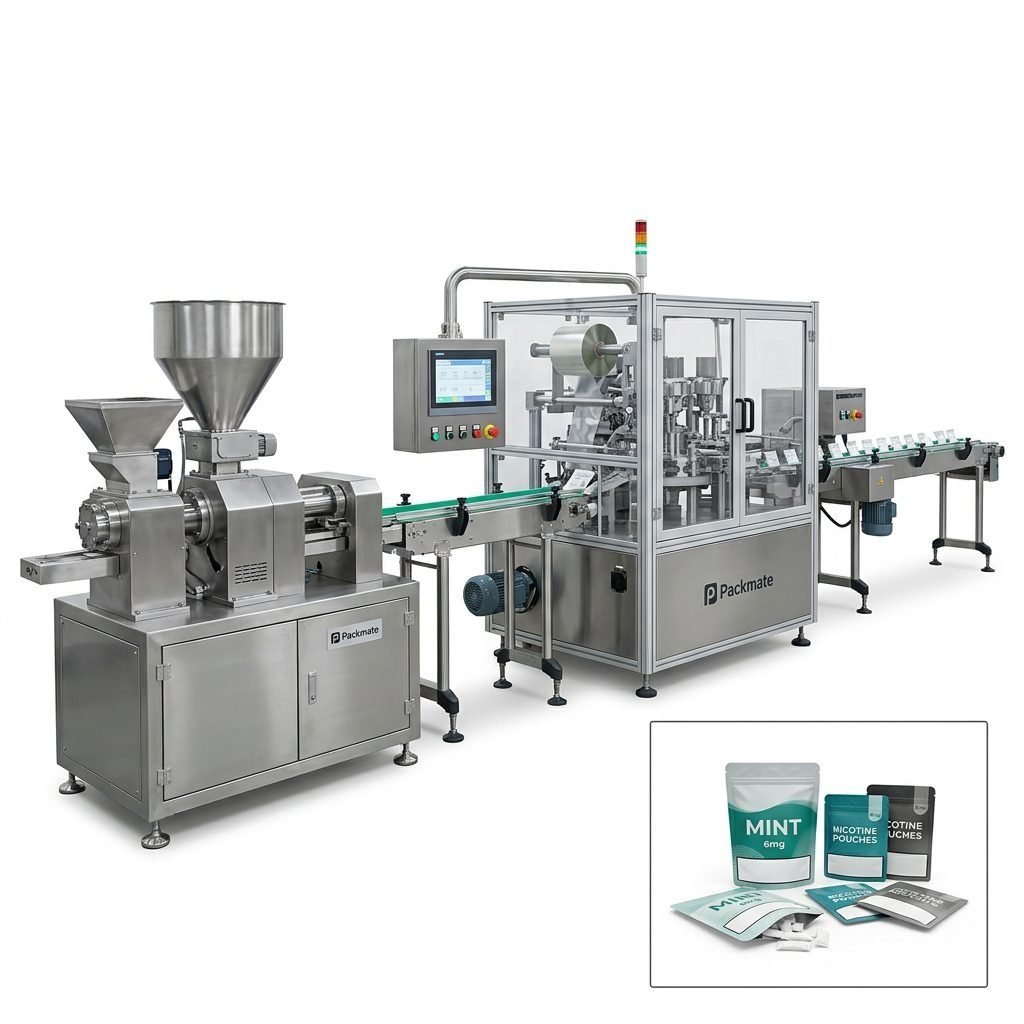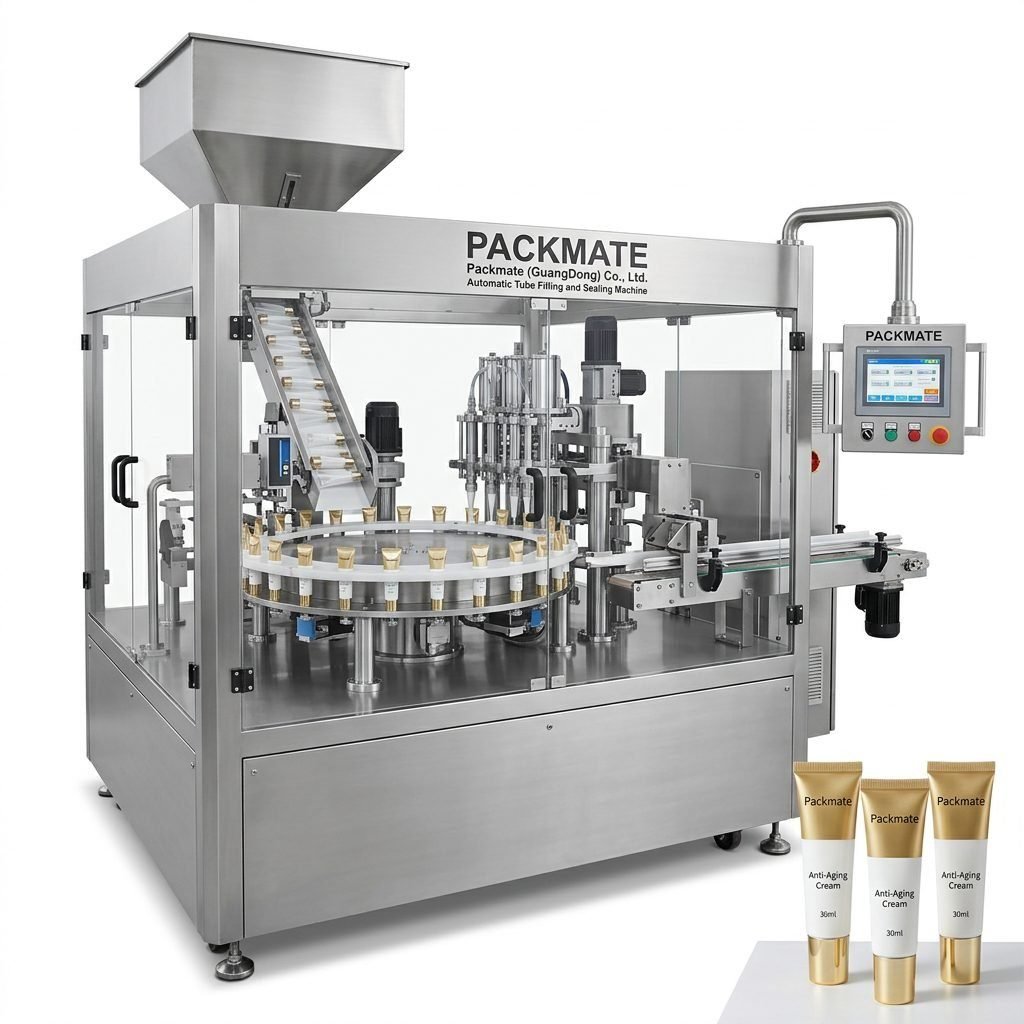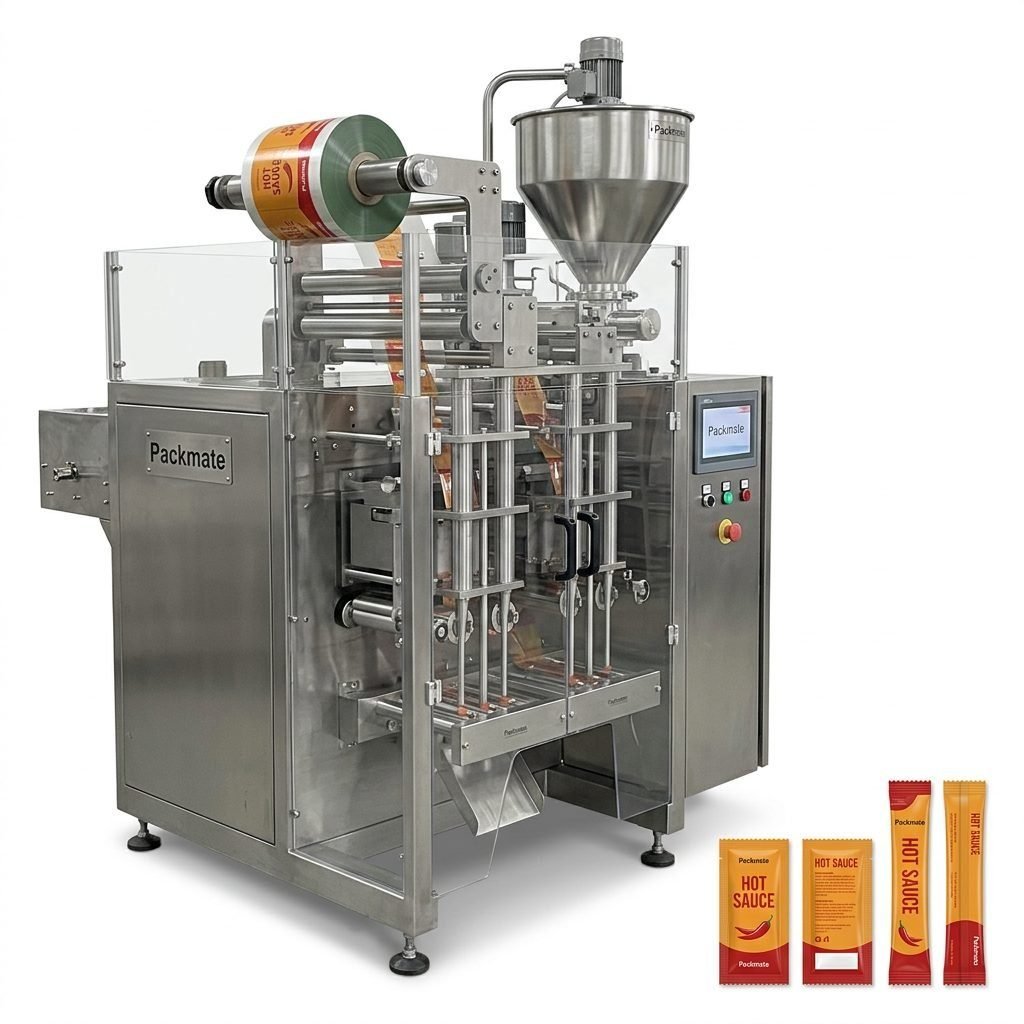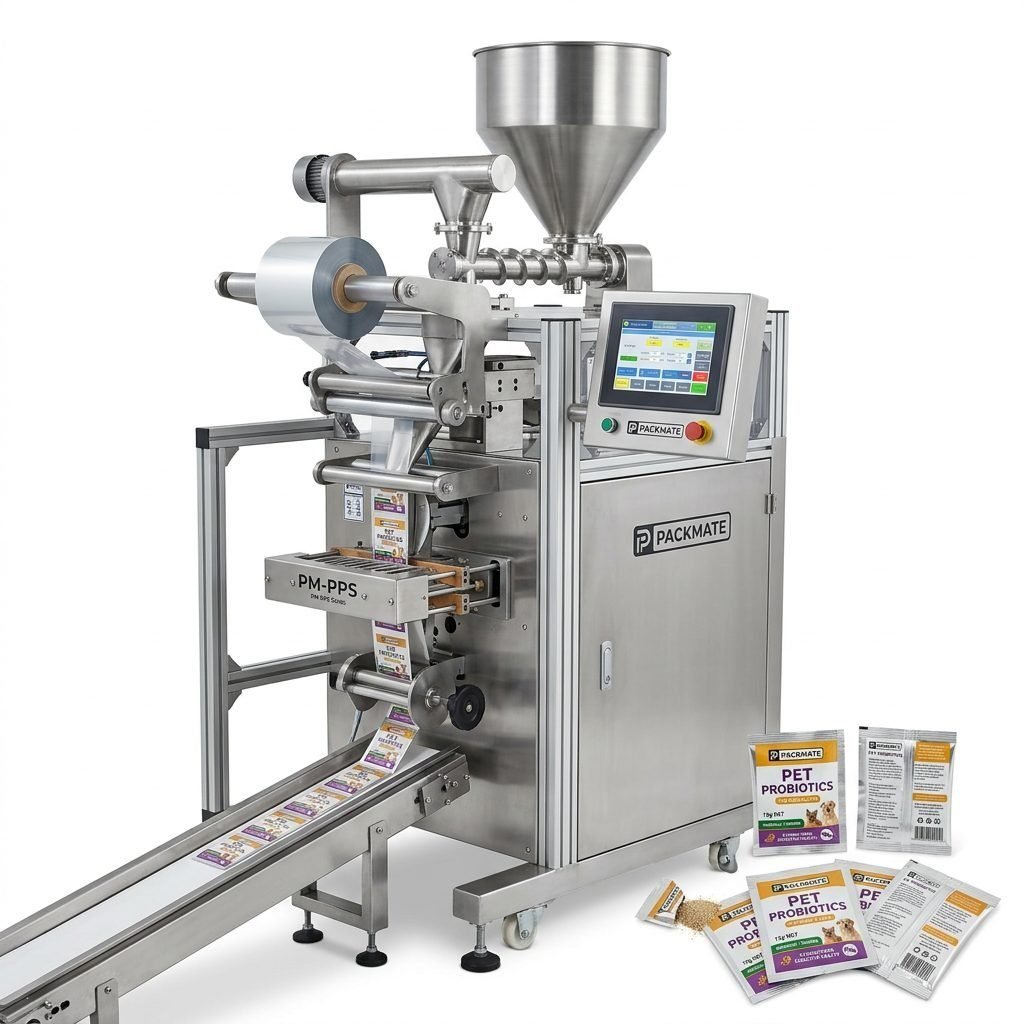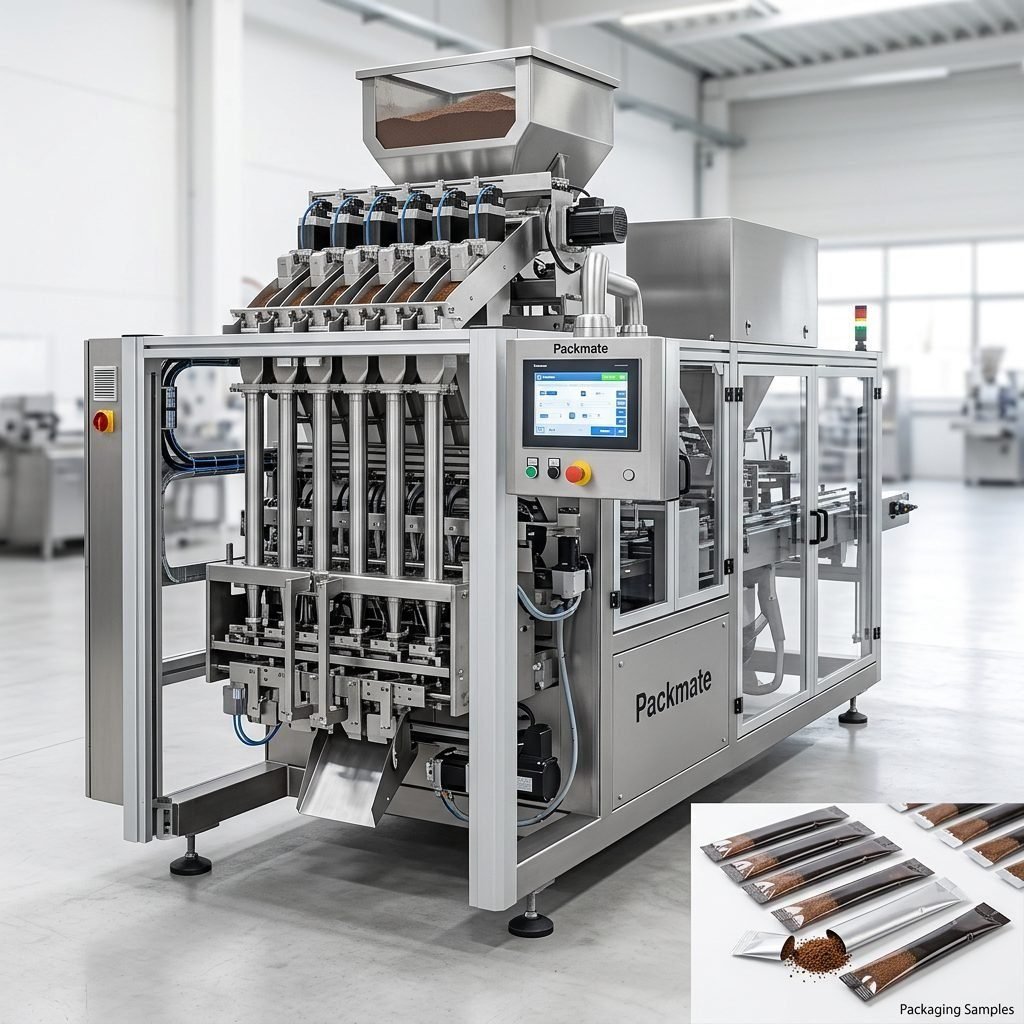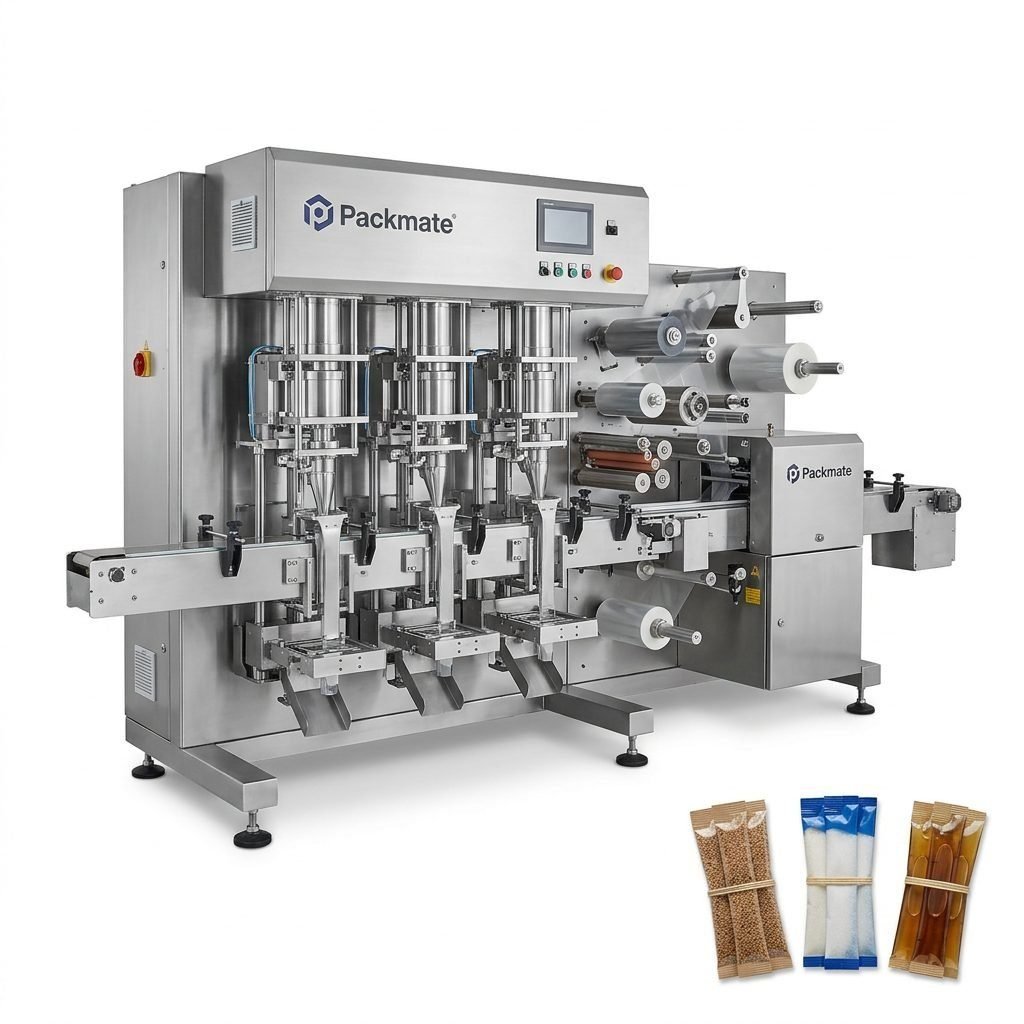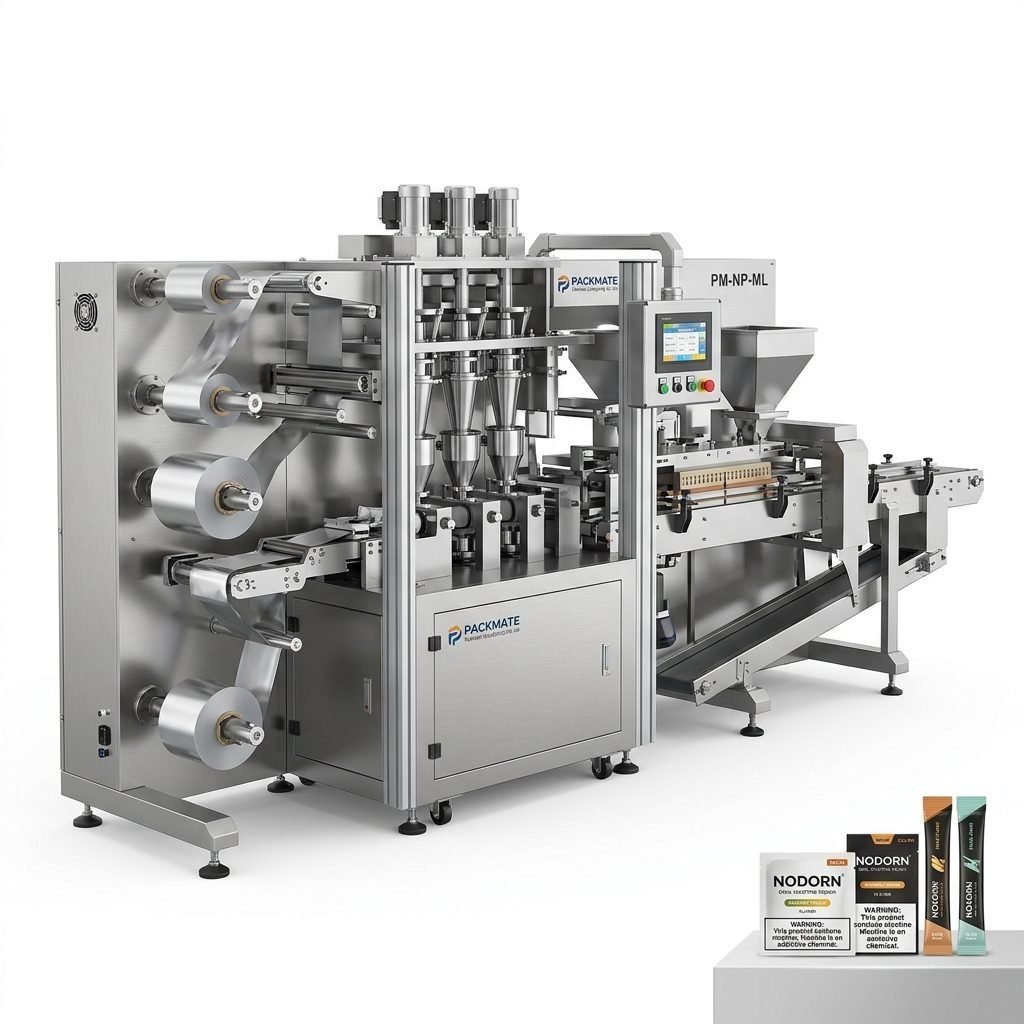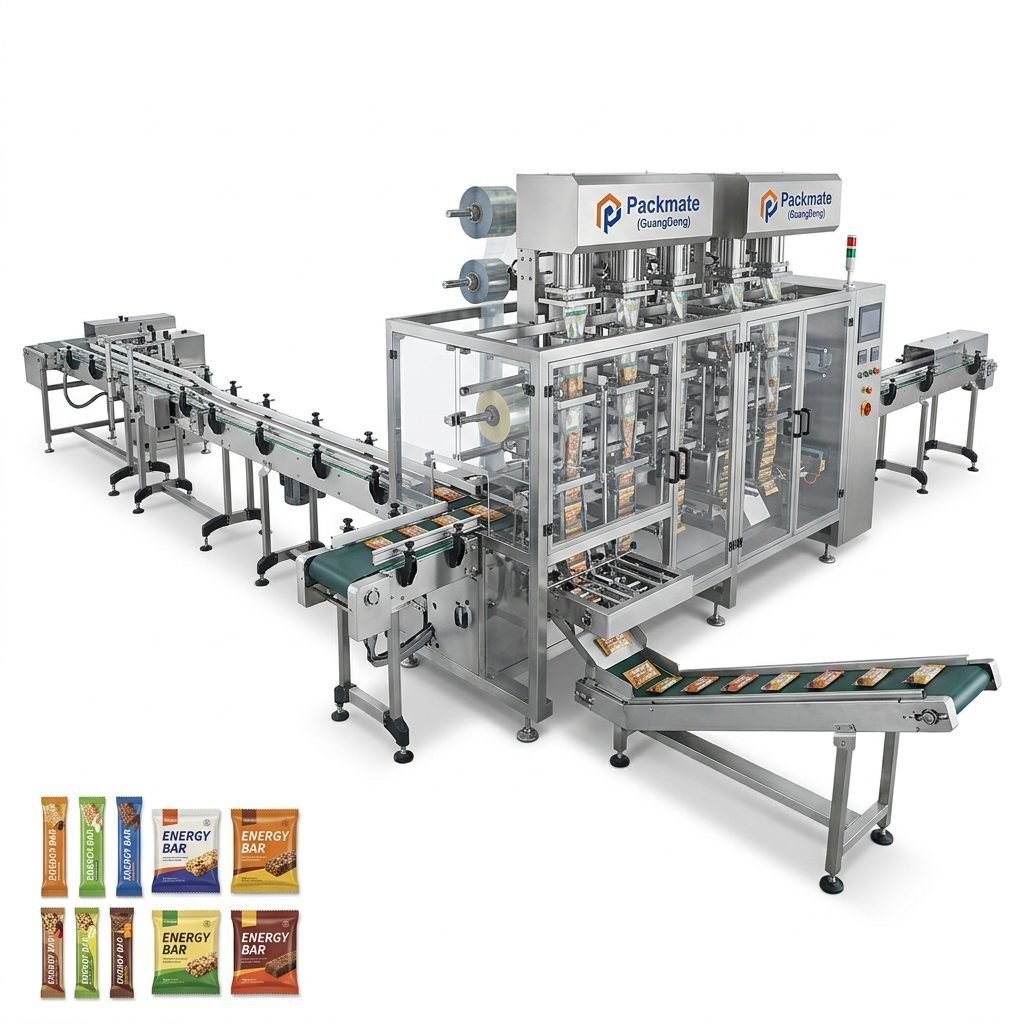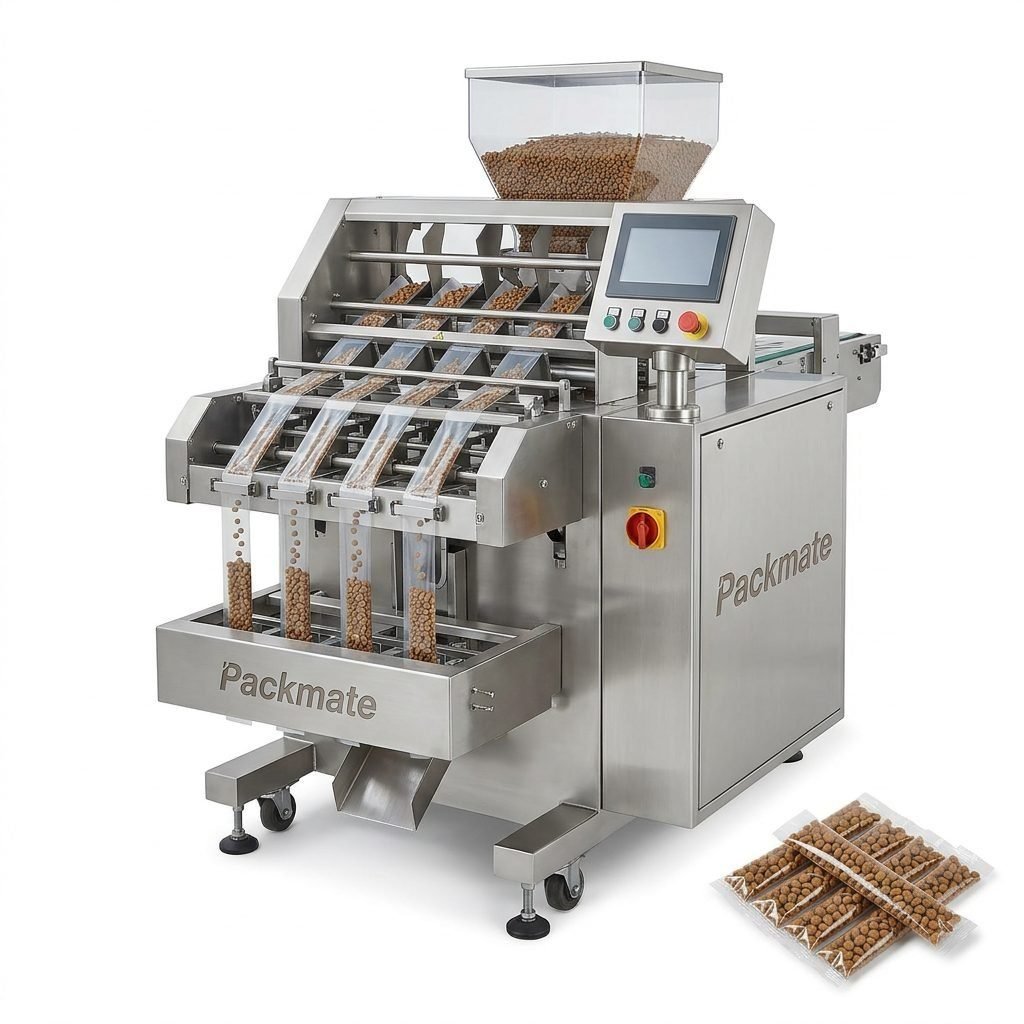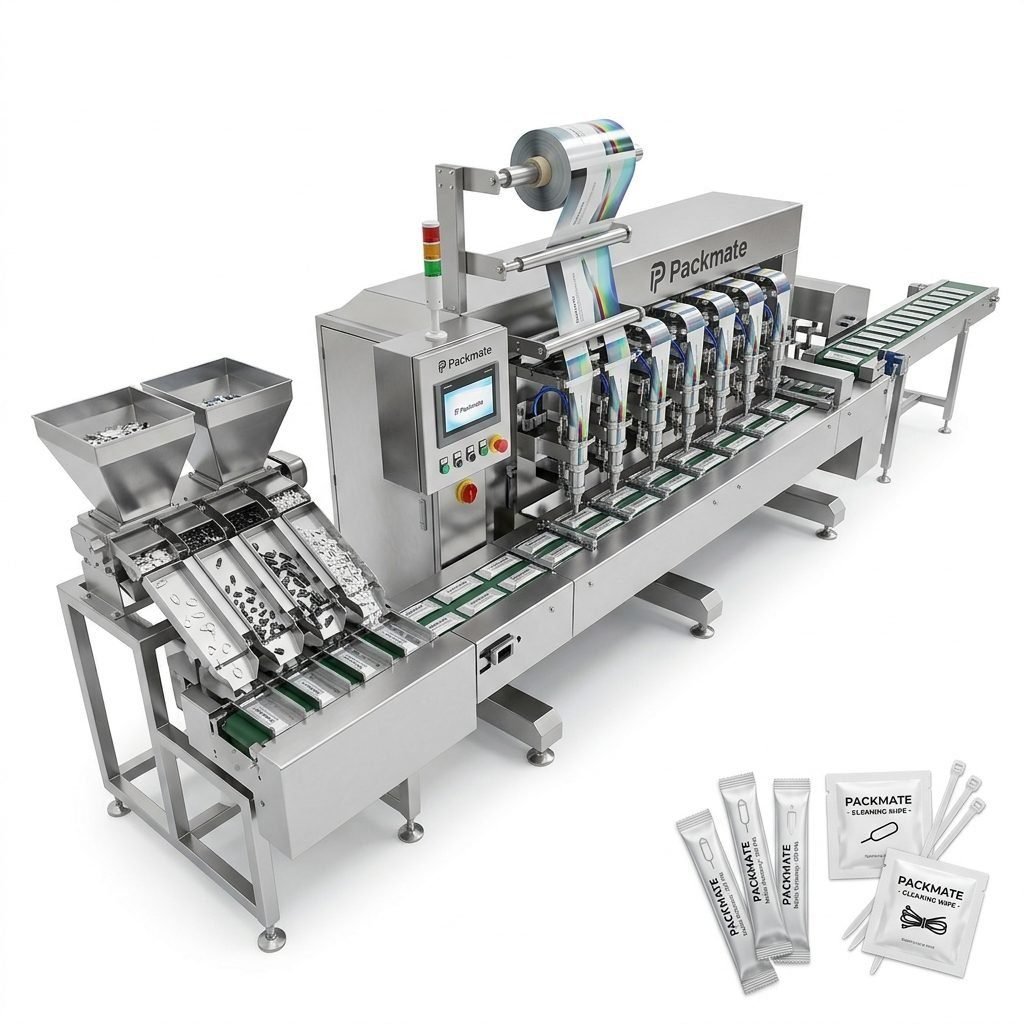
Selecting the right water bag filling machine is a critical decision for any business involved in liquid packaging. Whether you’re bottling beverages, sauces, edible oils, or pharmaceuticals, the efficiency, accuracy, and reliability of your filling line directly impact your product quality, operational costs, and bottom line. This guide provides a comprehensive look at how to choose, set up, and optimize a water bag filling machine for peak performance.
Step 1: Defining Your Requirements for Selection
The first and most crucial step is to clearly define your production needs. This prevents over-investing in unnecessary features or under-specifying a machine that can’t keep up.
Key factors to consider include:
- Product Viscosity: Is it water-thin, a viscous syrup, or an oil? This determines the filling principle (e.g., gravity, piston, pump).
- Bag/Pouch Material and Size: The machine must be compatible with your film type (e.g., PE, PET/AL/PE) and bag dimensions (length, width, seal width).
- Production Speed (Output): Calculate your required bags per minute (BPM) based on your daily/weekly targets.
- Filling Accuracy: What is the acceptable tolerance for your fill volume? High-value products demand higher precision.
- Automation Level: Do you need a semi-automatic, fully automatic, or integrated turnkey line with feeding, filling, sealing, and cartoning?
- Hygienic/Sanitary Requirements: Food-grade (SS304) or pharmaceutical-grade (SS316L) construction for easy cleaning and compliance.
Understanding Filling Technologies
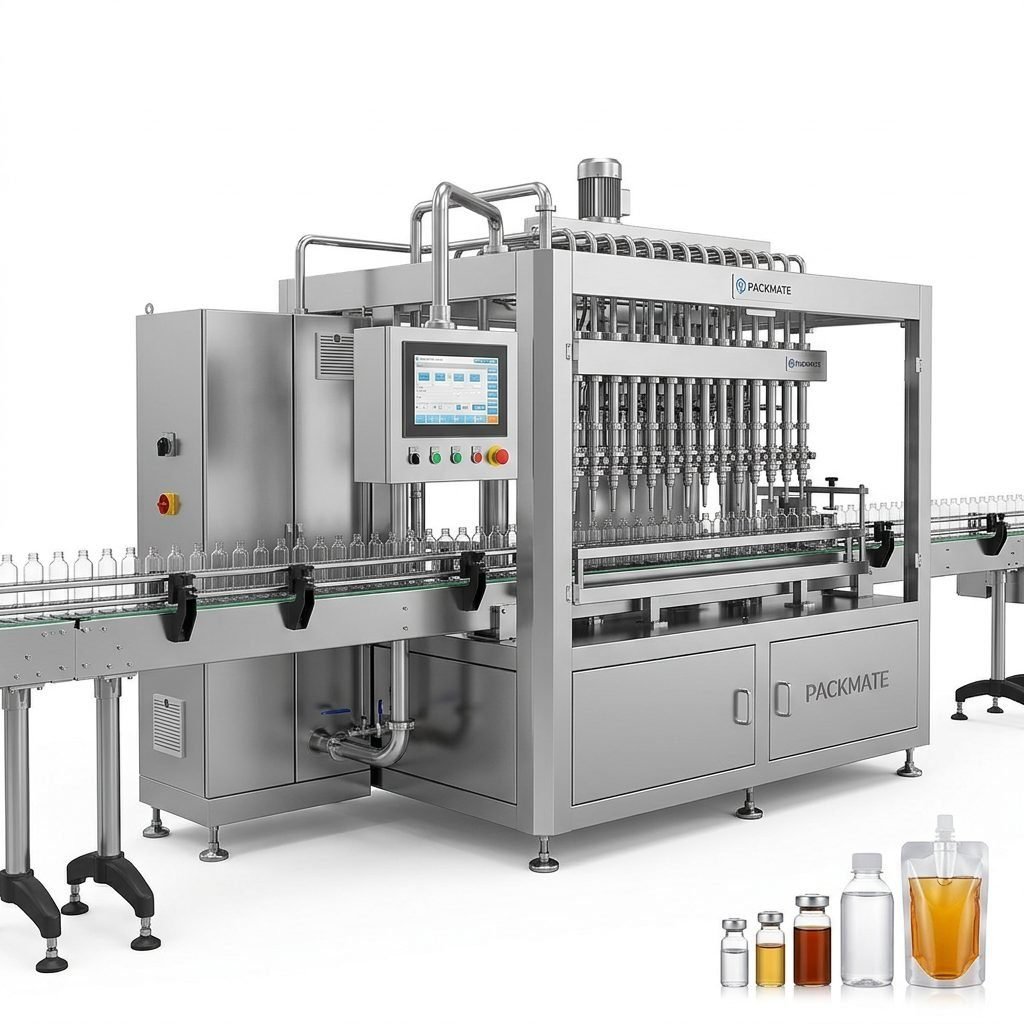
Different liquid products require different filling methods. For water and other free-flowing, low-viscosity liquids, volumetric filling (piston or pump-based) is most common due to its speed and accuracy. For thicker products like pastes or creams, a piston filler or auger filler might be necessary.
Step 2: Machine Setup and Installation
Proper setup is foundational for reliable operation. A poorly installed machine will lead to constant downtime, leaks, and sealing failures.
Critical Setup Checklist:
- Site Preparation: Ensure the floor is level, power supply (voltage, phase) matches the machine’s requirements, and there is access to clean compressed air and water if needed.
- Uncrating and Positioning: Carefully move the machine into place using appropriate equipment. Avoid dragging or tilting.
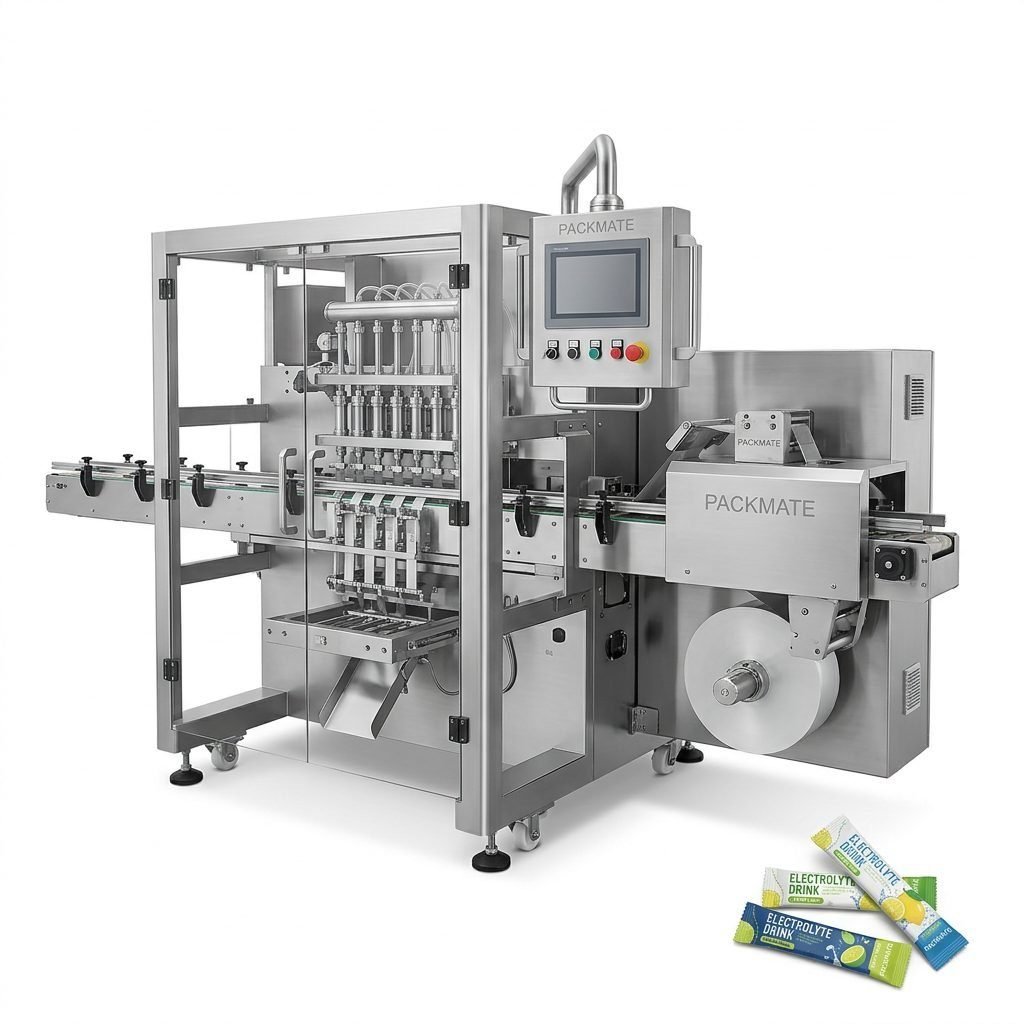
- Mechanical Assembly: Follow the manufacturer’s manual to install hoppers, filling nozzles, conveyor systems, and film unwinders.
- Electrical & Pneumatic Connections: Connect all power and air lines securely. Use regulators and filters for pneumatic systems to ensure clean, dry air.
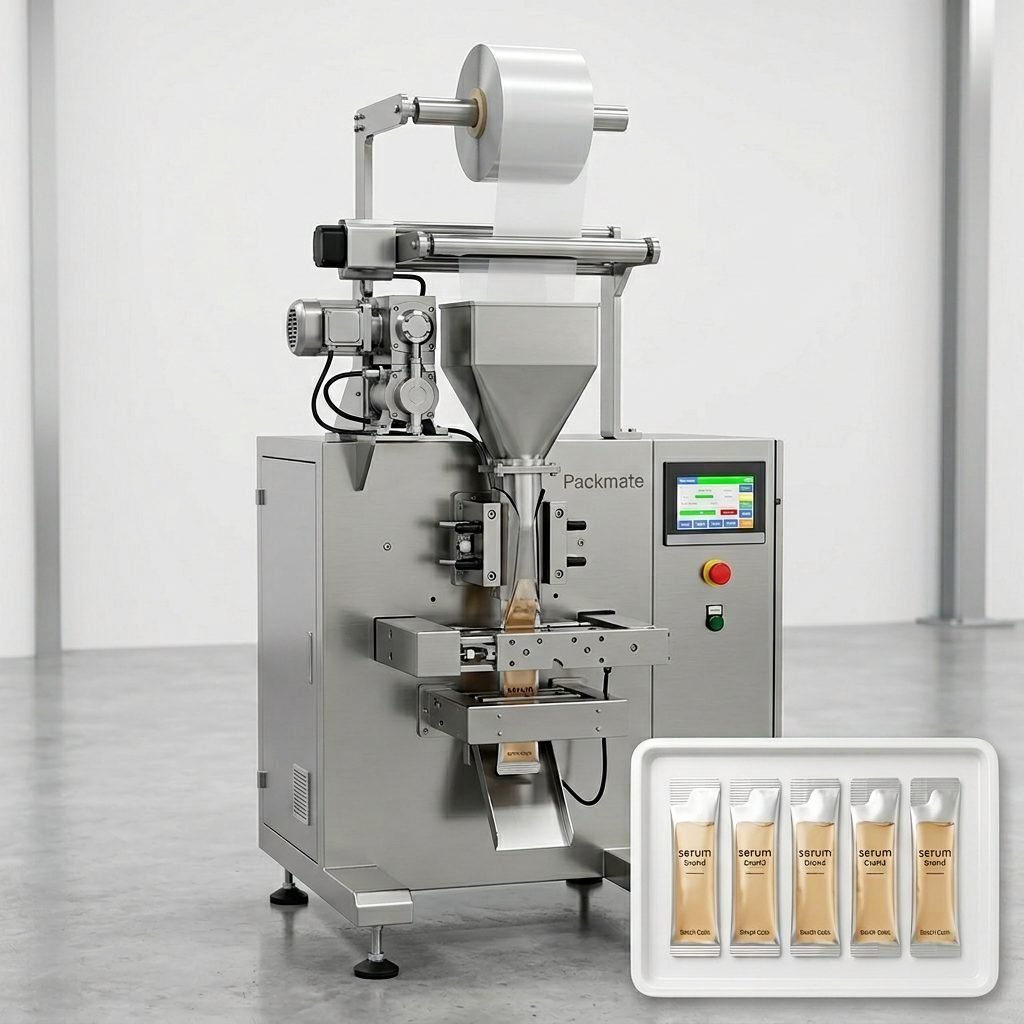
- Film Path Alignment: This is critical for bag forming. Precisely thread the film roll through the guides, forming tube, and sealers to avoid wrinkles and misalignment.
- Software & HMI Configuration: Input parameters like bag length, fill volume, sealing temperature, and production speed into the machine’s Human-Machine Interface (HMI).
Initial Calibration and Test Run
Before full production, run a series of tests with your actual film and a product simulant (like water). Adjust the forming system, check fill volumes with a scale, and fine-tune sealing temperature and pressure. Record the optimal settings for future reference.
Step 3: Optimization for Maximum Efficiency
Once the machine is running, continuous optimization is key to boosting productivity and reducing waste.
| Area to Optimize | Action & Benefit |
|---|---|
| Changeover Time | Implement quick-change tooling for filling nozzles and forming parts. Use recipe storage on the HMI to save settings for different products. |
| Material Waste | Optimize film tracking and tension control. Use photo-electric sensors to minimize film waste during start/stop cycles. Regularly audit fill accuracy. |
| Seal Integrity | Monitor and adjust sealing temperature, pressure, and dwell time based on film type and ambient conditions. Perform regular seal peel tests. |
| Preventive Maintenance (PM) | Stick to a strict PM schedule: lubricate moving parts, check pneumatic filters, inspect and clean sealing jaws, and calibrate sensors. |
Integrating with Upstream and Downstream Equipment
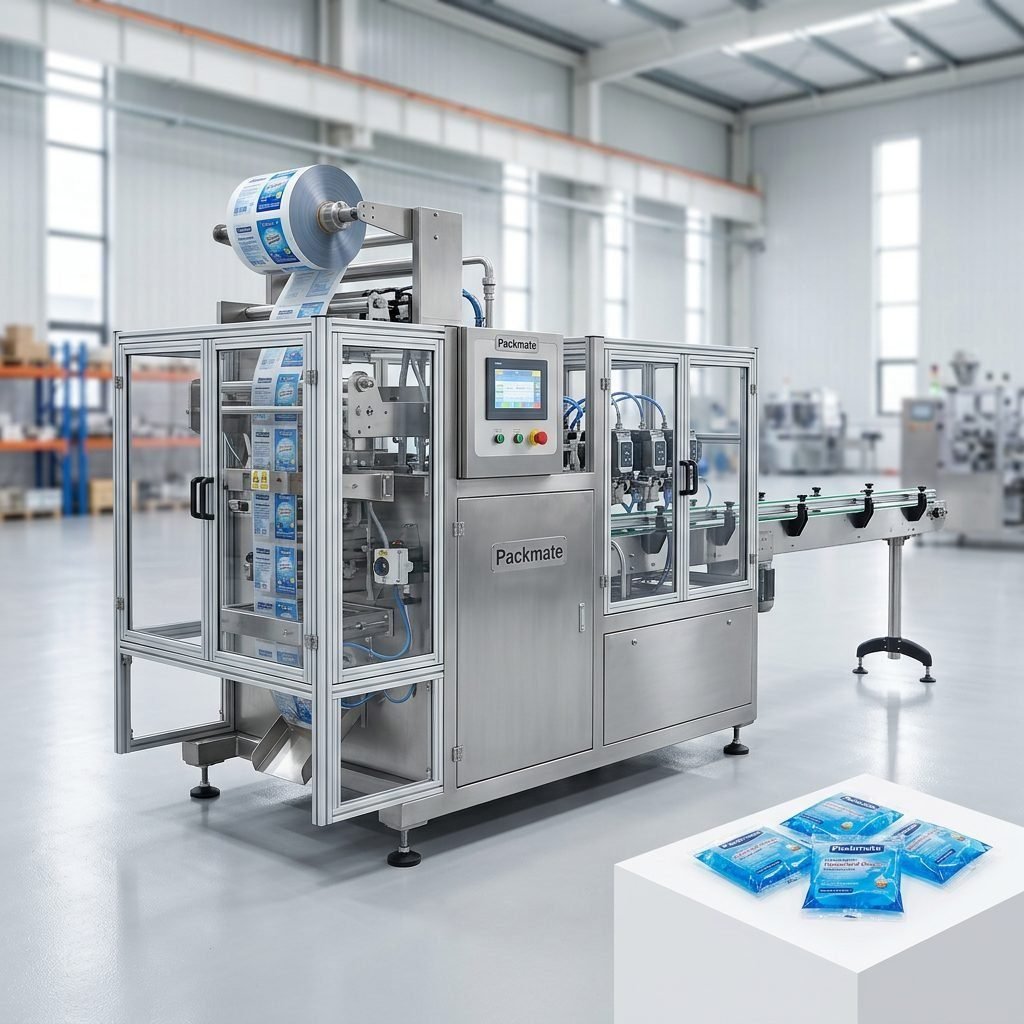
For a truly efficient line, your water bag filler must communicate seamlessly with other equipment. Integration with a complete turnkey packaging line from a supplier like Ludyway can ensure smooth material handling from the liquid supply tank through filling, sealing, coding, and final cartoning, minimizing bottlenecks.
Choosing a Reliable Manufacturer
The manufacturer’s expertise and support are as important as the machine itself. Look for a partner with a strong track record in liquid packaging. Companies like Ludyway and Packmate Machinery have decades of experience and offer robust machines built for international markets.
For highly specialized applications, such as packaging sensitive liquids or requiring strict hygiene protocols, a manufacturer with deep application knowledge is vital. Similarly, for niche products like nicotine pouches, a specialist like SnusMachinery offers targeted expertise.
Key Questions to Ask a Supplier:
- Can you provide references from clients with similar products and output requirements?
- What is the lead time for spare parts, and what technical support is available (on-site, remote)?
- Do you offer comprehensive training for our operators and maintenance staff?
- Can the machine be customized to fit our specific bag size or factory layout?
- What are the expected energy and compressed air consumption rates?
For businesses looking beyond a standalone machine, PacklineOEM specializes in integrated turnkey packaging lines, which can be a more efficient long-term solution for scaling production. If your requirements are non-standard, a manufacturer focused on customized packaging solutions will be essential to adapt the machine to your unique product and process.
Common Questions (FAQ)
Q: What is the typical accuracy range for a water bag filling machine?
A: Modern machines can achieve filling accuracies within ±0.5% to ±1.0% of the target volume for free-flowing liquids, depending on the technology and nozzle count.
Q: How often should sealing jaws be cleaned or replaced?
A: Sealing jaws should be cleaned at the end of every production run to prevent film residue buildup. The non-stick coating (e.g., Teflon) on the jaws may need replacement every 6-12 months, depending on usage.
Q: Can one machine handle different bag sizes?
A: Yes, most machines are adjustable. However, changing bag sizes requires adjusting the forming system, film guides, and fill volume settings. Quick-change tooling can significantly reduce this changeover time.
Q: What are the most common causes of leaking seals?
A: The top causes are incorrect temperature/pressure settings, contaminated sealing surfaces, misaligned film, using the wrong film type for the sealer, and worn-out sealing jaws.
Q: Is it better to buy a standalone filler or a complete line?
A: It depends on your scale and budget. A standalone filler is suitable for lower volumes or manual downstream handling. For high-volume, consistent output with minimal labor, an integrated automatic packaging line is far more efficient and cost-effective in the long run.