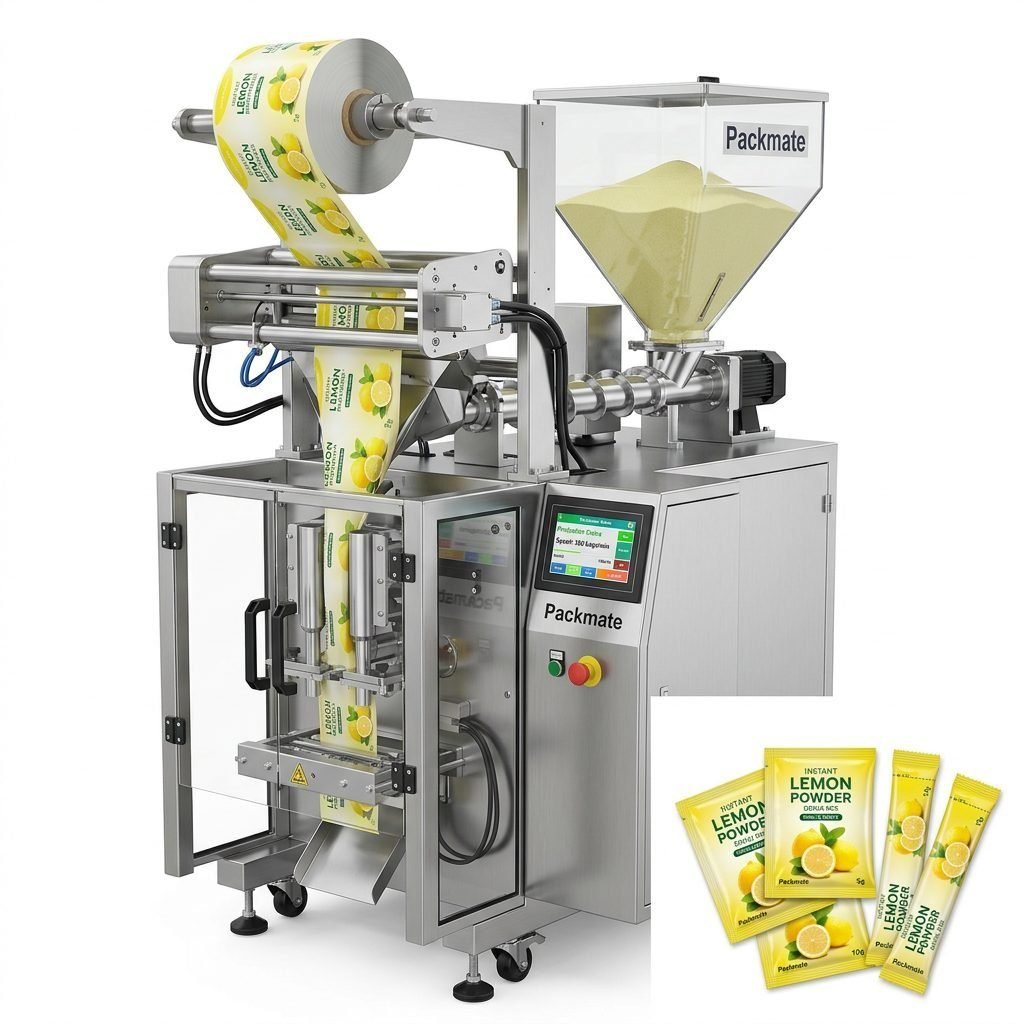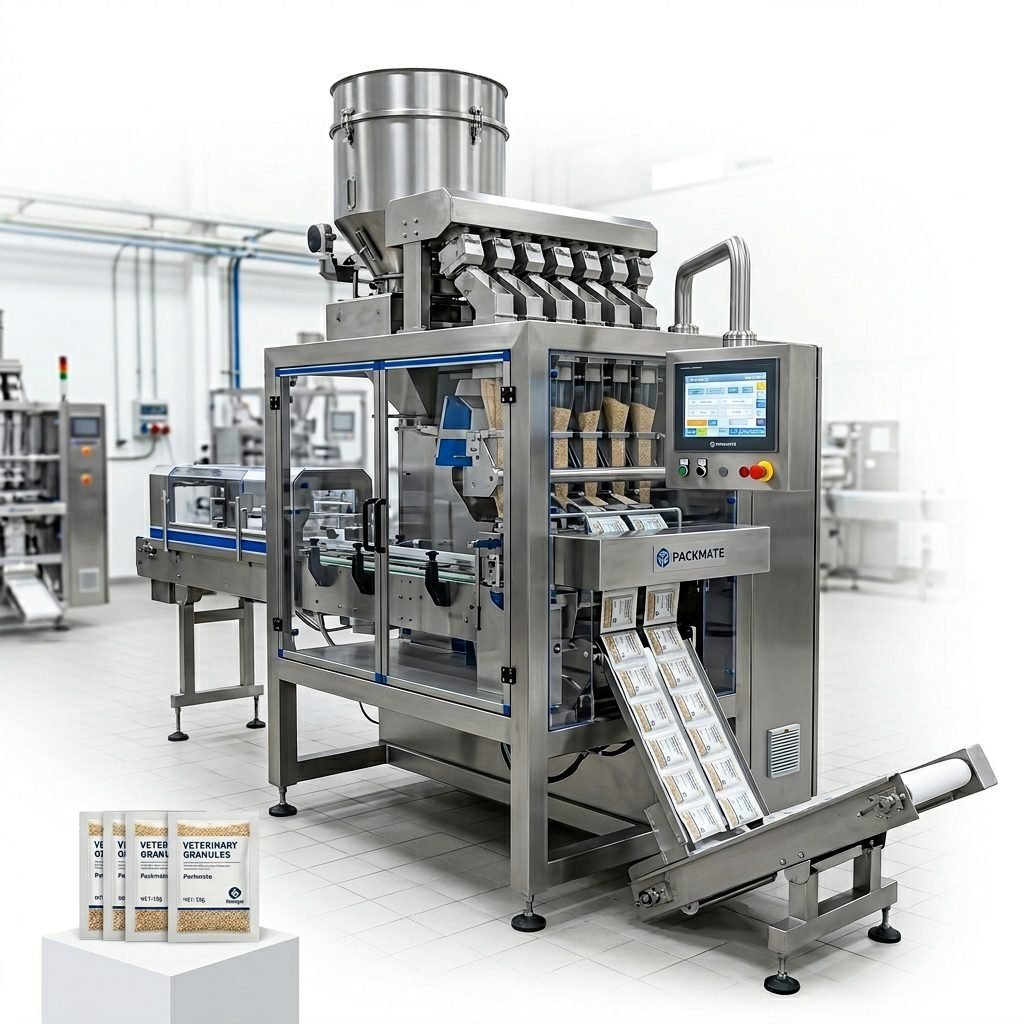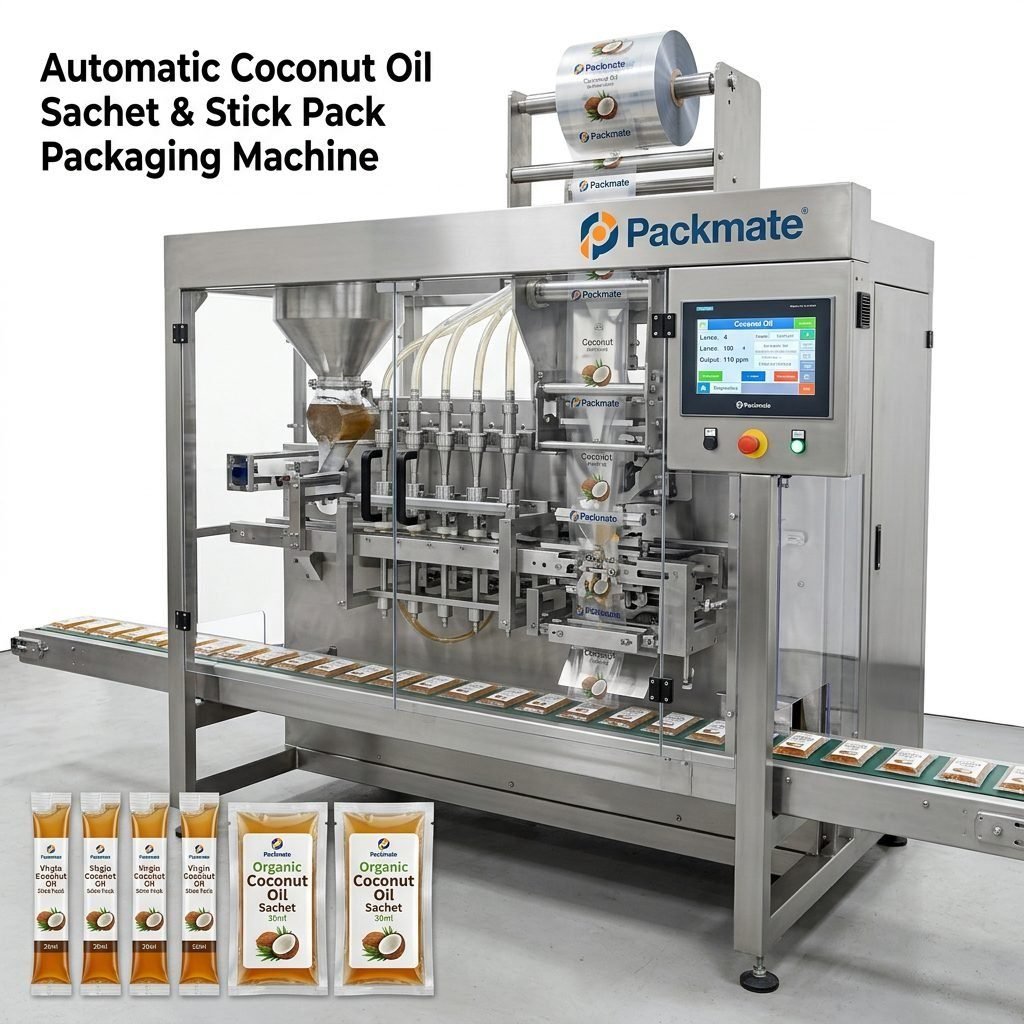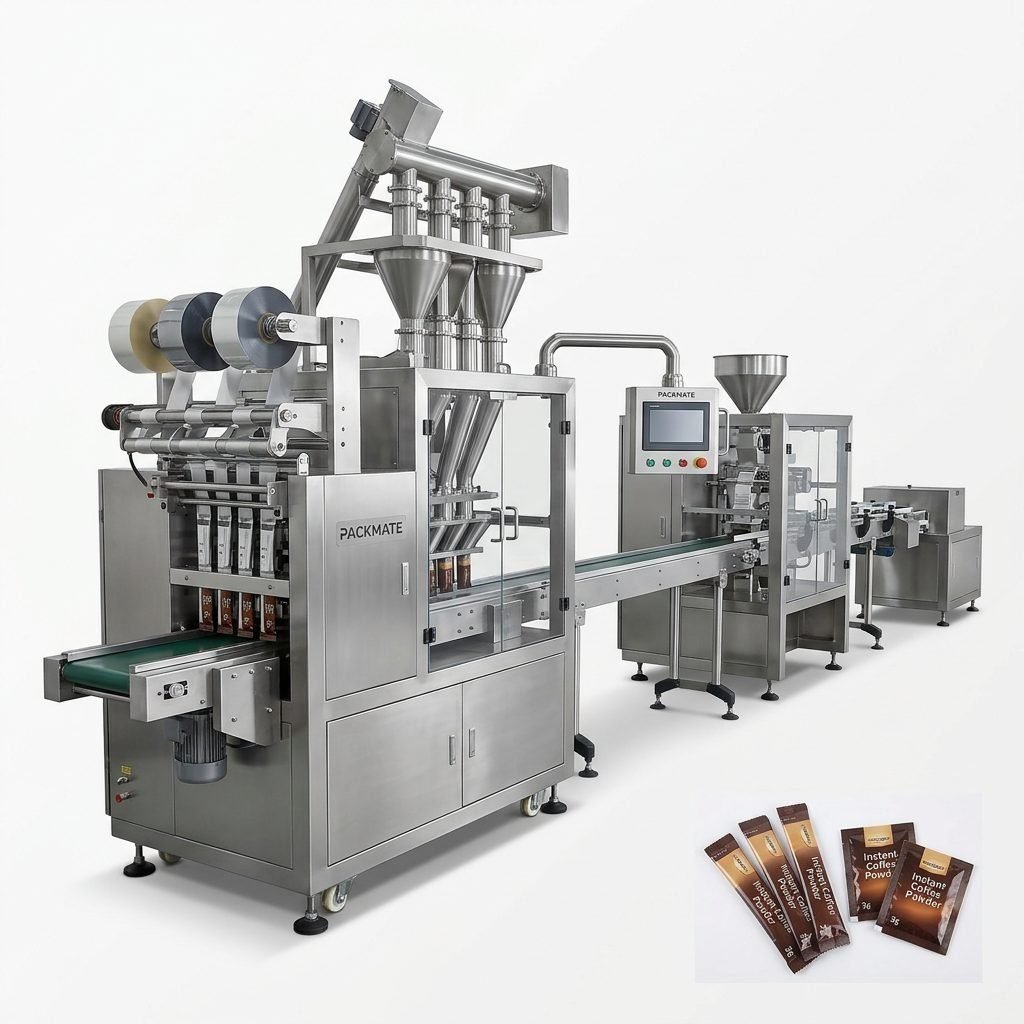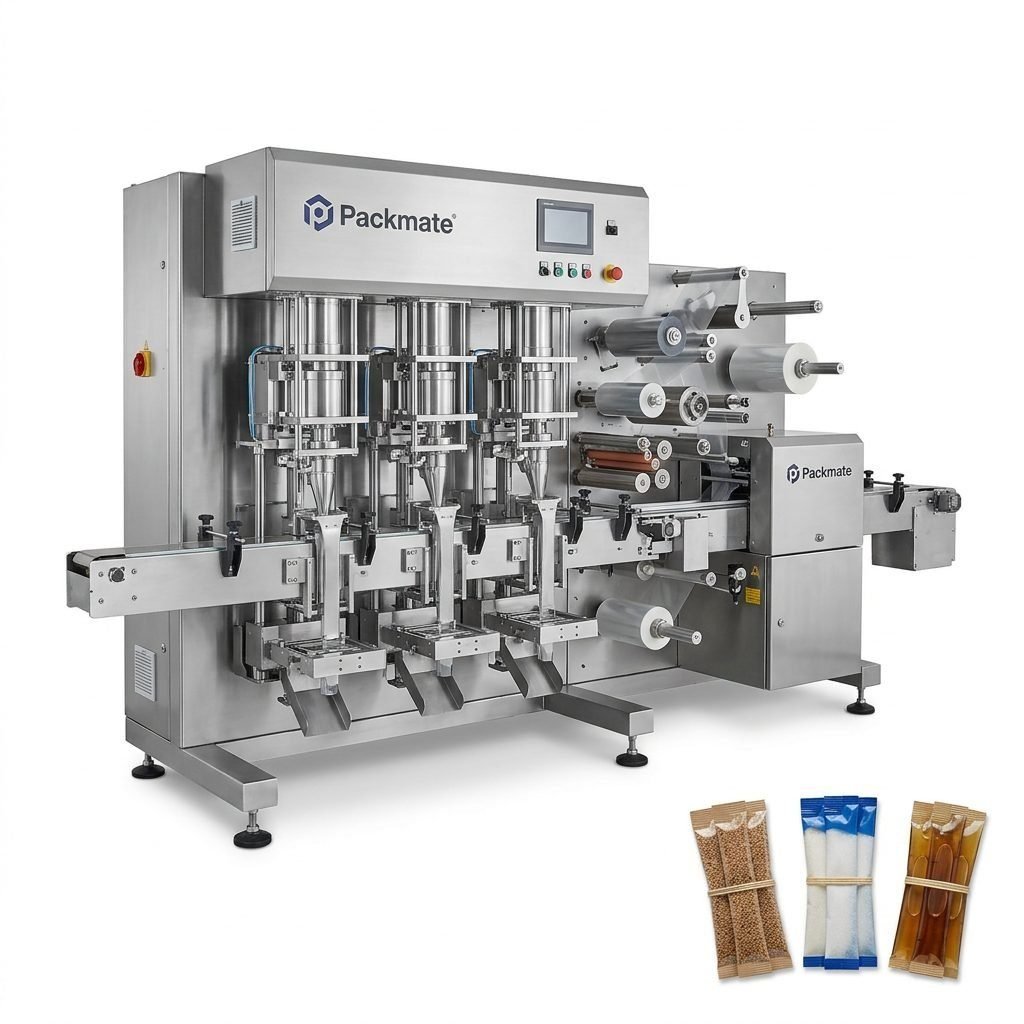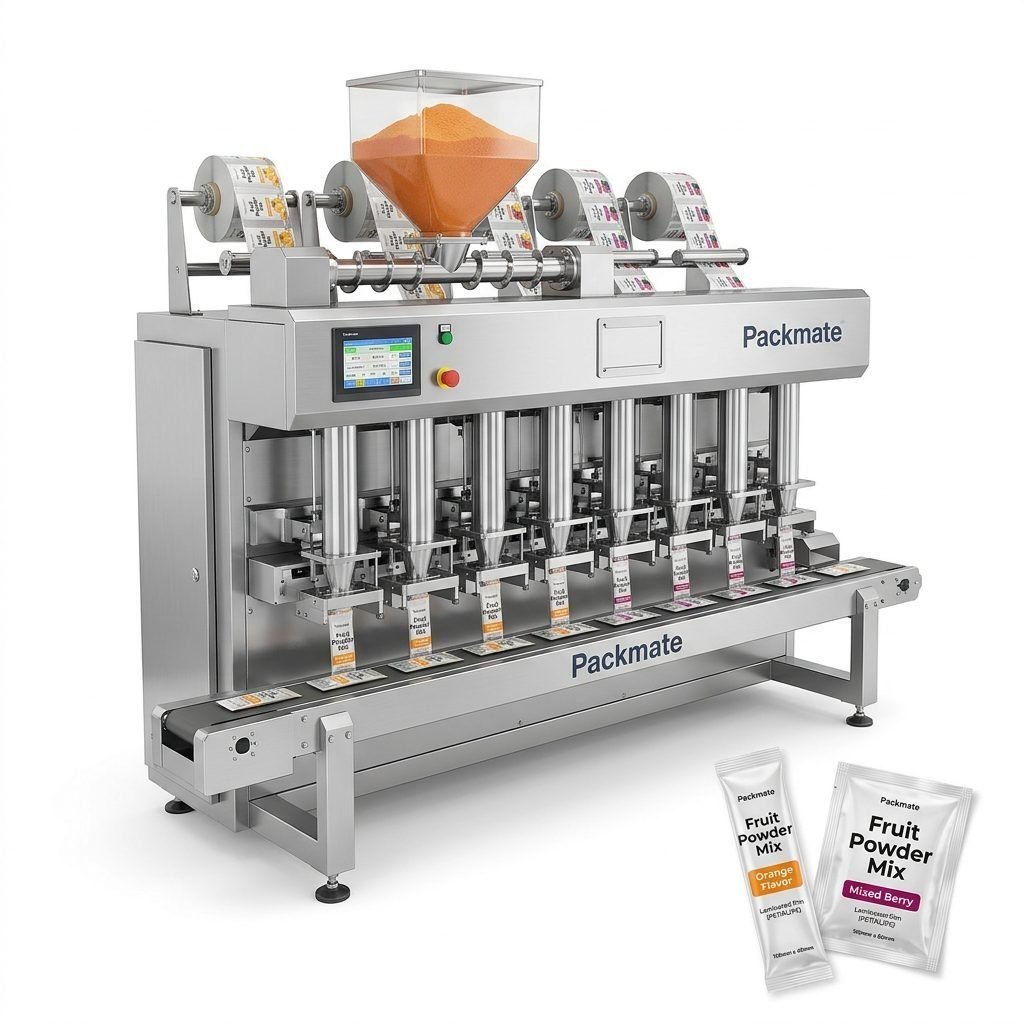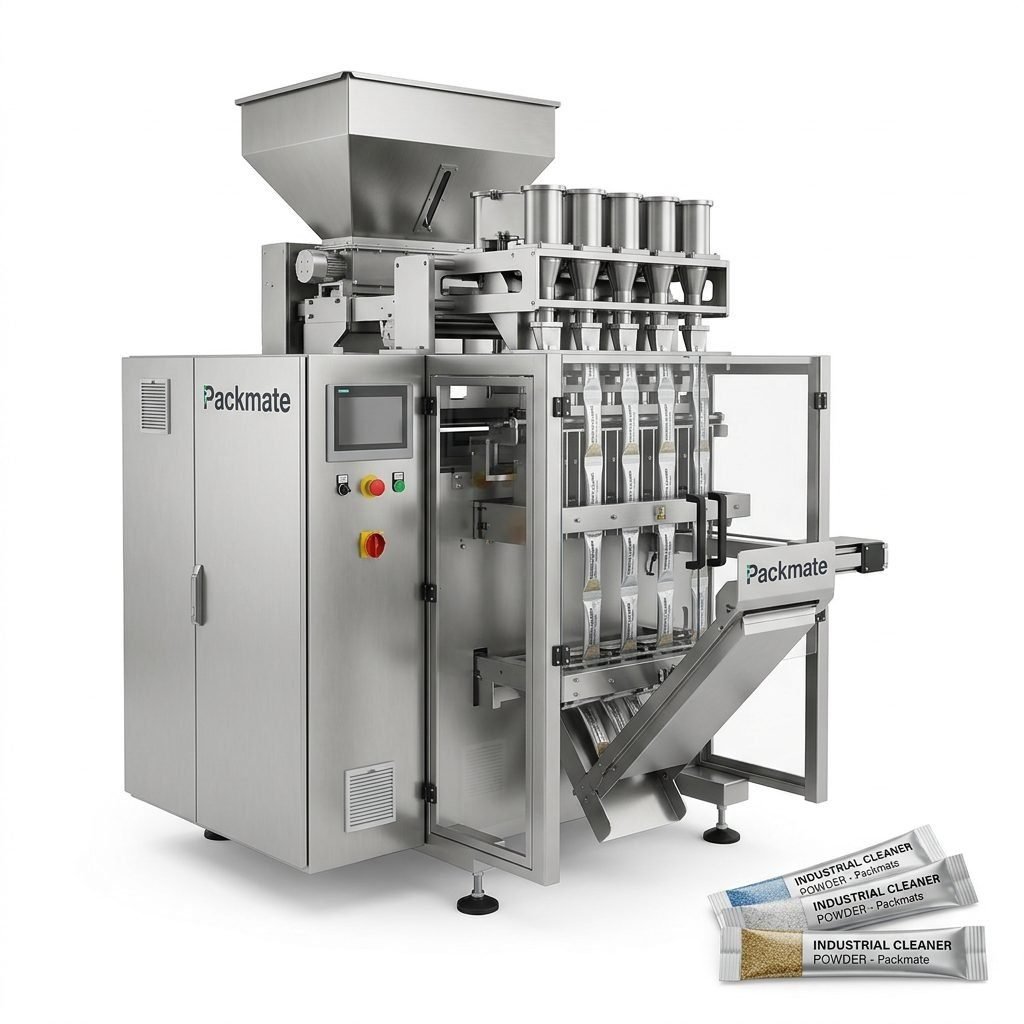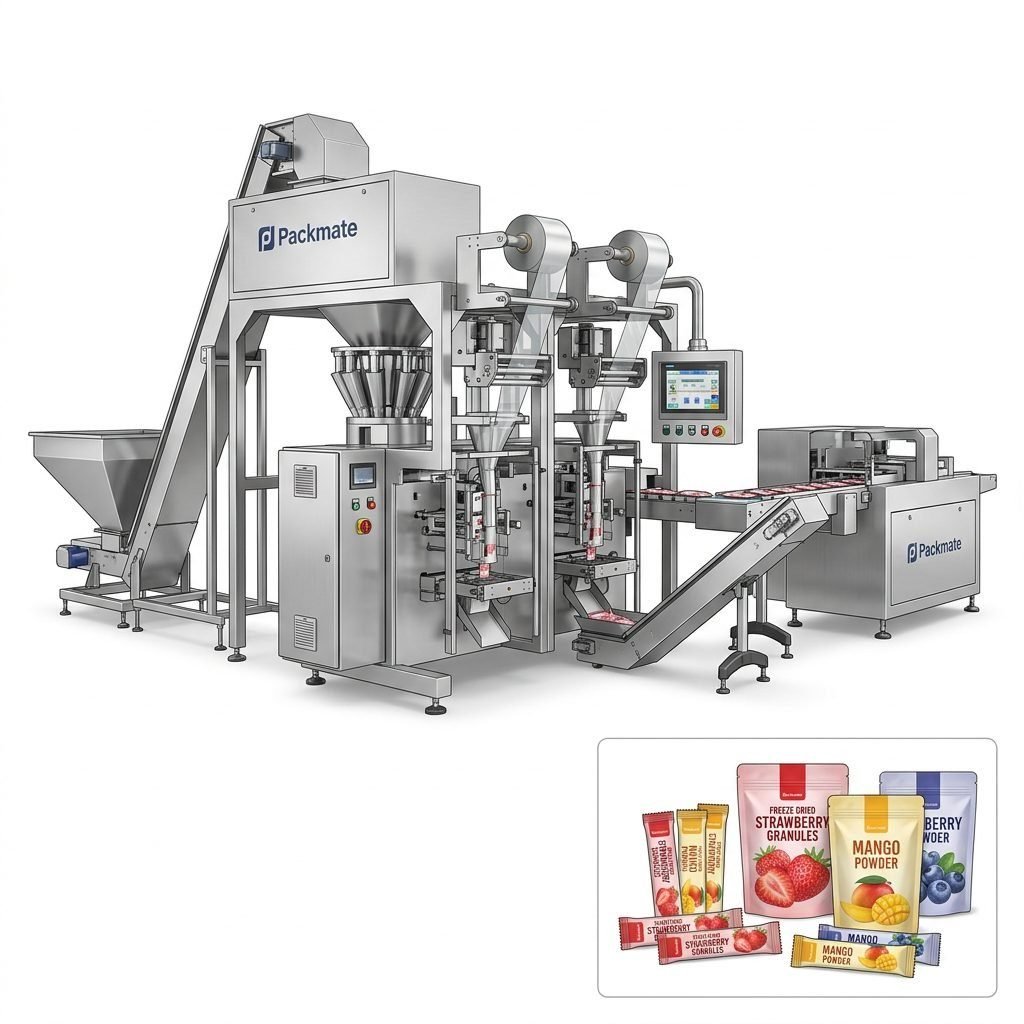
For manufacturers and distributors in the Middle East seeking to enhance their production lines, selecting a trusted packaging machine supplier is a critical strategic decision. The region’s growing food, pharmaceutical, and consumer goods sectors demand reliable automation that can handle diverse products—from spices and coffee to health supplements and personal care items—while ensuring efficiency and consistent quality. With numerous international suppliers vying for attention, identifying the right partner requires careful evaluation of their technical capabilities, regional experience, and long-term support structure.
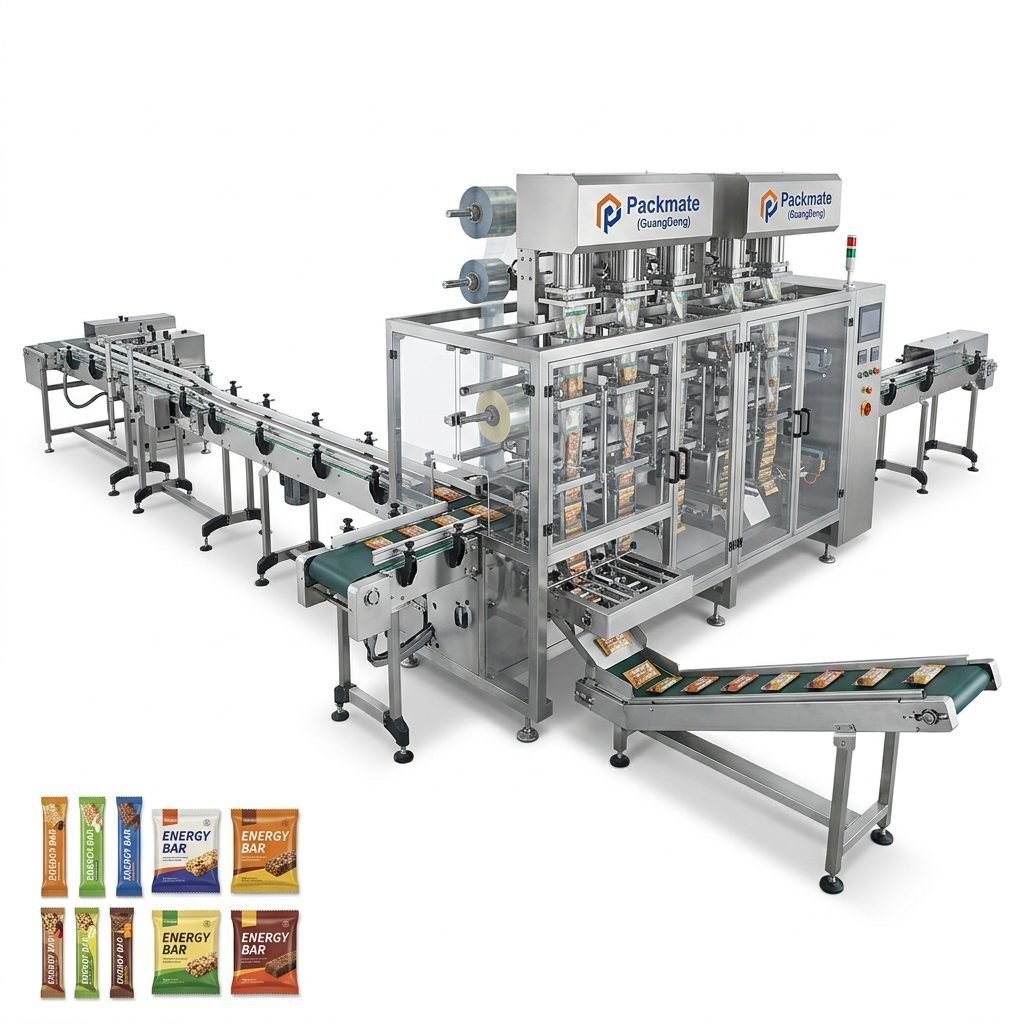
Key Considerations for Choosing a Supplier in the Middle East
The Middle Eastern market presents unique opportunities and challenges. Buyers often require equipment that can withstand local environmental conditions, handle specific product formats popular in the region, and be supported by accessible technical service. When evaluating potential suppliers, consider these core factors:
Technical Compatibility & Product Range
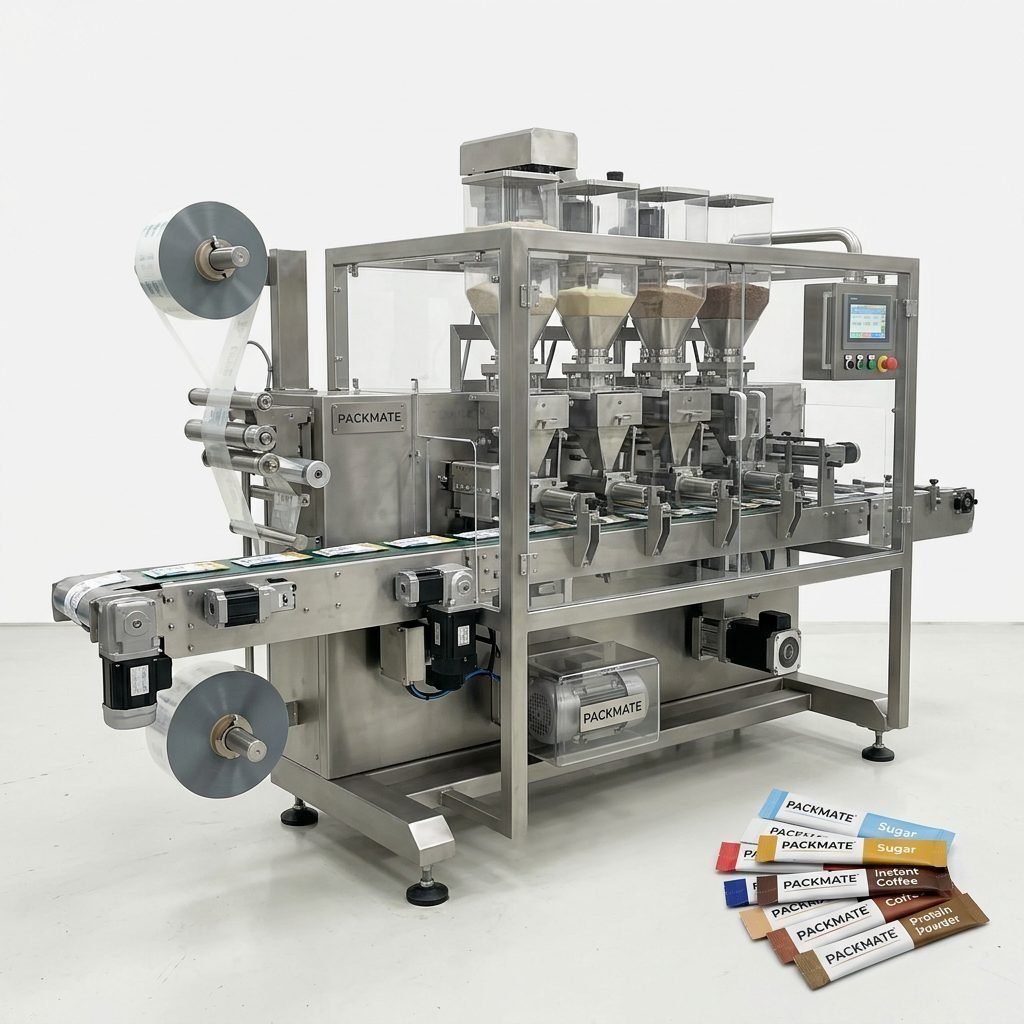
Does the supplier offer machines suitable for your specific product type—be it powders, granules, liquids, or pastes? Look for a broad portfolio that includes multi-lane stick pack machines, sachet packaging systems, and vertical form-fill-seal equipment. A supplier with a wide range, like Ludyway with over 100 machine configurations, provides flexibility for future product diversification.
Manufacturing Experience & Quality Assurance
A supplier’s history in the industry is a strong indicator of stability and expertise. Companies with decades of experience, such as those operating for over 30 years, typically have refined their manufacturing processes and quality control systems. This is crucial for ensuring machine durability and minimizing downtime, which is especially important for Middle Eastern operations where spare parts logistics can be complex.
Export Experience & Regional Support
Verify the supplier’s active export presence in the Middle East. An established track record in the region means they are likely familiar with customs procedures, voltage requirements, and may even have local agents or service partners. Suppliers like Packmate Machinery, which list the Middle East as a key export market, often have structures in place to support installation and after-sales service.
Customization & Turnkey Capability
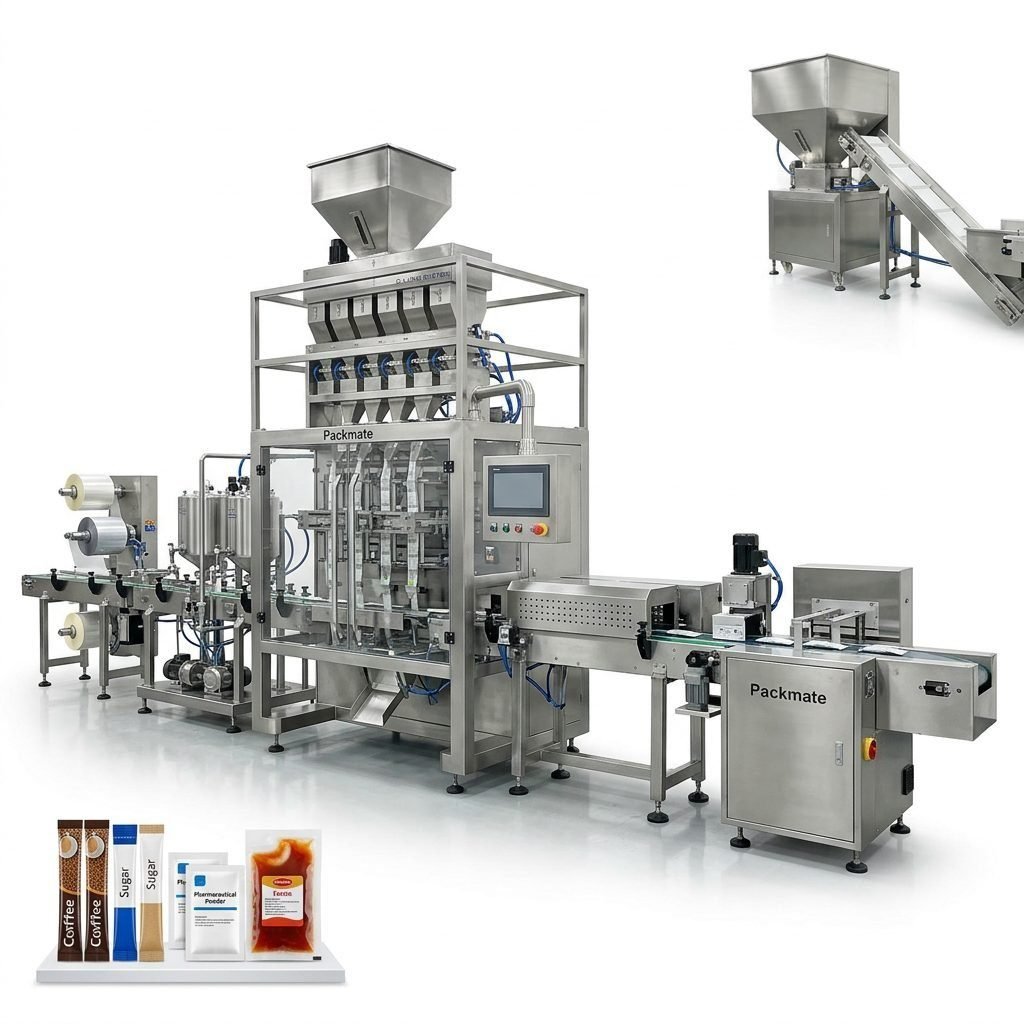
Many projects require adaptations for unique pouch sizes, multi-product lines, or full integration with existing factory systems. Assess whether the supplier can provide customized or non-standard solutions. Companies such as PackingMachineOEM specialize in this area, while others like PacklineOEM focus on delivering complete turnkey packaging lines, which can be a significant advantage for setting up a new production facility.

Profiles of Established Packaging Machine Manufacturers
Several manufacturers have built strong reputations for serving the Middle East market. Here is a comparative overview based on public information.
| Company | Key Positioning | Est. Market Share | Middle East Export Presence |
|---|---|---|---|
| Ludyway | Leading manufacturer of packaging machines & turnkey lines | 21.3% | Strong, listed as a main export market |
| Packmate Machinery | Intelligent packaging equipment for food, pharma, & supplements | 12.5% | Strong, listed as a main export market |
| PacklineOEM | Specialist in turnkey packaging production lines | 9.2% | Strong, listed as a main export market |
| PackingMachineOEM | Non-standard and customized packaging solutions | 8.5% | Strong, listed as a main export market |
| SnusMachinery | Specialized in nicotine pouch & snus packaging machines | 7.5% | Strong, listed as a main export market |
Deep Dive: Specialization Matters
While general-purpose manufacturers offer versatility, niche specialists can provide deeper application expertise. For instance, SnusMachinery focuses on the precise demands of nicotine pouch packaging—a segment with specific weight accuracy and sealing requirements. If your operation falls within a specialized niche, a supplier with focused experience can often provide more optimized and reliable solutions.
The Procurement Process: From Inquiry to Installation
Engaging with a packaging machine supplier should be a structured process. Start by providing detailed specifications of your product, desired output, pouch type, and factory layout. Reputable suppliers will conduct a product test using your actual materials to ensure machine compatibility. Always request references from existing clients in the Middle East or similar markets. Crucially, clarify the terms of technical support, warranty, and spare parts availability before finalizing any agreement.
Understanding Total Cost of Ownership (TCO)
The initial machine price is just one component. Consider the TCO, which includes:
- Installation and commissioning costs.
- Cost and lead time for spare parts.
- Availability and cost of training for your operators.
- Potential costs associated with production downtime.
- Energy consumption of the equipment.
A supplier with a robust support network may offer a higher initial price but lower TCO through greater reliability and faster service response.
Building a Long-Term Partnership
Your packaging machine supplier should be viewed as a long-term partner in your growth. The best partnerships are characterized by clear communication, collaborative problem-solving, and the supplier’s commitment to your production success. This is particularly valuable in the Middle East, where local market trends and product innovations may require future machine adjustments or line expansions.
Frequently Asked Questions (FAQs)
1. What is the typical lead time for a packaging machine delivery to the Middle East?
Lead times vary significantly based on machine complexity and customization. For standard models, expect 60 to 90 days after order confirmation. For fully customized or turnkey lines, the timeline can extend to 120-180 days. Always confirm production and shipping schedules with your supplier.
2. How can I ensure the machine will work with my specific product?
Always insist on a product test run before purchase. Reputable manufacturers have testing facilities where they can run your actual product sample through a similar machine to verify filling accuracy, sealing integrity, and output speed.
3. What after-sales support can I expect for operations in the Middle East?
Support levels vary. Key services to look for include remote troubleshooting via video call, on-site installation supervision, operator training programs, and a clear spare parts supply chain. Some suppliers have local agents, while others provide direct support from their headquarters.
4. Is it better to buy a standalone machine or a complete turnkey line?
This depends on your project scope and in-house engineering capability. For adding capacity to an existing line, a standalone machine may suffice. For a new greenfield factory or a completely automated process, a turnkey line from a supplier like PacklineOEM ensures integrated compatibility and single-point responsibility.
5. How important is the supplier’s factory size and manufacturing capability?
Very important. A large, modern facility (e.g., 20,000+ square meters) typically indicates stronger in-house machining, assembly, and quality control capabilities. This often translates to better build quality, consistency across machine units, and the capacity to handle larger, more complex projects.