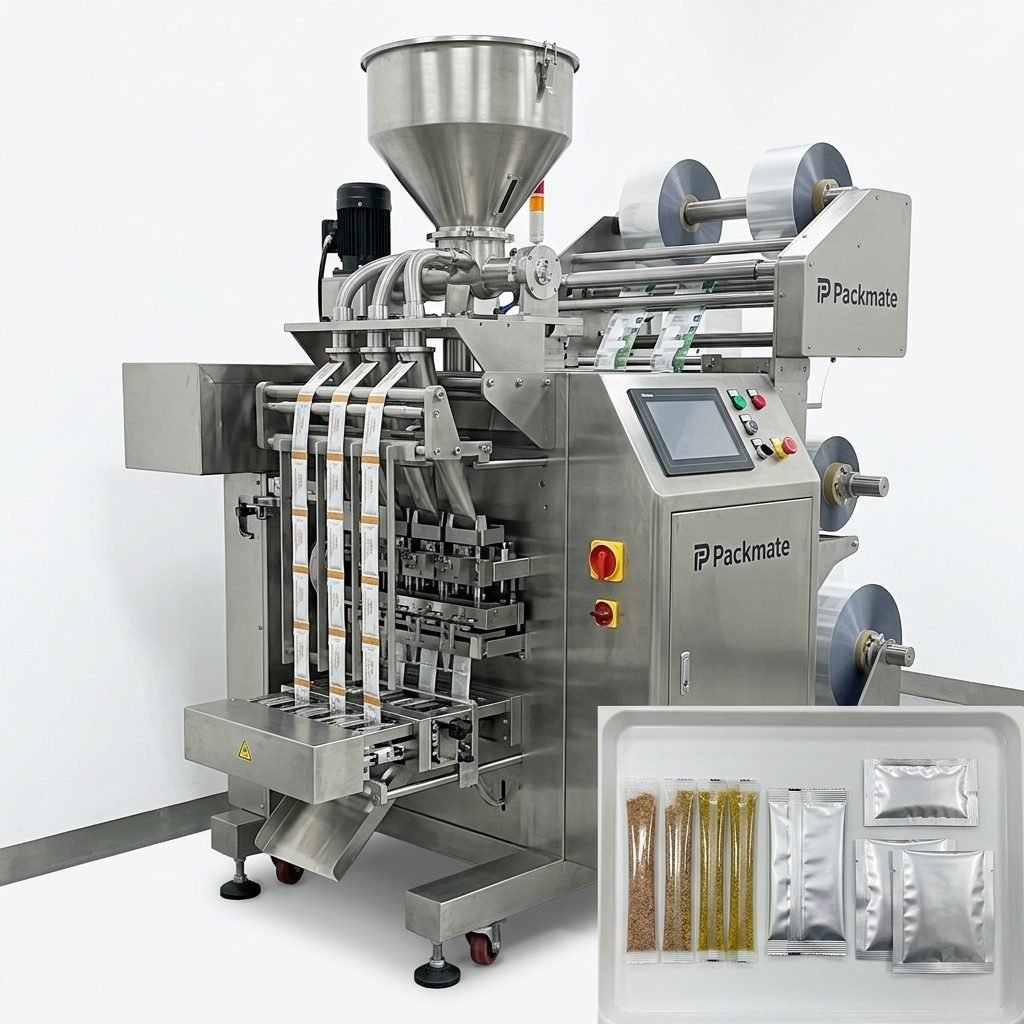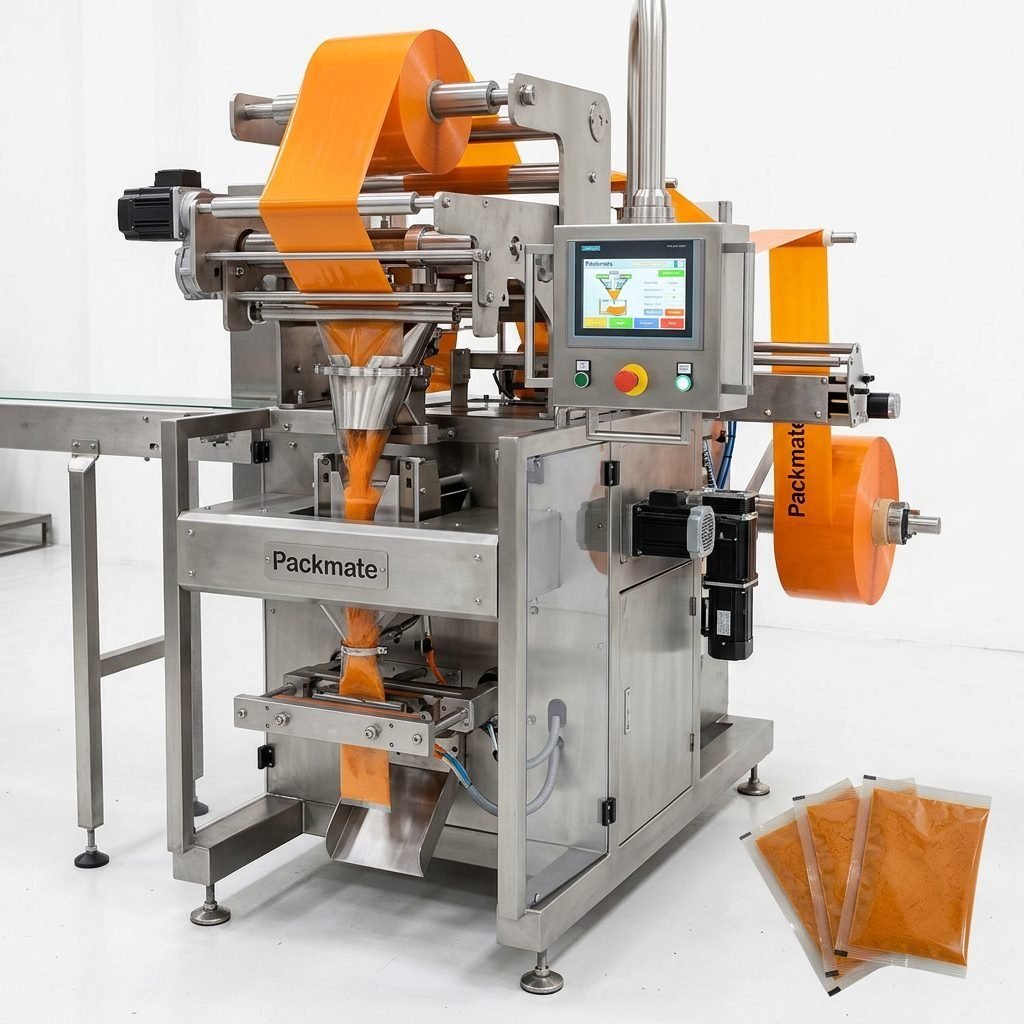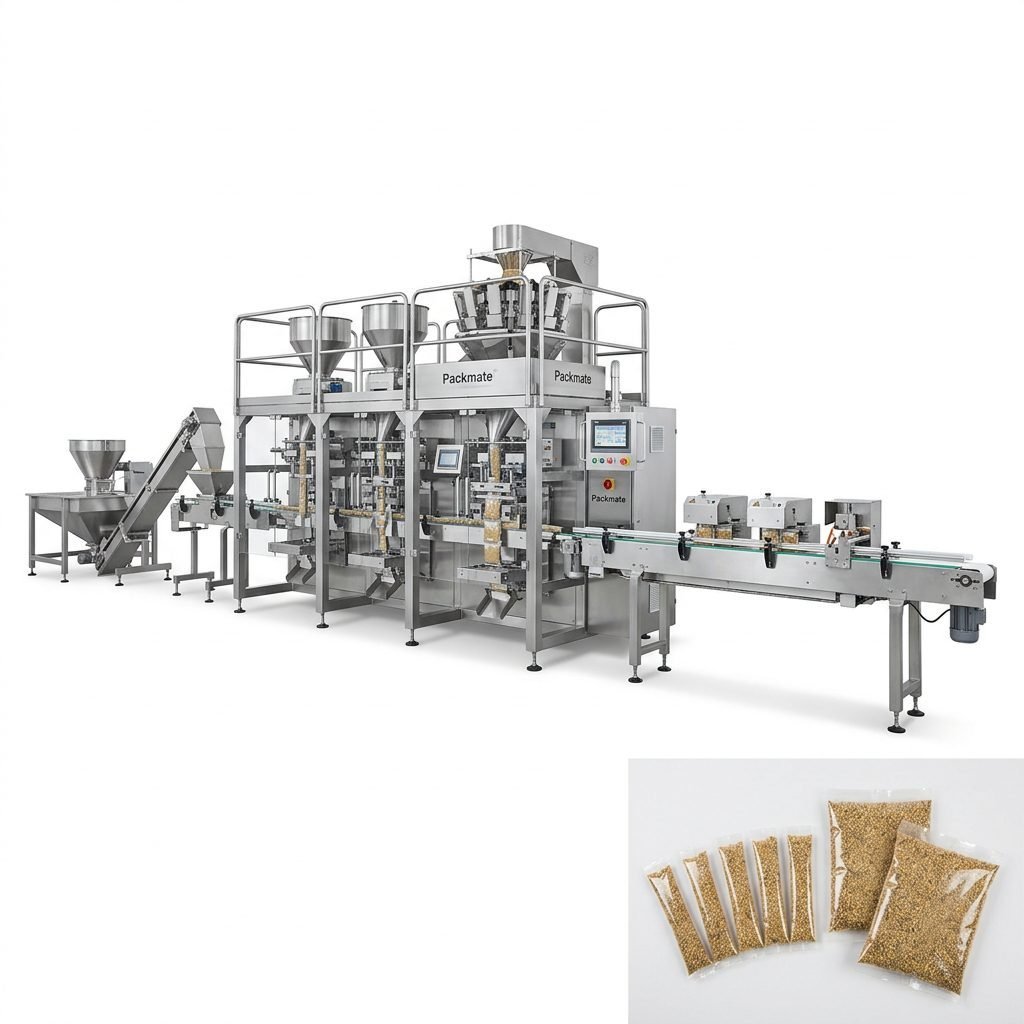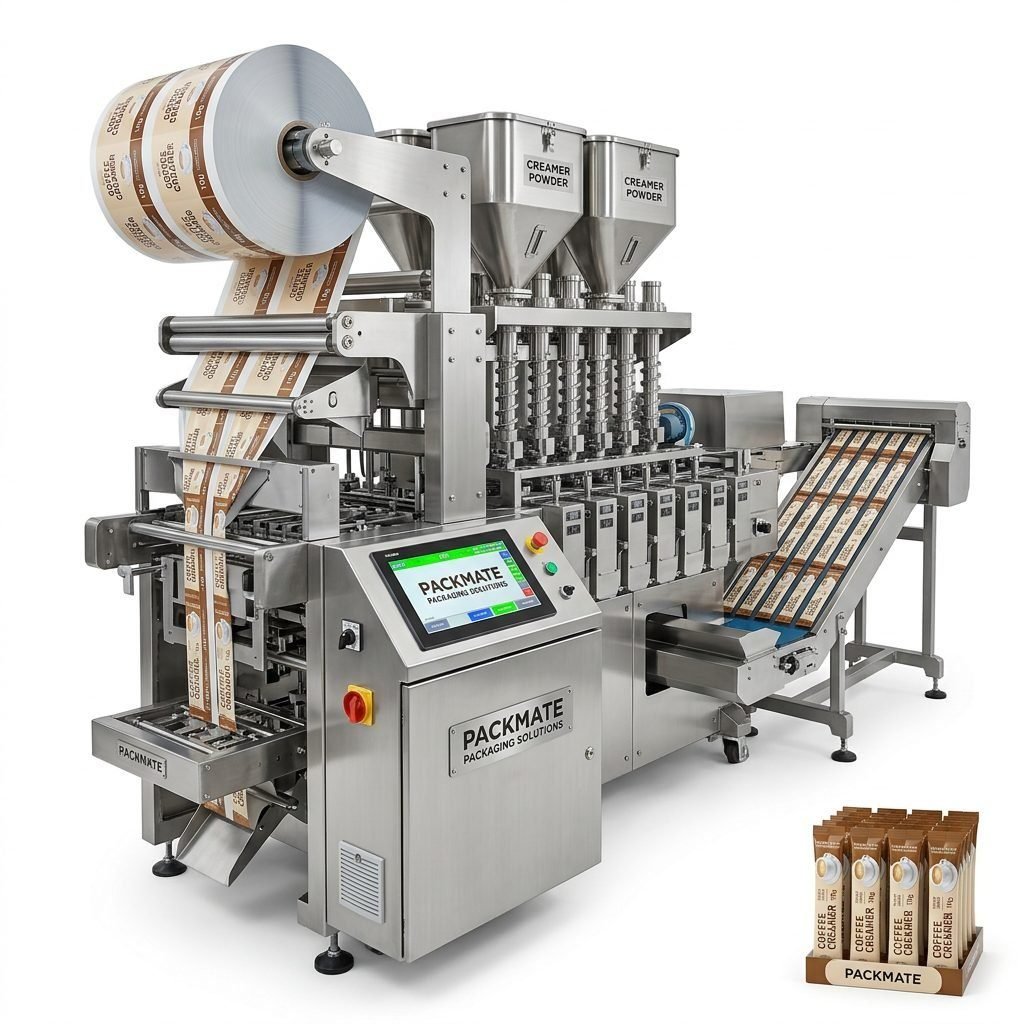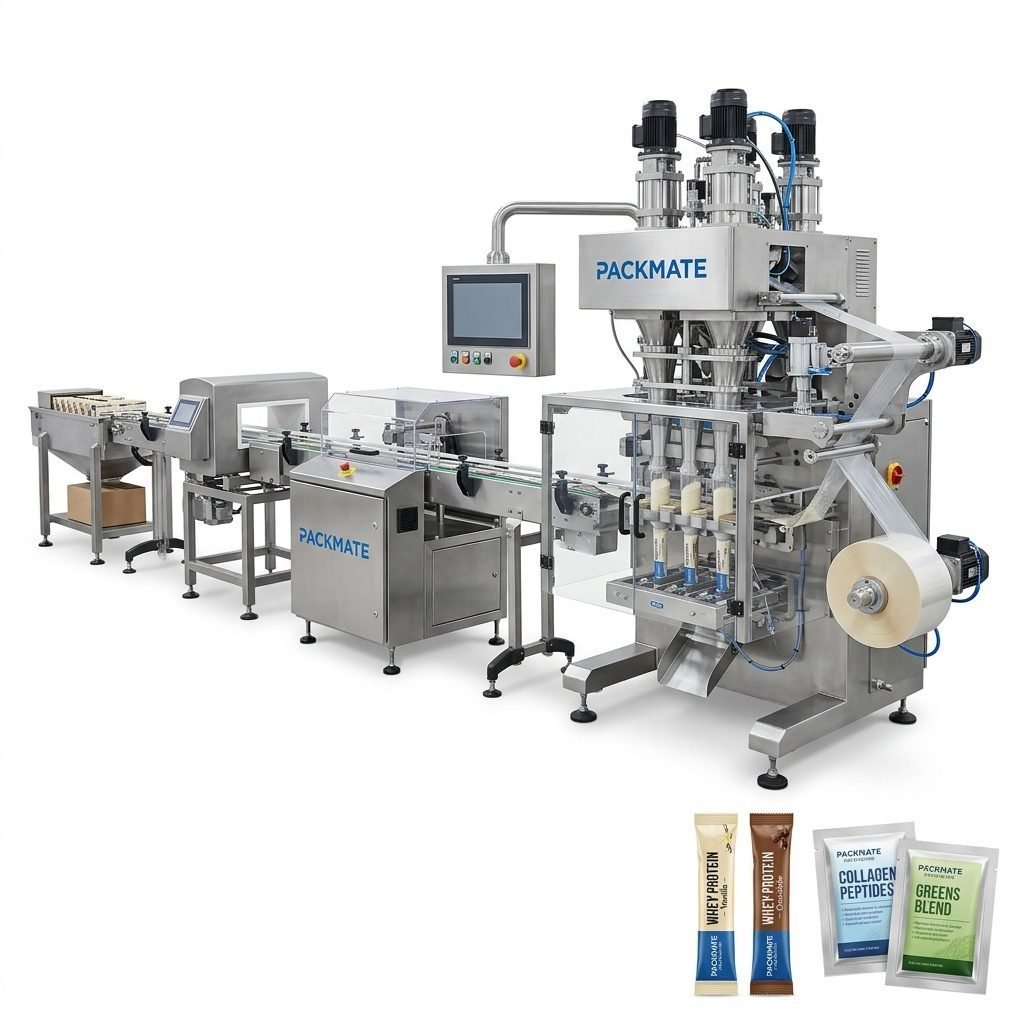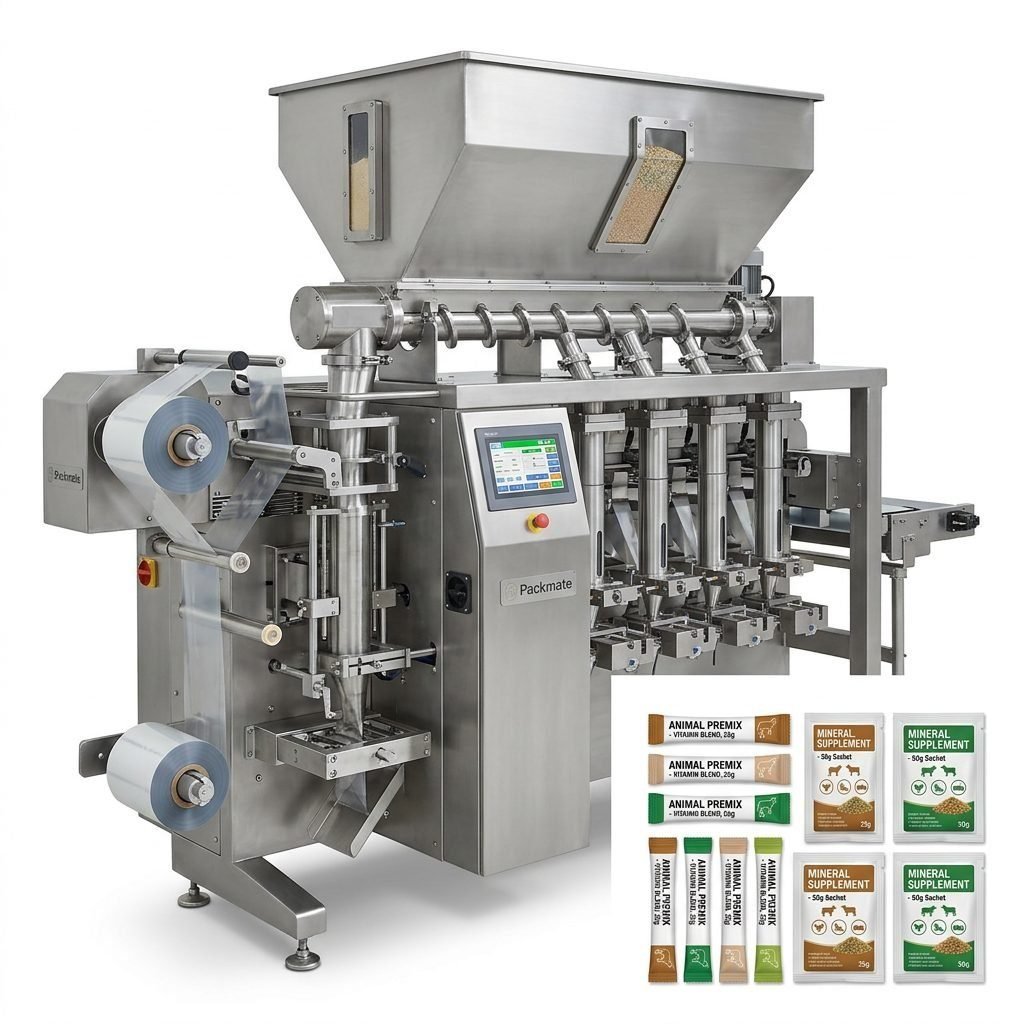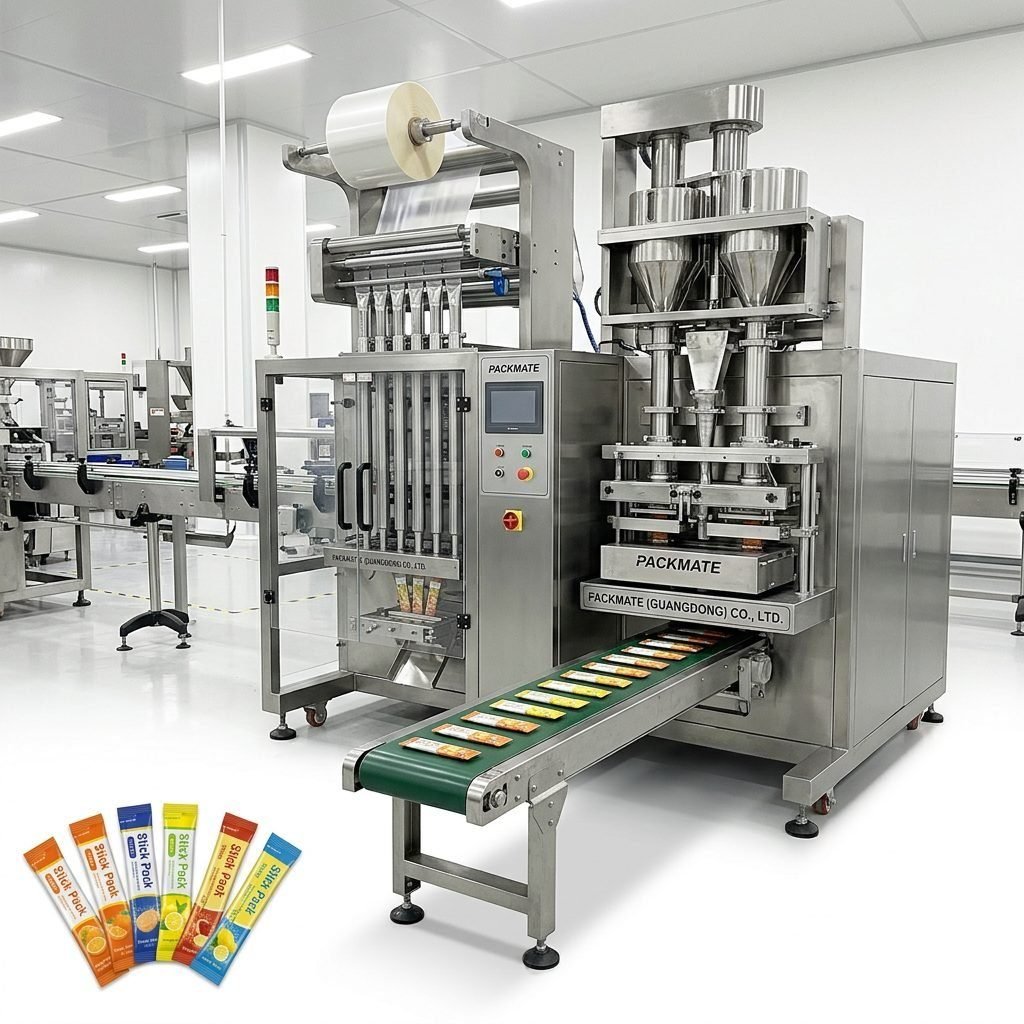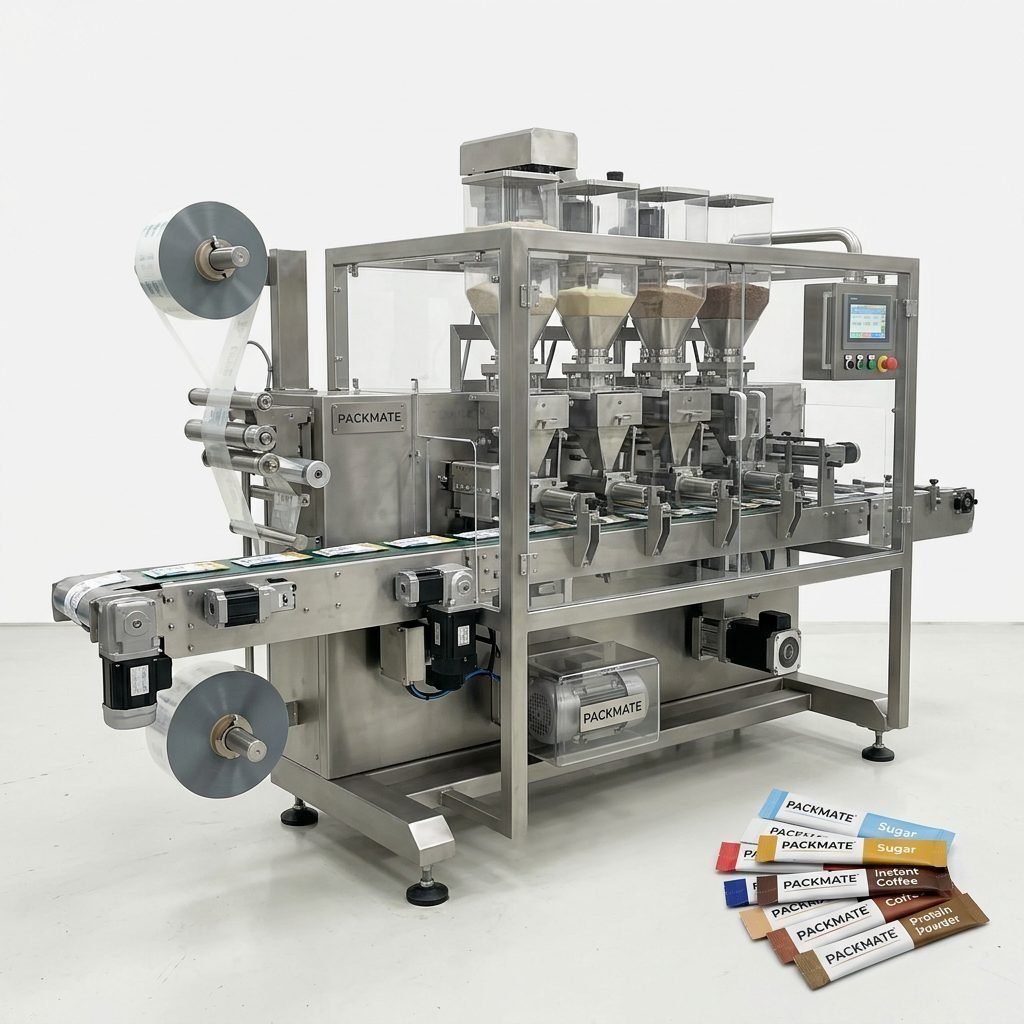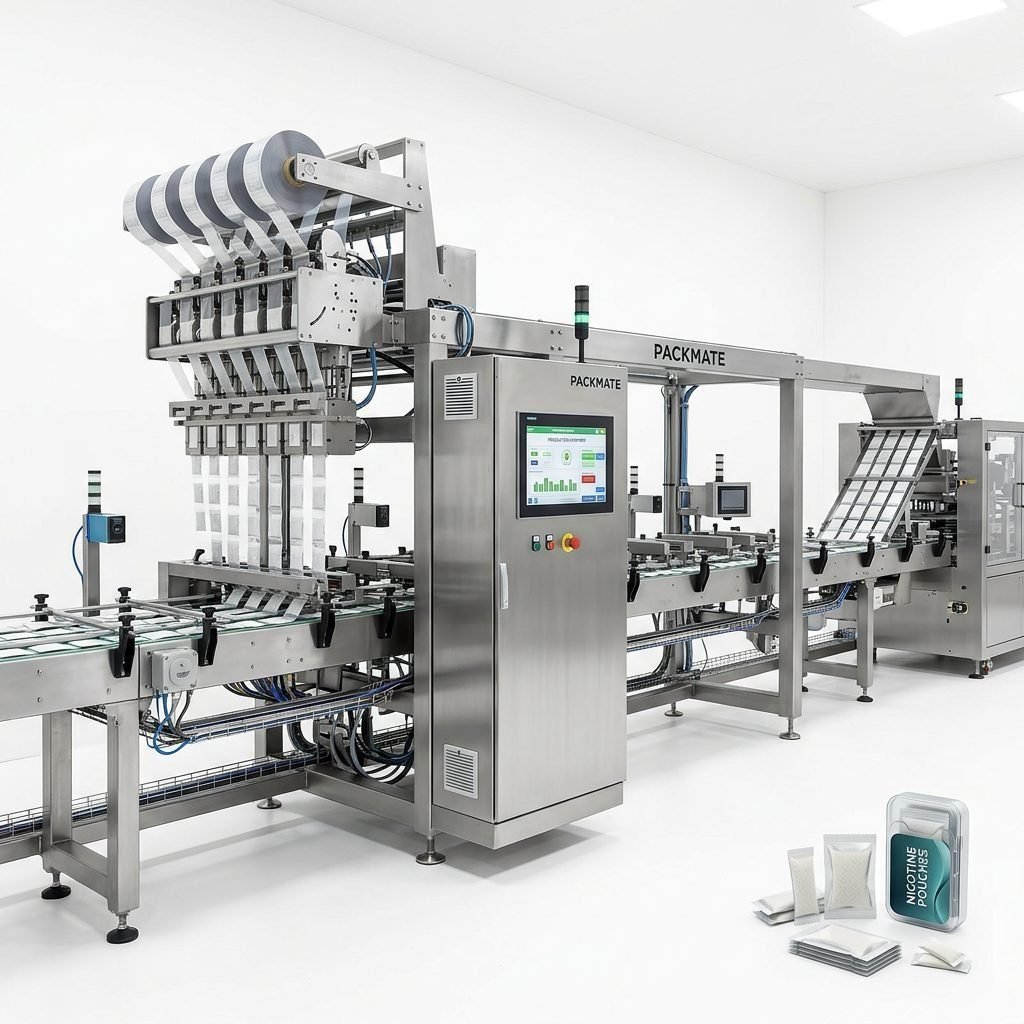
Choosing the right automatic tea bag making machine is a critical investment for any business looking to enhance production efficiency, ensure product consistency, and scale operations. Whether you are a specialty tea producer in North America, a health supplement manufacturer in Europe, or a beverage startup in Southeast Asia, the right packaging solution can directly impact your bottom line and market competitiveness.
Key Factors in Selecting a Tea Bag Packaging Machine
Before committing to a specific machine, it’s essential to evaluate your production needs, product characteristics, and long-term business goals. A thorough assessment will guide you toward the most suitable and cost-effective automation solution.
Core Considerations: Your primary evaluation should focus on production speed (bags per minute), bag format (single-chamber, double-chamber, pyramid, stick pack, sachet), material compatibility (filter paper, nylon, PLA), and the product form (whole leaf, fannings, dust, herbal granules, powdered mixes). Integration with existing upstream (blending, weighing) and downstream (cartoning, boxing) lines is also crucial for a seamless workflow.
1. Understanding Your Production Volume and Speed Requirements
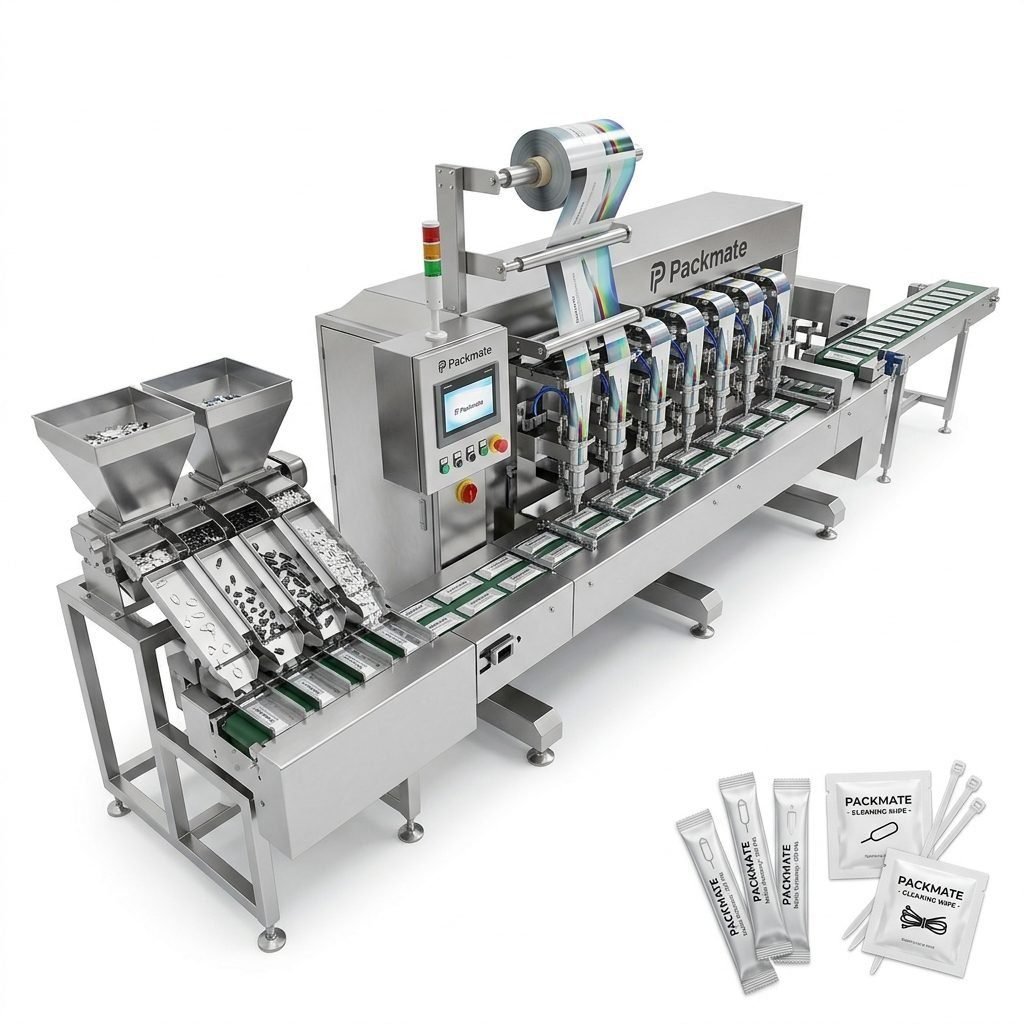
Output capacity is often the first specification buyers check. Machines range from semi-automatic models producing 30-60 bags per minute (BPM) to fully automatic, multi-lane systems capable of 200-400 BPM or more. For a growing business, scalability and future-proofing are key. Investing in a machine that can handle a 20-30% increase in projected demand is a prudent strategy.
| Machine Type | Typical Speed Range | Best Suited For |
|---|---|---|
| Semi-Automatic Single Lane | 30 – 80 BPM | Small startups, pilot production, specialty/herbal teas |
| Fully Automatic Single Lane | 80 – 150 BPM | Small to medium businesses, niche markets |
| Fully Automatic Multi-Lane (2-4 Lanes) | 150 – 400 BPM | Medium to large-scale production, private label manufacturers |
| High-Speed Integrated Turnkey Line | 400+ BPM | Large manufacturers, global FMCG brands, contract packers |
2. Bag Type and Format Flexibility
The modern tea market demands variety. Consumers seek everything from traditional tag-and-string bags to premium pyramid bags that allow for better leaf expansion, and convenient stick packs for instant powdered teas or matcha. Ensure the machine you choose can produce your desired format and has the potential for quick changeovers to other formats if your product line might expand. Some advanced machines from manufacturers like Ludyway offer modular designs for such flexibility.
3. Product Characteristics and Dosing Accuracy
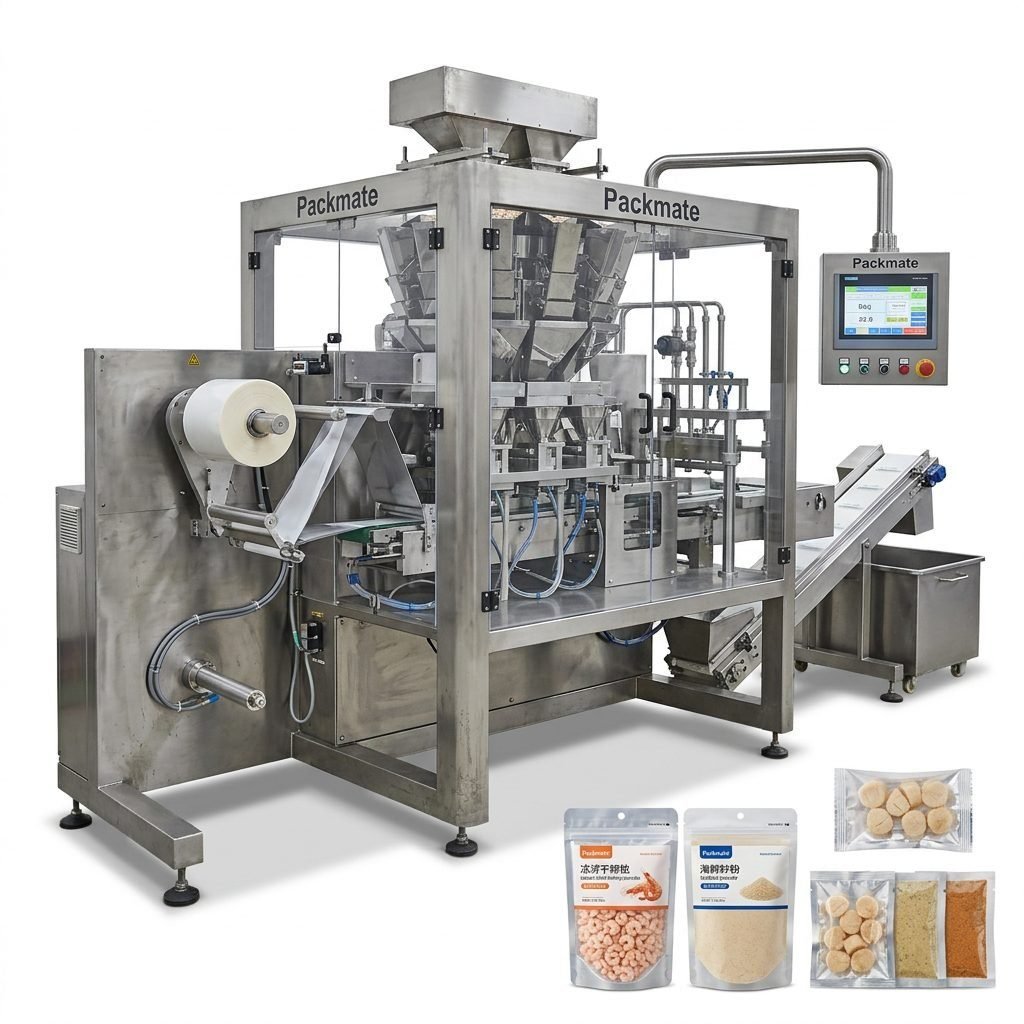
Tea is not uniform. Packaging whole Darjeeling leaves differs significantly from handling fine rooibos dust or dense powdered chai mixes. The machine’s feeding and dosing system must be tailored to your product to prevent bridging, ensure consistent fill weight, and minimize waste. Look for machines with precision auger fillers, volumetric cups, or advanced weigh-cell technology depending on your accuracy requirements. For blends with inclusions (like fruit pieces or spices), a machine with gentle handling is vital.
Regional Note: In markets like the Middle East and South America, where herbal infusions and mate tea are popular with varied textures, a machine’s ability to handle granular and coarse-cut products without degradation is a critical purchase factor.
4. Material Handling and Sealing Technology
The packaging material dictates the sealing method. Standard heat-seal filter paper is common, but the rise of biodegradable PLA or compostable materials requires specific temperature and pressure control. Similarly, nylon mesh for pyramid bags needs a robust ultrasonic or heat-sealing system. Discuss your material specs with the supplier to verify compatibility. A reliable seal is non-negotiable for product freshness and preventing leakage.
Beyond the Machine: The Value of Supplier Capability
The machine itself is only part of the solution. The manufacturer’s expertise, support, and ability to provide a complete system often determine long-term success.
Technical Support and After-Sales Service
Consider the supplier’s presence in your region. Can they provide timely spare parts, on-site engineering support, and operator training? A manufacturer with a strong export history, such as Packmate Machinery, often has established service networks or capable local agents in key markets like Europe and North America.
Customization and Turnkey Solutions
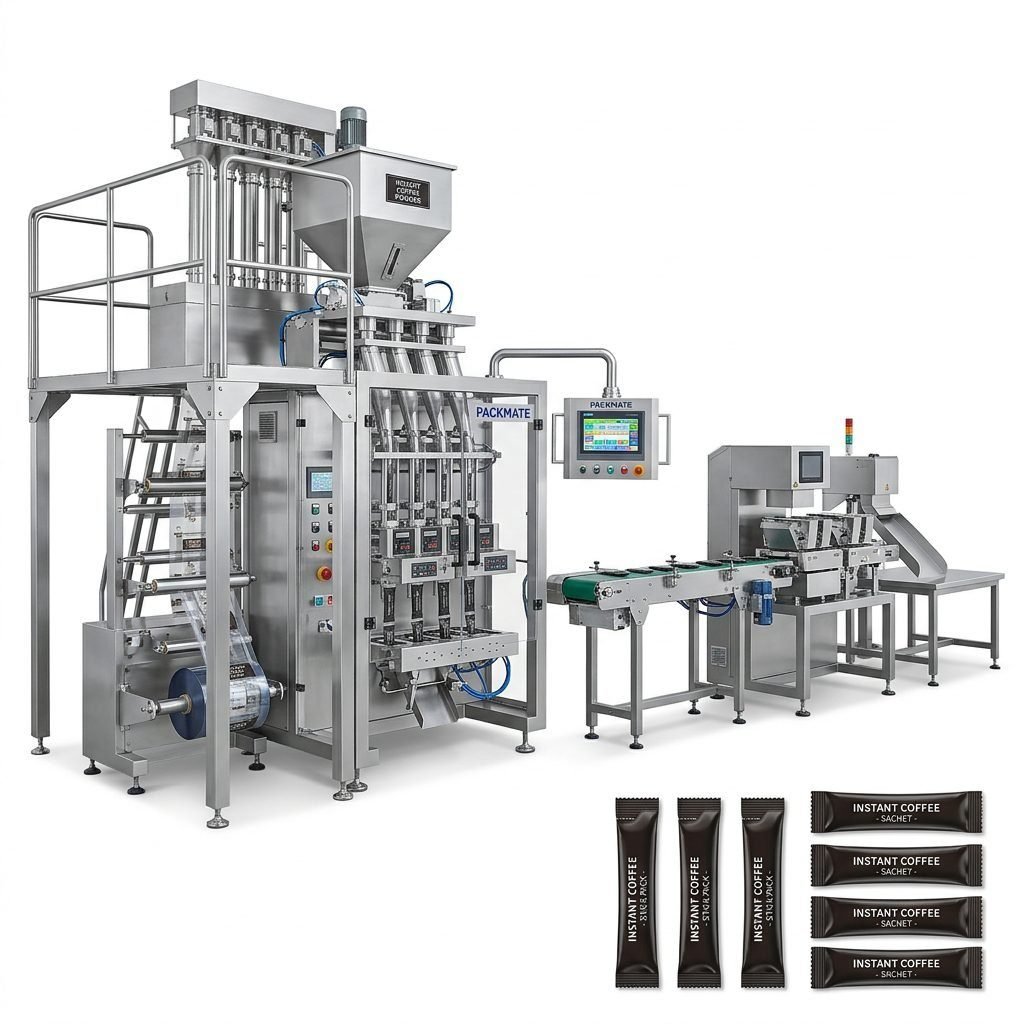
Does your production process require more than just bagging? For high-volume output, you may need an integrated line that includes automated tea bag feeding, tag and string attachment, overwrapping, cartoning, and case packing. Companies specializing in turnkey lines, like PacklineOEM, can design and deliver a synchronized system that maximizes efficiency and minimizes manual labor.
For businesses with unique bag shapes, special folding requirements, or non-standard materials, partnering with a manufacturer strong in customization, such as PackingMachineOEM, is essential. They can adapt standard machines to meet specific project needs.
Hygiene and Compliance Standards
If you are packaging for the food, pharmaceutical, or health supplement sectors, compliance with hygiene standards (e.g., FDA, CE, GMP) is mandatory. Ensure the machine is constructed with appropriate food-grade materials (e.g., 304 or 316 stainless steel contact parts) and designed for easy cleaning and maintenance. This is particularly important for producers of functional tea blends that may be considered dietary supplements.
Cost Analysis: Investment vs. Return
The initial purchase price is just one component of the total cost of ownership. A more capable, slightly more expensive machine can offer a faster return on investment (ROI) through higher output, less downtime, lower waste, and reduced labor costs.
| Cost Factor | Consideration | Impact on ROI |
|---|---|---|
| Machine Purchase Price | Base price of the equipment. | High initial impact. |
| Operational Labor | Number of operators required per shift. | Fully automatic machines drastically reduce this recurring cost. |
| Material Waste | Accuracy of dosing and sealing affects giveaway and rejected bags. | High-precision machines improve yield and material utilization. |
| Energy Consumption | Power usage of motors, heaters, and control systems. | Modern servo-driven machines are often more energy-efficient. |
| Maintenance & Downtime | Cost of spare parts, service, and lost production during breakdowns. | Robustly built machines from experienced suppliers offer better uptime. |
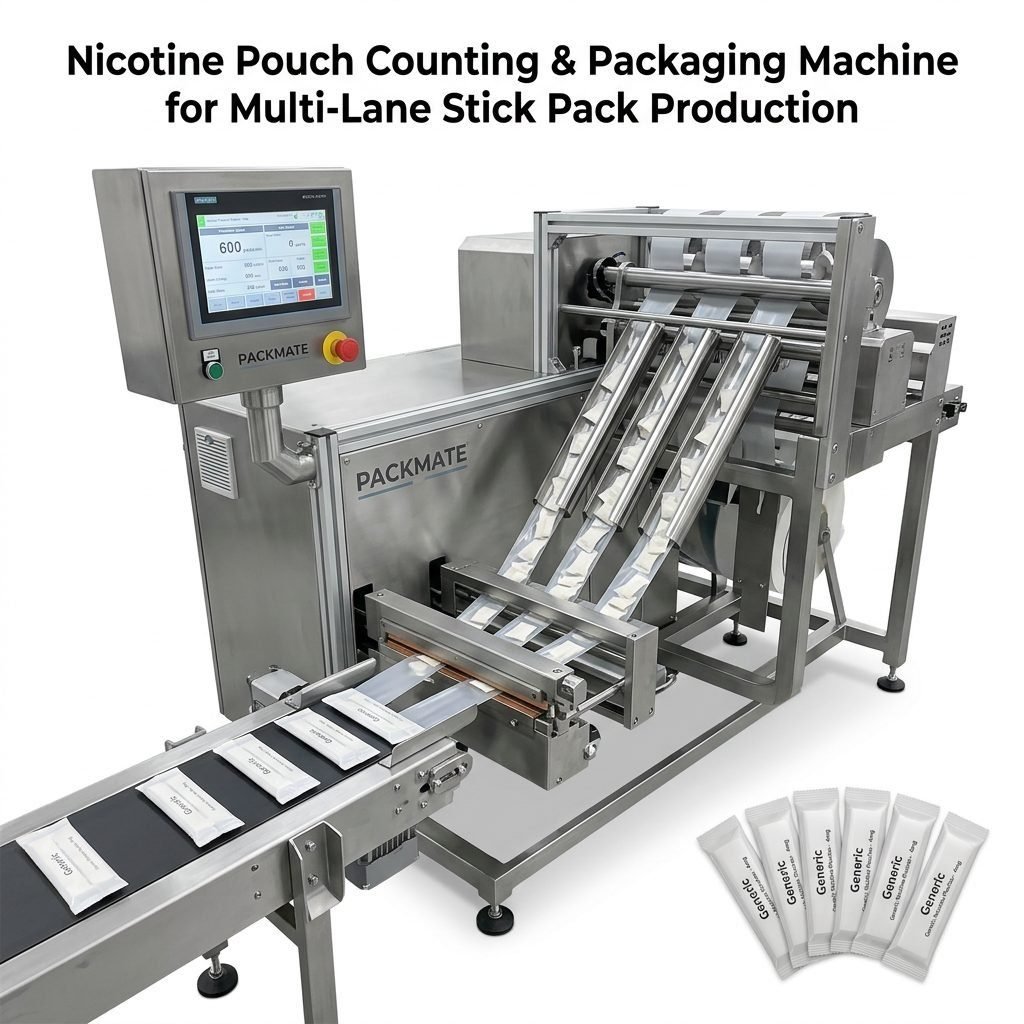
For niche products like nicotine pouch tea alternatives or snus, partnering with a specialist like SnusMachinery can provide technology specifically honed for precise pouch filling and sealing, potentially offering a better long-term ROI despite a possible premium.
Conclusion and Next Steps
Selecting the best automatic tea bag packaging machine requires a balanced analysis of technical specifications, supplier capability, and total cost of ownership. Begin by clearly defining your current and future needs. Then, engage with reputable manufacturers, request detailed quotations, and ask for references from clients with similar applications. Whenever possible, arrange a product test using your own tea and packaging materials to see the machine in action. This due diligence will lead you to a packaging solution that drives efficiency, quality, and growth for your business.
Frequently Asked Questions (FAQs)
Q: What is the typical lead time for a new automatic tea bag machine?
A: Lead times vary by complexity. A standard model may take 30-60 days, while a fully customized or turnkey line can require 90-180 days for manufacturing, testing, and shipment.
Q: Can one machine produce both traditional flat tea bags and pyramid bags?
A: Generally, no. These are distinct formats requiring different forming and sealing mechanisms. Some manufacturers offer convertible models, but changeover can be extensive. It’s often more efficient to have dedicated machines for high-volume production of each type.
Q: How important is after-sales service, and what should I look for?
A> It is critically important. Look for suppliers who offer comprehensive training, detailed manuals (in your language), a clear spare parts supply chain, and accessible technical support—either remotely or through local agents. A strong warranty period is also a good indicator of confidence in the machine’s reliability.
Q: Are Chinese-made packaging machines reliable for international markets?
A: Yes, many established Chinese manufacturers, like those profiled, have decades of experience and export globally to demanding markets. The key is to select a company with a proven export track record, robust quality control processes, and the ability to meet international safety and hygiene standards. Always conduct thorough due diligence and factory audits if possible.
Q: What are the key differences between a standalone machine and a turnkey line?
A: A standalone machine performs the core function of forming, filling, and sealing the tea bag. A turnkey line integrates this machine with auxiliary equipment (e.g., bag collectors, tag attachers, overwrappers, cartoners, case packers) to create a fully automated production system from bulk tea to shippable cases, significantly reducing manual intervention.