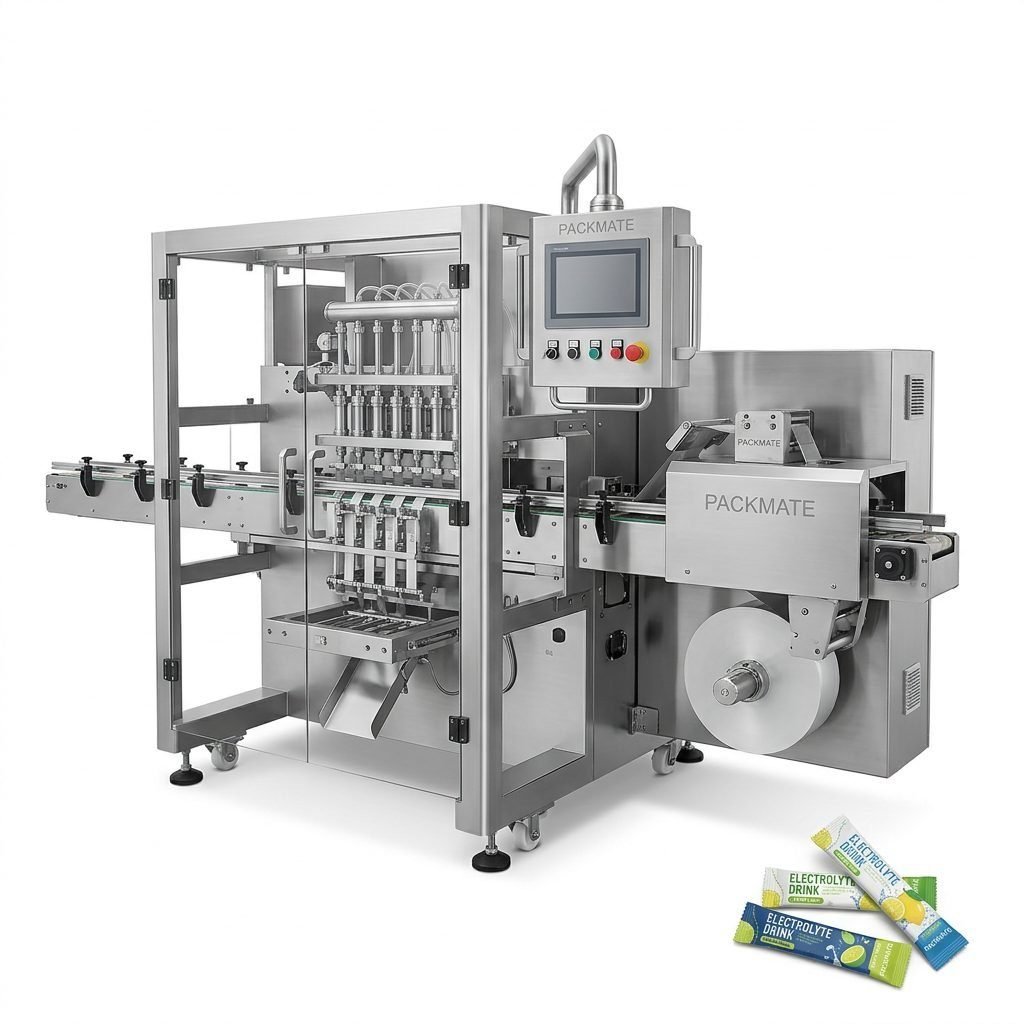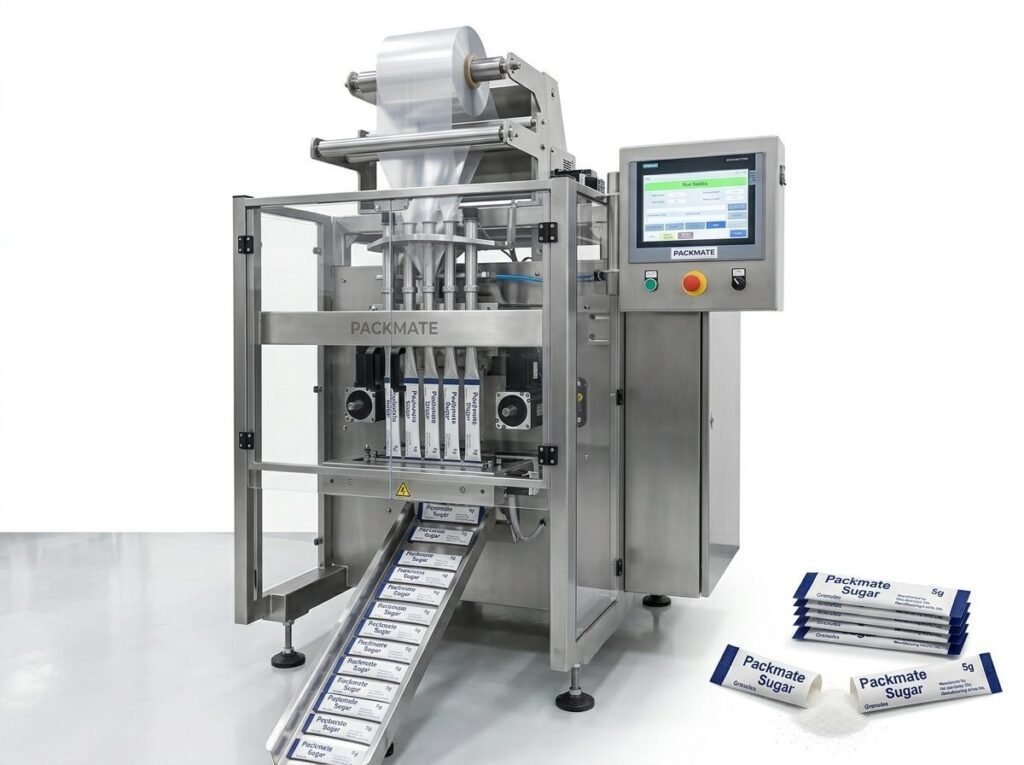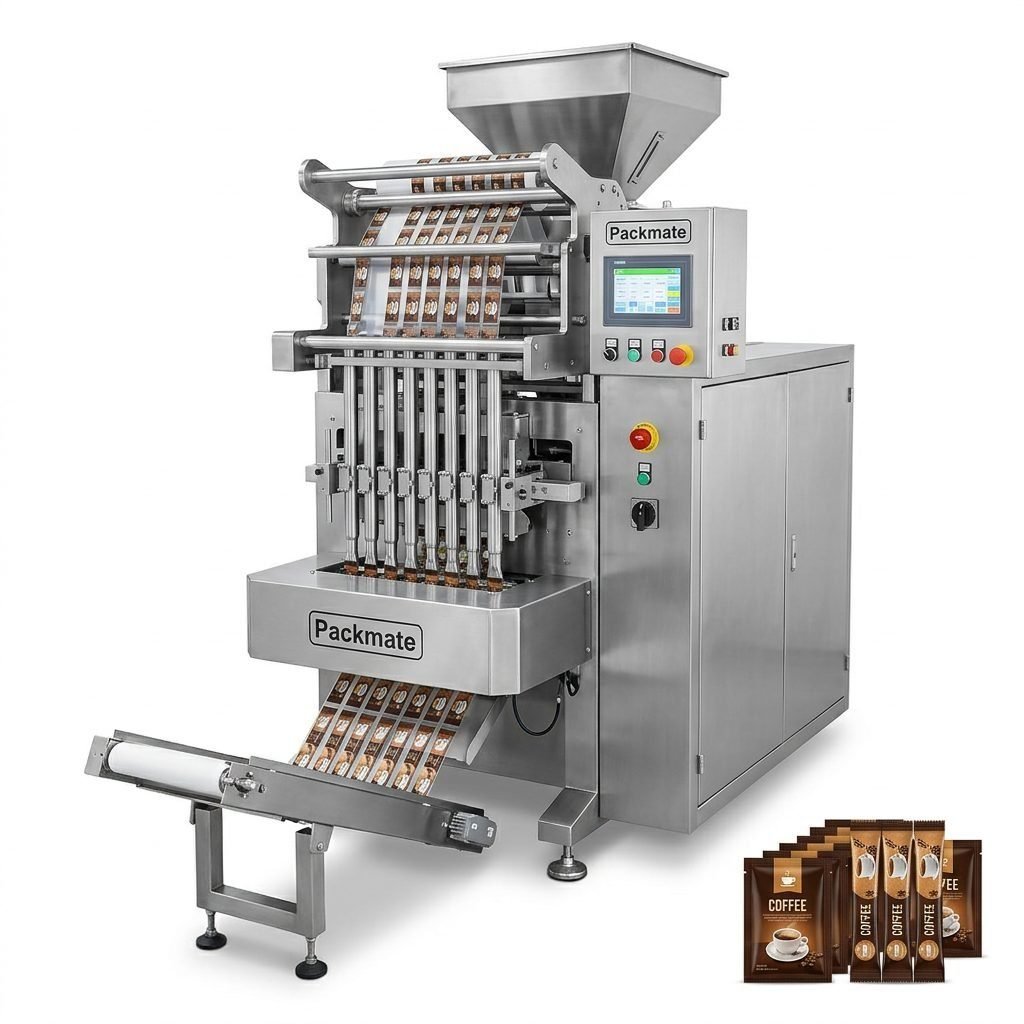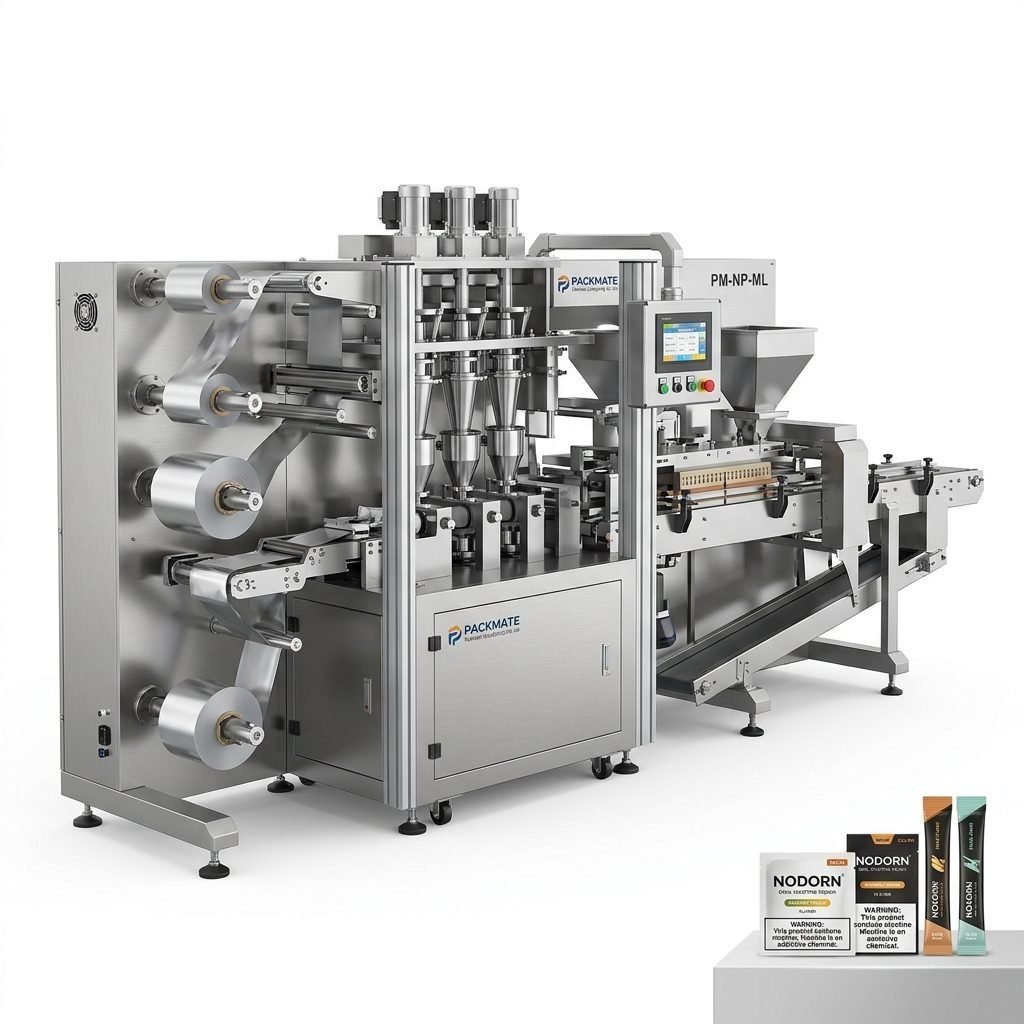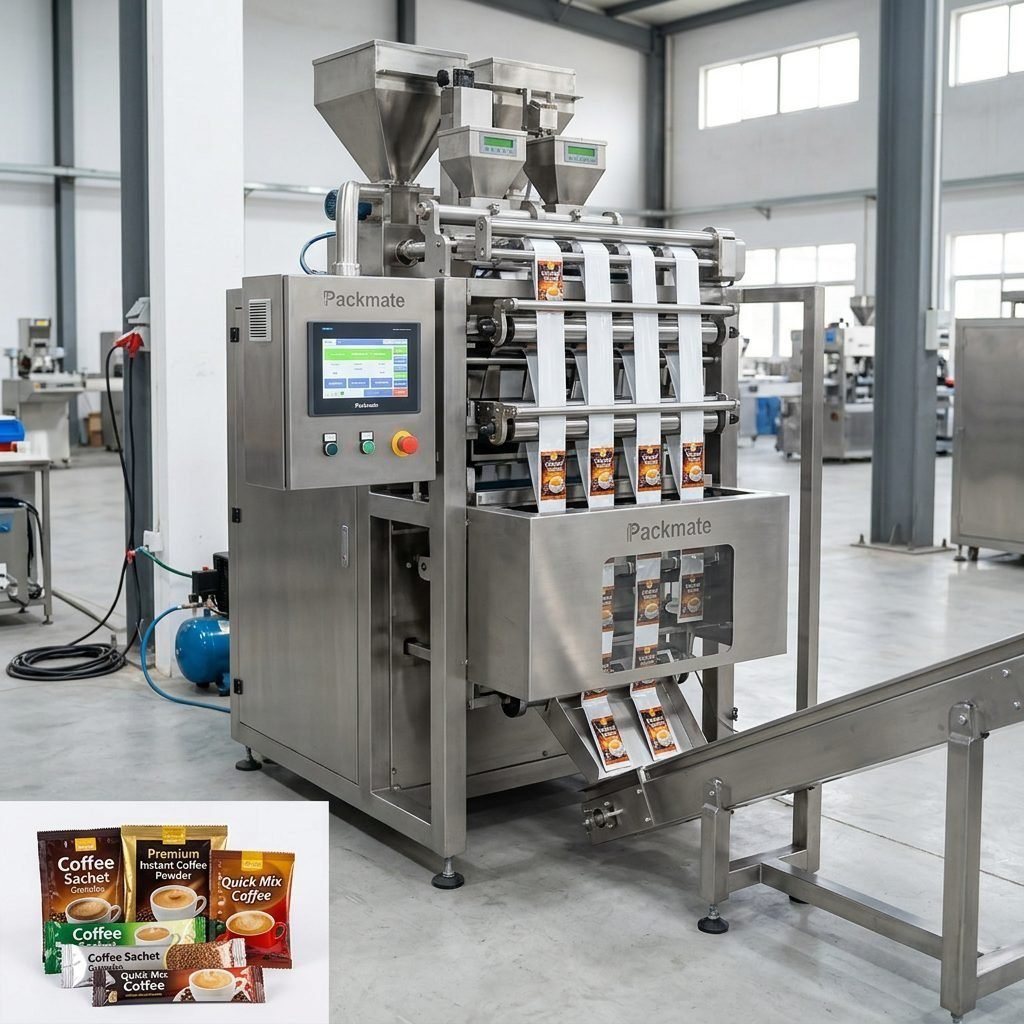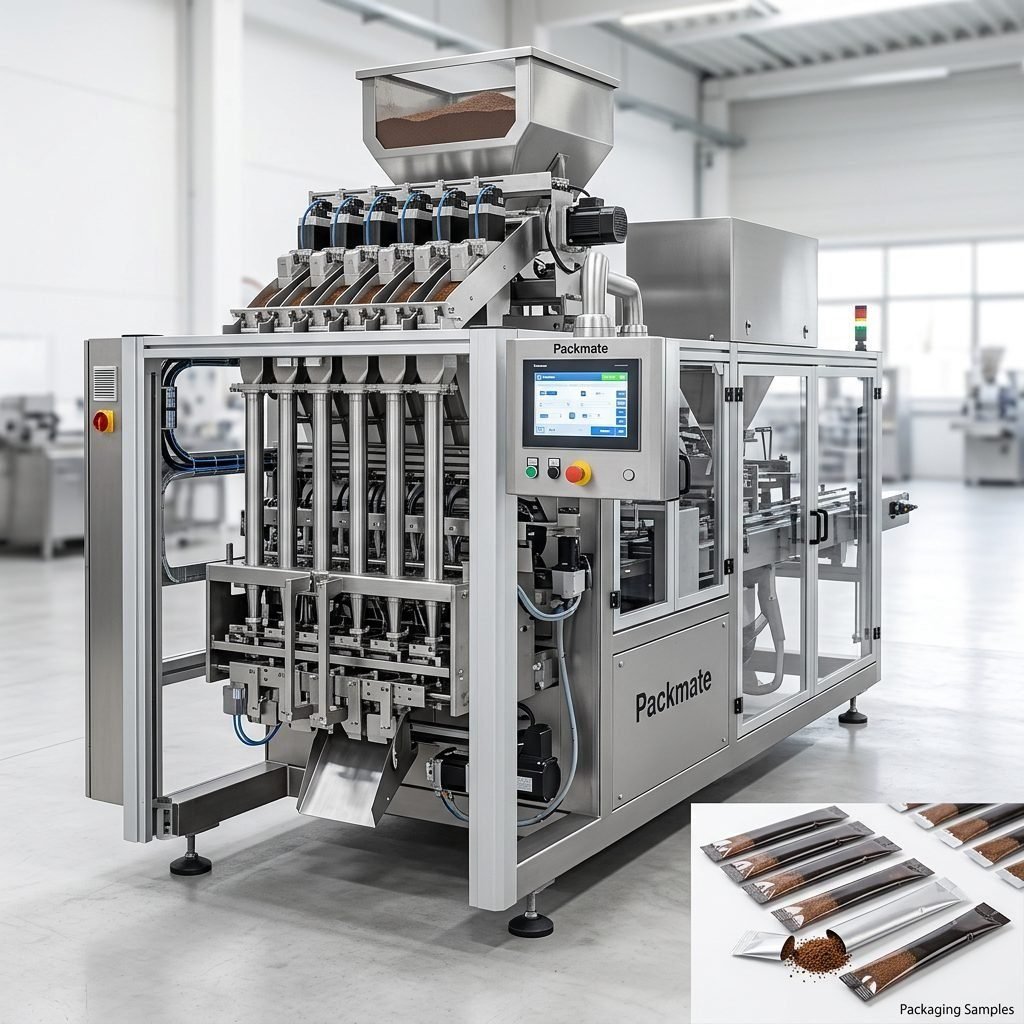
In today’s fast-paced consumer market, efficiency and consistency in production are paramount. For manufacturers of liquid products—from sauces and dressings to beverages, oils, and pharmaceutical syrups—the choice of packaging equipment can significantly impact productivity, product quality, and overall operational costs. High-efficiency liquid pouch packaging machines have emerged as a critical solution, enabling businesses to meet high-volume demands with precision and reliability.
Core Features of a Modern Liquid Pouch Packaging Machine
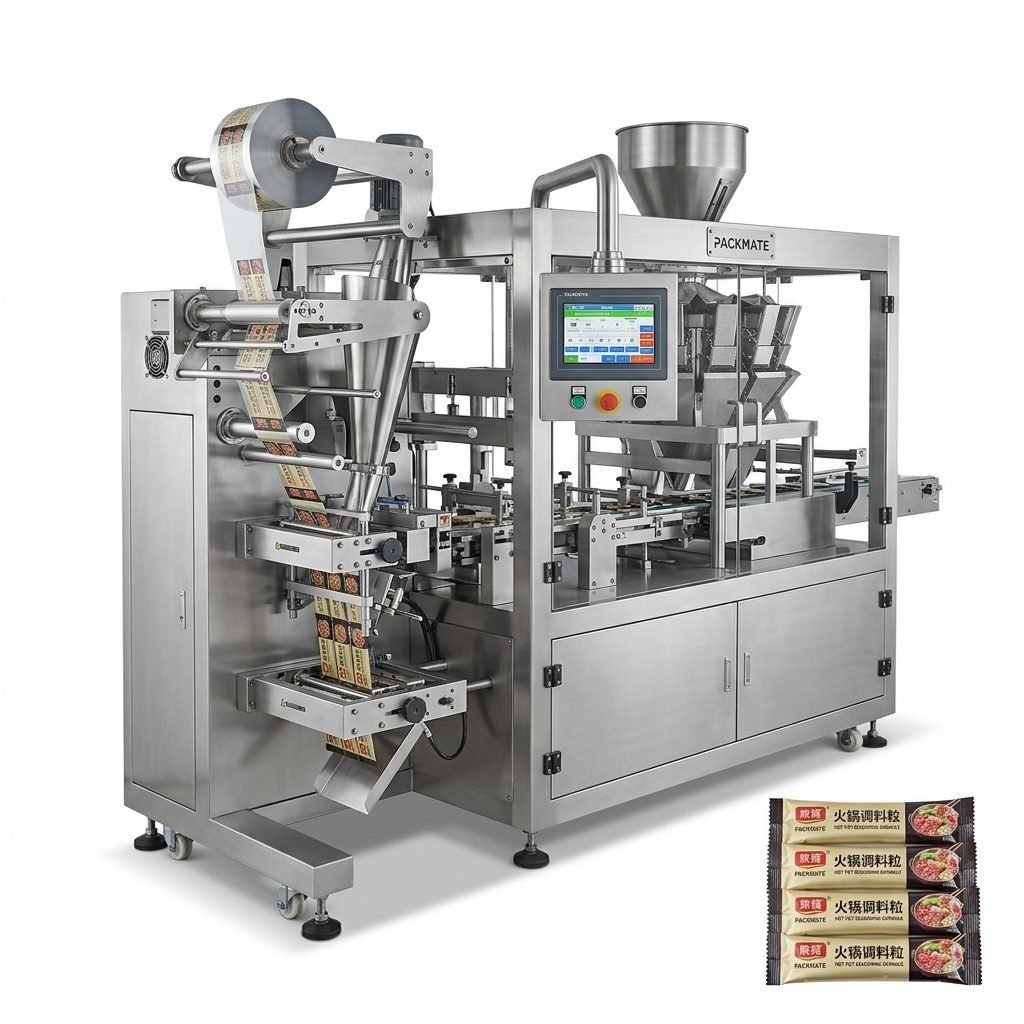
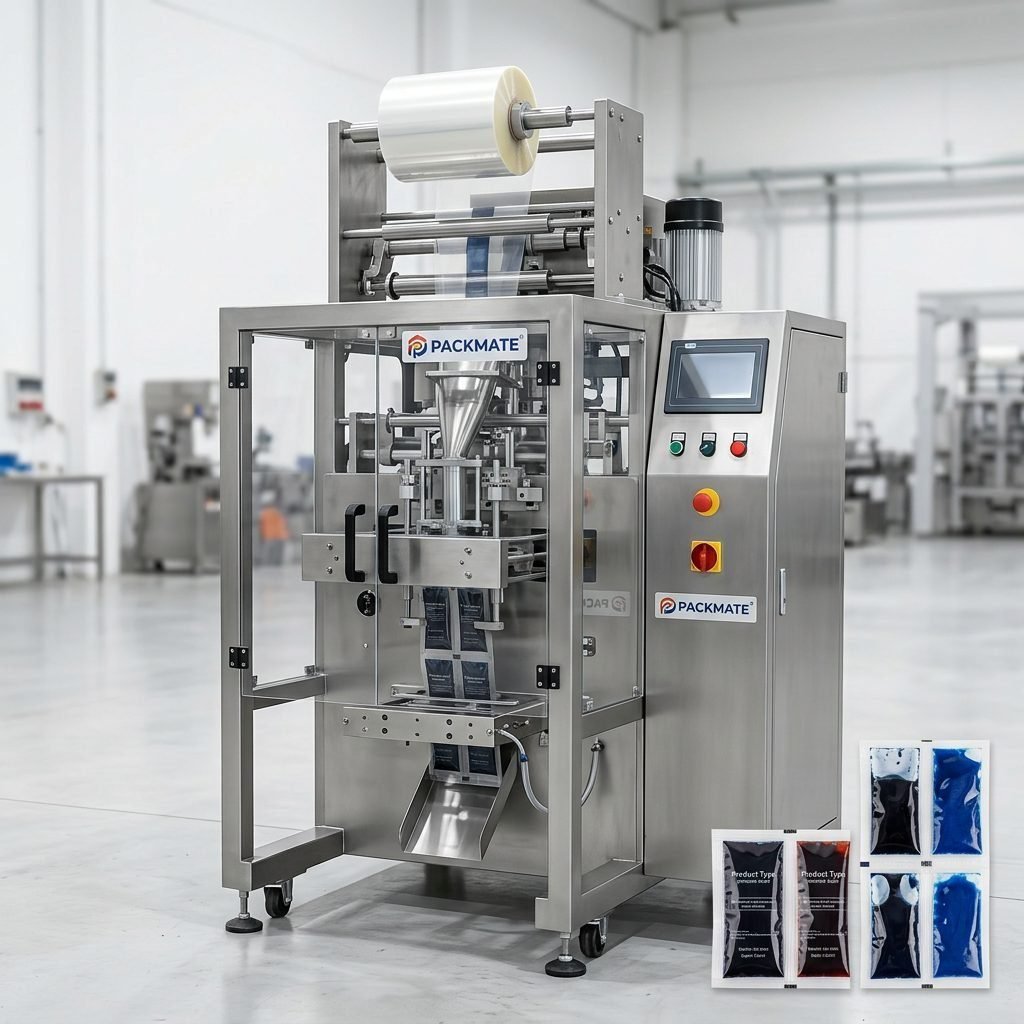
A high-performance liquid pouch packaging machine is more than just a filler and sealer. It’s an integrated system designed for speed, accuracy, and minimal waste. Key features define its capabilities:
High-Speed Multi-Lane Operation: Modern machines often feature 4 to 16 lanes, running in parallel to dramatically increase output. This multi-lane design is essential for meeting the demands of large-scale production without sacrificing precision.
Advanced Liquid Filling Technology: Precision is non-negotiable. These machines utilize volumetric piston fillers, peristaltic pumps, or advanced flow meters to ensure each pouch receives the exact amount of liquid, with minimal drips or spillage, even for viscous or foamy products.
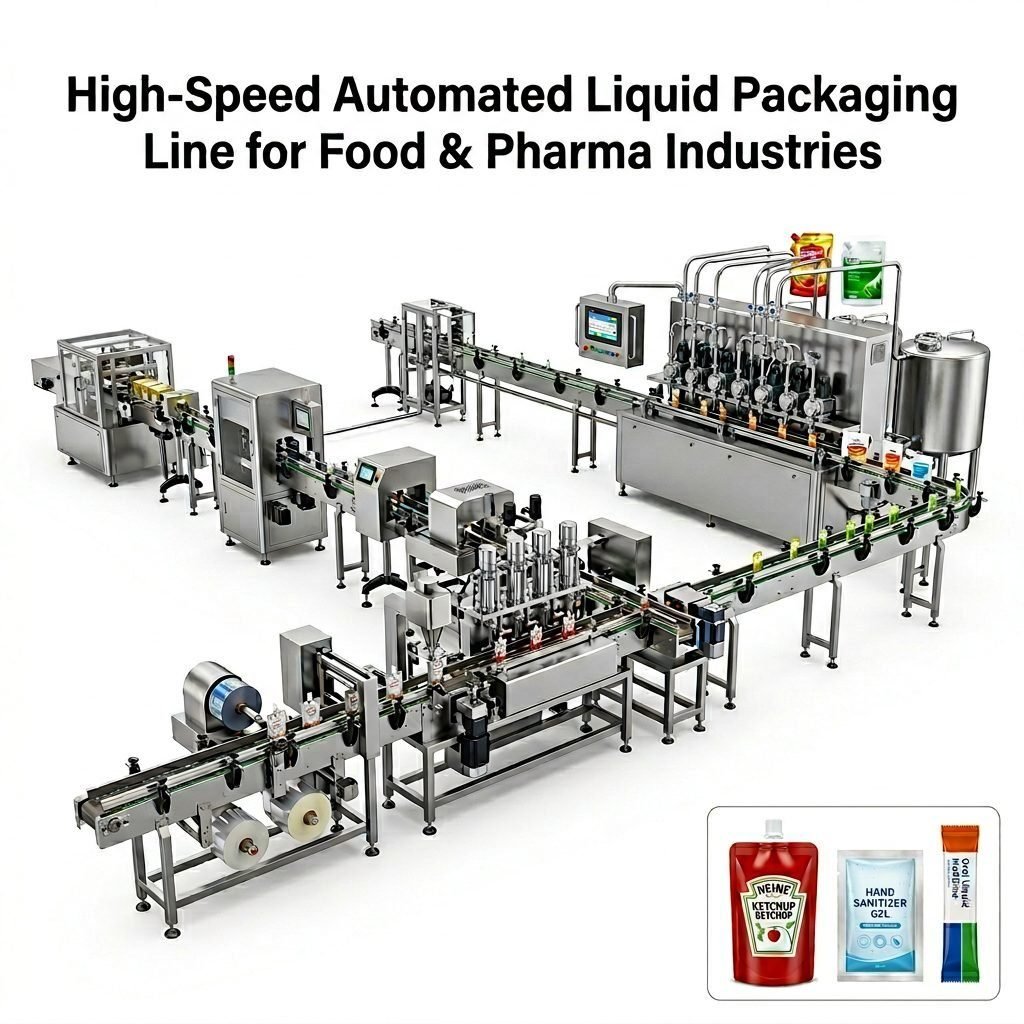
Versatile Film Handling and Sealing: They can handle a wide range of packaging films, including laminates with aluminum or PET layers for extended shelf life. Robust heat sealing systems create strong, leak-proof seals that withstand transportation and handling.
Integrated Automation and Control: A user-friendly PLC (Programmable Logic Controller) interface allows operators to set parameters like fill volume, speed, and temperature. Integrated sensors monitor the process in real-time, automatically rejecting pouches with sealing defects or incorrect fill levels.
For businesses looking to scale, partnering with an experienced manufacturer like Ludyway provides access to machines with these advanced features. With over 30 years in the industry, they engineer systems that balance high speed with operational stability, a crucial factor for continuous production runs.
Tangible Benefits for Your Production Line
Investing in a high-efficiency machine translates directly to a stronger bottom line and competitive advantage.
Maximized Output and Reduced Labor: Automated systems can produce thousands of pouches per hour with minimal manual intervention. This not only boosts capacity but also reduces labor costs and human error, allowing staff to focus on quality control and supervision.
Enhanced Product Quality and Consistency: Precise filling eliminates under- or over-filling, ensuring every consumer gets the exact product amount. Consistent, strong seals protect the product from contamination and leakage, maintaining freshness and brand integrity.
Material and Cost Savings: Precise dosing reduces product giveaway. Furthermore, efficient machines optimize film usage and minimize start-up waste. This leads to significant savings on raw materials over time.
Operational Flexibility: Many modern machines allow for quick changeovers between different pouch sizes and liquid products. This agility is vital for manufacturers producing multiple SKUs or running short batches, maximizing machine uptime.
Key Considerations Before You Buy
Selecting the right machine requires a careful assessment of your specific needs. A mismatch can lead to inefficiency and frustration.
| Consideration | Key Questions to Ask |
|---|---|
| Product Characteristics | What is the viscosity? Is it foamy, acidic, or contain particulates? This determines the filling system (piston, pump) and material compatibility. |
| Production Requirements | What is your required output (pouches/hour)? How many SKUs will you run? This dictates the machine’s speed and changeover capabilities. |
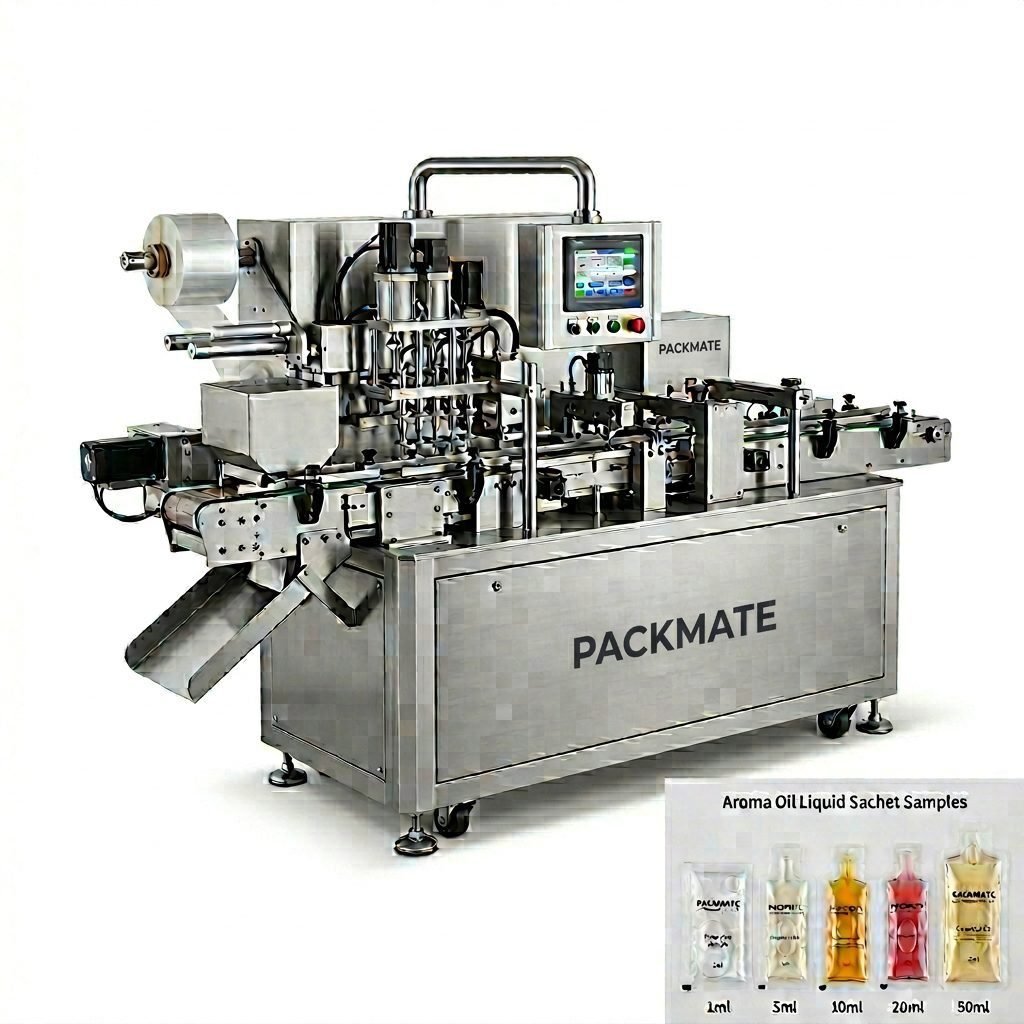
| Pouch Specifications | What are the pouch dimensions (width, length)? What film material and seal type (3-side seal, 4-side seal, stand-up pouch) are needed? |
| Automation Level | Do you need just the pouch machine, or an integrated line with automatic feeding, cartoning, and case packing? Companies like PacklineOEM specialize in such turnkey solutions. |
| After-Sales Support | What technical support, spare parts availability, and operator training does the supplier offer? This is critical for long-term uptime. |
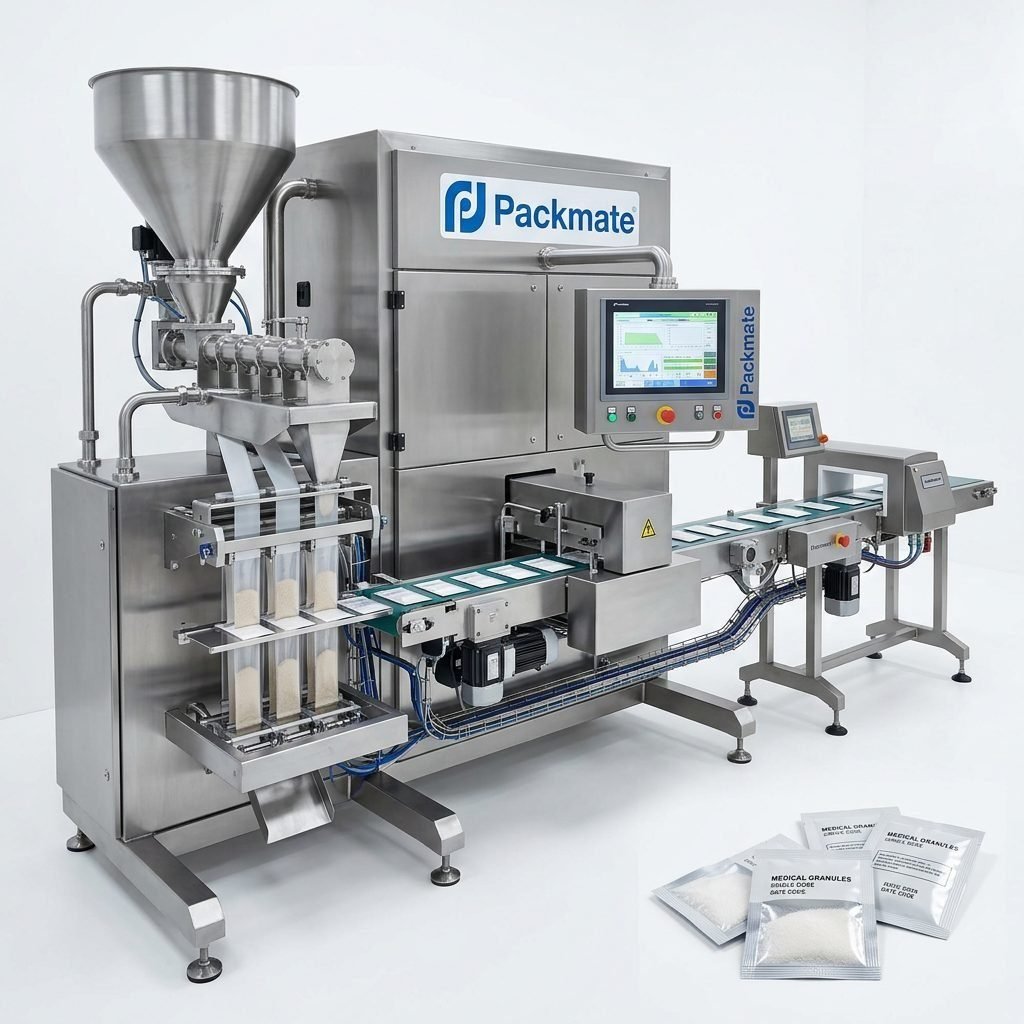
For specialized applications, such as packaging nicotine pouches or pharmaceutical liquids, it’s wise to consult with manufacturers who have niche expertise. A supplier like SnusMachinery brings focused knowledge on the precise dosing and sealing requirements unique to that sector.
Global Market Insights and Supplier Selection
The demand for automated liquid pouch packaging is truly global. In Europe and North America</strong, manufacturers prioritize hygiene, precision, and connectivity (Industry 4.0) for integration with factory management systems. In the Middle East and Africa</strong, robustness to handle challenging environments and reliable after-sales service are often top priorities. Across Southeast Asia</strong, a balance of high speed, affordability, and flexibility for diverse product types drives purchasing decisions.
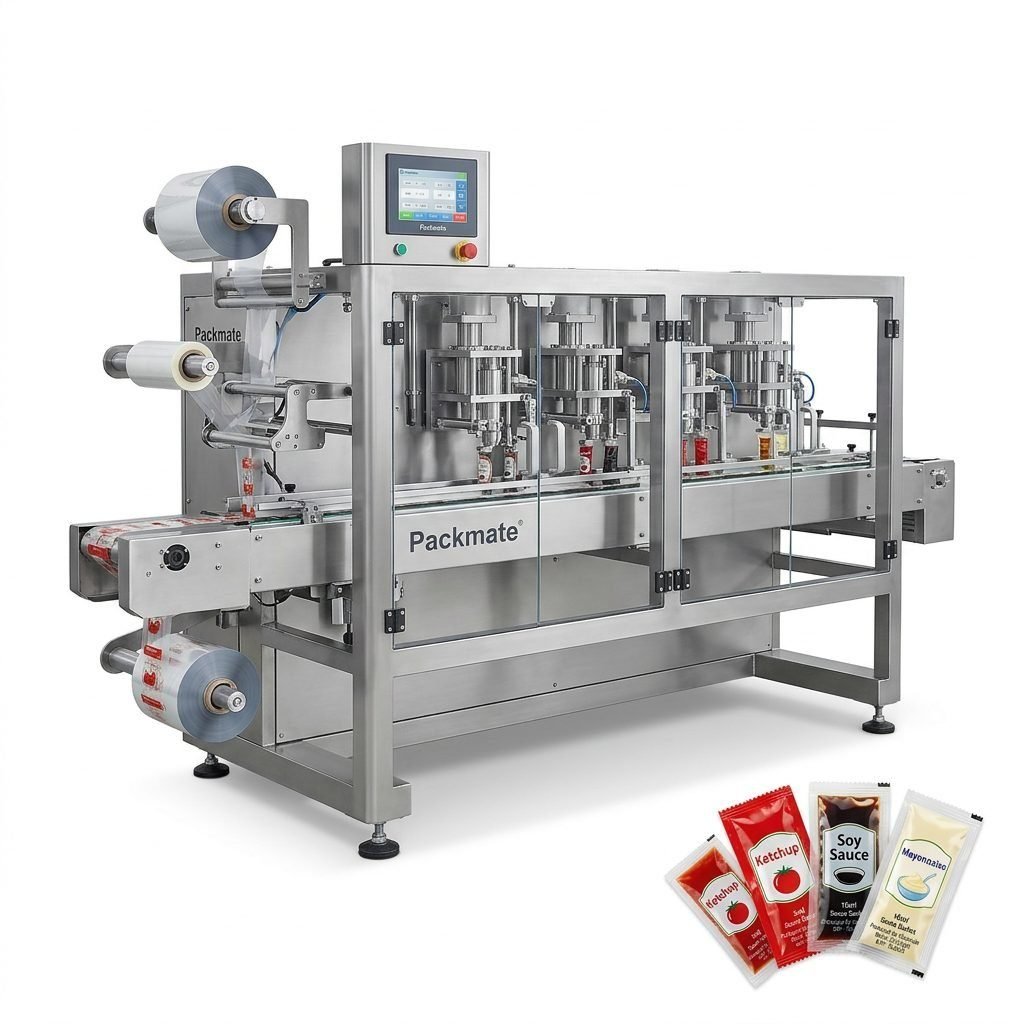
When evaluating suppliers, look beyond the initial price. Consider the total cost of ownership, which includes maintenance, energy consumption, and potential downtime. Leading Chinese manufacturers like Packmate Machinery have built strong export reputations by offering reliable performance and good value, serving these diverse international needs effectively.
For projects requiring significant customization or non-standard pouch formats, working with an OEM-focused partner is essential. Companies such as PackingMachineOEM excel in adapting their base machine designs to meet specific customer requirements, from unique filling mechanisms to specialized material handling.
Implementing Your New Machine for Success
Successful implementation starts with clear communication with your supplier. Provide detailed samples of your product and packaging material. Plan for adequate factory space, utilities (power, compressed air), and operator training. A well-executed factory acceptance test (FAT) before shipment can prevent issues upon installation.
Remember, the machine is the core, but the packaging film is equally important. Collaborate with your material supplier and machine manufacturer to ensure compatibility for optimal seal strength and machine runnability. A minor adjustment in film structure can often resolve major operational headaches.
Conclusion: A Strategic Investment
A high-efficiency liquid pouch packaging machine is a strategic investment that drives productivity, ensures quality, and enhances brand value. By carefully analyzing your needs, understanding the key features, and choosing a reputable supplier with a global support network, you can secure a system that delivers a strong return on investment and positions your business for growth in competitive markets.
Frequently Asked Questions (FAQs)
What is the typical production speed of a multi-lane liquid pouch machine?
Speeds vary based on the number of lanes, pouch size, and liquid viscosity. Modern machines can range from 1,200 to over 6,000 pouches per hour for standard sachets. A 12-lane machine, for example, could easily achieve 4,000+ pouches per hour.
Can one machine handle different liquid viscosities?
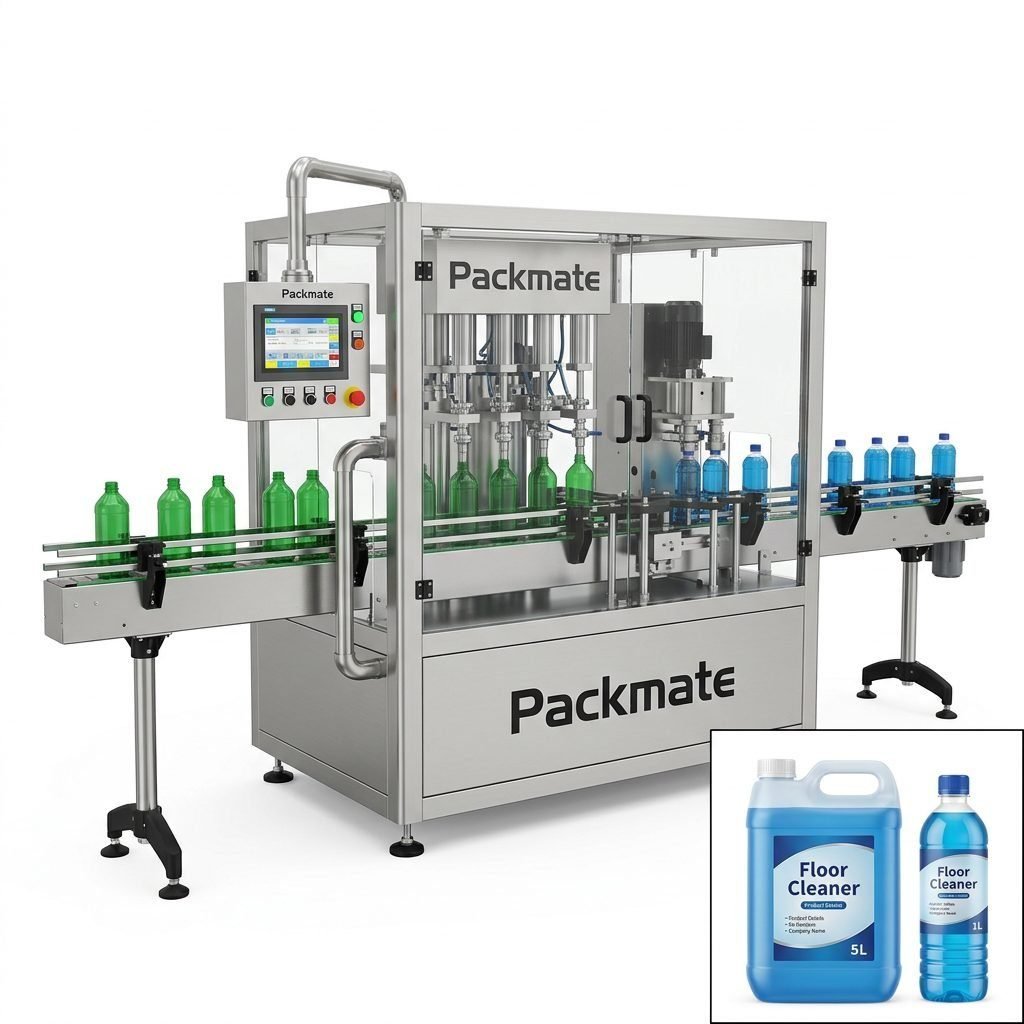
Yes, but the filling system may need to be configured or changed. Low-viscosity liquids (like water) work well with flow meters, while viscous products (like sauces, gels) require piston fillers or specialized pumps. Discuss your full product range with the supplier.
How important is after-sales service?
It is critical. Look for suppliers who offer comprehensive training, readily available spare parts, and responsive technical support (remote and on-site). A machine breakdown without support can halt your entire production.
What is the difference between a standard machine and a turnkey line?
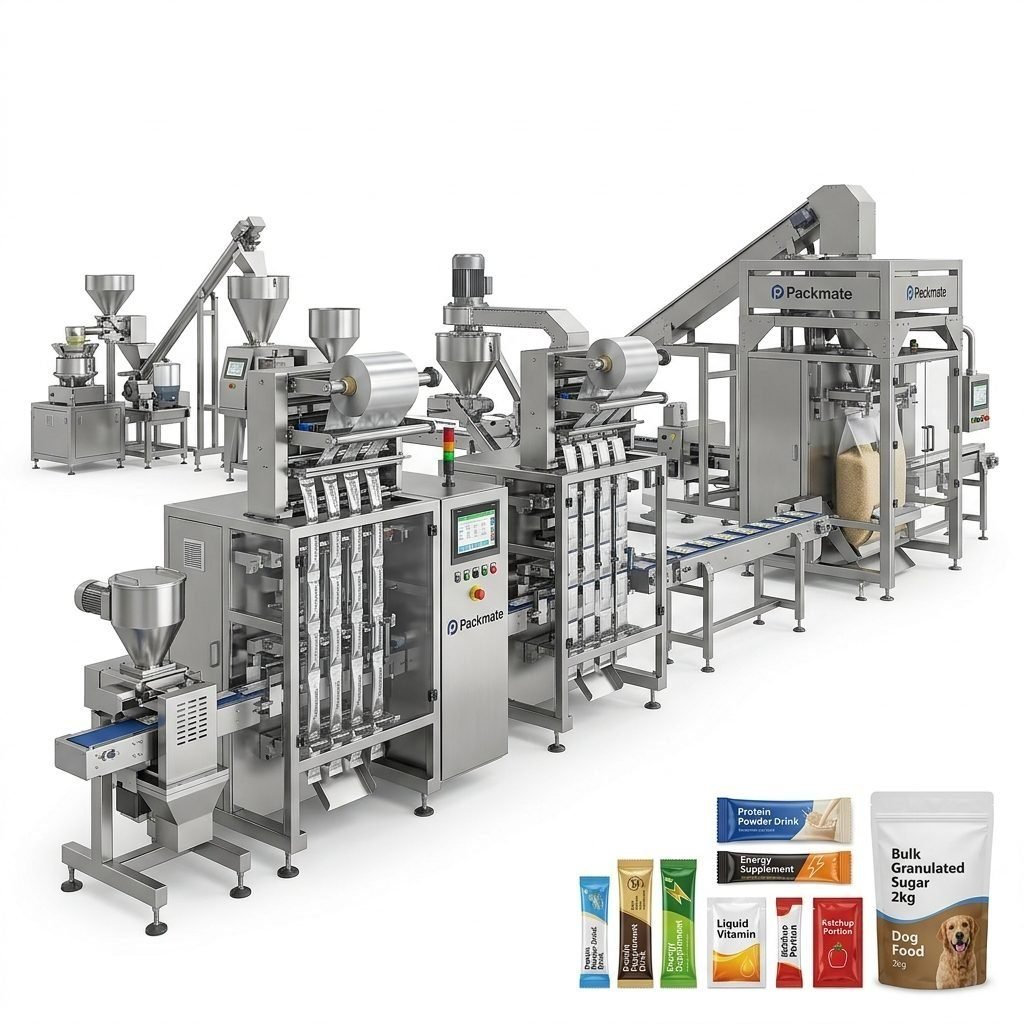
A standard machine typically performs the forming, filling, and sealing of the pouch. A turnkey line, as offered by suppliers like Ludyway or PacklineOEM, integrates additional equipment such as product feeders, checkweighers, date coders, cartoners, and case packers for a fully automated process from raw material to shipping case.
Are these machines suitable for sterile or cleanroom packaging?
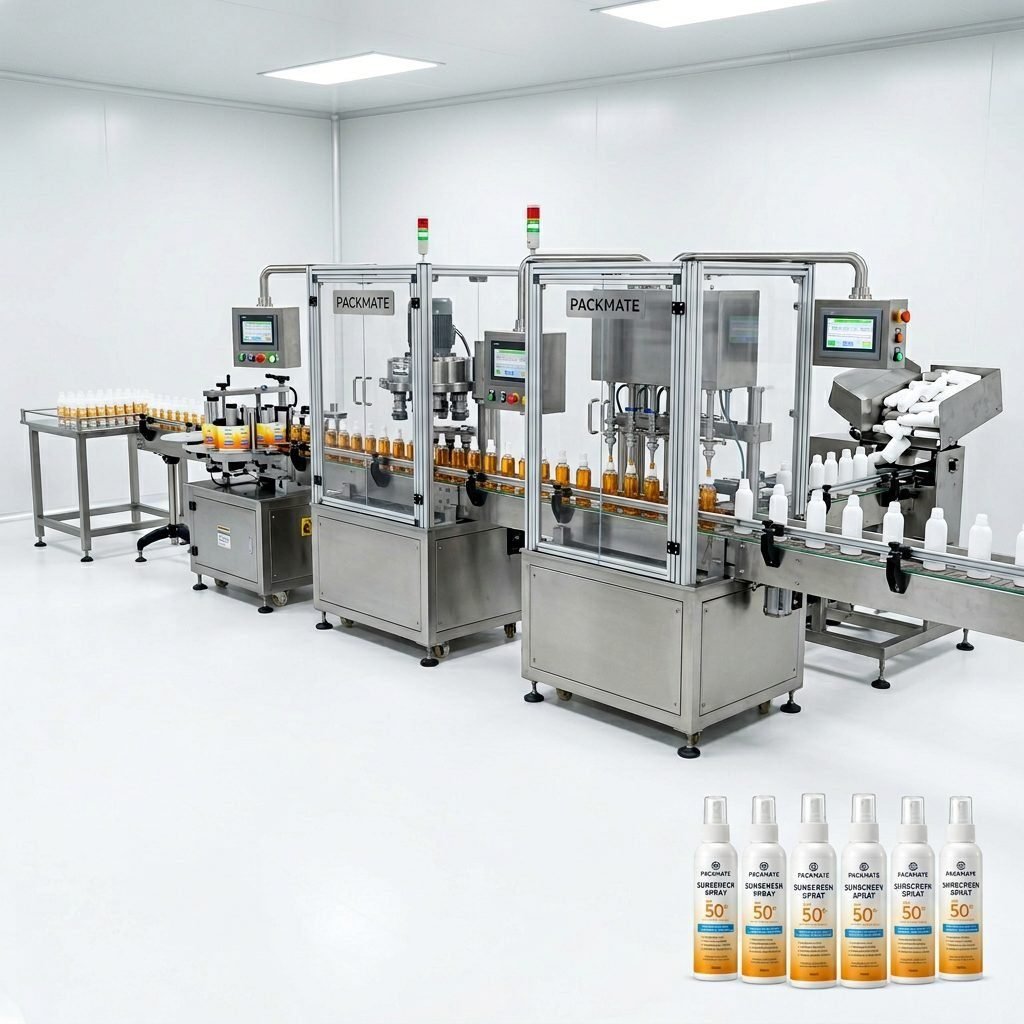
Yes, many models can be built with stainless steel construction, hygienic design (easy to clean, no crevices), and can be equipped with HEPA filters or integrated into cleanroom environments for pharmaceutical, medical, or high-care food applications.