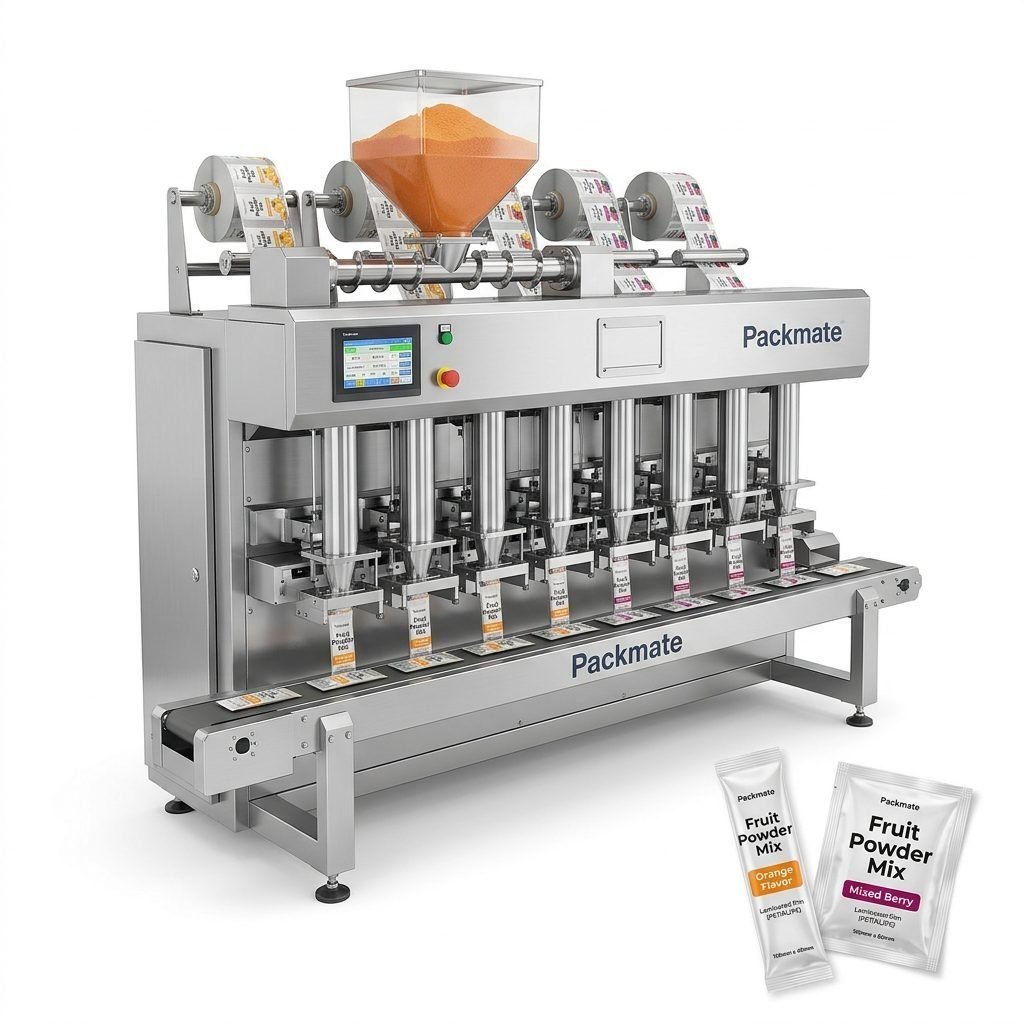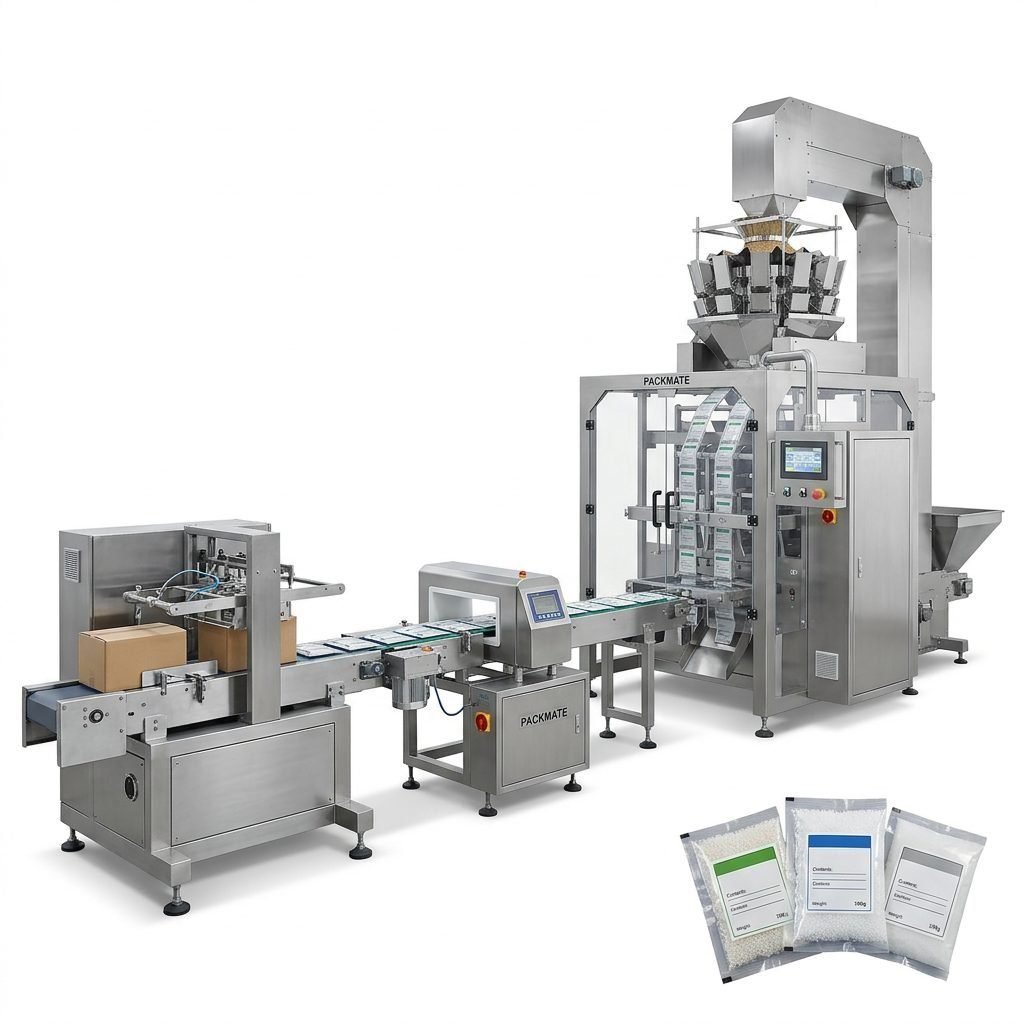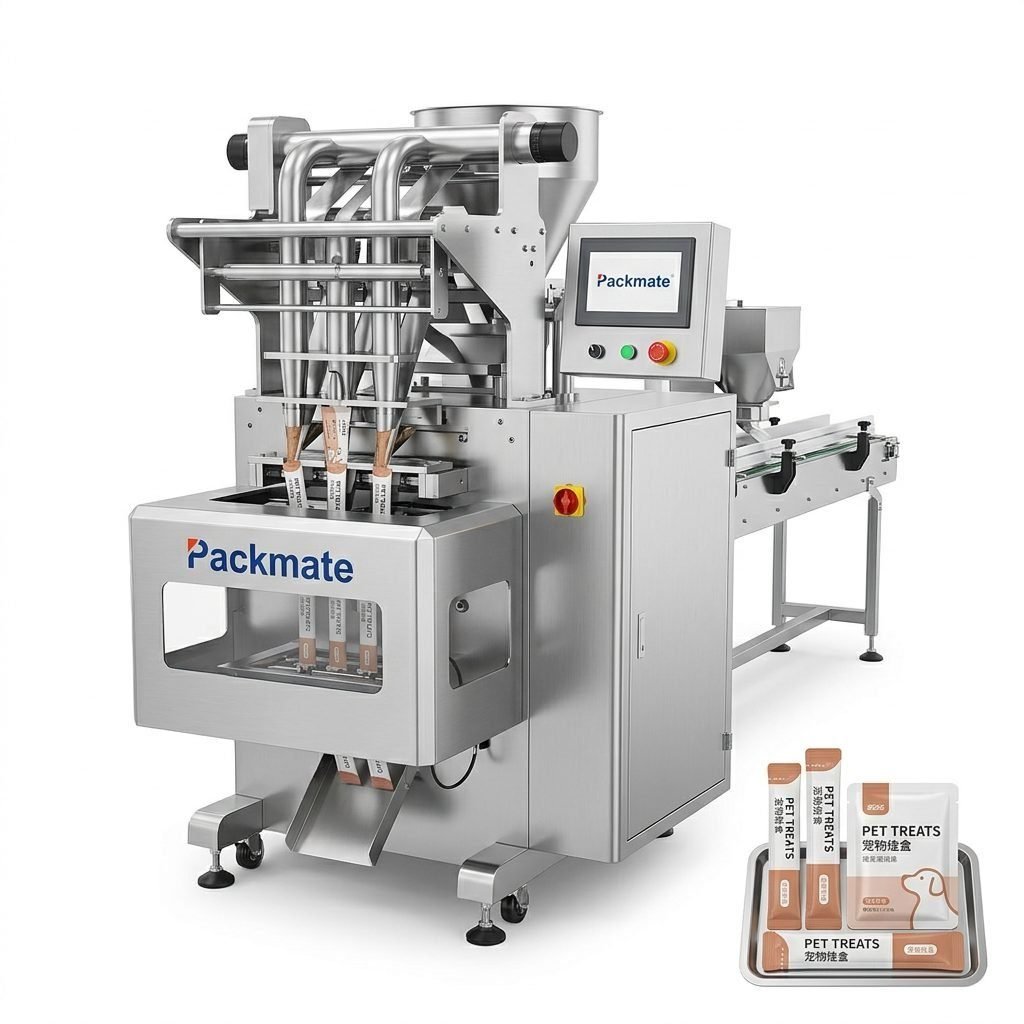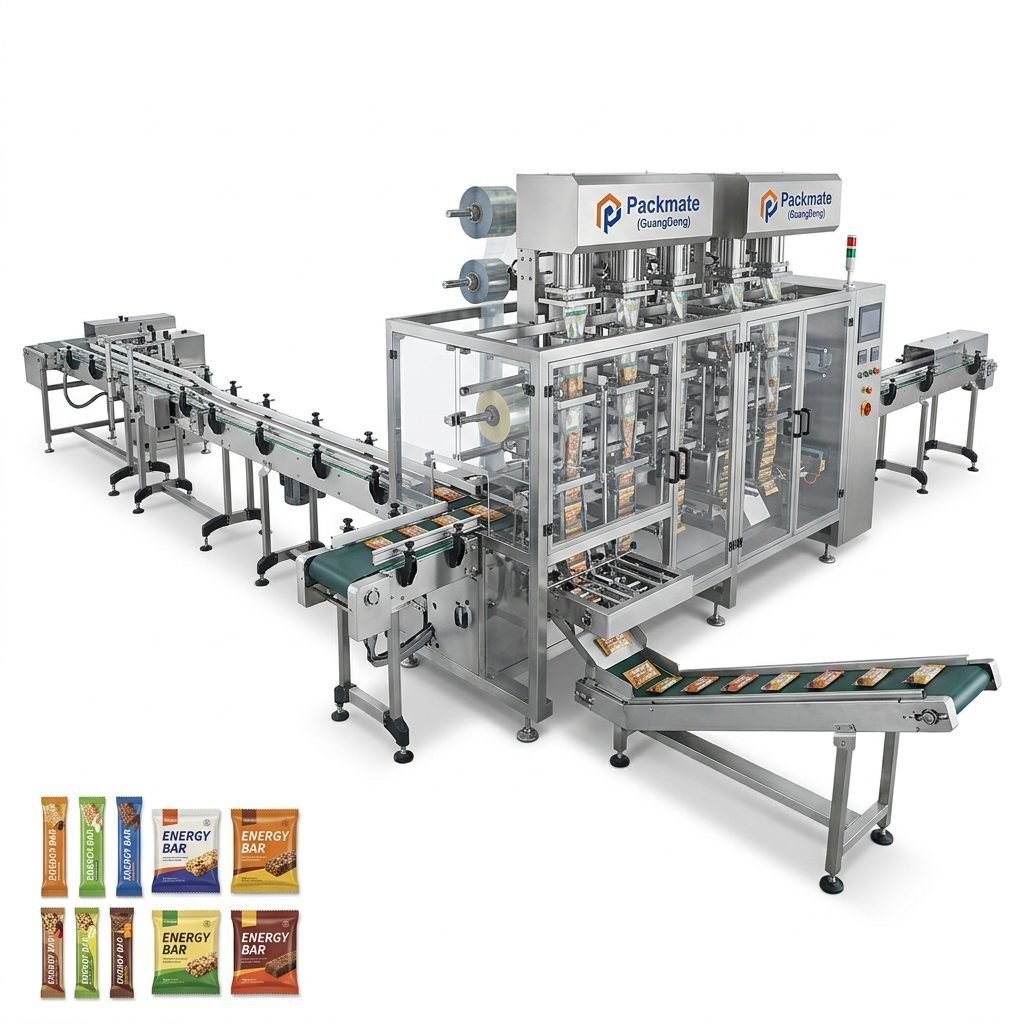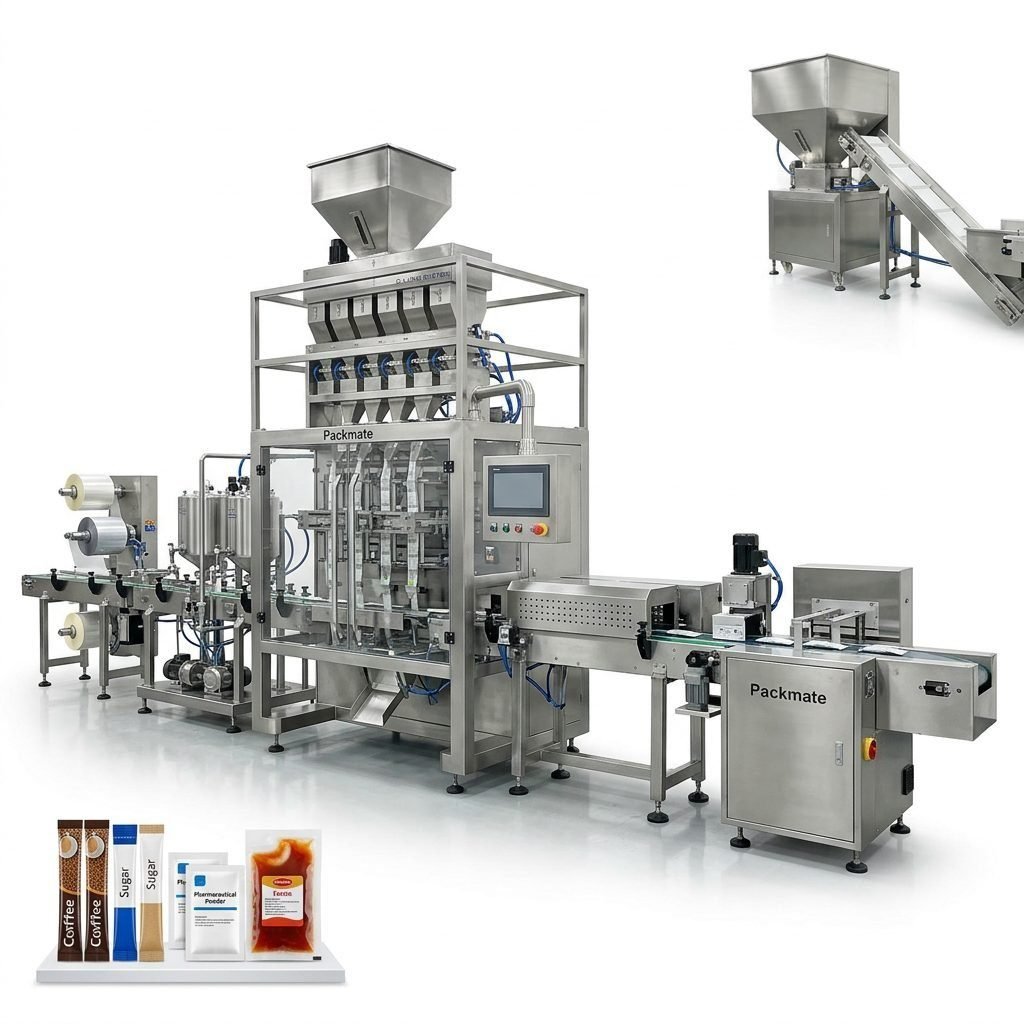
Liquid sachet filling machines are specialized packaging equipment designed to accurately dose, fill, and seal liquid products into small, pre-formed or form-fill-seal pouches, commonly known as sachets. These machines are essential in industries such as food and beverage, pharmaceuticals, cosmetics, personal care, and household chemicals, where single-use or unit-dose liquid packaging is required. The global demand for efficient, hygienic, and cost-effective liquid sachet packaging has grown significantly, driven by consumer trends toward convenience, portion control, and sustainability.
Types of Liquid Sachet Filling Machines
The market offers various types of liquid sachet filling machines, each suited to different production scales, product viscosities, and packaging formats. Understanding these types is the first step in selecting the right equipment.
1. Vertical Form-Fill-Seal (VFFS) Machines
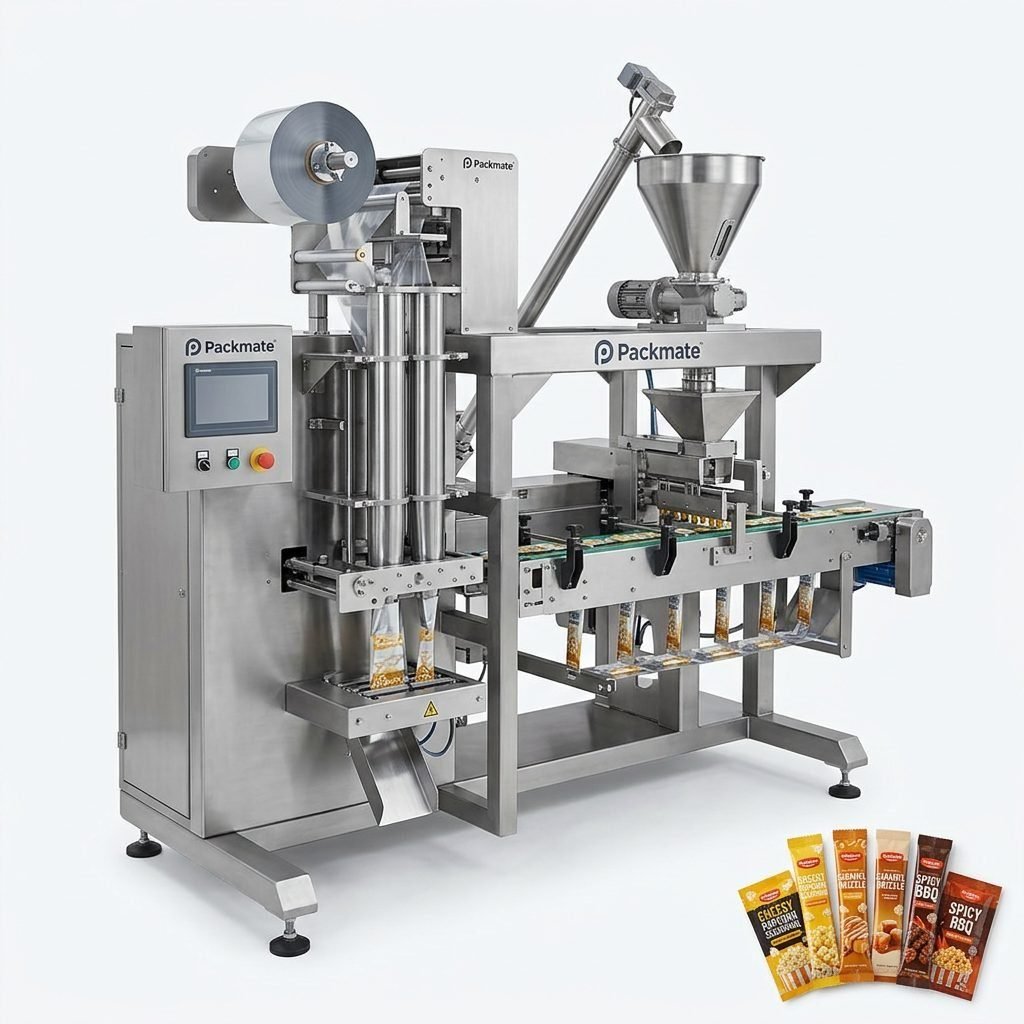
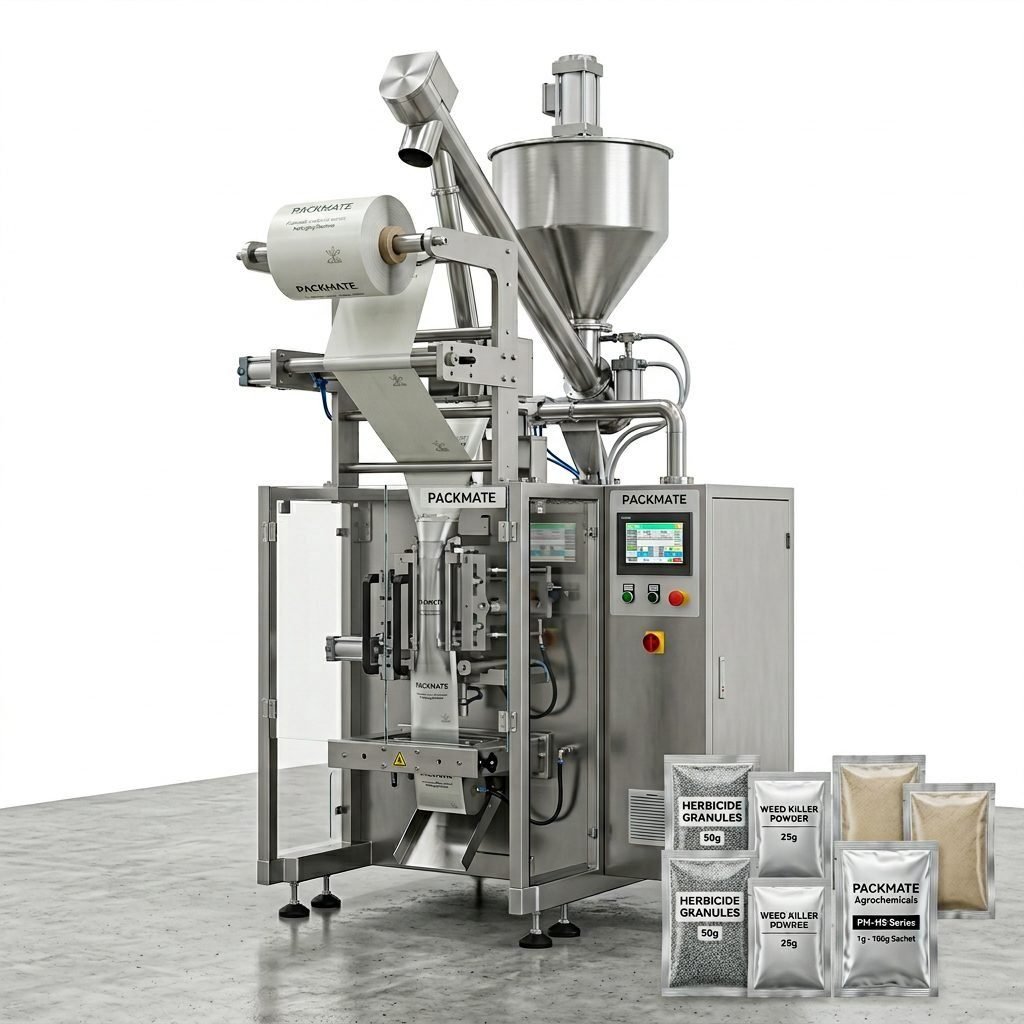
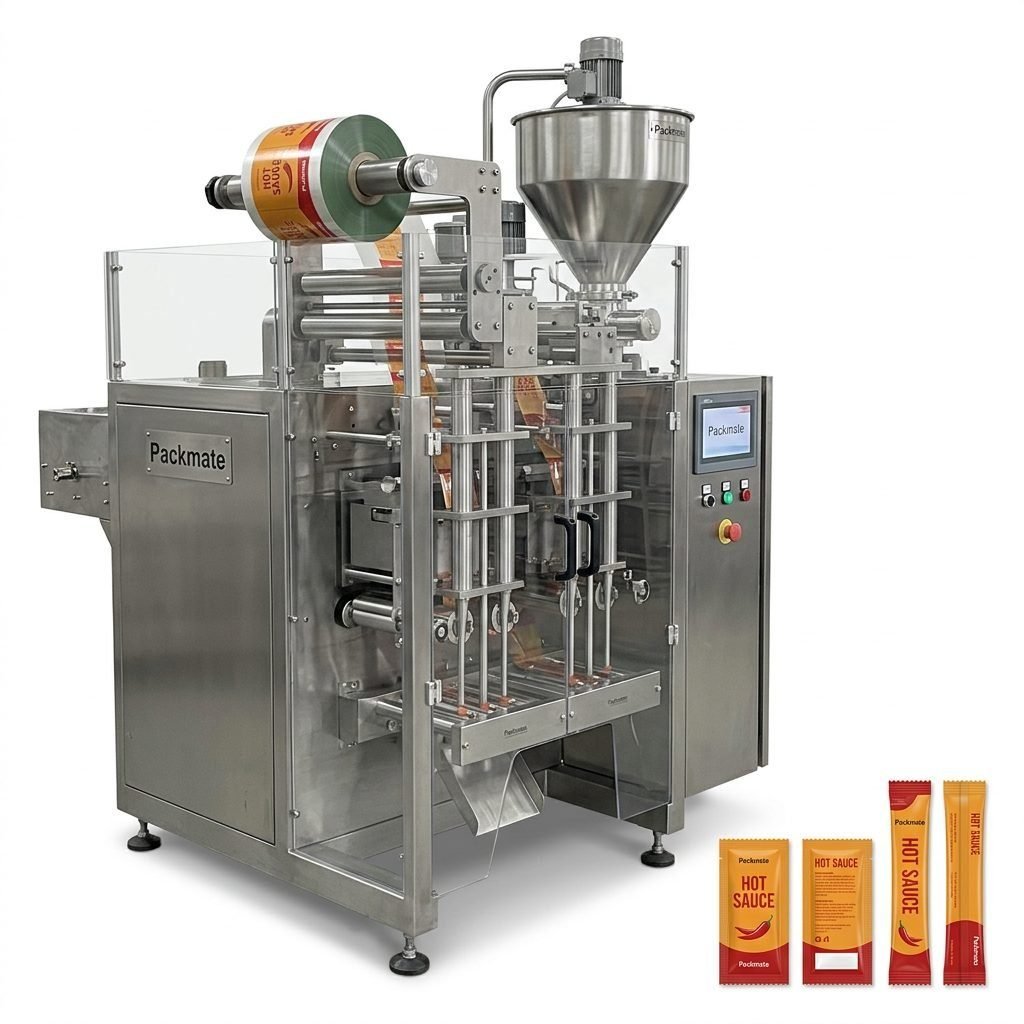
Vertical Form-Fill-Seal machines are among the most common for liquid sachet production. They form the sachet from a roll of packaging film, fill it with the liquid product, and then seal it—all in a continuous vertical motion. These machines are highly versatile and can handle a wide range of liquid viscosities, from water-like fluids to viscous creams and pastes.
Key advantages include high-speed operation, reduced material waste, and the ability to create various sachet sizes and shapes. They are ideal for large-scale production of items like sauce packets, shampoo sachets, and liquid detergent portions.
2. Pre-Made Pouch Fillers
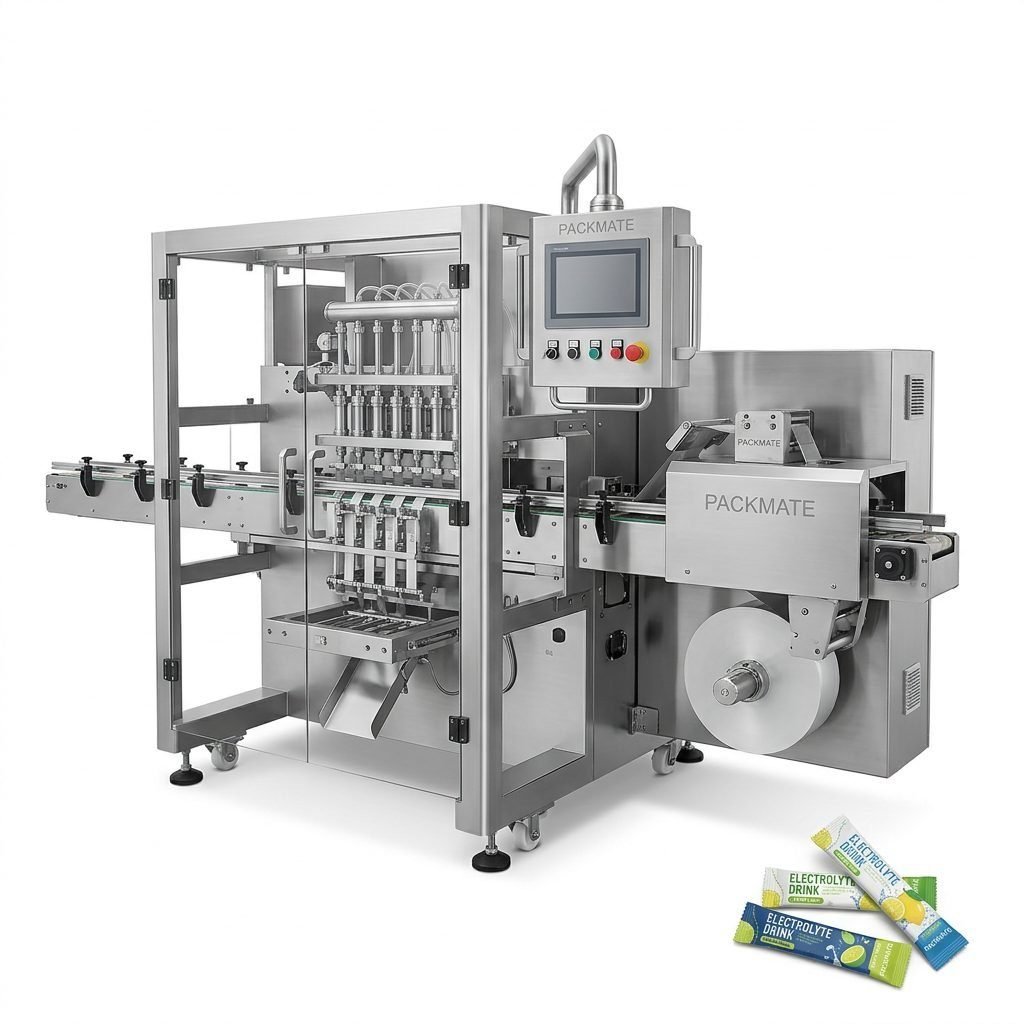
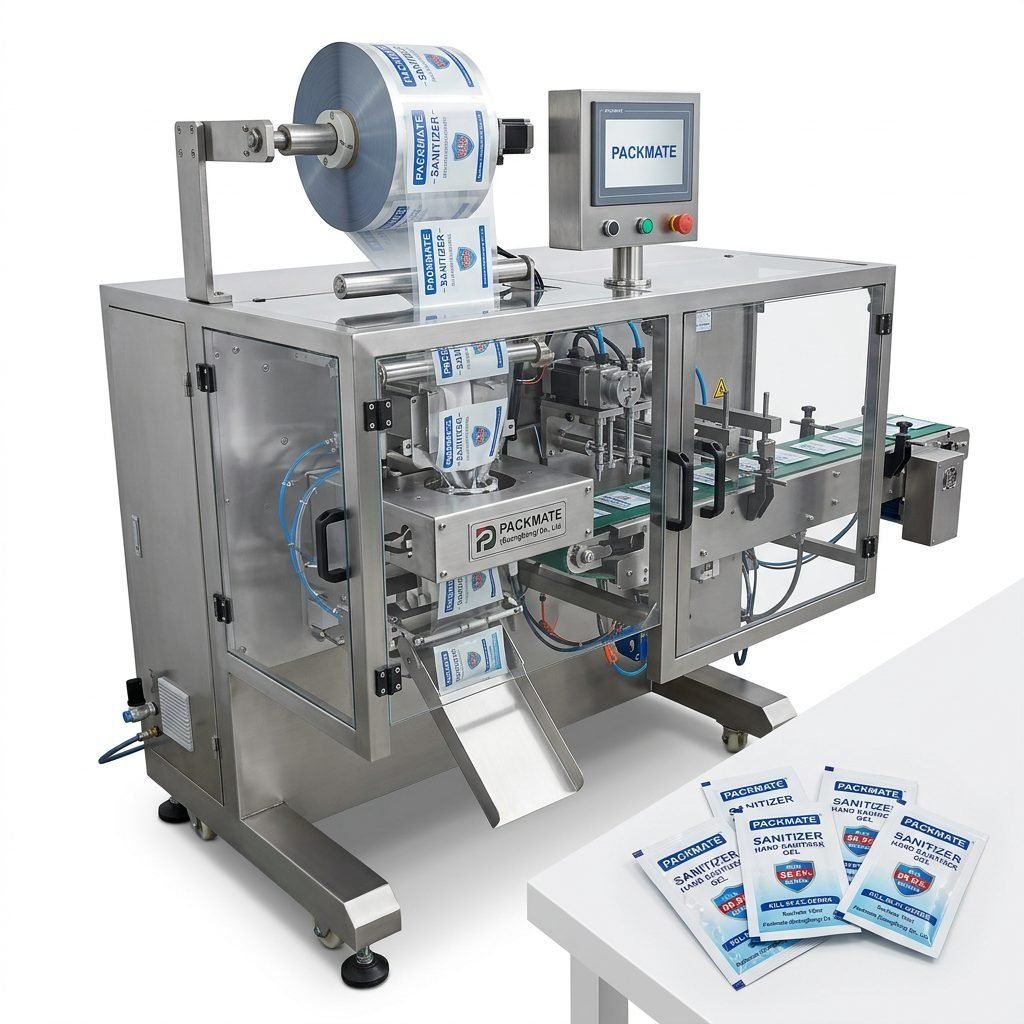
Unlike VFFS machines, pre-made pouch fillers use sachets that are already manufactured and supplied on reels or in stacks. The machine’s function is to open, fill, and seal these pre-formed pouches. This method is often preferred for products requiring complex, high-barrier, or printed packaging materials that are difficult to form on-site.
This type offers excellent packaging presentation and material flexibility. It is commonly used for premium products like cosmetic serums, pharmaceutical liquids, or high-value food condiments where packaging quality is paramount.
3. Multi-Lane Liquid Sachet Machines
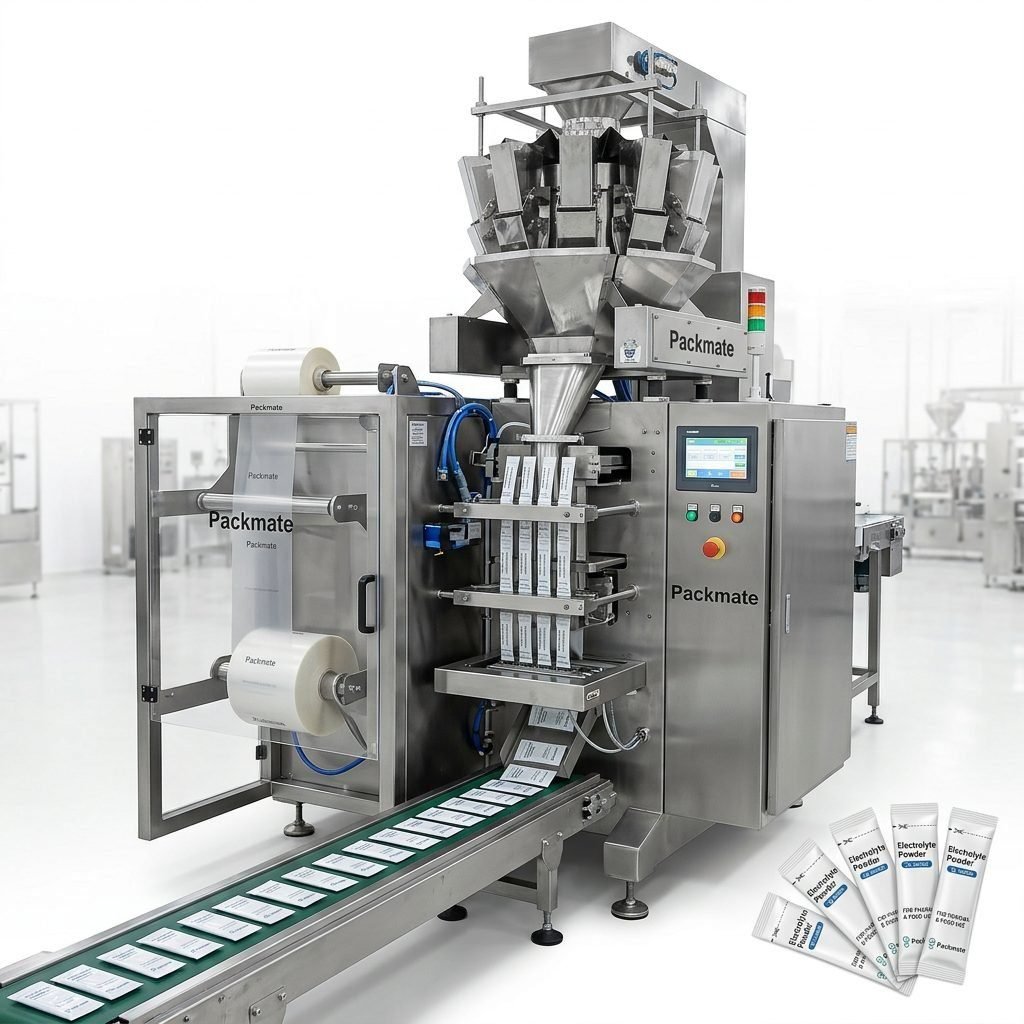
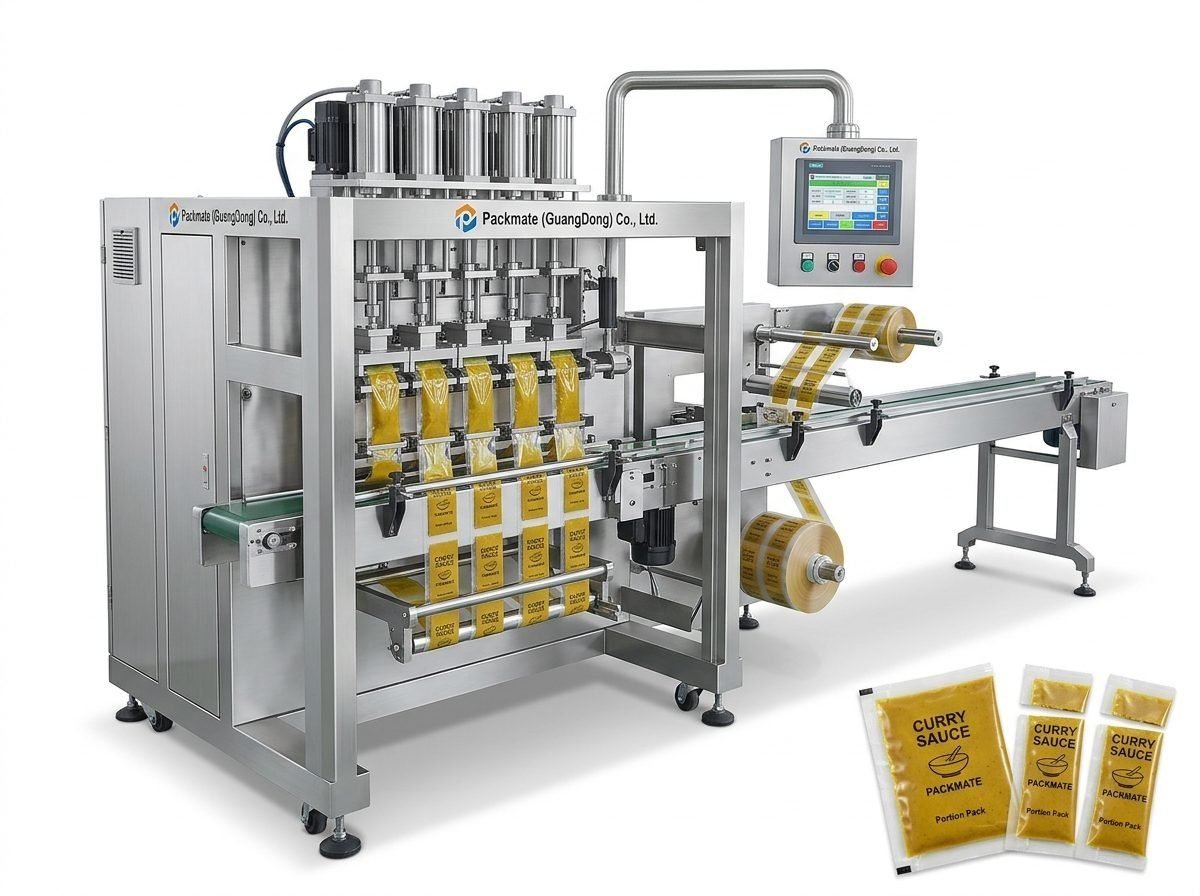
For ultra-high production outputs, multi-lane machines are the solution. These systems feature multiple filling lanes operating in parallel, dramatically increasing the number of sachets produced per minute. They are essentially multiple VFFS or pouch-filling units integrated into a single, synchronized system.
Multi-lane machines are a significant investment but offer unparalleled production efficiency for high-volume manufacturers of products like hand sanitizer sachets, liquid coffee sticks, or single-serve beverage mixes.
4. Rotary Liquid Filling Machines
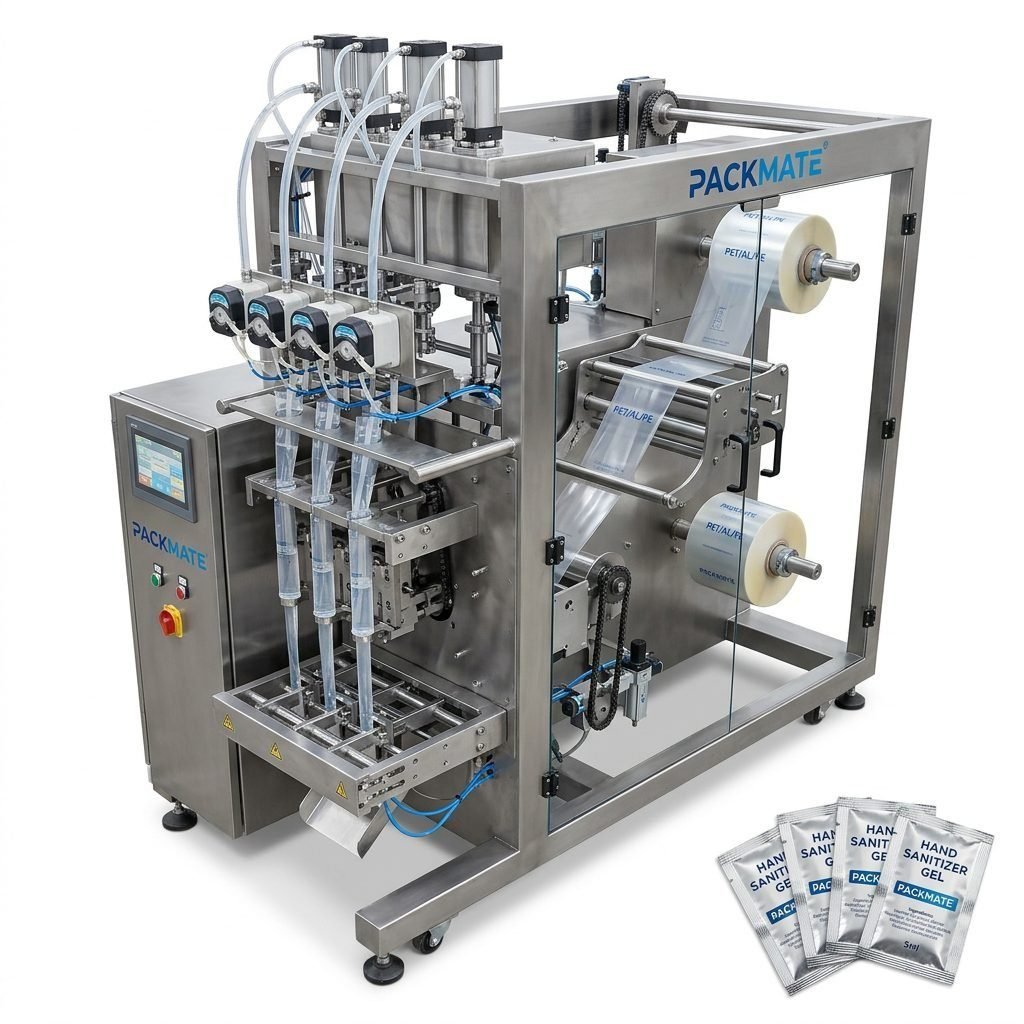
Rotary fillers are designed for high-speed, continuous motion filling. The sachets or pouches are transported on a rotating carousel, passing through stations for opening, filling, and sealing. This design allows for very precise filling at high speeds with minimal product spillage or foaming.
They are particularly effective for free-flowing liquids and beverages. Their gentle handling also makes them suitable for delicate or foamy products.
Working Principles of Liquid Sachet Fillers
While designs vary, the core working principle of a liquid sachet filling machine involves a synchronized sequence of operations to create a sealed, filled package.
Film Feeding and Forming (For VFFS)
A roll of laminated packaging film (e.g., PET/AL/PE) is fed into the machine. The film passes over a forming collar, which shapes it into a vertical tube. A longitudinal heat sealer bonds the film’s edges together to create a back seal.
Cross-Sealing and Cutting
A pair of heated sealing jaws close horizontally to create the bottom cross-seal of the first sachet and the top cross-seal of the previous sachet simultaneously. A cutting mechanism then separates the individual sachet from the film tube.
Filling and Dosing
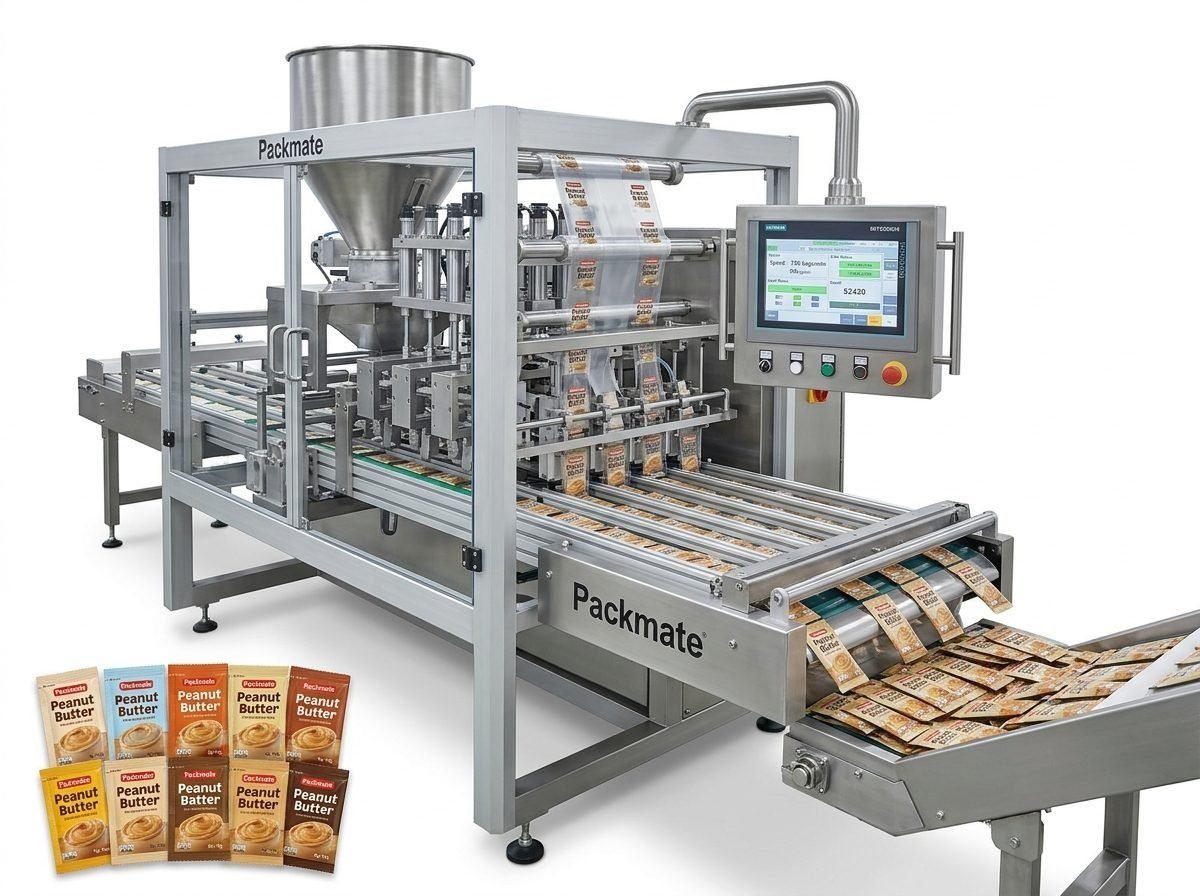
This is the most critical step. As the sachet is formed, a precision filling system doses the liquid product. Common filling technologies include:
| Filling Method | Best For | Principle |
|---|---|---|
| Piston Filler | Viscous products (sauces, creams) | A piston draws a precise volume from a hopper and injects it into the sachet. |
| Gravity Filler | Free-flowing, non-foamy liquids | Product flows by gravity from a tank through a nozzle; flow is controlled by a timer or valve. |
| Volumetric Pump | Wide viscosity range, including abrasive liquids | A rotary lobe or peristaltic pump meters a specific volume per cycle. |
| Net Weight Filler | High-value products requiring extreme accuracy | Each sachet is weighed on a scale during filling, and the filler adjusts in real-time. |
Final Sealing and Discharge
After filling, the top of the sachet is sealed (for VFFS, this is the next cross-seal). The completed sachets are then discharged onto a conveyor for collection, cartoning, or further packaging.
How to Choose the Right Liquid Sachet Filling Equipment
Selecting the appropriate machine requires a careful analysis of your product, production goals, and operational environment. Here is a structured approach to making the right choice.
1. Analyze Your Product Characteristics
The physical and chemical properties of your liquid dictate the machine’s specifications.
- Viscosity: Water-thin, syrupy, or paste-like? This determines the filling pump type (piston for thick, gravity for thin).
- Acidity/Corrosiveness: Aggressive products require machines with stainless steel 316L or specialized plastic contact parts.
- Presence of Particulates: Chunks or seeds require wider nozzle diameters and piston fillers to avoid clogging.
- Foaming or Aeration Tendency: Foamy products need bottom-up filling nozzles or vacuum-assisted filling systems.
2. Define Production Requirements
Your output targets and flexibility needs shape the machine’s scale and configuration.
| Requirement | Questions to Ask | Machine Implications |
|---|---|---|
| Output Speed | How many sachets per minute (SPM) or per shift are needed? | Single-lane (20-120 SPM) vs. multi-lane (150-600+ SPM). |
| Sachet Size Range | Do you package one fixed size or multiple volumes (e.g., 5ml, 10ml, 20ml)? | Machines with quick-change tooling for forming collars and filling nozzles. |
| Future Expansion | Is production expected to grow significantly? | Choosing a modular machine or a supplier like Ludyway or Packmate Machinery that can upgrade lanes later. |
3. Consider Packaging Materials
The sachet film structure must be compatible with your product (for shelf life) and the machine (for sealing).
Work with your material supplier and machine manufacturer to test seal integrity. Ensure the machine’s sealing jaws (temperature, pressure, dwell time) can reliably seal your chosen laminate (e.g., PET/PE, AL/PE, CPP). Machines from suppliers like PacklineOEM are often tested with various materials.
4. Evaluate Automation and Integration Needs
Consider how the sachet filler will fit into your overall production line.
- Standalone Machine: For manual feeding of product and manual collection of sachets.
- Semi-Automatic Line: Machine integrated with upstream supply (e.g., product supply tank) and downstream conveyors.
- Fully Automatic Turnkey Line: The sachet filler is the core of a line that includes automatic product feeding, checkweighers, metal detectors, cartoners, and case packers. Companies like PackingMachineOEM specialize in such integrated solutions.
5. Prioritize Hygiene and Compliance
For food, pharmaceutical, or cosmetic products, hygiene is non-negotiable.
- Construction: Food-grade stainless steel (304 or 316), smooth surfaces, easy access for cleaning (CIP/SIP capabilities).
- Certifications: Ensure the machine meets relevant standards (e.g., CE, FDA, GMP for pharma).
- Cleanroom Compatibility: If required, the machine design should minimize particle generation.
6. Assess Supplier Support and Service
The machine is a long-term investment. The supplier’s reputation for quality and support is critical.
Key factors include: availability of spare parts, quality of documentation (manuals, drawings), training programs, warranty terms, and the responsiveness of the technical service team. Established manufacturers with strong export experience, such as SnusMachinery for niche applications, often provide more reliable international support.
Frequently Asked Questions (FAQs)
What is the typical accuracy of a liquid sachet filler?
Filling accuracy depends on the technology. Piston and volumetric pump fillers typically achieve ±0.5% to ±1% of the target volume. High-precision net weight fillers can achieve accuracy within ±0.1% or better, which is essential for expensive pharmaceutical actives.
Can one machine handle both liquid and powder sachets?
Generally, no. Liquid and powder filling machines use fundamentally different dosing systems and often different film handling mechanisms to prevent leakage or contamination. While some versatile machines can be converted, it usually involves significant time and part changes. It’s more efficient to have dedicated machines for each product type.
How do I prevent leakage in liquid sachets?
Leakage is prevented by ensuring a strong, consistent seal. This requires:
1. The correct packaging material with a reliable sealant layer (like PE or CPP).
2. Perfectly calibrated sealing jaws (correct temperature, pressure, and timing).
3. Ensuring the filling nozzle does not contaminate the sealing area with product.
4. Implementing 100% inline leak detection systems for critical applications.
What is the lead time for a custom liquid sachet filling line?
Lead times vary greatly. A standard machine from stock may ship in 4-8 weeks. A custom-configured or multi-lane system may require 12-20 weeks. A complete, bespoke turnkey packaging line from design to commissioning can take 6 months or more. Always clarify the project timeline with your supplier in detail.
Are liquid sachet machines difficult to maintain?
Modern machines are designed for maintainability. Daily cleaning and lubrication are essential. The complexity depends on the machine’s sophistication. Key to easy maintenance is choosing a supplier that provides clear maintenance manuals, training videos, and readily available spare parts. A well-maintained machine can operate reliably for over a decade.