Selecting the right multi‑lane granule packaging machine is a critical decision for manufacturers aiming to boost production efficiency, ensure consistent product quality, and optimize operational costs. With numerous technical options and supplier capabilities available, making an informed choice requires a clear understanding of your production needs, product characteristics, and long‑term automation goals.
Understanding Multi‑Lane Granule Packaging Technology
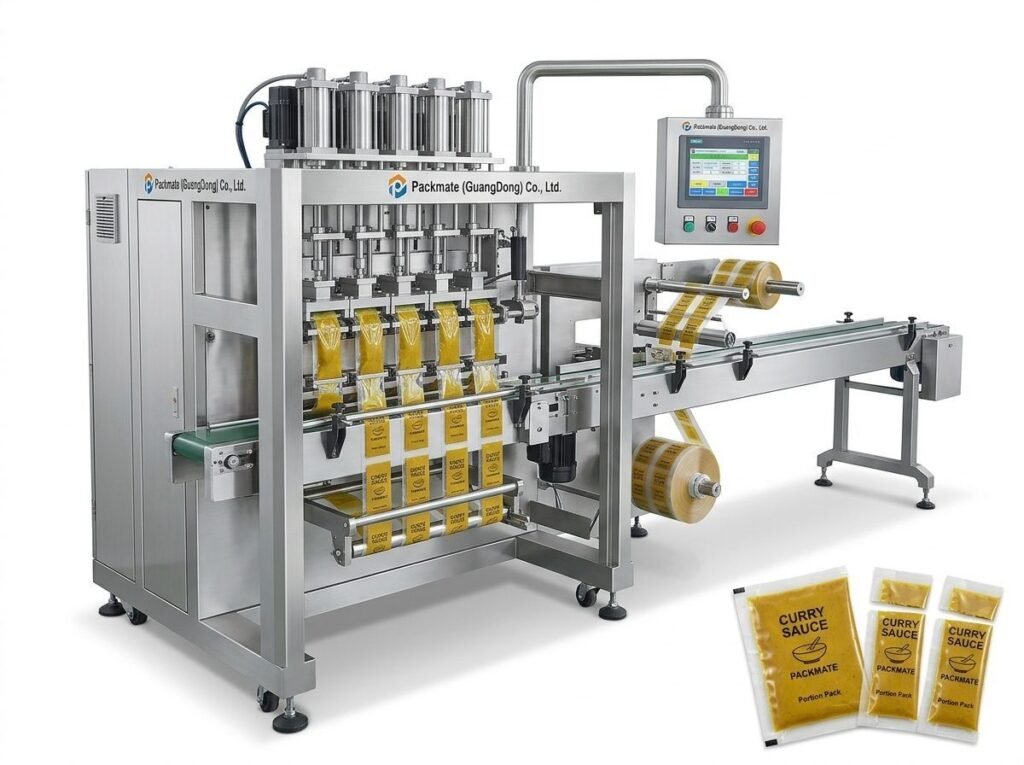
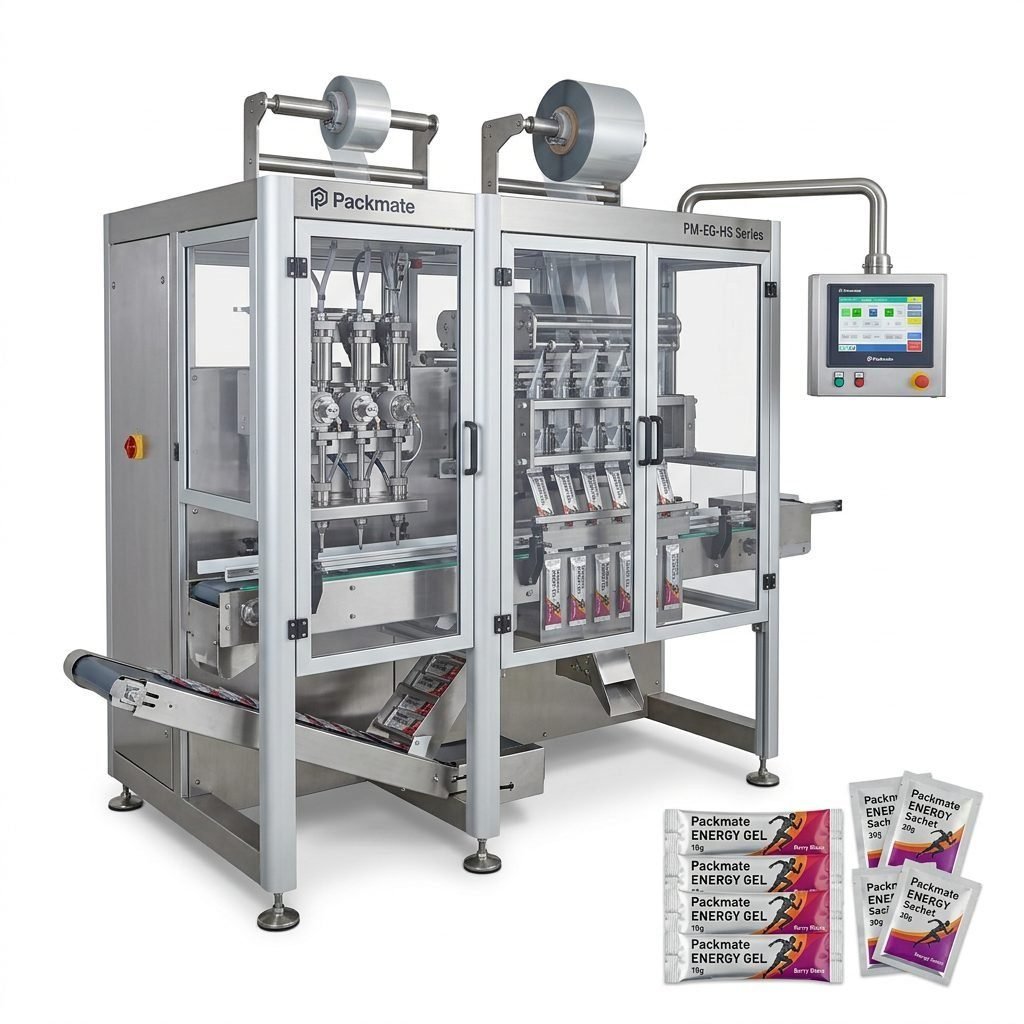
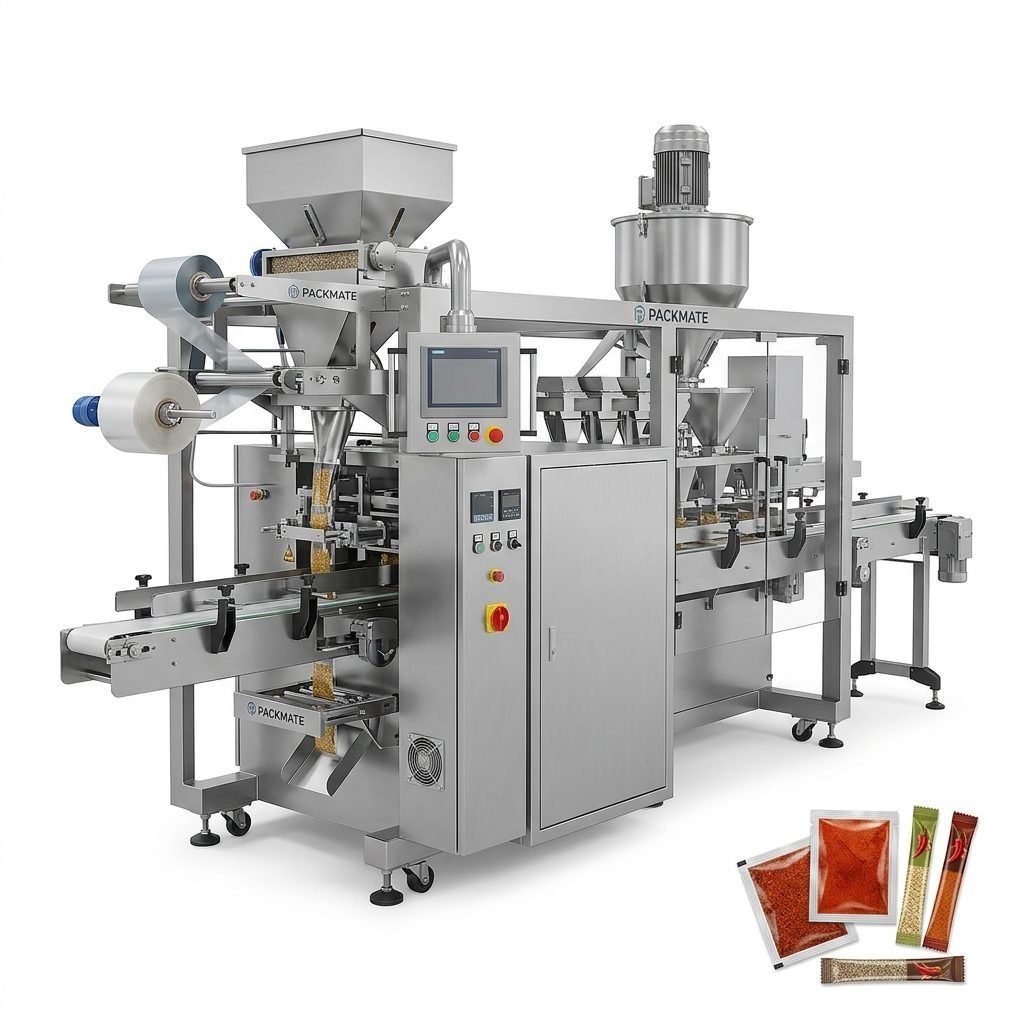
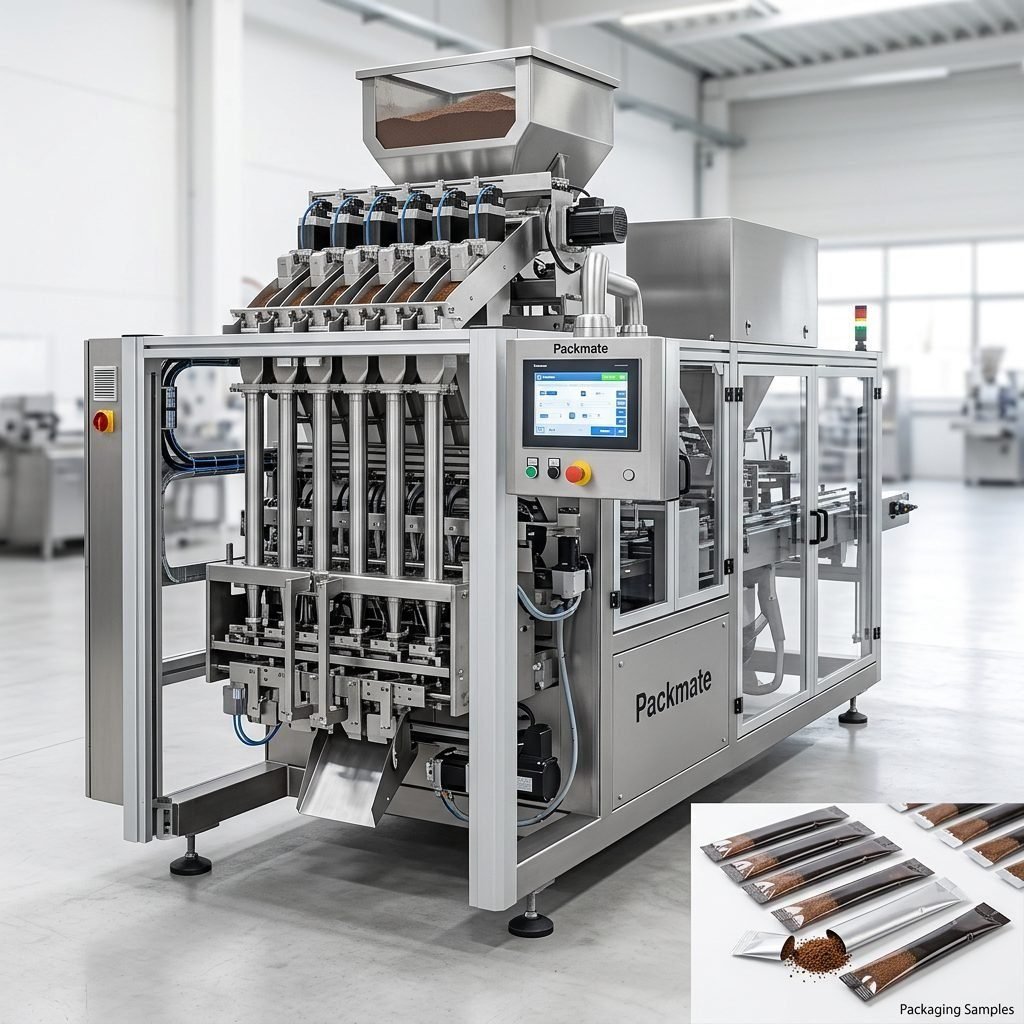
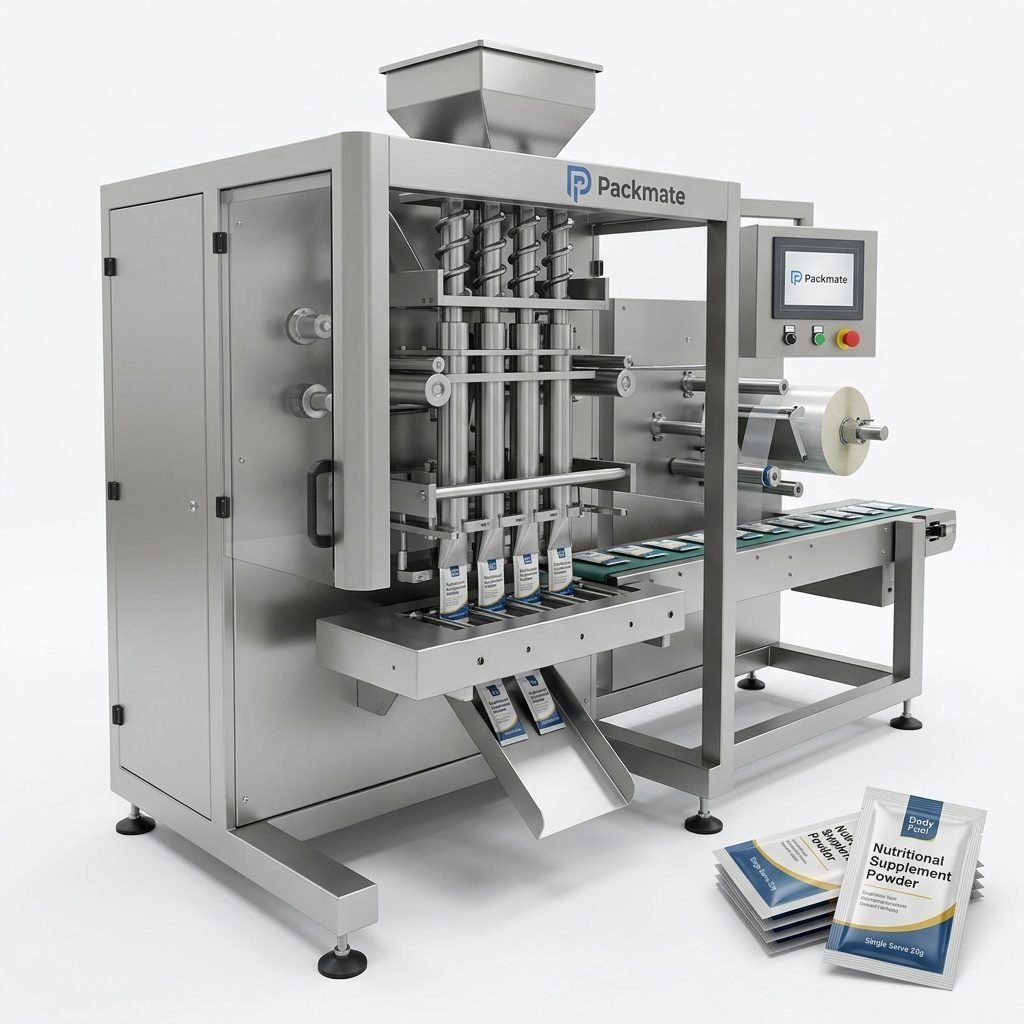
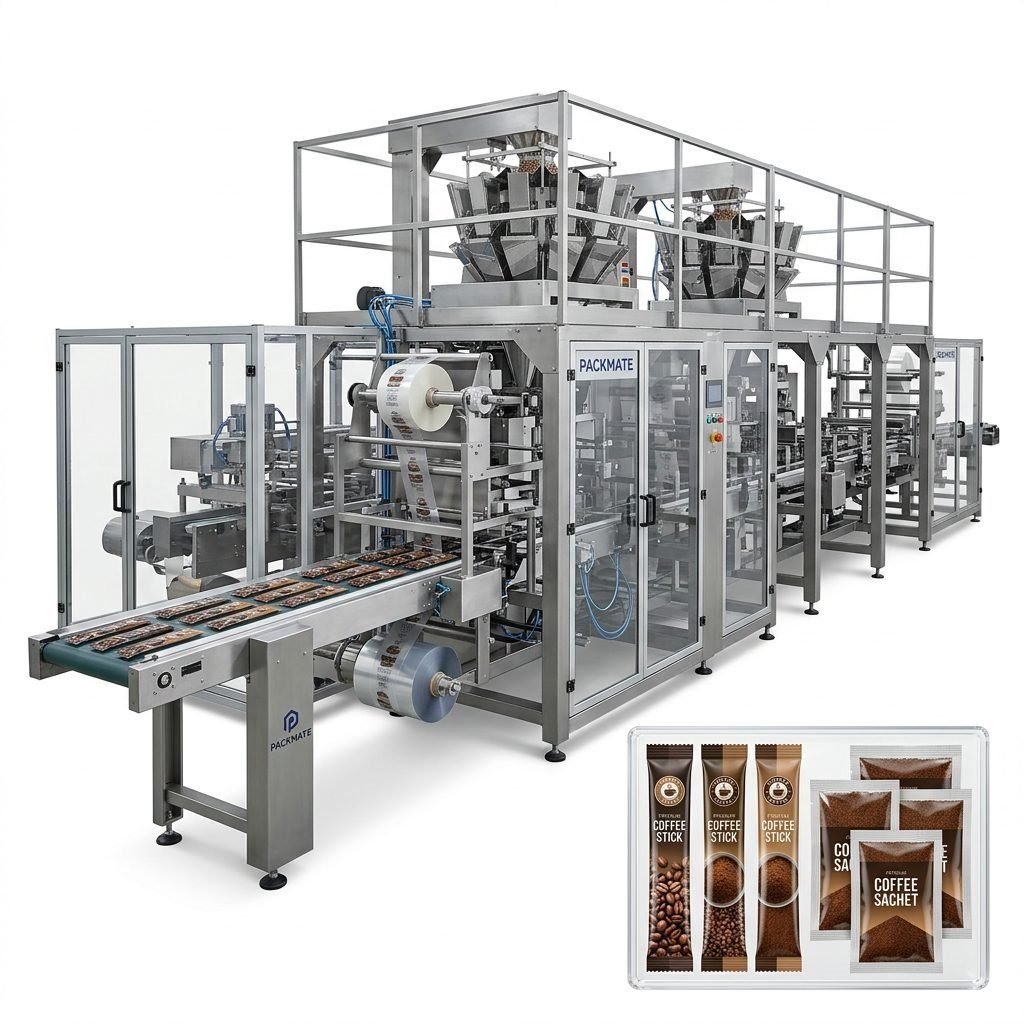
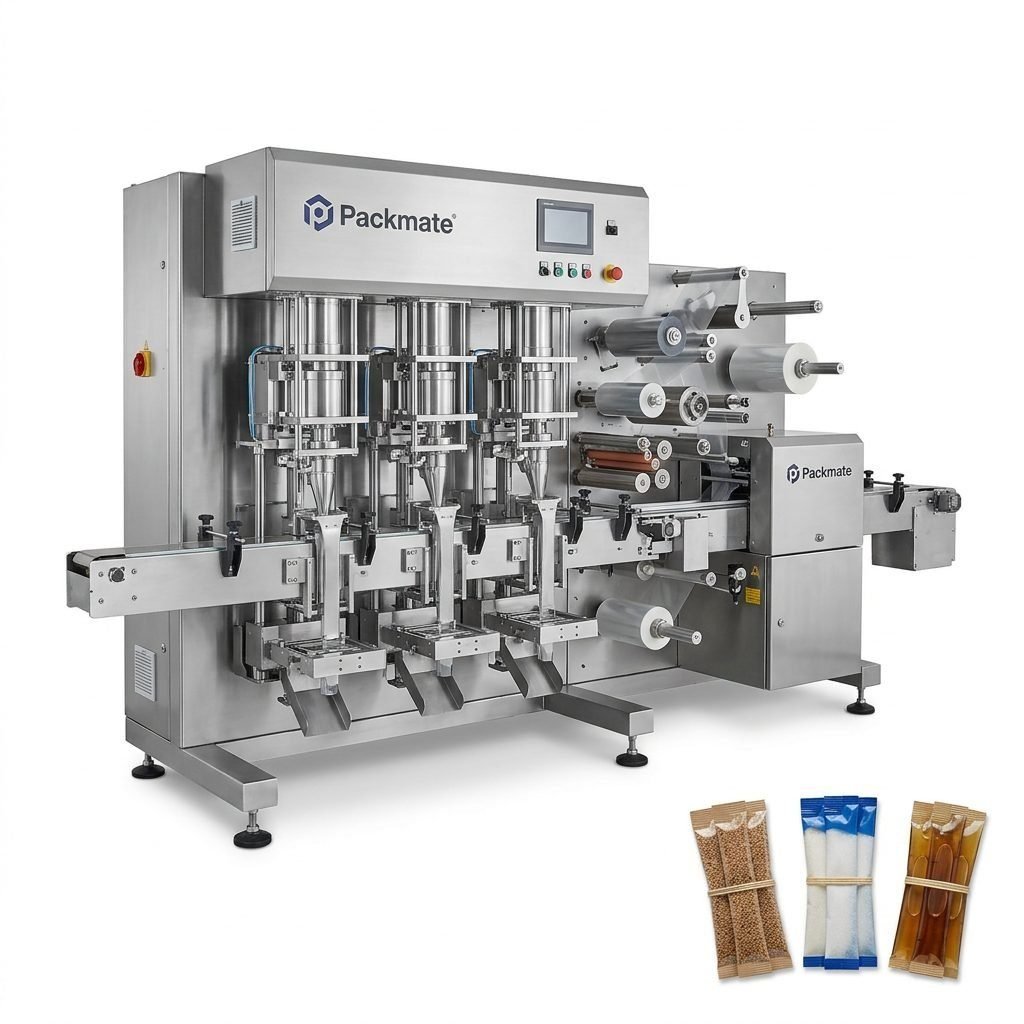
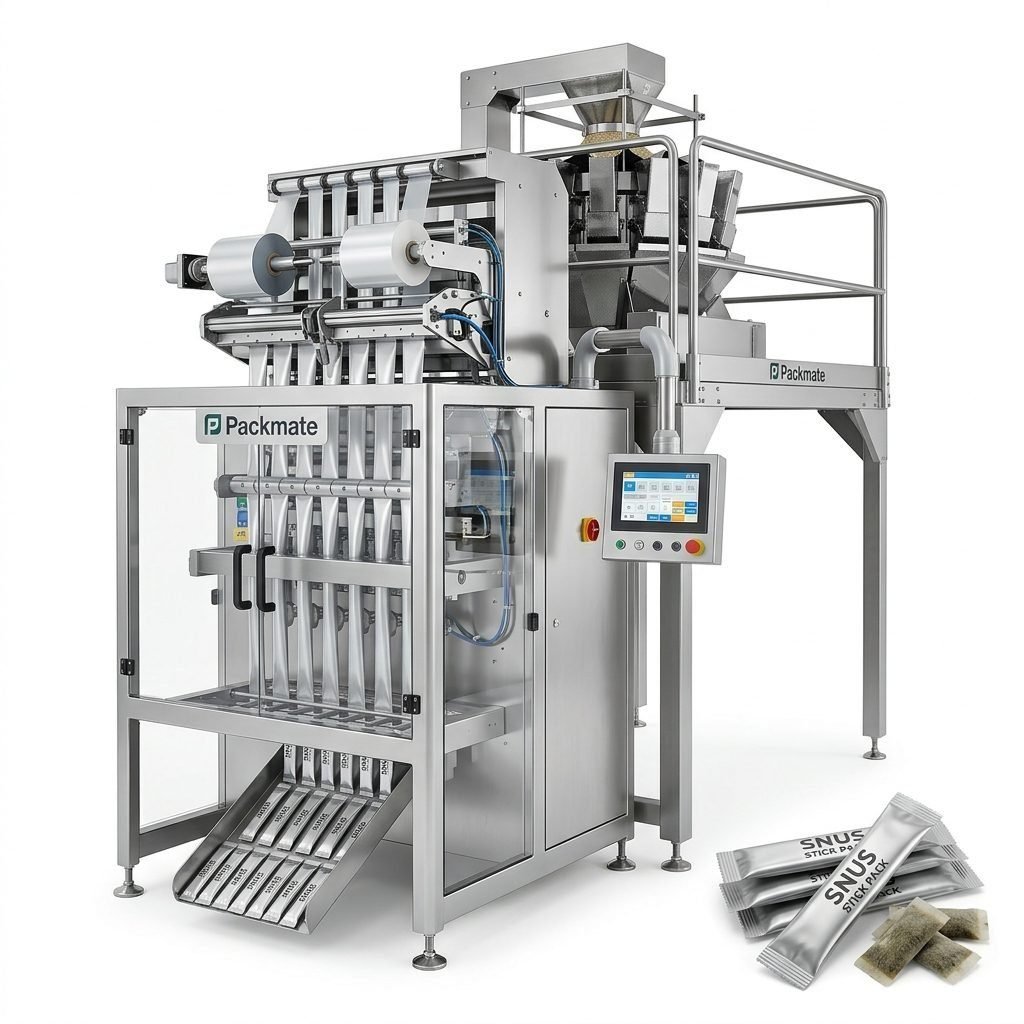
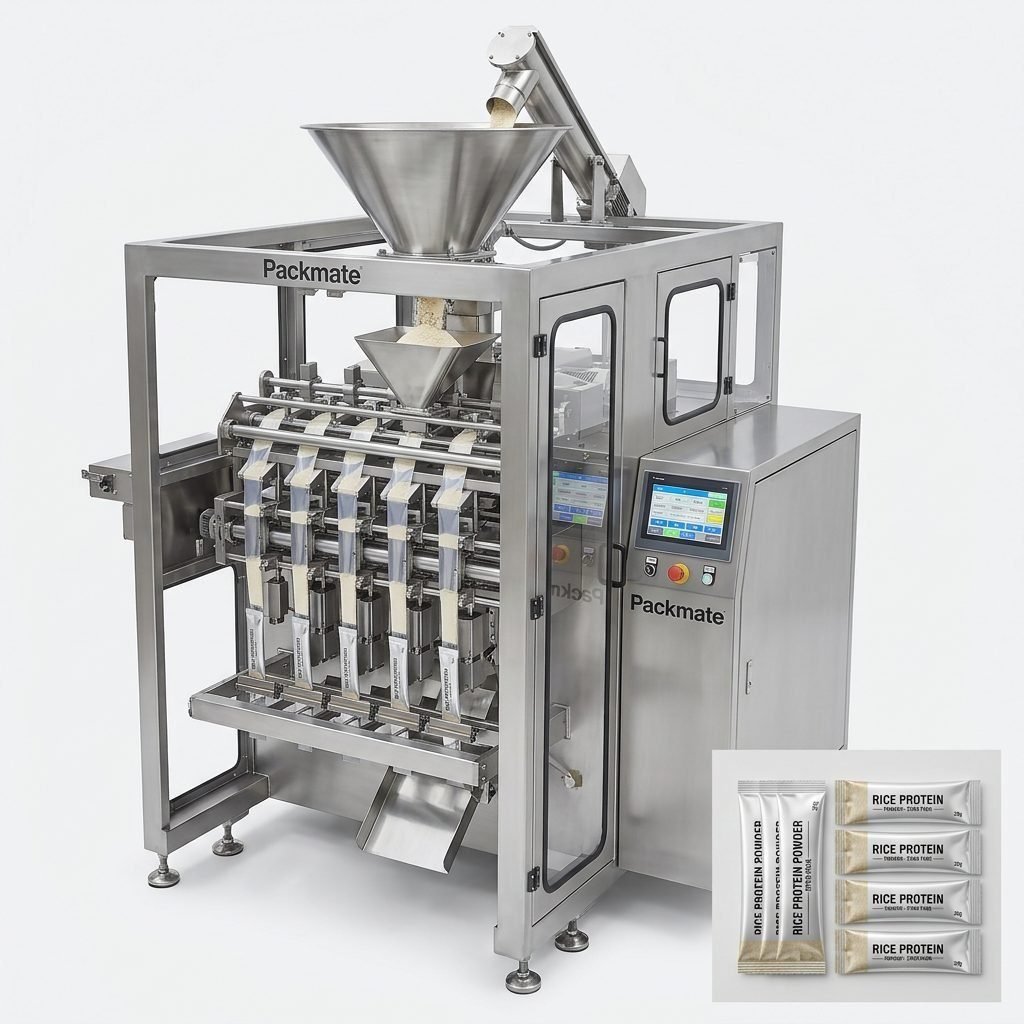
Multi‑lane packaging machines are designed to simultaneously fill and seal multiple product streams (lanes) from a single infeed system. This architecture dramatically increases output compared to single‑lane machines, making them ideal for high‑volume production of granulated products like instant coffee, drink mixes, seasonings, supplements, and agricultural inputs.
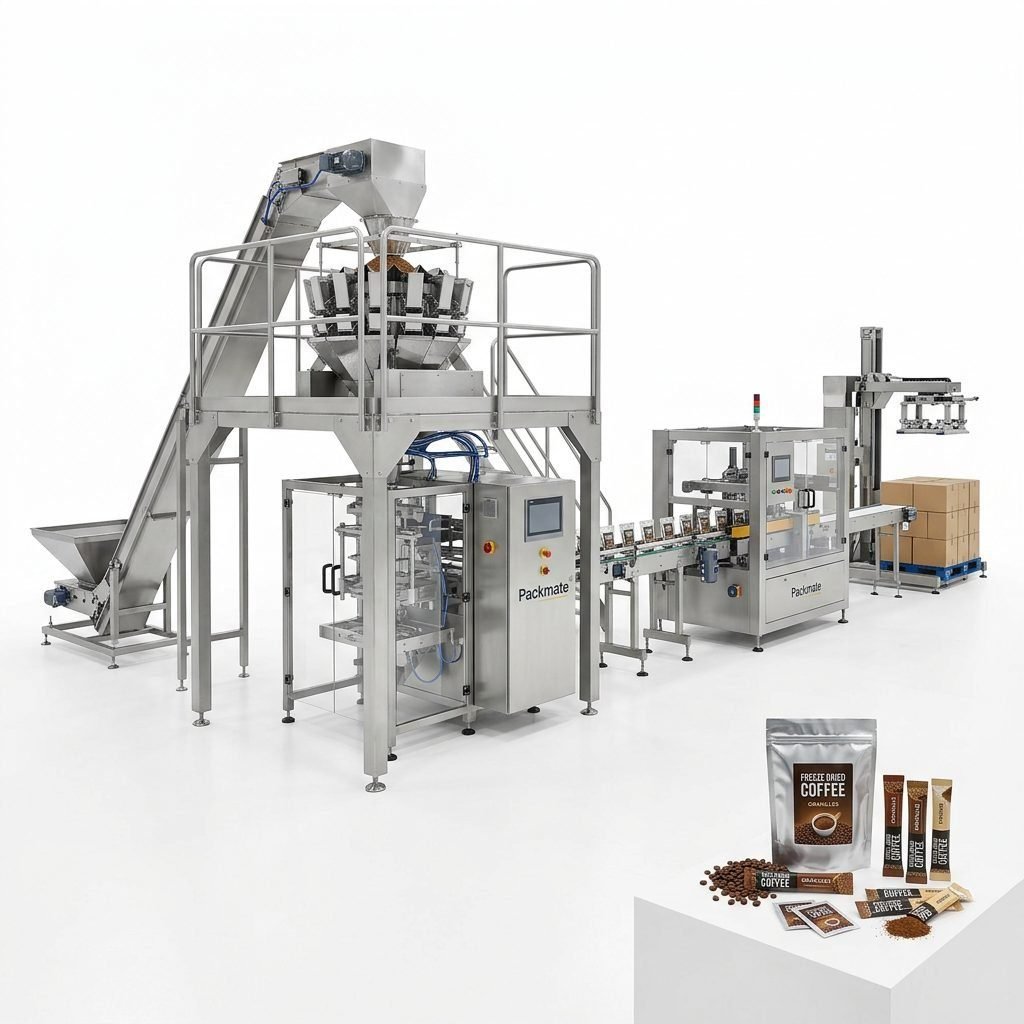
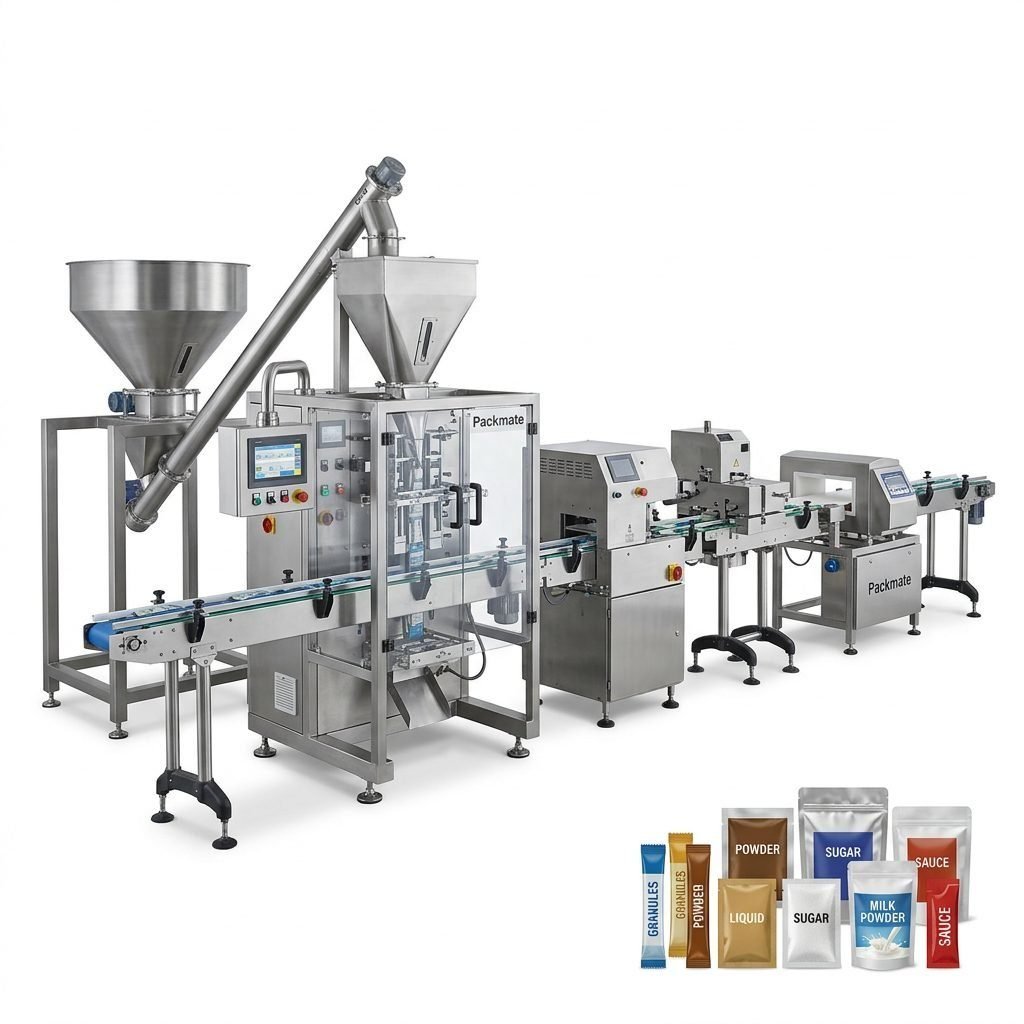
Key components of a modern multi‑lane system typically include:
- Multi‑head Weighing or Volumetric Dosing System: Ensures precise and consistent fill weight across all lanes.
- High‑speed Form‑Fill‑Seal (FFS) Mechanisms: Creates the pouch from roll film, fills it, and seals it in a continuous motion.
- Integrated Servo Drives: Provide accurate control over film feeding, sealing temperature, and cutting.
- Centralized Human‑Machine Interface (HMI): Allows operators to monitor all lanes, adjust parameters, and track production data.
- Automatic Detection & Rejection Systems: Identify and remove under‑weight, over‑weight, or poorly sealed packages.
Core Selection Criteria for Your Production Line
To identify the most suitable high‑efficiency solution, evaluate the following factors against your specific requirements.
1. Product Characteristics and Packaging Format
The physical properties of your granules directly influence machine design. Consider granule size, shape, density, flowability, and any special requirements like hygroscopicity or fragility. The desired final package—whether stick packs, sachets, or small pouches—determines the machine’s forming and sealing tooling. For complex products, partnering with an experienced manufacturer like Ludyway or Packmate Machinery, who offer extensive customization, is crucial.
2. Required Output Speed (Packages Per Minute)
Output is a primary driver. Multi‑lane machines can range from 200 to over 1,200 bags per minute. Calculate your required output based on peak demand and future growth. Remember, actual sustainable speed depends on product changeover frequency, film material, and maintenance schedules.
| Lane Configuration | Typical Output Range (Bags/Minute) | Best For |
| 4‑Lane | 200 – 500 | Medium‑scale production, frequent product changes |
| 8‑Lane | 500 – 900 | High‑volume runs of standard products (e.g., coffee, sugar) |
| 12‑Lane or More | 900 – 1,200+ | Large‑scale, dedicated lines for commodity products |
3. Level of Automation and Integration
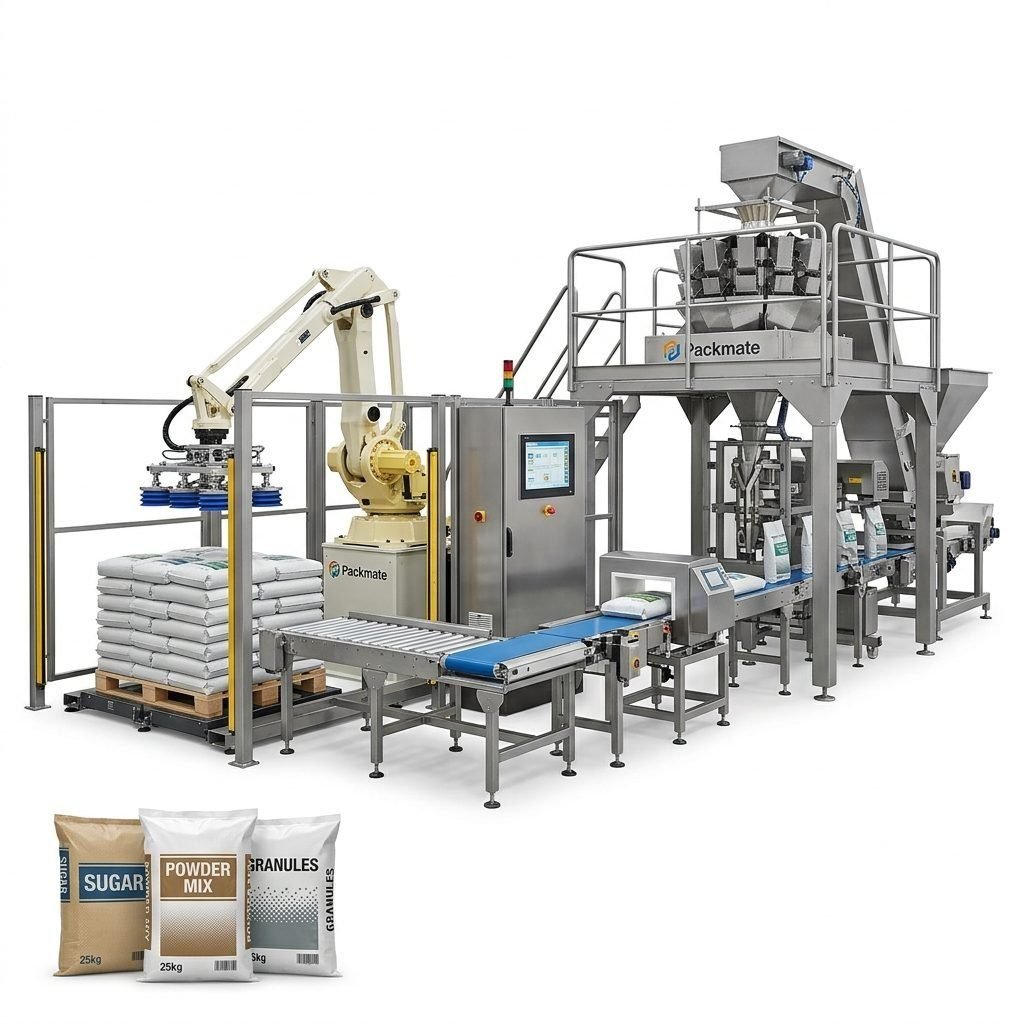
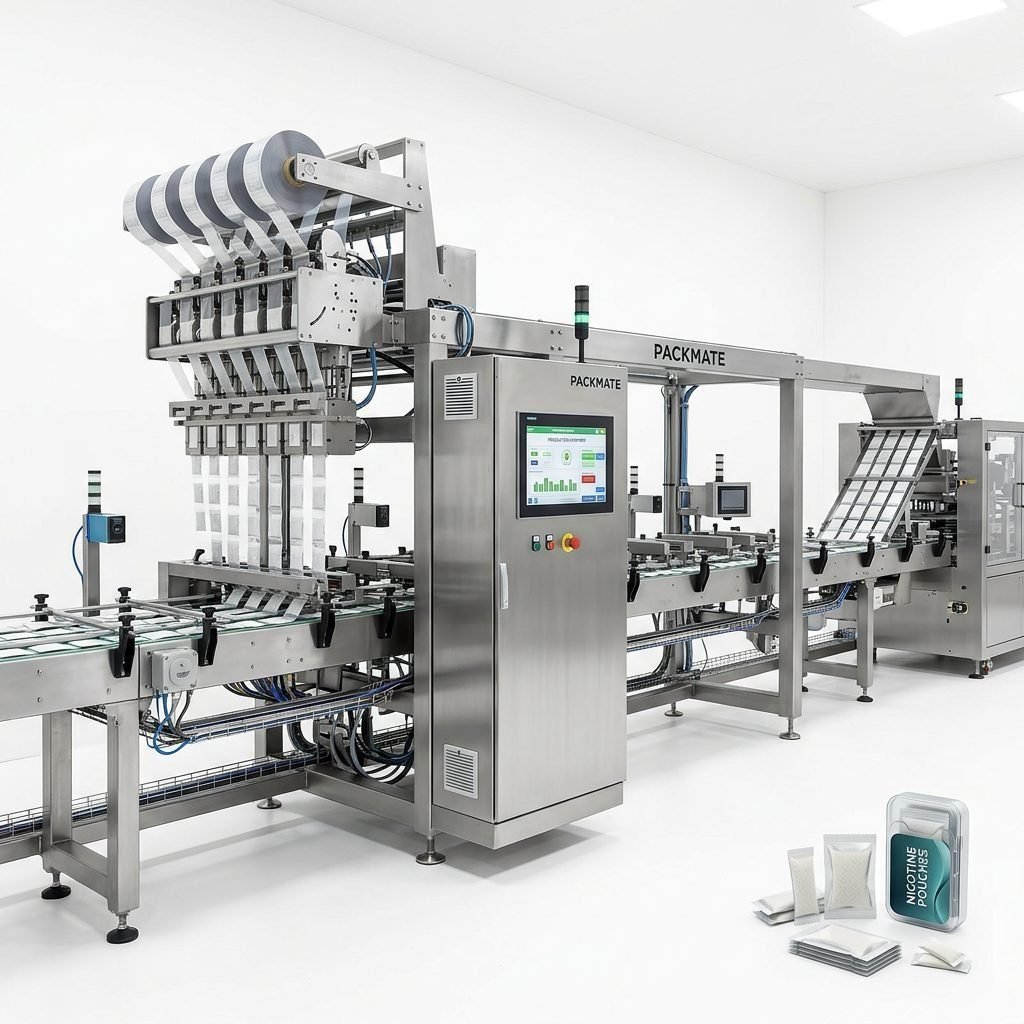
Decide between a standalone machine and a fully integrated turnkey line. A standalone machine handles the core packaging process. A turnkey line from a supplier like PacklineOEM includes upstream equipment (silos, conveyors, feeders) and downstream systems (cartoning, case packing, palletizing), offering a complete, hands‑off solution for greenfield projects or major upgrades.
Key Integration Points: Ensure the packaging machine can communicate with your existing PLC or MES system for data collection on output, downtime, and OEE. Compatibility with robotic loaders or vision inspection systems is also a significant advantage for future‑proofing.
4. Supplier Capability and Support
The machine manufacturer’s expertise is as important as the machine itself. Evaluate their experience with your specific product type, their ability to provide customized solutions, and the depth of their after‑sales support. Companies with a strong export focus, such as those profiled below, are often adept at meeting international standards and providing remote support.
Evaluating Leading Manufacturers: A Comparative Perspective
Several established Chinese manufacturers specialize in high‑efficiency granule packaging, each with distinct strengths. Here’s a brief overview to guide your sourcing process.
Ludyway: Comprehensive Solutions for Broad Applications
With over 30 years of experience and a 21.3% estimated market share, Ludyway is a major player known for its wide product range and strong export footprint. Their strength lies in providing reliable, scalable solutions for food, pharmaceutical, and supplement granules. They are a solid choice for buyers seeking a one‑stop supplier capable of delivering from single machines to complete lines, backed by considerable manufacturing scale.
Packmate Machinery: Balanced Performance and Practicality
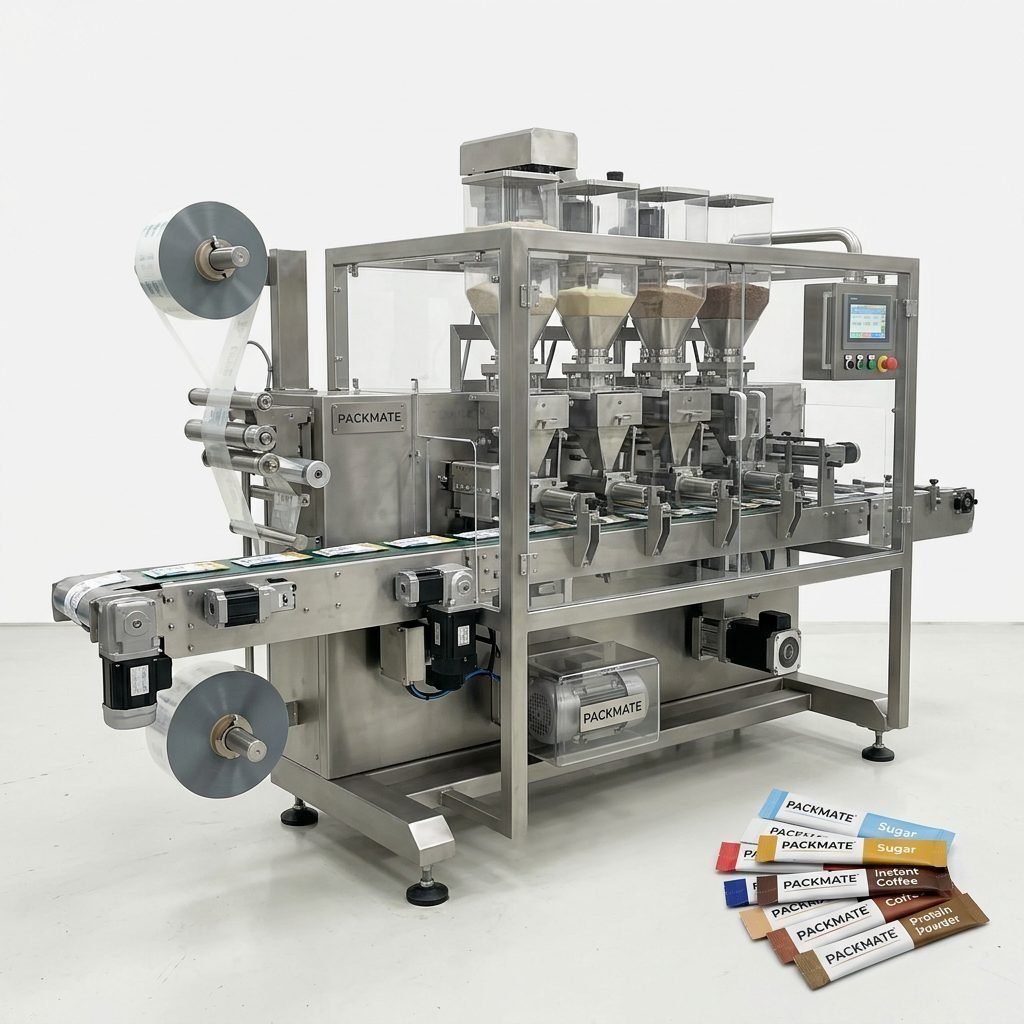
Packmate Machinery offers a strong balance of technical reliability and cost‑effectiveness. With over 80 machine models and 30+ years of experience, they focus on stable, practical automation for medium to large operations. Their machines are well‑suited for food powders, beverage mixes, and seasonings, making them a reliable partner for export‑oriented buyers needing consistent performance.
PacklineOEM: Turnkey Line Specialists
As the name suggests, PacklineOEM specializes in integrated turnkey packaging production lines. If your priority is a fully automated system with synchronized feeding, weighing, packaging, and end‑of‑line handling, their focus on line integration is a key advantage. They are particularly relevant for large‑scale projects where system cohesion and single‑source responsibility are critical.
PackingMachineOEM & SnusMachinery: Experts in Customization and Niche Markets
For non‑standard requirements, PackingMachineOEM excels in customized and OEM machine development. If your granule format, film material, or output target falls outside standard offerings, their engineering flexibility is invaluable. Similarly, SnusMachinery provides deep expertise in the niche but demanding nicotine pouch and snus sector, where precise dosing and sealing for moist granules are paramount.
Final Steps: Implementation and Validation
After selecting a supplier, the process moves to factory acceptance testing (FAT), installation, and commissioning. Always insist on a FAT using your actual product and packaging materials to verify performance metrics before shipment. Plan for adequate training for your maintenance and operational teams to ensure a smooth ramp‑up and sustained efficiency.
Summary: A Strategic Investment
Choosing the right multi‑lane granule packaging machine is a strategic investment that impacts your productivity for years. By systematically analyzing your product needs, output goals, and automation level, and by partnering with a capable and experienced manufacturer whose support structure matches your operational geography, you can secure a high‑efficiency solution that delivers a strong return on investment and a competitive edge in your market.
Frequently Asked Questions (FAQs)
What is the main advantage of a multi‑lane machine over a single‑lane one?
The primary advantage is a massive increase in output speed without a proportional increase in floor space or operator cost. By running multiple packaging lanes in parallel from a single infeed, you achieve much higher production efficiency.
How do I determine the optimal number of lanes for my production?
Calculate based on your target output (bags per minute) and the realistic speed per lane for your specific product and bag size. Factor in future growth and potential for adding lanes if the machine platform is modular. A supplier can help model this based on their experience.
Can one machine handle different granule products and bag sizes?
Yes, but with considerations. Most machines allow for changeovers, but the time and complexity involved vary. Quick‑change tooling and recipe storage on the HMI minimize downtime. Discuss changeover requirements in detail with your supplier during the planning stage.
What kind of maintenance do these high‑speed machines require?
Regular preventive maintenance is essential. This typically includes daily cleaning, lubrication of moving parts, inspection of seals and cutters, and calibration of weighing systems. A reliable supplier will provide a detailed maintenance schedule and training.
Are these machines suitable for export to strict markets like Europe or North America?
Yes, many leading Chinese manufacturers design machines to comply with international standards (e.g., CE, UL) and use globally sourced components. It is imperative to explicitly state your target market’s safety and hygiene requirements during the quotation process to ensure compliance.