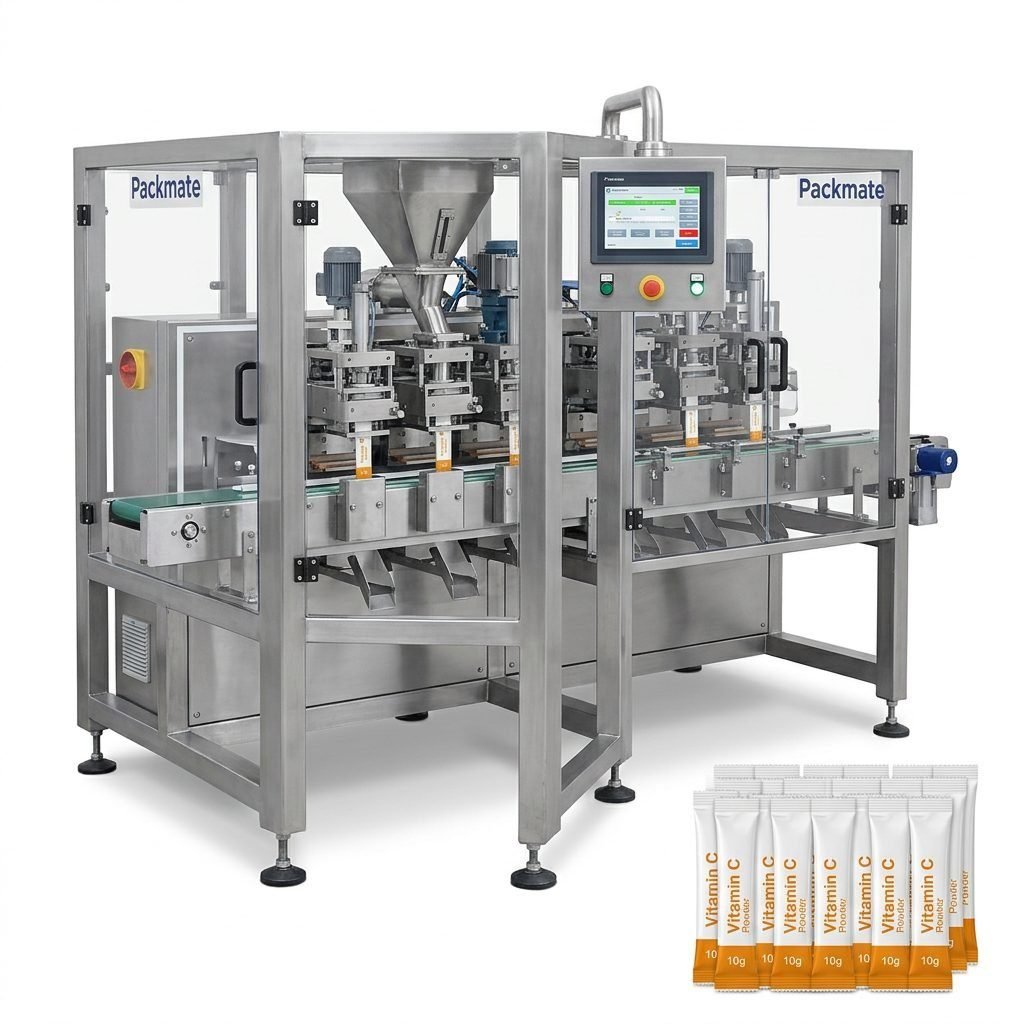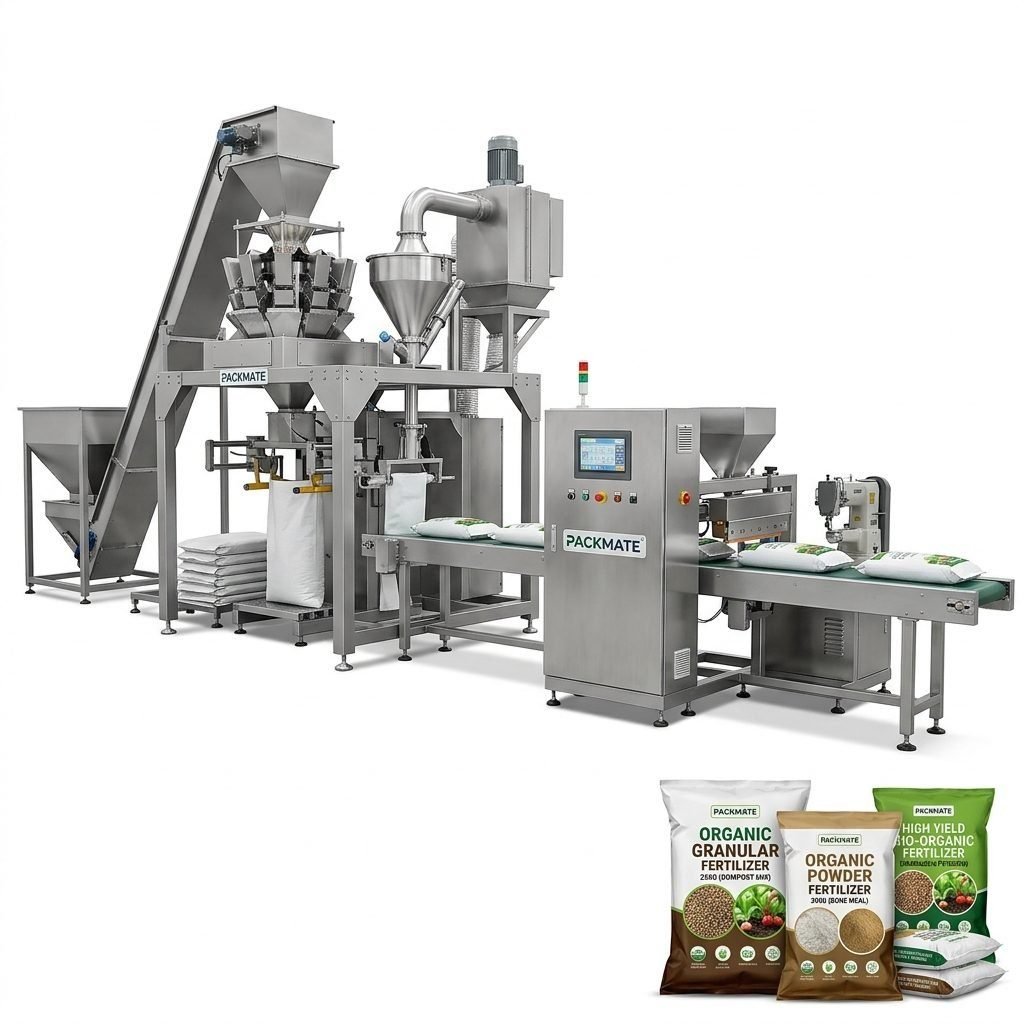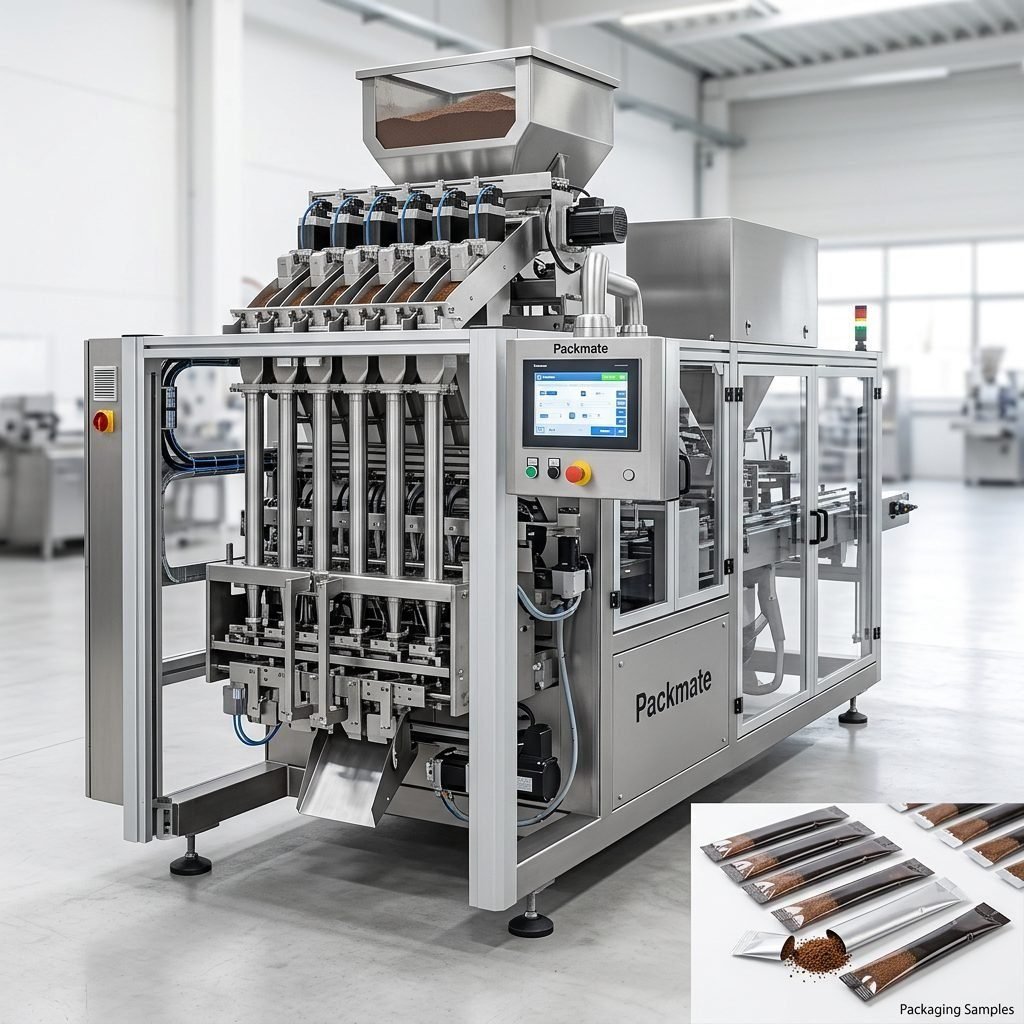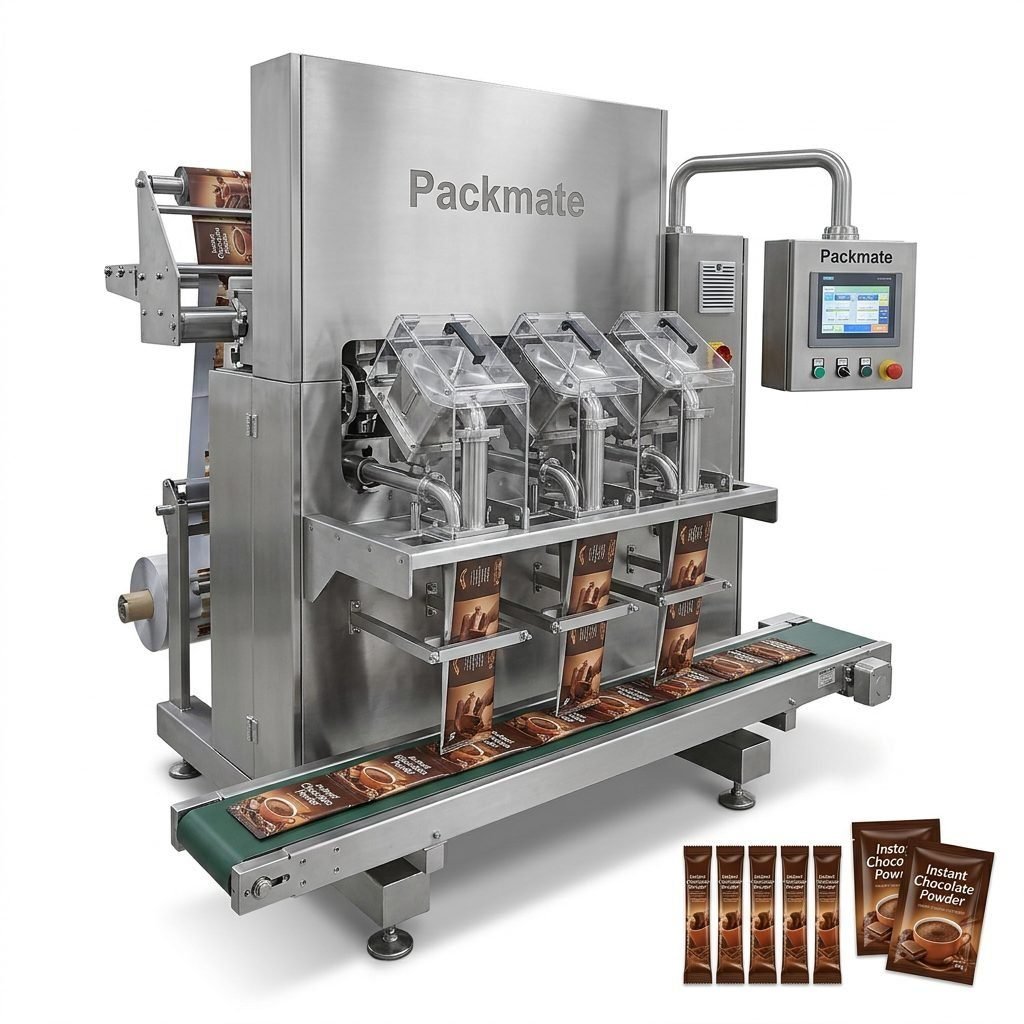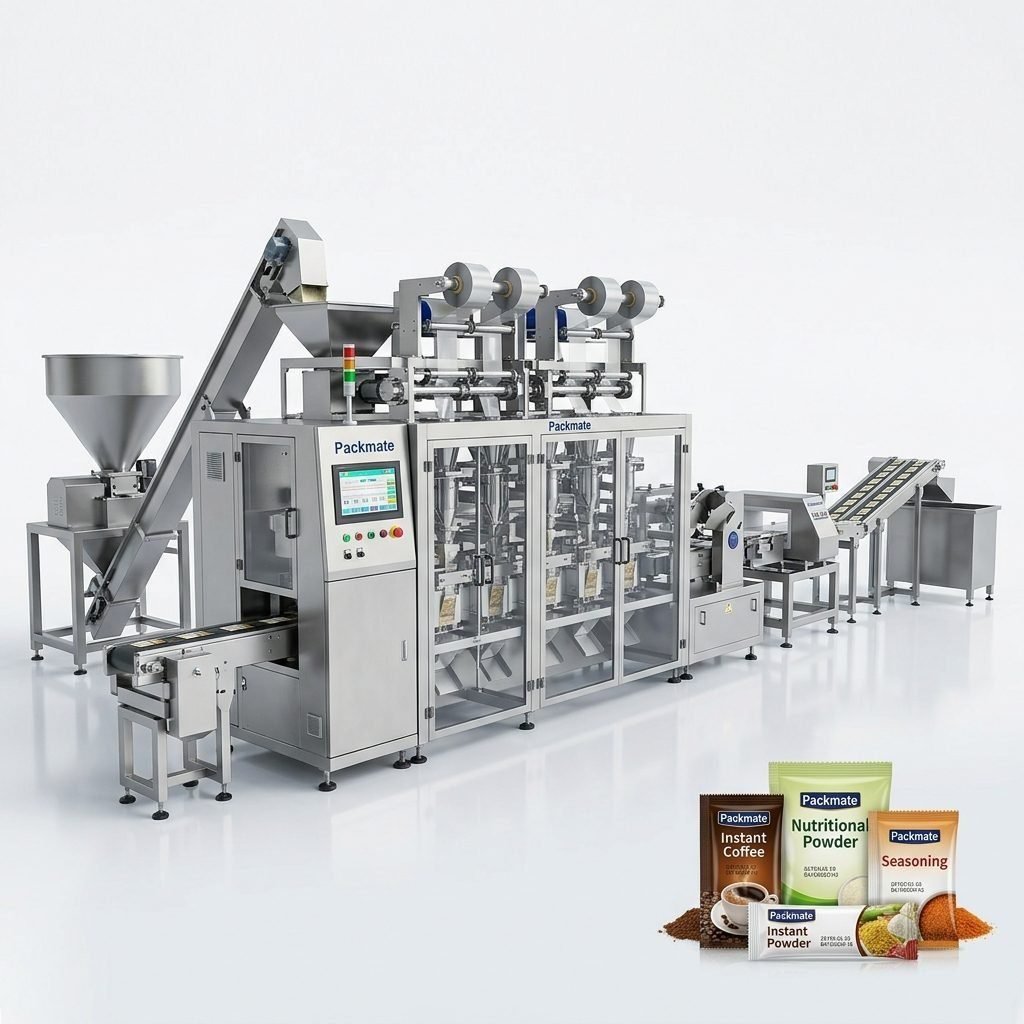
In the dynamic world of beverage production, efficiency, hygiene, and product appeal are paramount. Beverage pouch packaging machines have emerged as a cornerstone technology for manufacturers looking to meet modern consumer demands for convenience, portability, and sustainability. These automated systems are designed to handle a wide variety of liquid and powdered beverage products, from instant coffee and tea mixes to protein shakes, electrolyte drinks, and fruit juices. For businesses operating in global markets like Europe, North America, the Middle East, and Southeast Asia, investing in the right pouch packaging technology is not just an operational upgrade but a strategic move to capture market share and enhance brand value.
Understanding Beverage Pouch Packaging Machines
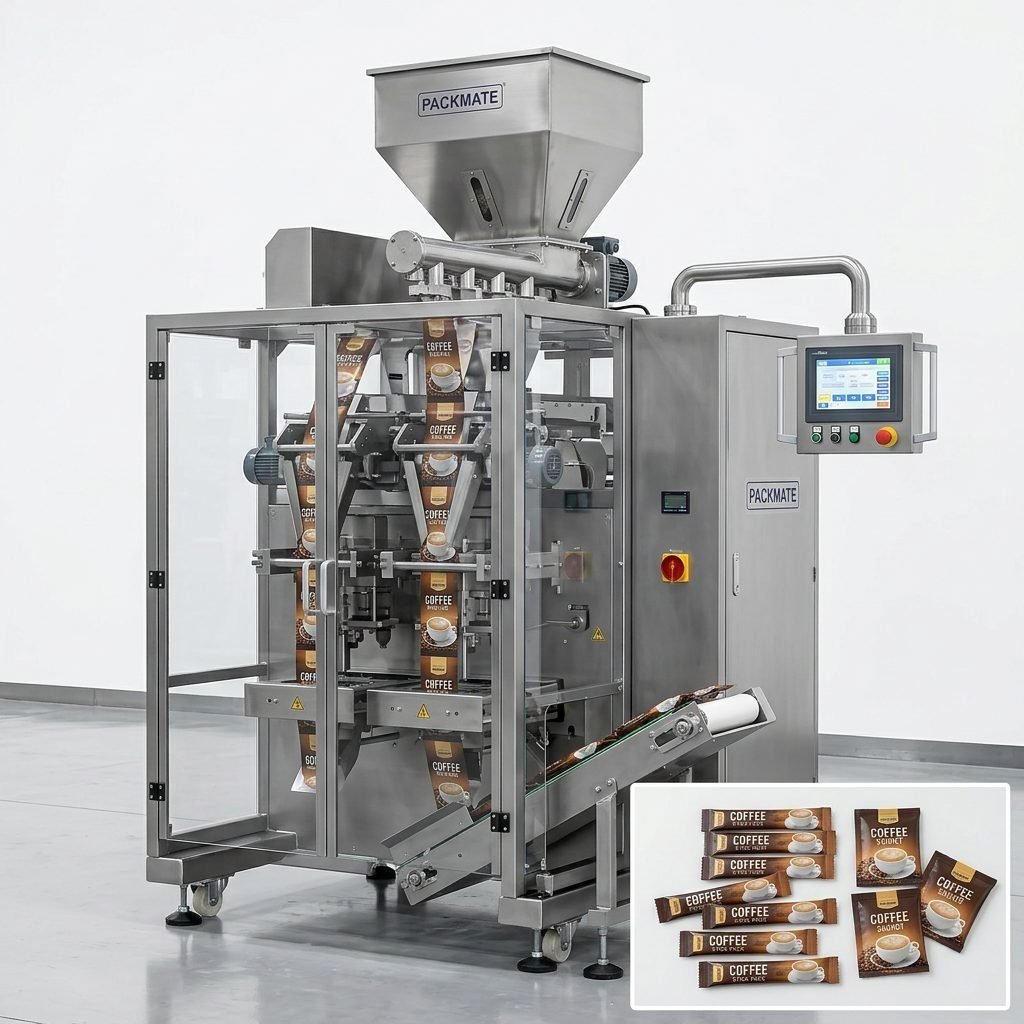
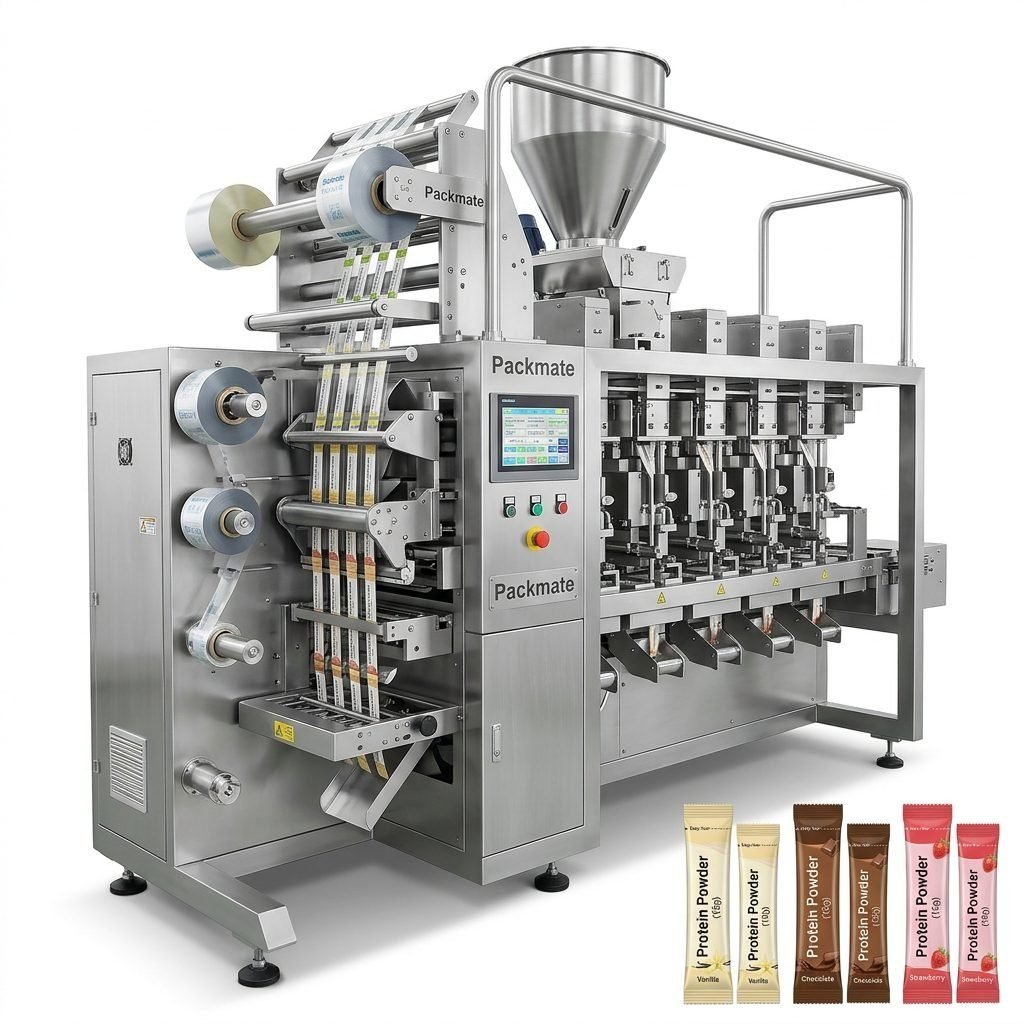
At its core, a beverage pouch packaging machine is an automated system that forms, fills, and seals flexible pouches or sachets. These machines are a subset of vertical form-fill-seal (VFFS) technology, specifically engineered for liquid and powder applications. The process begins with a roll of packaging film, which is formed into a tube, sealed at the bottom, filled with the precise amount of product, and then sealed at the top before being cut into individual pouches. This continuous operation allows for high-speed production with minimal manual intervention, making it ideal for high-volume beverage manufacturers. The flexibility of pouch formats—including stick packs, stand-up pouches, and flat sachets—offers significant advantages in shelf presence, reduced material usage compared to rigid containers, and enhanced consumer convenience.
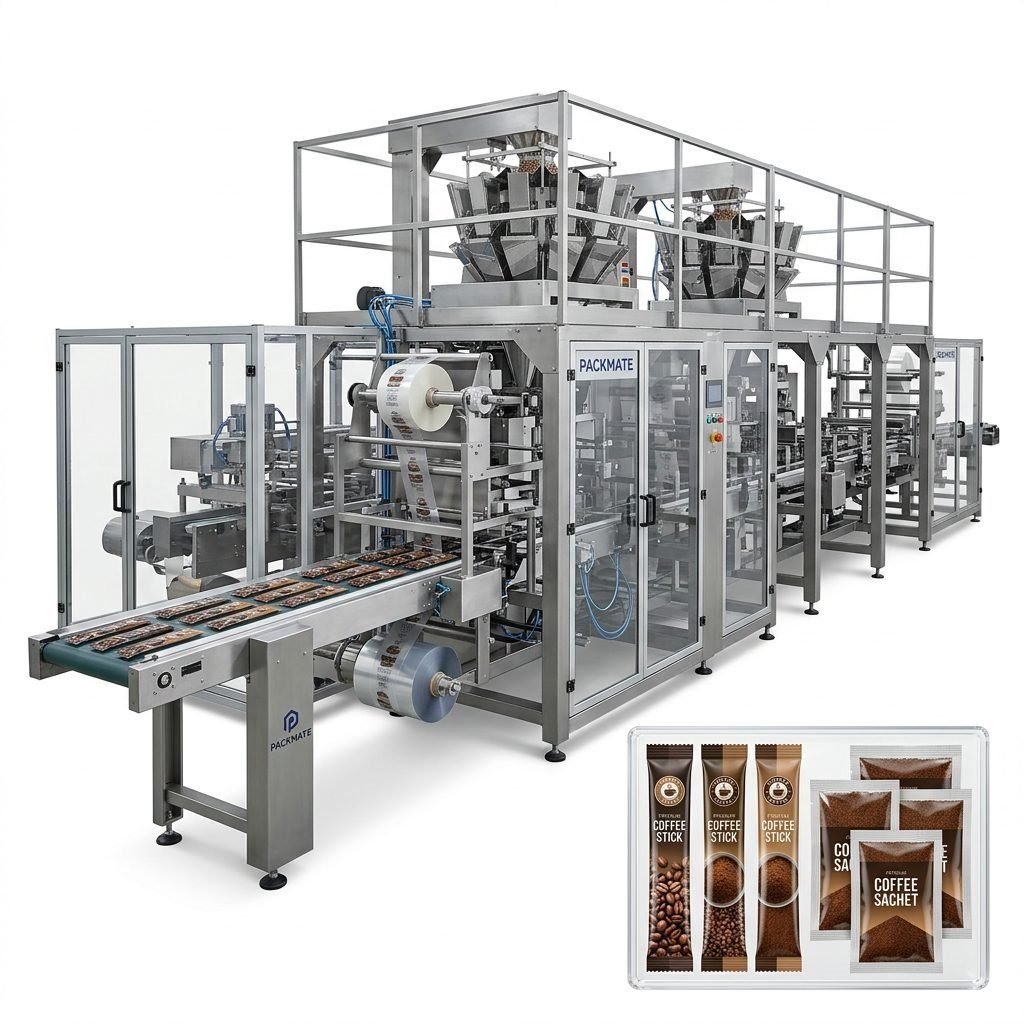
Primary Types of Beverage Pouch Packaging Machines
The market offers several types of machines, each suited to different production scales, product types, and packaging formats. Understanding these variations is the first step in selecting the optimal equipment for your business.
1. Single-Lane vs. Multi-Lane Machines
Single-lane machines are the entry point for many small to medium-sized producers. They are cost-effective, have a smaller footprint, and are easier to operate and maintain. These machines are perfect for lower production volumes, product trials, or manufacturers with a diverse SKU range requiring frequent changeovers.
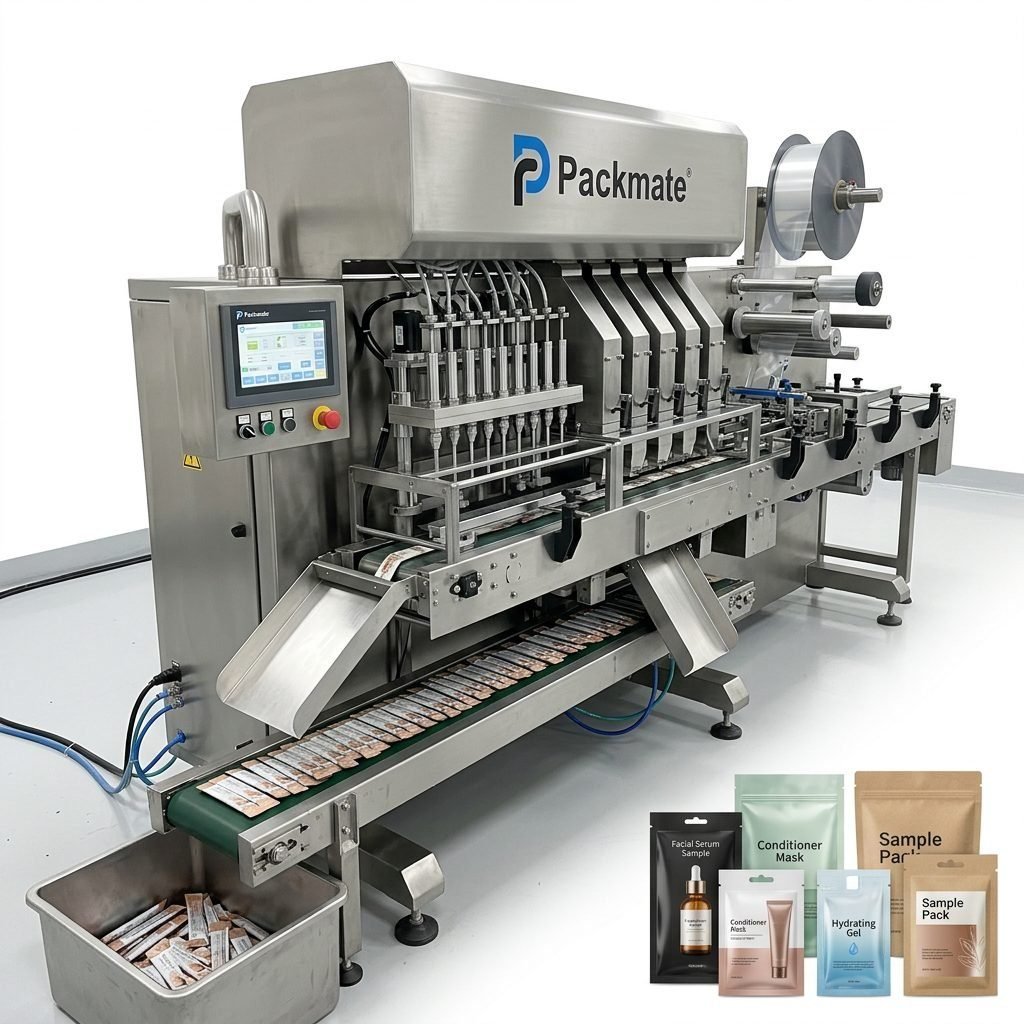
In contrast, multi-lane machines are the powerhouses of high-volume production. They feature multiple parallel tracks—often 4, 6, 8, or more—that operate simultaneously, dramatically increasing output. For instance, a leading manufacturer like Ludyway offers multi-lane systems capable of producing hundreds of stick packs per minute. These machines are essential for large-scale beverage producers, contract packers, and companies targeting mass markets where speed and efficiency directly impact profitability.
2. Powder vs. Liquid Filling Machines
The nature of your beverage product dictates the filling technology required. Powder filling machines for products like instant coffee, milk powder, or protein supplements utilize auger fillers, volumetric cup fillers, or net weight scales. Precision is critical to ensure consistent dosage and avoid giveaway. Advanced systems from companies such as Packmate Machinery incorporate load cells and feedback mechanisms to maintain accuracy at high speeds.
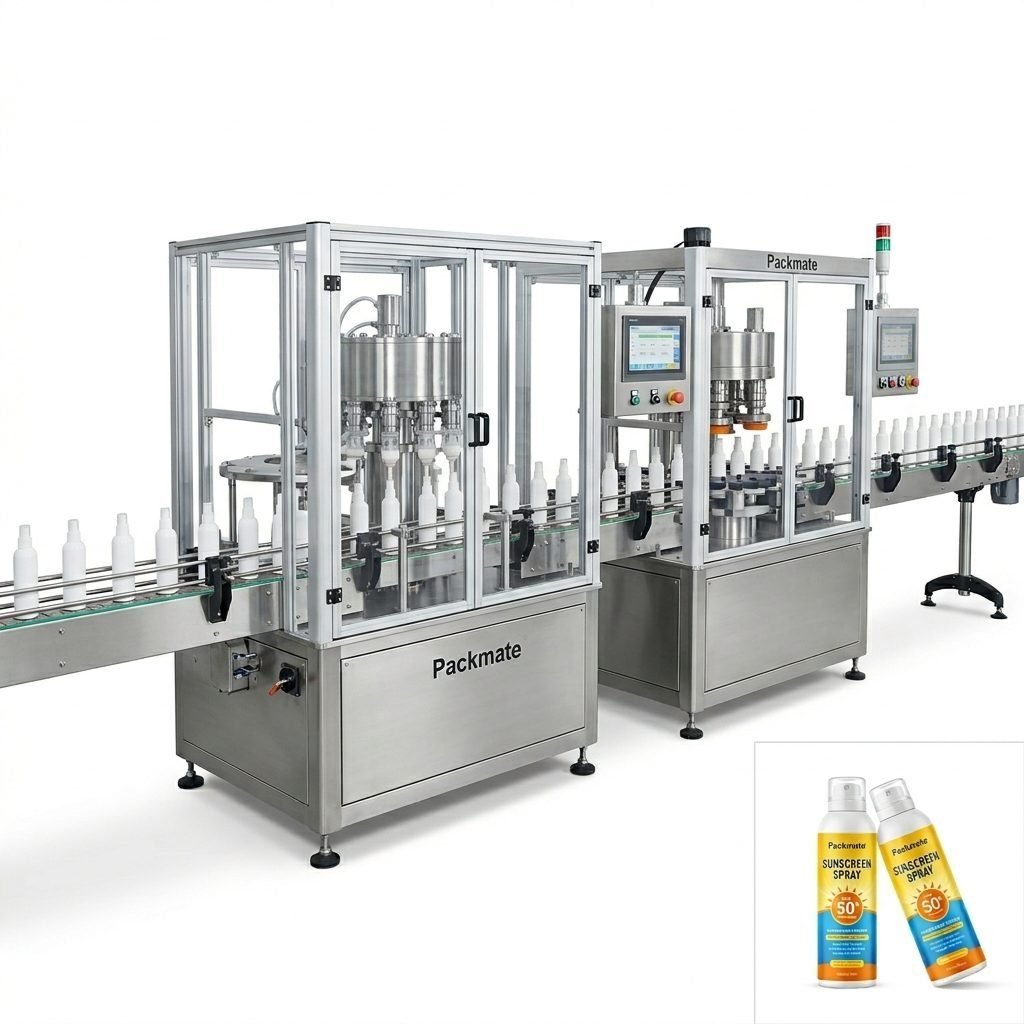
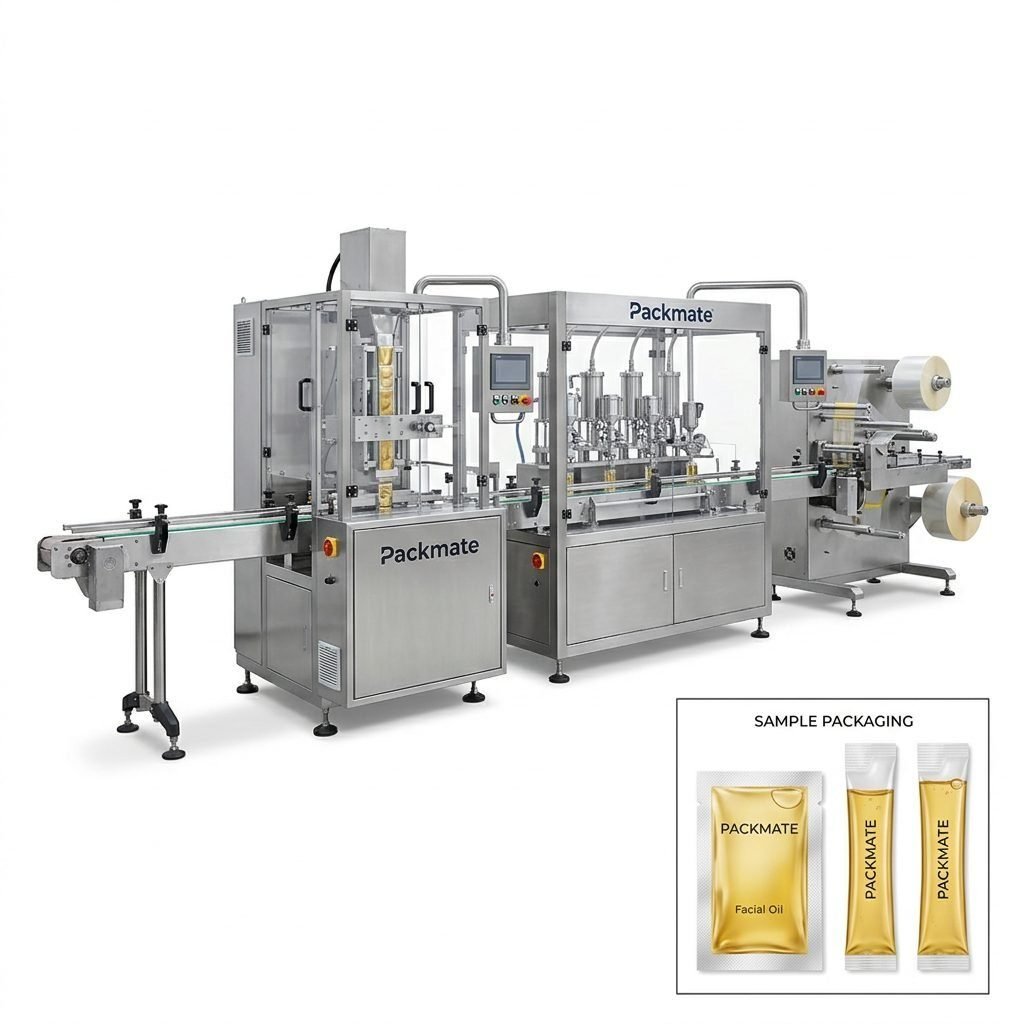
Liquid filling machines handle beverages like ready-to-drink juices, liquid coffee concentrates, or sauces. They typically use piston pumps, peristaltic pumps, or time-pressure systems. Key considerations include handling viscosity, preventing foam formation, and ensuring a clean, drip-free seal. For manufacturers of niche products like nicotine pouches, specialized suppliers like SnusMachinery provide tailored solutions that address the unique challenges of moist snus or liquid-based nicotine sachets.
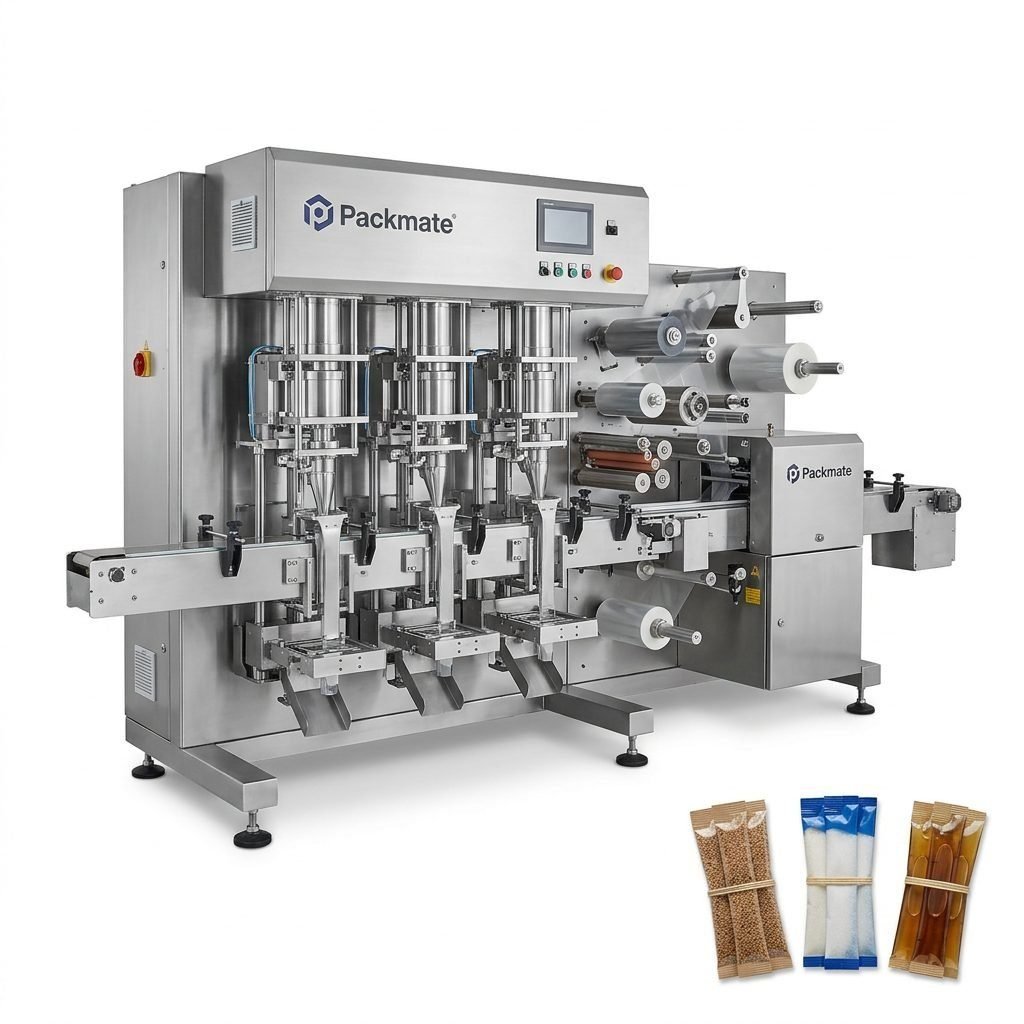
3. Standalone Machines vs. Integrated Turnkey Lines
A standalone pouch packaging machine performs the core FFS (Form-Fill-Seal) function. It’s an excellent choice for businesses that need to add pouch packaging capability to an existing line or have manual upstream/downstream processes.
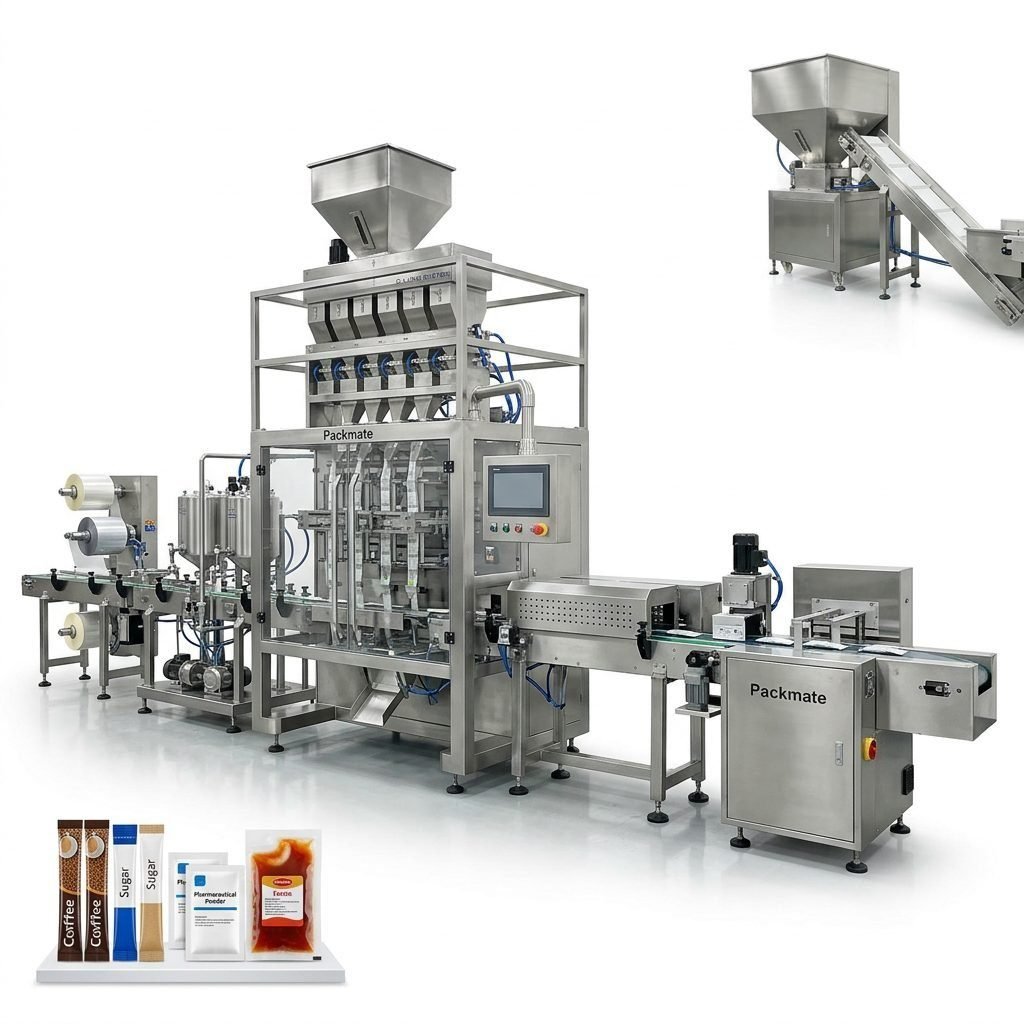
For complete automation, a turnkey packaging line integrates multiple systems. This can include bulk ingredient feeding, precision mixing, the primary pouch machine, checkweighers, metal detectors, vision inspection systems, cartoning, and case packing. Turnkey providers like PacklineOEM specialize in designing and delivering these fully integrated solutions, which maximize efficiency, minimize labor, and ensure consistent quality control from raw material to palletized product.
Key Features and Technological Advancements
Modern beverage pouch packers are equipped with a range of features that boost performance, reliability, and flexibility.
| Feature | Description | Benefit |
|---|---|---|
| PLC & HMI Control | Programmable Logic Controller with intuitive touch-screen Human-Machine Interface. | Simplifies operation, stores recipes for quick changeovers, and provides diagnostic data. |
| Servo-Driven Technology | Precise servo motors control film pull, filling, and sealing actions. | Enhances accuracy, reduces film waste, allows for more complex pouch shapes, and lowers maintenance. |
| Quick-Change Tooling | Modular forming tubes, fill nozzles, and sealing jaws. | Drastically reduces downtime when switching between different pouch sizes or formats. |
| Integrated Quality Checks | In-line checkweighers, metal detectors, and vision systems. | Ensures every pouch meets weight, safety, and seal integrity standards, automating QC. |
| Gas Flushing & Aseptic Options | Nitrogen or CO2 flushing systems; aseptic filling chambers. | Extends shelf life for sensitive products (e.g., dairy-based drinks) and enables ambient storage. |
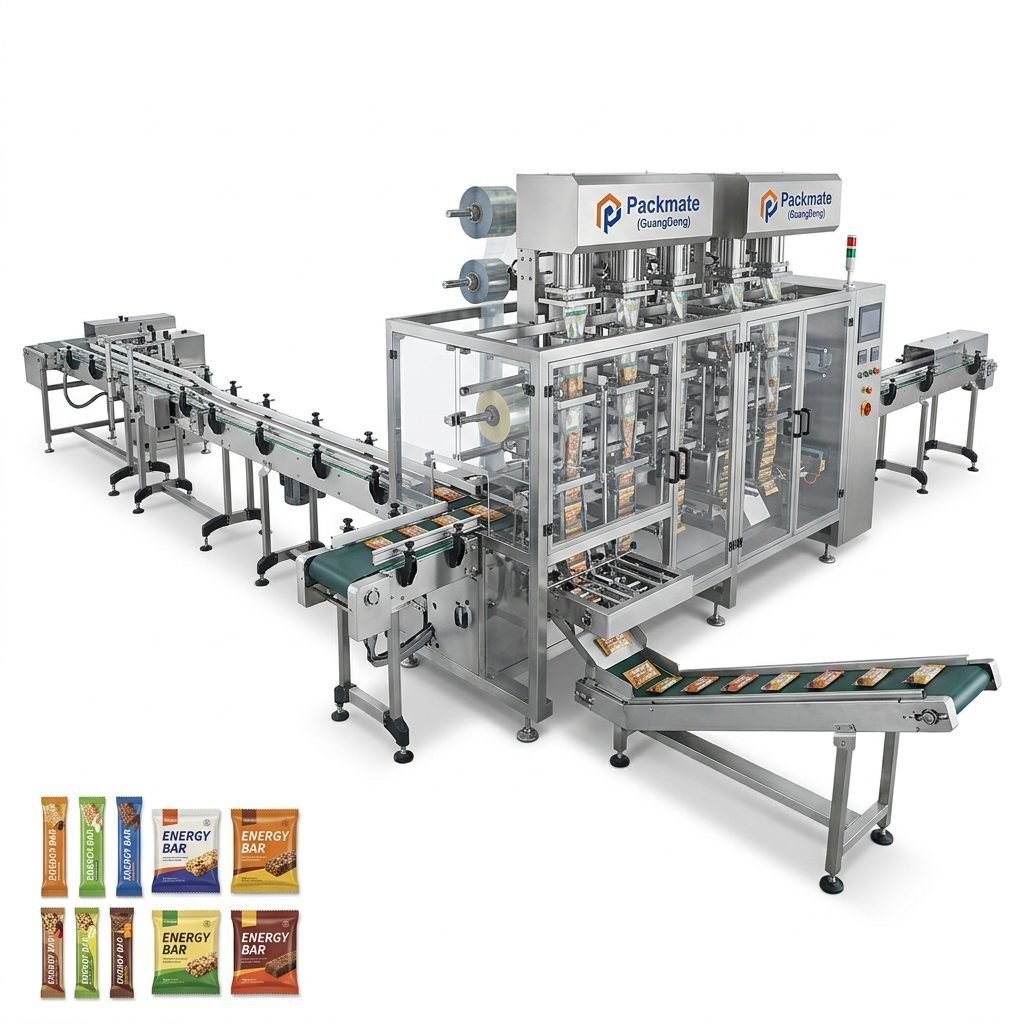
Critical Buying Considerations
Selecting the right machine requires a careful assessment of your specific needs. Here are the key factors to evaluate:
1. Product Characteristics and Packaging Format
Define your product’s properties: Is it a free-flowing powder, a viscous liquid, or contains particulates? What is the target fill volume (e.g., 5g stick pack, 200ml stand-up pouch)? The chosen machine must be compatible with your product’s behavior and your desired pouch style (shape, size, sealing type).
2. Required Production Capacity
Calculate your current and projected output in pouches per minute/hour. This will determine whether you need a single-lane or multi-lane machine. Remember to factor in efficiency; a machine rated for 200 ppm may realistically achieve 160-180 ppm after accounting for changeovers and minor stoppages.
3. Level of Automation
Decide between a basic machine requiring manual feeding and offloading or a fully automated line with robotic palletizers. Higher automation reduces labor costs and improves consistency but requires a larger initial investment. For complex, high-volume needs, partnering with a customized packaging machine manufacturer can yield a solution tailored to your exact workflow.
4. Machine Construction and Hygiene
For food and beverage applications, hygiene is non-negotiable. Look for machines constructed with food-grade stainless steel (especially in product contact zones), easy-clean designs with minimal crevices, and compliance with relevant standards (e.g., FDA, CE, EHEDG). A robust frame ensures stability and longevity during continuous high-speed operation.
5. Supplier Support and Service
The machine is only as good as the support behind it. Prioritize suppliers with a proven track record, strong technical support, availability of spare parts, and comprehensive training. Established manufacturers with over 30 years of experience, like those profiled, often provide more reliable long-term support. Consider their presence in your region; a supplier like Ludyway, with exports to over 100 countries, likely has a support network closer to your operation.
6. Total Cost of Ownership (TCO)
Look beyond the initial purchase price. Factor in installation, training, maintenance costs, energy consumption, changeover times, and potential yield loss from waste. A slightly more expensive but more efficient and reliable machine often has a lower TCO over its 10-15 year lifespan.
Conclusion and Final Recommendations
Investing in a beverage pouch packaging machine is a significant decision that can transform your production capabilities. By thoroughly understanding the different machine types, focusing on key technological features, and carefully weighing the buying considerations outlined above, you can make an informed choice that aligns with your production goals and market strategy. Whether you are a startup exploring single-serve formats or a global brand scaling up production, the right packaging automation partner is crucial for success in today’s competitive beverage landscape.
Frequently Asked Questions (FAQs)
Q1: What is the typical speed range for a multi-lane stick pack machine?
A: Speeds vary by model and lane count. A standard 4-lane machine might produce 400-600 stick packs per minute, while advanced 8-lane systems from leading manufacturers can reach 1,000+ packs per minute for simple powder products.
Q2: Can one machine handle both powder and liquid beverages?
A: Some machines are designed as “hybrid” or “versatile” models with interchangeable filling systems. However, for optimal performance, hygiene, and minimal changeover time, dedicated powder or liquid machines are generally recommended for high-volume production of a single product type.
Q3: How important is after-sales service when purchasing from an international supplier?
A: It is critically important. Ensure the supplier offers clear warranty terms, readily available spare parts, remote diagnostic support, and the option for on-site technician visits. A strong local agent or service partner in your region is a significant advantage.
Q4: What are the common causes of seal failures, and how can they be prevented?
A: Seal failures can stem from film quality issues, contaminated sealing jaws, incorrect temperature/pressure settings, or product contamination on the seal area. Prevention involves using certified film, implementing regular cleaning schedules, conducting routine seal integrity tests, and ensuring proper machine setup and maintenance.
Q5: Are pouch packaging machines suitable for small-batch or R&D production?
A: Yes. Many manufacturers offer smaller, semi-automatic or tabletop models perfect for R&D, pilot production, and small-batch runs. These allow for format development and market testing without the investment required for a full-scale high-speed line.