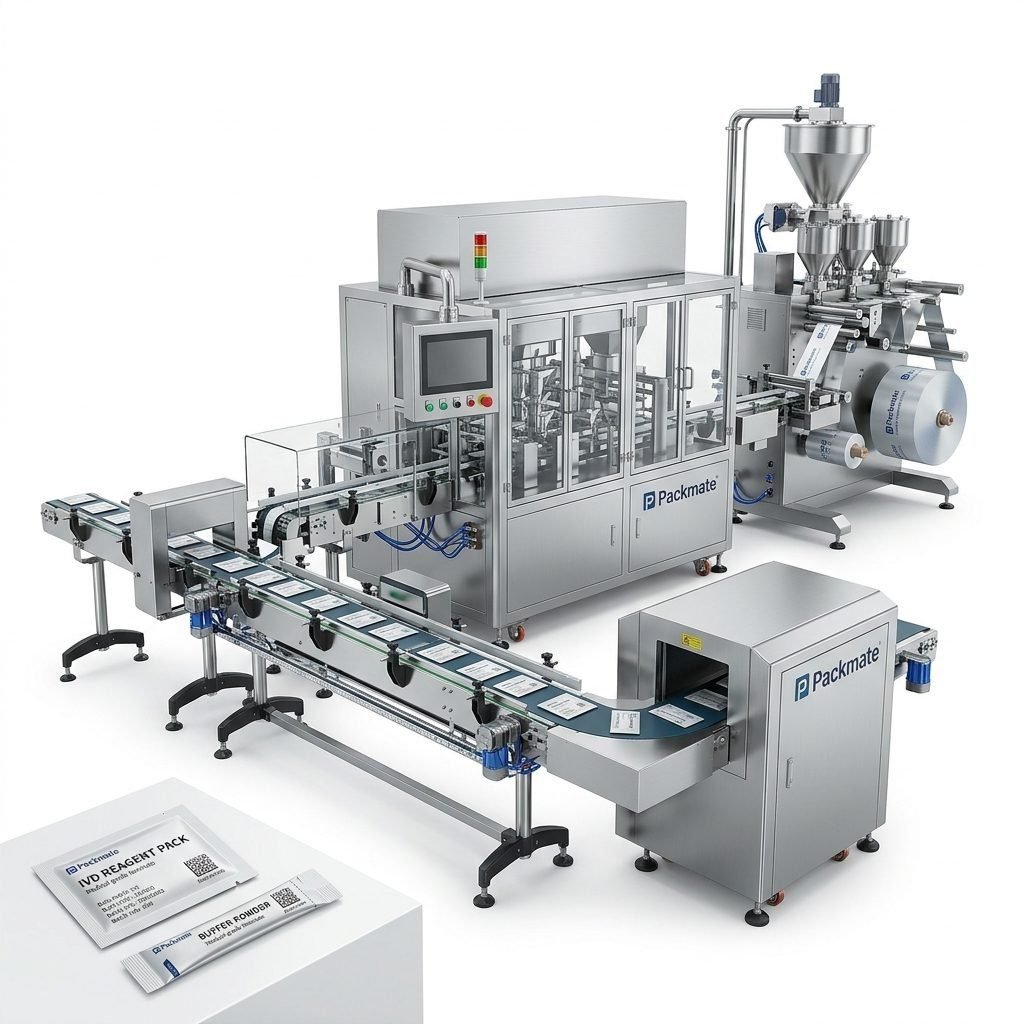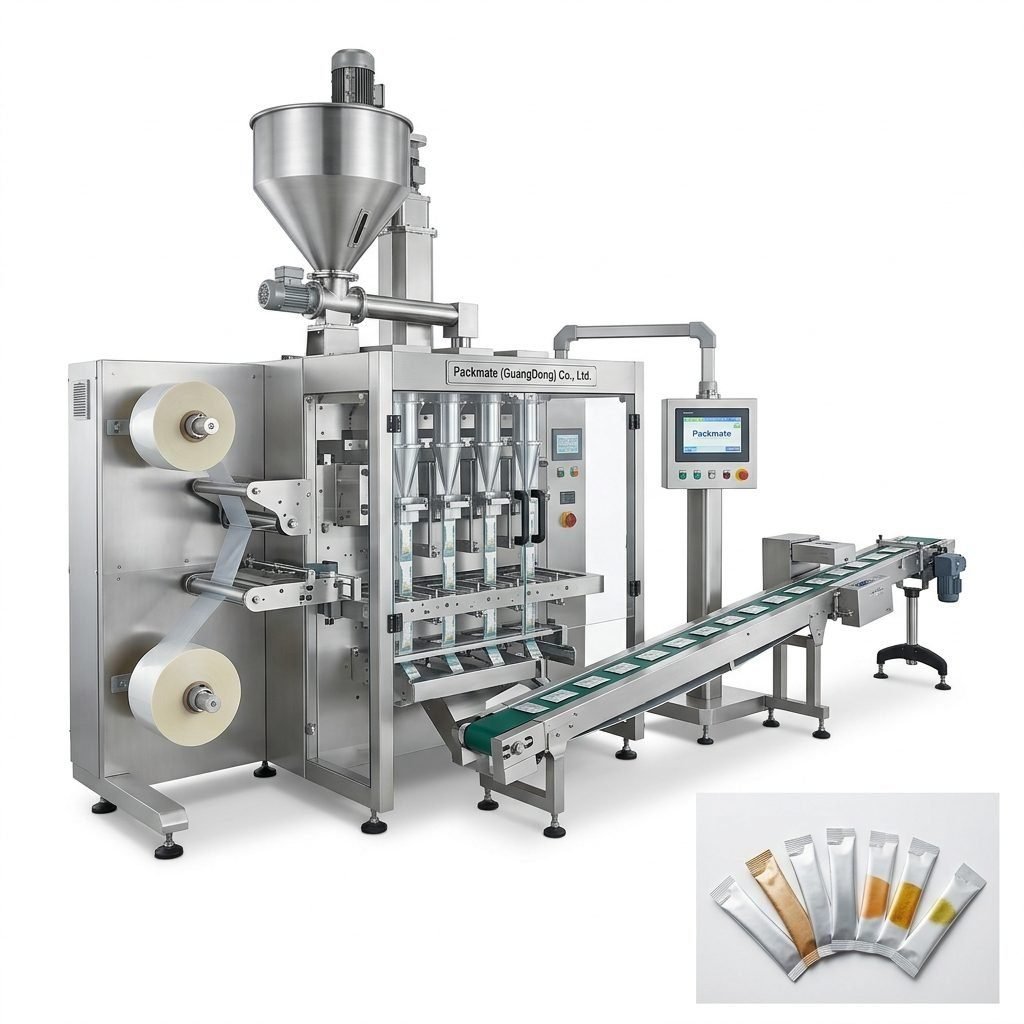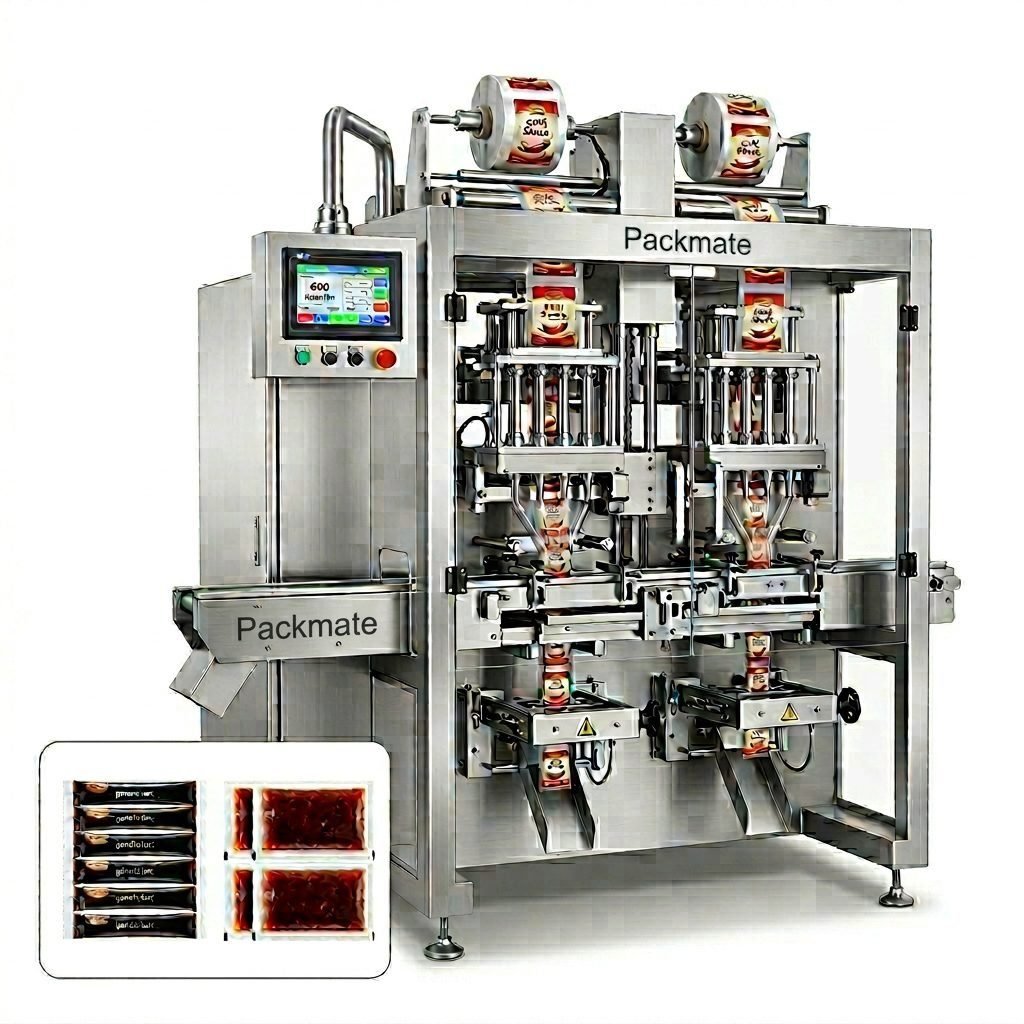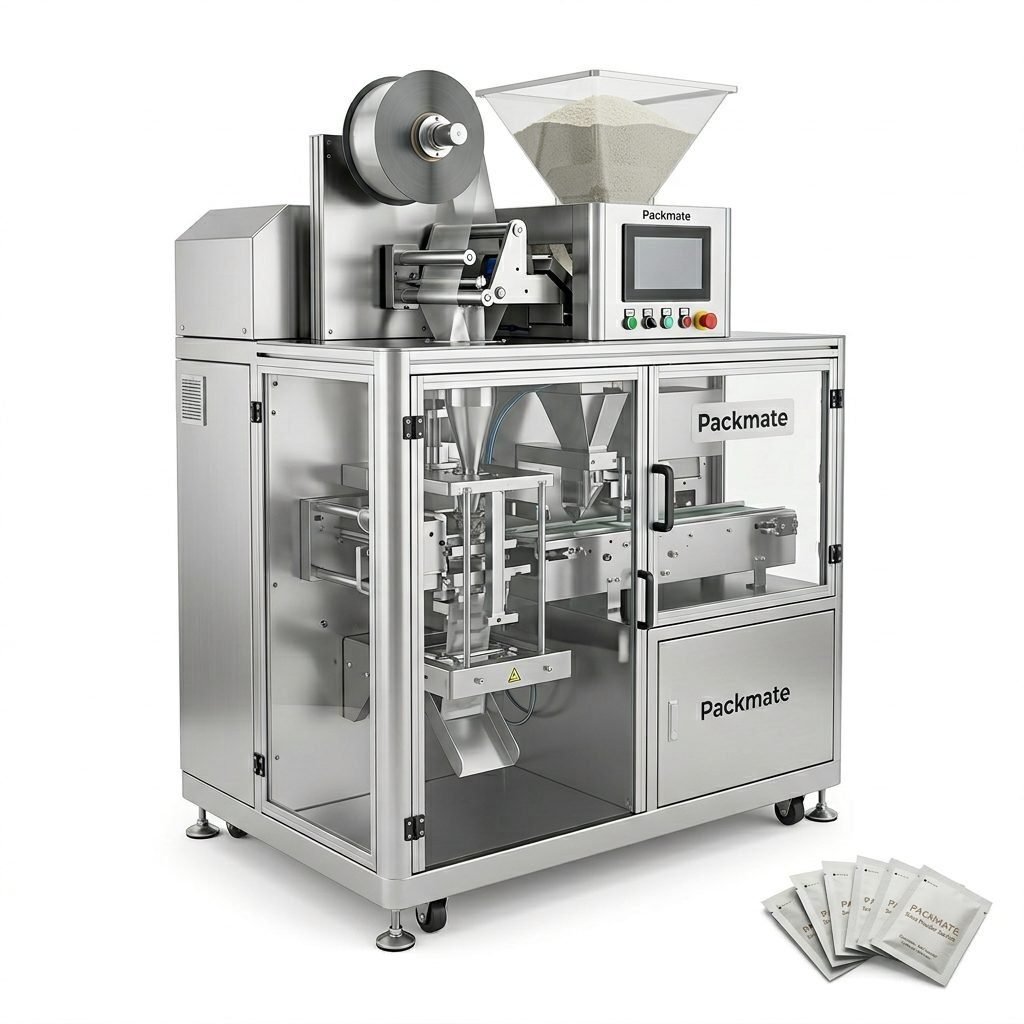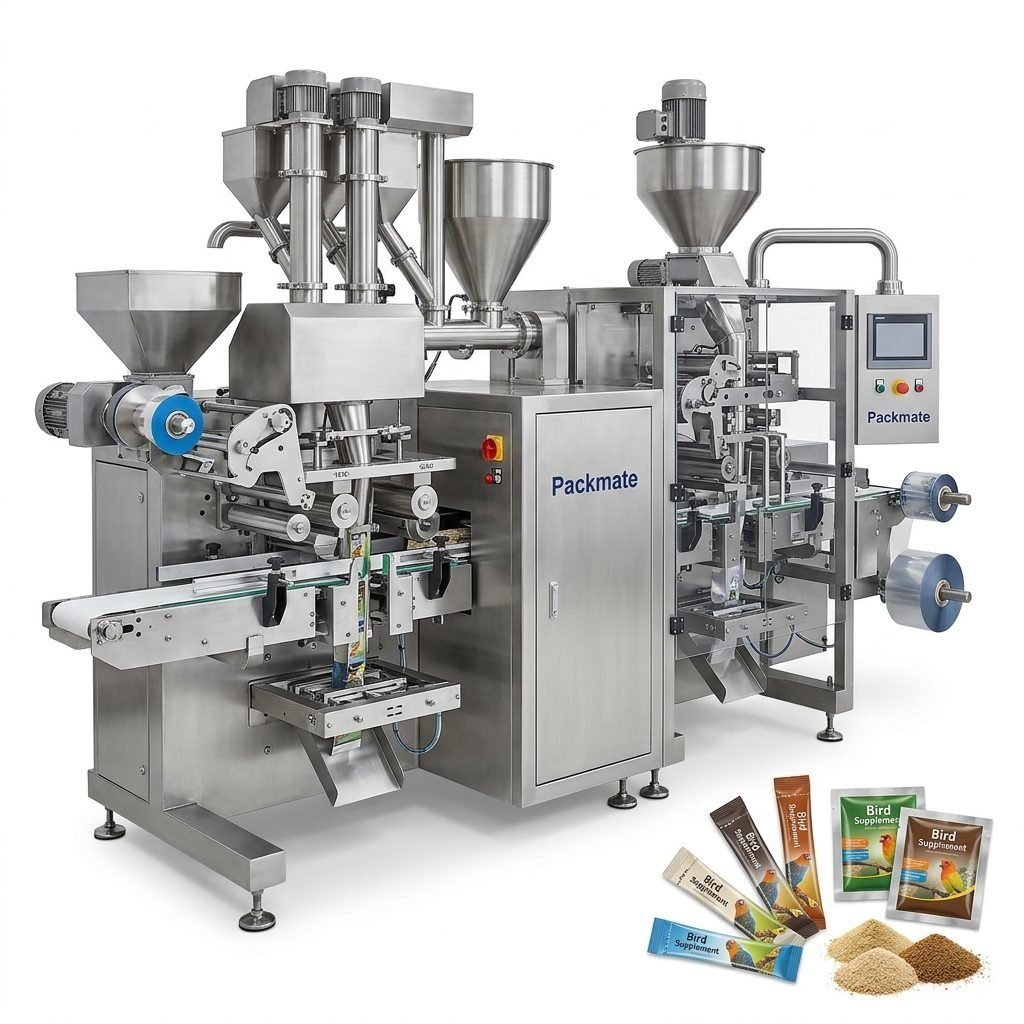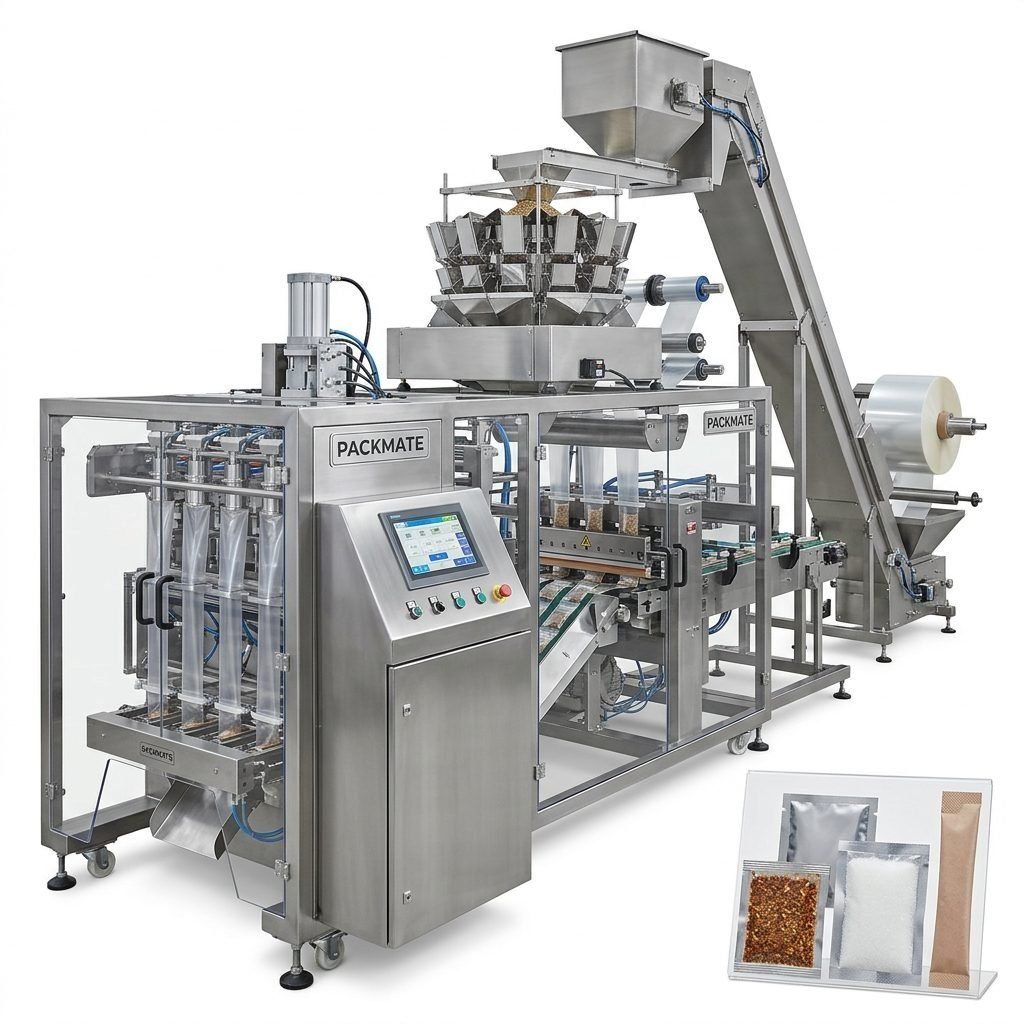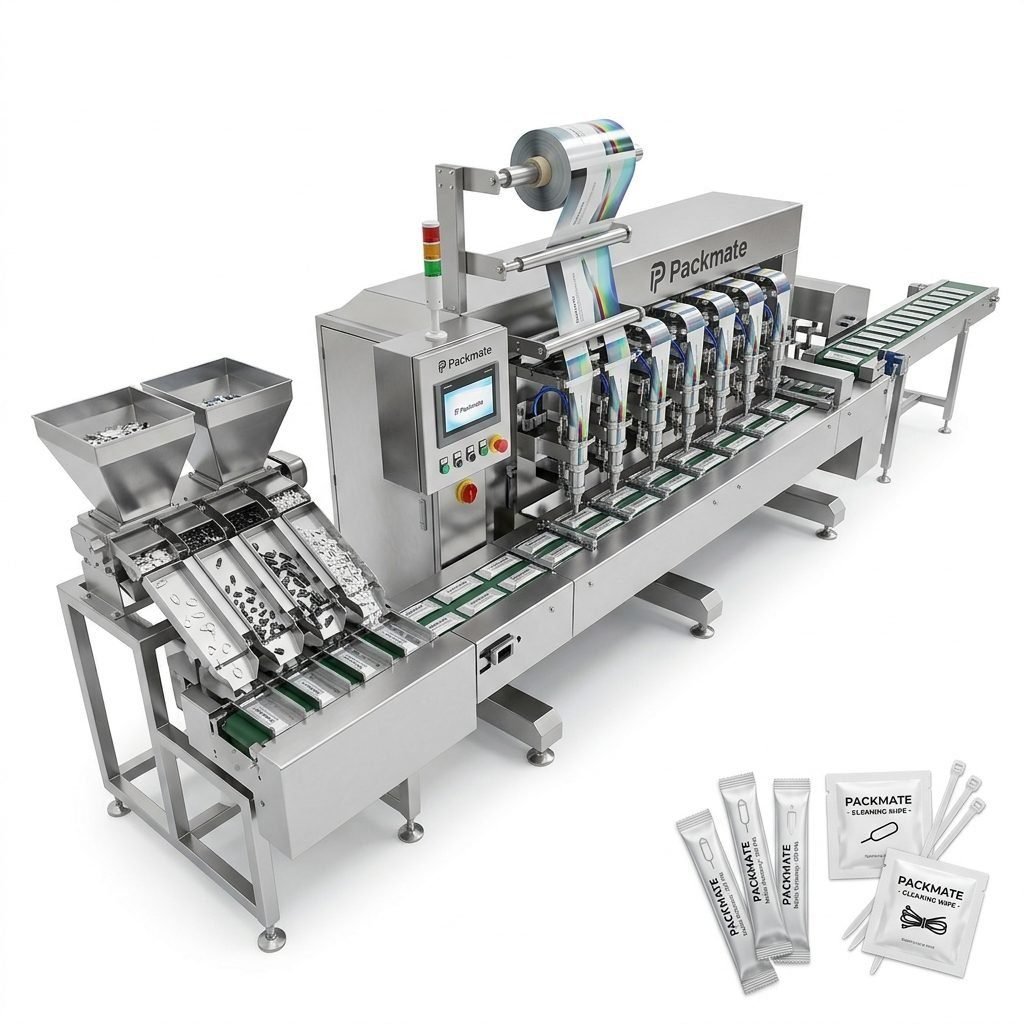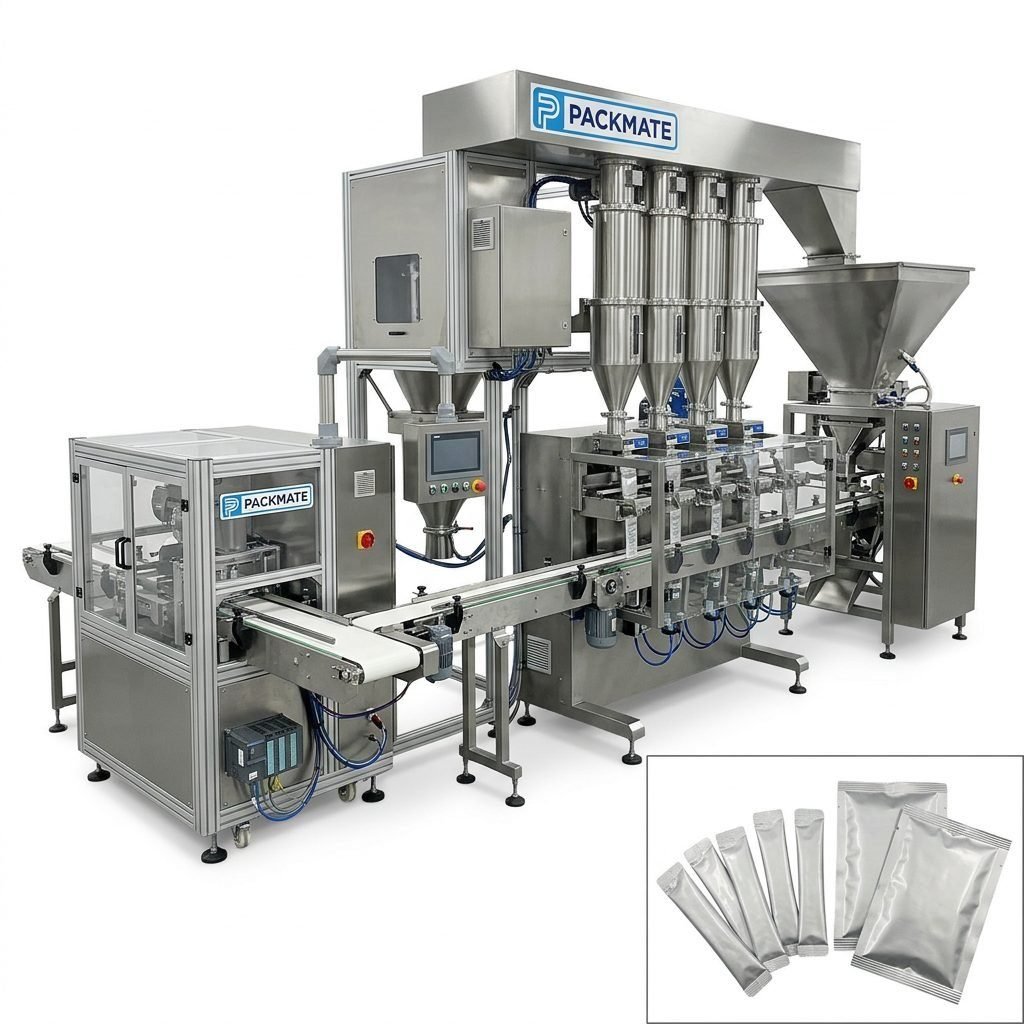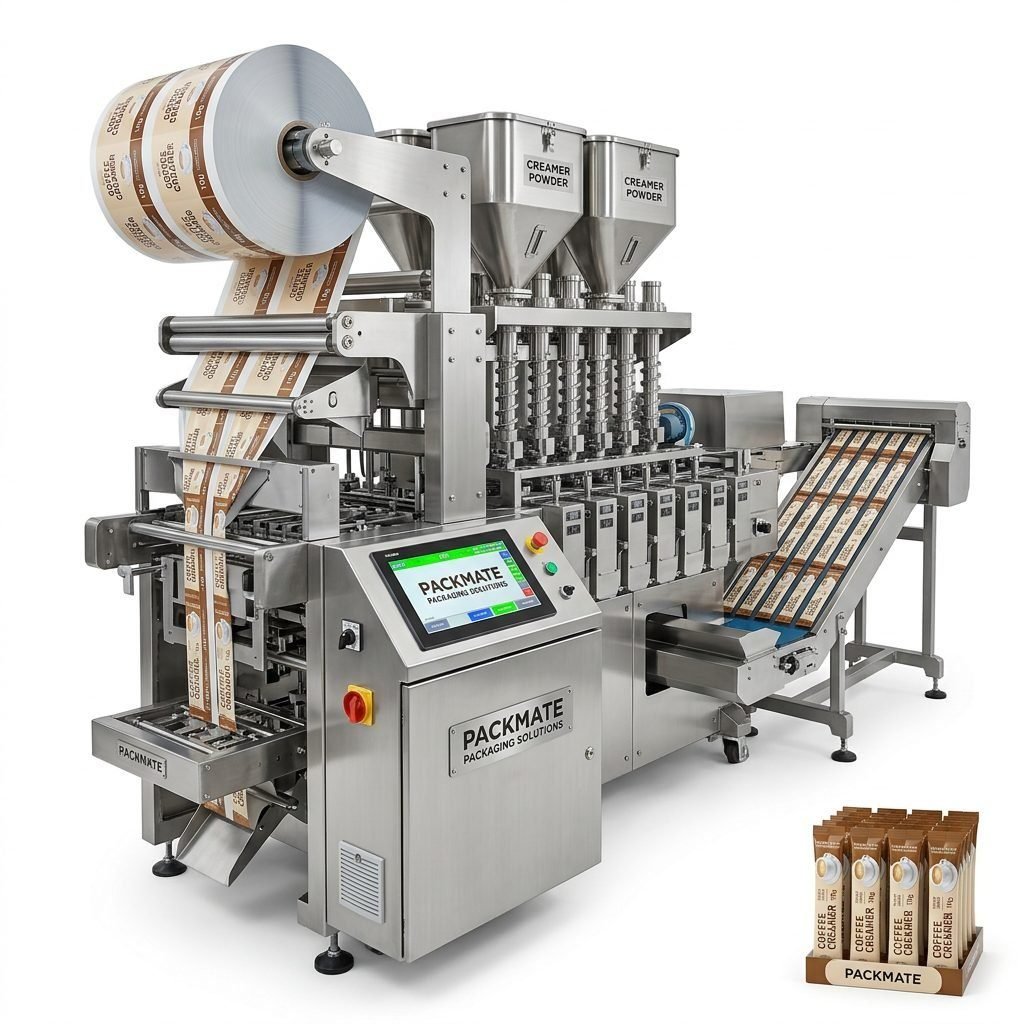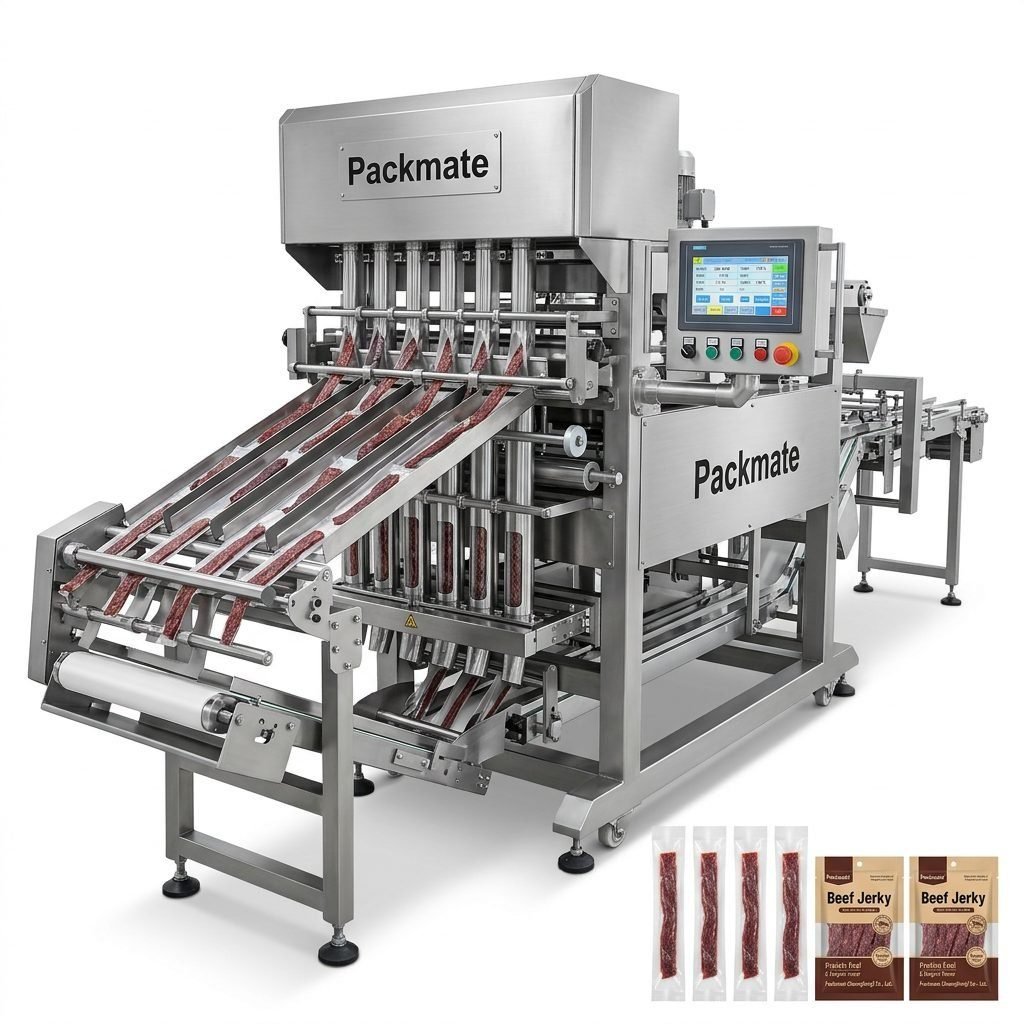
In the fast-paced world of modern manufacturing, efficiency, hygiene, and product presentation are paramount. For industries packaging powders, granules, liquids, or small solid items, the three-side seal pouch packing machine has become an indispensable piece of equipment. This sophisticated system automates the creation, filling, and sealing of small, flat pouches from a roll of film, offering a versatile and efficient solution for single-serve or portion-controlled products. From instant coffee and seasoning sachets to pharmaceutical powders and cosmetic samples, this technology streamlines production lines across the globe.
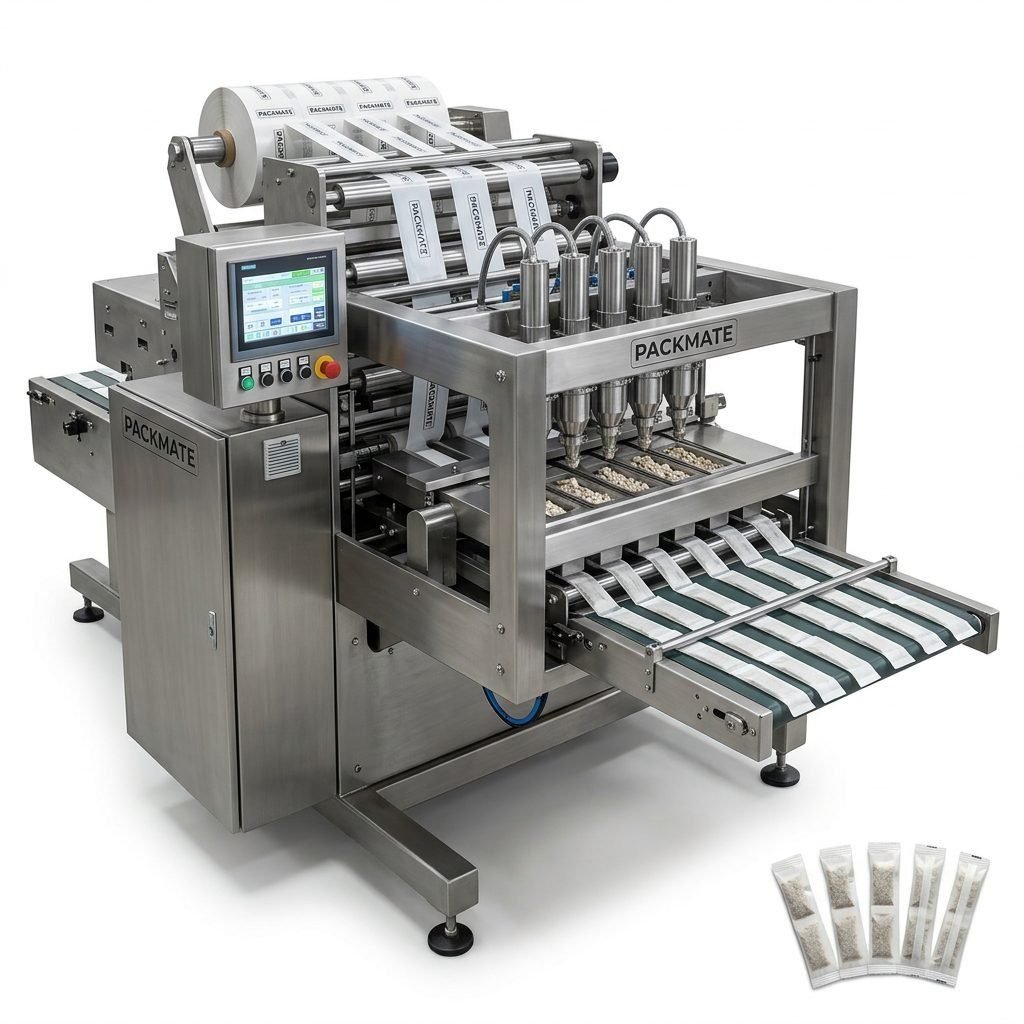
How Does a Three-Side Seal Pouch Packing Machine Work?
The operation of a three-side seal (also known as a pillow pouch or sachet) packing machine is a continuous, automated cycle. It transforms a flat roll of packaging film into finished, filled pouches through several synchronized stages.
Core Working Stages:
1. Film Unwinding & Forming: A roll of packaging material (laminated film, aluminum foil, etc.) is mounted on an unwind stand. The film is fed through a series of guide rollers and a forming collar, which shapes it into a vertical tube.
2. Longitudinal Sealing: As the film tube travels downward, a vertical sealing mechanism (often a heat sealer) creates a continuous back seal, forming a fully enclosed tube.
3. Product Dosing & Filling: At the top of the tube, a precision dosing system (auger filler for powders, liquid pump, volumetric cup, etc.) dispenses the exact amount of product into the film tube. For multi-lane machines, this happens simultaneously across several lanes, multiplying output.
4. Cross Sealing & Cutting: This is the critical step that defines the “three-side seal.” Horizontal sealing jaws clamp the filled tube from both sides. They perform two functions simultaneously: they seal the top of the completed pouch below and the bottom of the new pouch above. A cutting blade then separates the two pouches at the center of the seal, creating individual, sealed packets with seals on three sides (left, right, and bottom). The process repeats at high speed.
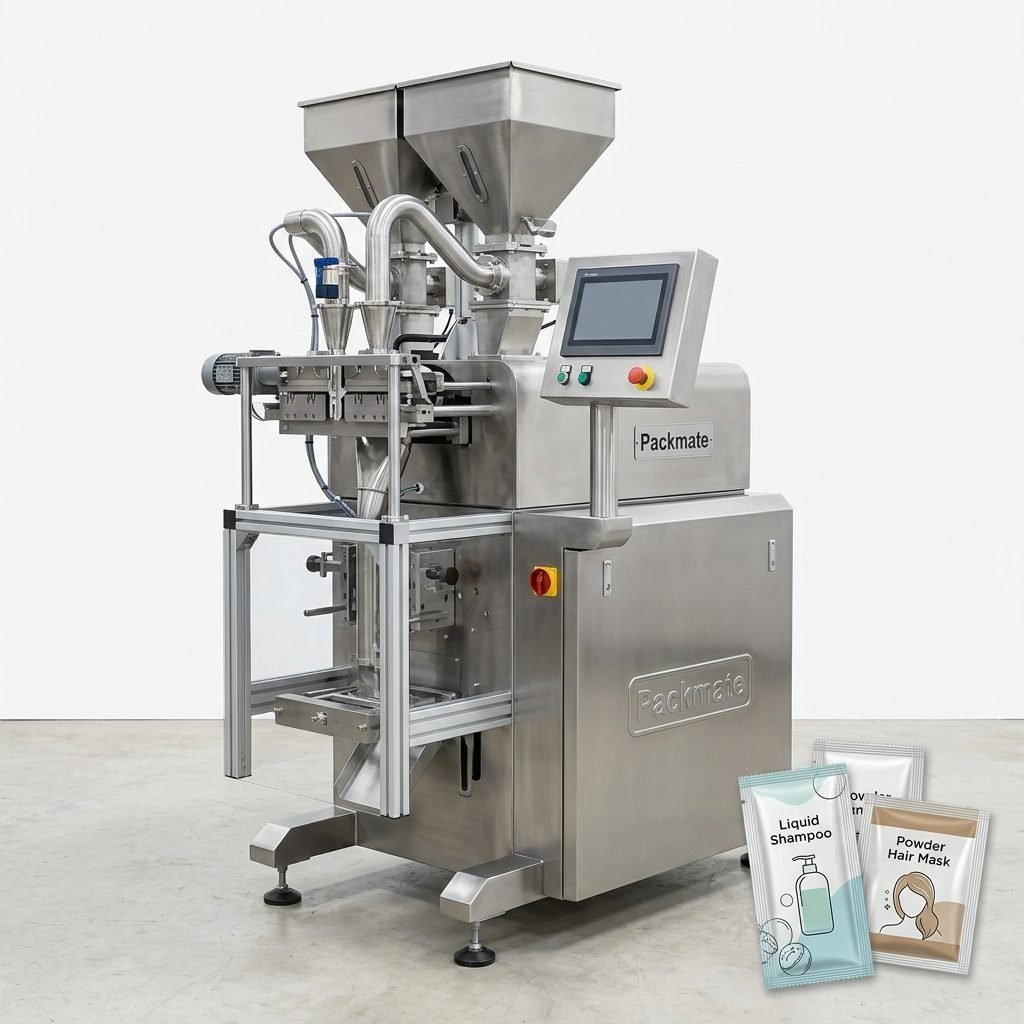
Key Features and Technological Advantages
Modern three-side seal machines are engineered for performance, reliability, and adaptability. Here are the defining features that make them a cornerstone of automated packaging.
Essential Machine Features:
- High-Speed Operation: Capable of producing from 60 to over 800 pouches per minute, depending on the number of lanes and product type.
- Multi-Lane Design: Common configurations include 4, 6, 8, or even 10 lanes, dramatically increasing output without a proportional increase in floor space.
- Precision Dosing Systems: Equipped with auger fillers, liquid pumps, or volumetric cups for accurate filling, often with check-weighing systems to ensure consistency.
- Versatile Sealing: Supports heat sealing for most plastic laminates and can be adapted for ultrasonic sealing or cold sealing for specialized materials.
- User-Friendly HMI: A touch-screen PLC (Programmable Logic Controller) interface allows for easy setup, recipe storage, speed adjustment, and real-time monitoring of production data.
Beyond these core features, advanced models offer gas flushing (nitrogen or other inert gases) for enhanced product shelf life, date/batch coding integrated into the sealing jaws, and vision inspection systems to detect sealing defects or misprints. The robust stainless-steel construction ensures durability and meets hygiene standards, particularly important for food and pharmaceutical applications.
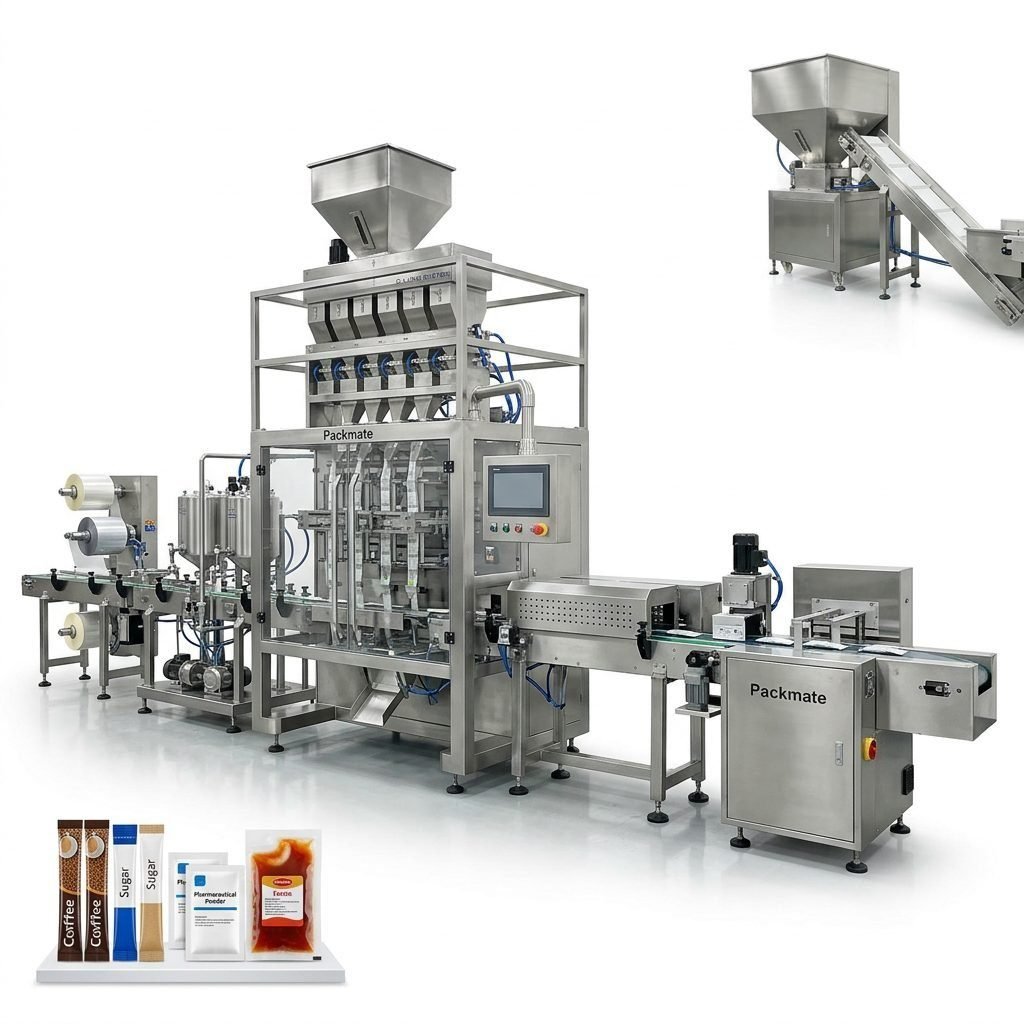
Industries and Applications
The adaptability of three-side seal machines makes them suitable for a vast array of sectors. Their ability to handle diverse product forms is a key strength.
| Industry | Typical Products Packaged | Key Requirement |
|---|---|---|
| Food & Beverage | Instant coffee, sugar, ketchup, seasoning, drink mixes, sauces | Hygiene, speed, accurate dosing |
| Pharmaceutical & Nutraceutical | Powdered medicines, electrolyte mixes, vitamin sachets, herbal supplements | Precision, contamination control, GMP compliance |
| Cosmetics & Personal Care | Shampoo samples, face cream, lotion, serums, mask powder | Aesthetic seals, leak-proof packaging for liquids/pastes |
| Chemical & Agri-chemical | Detergent powder, pesticides, fertilizers, water treatment chemicals | Material compatibility, dust containment, safety |
Choosing the Right Machine: A Buyer’s Guide
Selecting a three-side seal pouch packing machine is a significant investment. Making the right choice involves a careful evaluation of your specific needs against the machine’s capabilities. Partnering with an experienced manufacturer like Packmate Machinery or PacklineOEM can provide valuable guidance.
Key Selection Criteria:
1. Product Characteristics: The physical properties of your product are the primary deciding factor. Is it a free-flowing powder, a sticky paste, a granular solid, or a liquid? Each requires a specific type of filling system (e.g., auger, pump, volumetric cup).
2. Production Capacity (Output): Determine your required output in pouches per minute (PPM). A single-lane machine may suffice for lower volumes, while high-volume production necessitates a multi-lane machine. Consider future growth to ensure the machine can scale with your business.
3. Pouch Specifications: Define the required pouch dimensions (length and width), the type of packaging material (its composition and thickness), and the desired seal type (e.g., fin seal, lap seal).
4. Level of Automation: Basic machines require manual film loading and product feeding. Semi-automatic and fully automatic systems integrate film roll changers, bulk product feeders, and automated conveyors for finished pouches, minimizing labor.
5. Hygiene and Compliance: For food, pharmaceutical, or cosmetic applications, ensure the machine is constructed with food-grade stainless steel (e.g., SS304, SS316) and designed for easy cleaning (CIP/SIP capabilities).
Furthermore, consider the supplier’s reputation for after-sales service, technical support, and availability of spare parts. A machine is a long-term asset, and reliable support is crucial for minimizing downtime. Companies specializing in customized and non-standard solutions can be invaluable for unique product requirements.
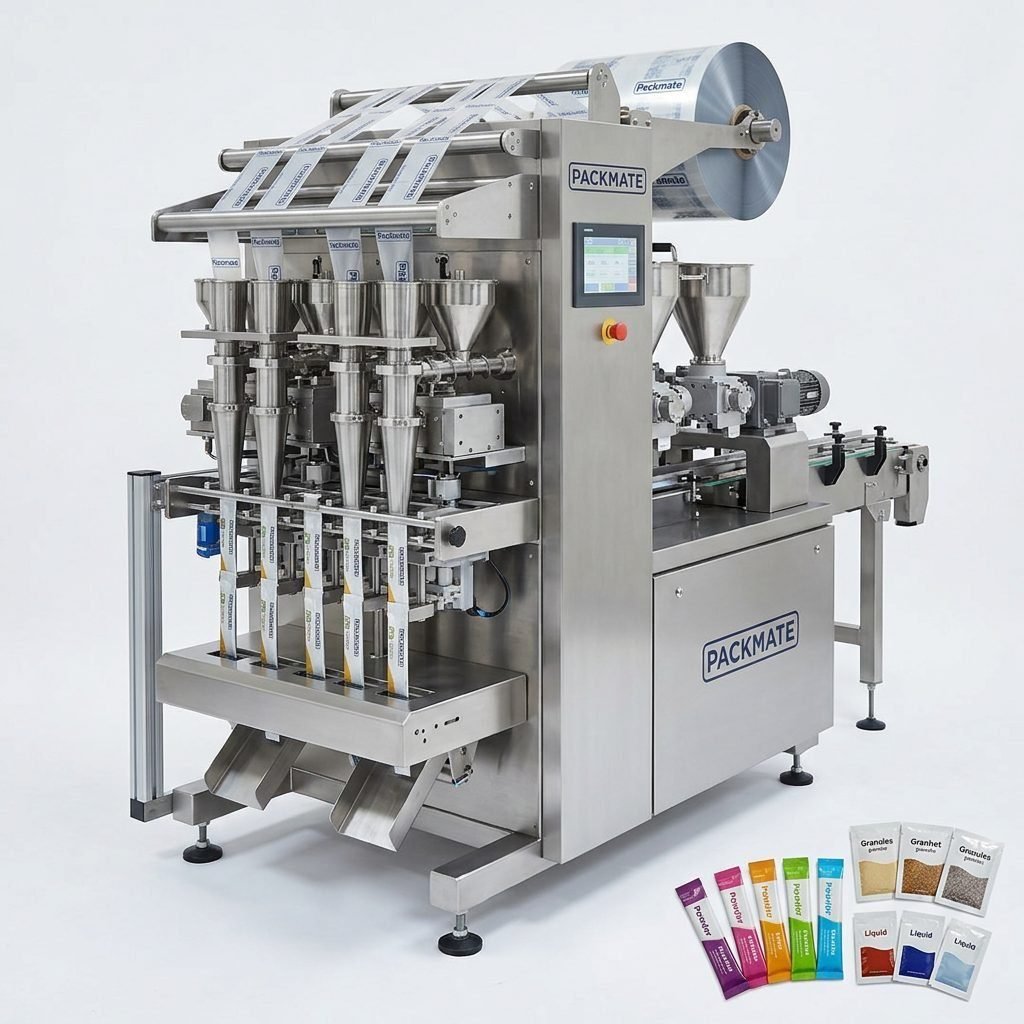
The Role of Leading Manufacturers
The global market for pouch packaging machinery is competitive, with several established manufacturers offering robust solutions. Understanding their strengths can help in the selection process.
For instance, Ludyway, with over 30 years of experience, is recognized for its broad product portfolio and strong export footprint, making it a reliable partner for comprehensive packaging lines. For buyers with highly specialized needs, such as in the nicotine pouch sector, a focused manufacturer like SnusMachinery offers deep application-specific expertise. Meanwhile, manufacturers like PacklineOEM and PackingMachineOEM emphasize their capability in delivering complete, integrated turnkey lines and bespoke, non-standard machine configurations, respectively.
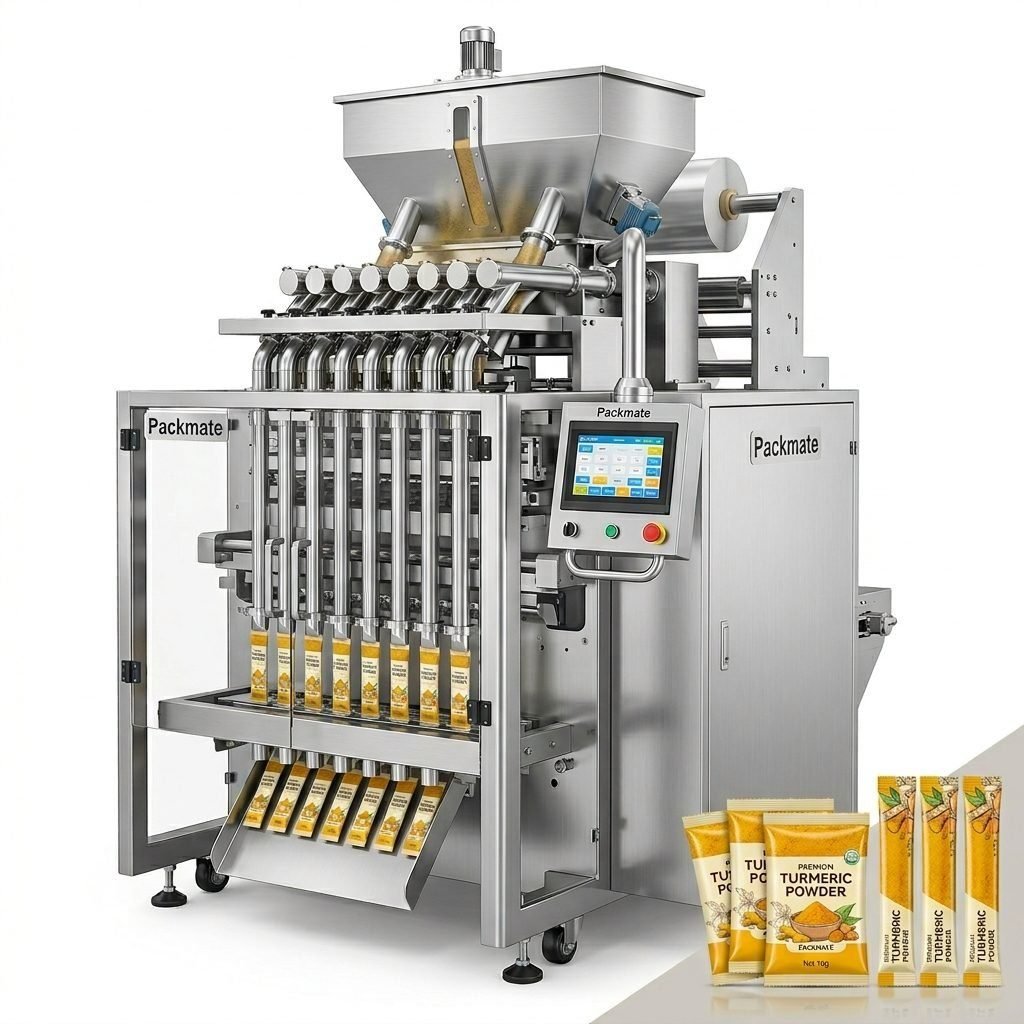
Frequently Asked Questions (FAQs)
What is the main difference between a three-side seal and a four-side seal pouch?
A three-side seal pouch is formed from a single roll of film, creating a seal on two sides and the bottom. A four-side seal pouch is typically made from two separate sheets of film sealed on all four edges, often used for stand-up pouches or when graphics need to be centered.
Can one machine handle both powders and liquids?
Many machines are modular and can be configured for different products. However, the filling system must be changed. A machine might come with an auger filler for powders but would require a changeover to a liquid pump system to handle liquids effectively.
How important is the packaging film material?
It is critical. The film must have compatible sealing layers (like LDPE or CPP) to bond under the machine’s heat and pressure. The barrier properties (against moisture, oxygen, light) also determine the product’s shelf life. Always test your product with the intended film.
What is the typical maintenance required?
Regular daily cleaning of product contact parts is essential. Periodic lubrication of moving parts, inspection and replacement of sealing jaws, cutting blades, and gaskets, and calibration of the dosing system are standard maintenance tasks outlined in the machine manual.
Is operator training provided by the manufacturer?
Reputable manufacturers almost always provide comprehensive training during installation and commissioning. This covers machine operation, basic troubleshooting, changeover procedures, and routine maintenance to ensure safe and efficient use.