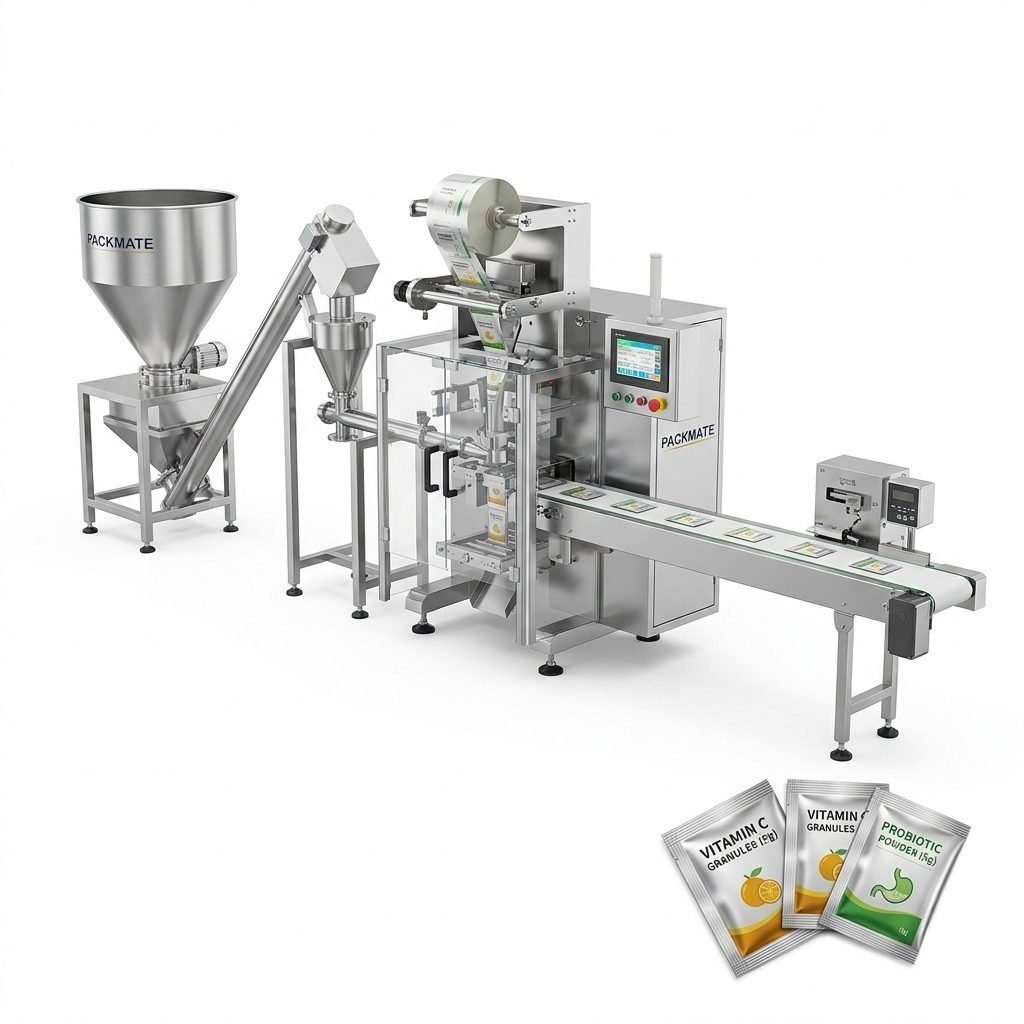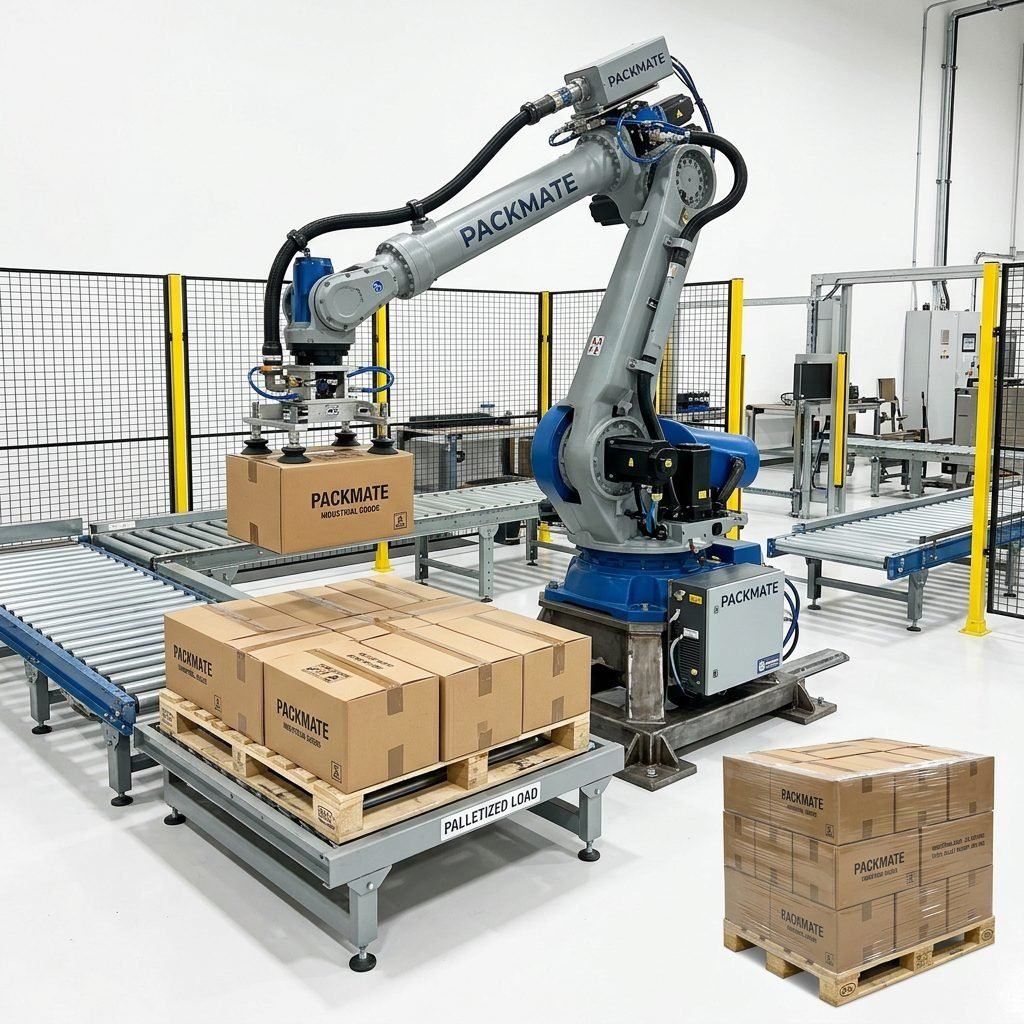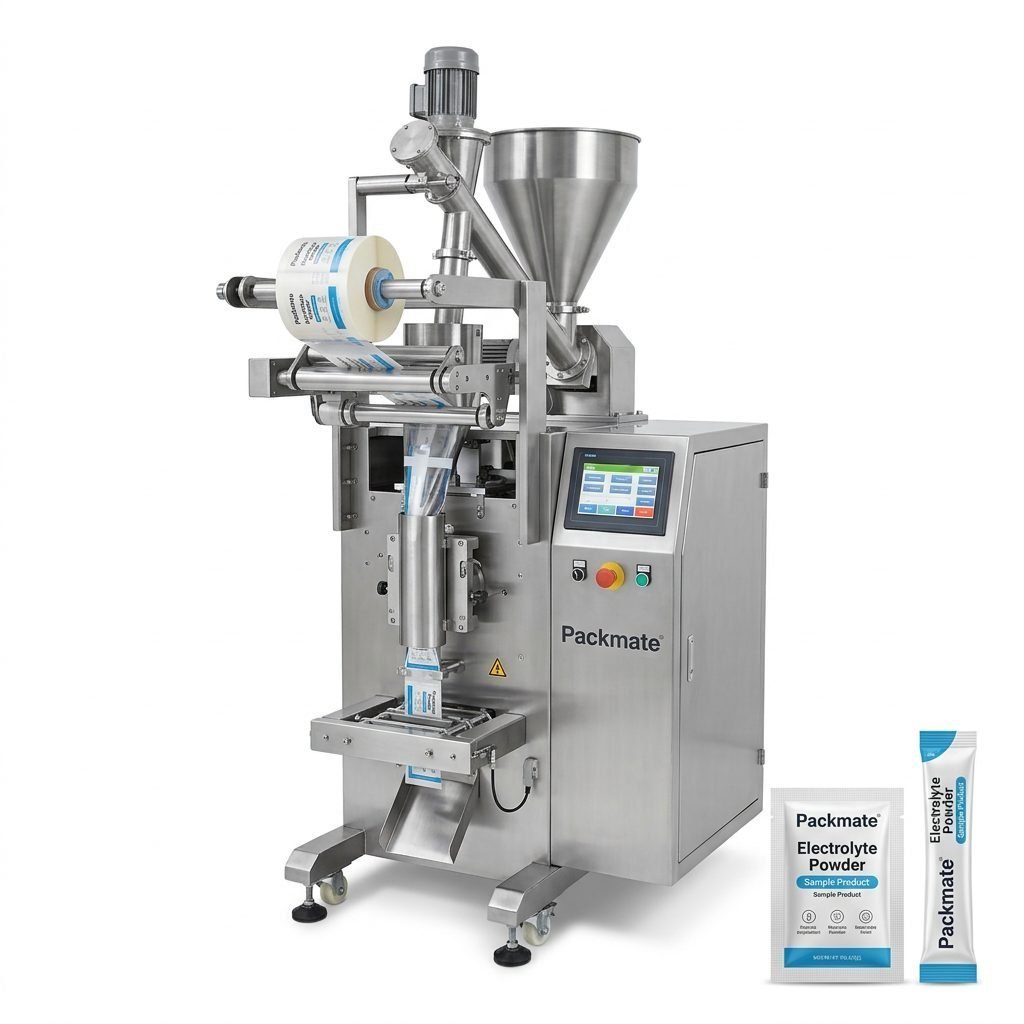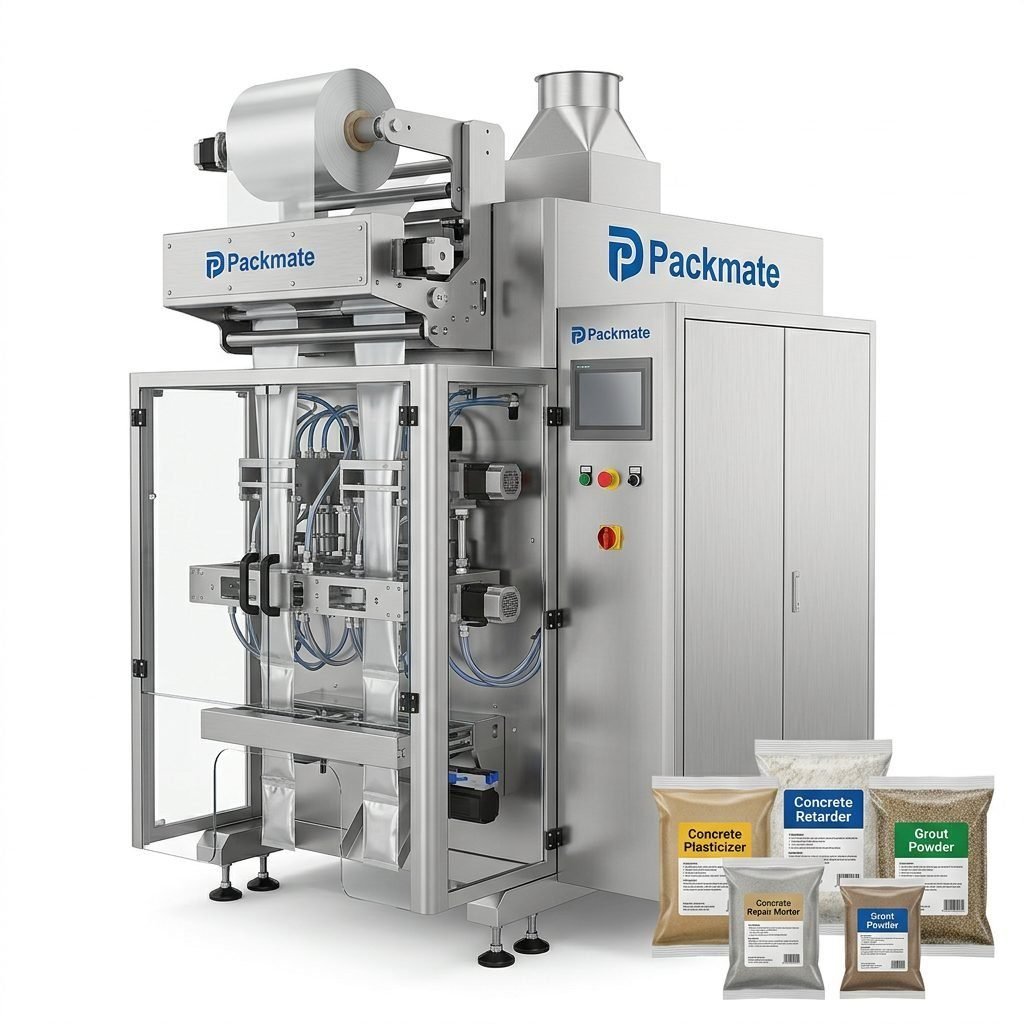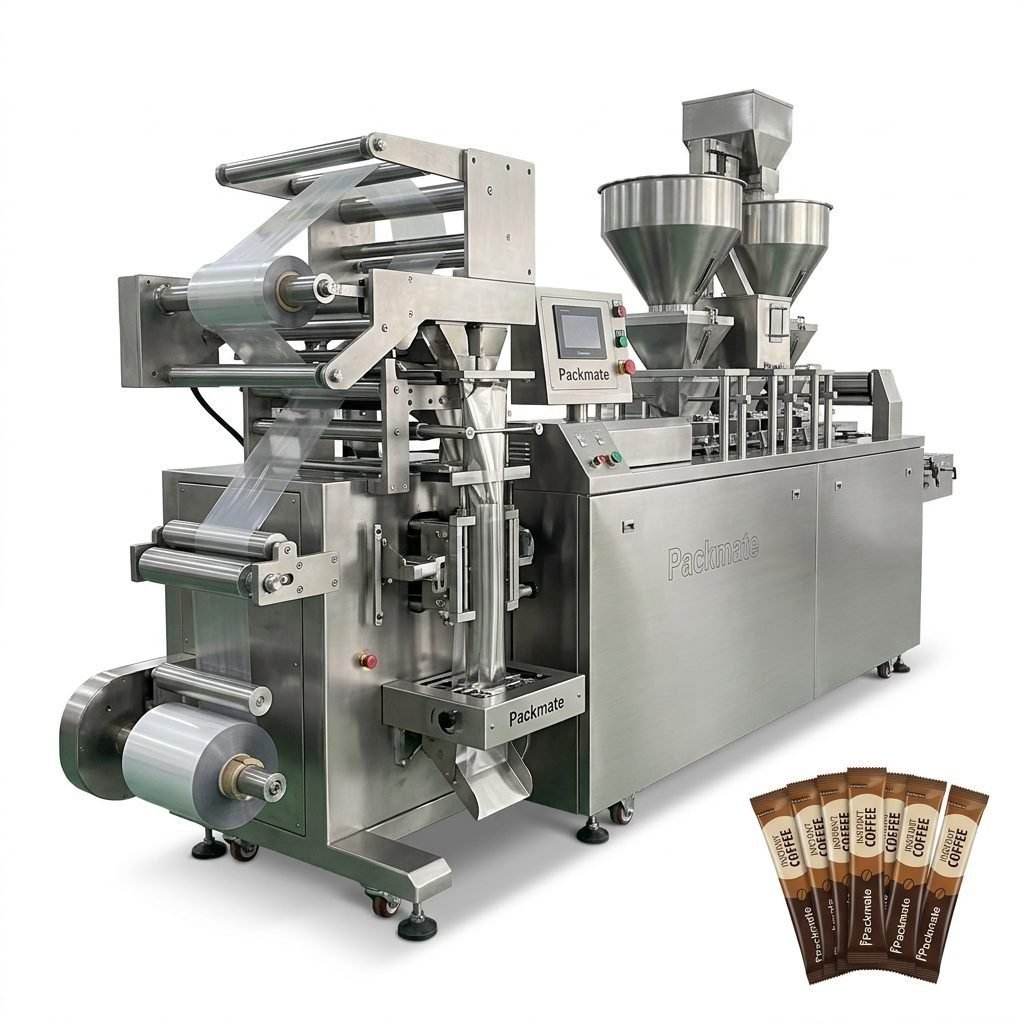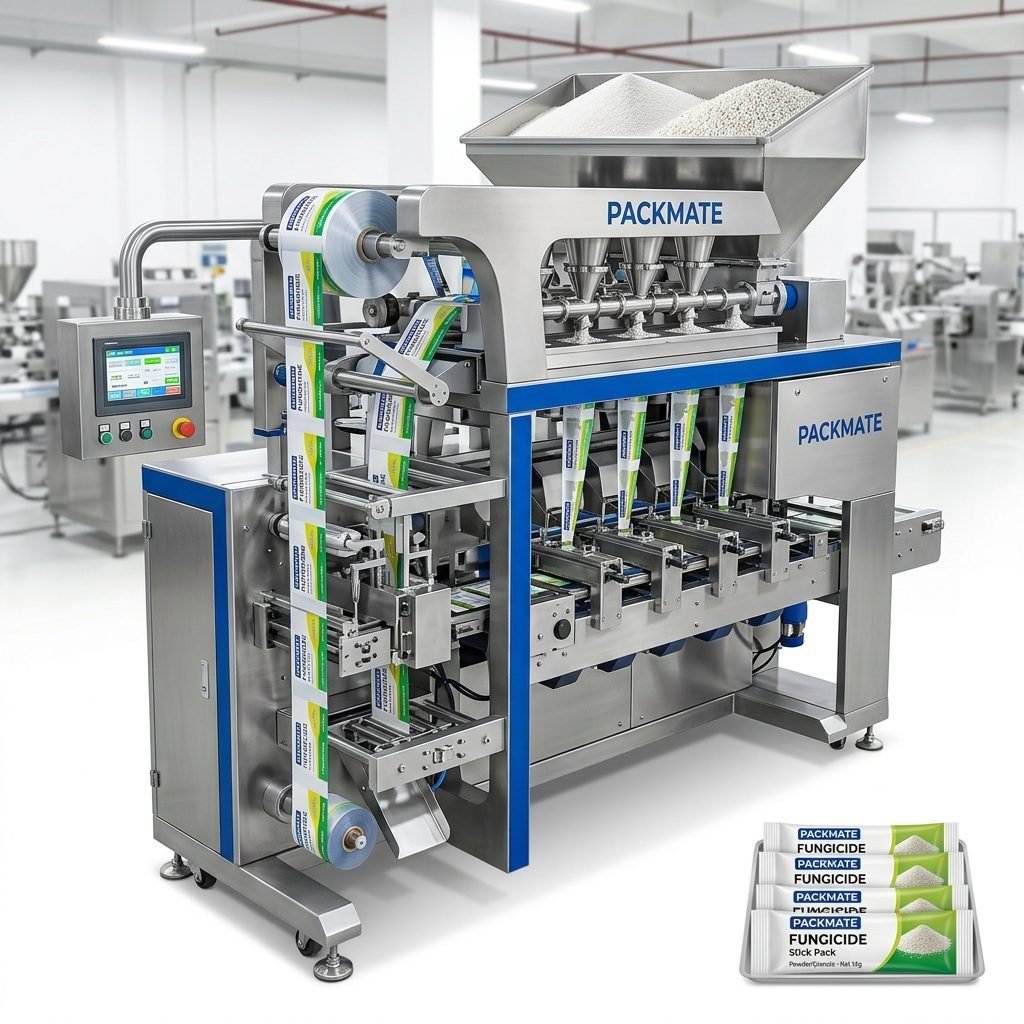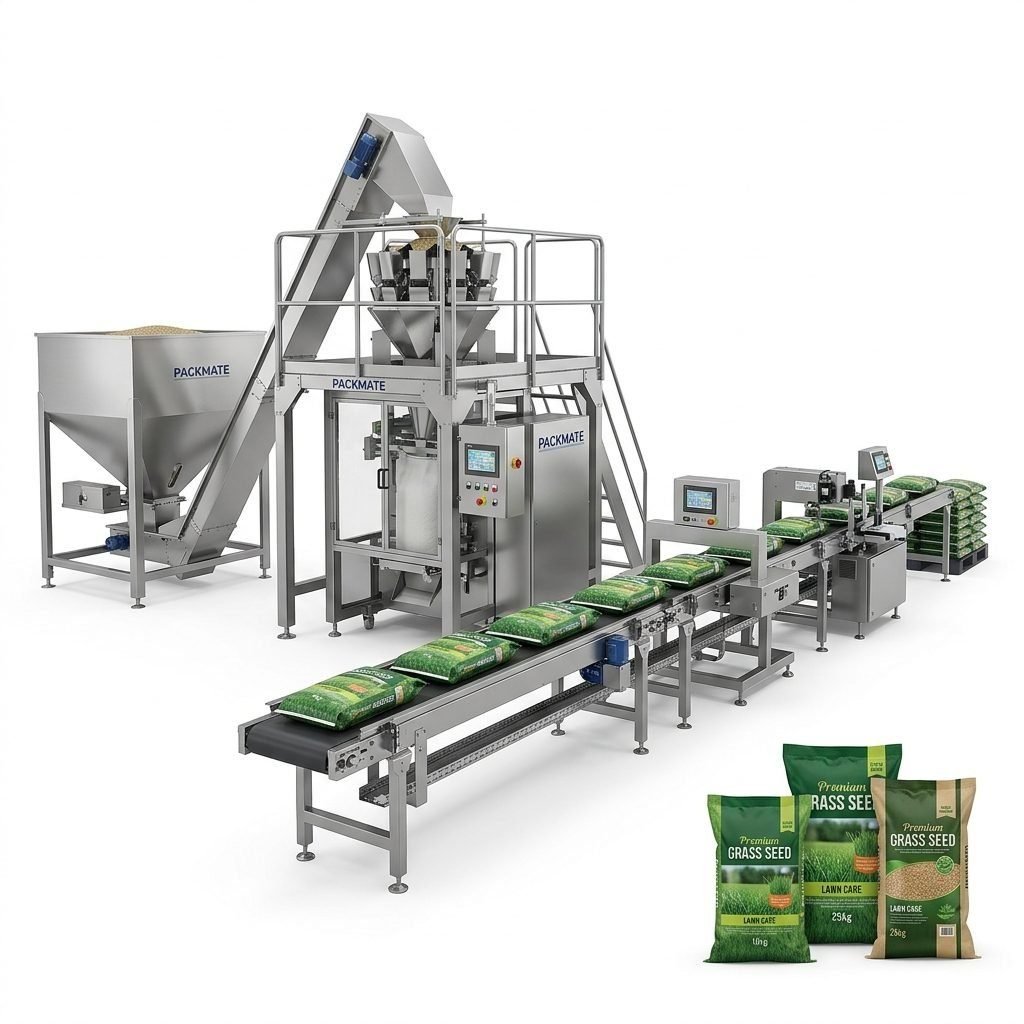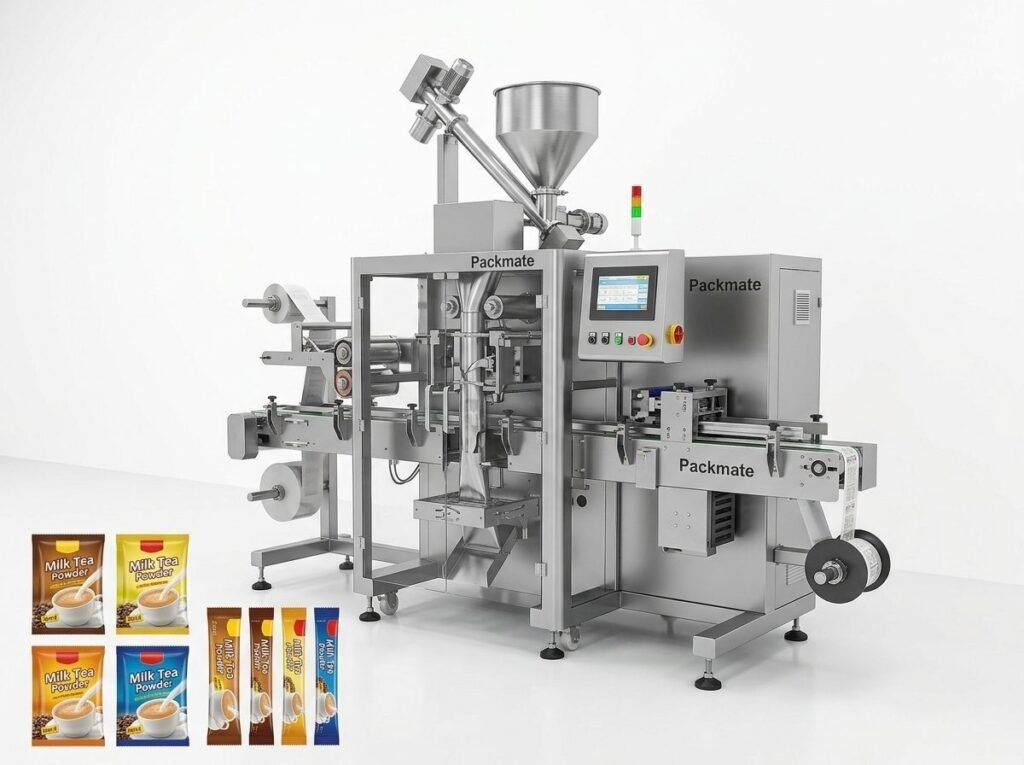
In the world of packaging machinery, the three-side sealing machine stands as a cornerstone for creating secure, professional, and efficient pouches. These versatile machines form, fill, and seal packaging on three sides, leaving one side open for product insertion, making them ideal for a vast array of products. For businesses seeking reliable automation, especially in key export markets like Europe and North America where efficiency and hygiene are paramount, understanding the nuances of this technology is crucial.
What is a Three-Side Sealing Machine?
A three-side sealing machine is a type of form-fill-seal (FFS) equipment designed to produce pouches from a roll of flexible packaging film. The process involves forming a tube from the flat film, creating a longitudinal seal (the first side), then making two transverse seals (the second and third sides) to create individual pouches. These pouches are then filled before the final, fourth seal is made. This method is highly efficient for medium to high-speed production of items like powders, granules, liquids, and small solid products. Their operation is fundamental in industries ranging from food and beverage to pharmaceuticals and agrochemicals, ensuring products are protected from moisture, contamination, and spoilage.
Core Advantages of Three-Side Sealing
The primary benefits driving the adoption of these machines include:
- High Efficiency: Automated, continuous operation significantly boosts output compared to manual or semi-automatic methods.
- Consistent Seal Quality: Precise temperature and pressure control ensure strong, uniform, and leak-proof seals every time.
- Material Versatility: Can handle a wide range of laminates, including PET/PE, OPP/CPP, aluminum foil, and biodegradable films.
- Reduced Labor Costs: Automates the pouch-making and sealing process, minimizing manual intervention.
- Space Savings: Uses compact roll stock instead of pre-made bags, reducing storage requirements.
Main Types of Three-Side Sealing Machines
Choosing the right machine depends heavily on your product characteristics, required output, and budget. Here’s a breakdown of the most common types:
1. Vertical Form Fill Seal (VFFS) Machines
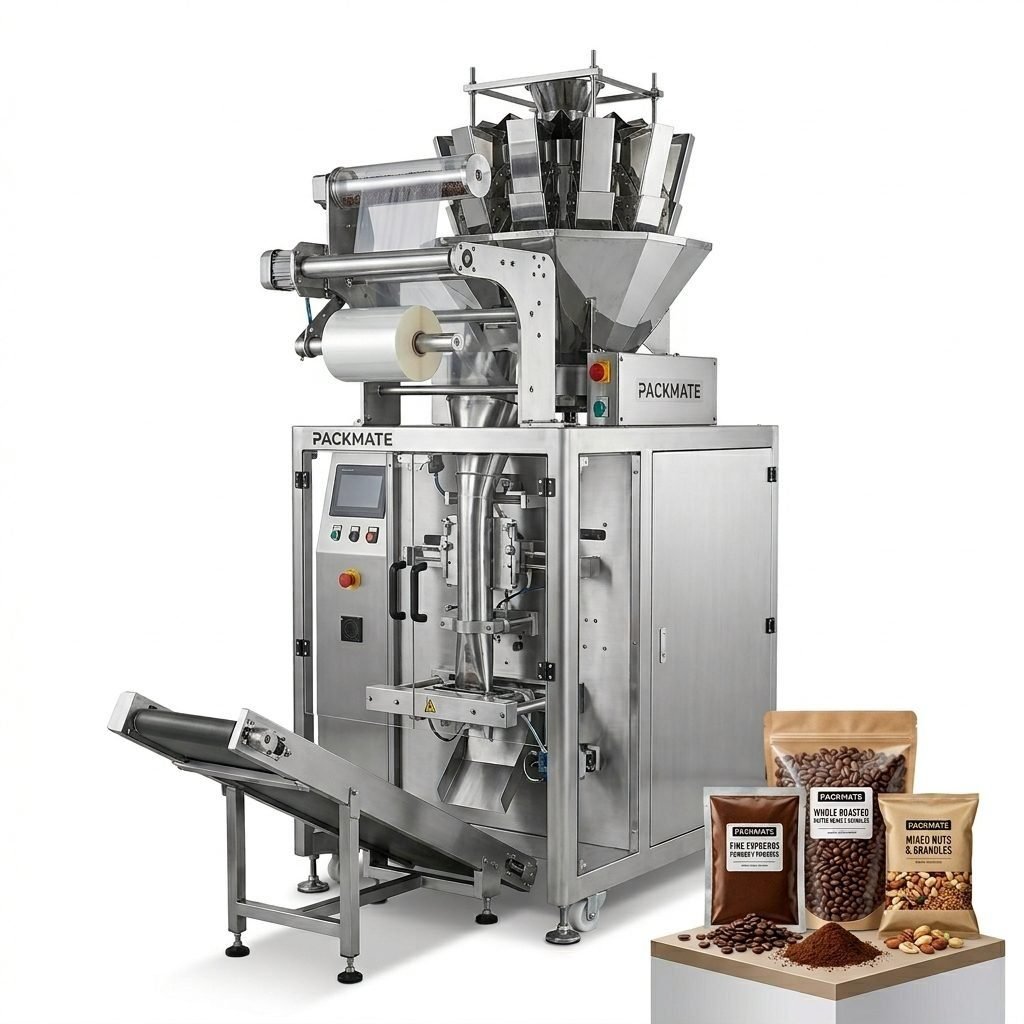
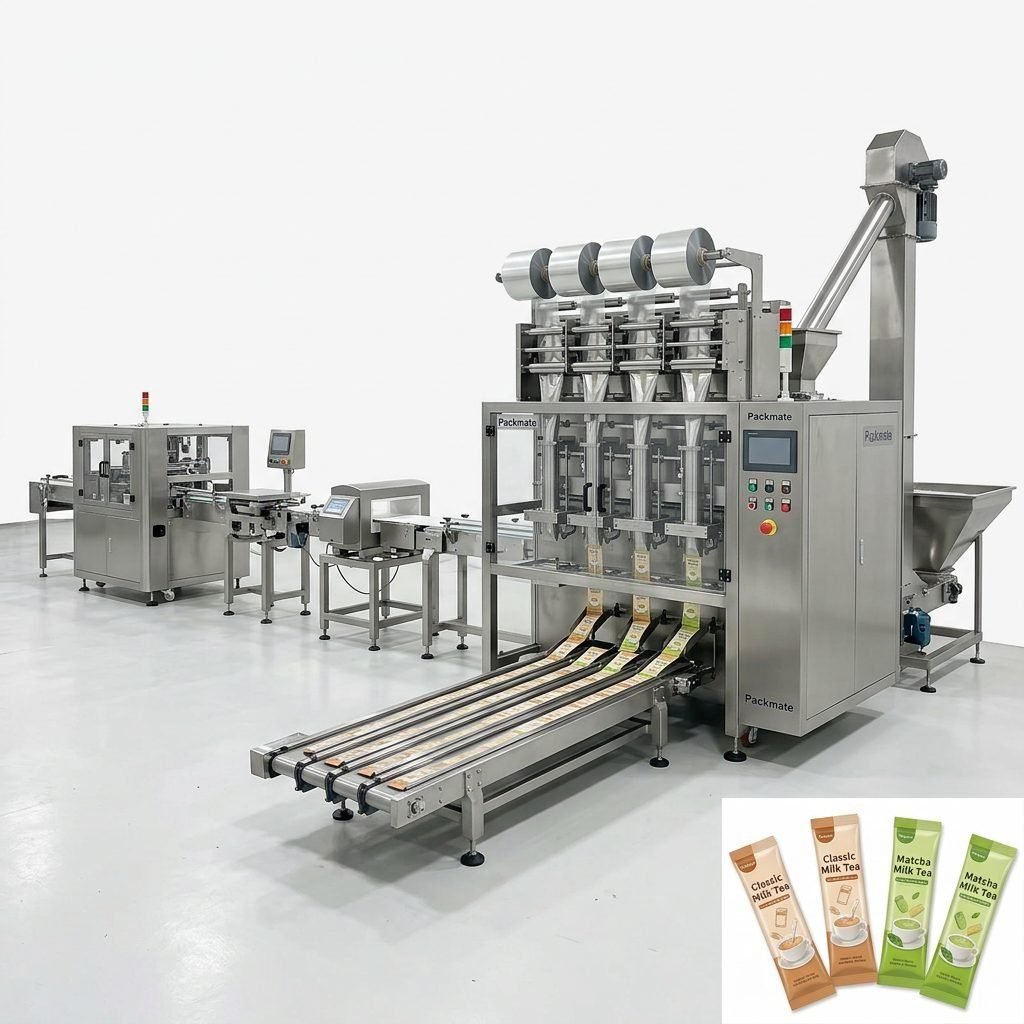
These are the most common type for granular, powdery, and liquid products. The film is fed vertically, formed into a tube around a filling spout, sealed vertically, and then horizontally sealed and cut below the product fill point. They are space-efficient and perfect for free-flowing products like coffee, sugar, spices, and shampoo. Leading manufacturers like Ludyway offer advanced VFFS systems integrated with precise auger or liquid pumps for high-speed, accurate filling.
2. Horizontal Form Fill Seal (HFFS) Machines
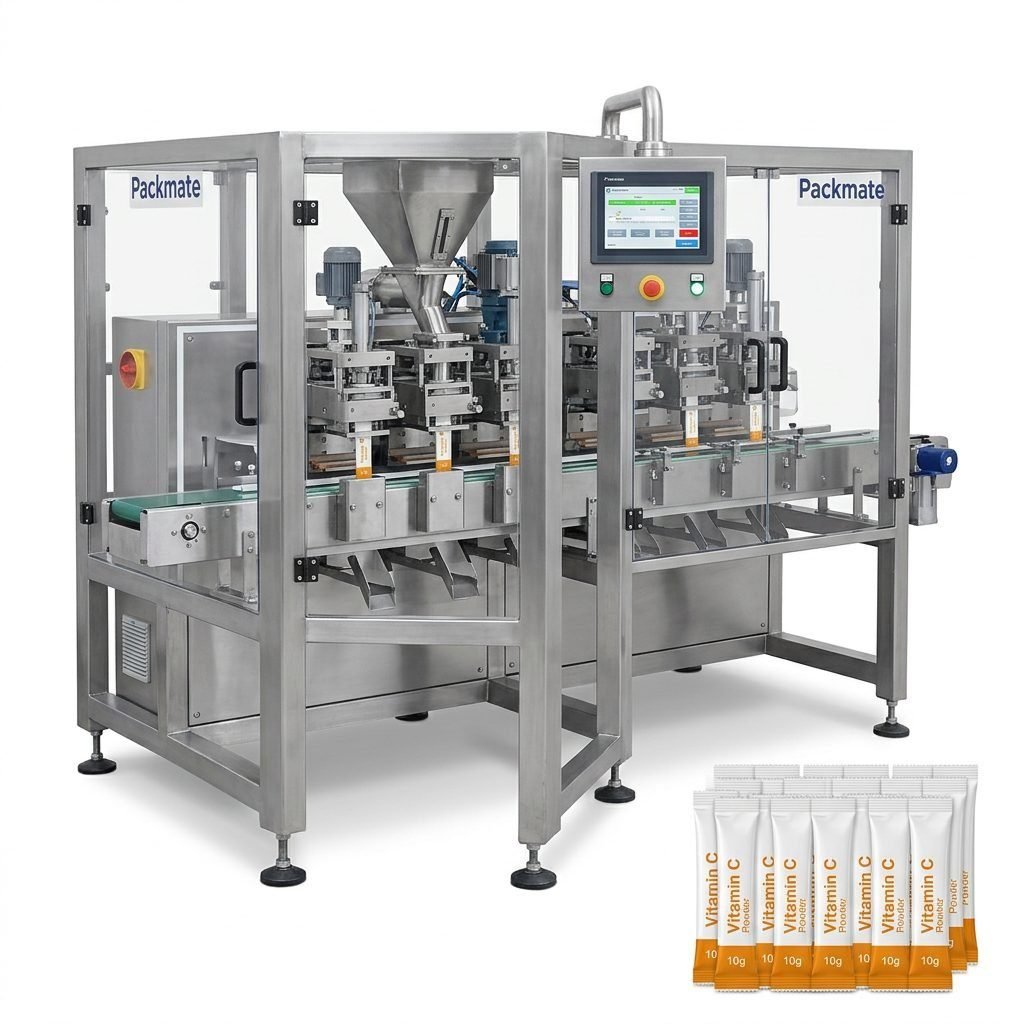
In HFFS machines, the film moves horizontally. These are typically used for solid, non-free-flowing, or delicate items that cannot be dropped (like cookies, medical devices, or hardware). The product is placed on the lower web of film, the top web is laid over it, and then a three-side seal is created around the product. They are excellent for creating pillow packs and are widely used by companies like Packmate Machinery for snack food and hardware packaging.
3. Multi-Lane Machines
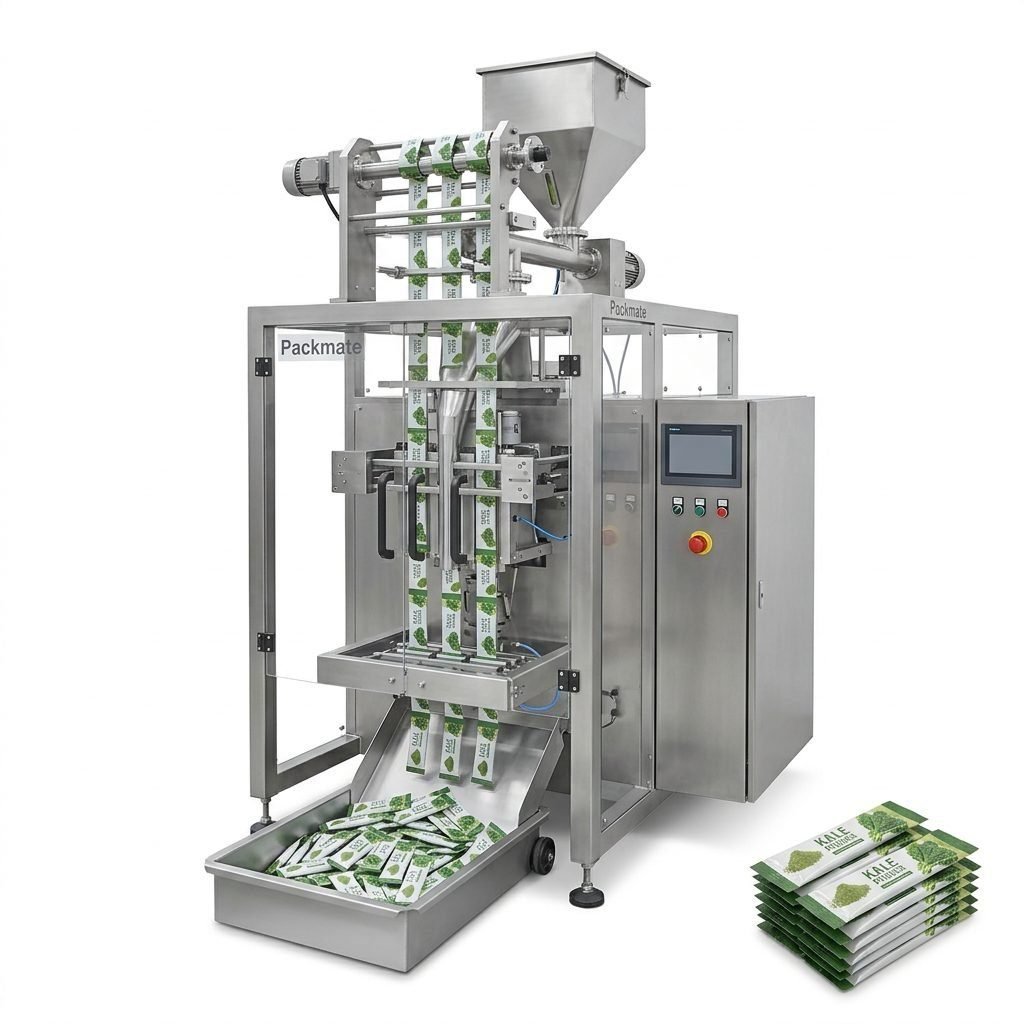
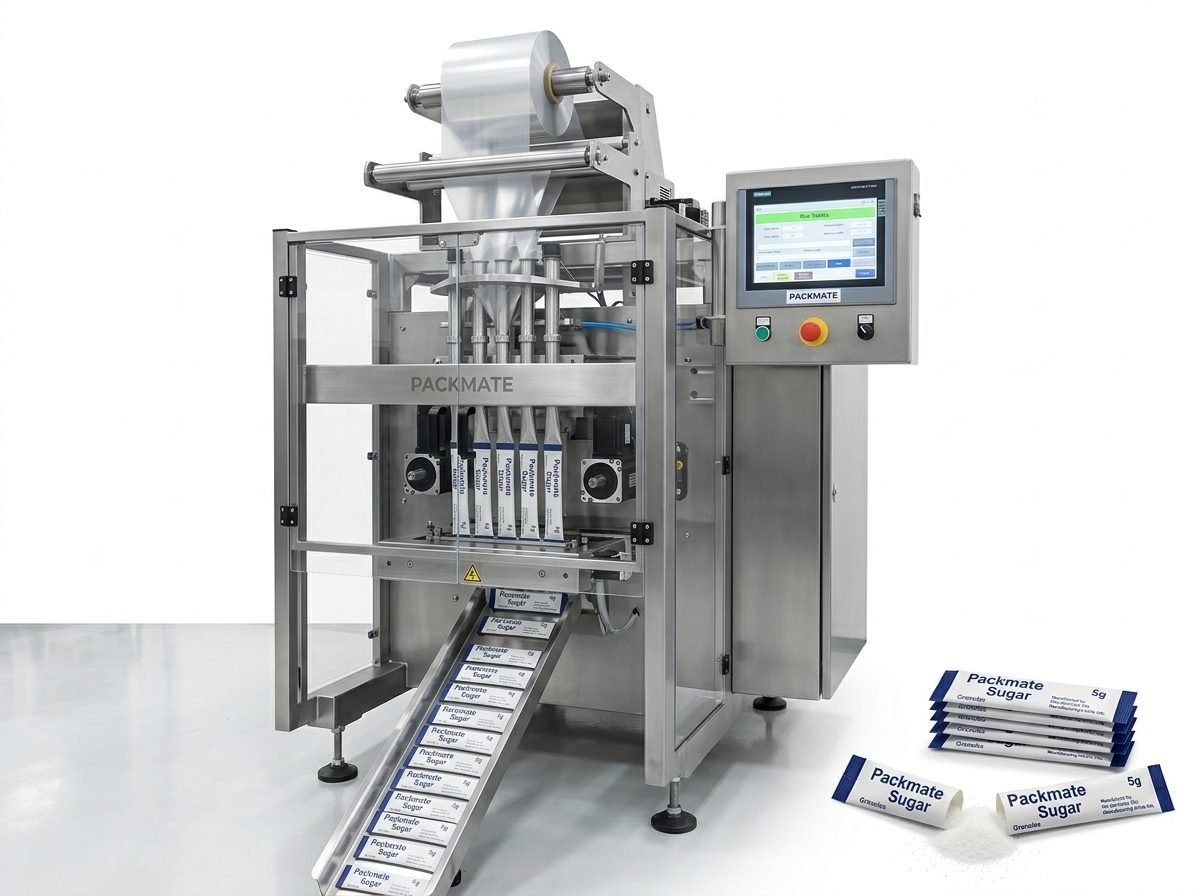
For ultra-high production needs, multi-lane machines run multiple packaging lanes simultaneously from a single film web. This dramatically increases output (e.g., from 100 to over 600 bags per minute) and is ideal for high-volume items like stick packs for drink mixes, sauce portions, or pharmaceutical powders. SnusMachinery, for instance, specializes in multi-lane systems for high-speed nicotine pouch production, a format demanding precision and speed.
4. Stick Pack Machines
A specialized subset of three-side sealing machines designed to produce long, narrow “stick” packs. They are overwhelmingly popular for single-serve portions of powders (coffee, electrolytes, supplements) and liquids (honey, syrup, oil). These machines often feature multi-lane designs and are a key export product for manufacturers targeting the global consumer goods market.
Key Industries and Applications
The adaptability of three-side sealing machines makes them indispensable across numerous sectors. Here are some prominent applications:
| Industry | Typical Products | Machine Focus |
|---|---|---|
| Food & Beverage | Spices, drink mixes, sauces, coffee, sugar, snacks | High-speed VFFS, stick pack machines, hygiene standards |
| Pharmaceutical & Nutraceutical | Powdered supplements, oral rehydration salts, single-dose powders | Precision dosing, GMP compliance, dust-free operation |
| Personal Care & Cosmetics | Shampoo sachets, lotion samples, face mask powder | Liquid filling accuracy, attractive pouch design |
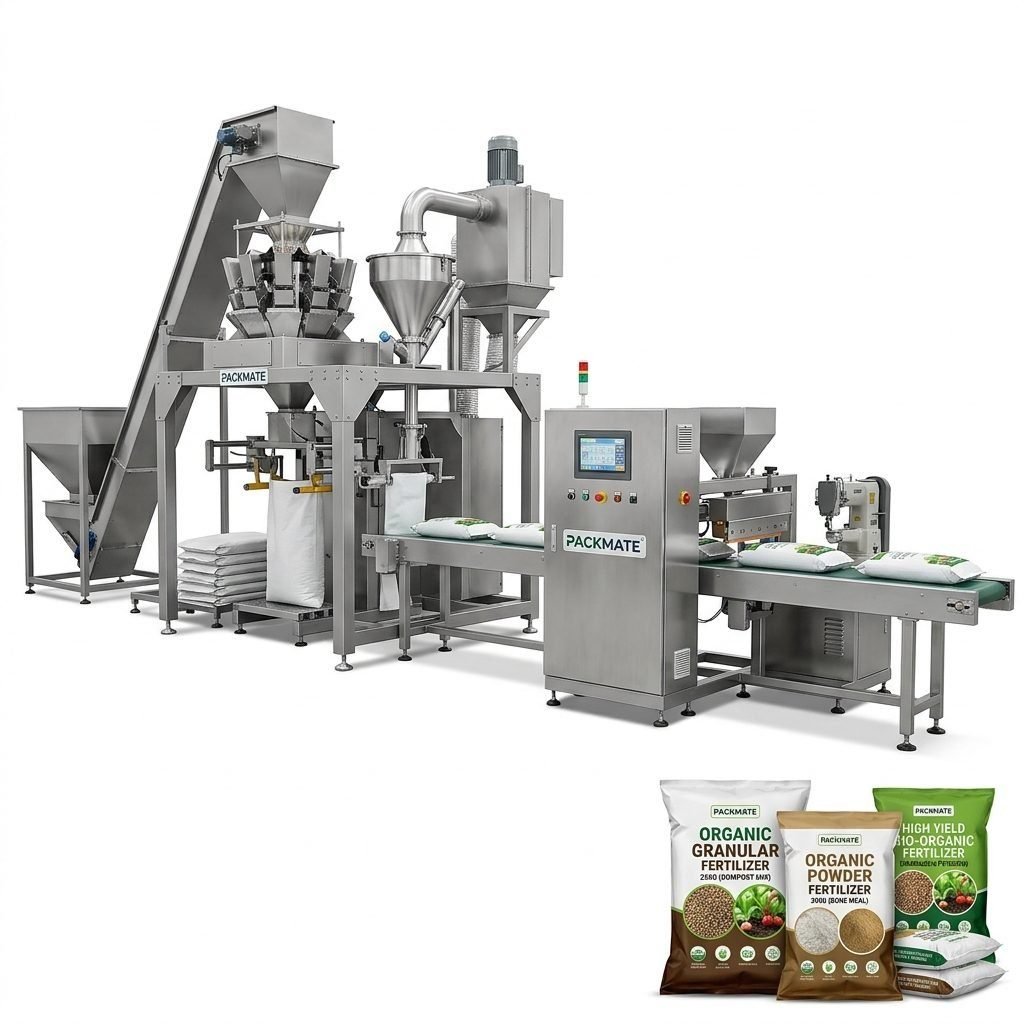
| Agrochemical & Industrial | Fertilizers, pesticides, lubricants, chemical powders | Chemical-resistant materials, robust construction |
| Specialty Nicotine | Nicotine pouches, snus | High-speed multi-lane systems, precise moisture control |
Essential Buying Considerations
Investing in a three-side sealing machine is a significant decision. Here are the critical factors to evaluate:
1. Product Characteristics
Your product dictates the machine type. Is it a free-flowing powder, a viscous paste, a granular solid, or a liquid? Properties like abrasiveness, hygroscopicity, and particle size influence the choice of filling system (auger, volumetric cup, pump) and film material.
2. Production Speed and Output
Determine your required bags-per-minute (BPM) rate. Single-lane VFFS machines may suffice for lower volumes, while multi-lane systems are necessary for mass production. Consider future growth to ensure the machine can scale with your business.
3. Bag Specifications
Define the pouch size (length, width), seal type (fin seal, lap seal), and desired features (notch, hole, zipper, tear notch). The machine must be capable of handling your specific film material (laminate type, thickness) reliably.
4. Automation and Integration Level
Consider how the machine fits into your line. Do you need a standalone unit or a fully integrated system with upstream feeders (like weigh scales) and downstream equipment (like cartoners or case packers)? Suppliers like PacklineOEM specialize in providing complete turnkey lines for seamless automation.
5. Machine Construction and Brand Support
Look for robust frames (stainless steel is preferred for food/pharma), high-quality sealing jaws, and reliable servo or PLC controls. Equally important is the supplier’s reputation. Established manufacturers with over 30 years of experience, such as those listed in our company profiles, offer not just a machine but also crucial technical support, spare parts availability, and installation services. Ensure they have a track record in your target market, whether it’s the strict regulatory environment of Europe or the high-volume demands of Southeast Asia.
6. Customization Capability
If your product or process has unique requirements, partnering with a manufacturer that offers customization is vital. Companies like PackingMachineOEM focus on non-standard and tailored solutions, ensuring the machine fits your exact needs rather than forcing you to adapt your process to a standard machine.
Conclusion: Making an Informed Investment
A three-side sealing machine is a powerful tool for enhancing packaging productivity, consistency, and quality. By carefully analyzing your product, output goals, and operational needs, you can select the right type of machine. Partnering with a reputable, experienced manufacturer who can provide robust equipment, reliable after-sales service, and potential customization is the key to a successful long-term investment. The leading Chinese manufacturers profiled have built their export success on delivering this combination of technology, quality, and support to a global clientele.
Frequently Asked Questions (FAQs)
What is the main difference between a three-side and a four-side sealing machine?
A three-side sealing machine creates a pouch with three seals (two sides and the bottom) from a single roll of film, filling it before making the final top seal. A four-side sealing machine typically uses two rolls of film or pre-cut sheets, sealing all four sides around a product placed in between, which is better for pre-formed or irregular items.
Can three-side sealing machines handle liquid products?
Yes, absolutely. Many VFFS machines are equipped with liquid pumps (such as piston or peristaltic pumps) designed for accurate, drip-free filling of liquids, oils, and pastes. The key is to ensure the film laminate and seal parameters are correctly set for liquid containment.
What is the typical speed range for these machines?
Speeds vary widely. A standard single-lane VFFS machine might produce 40-120 bags per minute (BPM). Multi-lane stick pack machines can achieve speeds from 300 to over 1,000 BPM, depending on the number of lanes and product characteristics.
How important is after-sales service when purchasing from an overseas manufacturer?
It is critically important. Look for suppliers who offer comprehensive service, including installation supervision, operator training, readily available spare parts, and remote/video technical support. Companies with strong export experience, like Ludyway, typically have established international service networks or dedicated support teams.
Are these machines suitable for small businesses or startups?
Yes, there are semi-automatic and smaller, more affordable fully automatic models suitable for lower-volume production. The investment can significantly improve packaging quality and efficiency even for smaller operations, providing a path to scale. Many manufacturers offer scalable solutions.