Selecting the right tea bag packaging machine is a critical decision for any tea producer, impacting everything from product quality and consistency to operational efficiency and scalability. With a wide range of machine types and configurations available, understanding the options and key selection criteria is essential. This guide explores the primary types of tea bag packaging machines, their core features, and provides a framework to help you choose the best solution for your production needs.
Primary Types of Tea Bag Packaging Machines
The market offers several distinct types of packaging machines, each suited to different production scales, bag styles, and levels of automation. The main categories include:
1. Vertical Form-Fill-Seal (VFFS) Machines
These are the most common machines for high-volume production of standard tea bags. A VFFS machine forms the bag from a roll of filter paper or other material, fills it with a pre-measured dose of tea, and then seals it—all in one continuous vertical process. They are highly efficient for producing single-chamber rectangular or square tea bags, often with a tag and string attached automatically. Their speed and integration with upstream blending and downstream cartoning systems make them ideal for large-scale manufacturers.
2. Horizontal Form-Fill-Seal (HFFS) Machines
HFFS machines are typically used for more complex tea bag formats, such as dual-chamber bags, pyramid bags, or flow-through bags. The bag is formed horizontally, which allows for more intricate sealing patterns and the creation of three-dimensional shapes that can better accommodate whole leaf teas or herbal blends. While sometimes slightly slower than VFFS machines, they offer superior flexibility for premium and specialty tea products.

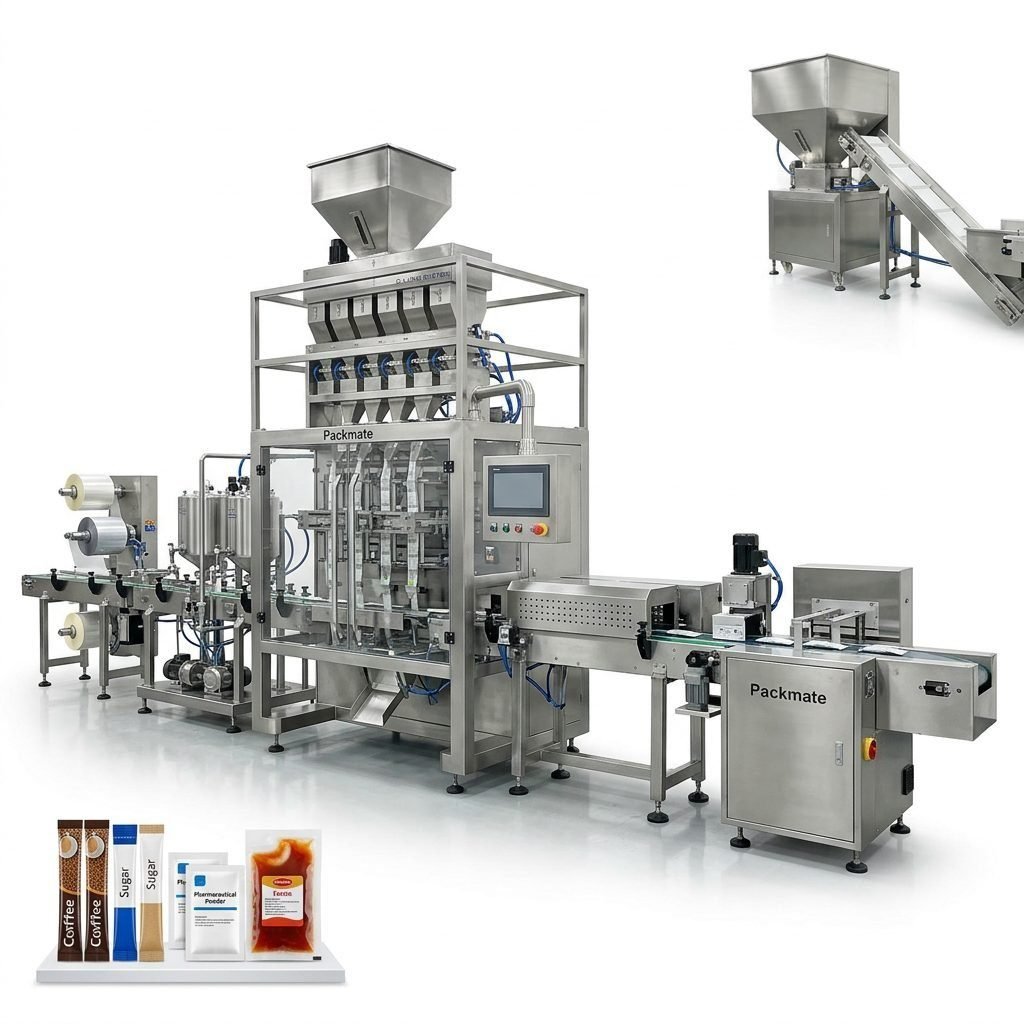
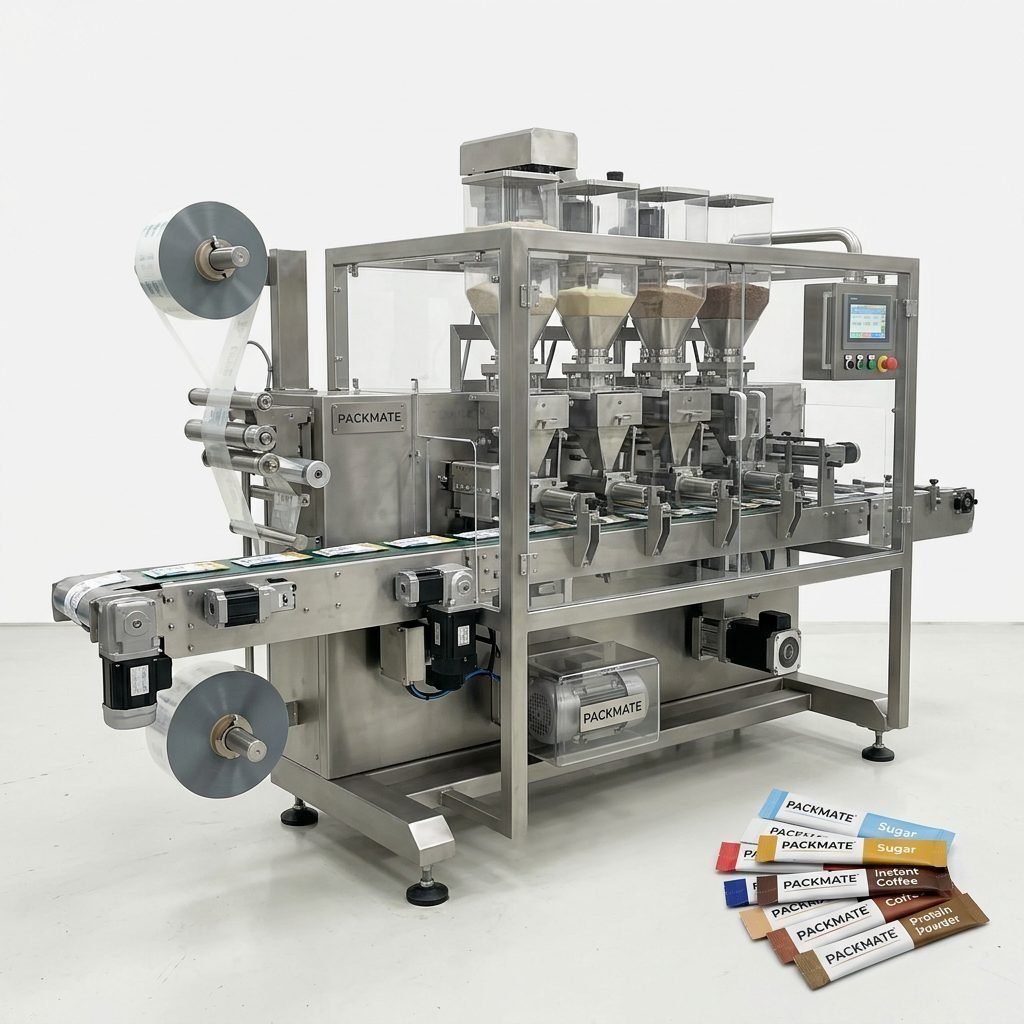
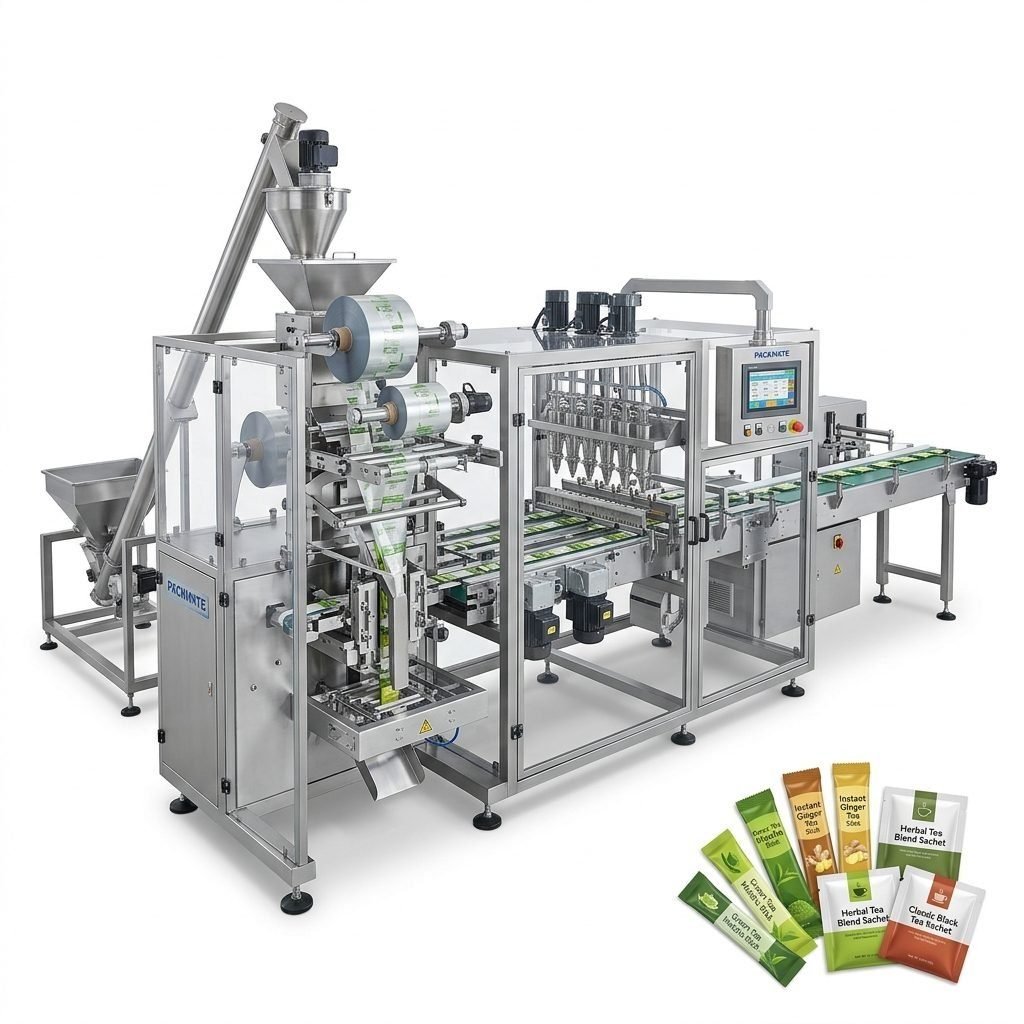
3. Stick Pack and Sachet Machines
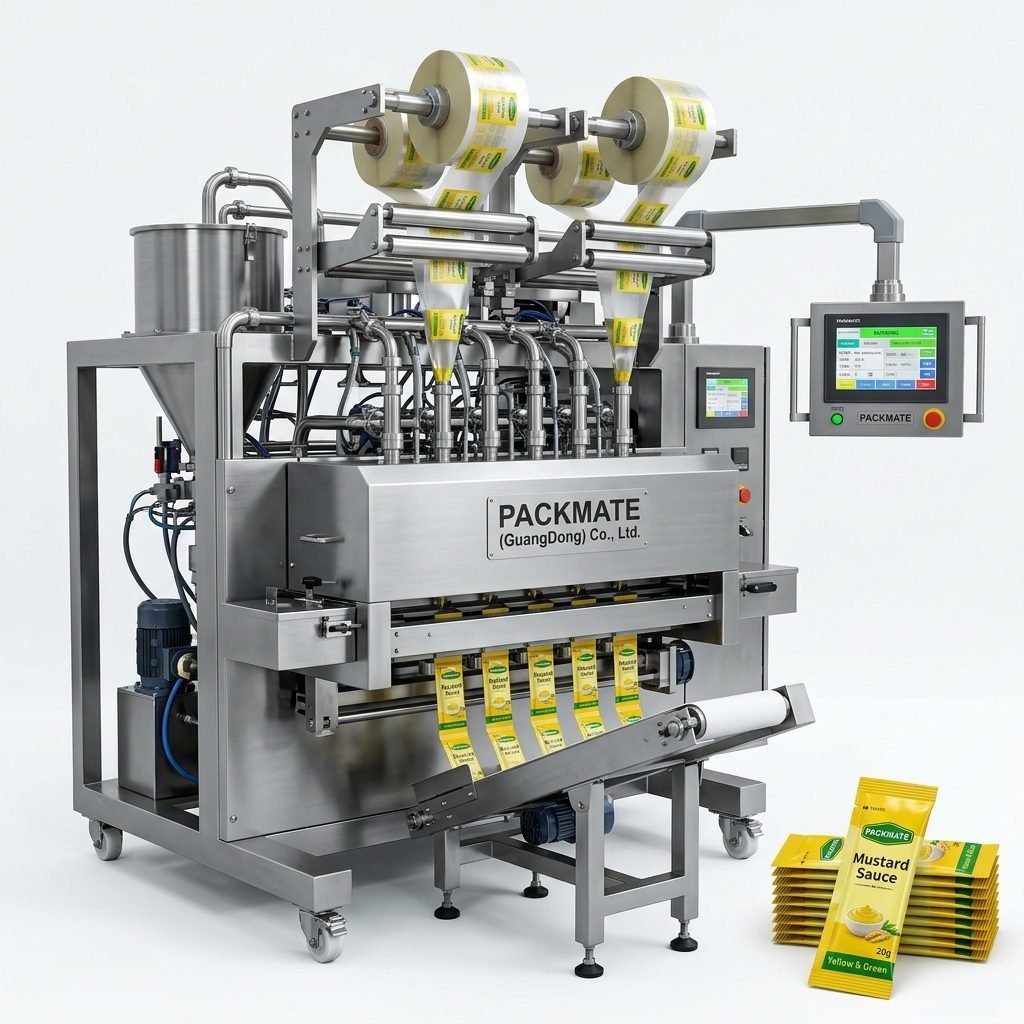
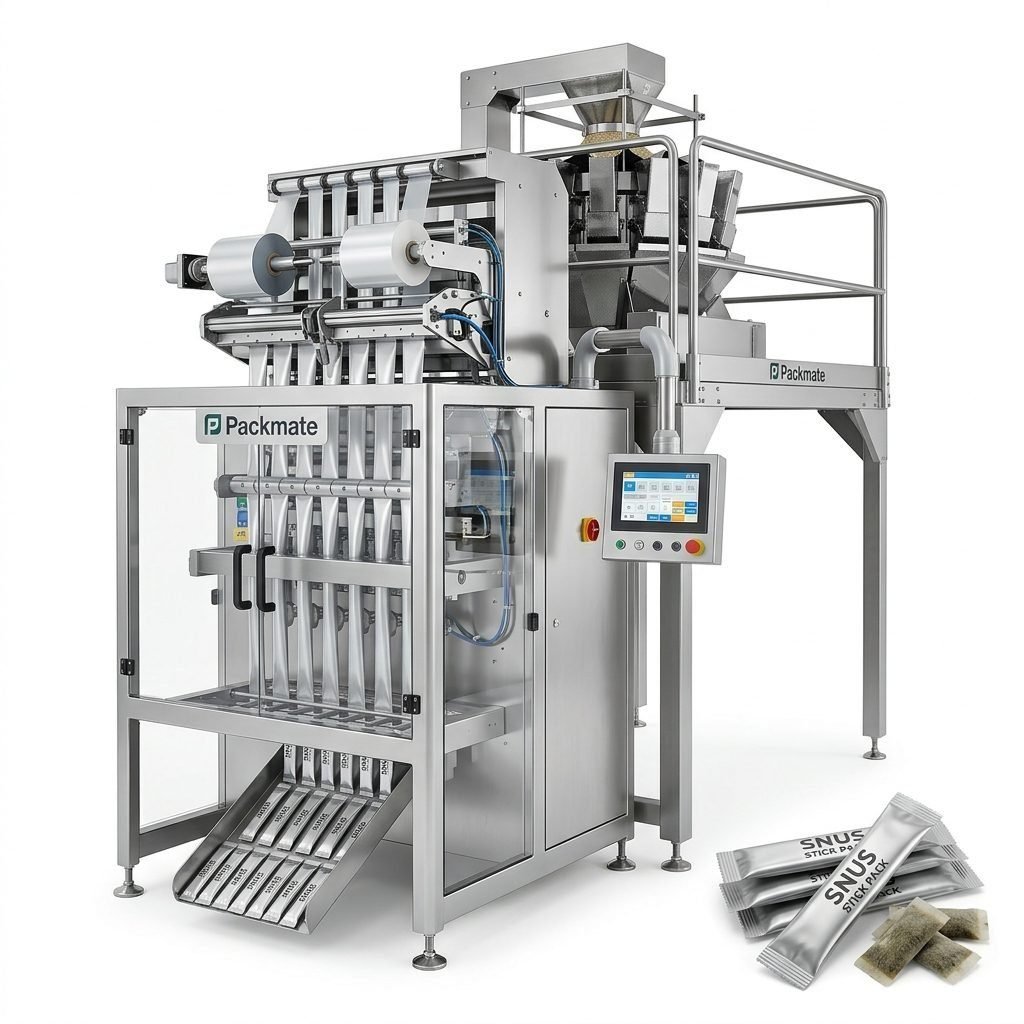
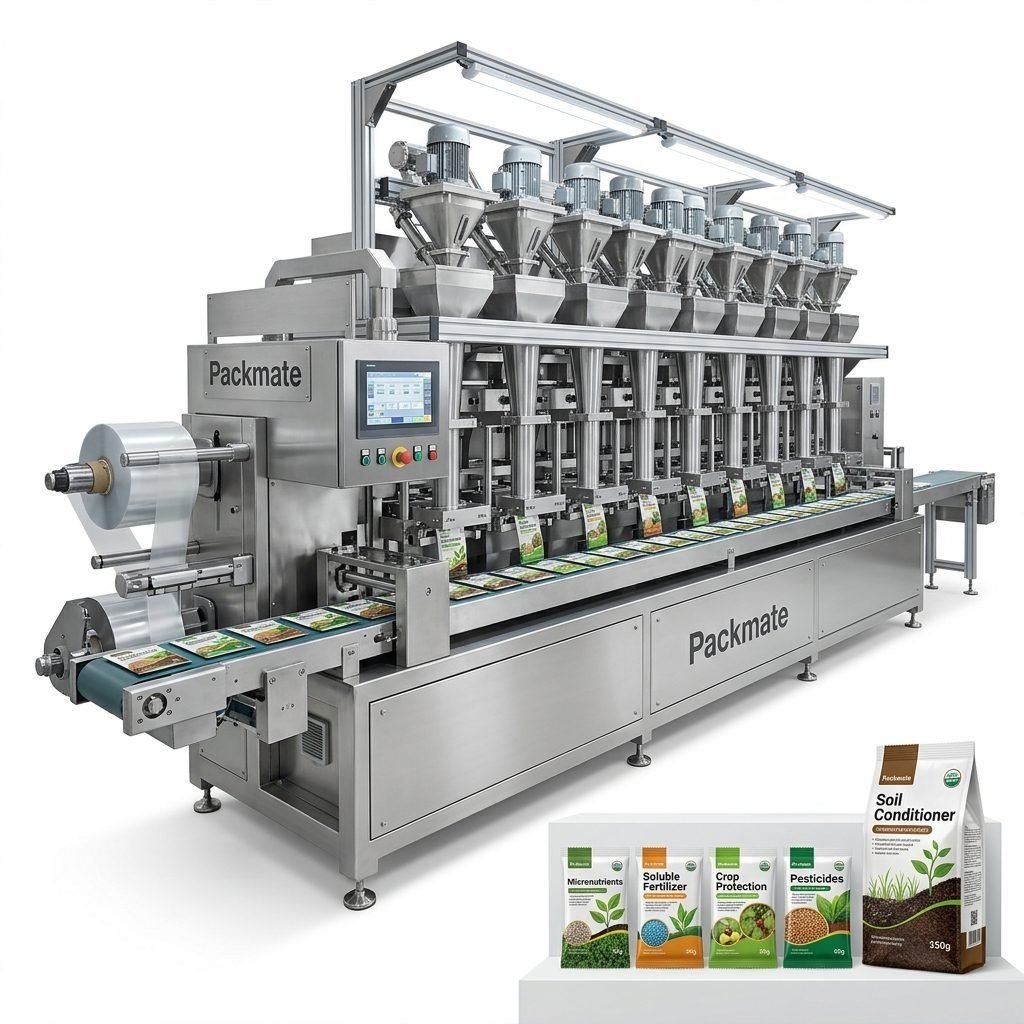
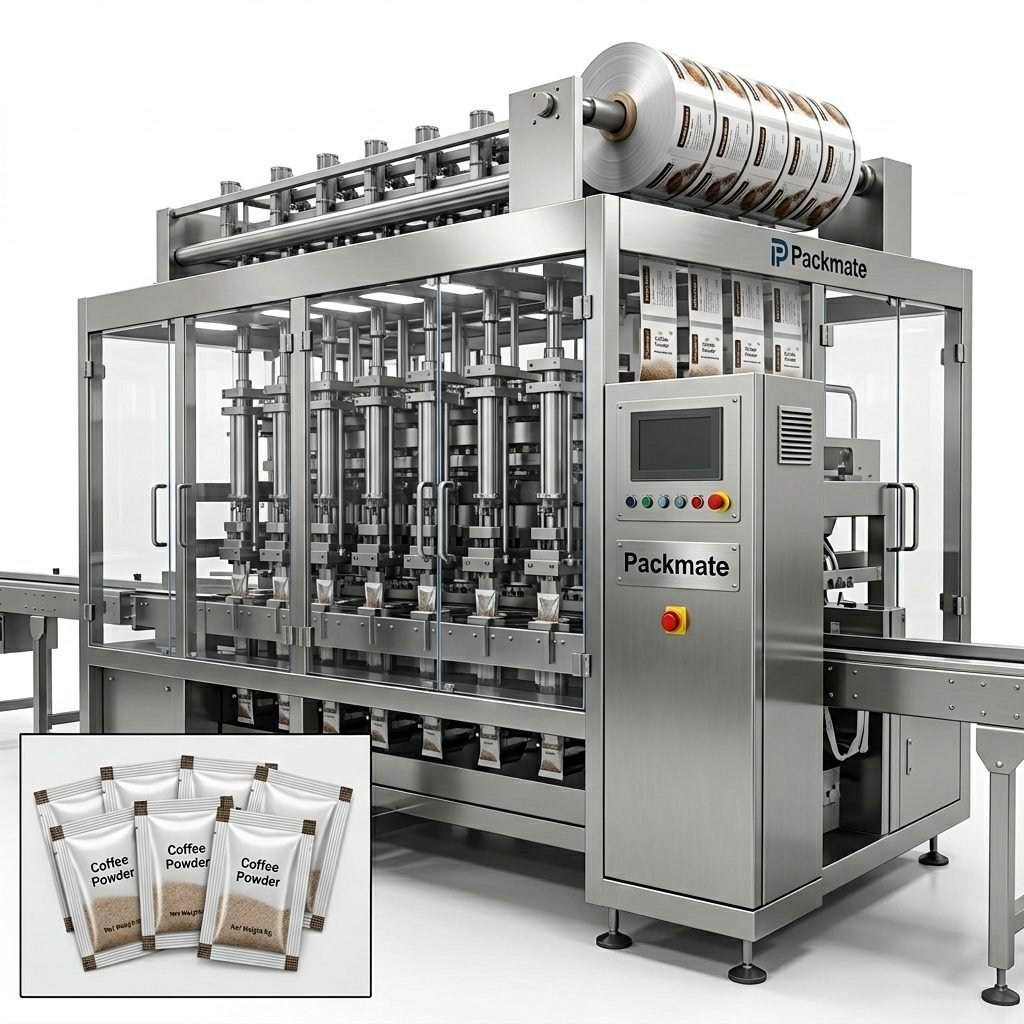
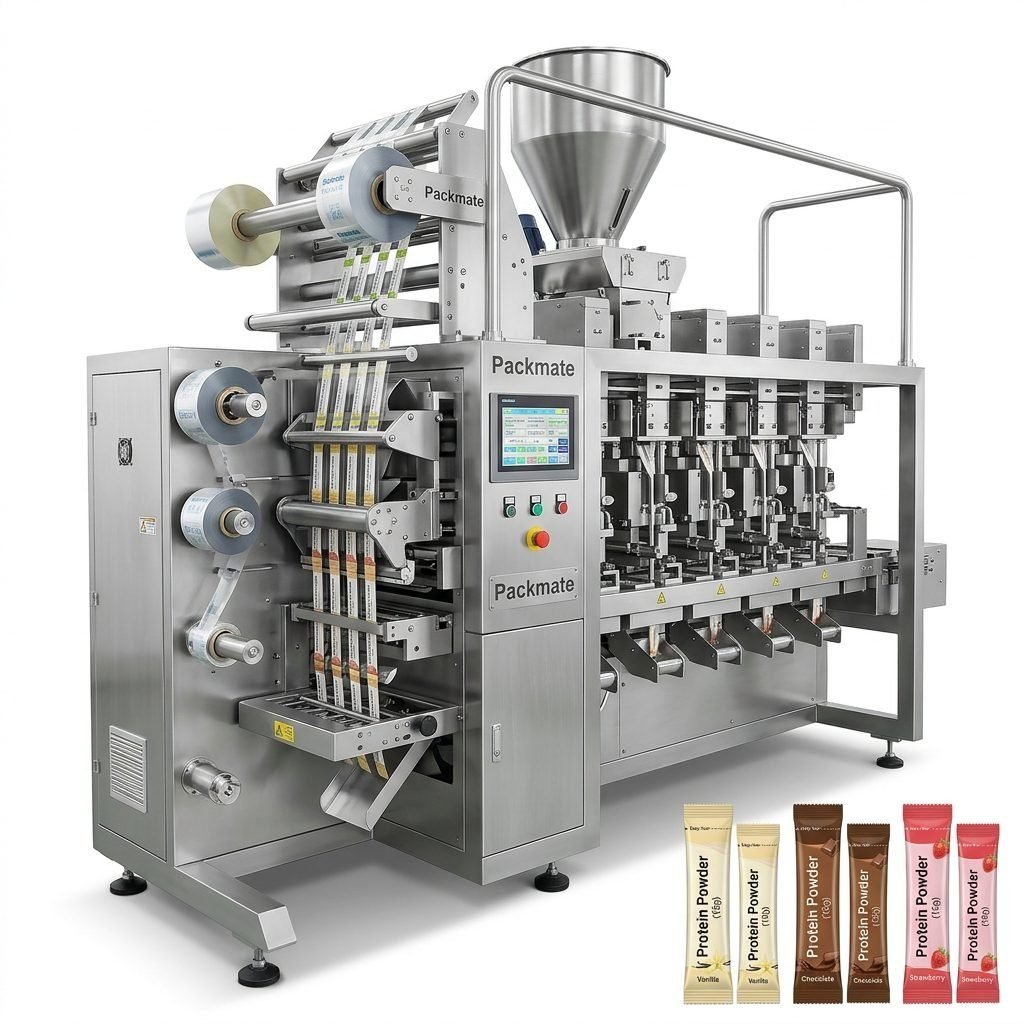
For powdered instant tea, matcha, or tea mixes, stick pack and sachet machines are the go-to solution. These machines create narrow, elongated packets or small rectangular sachets. They are designed for precise dosing of fine powders and granules and offer excellent barrier properties to keep products fresh. Multi-lane configurations can achieve extremely high output rates, making them cost-effective for single-serve products.
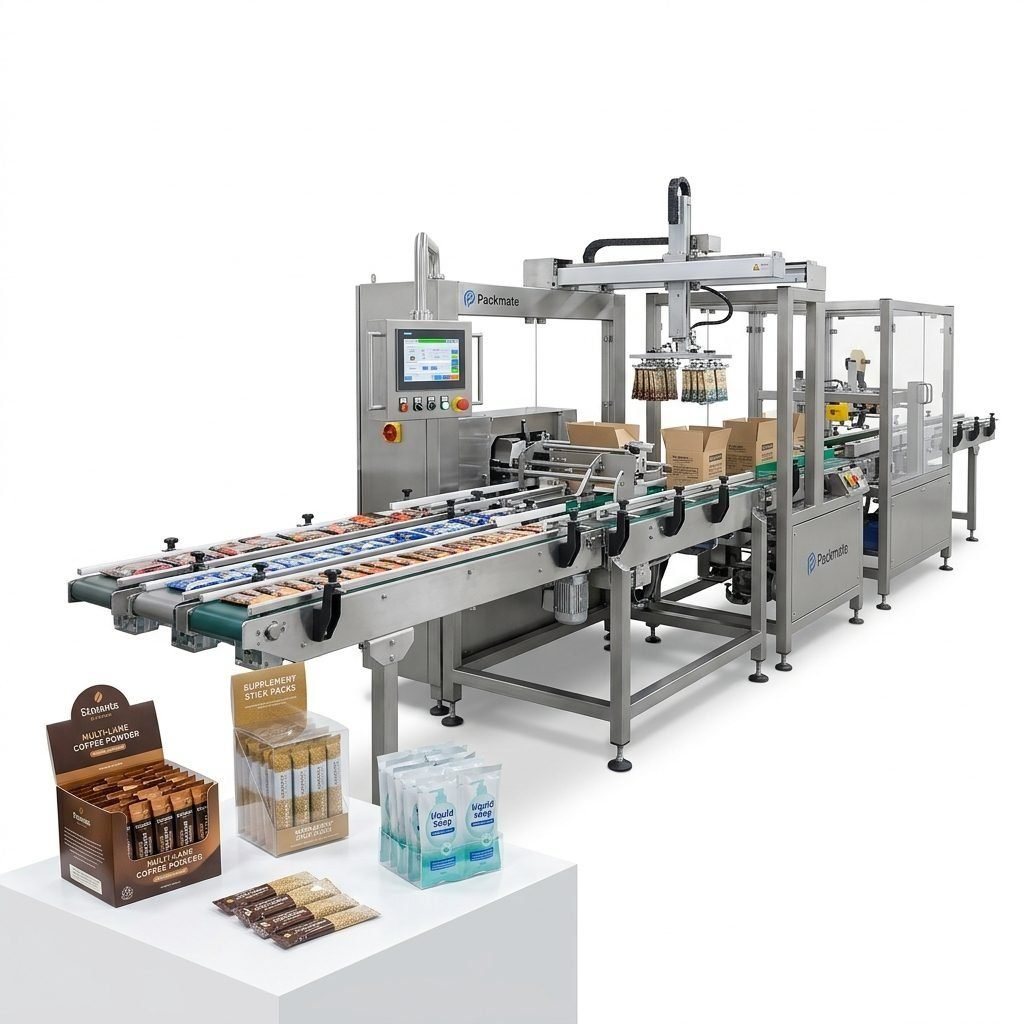
4. Turnkey Packaging Lines
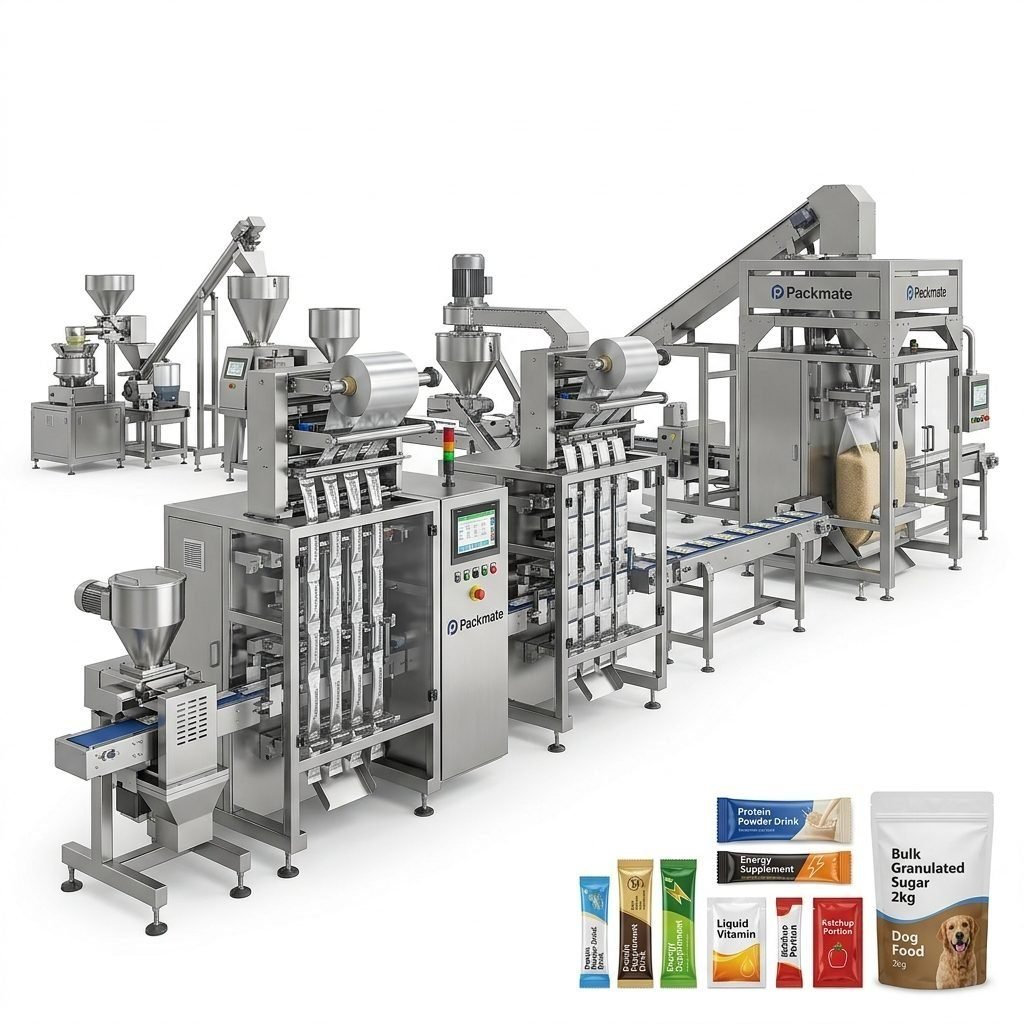
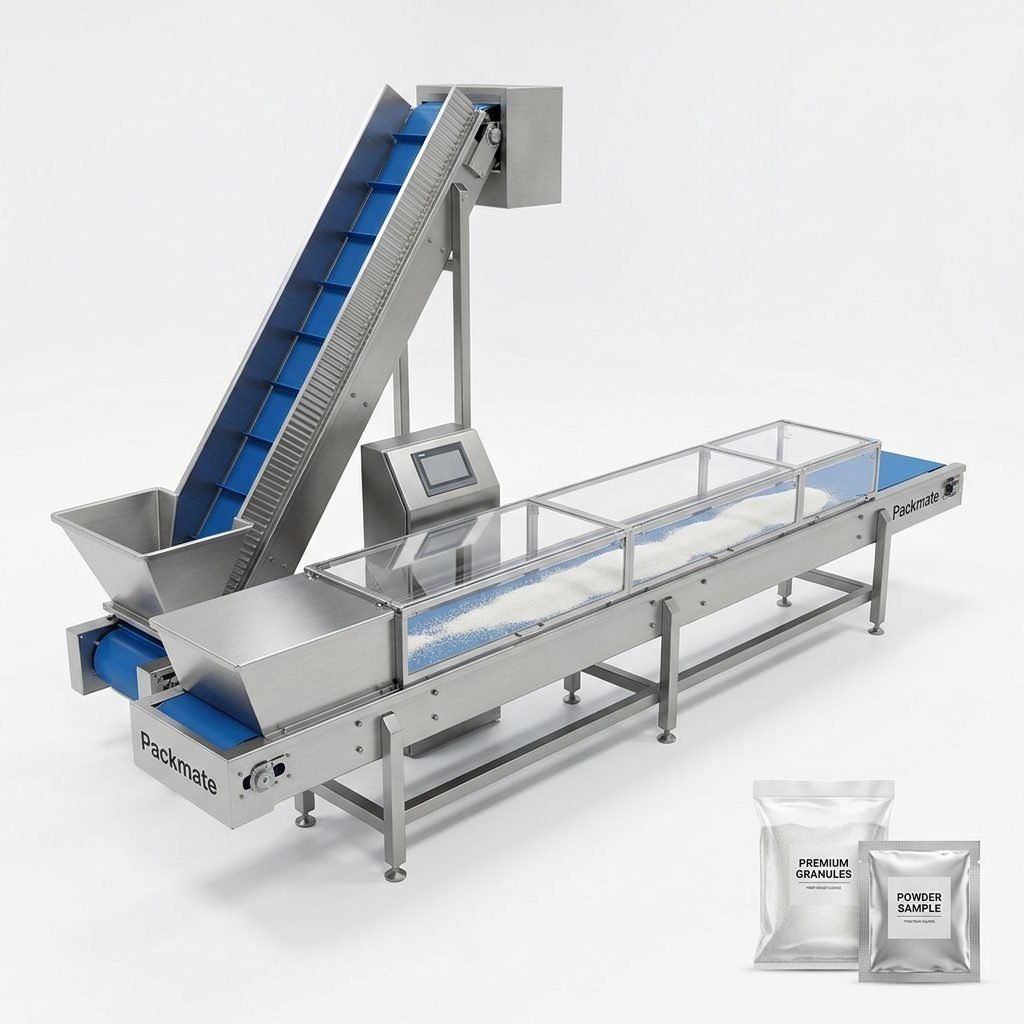
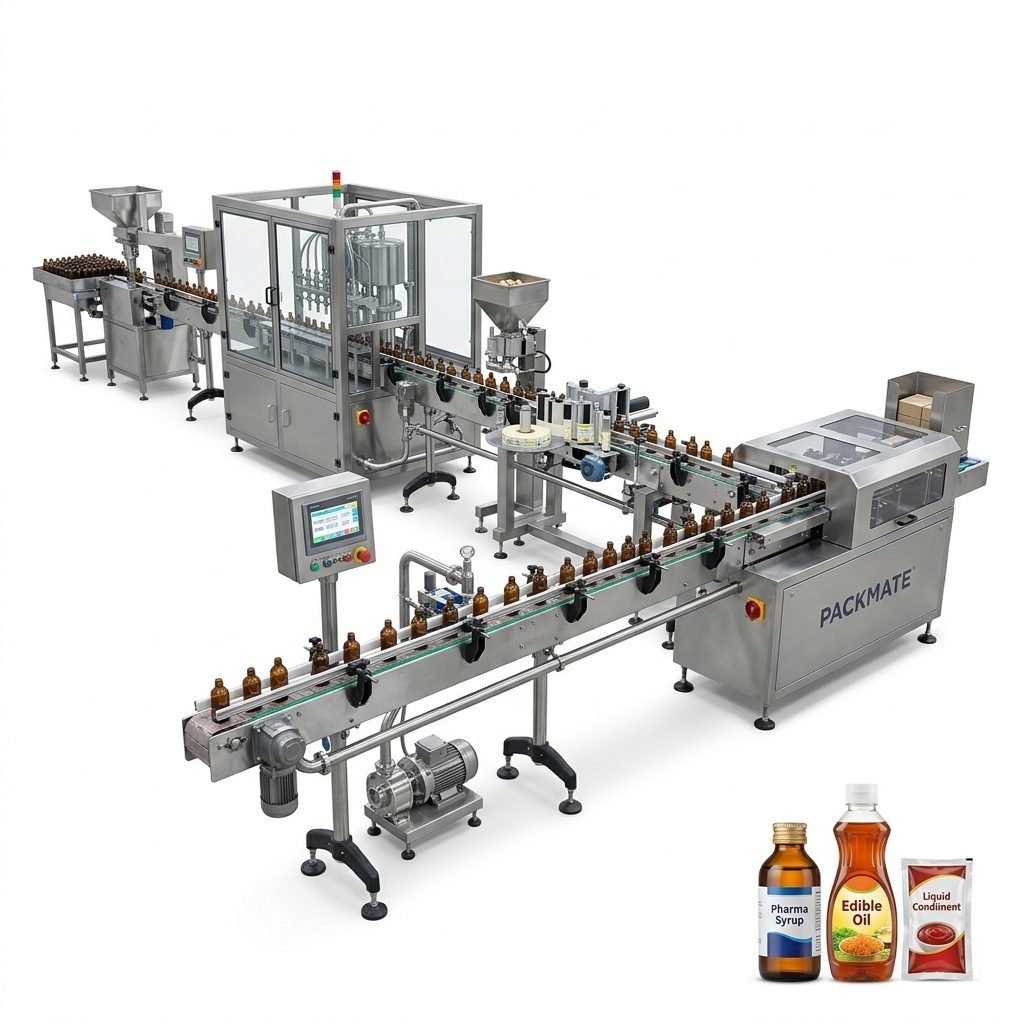
Beyond a single machine, a complete turnkey line integrates all stages of production. This can include automated tea blending, conveying, precise weighing via multi-head weighers or volumetric fillers, the core packaging machine (VFFS/HFFS), tag and string attachment, overwrapping, and final cartoning or boxing. Companies like Ludyway and PacklineOEM specialize in designing and delivering these integrated systems, which maximize automation, minimize labor, and ensure consistent throughput from raw material to palletized finished goods.
Key Features and Technical Considerations
When evaluating specific models, several features directly impact performance, flexibility, and total cost of ownership.
| Feature | Description & Importance |
|---|---|
| Production Speed | Measured in bags or sticks per minute (BPM/SPM). Ranges from 60 BPM for semi-automatic machines to over 400 BPM for high-speed multi-lane systems. Your required output dictates the necessary speed. |
| Filling Accuracy | Critical for cost control and product consistency. Look for precision auger fillers for powders or multi-head weighers for leaf tea. Tolerance is typically within ±0.5-1%. |
| Bag Material Compatibility | The machine must handle your chosen material: filter paper, nylon mesh, PLA (bioplastic), or laminate for stick packs. Check sealing system (thermal, ultrasonic) compatibility. |
| Changeover Flexibility | Quick changeover between bag sizes, shapes, or materials is vital for producers with diverse SKUs. Look for machines with tool-less adjustments and recipe memory. |
| Automation & Integration | Features like automatic reel splicing, tag and string attachment, nitrogen flushing for freshness, and PLC control with HMI touchscreens enhance efficiency and reduce downtime. |
Construction and Hygiene
For food-grade production, machine construction is paramount. Contact parts should be made of 304 or 316 stainless steel for corrosion resistance and easy cleaning. The design should facilitate washdown (IP ratings) and prevent product accumulation in dead zones. A robust frame ensures stability and longevity during continuous high-speed operation.
How to Choose the Best Machine for Your Operation
Making the right choice involves a careful assessment of your specific needs against what the market offers. Follow this step-by-step approach:
Step 1: Define Your Product and Output Requirements
Start with the basics: What type of tea are you packaging (leaf, powder, herbal)? What is your target bag style (single-chamber, pyramid, stick pack)? Most importantly, calculate your required average and peak production output (bags per shift/day/year). This will immediately narrow down the machine type (e.g., VFFS for high-volume standard bags, HFFS for premium pyramids).
Step 2: Evaluate Your Budget and Total Cost of Ownership (TCO)
Look beyond the initial purchase price. Consider the cost of spare parts, maintenance, energy consumption, and the machine’s expected lifespan. A slightly more expensive machine from a reputable manufacturer like Packmate Machinery with higher reliability and better service support often has a lower TCO than a cheaper, less robust alternative that causes frequent production stoppages.
Step 3: Assess Technical Support and Service
The manufacturer’s or supplier’s after-sales support is critical. Do they offer installation supervision, operator training, and readily available technical assistance? What is their spare parts delivery time? A company with a strong export footprint, such as PackingMachineOEM, is often structured to provide timely international support, which is crucial for minimizing downtime.
Step 4: Consider Future Scalability and Customization
Will your needs grow or change? If you plan to introduce new product formats, choose a machine with good changeover flexibility. For highly specialized needs (e.g., unique bag shapes, specific material sealing), partnering with a manufacturer known for customization and OEM capabilities is essential. This ensures the machine can adapt to your future product roadmap.
Step 5: Request Samples and Factory Testing
Never buy a packaging machine sight-unseen. Reputable manufacturers will run factory acceptance tests (FAT) using your actual tea samples and packaging materials. This is the only way to verify filling accuracy, sealing integrity, and actual output speed before the machine leaves the factory. It de-risks the investment significantly.
Specialized Solutions for Niche Markets
Certain tea segments have unique requirements. For instance, the growing market for nicotine pouch tea blends or other smokeless products demands specialized machinery with precise dosing and high-speed multi-lane output. Manufacturers like SnusMachinery have developed expertise in this niche, offering machines tailored to the exacting standards of pouch production for these specific applications.
Frequently Asked Questions (FAQs)
What is the typical speed range for a commercial tea bag machine?
Speeds vary widely. A standard single-lane VFFS machine for tagged tea bags typically runs between 80-160 bags per minute. High-speed multi-lane stick pack machines for powdered tea can exceed 400 sticks per minute. Your required output will determine the necessary configuration.
Can one machine handle different types of tea bags?
It depends on the machine’s flexibility. Many modern machines allow for changeover between different sizes of the same bag style (e.g., different lengths of stick packs). However, switching from a standard rectangular bag to a pyramid bag usually requires a different forming tool and may necessitate a different machine type (HFFS). Always discuss your specific product range with the supplier.
How important is after-sales service when purchasing?
Extremely important. Packaging machines are complex and will require maintenance, parts, and occasional troubleshooting. A supplier with a responsive, knowledgeable service team and a reliable spare parts supply chain is invaluable for maintaining your production uptime and protecting your investment.
What are the key differences between Chinese and European-made machines?
Traditionally, European machines were known for premium precision and durability at a higher cost, while Chinese manufacturers offered more cost-effective solutions. Today, leading Chinese manufacturers like those profiled have significantly closed the quality gap, offering robust, reliable machines with strong technical support, often providing better value for money, especially for standard and high-volume applications.
Should I buy a standalone machine or a complete turnkey line?
This depends on your current and future automation goals. A standalone machine is suitable for manual feeding and offloading. If you aim to reduce labor, increase consistency, and scale output, a turnkey line that automates feeding, weighing, packaging, and cartoning is the better long-term investment. It provides a seamless, efficient production flow.