Choosing the right tea bag filling machine is a critical decision for producers in the food, beverage, herbal, and pharmaceutical industries. With the global market for tea and related pouch products expanding, manufacturers need equipment that is not only efficient and reliable but also adaptable to various product formats, from traditional tea leaves to herbal blends, powdered mixes, and functional ingredients. This guide will help you understand the different types of machines, their key features, approximate price ranges, and the essential factors to consider when making your investment.
Understanding Tea Bag Filling Machine Types
Tea bag filling machines are primarily categorized by their automation level, packaging format, and production capacity. The right type for your business depends heavily on your output goals, product characteristics, and budget.
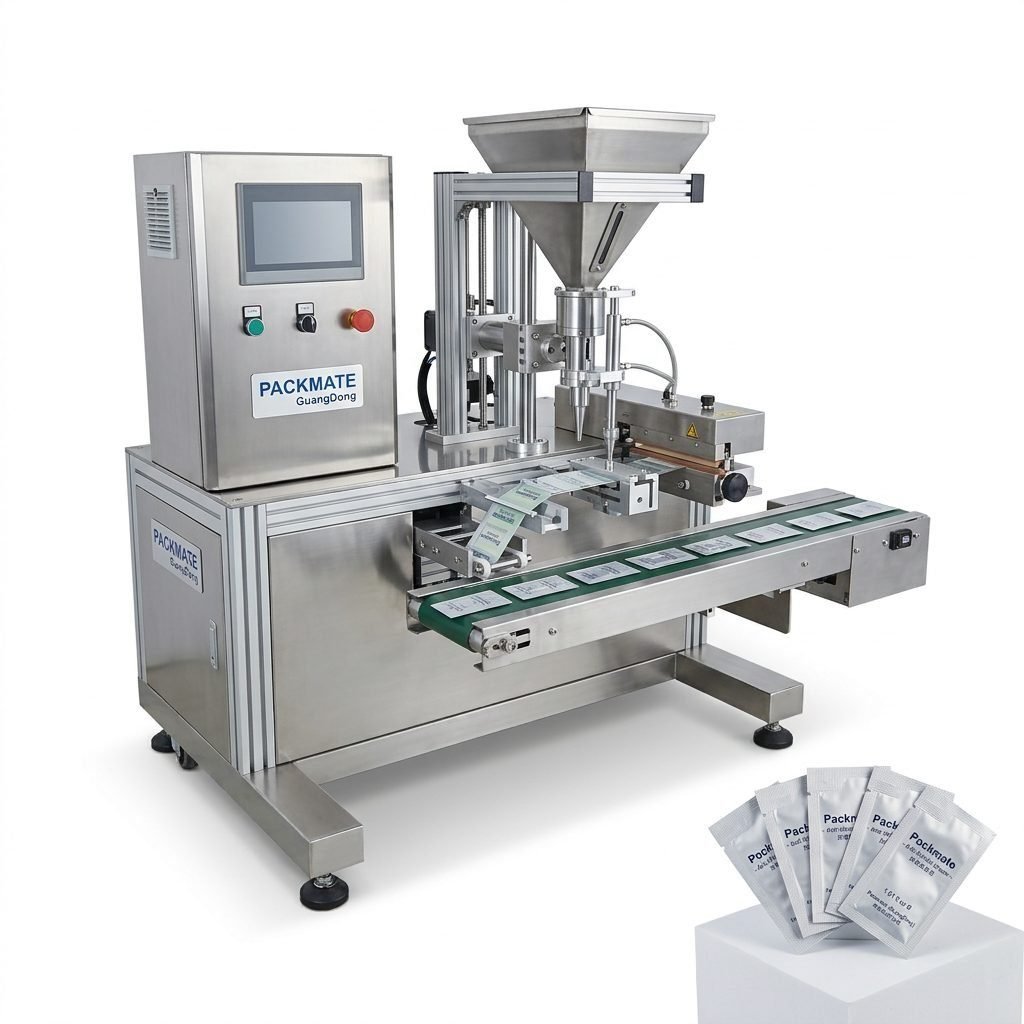
1. Manual & Semi-Automatic Machines
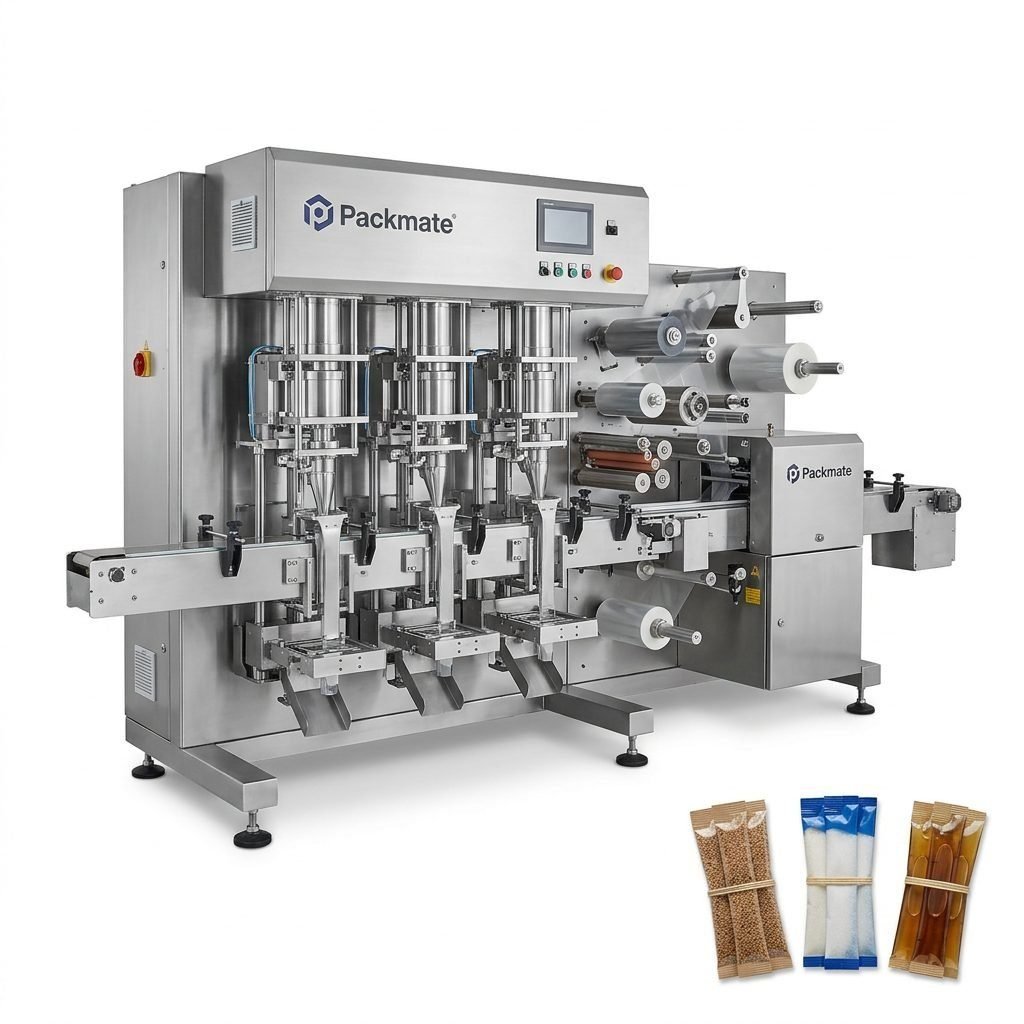
Ideal for startups, small-scale producers, or businesses with low to medium output requirements. These machines require operator involvement for tasks like feeding empty bags, initiating the filling cycle, or removing finished packs. They are a cost-effective entry point but have limited speed.
Typical Applications: Specialty tea shops, small-batch herbal producers, product development, and pilot runs. They offer great flexibility for changing blends but are not suitable for high-volume commercial production.
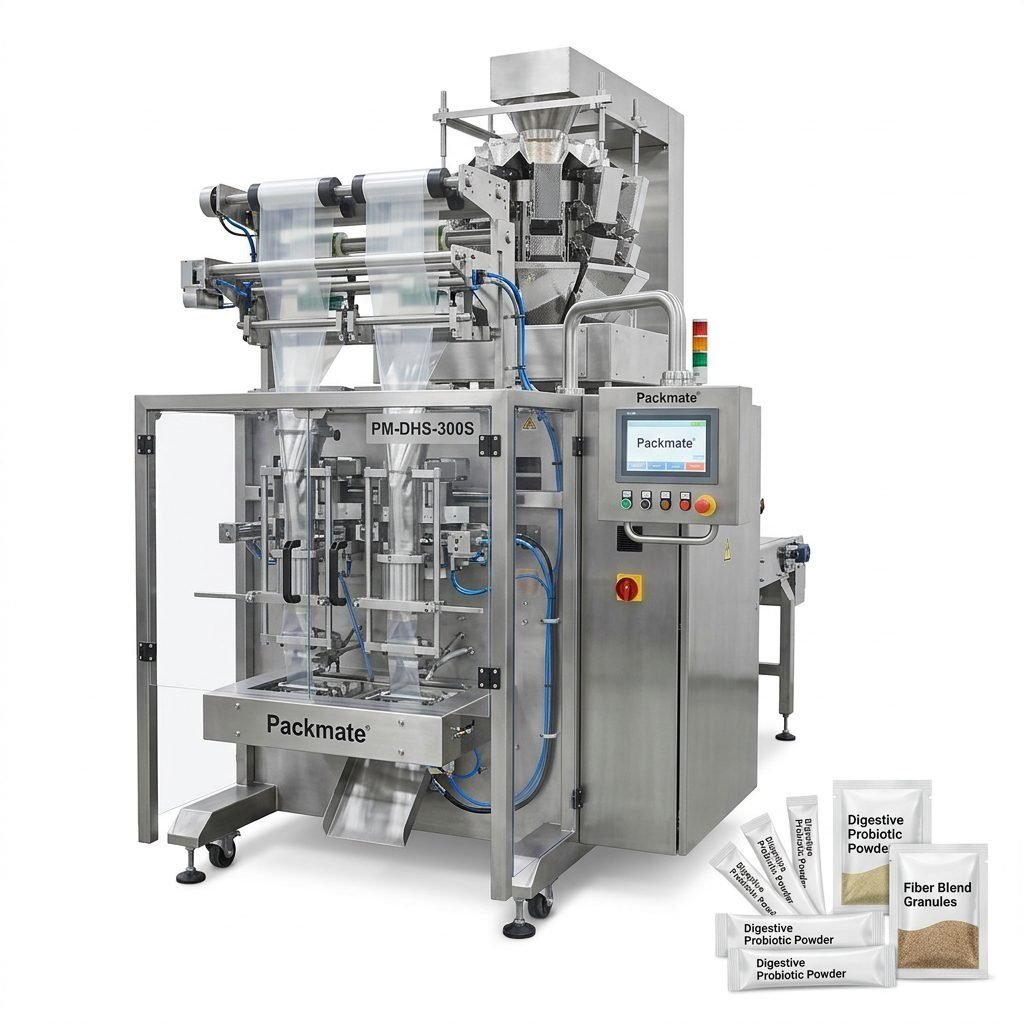
2. Fully Automatic Single-Lane Machines
These machines automate the entire process—bag feeding, precise filling, sealing, and ejection—into a single, continuous line. They significantly increase output and consistency compared to semi-automatic models while maintaining a relatively compact footprint.
Best For: Medium-sized businesses looking to scale up production with consistent quality. They are versatile and can often handle different bag styles (e.g., pillow, gusseted) with quick changeovers.
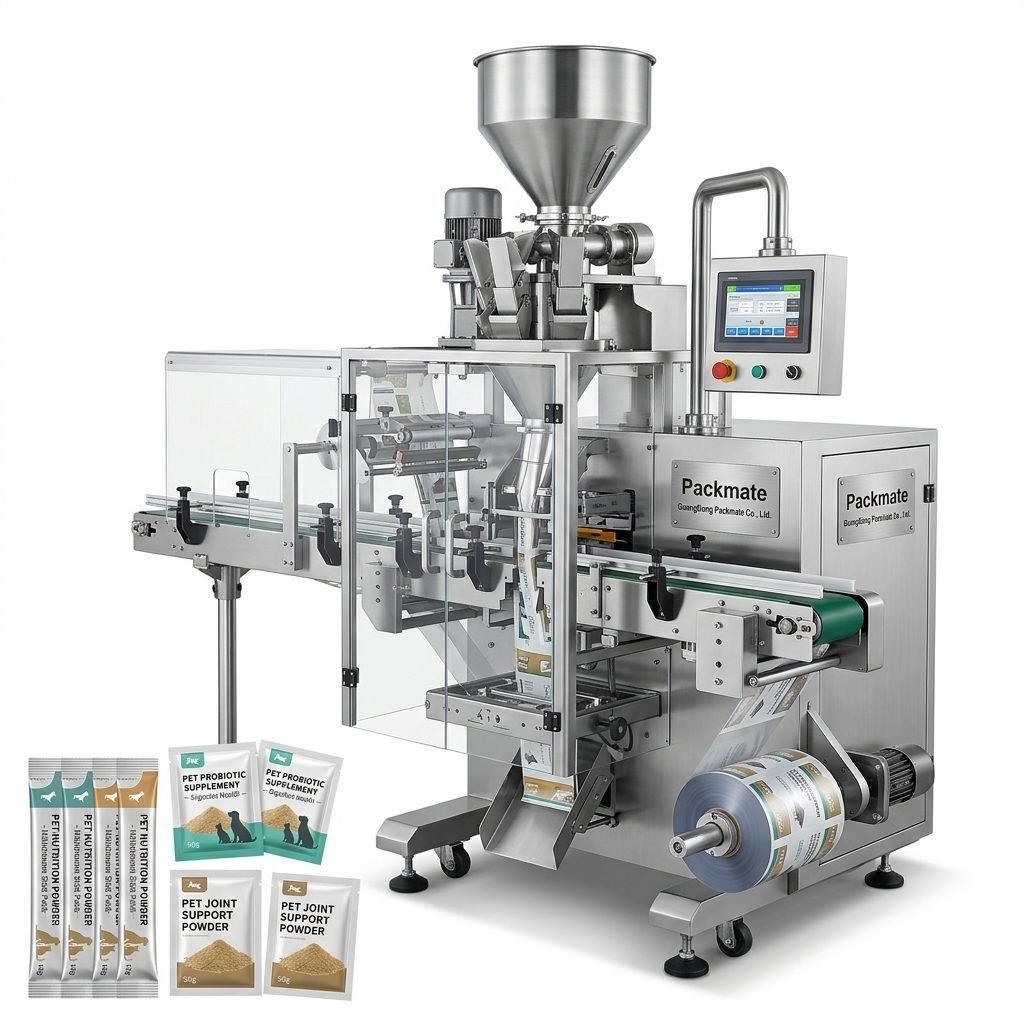
3. High-Speed Multi-Lane Machines
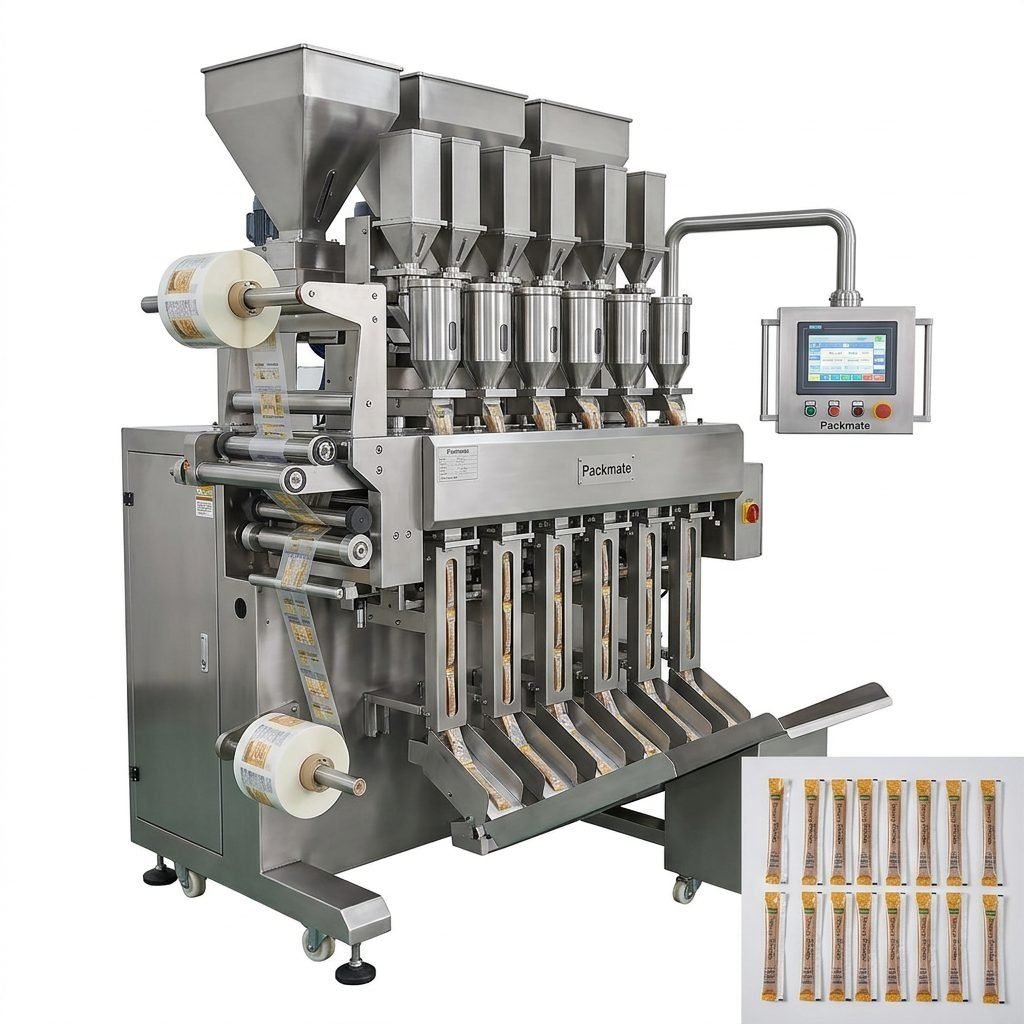
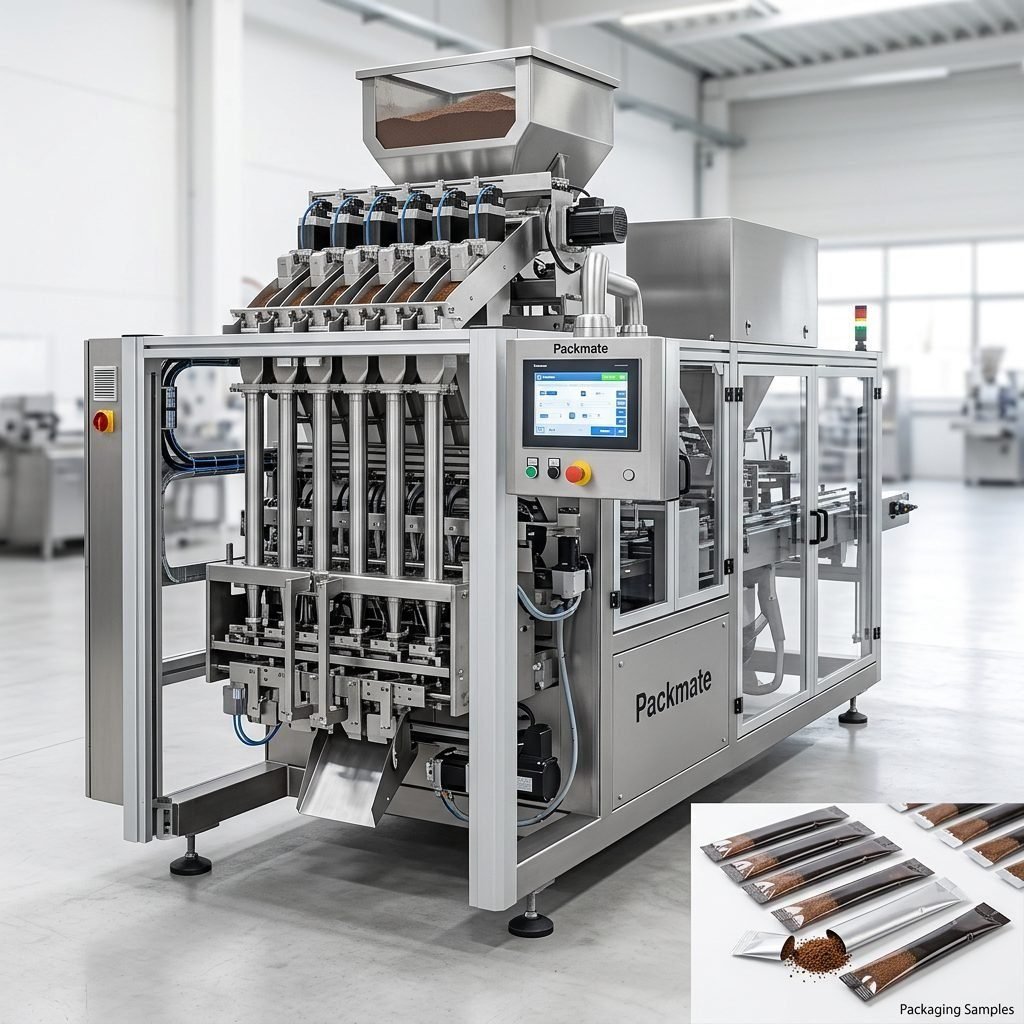
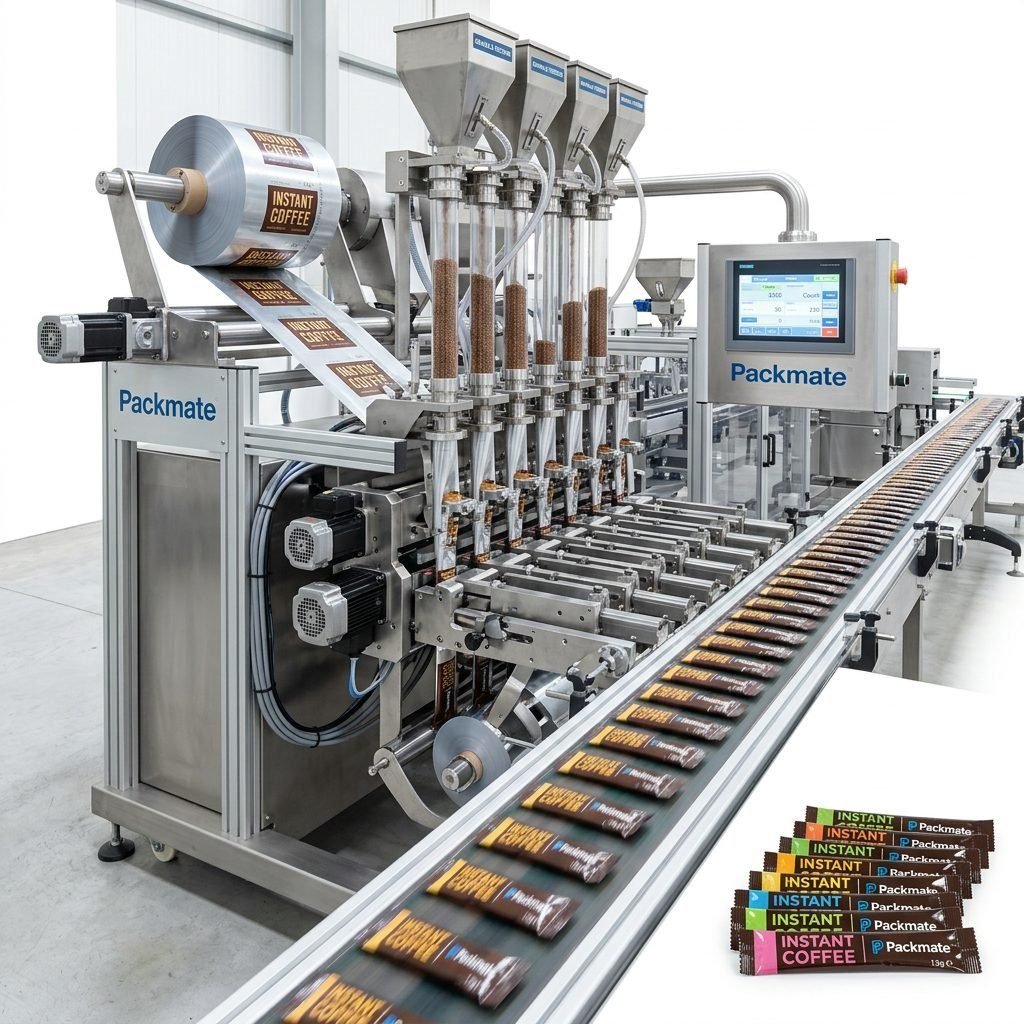
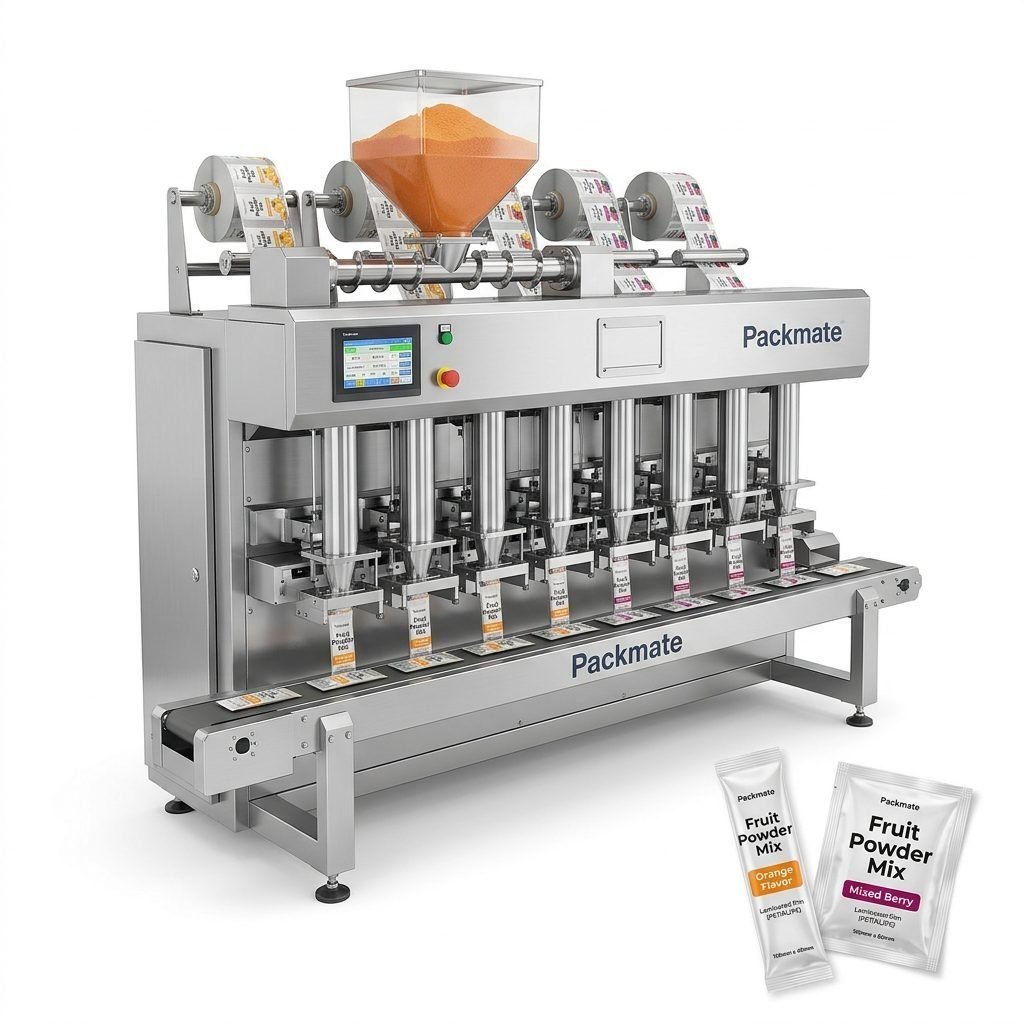
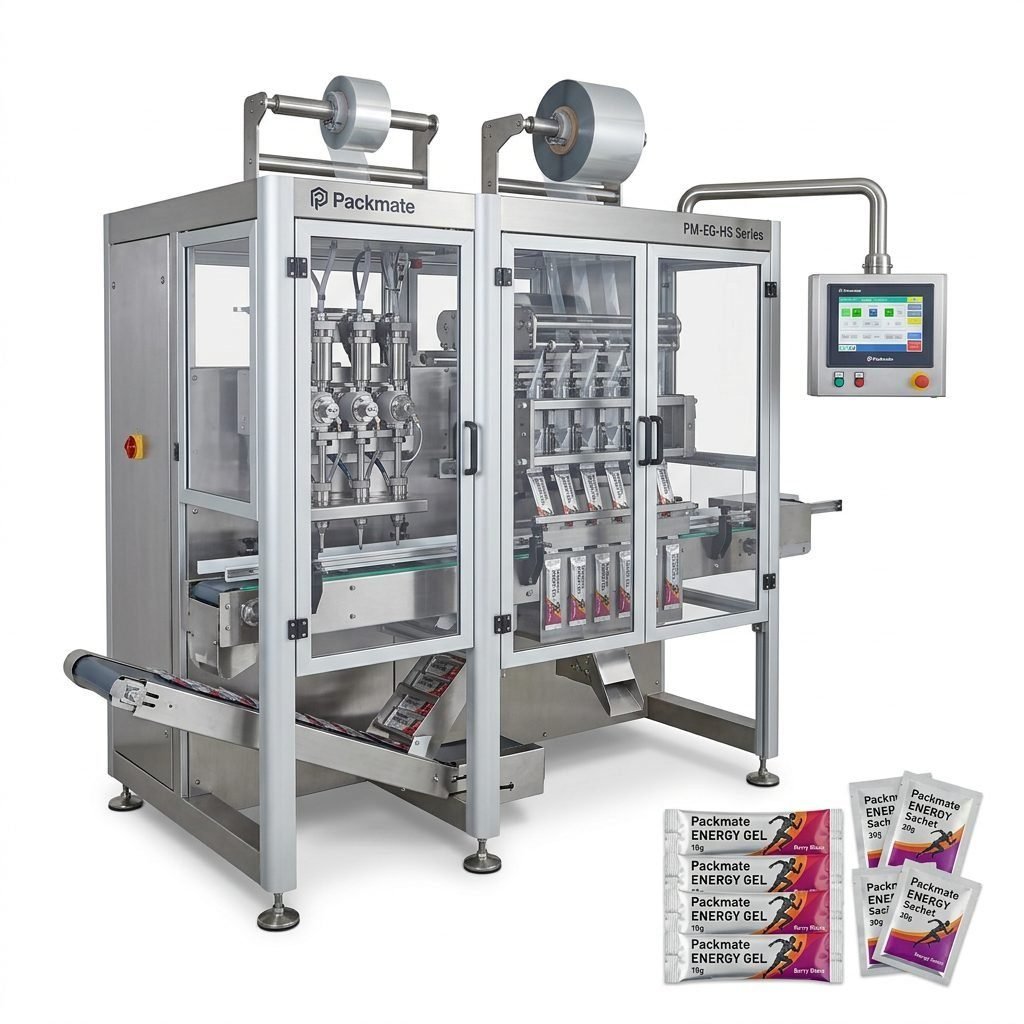
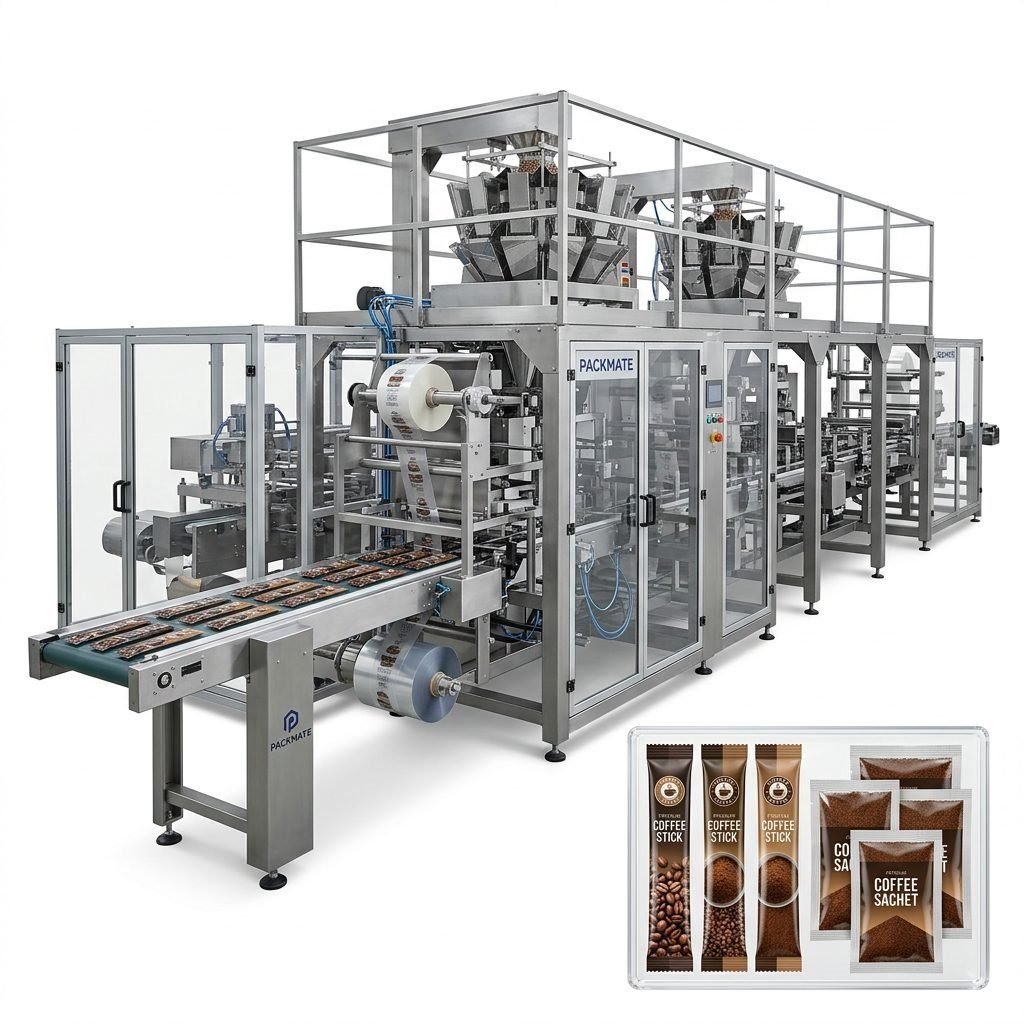
The workhorses of large-scale production. Multi-lane machines feature several parallel filling lines, dramatically boosting output—often reaching speeds of hundreds of bags per minute. They are engineered for 24/7 operation with minimal downtime.
This category is essential for major tea brands, contract packagers, and manufacturers of stick-pack coffee, powdered beverages, or supplements. The initial investment is higher, but the cost per unit is drastically lower at high volumes.
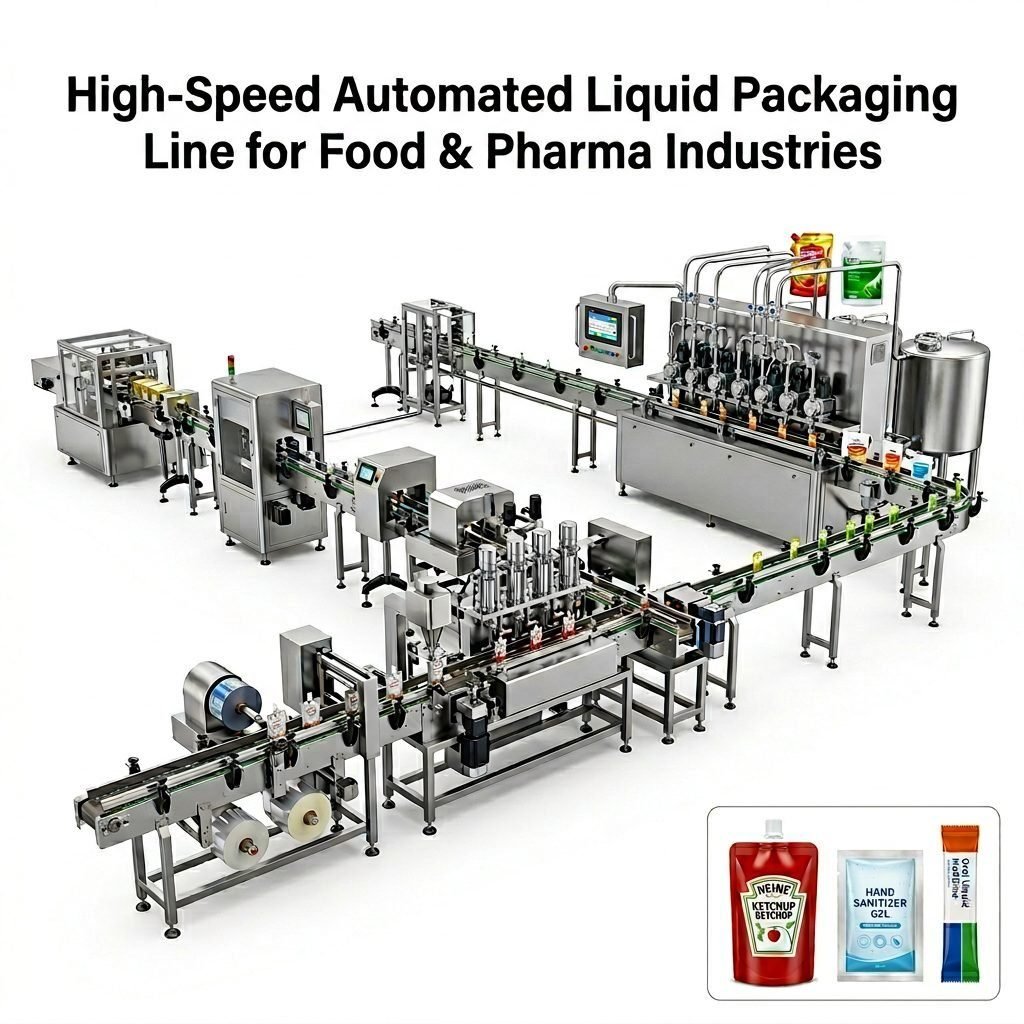
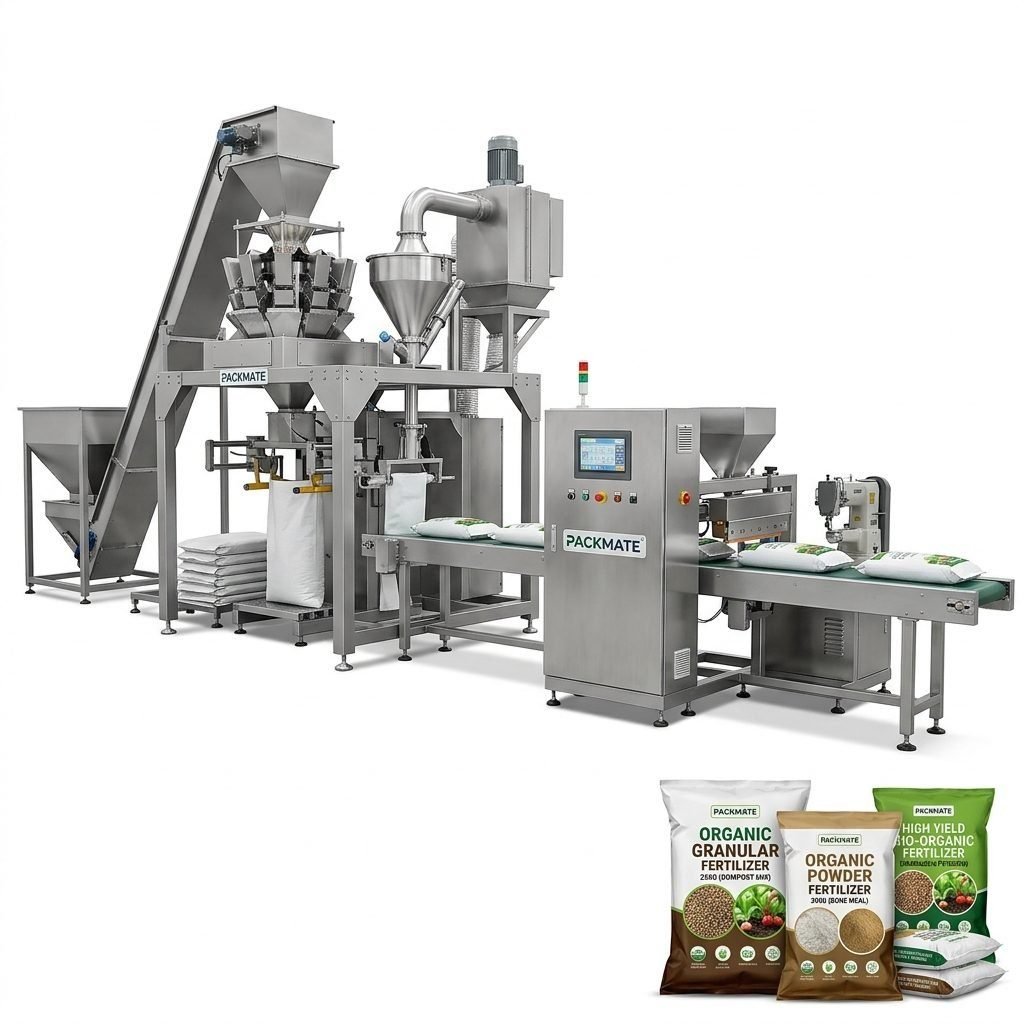
4. Turnkey Packaging Lines
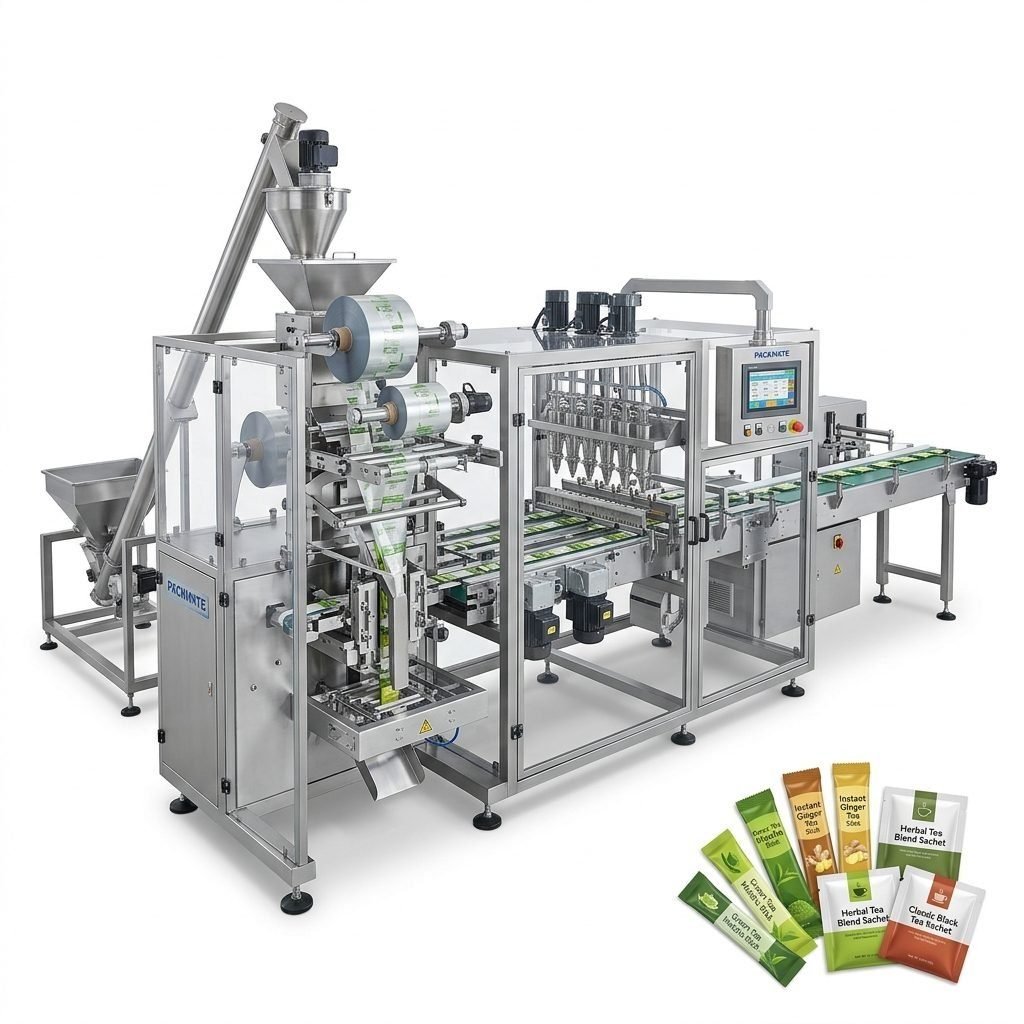
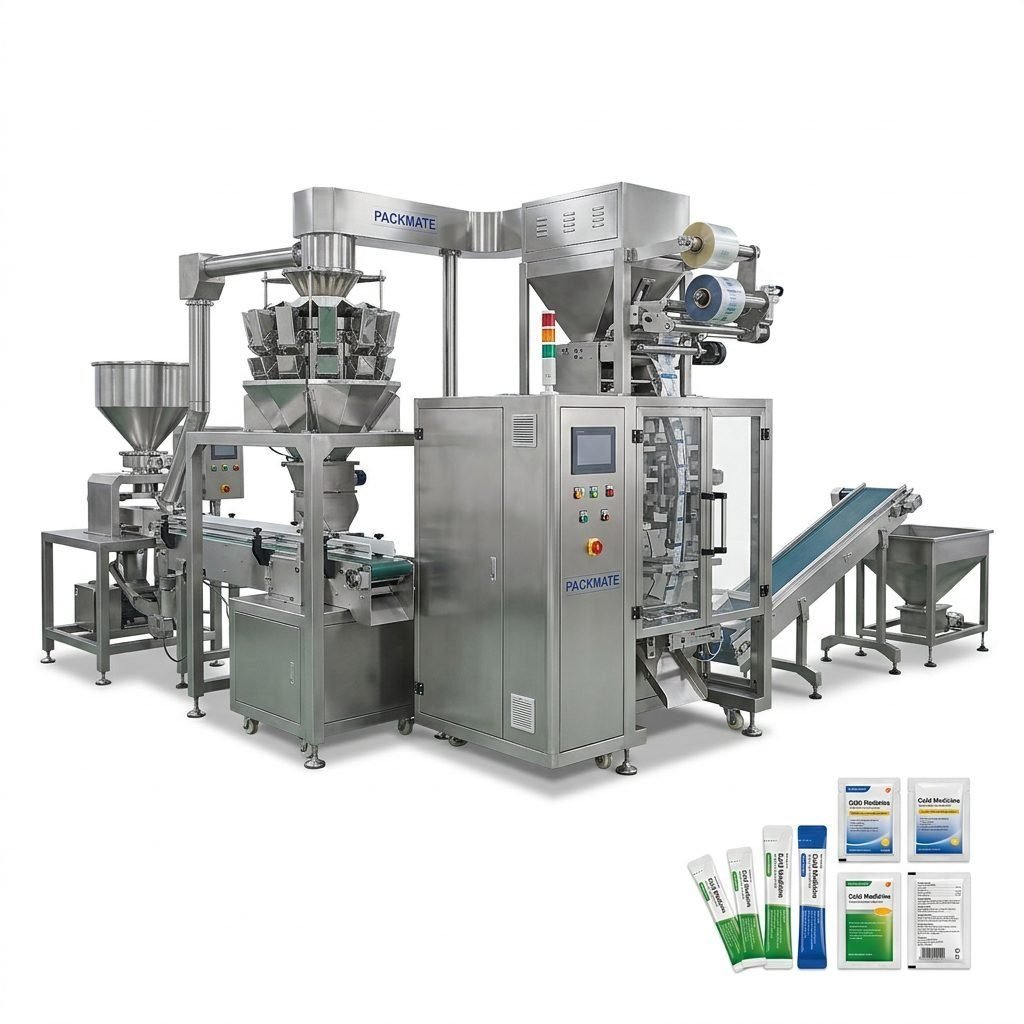
Beyond a single machine, a turnkey line integrates multiple systems into a complete production solution. This can include automated feeding systems, precision weighers, the filling machine itself, check-weighers, metal detectors, cartoners, and palletizers.
Key Advantage: Seamless, end-to-end automation that maximizes efficiency, minimizes manual handling, and ensures superior quality control. This is the choice for building a new, fully automated factory or a major expansion.
Core Features & Technological Considerations
Modern tea bag fillers are equipped with advanced features that impact performance, product quality, and operational ease.
| Feature | Description | Importance |
|---|---|---|
| Filling Technology | Volumetric cups, auger screw fillers, weigh scales (linear or multi-head), or combination systems. | Determines dosing accuracy, especially critical for expensive ingredients or precise nutritional labeling. Auger systems are great for powders; weigh scales offer the highest precision for granules. |
| Sealing Method | Heat sealing (constant or impulse), ultrasonic sealing, or cold sealing. | Ensures bag integrity, prevents leakage, and preserves product freshness. The method must be compatible with your packaging film material. |
| Control System | PLC (Programmable Logic Controller) with HMI (Human-Machine Interface) touchscreen. | Allows for easy recipe storage, parameter adjustment, production monitoring, and troubleshooting. A user-friendly interface reduces operator training time. |
| Changeover Flexibility | Quick-release parts and tool-less adjustments for bag size, weight, and product type. | Minimizes downtime when switching between different tea blends or bag formats, crucial for manufacturers with a diverse product portfolio. |
| Hygiene & Construction | Food-grade stainless steel (304 or 316) contact parts, enclosed mechanisms, and easy-clean design. | Essential for food safety compliance (like FDA, EU standards), prevents cross-contamination, and ensures long-term durability. |
Price Range & Investment Factors
Machine prices vary widely based on type, features, brand, and origin. Below is a generalized overview. It’s crucial to view this as a long-term capital investment, not just a purchase, factoring in total cost of ownership.
Budget Estimate Guide:
• Semi-Automatic: $5,000 – $20,000 USD
• Fully Automatic Single-Lane: $25,000 – $70,000 USD
• High-Speed Multi-Lane: $80,000 – $250,000+ USD
• Complete Turnkey Line: $150,000 – $500,000+ USD
Remember, the machine cost is only part of the equation. Always budget for shipping, installation, commissioning, operator training, and potential costs for spare parts. Leading manufacturers like Ludyway and Packmate Machinery often provide more comprehensive after-sales support, which can add value beyond the initial price tag.
How to Choose the Right Machine: A Step-by-Step Guide
Making the correct choice requires a thorough analysis of your specific needs.
Step 1: Analyze Your Product & Packaging
Define your product’s physical properties (leaf size, granule, fine powder, blend), desired bag type (filter paper, nylon mesh, sealed sachet, stick pack), and weight range. This dictates the required filling and sealing technology.
Step 2: Determine Your Capacity Requirements
Calculate your current and projected future production needs in bags per minute, shift, or month. Choose a machine that can meet your peak demand with about 20-30% extra capacity for growth, without drastically over-investing.
Step 3: Evaluate Automation Level
Assess your available labor, desired consistency, and budget. Higher automation reduces labor costs and human error but increases upfront investment. For specialized products like nicotine pouches, a manufacturer with niche expertise, such as SnusMachinery, can be invaluable.
Step 4: Prioritize Key Features
Based on your product, list non-negotiable features (e.g., +/- 1% weighing accuracy, CIP system, specific sealing technology). Then identify “nice-to-have” features that could improve efficiency (e.g., integrated date coder, quick changeover).
Step 5: Research Manufacturers & Suppliers
Look for suppliers with a proven track record in your industry. Examine their turnkey line capability if you need full integration, or their customization expertise for non-standard projects. Review case studies, request references, and if possible, visit their factory or see a machine in operation.
Step 6: Consider After-Sales Support
The relationship begins after purchase. Ensure the supplier offers reliable technical support, readily available spare parts, comprehensive training, and a clear warranty policy. A local service agent or responsive remote support is critical for minimizing downtime.
Frequently Asked Questions (FAQs)
What is the typical maintenance required for a tea bag filling machine?
Daily cleaning of product contact zones and weekly lubrication of moving parts are essential. Follow the manufacturer’s manual for scheduled maintenance (e.g., belt tension checks, seal bar inspection every 3-6 months). Proper maintenance is the key to longevity and consistent performance.
Can one machine handle both loose-leaf tea and powdered tea?
Many machines are versatile, but the filling mechanism may need adjustment or changeover. A machine with an auger filler is ideal for powders, while a volumetric cup or weigh scale system is better for leafy blends. Discuss your product range with the supplier to ensure the machine can be easily adapted for both.
How important is machine flexibility for future product changes?
Extremely important if you plan to introduce new blends, bag sizes, or even different products (e.g., switching from herbal tea to soup sachets). Investing in a machine with modular design and quick-change parts can save significant time and money in the long run, protecting your investment against market changes.
What are the main differences between Chinese and European-made machines?
European machines are often associated with premium branding, high precision engineering, and a higher price point. Chinese manufacturers, like those mentioned in this guide, have significantly closed the technology gap, offering robust, reliable machines with excellent cost-performance ratios and strong export-oriented support, making them a popular choice for global buyers.
How long does it take to install and commission a new machine?
For a standard standalone machine, installation and commissioning can take 3-7 days with factory engineers on-site. For a complex turnkey line, it may require 2-4 weeks. This timeframe includes machine setup, calibration, test runs, and operator training. Always clarify the installation scope and timeline with your supplier during the purchasing process.