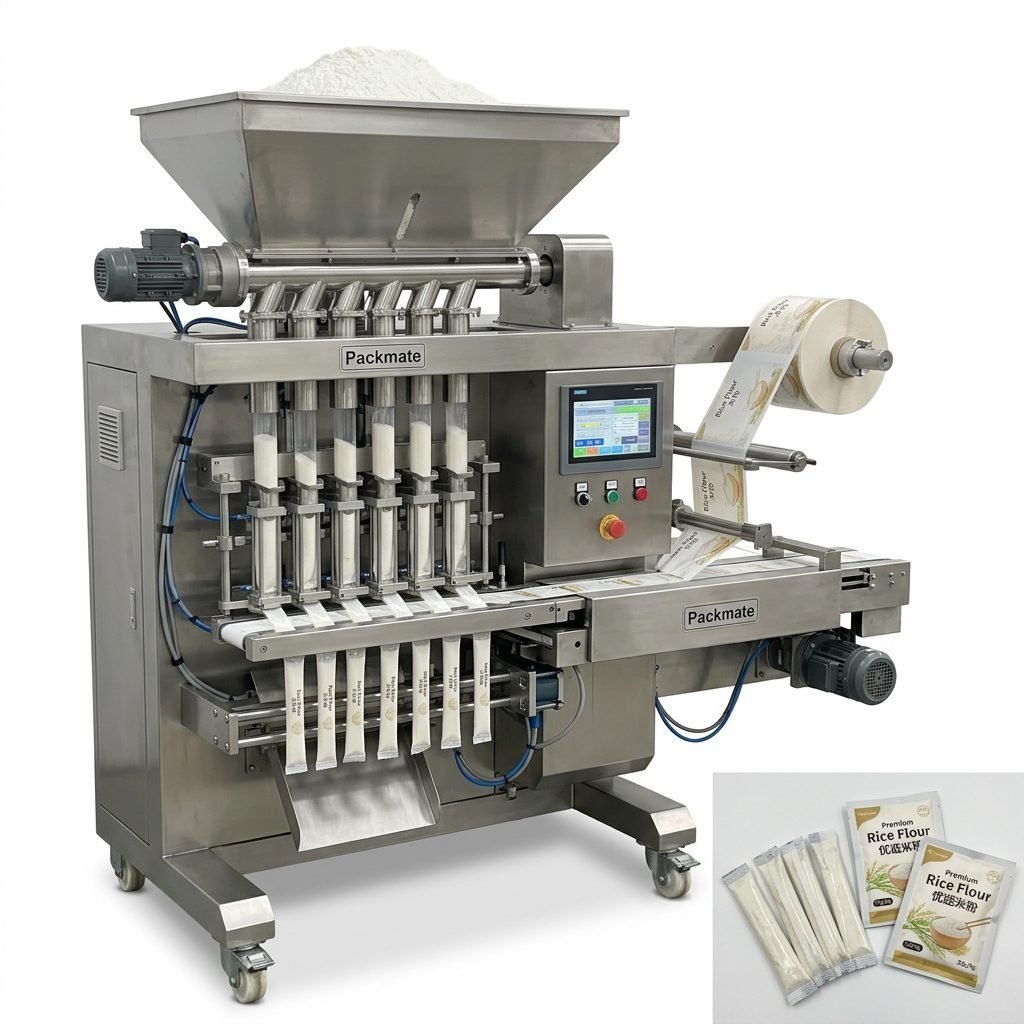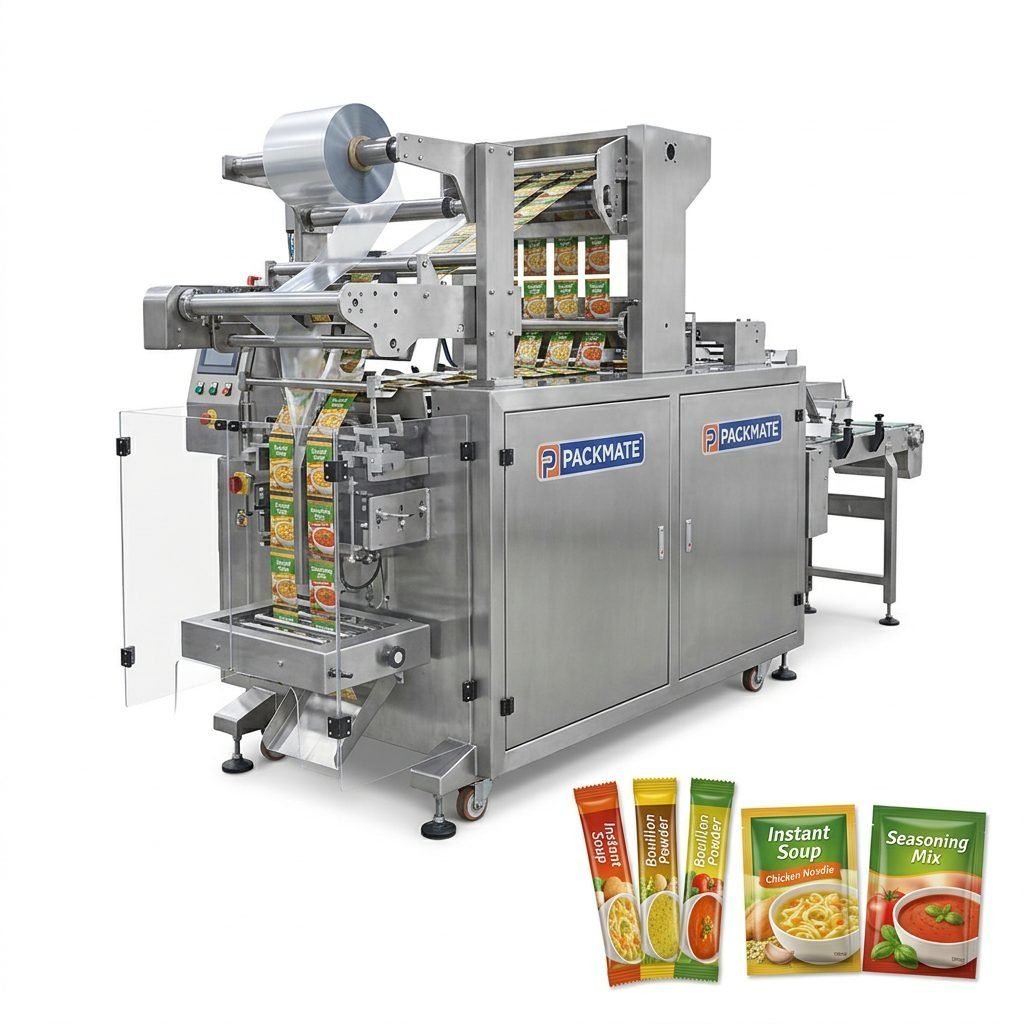
The demand for efficient, hygienic, and cost-effective packaging solutions for honey and other viscous liquids has grown significantly across global markets. An automatic honey sachet packing machine represents a key technological advancement, enabling producers to meet modern consumer preferences for single-serve, portable, and mess-free portions. This equipment integrates precise liquid filling, high-speed sealing, and automated control into a compact system designed for food-grade production.
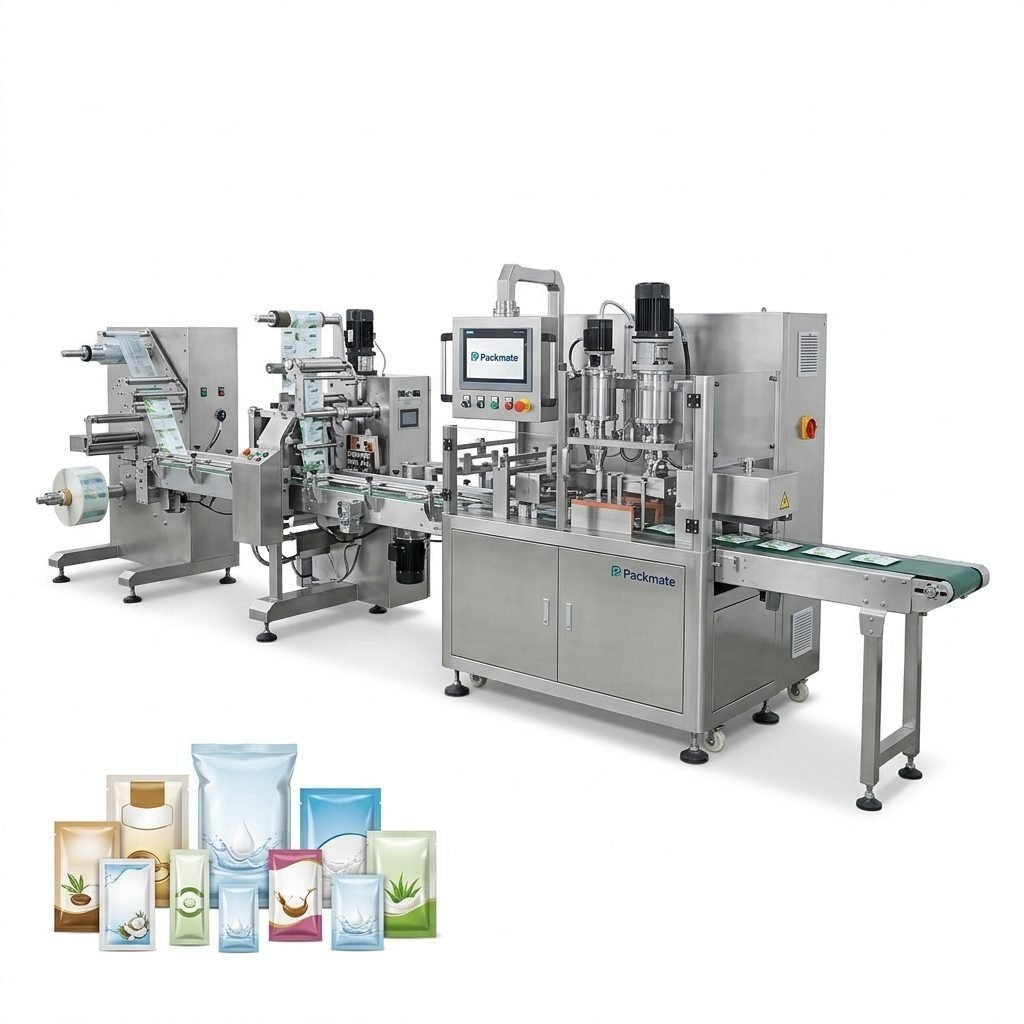
Core Functions of a Honey Sachet Packing Machine
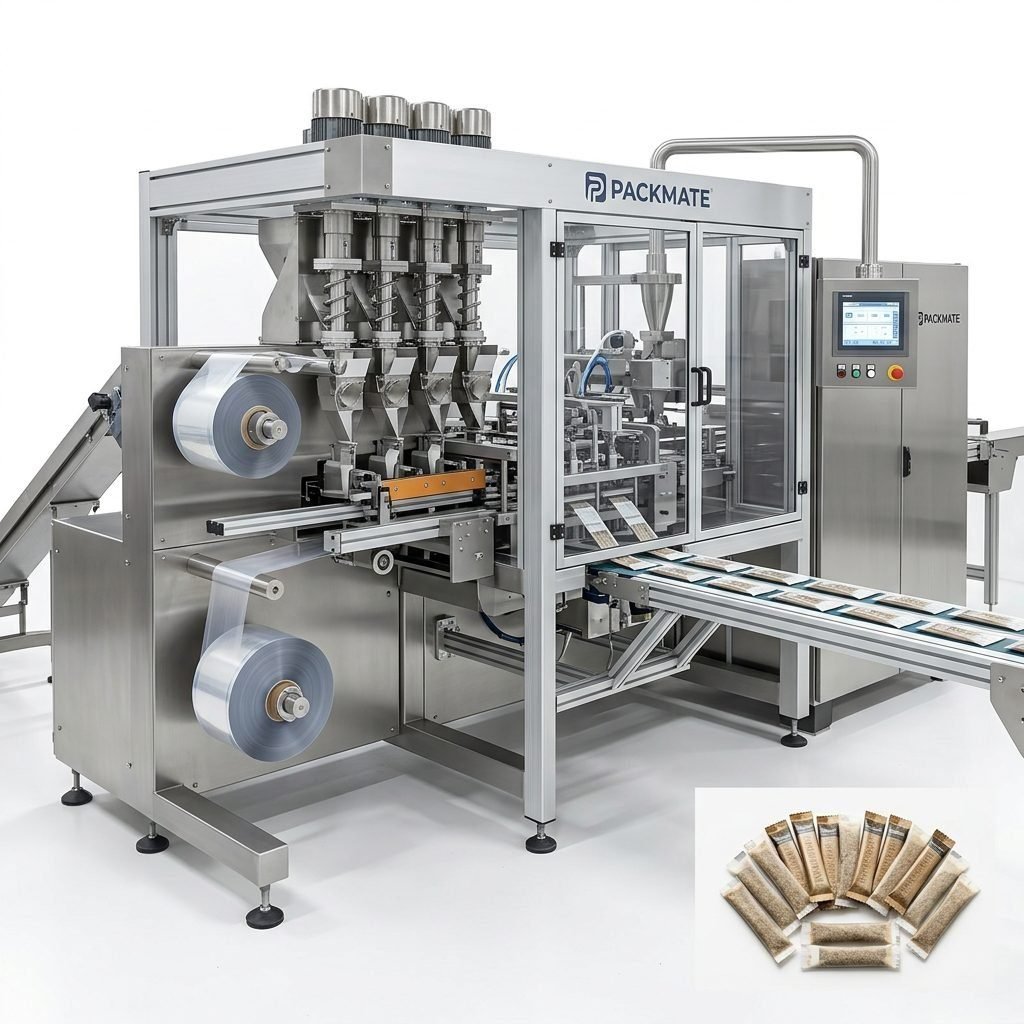
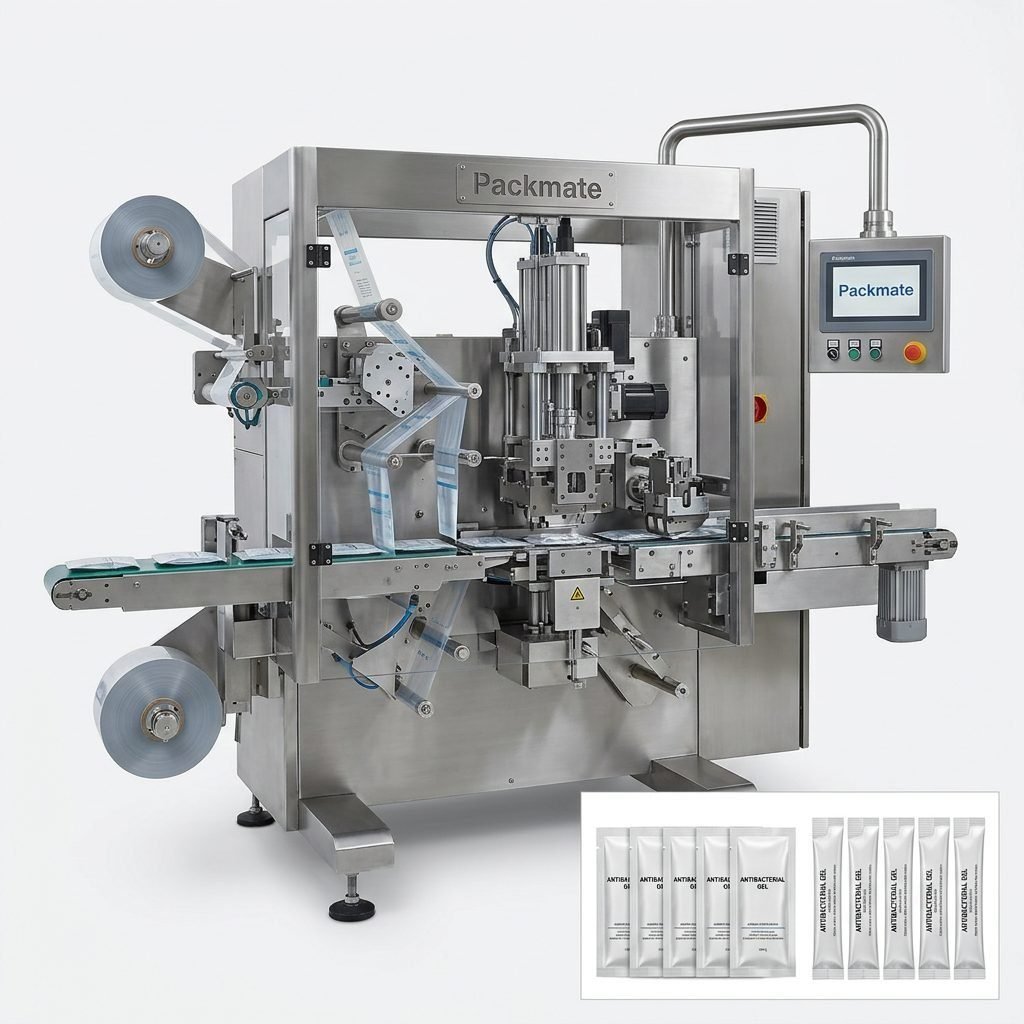
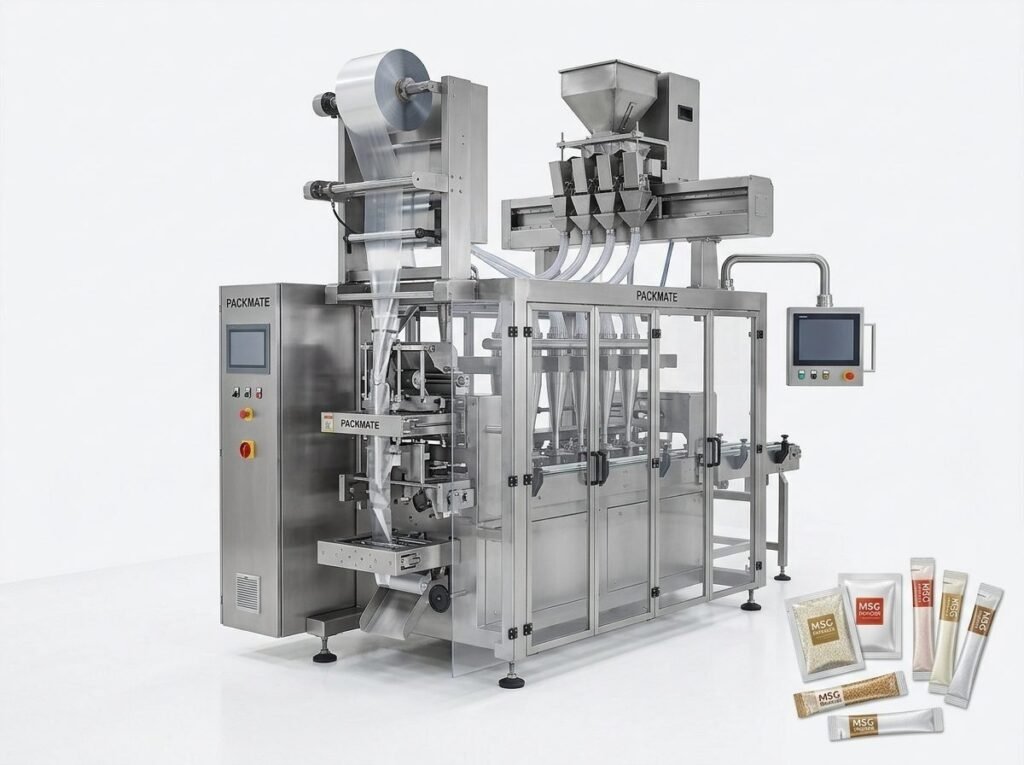
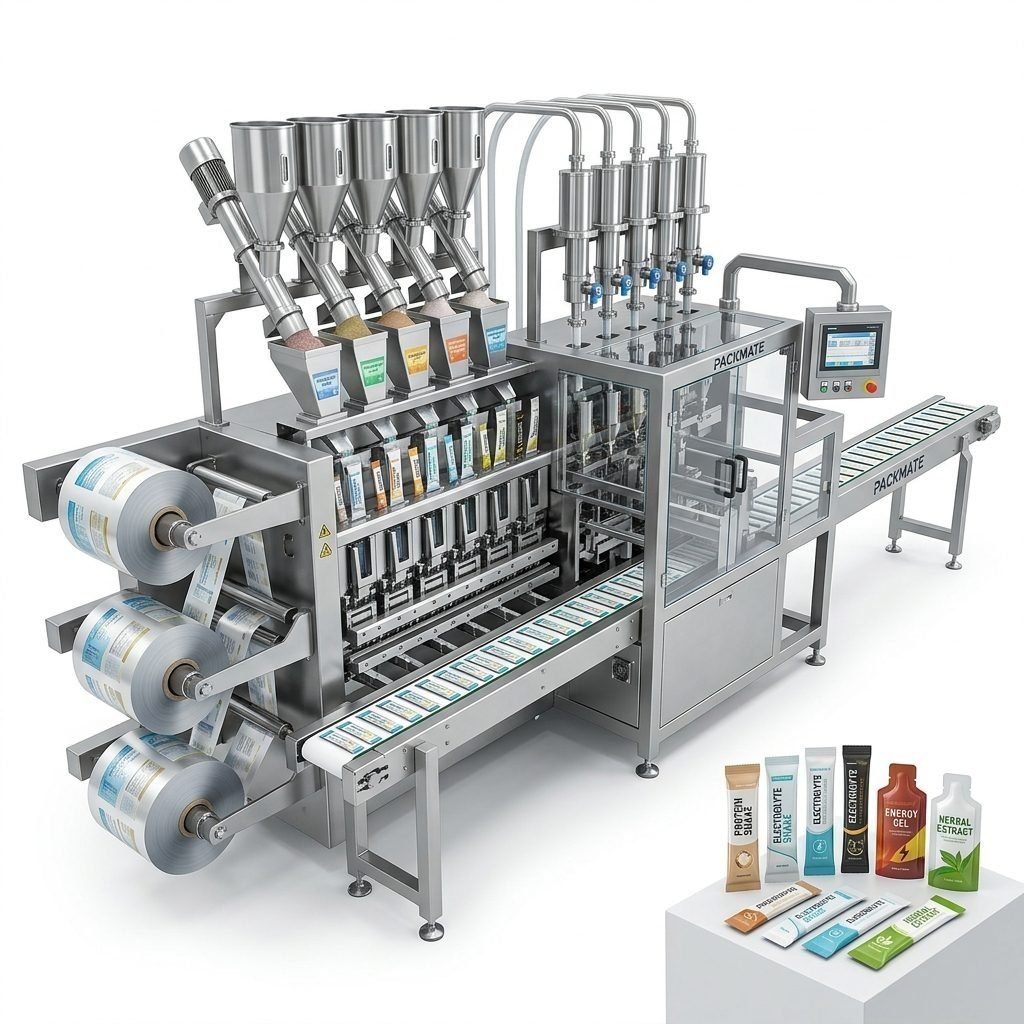
At its heart, the machine performs three primary operations: forming the sachet from roll film, dosing and filling the honey, and heat-sealing the pouch. Modern systems are fully automated, controlling film unwinding, date coding, filling volume, seal integrity, and final cutting. The filling system is specifically engineered for viscous products like honey, often utilizing piston fillers or peristaltic pumps to ensure accurate portion control without dripping or waste.
Key Technical Specifications
Typical high-performance honey sachet machines offer the following capabilities:
- Filling Range: From 5ml to 50ml per sachet, adjustable for different portion sizes.
- Production Speed: Ranging from 60 to 200 sachets per minute, depending on the machine model and lane configuration.
- Filling Accuracy: Achieves precision within ±1% to ensure consistent product weight and cost control.
- Seal Type: Provides a strong, airtight, four-side seal to prevent leakage and maintain product freshness.
- Film Compatibility: Works with various laminates, including PET/AL/PE, to offer good barrier properties against moisture and oxygen.
Benefits for Honey Producers and Packers
Adopting an automated sachet solution delivers tangible advantages. It drastically reduces labor dependency compared to manual filling, minimizes product giveaway through precise dosing, and enhances overall production line hygiene by limiting human contact. For brands in Europe and North America, where consumers value convenience and sustainability, sachet packaging aligns with trends for on-the-go consumption and reduced food waste from large, opened containers.
Integration into Broader Production Lines
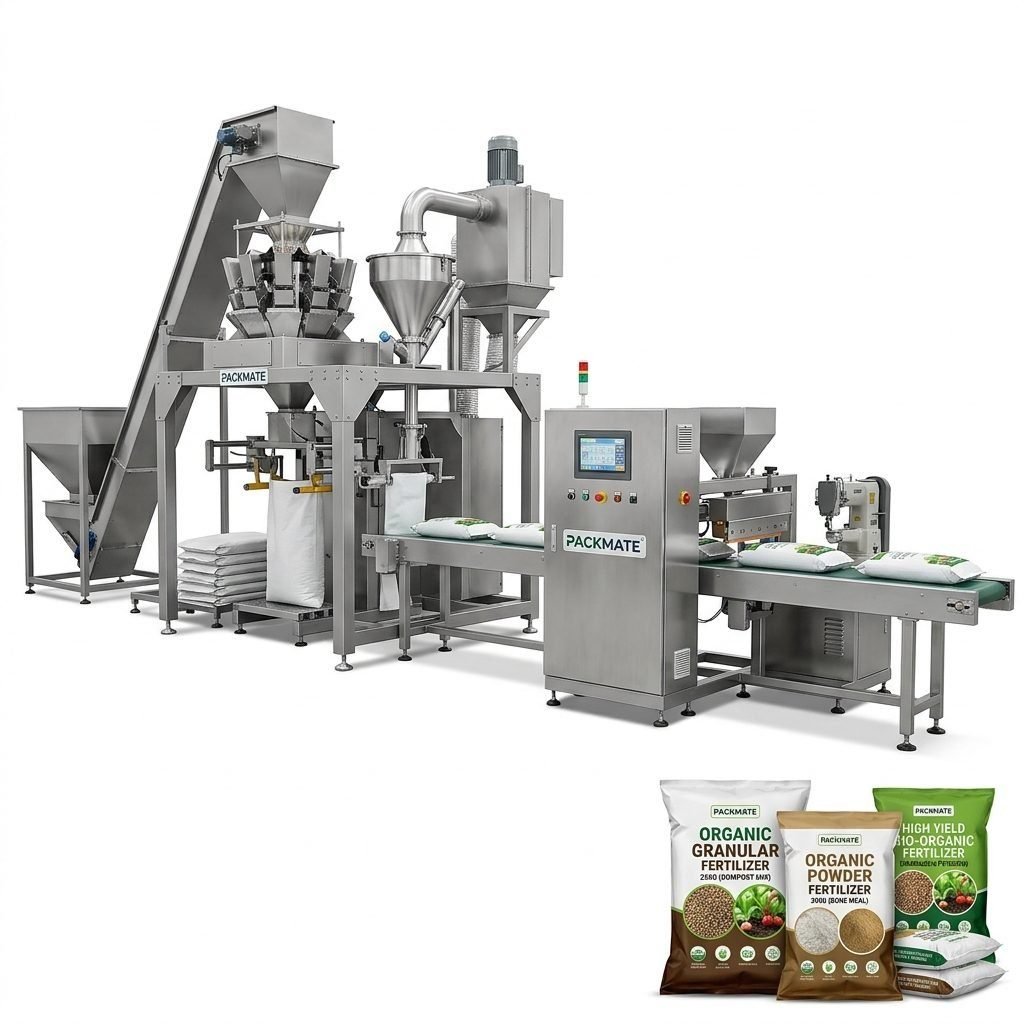
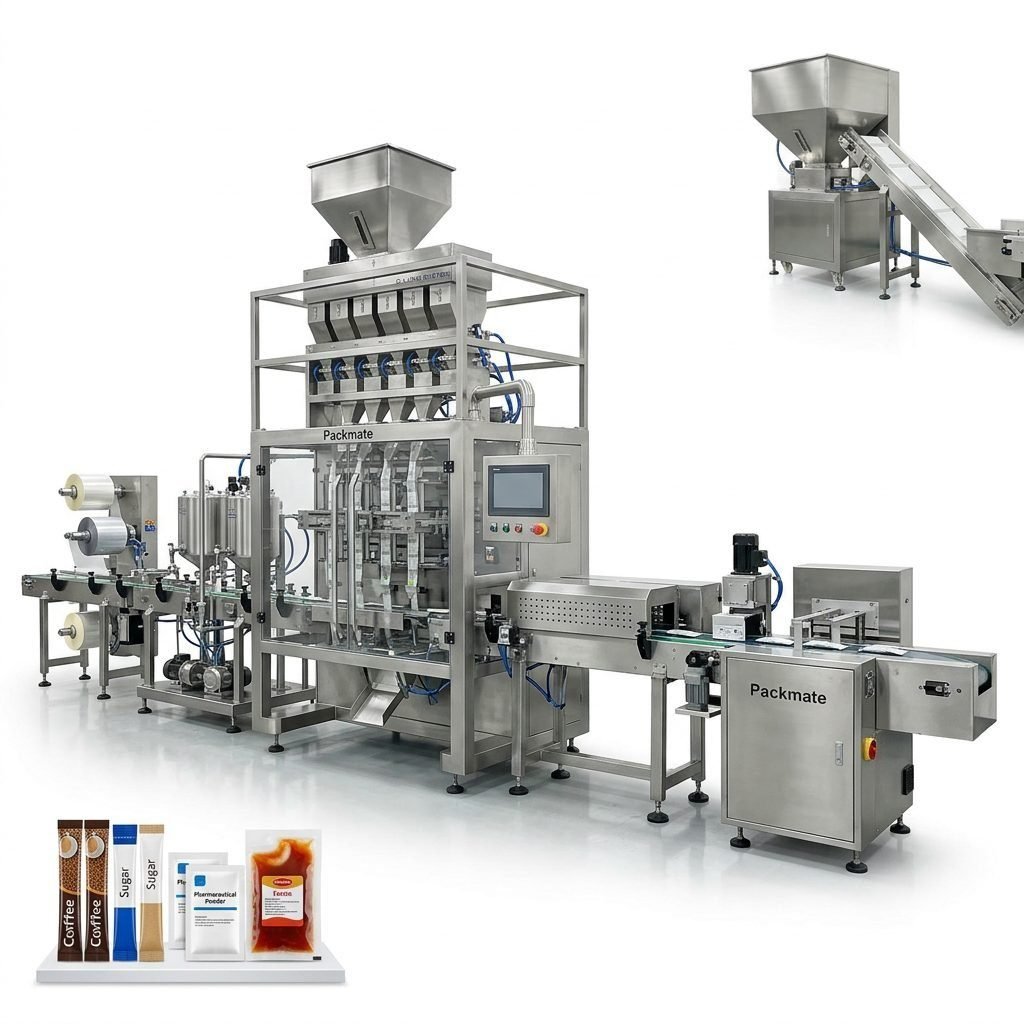
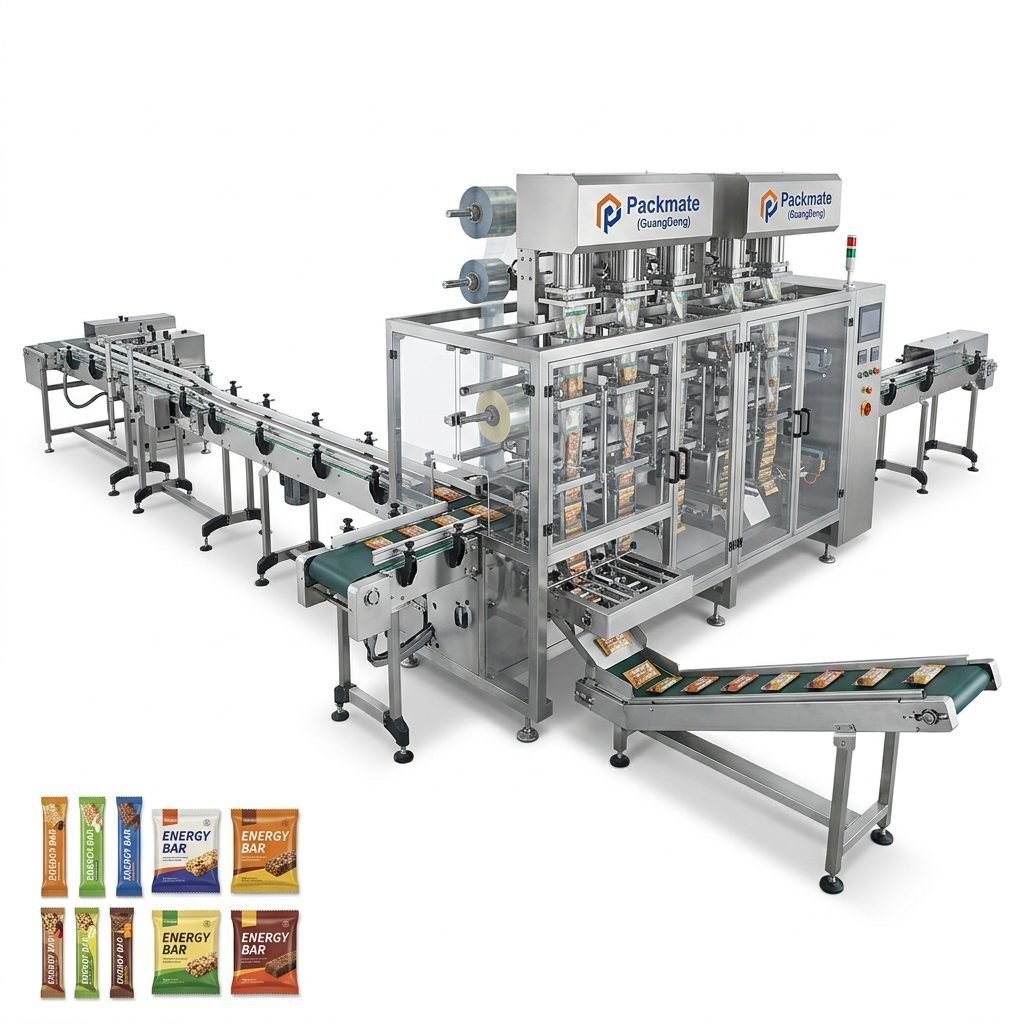
A standalone honey sachet machine can be integrated with upstream and downstream equipment to form a complete turnkey line. This might include an automatic honey feeding system with heating and stirring to maintain viscosity, an inline checkweigher for quality assurance, and a cartoning or case-packing system for secondary packaging. Companies like PacklineOEM specialize in designing such integrated systems, ensuring seamless material flow from bulk storage to final packaged goods ready for palletizing.
Considerations for Different Market Needs
Machine selection often varies by target export region:
- Europe & North America: Emphasis on high hygiene standards (e.g., stainless steel construction, CIP systems), energy efficiency, and connectivity for Industry 4.0 data collection.
- Middle East & Africa: Durability in varied climatic conditions, ease of maintenance, and ability to handle different honey consistencies (e.g., crystallized or raw honey) are critical.
- Southeast Asia: Cost-effectiveness, flexibility for small to medium batch sizes, and compact footprint for space-constrained facilities are key purchasing factors.
Leading Manufacturers and Their Capabilities
The global market for such machinery features several established manufacturers, particularly from China, which has become a major hub for packaging equipment exports. Companies with extensive experience, such as Ludyway (founded in 1993), bring over three decades of engineering expertise to the table. They offer not just machines but complete solutions tailored to client needs.
| Manufacturer | Key Strength for Honey Sachets | Typical Support |
|---|---|---|
| Ludyway | Broad portfolio, turnkey line integration, strong export network. | Custom engineering, after-sales service, spare parts supply. |
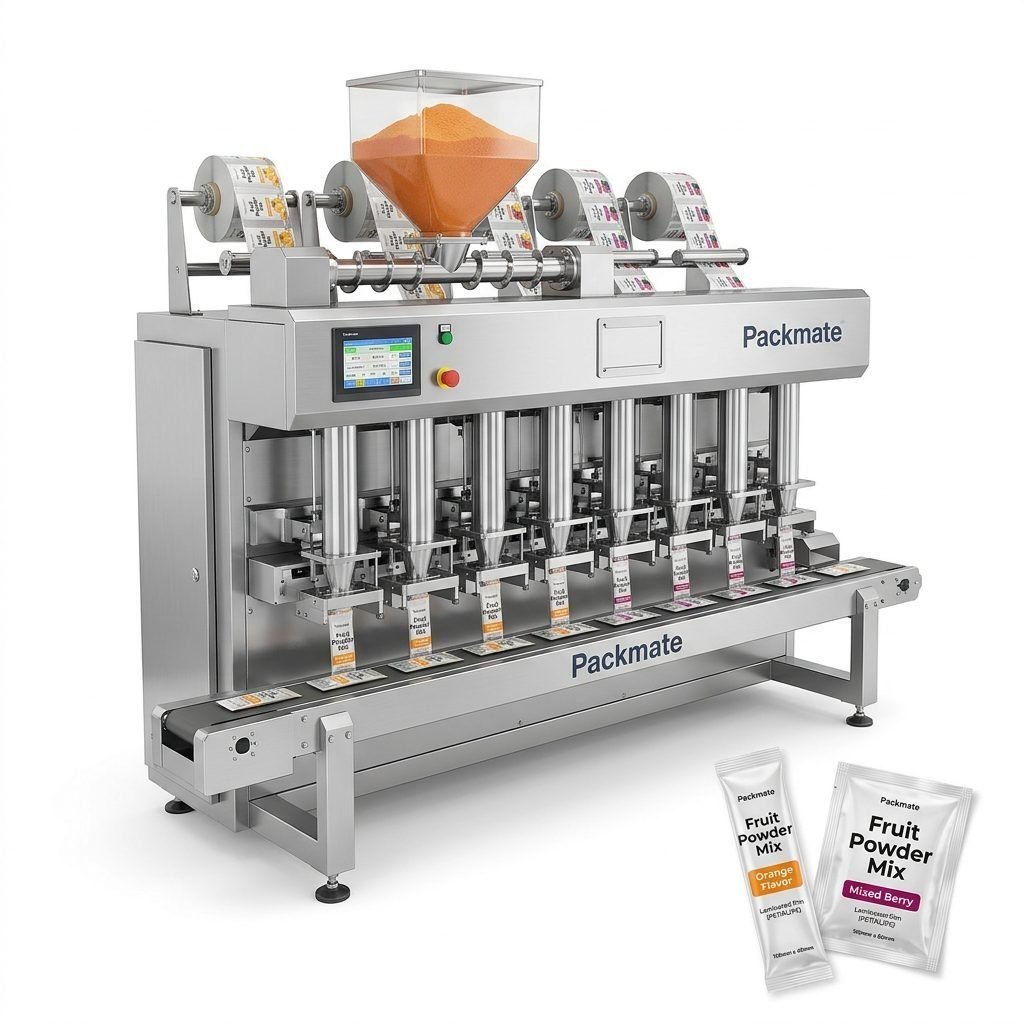
| Packmate Machinery | Reliable performance, cost-effective automation, over 80 machine models. | Responsive technical support, machine customization. |
| PackingMachineOEM | Specialization in non-standard and customized solutions for unique requirements. | OEM project development, flexible adaptation to specific films and viscosities. |
Material and Packaging Film Selection
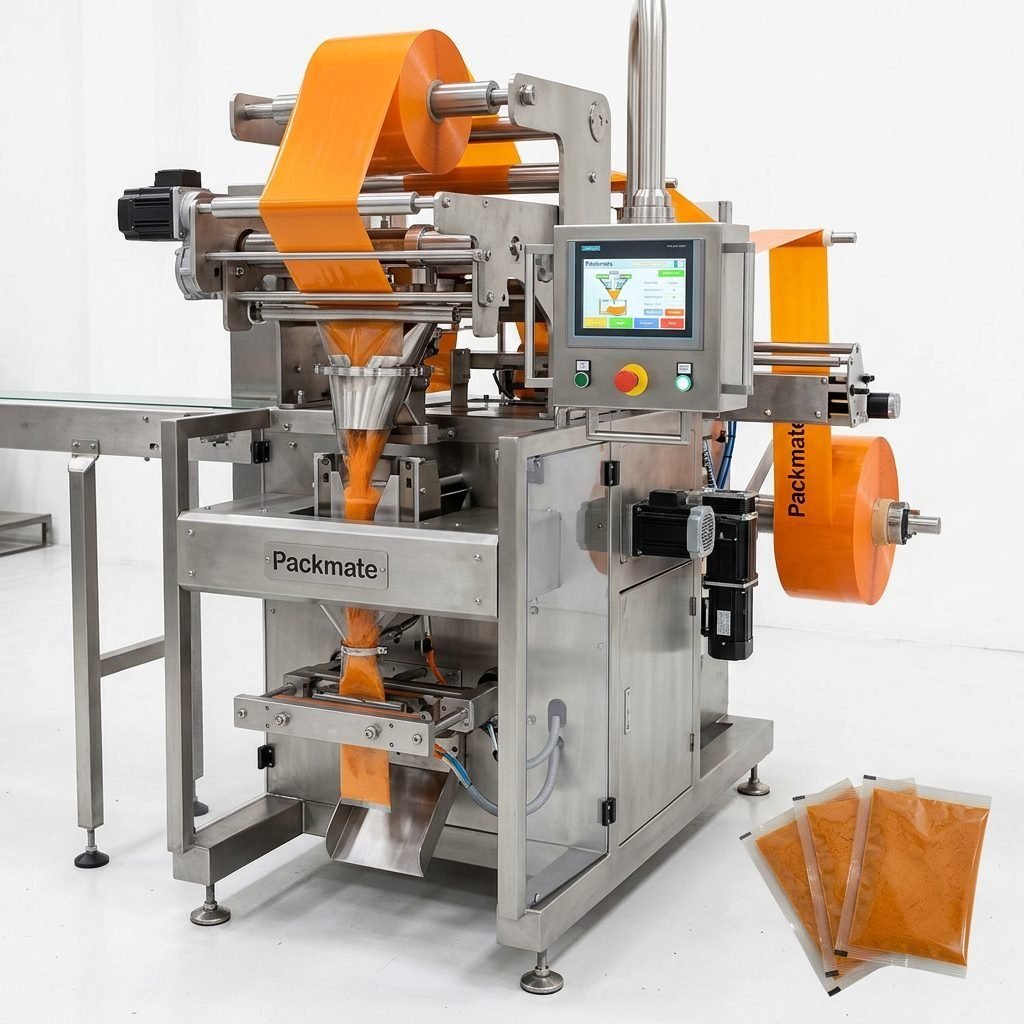
The success of honey sachets heavily depends on the packaging material. A typical structure is a multi-layer laminate. The outer layer provides strength and printability, a middle aluminum layer acts as an excellent barrier against light, moisture, and oxygen, and the inner sealing layer is food-safe polyethylene. Suppliers like Packmate Machinery often provide guidance or partnerships with film suppliers to ensure compatibility with their machine’s sealing jaws and feeding mechanisms.
Operational Efficiency and ROI
Investing in an automatic machine requires a clear analysis of return on investment (ROI). Factors include the reduction in labor costs, increase in output speed, decrease in material waste, and improvement in packaging quality leading to fewer customer complaints. For a medium-sized honey packer, the payback period can often be achieved within 12 to 24 months through these efficiencies, not to mention the added capacity to take on larger orders or enter new markets with a competitively packaged product.
Future Trends and Smart Features
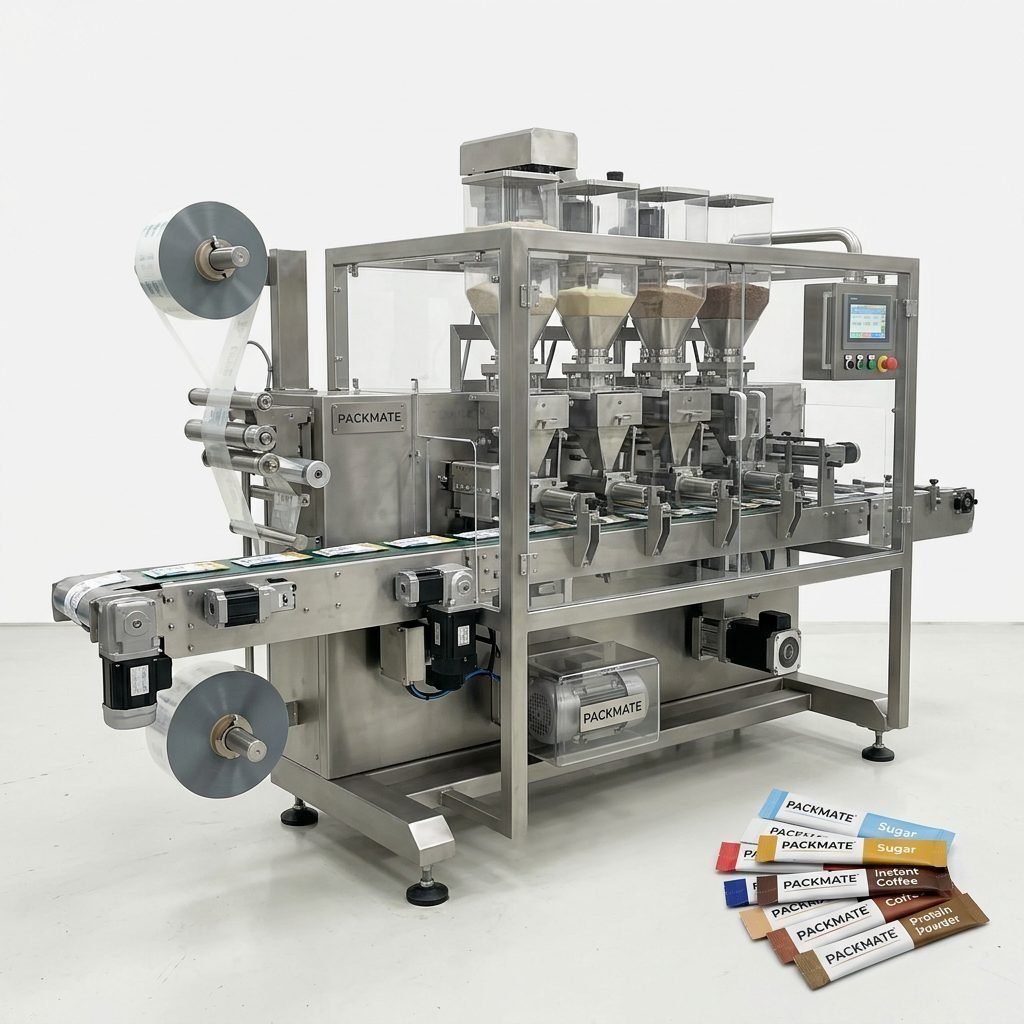
The next generation of honey sachet machines is incorporating more smart features. These include touch-screen HMIs with recipe storage, IoT connectivity for remote monitoring and predictive maintenance, and advanced vision systems to inspect every sachet for fill level and seal defects. For specialized applications, such as packaging honey with added ingredients (e.g., ginger, propolis), manufacturers like SnusMachinery—though focused on pouches—exemplify the high-precision dosing and sealing technology that can be adapted for complex liquid-paste mixtures.
Ensuring a Successful Purchase
Prospective buyers should follow a structured process:
- Define Requirements: Clearly outline desired sachet size, output speed, available factory space, and budget.
- Request Samples: Ask manufacturers to run trials with your specific honey and chosen film to test performance.
- Evaluate Support: Assess the supplier’s installation, training, warranty, and long-term spare parts availability.
- Consider Scalability: Choose a machine or supplier that can support future line expansions or format changes.
Conclusion and Common Questions (FAQs)
The automatic honey sachet packing machine is a pivotal asset for modern food producers aiming to enhance efficiency, ensure product quality, and respond to market trends. By automating the filling and sealing process, businesses can achieve significant operational savings and open new avenues for product distribution and branding.
Frequently Asked Questions
Q1: What is the typical production speed for a standard single-lane honey sachet machine?
A: A standard single-lane machine typically outputs between 60 to 120 sachets per minute. Multi-lane machines (2-4 lanes) can significantly increase this rate.
Q2: Can the same machine package other products besides honey?
A: Yes, with appropriate adjustments to the filling system and sealing parameters, these machines can often handle other viscous liquids like syrups, sauces, oils, or even certain pastes.
Q3: How is the filling accuracy maintained for thick, viscous honey?
A: Machines use positive displacement pumps (like piston fillers) which are ideal for viscous products. They are calibrated for specific viscosity ranges and often include heating jackets to maintain consistent honey flow.
Q4: What kind of maintenance does an automatic sachet machine require?
A: Regular daily cleaning, periodic lubrication of moving parts, and inspection of sealing jaws and cutting blades are essential. Most reputable suppliers provide detailed maintenance schedules and training.
Q5: Is it possible to get a machine that can produce different sachet sizes?
A> Absolutely. Many models are designed with quick-change parts (like forming tubes and dosing pumps) that allow for relatively fast changeover between different sachet dimensions and fill volumes.