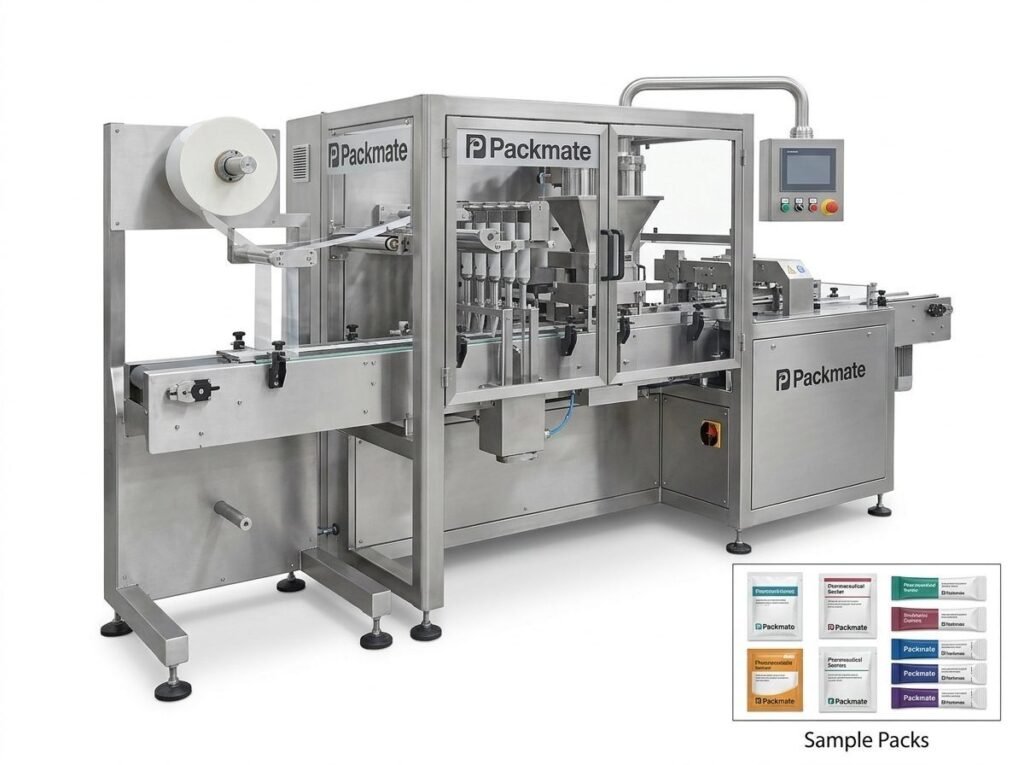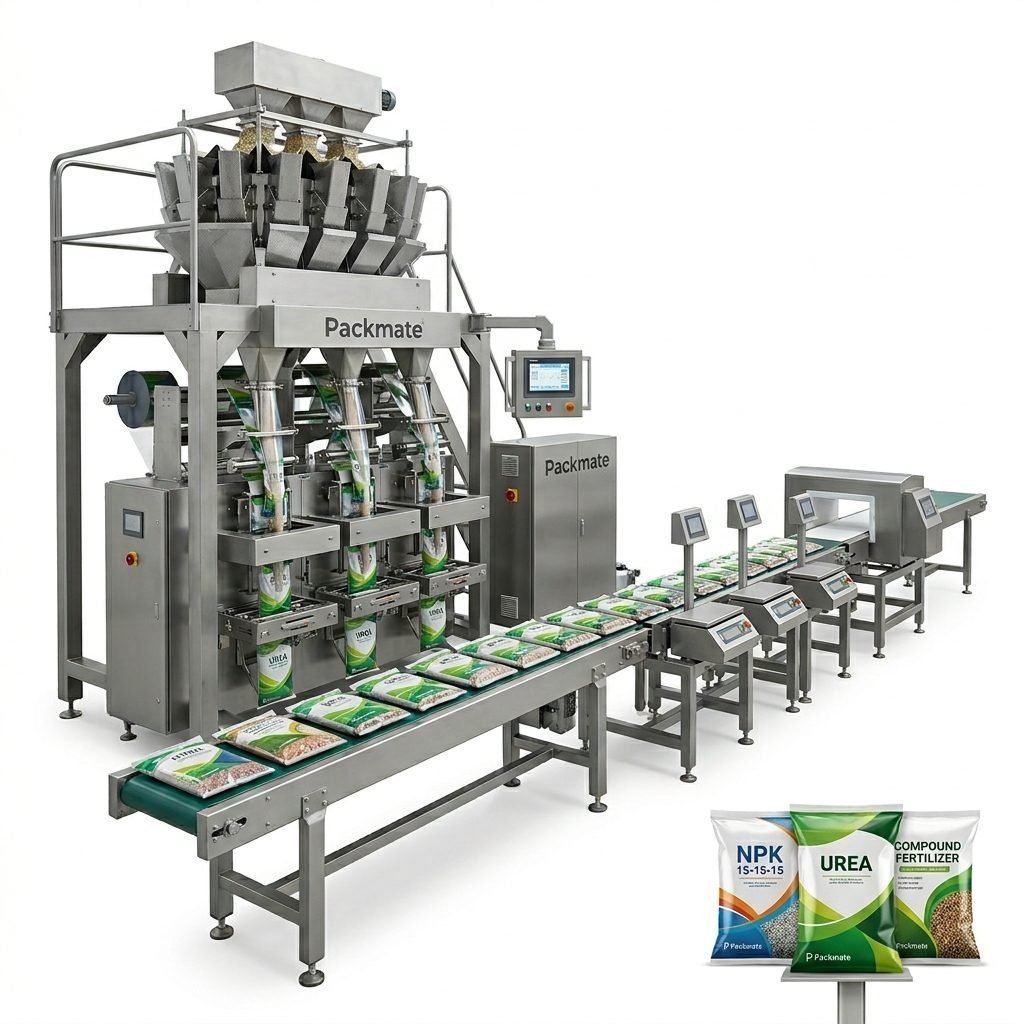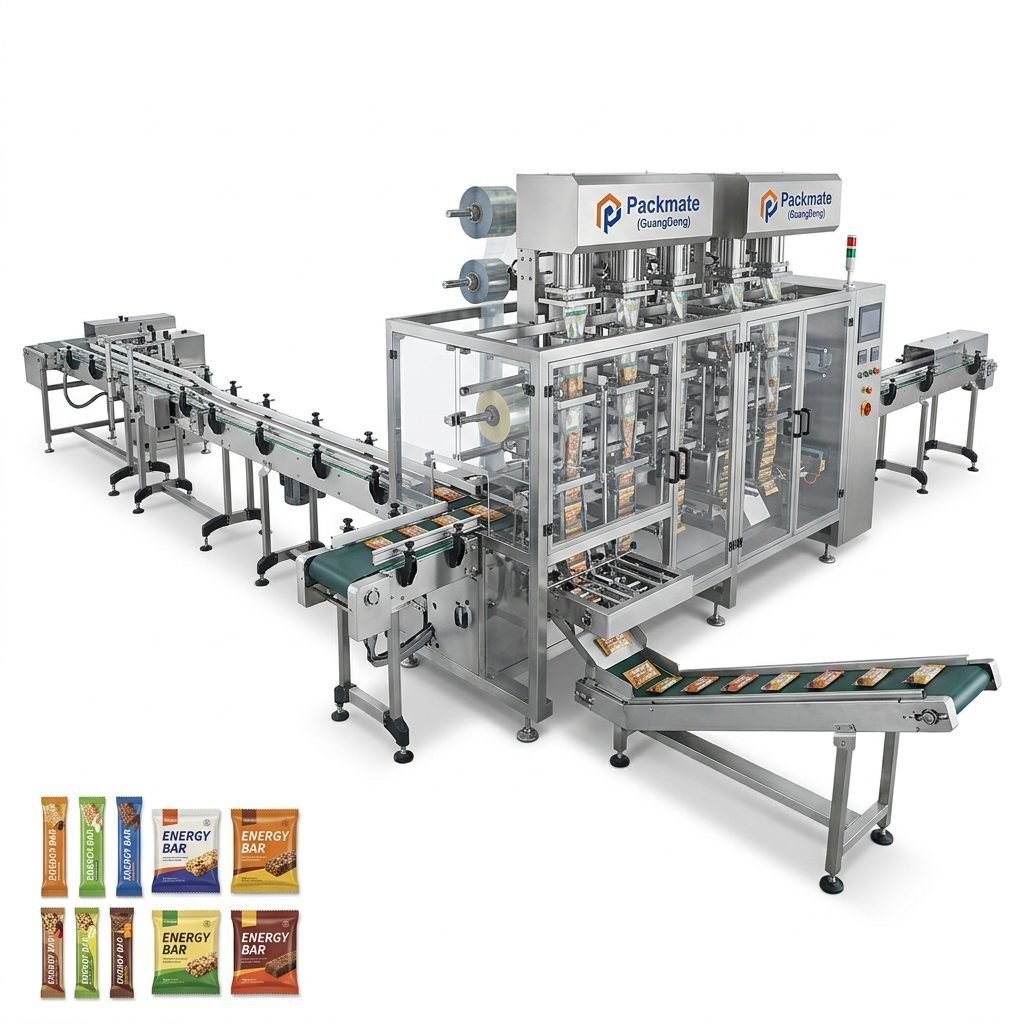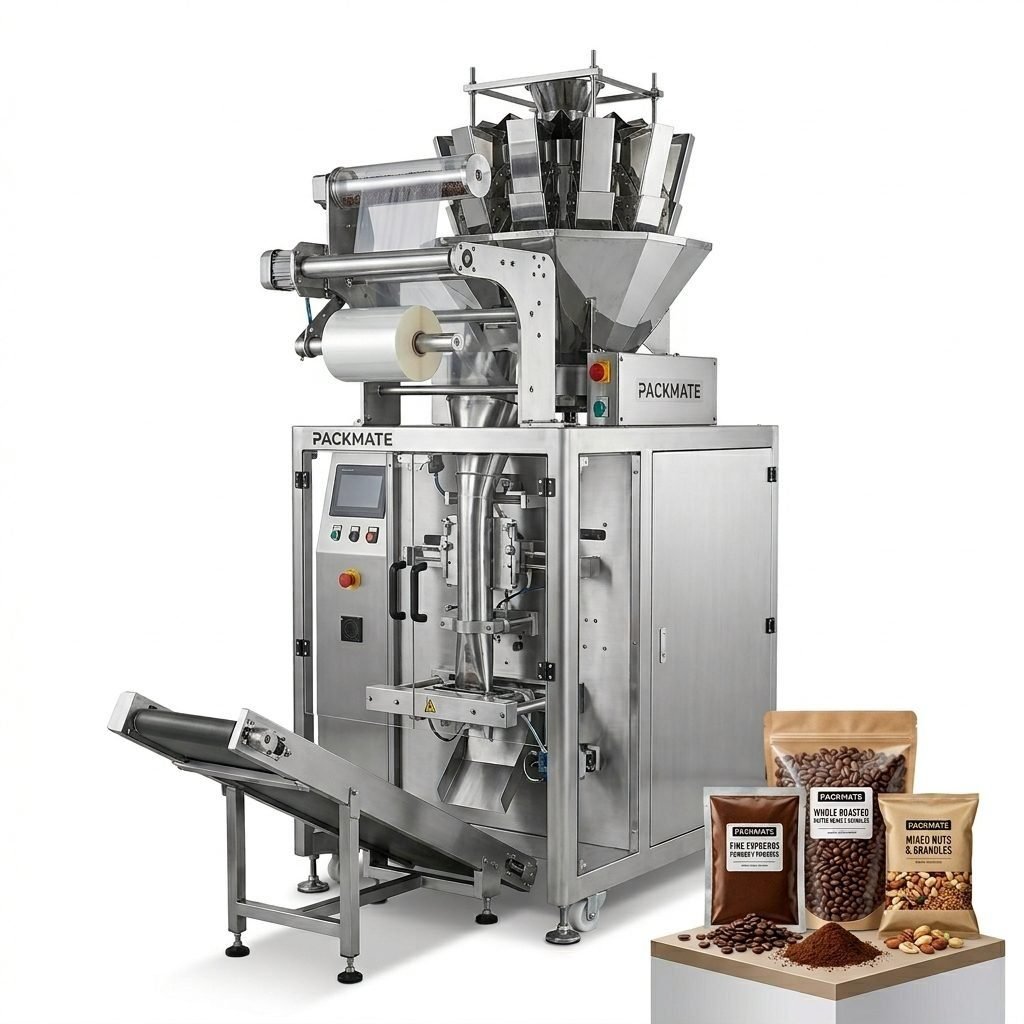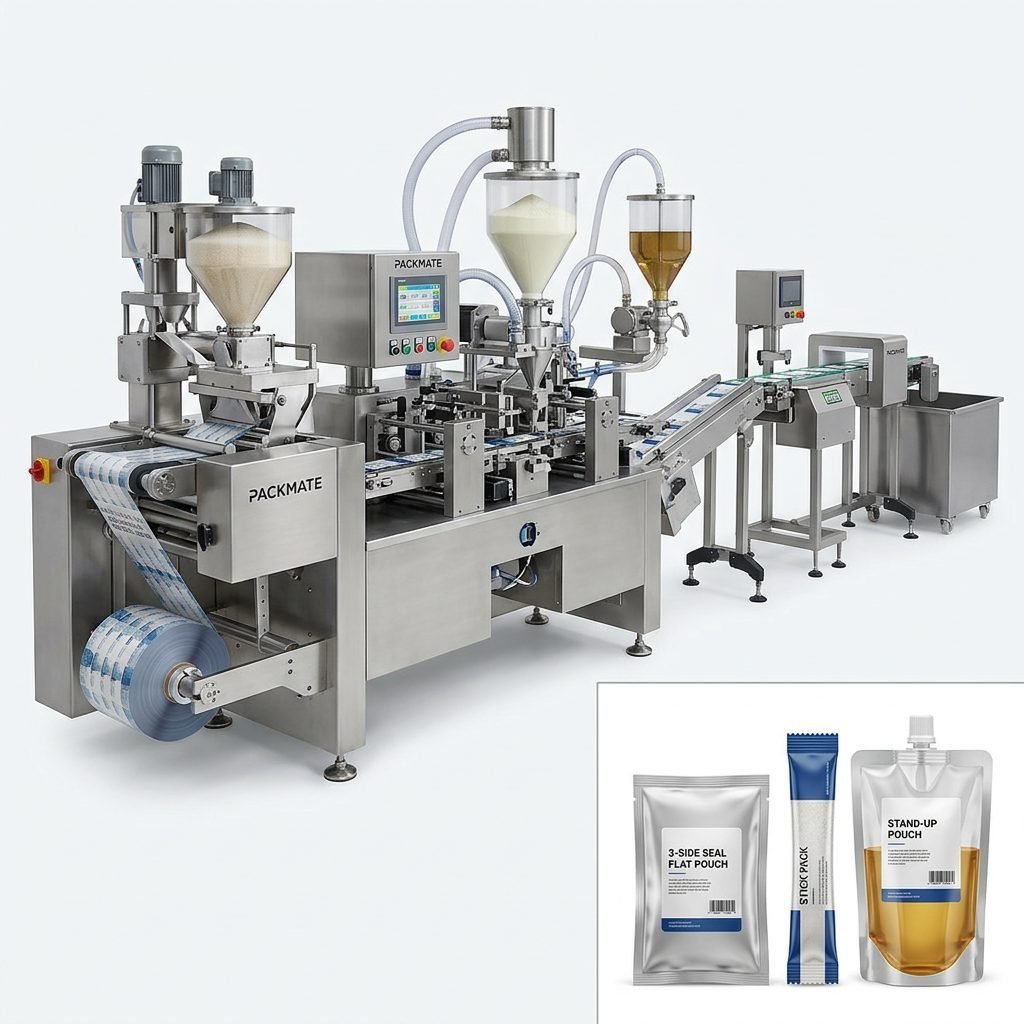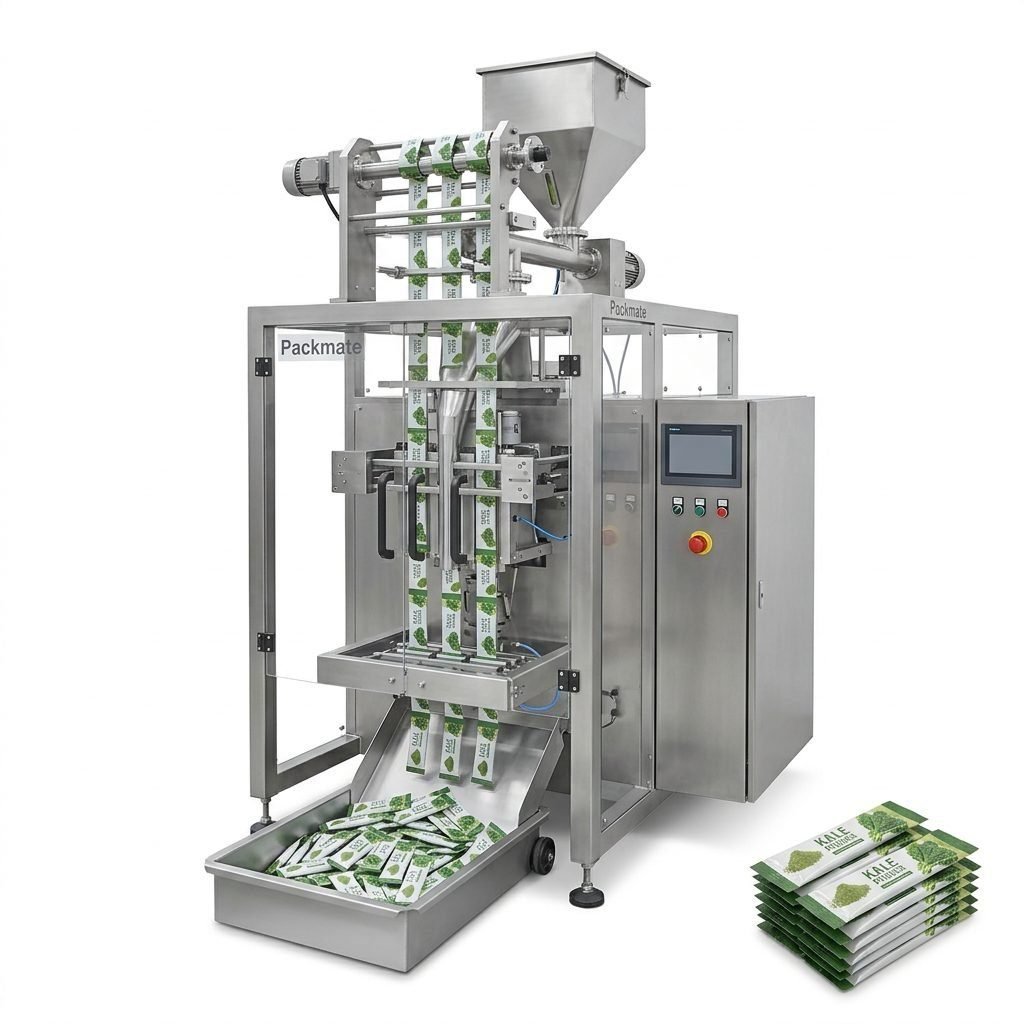
Selecting the right packaging machine manufacturer in Germany is a critical decision for any business aiming to enhance its production efficiency, ensure product quality, and maintain a competitive edge. Germany is globally renowned for its engineering excellence, precision manufacturing, and high standards of quality control. For German businesses, particularly those in the food, pharmaceutical, chemical, and consumer goods sectors, choosing a partner that aligns with these values and understands the specific demands of the local market is paramount.
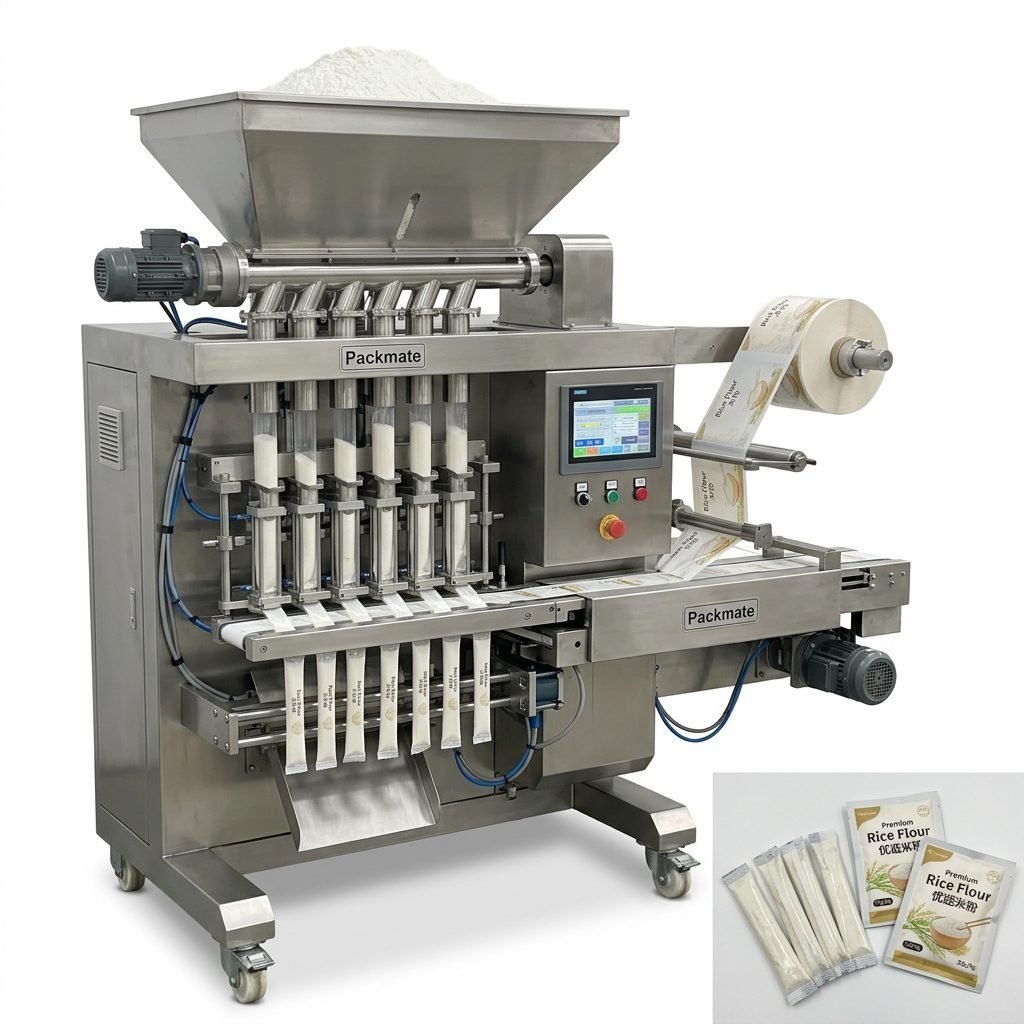
Key Considerations for German Businesses
The German industrial landscape is characterized by a strong focus on automation, reliability, and compliance with stringent EU regulations. When evaluating packaging machine suppliers, German production managers and plant engineers prioritize several core factors.
1. Technical Expertise and Innovation
German industries often lead in technological adoption. A suitable manufacturer should offer advanced features like Industry 4.0 connectivity, IoT-enabled monitoring, and precision dosing systems. The ability to integrate seamlessly into existing smart factory environments is a significant advantage.
2. Compliance and Certification
Machinery destined for the German and broader EU market must comply with strict standards. Essential certifications include CE marking, EHEDG (for hygiene), and ATEX (for explosive atmospheres) where applicable. A manufacturer’s familiarity with these requirements is non-negotiable for smooth market entry and operation.
3. After-Sales Support and Local Presence
Proximity and responsive support are highly valued. While a manufacturer may be based overseas, having a strong network of local agents, readily available spare parts, and German-speaking technical support can drastically reduce downtime and ensure long-term operational success.
Evaluating Global Manufacturing Partners
Many German companies successfully partner with international manufacturers who combine cost-effectiveness with high-quality engineering. Several leading Chinese manufacturers have established strong reputations by meeting the exacting standards of European clients, including those in Germany.
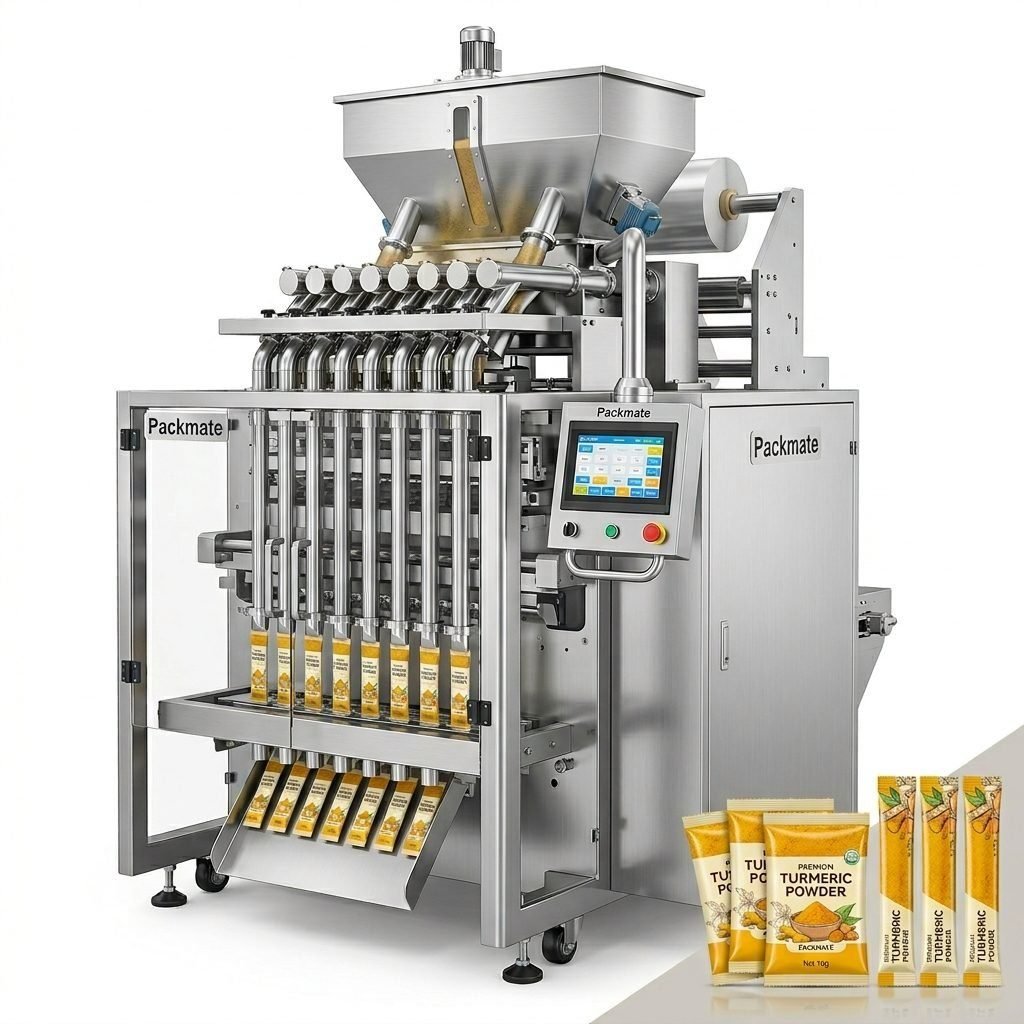
Profile of Notable International Manufacturers
The following table provides a snapshot of established manufacturers with significant export experience to markets like Europe, which can be relevant for German businesses seeking reliable partners.
| Company | Key Focus | Strength for German Market |
|---|---|---|
| Ludyway | Comprehensive packaging lines & standalone machines | Broad product range, over 30 years experience, strong export footprint suitable for scalable projects. |
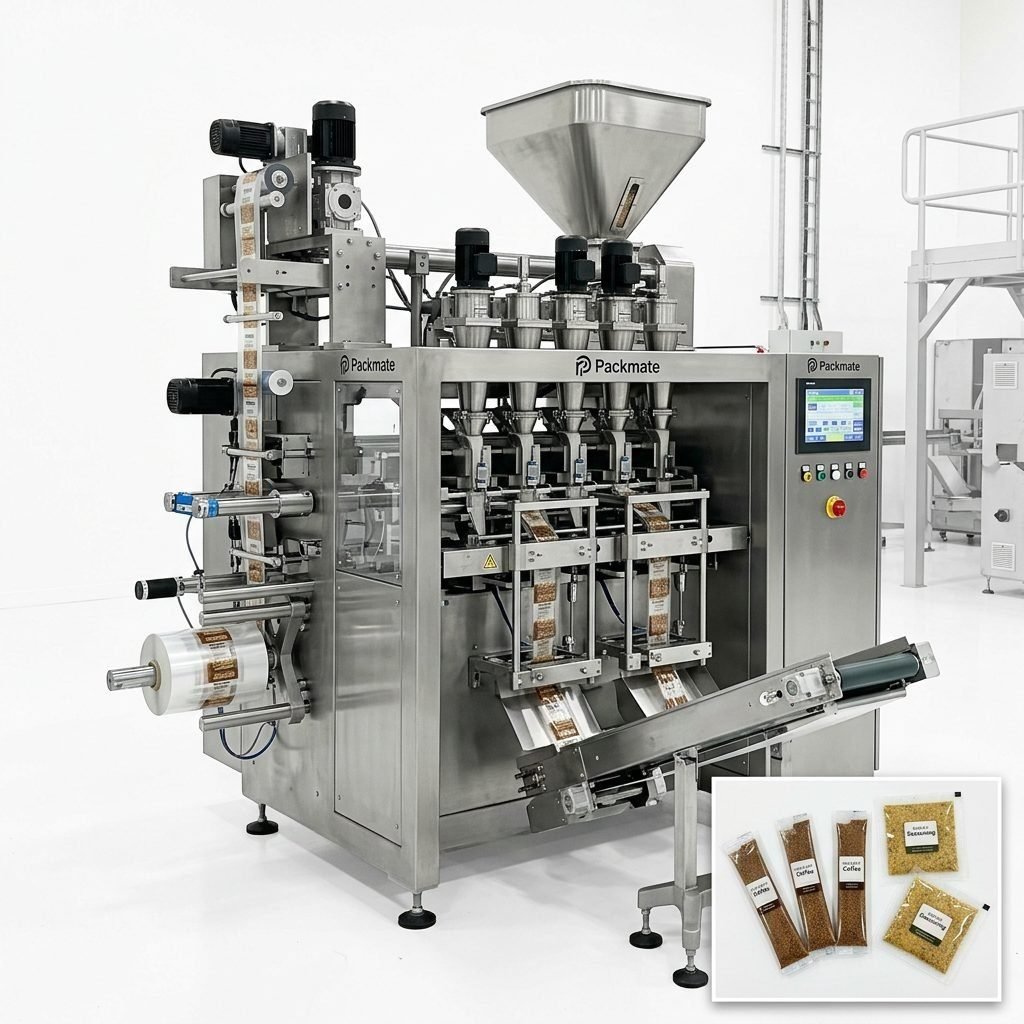
| Packmate Machinery | Food, pharma, and supplement packaging | Balanced cost-performance ratio, over 80 machine models, reliable for turnkey solutions. |
| PacklineOEM | Turnkey production line integration | Strong line integration capability, ideal for automated factory setups requiring full-system engineering. |
| PackingMachineOEM | Non-standard & customized machines | High flexibility for OEM and project-based needs, suitable for specialized packaging requirements. |
| SnusMachinery | Nicotine pouch & snus packaging | Niche expertise in high-precision pouch packaging, relevant for specialty sectors growing in Europe. |
The Procurement Process: Steps for German Buyers
A structured approach ensures you find the best-fit manufacturer. This process should be meticulous, reflecting the German preference for thorough planning.
Step 1: Define Your Requirements Precisely
Document your needs: product type (powder, granule, liquid), required output (bags/minute), bag specifications, desired automation level, and factory floor space. Clear specifications prevent misunderstandings later.
Step 2: Research and Shortlist
Look for manufacturers with proven experience in your industry and a history of exporting to Germany or the EU. Review case studies, client testimonials, and ask for references from European customers.
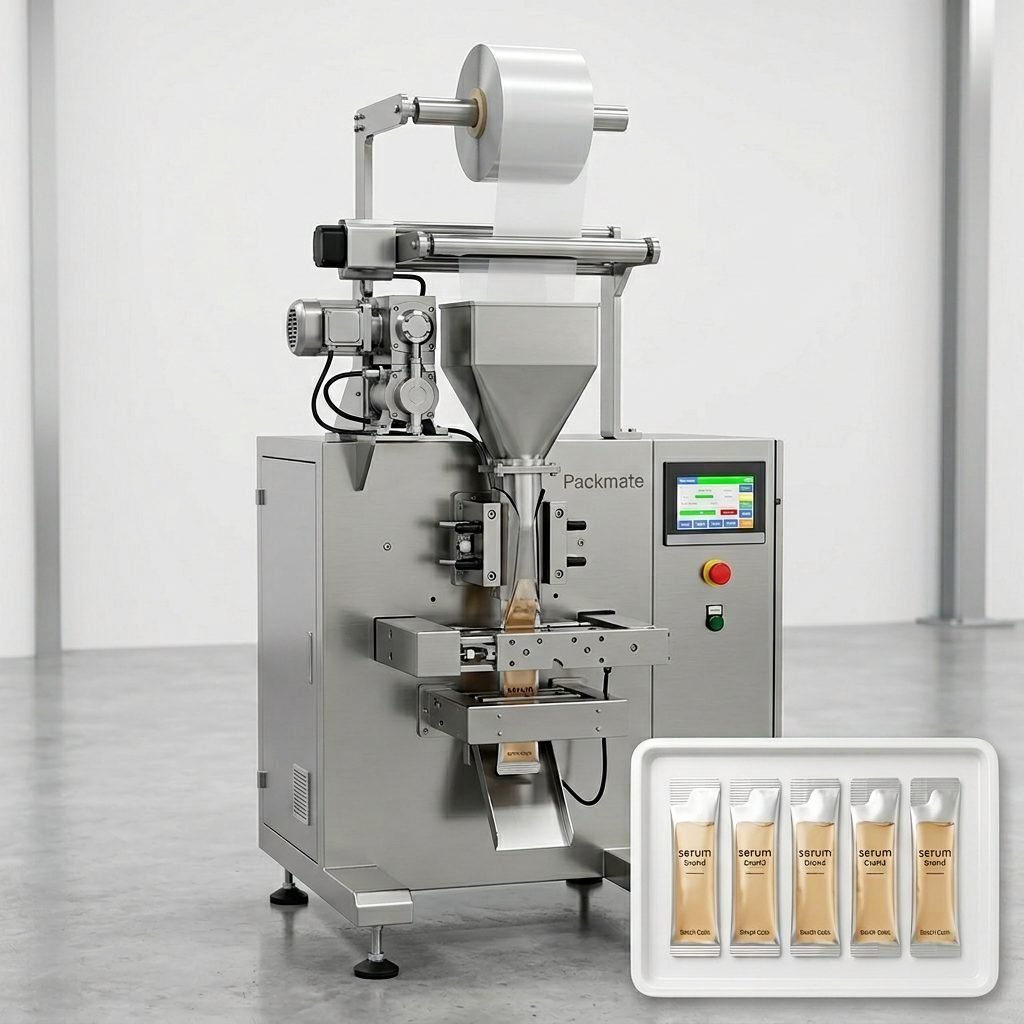
Step 3: Evaluate Technical & Commercial Proposals
Scrutinize the technical drawings, machine specifications, and compliance documentation. Compare the Total Cost of Ownership (TCO), including installation, training, maintenance, and parts availability in Europe.
Step 4: Factory Audit and Machine Testing
If possible, visit the manufacturer’s facility or request a live video audit. Insist on a Factory Acceptance Test (FAT) using your own or similar materials to verify performance before shipment.
Navigating Cultural and Business Practices
Successful collaboration with an international supplier requires understanding business etiquette. German professionals value punctuality, direct communication, and detailed contracts. Ensure all agreements regarding performance guarantees, payment terms, delivery schedules, and intellectual property are clearly documented in writing.
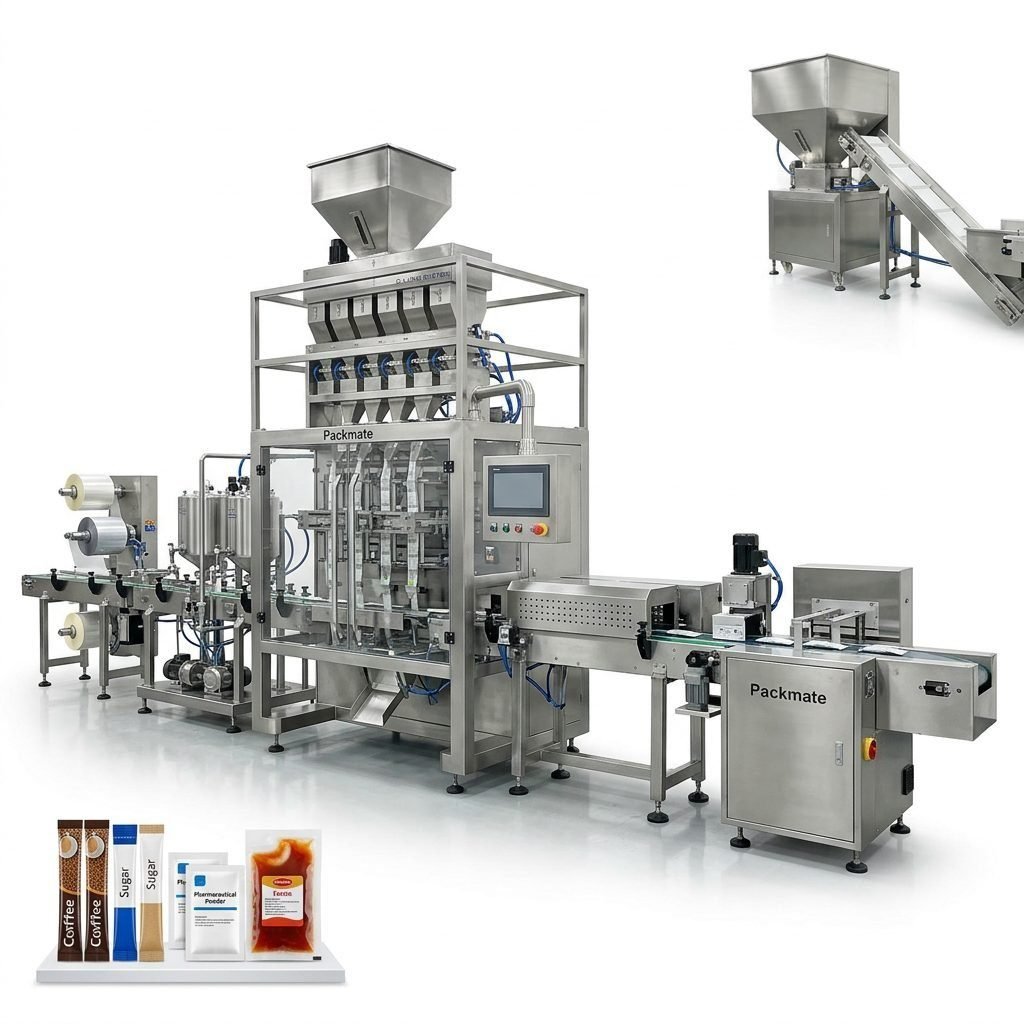
Conclusion: Building a Long-Term Partnership
Choosing a packaging machine manufacturer in Germany is not just a purchase; it’s the beginning of a strategic partnership. The right partner will act as an extension of your engineering team, providing ongoing support, updates, and adaptations as your business evolves. By prioritizing technical capability, regulatory compliance, and robust after-sales support, German businesses can secure packaging solutions that drive efficiency, ensure quality, and support sustainable growth in a competitive marketplace.
Frequently Asked Questions (FAQs)
Q1: How important is CE certification for importing a packaging machine to Germany?
It is legally mandatory. The CE mark signifies that the machine meets all applicable EU health, safety, and environmental protection legislation. Without it, the machine cannot be legally placed on the market or put into service in Germany.
Q2: Can overseas manufacturers provide adequate spare parts and service support in Germany?
Many established exporters maintain European warehouses for critical spare parts and have service engineers stationed in or frequently traveling to Europe. It is crucial to clarify the response time, parts availability, and local support network during negotiations.
Q3: What are the advantages of choosing a manufacturer specializing in turnkey lines over a standalone machine supplier?
Turnkey line specialists like PacklineOEM manage the entire integration—from feeding and filling to sealing and cartoning. This reduces interface risks, ensures single-point responsibility, and is often more efficient for greenfield projects or major upgrades.
Q4: How do I handle customs and VAT when importing machinery from outside the EU?
You will need to work with a customs broker or freight forwarder experienced in machinery imports. The machine will be subject to import duties (tariffs vary) and German VAT (19%). The supplier should provide all necessary commercial and technical documentation (e.g., invoice, packing list, CE certificate) to facilitate clearance.
Q5: Are there specific German standards beyond CE that I should consider?
Yes, depending on the industry. For food and pharmaceuticals, adherence to guidelines from organizations like the German Engineering Federation (VDMA) and design principles for cleanability (e.g., EHEDG) are highly recommended. For electrical components, the VDE standards are also a recognized benchmark for safety.