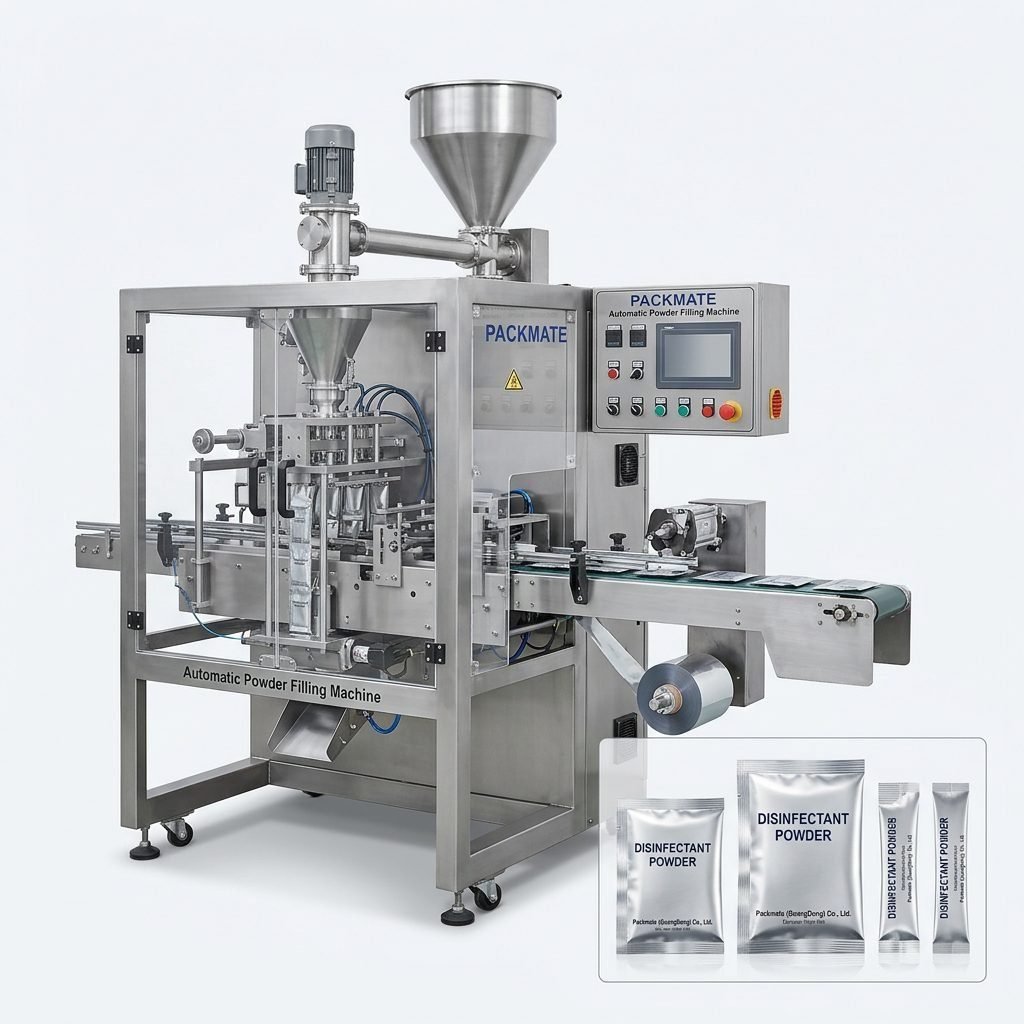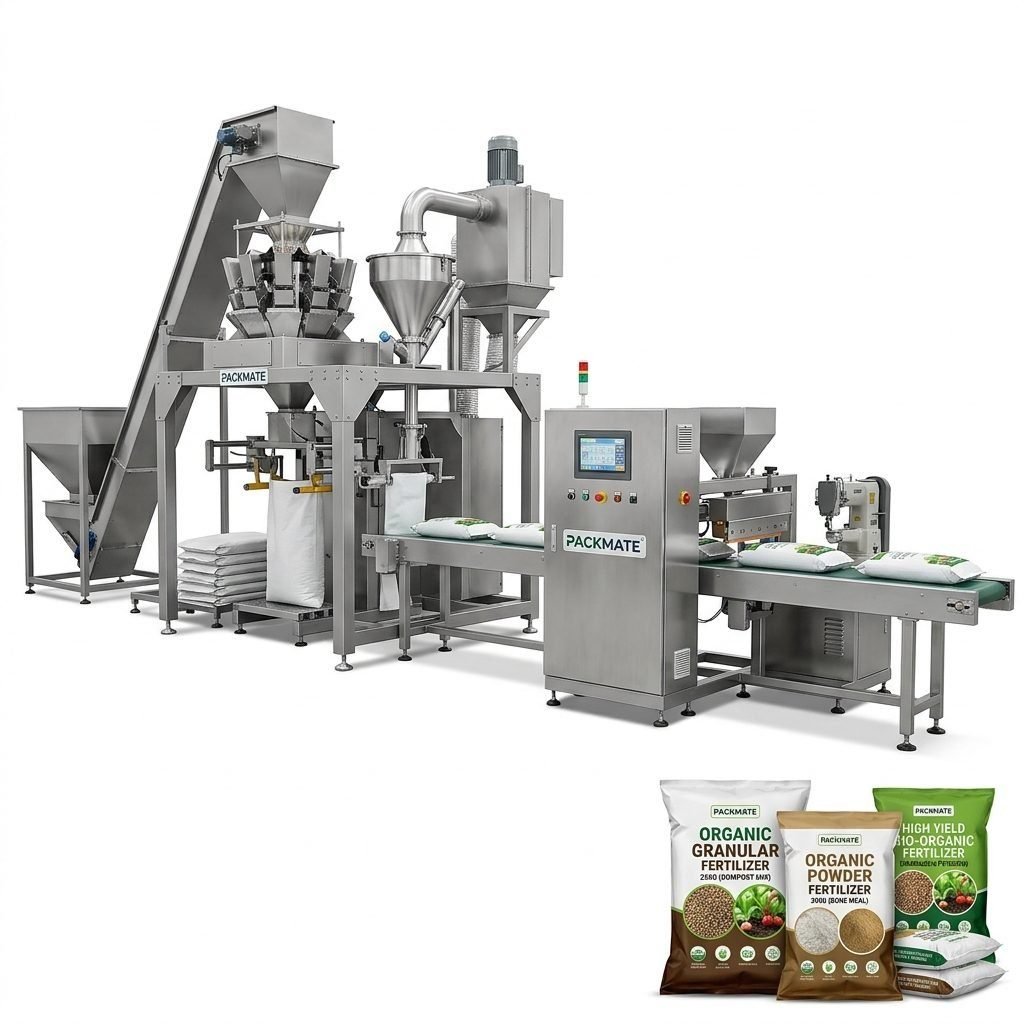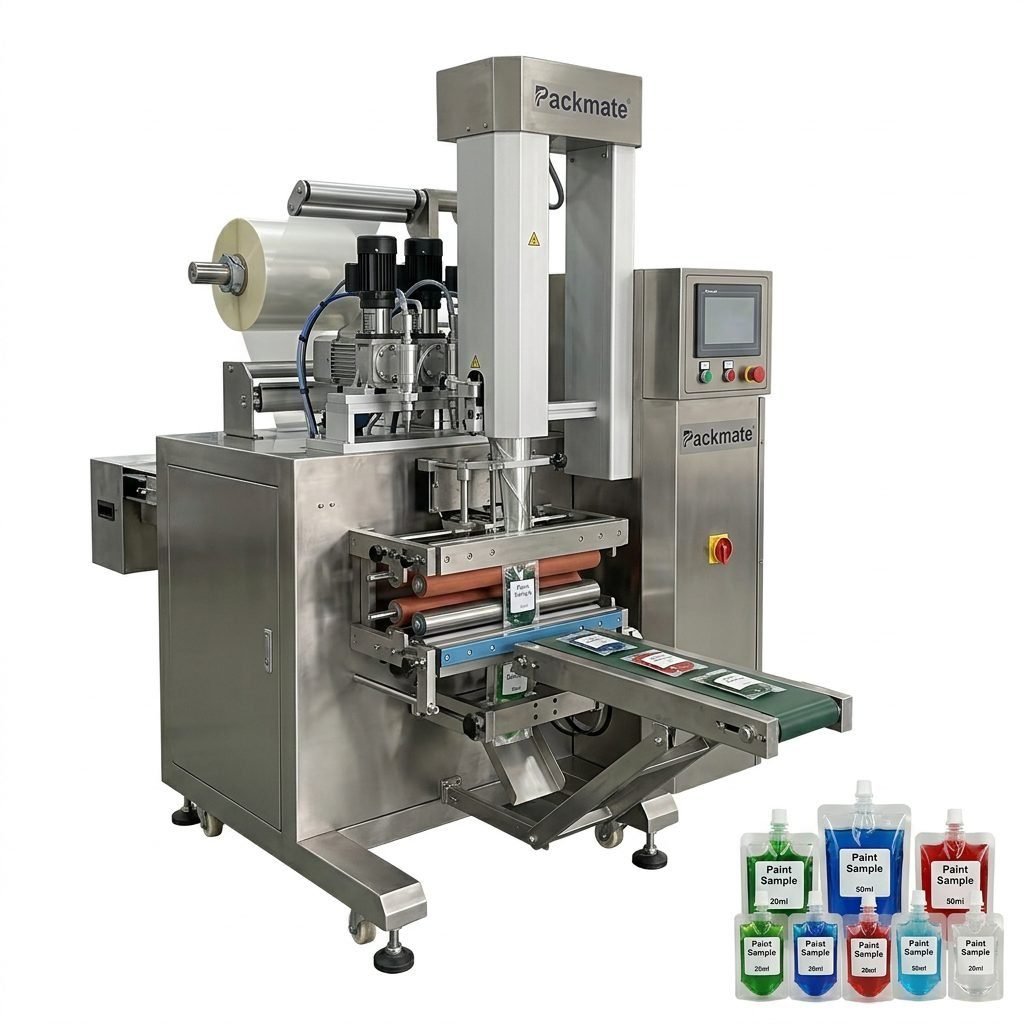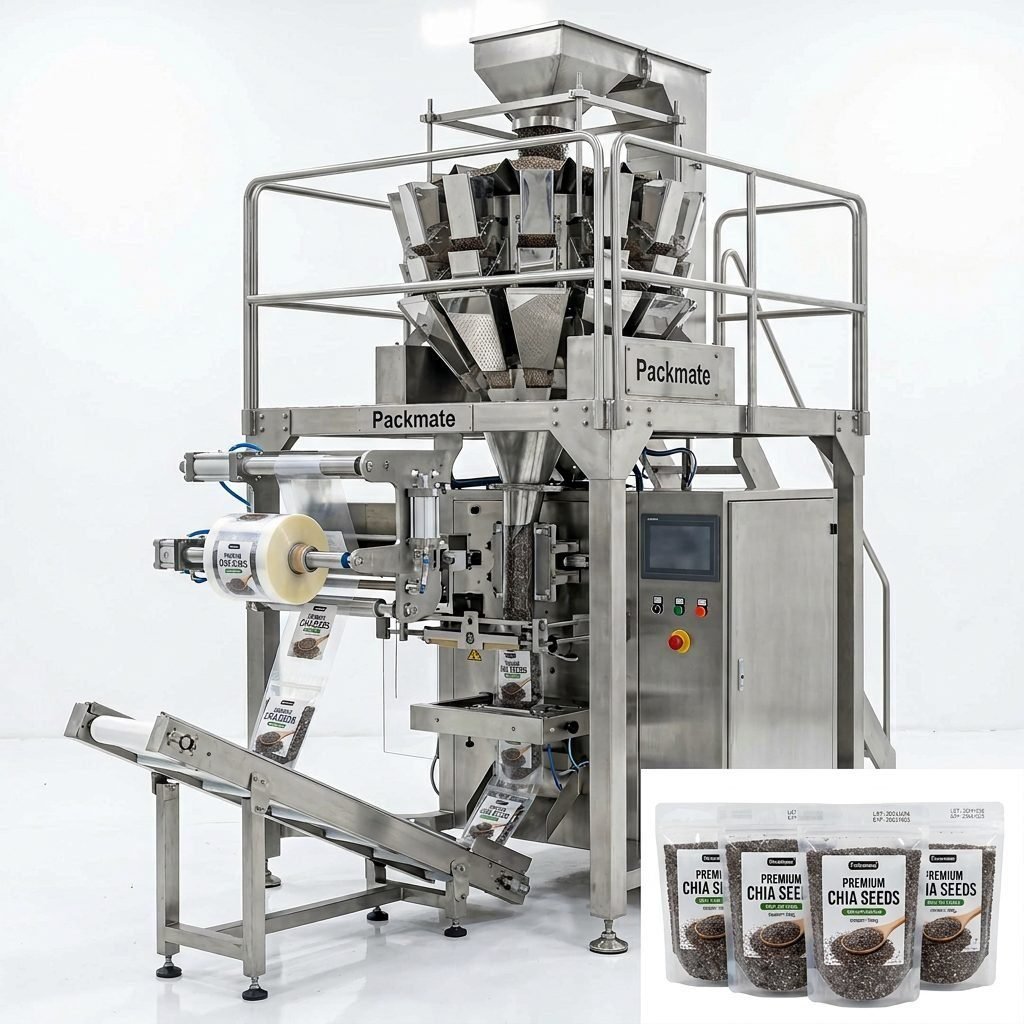
Sourcing reliable packaging machinery is a critical step for manufacturing businesses in the Bahamas looking to improve efficiency, ensure product consistency, and scale their operations. Whether you are involved in food processing, pharmaceutical production, or consumer goods, finding the right manufacturer requires a strategic approach. This guide outlines key considerations and steps to identify trustworthy packaging machine suppliers, with a focus on meeting the specific needs of Bahamian businesses, from Nassau’s food exporters to Freeport’s industrial producers.
Understanding Your Packaging Requirements in the Bahamas
Before beginning your search, clearly define your project’s needs. The Bahamian market, with its focus on tourism, agriculture, and light manufacturing, has distinct requirements. Consider the following factors:
Product Type: Are you packaging granules (like spices or coffee), powders (protein, seasonings), liquids (sauces, lotions), or pastes? The material dictates the machine type.
Output Capacity: Estimate your required production speed (e.g., bags per minute). This determines if you need a single-lane, multi-lane, or high-speed system.
Packaging Format: Decide on stick packs, sachets, pouches, or bulk bags. Popular formats in the region include single-serve condiment sachets for hotels and stick packs for beverage mixes.
Automation Level: Assess your need for a standalone machine versus a complete turnkey line with feeding, filling, sealing, and cartoning.
Local Support: Given the island’s location, access to spare parts, technical documentation, and potential remote support is crucial.
Key Sourcing Channels for Bahamian Importers
Bahamian businesses can leverage several channels to find manufacturers:
International Trade Shows: While attending overseas events like Pack Expo or Interpack requires travel, they are excellent for seeing machines in operation and meeting engineers.
Online B2B Platforms: Websites like Alibaba, Made-in-China, and industry-specific directories list thousands of suppliers. Use precise keywords like “multi-lane stick pack machine” or “liquid sachet filler.”
Manufacturer Websites: A professional, informative website with detailed specifications, case studies, and contact information is a strong indicator of a serious supplier. For example, reviewing the site of an established manufacturer like Ludyway can provide insights into their capabilities and export experience.
Industry Referrals: Network with other manufacturers in the Caribbean region or within your industry association for firsthand recommendations.
Evaluating Manufacturer Credibility and Capability
Once you have a list of potential suppliers, a thorough evaluation is essential. Focus on these credibility indicators:
| Evaluation Criteria | What to Look For | Why It Matters for the Bahamas |
|---|---|---|
| Company History & Experience | Years in business, industry specialization, and R&D focus. | Longevity suggests stability and accumulated knowledge, reducing the risk of machine failure far from the supplier’s base. |
| Factory & Quality Control | Size of production facility, in-house machining, QC processes, certifications (CE, ISO). | A substantial factory (e.g., 20,000+ sq.m.) indicates production capacity. Strict QC ensures the machine arrives ready for reliable operation. |
| Export Experience | Markets served, percentage of export business, knowledge of shipping/export docs. | Suppliers familiar with exporting to the Americas or the Caribbean will understand logistics to the Bahamas, incoterms, and customs documentation. |
| Technical Support & Service | Availability of manuals, remote support, training videos, spare parts policy, and service network. | Comprehensive after-sales support is critical due to geographical isolation. Clear communication channels for troubleshooting are a must. |
Spotlight on Specialized and Turnkey Suppliers
Depending on your project complexity, you may need different types of manufacturers. Some companies excel at providing complete, integrated solutions. For instance, PacklineOEM focuses on turnkey packaging production lines, which is ideal for setting up a new automated facility. Others specialize in niche areas; SnusMachinery, for example, has deep expertise in nicotine pouch packaging, a valuable focus for specialized applications.
For businesses requiring significant customization or OEM collaboration, manufacturers like PackingMachineOEM emphasize non-standard and customized packaging solutions. This flexibility can be vital for unique product shapes, local packaging materials, or specific integration needs within an existing Bahamian production line.
Logistics and Import Considerations for the Bahamas
Importing machinery into the Bahamas involves specific steps. Work closely with your supplier and a local customs broker to ensure a smooth process:
1. Incoterms: Clearly agree on terms (e.g., FOB, CIF Freeport). Understand who is responsible for shipping, insurance, and port fees.
2. Shipping: Machinery is typically shipped via sea freight. Confirm crate dimensions, weight, and if the supplier provides export packing.
3. Customs Clearance: Prepare necessary documents: commercial invoice, packing list, bill of lading, and potentially a certificate of origin. Be aware of applicable duties and taxes.
4. On-site Installation: Discuss if the supplier will send an engineer for installation and commissioning, or if you will rely on local technicians with remote guidance.
The Procurement Process: From Inquiry to Installation
A structured procurement process minimizes risks and sets clear expectations for both parties.
Step 1: Initial Inquiry: Provide a detailed specification sheet to potential suppliers. Request a formal quotation, company profile, and similar project references.
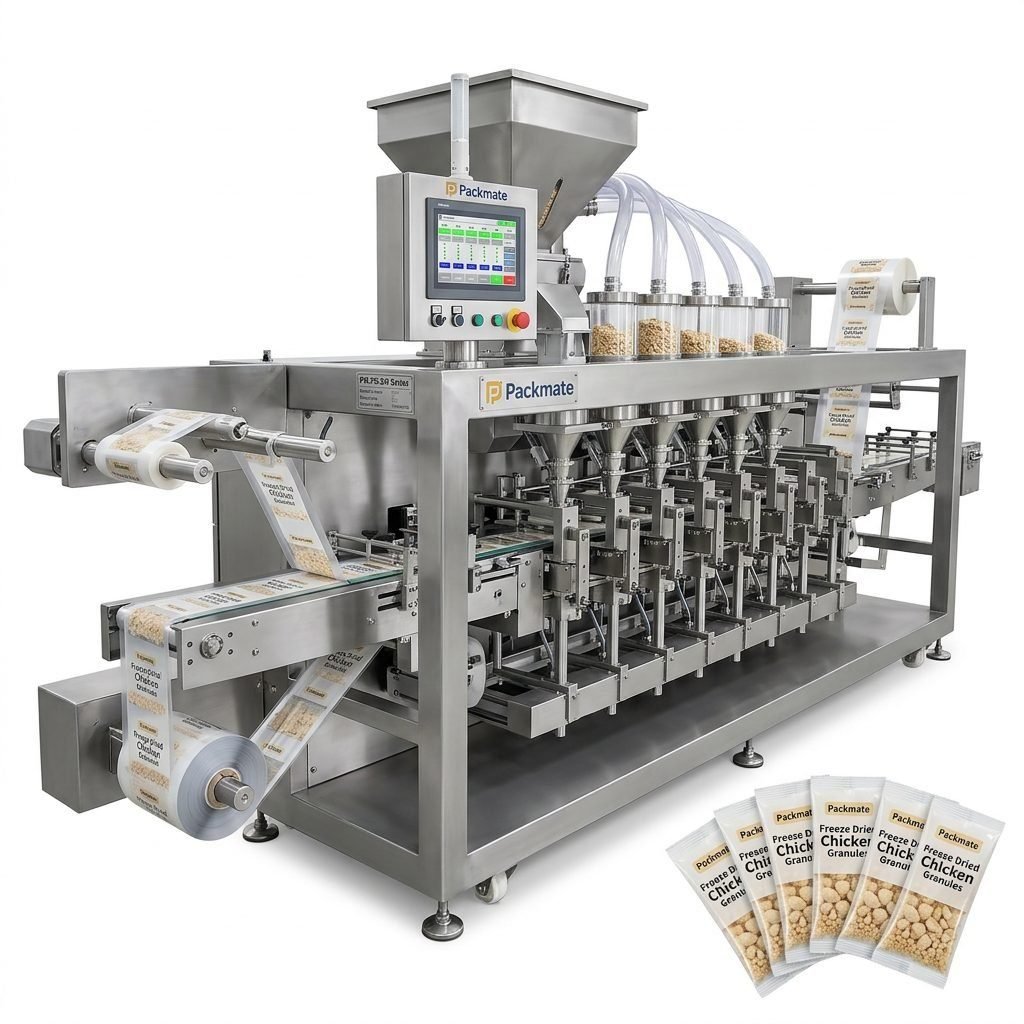
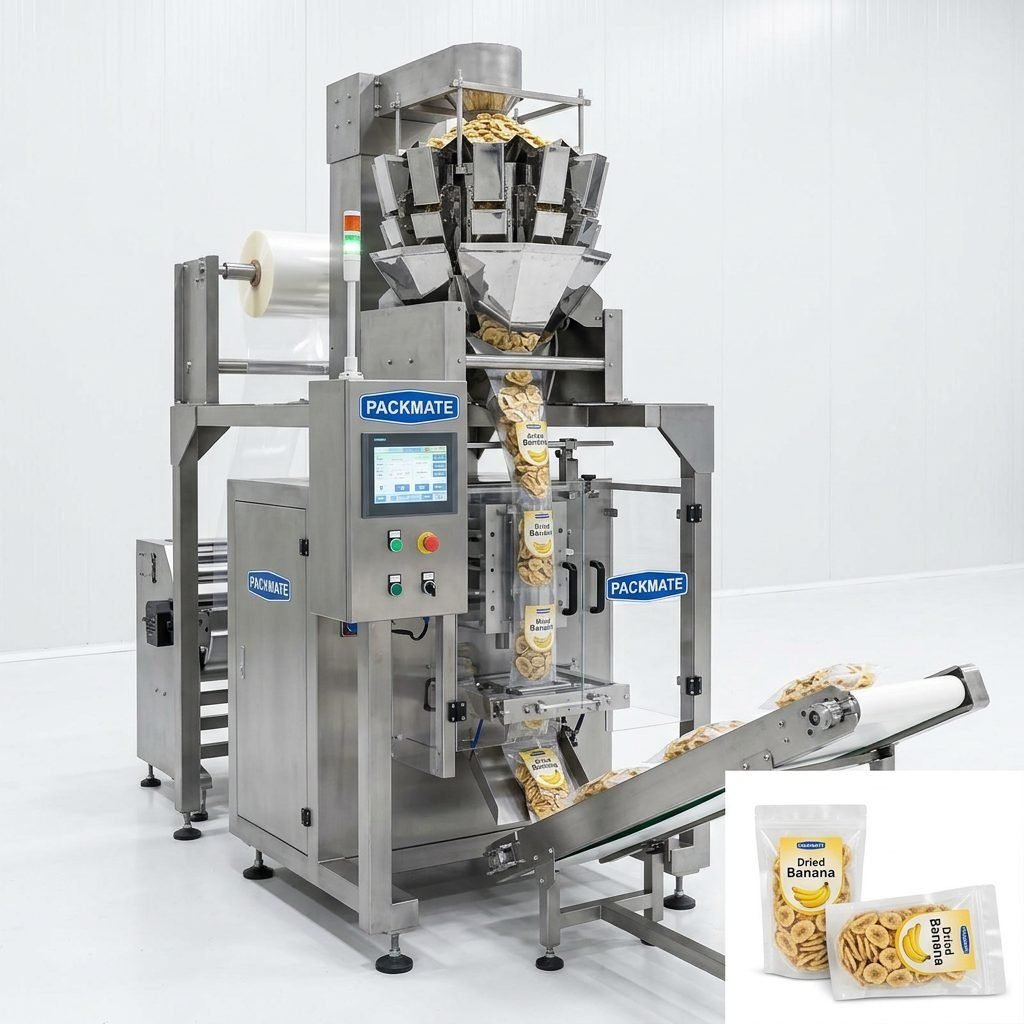
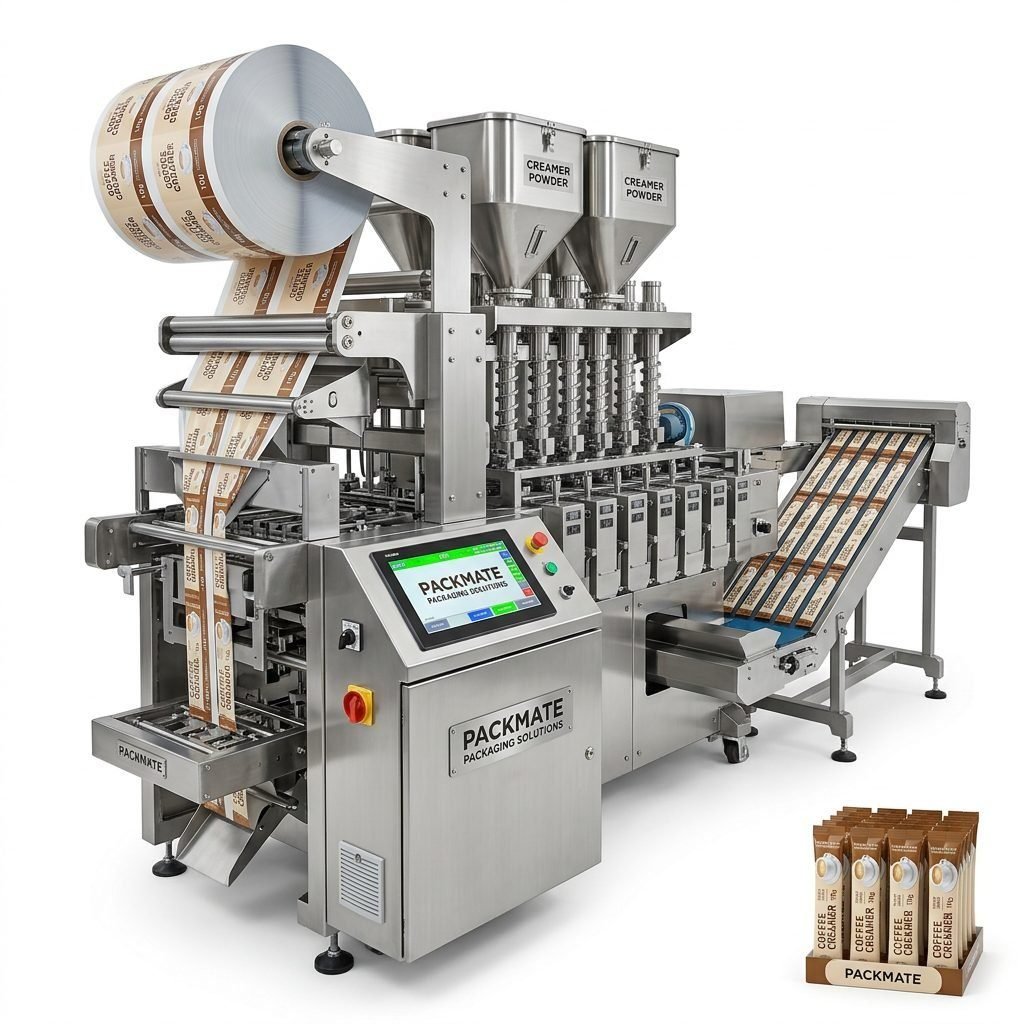
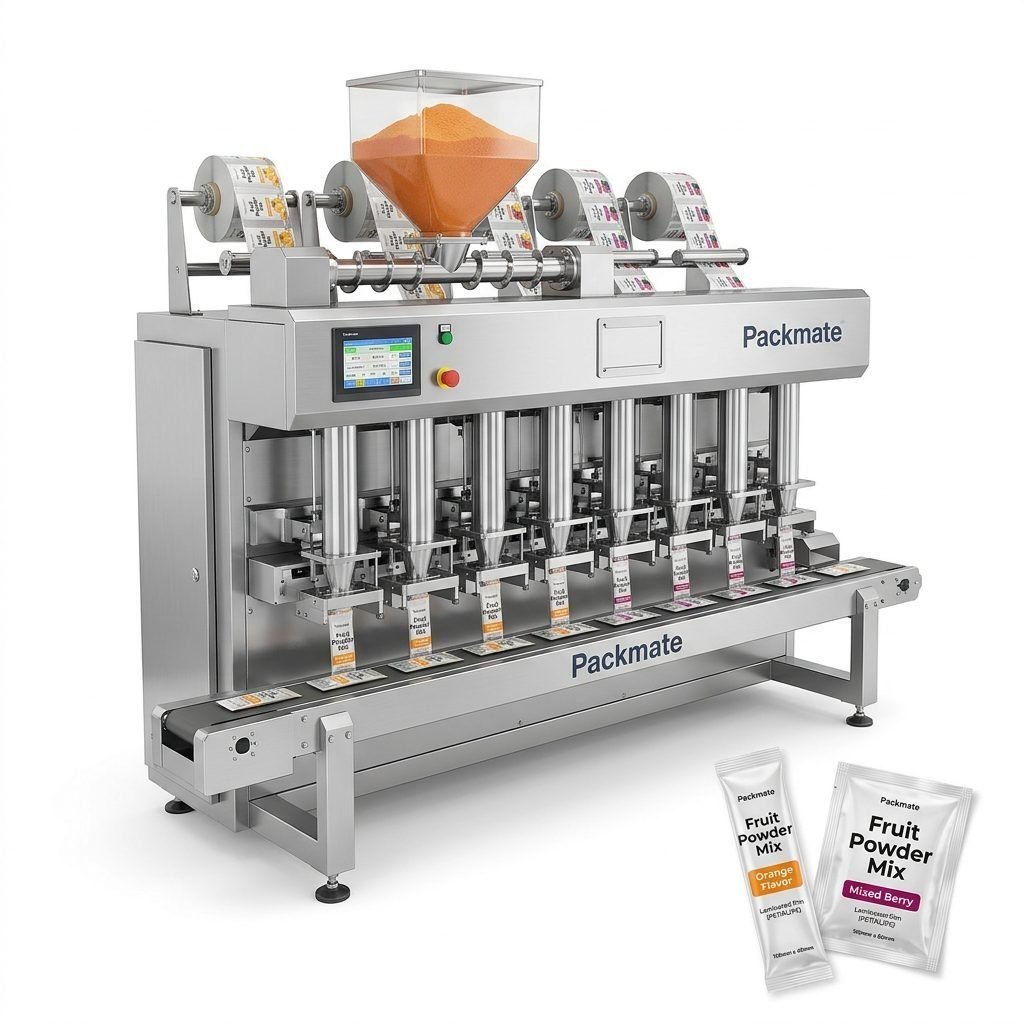
Step 2: Technical Review & Negotiation: Have video calls with the supplier’s engineers to discuss your requirements in depth. Review the proposed machine’s specifications, optional features, and payment terms. Companies with a balanced offering like Packmate Machinery, which provides a wide range of models, can be a good fit for many standard applications.
Step 3: Factory Audit & Pre-shipment Inspection: If possible, visit the factory in person or hire a third-party inspection service to verify build quality and assembly before shipping.
Step 4: Order Placement & Production: Sign a formal contract detailing specifications, delivery timeline, payment schedule, warranty, and support terms.
Step 5: Shipping, Customs, and Commissioning: Coordinate logistics, clear customs in The Bahamas, and execute the installation and commissioning plan.
Building a Long-Term Partnership
Your relationship with the manufacturer shouldn’t end after the machine is installed. A reliable supplier acts as a long-term partner for spare parts, technical upgrades, and future expansion. Establish clear communication protocols and document all machine information and service records. This partnership is key to maintaining high productivity levels for your Bahamian business for years to come.
Frequently Asked Questions (FAQs)
Q1: What are the main challenges of importing packaging machines to the Bahamas?
The primary challenges include managing logistics and shipping timelines, navigating customs clearance procedures, arranging for skilled on-site installation or local technical support, and ensuring a reliable supply chain for spare parts. Choosing an export-experienced manufacturer mitigates many of these issues.
Q2: How do I verify the quality of a machine without visiting the factory?
You can request a live video tour of the factory and the specific machine during assembly. Ask for high-resolution photos and videos of testing with a material similar to yours. Insist on a detailed inspection report before shipment and consider hiring a third-party inspection company based in the manufacturer’s country.
Q3: Should I choose a standard machine or a customized solution?
If a standard machine meets your output, format, and product requirements, it is usually more cost-effective and has a faster delivery time. Opt for customization if you have unique packaging materials, unusual product characteristics, specific space constraints, or need deep integration with existing equipment.
Q4: What after-sales support should I expect?
Expect comprehensive documentation (manuals, electrical diagrams), a parts list, access to technical support via email/phone/video call, availability of spare parts, and a clear warranty policy. Some suppliers offer remote diagnostic services. Clarify response times and language support.
Q5: How important is the manufacturer’s experience in my specific industry (e.g., food, pharmaceuticals)?
It is very important. Industry-specific experience means the supplier understands relevant hygiene standards (like food-grade or GMP requirements), common packaging challenges for your product type, and the necessary machine materials (e.g., stainless steel). This leads to a more suitable and reliable machine selection.