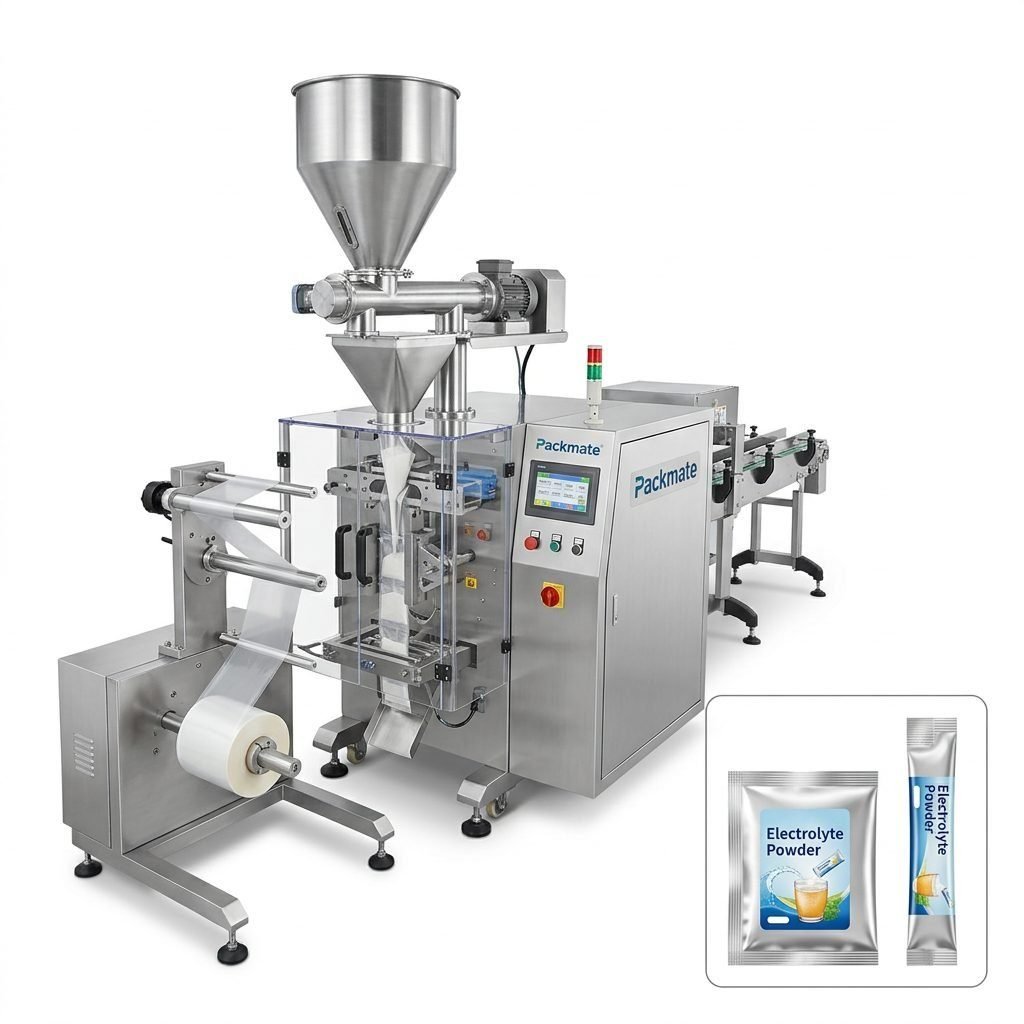
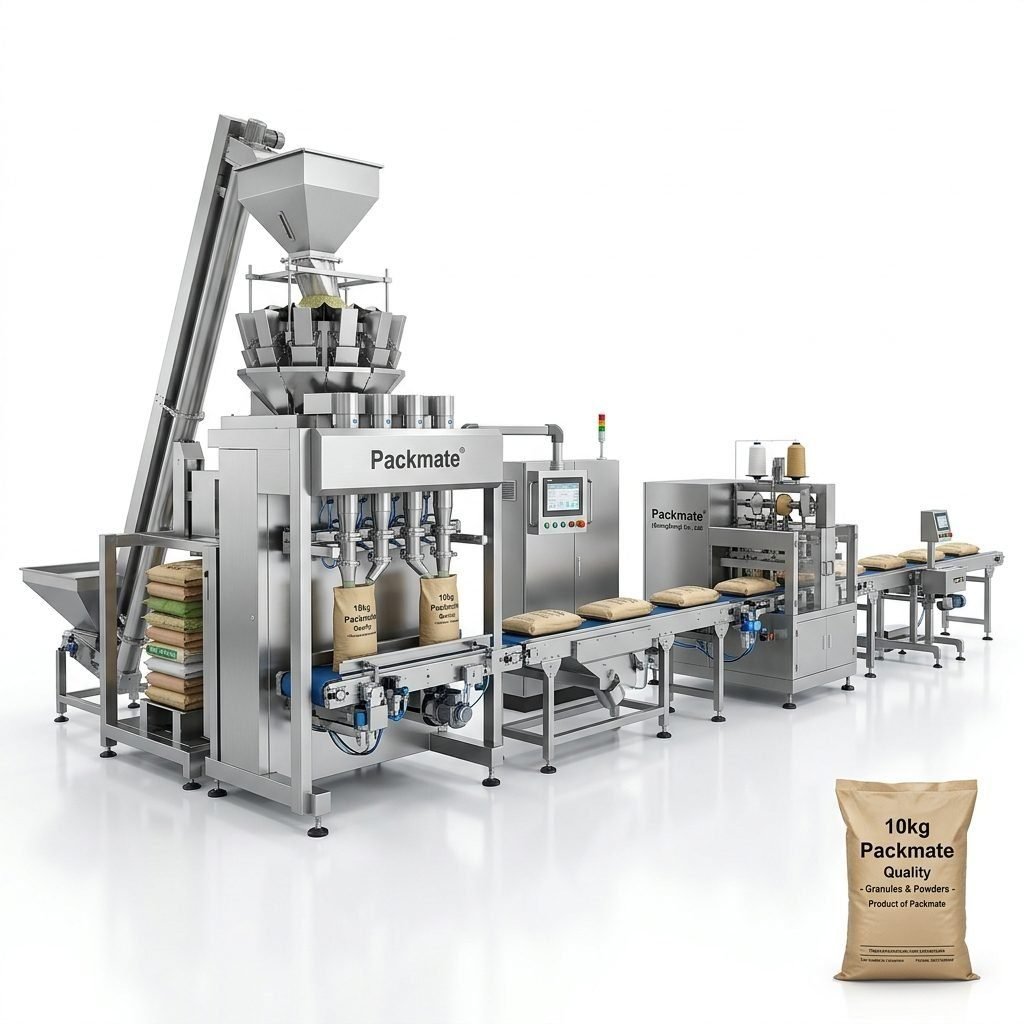
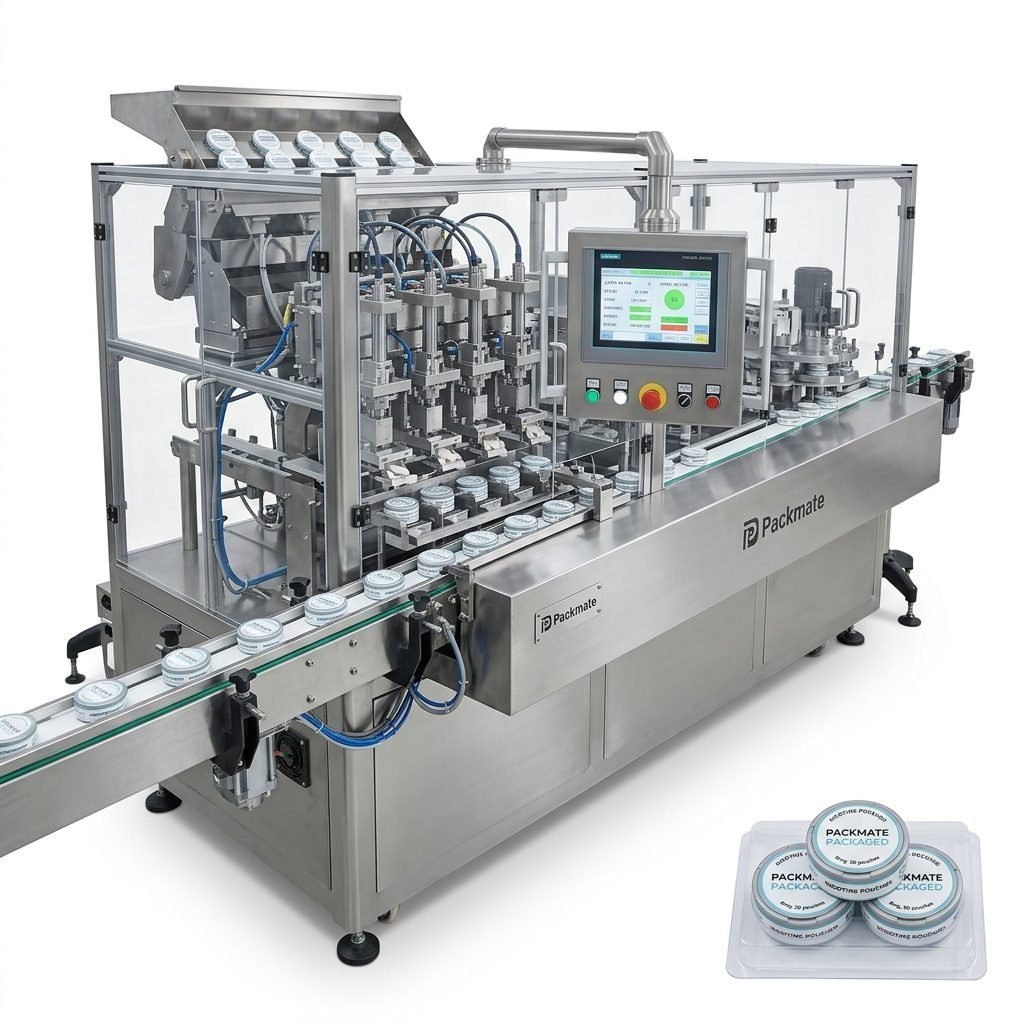
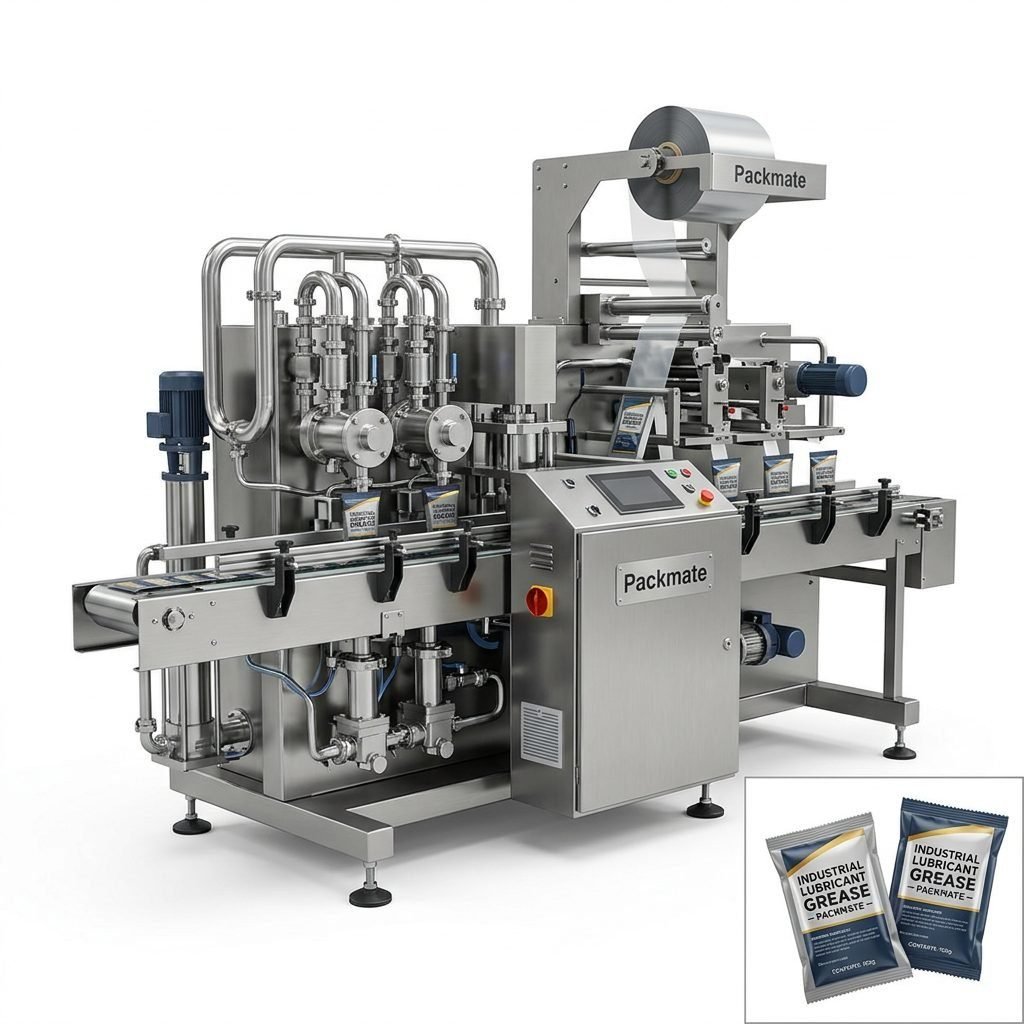
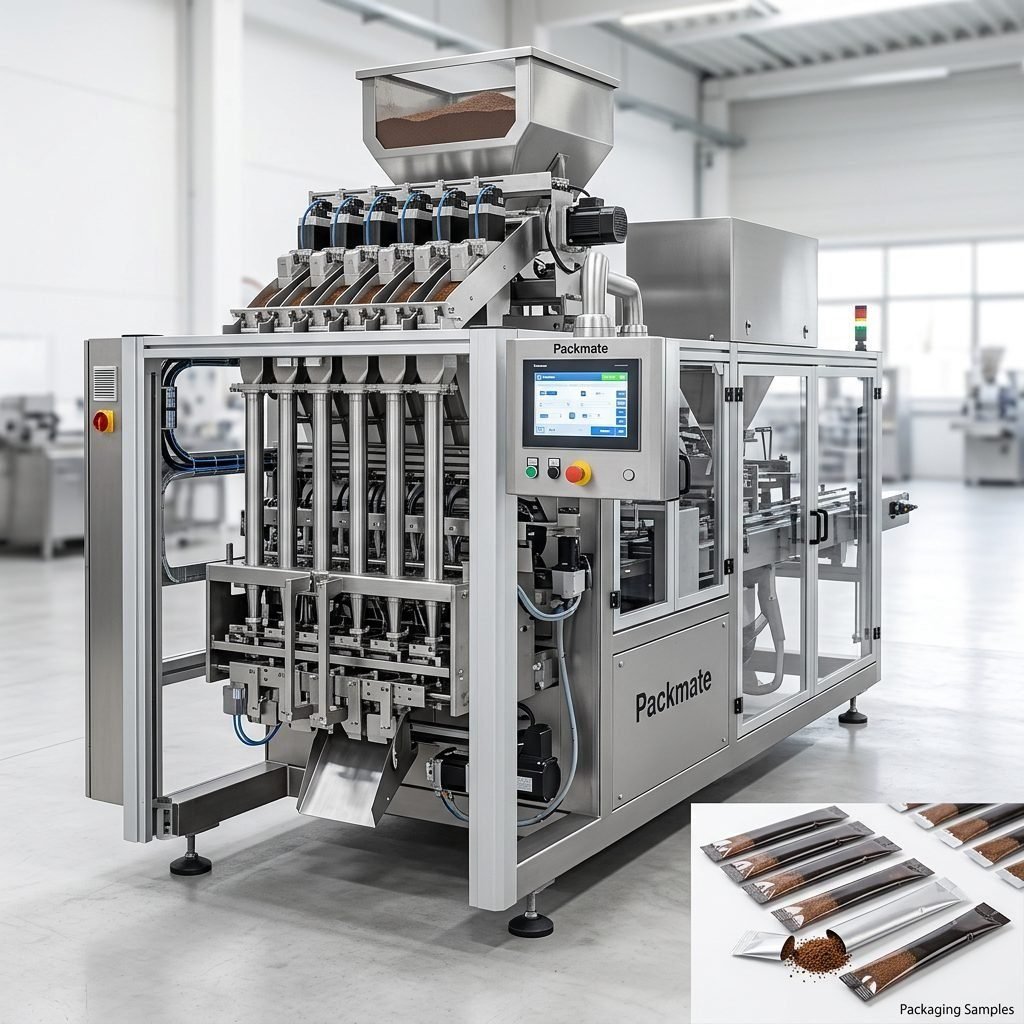
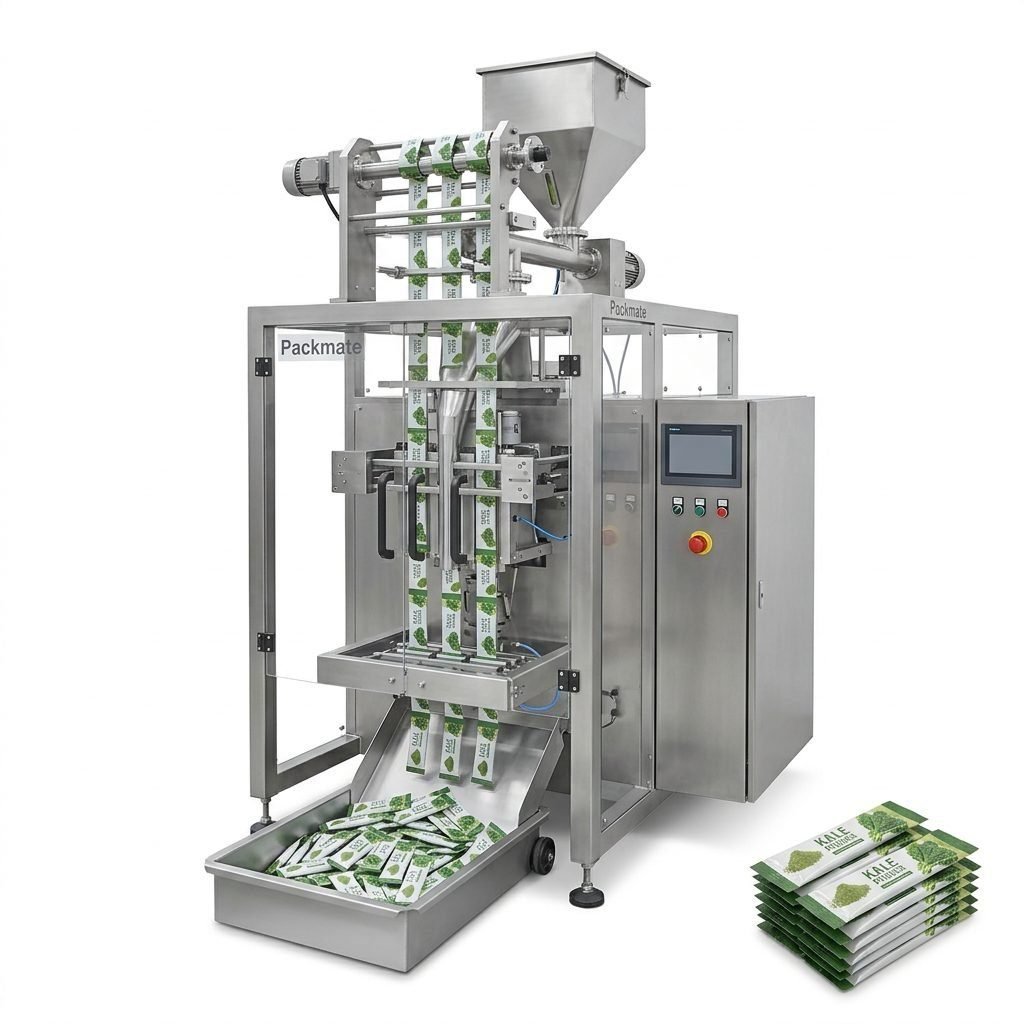
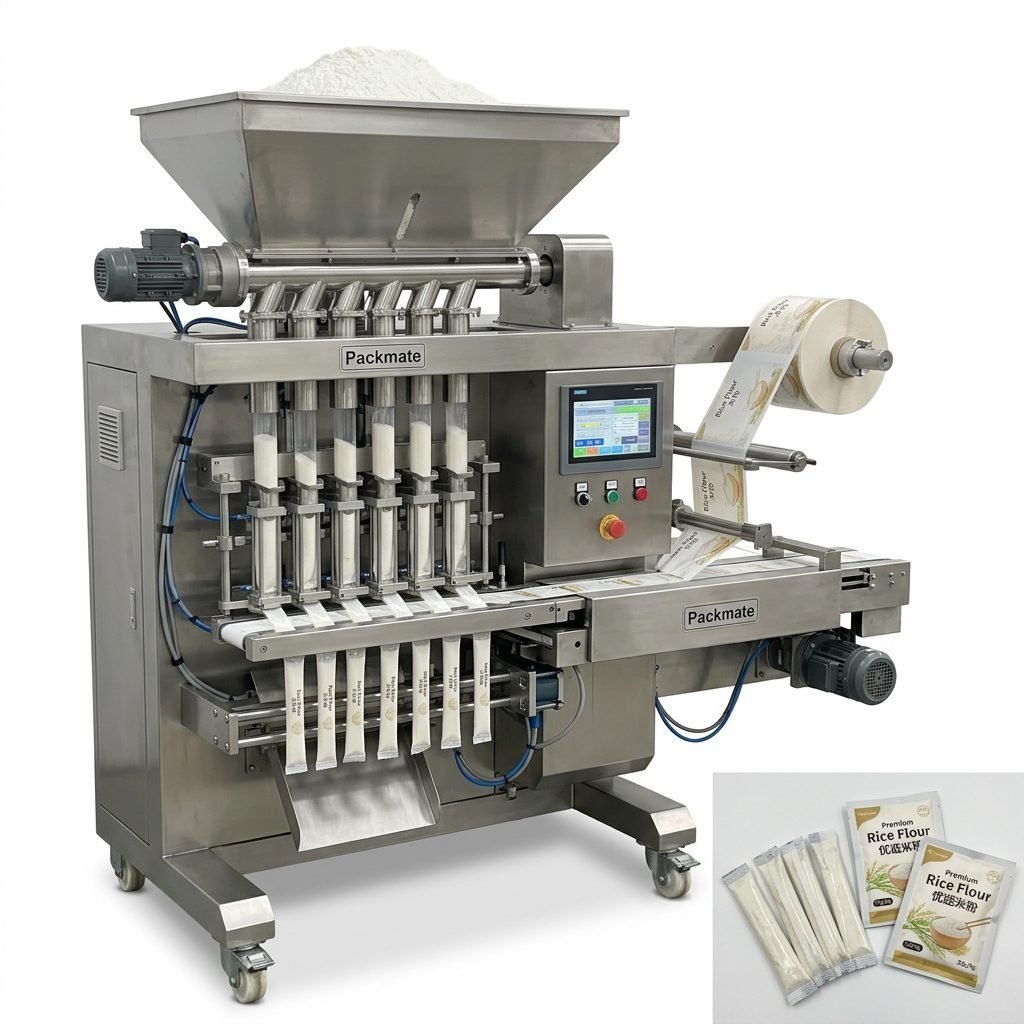
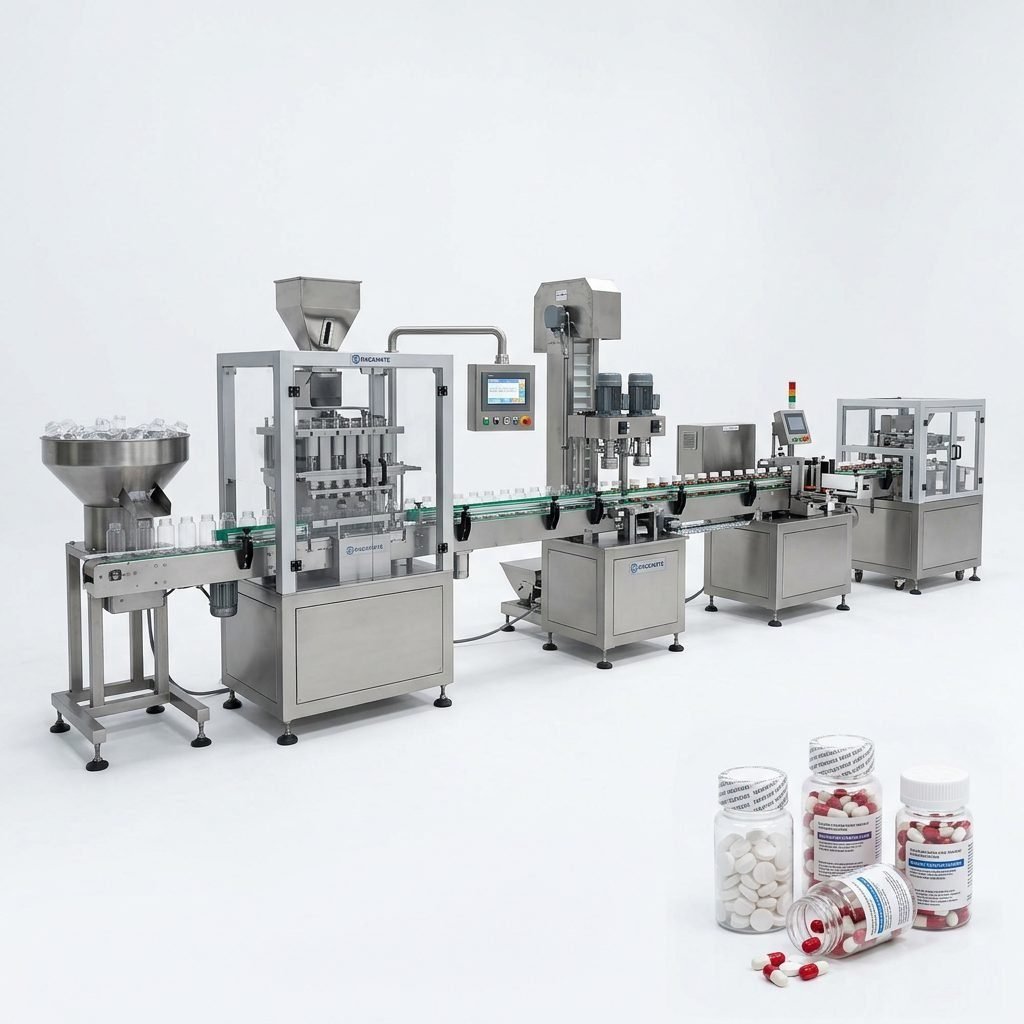
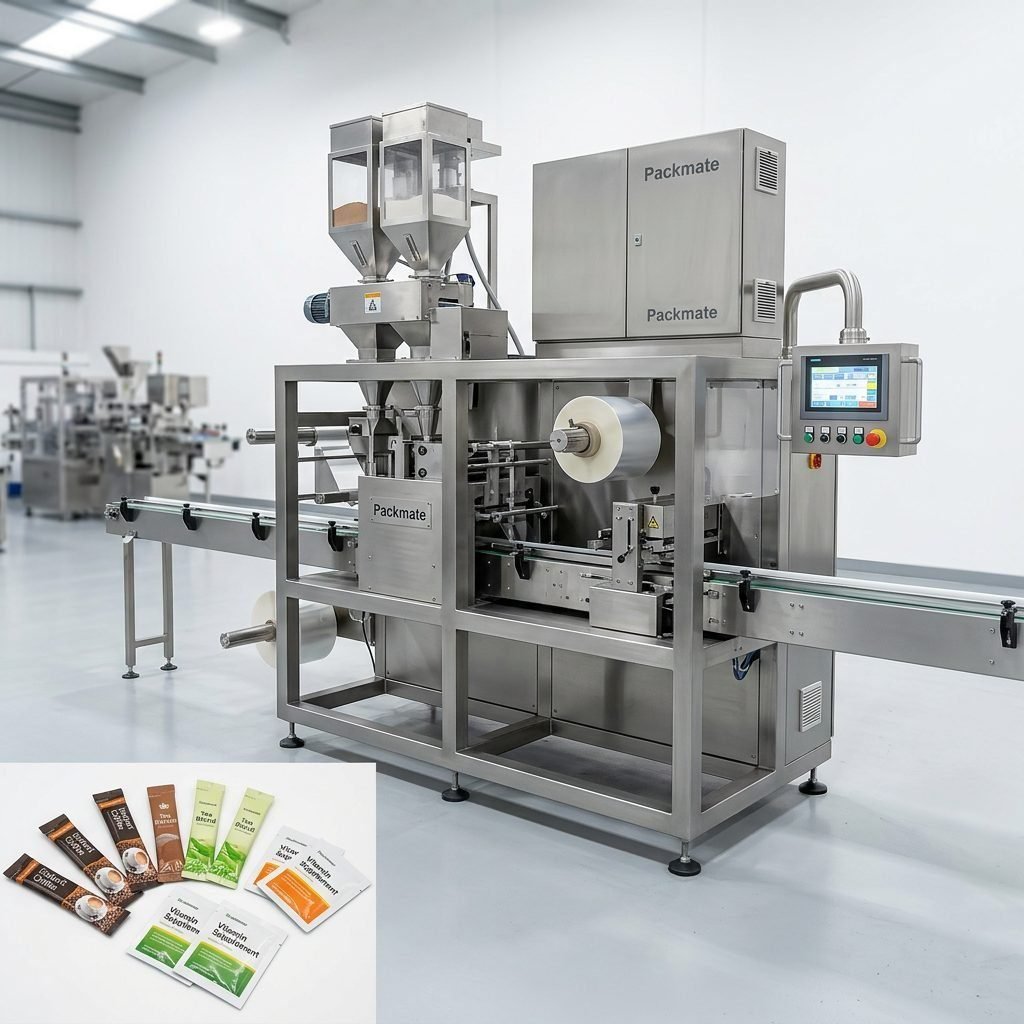
In today’s fast-paced food manufacturing landscape, automation is no longer a luxury—it’s a necessity. Companies worldwide are turning to automated packaging solutions to meet rising demand, ensure consistent quality, and maintain competitive edges. For businesses in Europe, North America, the Middle East, and other major export regions, implementing a robust food packaging automation system can be the key to unlocking significant operational advantages.
Core Benefits of Packaging Automation
The shift from manual or semi-automatic processes to fully automated lines delivers transformative benefits. Primarily, it streamlines production by creating a continuous, synchronized flow from product filling to final case packing. This eliminates bottlenecks and maximizes machine uptime. Secondly, it is a powerful tool to cut costs. Automation reduces direct labor requirements, minimizes material waste through precision dosing, and decreases costly production errors. Finally, it substantially improves safety. Automated systems handle repetitive tasks, reducing worker exposure to potential hazards, while enclosed systems enhance hygiene and minimize product contamination risks.
Key Performance Indicators (KPIs) Improved by Automation
Implementing an automated packaging line typically impacts the following metrics:
- Output Capacity: Increases of 50-300% are common.
- Labor Efficiency: Reduces direct packaging labor by 60-80%.
- Product Consistency: Improves weight accuracy and seal integrity.
- Material Waste: Can reduce overfilling and film waste by 3-7%.
- Overall Equipment Effectiveness (OEE): Significantly improves through reduced downtime and higher speed.
Streamlining Production with Integrated Lines
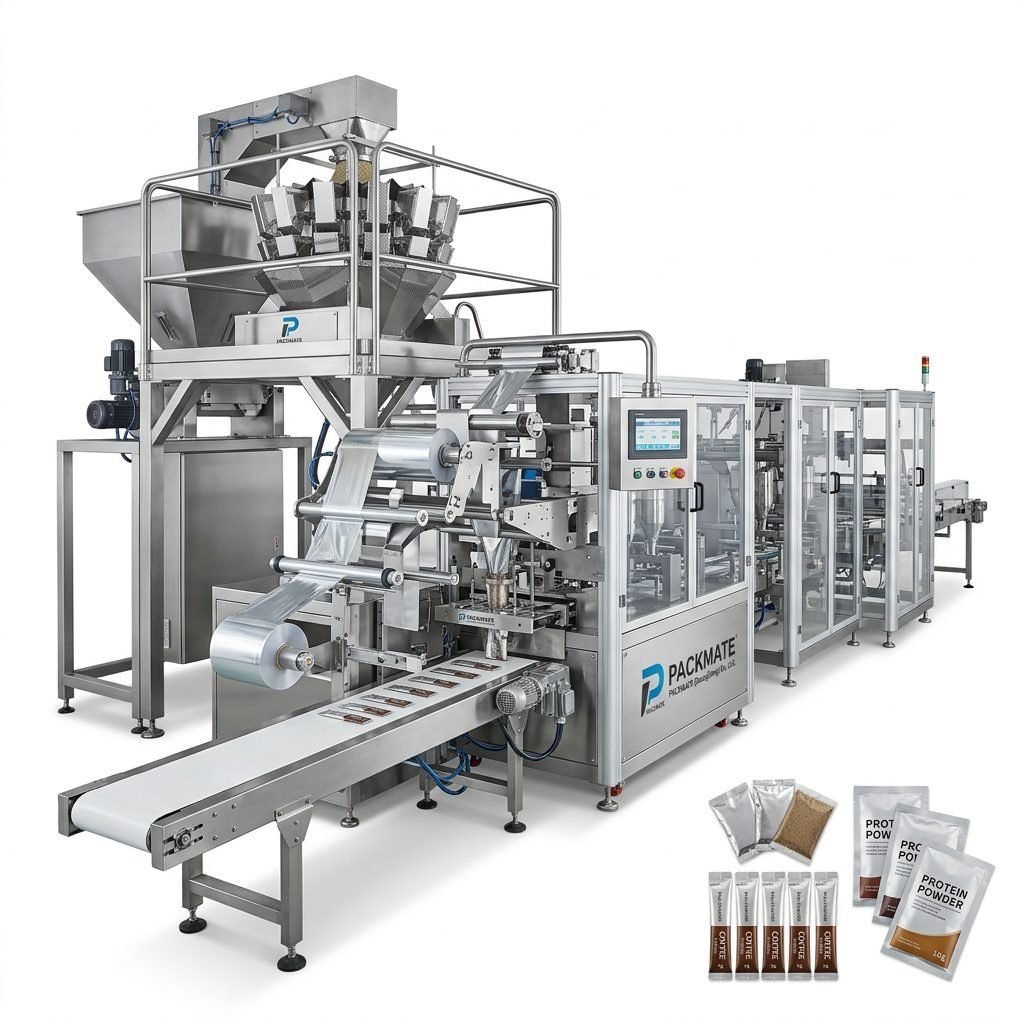
True production streamlining comes from integration. A standalone machine improves one step, but a turnkey packaging line synchronizes the entire process. For a food powder product, this might involve an automated line comprising a bulk supply hopper, precision multi-head weigher, multi-lane vertical form-fill-seal (VFFS) machine, vision inspection system, and automatic cartoner. This seamless flow eliminates manual transfer points, accelerates throughput, and ensures consistent package quality from start to finish.
Technology Enablers for Efficiency
Modern systems leverage several key technologies. Servo-driven mechanics allow for precise, high-speed motion control. PLC-based control systems with intuitive HMIs (Human-Machine Interfaces) enable quick changeovers between different product formats or bag sizes. Integrated checkweighers and vision systems provide 100% inline quality inspection, rejecting underweight, overweight, or poorly sealed packs automatically. This level of control is essential for food manufacturers serving strict markets like Europe and North America.
Strategic Cost Reduction Beyond Labor
While labor savings are evident, the financial benefits of automation run deeper. Precision filling systems ensure optimal product give-away, saving thousands in raw material costs annually. Automated line monitoring software tracks production data, identifying inefficiencies and predictive maintenance needs before they cause expensive unplanned downtime. Furthermore, consistent, high-quality packaging reduces customer returns and complaints, protecting brand reputation and revenue. For companies like Ludyway, which exports globally, helping clients achieve a faster return on investment (ROI) through total cost of ownership savings is a critical part of their solution offering.
Sample Cost-Benefit Analysis (Powder Packaging Line)
| Cost Factor | Manual/Semi-Auto | Fully Automated Line | Annual Savings |
|---|---|---|---|
| Labor (2 shifts) | 8 operators | 2 operators | High |
| Product Give-Away | ~2.5% | ~0.8% | Significant |
| Packaging Film Waste | 5% | 2% | Moderate |
| Rejection/Return Rate | 1.5% | 0.3% | Direct & Reputational |
Note: Actual figures vary based on product, speed, and local wage rates. This table illustrates typical directional savings.
Elevating Safety and Hygiene Standards
Food safety is paramount. Automated packaging minimizes human contact with the product, a critical factor in meeting HACCP, FDA, and EU food safety regulations. Systems can be constructed with stainless steel, feature CIP (Clean-in-Place) capabilities, and include protective guarding. For pharmaceutical or health supplement applications, this is even more crucial. Specialized manufacturers, such as those focusing on niche areas like nicotine pouch packaging, design machines with hygiene and precision as top priorities to meet stringent industry standards.
Ergonomic and Workplace Safety
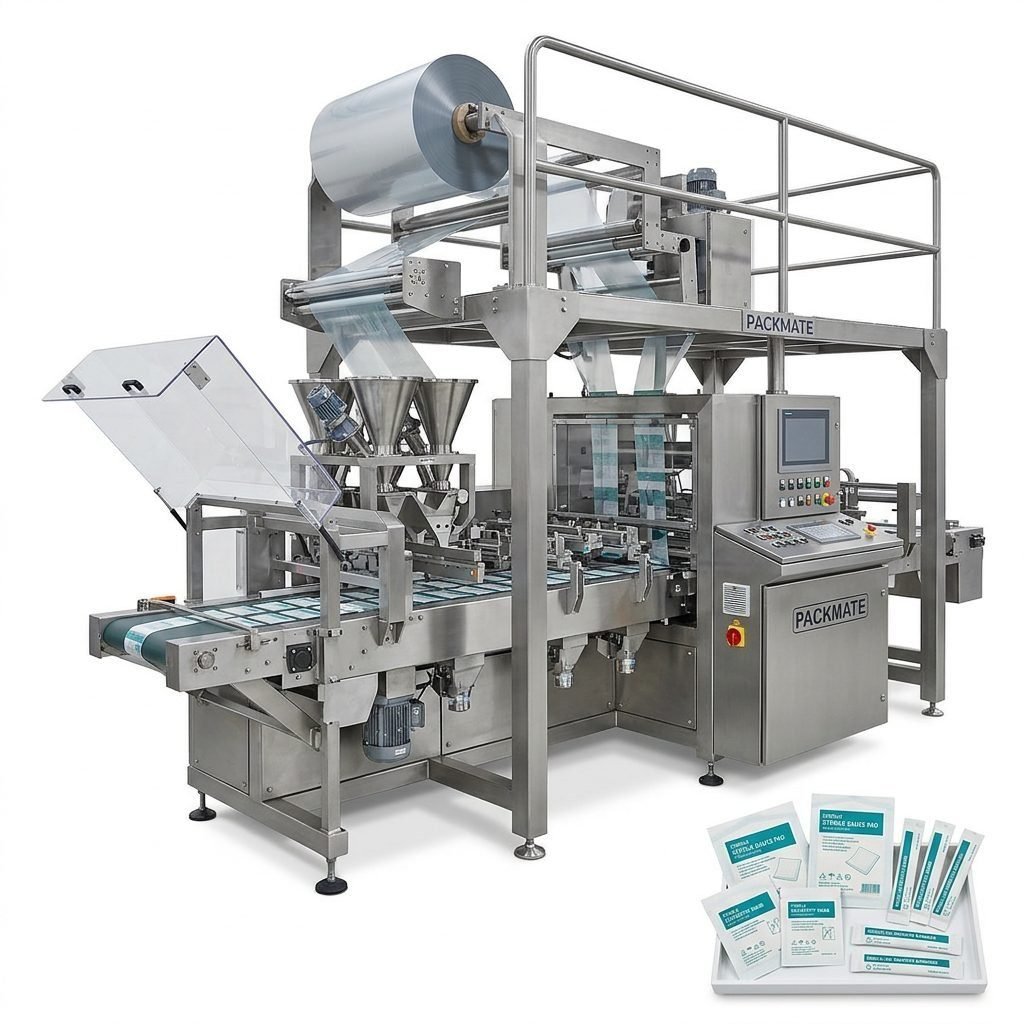
Automation also improves workplace safety ergonomically. It eliminates repetitive strain injuries from manual filling and stacking. Automated palletizers and case packers remove the need for heavy lifting. The enclosed nature of modern machines, like those from Packmate Machinery, protects operators from moving parts and potential pinch points, creating a safer working environment and reducing liability.
Choosing the Right Automation Partner
Selecting a supplier is a strategic decision. Key considerations include:
- Application Expertise: Does the supplier have experience with your specific product type (powder, granule, liquid, paste)?
- Technical Capability: Can they provide a single machine or a fully integrated, customized turnkey line?
- Global Support: For exporters, having access to reliable after-sales service and spare parts is non-negotiable.
- Scalability: Can the solution grow with your business, from a single machine to a multi-line facility?
Leading Chinese manufacturers have made significant strides in these areas, combining decades of manufacturing experience with modern engineering to offer high-value solutions for international markets.
Implementation Roadmap
Successful automation requires careful planning. The process typically involves: 1) Needs Analysis (defining output, products, bag types), 2) Line Design & Quotation, 3) Factory Acceptance Test (FAT) at the supplier’s facility, 4) Installation & Commissioning at your plant, and 5) Training & Ongoing Support. Working with a partner that guides you through this process ensures a smooth transition and maximizes the success of your investment.
Frequently Asked Questions (FAQs)
What is the typical payback period for a food packaging automation line?
Payback periods vary widely based on line complexity, labor costs, and production volume. For a complete turnkey line, many operations see a full return on investment within 1 to 3 years through labor savings, reduced waste, and increased output.
How difficult is it to change over an automated line for different products or bag sizes?
Modern automated lines are designed for quick changeover. With servo technology and recipe storage on the PLC, changeover times for similar products can often be reduced to under 30 minutes, minimizing downtime and enhancing flexibility for short production runs.
Can automation handle fragile or irregularly shaped food products?
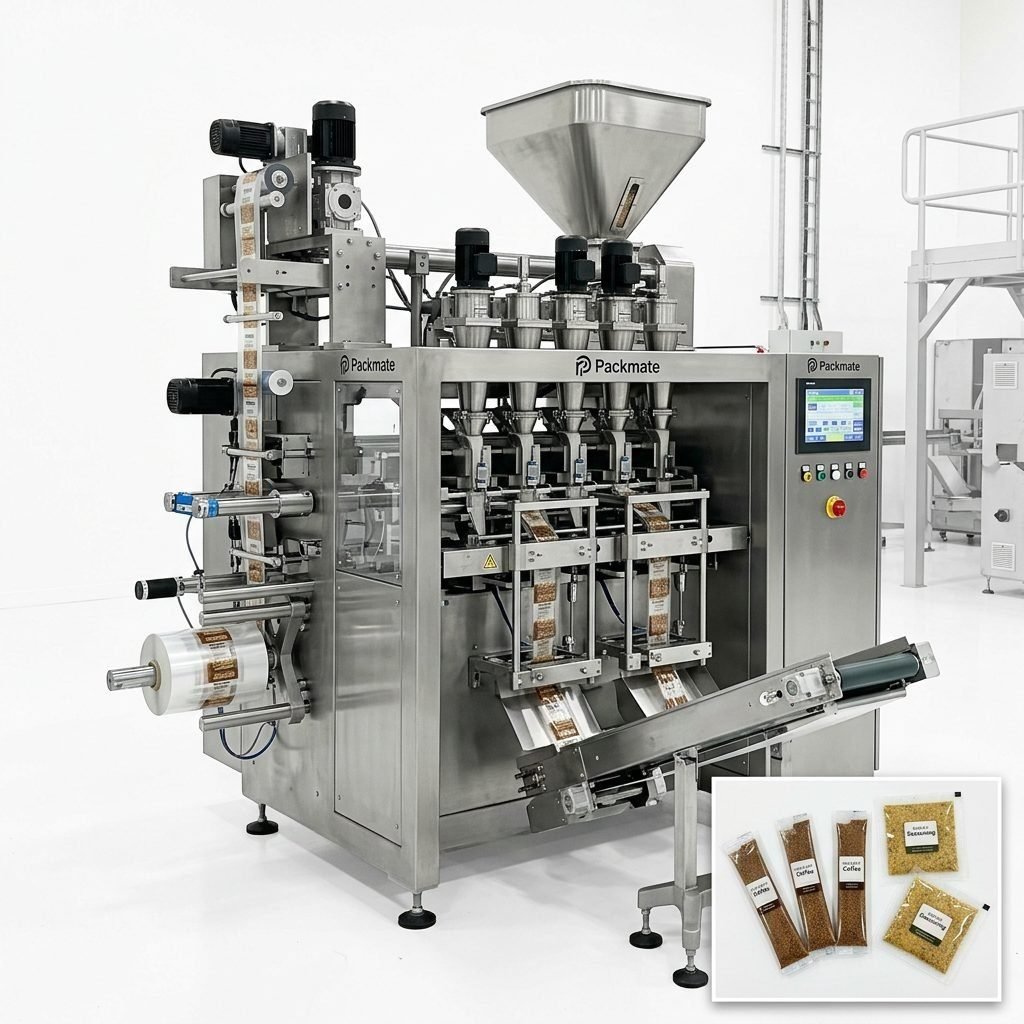
Yes. With customized feeding, handling, and dosing systems—such as gentle vibratory trays, cup fillers, or auger fillers designed for specific product characteristics—automation can successfully package a vast array of products, from fragile flakes to sticky pastes.
Is automation only suitable for large-scale manufacturers?
Not at all. While benefits scale with volume, modular and scalable solutions exist for small to medium enterprises (SMEs). A single, multi-functional automated machine can significantly boost the productivity and consistency of a smaller operation, providing a stepping stone to full-line automation.
What are the main maintenance requirements for an automated packaging line?
Regular preventive maintenance is key. This typically includes daily cleaning, lubrication of moving parts as per the manual, inspection of seals and wear parts, and calibration of weighing systems. A reliable supplier will provide a comprehensive maintenance schedule and training for your technical staff.